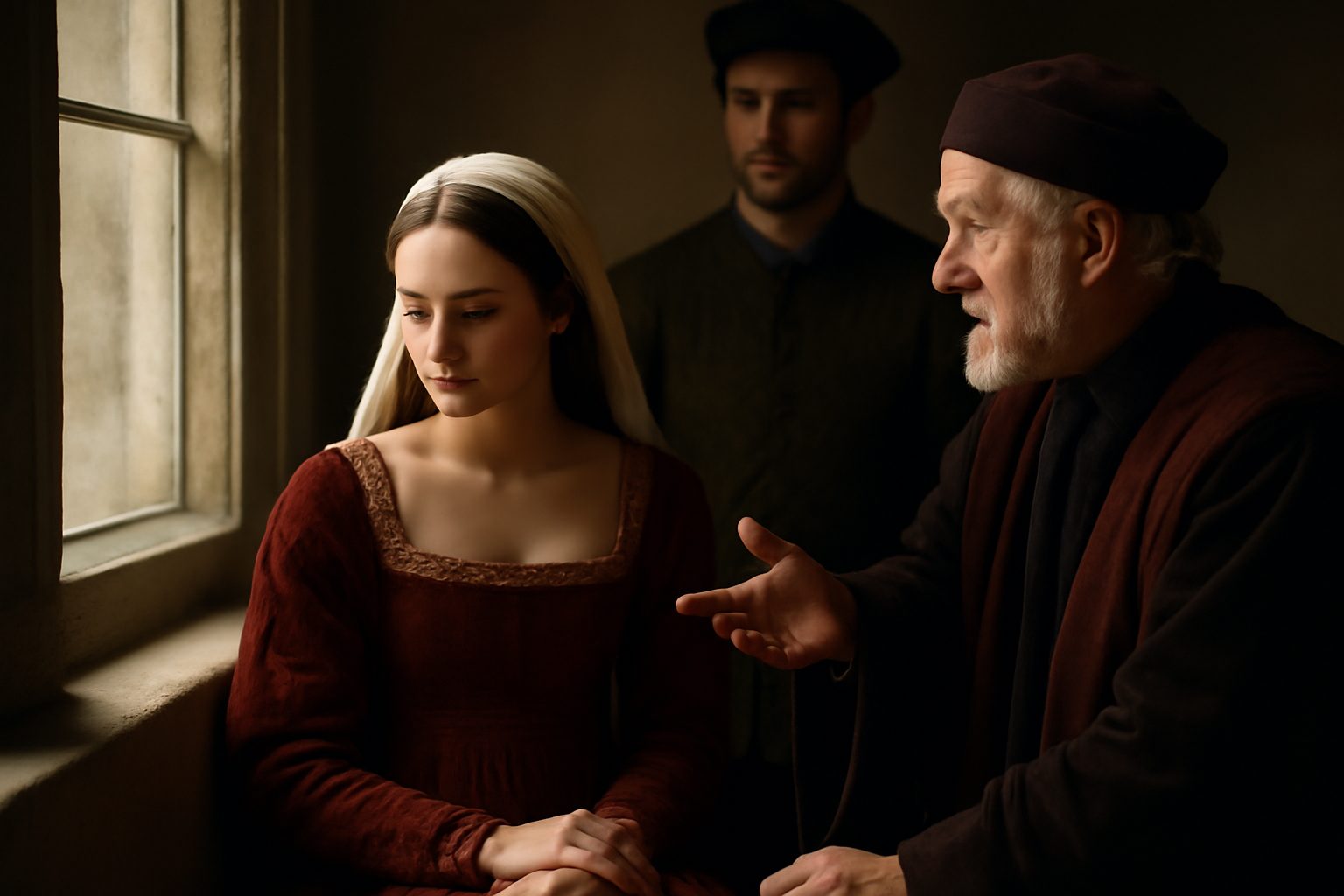
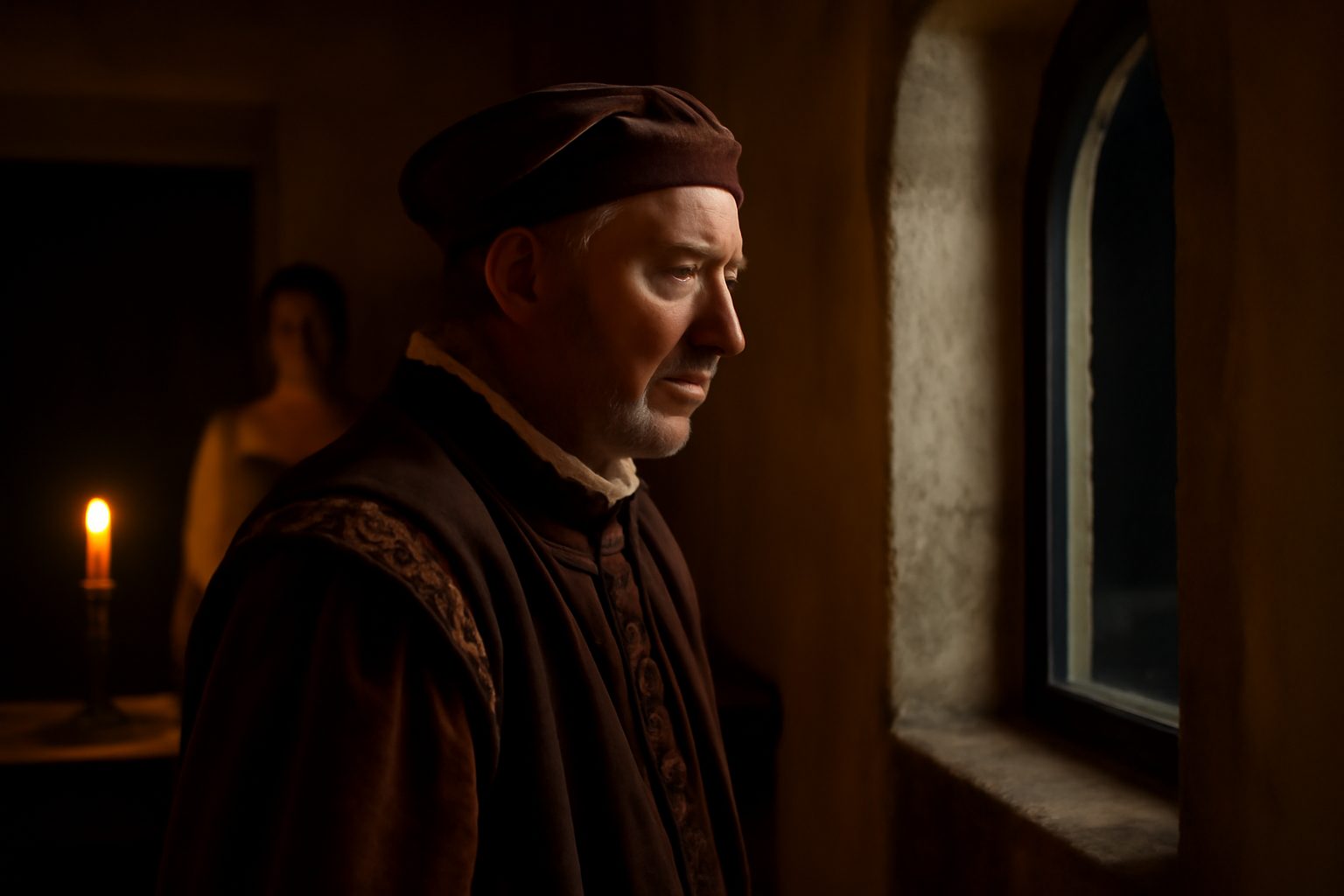
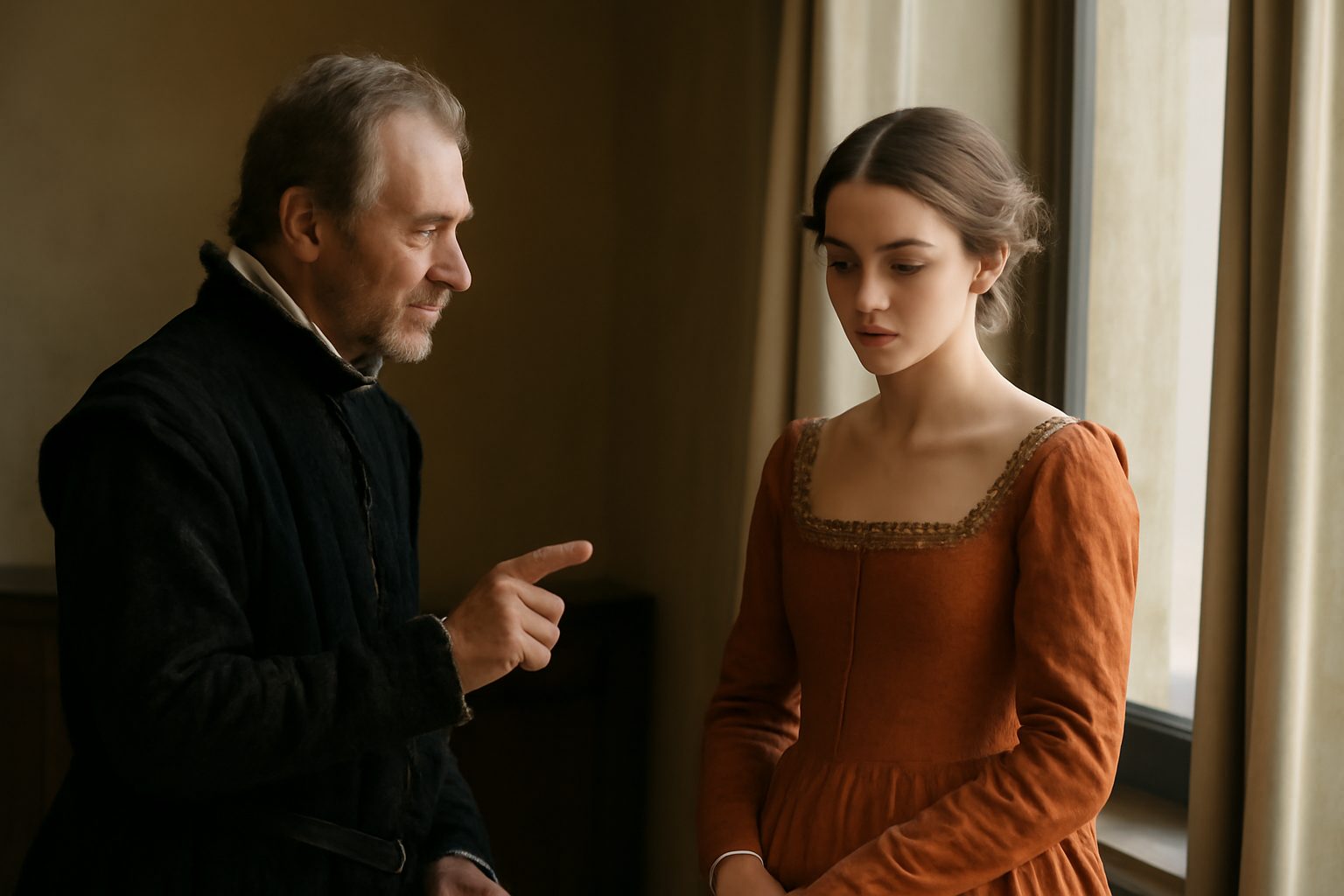
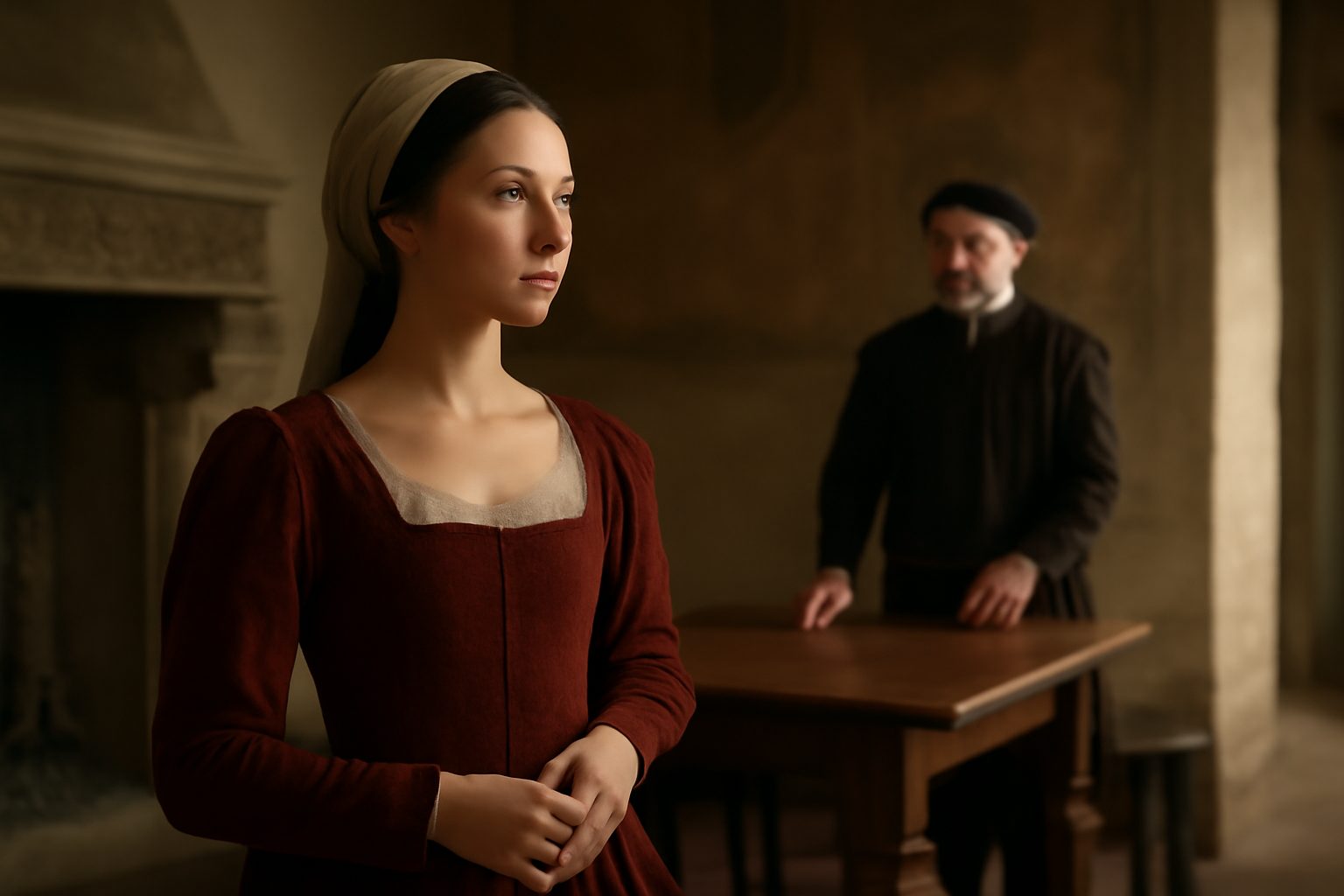
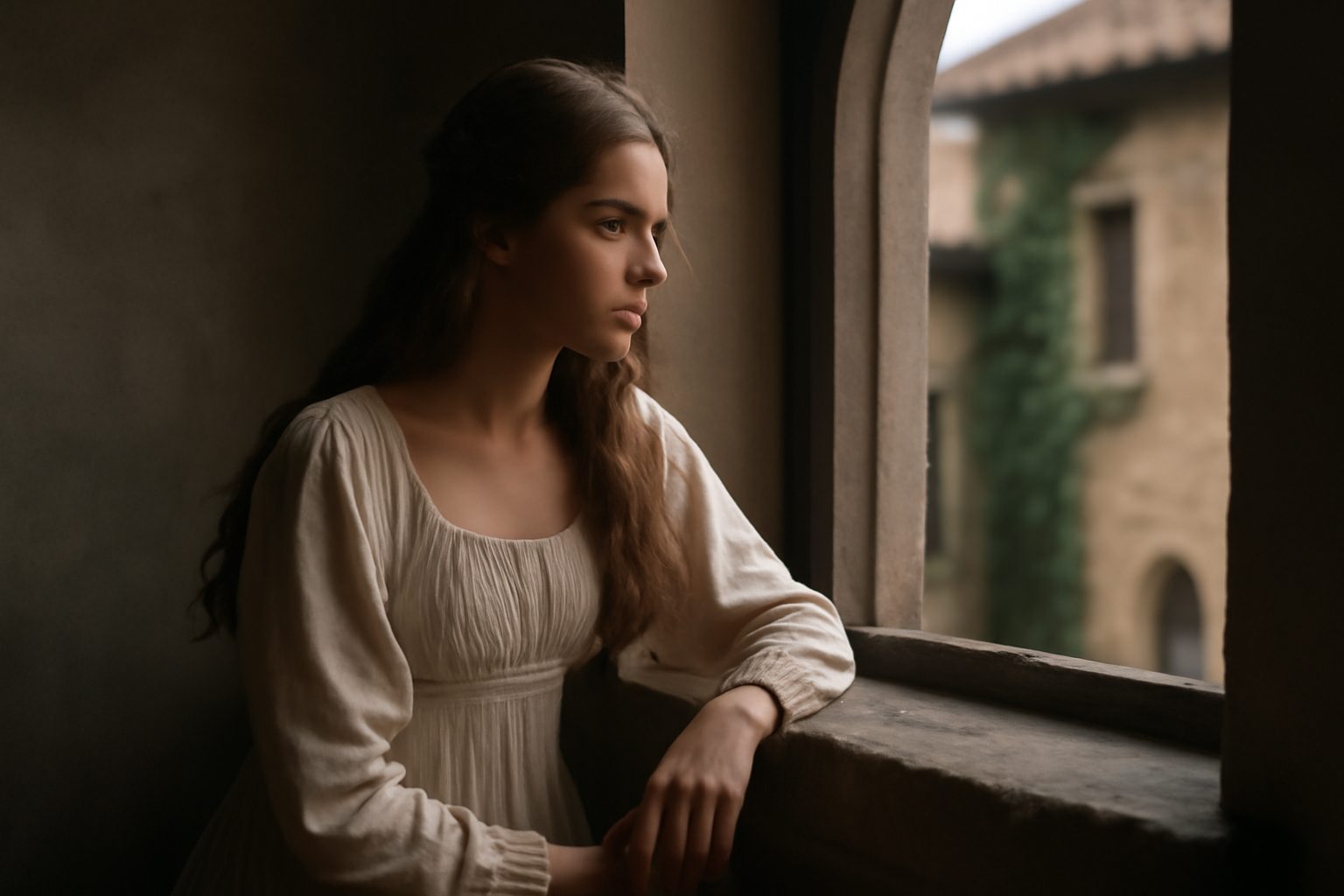
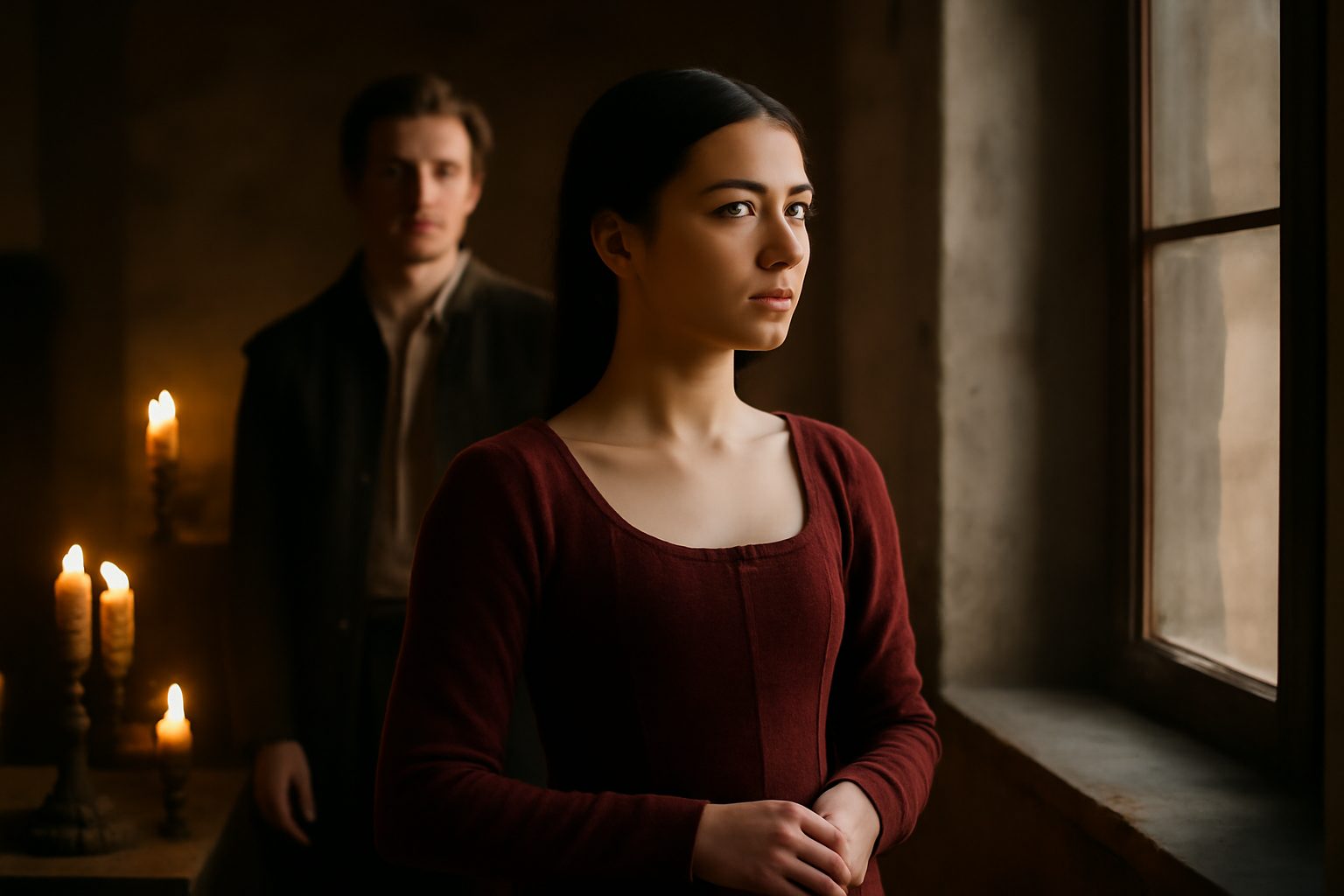
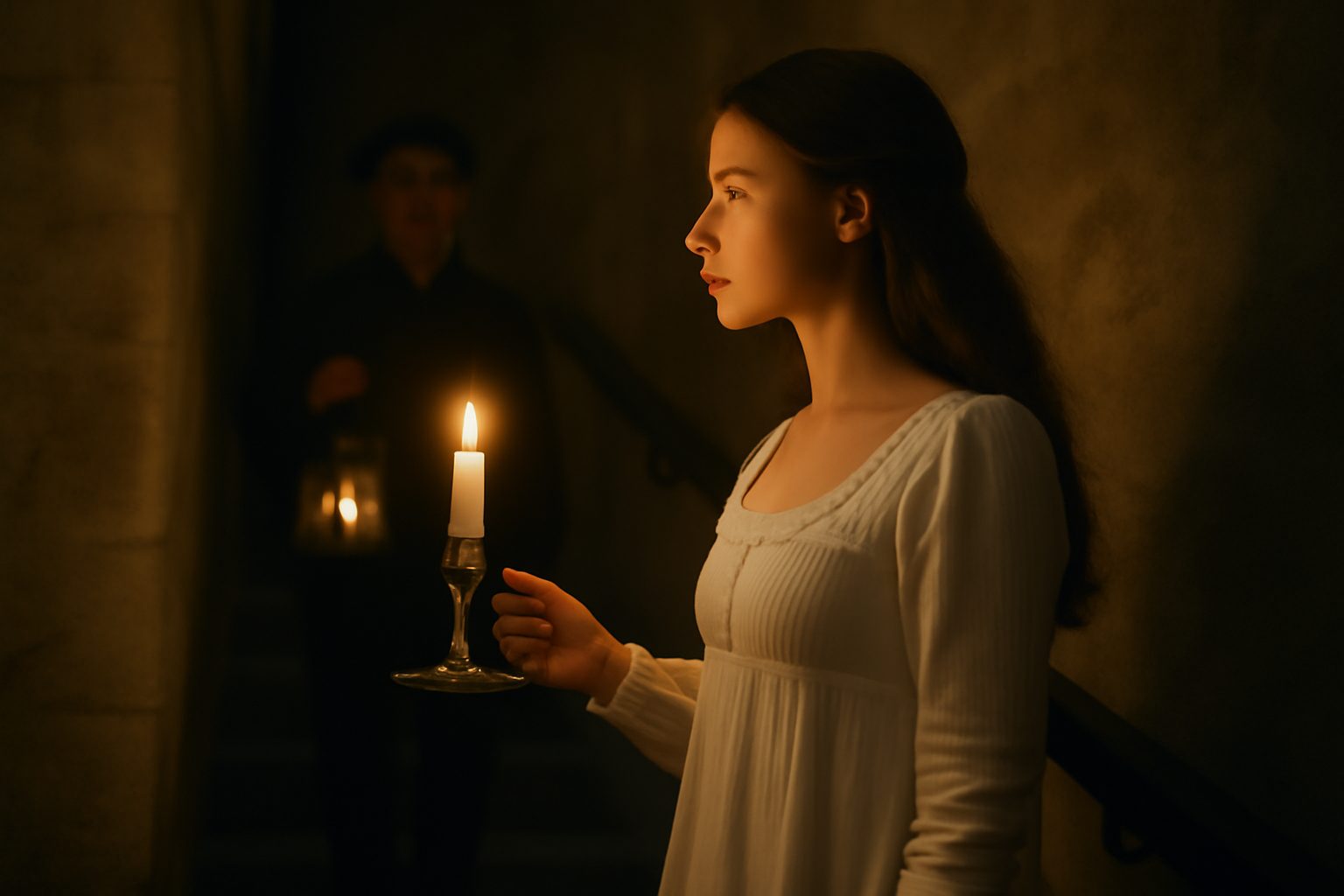
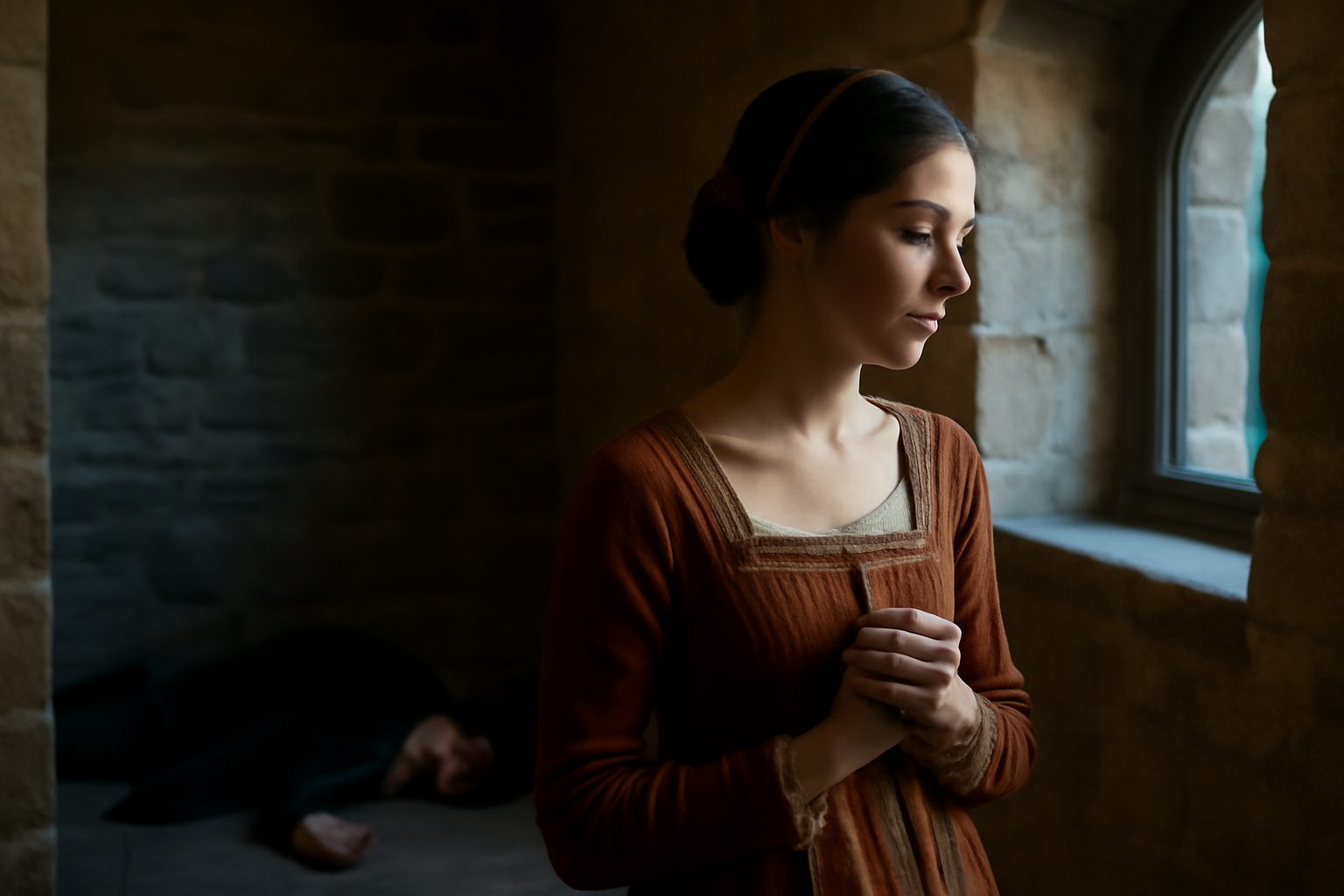
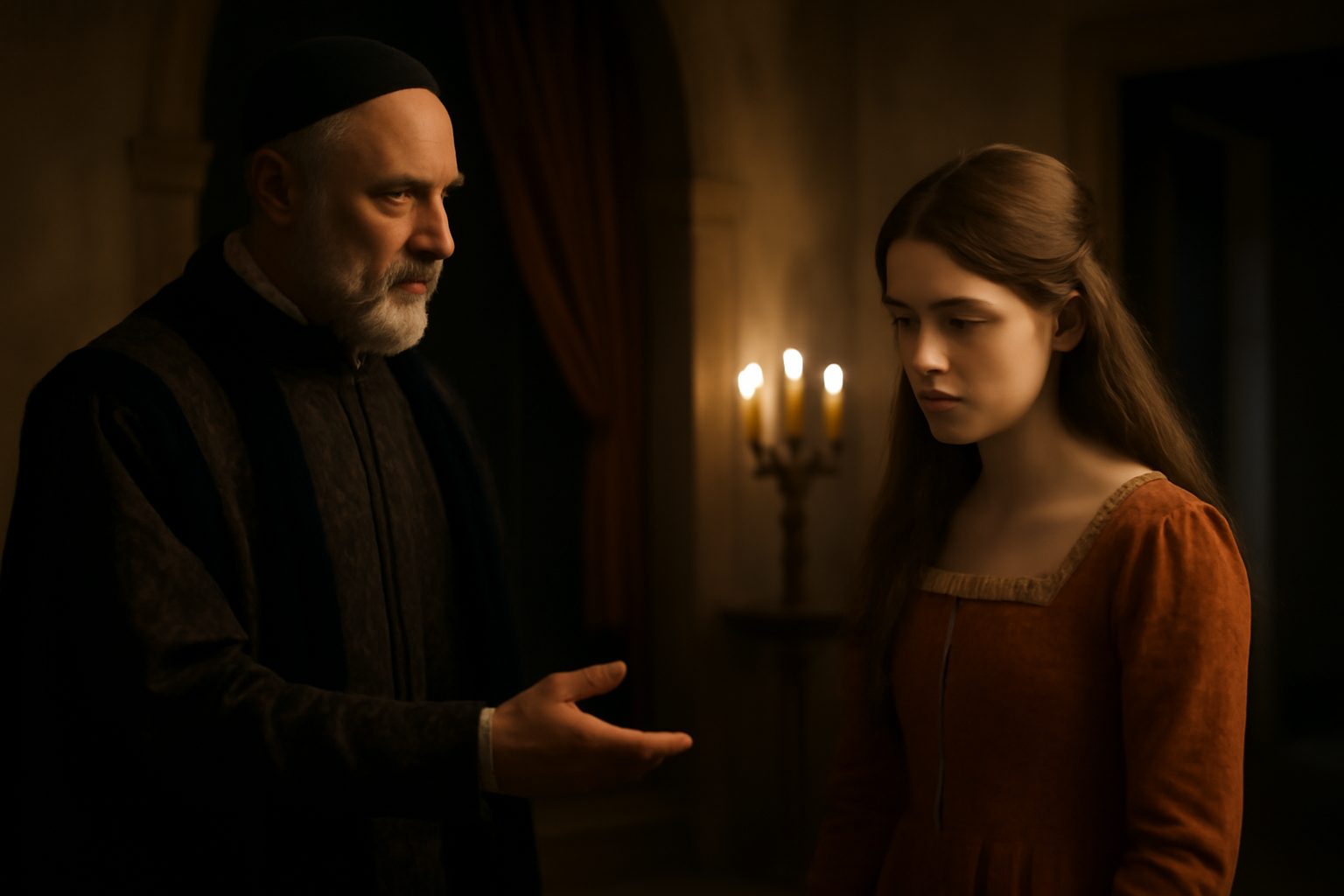
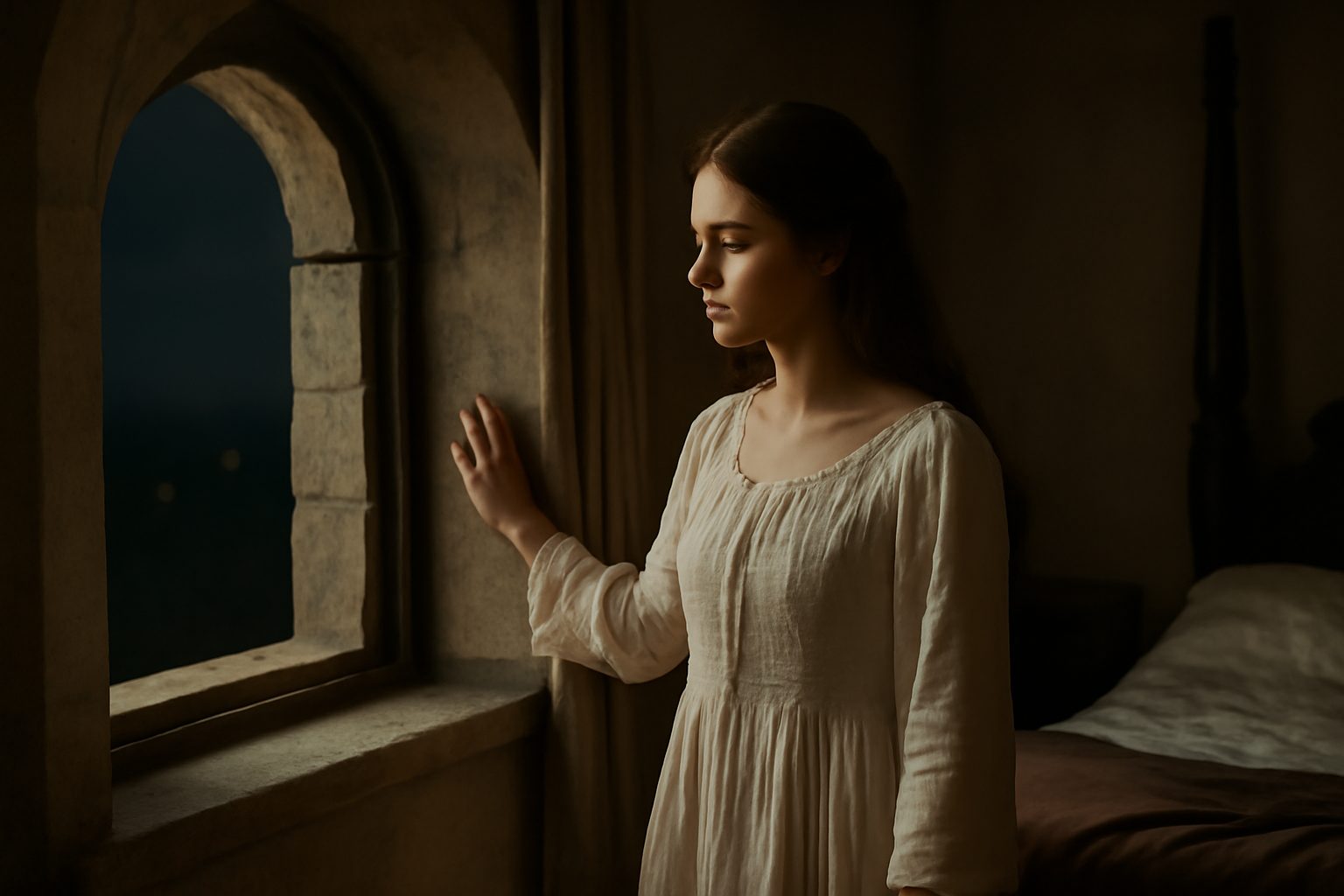
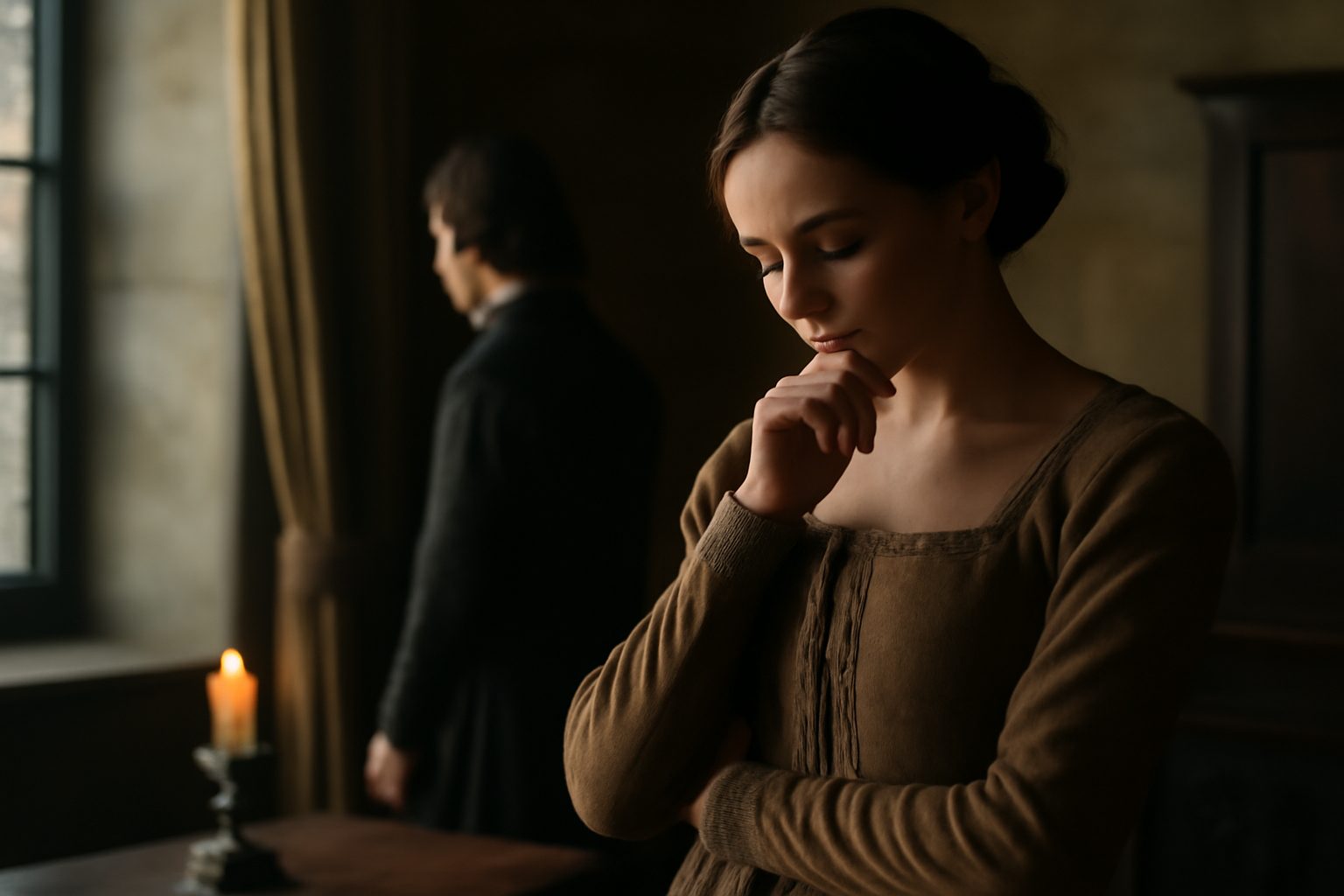
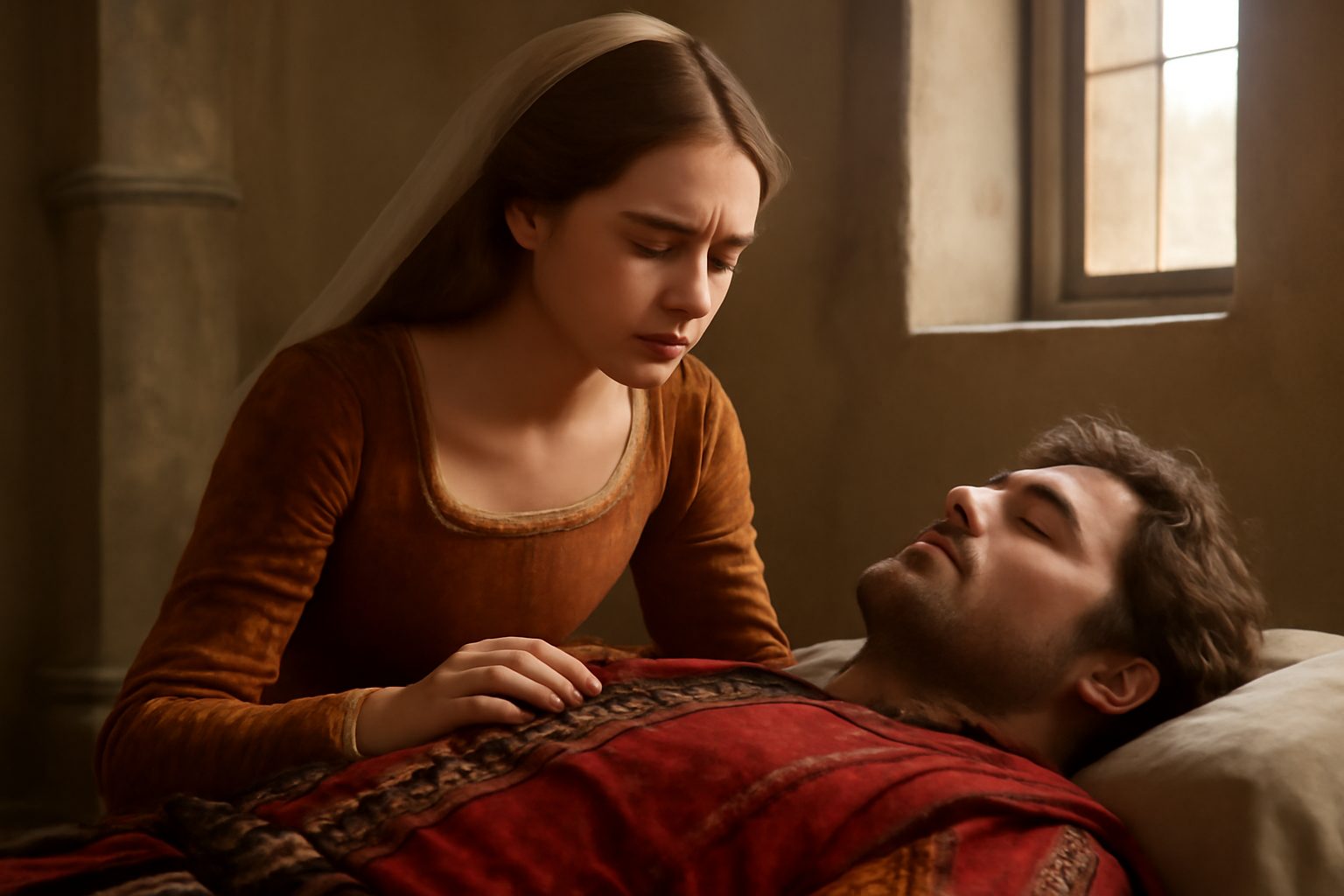
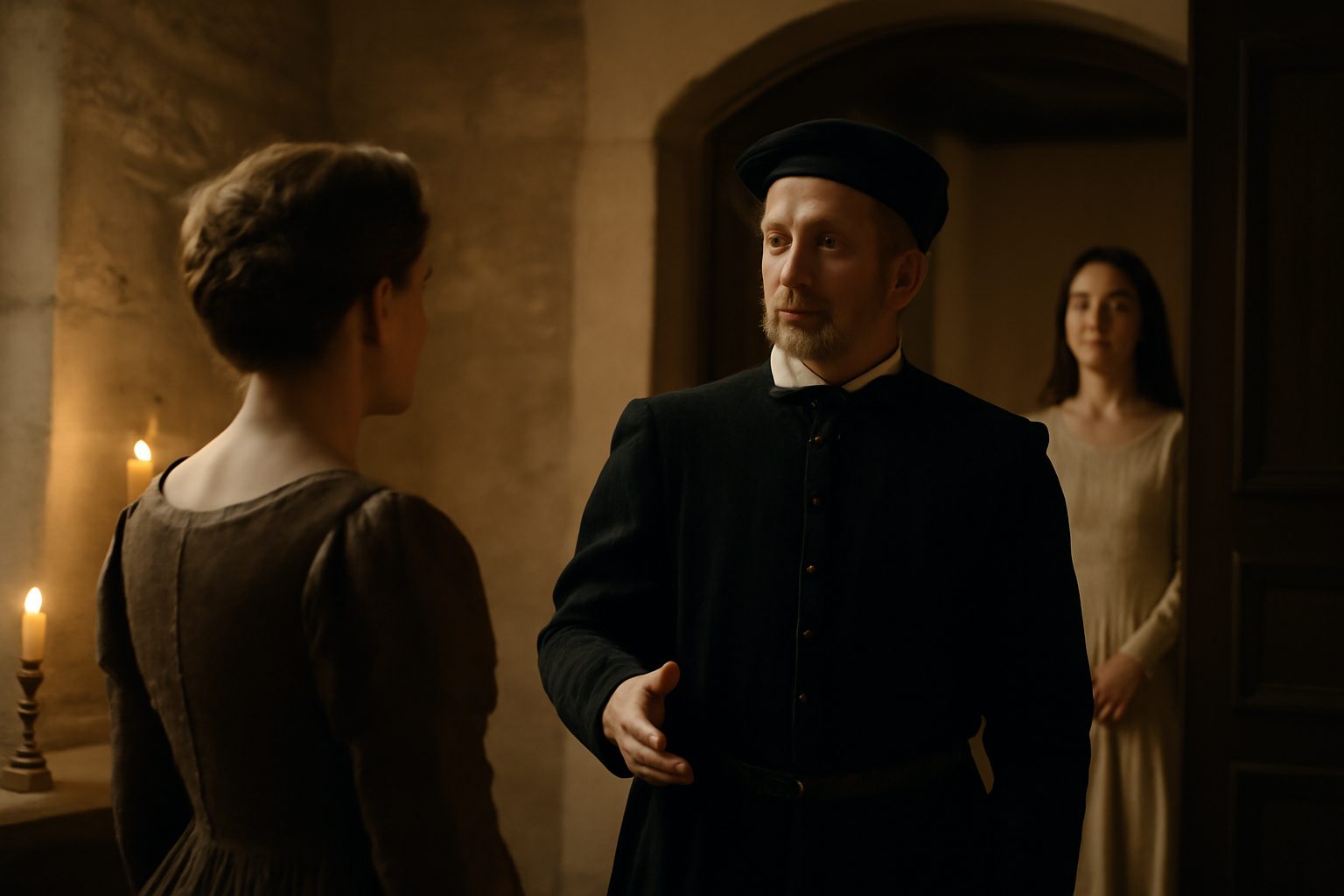
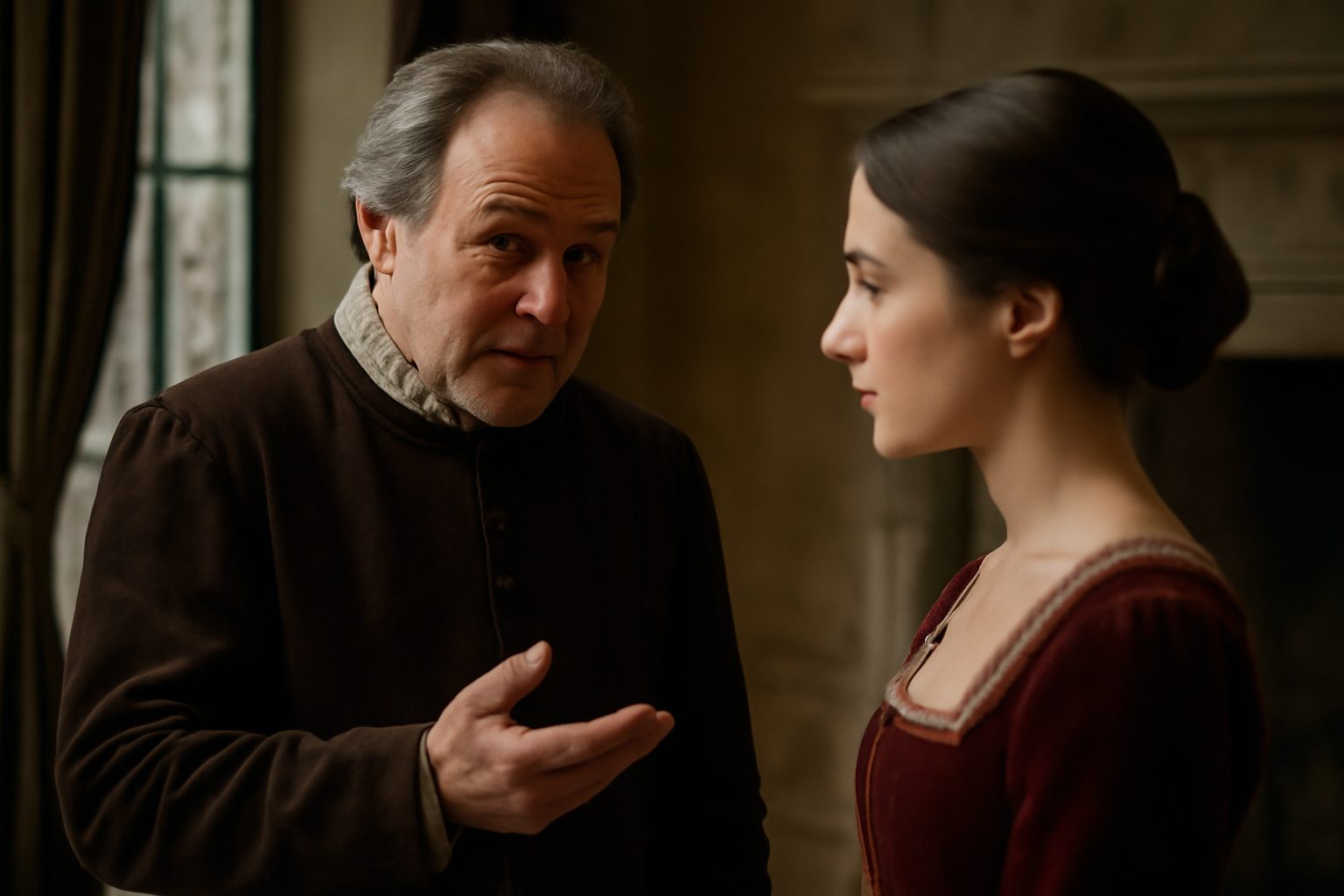
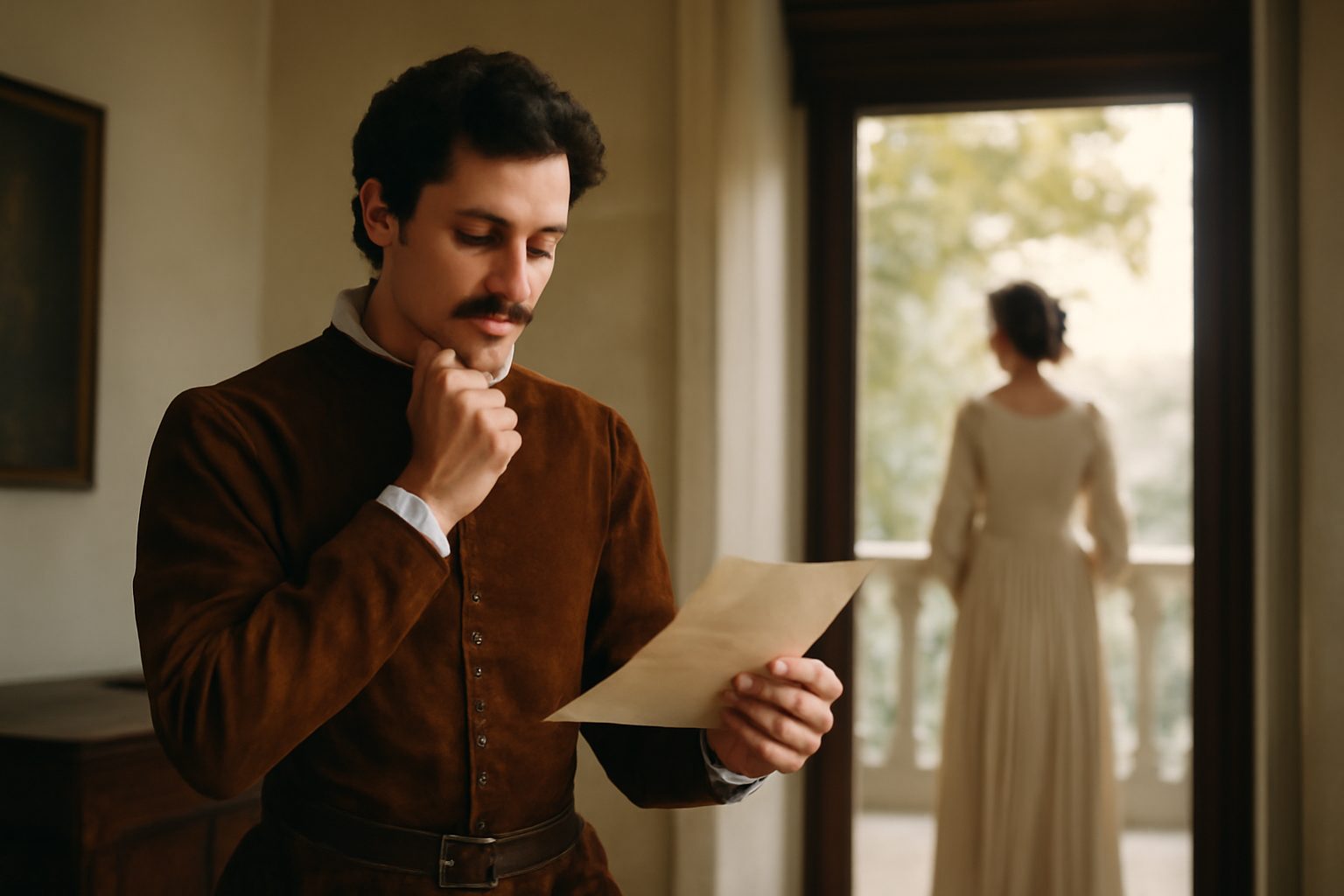
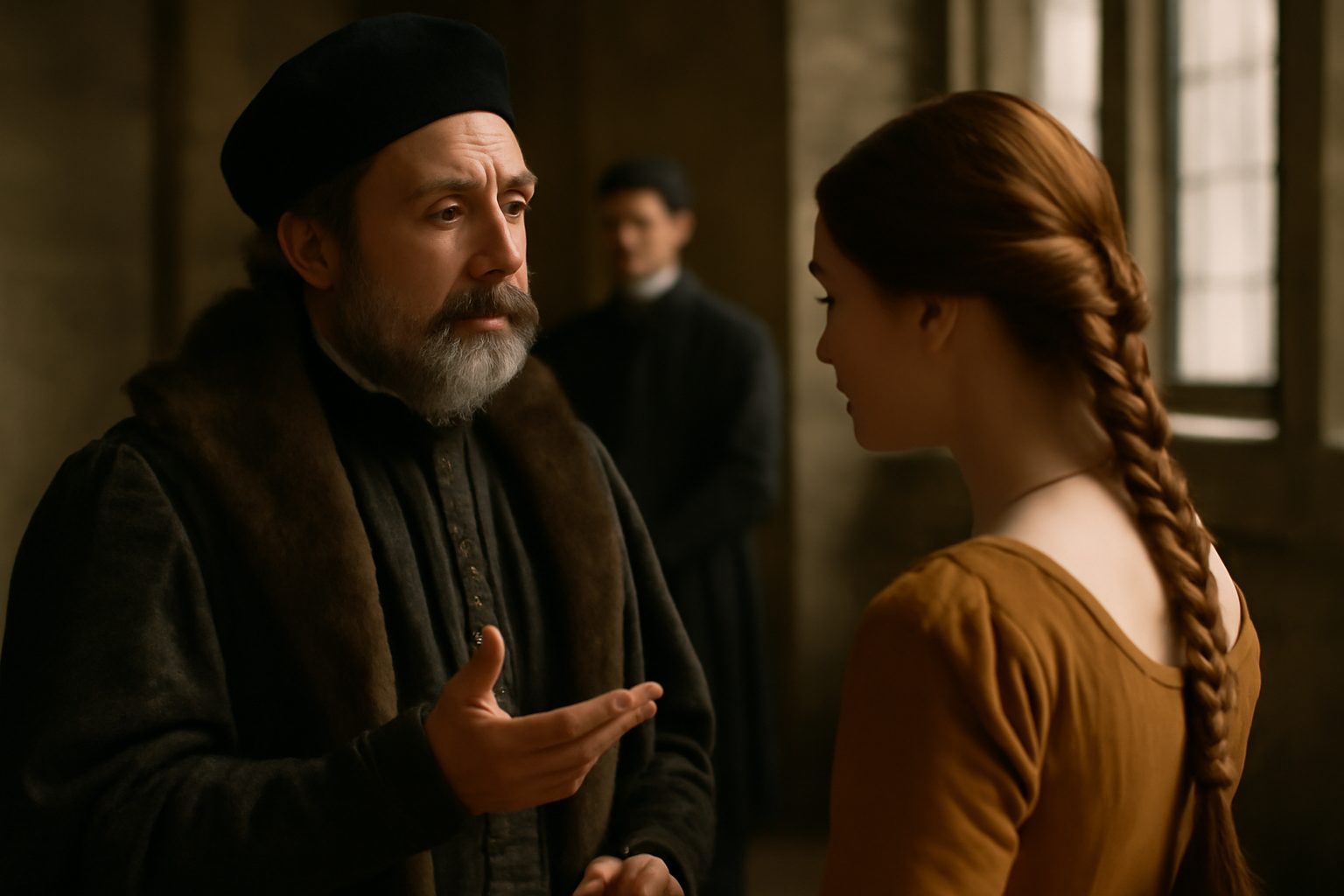
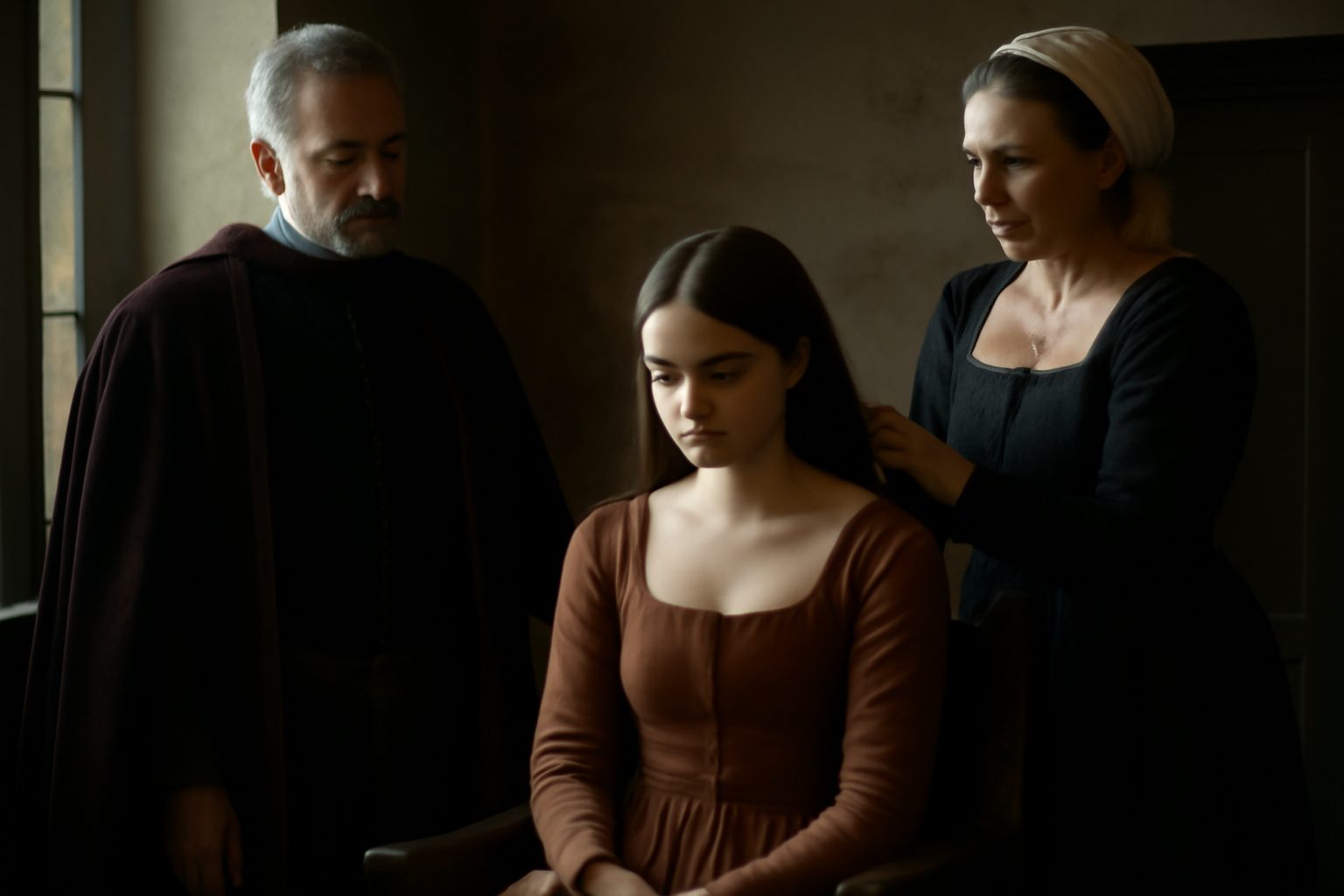
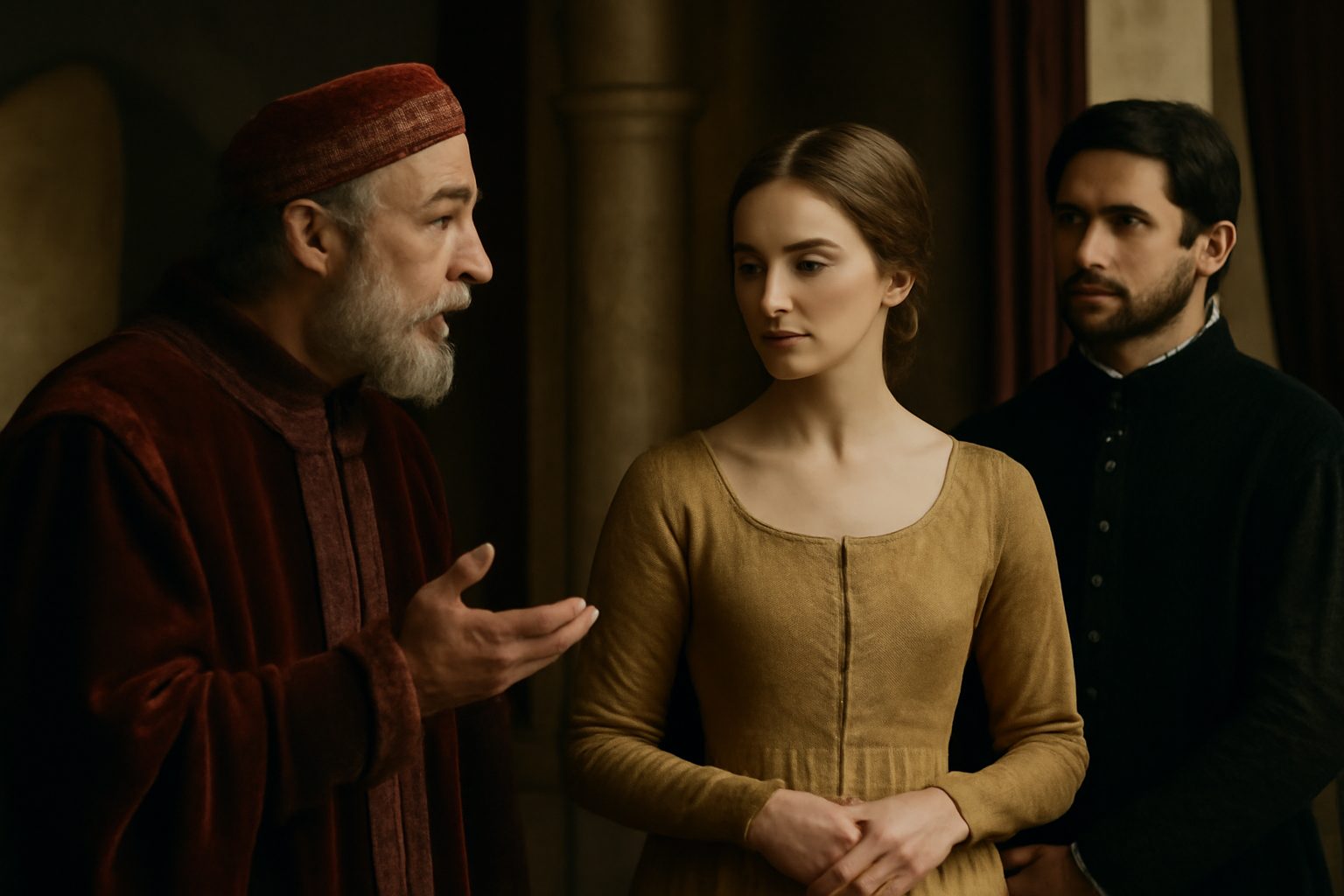
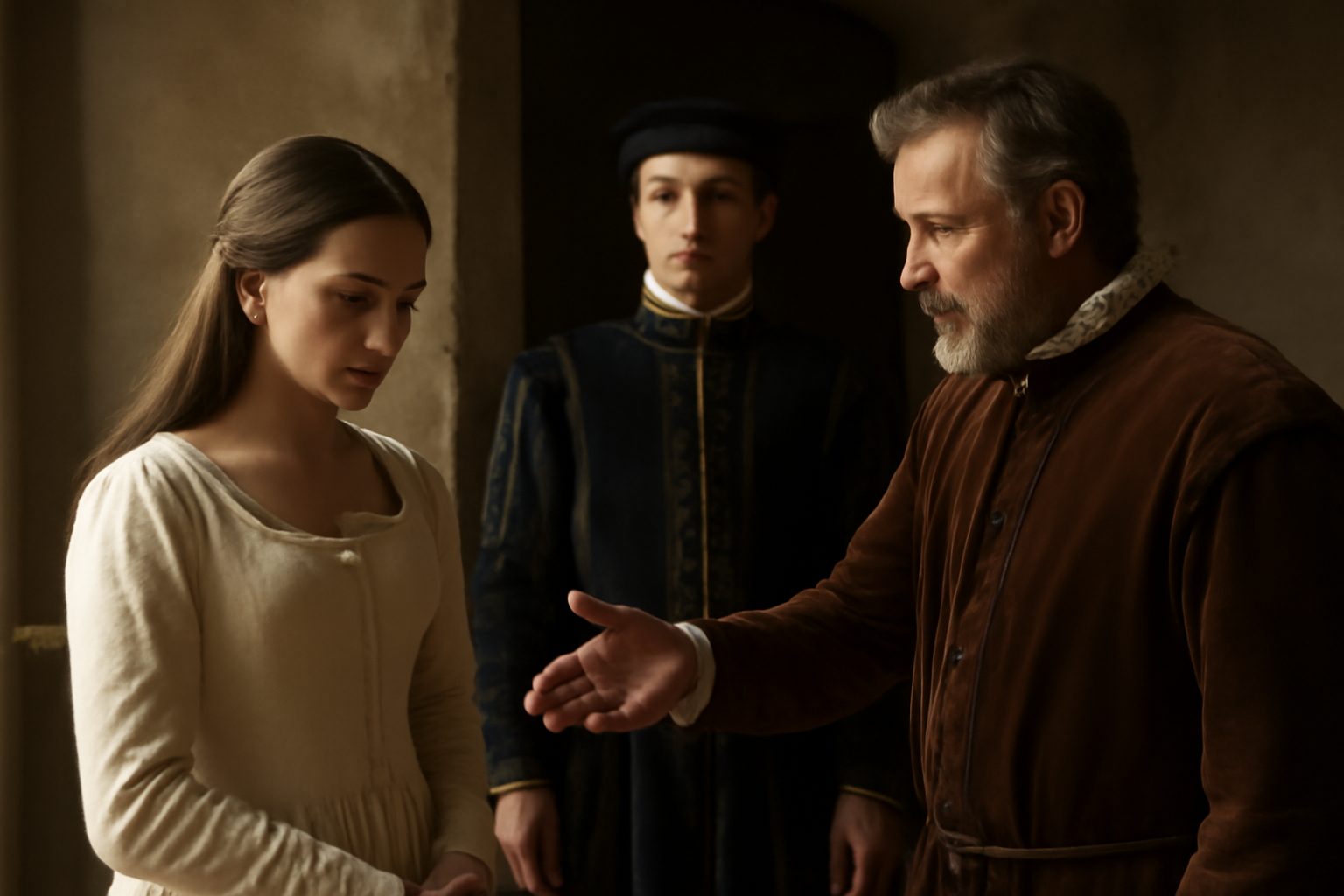
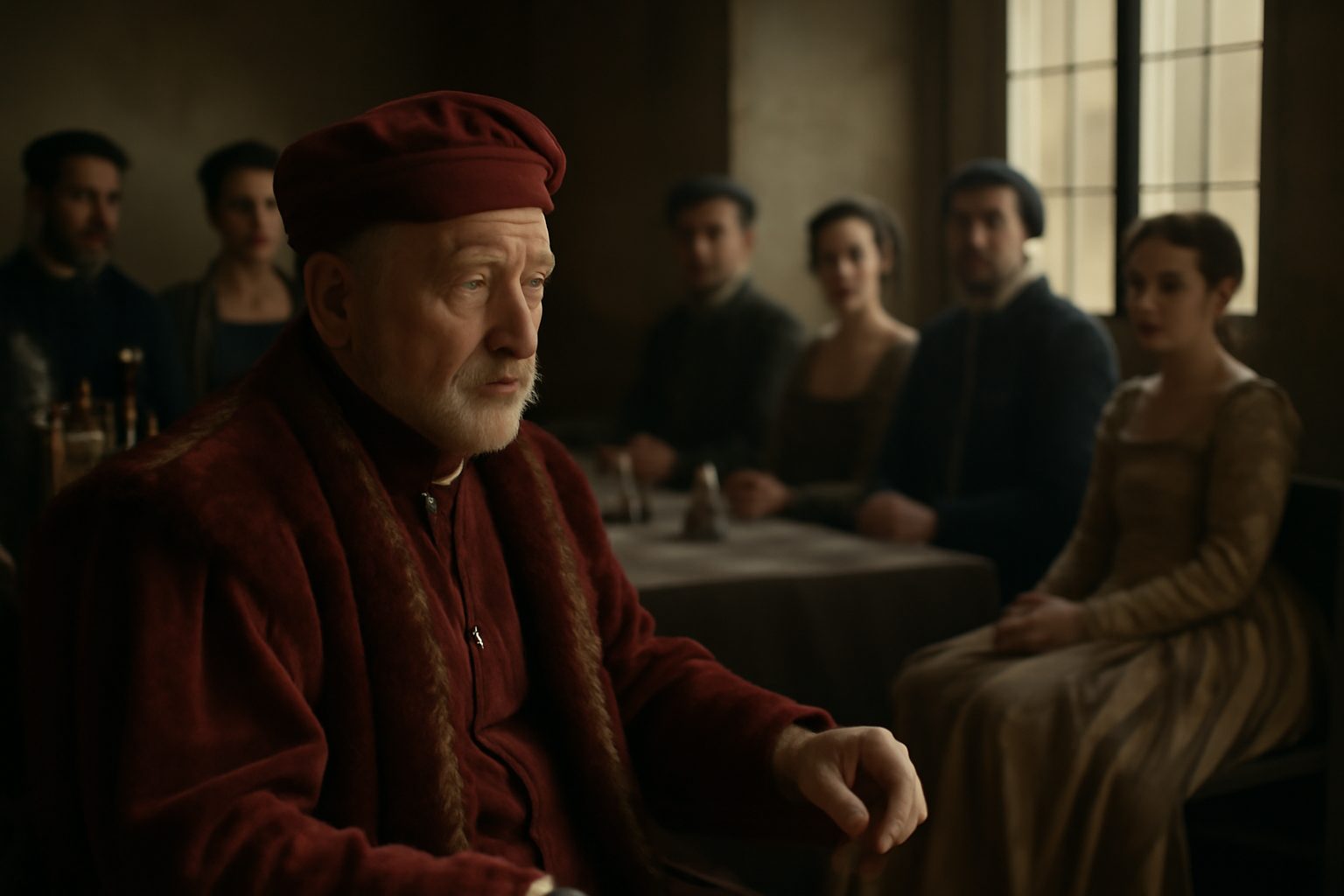
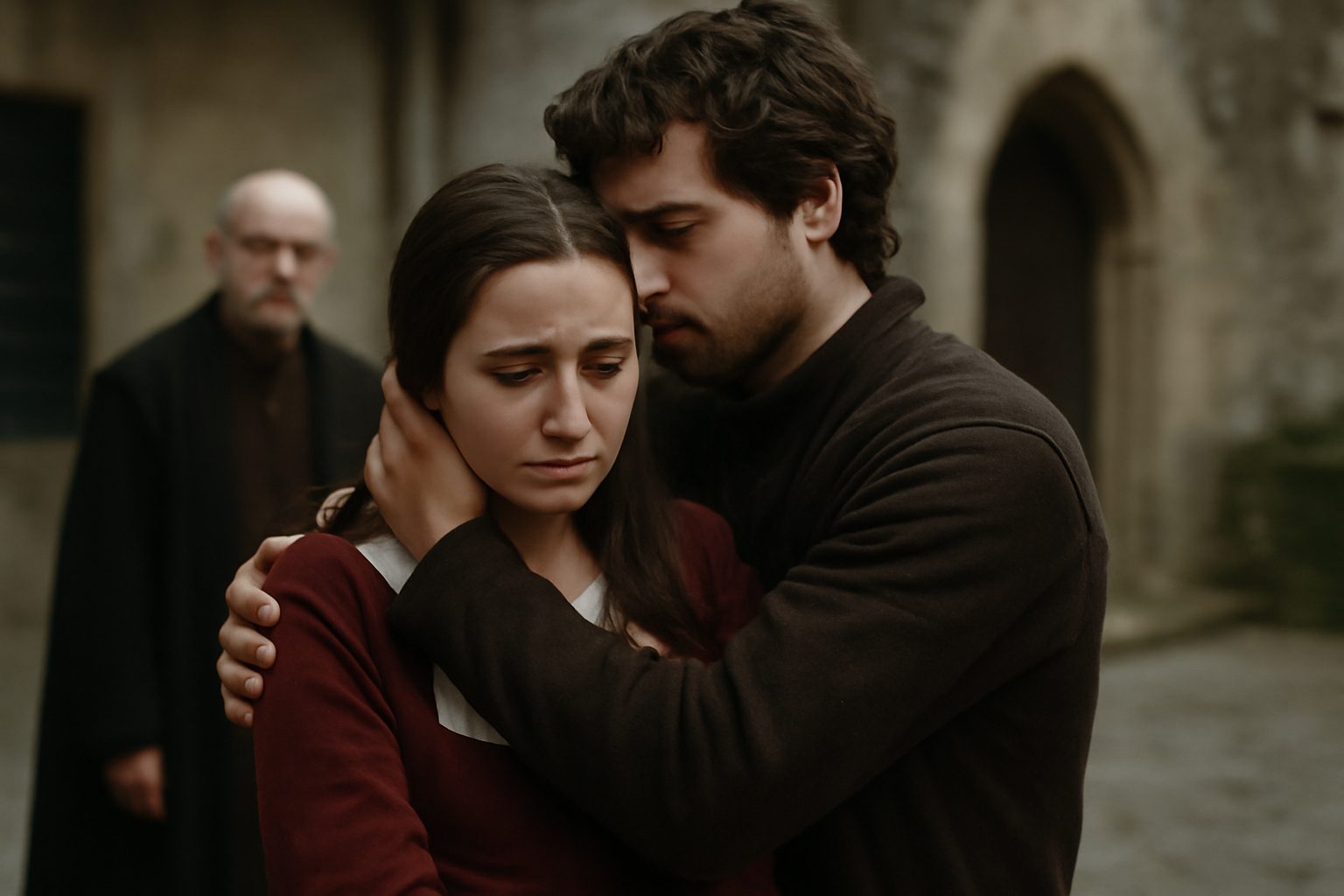
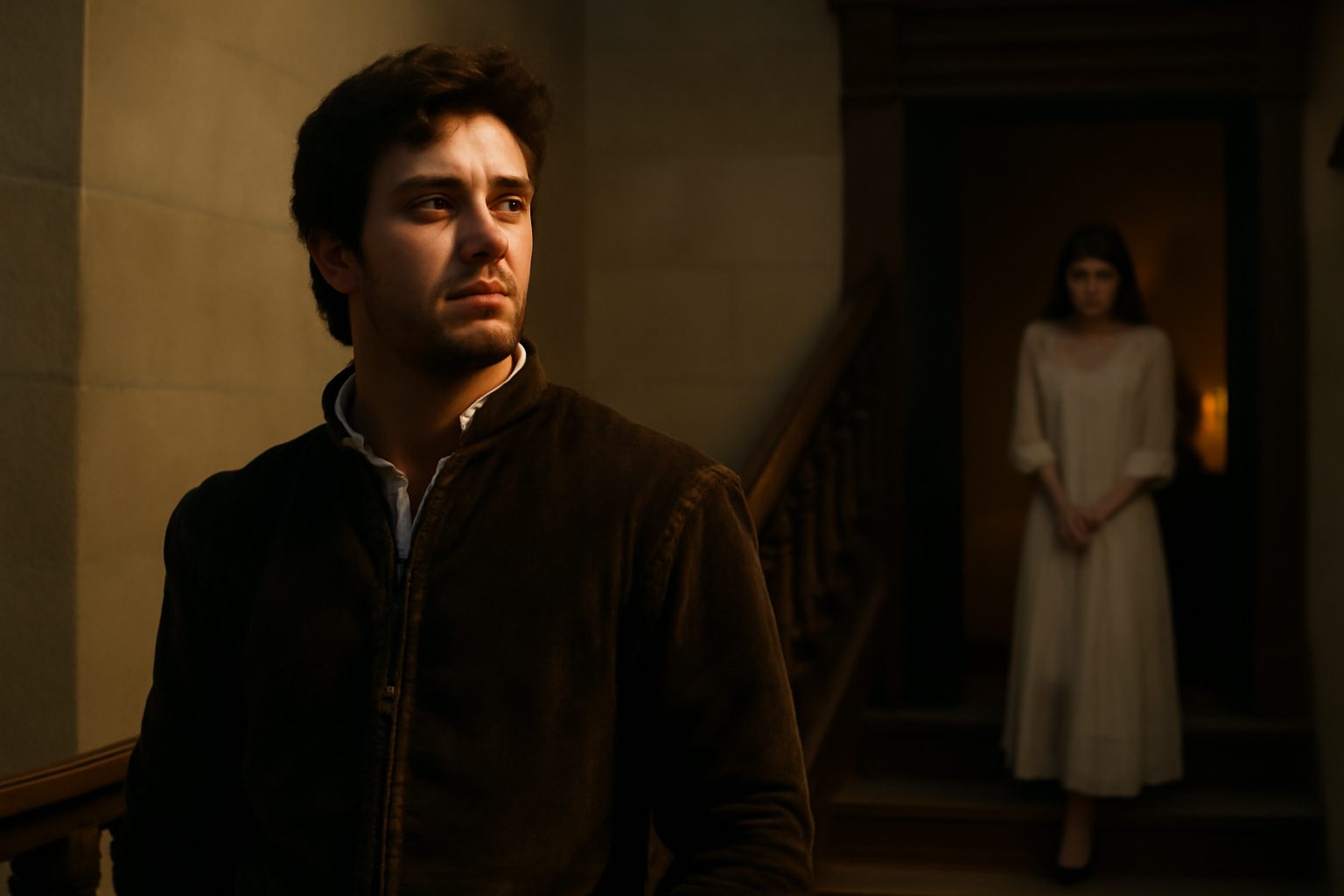
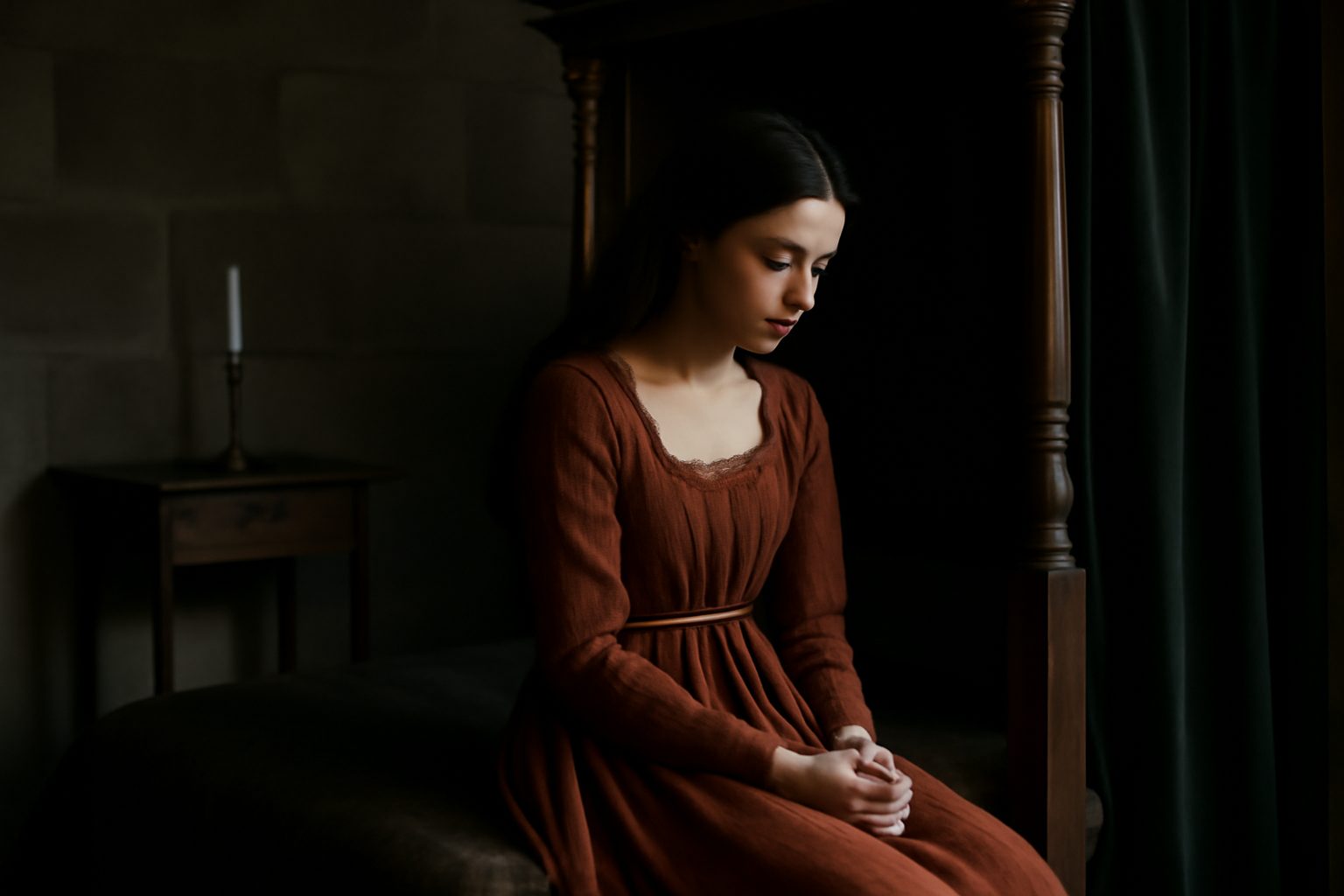
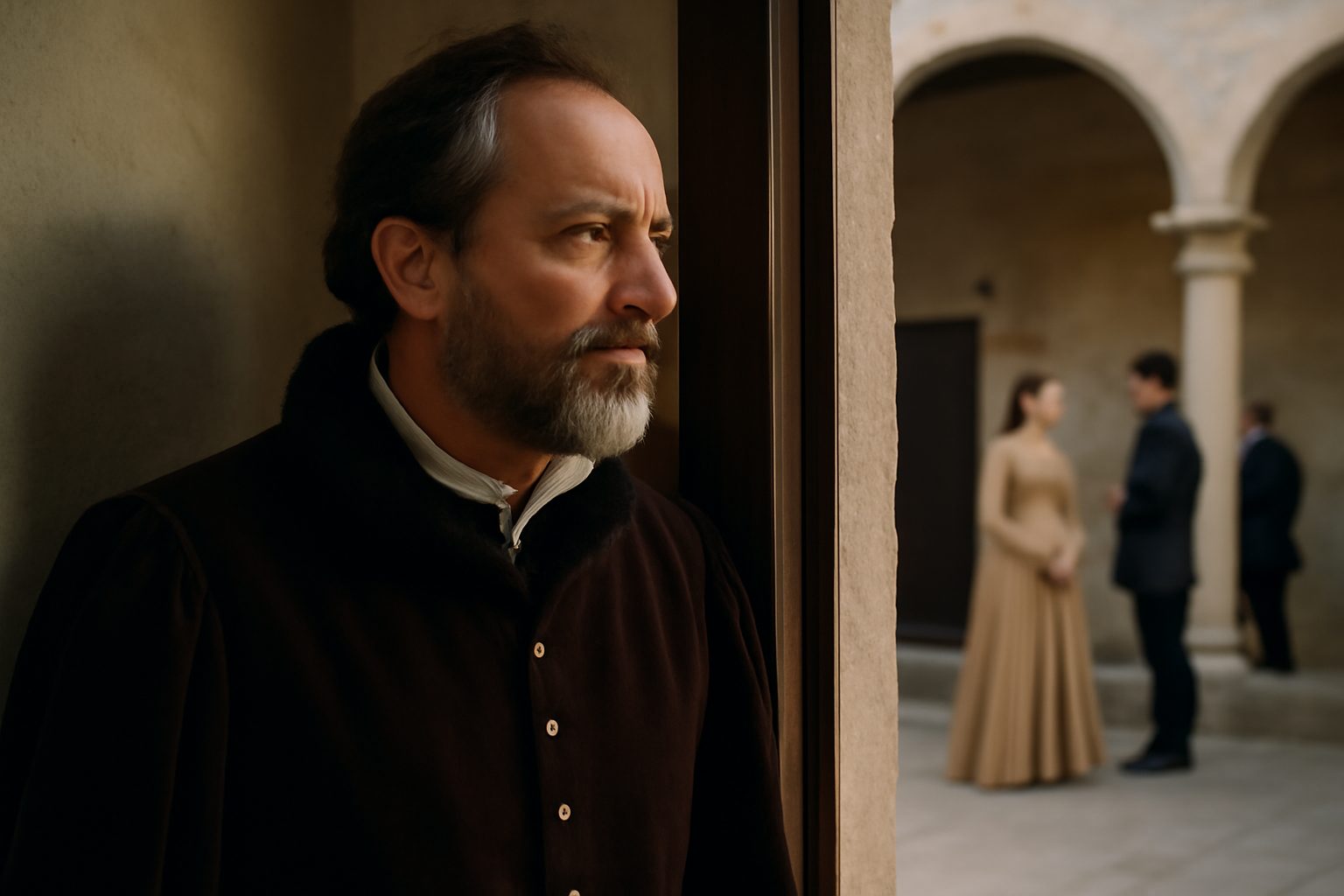
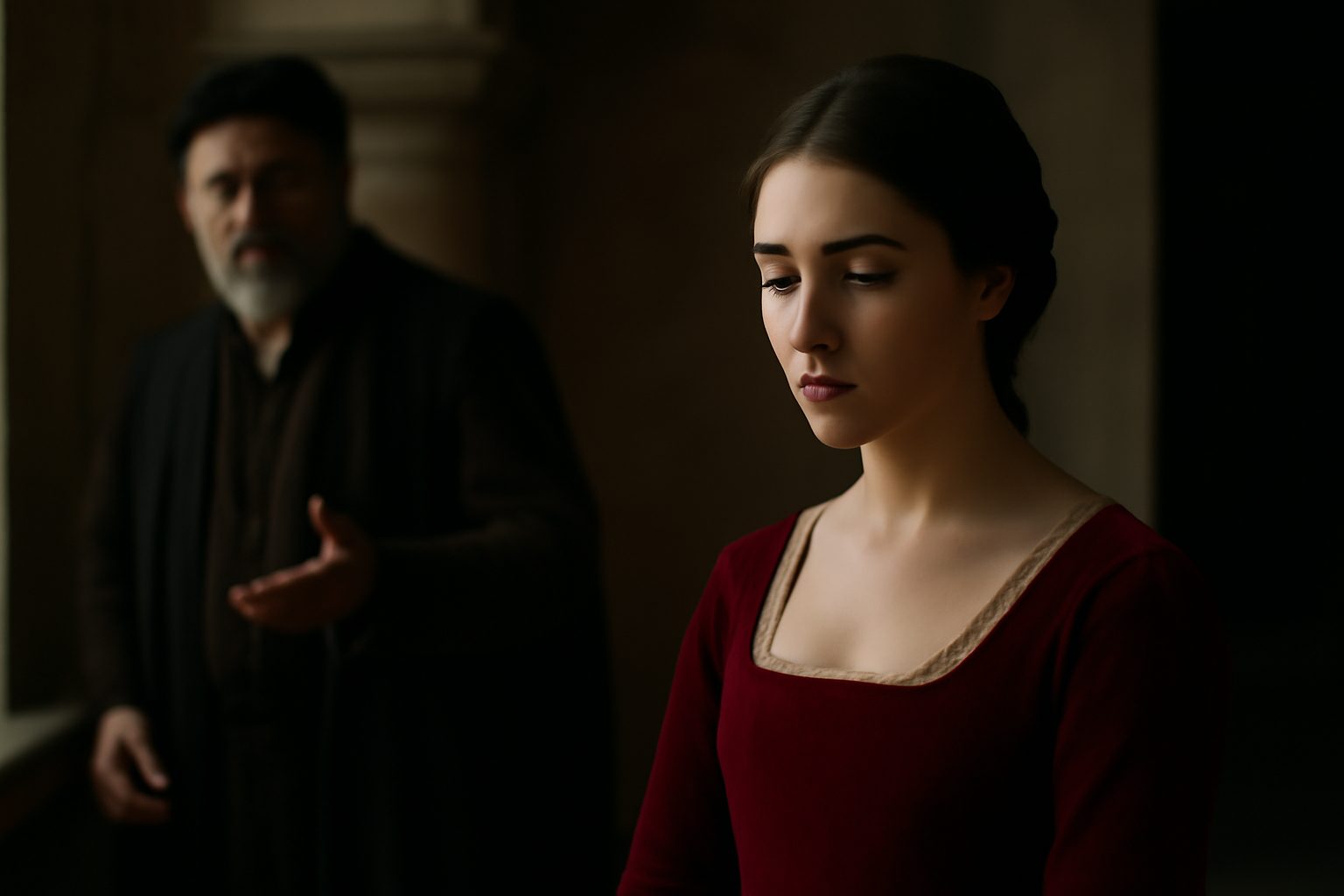
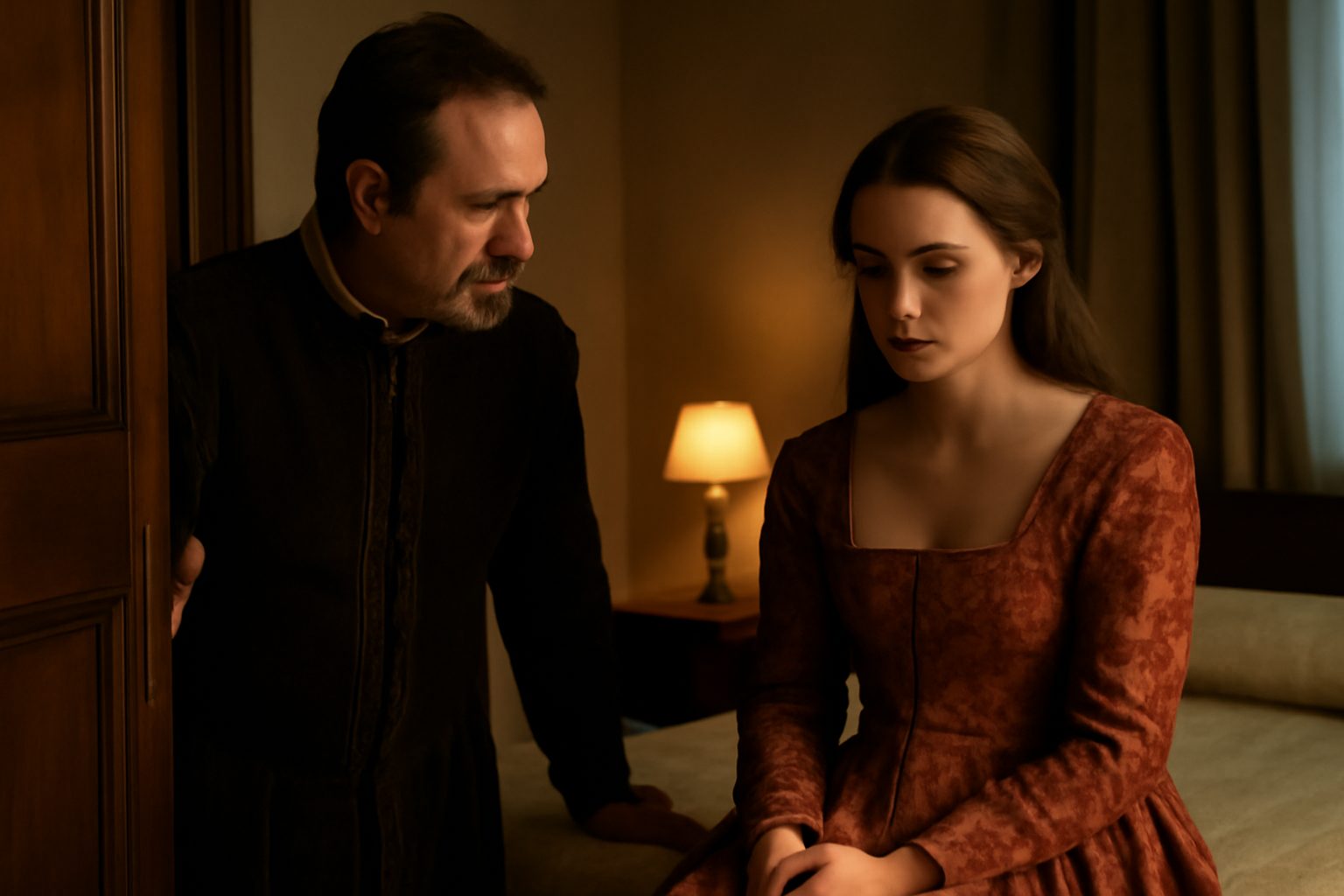
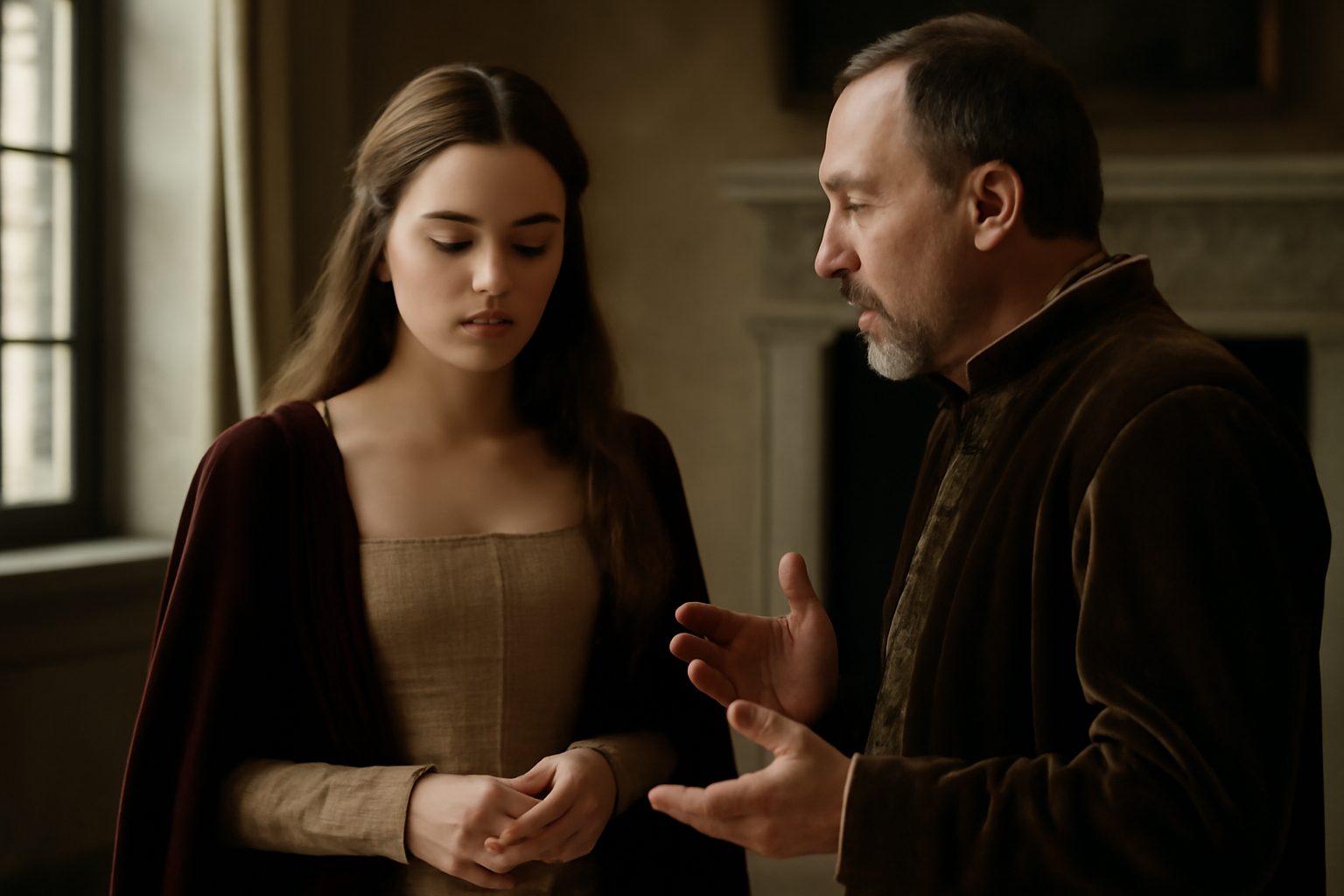
In Act 3, Scene 4 of Romeo and Juliet, Lord Capulet speaks this line while discussing Juliet's sudden refusal to marry Paris. The moment comes amid tense negotiations, as Capulet dismisses concerns about haste, resigned to the inevitability of death. His words reflect both weariness and the fatalism that shadows the play.
Capulet: "And so did I:--Well, we were born to die."
In modern day english, we would say:
I felt the same way—well, we’re all destined to die eventually.
Frequently Asked Questions
What does Capulet mean when he says they were born to die?
Capulet is expressing a resigned acceptance of death as an inevitable part of life, suggesting that everyone is destined to die eventually.
Connections to other verses:
Connections to "And so did I:--Well, we were born to die."
This line, spoken by Capulet, reflects a fatalistic acceptance of death, which resonates with the recent tragedy of Tybalt's death. It connects thematically to Look you, she loved her kinsman Tybalt dearly, as both acknowledge the sorrow and inevitability of loss.
Contextual and Structural Links
The sentiment of mortality is immediately preceded by the acknowledgment of Juliet's grief in To-night she is mew'd up to her heaviness, emphasizing how death overshadows the scene. Additionally, Capulet's pragmatic shift to arranging Juliet's marriage with Paris, as in Sir Paris, I will make a desperate tender, contrasts with this somber reflection, highlighting the tension between mourning and societal duties.
Contrast with Urgency and Planning
While Capulet accepts death's inevitability, he quickly moves to practical matters, such as setting the wedding date in O' Thursday let it be: o' Thursday, tell her. This juxtaposition underscores how the characters navigate grief alongside life's obligations. The line also subtly contrasts with Paris's eager anticipation in My lord, I would that Thursday were to-morrow, emphasizing differing perspectives on time and fate.
Reflection on Time and Fate
The fatalistic tone echoes in Capulet's later remark, These times of woe afford no time to woo, linking death's shadow to the rushed, tragic unfolding of events. It also complements Lady Capulet's weary exit in Farewell, my lord. Light to my chamber, ho!, reinforcing the scene's overarching themes of mortality and exhaustion.