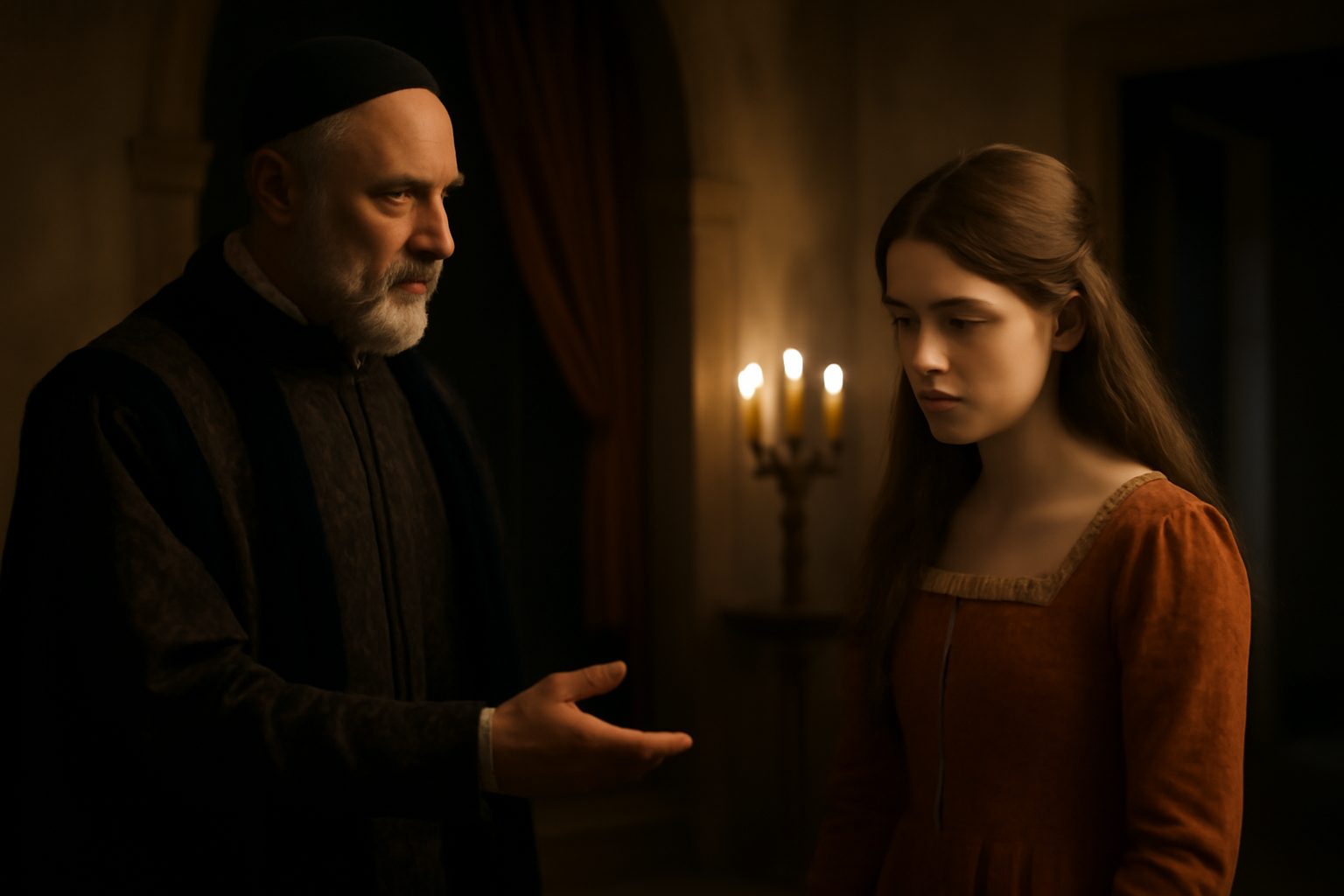
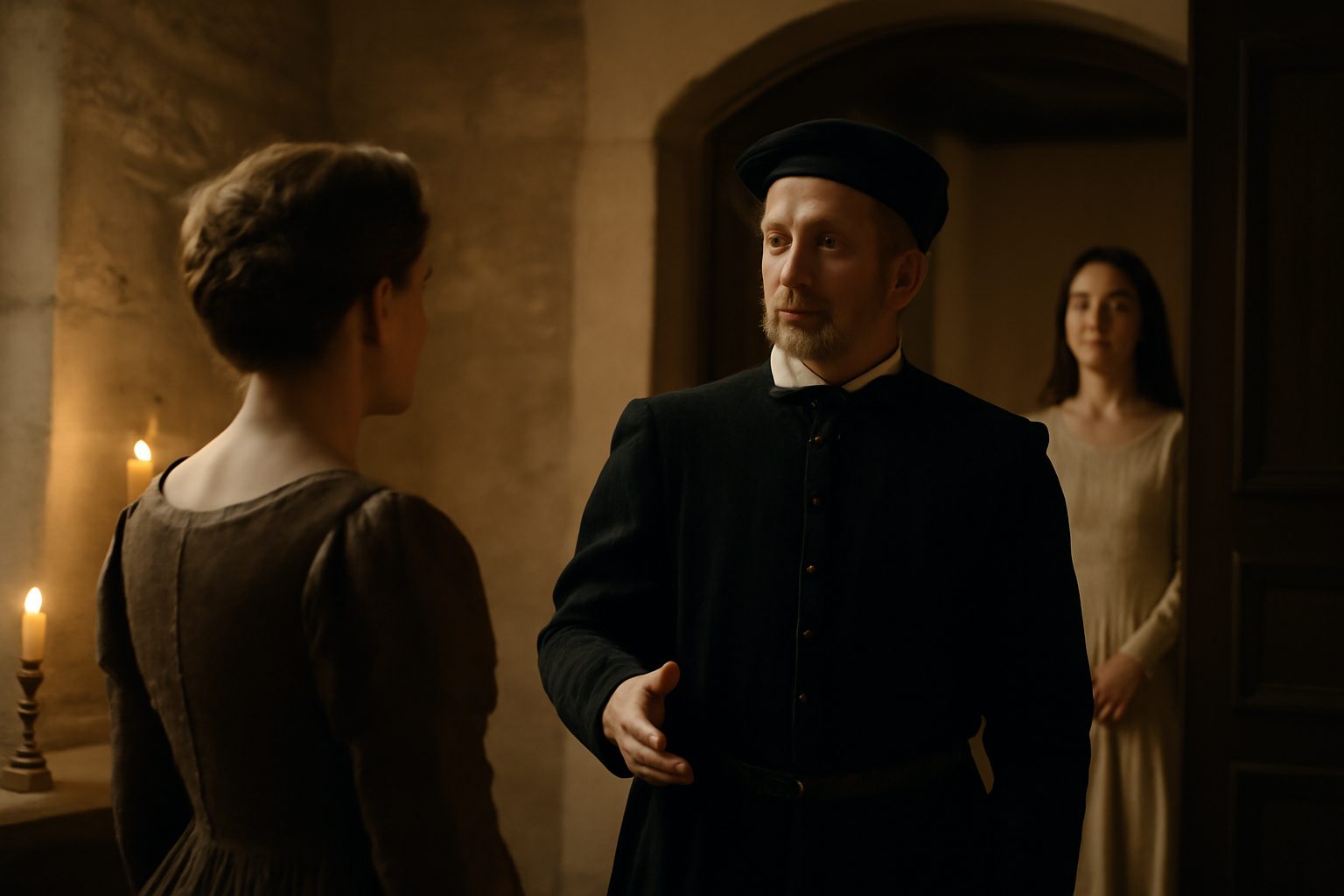
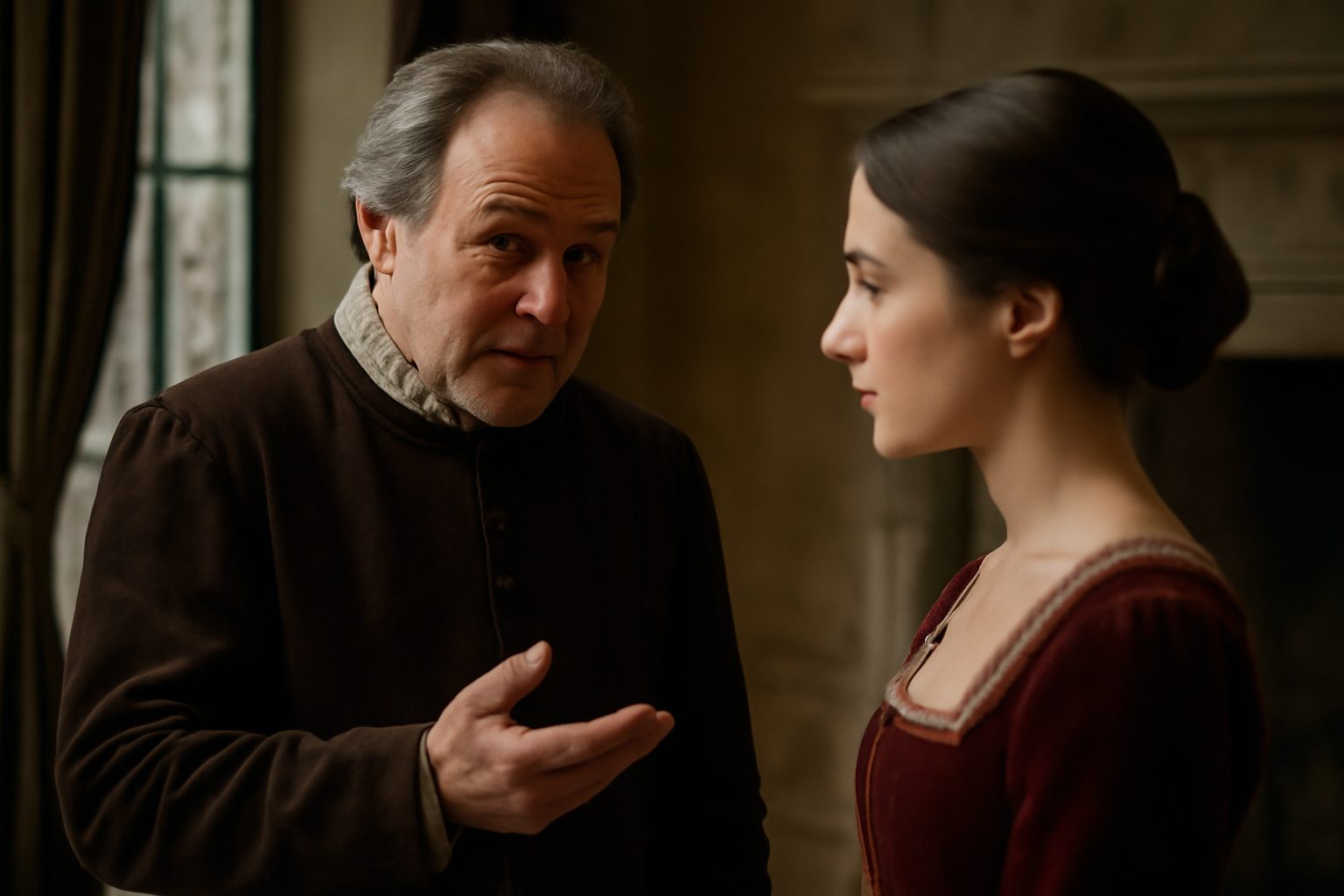
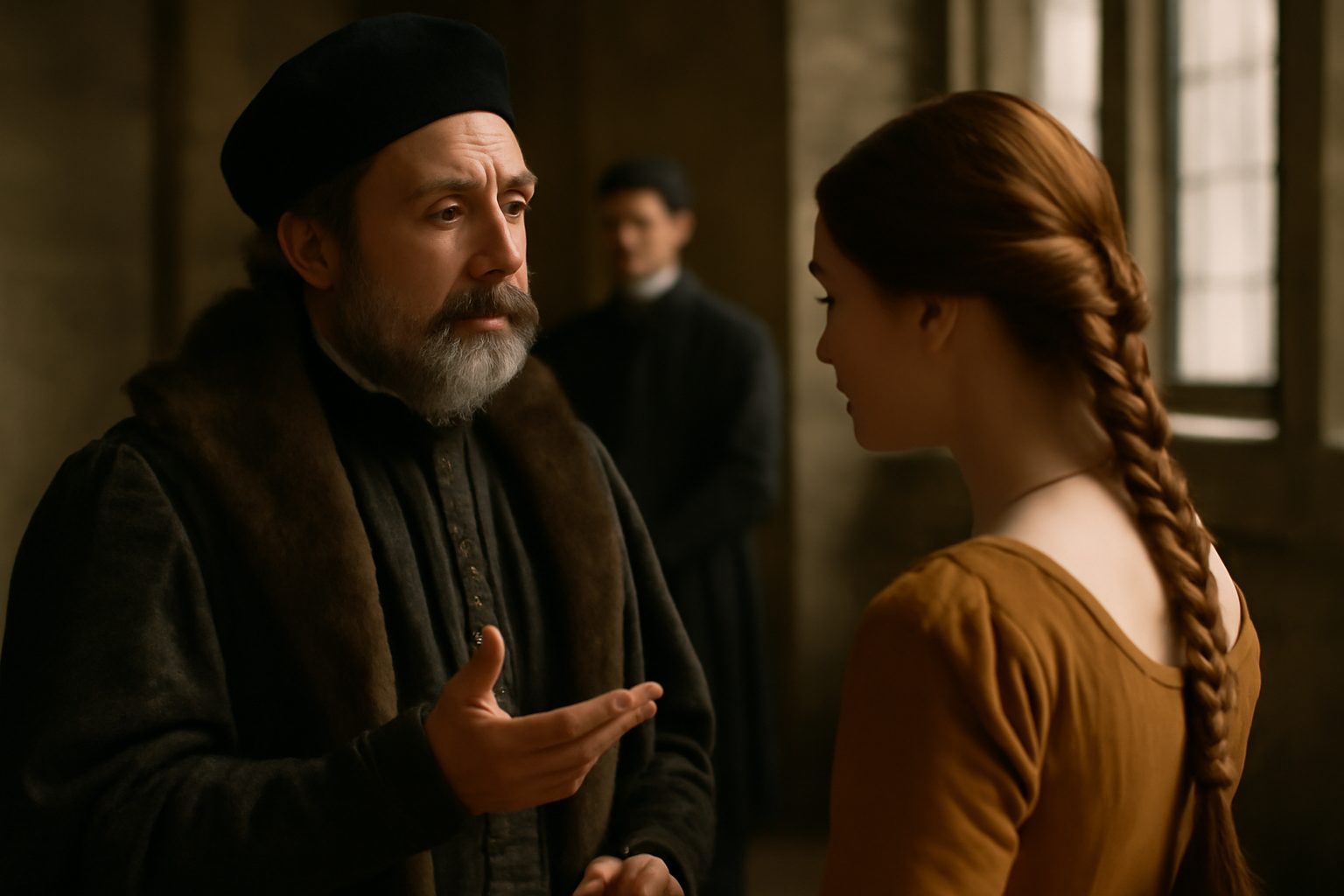
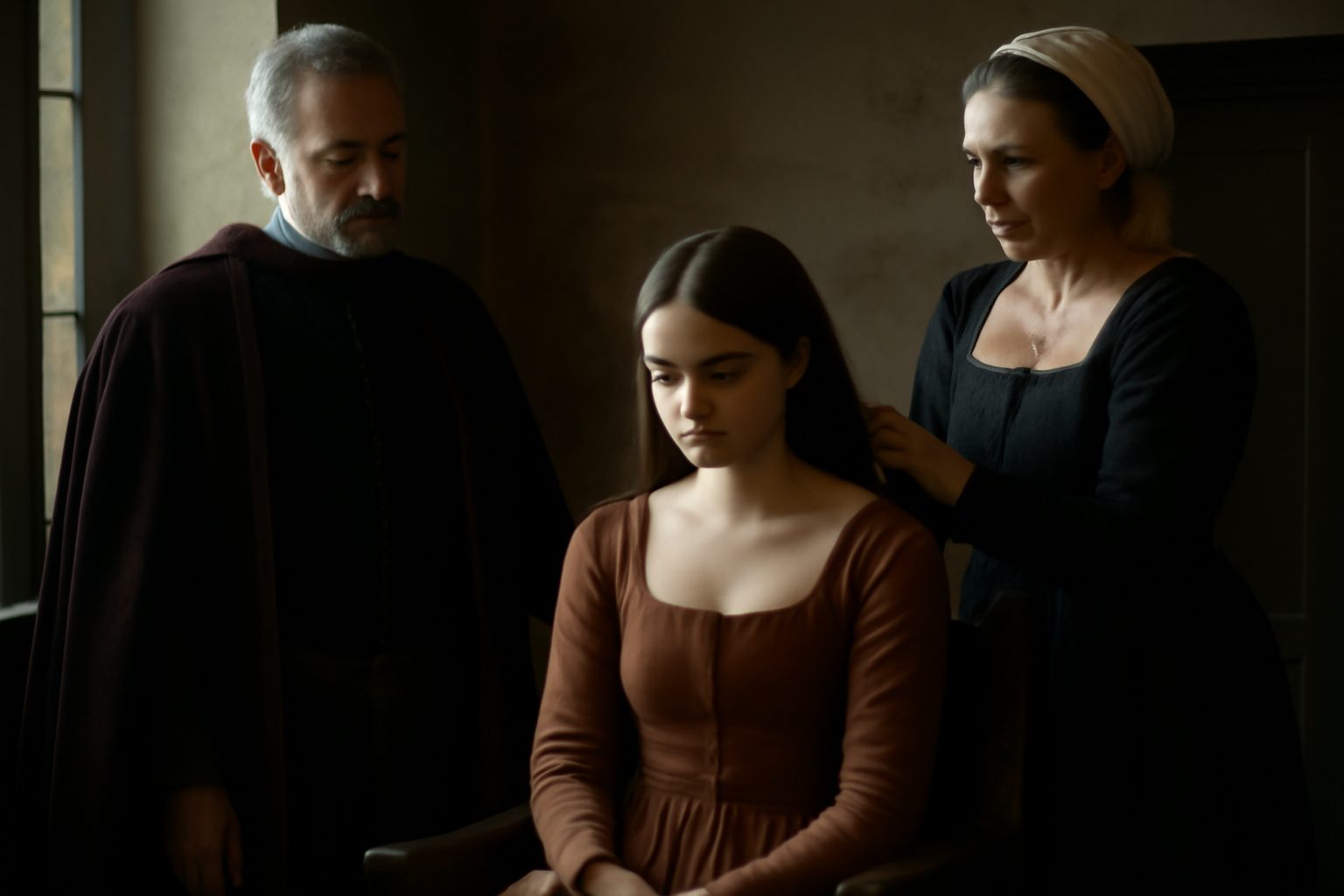
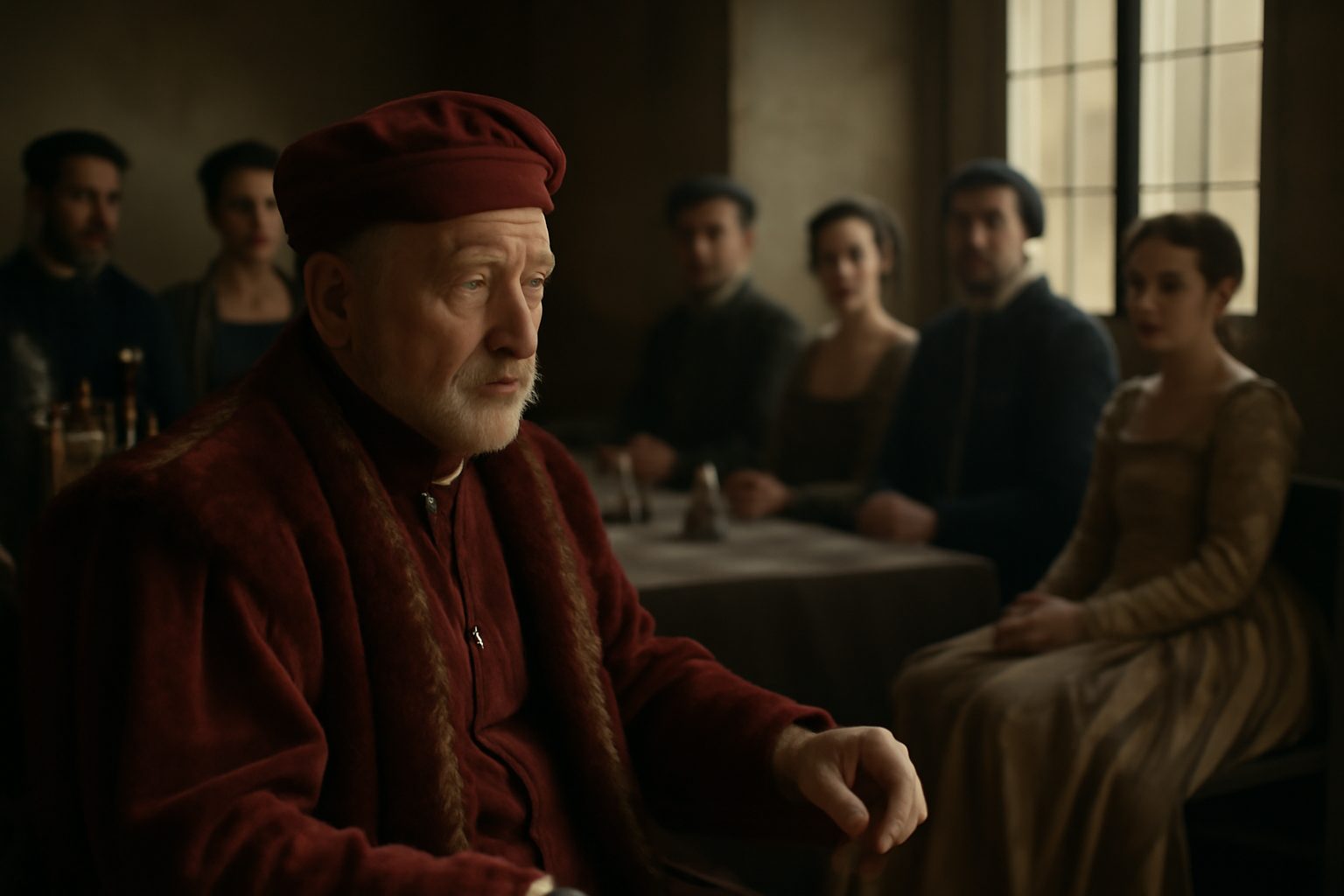
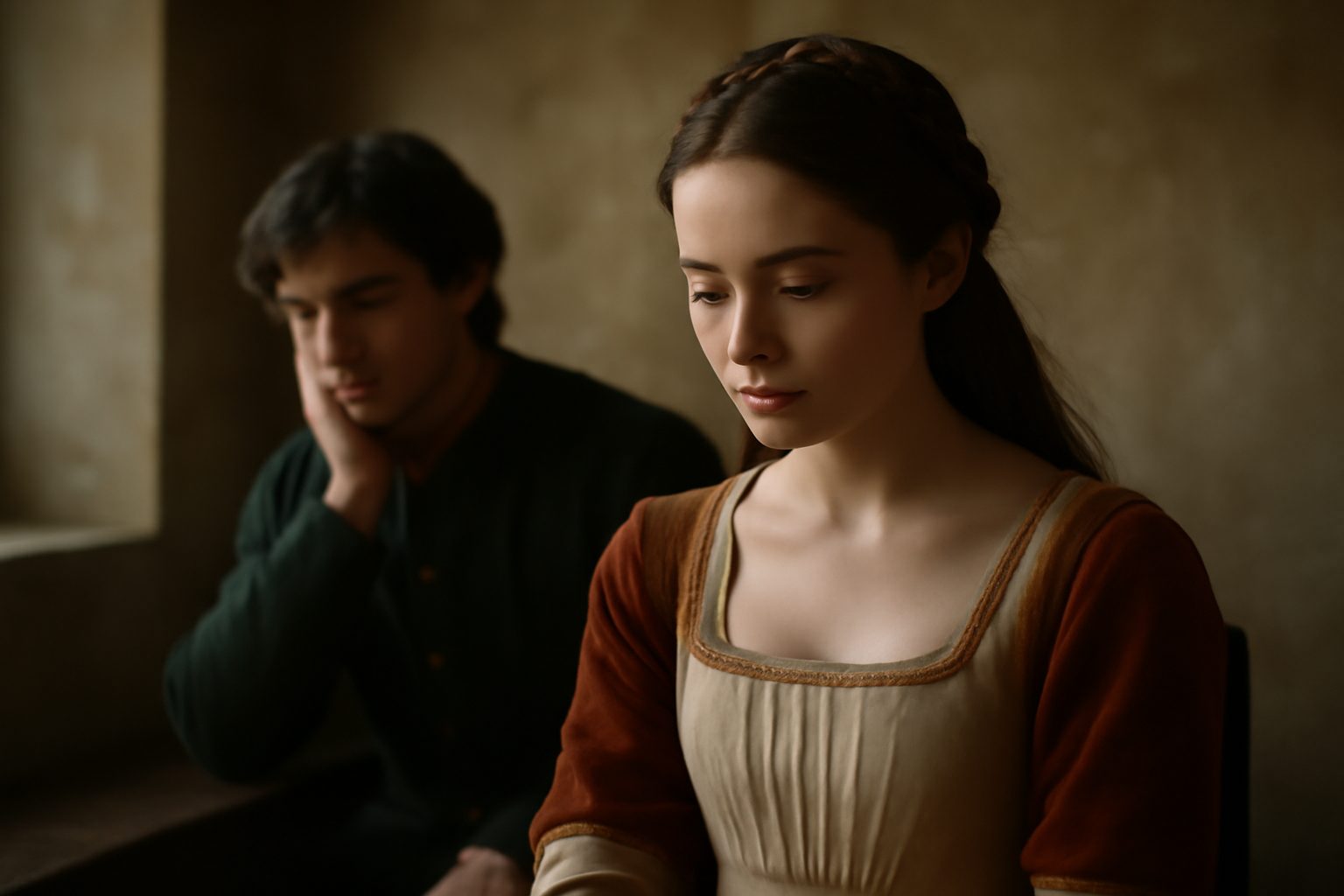
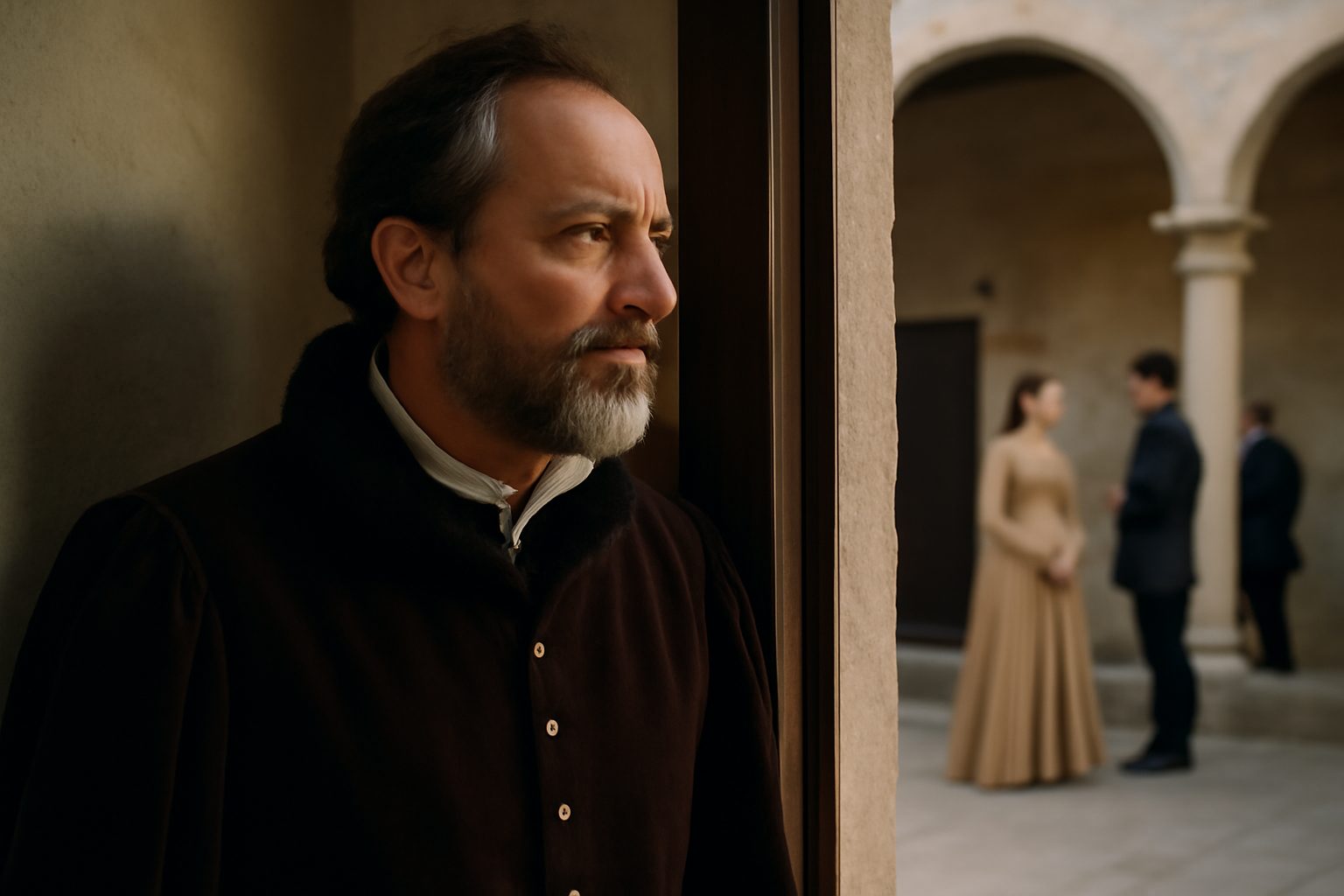
In Act 3, Scene 4 of Romeo and Juliet, Lord Capulet speaks to Paris about the recent death of Tybalt, which has left the household in mourning. This line reflects the tense atmosphere as Capulet abruptly shifts from grief to discussing Juliet's impending marriage, revealing his preoccupation with social alliances. The mention of Tybalt's death underscores the ongoing consequences of the feud and its impact on the characters' decisions.
Capulet: "For, hark you, Tybalt being slain so late,"
In modern day english, we would say:
Listen, since Tybalt was just killed.
Frequently Asked Questions
Who is Capulet talking about in this line?
He is talking about Tybalt.
What happened to Tybalt according to this line?
Tybalt was killed recently.
Connections to other verses:
Connections to "For, hark you, Tybalt being slain so late"
The verse "For, hark you, Tybalt being slain so late" is spoken by Lord Capulet as he explains the need for a quiet wedding due to Tybalt's recent death. This line directly connects to "It may be thought we held him carelessly", where Capulet expresses concern that a lavish celebration might dishonor Tybalt's memory. Additionally, it relates to "Look you, she loved her kinsman Tybalt dearly", which highlights Juliet's grief and justifies the subdued approach to the wedding plans.
Contextual and Thematic Links
The mention of Tybalt's death in this verse also ties into "These times of woe afford no time to woo", underscoring how tragedy overshadows romance. Furthermore, Capulet's urgency to proceed despite mourning is echoed in "Will you be ready? do you like this haste?", revealing the tension between grief and social expectations.
Structural and Narrative Flow
This verse sets the stage for the scheduling discussions that follow, such as "And there an end. But what say you to Thursday?" and "O' Thursday let it be: o' Thursday, tell her", where Capulet and Paris settle on a date. The pragmatic tone here contrasts with earlier lines like "That we have had no time to move our daughter", emphasizing the Capulets' rushed, albeit grief-stricken, decision-making.