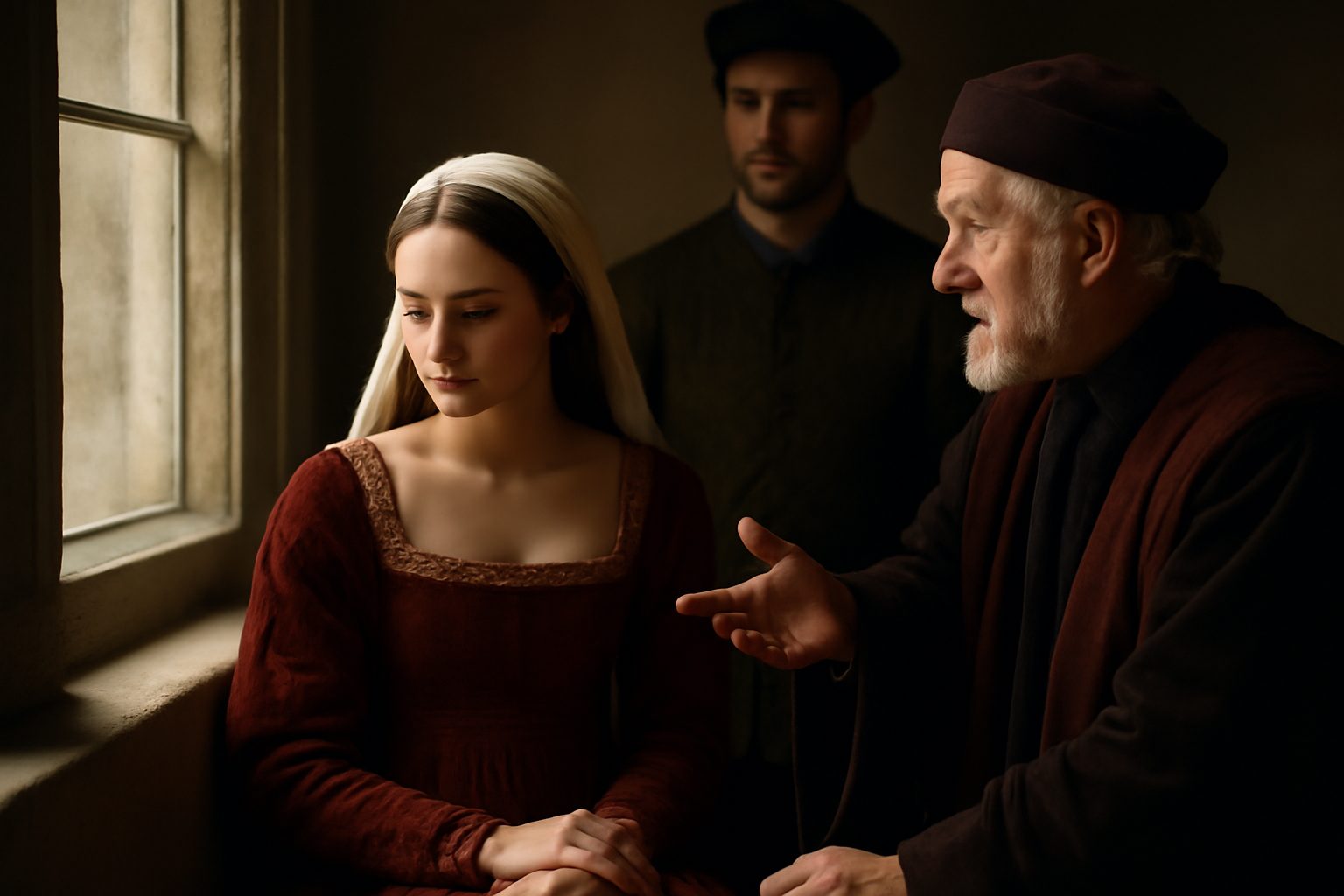
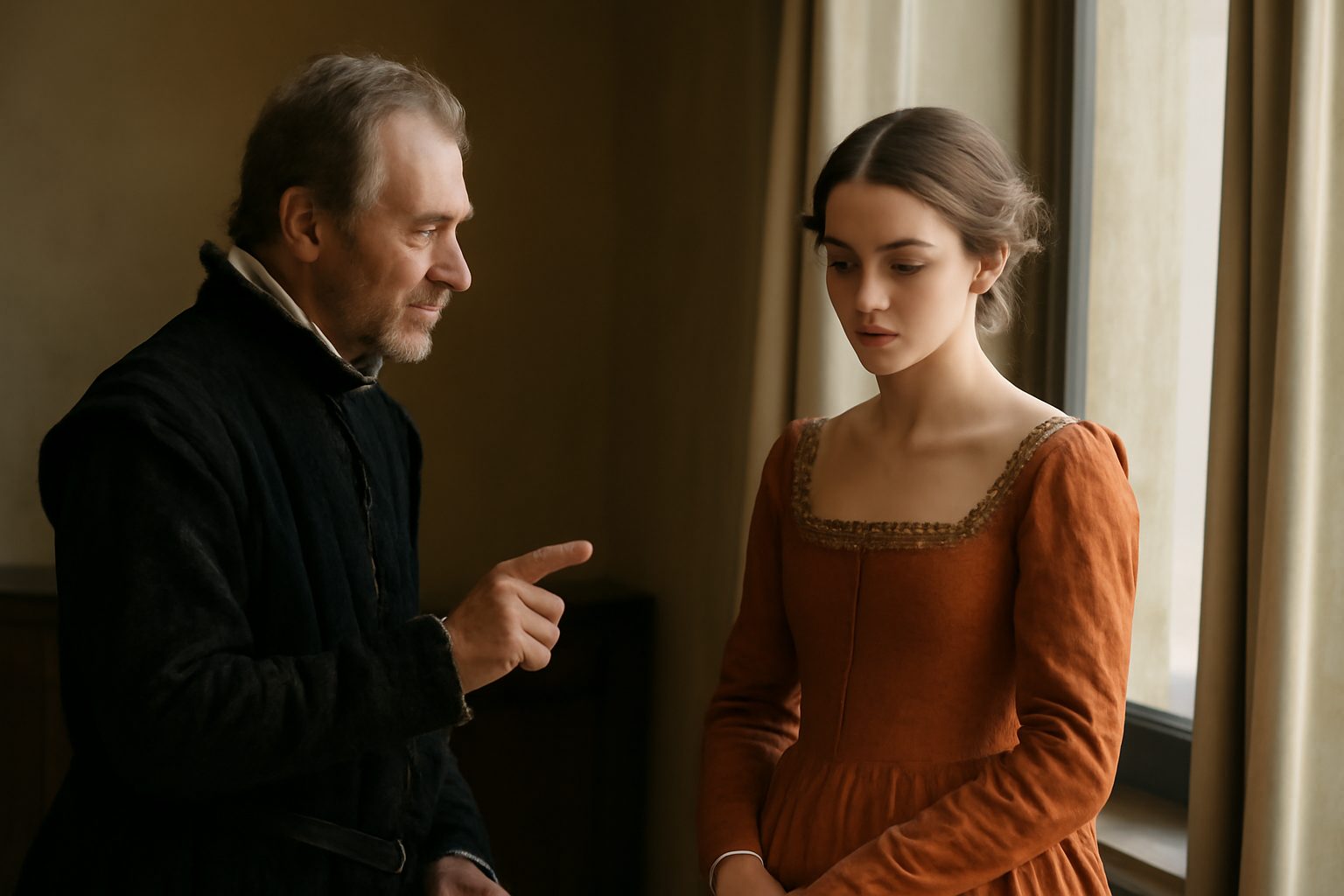
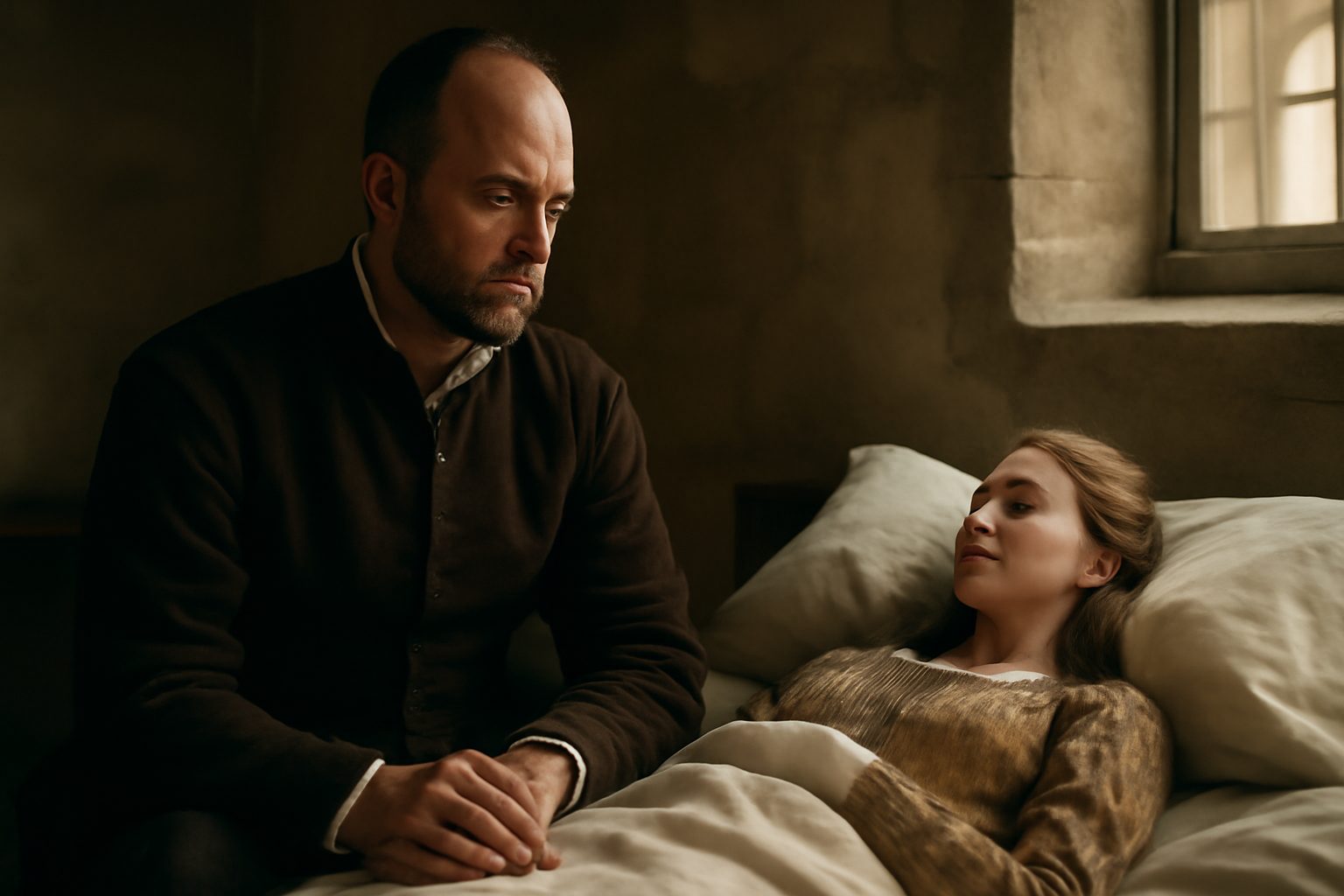
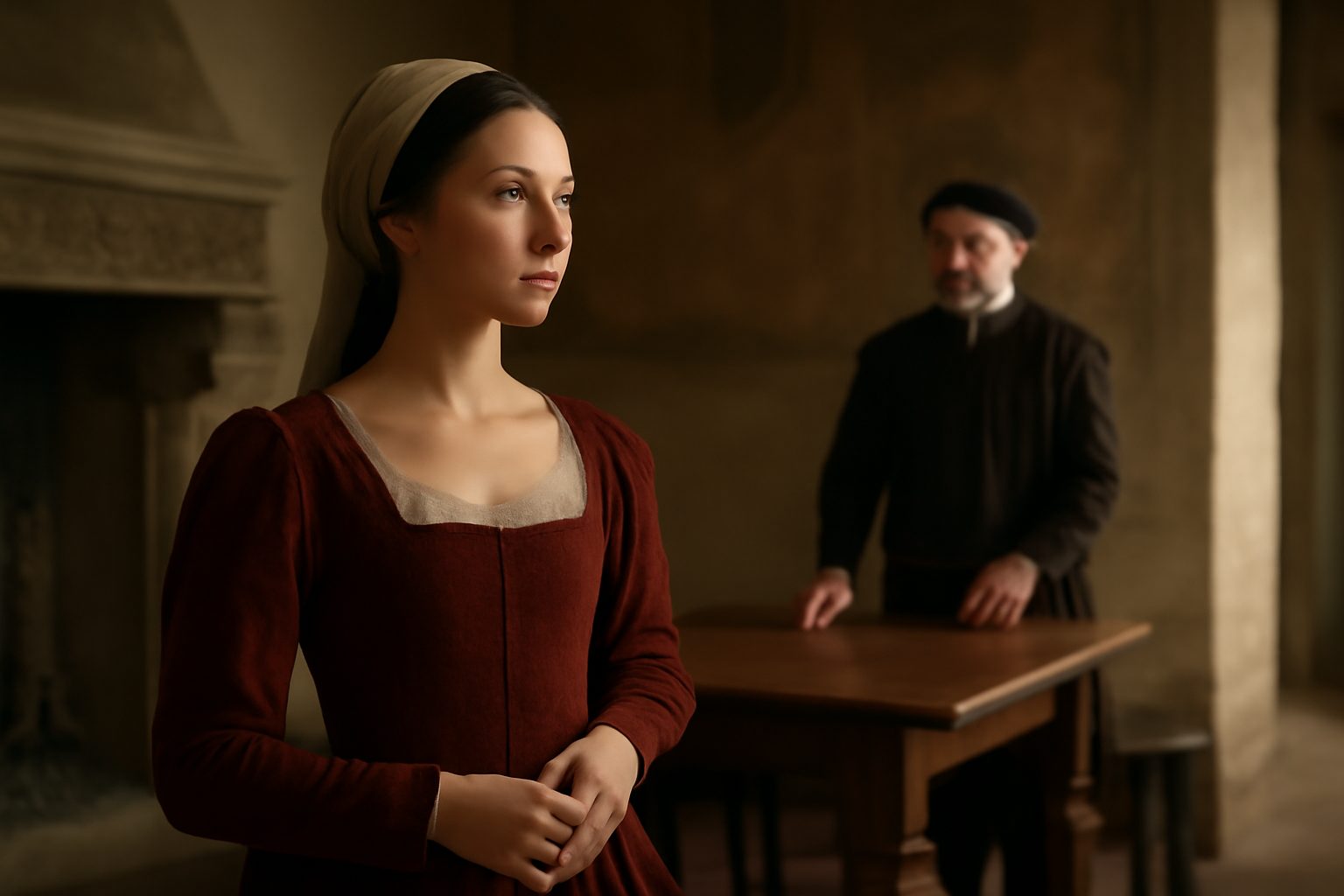
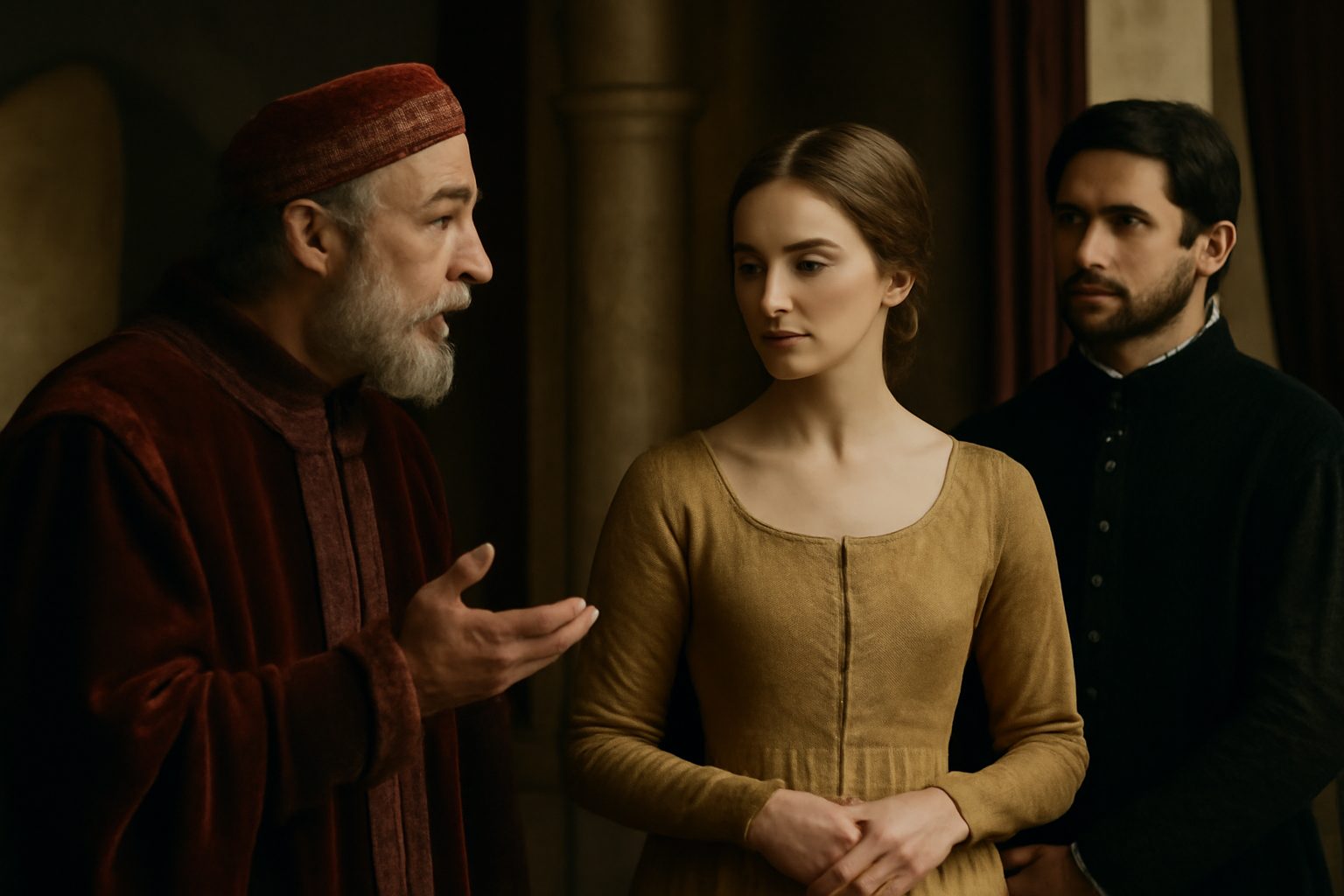
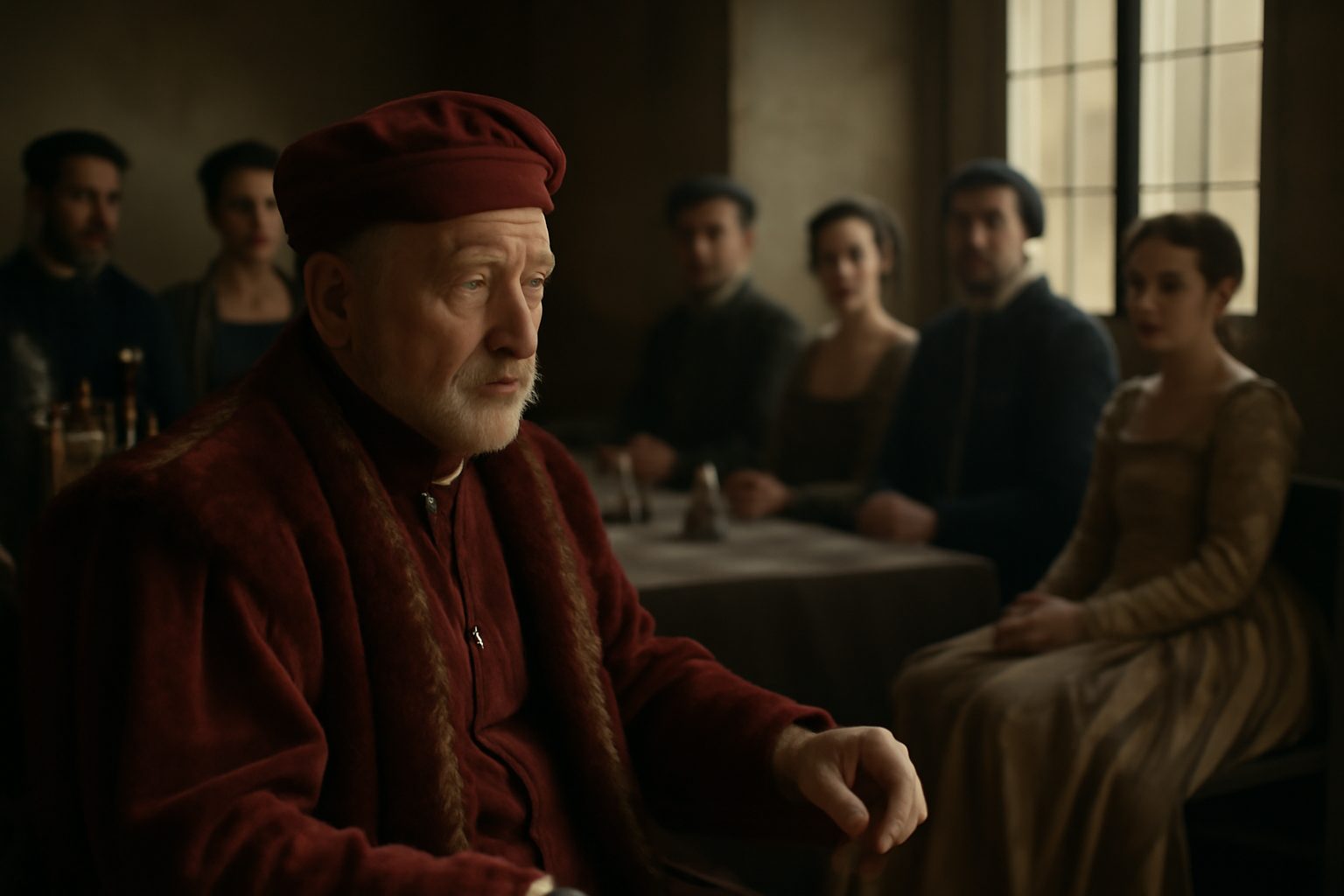
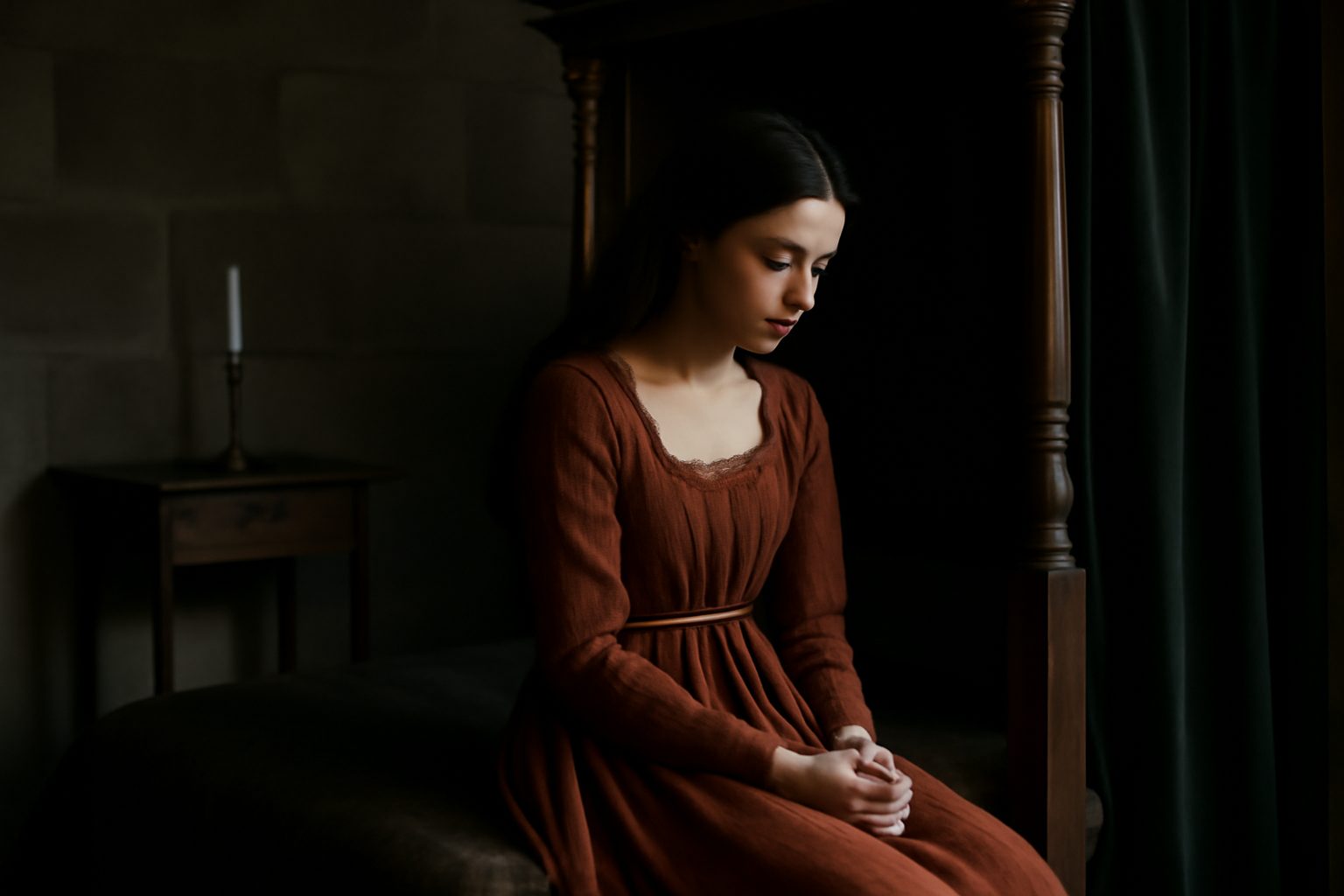
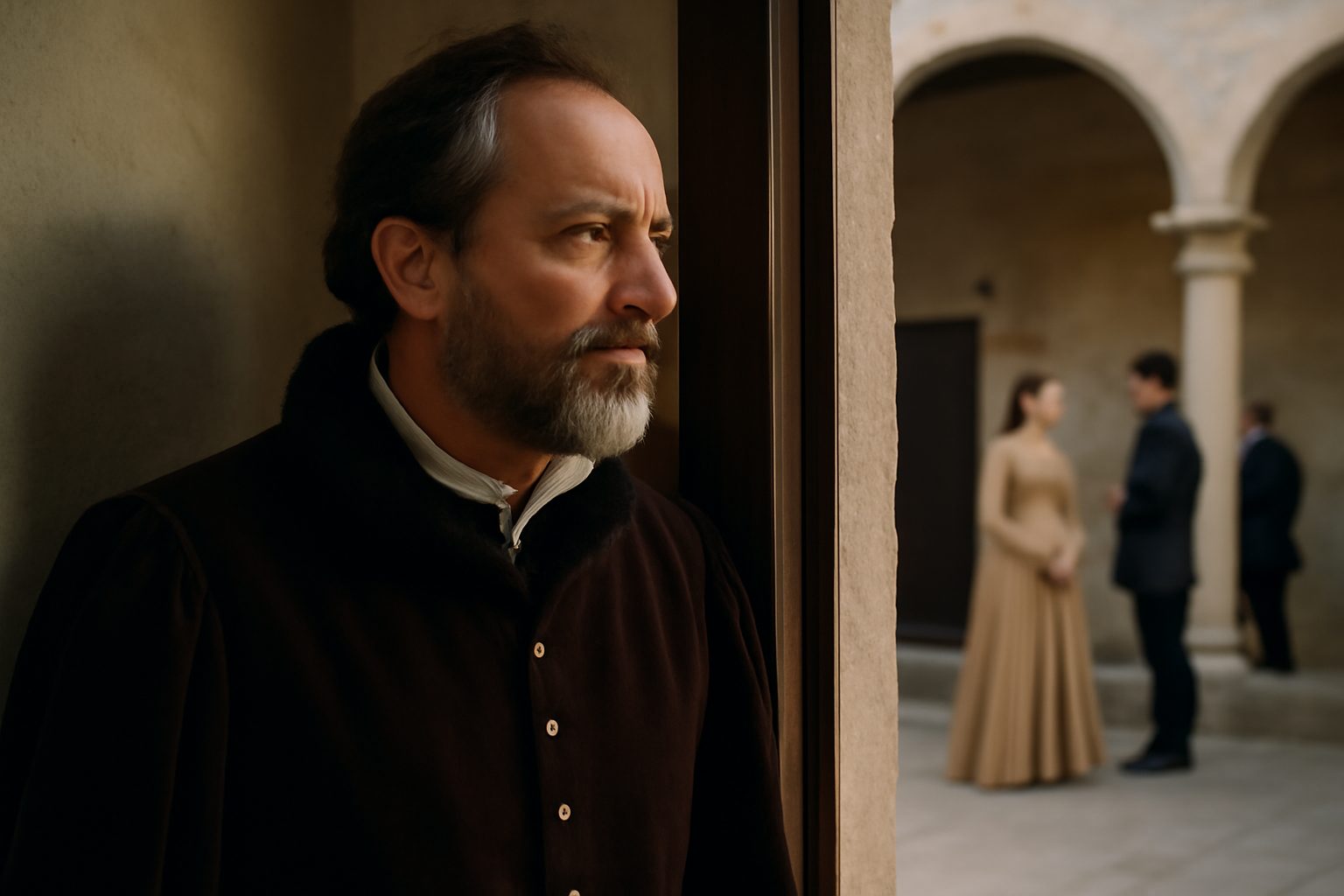
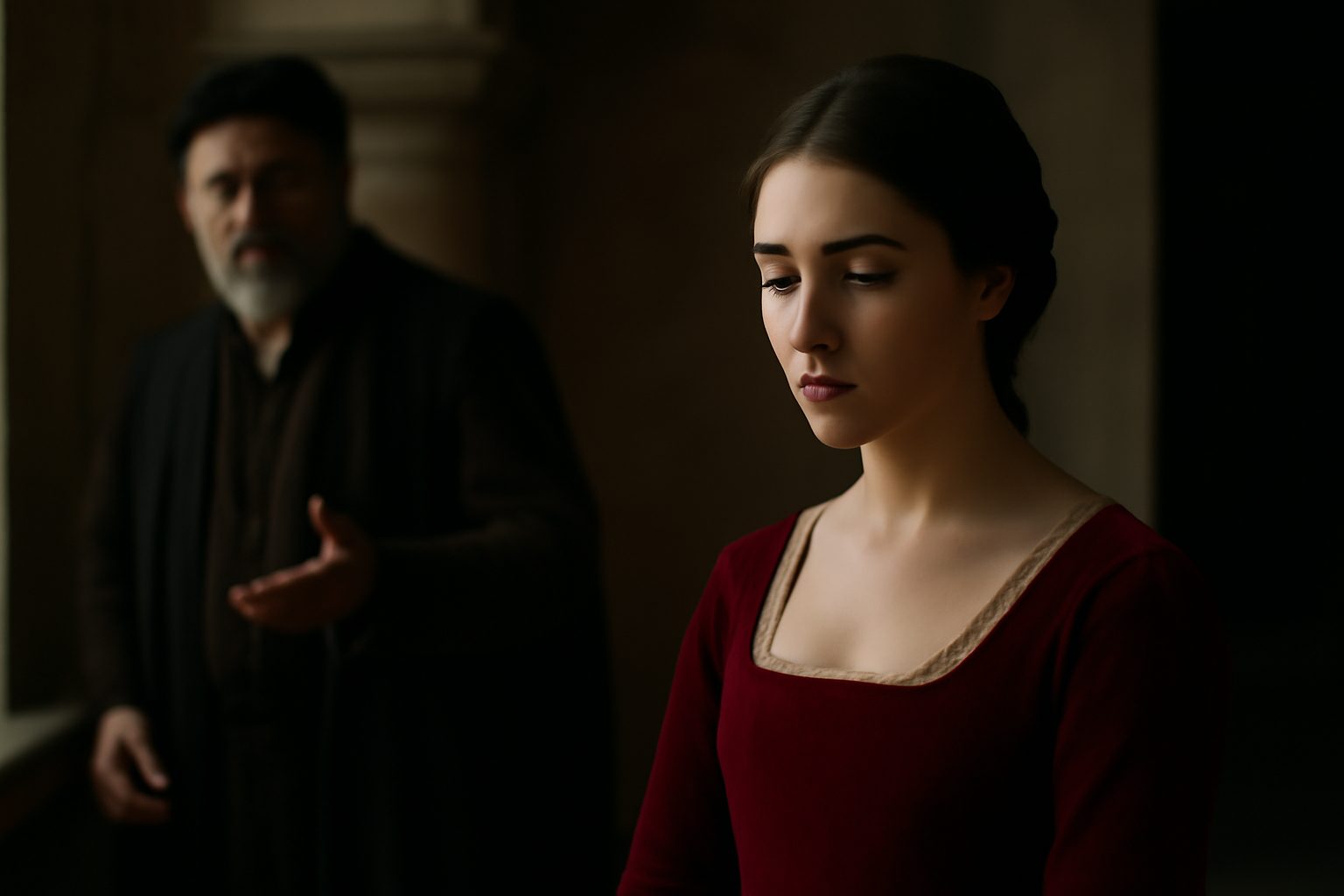
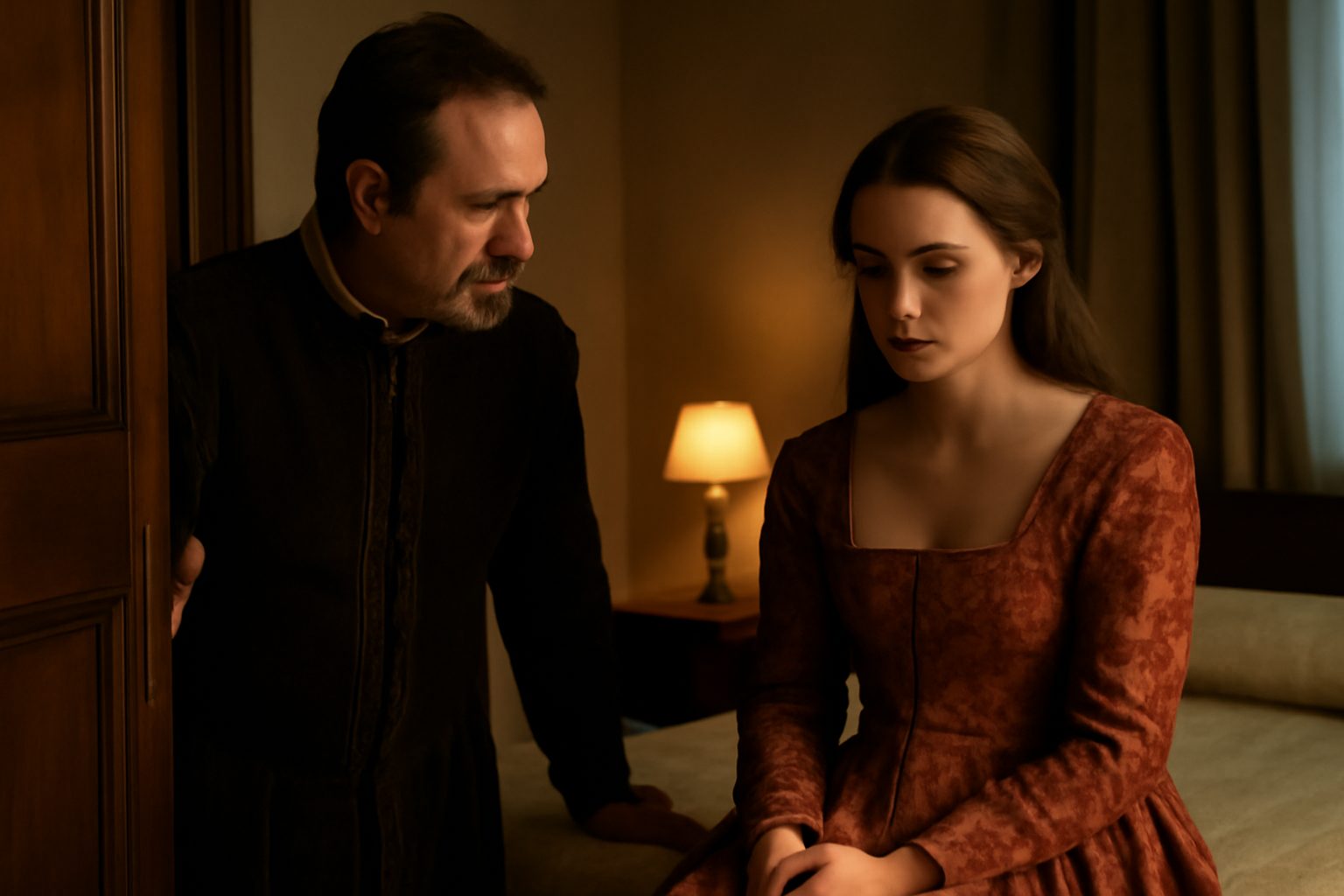
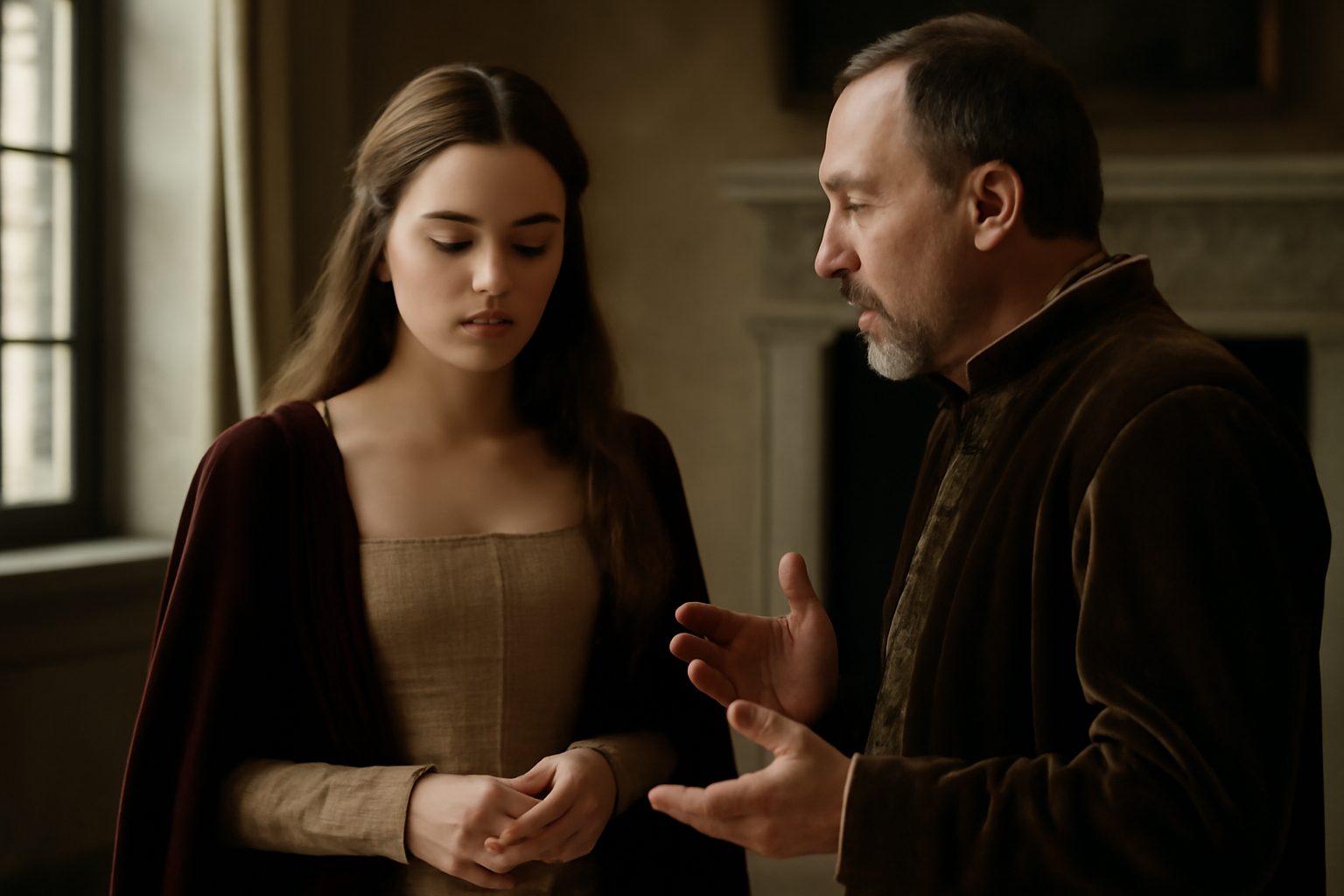
In Act 3, Scene 4 of Romeo and Juliet, Lord Capulet speaks this line during a late-night conversation with Paris about Juliet's impending marriage. Exhausted from the day's events, including the violent brawl that led to Tybalt's death, Capulet expresses his weariness while hastily arranging the wedding. His remark underscores the tension and urgency that now dominate the Capulet household.
Capulet: "I would have been a-bed an hour ago."
In modern day english, we would say:
I should have been in bed over an hour ago.
Frequently Asked Questions
What does Capulet say about his usual bedtime in this scene?
Capulet mentions that he would normally have gone to bed an hour earlier.
Connections to other verses:
Connections to "I would have been a-bed an hour ago"
The line "I would have been a-bed an hour ago" reflects the late hour and exhaustion felt by the characters, which is echoed in "Afore me! it is so very very late" and "Farewell, my lord. Light to my chamber, ho!", both emphasizing the need to retire for the night.
Context of Grief and Haste
This weariness is set against the backdrop of Tybalt's recent death, as noted in "Look you, she loved her kinsman Tybalt dearly" and "For, hark you, Tybalt being slain so late". The characters' fatigue is compounded by their grief, yet they proceed with hasty wedding plans, as seen in "These times of woe afford no time to woo" and the urgency to set the date, such as in "And bid her, mark you me, on Wednesday next--".
Contrast with Wedding Preparations
Despite the late hour and sorrow, Lord Capulet is eager to advance Paris's suit, instructing "Acquaint her here of my son Paris' love" and confirming "She shall be married to this noble earl". This juxtaposition of exhaustion with decisive action highlights the rashness that propels the tragedy forward.
Resolution to End the Scene
The desire to retire culminates in the final exchanges, like "That we may call it early by and by" and "Good night", closing the scene on a note of weariness that contrasts sharply with the weighty decisions made.