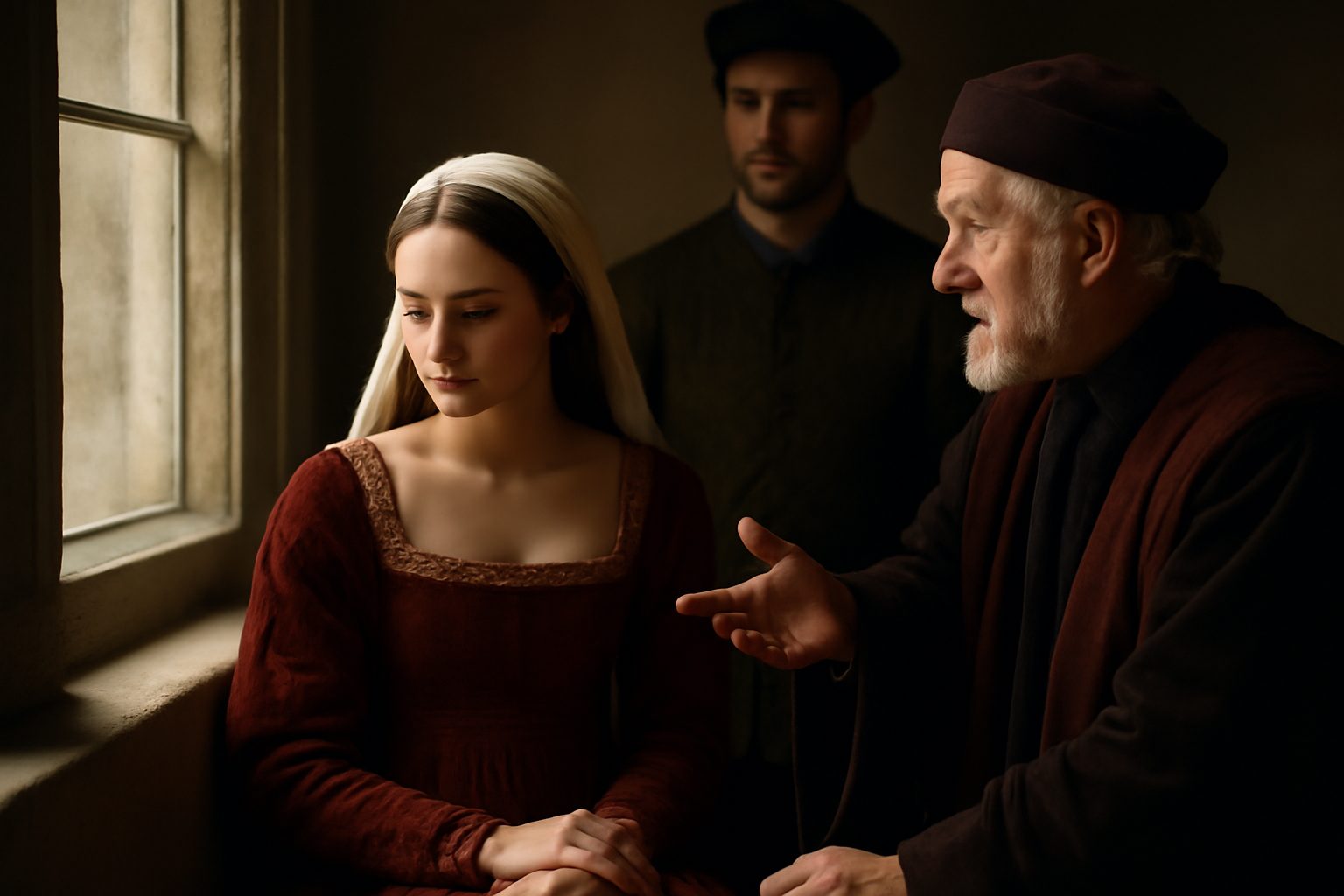
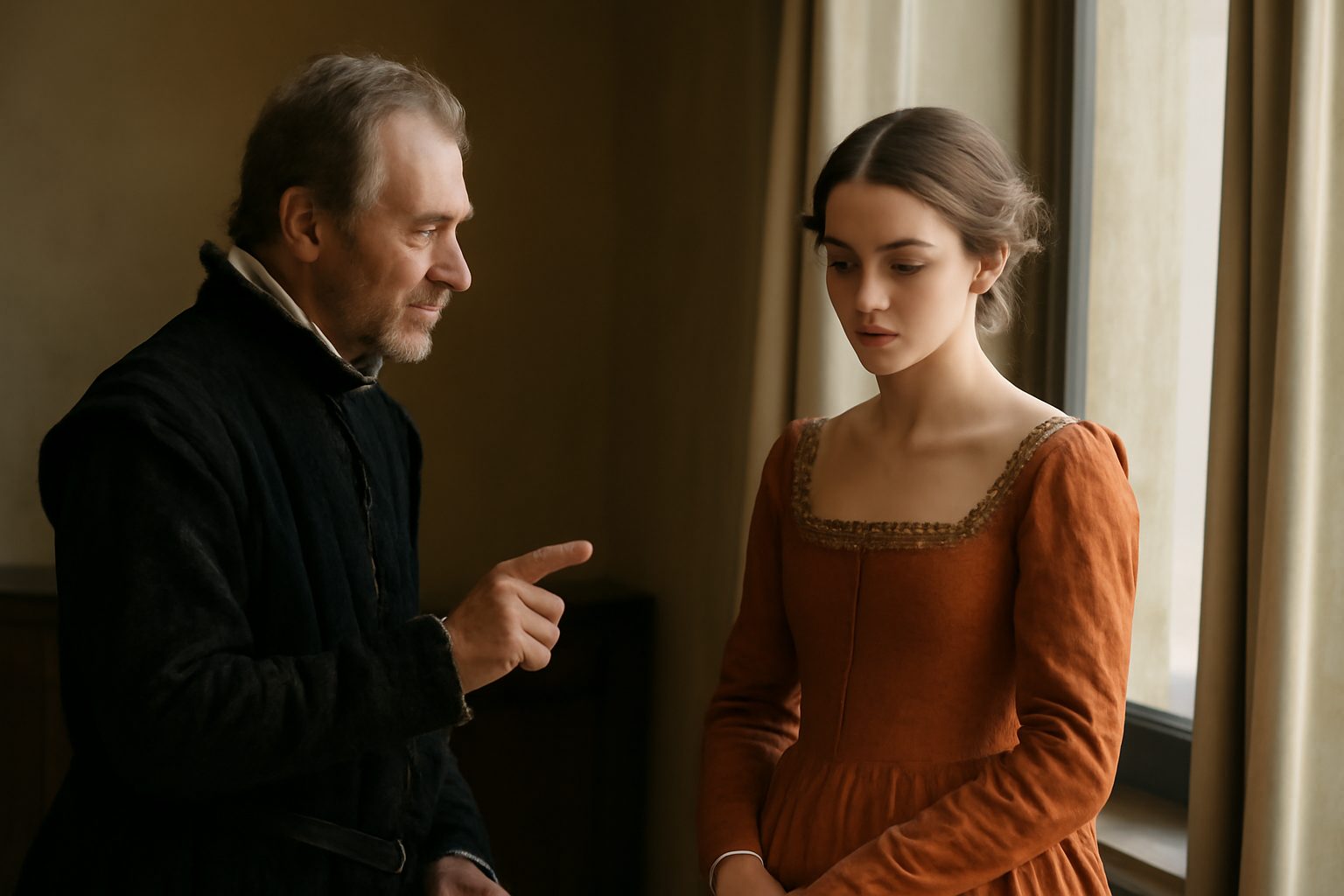
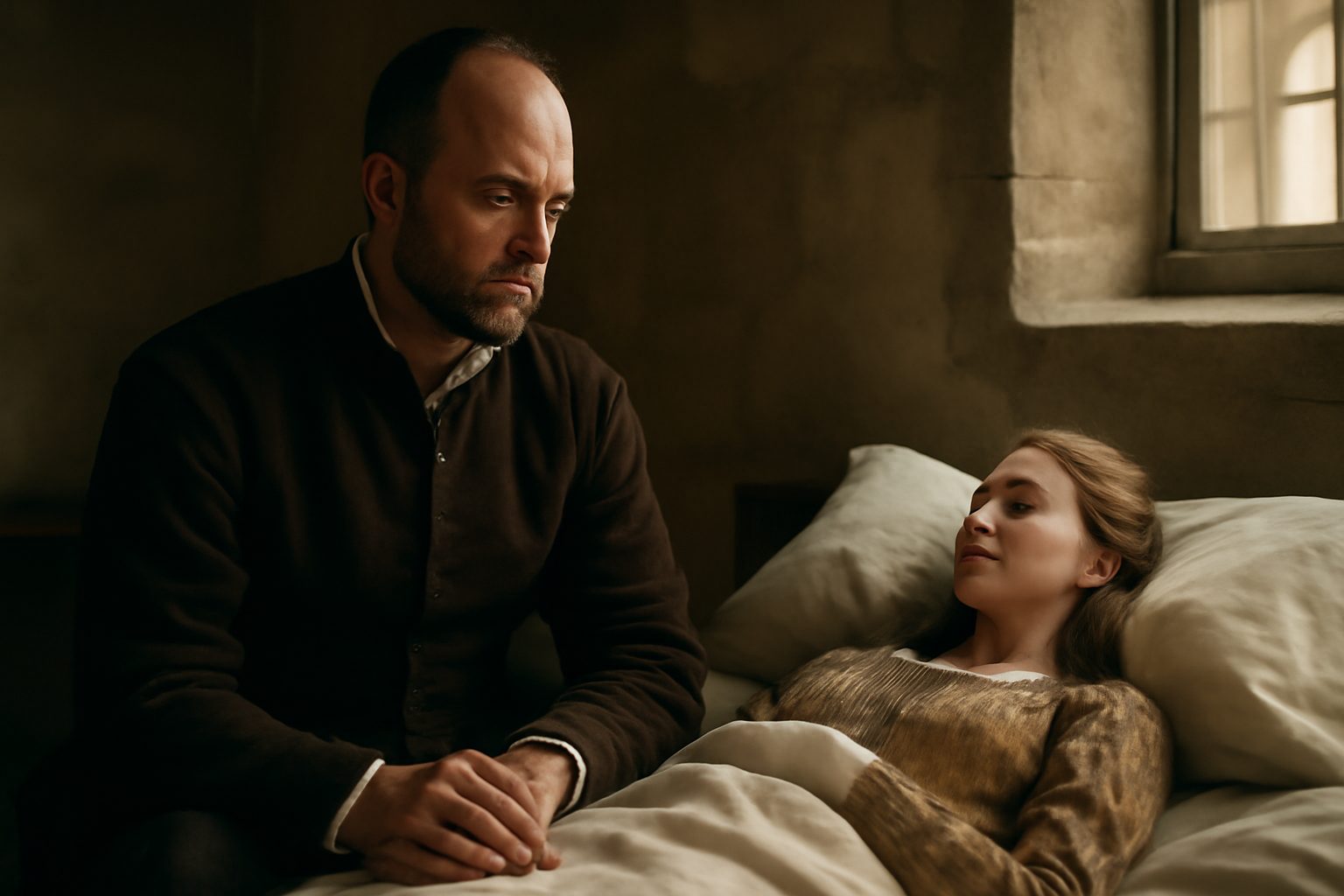
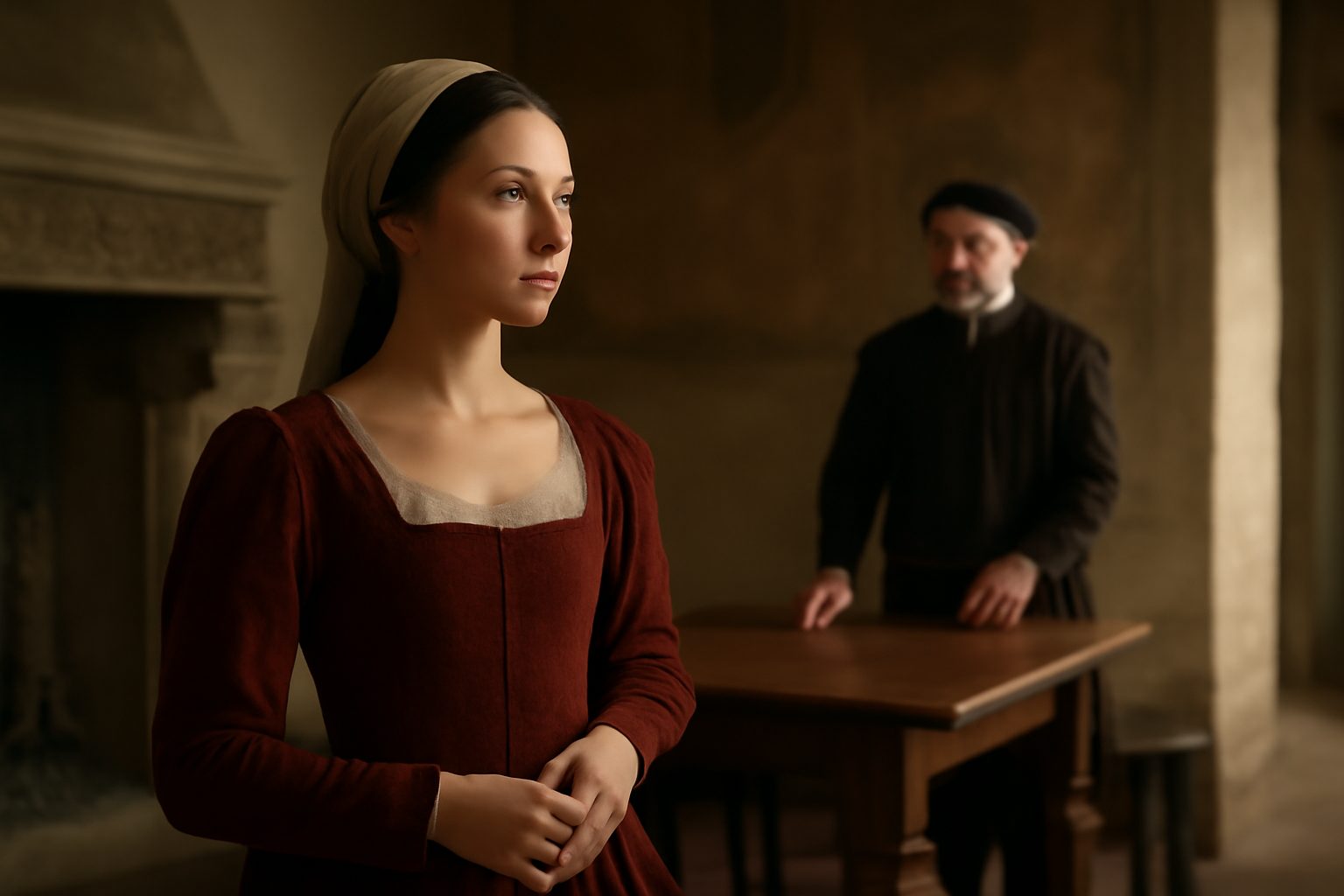
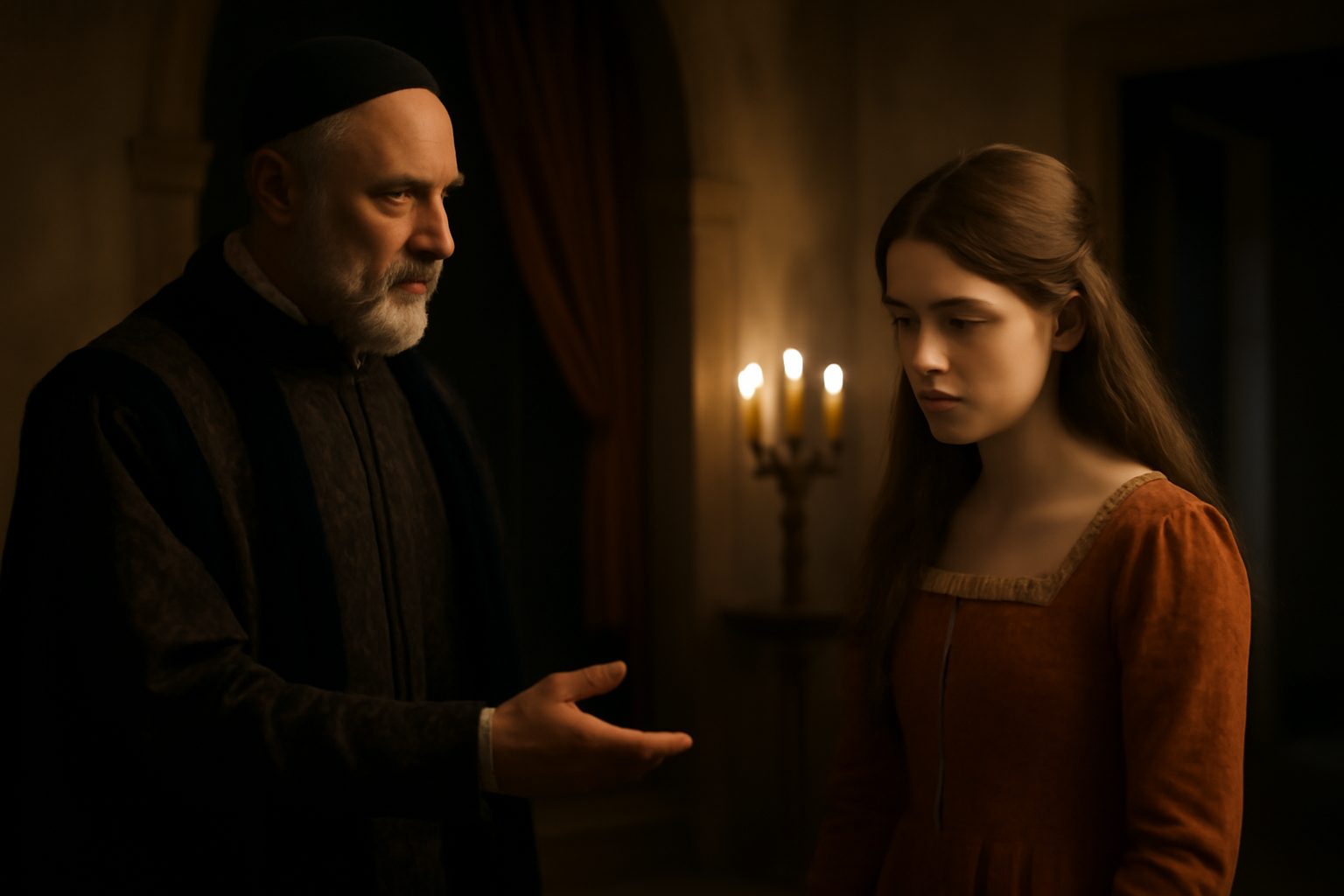
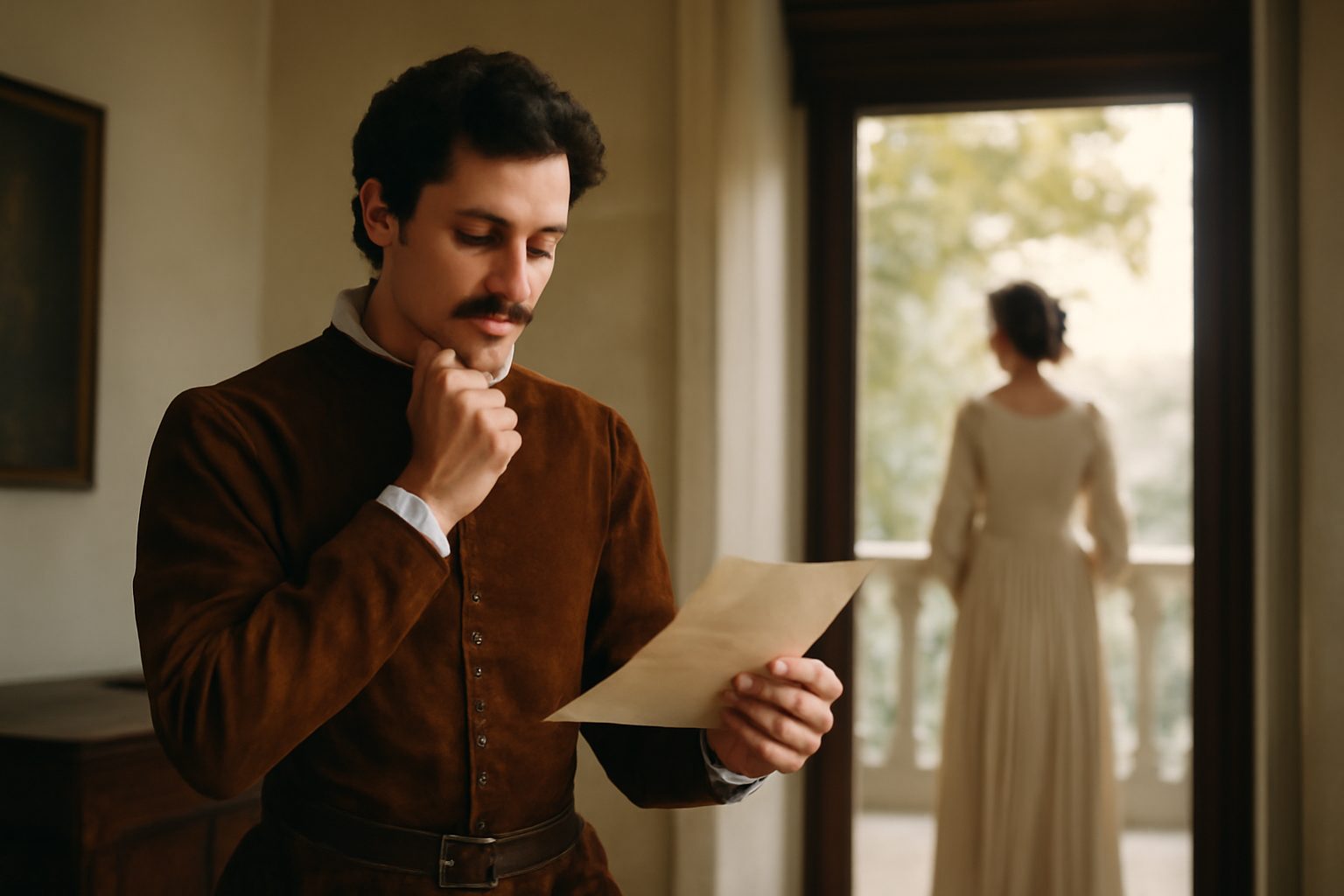
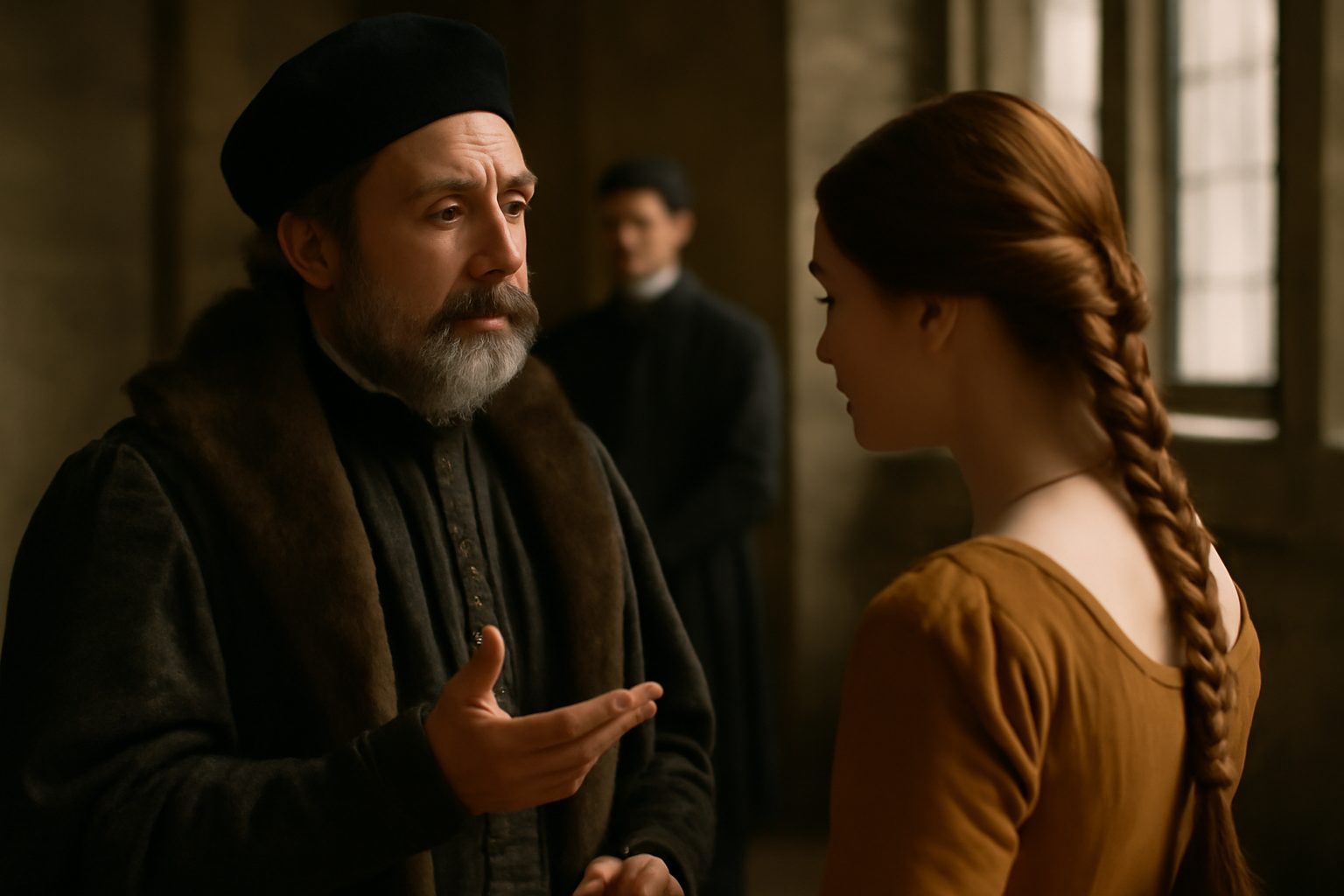
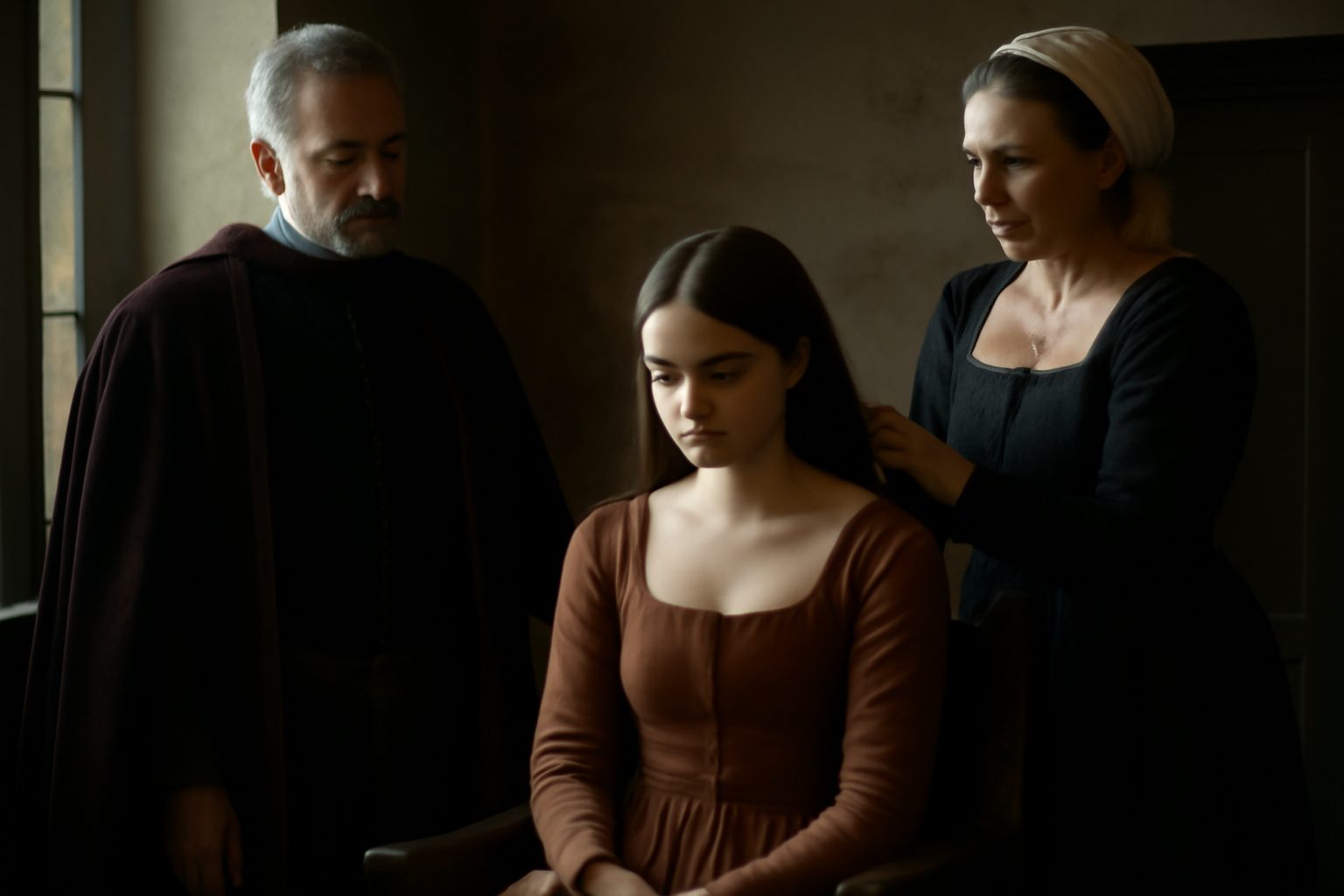
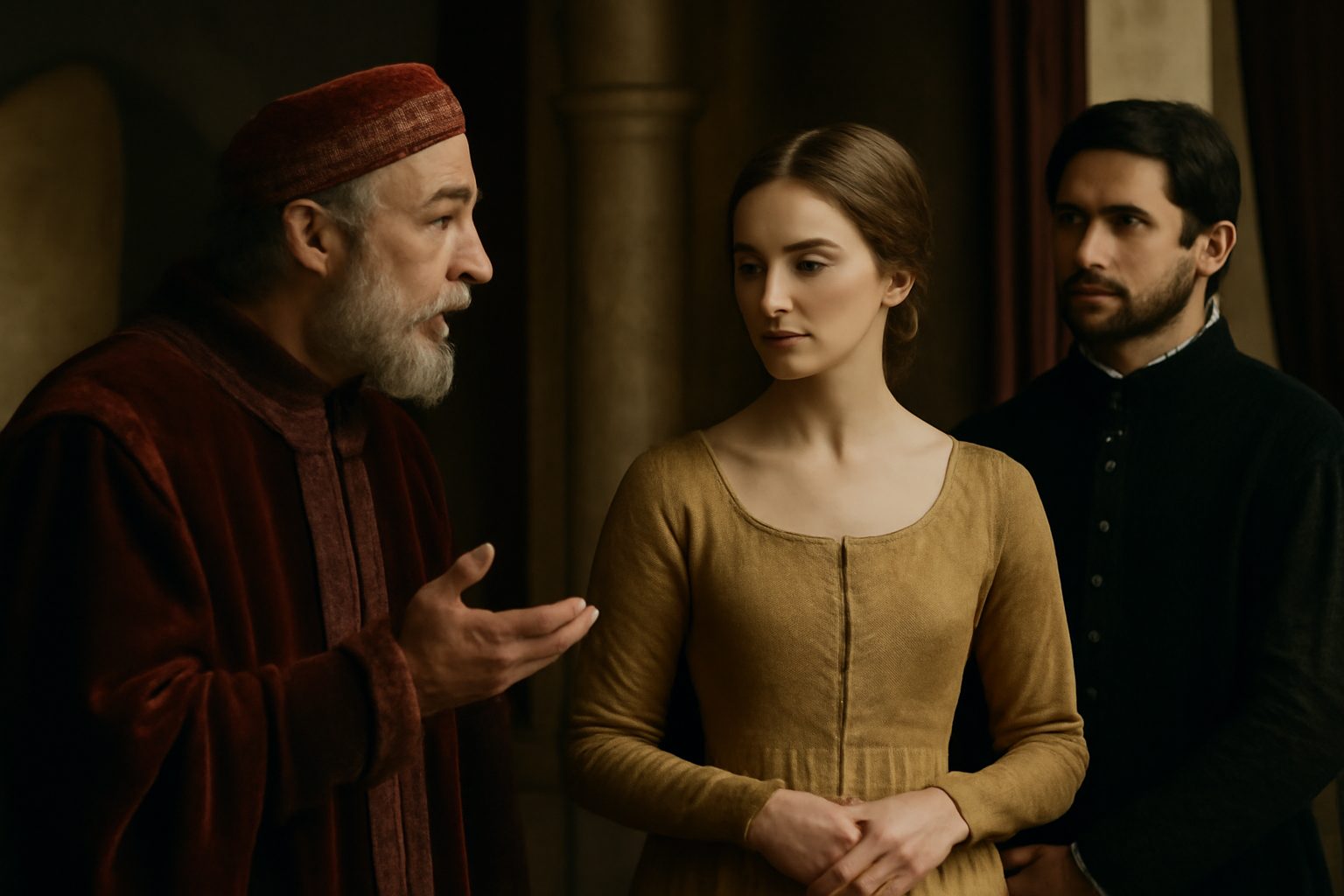
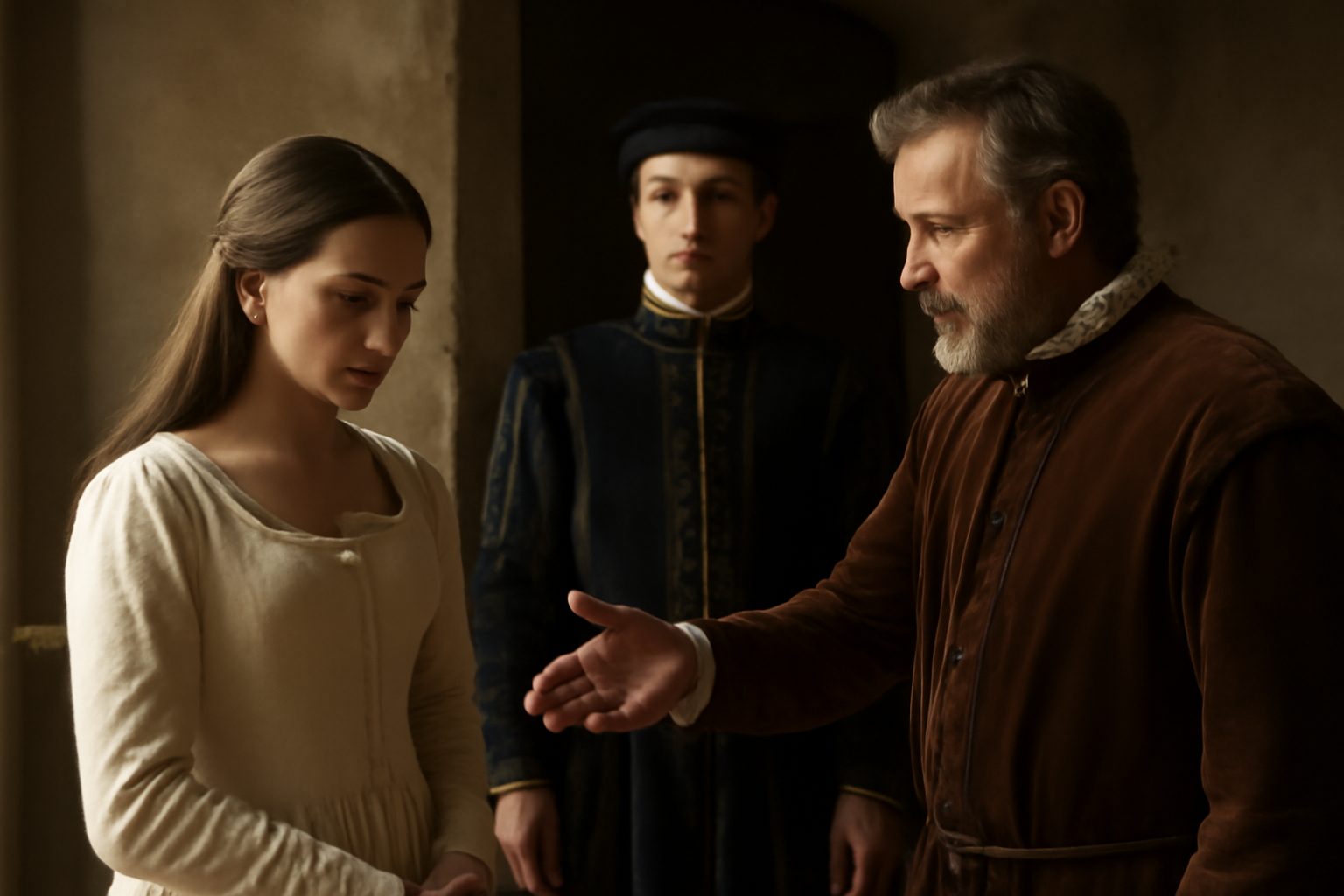
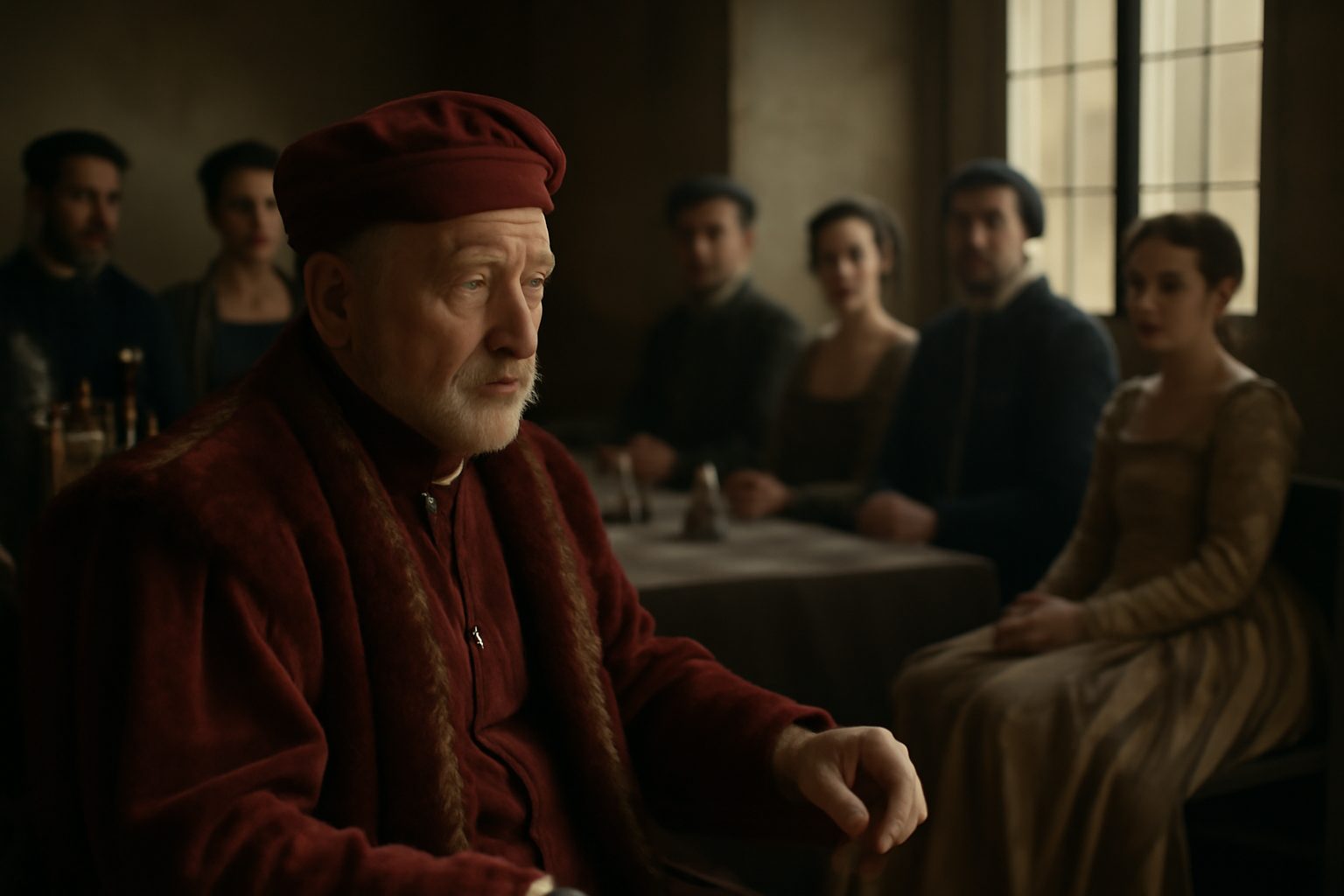
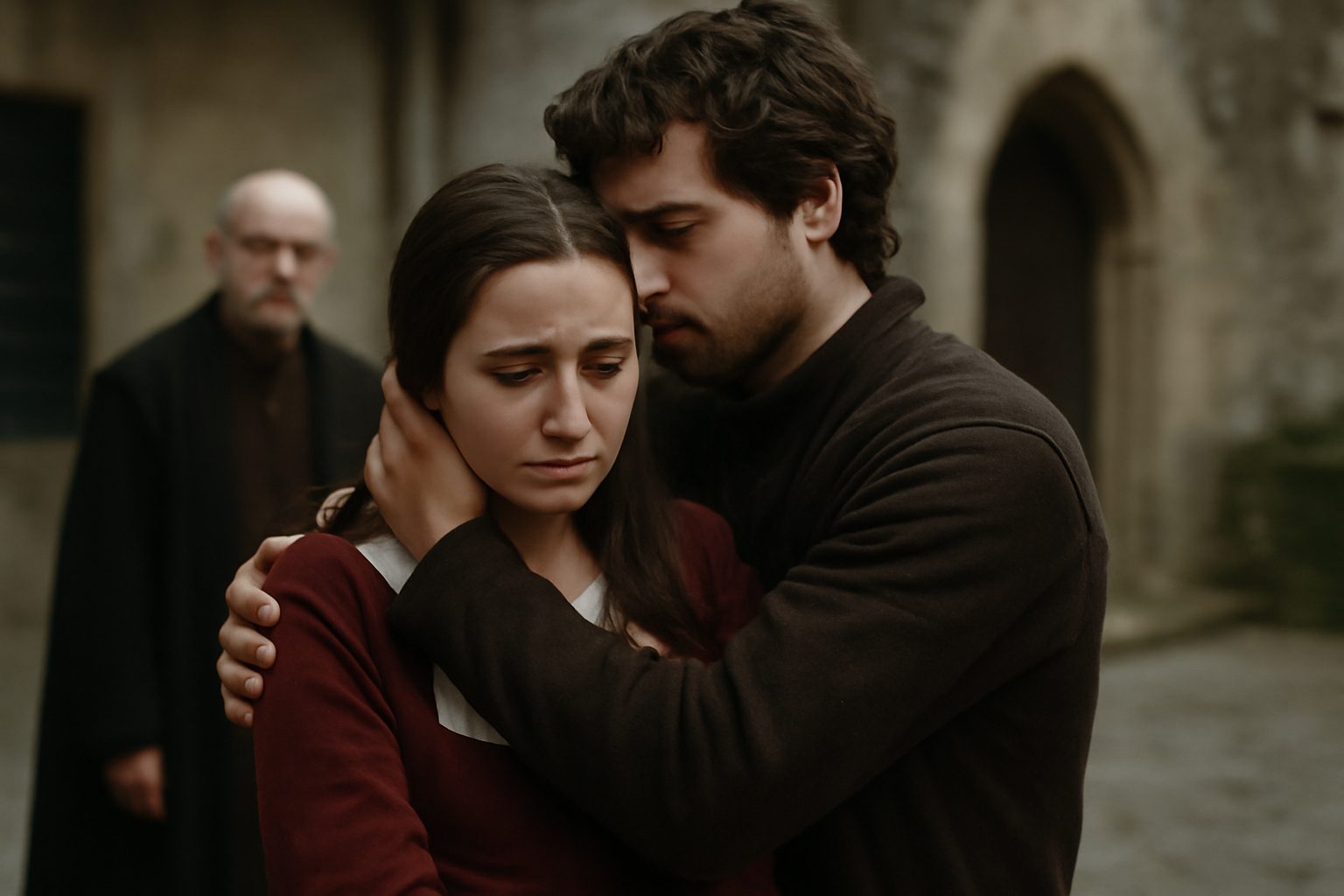
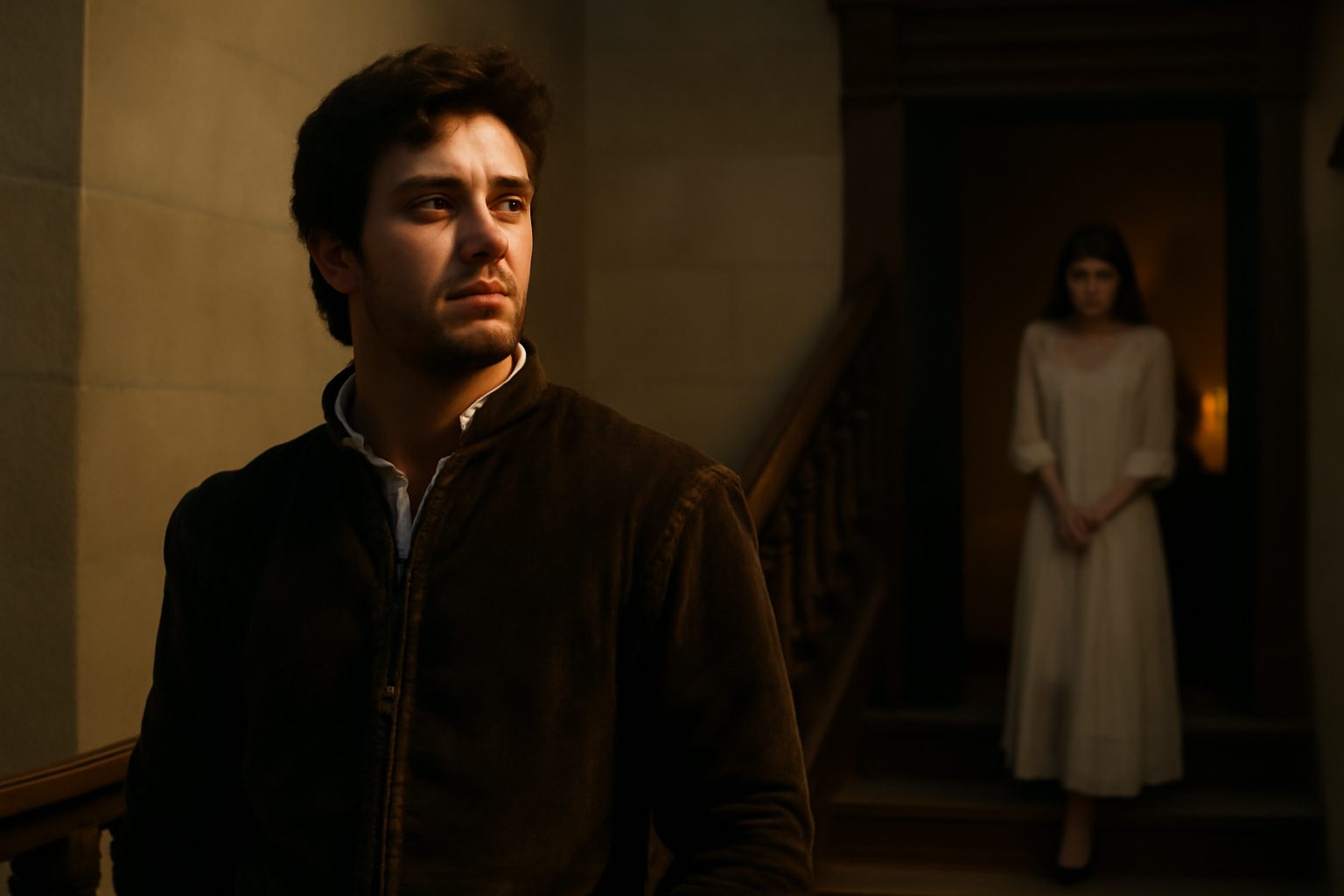
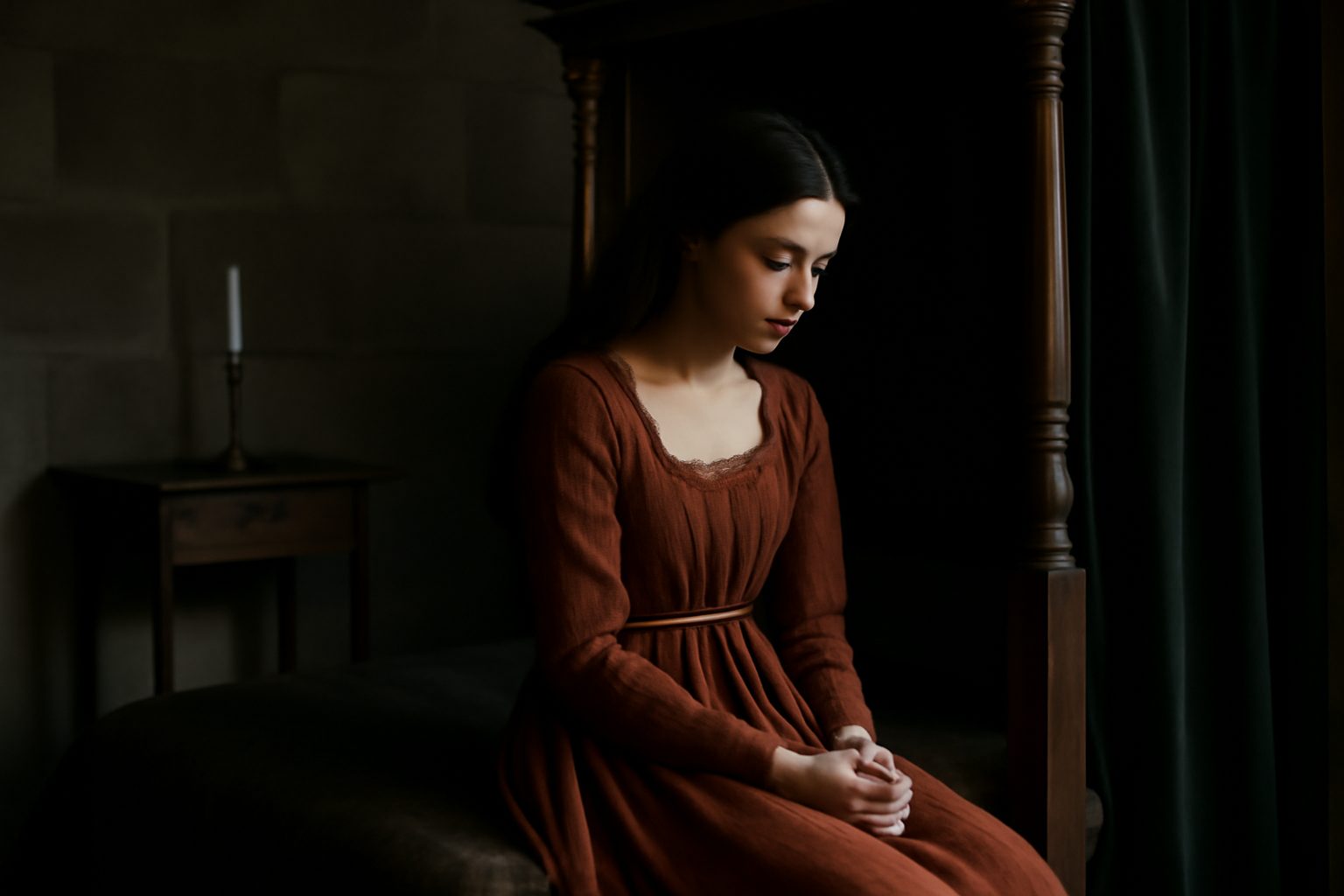
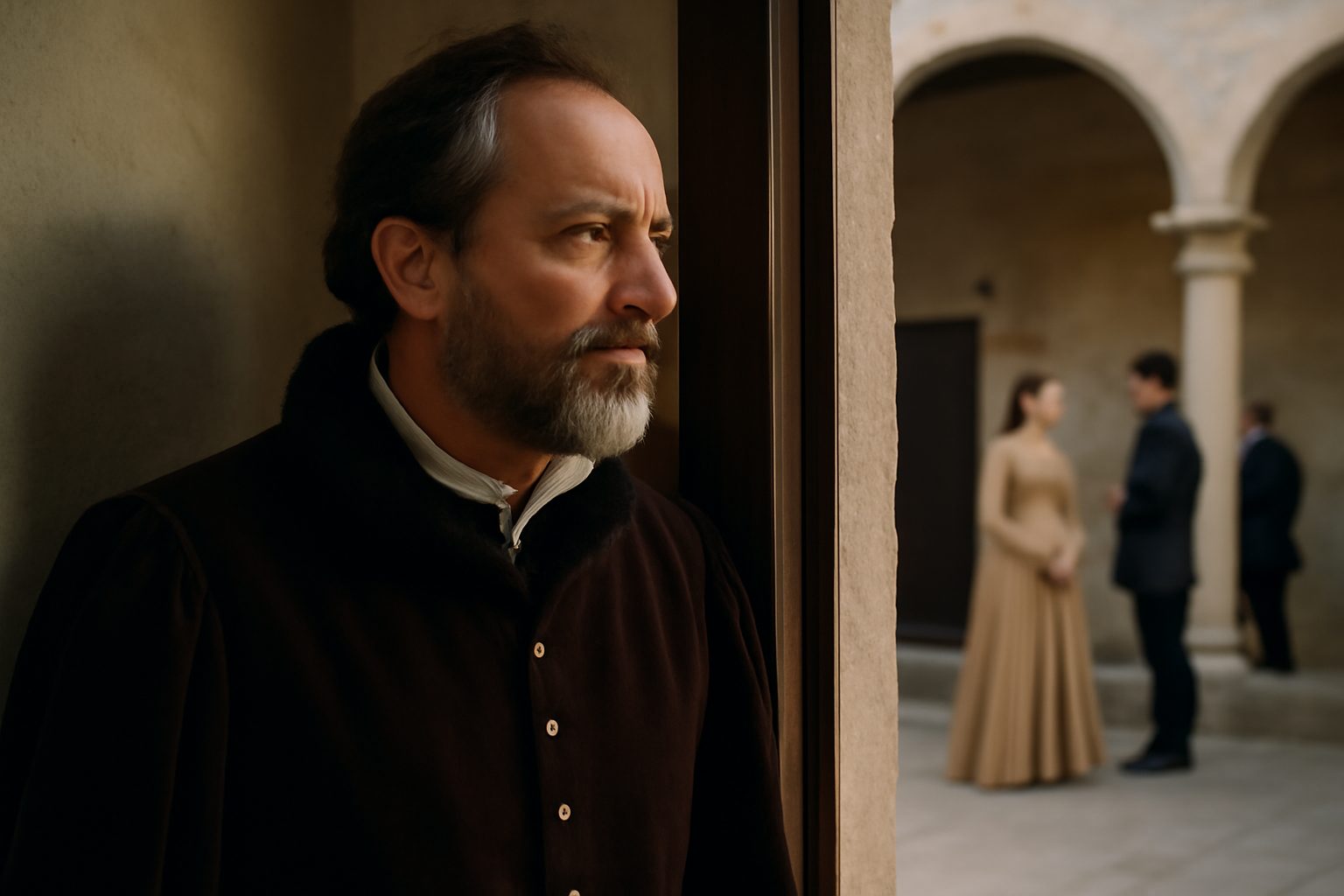
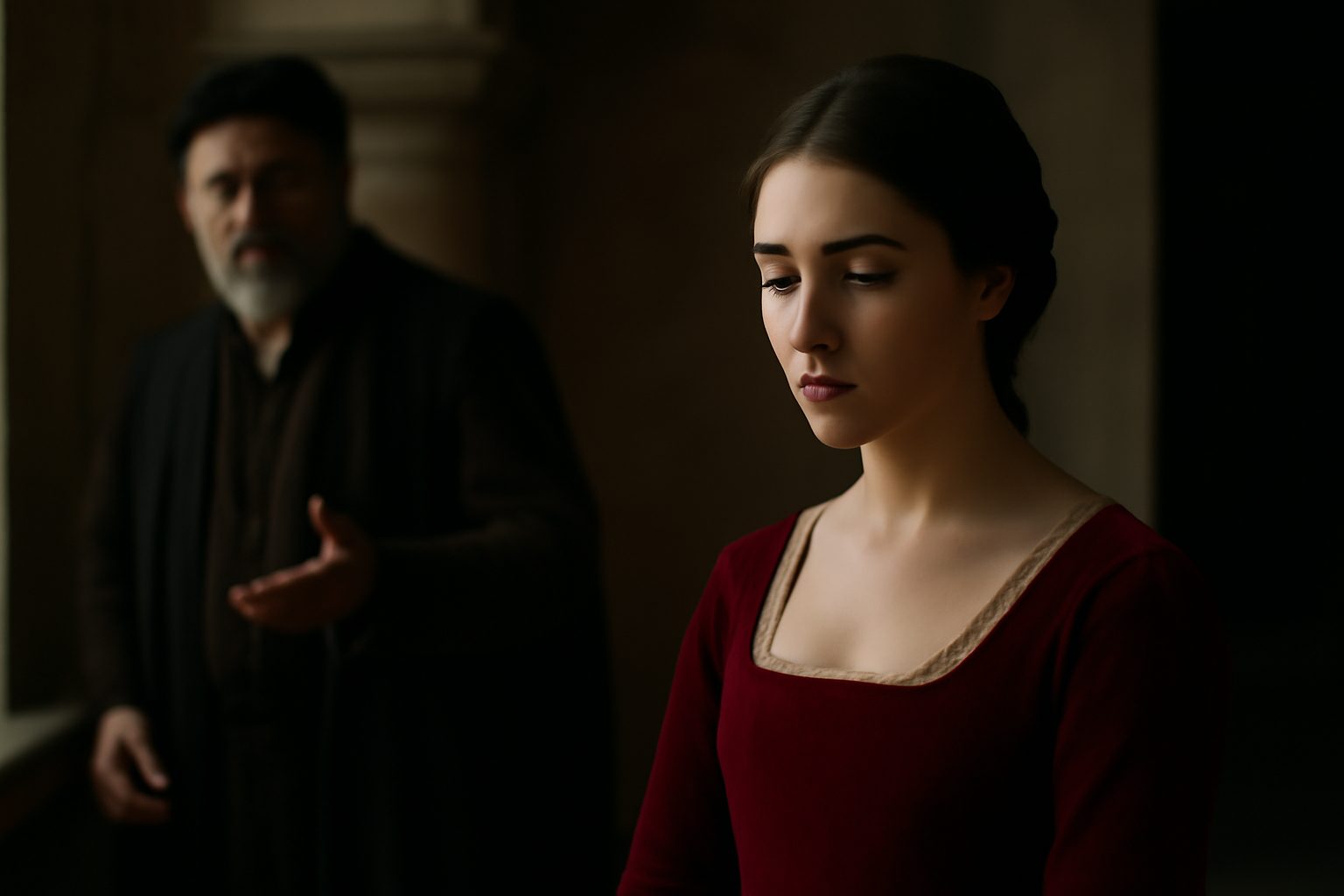
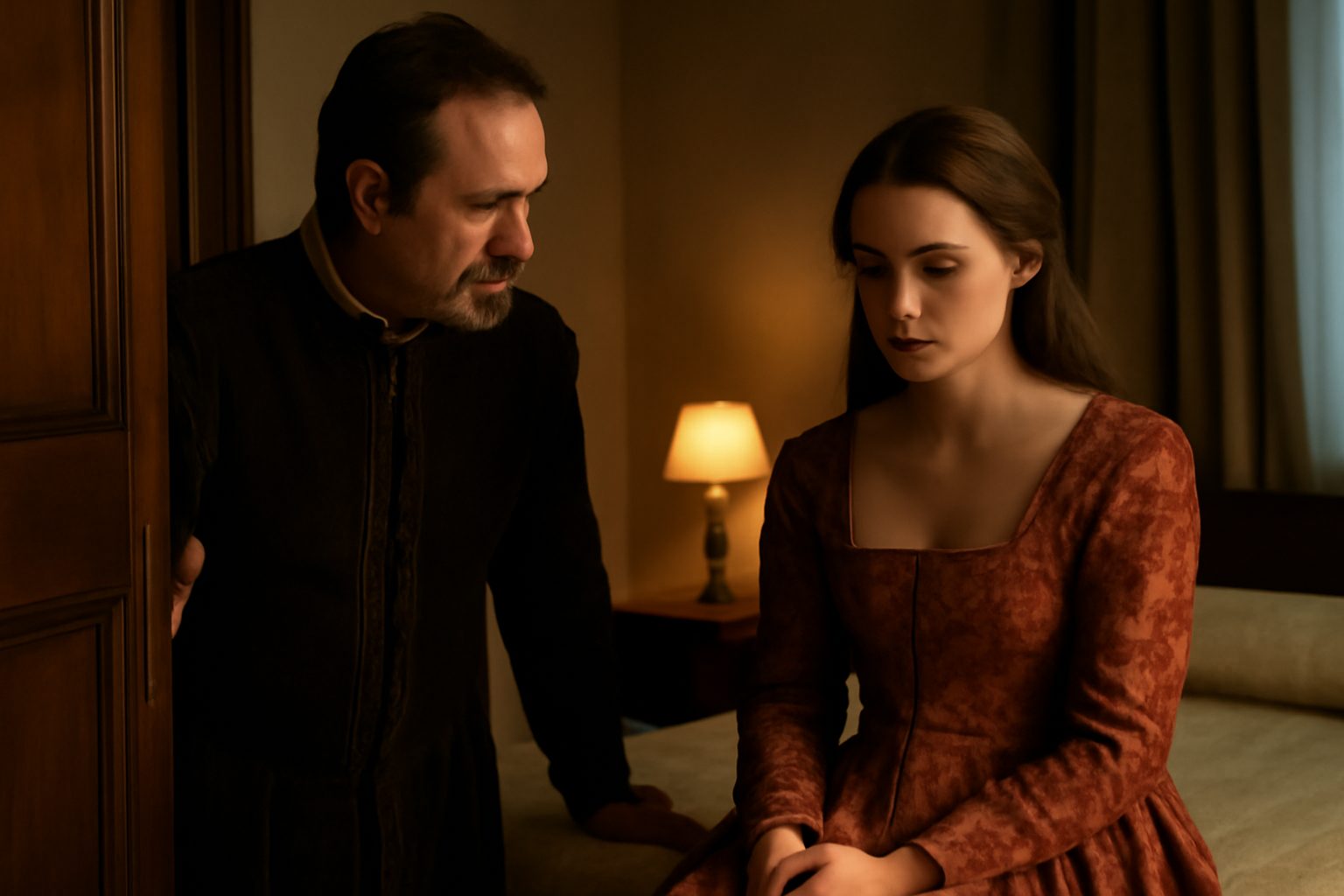
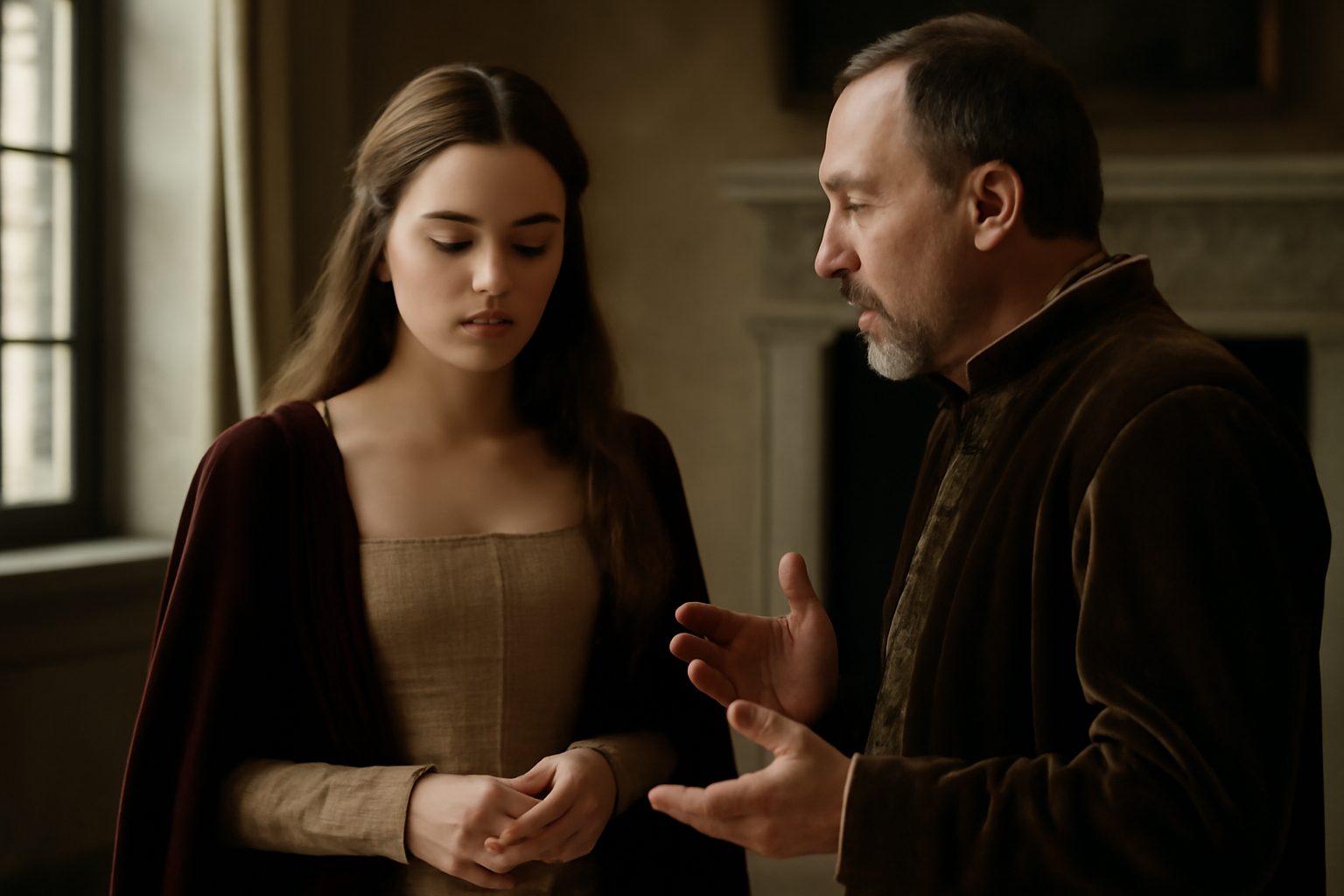
In Act 3, Scene 4 of Romeo and Juliet, Lord Capulet speaks these words as he discusses Juliet's impending marriage to Paris with Paris and Lady Capulet. It is late at night, and the urgency in his tone reflects the sudden decision to move the wedding forward, unaware of Juliet's secret marriage to Romeo. This moment highlights the rushed and impulsive nature of the Capulets' plans, which will soon clash with Juliet's desperate situation.
Capulet: "Afore me! it is so very very late,"
In modern day english, we would say:
Wow, it’s really late—way past bedtime.
Frequently Asked Questions
Why does Capulet say it is very late in this scene?
Capulet says it is very late because he is talking to Paris about Juliet's marriage, and he realizes how late at night it has gotten during their conversation.
Connections to other verses:
Connections to "Afore me! it is so very very late"
This line, spoken by Capulet, reflects the late hour and the urgency of the moment, connecting thematically and contextually to several other verses in the scene.
Immediate Context and Time Awareness
Capulet's exclamation about the lateness of the hour is echoed in I would have been a-bed an hour ago, where he expresses his own fatigue, reinforcing the scene's preoccupation with time and weariness. Similarly, Tis very late, she'll not come down to-night directly references Juliet's unavailability due to the hour, setting up the practical constraints the characters face.
Planning Amidst Grief and Haste
The acknowledgment of the late hour occurs amidst discussions of wedding plans, as seen in O' Thursday let it be: o' Thursday, tell her, where Capulet insists on an imminent marriage date. This juxtaposition highlights the tension between mourning Tybalt and rushing into new arrangements. The phrase also contrasts with Paris's eagerness in My lord, I would that Thursday were to-morrow, emphasizing differing perceptions of time under stress.
Closing the Scene
Capulet's remark paves the way for the scene's conclusion, leading into Farewell, my lord. Light to my chamber, ho!, where he calls for light to retire, and That we may call it early by and by, a ironic comment on making an early night of it despite the late hour, wrapping up the scene's focus on time and closure.