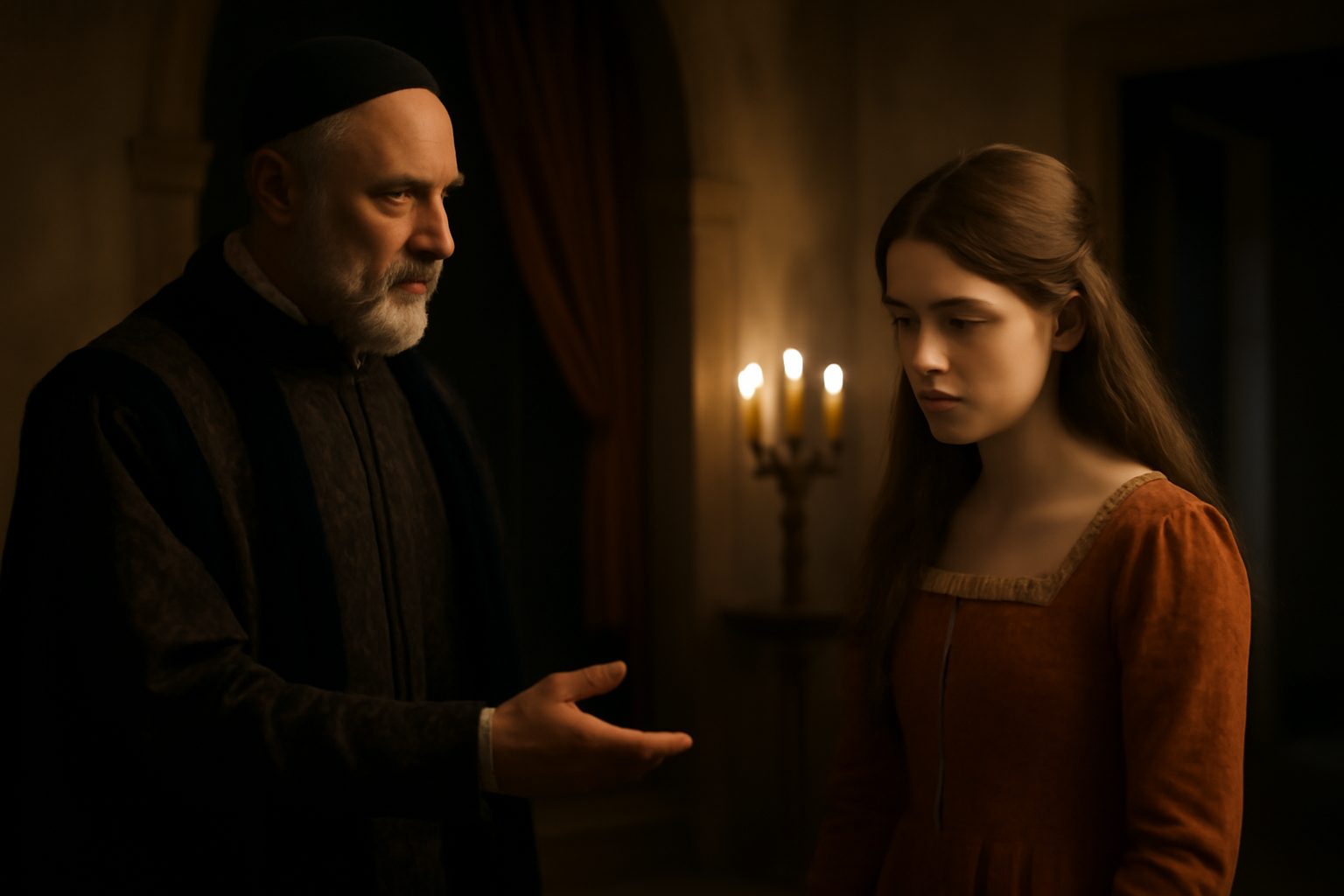
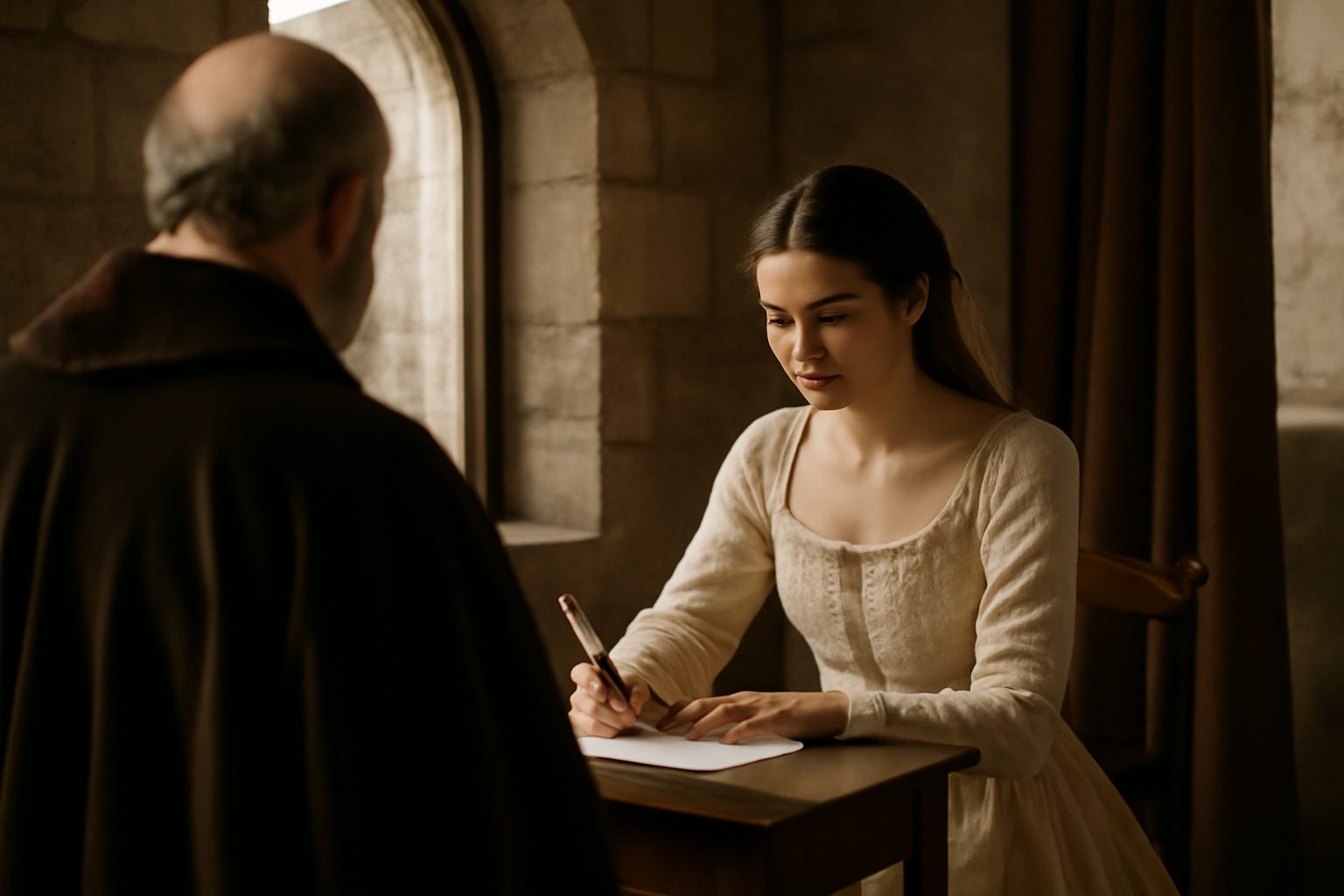
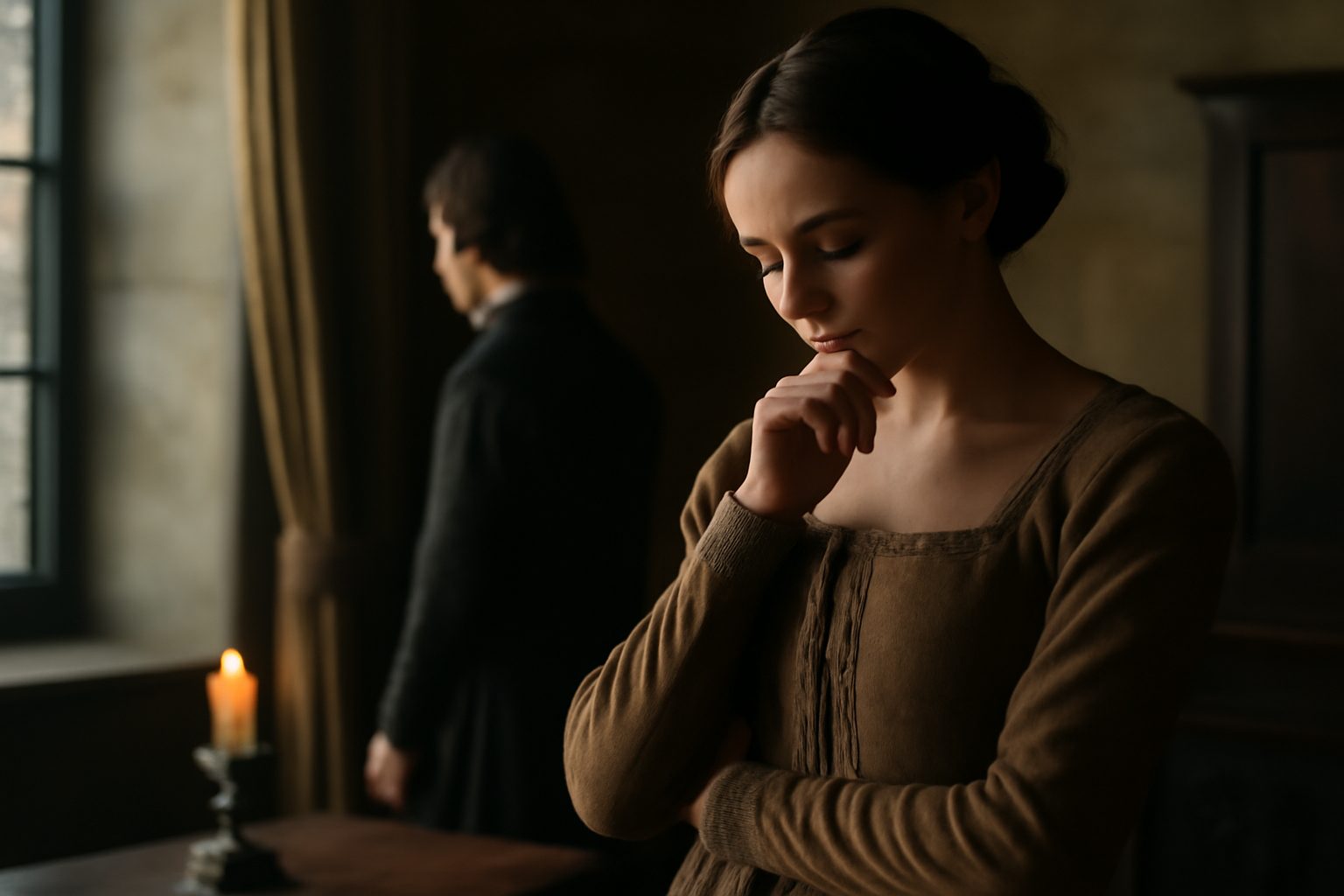
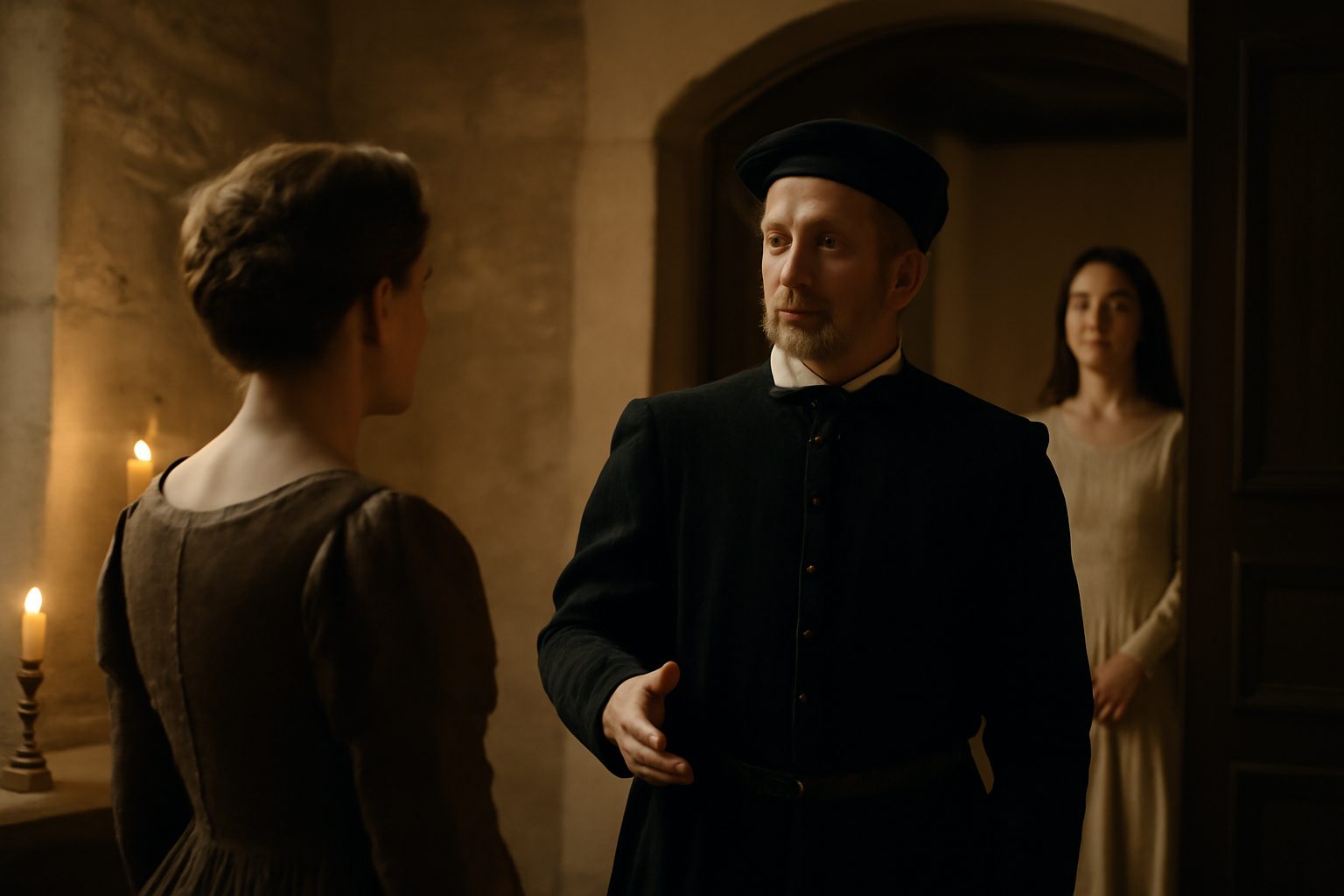
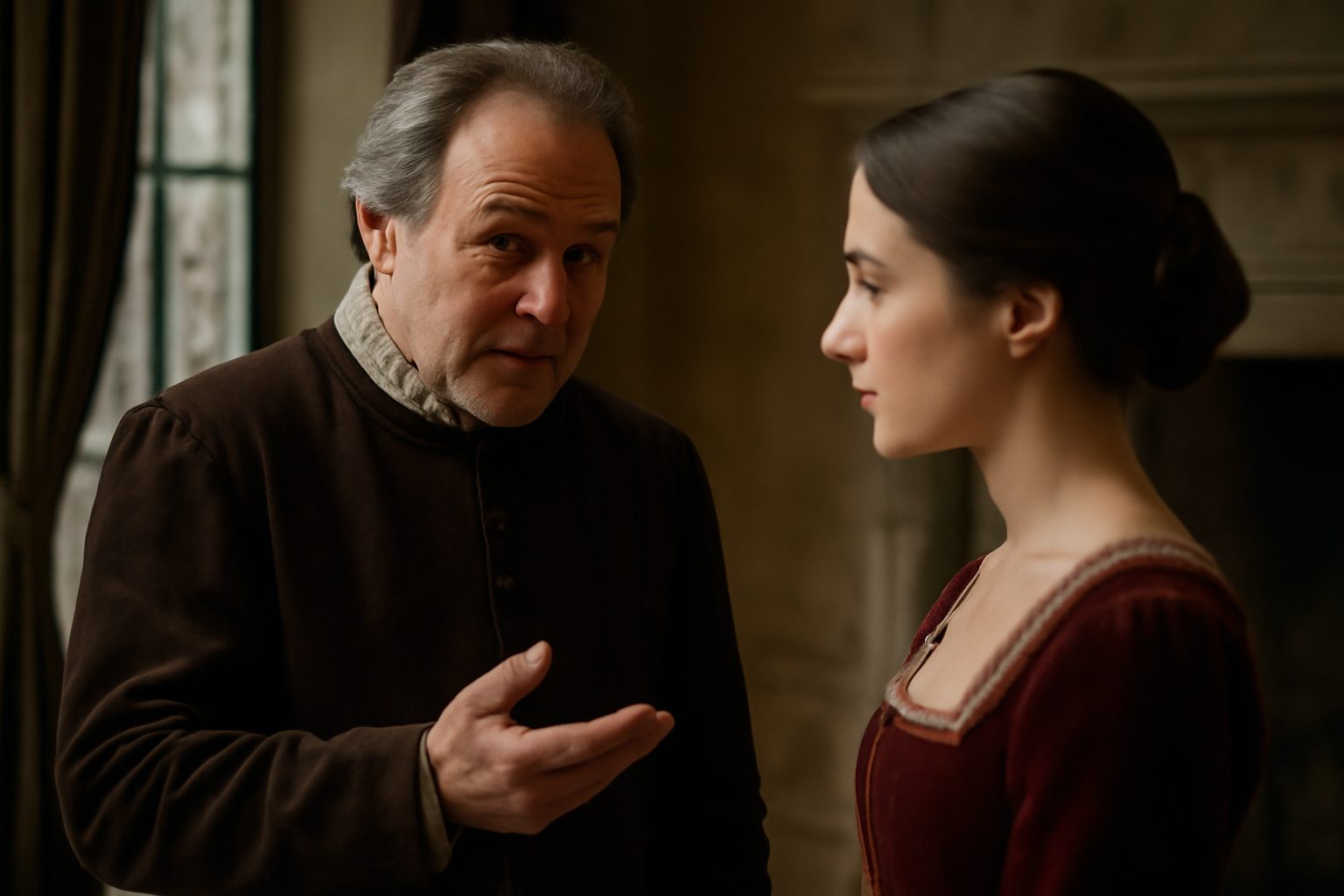
In Act 3, Scene 4 of Romeo and Juliet, Lord Capulet speaks these words to Paris as they conclude their conversation about Juliet's sudden marriage arrangement. This brief exchange occurs shortly after Tybalt's death, a moment of tension when Capulet, unaware of Juliet's secret marriage to Romeo, hastily promises her hand to Paris. The line marks the end of the scene, underscoring the haste and miscommunication that will lead to tragic consequences.
Capulet: "Good night."
In modern day english, we would say:
Alright, see you later.
Frequently Asked Questions
Who says Good night in Act 3 Scene 4 of Romeo and Juliet?
Capulet says Good night.
Connections to other verses:
Connections to "Good night" in Act 3, Scene 4
The line Good night serves as a formal closing to the scene, reflecting the late hour and the characters' fatigue. It echoes earlier expressions of weariness, such as I would have been a-bed an hour ago and Afore me! it is so very very late, emphasizing the exhaustion following Tybalt's death.
Planning and Parting
This farewell also ties into the planning discussions, particularly Madam, good night: commend me to your daughter, where Paris bids Lady Capulet good night with a reminder of his intentions. The urgency to retire is further highlighted by Farewell, my lord. Light to my chamber, ho!, as Capulet calls for light, signaling the end of their conversation.
Context of Grief and Haste
The brevity of "Good night" contrasts with the weighty decisions made, such as setting Juliet's marriage to Paris on Thursday, referenced in O' Thursday let it be: o' Thursday, tell her. This haste is acknowledged in These times of woe afford no time to woo, underscoring the tension between mourning and rushed plans, which the simple "Good night" leaves unresolved.