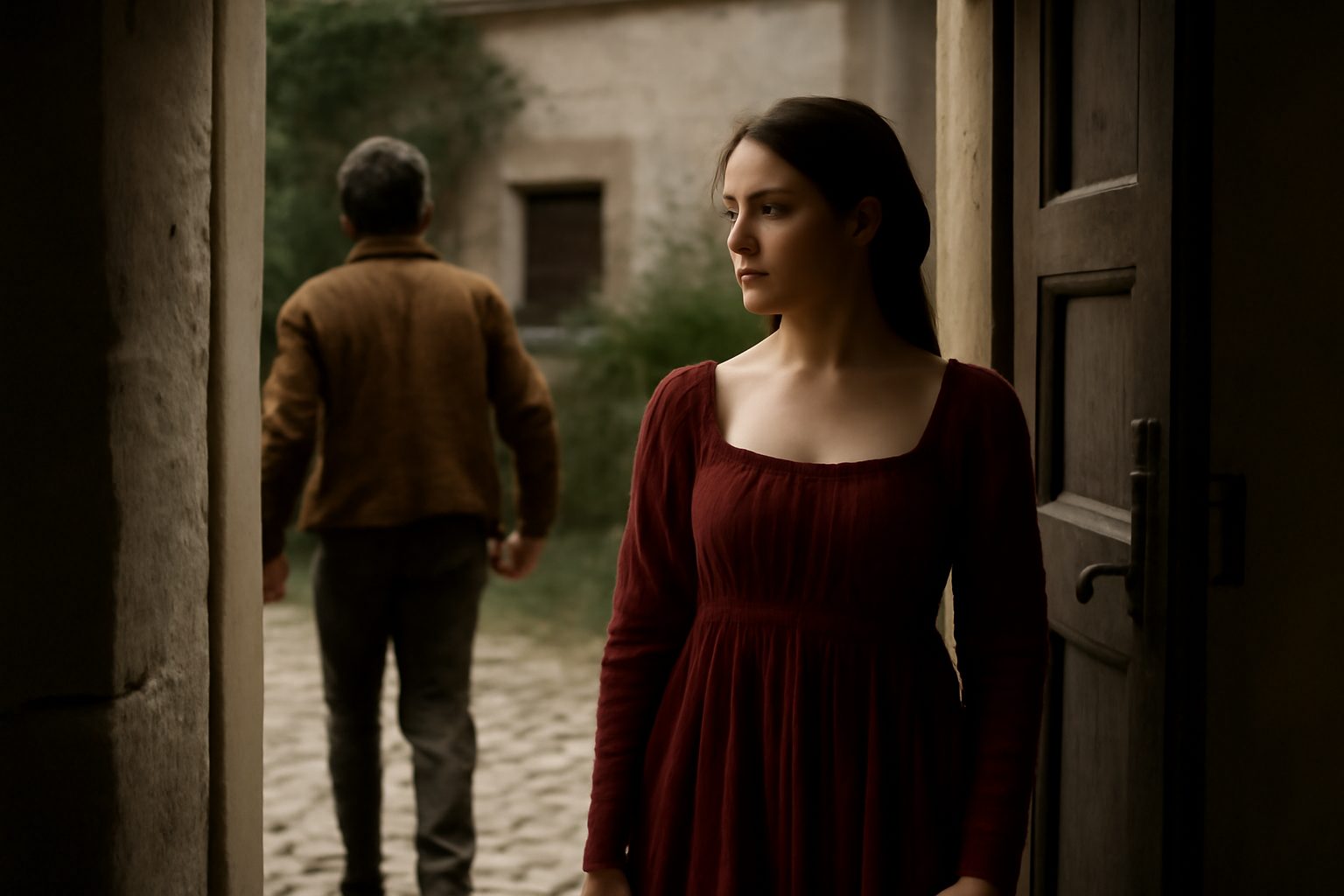
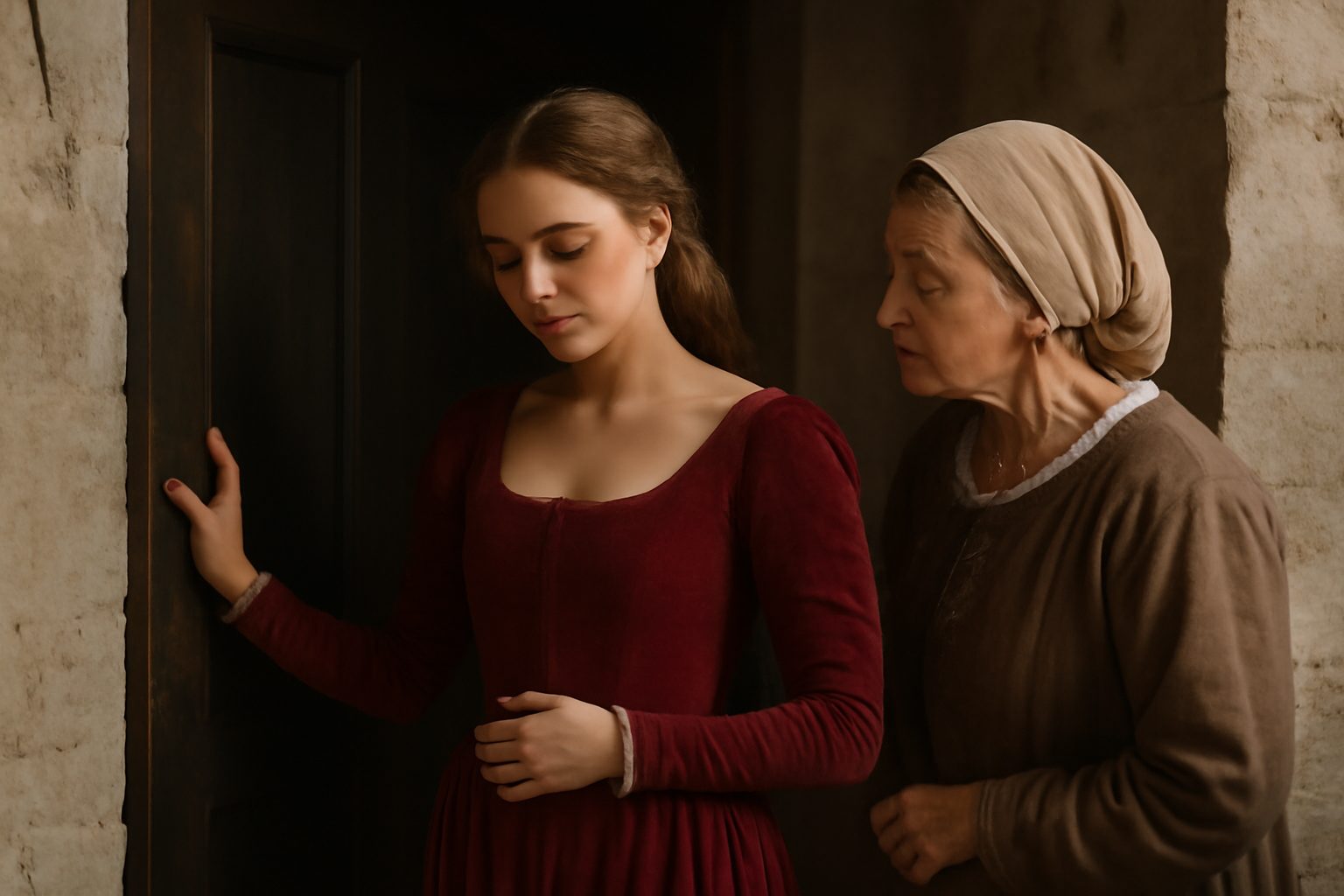
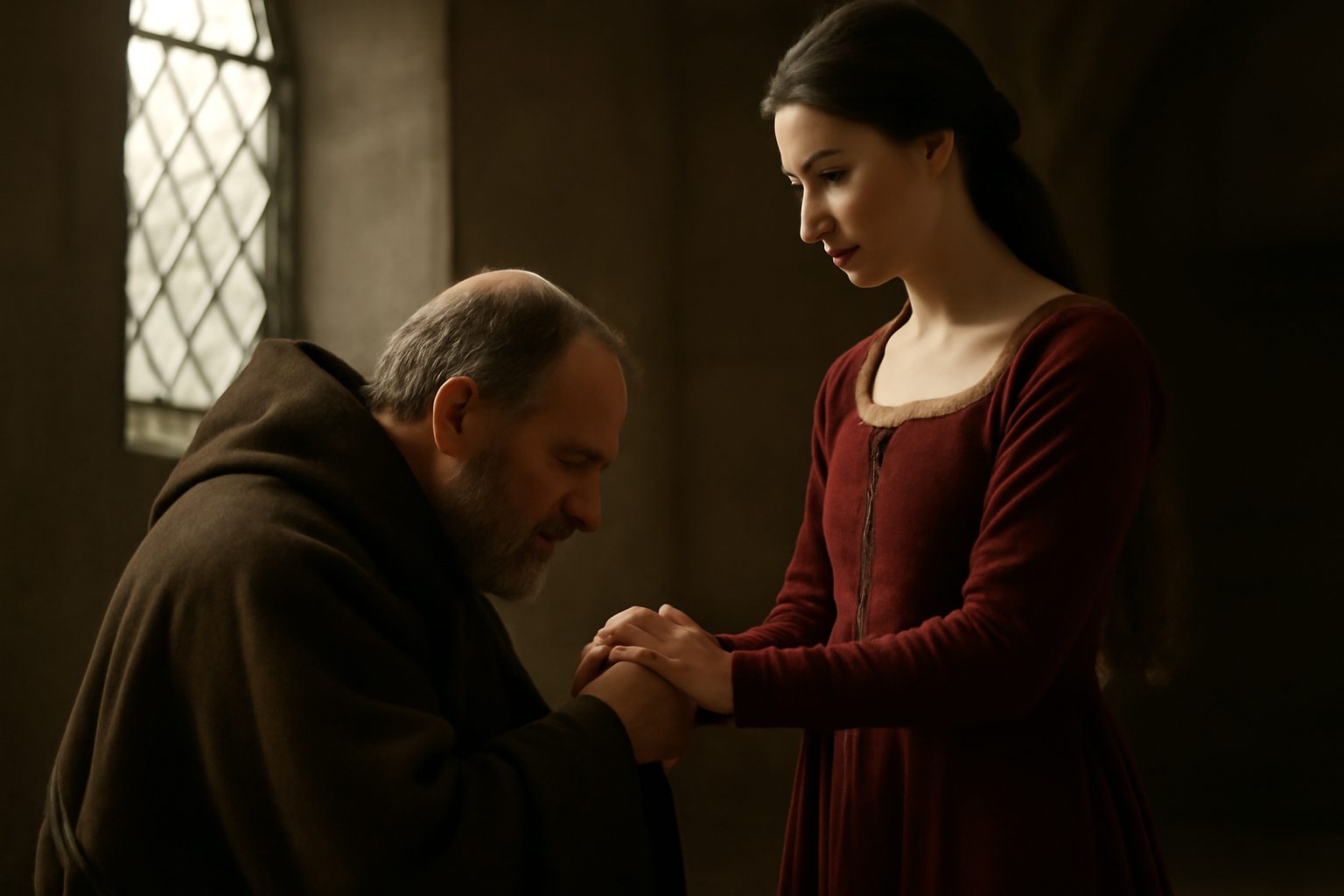
In Act 4, Scene 2 of Romeo and Juliet, Capulet is bustling with wedding preparations for Juliet and Paris when the Nurse returns with news of Juliet's apparent change of heart. Frustrated by what he sees as Juliet's earlier stubborn refusal to marry Paris, Capulet dismisses her past defiance as childish and foolish. His remark reflects his impatience and relief that Juliet now seems obedient to his wishes.
Capulet: "A peevish self-will'd harlotry it is."
In modern day english, we would say:
It’s just a stubborn, spoiled bit of mischief.
Frequently Asked Questions
What does Capulet call Juliet in this line from Act 4, Scene 2?
He calls her a stubborn and disobedient girl.
Connections to other verses:
Connections to "A peevish self-will'd harlotry it is."
This line, spoken by Capulet, expresses his frustration with Juliet's perceived disobedience and stubbornness. It connects thematically and contextually to several other verses in the scene.
Direct Context and Character Reactions
Capulet's outburst follows his inquiry in How now, my headstrong! where have you been…, where he addresses Juliet as "headstrong," directly linking to the "self-will'd" description. Her response in Where I have learn'd me to repent the sin and Of disobedient opposition shows her feigned repentance, which contrasts with his harsh words. Her submission in Henceforward I am ever ruled by you further highlights the shift from defiance to apparent obedience, softening Capulet's anger.
Capulet's Changing Attitude
After Juliet's apology in And beg your pardon: pardon, I beseech you!, Capulet's mood shifts dramatically. He becomes jovial and eager, as seen in I'll have this knot knit up to-morrow morning and Against to-morrow: my heart is wondrous light, showing how quickly his perception of Juliet changes from "peevish self-will'd harlotry" to a reclaimed daughter in Since this same wayward girl is so reclaim'd.
Friar Laurence's Role
Capulet credits Friar Laurence for Juliet's transformation, mentioning in Now, afore God! this reverend holy friar and Our whole city is much bound to him that the Friar has influenced her, indirectly connecting to the initial frustration expressed in the verse.
Irony and Foreshadowing
Juliet's deceptive obedience, which prompts Capulet's joyful planning in verses like As you think fit to furnish me to-morrow? and And all things shall be well, I warrant thee,…, underscores the tragic irony, as her compliance is part of a scheme to avoid marrying Paris, making Capulet's initial insult unwittingly prophetic.