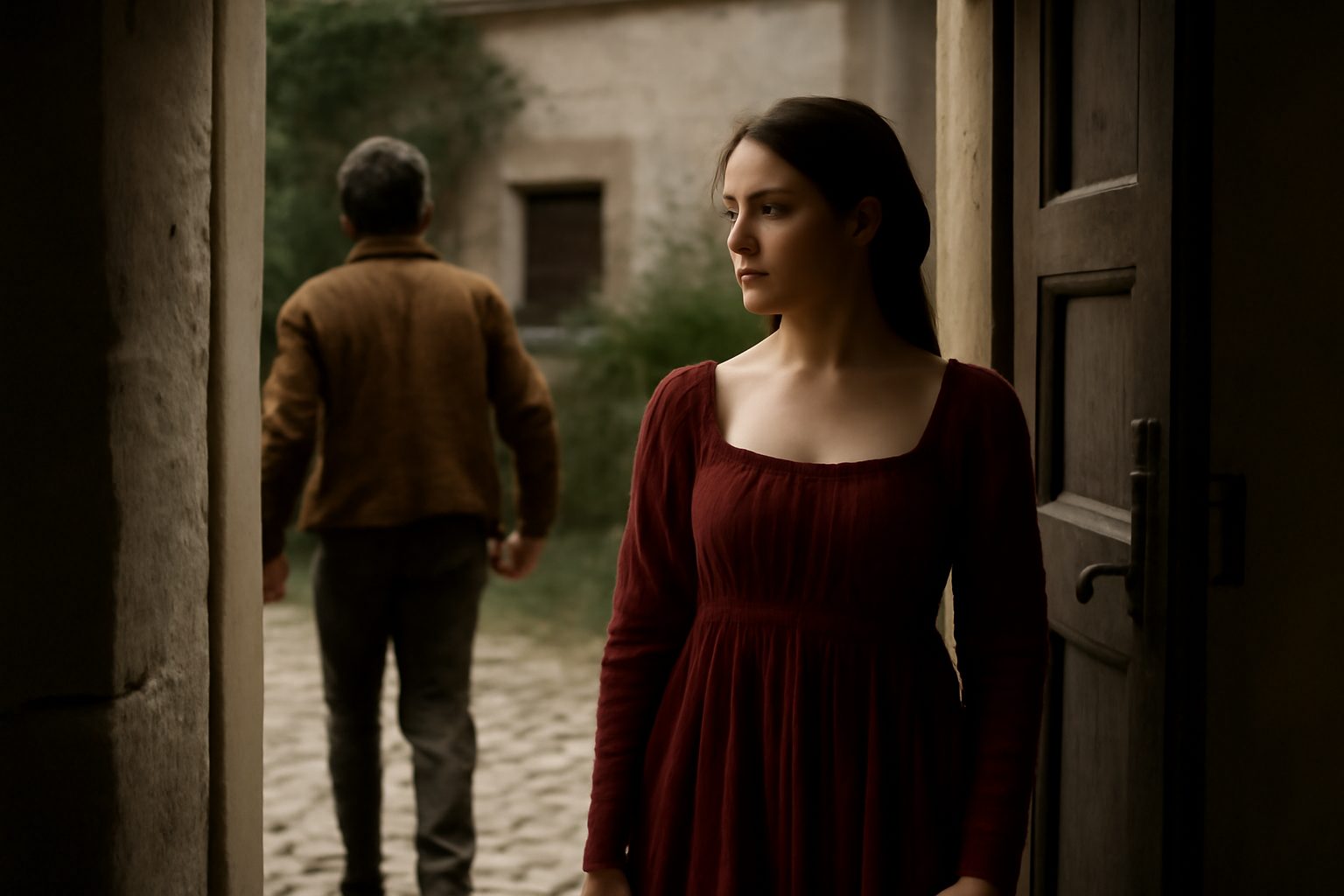
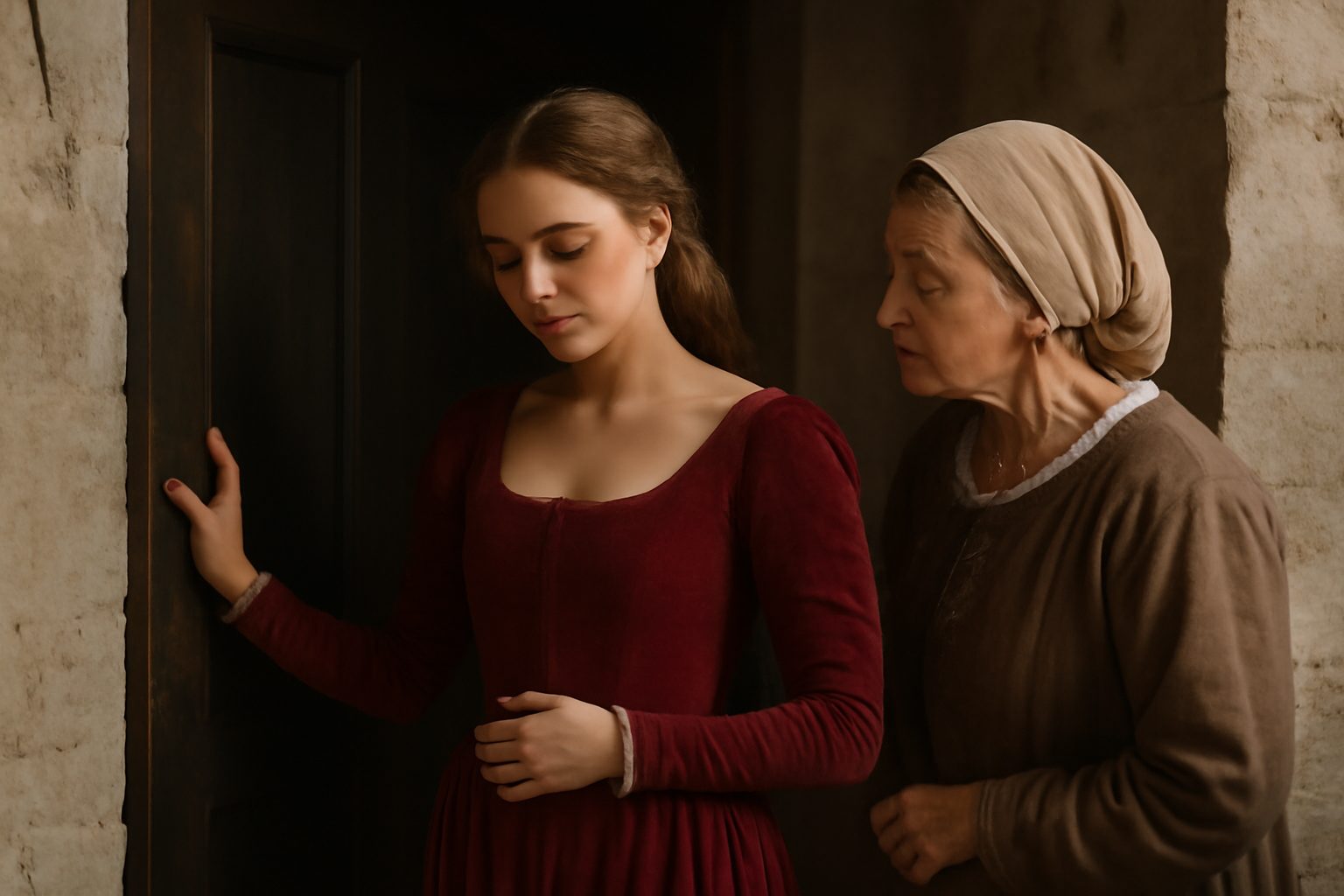
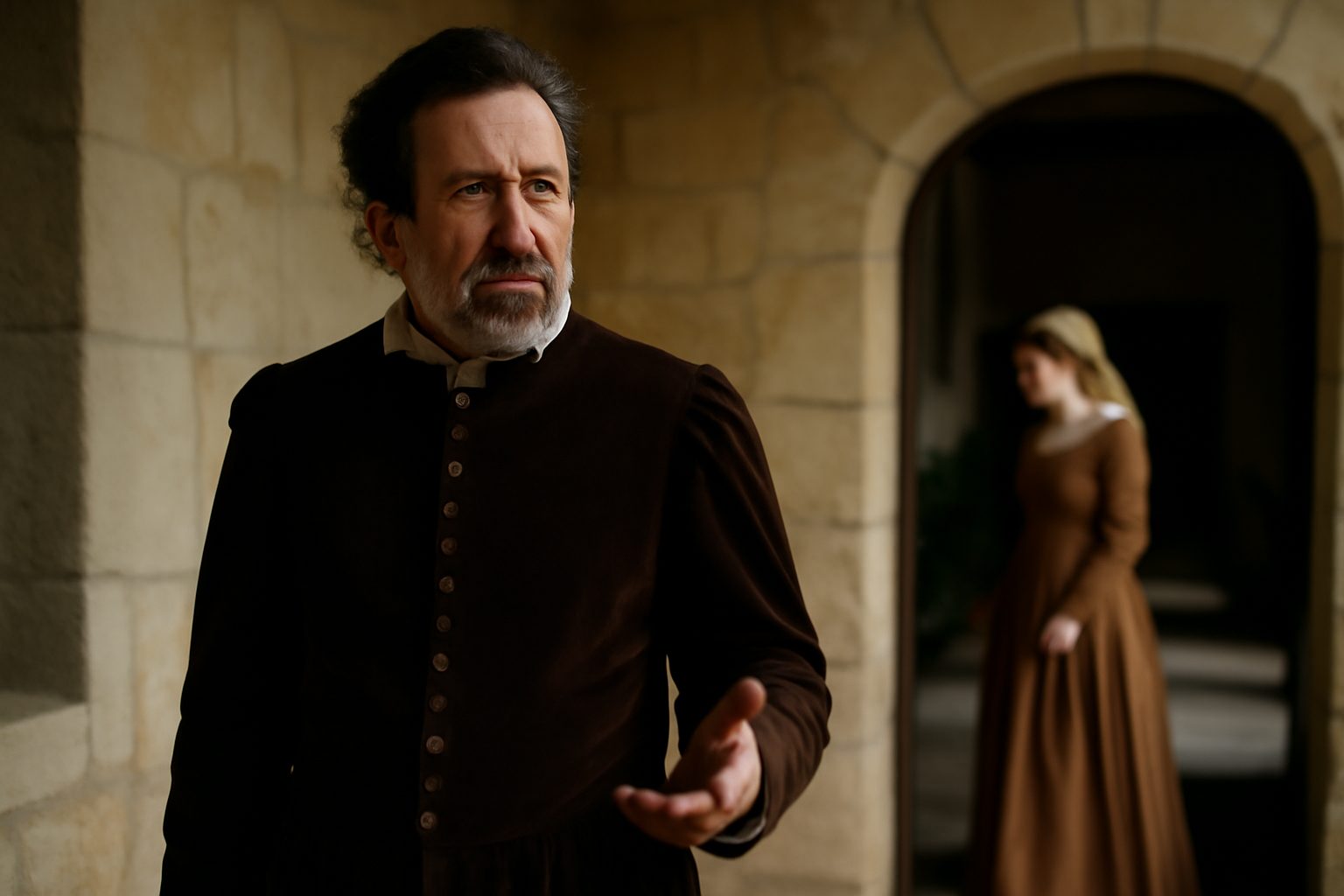
In Act 4 Scene 2 of Romeo and Juliet, Capulet speaks these words while preparing for Juliet's wedding to Paris. He is expressing gratitude to Friar Laurence, who has just assured him that Juliet will comply with the marriage plans. The line reflects Capulet's relief and his high regard for the friar, unaware of the deception at play.
Capulet: "Our whole city is much bound to him."
In modern day english, we would say:
Our entire city owes him a great deal.
Frequently Asked Questions
Why does Capulet say the city is grateful to someone?
Capulet says this because the person has done something important or helpful for the entire city.
Connections to other verses:
Connections to "Our whole city is much bound to him"
This line, spoken by Capulet in reference to Friar Laurence, reflects the sudden shift in his attitude toward the friar and the wedding preparations. It connects thematically and dramatically with several other verses in the scene.
Direct Context and Character Transformation
Capulet's praise of the friar follows immediately after Now, afore God! this reverend holy friar, where he first expresses admiration for Laurence's influence on Juliet. This marks a stark contrast to his earlier anger, such as in How now, my headstrong! where have you been… and his description of Juliet as A peevish self-will'd harlotry it is. Juliet's feigned repentance—Henceforward I am ever ruled by you and her kneeling to beg pardon in And beg your pardon: pardon, I beseech you!—directly prompts Capulet's changed perspective, making him attribute this transformation to the friar.
Wedding Preparations and Irony
Capulet's gratitude fuels his urgency to proceed with the wedding, as seen in I'll have this knot knit up to-morrow morning and his declaration Against to-morrow: my heart is wondrous light. This optimistic tone is echoed in his assurance And all things shall be well, I warrant thee,…, creating dramatic irony since the audience knows Juliet's compliance is part of a dangerous plan. The practical preparations he orders, such as Sirrah, go hire me twenty cunning cooks and his concern about being short in our provision, stem from this renewed enthusiasm, which he credits to the friar's intervention.
Structural and Thematic Links
The line also ties to the scene's conclusion, where Capulet's relief at Juliet's obedience is summarized in Since this same wayward girl is so reclaim'd. His instruction Go, nurse, go with her: we'll to church to-morrow and Juliet's subsequent actions, like I'll not to bed to-night; let me alone;, show the direct consequences of his trust in the friar—a trust that will prove tragically misplaced.