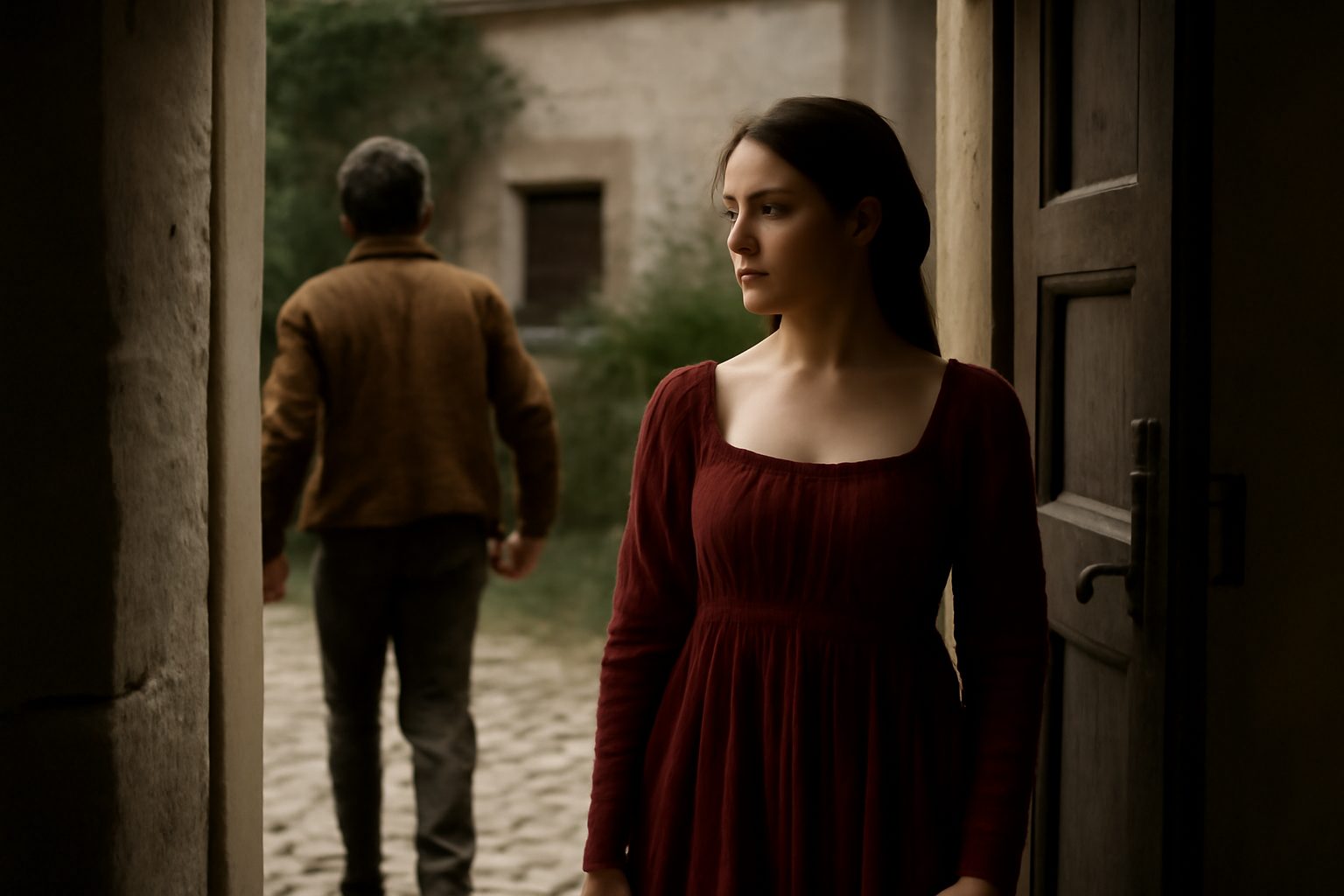
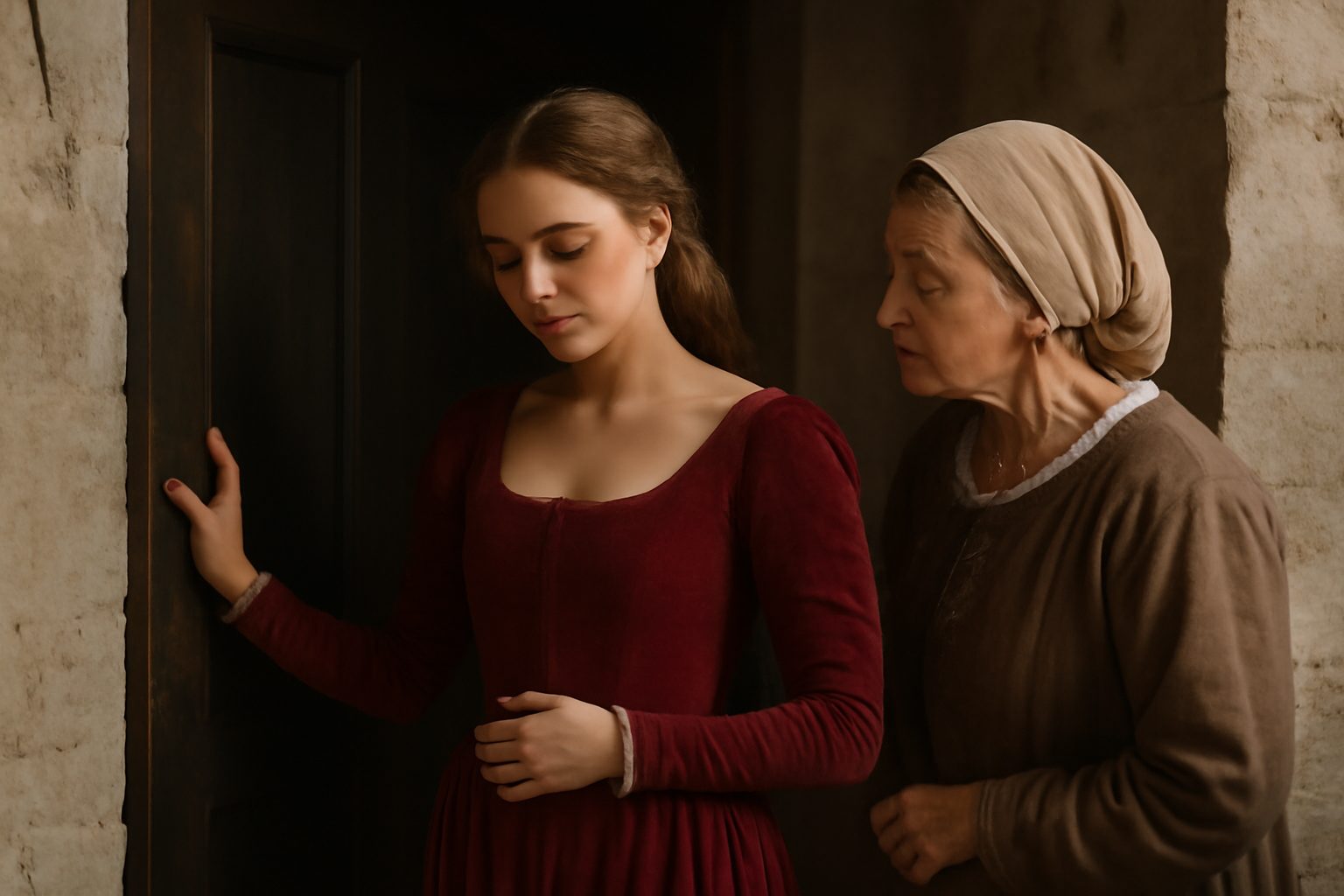
In Act 4 Scene 2 of Romeo and Juliet, Juliet returns to her family after secretly agreeing to marry Paris, a plan devised by Friar Laurence to reunite her with Romeo. Her father, Lord Capulet, is overjoyed by her apparent obedience and rushes to prepare the wedding. When the Nurse questions his haste, Capulet defends his actions, leading to this line as he challenges why anyone would doubt his arrangements.
Capulet: "How canst thou try them so?"
In modern day english, we would say:
How could you test them like that?
Frequently Asked Questions
What is Capulet asking when he says 'How canst thou try them so?' in Act 4 Scene 2?
Capulet is questioning how someone can test or judge the wedding preparations in such a way.
Connections to other verses:
Connections to "How canst thou try them so?"
The line "How canst thou try them so?" is spoken by Capulet to the servant Peter, questioning his ability to test the cooks' skills. This directly connects to the servant's earlier assurance: You shall have none ill, sir; for I'll try if they, where Peter promises to ensure no bad cooks are hired. The exchange continues with the proverbial response in Marry, sir, 'tis an ill cook that cannot lick his, which Peter completes in own fingers: therefore he that cannot lick his and fingers goes not with me, emphasizing his confidence in judging the cooks.
Contextual and Thematic Links
This culinary discussion contrasts with the scene's later focus on Juliet's feigned obedience. After Capulet's initial frustration in How now, my headstrong! where have you been…, Juliet's submission in Henceforward I am ever ruled by you and Capulet's joyful response in Why, I am glad on't; this is well: stand up: show a shift from distrust to apparent harmony. The servant's testing of cooks parallels Capulet's testing of Juliet's obedience, both serving the wedding preparations highlighted in I'll have this knot knit up to-morrow morning and Go, nurse, go with her: we'll to church to-morrow.
Irony and Foreshadowing
The servant's assurance that he will "try" the cooks ironically foreshadows the larger deception in the scene: Juliet's false compliance, which Capulet believes is genuine, as seen in Since this same wayward girl is so reclaim'd. Just as Peter tests the cooks' worthiness, Juliet's actions are a "test" of her father's trust, culminating in the tragic irony of the planned wedding.