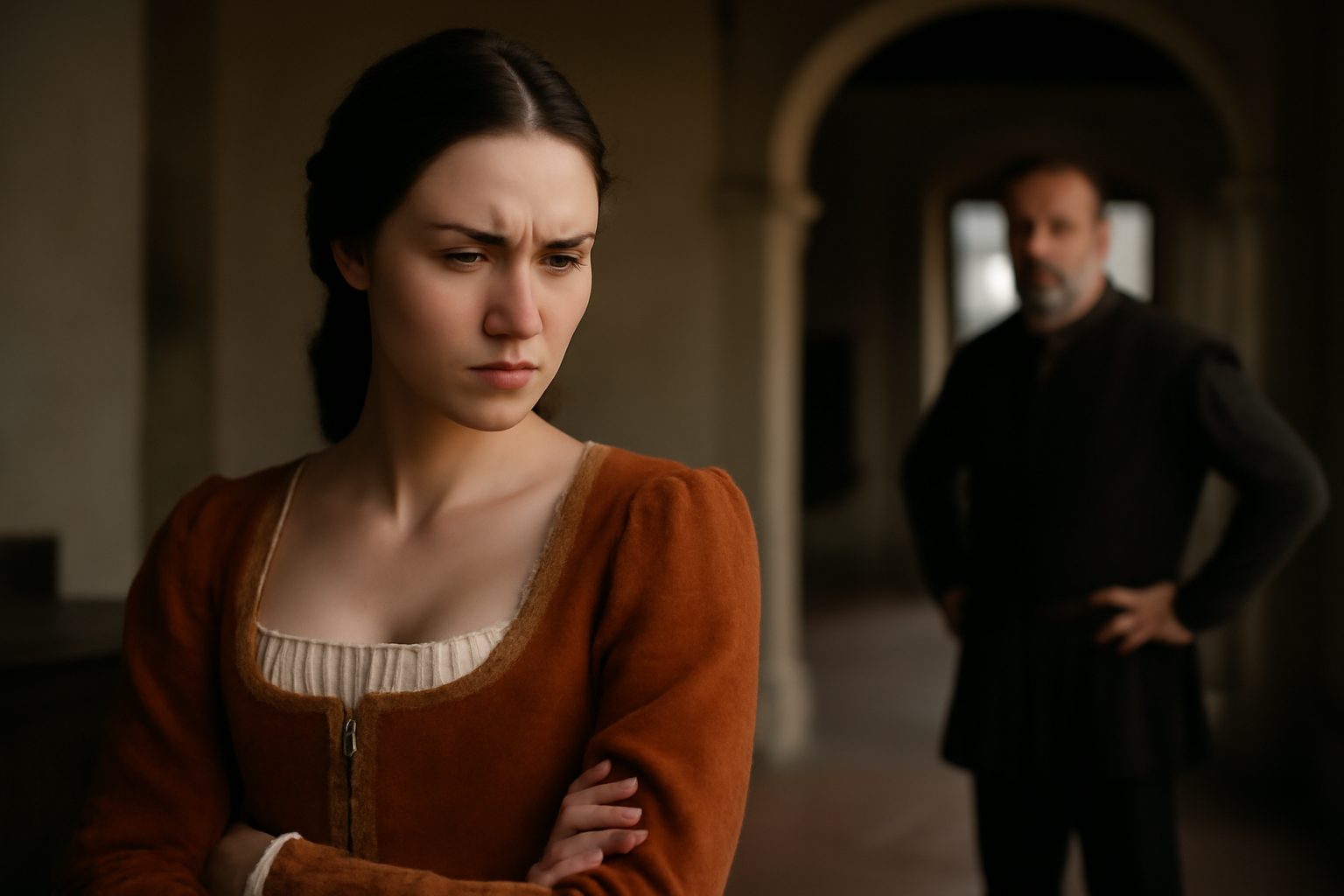
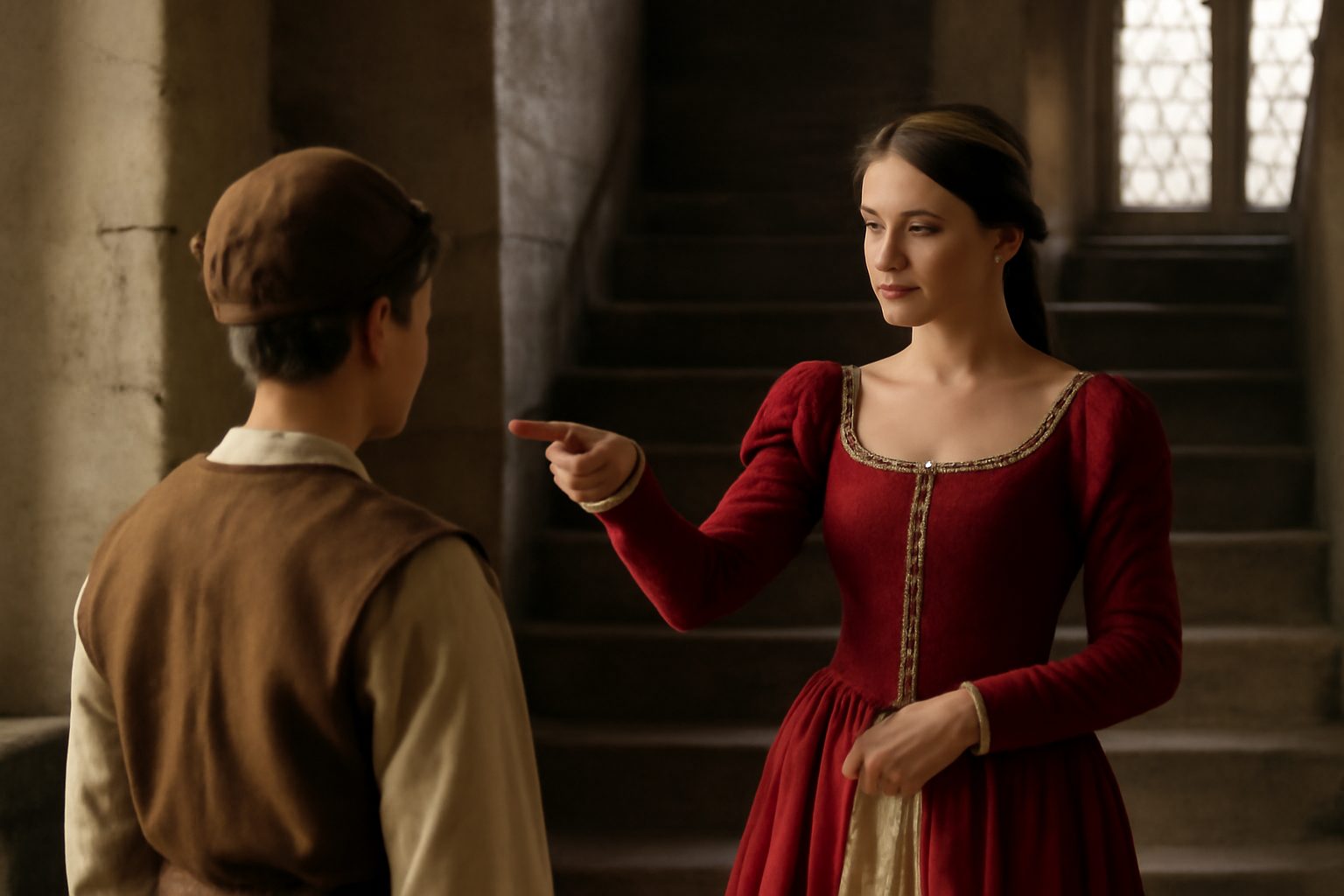
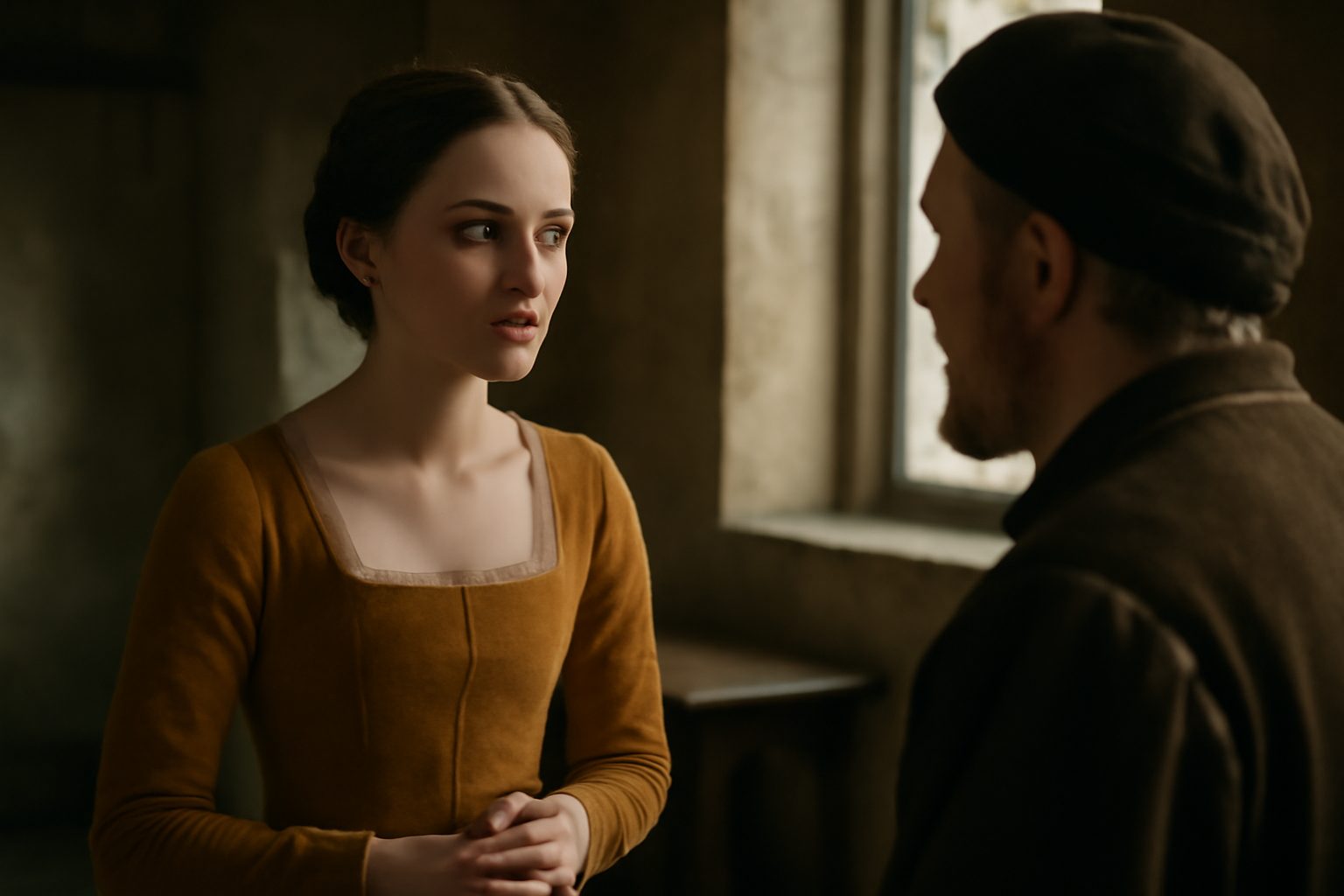
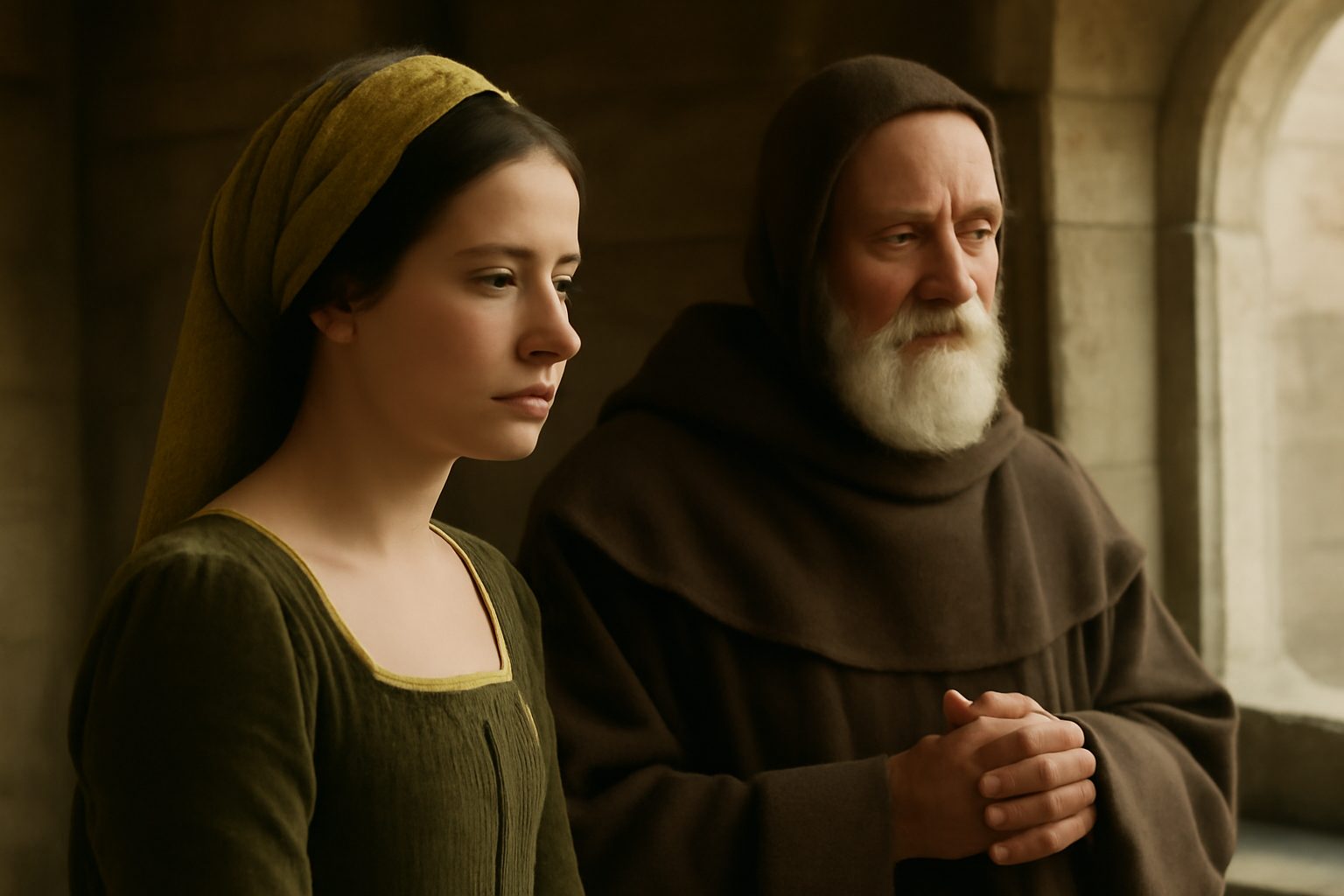
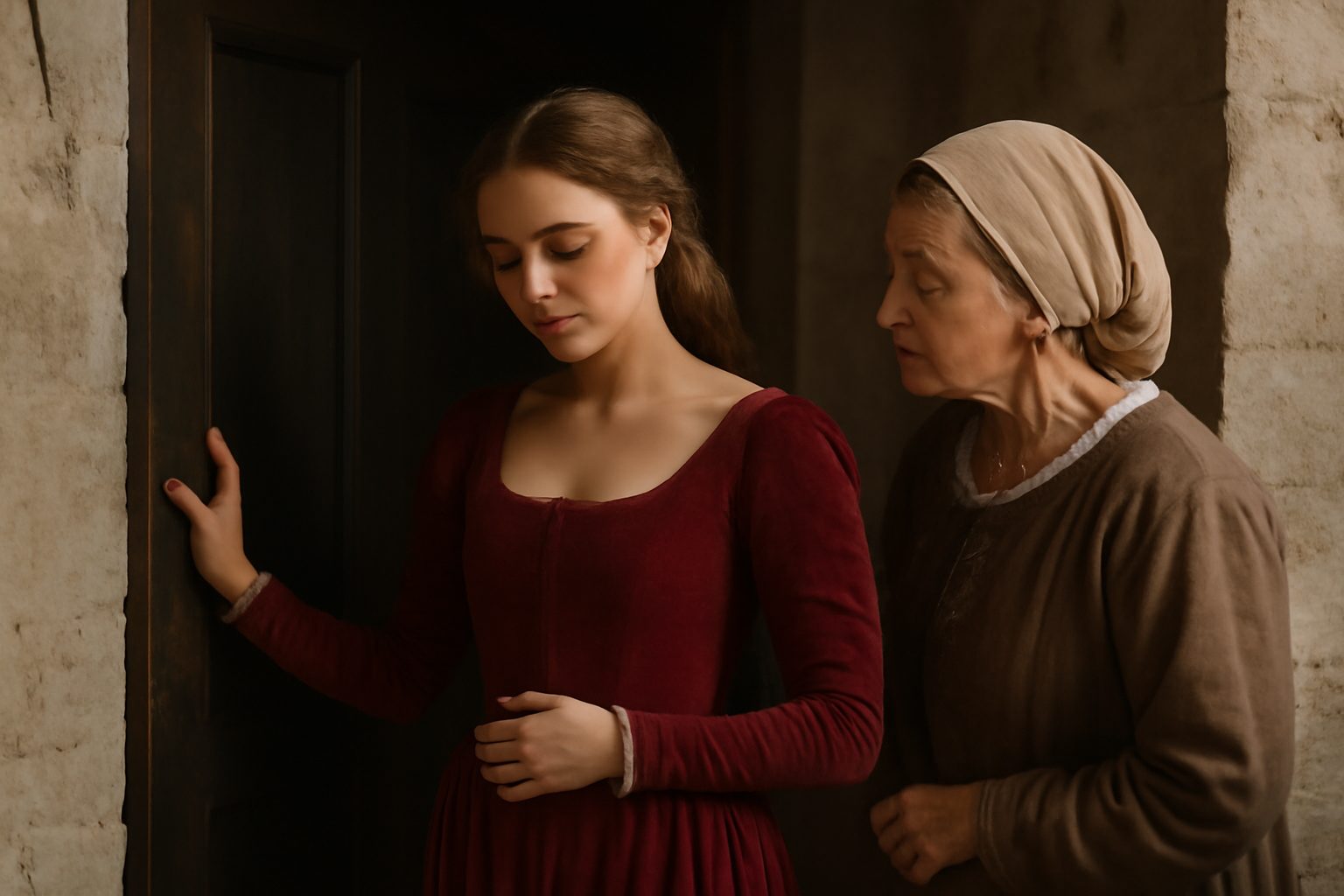
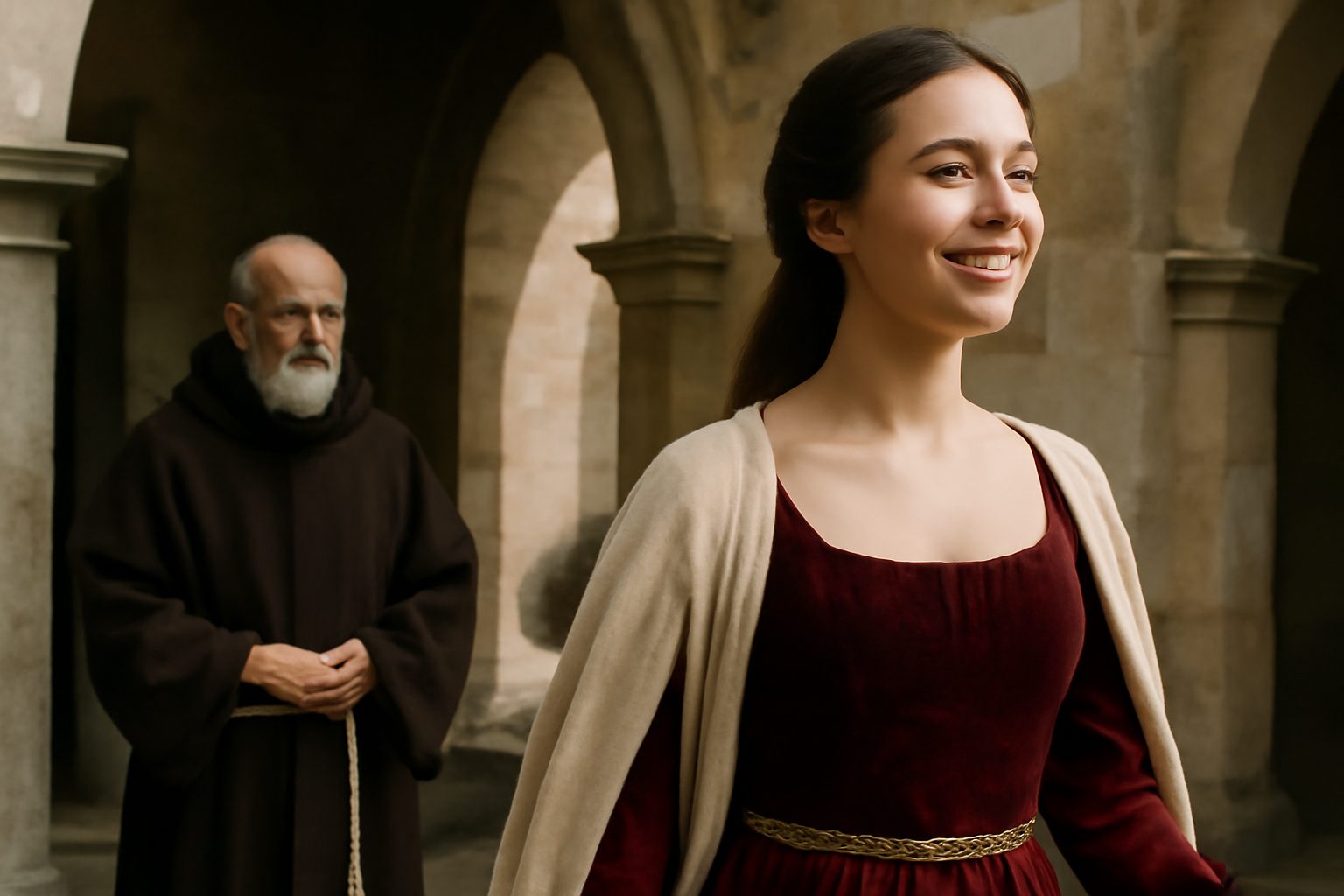
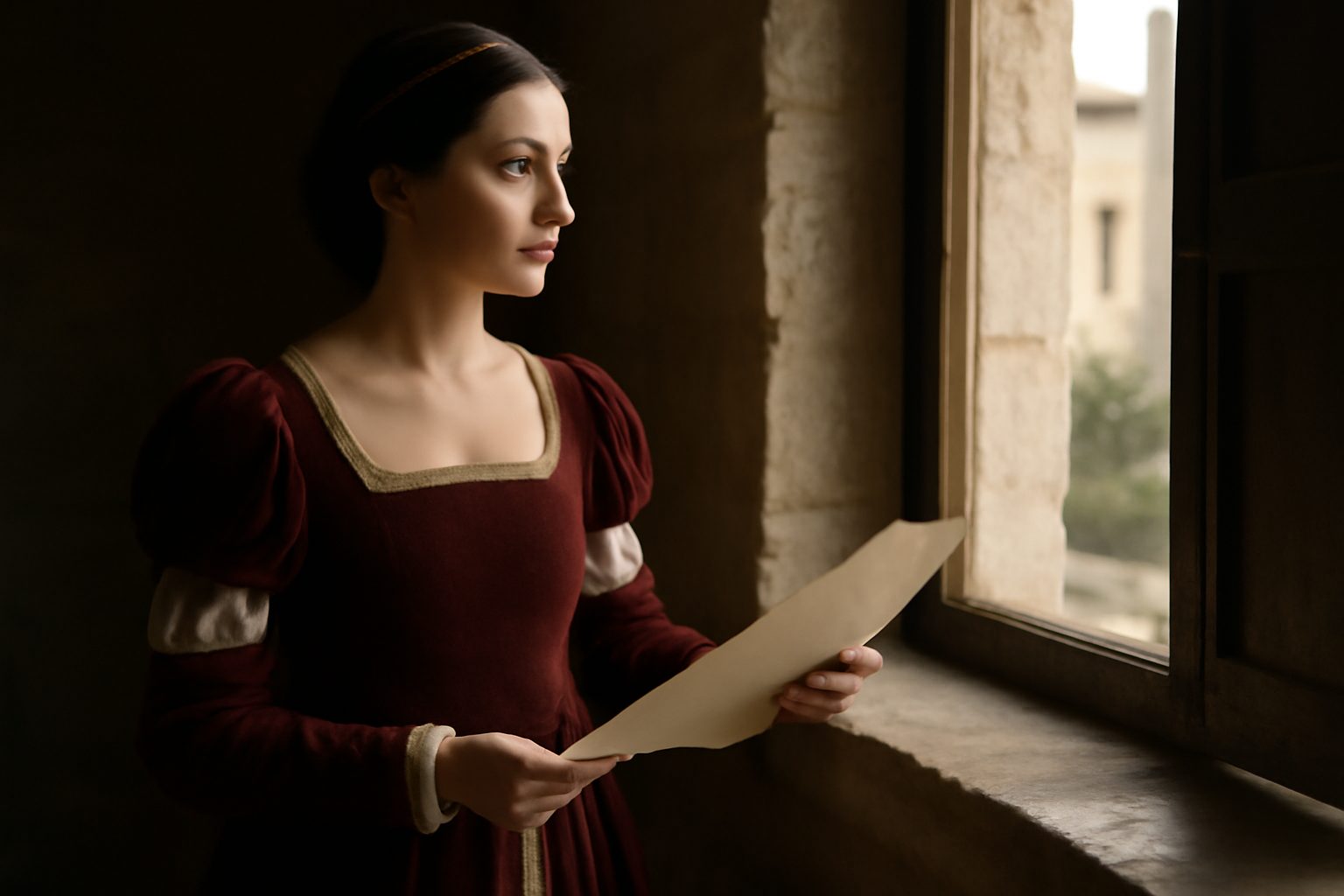
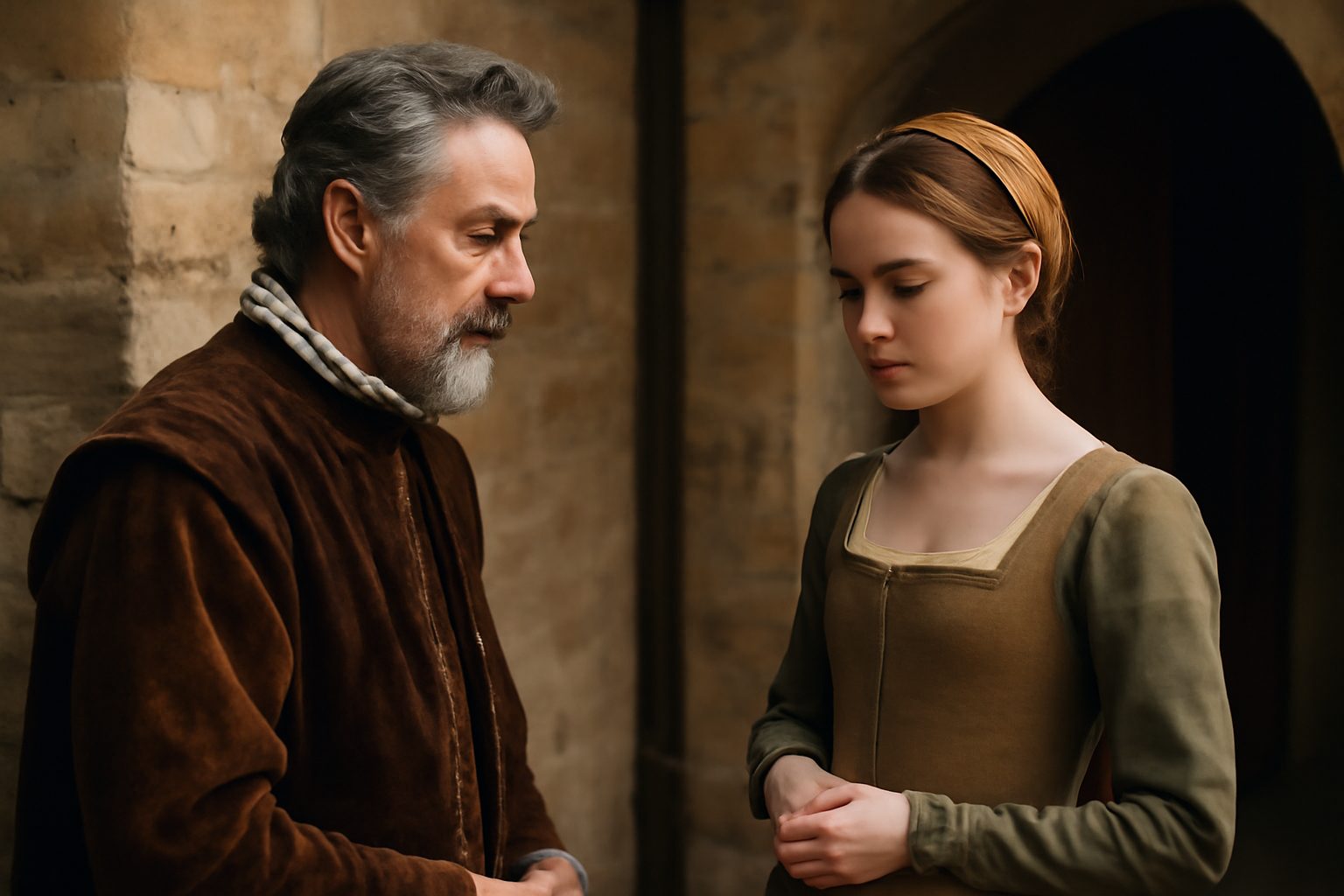
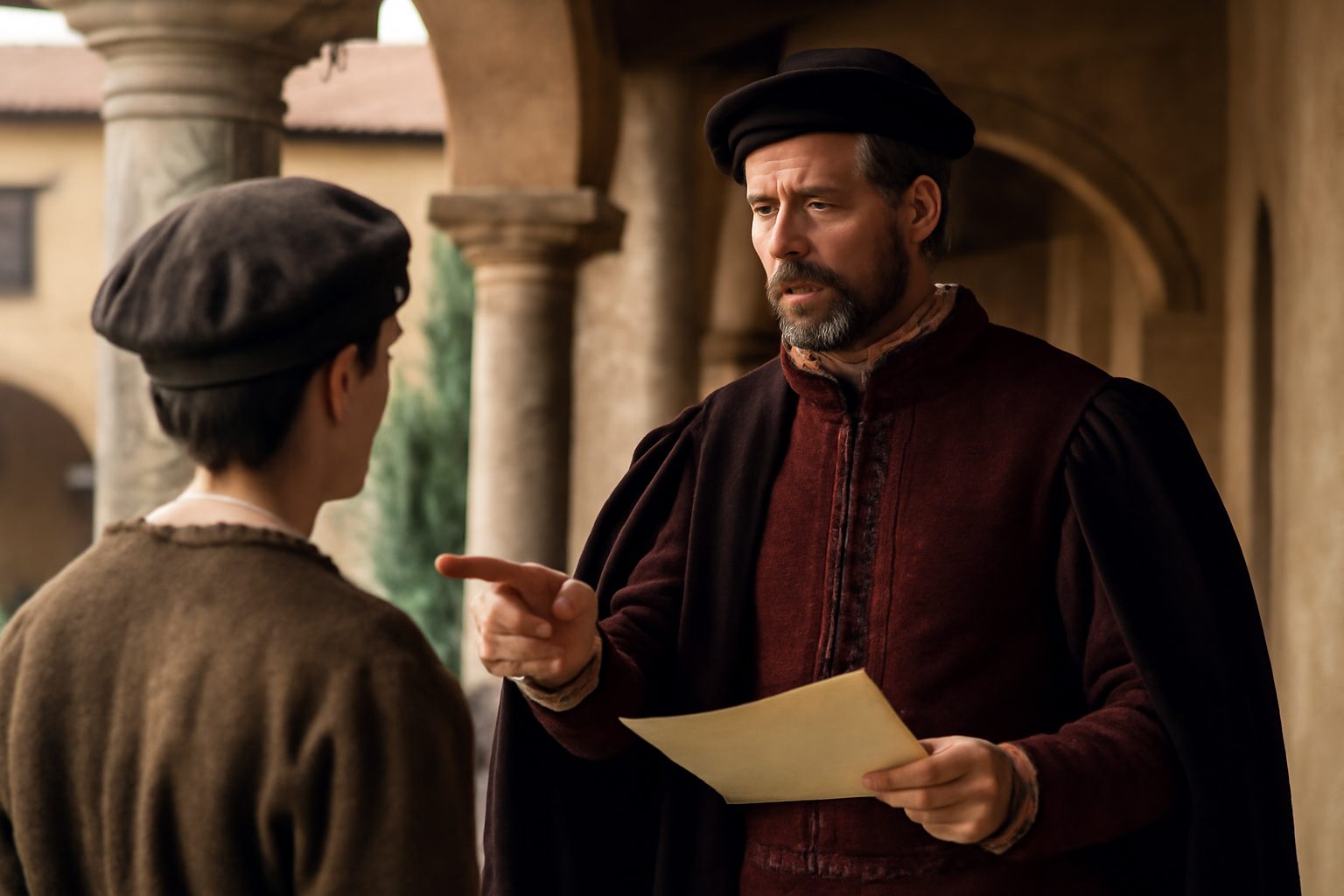
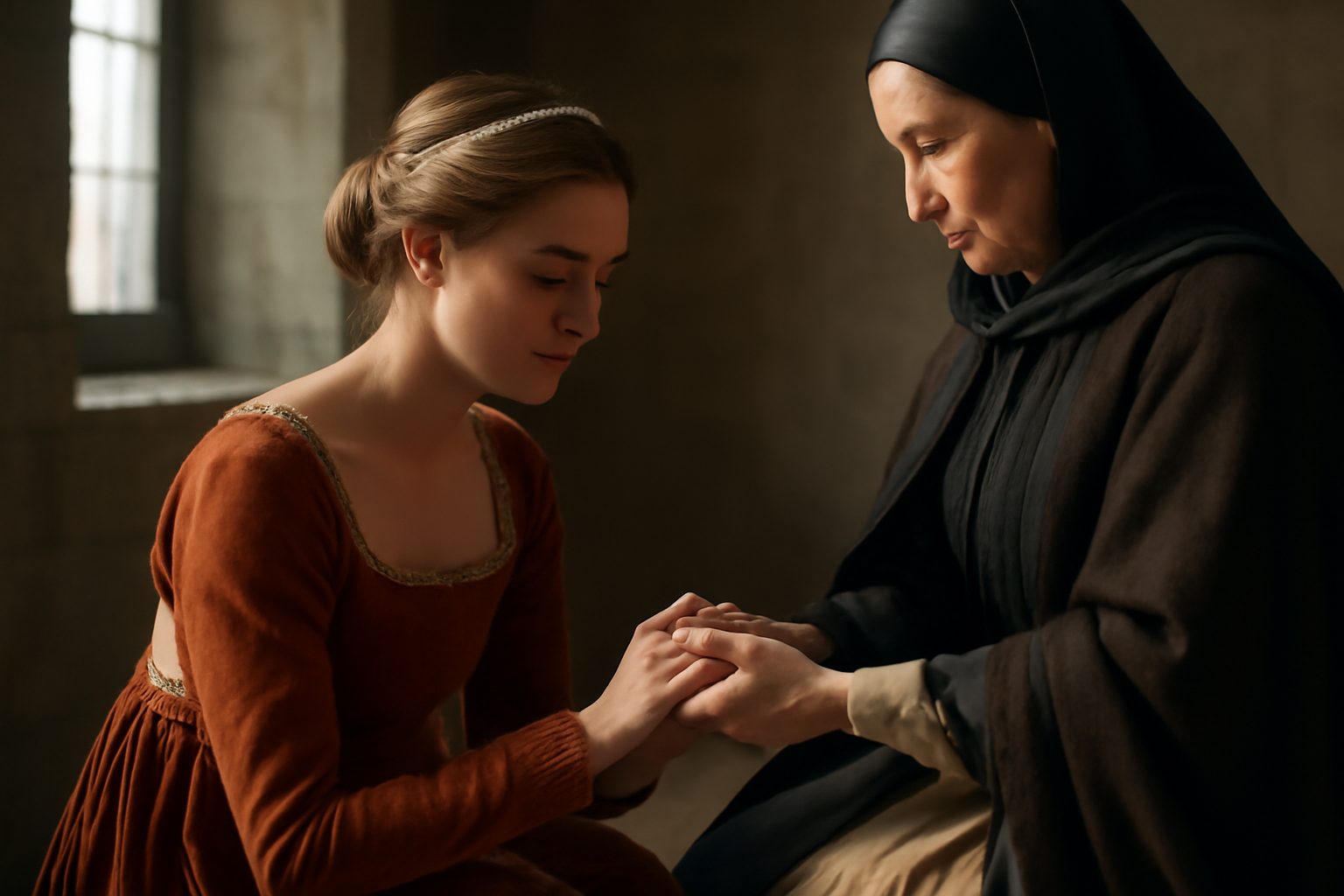
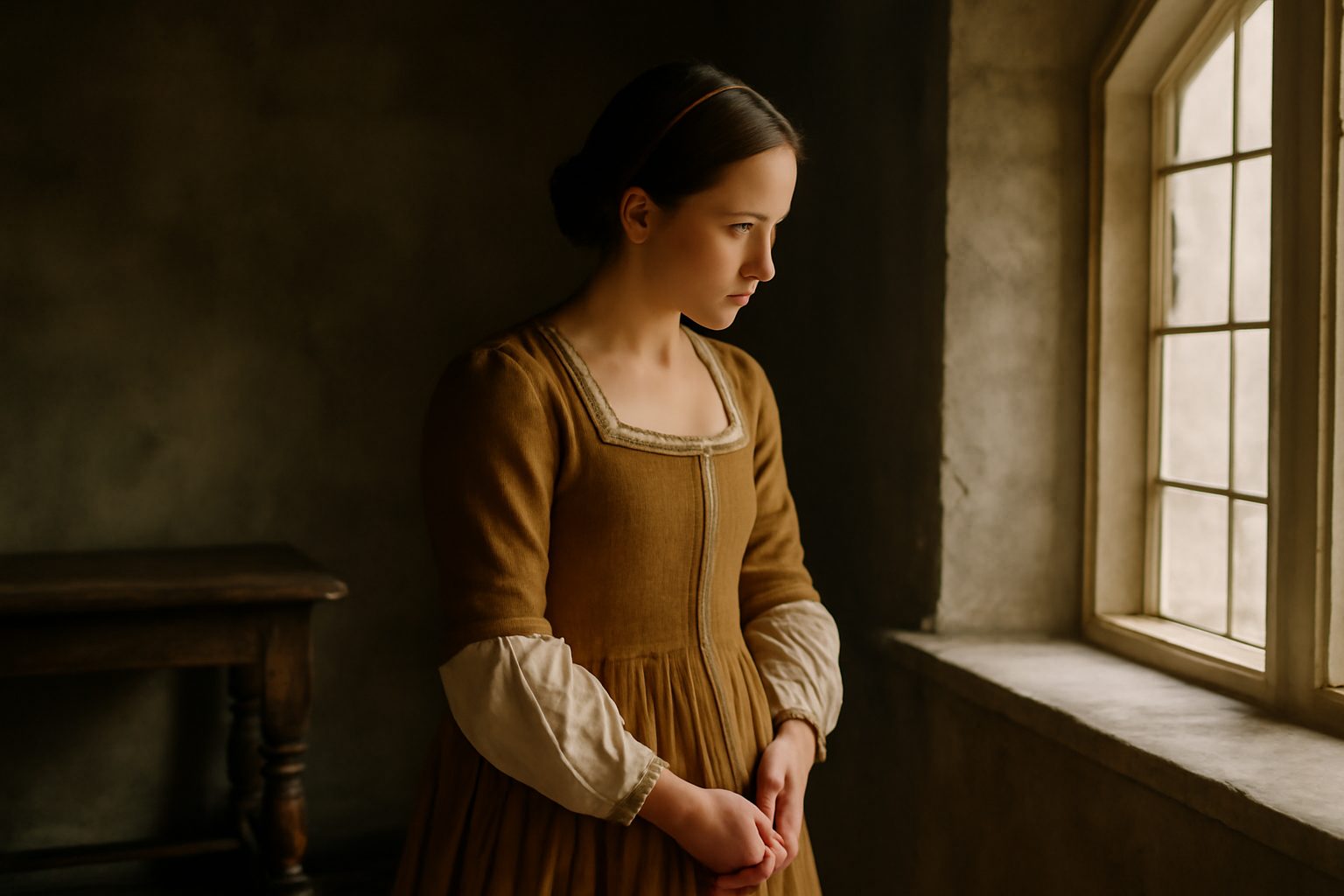
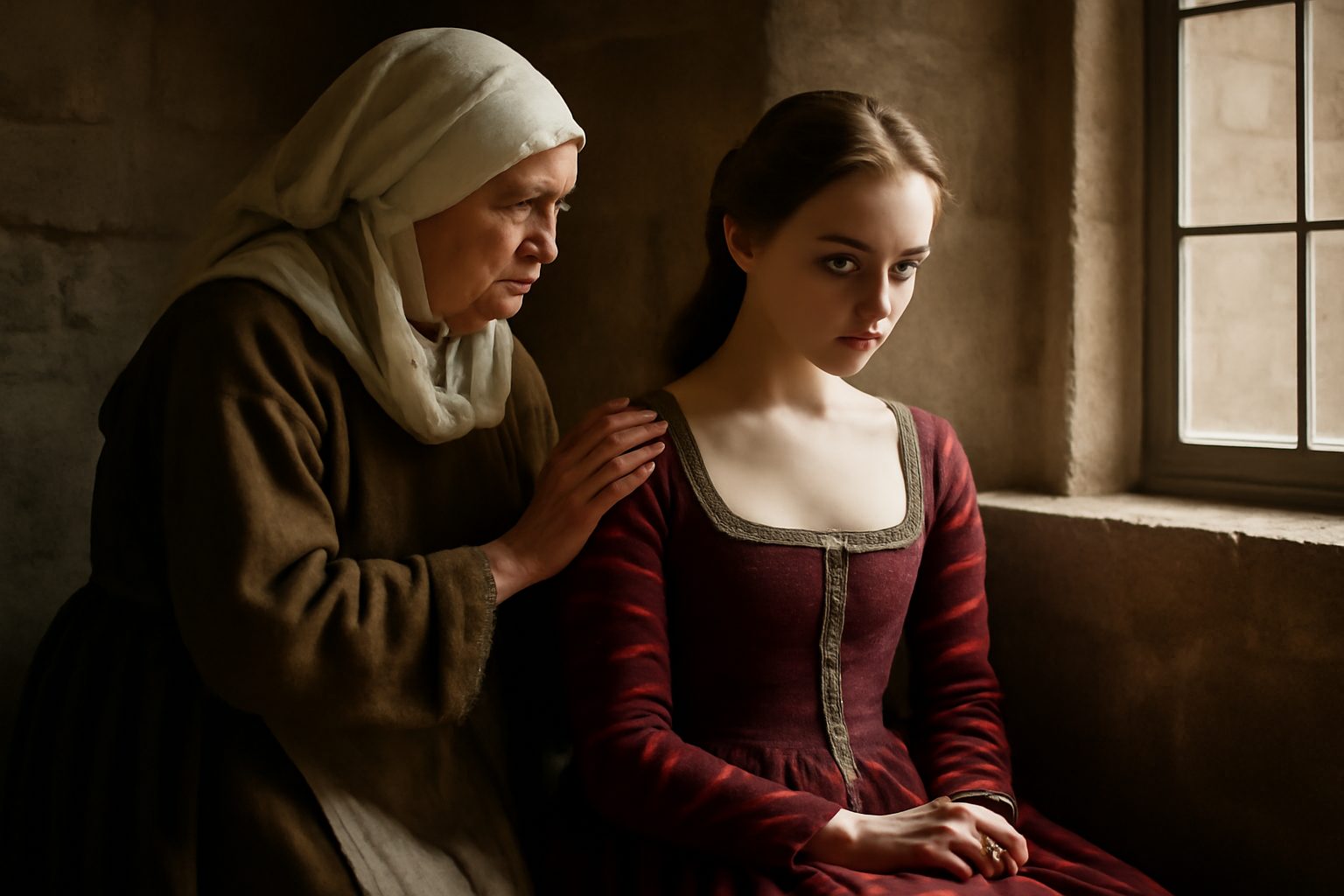
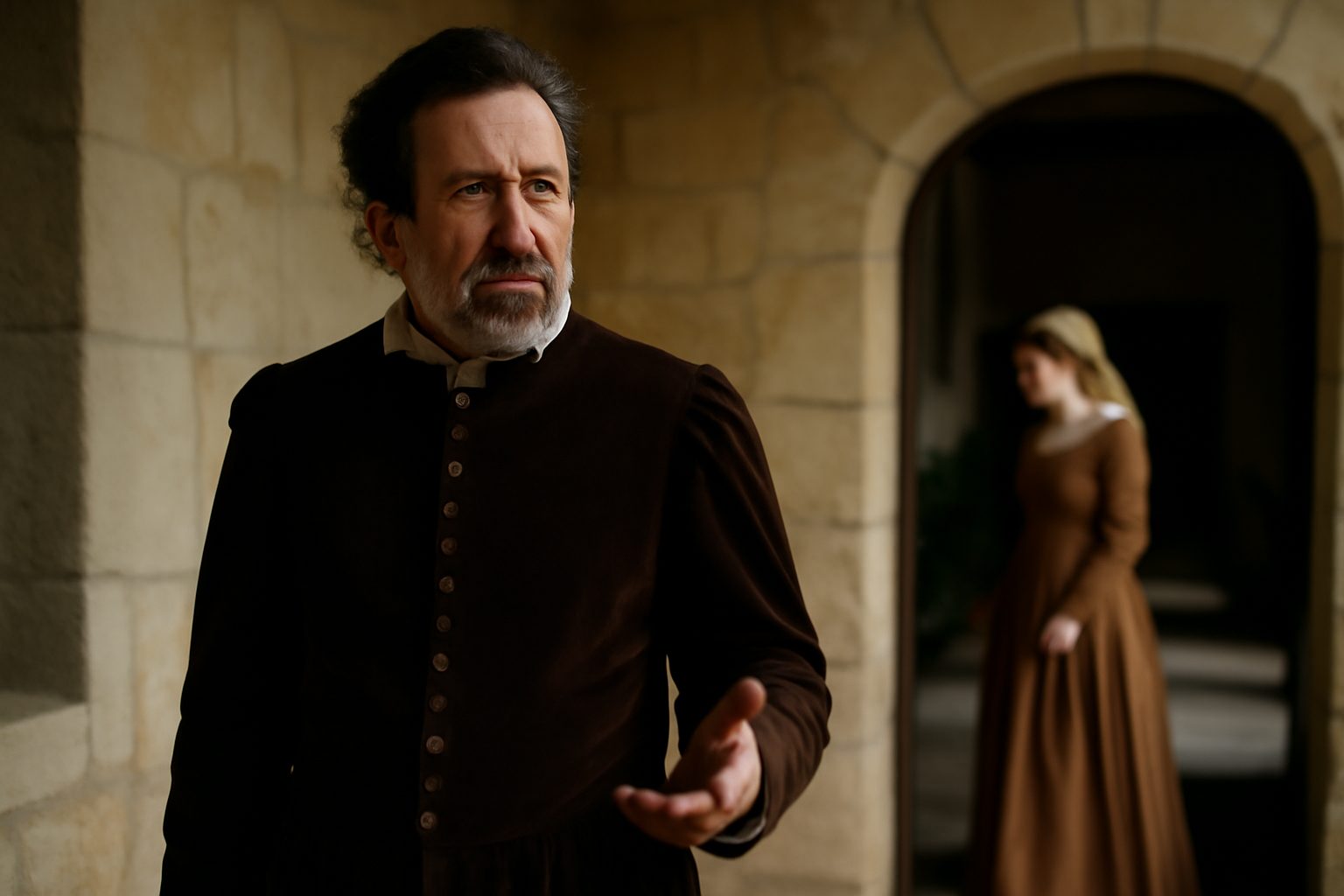
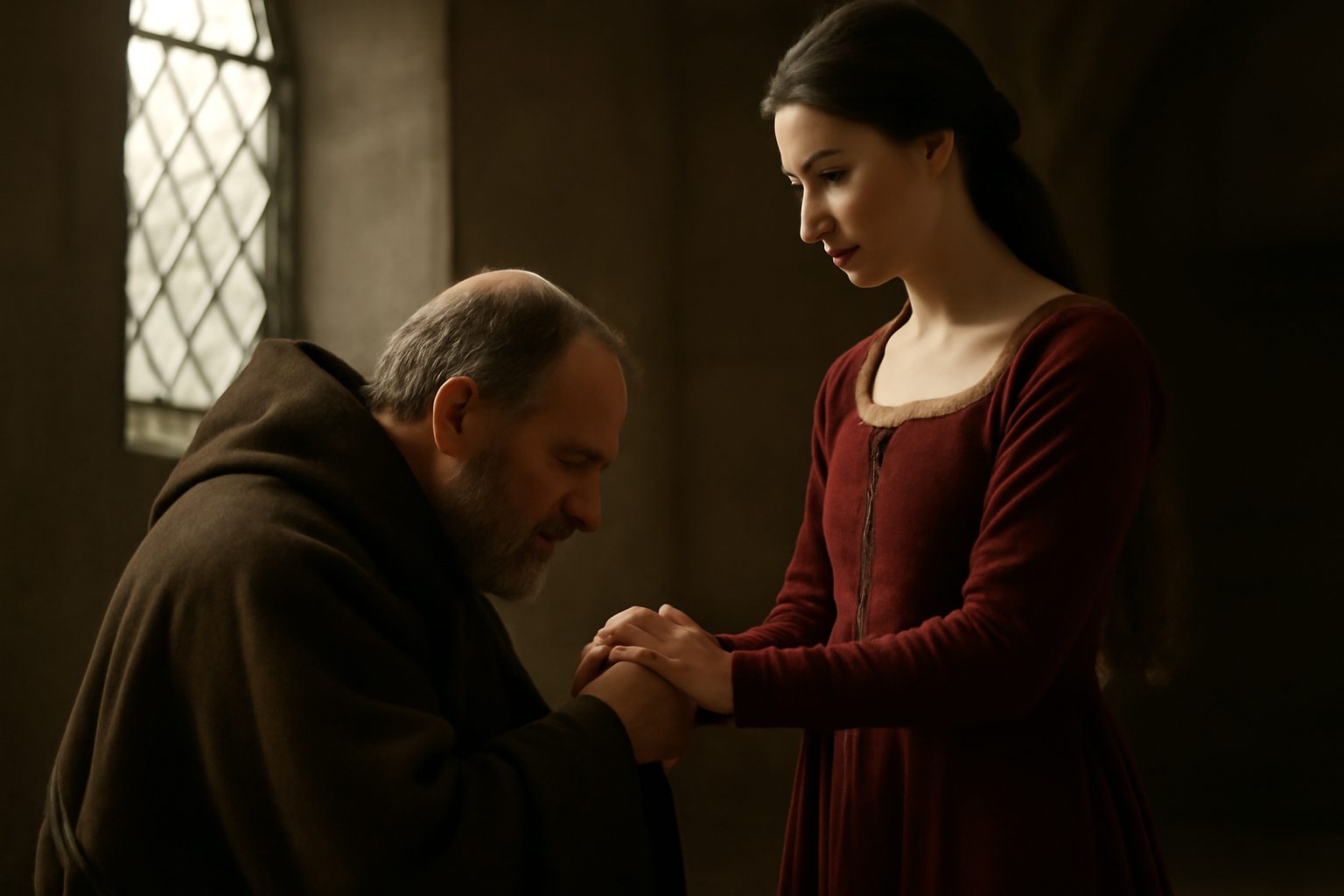
In Act 4, Scene 2 of Romeo and Juliet, Juliet has just returned from Friar Laurence's cell, where she agreed to take a potion to feign death and avoid marrying Paris. When she arrives home, her father, Lord Capulet, is busy preparing for the wedding and dismissively tells the Nurse and servants to hurry with the preparations. His abrupt command reflects his single-minded focus on the upcoming ceremony and his impatience with any delay.
Capulet: "Go, be gone."
In modern day english, we would say:
Leave right now, get out of here.
Frequently Asked Questions
Who is telling someone to leave in Act 4 Scene 2 of Romeo and Juliet?
Capulet is telling someone to leave.
What does Capulet want someone to do in this scene?
Capulet wants them to go away.
Connections to other verses:
Connections to "Go, be gone."
The verse Go, be gone. is spoken by Capulet to a servant, reflecting his impatience and urgency in preparing for Juliet's wedding. This directive tone is echoed in Ay, marry, go, I say, and fetch him hither., where Capulet again commands swift action, emphasizing his authoritative and demanding nature in the scene.
Related Themes and Character Dynamics
Capulet's urgency in "Go, be gone." contrasts with his earlier frustration in How now, my headstrong! where have you been…, where he chastises Juliet for her disobedience. However, after her feigned submission in Henceforward I am ever ruled by you., his mood shifts to eager planning, as seen in I'll have this knot knit up to-morrow morning. and Go, nurse, go with her: we'll to church to-morrow., both reinforcing the haste and control he exerts.
Logistical and Emotional Context
The command "Go, be gone." also ties into the logistical concerns of the wedding preparations. Capulet's worry about provisions, expressed in We shall be much unfurnished for this time. and We shall be short in our provision:, highlights why he is so insistent on swift action. Meanwhile, his relieved and lighthearted mood after Juliet's compliance is captured in Against to-morrow: my heart is wondrous light, and Since this same wayward girl is so reclaim'd., showing how his commands drive the scene's shift from conflict to anticipation.