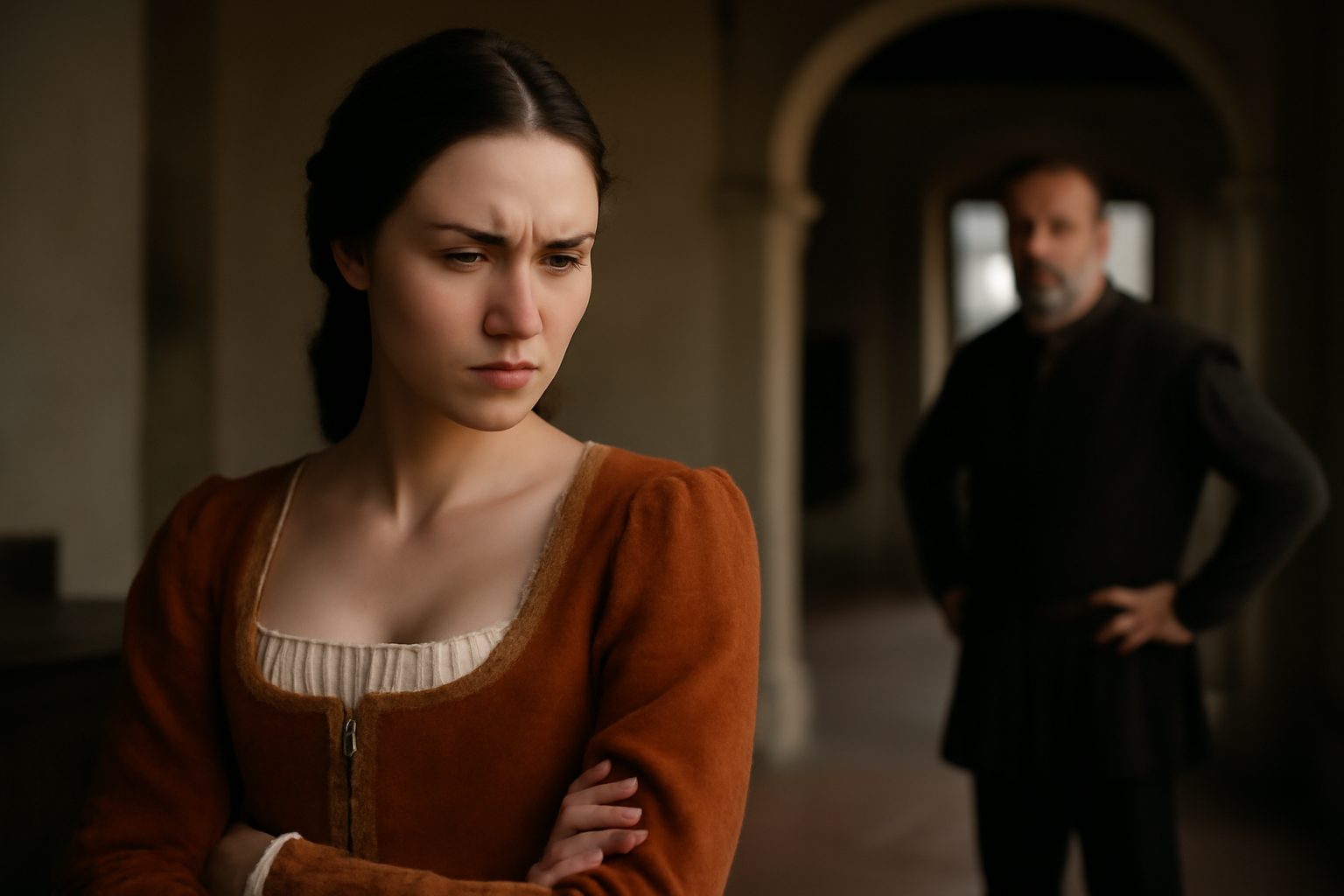
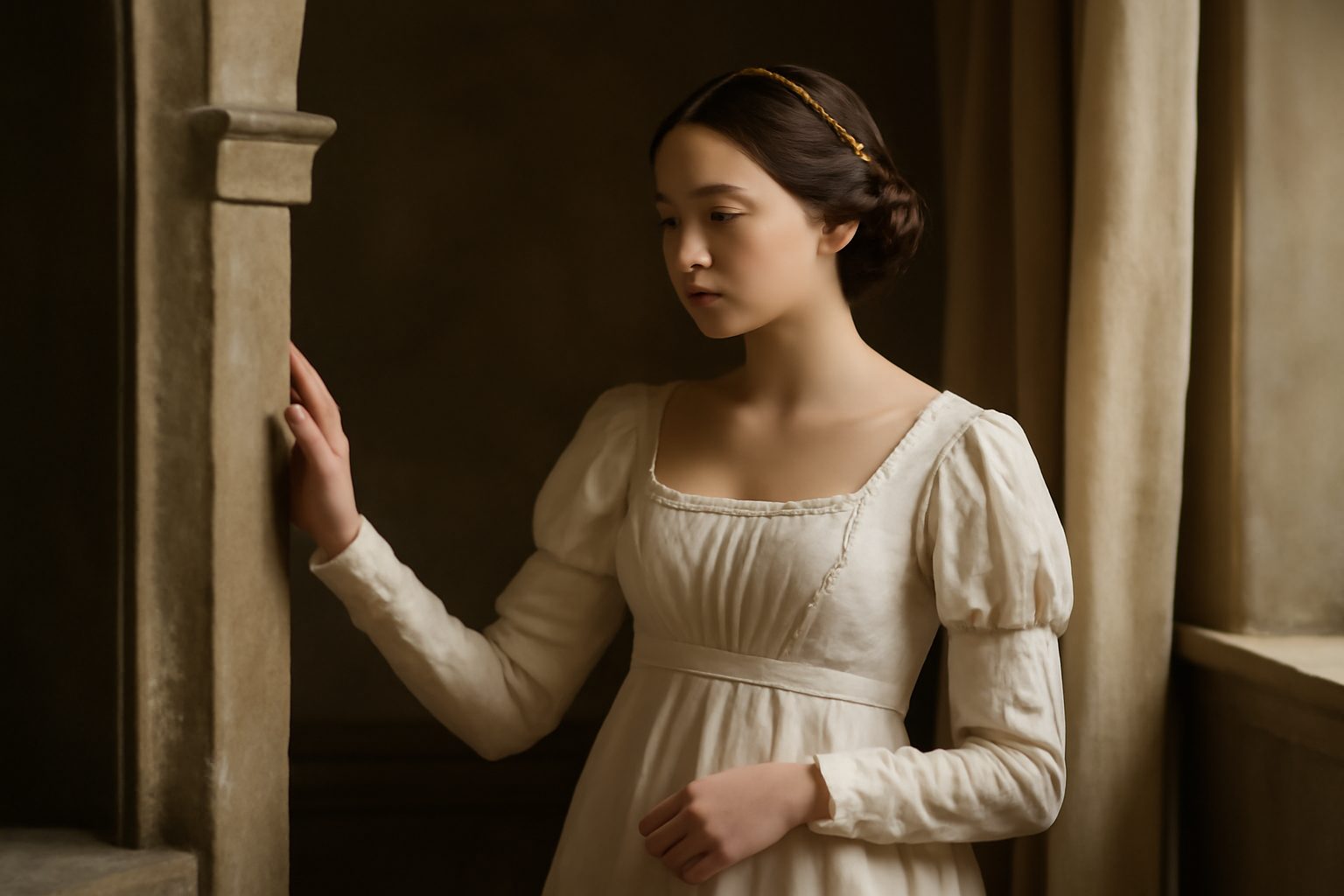
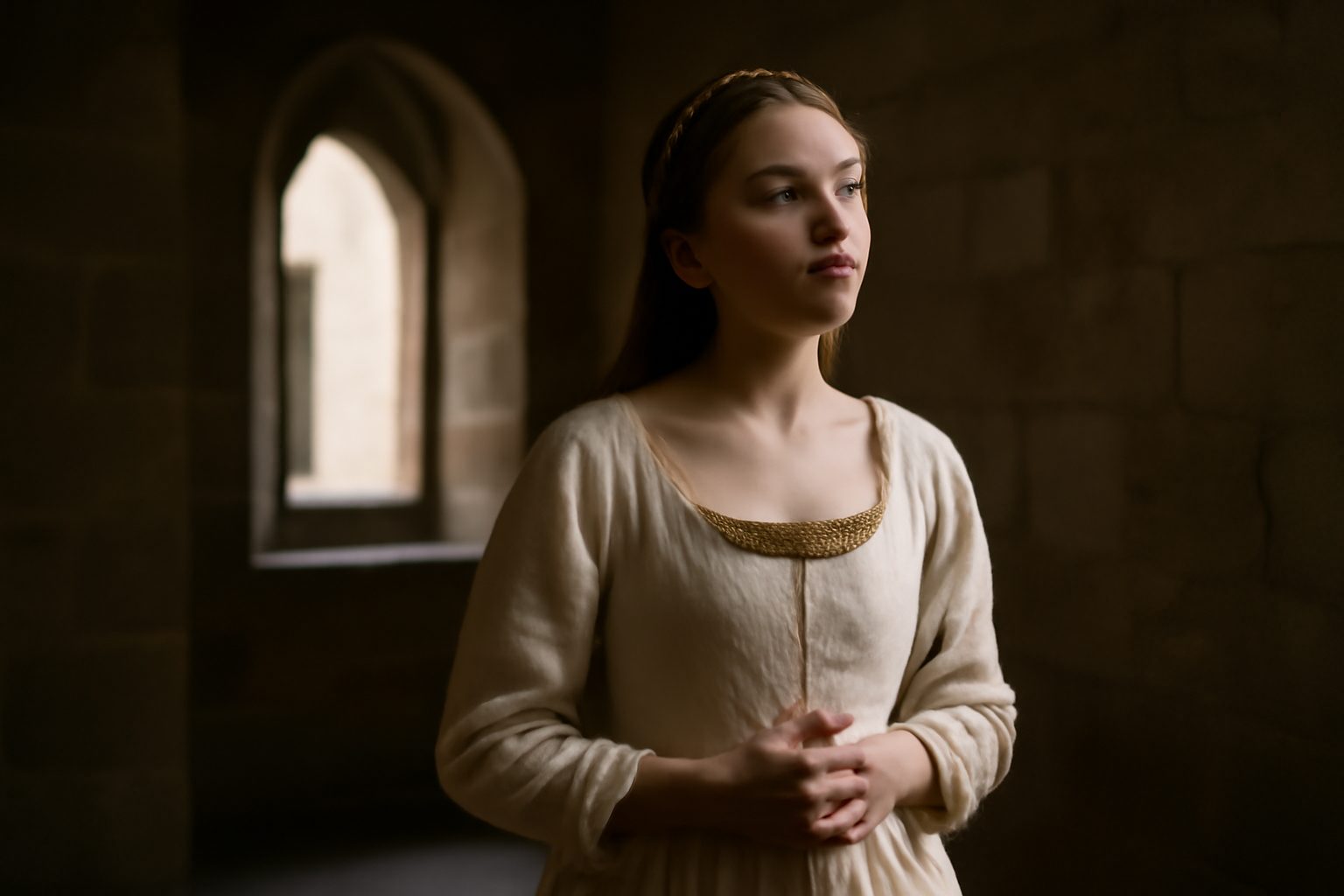
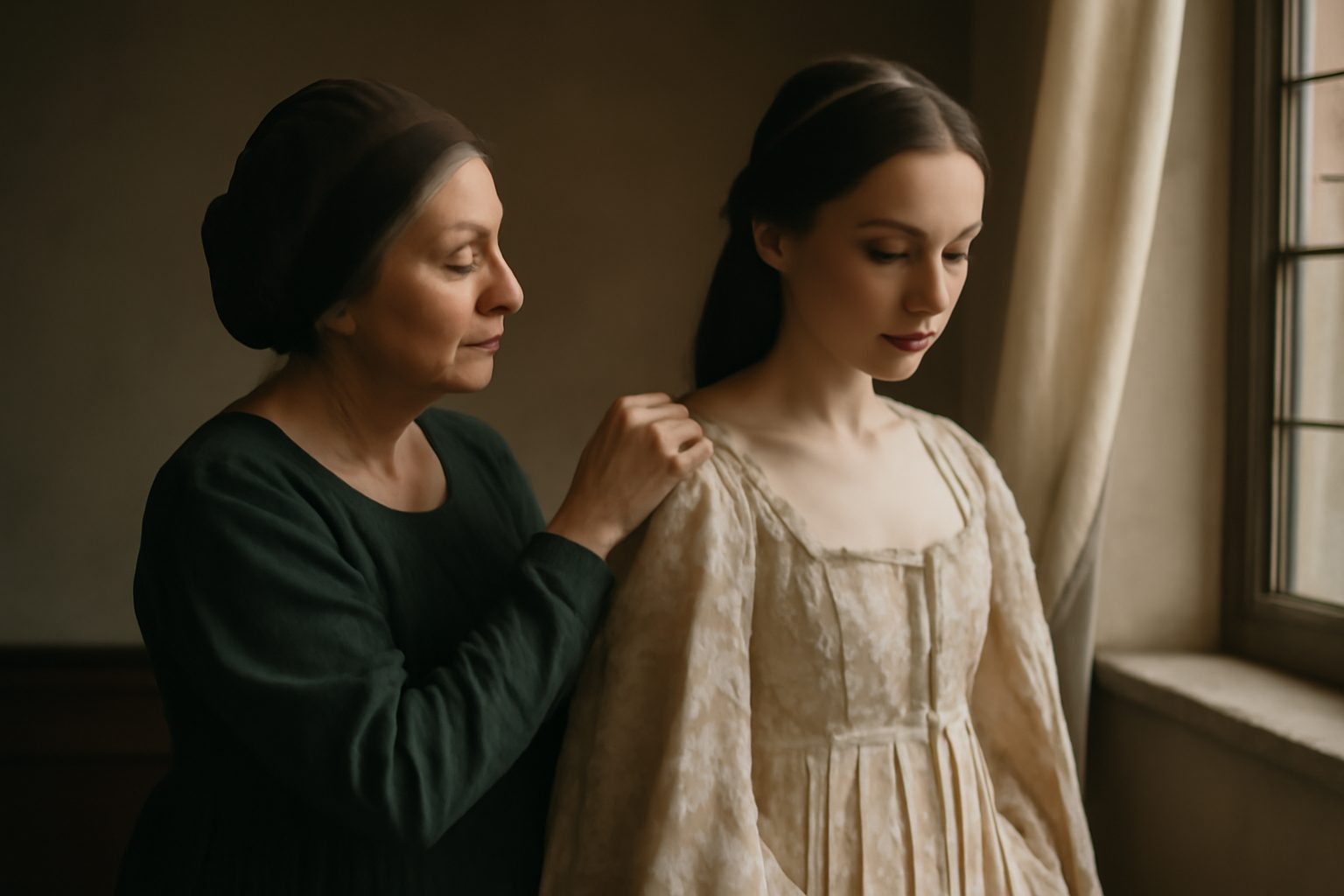
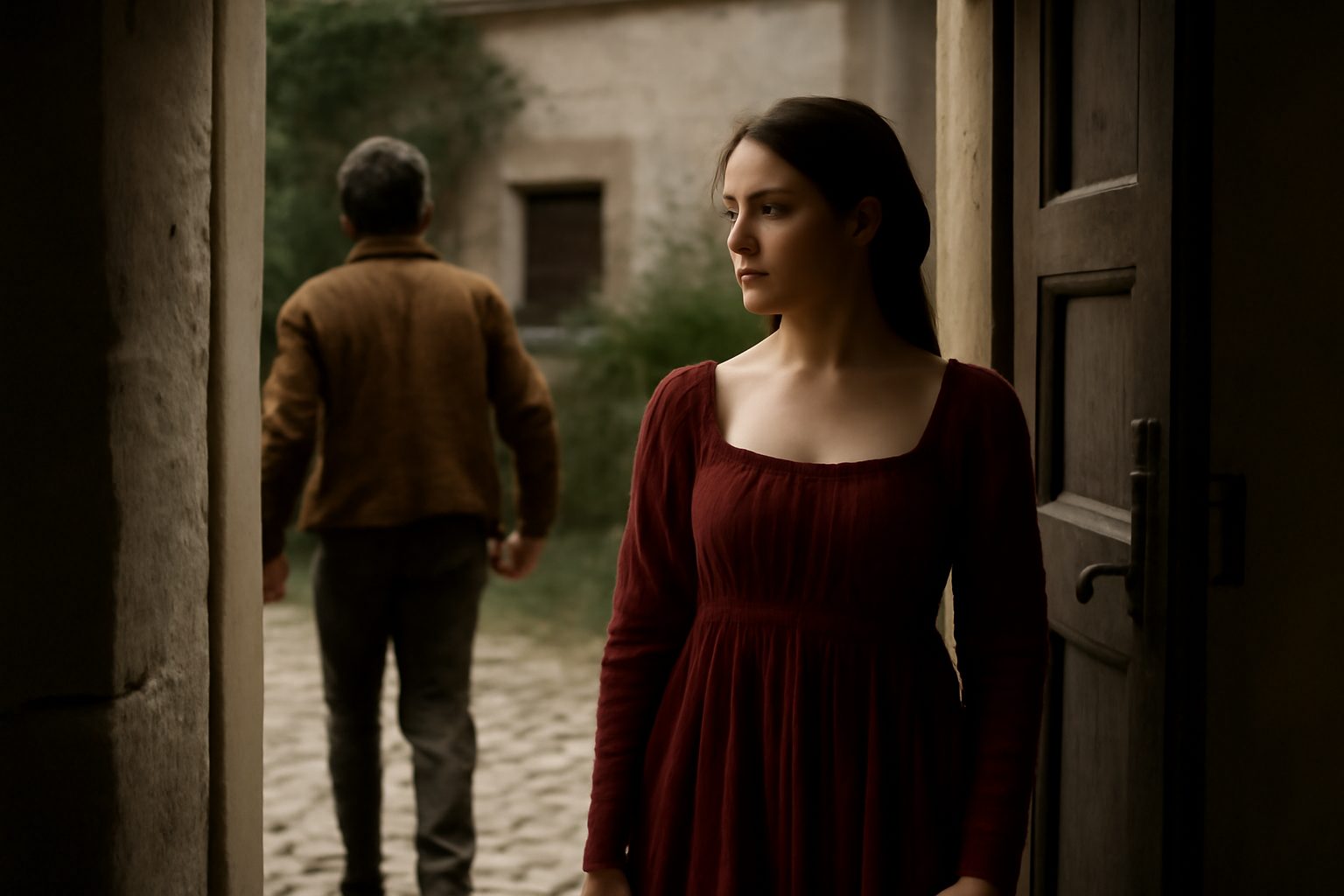
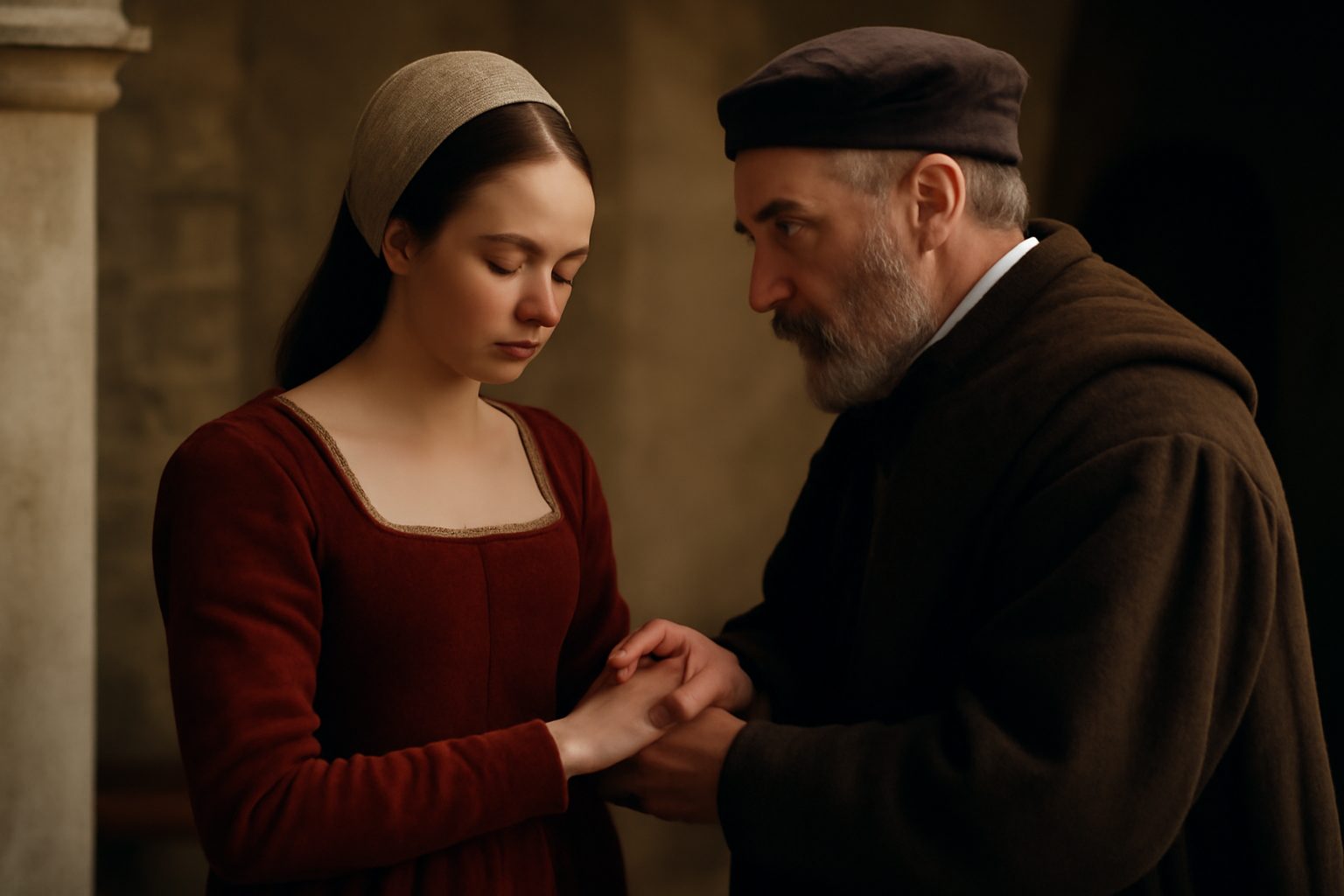
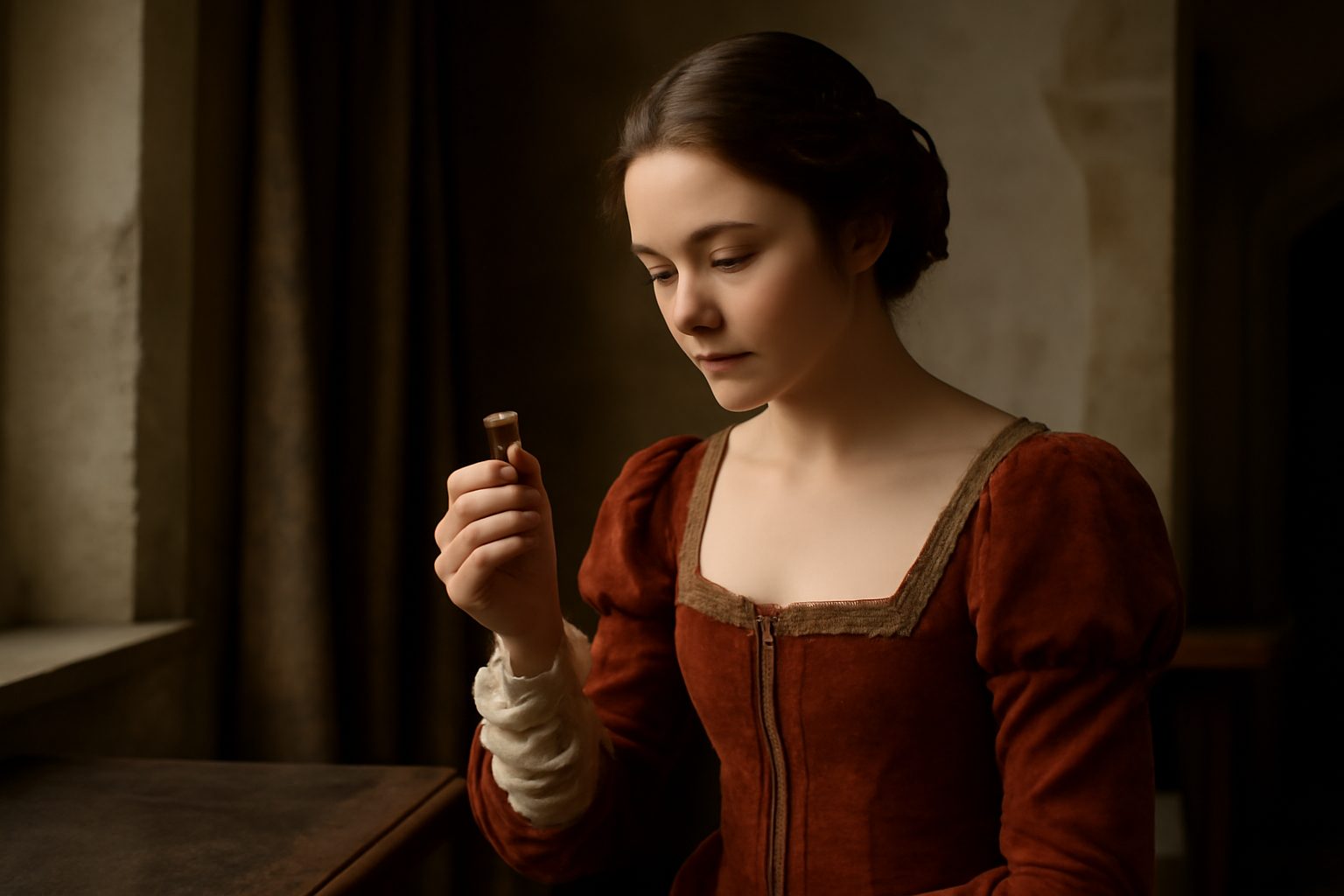
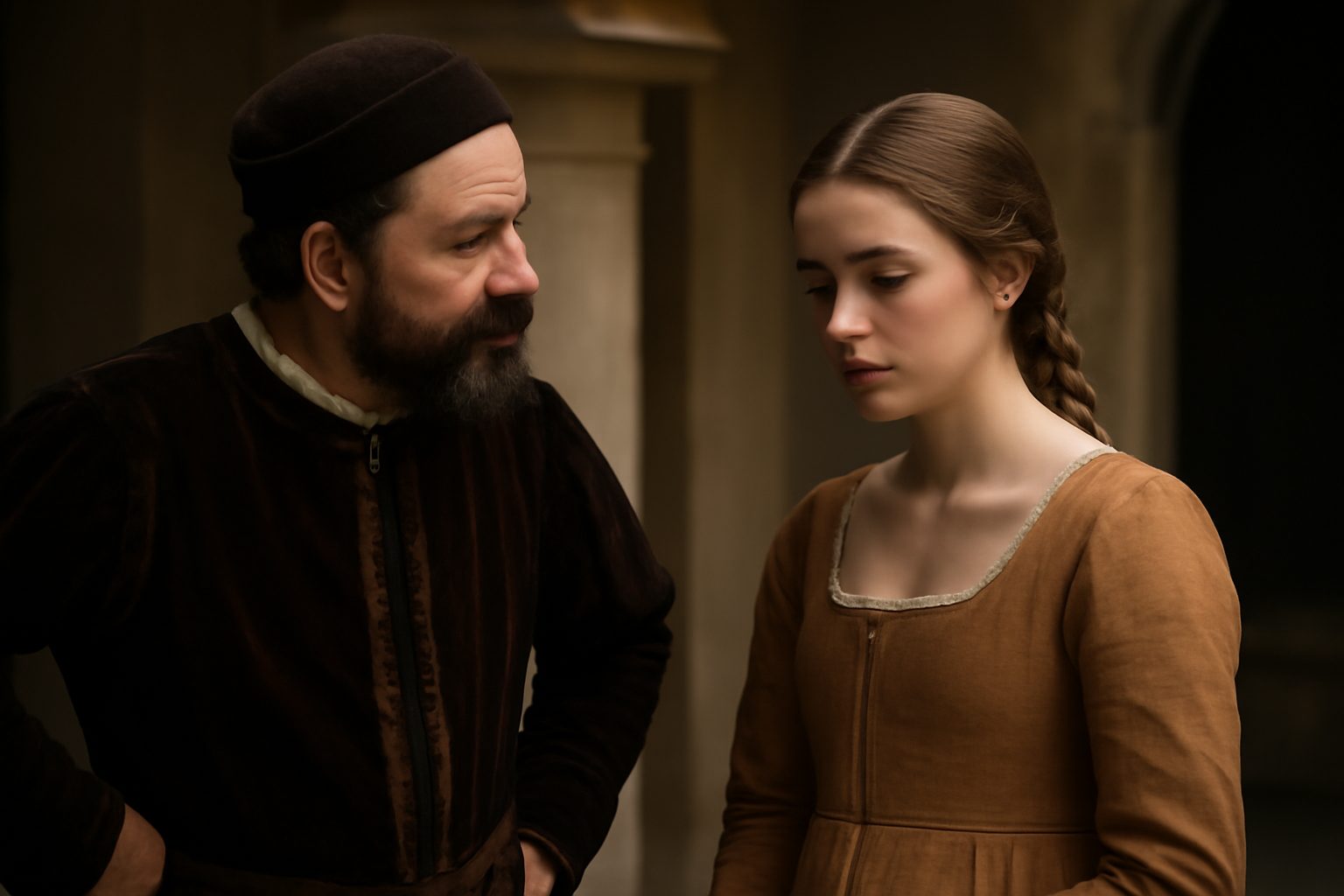
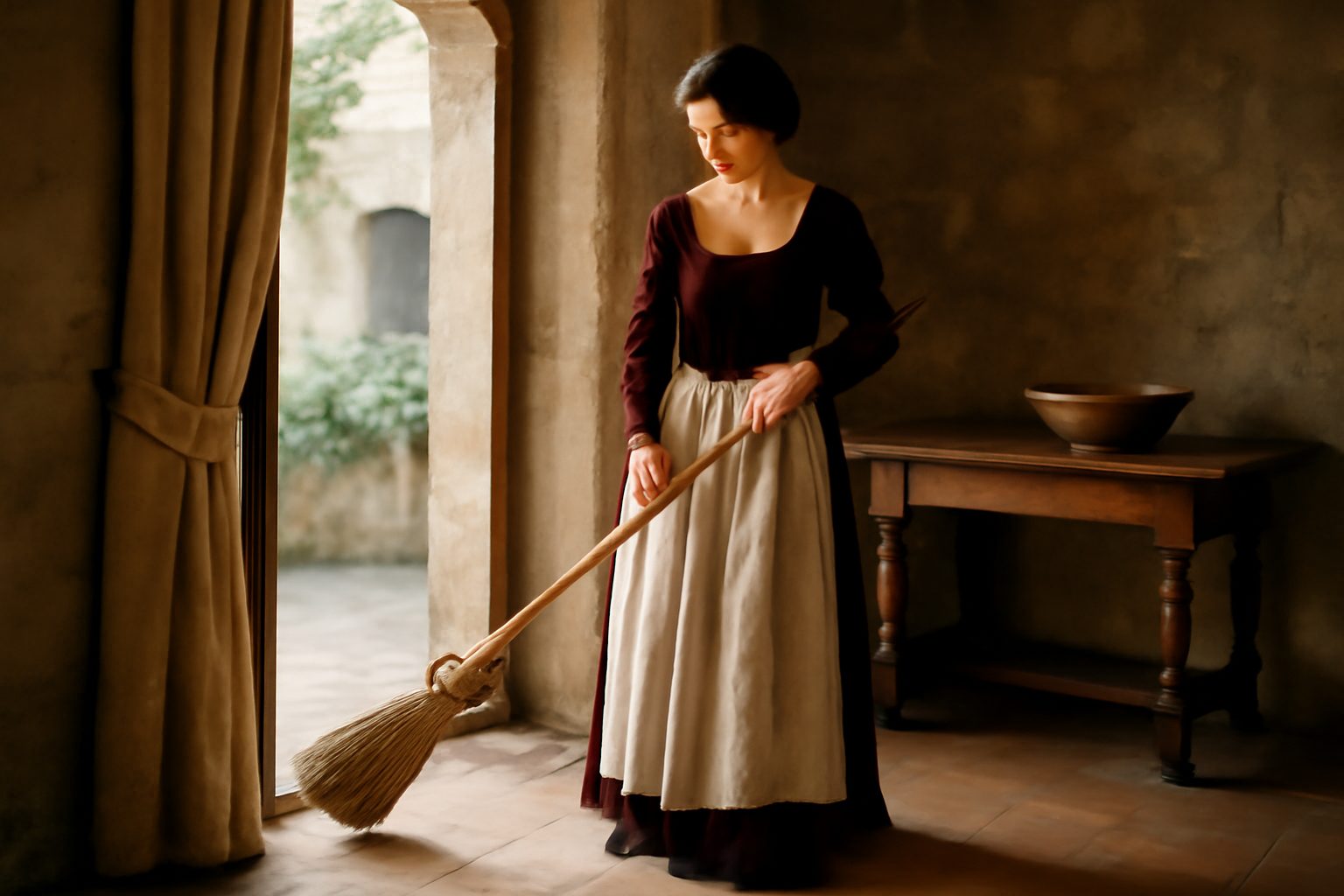
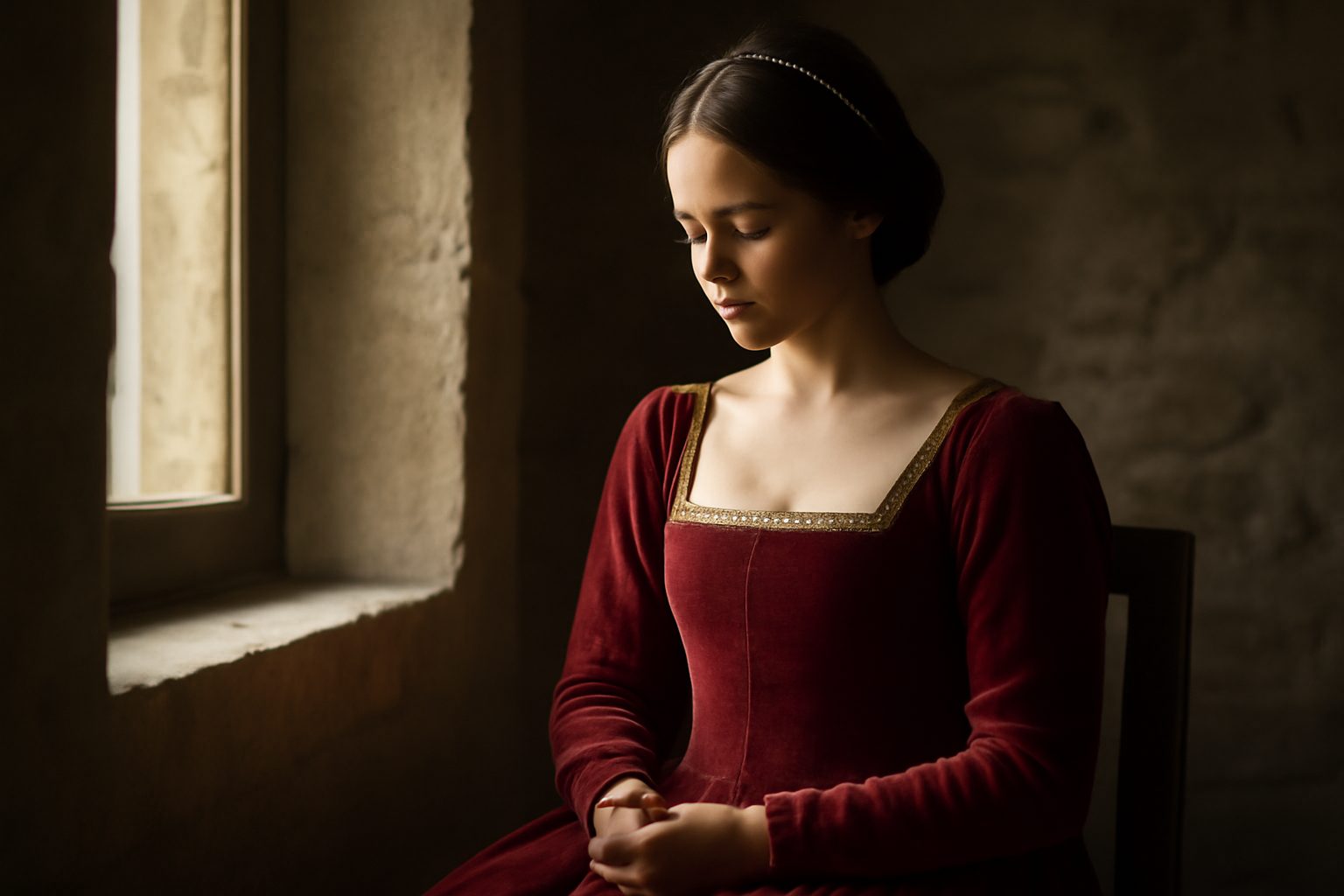
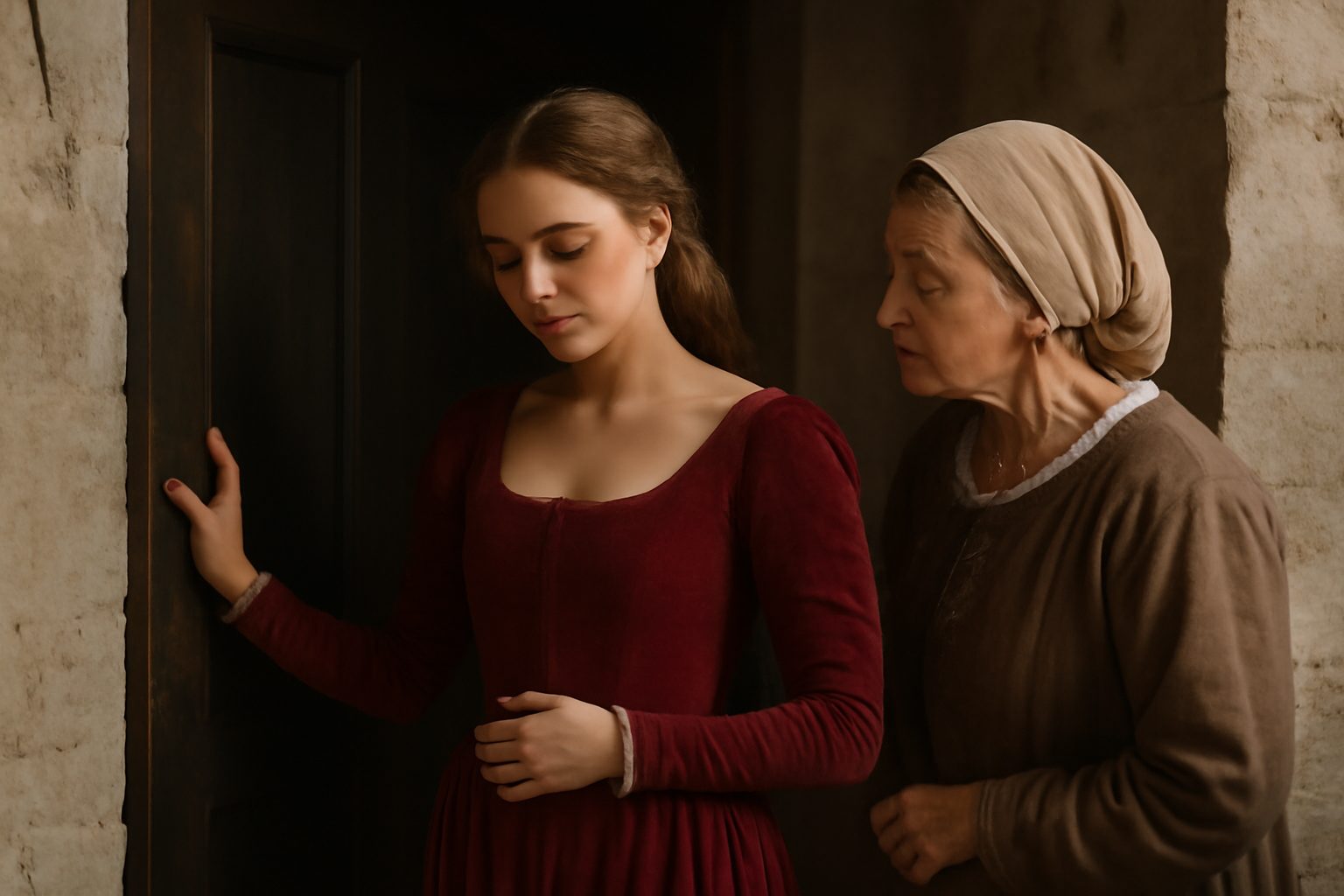
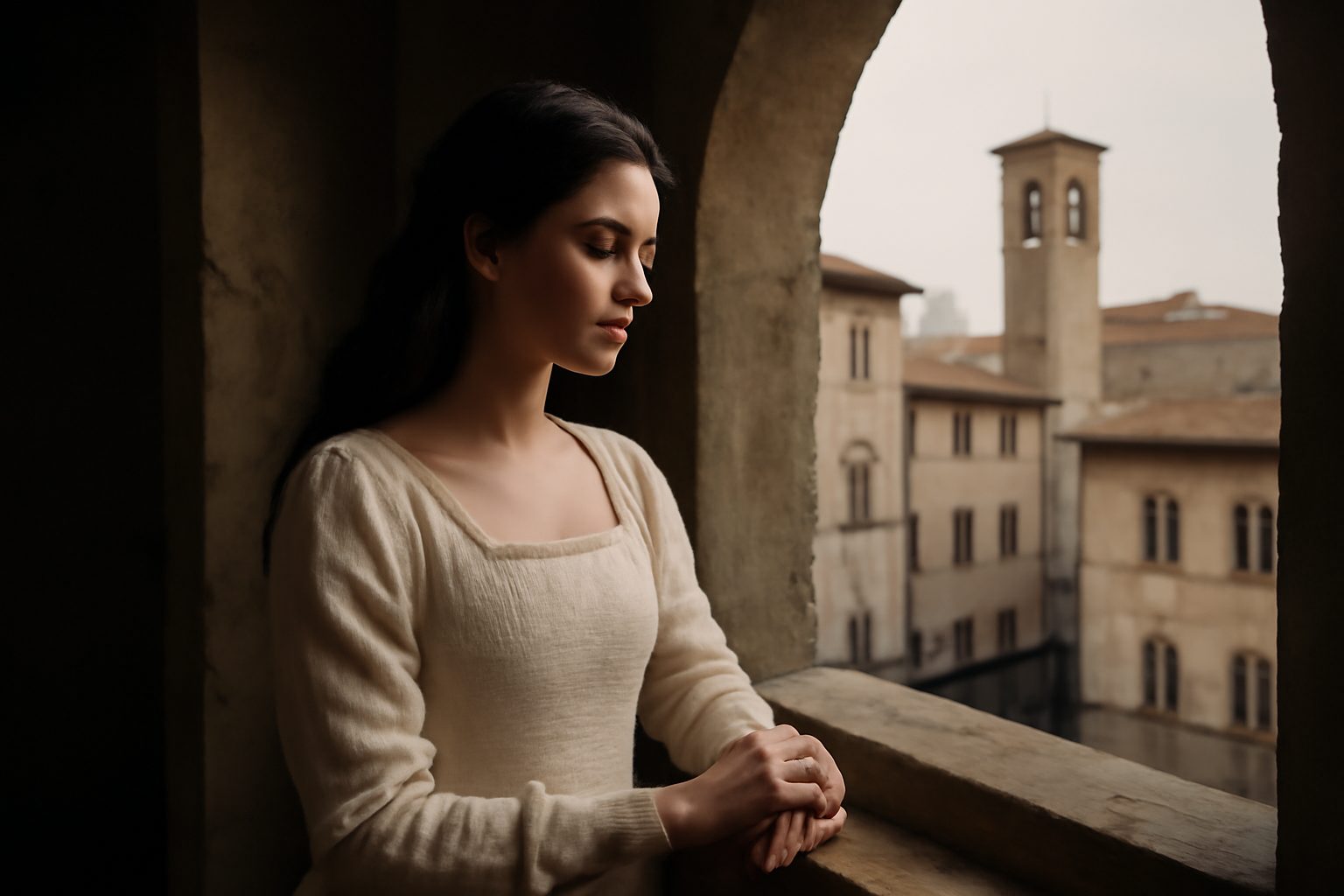
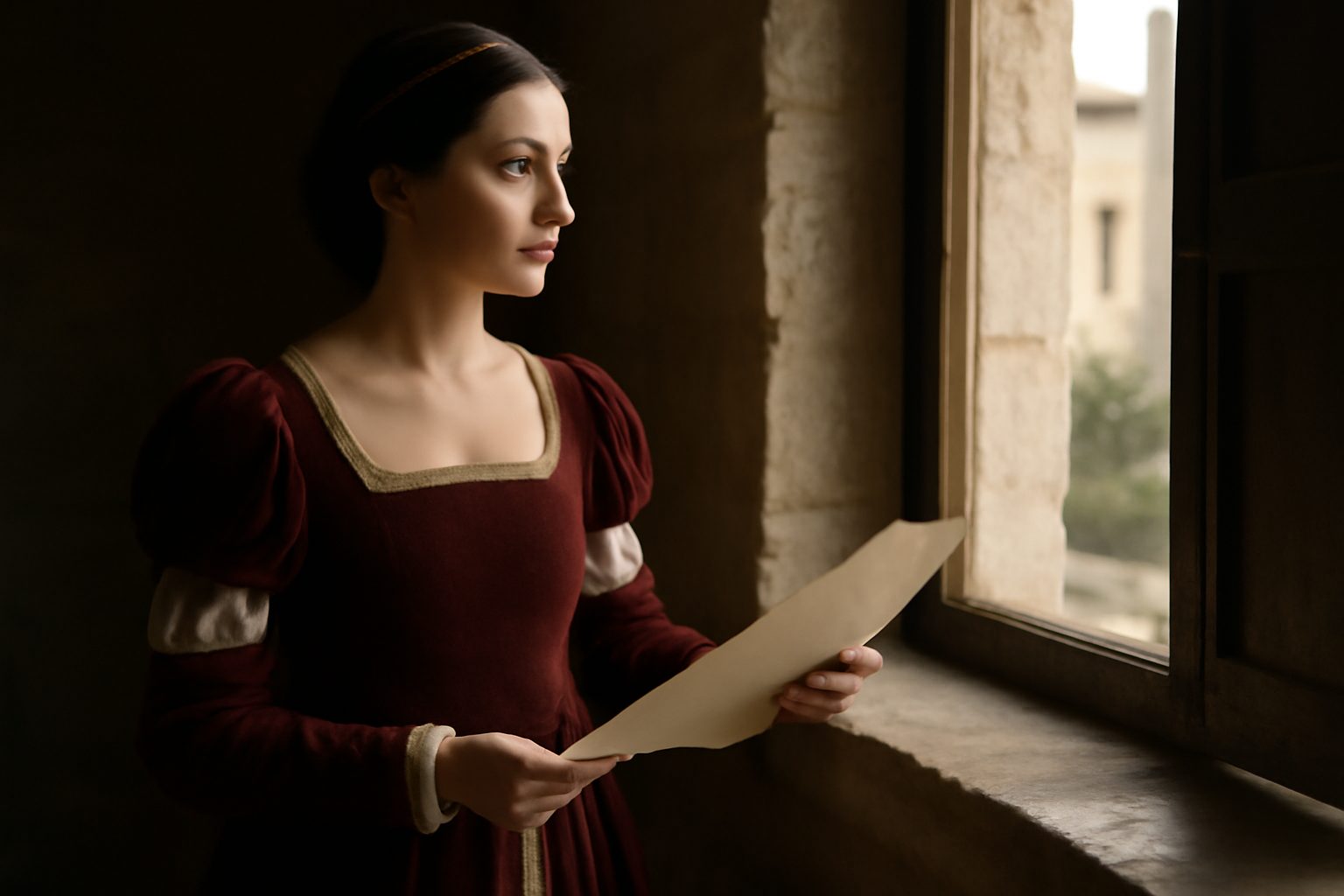
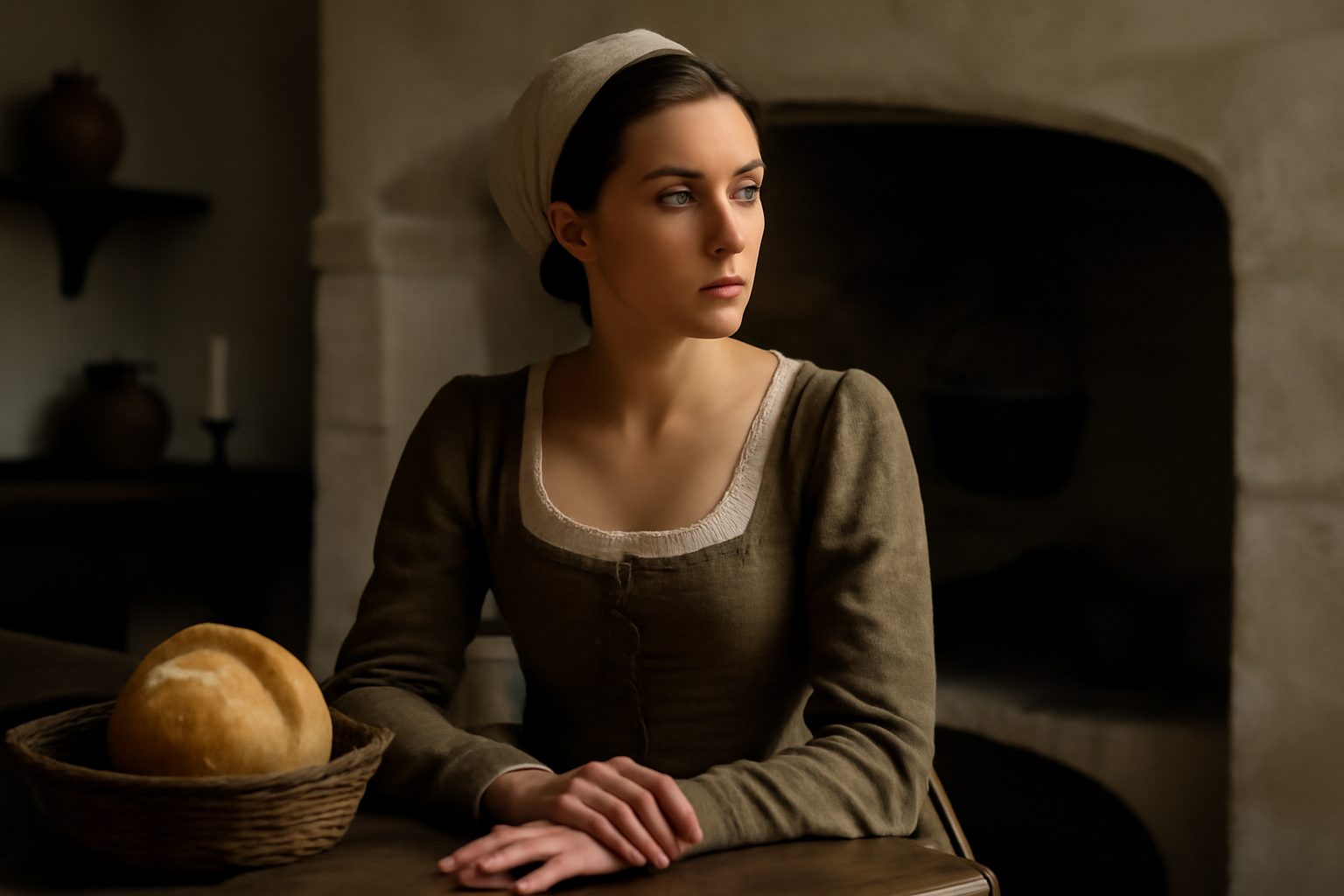
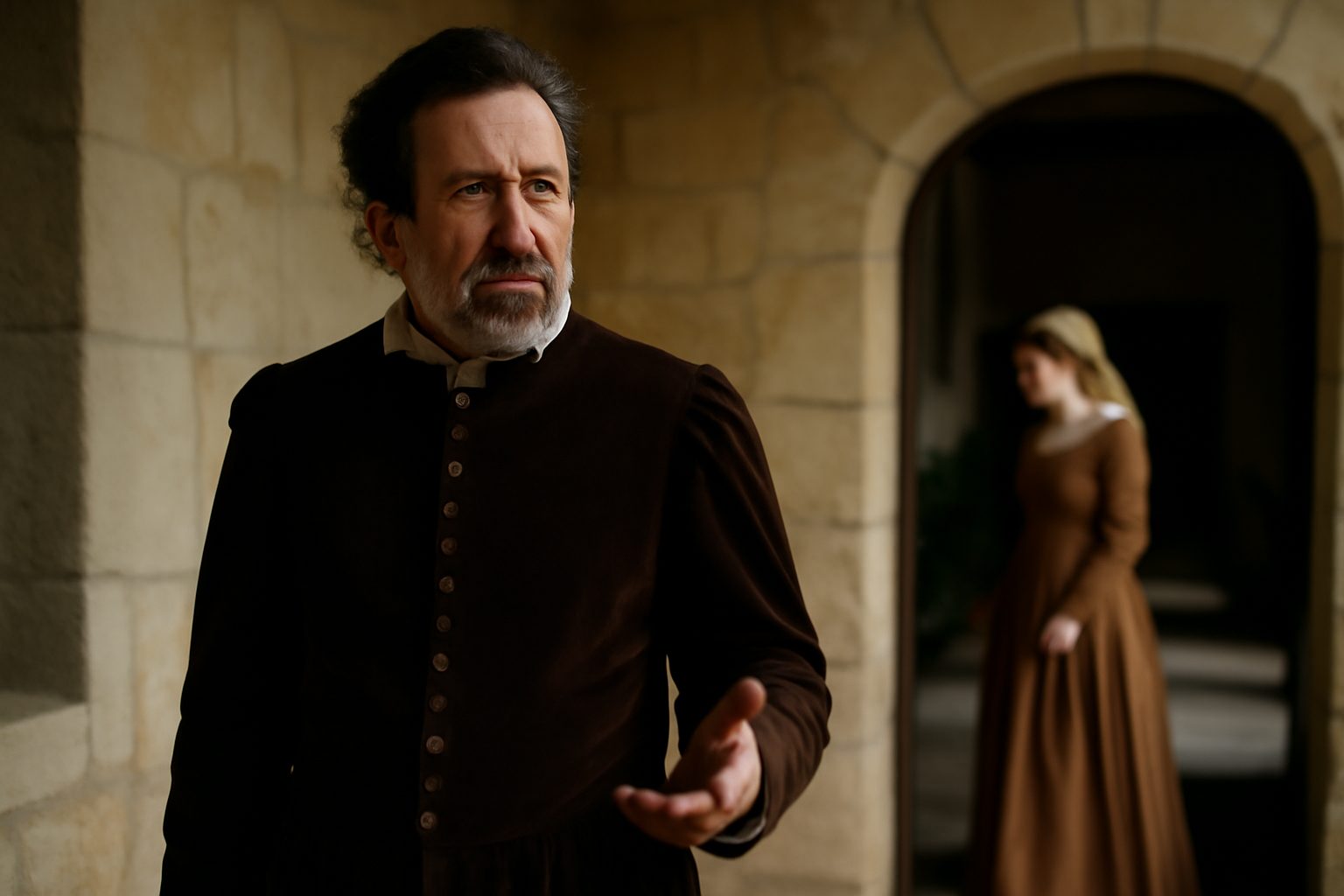
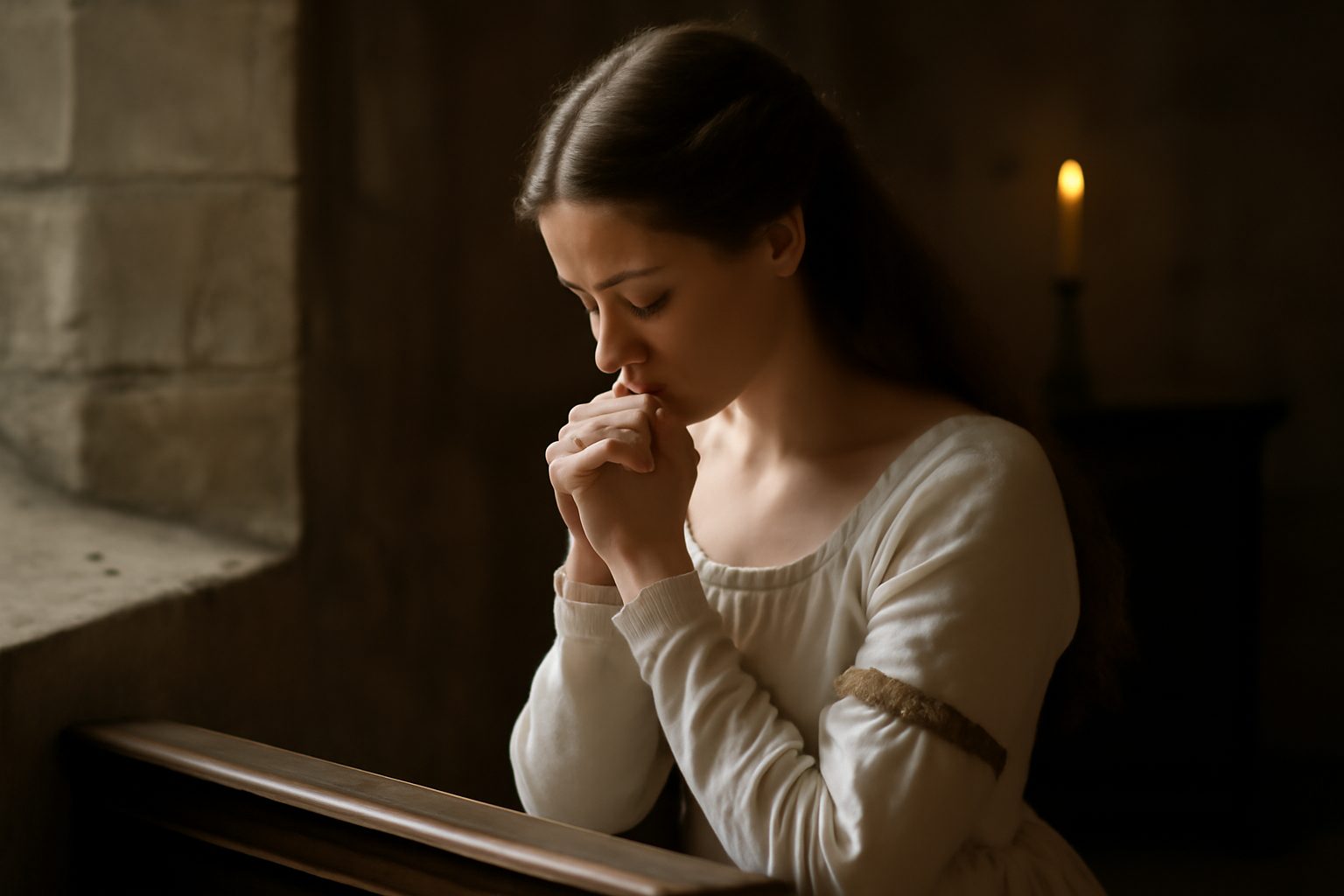
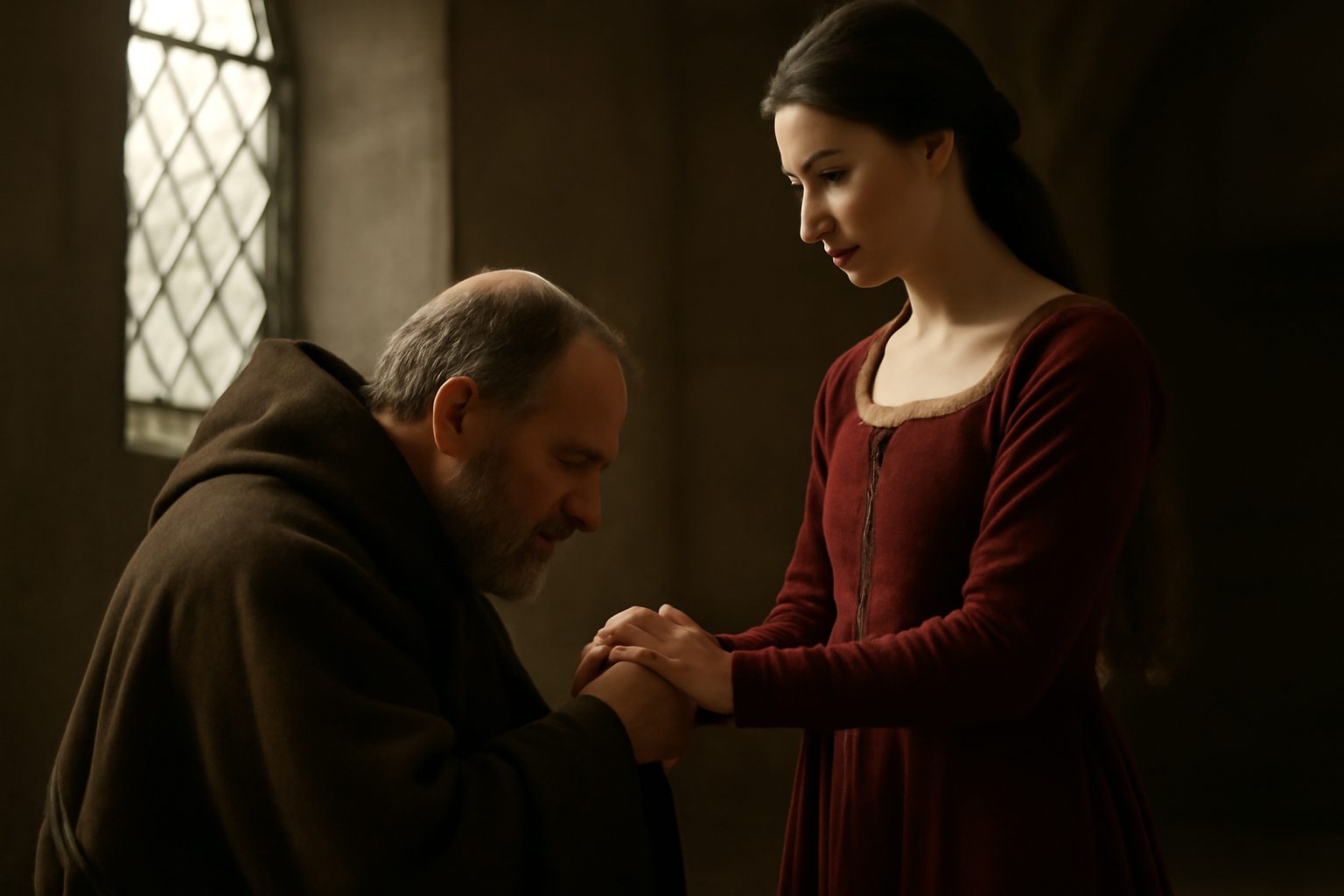
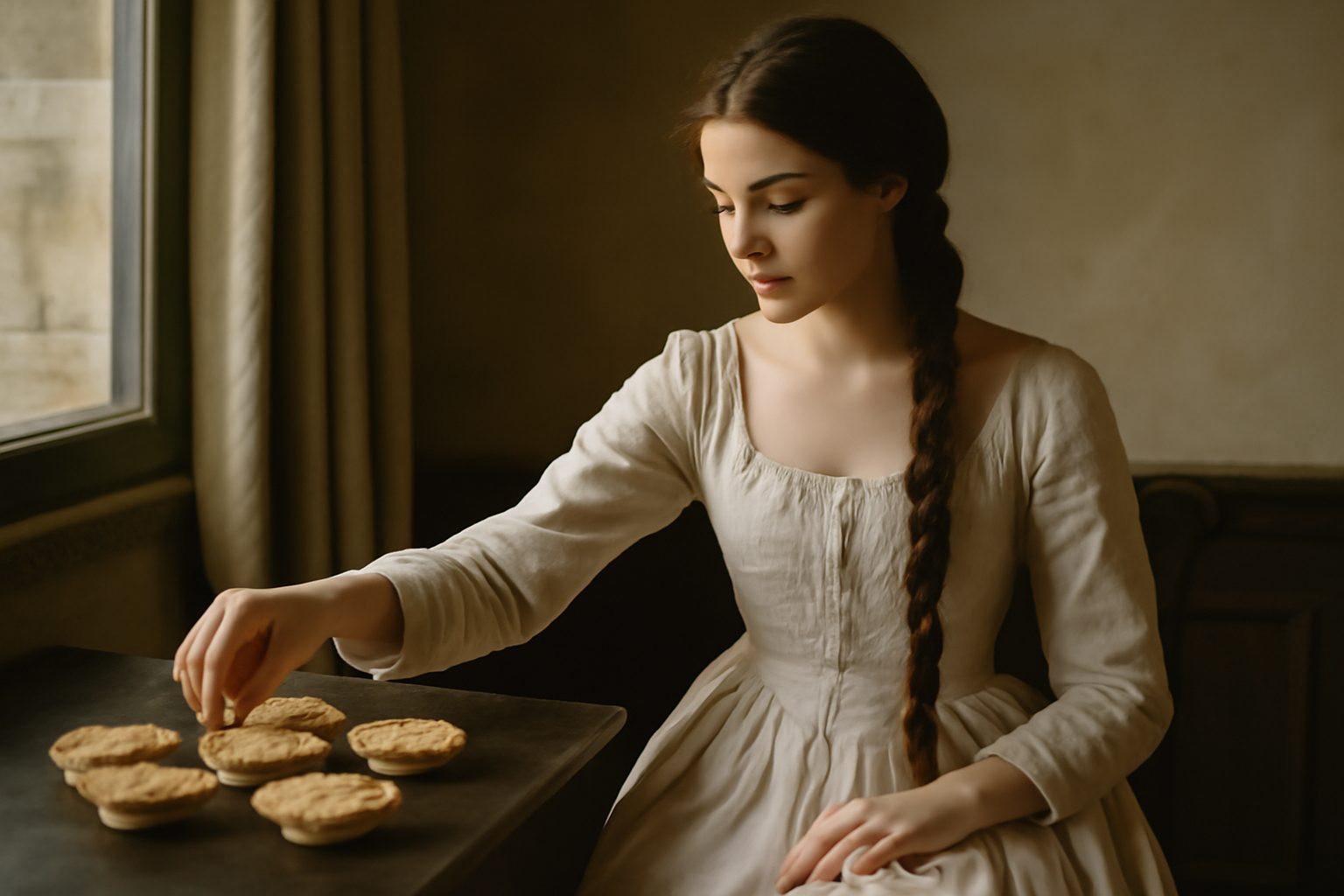
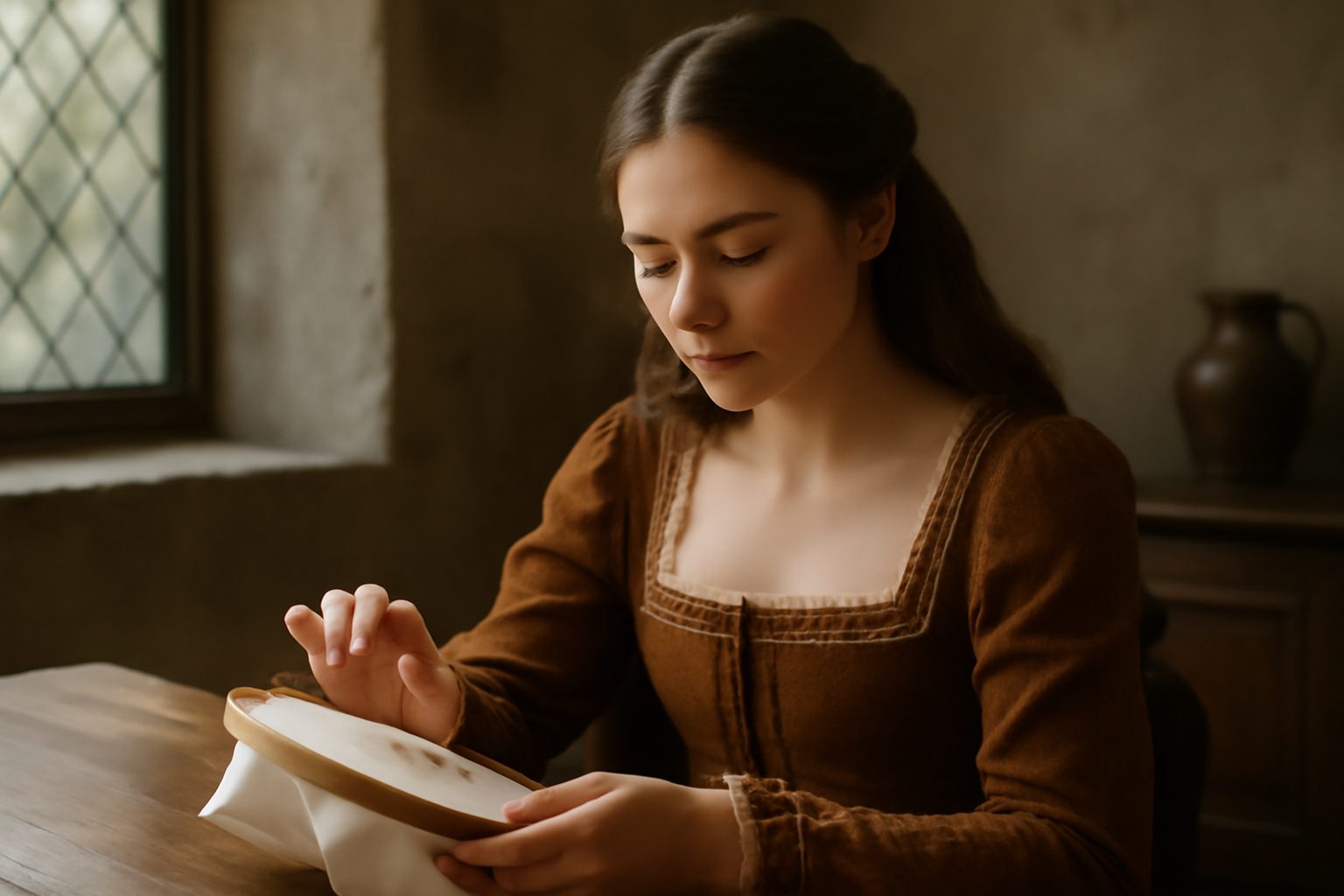
In Act 4, Scene 2 of Romeo and Juliet, Juliet has just returned from Friar Laurence, where she agreed to a desperate plan to avoid marrying Paris. As her family prepares for the wedding, she insists she wants to be left alone, pretending to need time to pray while secretly steeling herself to drink the friar's potion. This moment captures her isolation and resolve as she takes control of her fate.
Capulet: "I'll not to bed to-night; let me alone;"
In modern day english, we would say:
I won’t go to bed tonight; just leave me alone.
Frequently Asked Questions
What does Capulet say he will not do tonight?
He says he will not go to bed tonight.
How does Capulet want to be left?
He wants to be left alone.
Connections to other verses:
Connections to "I'll not to bed to-night; let me alone;"
This line, spoken by Juliet, reflects her determination to stay awake and prepare for her wedding to Paris, though her true motive is to enact Friar Laurence's plan to avoid the marriage. It connects thematically and narratively to several other verses in the scene.
Link to Deception and False Compliance
Juliet's statement is part of her feigned obedience to her parents. Earlier, she expresses submission in "Henceforward I am ever ruled by you", and Capulet notes her change in "Since this same wayward girl is so reclaim'd". Her insistence on staying awake contrasts with her earlier defiance, highlighting her deceptive strategy.
Preparation for the Wedding
Juliet's wakefulness is tied to wedding preparations. Capulet orders, "Go thou to Juliet, help to deck up her", and Juliet herself says, "I'll play the housewife for this once", showing her active role in the ruse. This aligns with Capulet's urgency in "I'll have this knot knit up to-morrow morning".
Emotional Contrast
While Juliet is anxious and resolved, Capulet feels relief and optimism, as in "Against to-morrow: my heart is wondrous light". This juxtaposition emphasizes the tragic irony of the scene, where the family's joy contrasts with Juliet's desperate plan.
Friar Laurence's Influence
Juliet's actions stem from her visit to Friar Laurence, referenced in "I met the youthful lord at Laurence' cell" and "See where she comes from shrift with merry look". Her wakefulness is a direct result of the friar's scheme, intended to bring "all things shall be well", though it ultimately leads to tragedy.