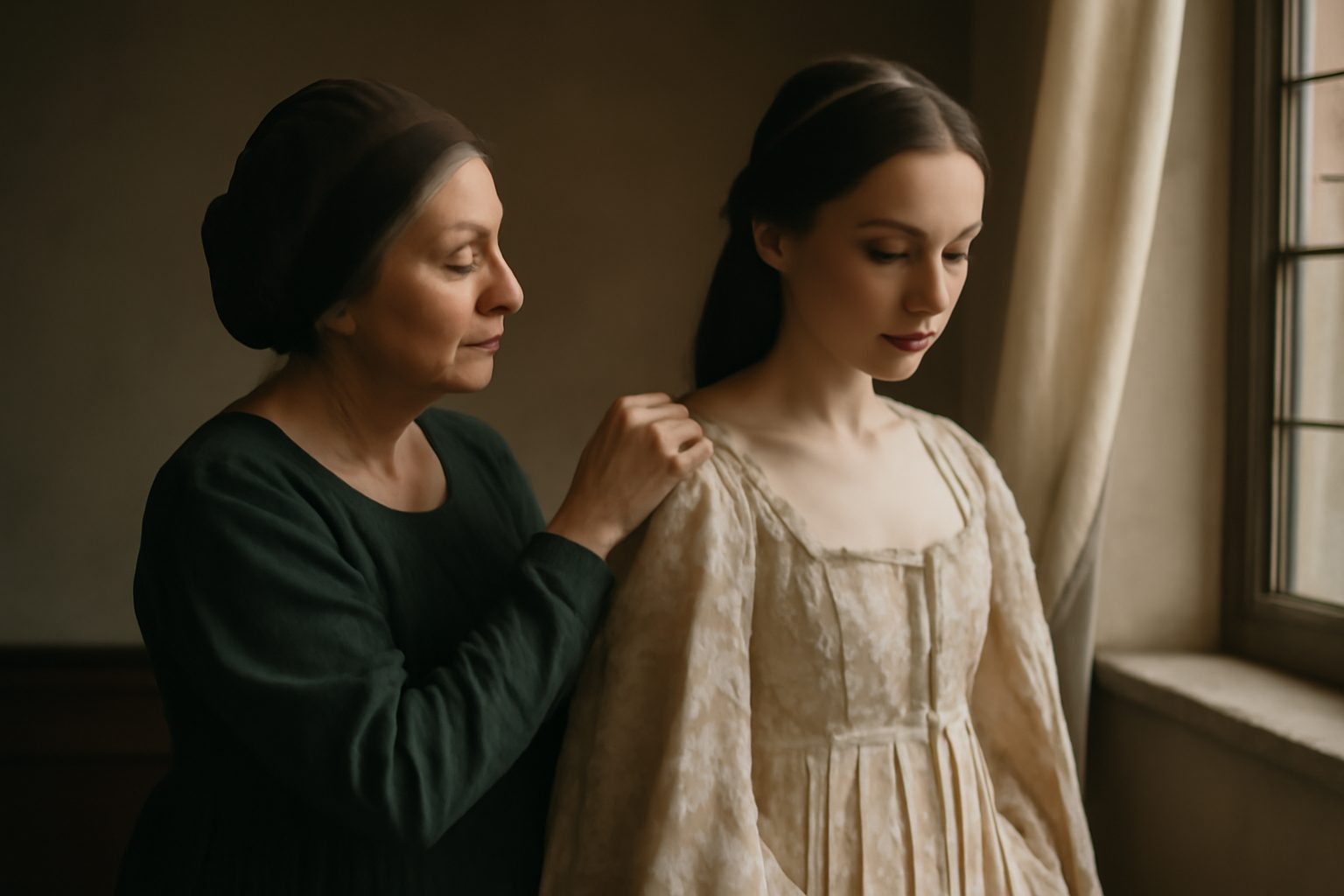
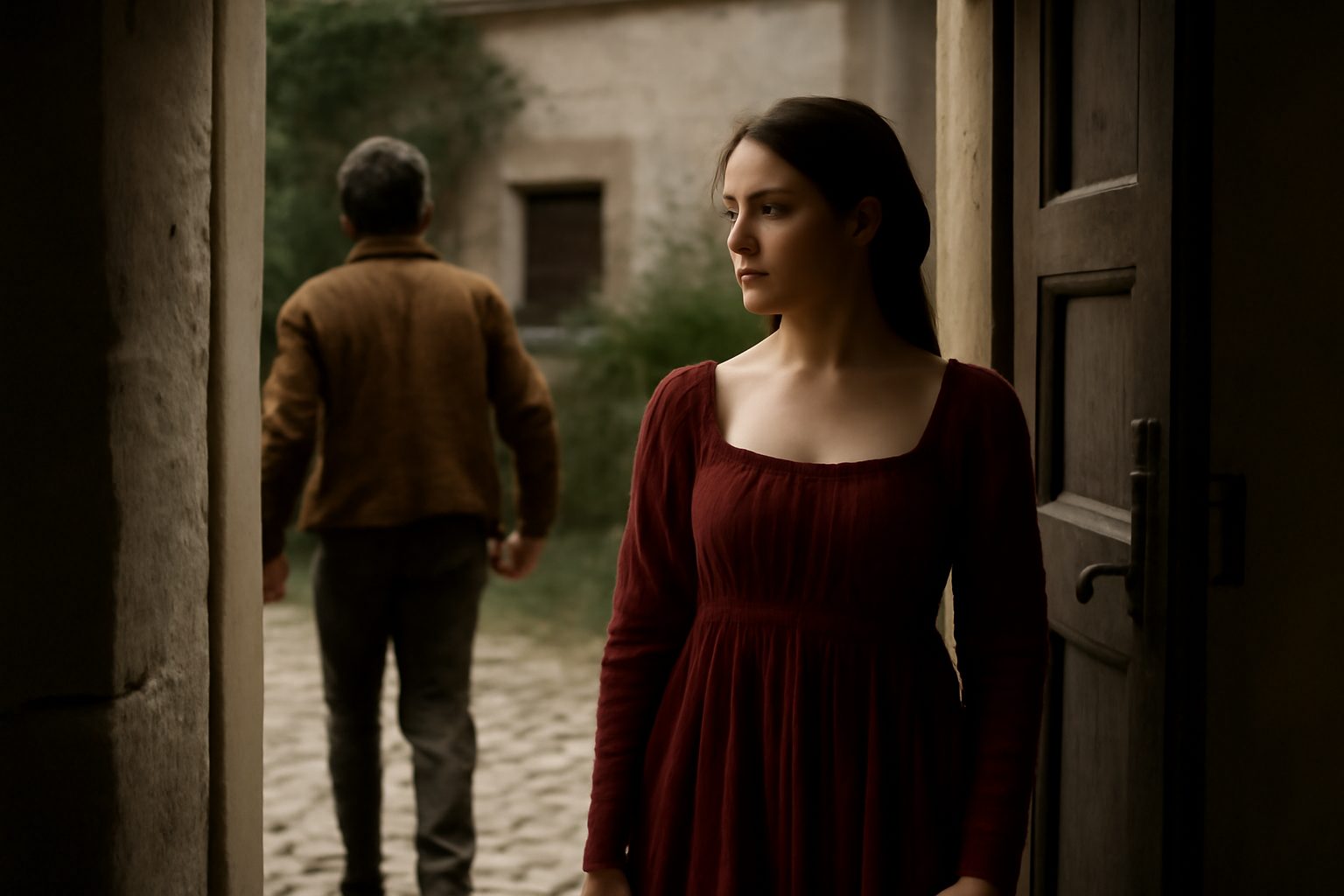
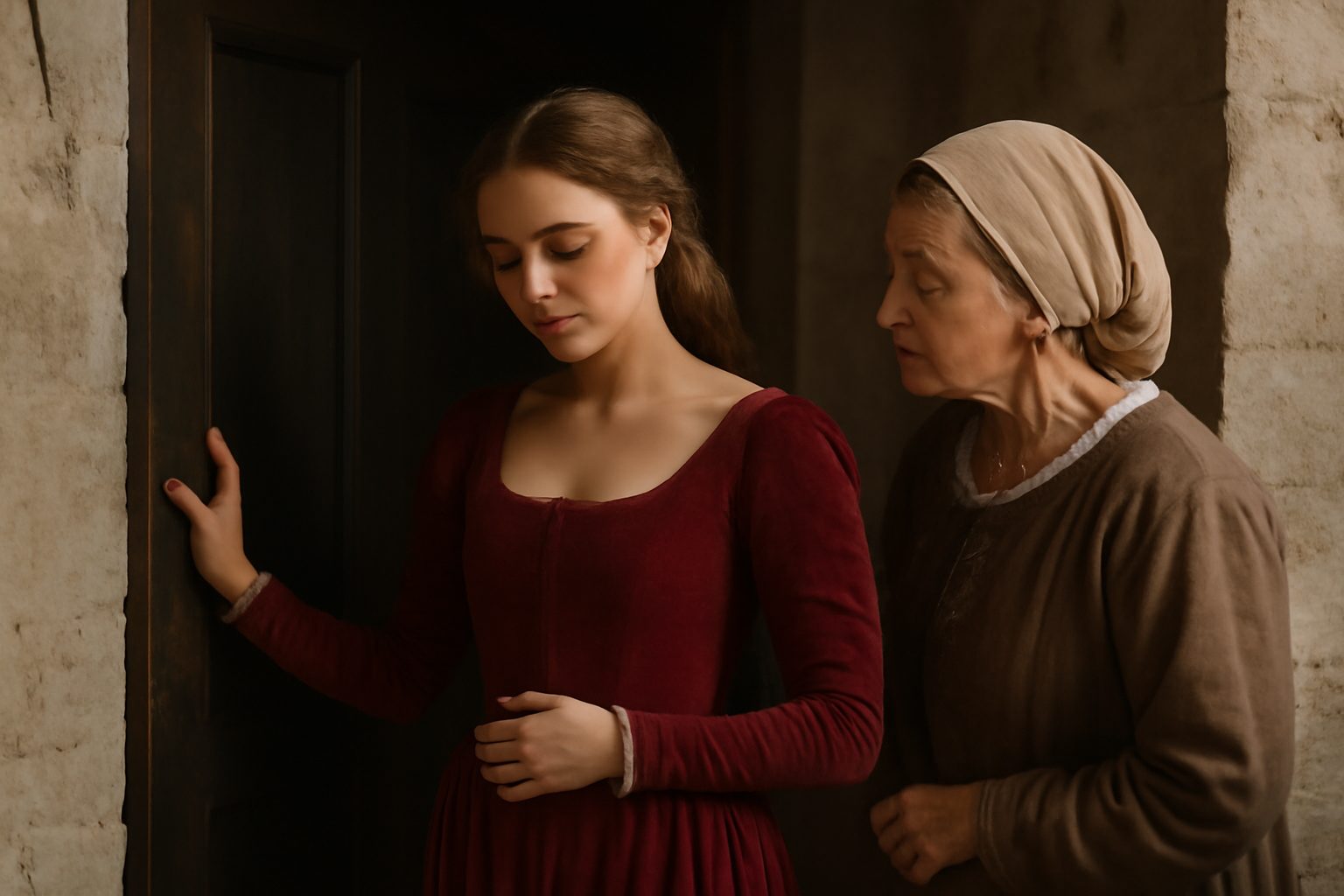
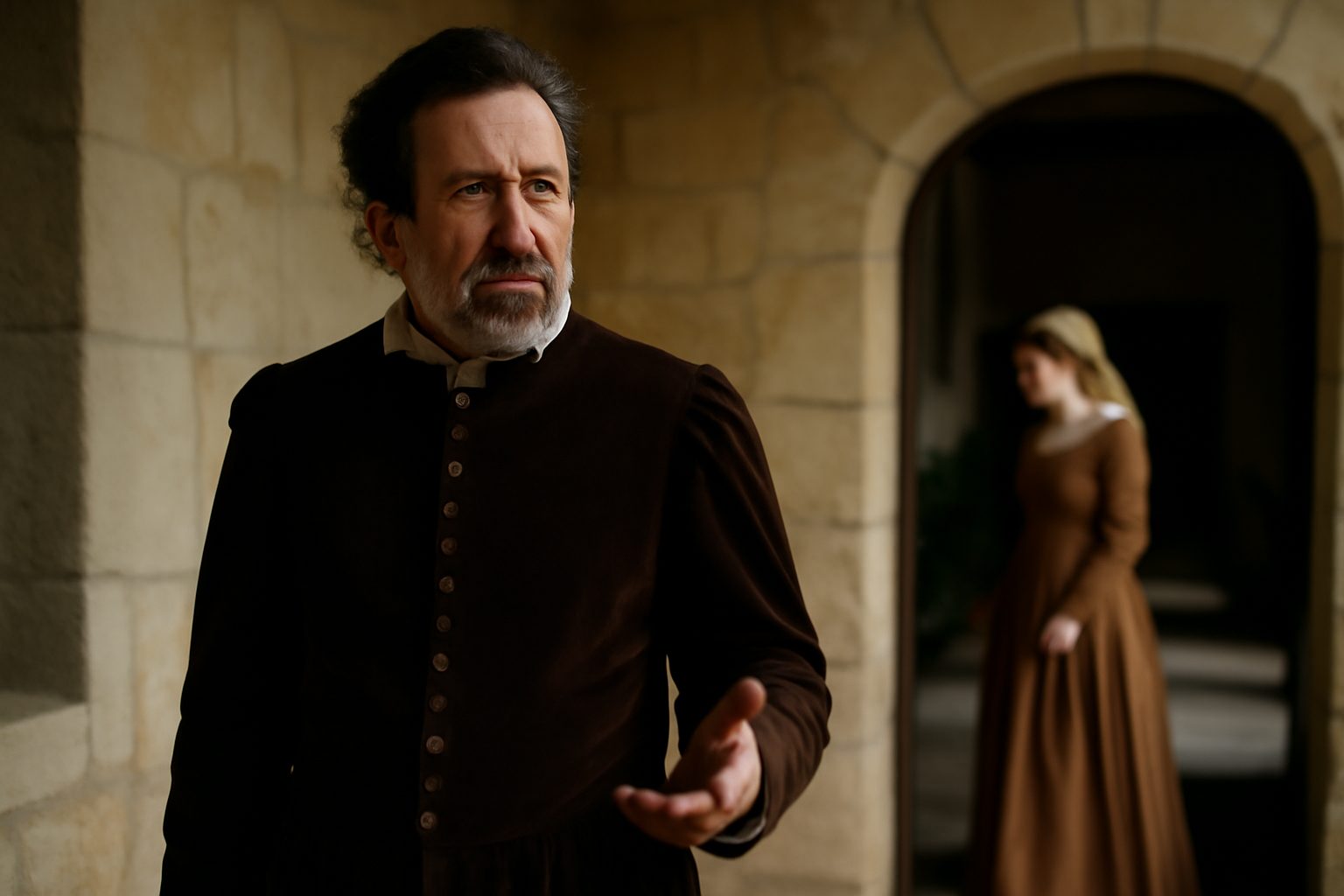
In Act 4, Scene 2 of Romeo and Juliet, the Capulet household is bustling with wedding preparations for Juliet and Paris. As Capulet speaks these words, he expresses concern that they are unprepared for the sudden change in plans, as the wedding has been moved to an earlier date. His remark reflects the haste and disorganization surrounding the arranged marriage, unaware of Juliet’s secret defiance.
Capulet: "We shall be much unfurnished for this time."
In modern day english, we would say:
We won’t be ready in time for this occasion.
Frequently Asked Questions
What does Capulet mean when he says they are unprepared for the event?
Capulet means that they are not ready or properly equipped for the upcoming wedding celebration.
Connections to other verses:
Connections to "We shall be much unfurnished for this time"
The line "We shall be much unfurnished for this time" reflects Capulet's concern about the wedding preparations being insufficient. This directly connects to "We shall be short in our provision", which echoes the same worry about inadequate supplies.
Preparations and Urgency
Capulet's anxiety about being unprepared is further emphasized when he asks "As you think fit to furnish me to-morrow?", seeking assurance that everything will be ready. His earlier command, "Sirrah, go hire me twenty cunning cooks", shows his initial effort to avoid being "unfurnished," though he later fears it may not be enough.
Juliet's Deceptive Compliance
Juliet's return from Friar Laurence, where she feigns obedience, shifts the mood. Capulet, initially angered by her "disobedient opposition", is pleased by her apparent change, declaring "Since this same wayward girl is so reclaim'd". This prompts him to expedite the wedding, increasing the urgency behind the "unfurnished" concern.
Resolution and False Confidence
Despite his worries, Capulet reassures himself with "And all things shall be well, I warrant thee", and ends the scene lightheartedly: "Against to-morrow: my heart is wondrous light". This contrasts sharply with the practical anxieties of being "unfurnished," highlighting his misplaced confidence before the tragedy unfolds.