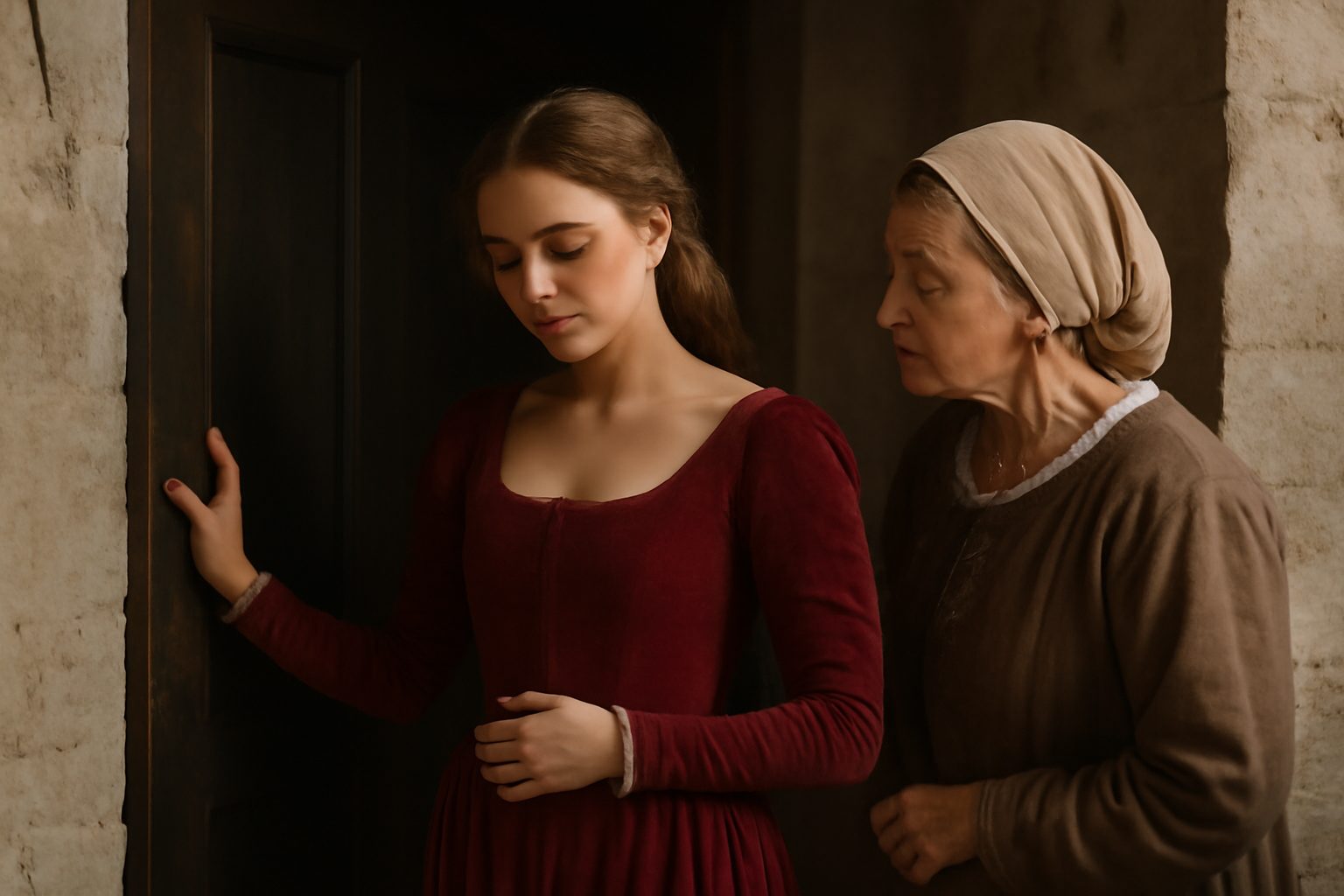
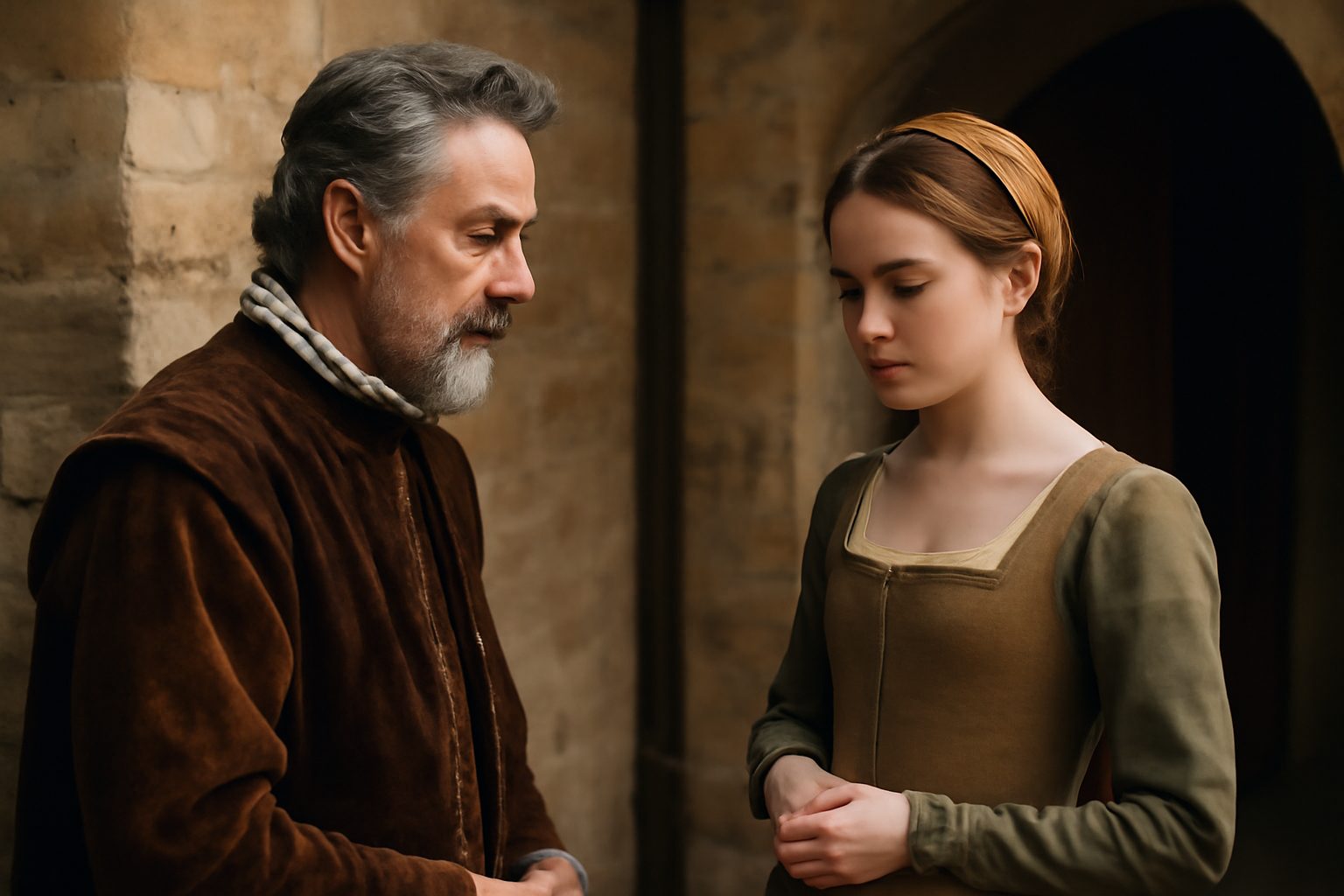
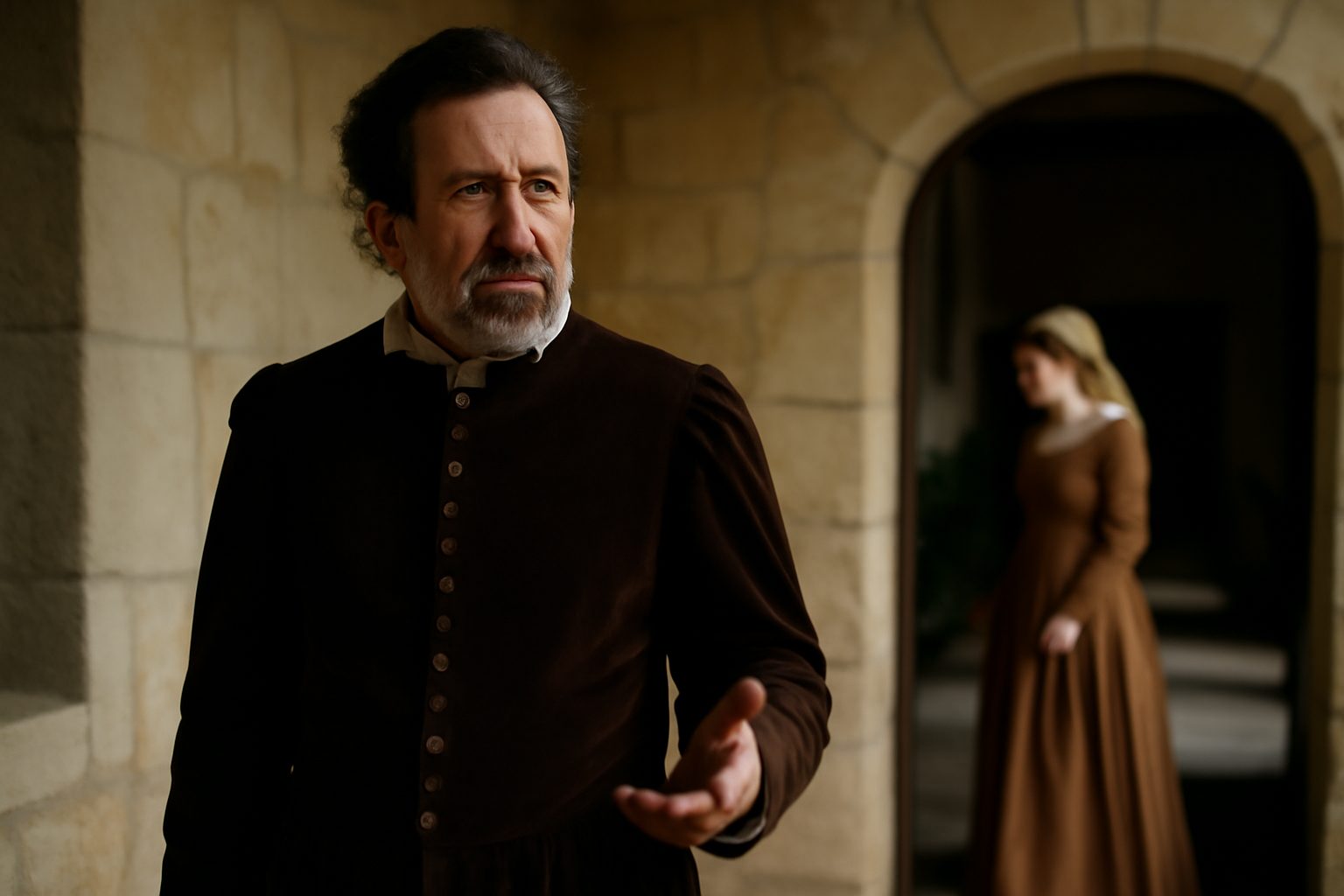
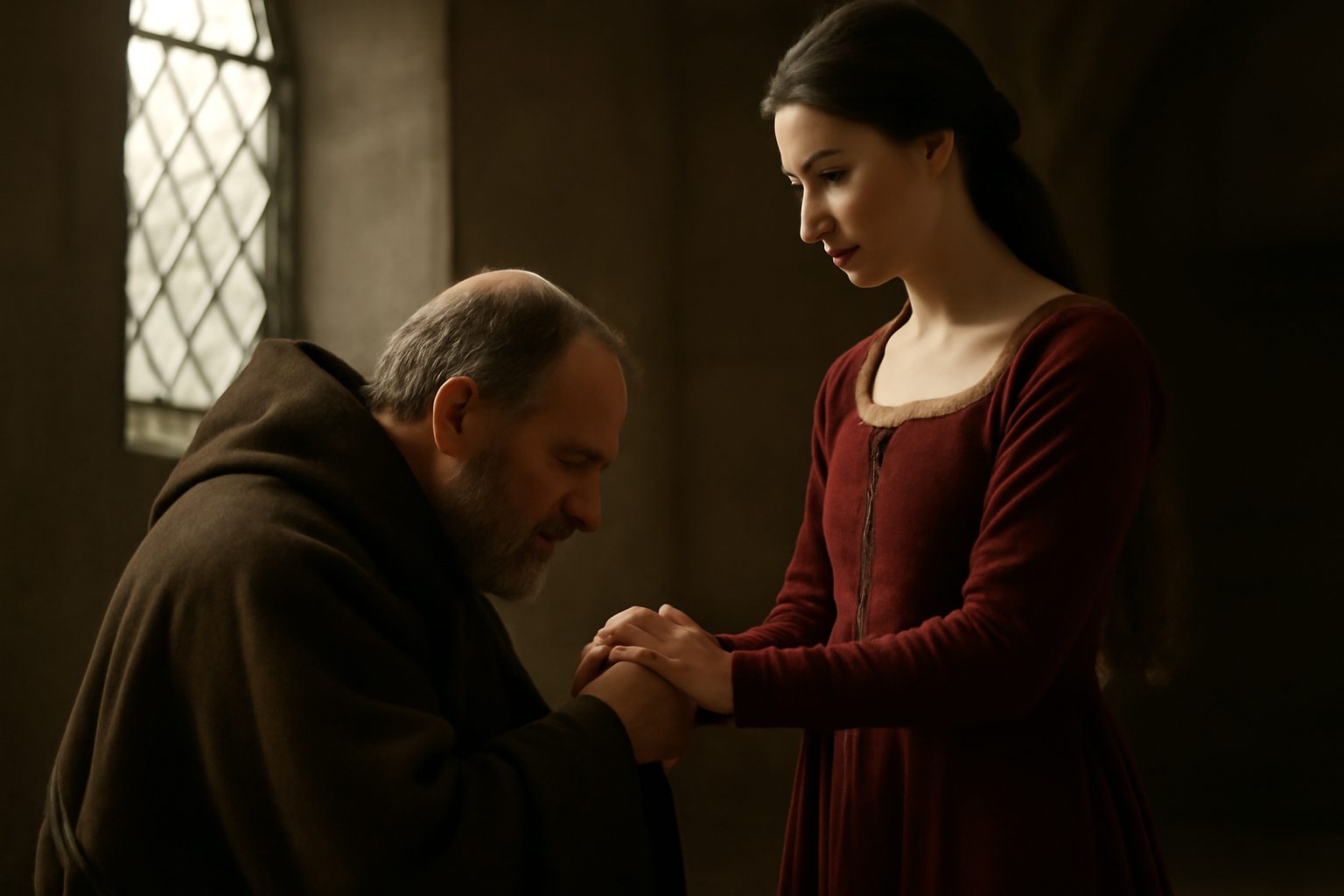
In Act 4, Scene 2 of Romeo and Juliet, Capulet is preparing for Juliet's wedding to Paris, unaware of her secret plan to avoid the marriage. The line is spoken by Capulet as he reacts to Friar Laurence's suggestion that Juliet should be left alone to pray, hoping the friar's counsel might bring her comfort. It reflects Capulet's misplaced optimism, contrasting sharply with the audience's knowledge of Juliet's desperate situation.
Capulet: "Well, he may chance to do some good on her:"
In modern day english, we would say:
Maybe he’ll actually help her somehow.
Frequently Asked Questions
What does Capulet hope will happen to Juliet in this line?
Capulet hopes that the person he is talking about might be able to help or benefit Juliet in some way.
Connections to other verses:
Connections to "Well, he may chance to do some good on her:"
This line, spoken by Capulet, reflects his hope that Friar Laurence's influence might positively affect Juliet, whom he has just criticized as a "peevish self-will'd harlotry". It follows his inquiry, "What, is my daughter gone to Friar Laurence?", showing his awareness of her whereabouts and his trust in the friar's guidance.
Juliet's Deceptive Submission
Capulet's optimism is fueled by Juliet's feigned obedience upon her return, where she kneels and says, "And beg your pardon: pardon, I beseech you!", promising "Henceforward I am ever ruled by you". This performance convinces Capulet that she is "so reclaim'd", easing his earlier frustrations.
Accelerated Wedding Plans
Encouraged by this change, Capulet advances the wedding, declaring "I'll have this knot knit up to-morrow morning", and sends servants to prepare, saying "Send for the county; go tell him of this". His renewed excitement is clear when he states "my heart is wondrous light", believing "all things shall be well".
Irony and Dramatic Tension
The line is deeply ironic, as the audience knows Juliet's visit to Friar Laurence is part of a plan to avoid marrying Paris, not to accept it. Capulet's misplaced trust in the friar—"this reverend holy friar"—heightens the tragedy, as his hope for "good" leads directly to the fatal scheme.