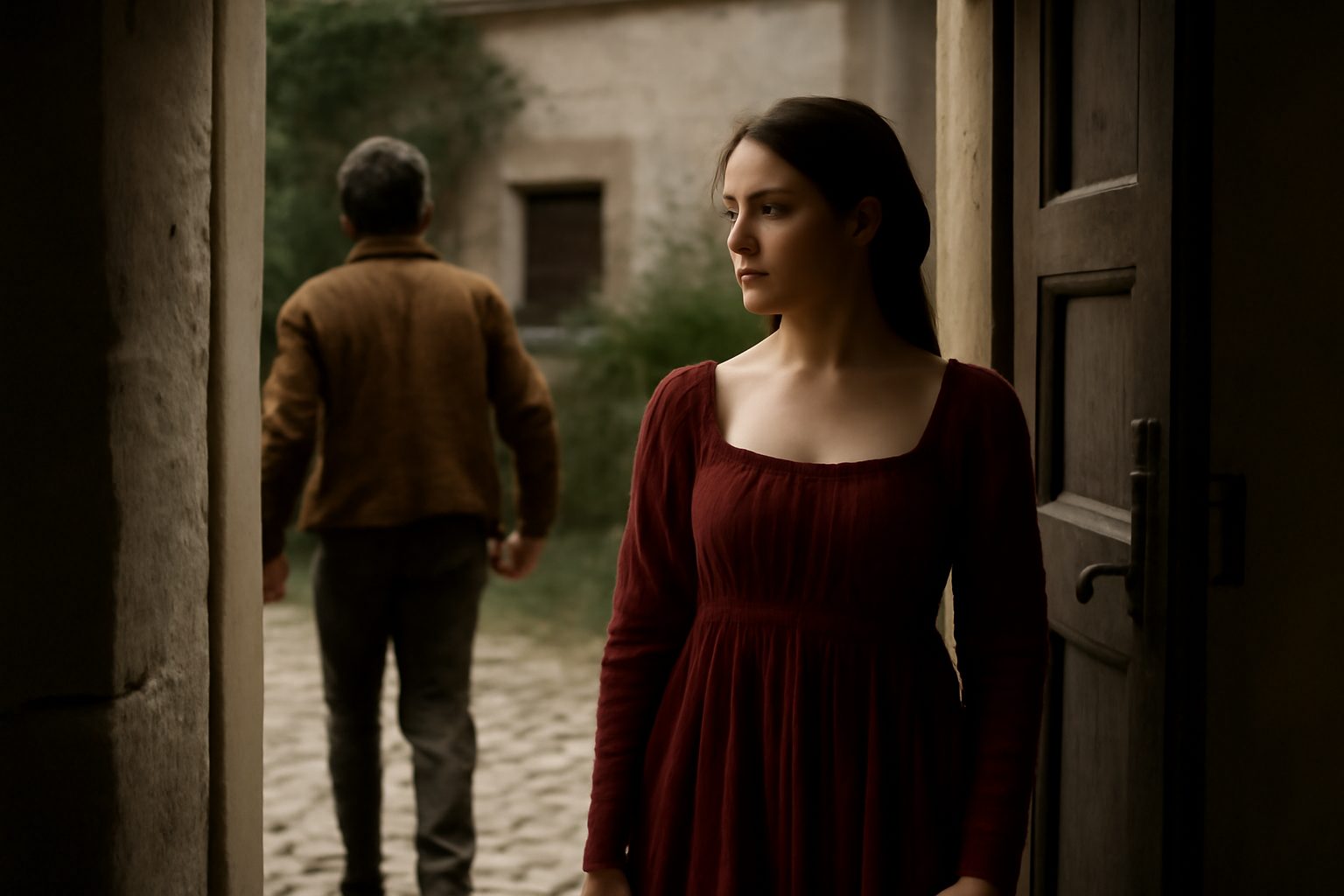
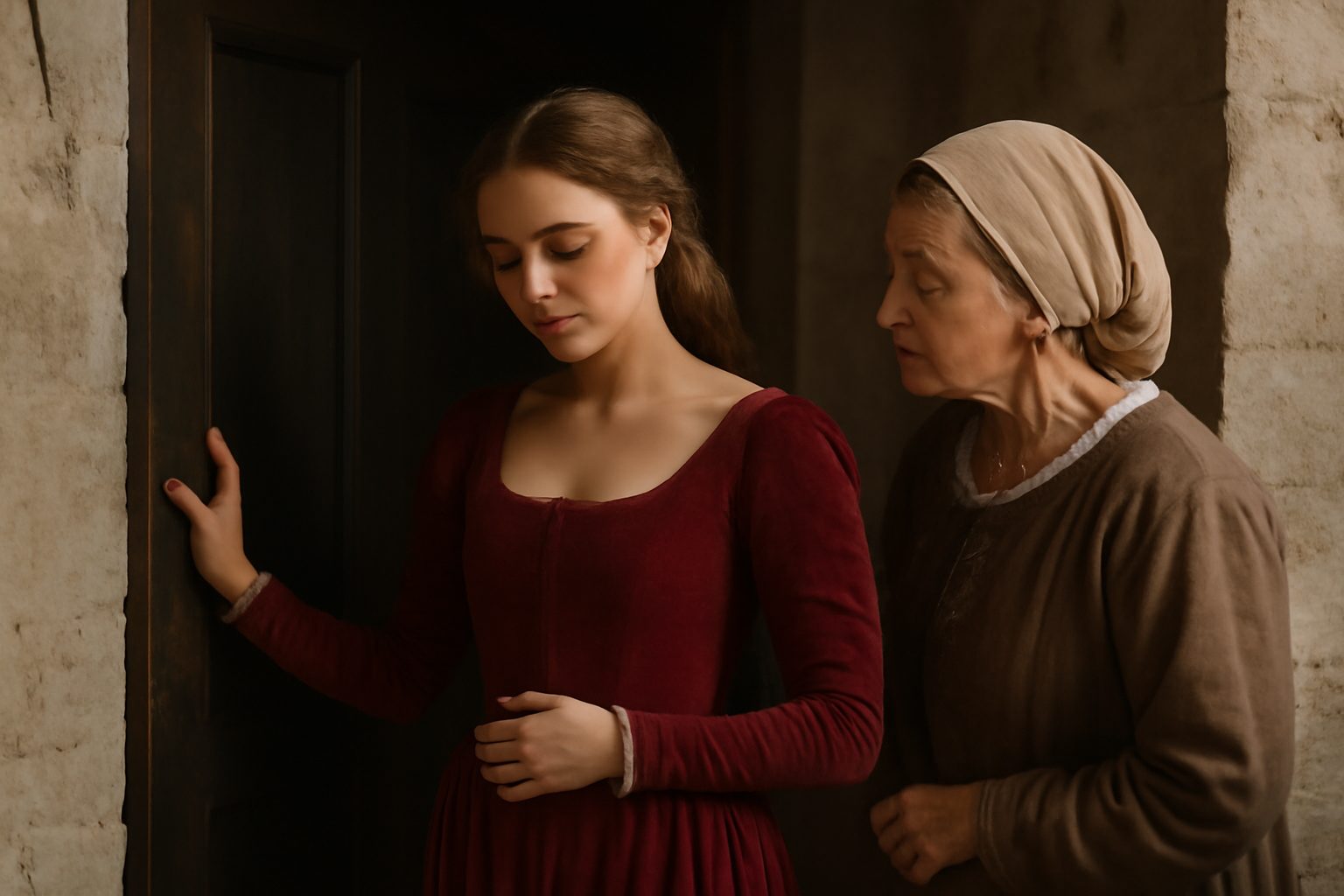
In Act 4, Scene 2 of Romeo and Juliet, Juliet returns home after secretly agreeing to marry Paris, a decision made under pressure from her family. She speaks this line to her father, Capulet, pretending to submit to his authority to avoid suspicion about her true intentions. Her words mask her desperation and the dangerous plan she has set in motion with Friar Laurence to reunite with Romeo.
Juliet: "Henceforward I am ever ruled by you."
In modern day english, we would say:
From now on, I’ll always do as you say.
Frequently Asked Questions
What does Juliet mean when she says she will be ruled by someone from now on?
Juliet is agreeing to obey her father's wishes regarding her marriage to Paris, showing her submission to his authority.
Connections to other verses:
Connections to "Henceforward I am ever ruled by you."
Juliet's declaration, "Henceforward I am ever ruled by you," marks a pivotal moment of feigned submission to her father, Capulet. This statement directly responds to his earlier accusation of her being "my headstrong" and part of "a peevish self-will'd harlotry," showcasing her strategic shift from defiance to obedience.
Repentance and Reconciliation
Her words follow an apology where she begs, "pardon, I beseech you!" and explains she has been "to repent the sin of disobedient opposition," reinforcing her new compliant stance. This repentance leads Capulet to rejoice, noting "this same wayward girl is so reclaim'd," and he immediately advances the wedding plans, stating "I'll have this knot knit up to-morrow morning."
Immediate Consequences and Irony
Capulet's response to her submission is swift and practical: he orders "Send for the county; go tell him of this," and shifts focus to wedding preparations, asking "As you think fit to furnish me to-morrow?" The irony lies in Juliet's secret plan with Friar Laurence, as she met Paris at "Laurence' cell" not for compliance but for a desperate scheme, which Capulet misinterprets as piety, praising the friar in "this reverend holy friar."
Contrast with Earlier Tension
This moment contrasts sharply with the scene's opening, where Capulet is preoccupied with hiring cooks ("hire me twenty cunning cooks") and worried about provisions ("We shall be much unfurnished"). Juliet's false obedience resolves the familial conflict, allowing Capulet to end the scene with optimism: "my heart is wondrous light" and "all things shall be well," unaware of the tragedy her words actually set in motion.