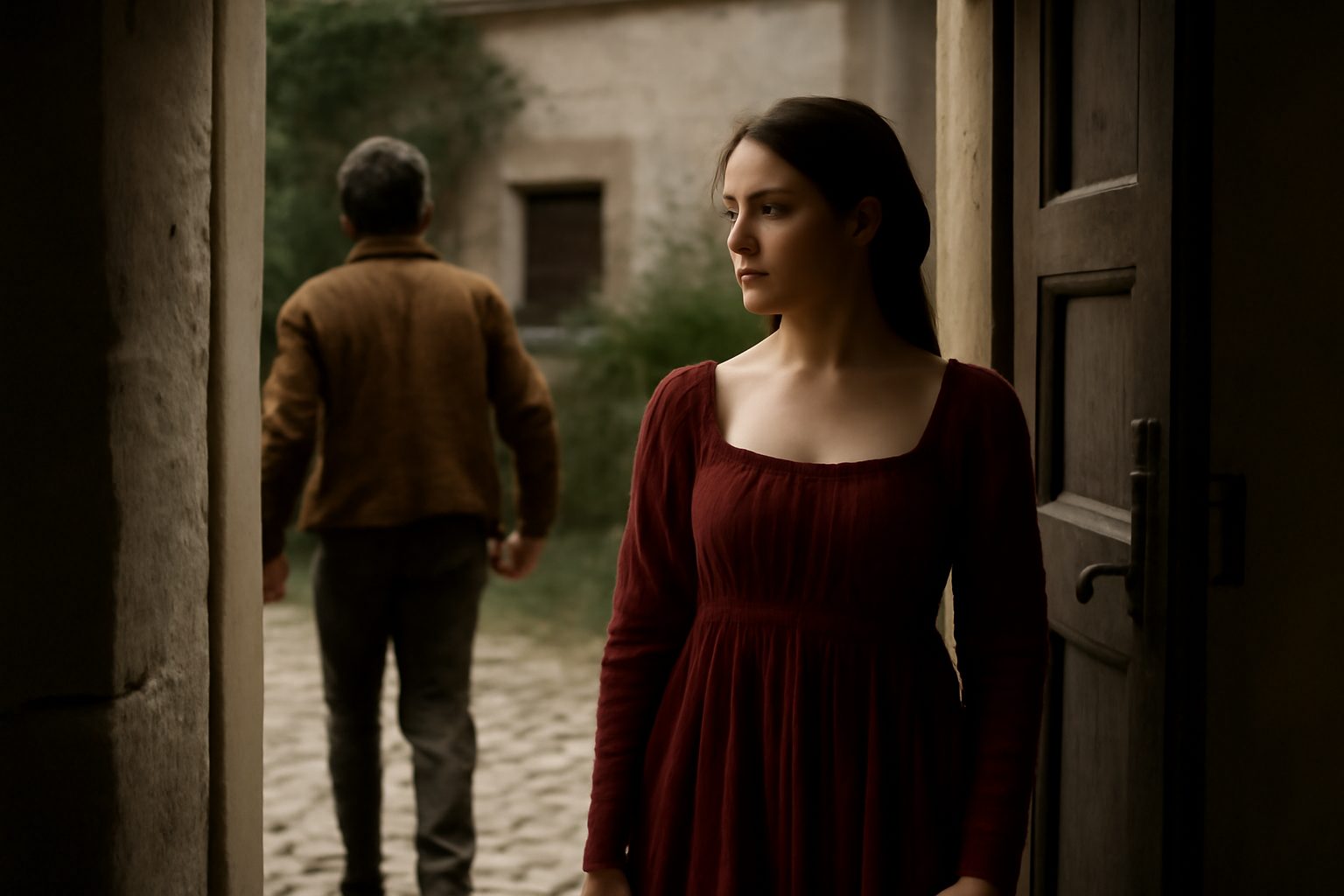
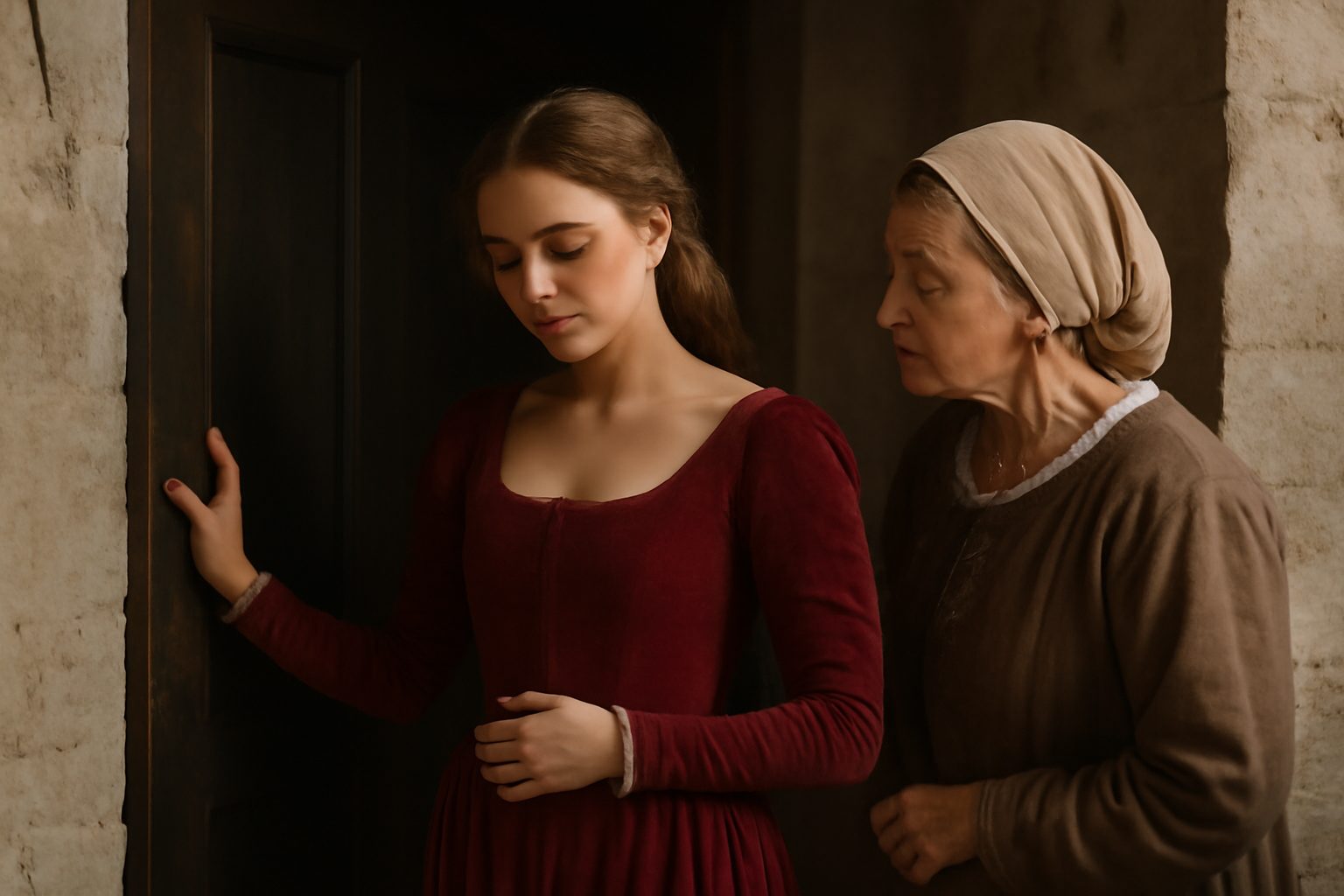
In Act 4, Scene 2 of Romeo and Juliet, Juliet has just returned from Friar Laurence’s cell, where she agreed to a desperate plan to avoid marrying Paris. Capulet, unaware of her secret marriage to Romeo, is overjoyed by her apparent obedience and immediately orders a servant to summon Paris, eager to finalize the wedding arrangements. This line marks his hurried excitement, as he prepares to accelerate the marriage plans, believing Juliet has submitted to his will.
Capulet: "Send for the county; go tell him of this:"
In modern day english, we would say:
Go get Count Paris and tell him what's happened.
Frequently Asked Questions
Who does Capulet want to send for in this line?
Capulet wants to send for Paris, the county.
Connections to other verses:
Connections to "Send for the county; go tell him of this:"
This line, spoken by Capulet, marks a pivotal shift in his attitude and actions. It directly follows Juliet's feigned repentance and signals his renewed enthusiasm for the wedding to Paris.
Immediate Context and Character Reactions
Just prior to this, Juliet kneels and begs forgiveness, stating: "And beg your pardon: pardon, I beseech you!" This show of submission prompts Capulet's joyful response in "Why, I am glad on't; this is well: stand up:", leading directly to his command to summon Paris.
Wedding Preparations and Urgency
Capulet's instruction connects to his earlier declaration about the wedding timing in "I'll have this knot knit up to-morrow morning." This sudden urgency contrasts with his previous willingness to wait until Thursday, mentioned in "No, not till Thursday; there is time enough."
Contrast with Previous Tensions
The cooperative mood here starkly contrasts with Capulet's earlier anger at Juliet's disobedience, where he called her "A peevish self-will'd harlotry" and accused her of "disobedient opposition". His change of heart is summarized in his final line: "Since this same wayward girl is so reclaim'd."
Logistical Consequences
This sudden wedding acceleration creates practical challenges, reflected in the servants' concerns about provisions in "We shall be much unfurnished for this time" and "We shall be short in our provision:"
Dramatic Irony
Capulet's joyful anticipation expressed in "Against to-morrow: my heart is wondrous light" creates profound dramatic irony, as the audience knows Juliet's compliance is part of Friar Laurence's dangerous plan rather than genuine acceptance of the marriage.