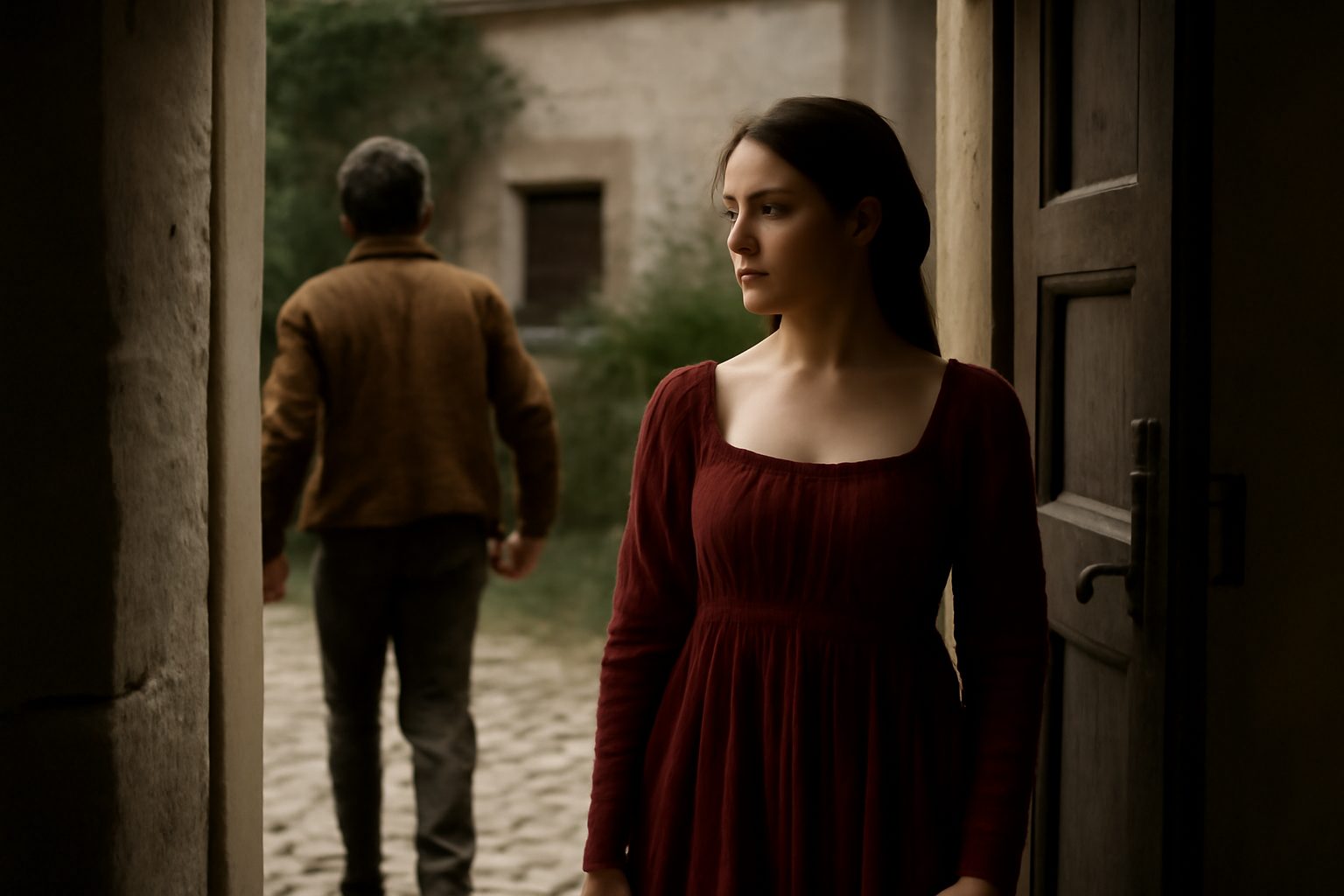
In Act 4, Scene 2 of Romeo and Juliet, Capulet is bustling with wedding preparations for Juliet and Paris. When the Nurse enters, he impatiently instructs her to bring Juliet to him, eager to finalize the arrangements. This line reflects Capulet’s authoritative and hurried demeanor as he pushes forward with the marriage plans, unaware of Juliet’s secret defiance.
Capulet: "Ay, marry, go, I say, and fetch him hither."
In modern day english, we would say:
Yes, go ahead, I’m serious—bring him here right now.
Frequently Asked Questions
What does Capulet want someone to do in this line?
Capulet wants someone to go and bring a person to him.
Connections to other verses:
Connections to "Ay, marry, go, I say, and fetch him hither."
This line, spoken by Capulet, reflects his sudden shift in mood and urgency regarding Juliet's apparent compliance. It connects thematically and sequentially with several other verses in the scene.
Immediate Context and Urgency
Capulet's command to fetch Paris (/romeo-and-juliet/four/4-2/act-4-scene-2-30/) follows his satisfaction with Juliet's obedience, expressed in "This is as't should be. Let me see the county;". His eagerness to proceed is further emphasized when he declares, "I'll have this knot knit up to-morrow morning.", showing his determination to hasten the marriage.
Juliet's Feigned Compliance
Capulet's directive stems from Juliet's deceptive submission, where she states, "Henceforward I am ever ruled by you.". Her earlier apology, "And beg your pardon: pardon, I beseech you!", sets the stage for Capulet's changed attitude, making him eager to involve Paris immediately.
Preparations and Optimism
Capulet's buoyant mood is clear when he says, "Against to-morrow: my heart is wondrous light,", and he reassures others with "And all things shall be well, I warrant thee,". This optimism drives his command to fetch Paris, as he believes the marriage will resolve past conflicts.
Contrast with Earlier Tension
This urgent, positive tone contrasts sharply with his earlier frustration, such as when he called Juliet "A peevish self-will'd harlotry". The shift highlights how Juliet's deception manipulates his emotions, leading to rash decisions like summoning Paris without delay.