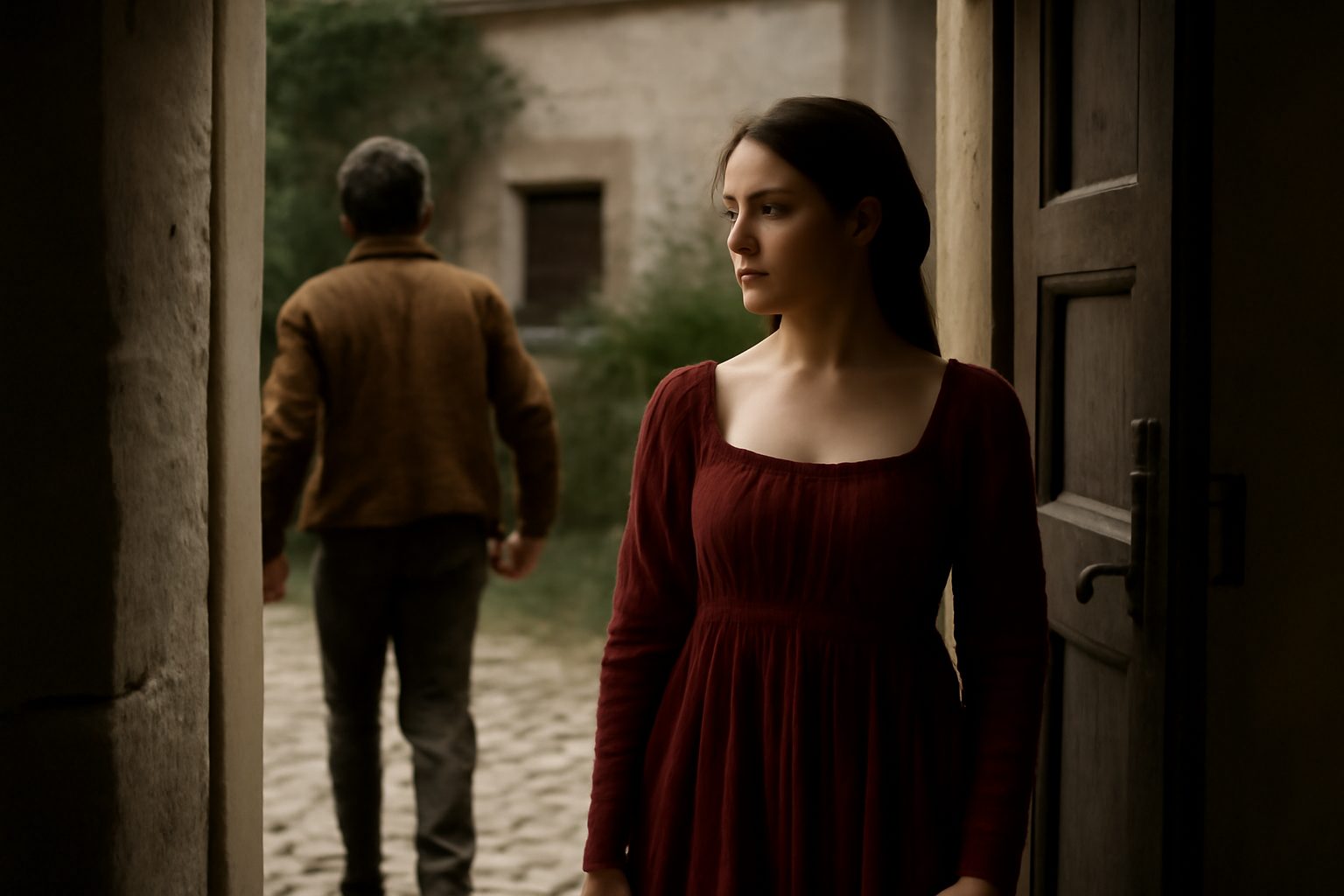
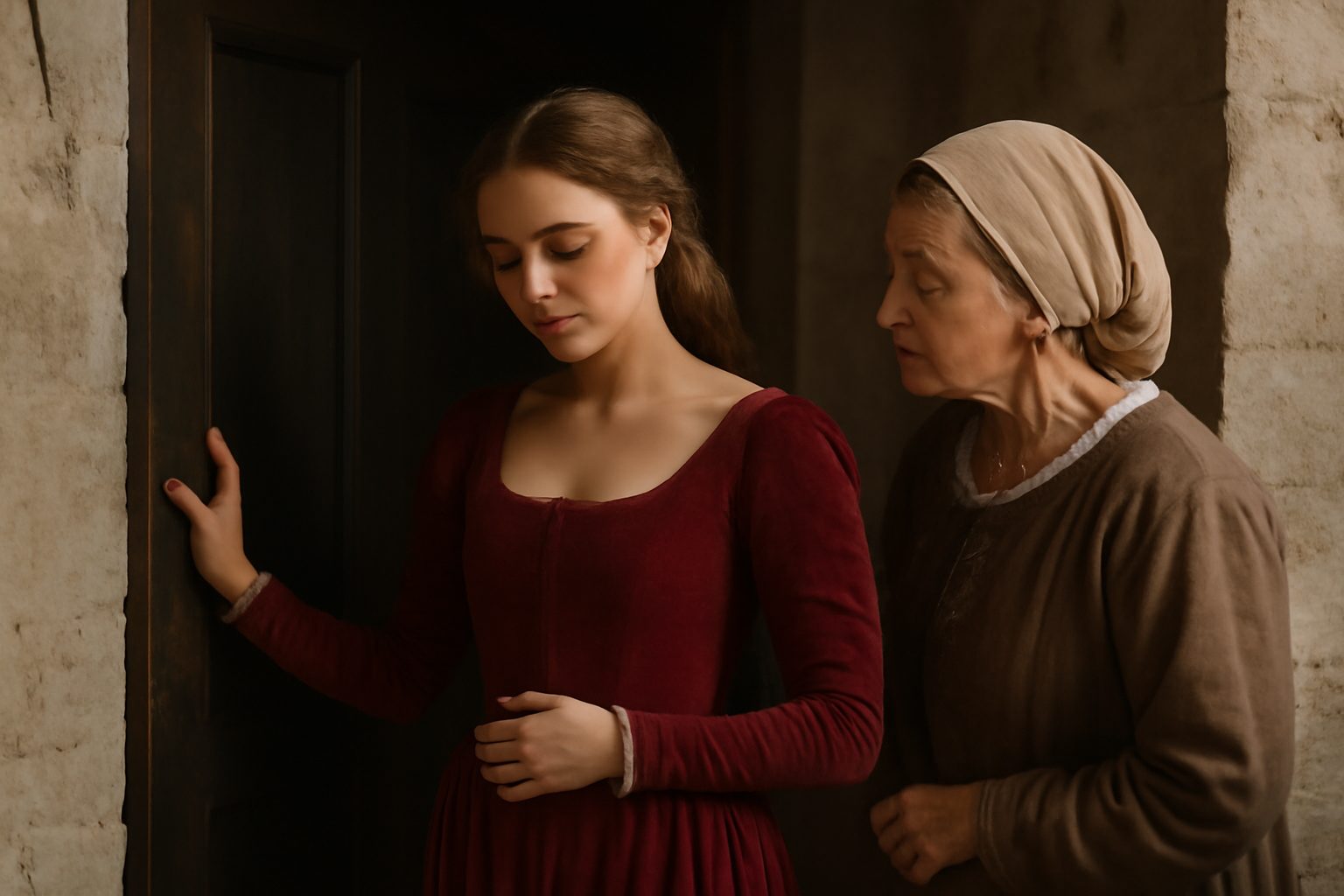
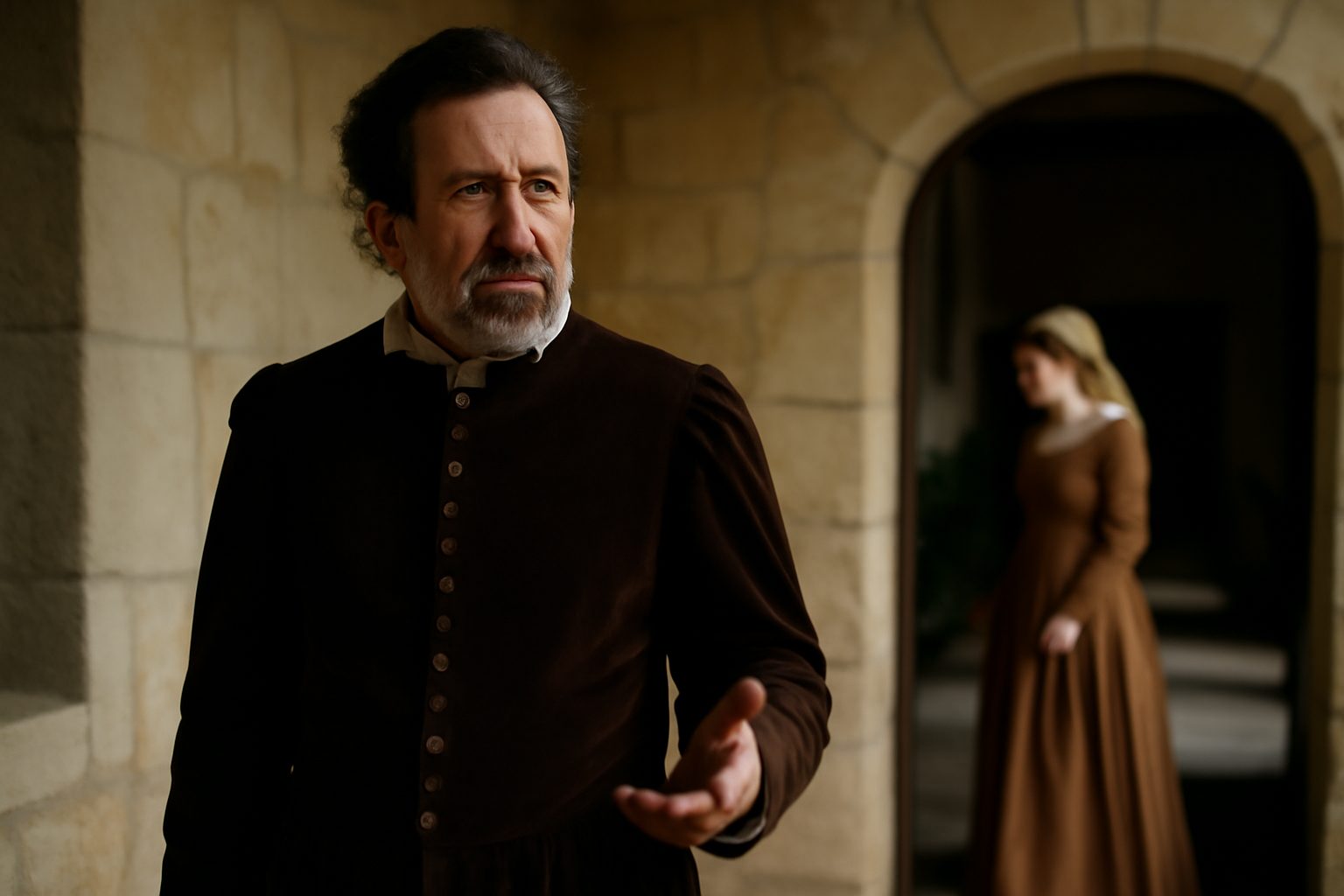
In Act 4, Scene 2 of Romeo and Juliet, Juliet has just returned from Friar Laurence, where she agreed to a desperate plan to fake her death and avoid marrying Paris. As she enters her home, she finds that her family and the wedding preparations have left her alone. Her words here reveal her resolve to carry out the friar's scheme, masking her turmoil with a calm demeanor.
Capulet: "They are all forth. Well, I will walk myself"
In modern day english, we would say:
Everyone has gone out, so I’ll go for a walk by myself.
Frequently Asked Questions
What does Capulet decide to do when he realizes everyone has left?
Capulet decides to go for a walk by himself.
Connections to other verses:
Connections to "They are all forth. Well, I will walk myself"
This line, spoken by Capulet, reflects his sudden shift from frustration to action. It connects thematically and sequentially to several other verses in the scene.
Immediate Context and Frustration
Capulet's remark follows his earlier exasperation with the servants, as seen in can lick their fingers and fingers goes not with me, where he criticizes their incompetence. His decision to "walk myself" underscores his impatience and need to take matters into his own hands.
Transition to Wedding Preparations
This line acts as a pivot toward the wedding preparations. It leads directly to his instructions in Tush, I will stir about, where he resolves to be proactive. His urgency is further emphasized in I'll have this knot knit up to-morrow morning, highlighting his determination to expedite Juliet's marriage to Paris.
Contrast with Juliet's Feigned Compliance
Capulet's active involvement contrasts sharply with Juliet's deceptive submission earlier in the scene. Her apology in And beg your pardon: pardon, I beseech you! and pledge of obedience in Henceforward I am ever ruled by you mislead him into believing she is compliant, fueling his renewed vigor for the wedding.
Link to Friar Laurence's Plan
Unbeknownst to Capulet, Juliet's visit to Friar Laurence, referenced in I met the youthful lord at Laurence' cell, has set her own plan in motion. Capulet's busyness here ironically facilitates the tragic scheme, as his focus on preparations leaves Juliet unsupervised to enact the friar's potion strategy.
Atmosphere of Misplaced Optimism
Capulet's line contributes to the scene's dramatic irony, where his lightheartedness in Against to-morrow: my heart is wondrous light and assurance in And all things shall be well, I warrant thee starkly contrast with the impending tragedy, underscoring the family's unawareness of Juliet's true intentions.