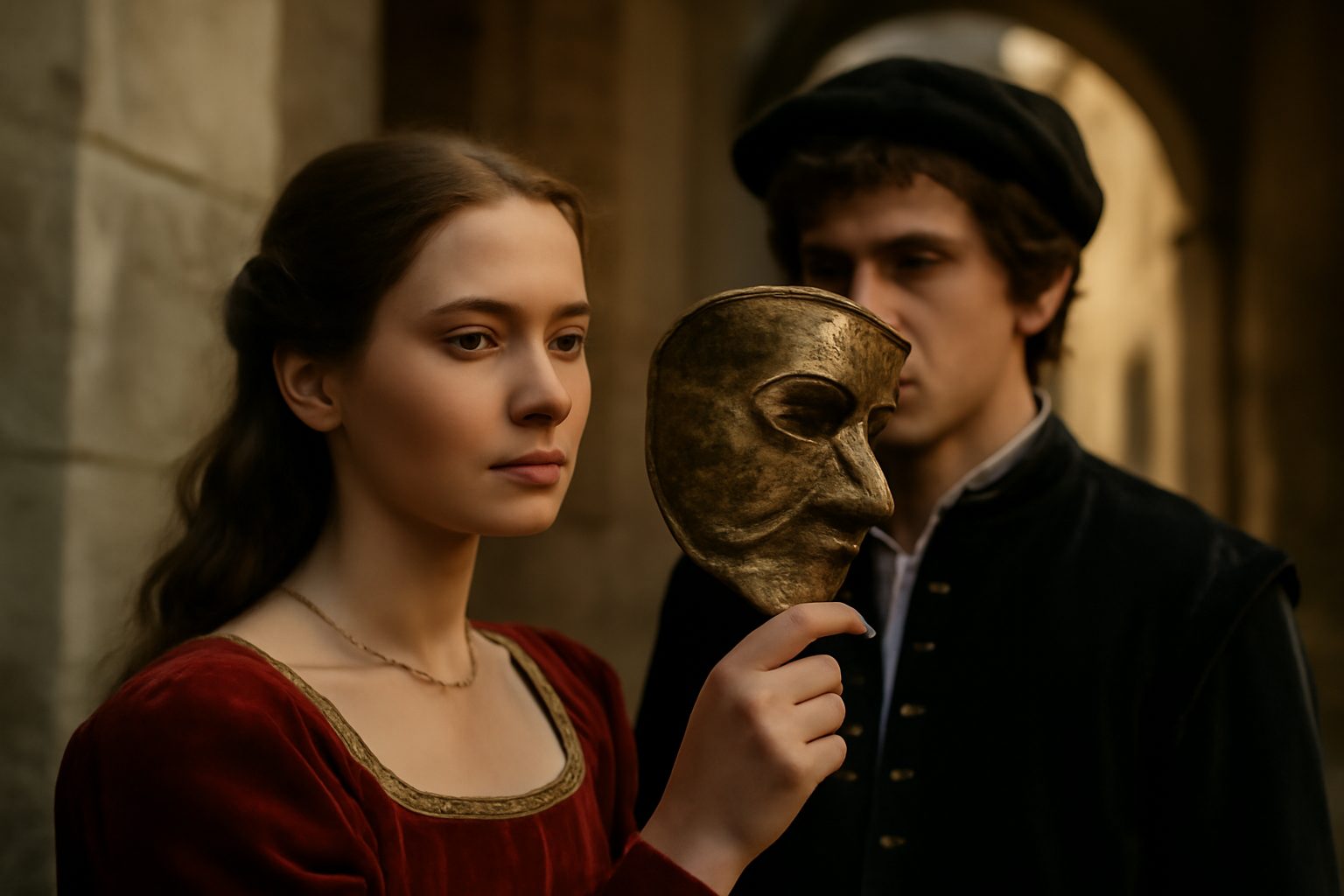
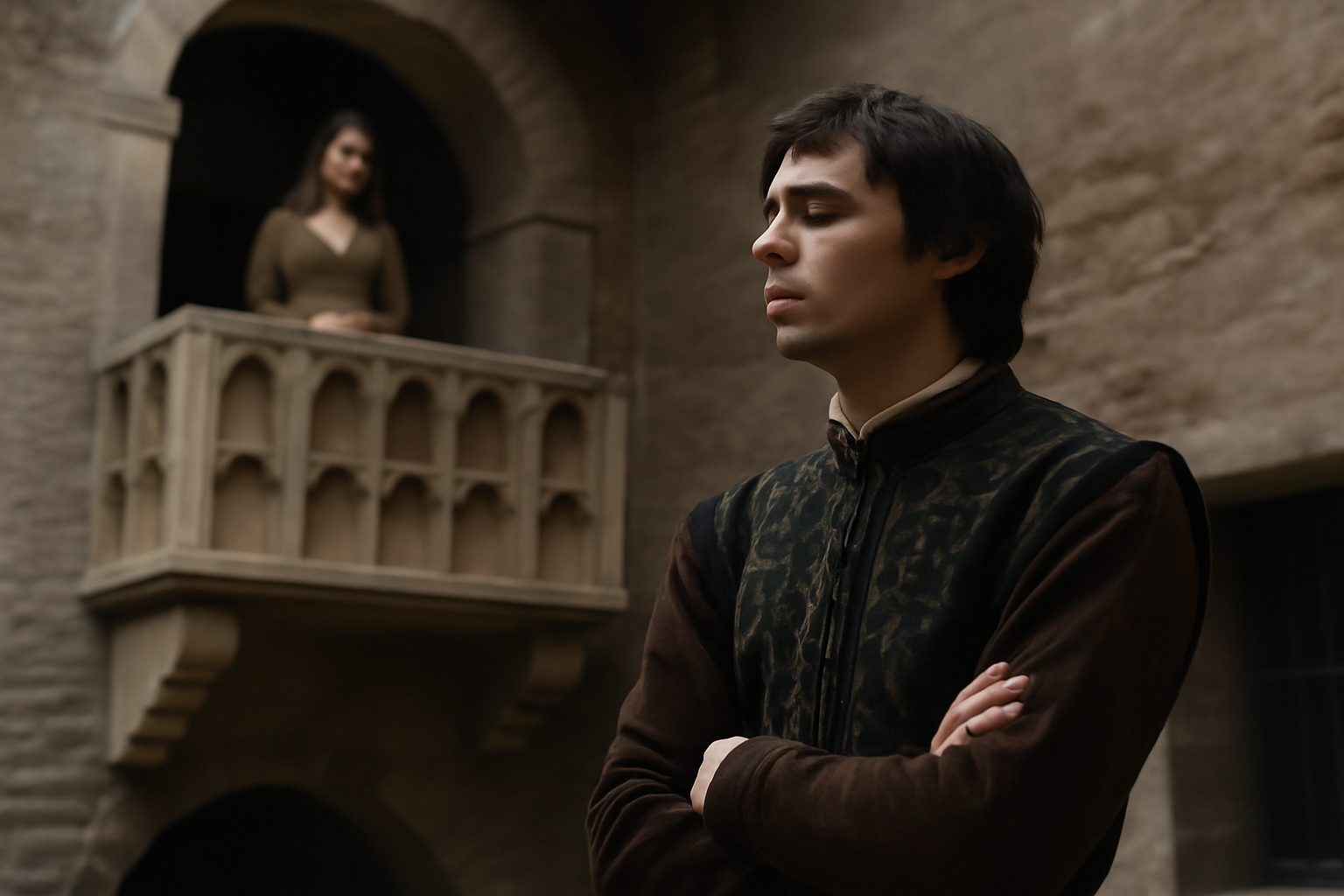
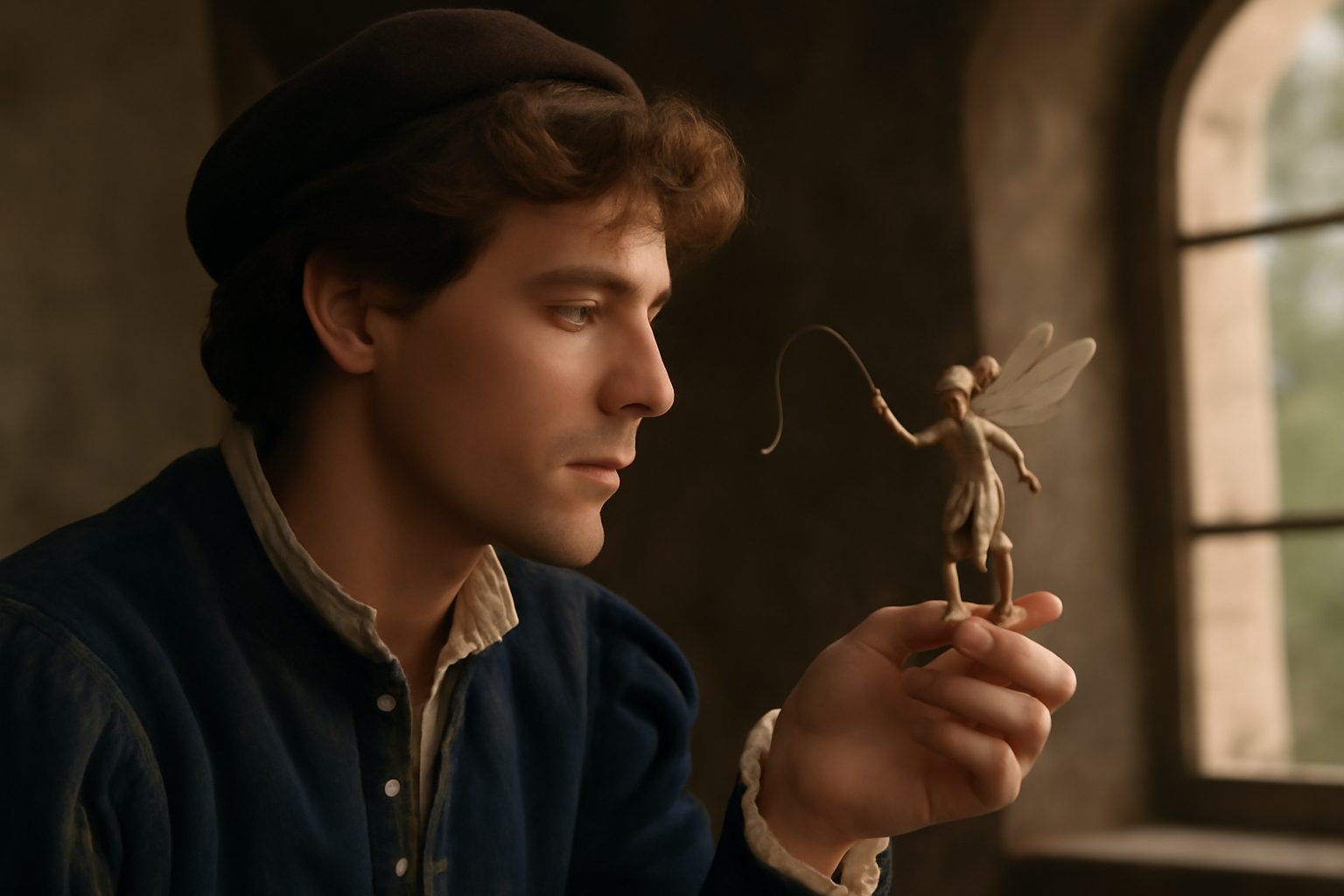
In Act 1, Scene 4 of Romeo and Juliet, Mercutio and Romeo are on their way to the Capulet feast when Romeo expresses his reluctance to attend, weighed down by love's melancholy. Mercutio, ever the wit, mocks Romeo's lovesick state, dismissing it as an exaggerated burden. The line refers to Romeo's view of love as an overwhelming force, too heavy for something as delicate as the human heart.
Mercutio: "Too great oppression for a tender thing."
In modern day english, we would say:
This is too much pressure for someone so young and delicate.
Frequently Asked Questions
What does Mercutio mean when he says that something is too much for a delicate thing?
Mercutio is saying that the situation or burden is too heavy or harsh for something that is gentle or fragile.
Connections to other verses:
Connections to "Too great oppression for a tender thing"
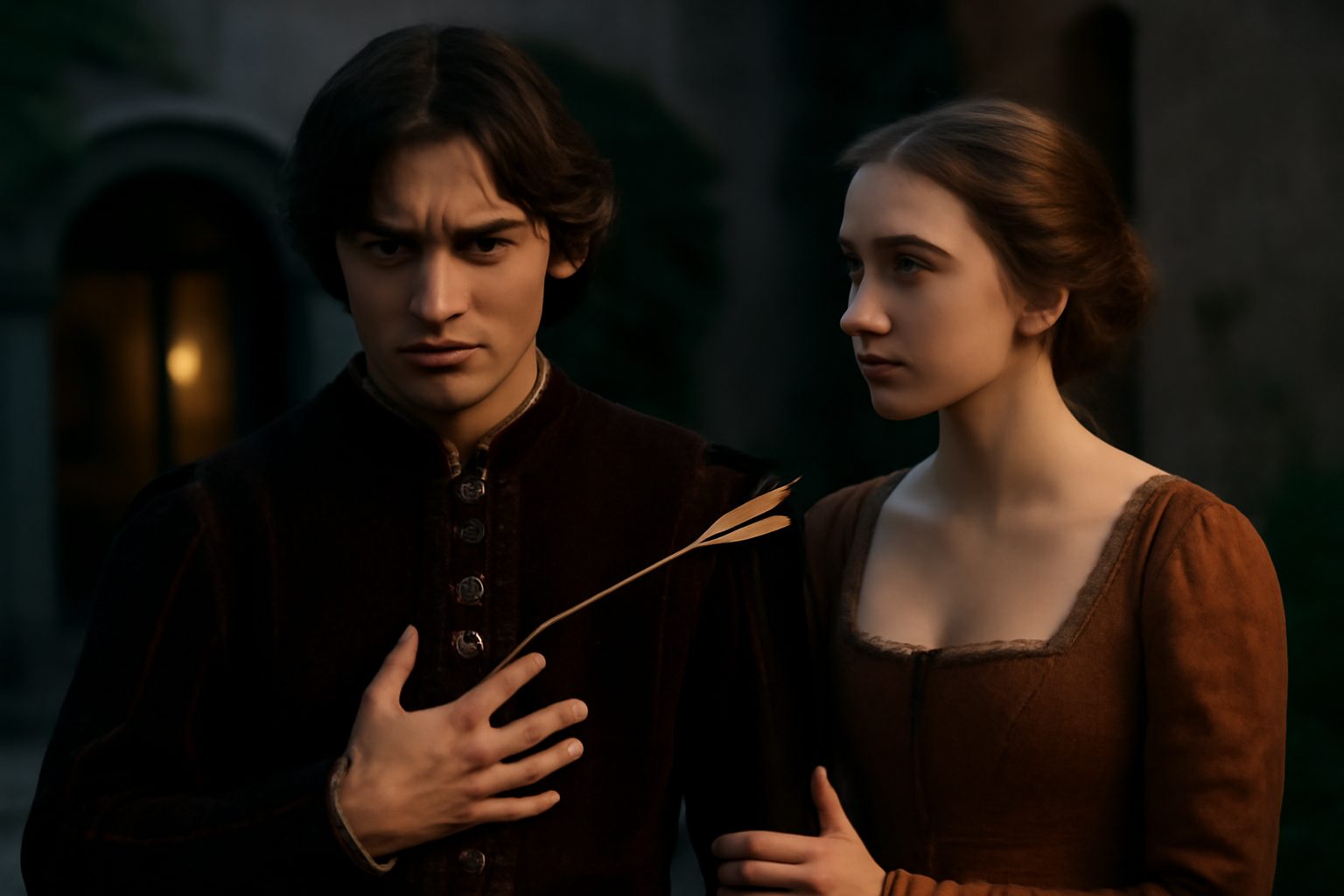
The line Too great oppression for a tender thing reflects Romeo's view of love as burdensome and overwhelming. This sentiment is directly linked to his earlier question, Is love a tender thing? it is too rough, where he questions love's gentle nature, suggesting it is instead harsh and oppressive.
Romeo's Emotional State
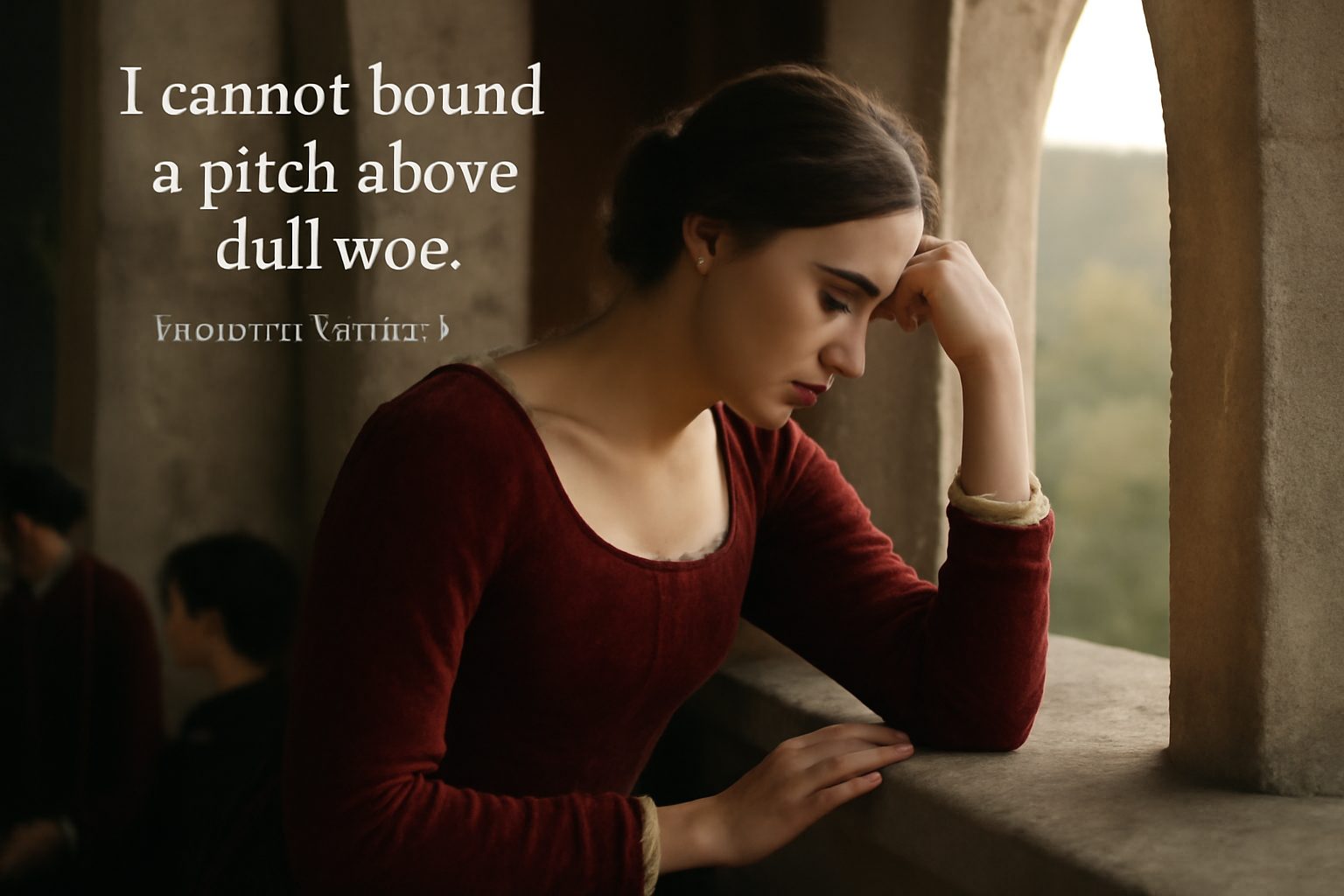
Romeo elaborates on this feeling of being weighed down by love in Under love's heavy burden do I sink, reinforcing the idea that love is an oppressive force. He further emphasizes his inability to escape this sorrow in I cannot bound a pitch above dull woe, highlighting his emotional paralysis.
Contrast with Mercutio's Perspective
Mercutio offers a contrasting view to Romeo's somber outlook. In If love be rough with you, be rough with love, he advises defiance rather than submission, opposing Romeo's sense of oppression. Similarly, Prick love for pricking, and you beat love down suggests actively combating love's pains, which contrasts with Romeo's passive suffering.
Foreshadowing and Dreams
Romeo's foreboding about love's dangers is echoed in his later fear: I fear, too early: for my mind misgives, hinting at impending misfortune. This connects to Mercutio's speech on dreams, particularly Begot of nothing but vain fantasy, which dismisses dreams (and by extension, love's ideals) as insubstantial and deceptive, aligning with Romeo's view of love as an oppressive illusion.