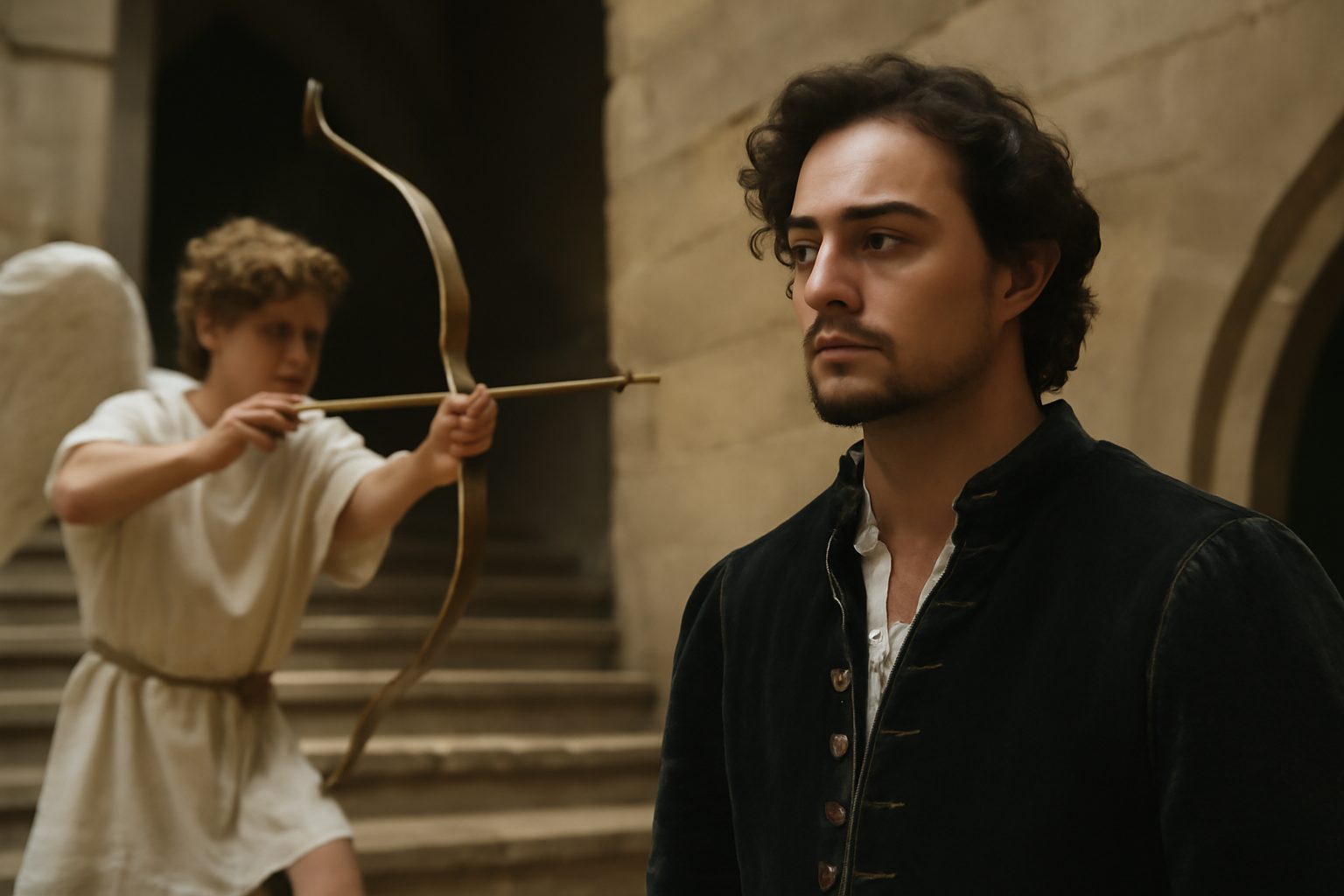
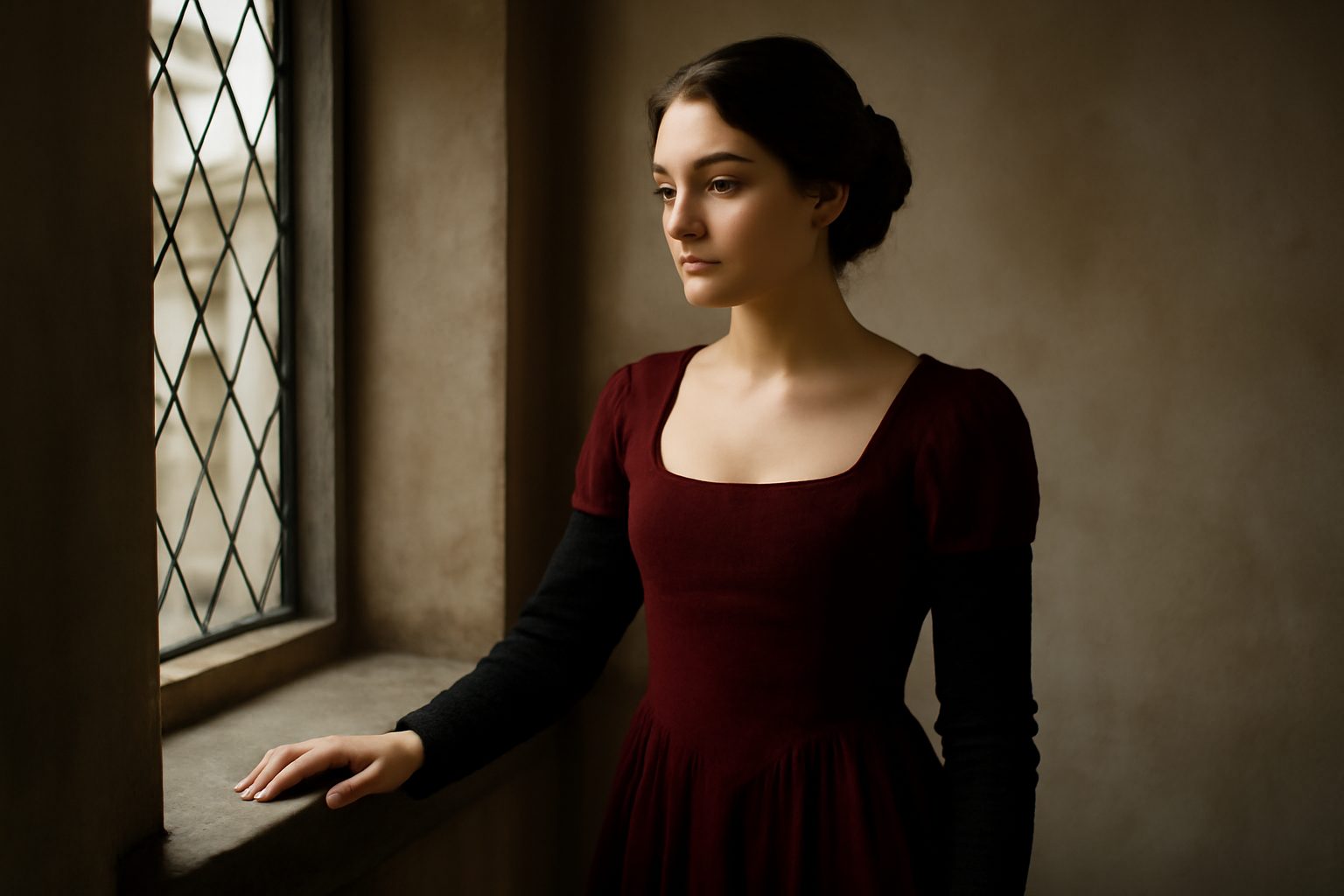
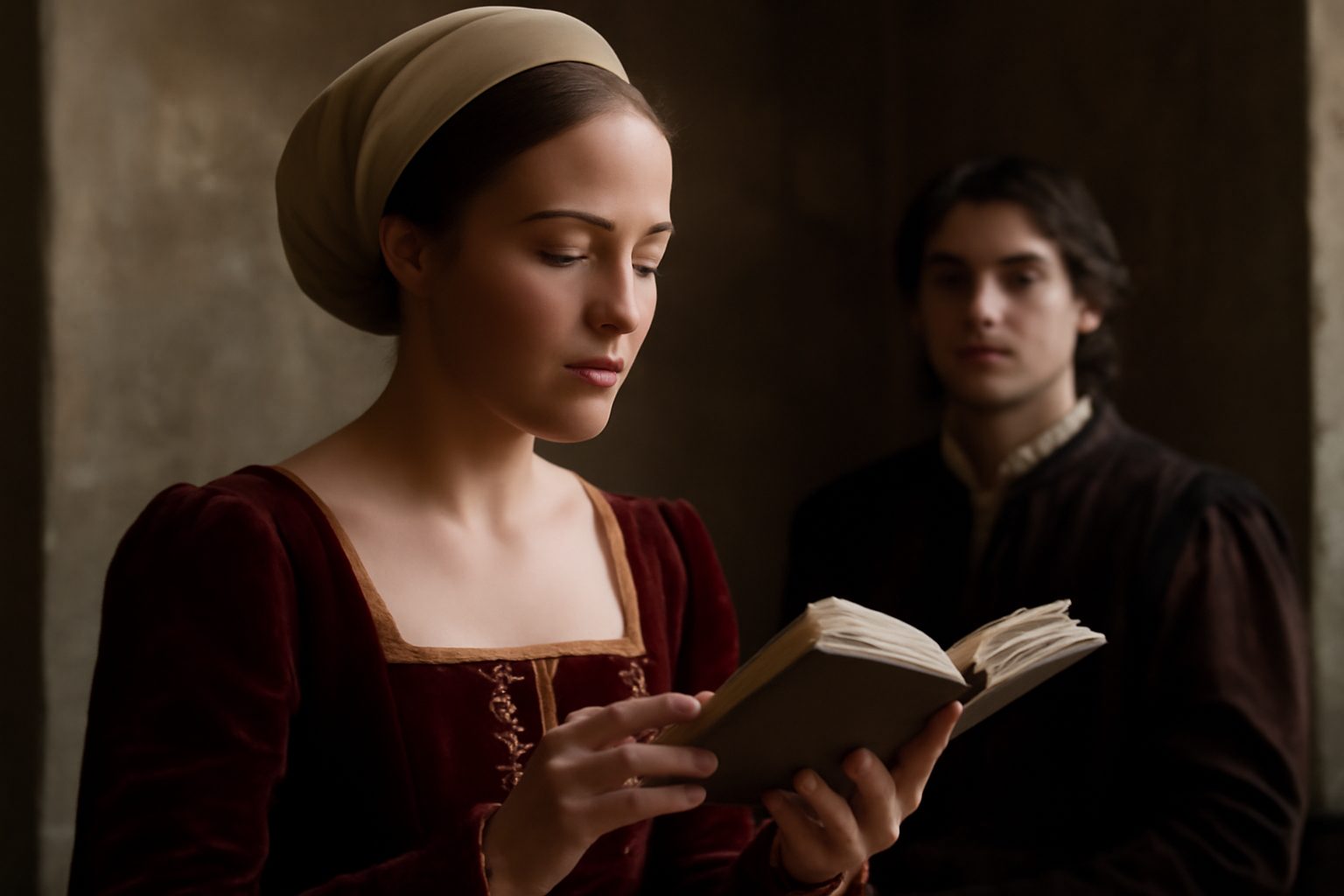
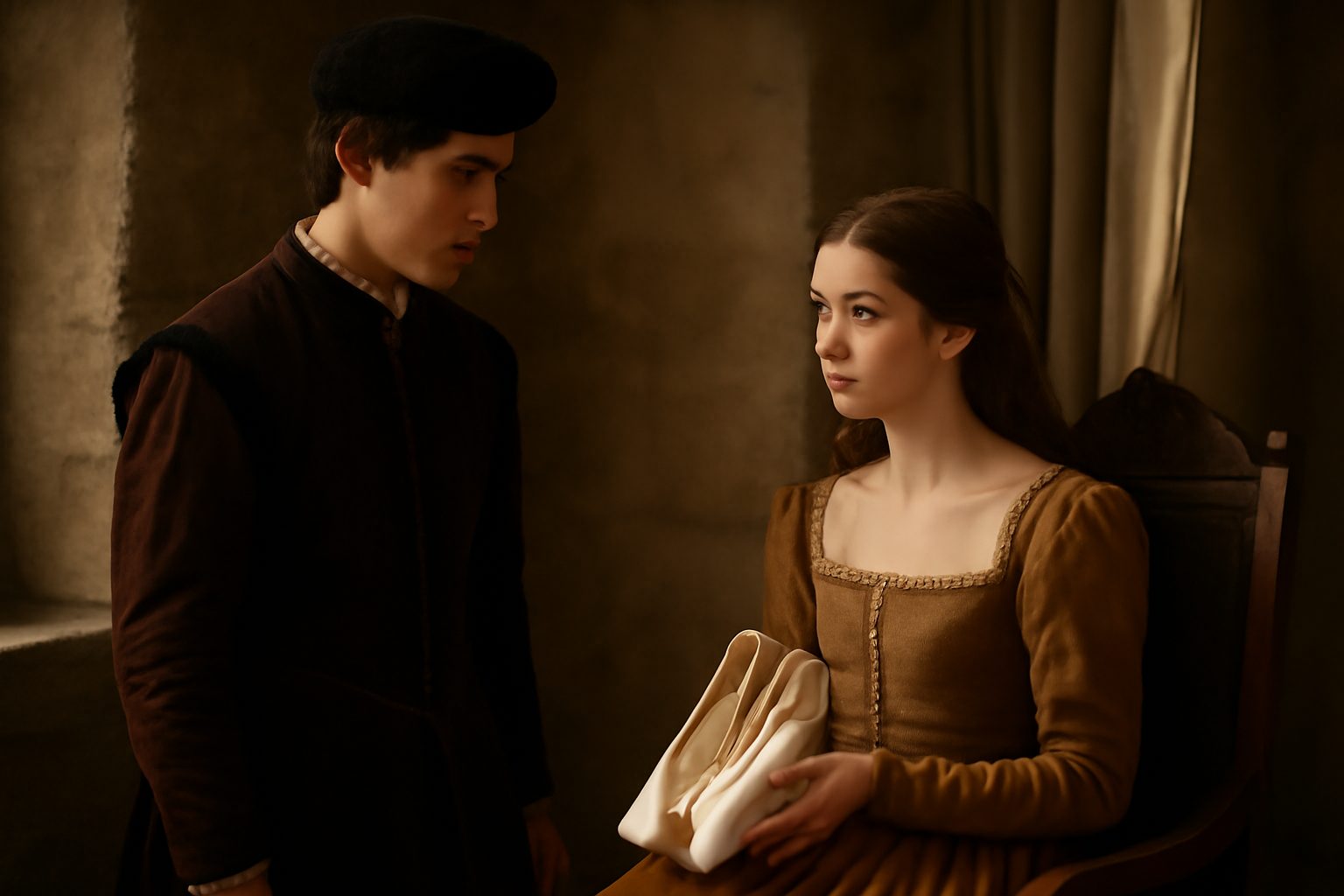
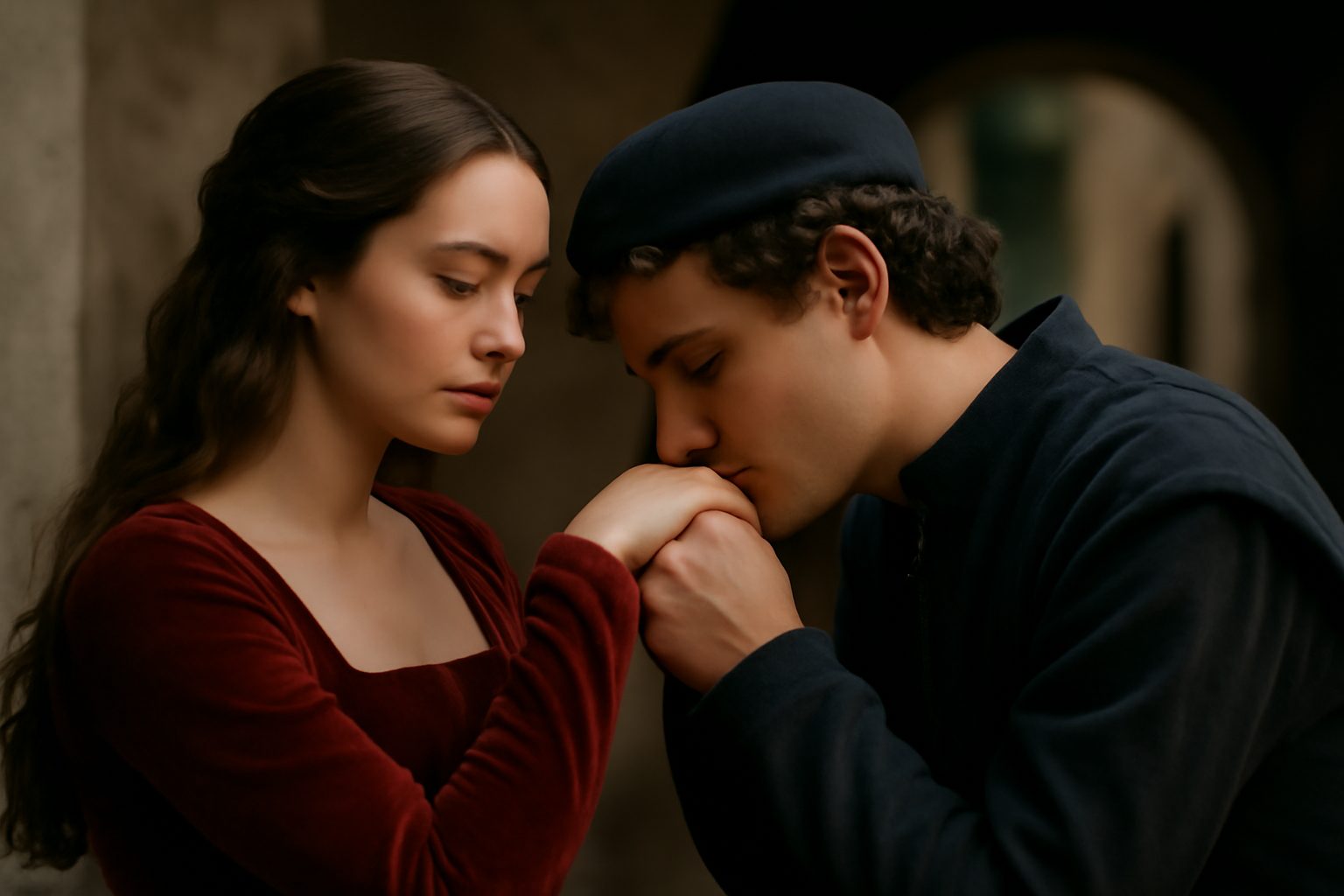
In Act 1, Scene 4 of Romeo and Juliet, Romeo and his friends are preparing to crash the Capulet's masquerade ball. As they joke about love and dreams, Romeo expresses a sense of foreboding, suggesting that some consequence tied to the stars may lead to a disastrous outcome. This line reflects his uneasy premonition that attending the party could set in motion events ending in his own premature death.
Romeo: "By some vile forfeit of untimely death."
In modern day english, we would say:
Romeo is worried that something bad will happen at the party, and he might pay for it by dying too soon.
Frequently Asked Questions
What does Romeo fear might happen to him because of his love for Juliet?
He fears he might die too soon as a punishment.
Connections to other verses:
Connections to Romeo's Premonition of Death
The verse By some vile forfeit of untimely death reflects Romeo's ominous foreboding as he reluctantly agrees to attend the Capulet feast. This line is part of a larger pattern in the scene where Romeo expresses a sense of impending doom, connecting to his earlier statement: I fear, too early: for my mind misgives, where he first voices his anxiety about the consequences of their actions.
Links to Fate and Dreams
Romeo’s fear of a "vile forfeit" ties directly to his belief in predestined events, as seen in Some consequence yet hanging in the stars, suggesting that his fate is written and unavoidable. This fatalistic outlook is further emphasized when he resolves to leave his life in higher hands: But He, that hath the steerage of my course.
Contrast with Other Characters
Mercutio’s playful and cynical speech about Queen Mab (O, then, I see Queen Mab hath been with you) highlights how Romeo’s somber mood contrasts with the others’ lightheartedness. While Mercutio mocks dreams as "children of an idle brain" (Which are the children of an idle brain), Romeo takes his premonitions seriously, underscoring the tension between frivolity and foreboding.
Symbolic and Thematic Echoes
The idea of bearing a burden, mentioned earlier when Romeo says Under love's heavy burden do I sink, parallels the "vile forfeit" he fears—both conveying the weight of his emotions and the price he may pay. Additionally, his refusal to engage in merriment, as in Give me a torch: I am not for this ambling, reinforces his isolation in this moment of dread.