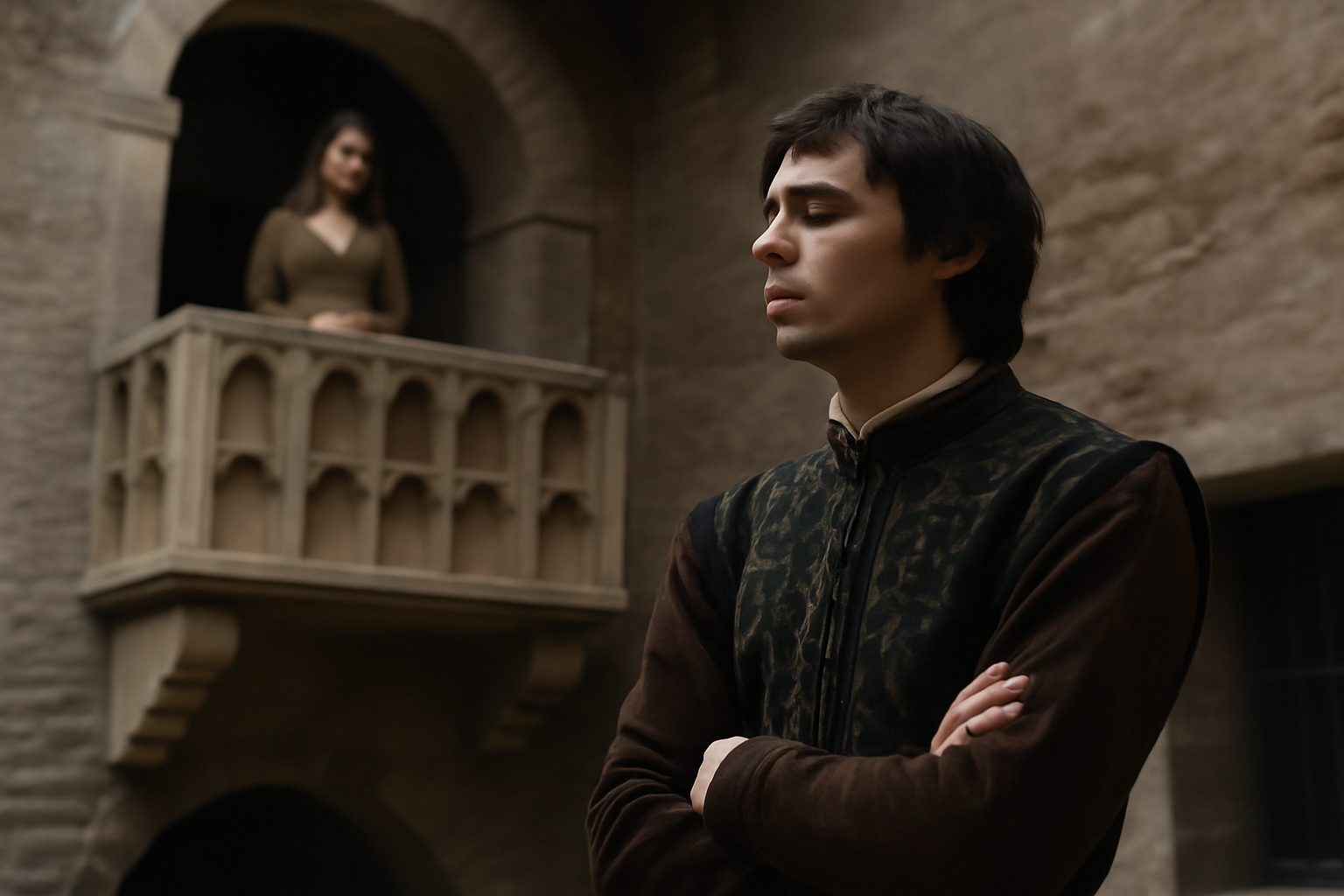
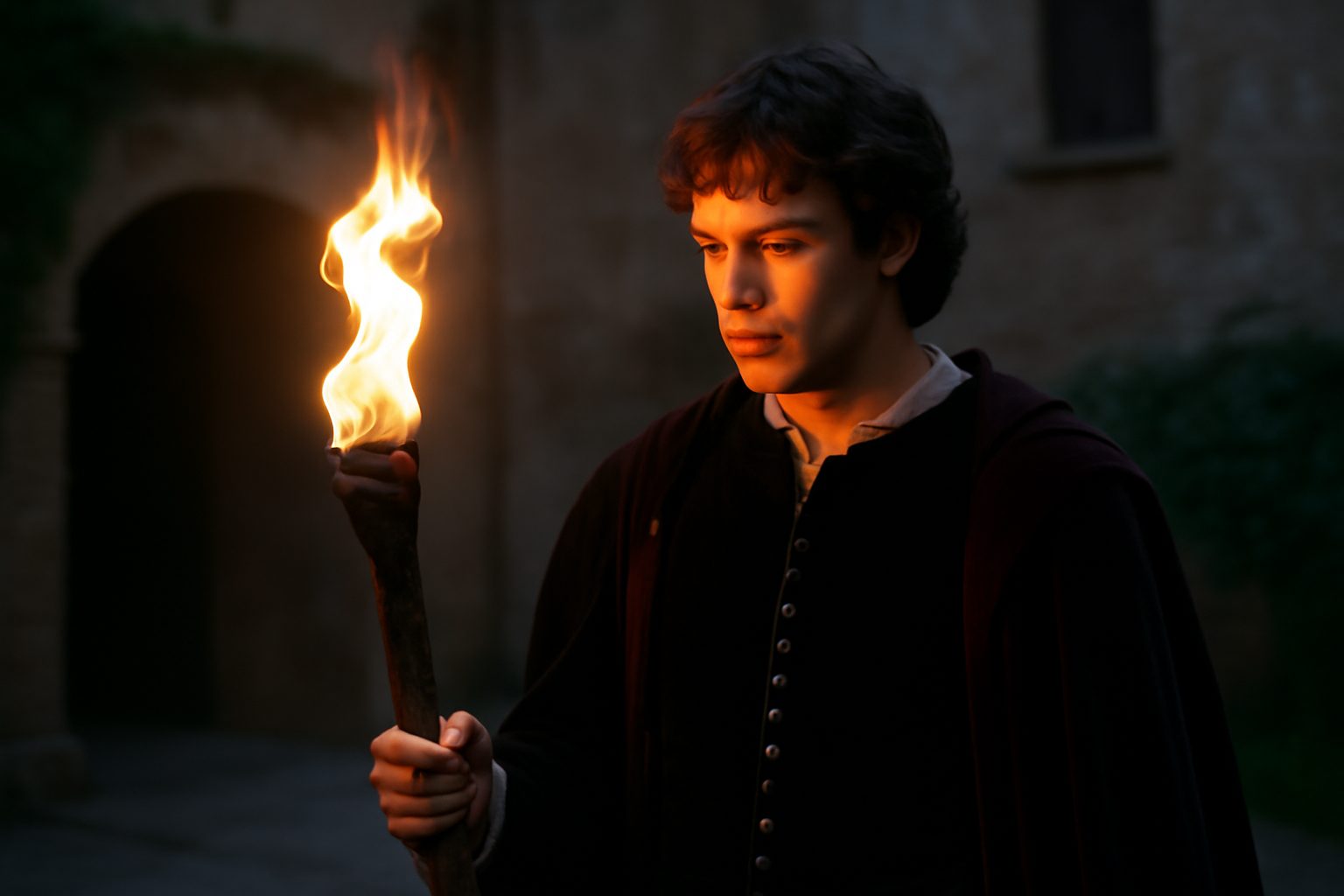
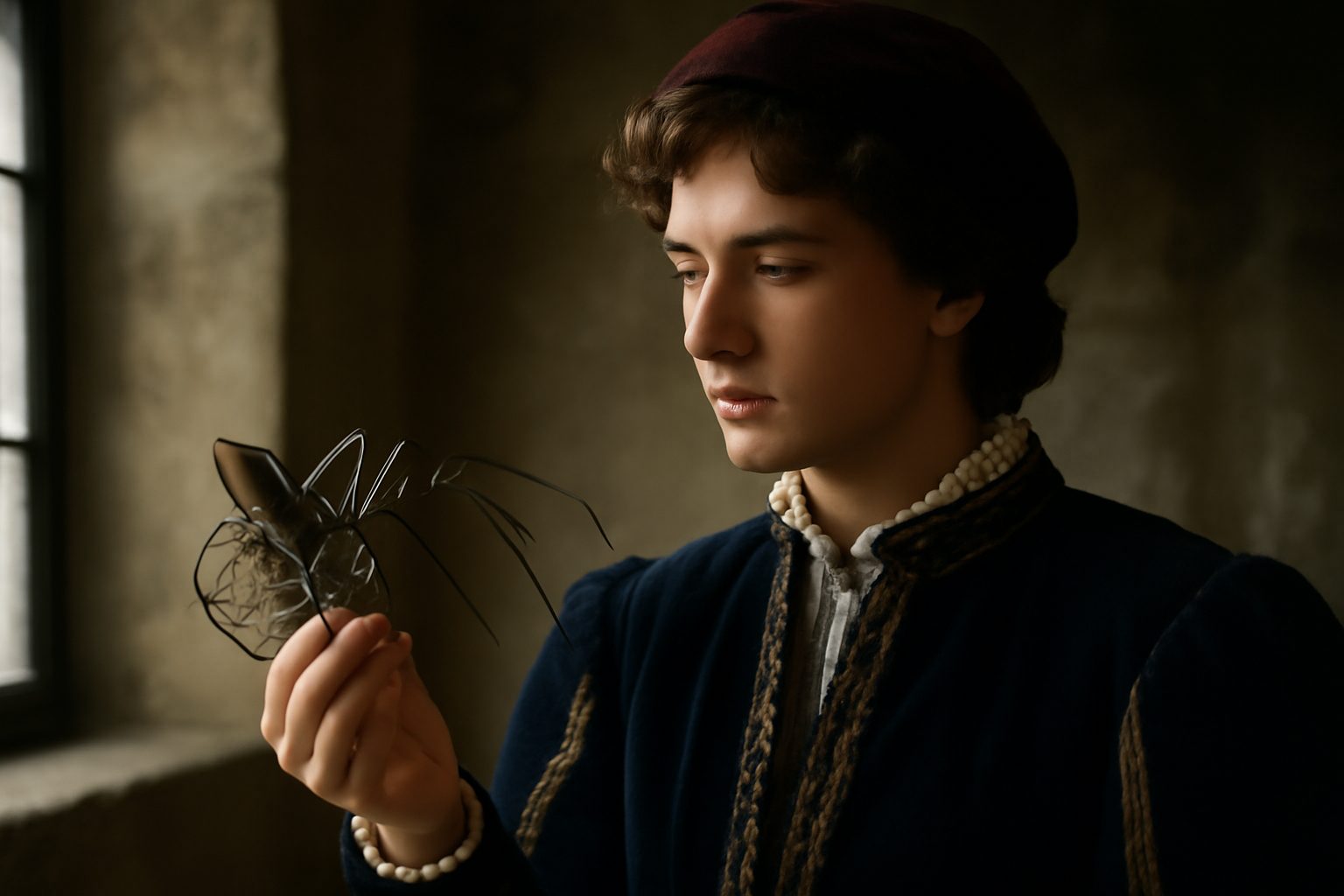
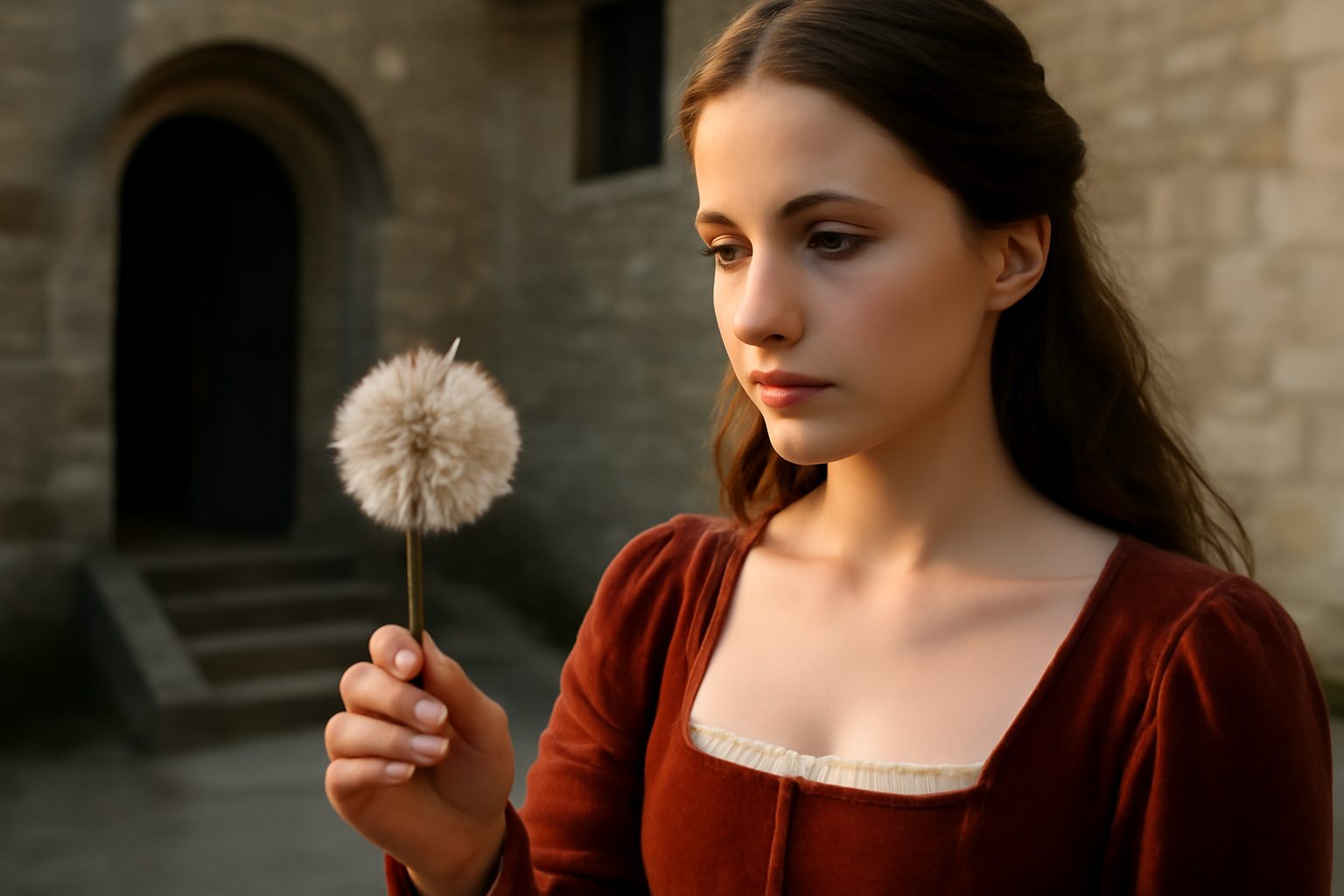
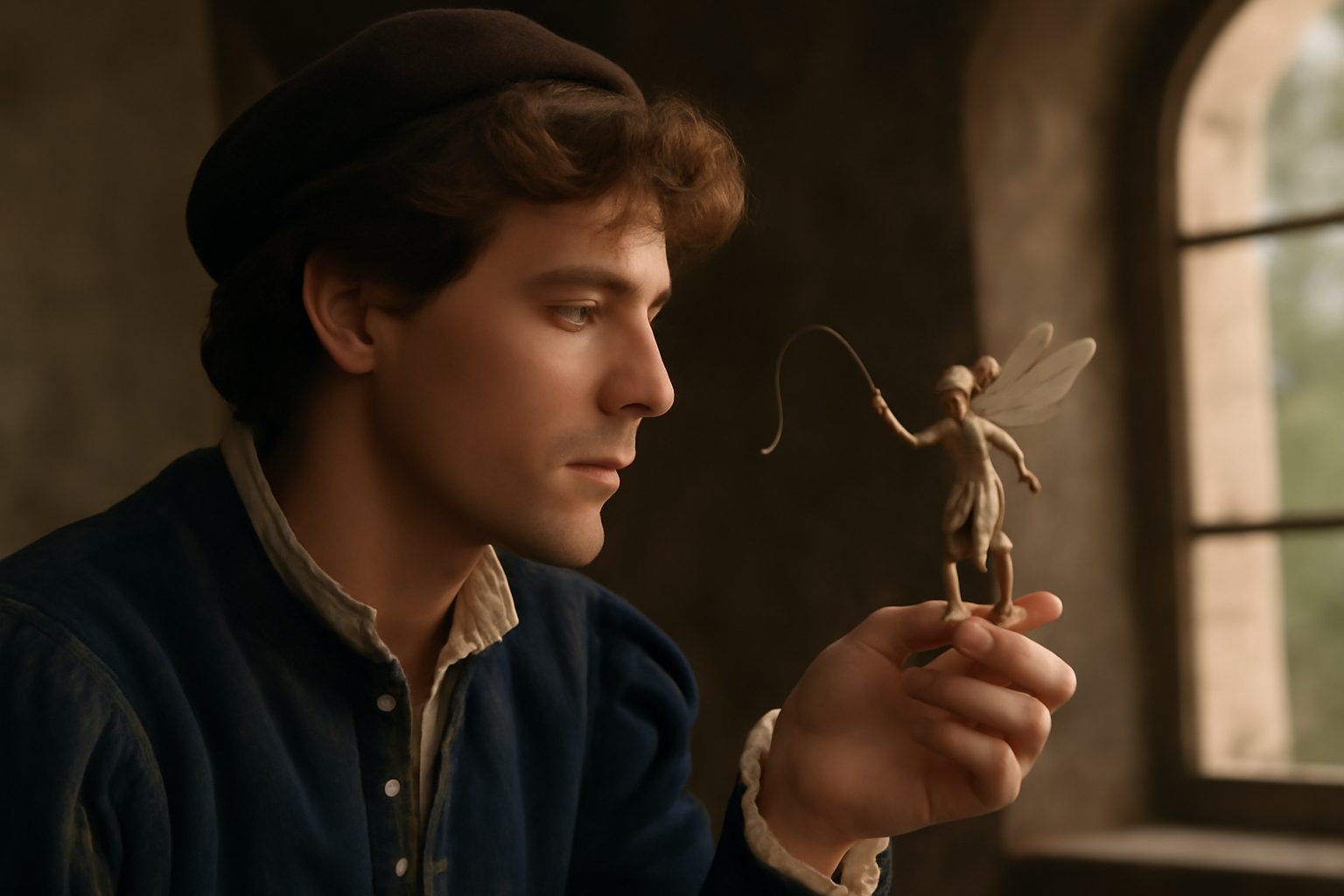
In Act 1, Scene 4 of Romeo and Juliet, Mercutio mocks Romeo's lovesick demeanor as they prepare to crash the Capulet feast. This line comes as Mercutio, known for his quick wit and wordplay, jests about the reliability of human senses and judgment. His playful exaggeration underscores the scene's lighthearted tone before the fateful events to come.
Mercutio: "Five times in that ere once in our five wits."
In modern day english, we would say:
Even before we fully understood what was happening with our own senses.
Frequently Asked Questions
What does Mercutio mean when he says five times in that before once in our five senses?
Mercutio is joking that they have imagined things five times before actually perceiving them once with their five senses, highlighting his playful and exaggerated way of speaking.
Connections to other verses:
Connections to "Five times in that ere once in our five wits"
The verse "Five times in that ere once in our five wits" is spoken by Romeo in response to Mercutio's playful banter. It reflects Romeo's preoccupation with love and his sense of being weighed down, contrasting with the lightheartedness of his companions.
Connection to Themes of Wit and Judgment
This line ties into the theme of wit and perception explored elsewhere in the scene. For instance, "Take our good meaning, for our judgment sits" emphasizes the importance of interpreting intentions rightly, while Romeo's remark about his "five wits" suggests a heightened or troubled state of awareness. Similarly, "But 'tis no wit to go" underscores the folly Mercutio sees in Romeo's reluctance, linking wit to action and decision-making.
Contrast with Lightheartedness and Revelry
Romeo's somber tone here contrasts sharply with the exuberant calls for merriment, such as "A torch for me: let wantons light of heart" and "We'll measure them a measure, and be gone". These lines highlight the divergent attitudes within the group as they head to the Capulet feast.
Link to Dreams and Imagination
The reference to "five wits" also subtly connects to the later discourse on dreams and fantasy, particularly Mercutio's Queen Mab speech. Verses like "Begot of nothing but vain fantasy" and "Which are the children of an idle brain" explore the nature of imaginative constructs, echoing Romeo's inward focus on his emotional state.
Foreshadowing and Foreboding
Romeo's line carries an undertone of apprehension, which resonates with his later premonition in "I fear, too early: for my mind misgives" and the ominous "By some vile forfeit of untimely death". This builds a sense of destiny and impending tragedy that underpins the scene.