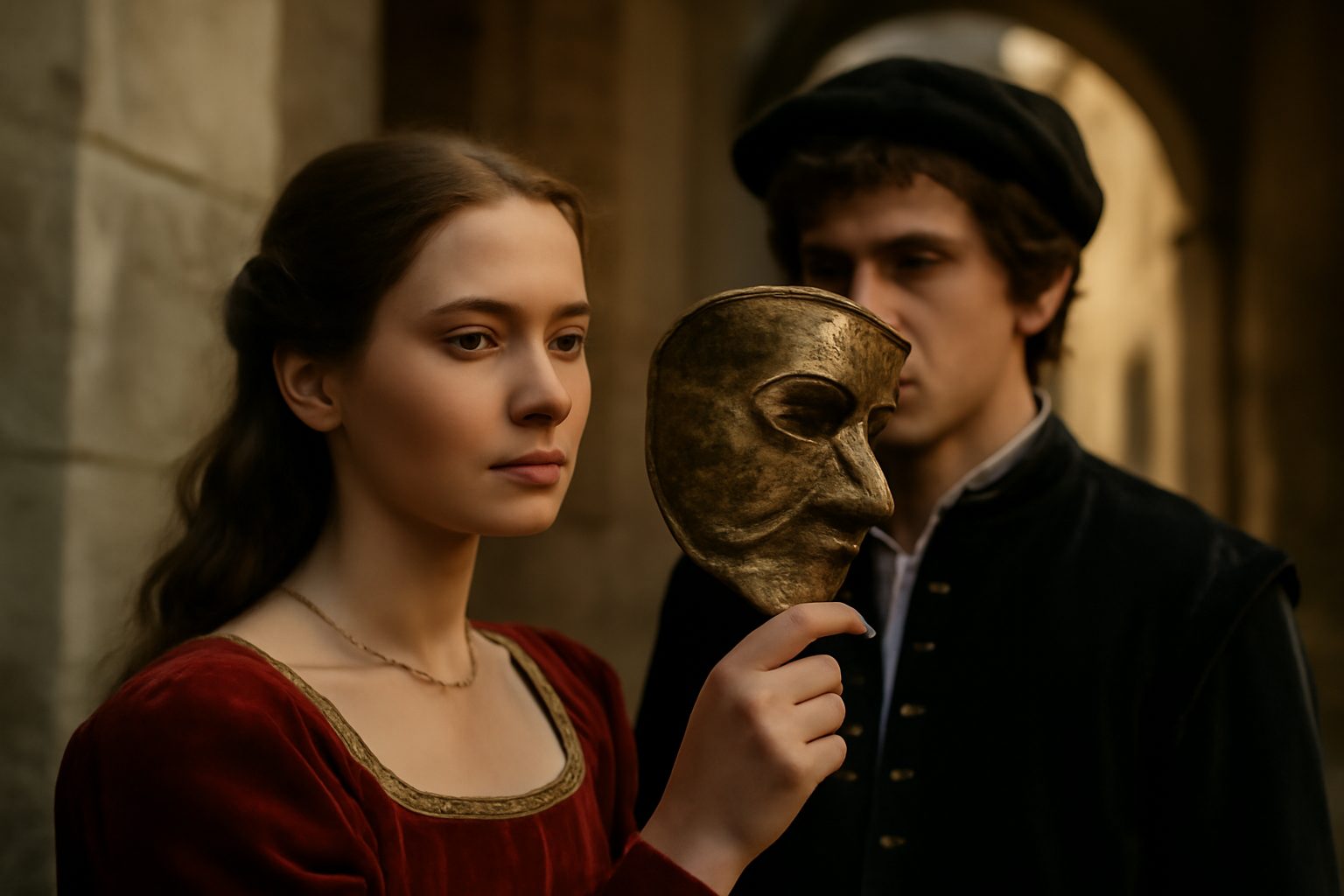
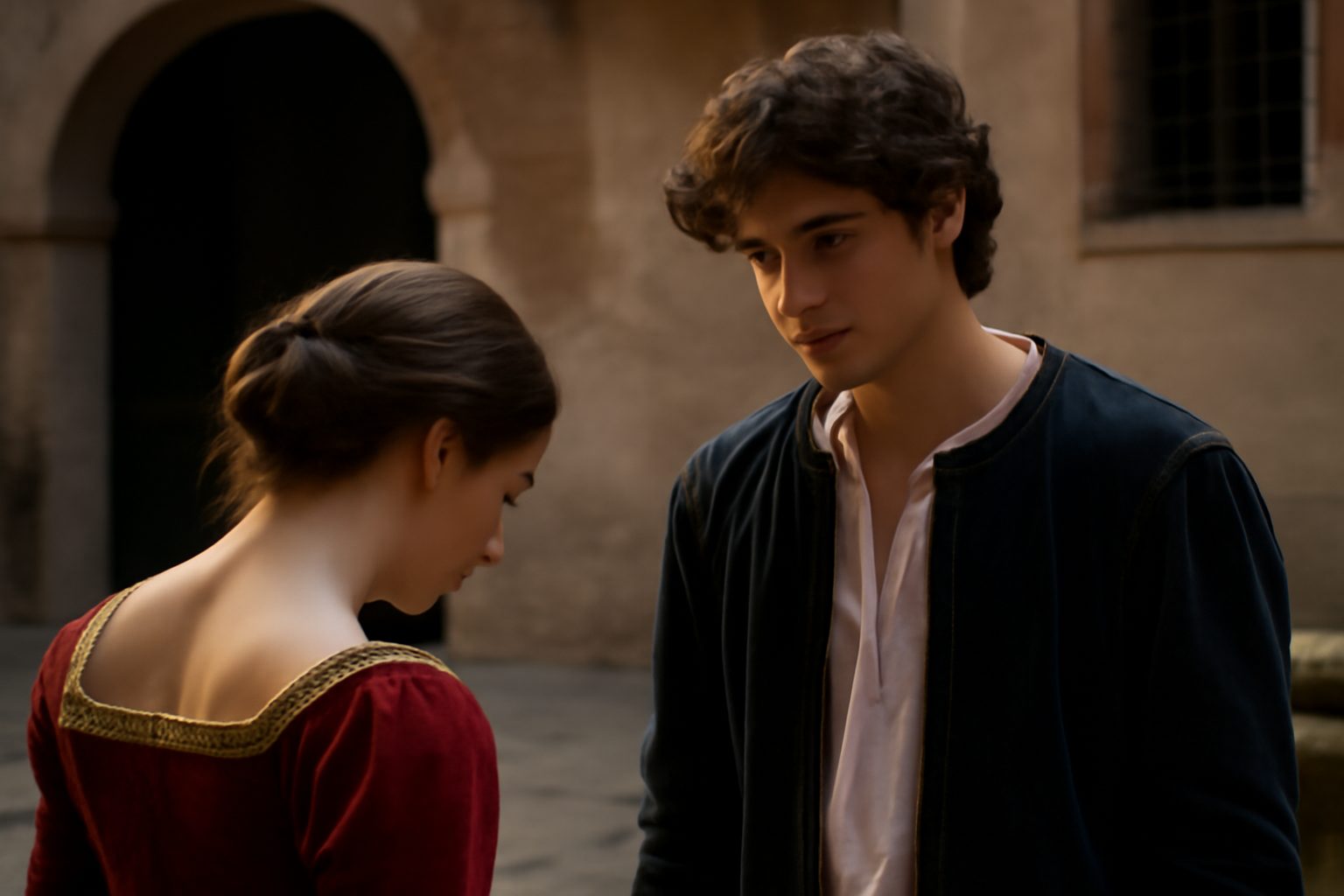
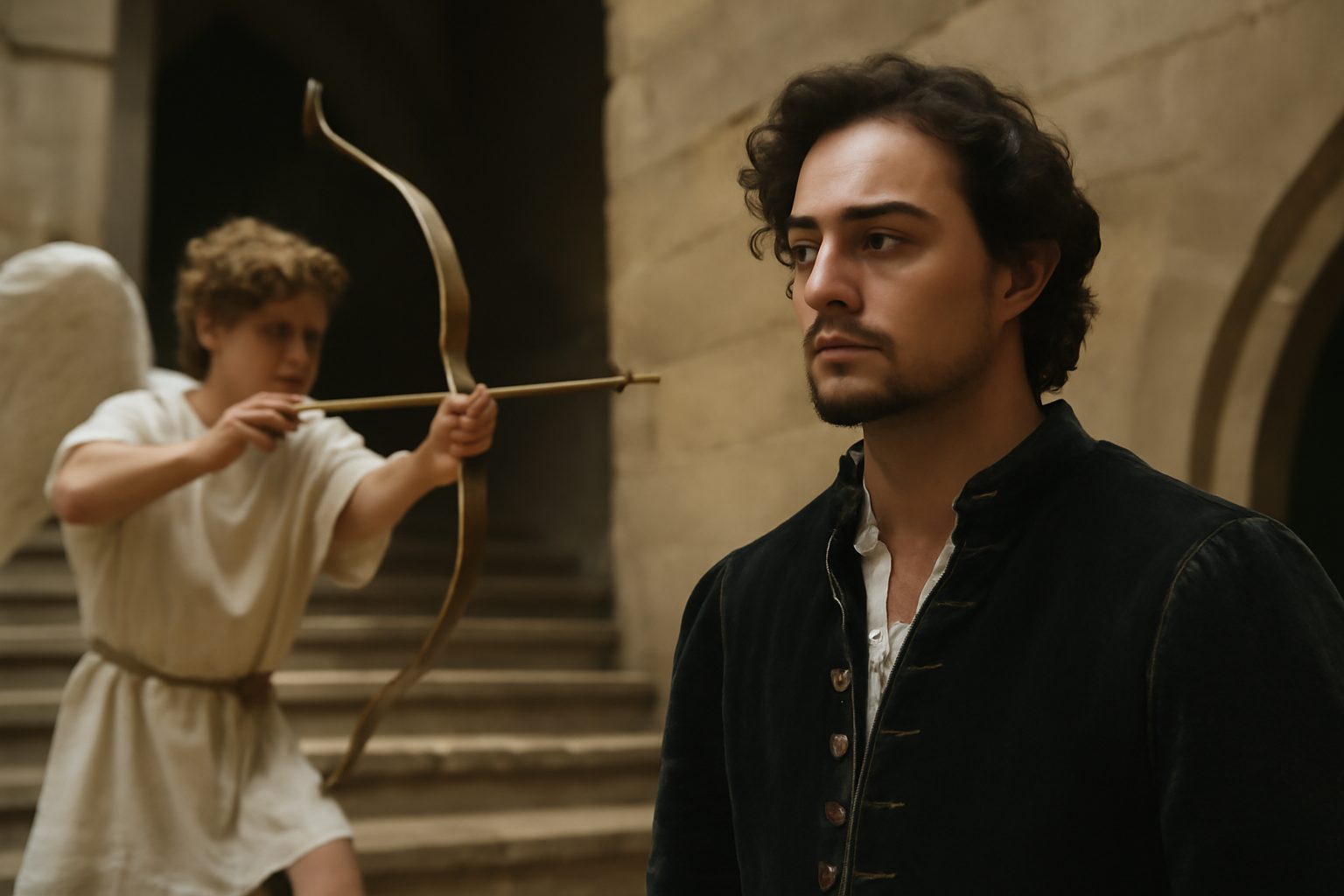
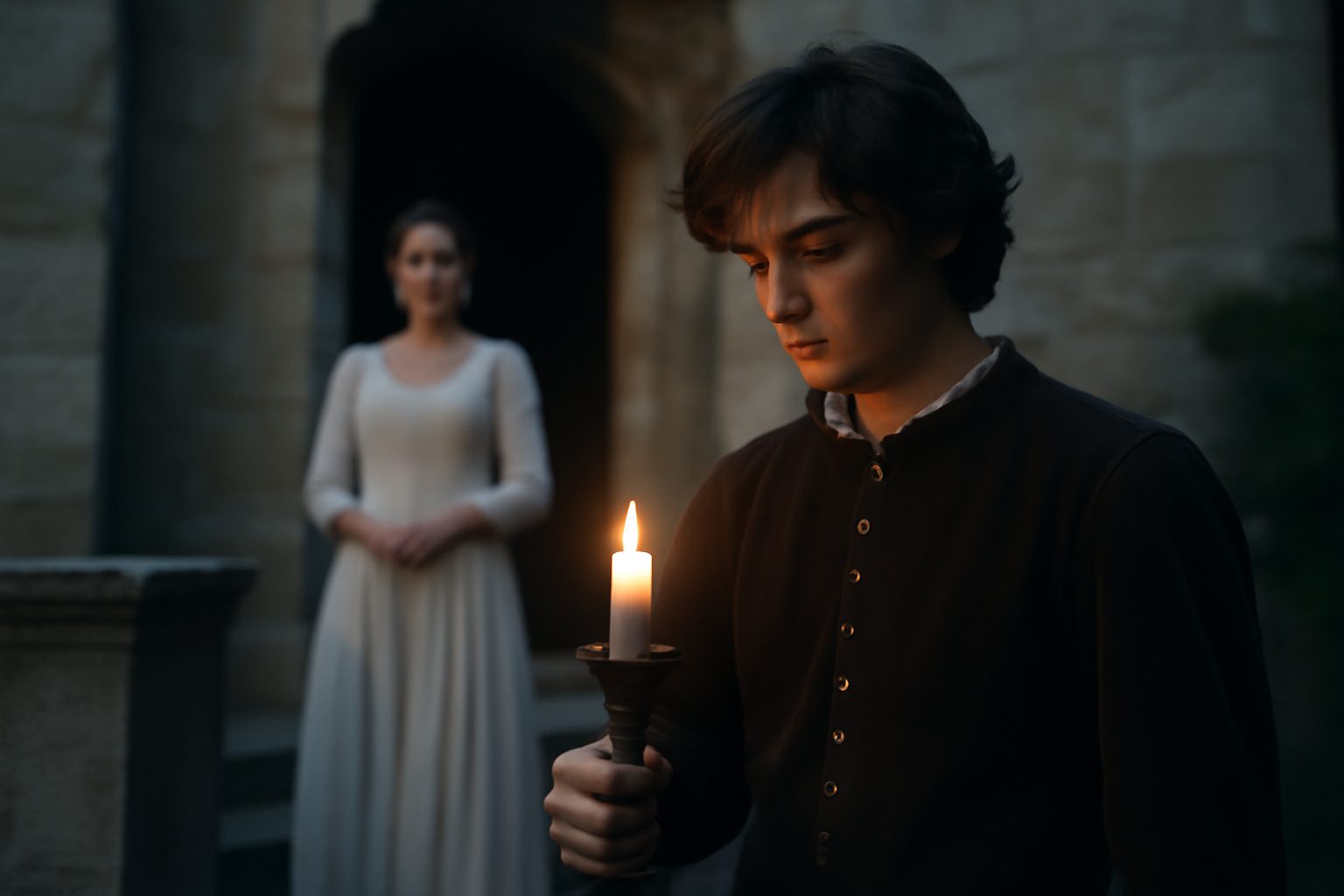
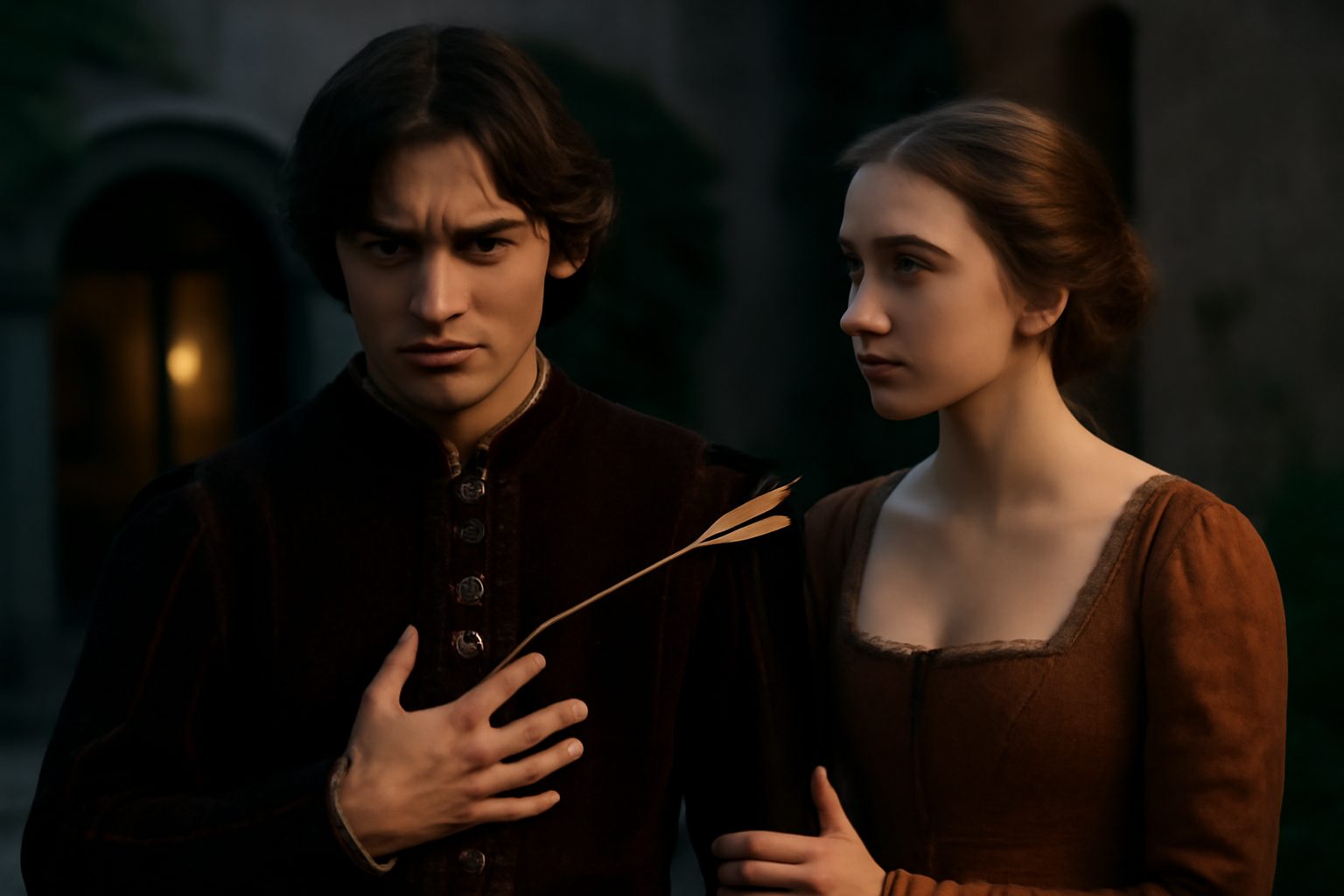
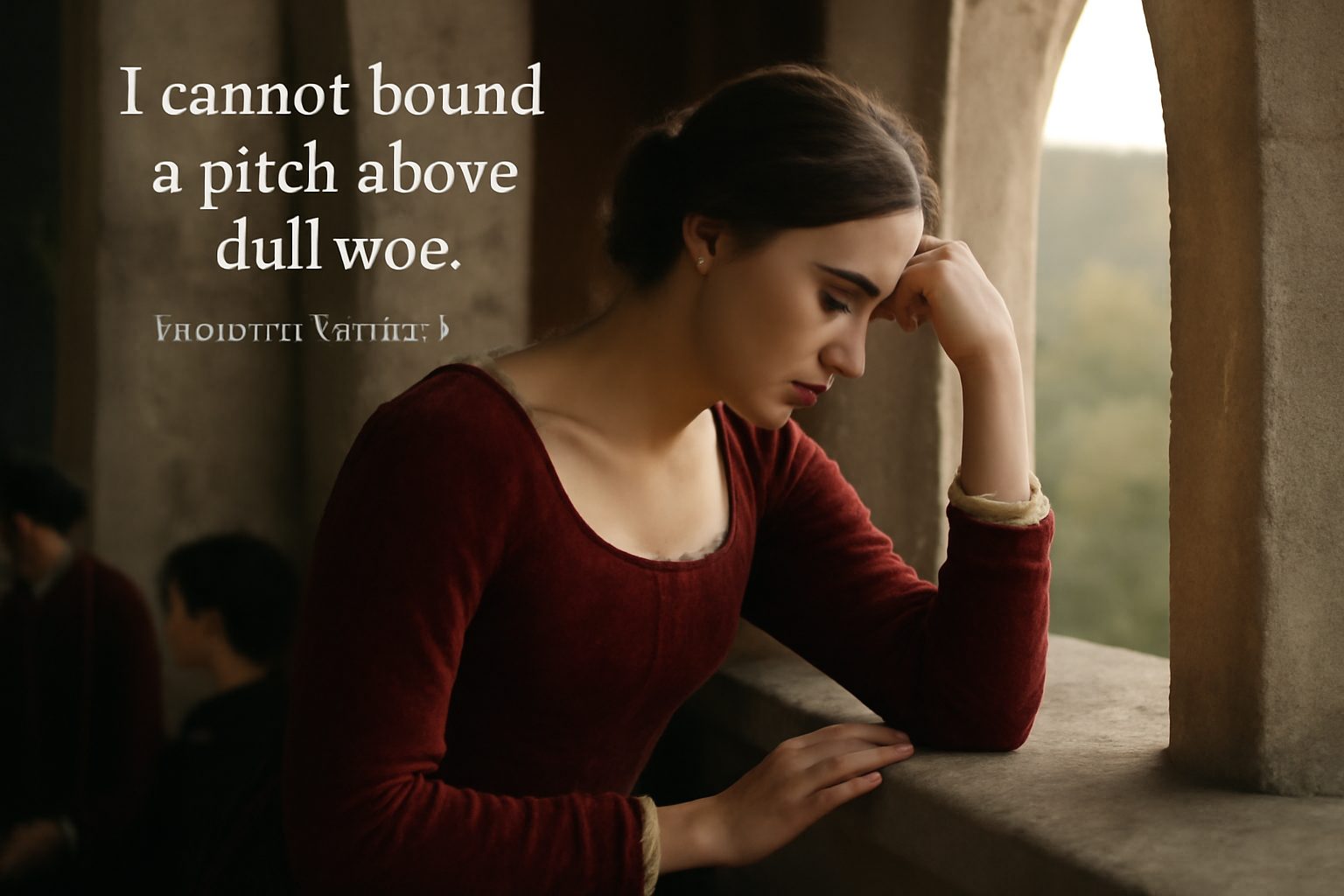
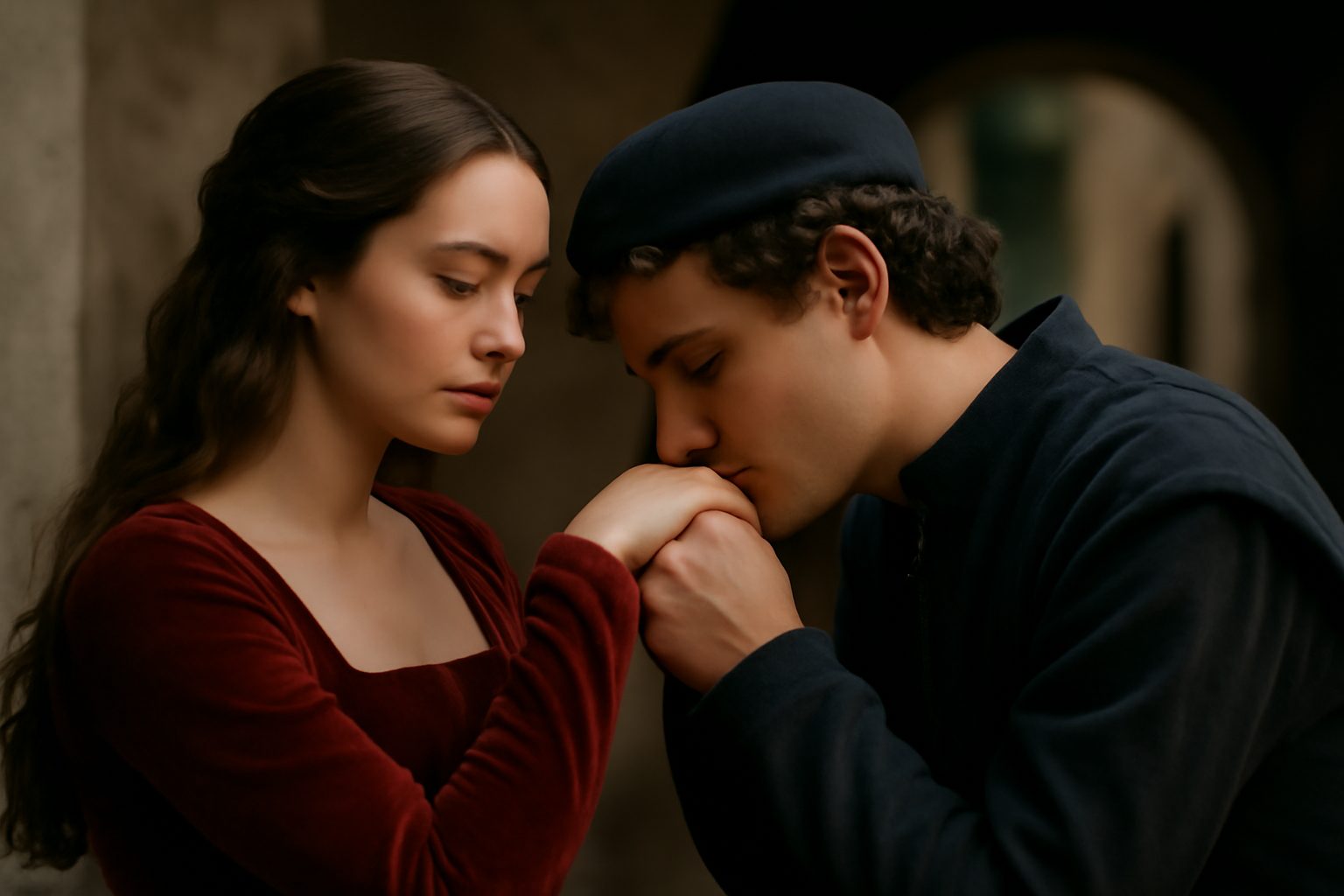
In Act 1, Scene 4 of Romeo and Juliet, Mercutio and Romeo are on their way to the Capulet's masquerade when Mercutio dismisses the judgments of others with a carefree defiance. This line reflects his bold, unrestrained attitude as he encourages Romeo to cast aside social expectations and enjoy the night. It captures the playful yet rebellious spirit of the scene, where the characters prepare to step into a world of disguise and revelry.
Benvolio: "But let them measure us by what they will;"
In modern day english, we would say:
Let them judge us however they want.
Frequently Asked Questions
What does Benvolio mean when he says others can judge them however they want?
Benvolio is saying that he doesn't care how others view or judge them, implying they should stay true to themselves regardless of outside opinions.
Connections to other verses:
Connections to "But let them measure us by what they will;"
This verse, found at /romeo-and-juliet/one/1-4/act-1-scene-4-9/, reflects a theme of defiance and indifference to external judgment. It connects to several other lines in the scene that explore attitudes toward social expectations, love, and fate.
Defiance and Social Judgment
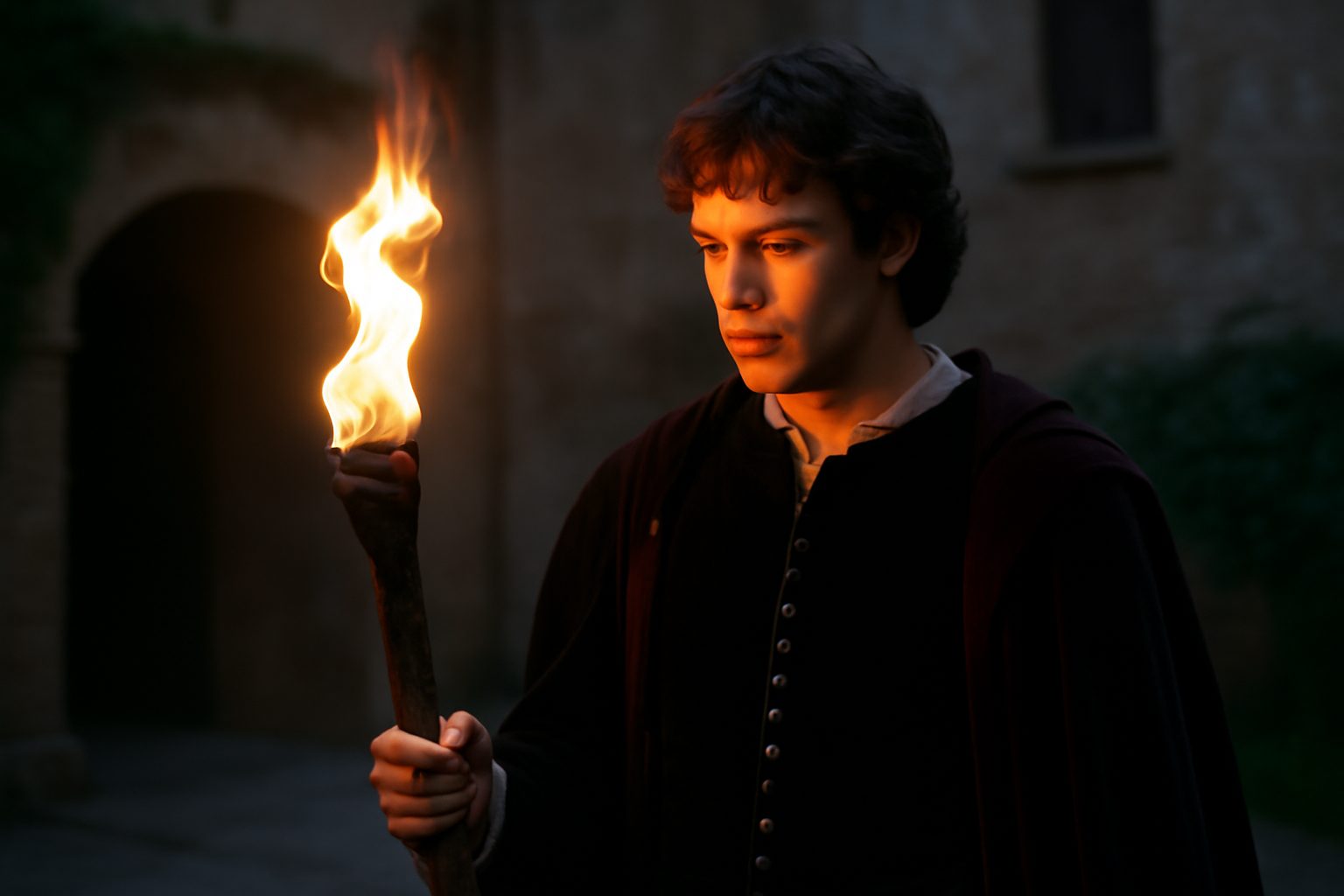
Romeo's reluctance to engage in the masquerade is echoed in his request for a torch instead of dancing: "Give me a torch: I am not for this ambling;". This highlights his resistance to lighthearted festivities, aligning with the idea of being measured by others' standards but choosing not to conform.
Mercutio's playful yet cynical view of love and social norms, such as in "If love be rough with you, be rough with love;", complements the theme of rejecting conventional measures, advocating instead for a bold, unapologetic approach to life and emotion.
Dreams and Subjective Reality
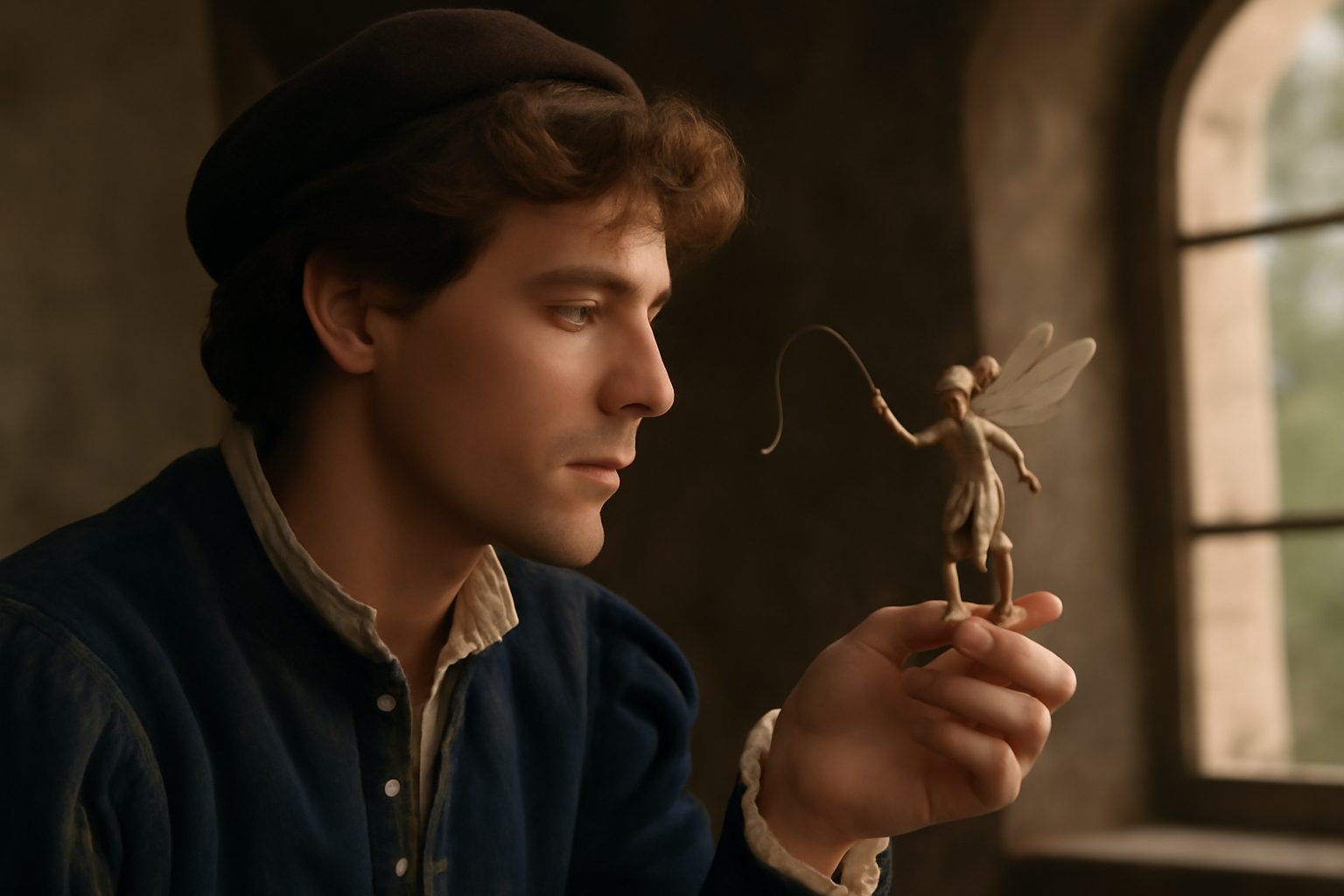
The dialogue shifts to dreams and fantasies, particularly in Mercutio's Queen Mab speech, which begins with "O, then, I see Queen Mab hath been with you.". This exploration of dreams as "the children of an idle brain" (/romeo-and-juliet/one/1-4/act-1-scene-4-103/) ties back to the idea that perceptions and judgments ("measure us") are often baseless or imaginary.
Fate and Foreboding
Romeo's ominous premonition in "I fear, too early: for my mind misgives" introduces a sense of destiny that cannot be controlled by others' opinions. This connects to the concluding lines where he resigns to fate: "But He, that hath the steerage of my course", emphasizing that ultimate measurement lies beyond human judgment.
Rejection of Ceremony
The scene opens with a dismissal of formal apologies and prologues, as in "The date is out of such prolixity:", reinforcing the idea that the group cares little for how they are perceived, preferring action over ceremony.