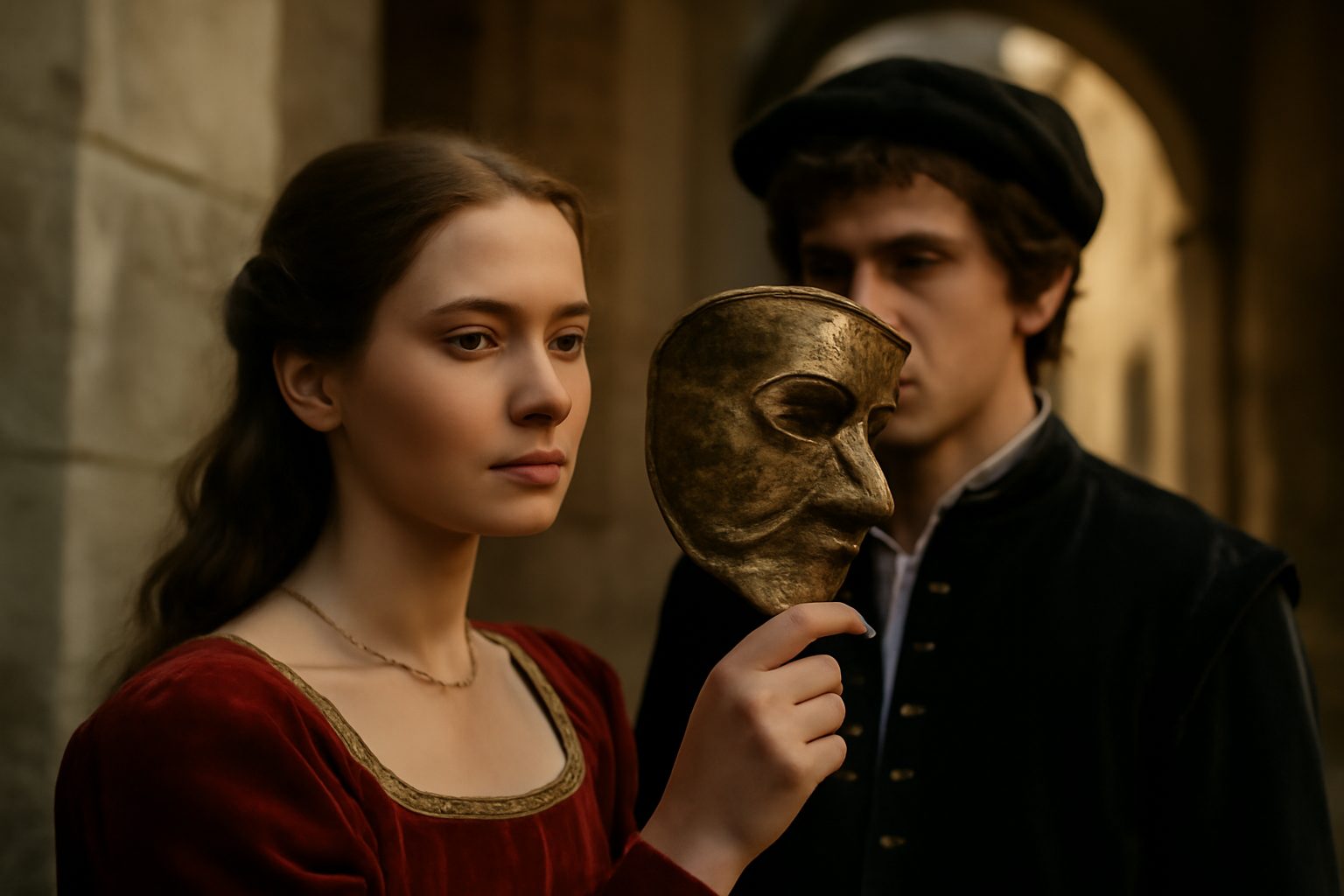
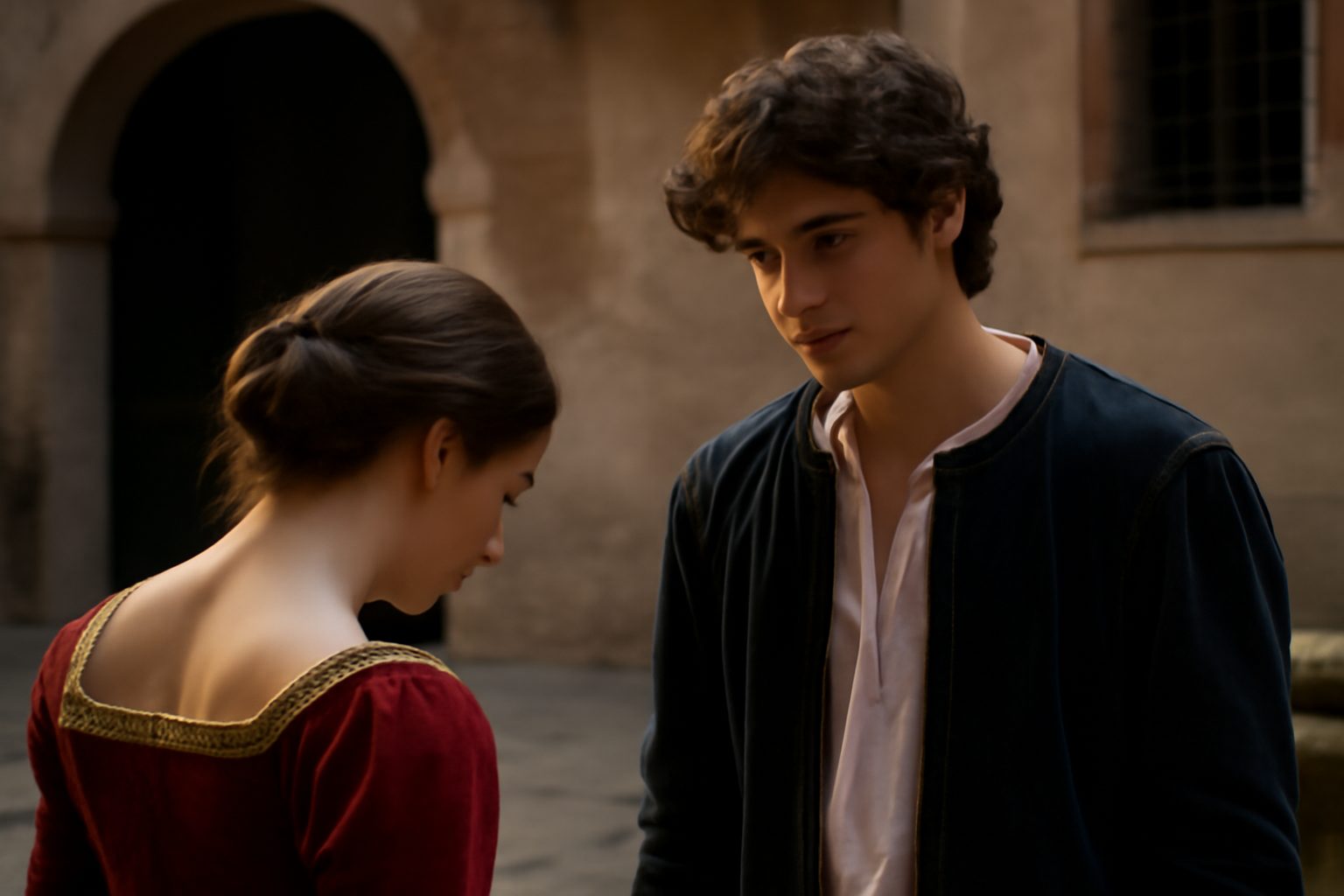
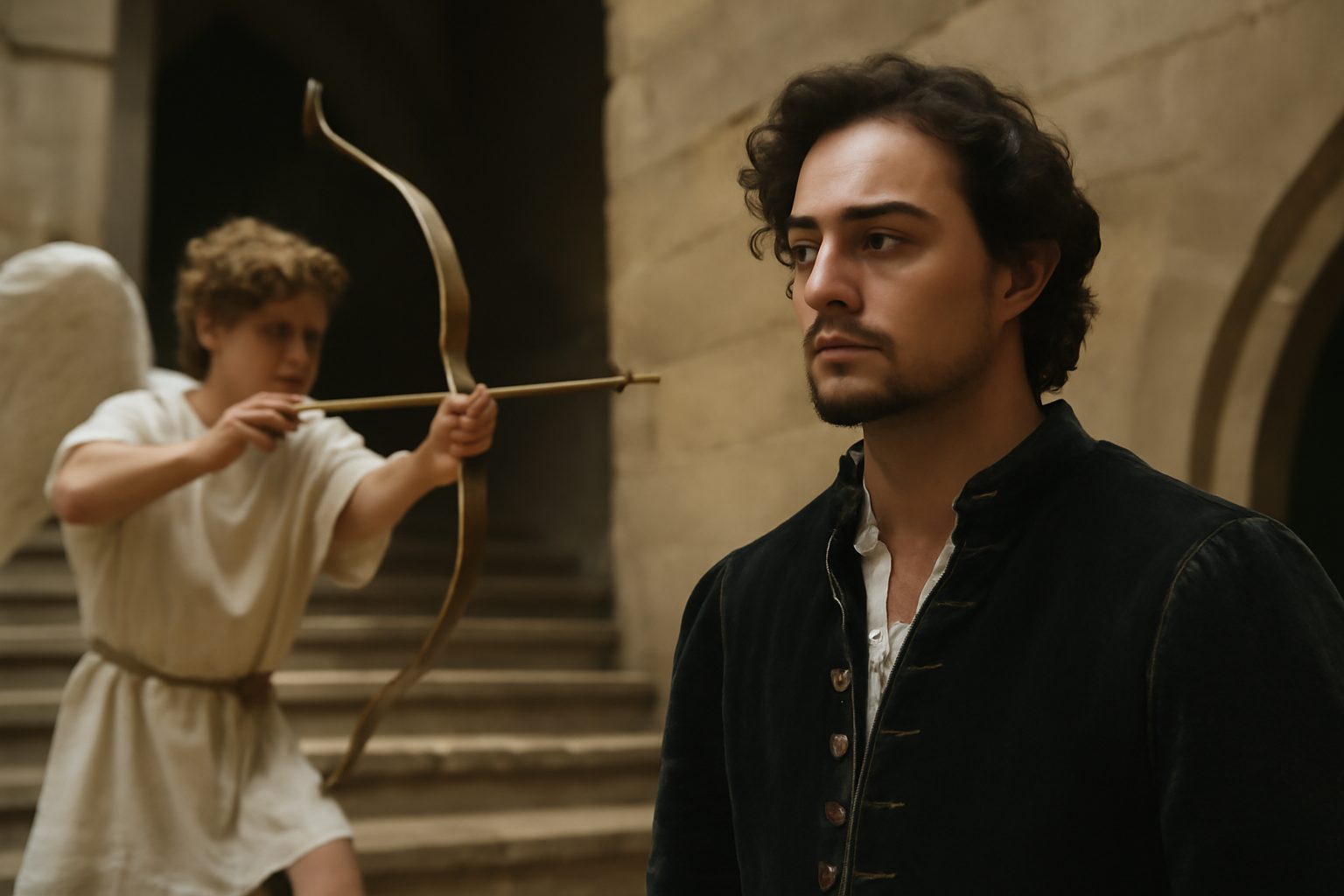
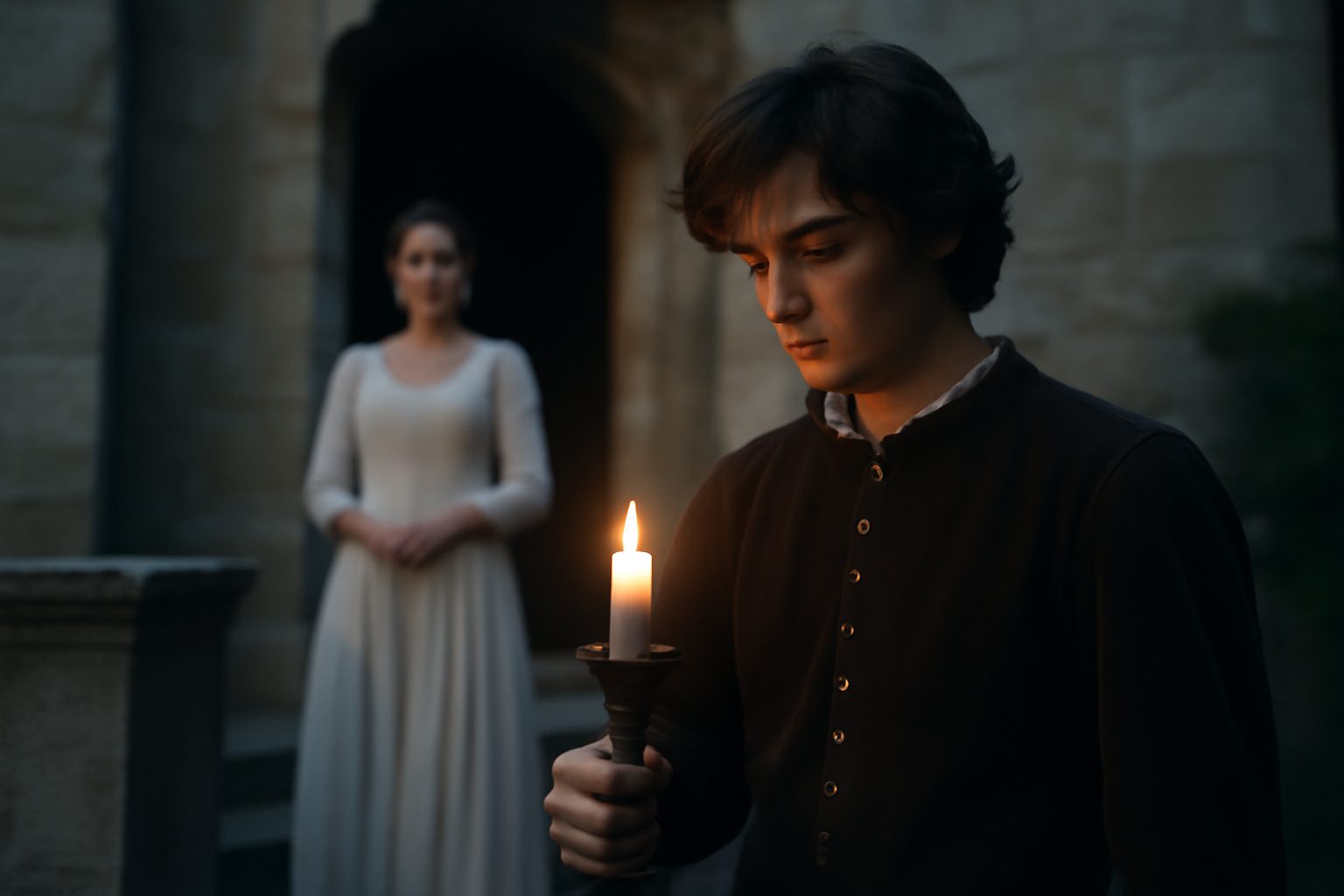
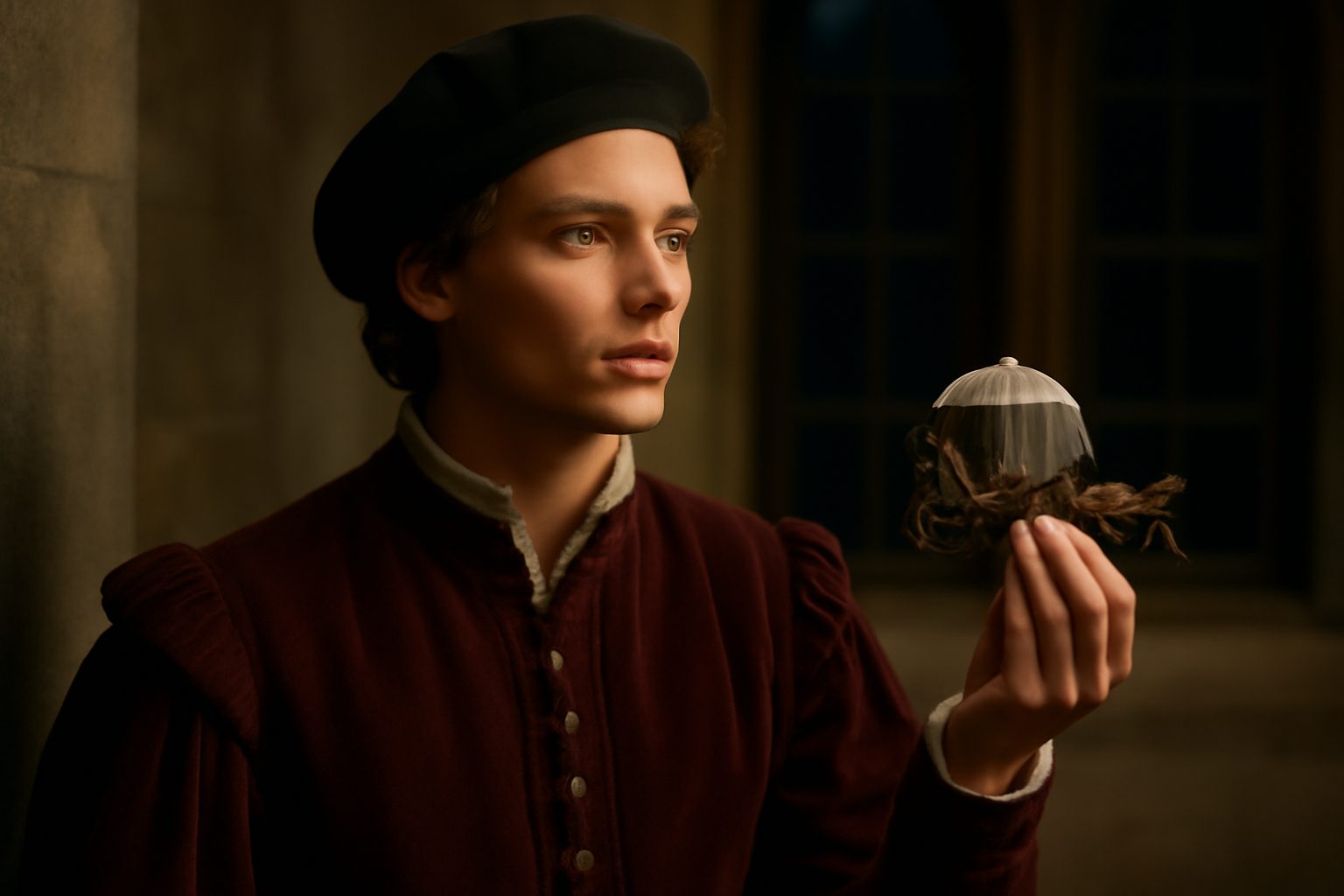
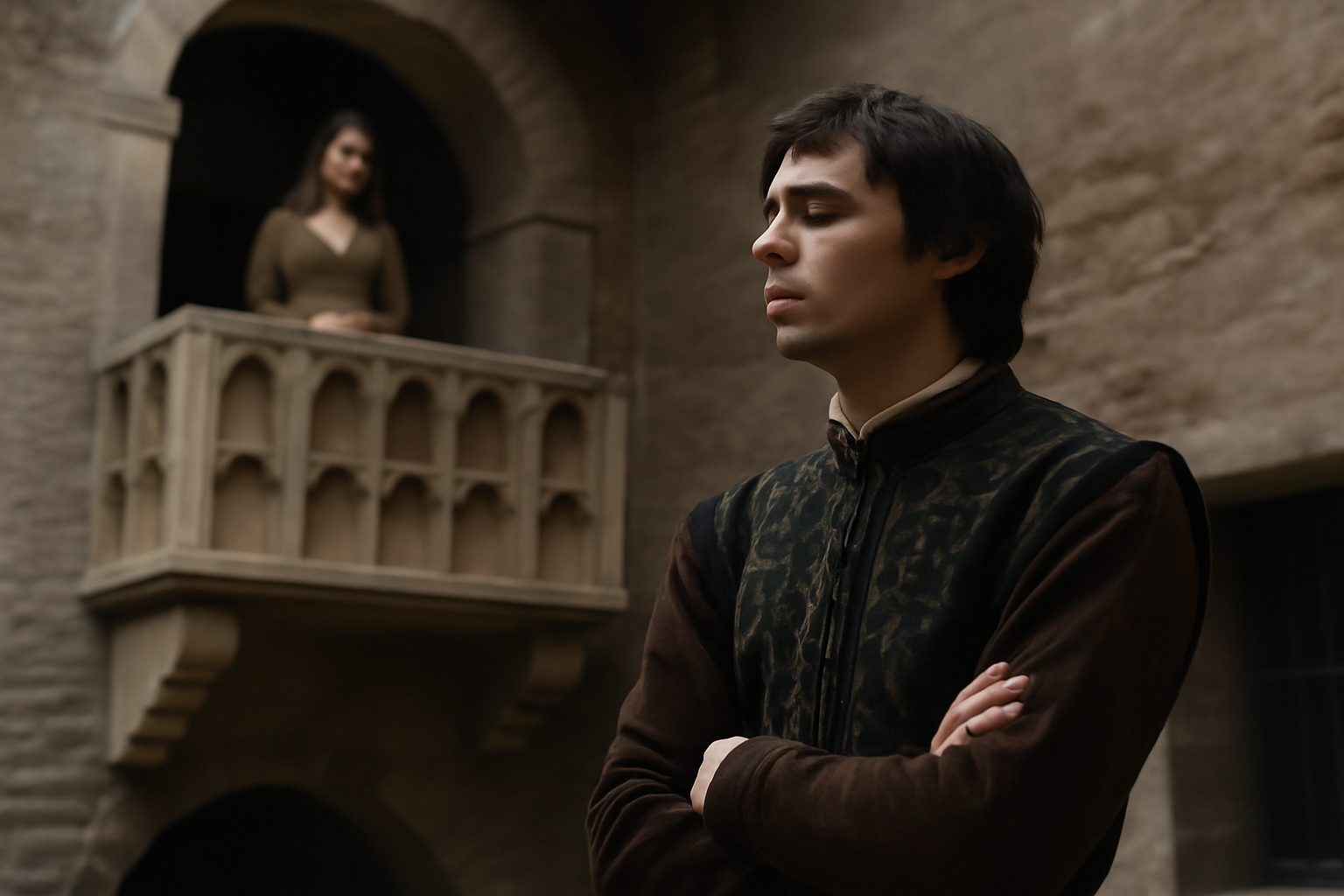
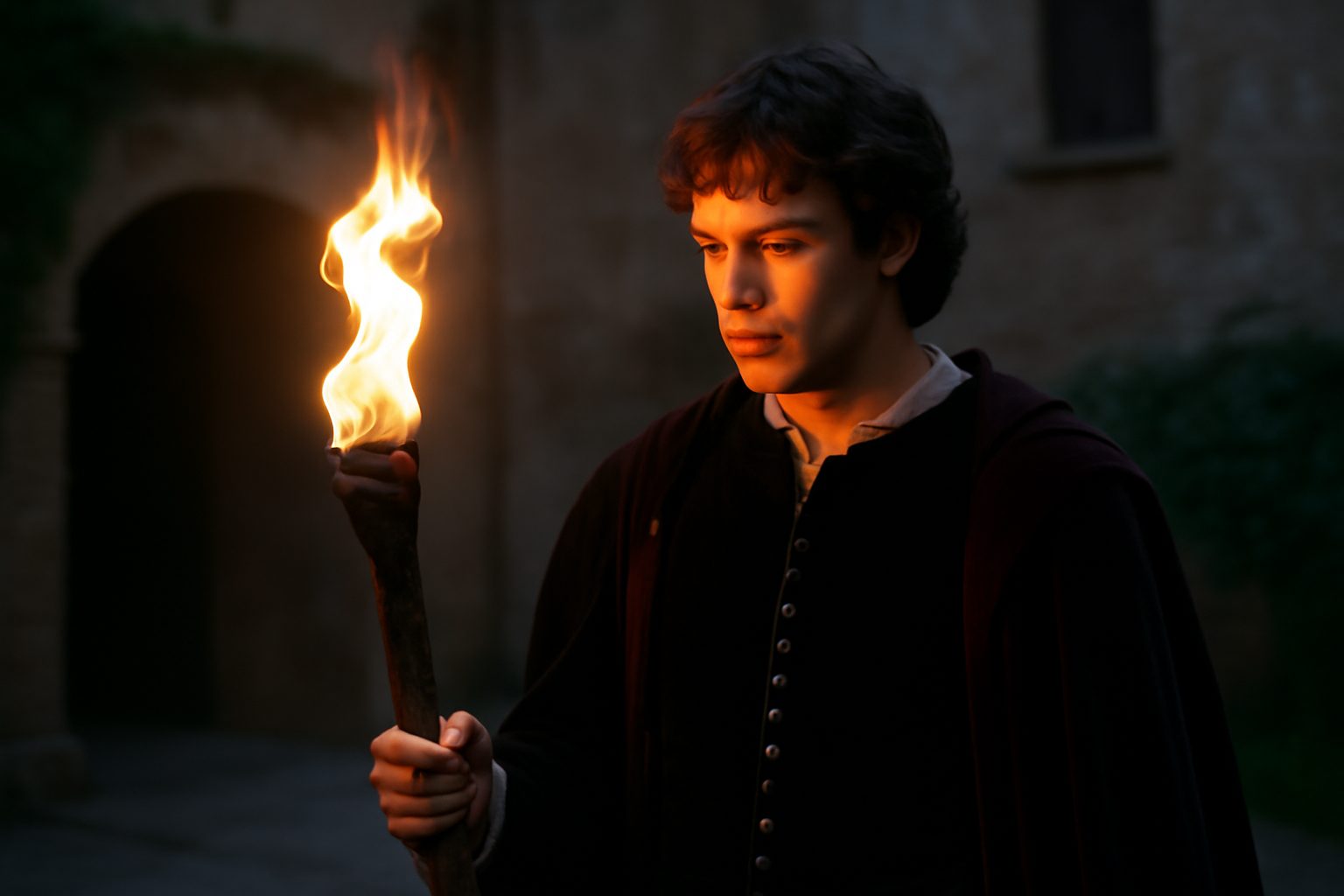
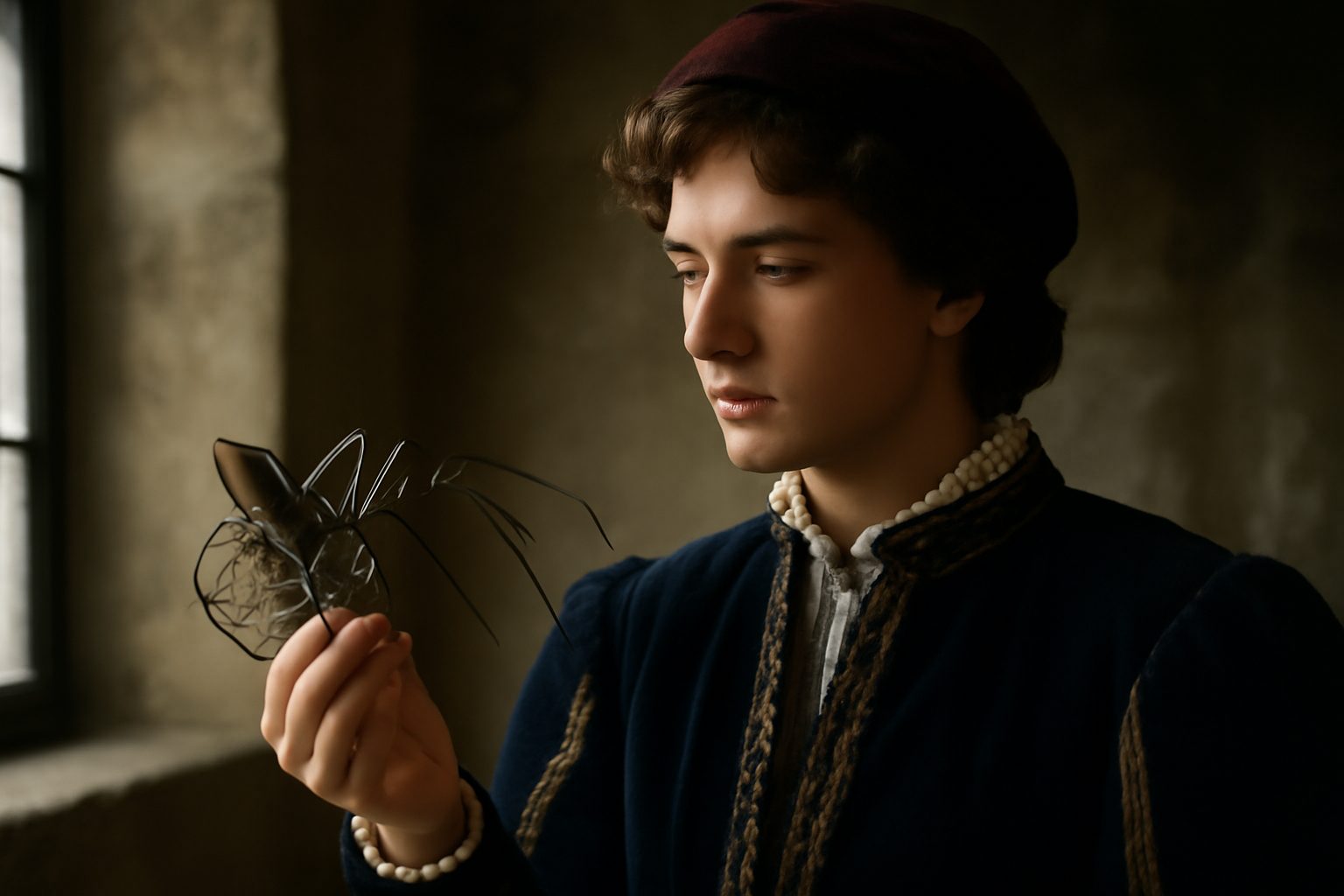
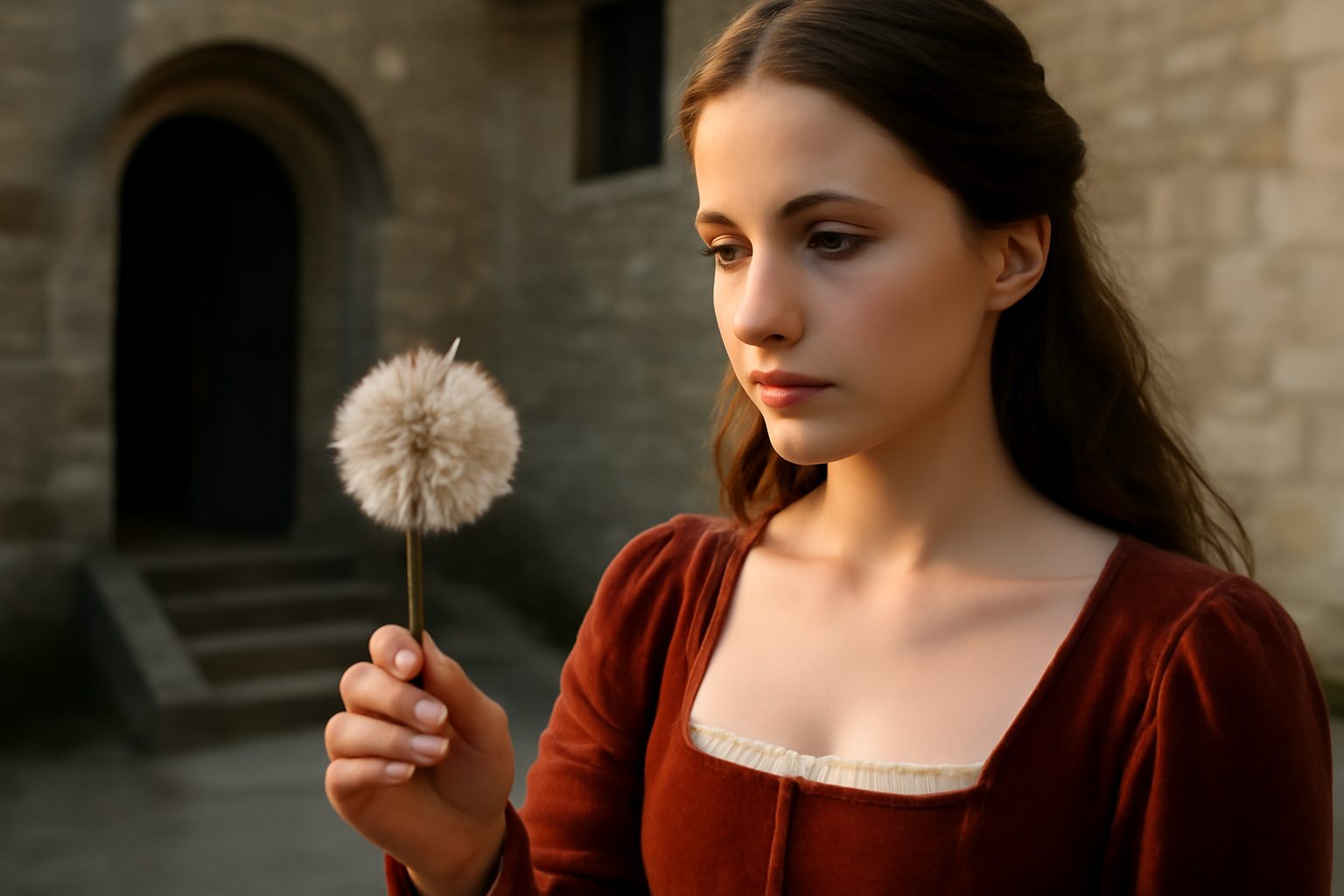
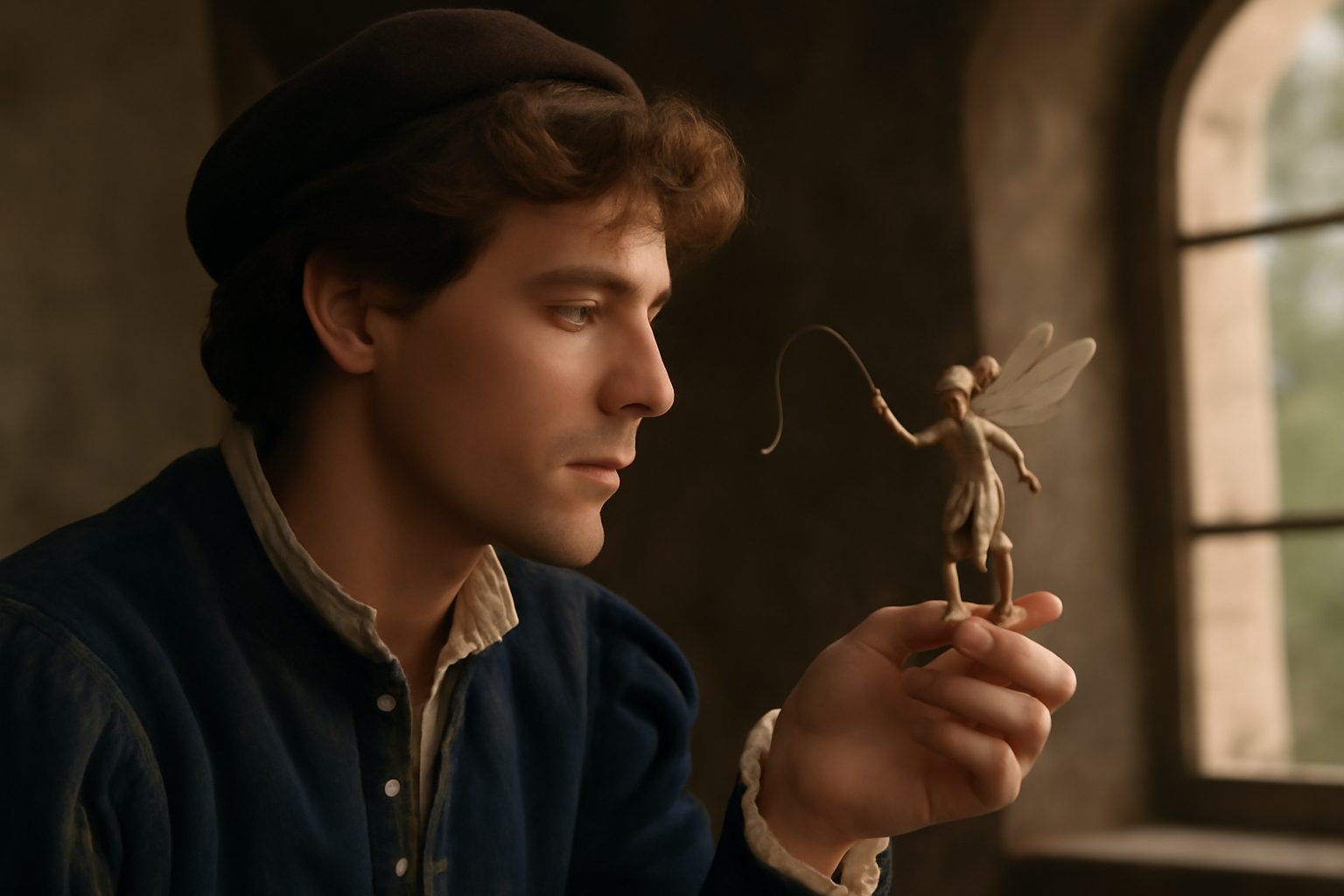
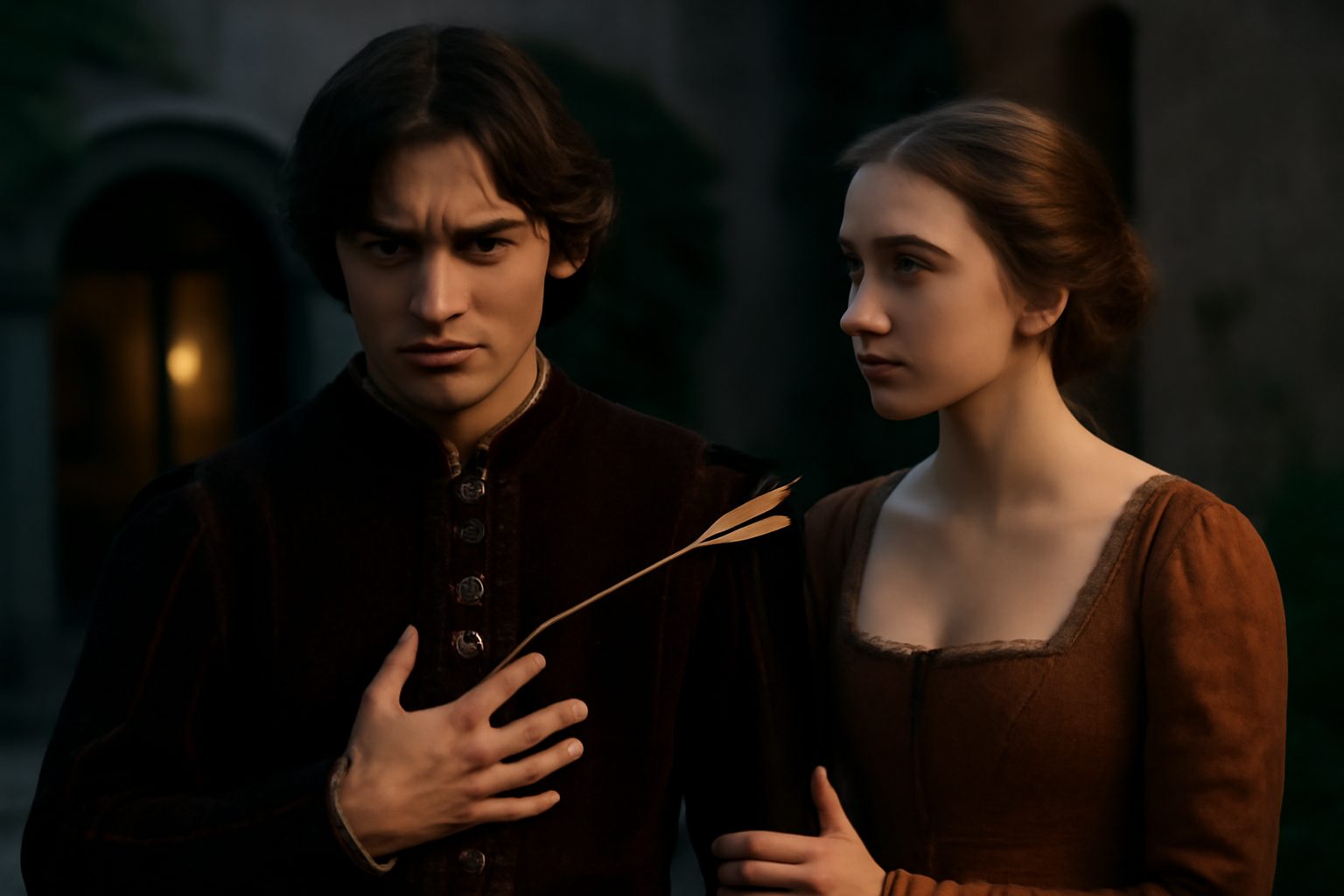
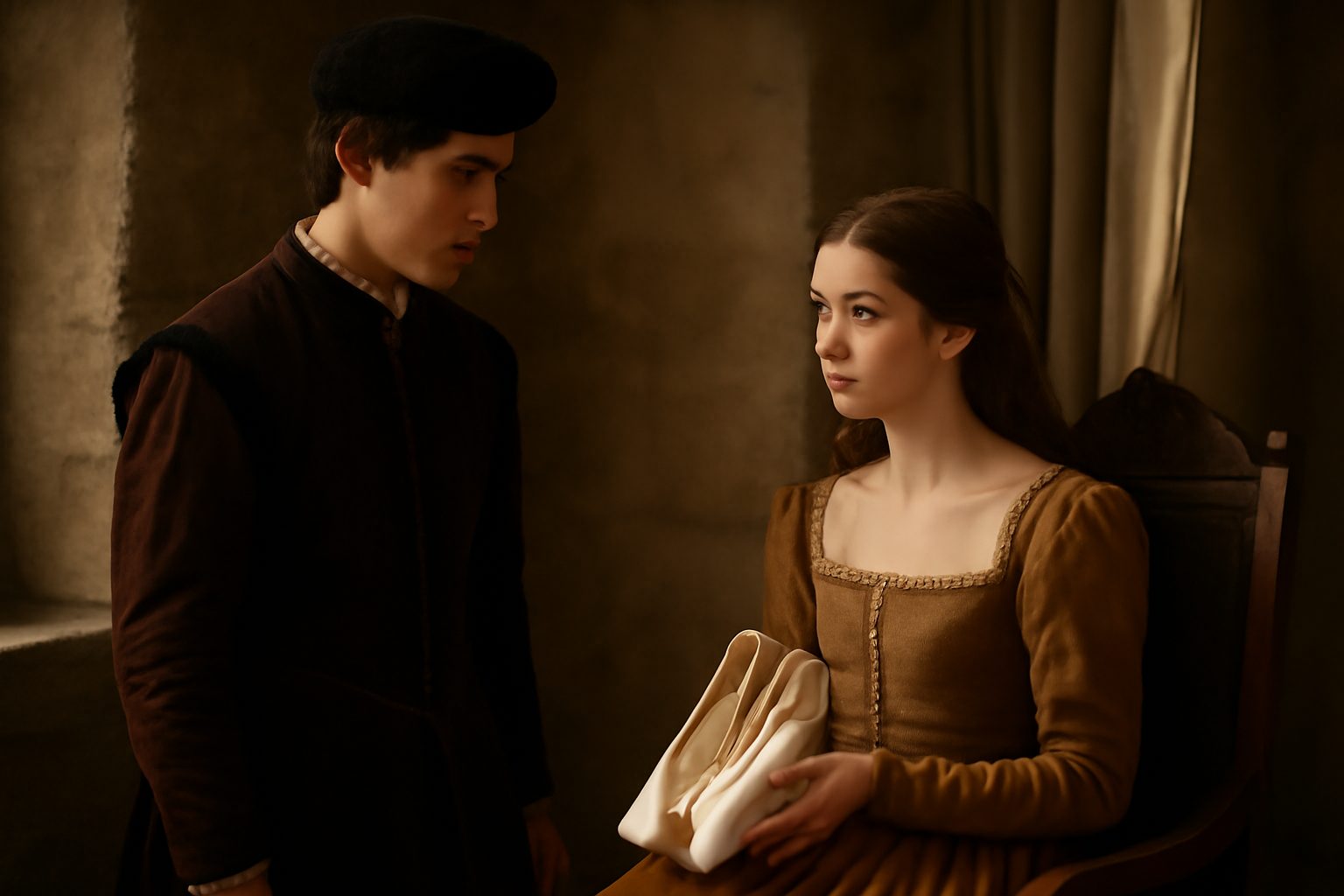
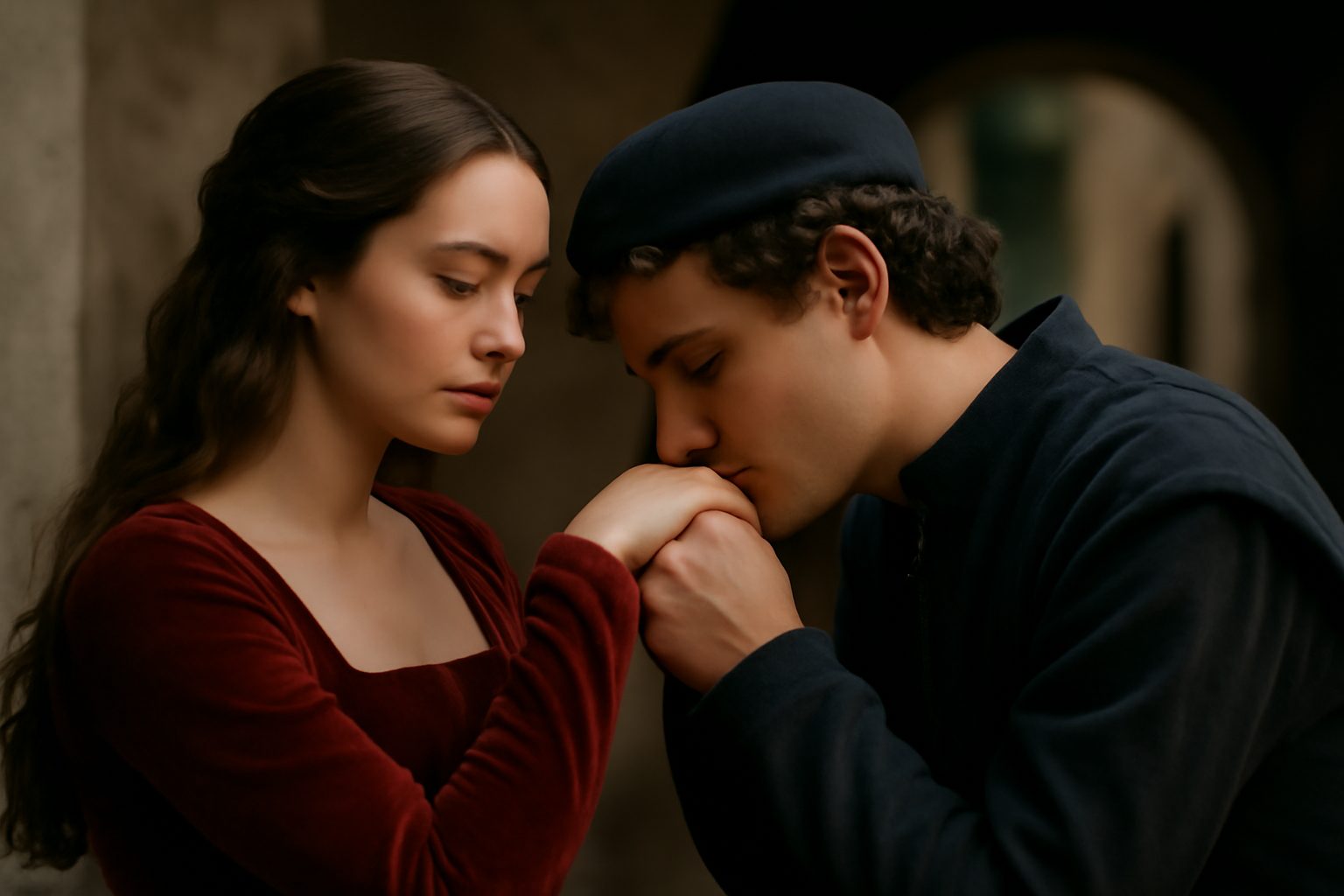
In Act 1, Scene 4 of Romeo and Juliet, Mercutio mocks Romeo's lovesick demeanor as they prepare to crash the Capulet feast. This line dismisses Romeo's infatuation as mere foolish imagination, highlighting Mercutio's skeptical and witty nature. The remark underscores the contrast between Romeo's romantic idealism and Mercutio's pragmatic, sharp-tongued realism.
Mercutio: "Begot of nothing but vain fantasy,"
In modern day english, we would say:
This comes from nothing but foolish imagination.
Frequently Asked Questions
What does Mercutio think is the source of Romeo's love in this line?
Mercutio believes Romeo's love comes from empty imagination, not reality.
Connections to other verses:
Connections to "Begot of nothing but vain fantasy"
The verse Begot of nothing but vain fantasy is part of Mercutio's Queen Mab speech, which explores the nature of dreams and imagination. It directly connects to Which are the children of an idle brain, as both lines characterize dreams as insubstantial and frivolous products of the mind.
Links to Romeo's Pessimism
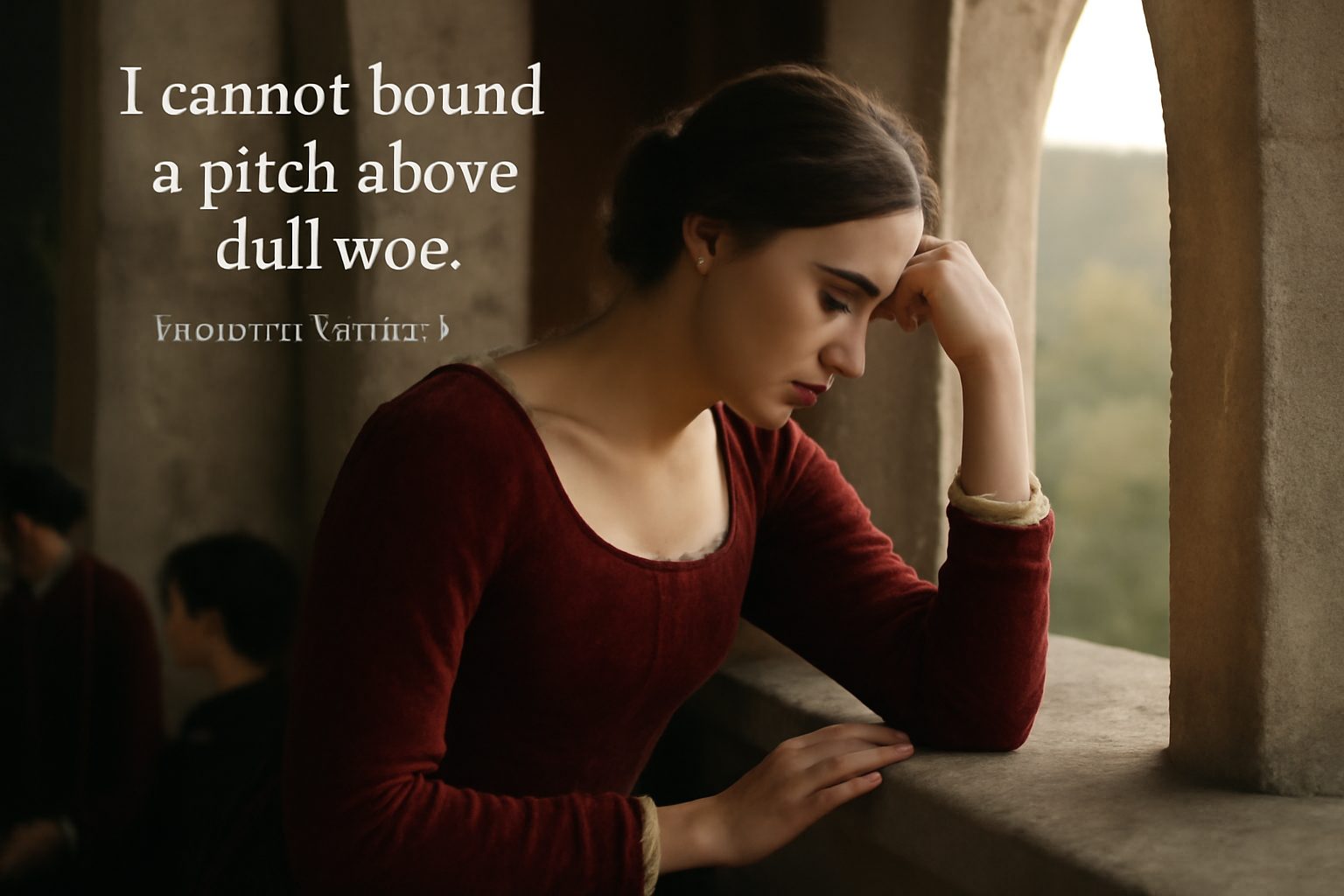
Romeo's earlier lament, I cannot bound a pitch above dull woe, contrasts with Mercutio's dismissal of dreams. While Romeo is mired in melancholy, Mercutio mocks such preoccupations as mere fantasy.
Contrast with Lightheartedness
Mercutio's cynical view opposes the carefree tone in lines like A torch for me: let wantons light of heart, highlighting the tension between frivolity and introspection in the scene.
Foreshadowing and Fate
Despite Mercutio's skepticism, Romeo's foreboding in I fear, too early: for my mind misgives suggests that some dreams may indeed carry weight, subtly challenging Mercutio's assertion.