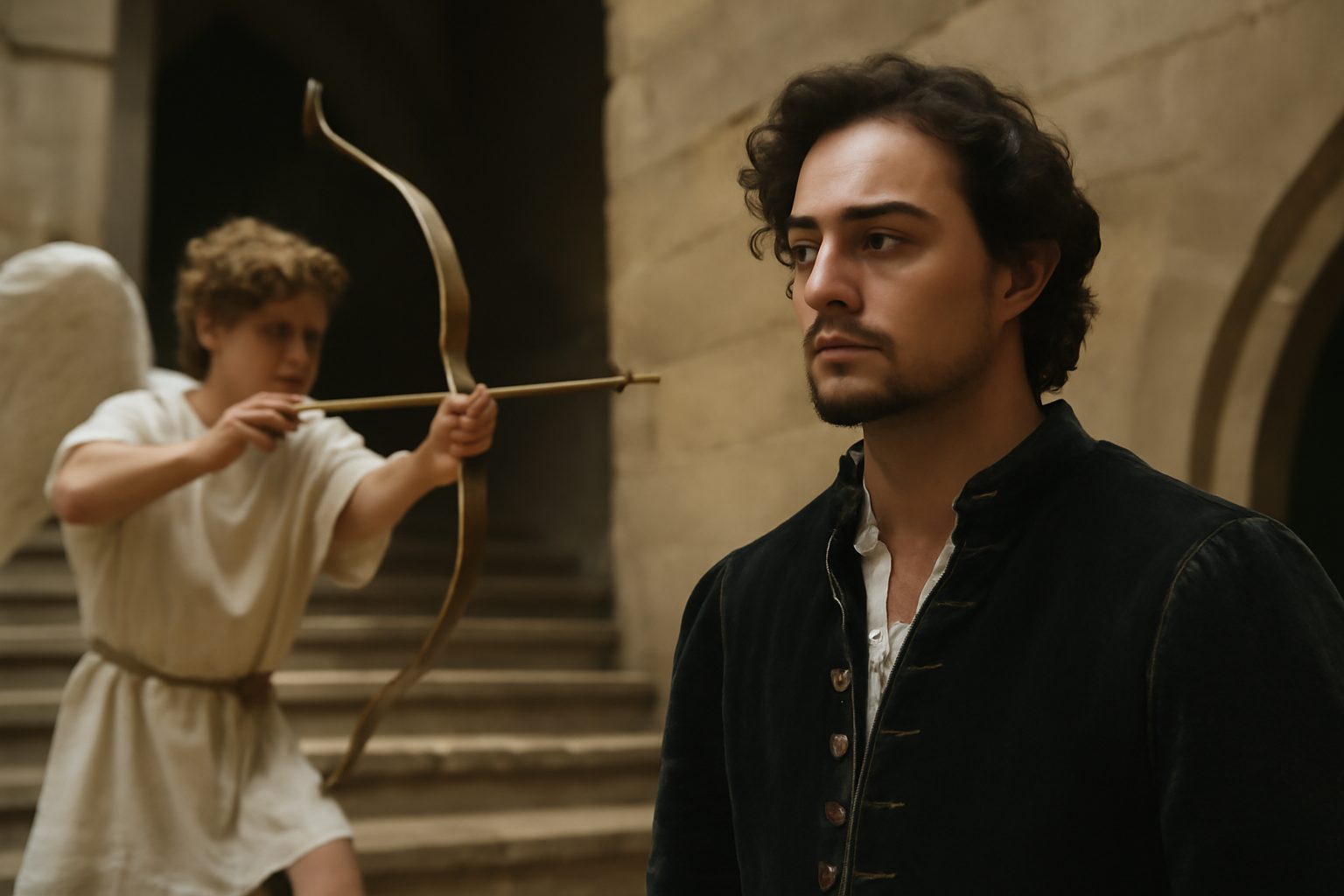
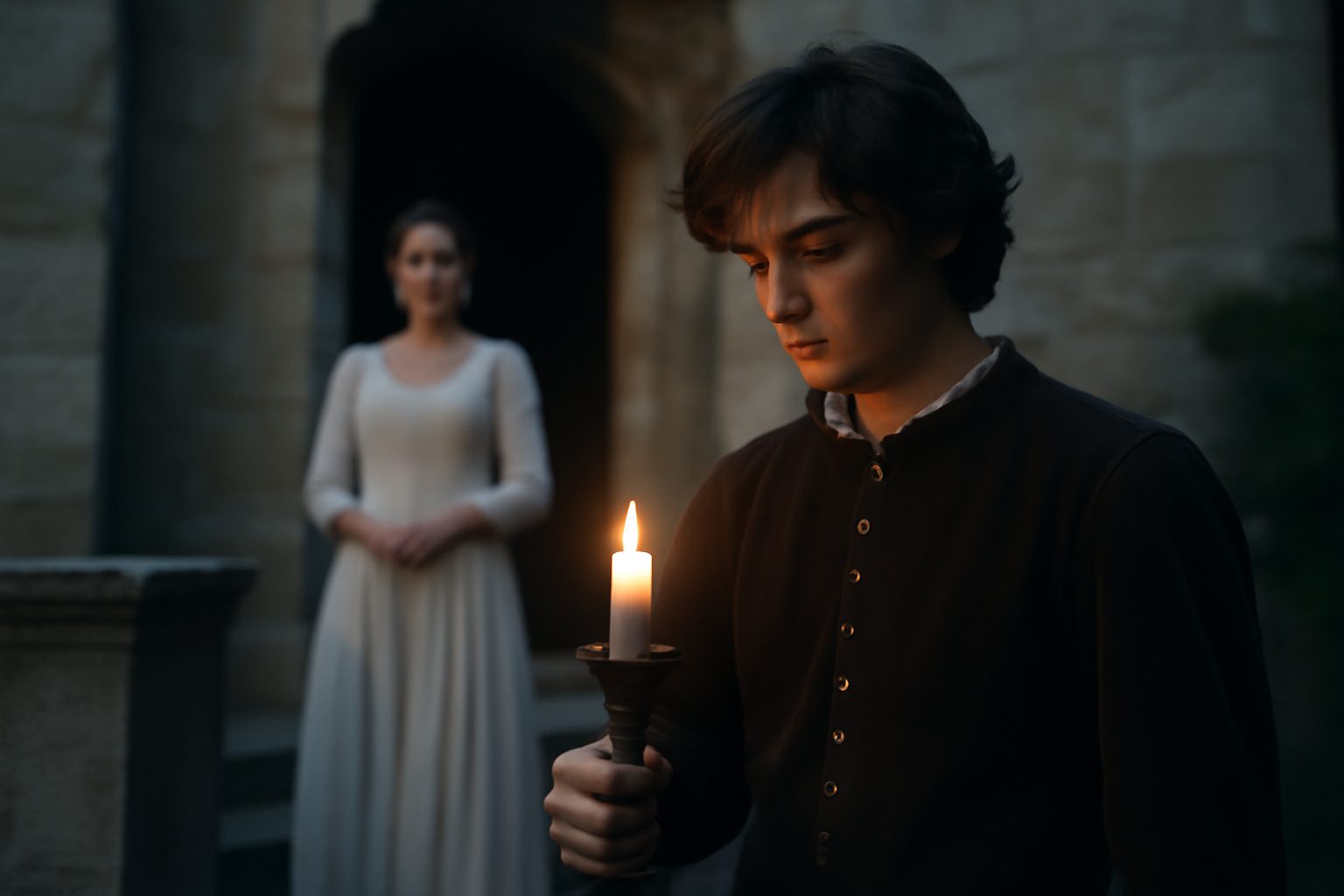
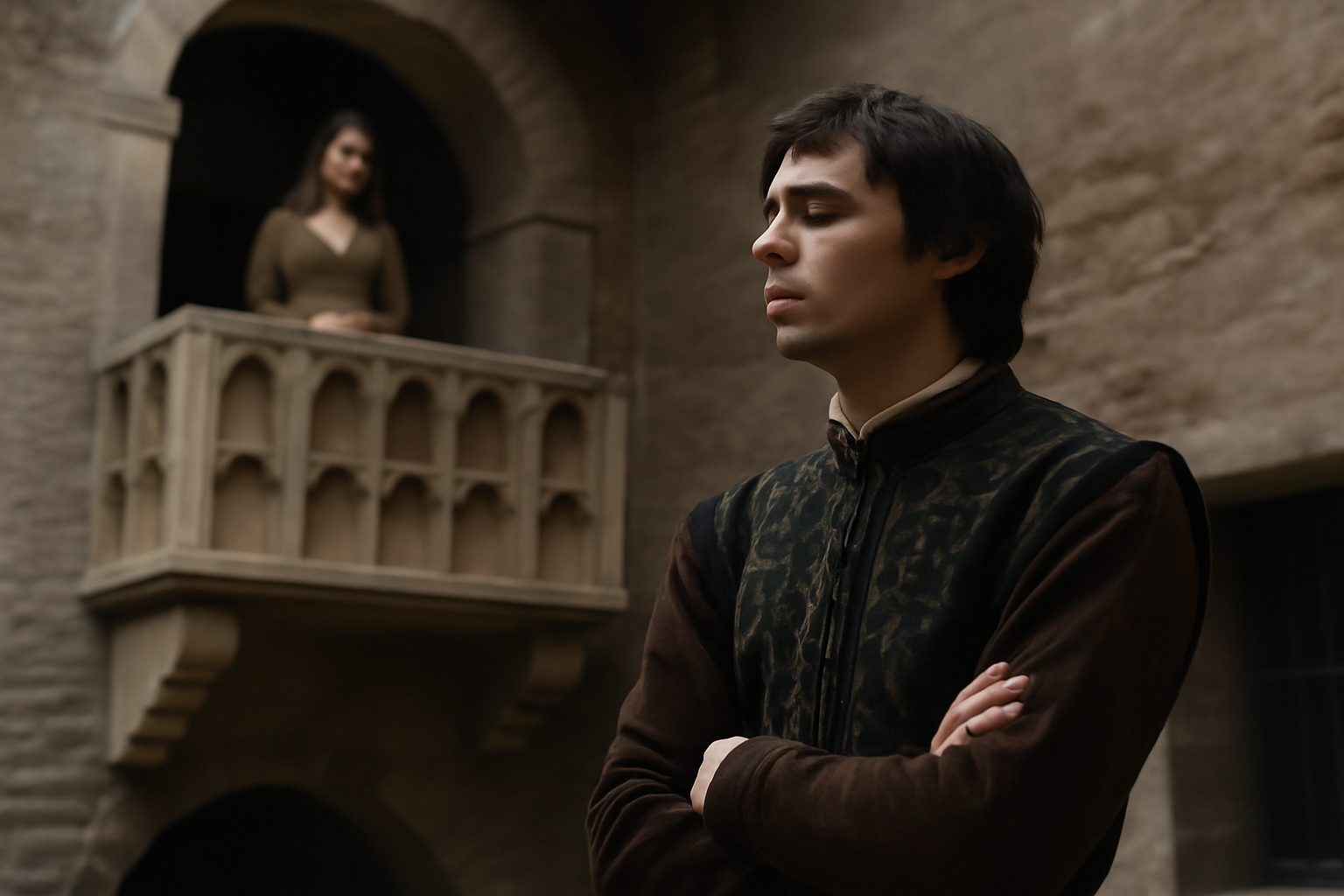
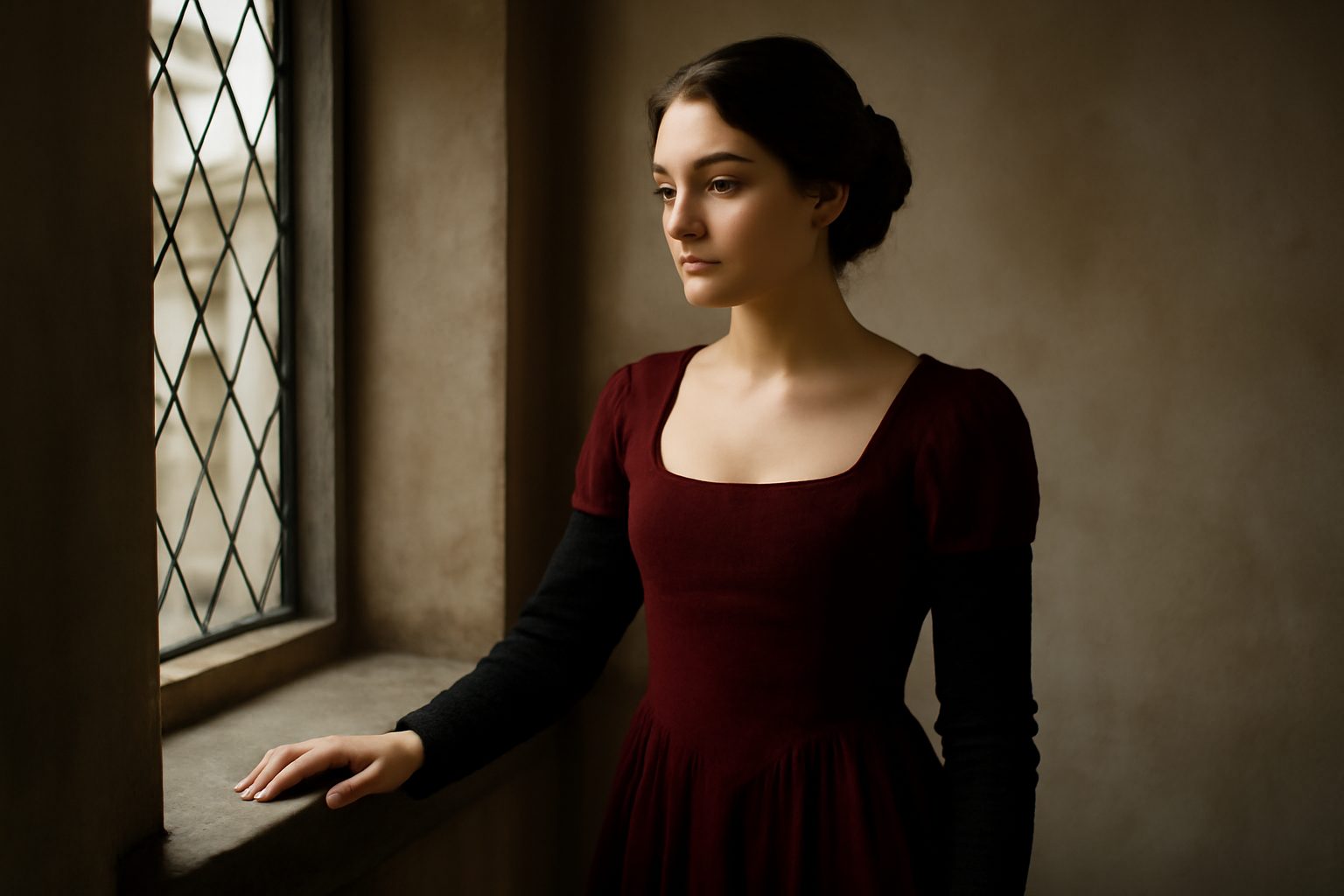
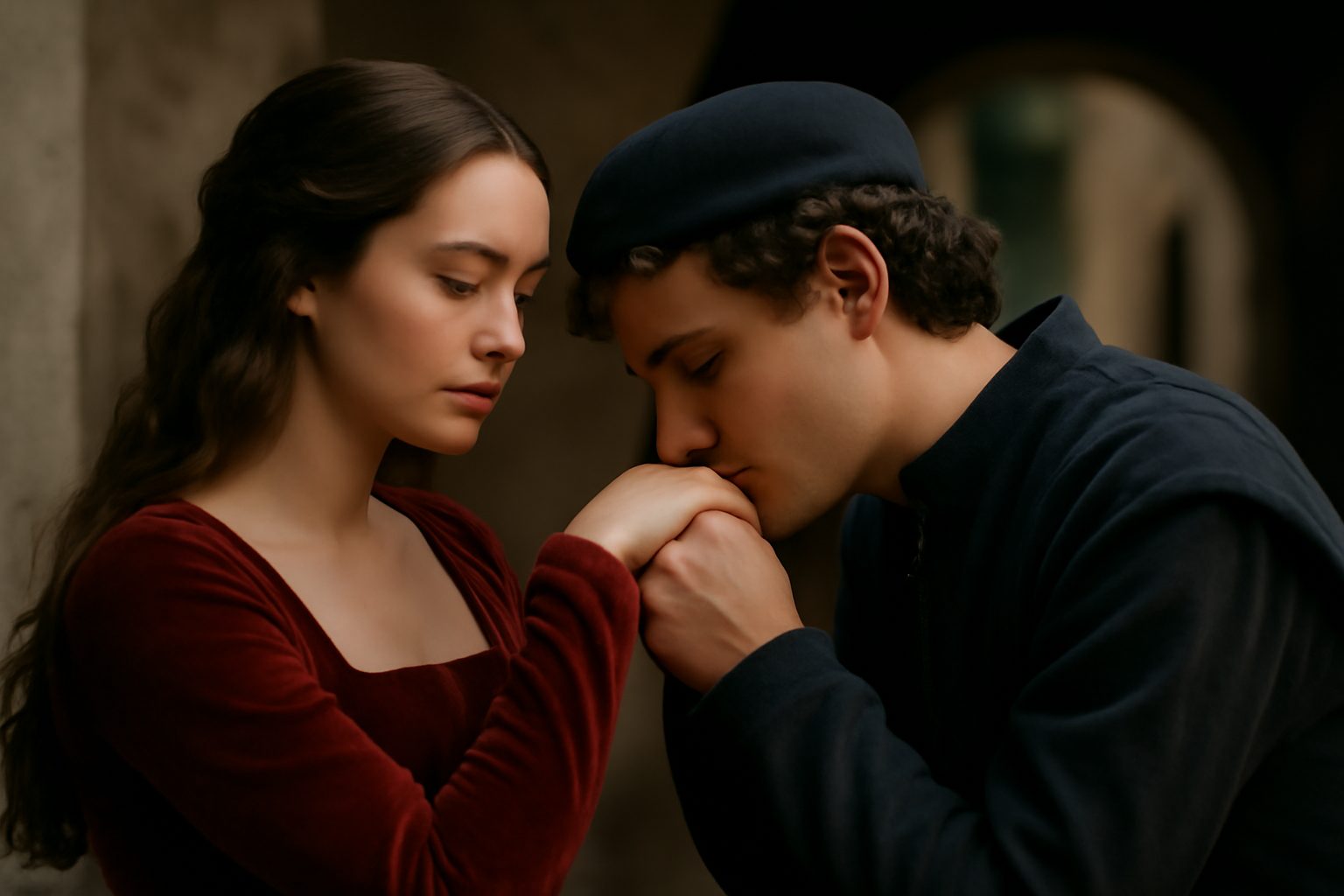
In Act 1, Scene 4 of Romeo and Juliet, Romeo speaks these words as he reluctantly joins his friends on their way to the Capulet feast. Despite his misgivings and a sense of foreboding, he resigns himself to fate, acknowledging that a higher power guides his path. This moment captures his inner conflict as he steps toward the events that will alter his destiny.
Romeo: "But He, that hath the steerage of my course,"
In modern day english, we would say:
But the one who guides my path will direct me where I need to go.
Frequently Asked Questions
Who does Romeo believe is guiding his life?
Romeo believes that fate or a higher power is guiding his life.
Connections to other verses:
Connections to "But He, that hath the steerage of my course"
This line reflects Romeo’s submission to fate, a theme echoed in his earlier premonition: I fear, too early: for my mind misgives and Some consequence yet hanging in the stars, where he senses impending doom. It contrasts with Mercutio’s skepticism about dreams in Which are the children of an idle brain, emphasizing Romeo’s shift from resistance to acceptance.
Contrast with Lightheartedness
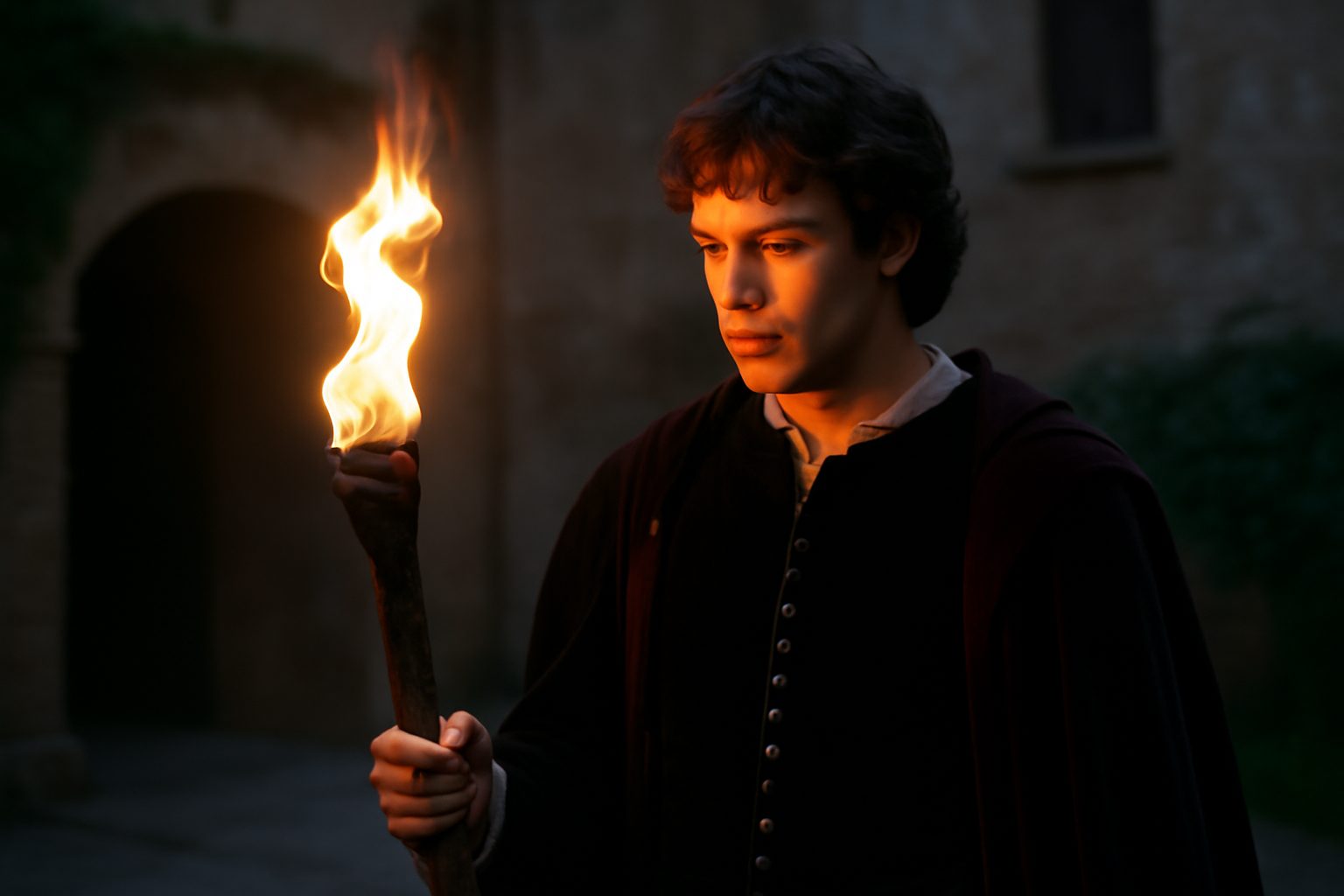
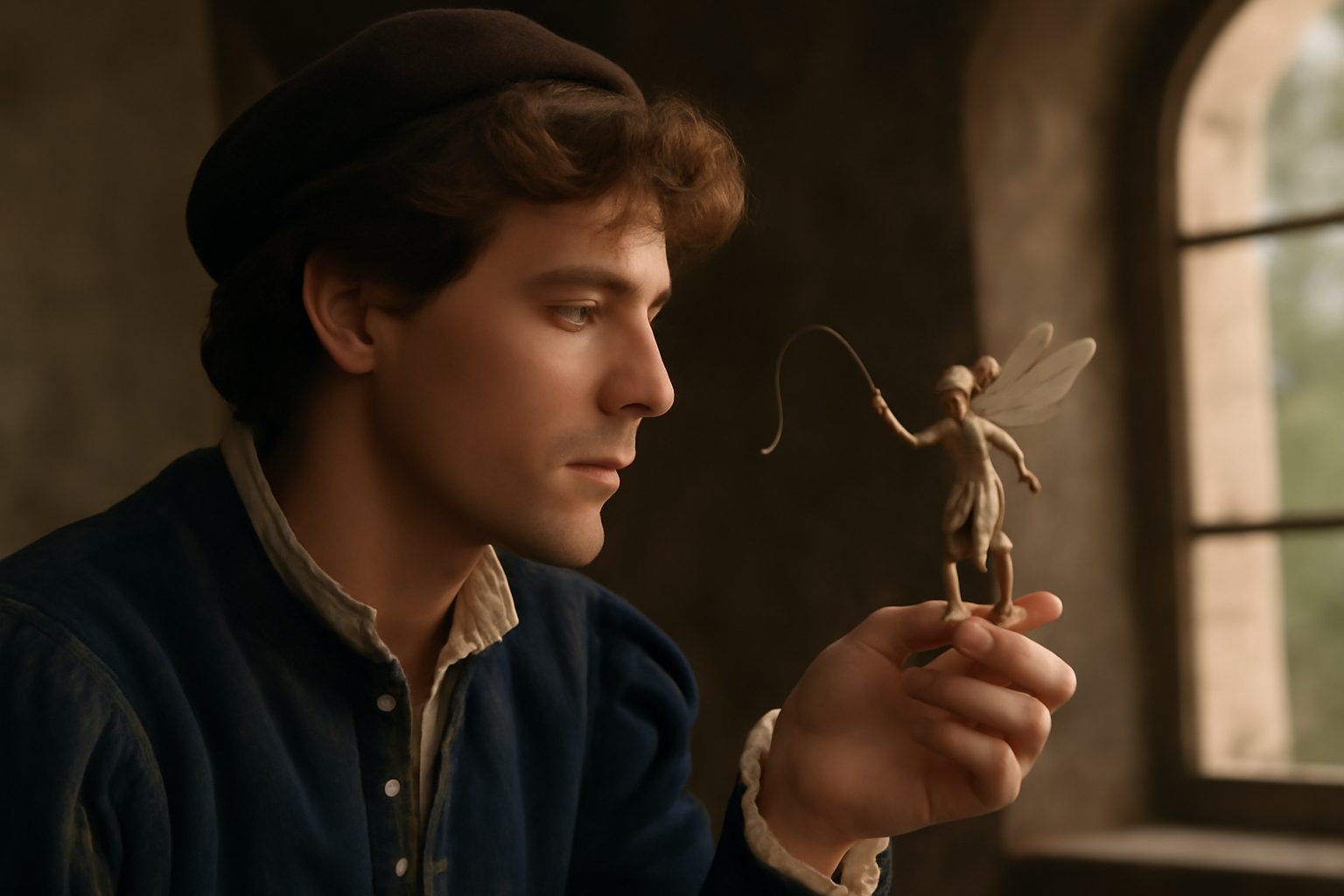
Romeo’s solemn surrender to fate diverges sharply from the scene’s playful tone, such as in A torch for me: let wantons light of heart and Mercutio’s whimsical Queen Mab speech (She is the fairies' midwife), highlighting his isolation in foreboding.
Response to Encouragement
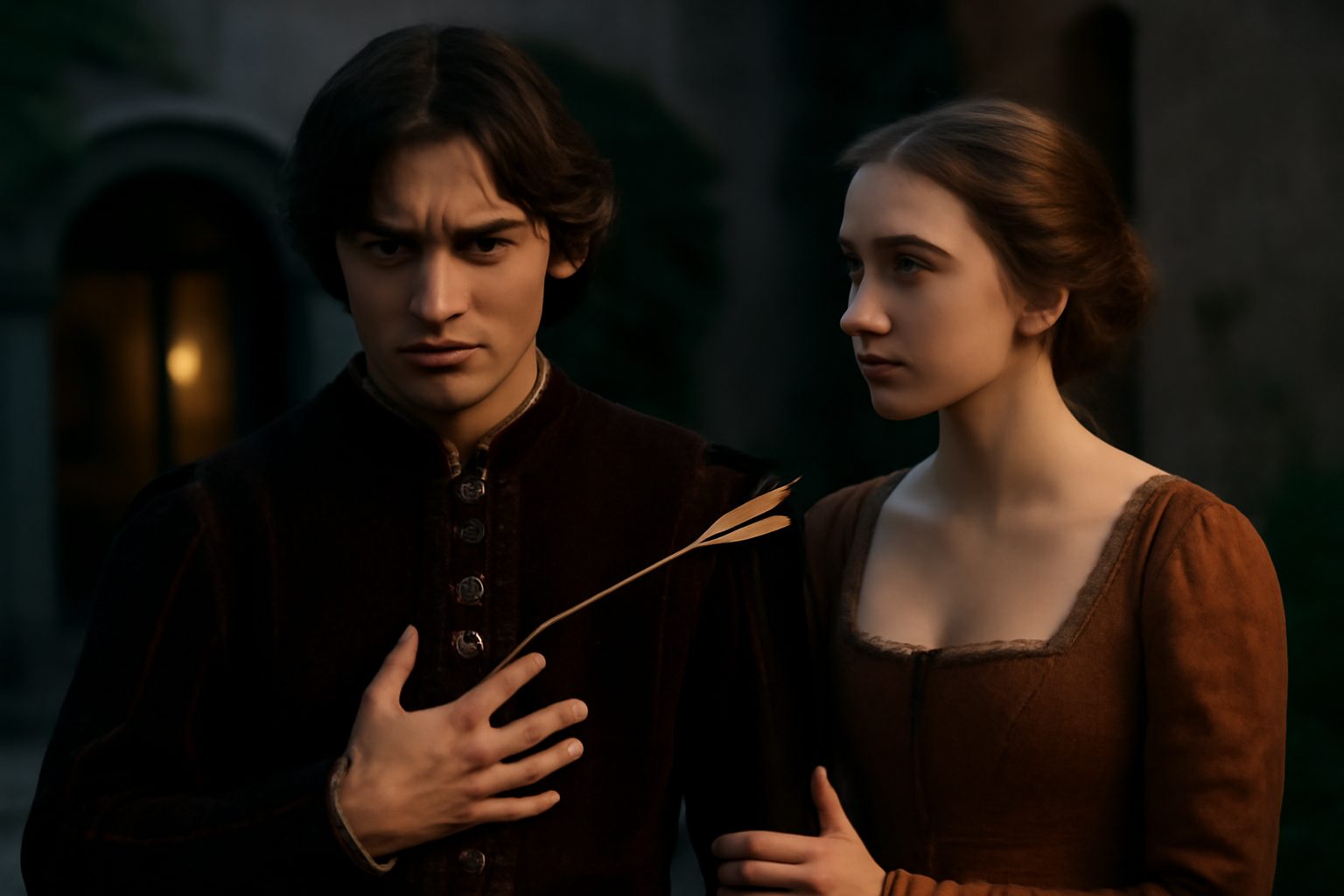
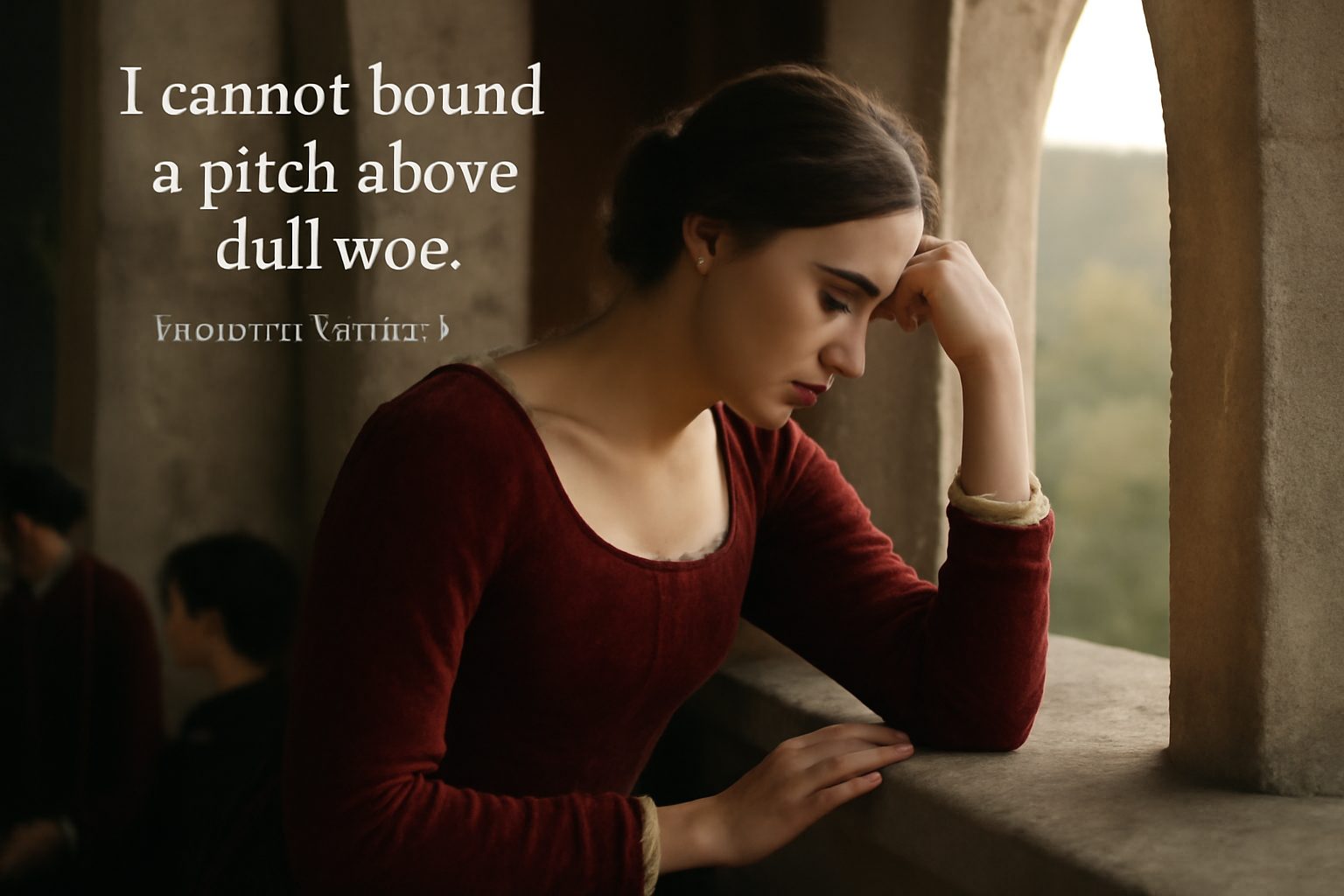
Earlier, friends urge Romeo to embrace joy: You are a lover; borrow Cupid's wings and If love be rough with you, be rough with love. His eventual acquiescence in "steerage" contrasts with his initial refusal in I have a soul of lead, showing his resignation.
Foreshadowing and Resolution
The line culminates his fears of By some vile forfeit of untimely death, directly leading to his decisive Direct my sail! On, lusty gentlemen, accepting his tragic path.