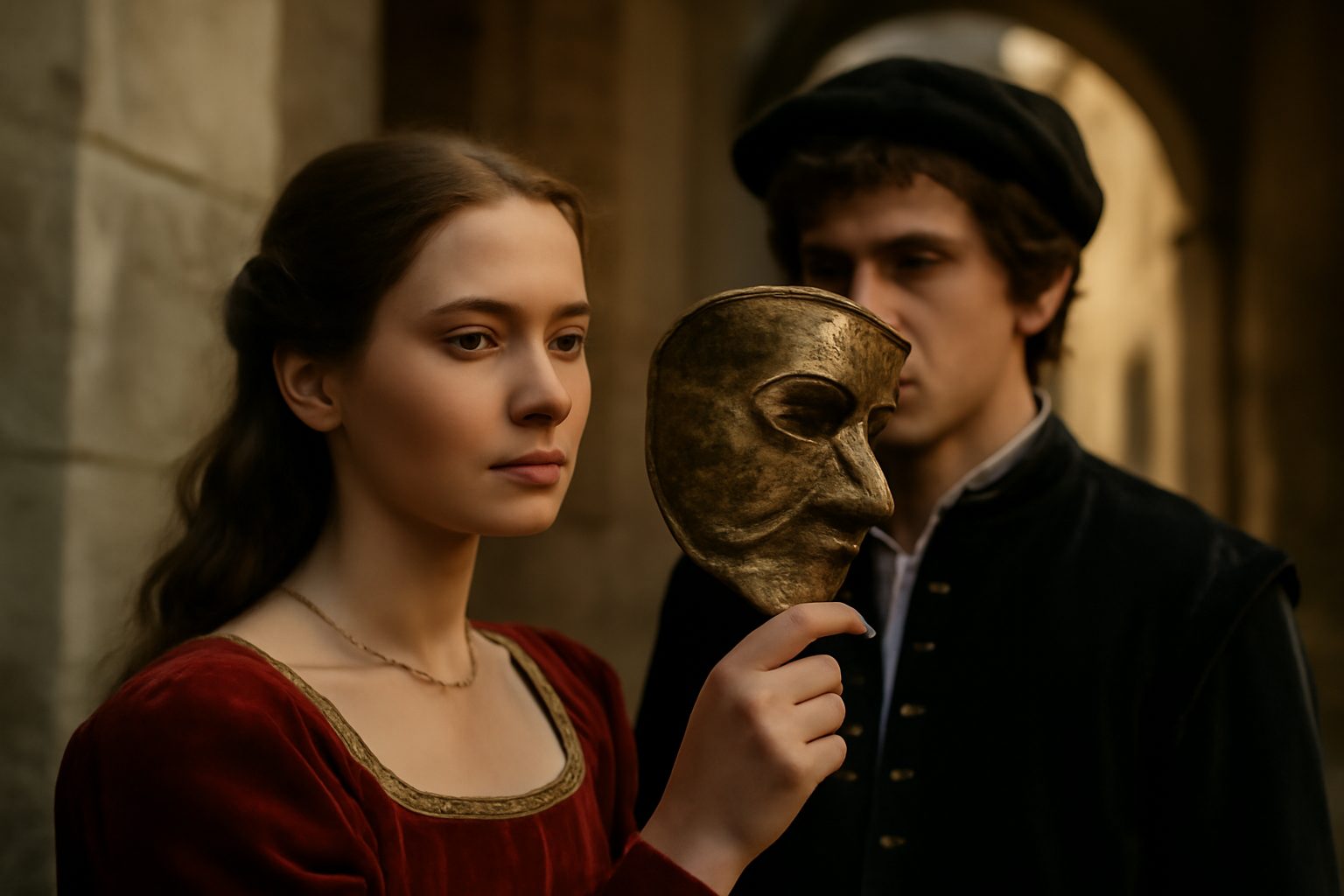
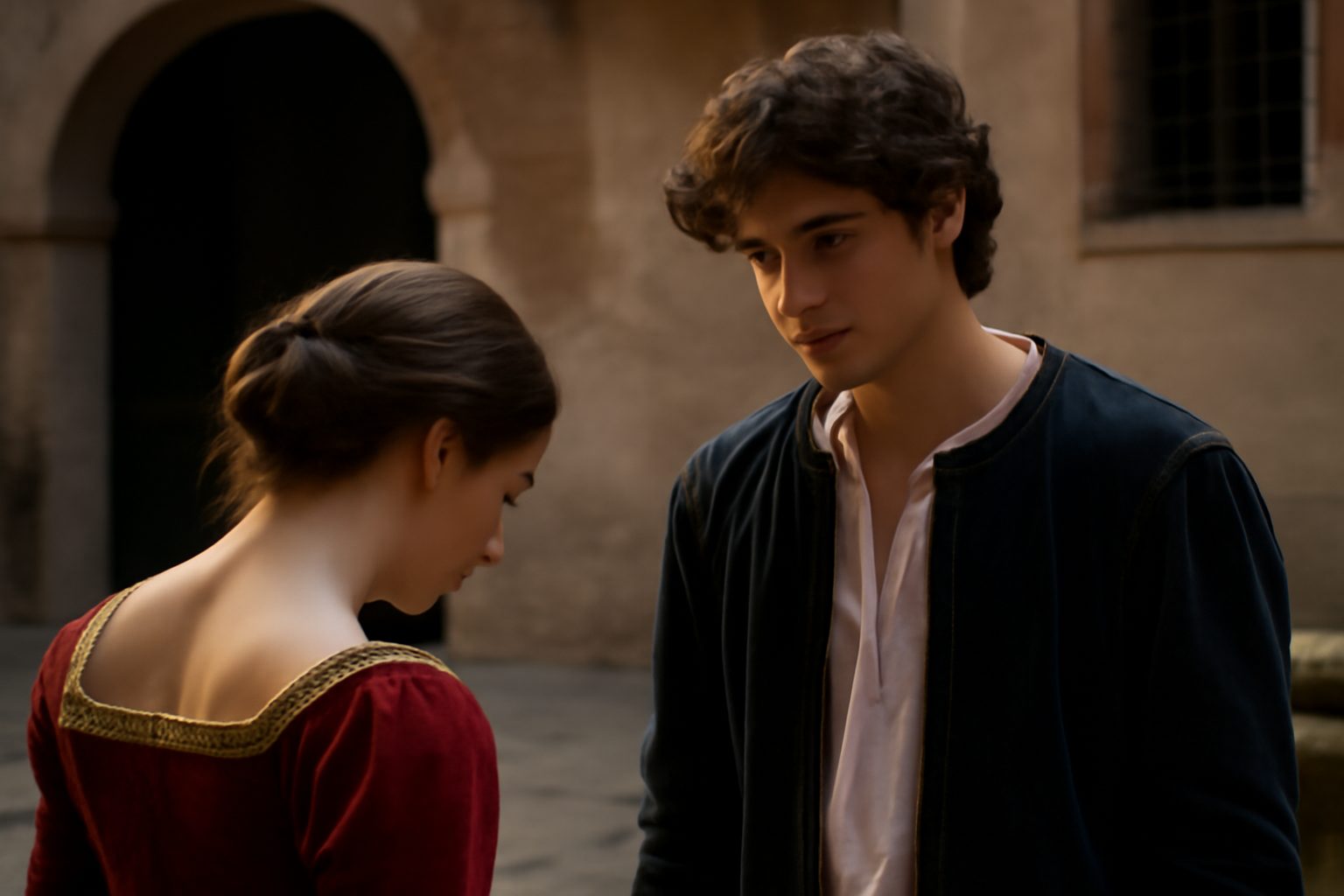
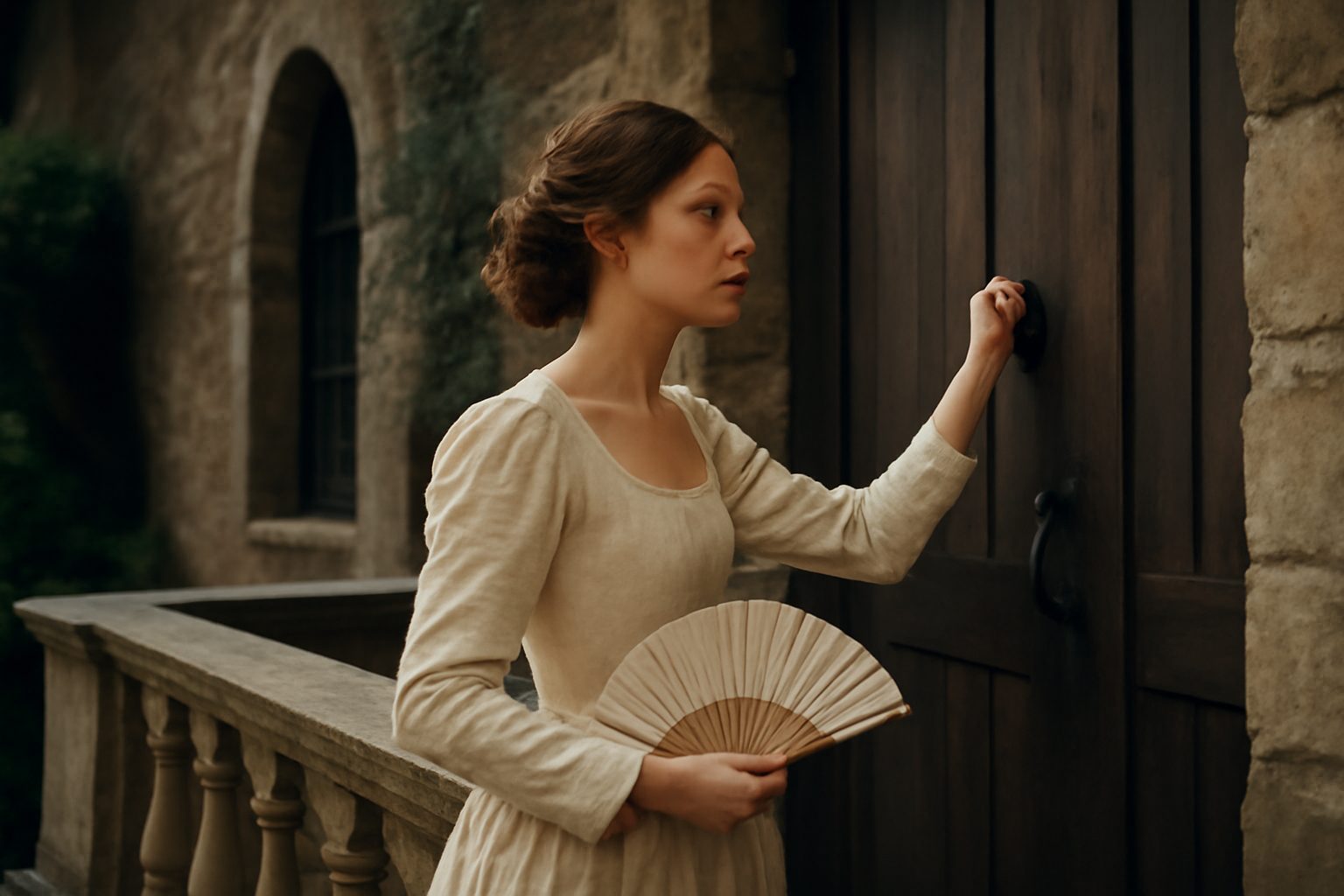
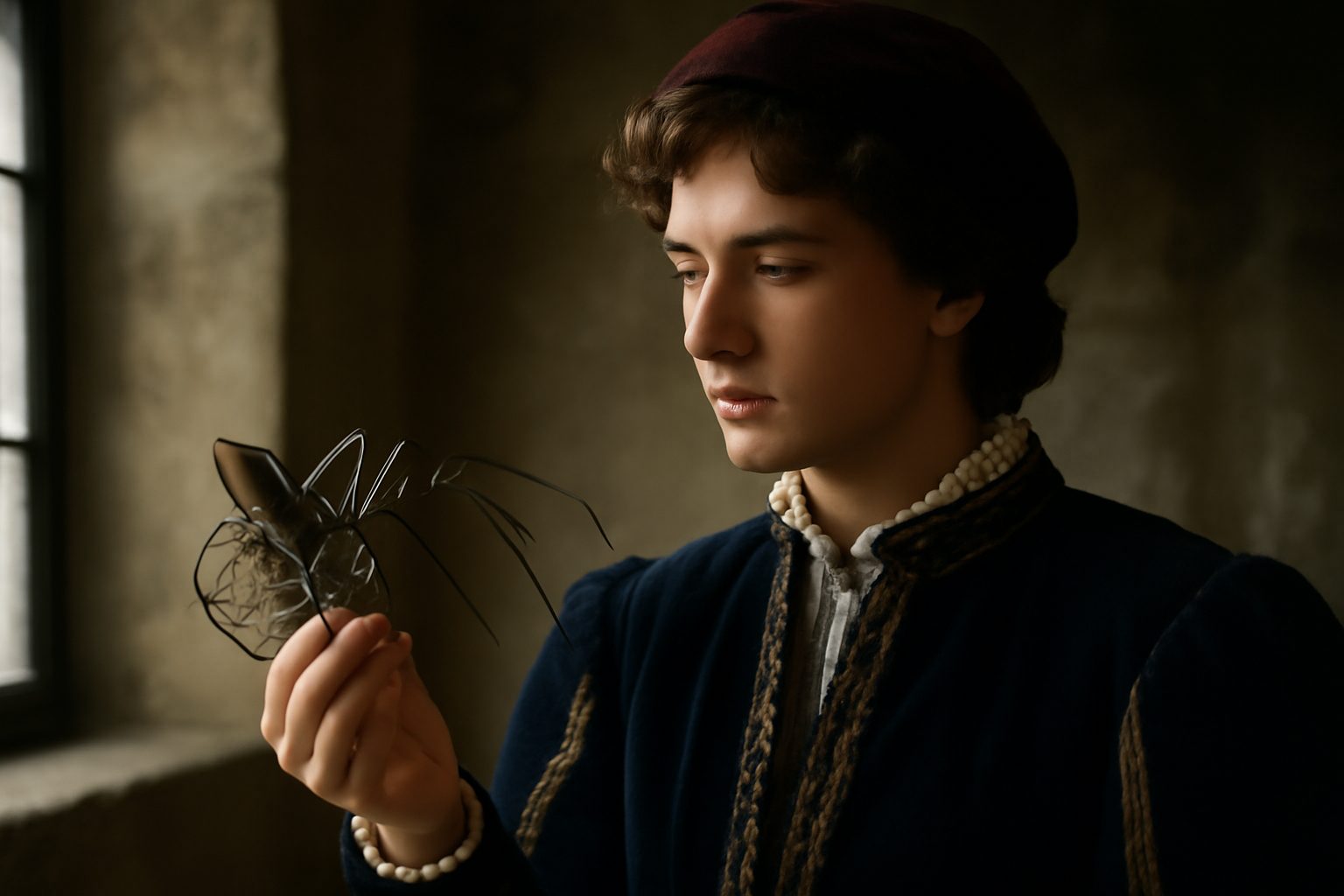
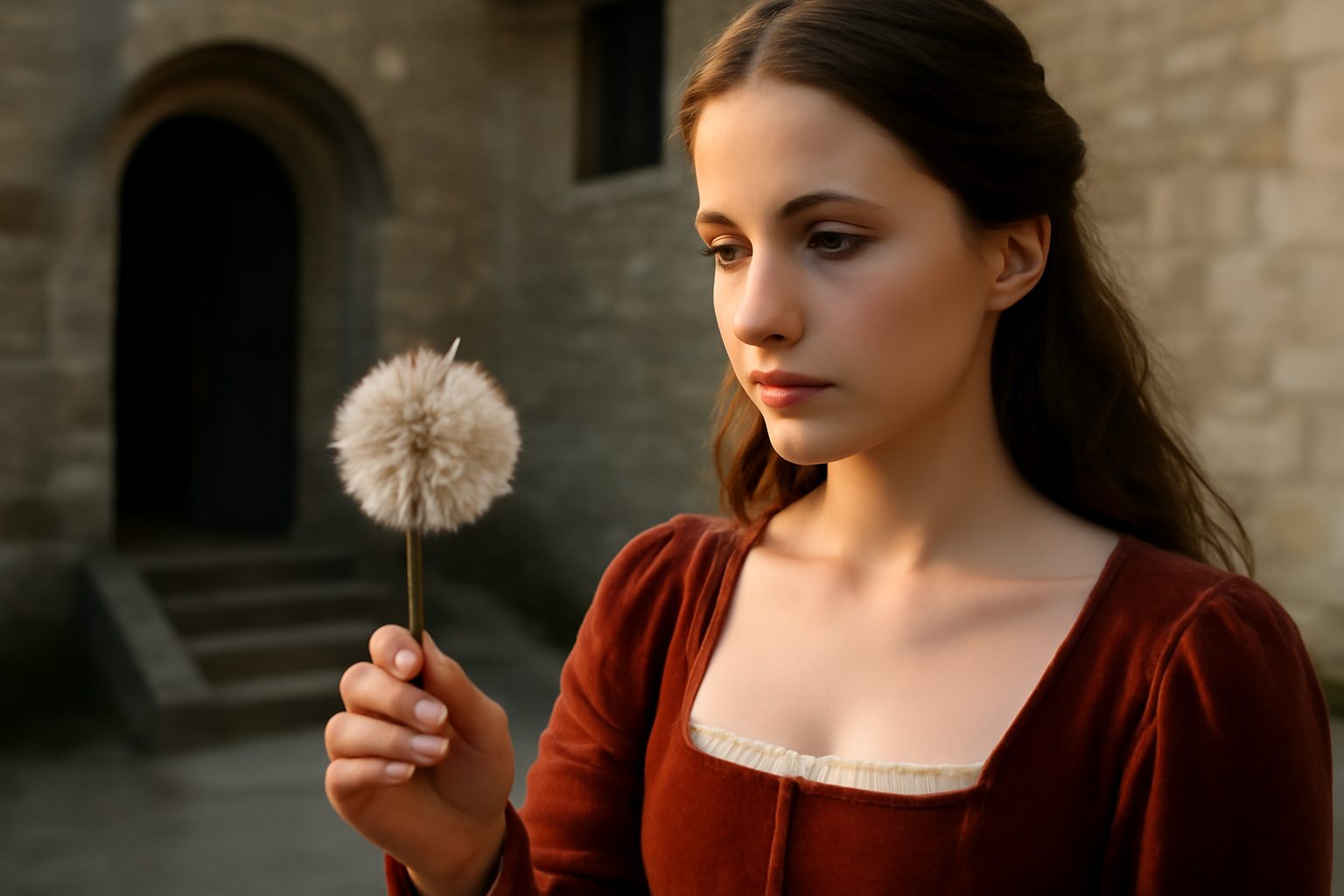
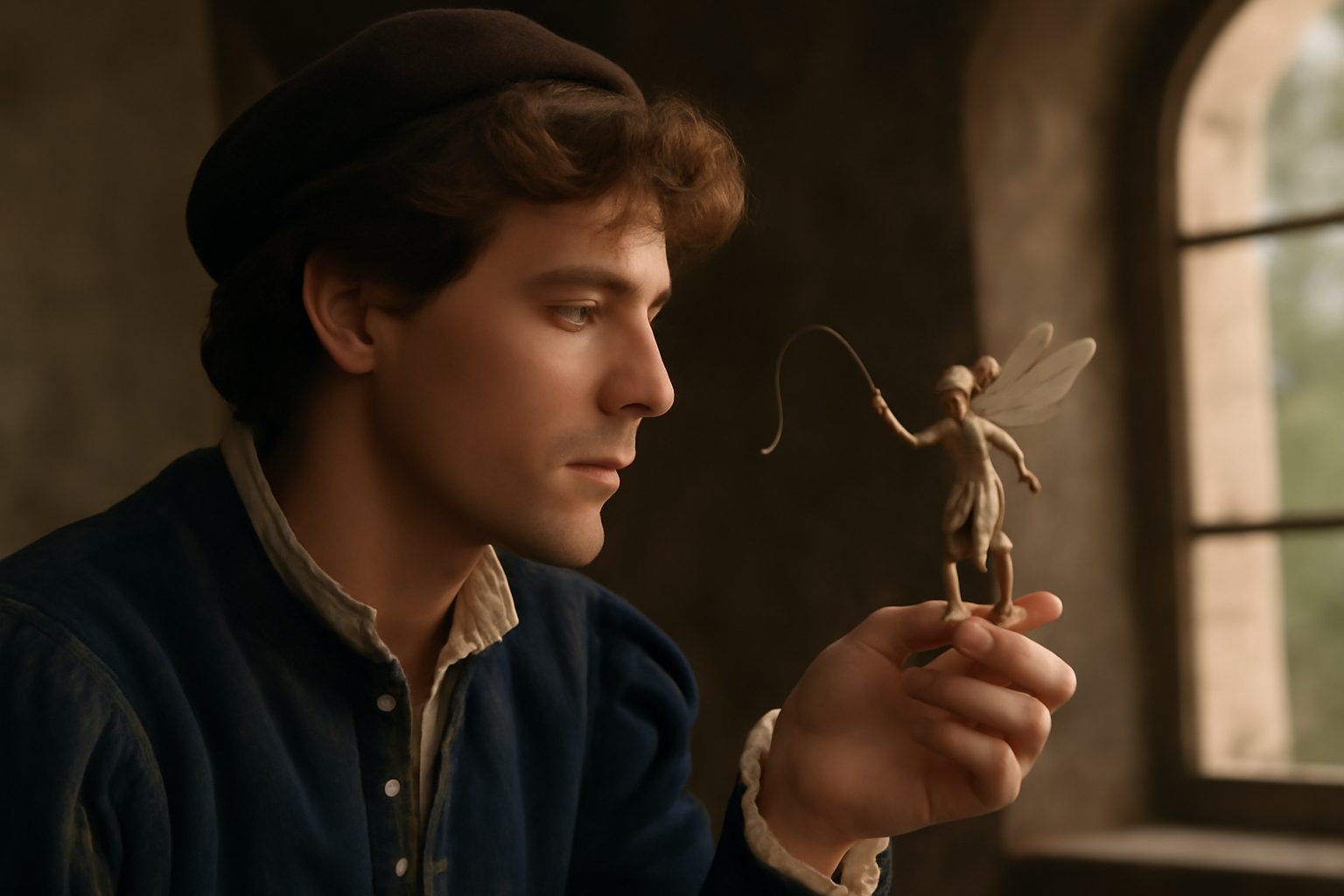
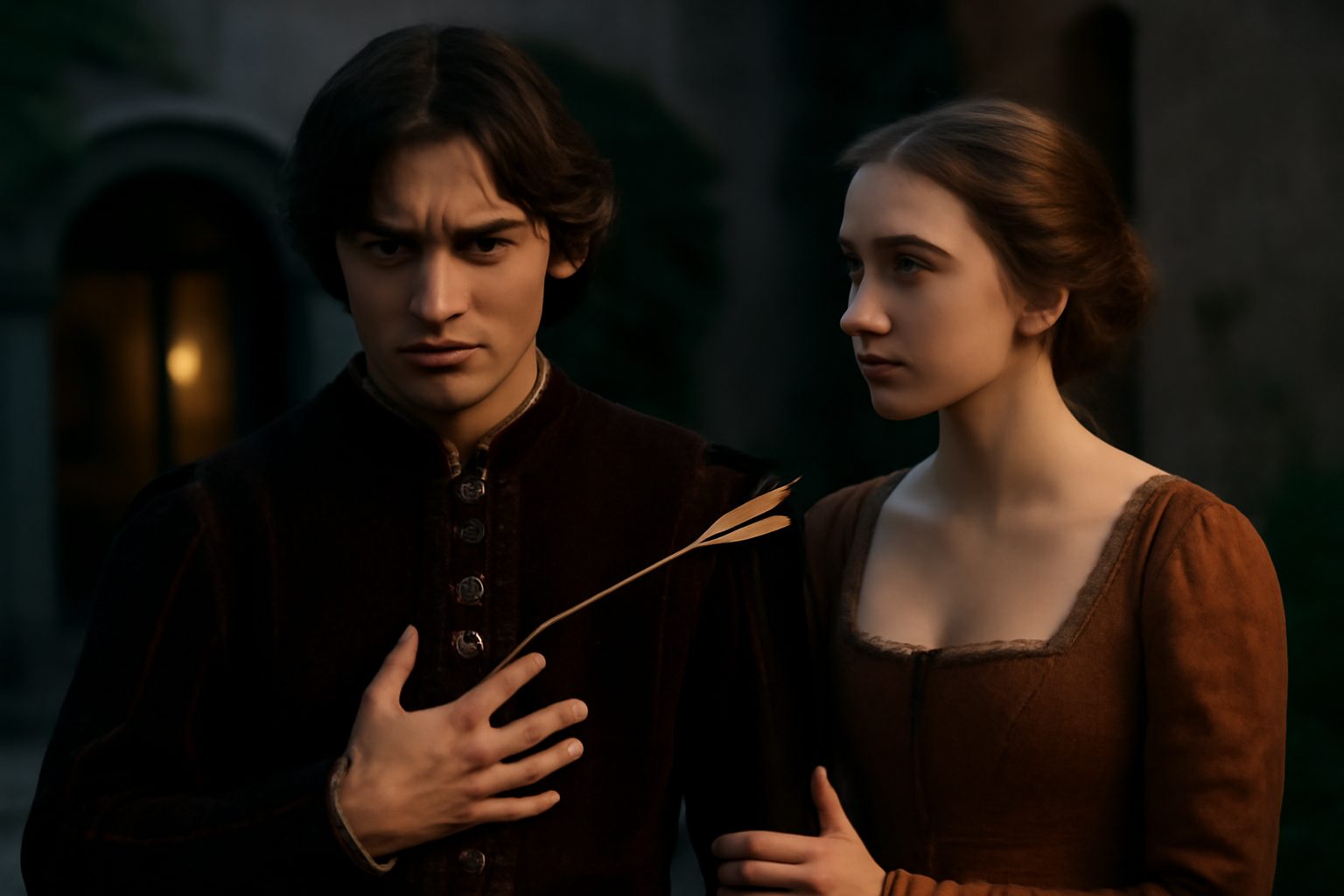
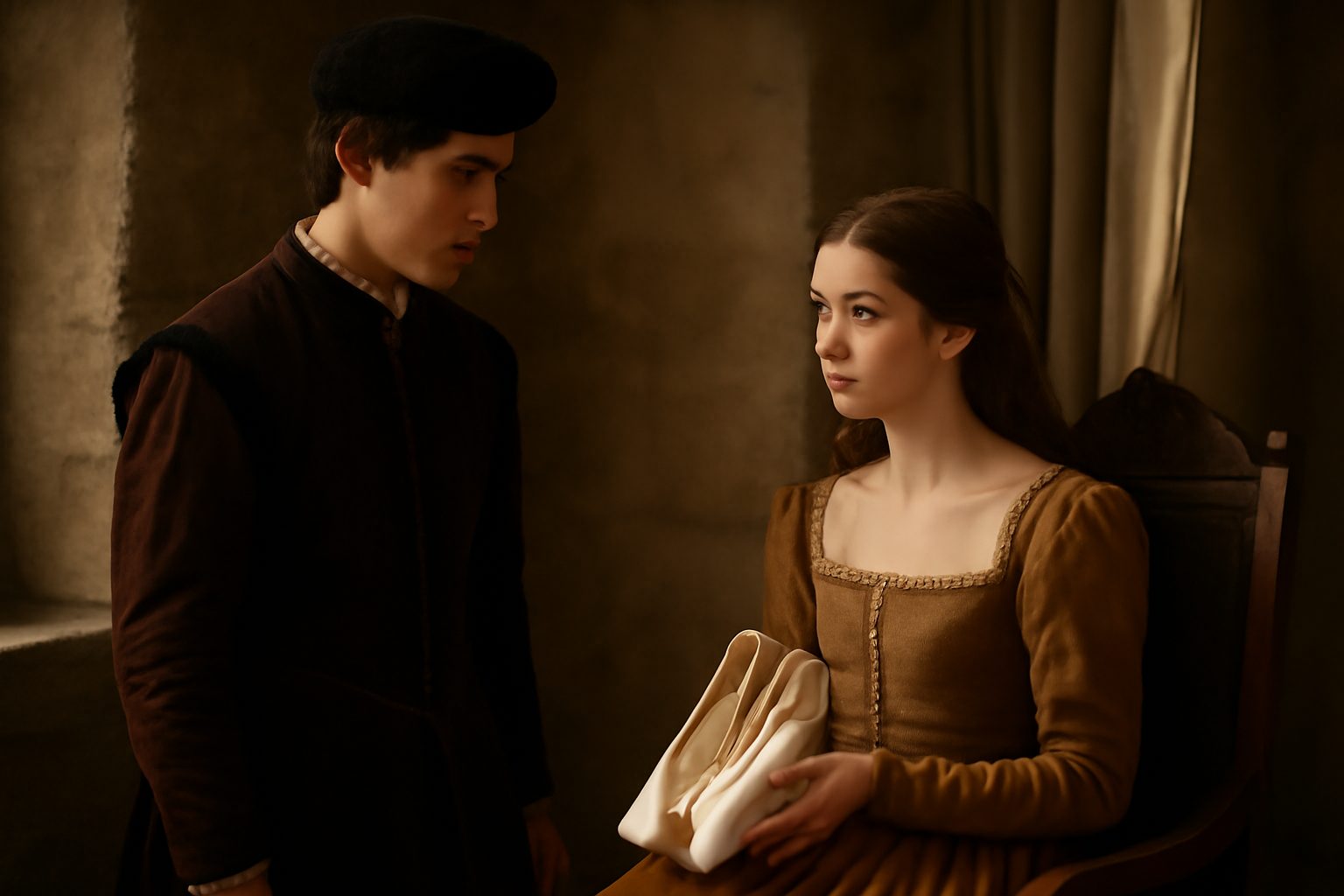
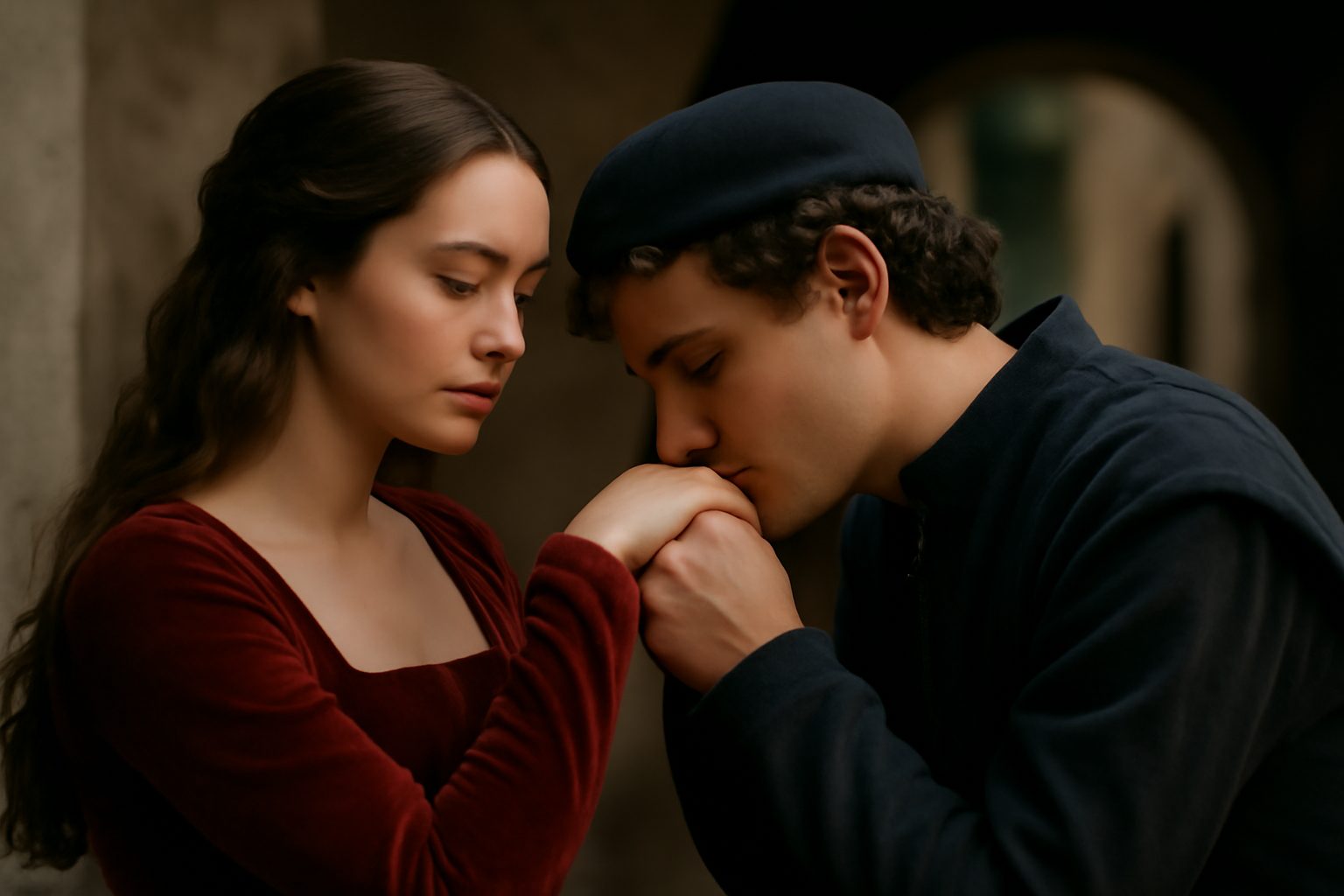
In Act 1, Scene 4 of Romeo and Juliet, Mercutio mocks Romeo's preoccupation with dreams and love as foolish fantasies. As Romeo hesitates to join the Capulet feast, fearing ominous visions, Mercutio dismisses such worries as mere products of an inactive mind. This line captures Mercutio's witty skepticism, contrasting Romeo's earnest romanticism with playful realism.
Mercutio: "Which are the children of an idle brain,"
In modern day english, we would say:
These are just meaningless fantasies created by a bored mind.
Frequently Asked Questions
What does Mercutio think about dreams in this line?
Mercutio believes that dreams are meaningless and come from a lazy mind.
Connections to other verses:
Connections to "Which are the children of an idle brain"
The line "Which are the children of an idle brain" is spoken by Mercutio as part of his Queen Mab speech, dismissing dreams as frivolous and unreal. It serves as a thematic anchor for several other verses in the scene.
Dreams and Fantasy
This verse connects directly to "Begot of nothing but vain fantasy", reinforcing the idea that dreams are insubstantial and born of imagination. Similarly, "Which is as thin of substance as the air" echoes the intangible nature of dreams described in the original verse.
Mercutio's Skepticism
Mercutio's pragmatic view contrasts with Romeo's romanticism, as seen in "True, I talk of dreams", where he acknowledges but downplays their significance. His earlier question, "I dream'd a dream to-night", initiates the conversation that leads to his cynical conclusion.
Queen Mab Imagery
The verse is part of Mercutio's elaborate description of Queen Mab, the fairy who influences dreams. Related lines include "She is the fairies' midwife, and she comes" and "This is that very Mab", which establish her role in crafting these "idle" dreams.
Contrast with Romeo's Foreboding
While Mercutio dismisses dreams, Romeo's apprehension in "I fear, too early: for my mind misgives" suggests a belief in their prophetic power, creating tension between their perspectives.