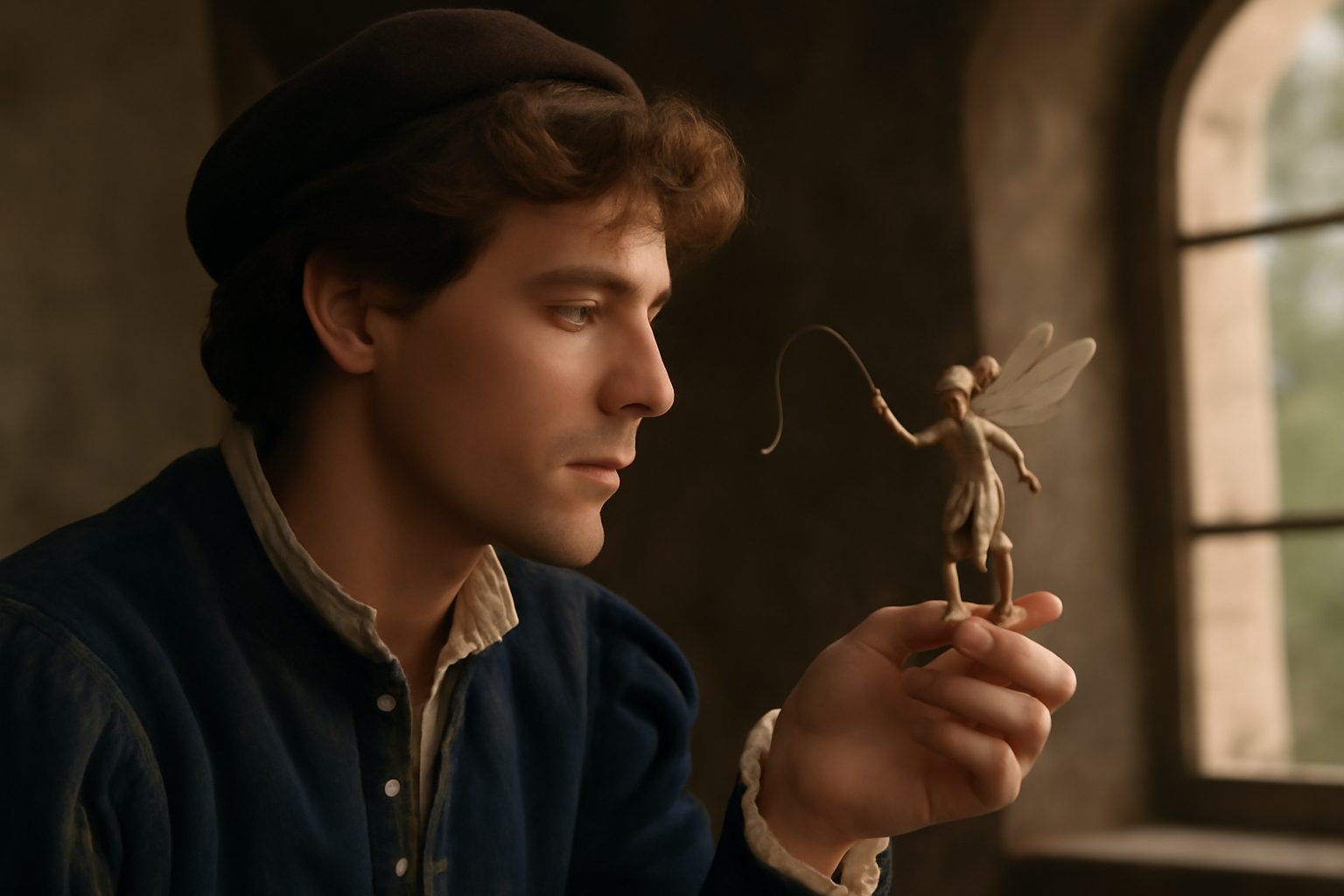
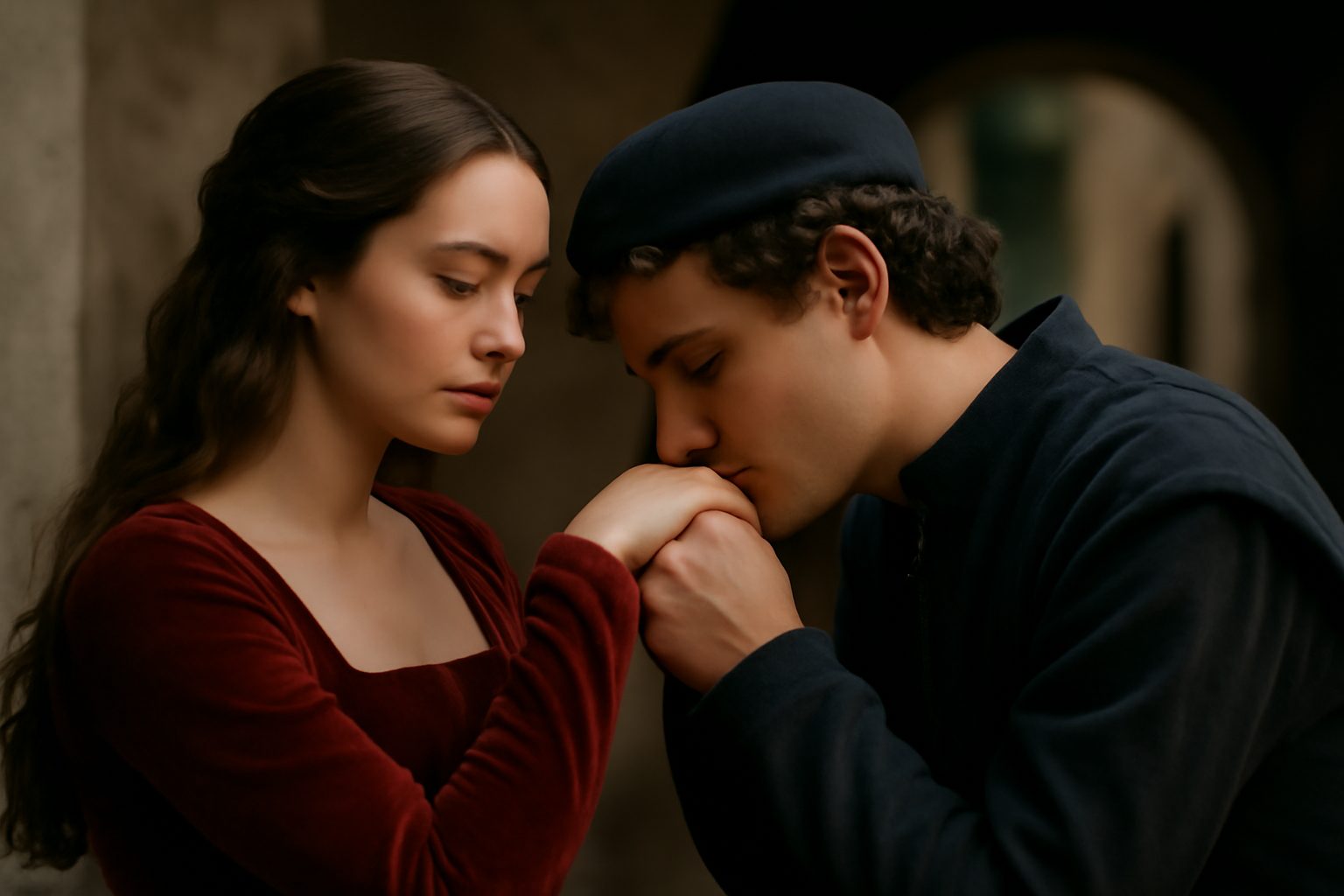
In Act 1, Scene 4 of Romeo and Juliet, Mercutio mocks Romeo's lovesick melancholy as they prepare to crash the Capulet feast. This line follows Mercutio's playful speech about Queen Mab, where he suggests that those who seek wealth or favor often dream of rewards like a benefice—a church living granted for profit. The remark underscores Mercutio's cynicism toward lofty ambitions and contrasts with Romeo's idealistic view of love.
Mercutio: "Then dreams, he of another benefice:"
In modern day english, we would say:
Then he dreams of getting another church position for more money.
Frequently Asked Questions
What is Mercutio suggesting about dreams in this line?
Mercutio is suggesting that dreams are unreliable and can make people imagine unrealistic rewards or benefits.
Connections to other verses:
Connections to "Then dreams, he of another benefice"
The verse Then dreams, he of another benefice: is part of Mercutio's Queen Mab speech, which explores how dreams reflect the desires and anxieties of different individuals. This line specifically refers to a parson dreaming of additional ecclesiastical income, connecting to other dream-related verses in the scene.
Dreams and Professions
This verse links thematically to O'er lawyers' fingers, who straight dream on fees, and O'er courtiers' knees, that dream on court'sies…, showing how Mab's influence causes people to dream about their professional ambitions. Similarly, O'er ladies ' lips, who straight on kisses dream, extends this idea to personal desires.
Structure of the Queen Mab Speech
The verse follows Tickling a parson's nose as a' lies asleep, which sets up the scenario for this dream. It precedes Sometime she driveth o'er a soldier's neck, leading into dreams of soldiers, creating a patterned description of various dreamers.
Contrast with Romeo's Dreams
Mercutio's mocking account of dreams contrasts with Romeo's serious attitude in I dream'd a dream to-night. and his foreboding in I fear, too early: for my mind misgives, highlighting different perspectives on dreams and fate.
The Nature of Dreams
Mercutio's speech concludes that dreams are Begot of nothing but vain fantasy,, which undermines the significance of the benefice dream and others he describes. This idea is introduced earlier when he states That dreamers often lie.