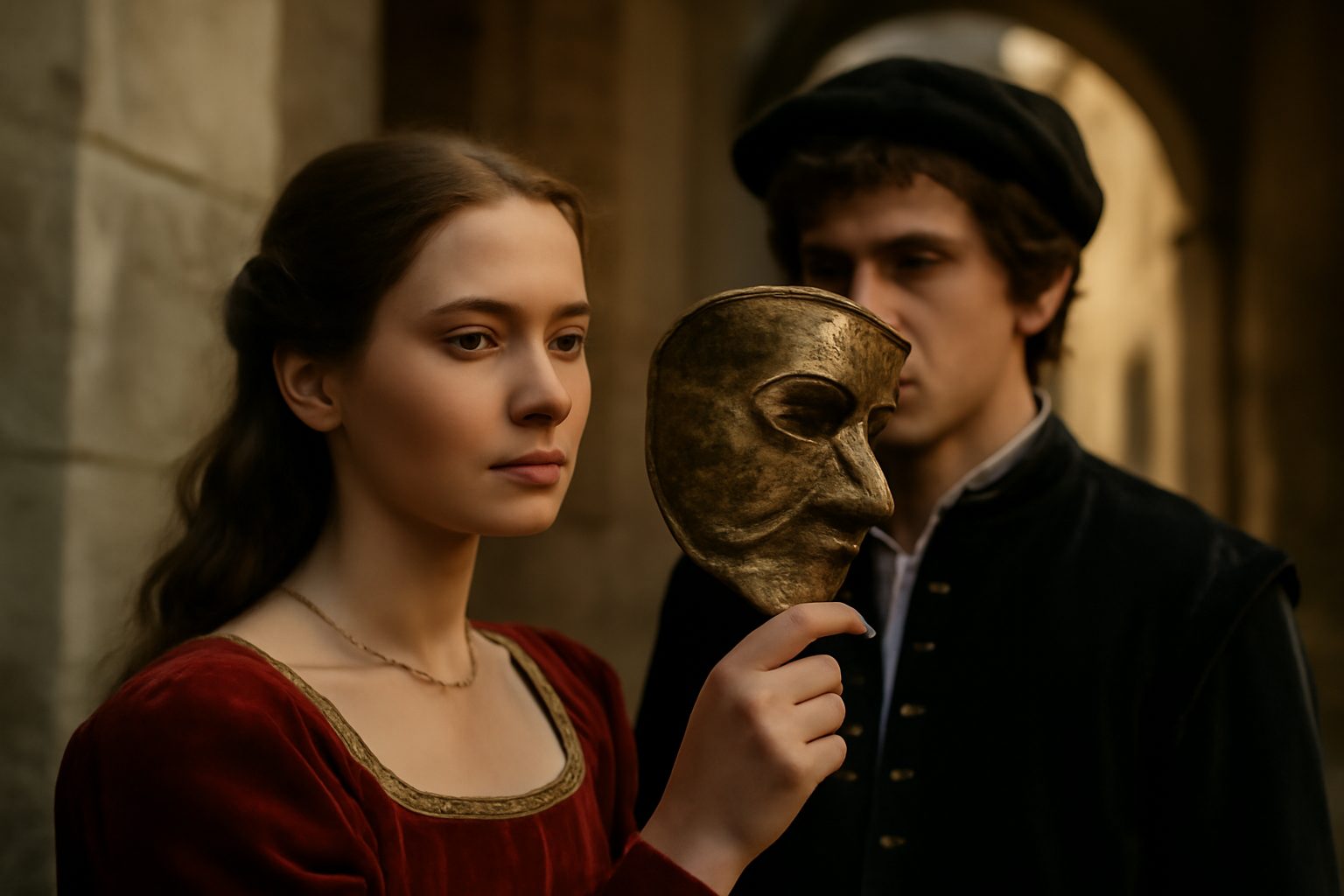
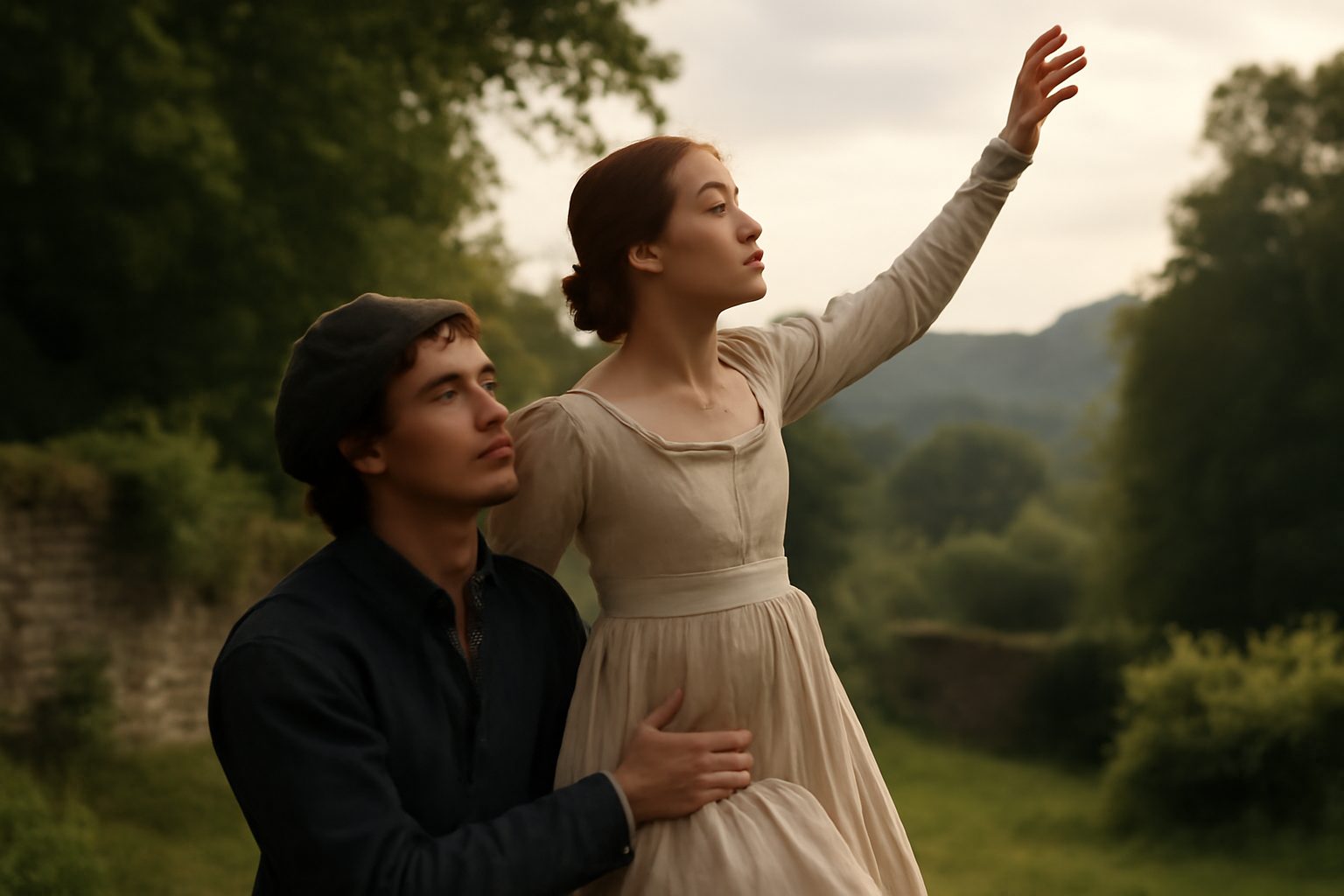
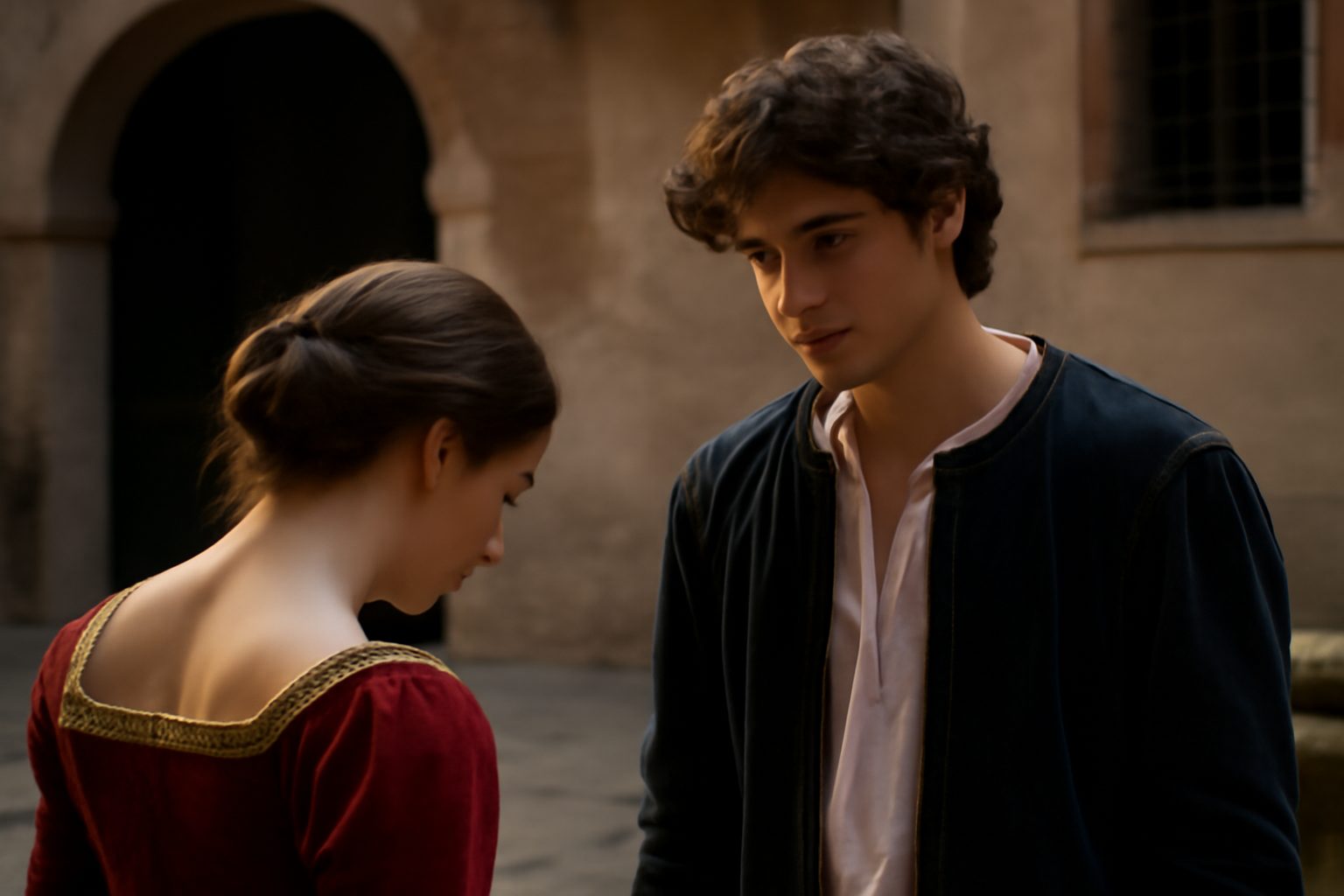
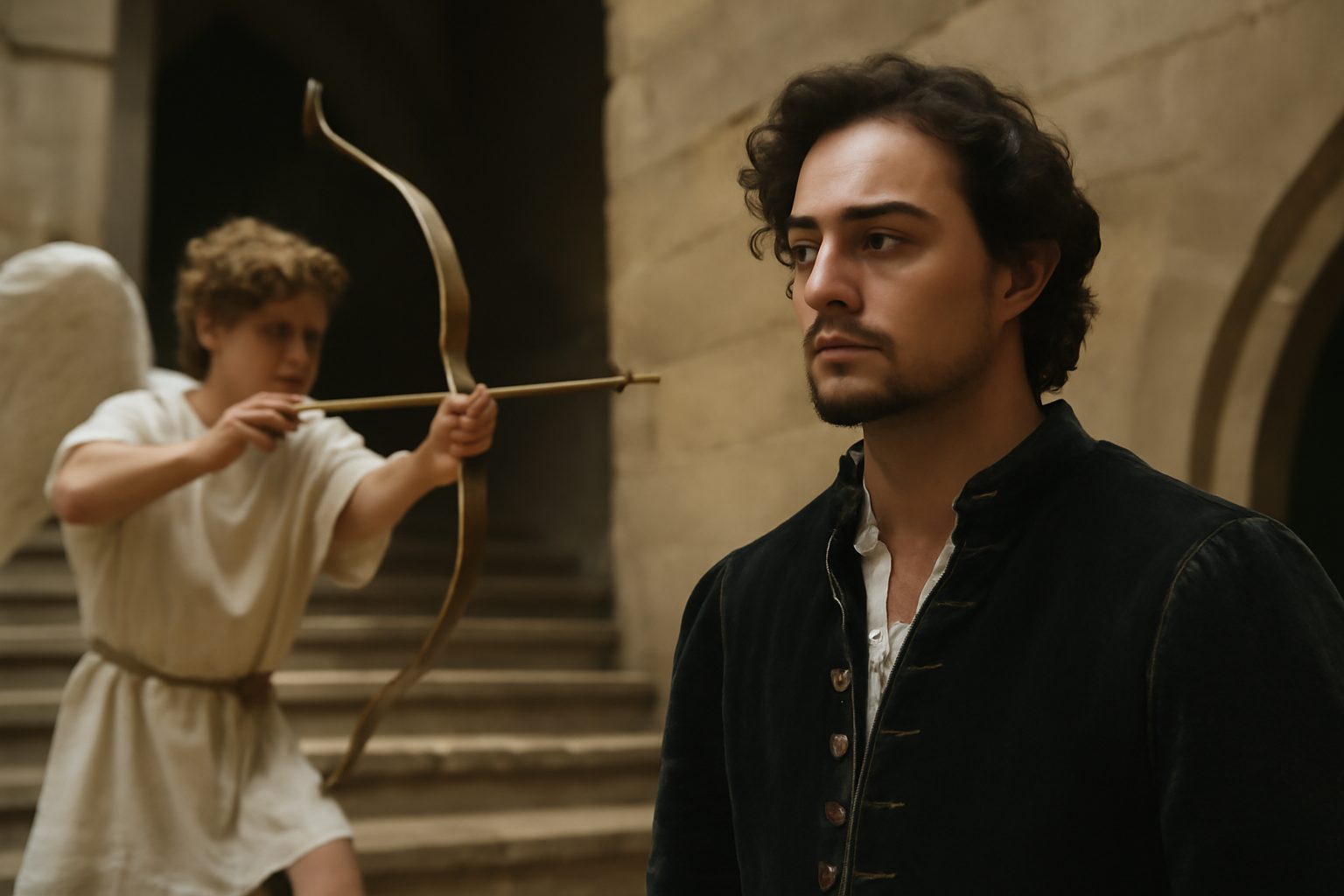
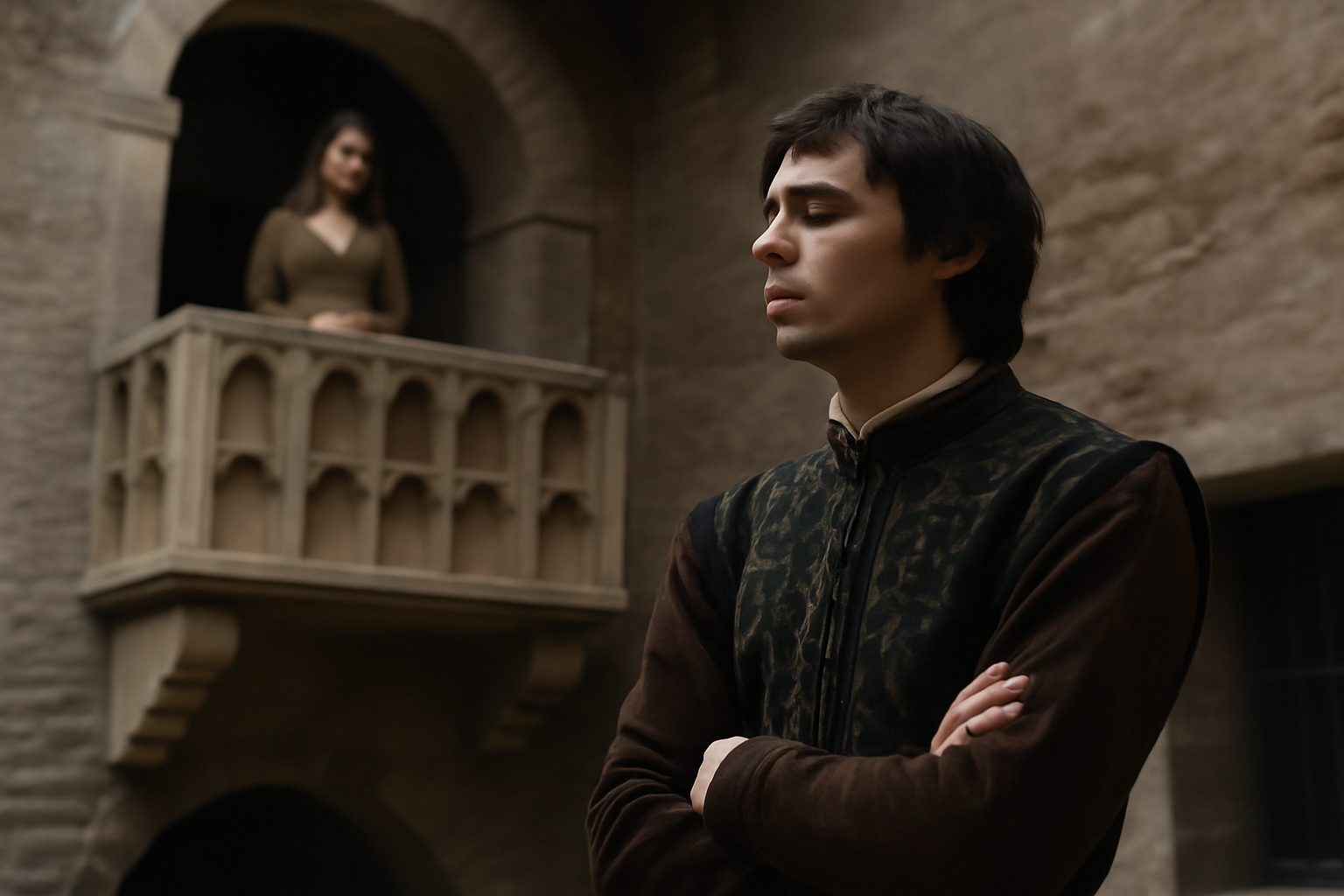
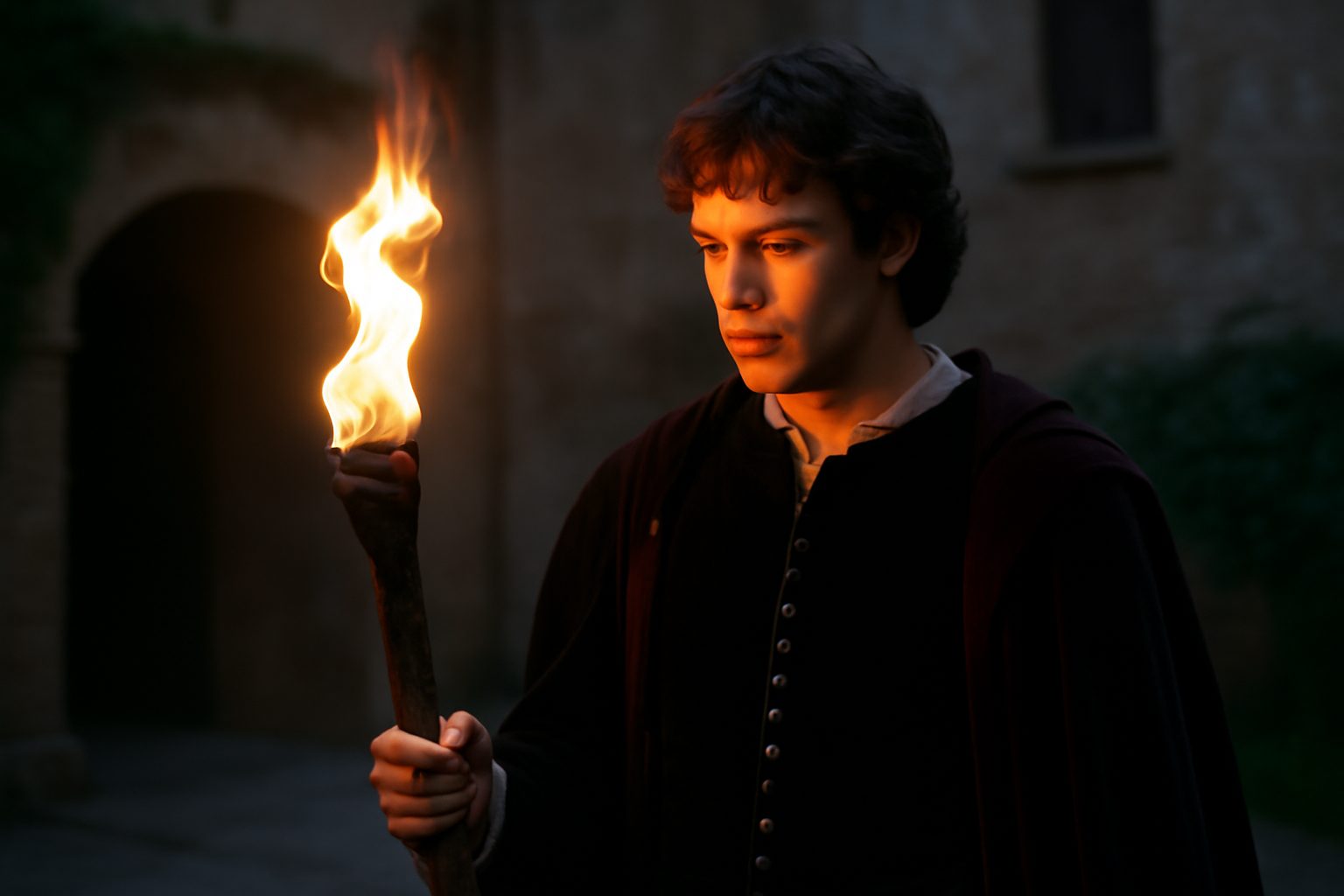
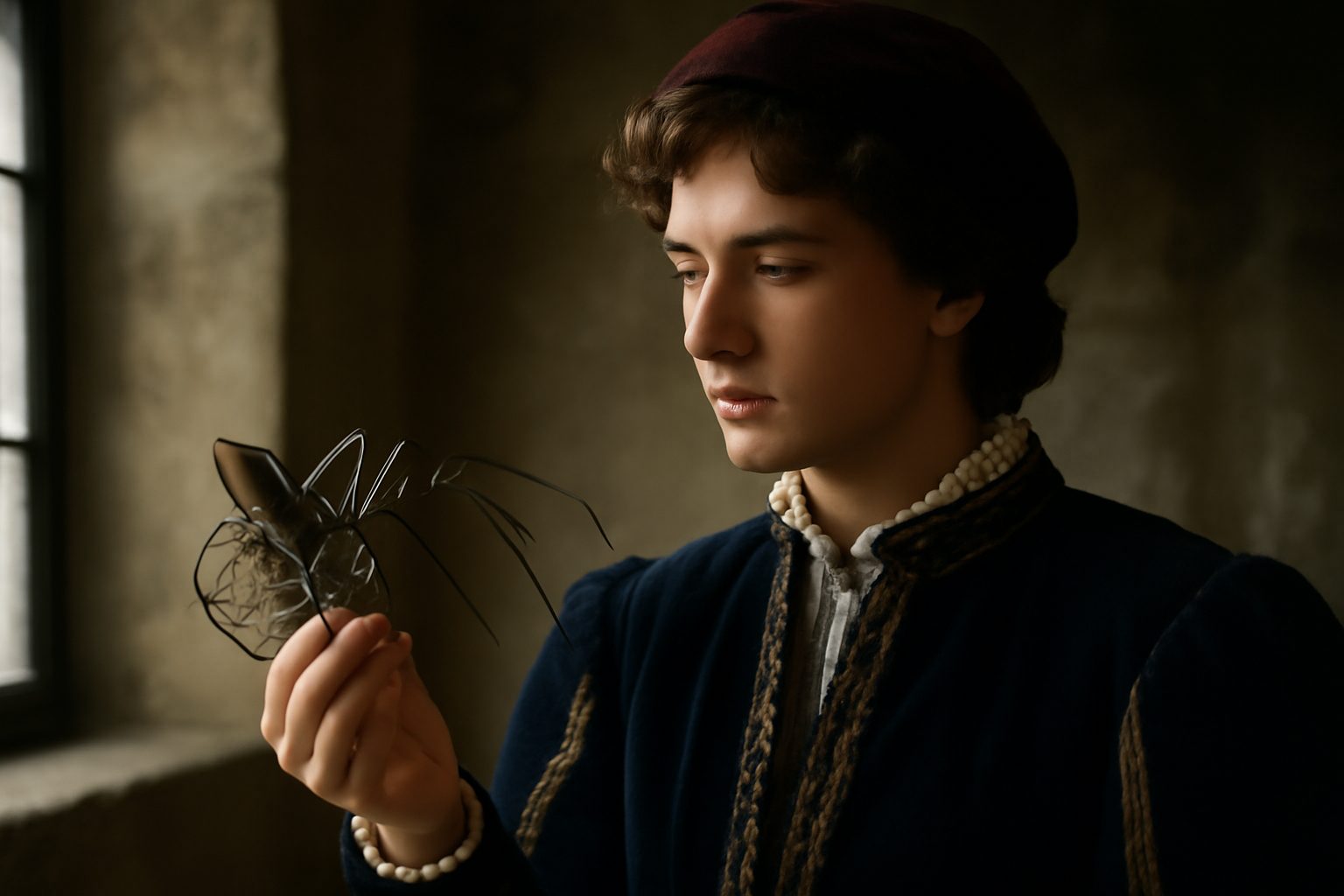
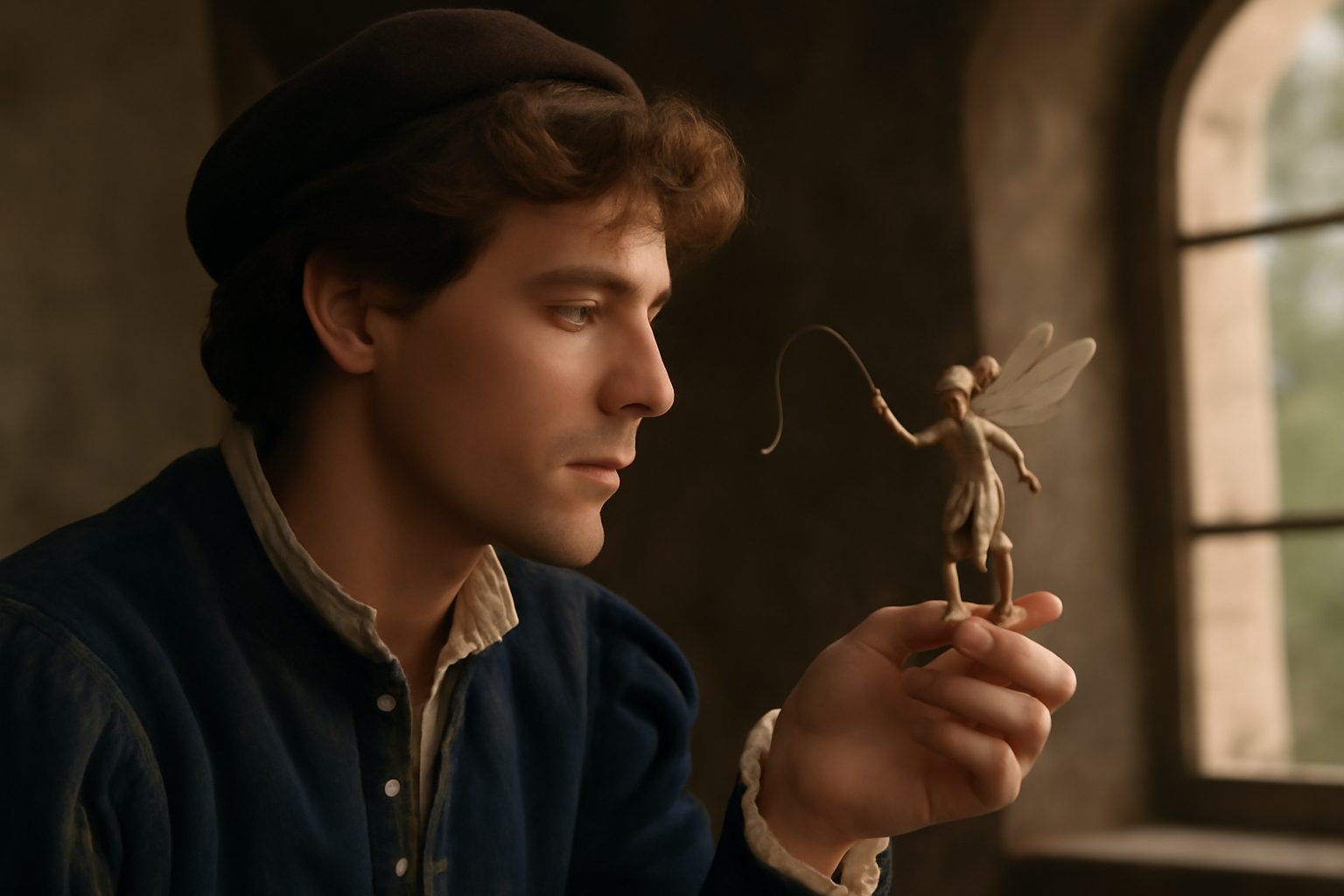
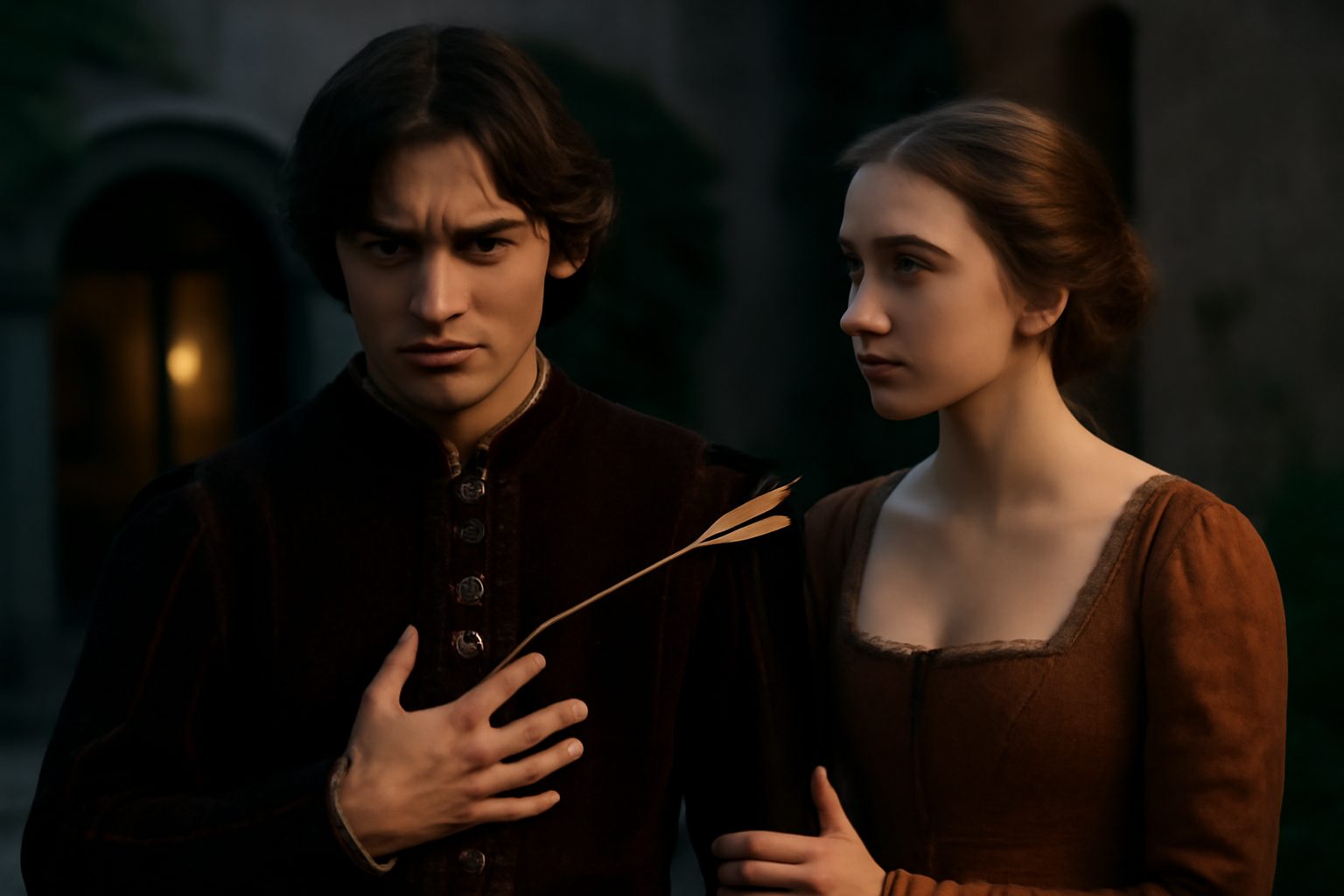
In Act 1, Scene 4 of Romeo and Juliet, Mercutio teases Romeo for his lovesick demeanor as they prepare to crash the Capulet feast. This line playfully urges Romeo to embrace the swift, lighthearted spirit of love, mocking his melancholy by invoking the imagery of Cupid, the god of desire. The remark highlights Mercutio's wit and contrasts with Romeo's more earnest approach to romance.
Mercutio: "You are a lover; borrow Cupid's wings,"
In modern day english, we would say:
Since you're in love, you should take Cupid's wings and soar above your worries.
Frequently Asked Questions
What does Mercutio suggest Romeo should do because he is in love?
Mercutio suggests that Romeo should borrow Cupid's wings to fly and be with his love.
Connections to other verses:
Connections to "You are a lover; borrow Cupid's wings"
The verse "You are a lover; borrow Cupid's wings" is spoken by Mercutio, urging Romeo to embrace the lightness and joy of love. This line connects thematically and contextually to several other verses in the scene.
Lightness and Soaring Imagery
Mercutio's advice to Romeo to "borrow Cupid's wings" and "soar with them above a common bound" emphasizes the idea of love elevating one's spirit. This imagery is echoed in Romeo's own desire "to soar with his light feathers", though he feels weighed down by his melancholy.
Contrast with Romeo's Heaviness
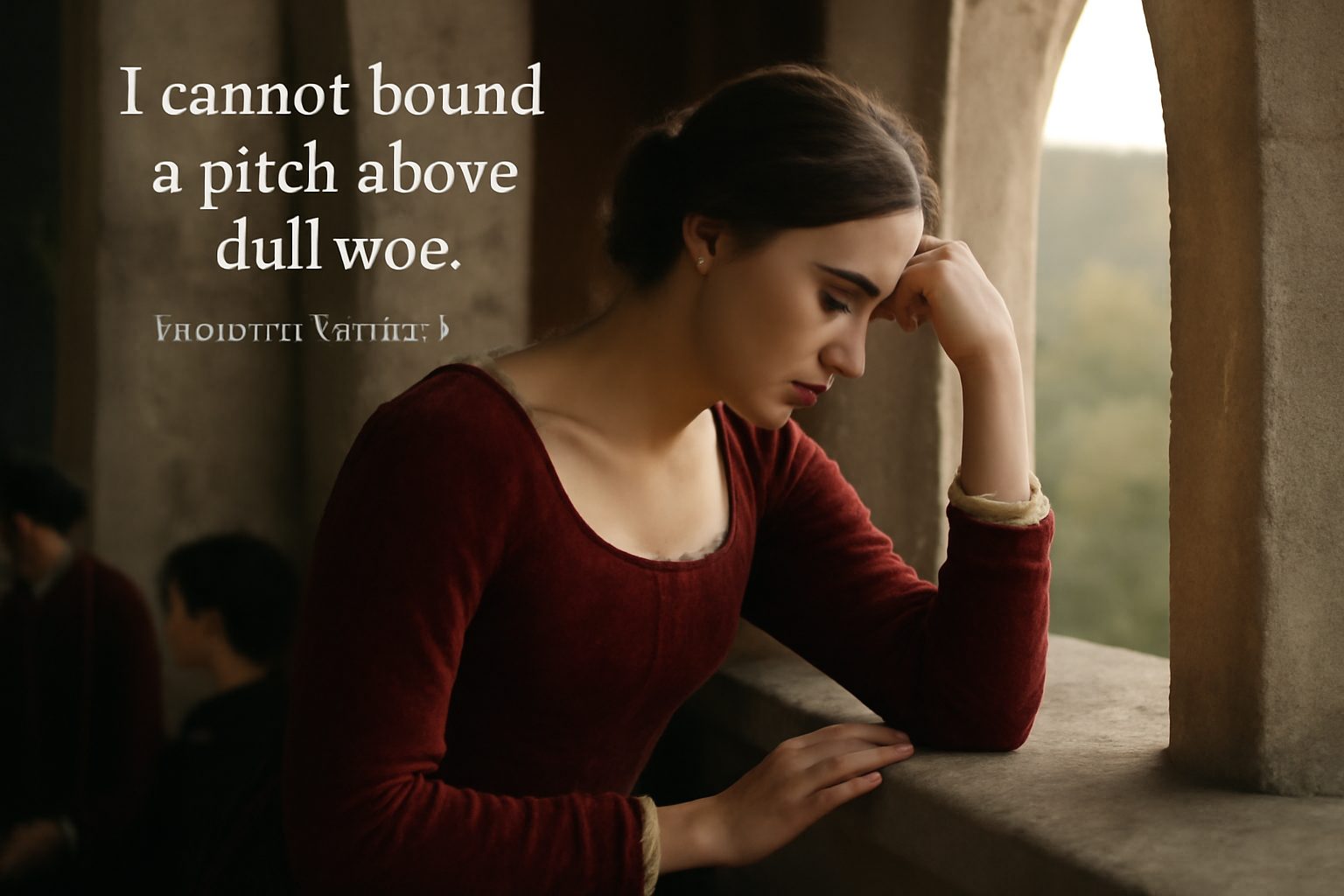
Romeo's response highlights his emotional state, stating "I cannot bound a pitch above dull woe" and feeling "under love's heavy burden". This creates a direct contrast to Mercutio's lighthearted encouragement.
Mercutio's Playful Taunts
Mercutio continues to tease Romeo, suggesting "if love be rough with you, be rough with love" and advising him to "prick love for pricking". These lines reinforce his playful, mocking attitude toward Romeo's lovesick demeanor.
Dreams and Fantasy
The scene later delves into Mercutio's Queen Mab speech, where dreams and fantasies are explored. Romeo's initial mention of "I dream'd a dream to-night" prompts Mercutio's fanciful description, linking the idea of borrowed wings to the imaginative, unreal nature of dreams, which are "children of an idle brain".
Foreshadowing and Fate
Despite the playful tone, Romeo's foreboding sense of fate "for my mind misgives some consequence yet hanging in the stars" contrasts with Mercutio's whimsical advice, underscoring the tension between lighthearted romance and impending tragedy.