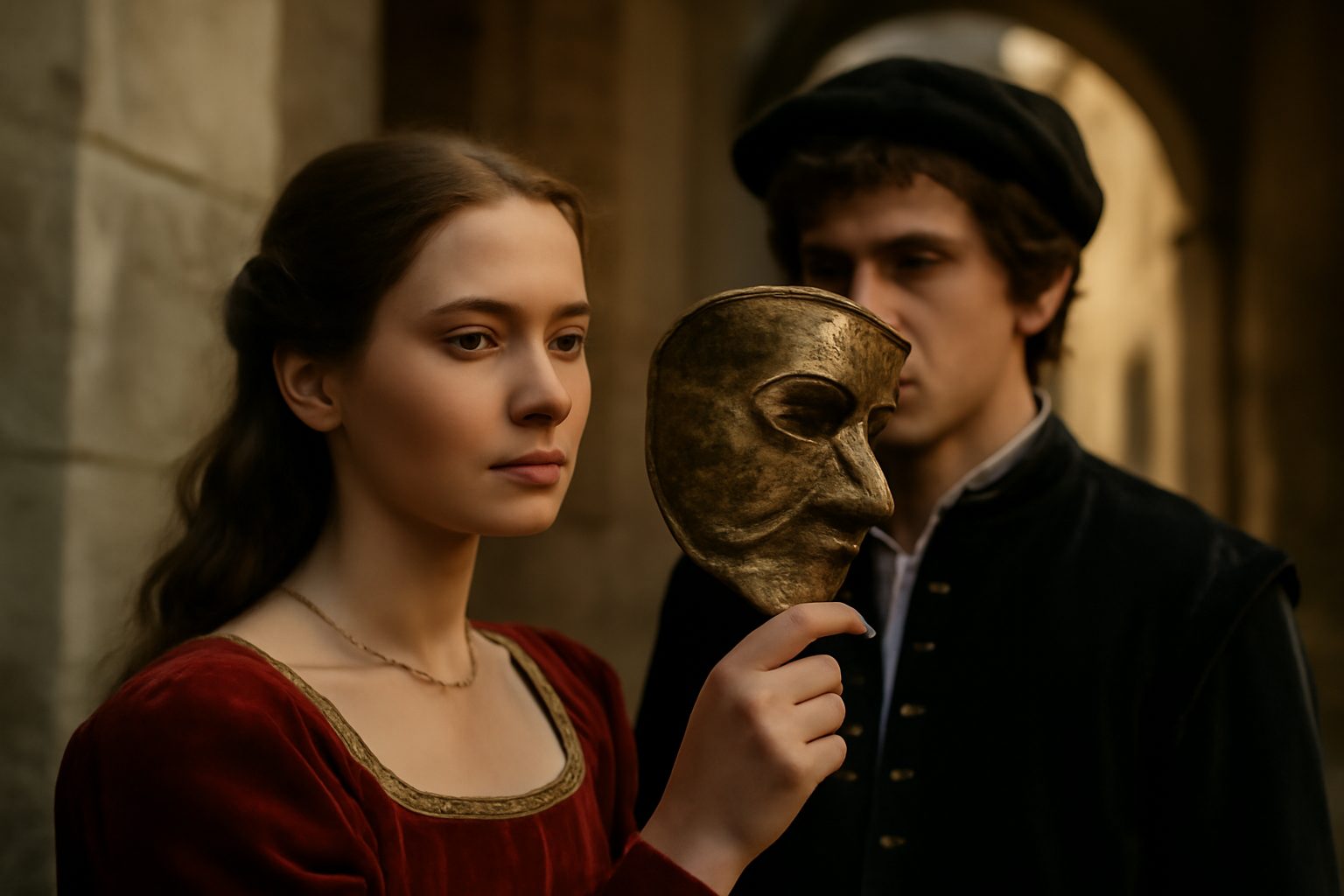
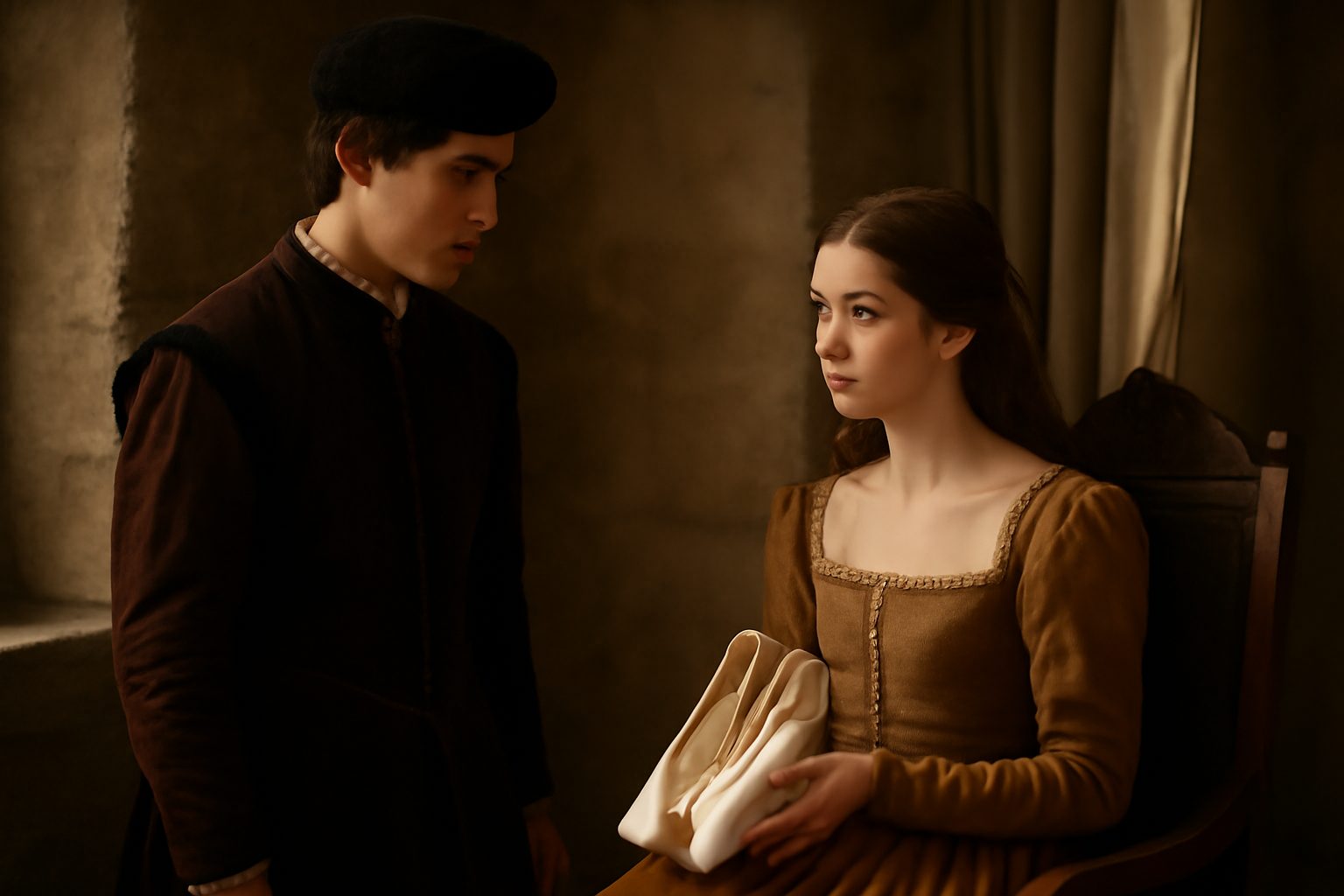
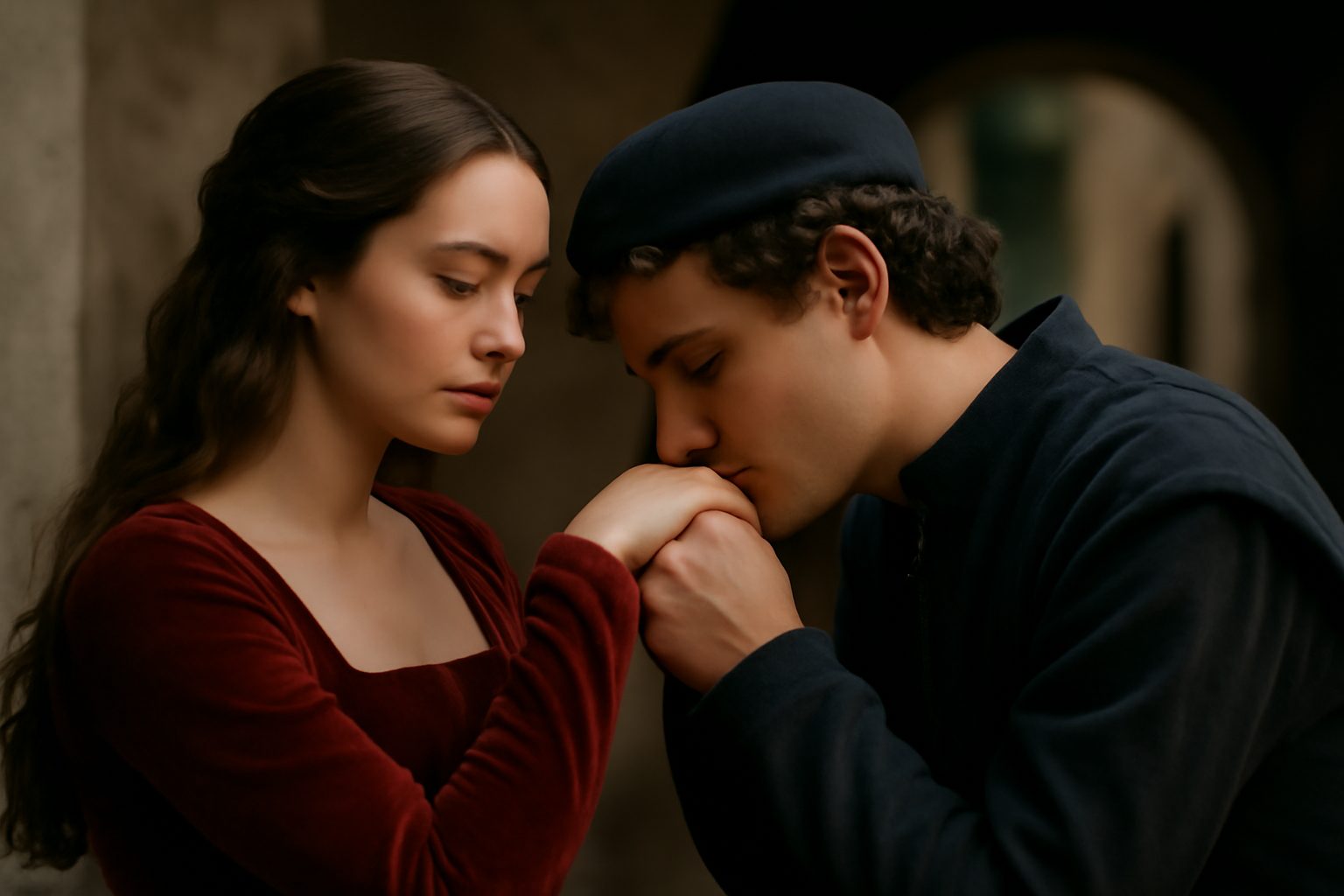
In Act 1, Scene 4 of Romeo and Juliet, Mercutio and Benvolio are persuading Romeo to join them at the Capulet's masquerade ball. This line is spoken as they reassure Romeo that their intentions are good, despite his reservations about attending. The moment highlights the playful yet insistent camaraderie between the friends as they try to lift Romeo's spirits.
Romeo: "And we mean well in going to this mask;"
In modern day english, we would say:
We have good intentions by going to this masquerade party.
Frequently Asked Questions
Why does Romeo say they have good intentions in attending the masquerade?
Romeo says they mean well because they are going to the masquerade with honest and harmless intentions, not to cause trouble.
Connections to other verses:
Connections to "And we mean well in going to this mask"
The verse And we mean well in going to this mask reflects the group's intention to attend the Capulet party with honorable, albeit masked, intentions. This statement is directly challenged by Romeo's reply in But 'tis no wit to go, highlighting his reluctance and foreshadowing the ill-fated consequences of their decision.
Theme of Lightness vs. Heaviness
Romeo's melancholic state contrasts with the carefree attitude of his friends. In Give me a torch: I am not for this ambling, he rejects the idea of dancing, emphasizing his emotional burden, which is further elaborated in I have a soul of lead. Mercutio's response in A torch for me: let wantons light of heart underscores the dichotomy between Romeo's sorrow and the others' frivolity.
Dreams and Premonitions
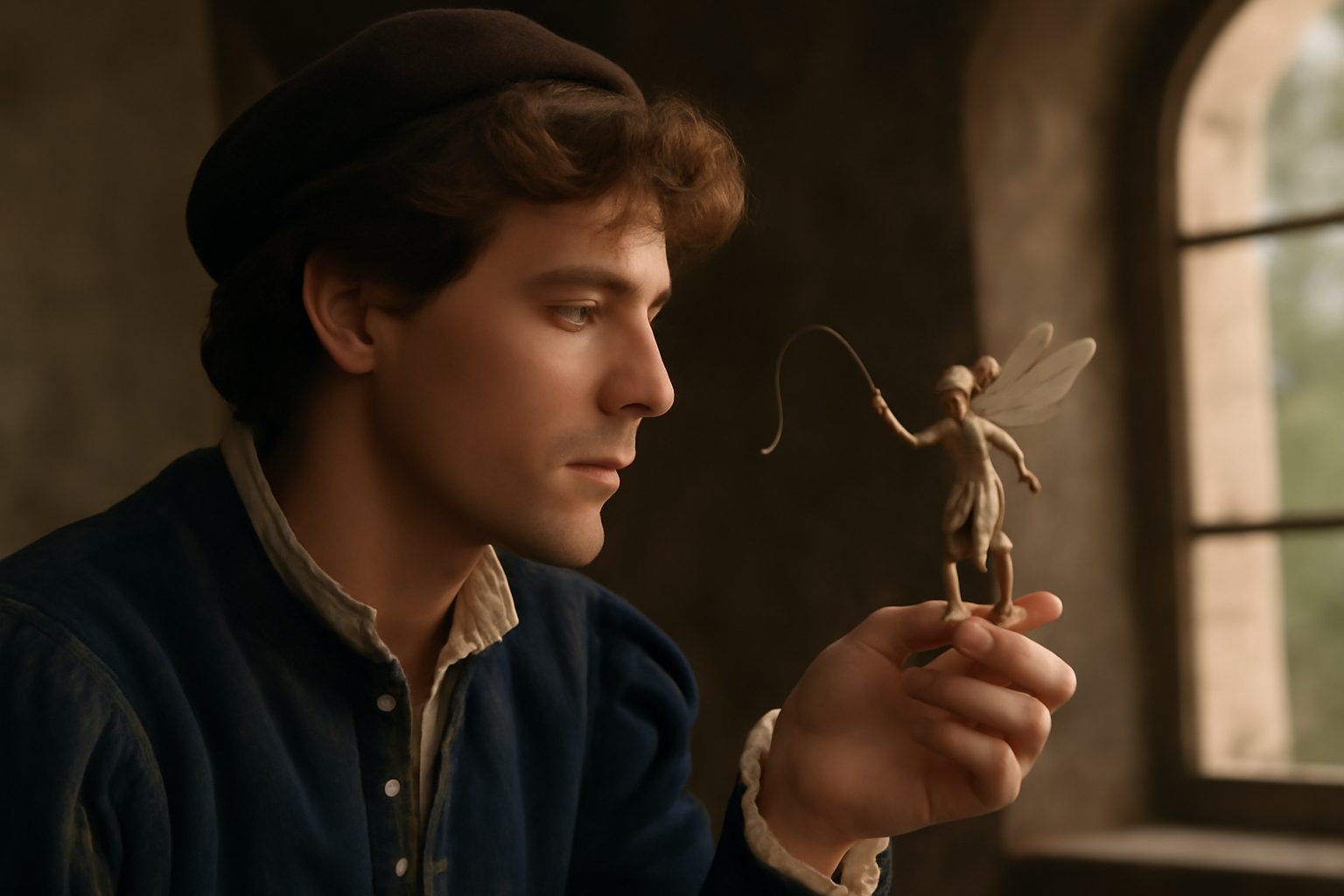
Romeo's apprehension about the party is rooted in his ominous dream, mentioned in I dream'd a dream to-night. This connects to his later fear expressed in I fear, too early: for my mind misgives, where he senses impending doom. Mercutio's lengthy Queen Mab speech (e.g., She is the fairies' midwife) mocks such forebodings as "vain fantasy," as stated in Begot of nothing but vain fantasy.
Fate and Divine Guidance
Despite his reservations, Romeo ultimately submits to fate, declaring in But He, that hath the steerage of my course that a higher power will guide him. This resignation contrasts with the group's initial assertion of "meaning well," suggesting that their intentions are overshadowed by destiny, which Mercutio dismisses as "nothing" in Thou talk'st of nothing.
Masquerade and Identity
The theme of masking and deception is present in verses like Give me a case to put my visage in and A visor for a visor! what care I, emphasizing the characters' embrace of hidden identities. This aligns with their claim of good intentions while operating under concealment.