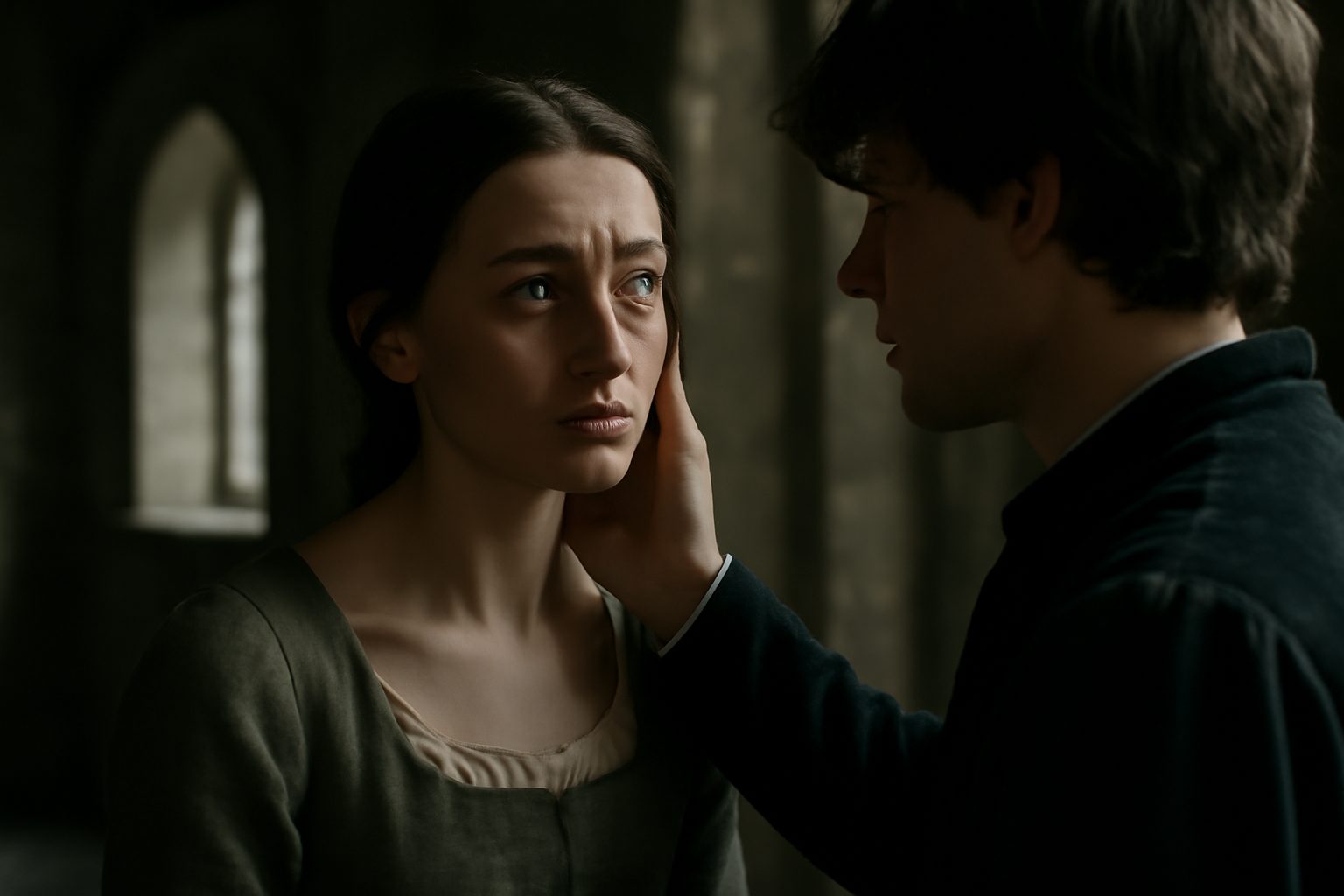
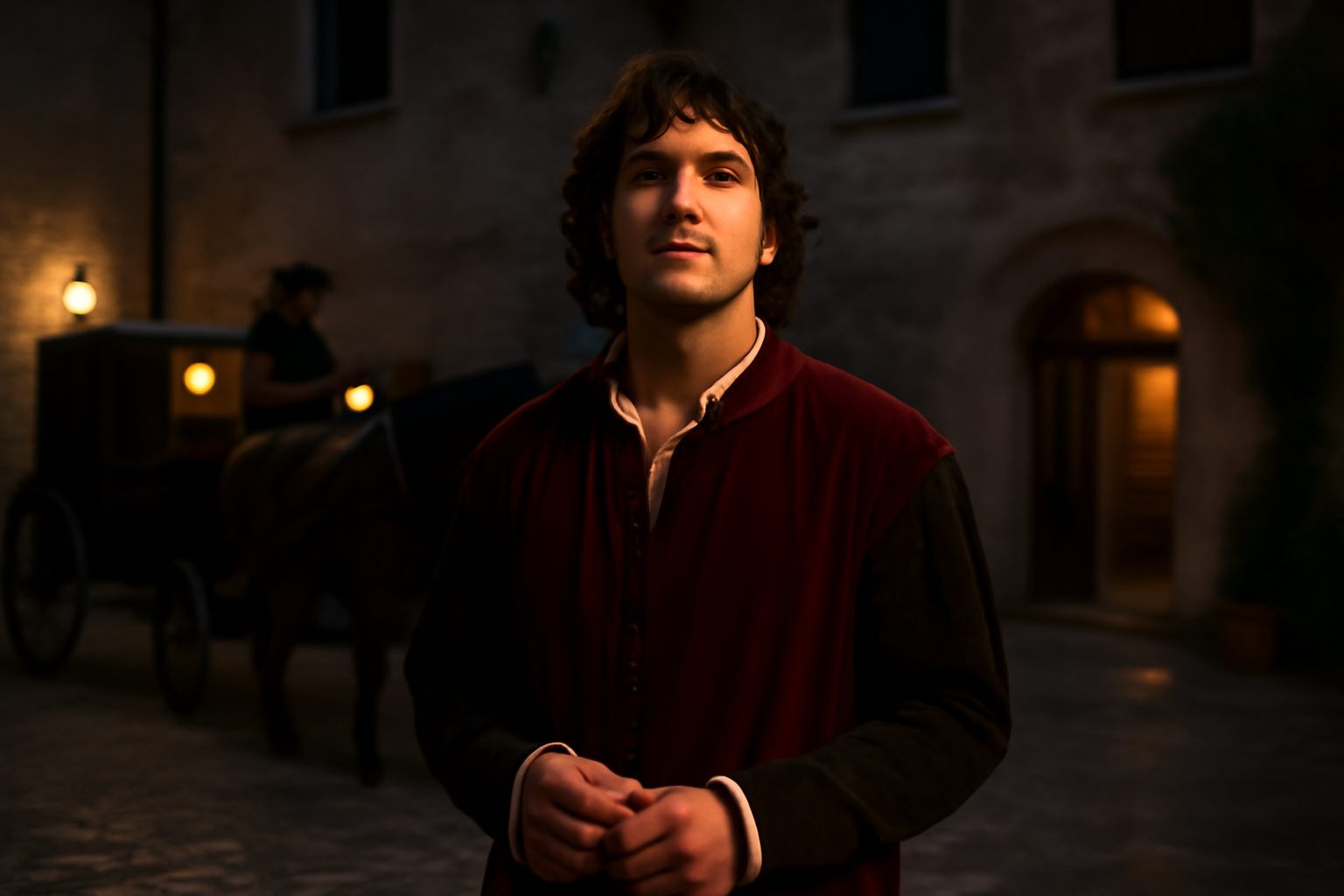
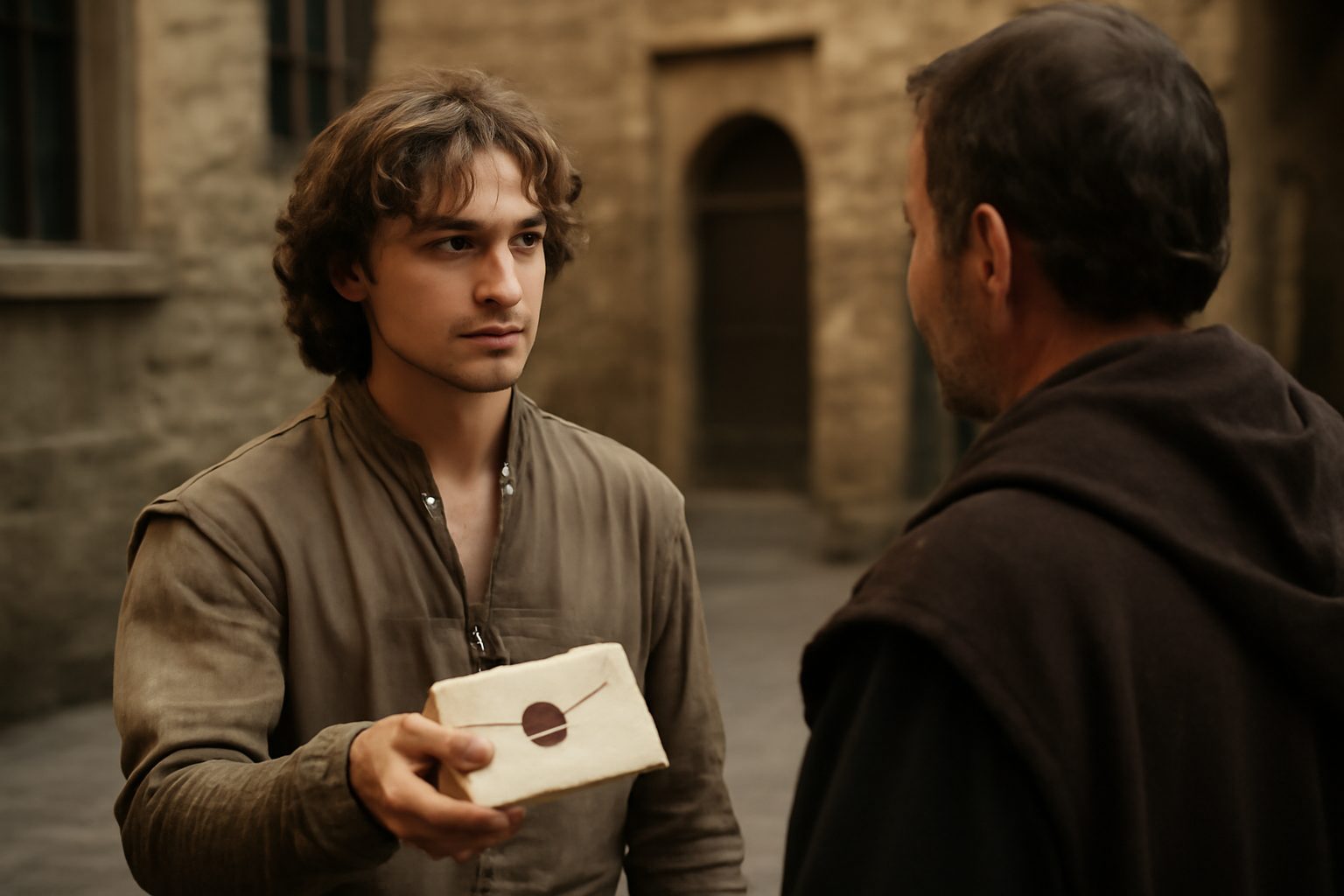
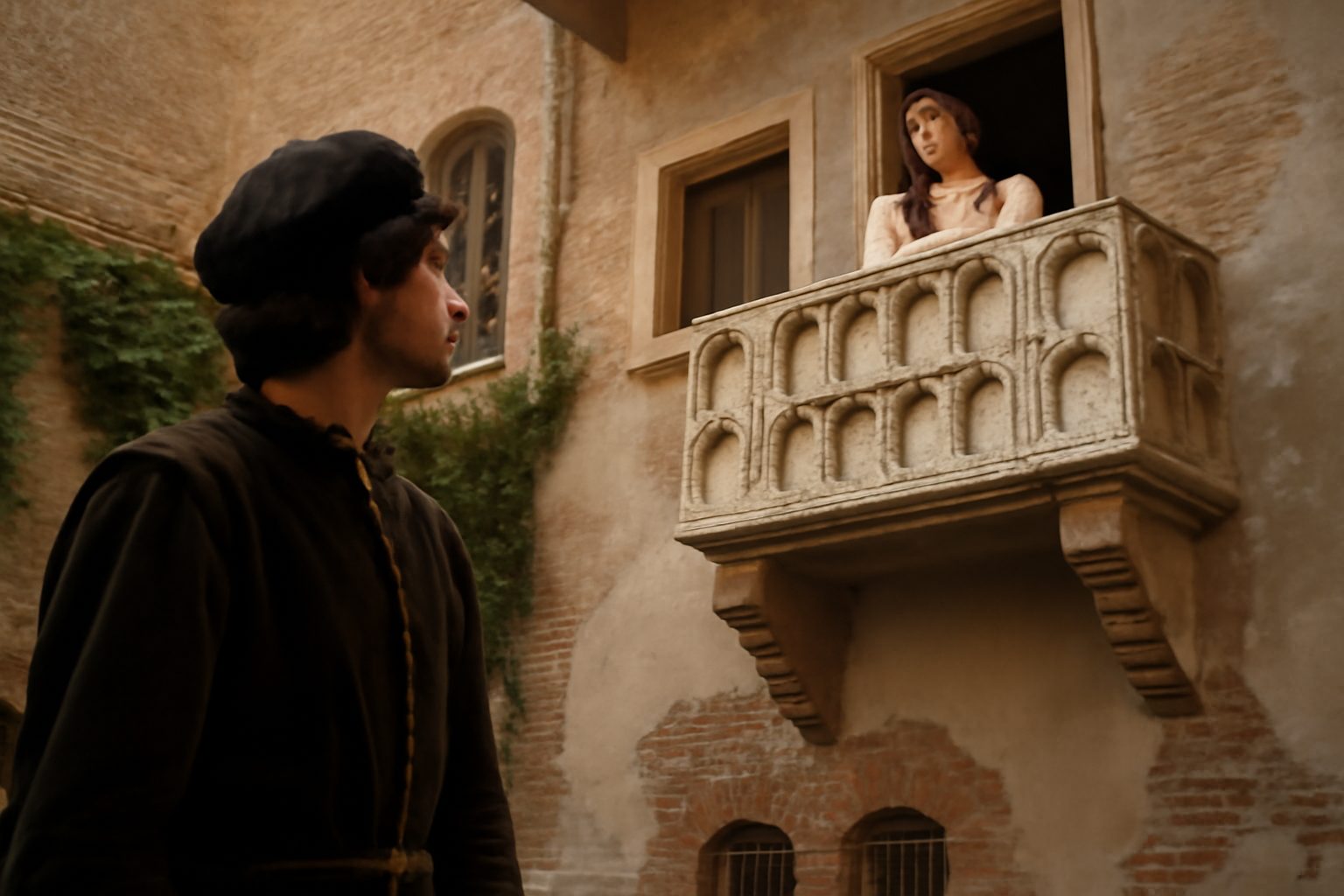
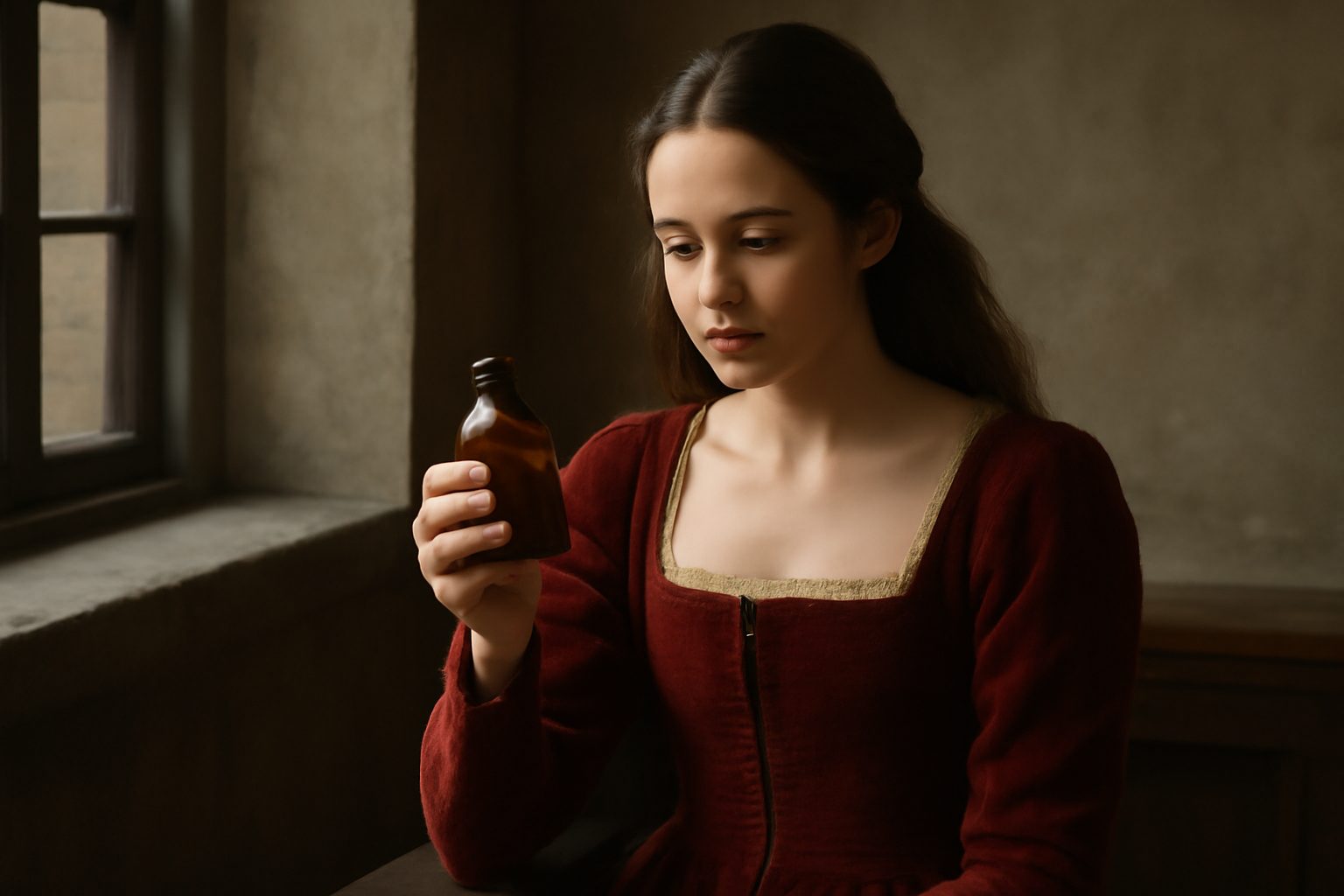
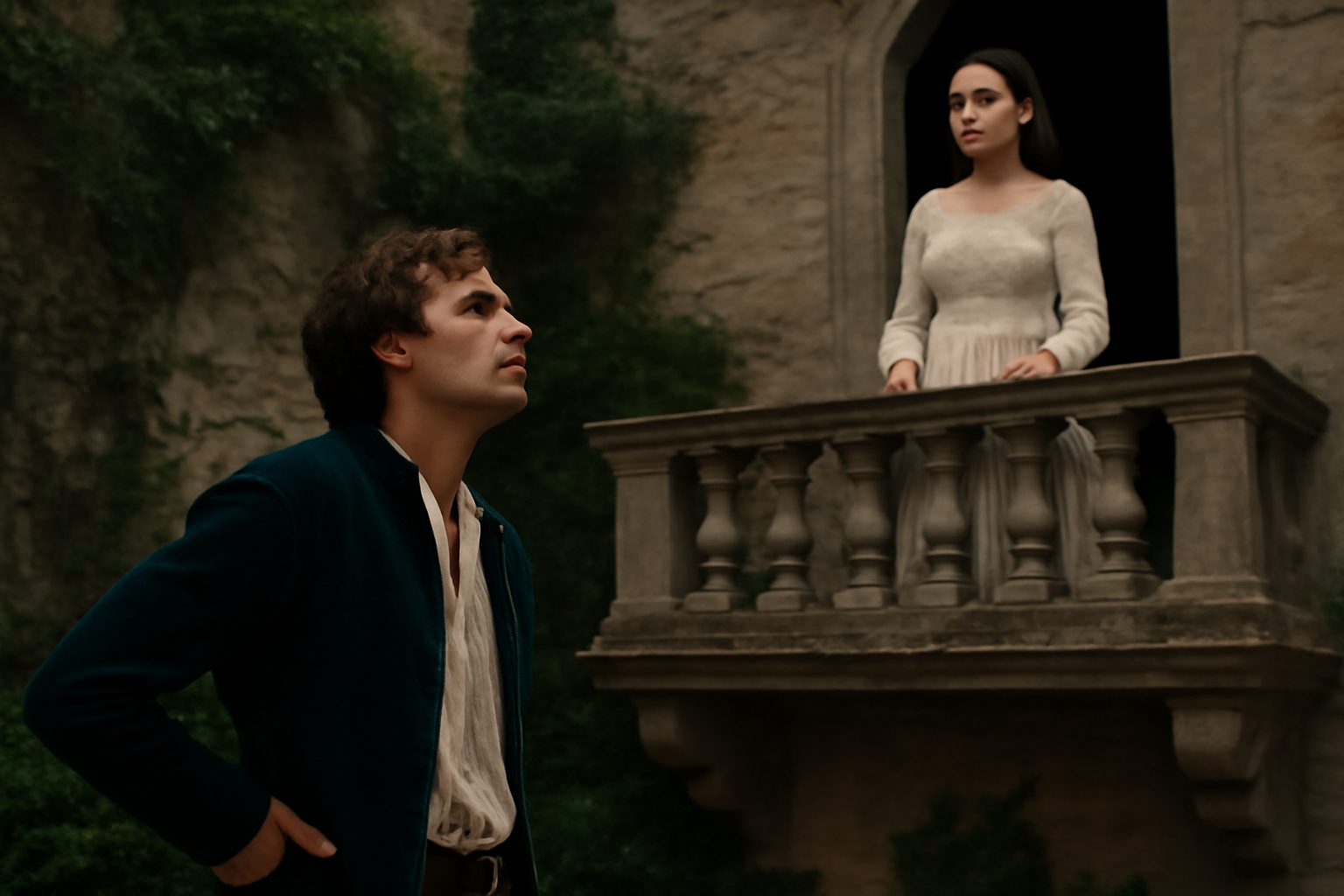
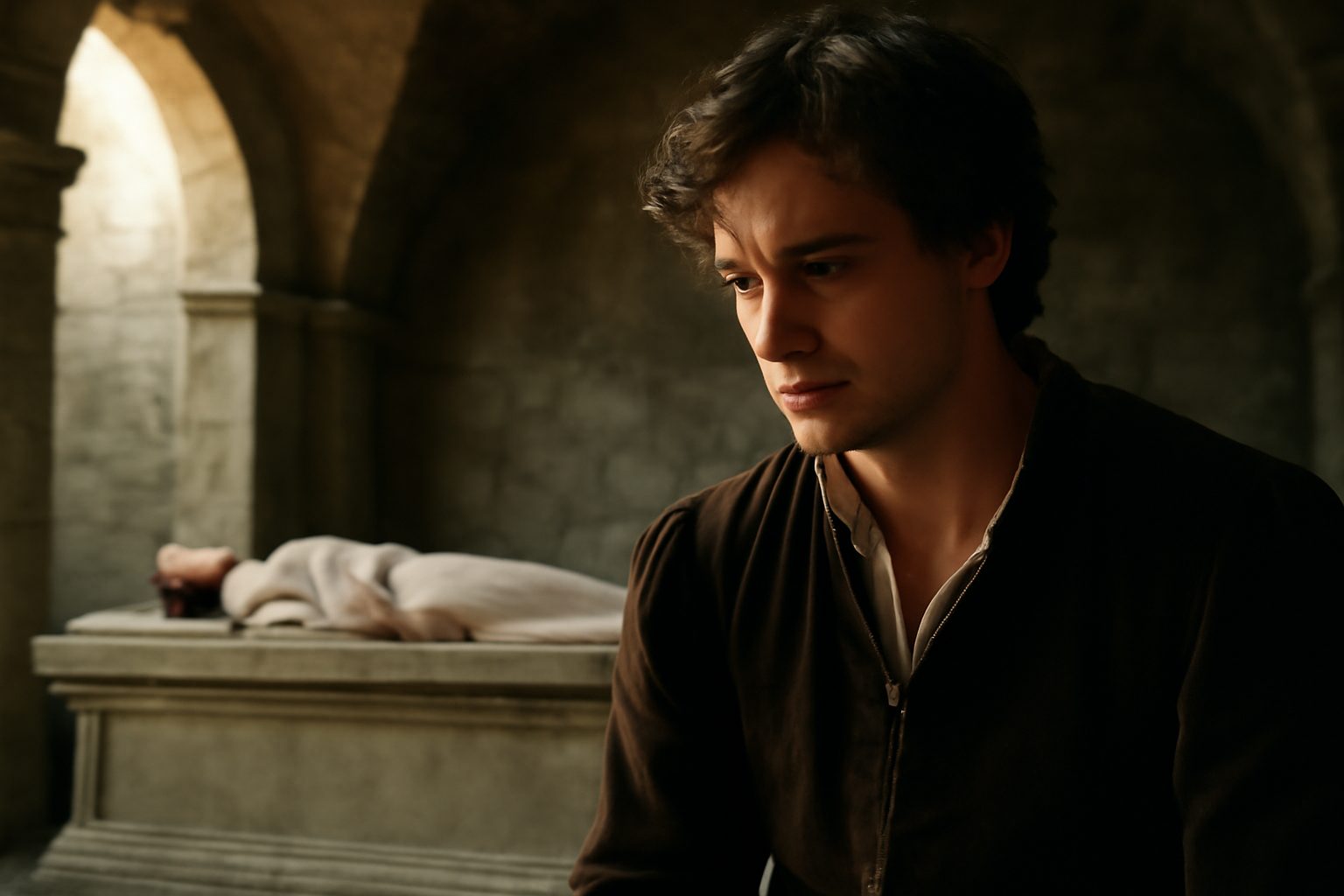
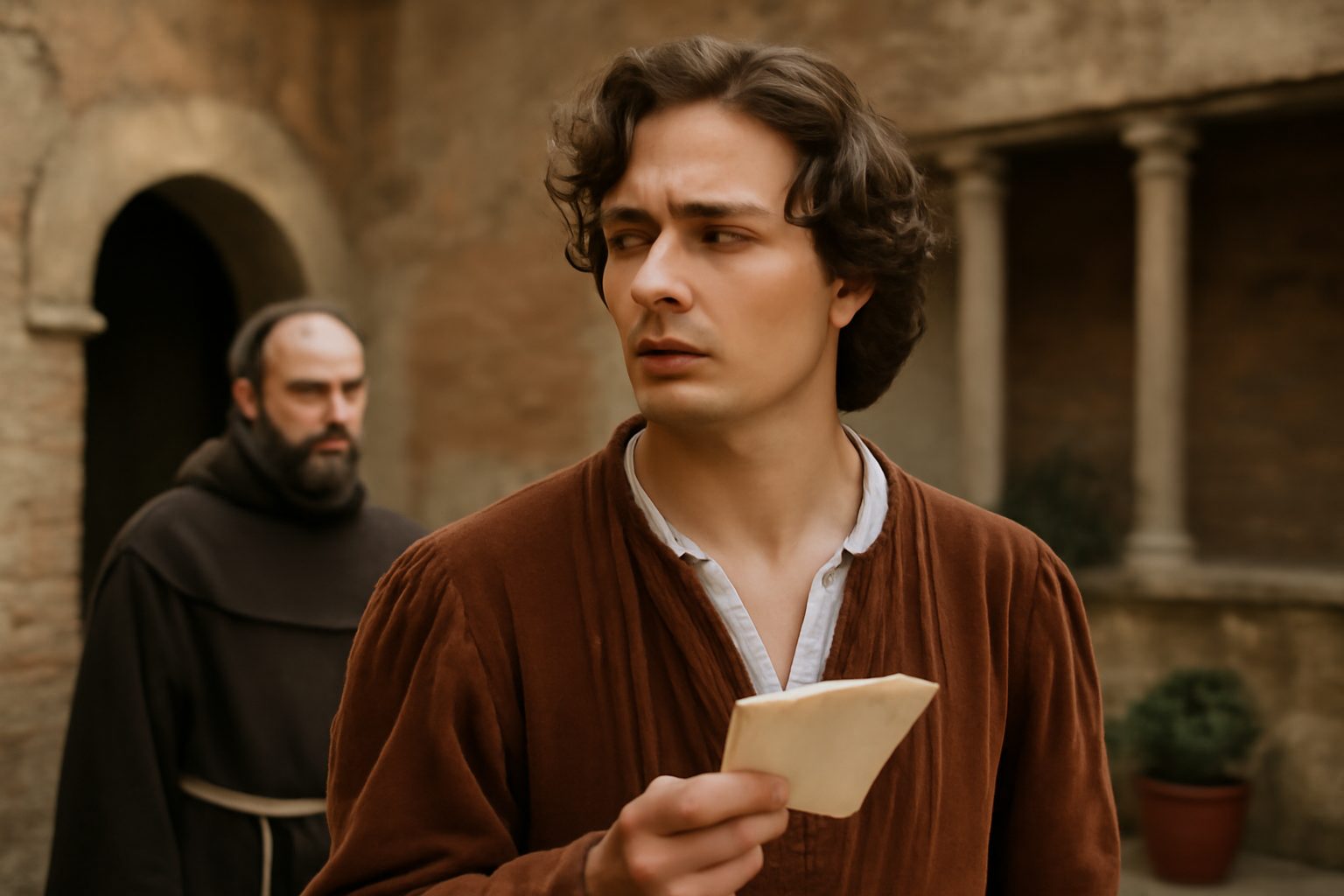
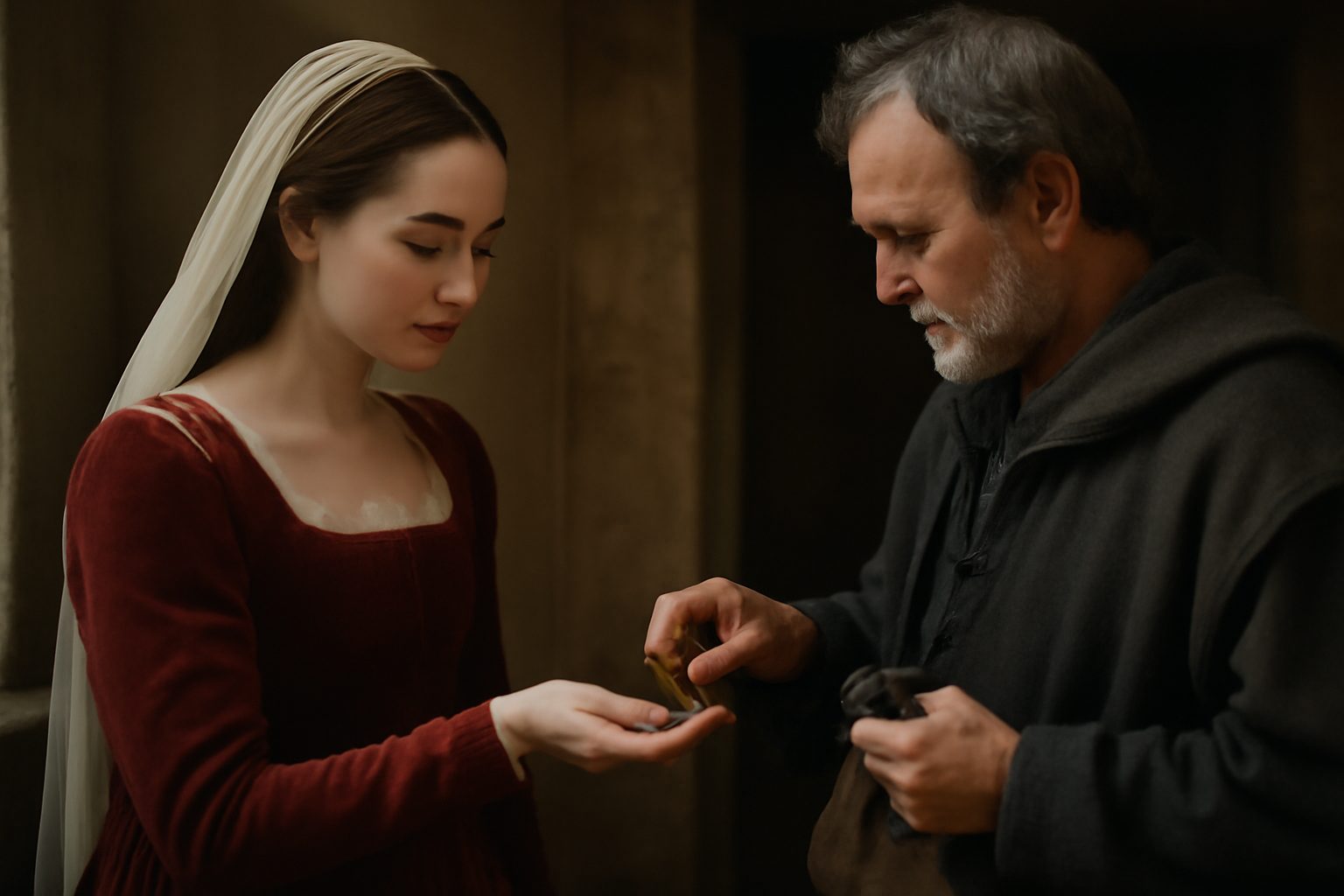
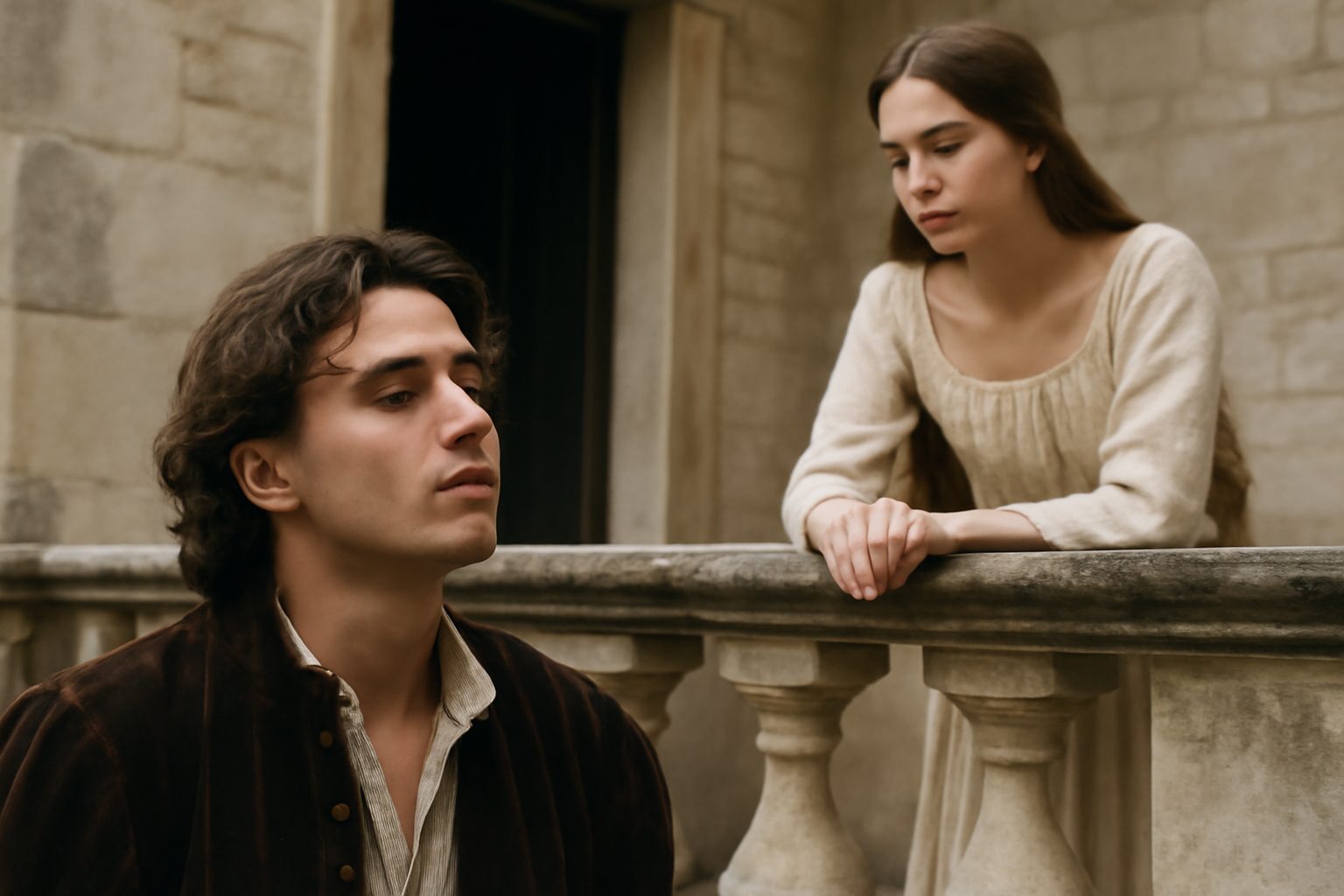
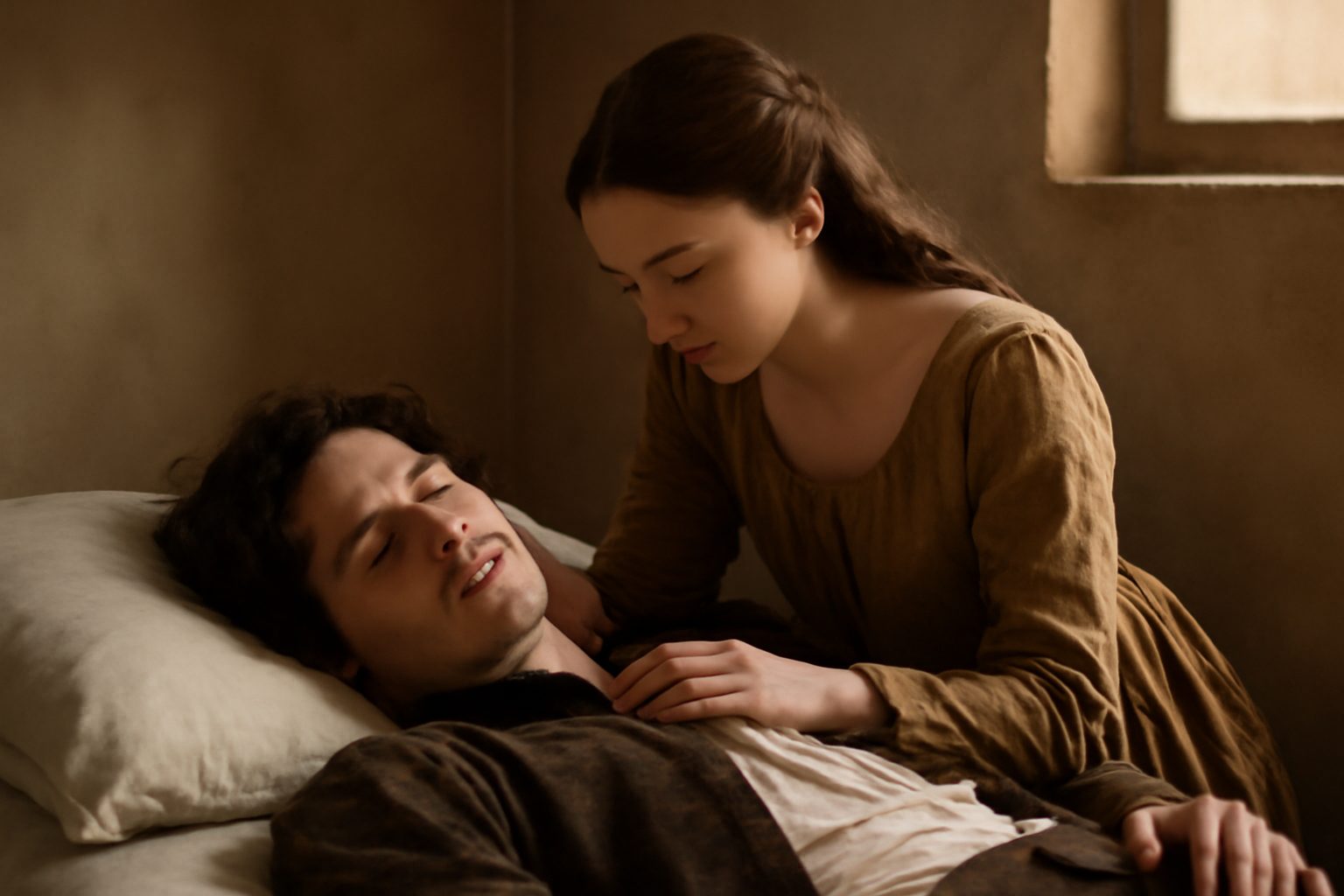
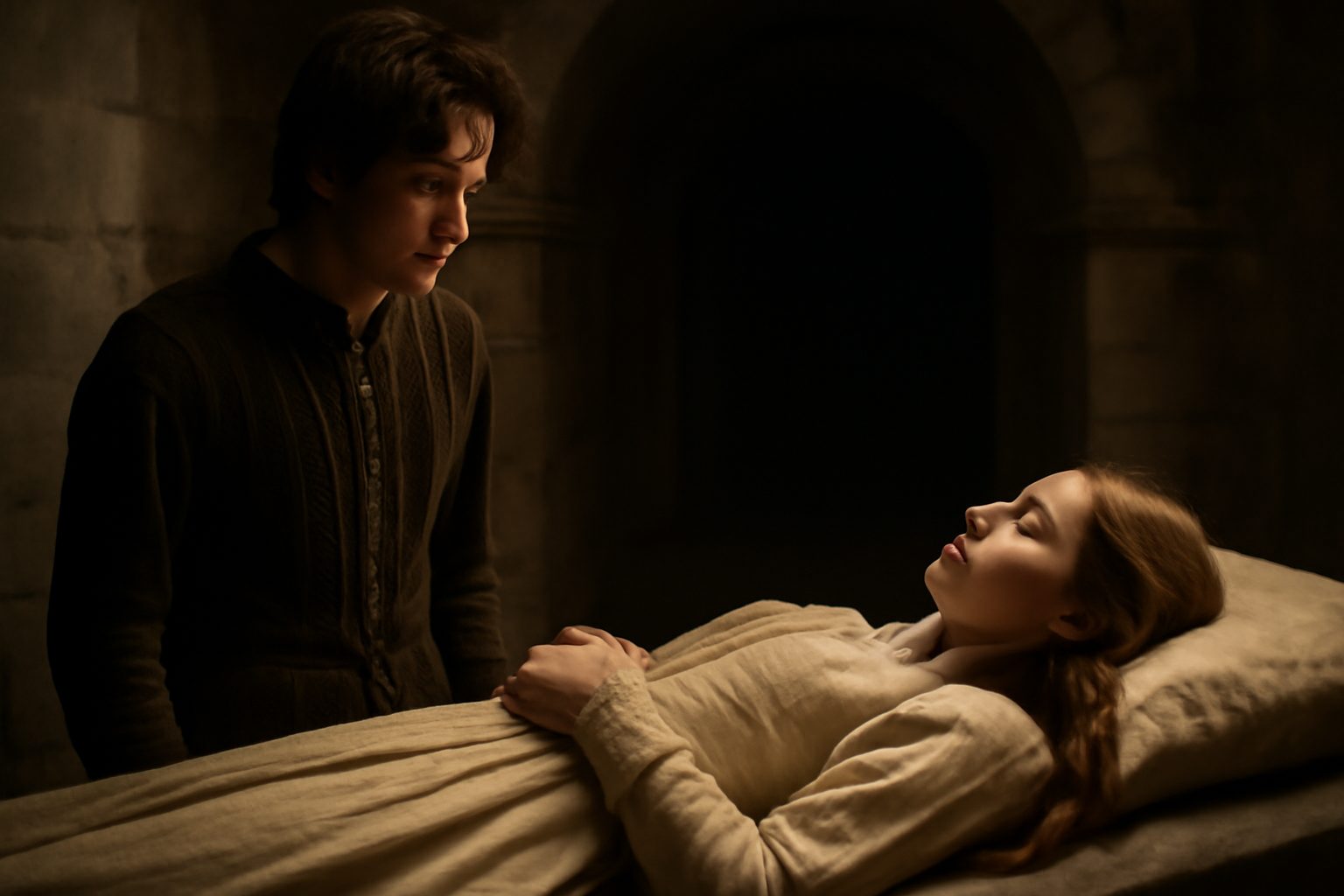
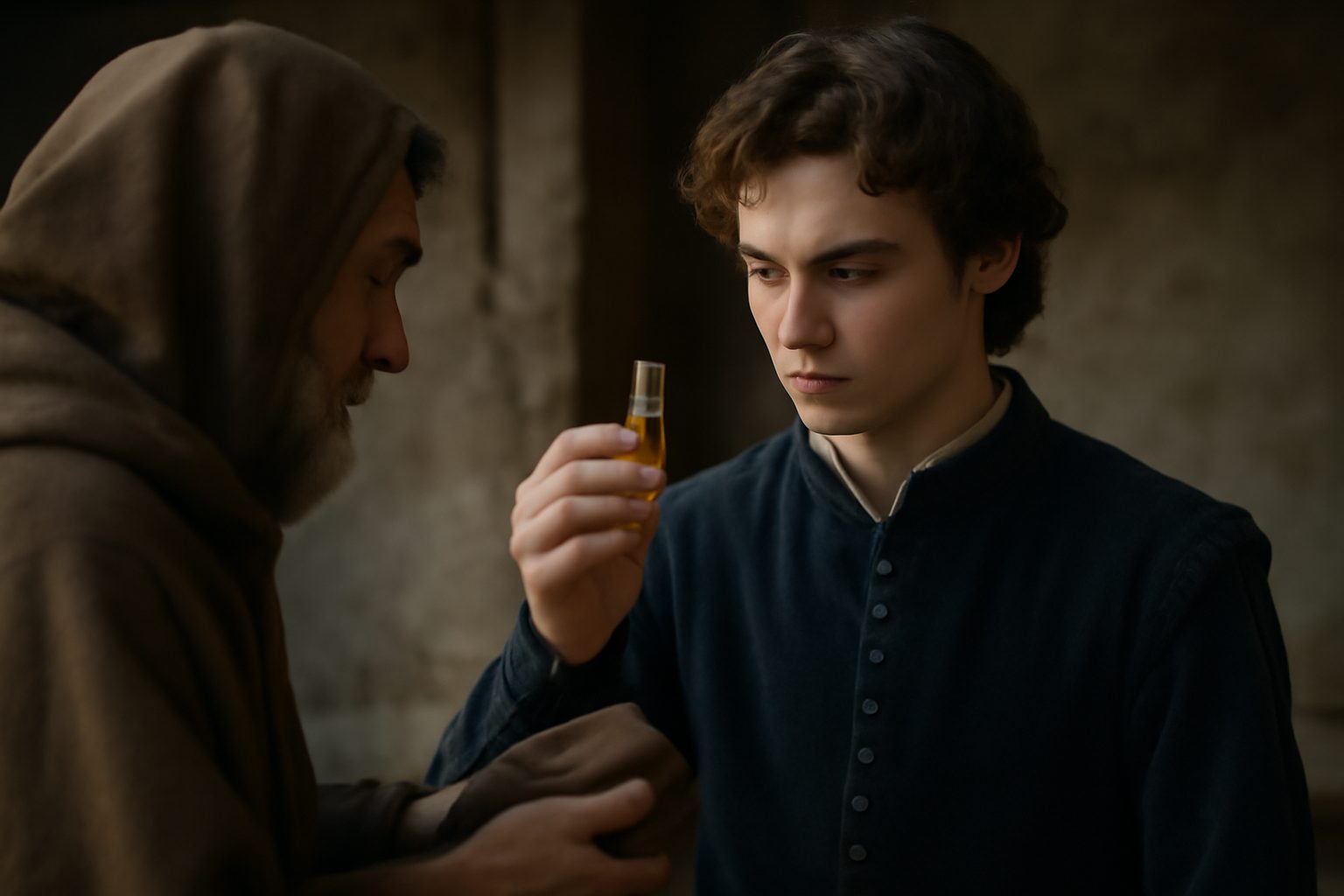
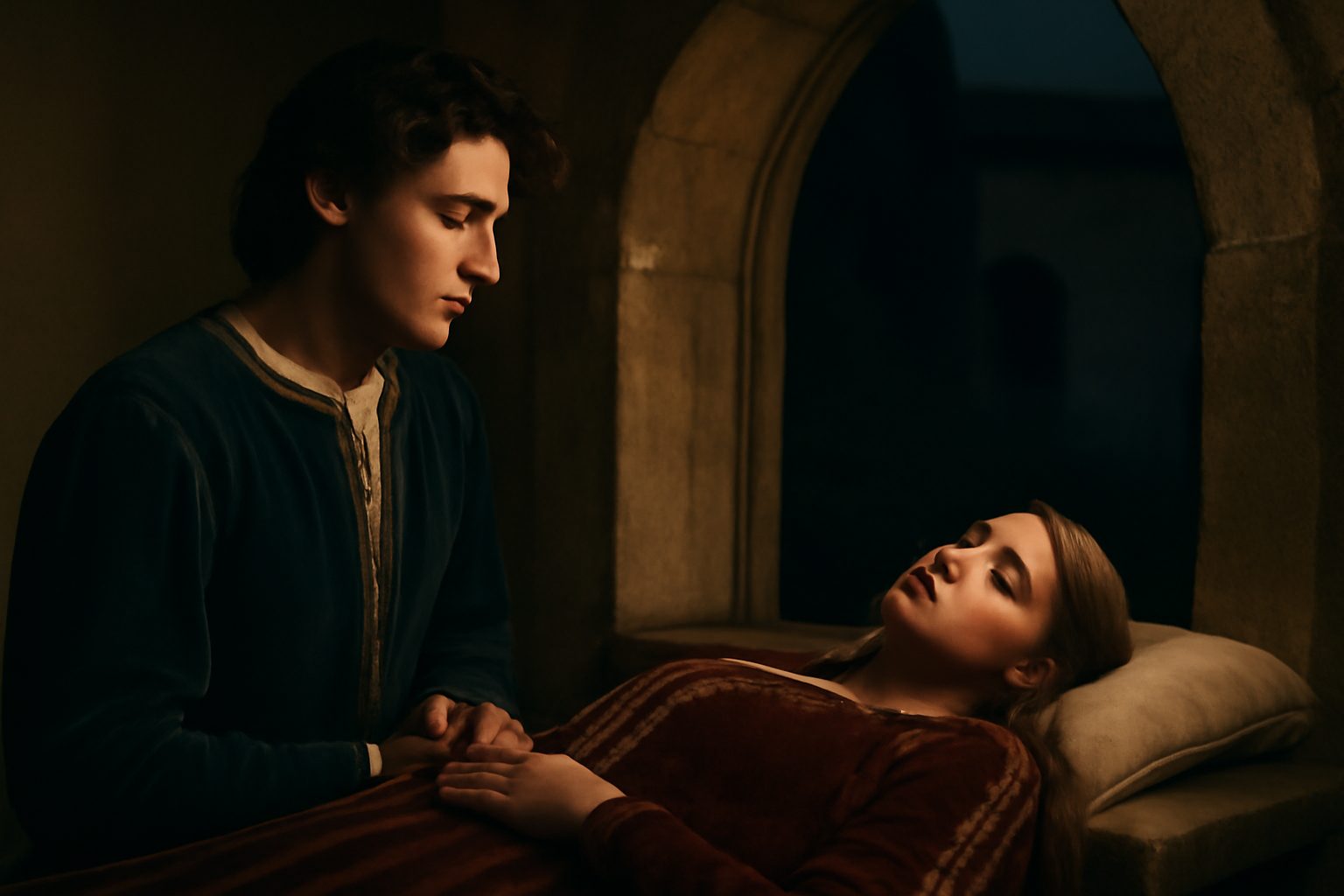
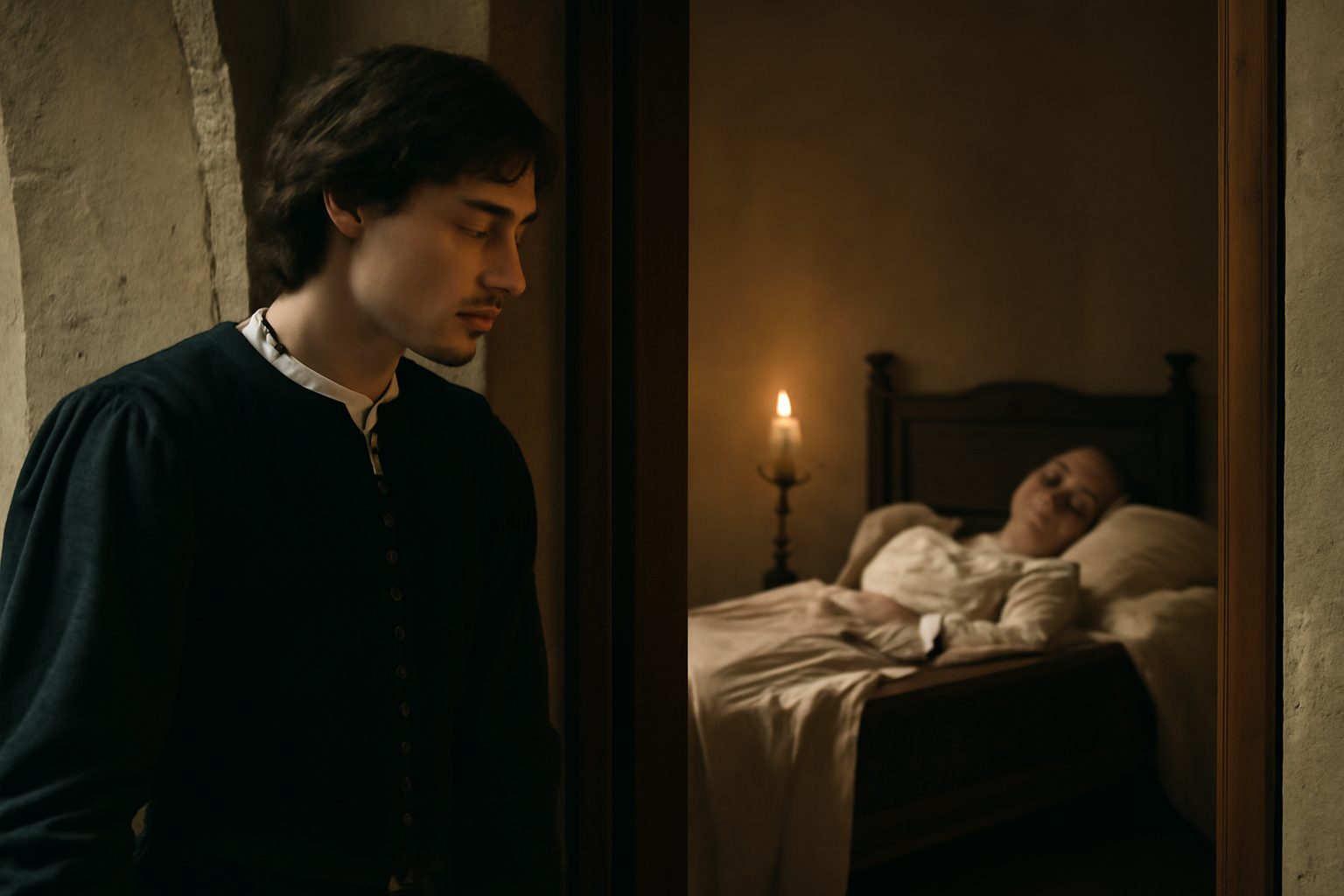
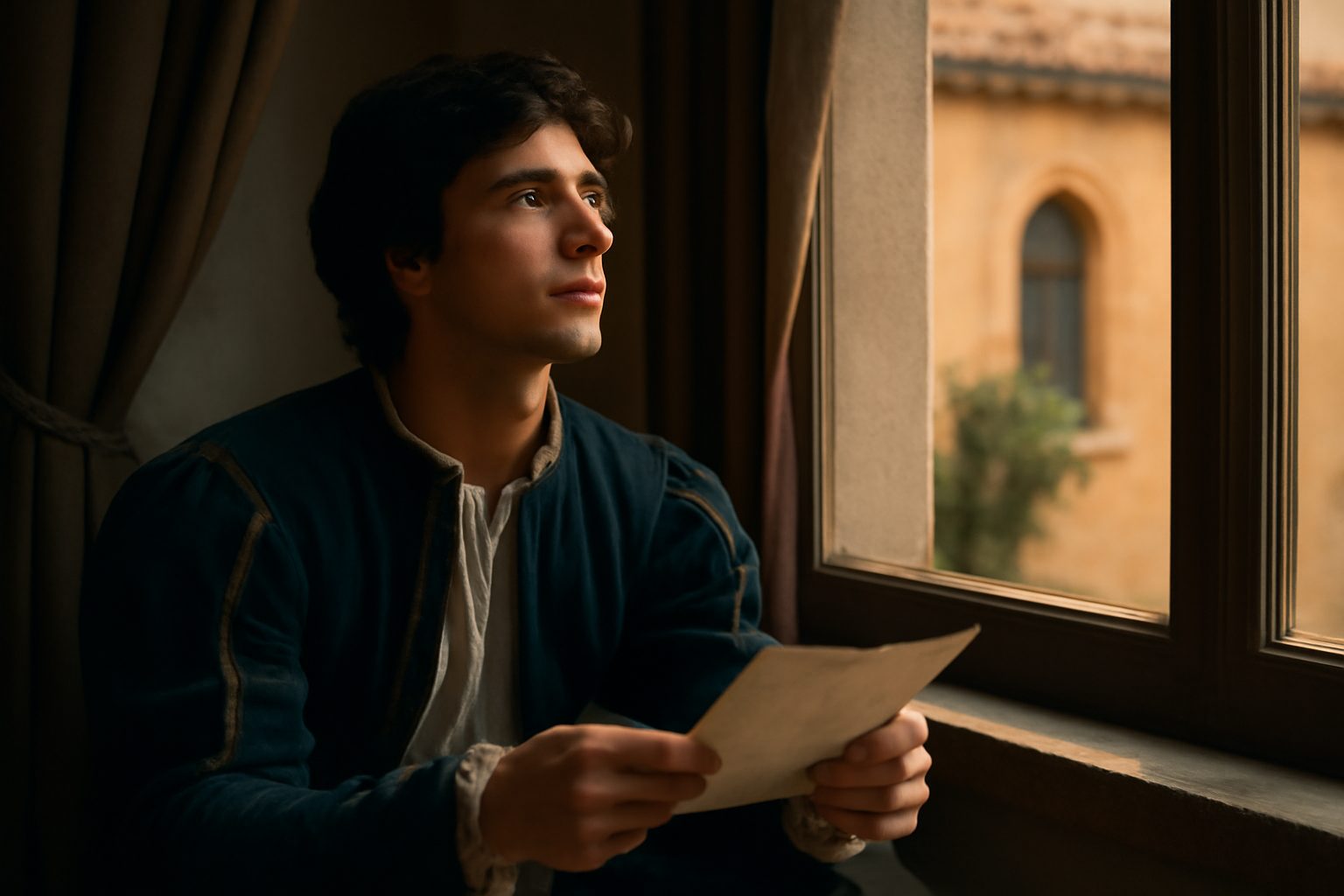
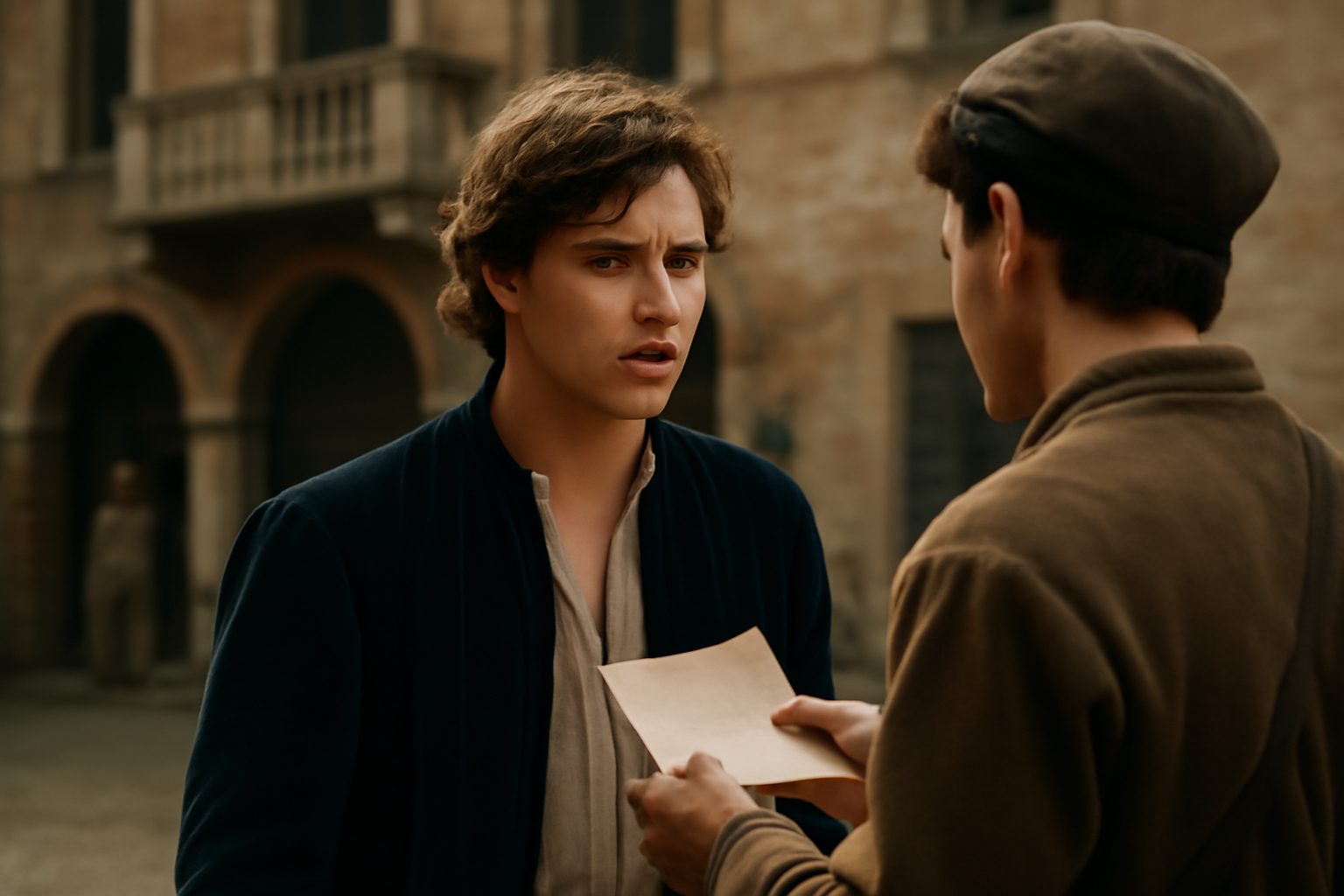
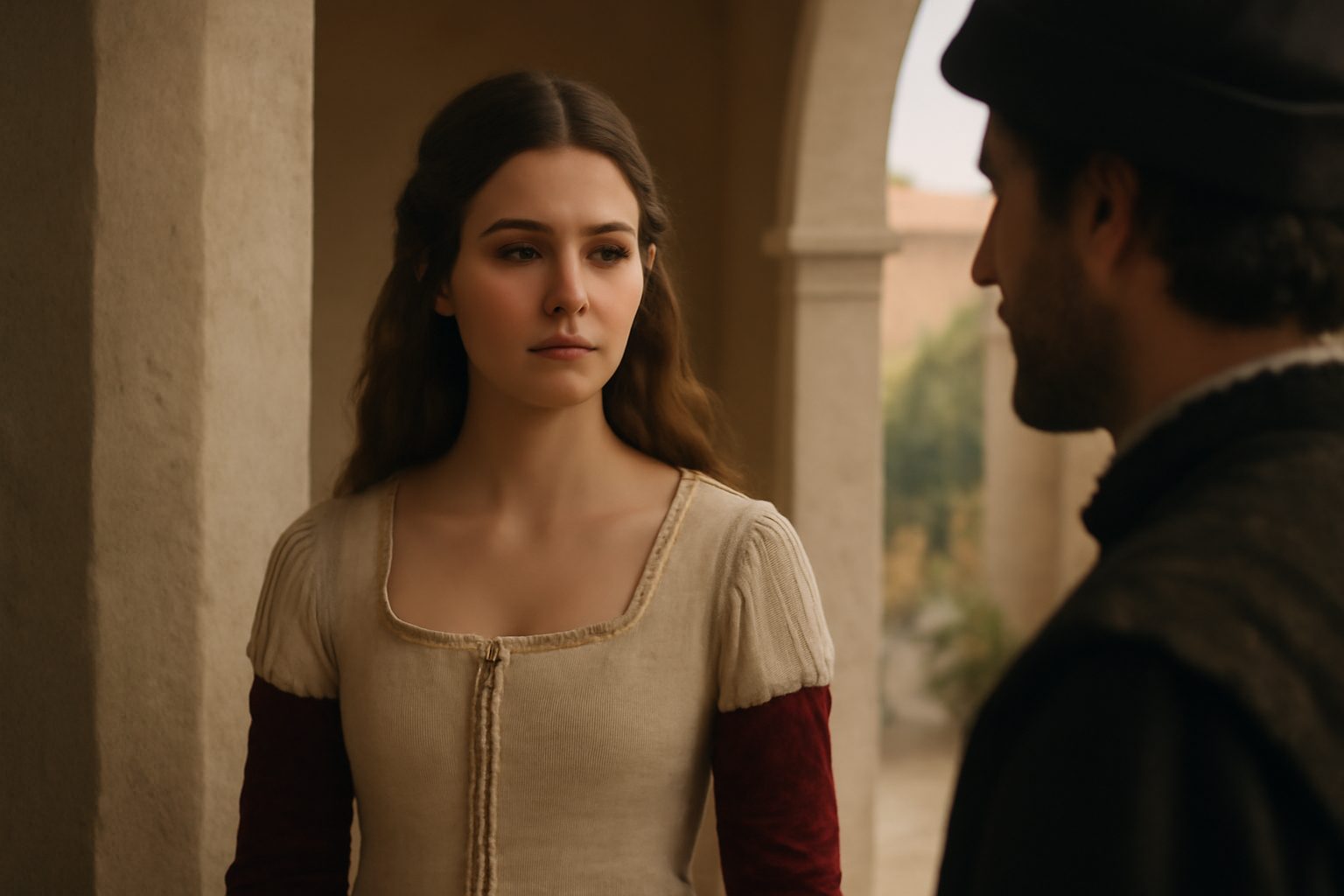
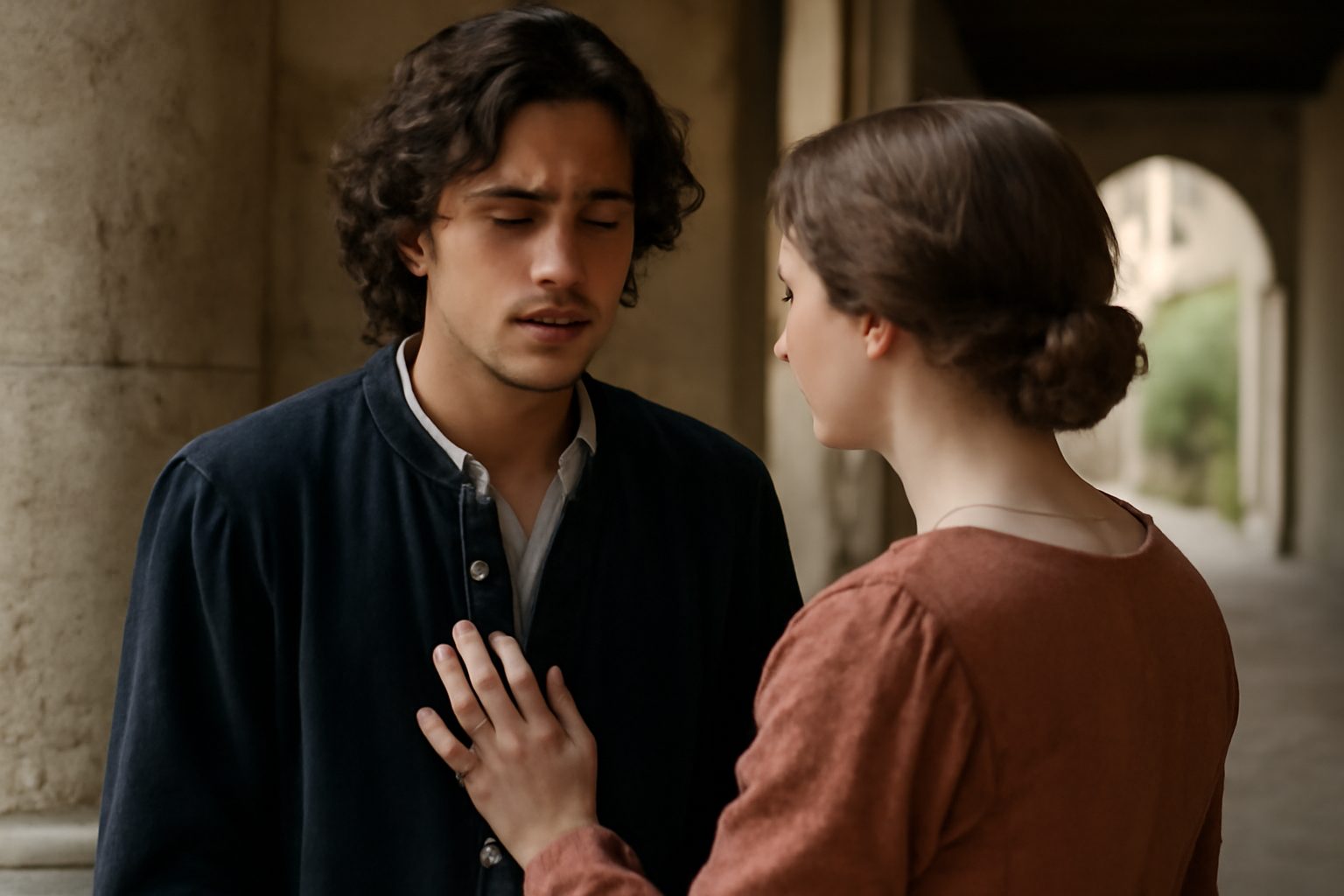
In Act 5, Scene 1 of Romeo and Juliet, Romeo is in Mantua, unaware of the Friar's plan to reunite him with Juliet. When Balthasar arrives with news of Juliet's supposed death, Romeo reacts with immediate despair. This line is spoken by Balthasar, urging his master to stay calm despite the devastating report.
Balthasar: "I do beseech you, sir, have patience:"
In modern day english, we would say:
Please, sir, just be patient for a moment.
Frequently Asked Questions
Who is speaking in this line from Romeo and Juliet?
Balthasar
What is Balthasar asking someone to do in this line?
He is asking them to be patient.
In which act and scene does this line appear?
Act 5, Scene 1
Connections to other verses:
Connections to "I do beseech you, sir, have patience"
This line, spoken by Balthasar to Romeo, serves as a crucial moment of attempted restraint amid escalating tension. It connects thematically and emotionally to several other verses in the scene.
Immediate Context and Foreshadowing
Balthasar's plea for patience directly follows Romeo's declaration "Is it even so? then I defy you, stars!", highlighting Romeo's impulsive defiance. It also precedes Balthasar's observation "Your looks are pale and wild, and do import", which underscores Romeo's deteriorating mental state and the futility of the plea for patience.
Contrast with Romeo's Resolve
The appeal for patience starkly contrasts with Romeo's subsequent actions, such as his command "Thou know'st my lodging: get me ink and paper" and his resolve "Well, Juliet, I will lie with thee to-night.", showing how Romeo rejects caution in favor of haste.
Connection to the Apothecary Scene
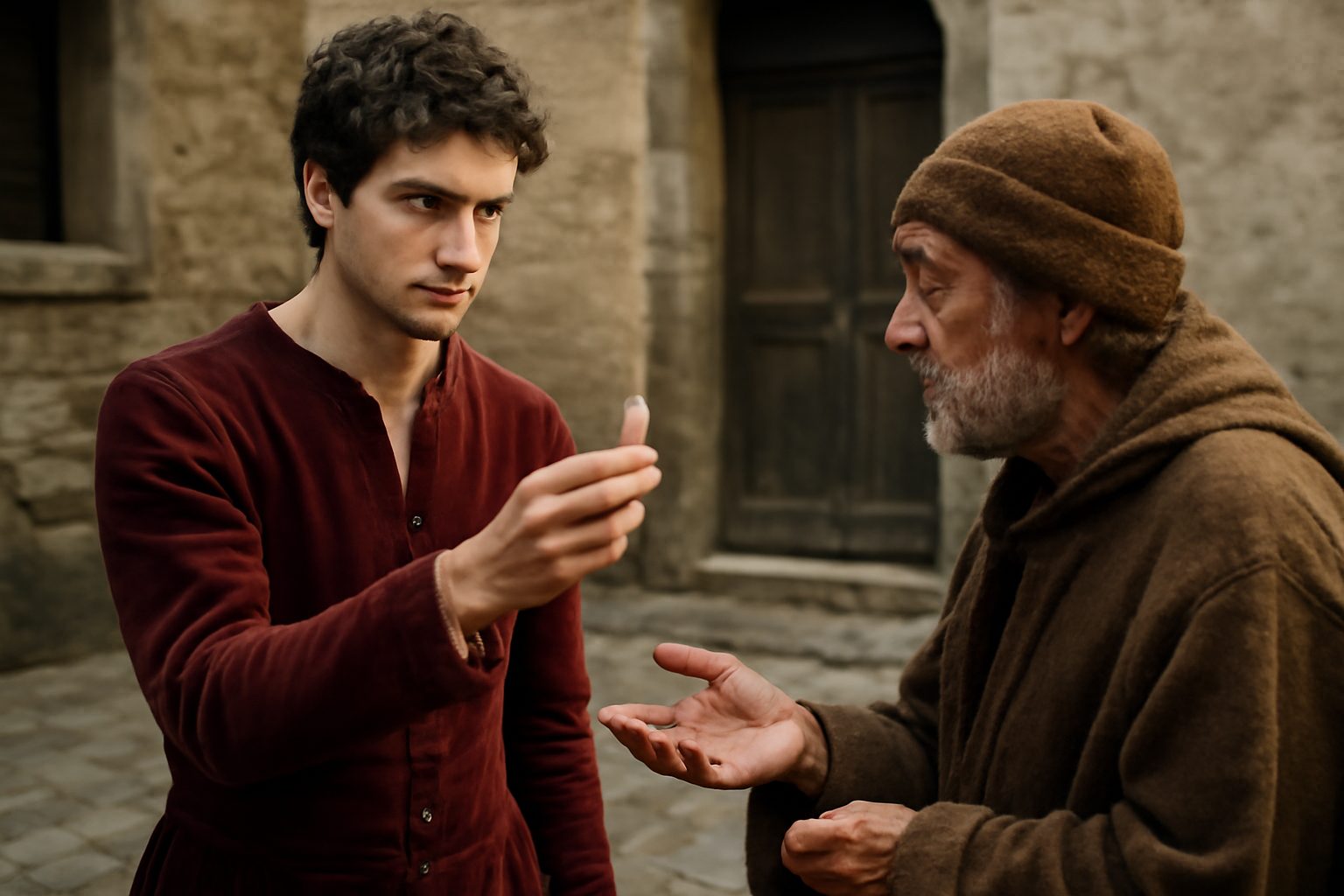
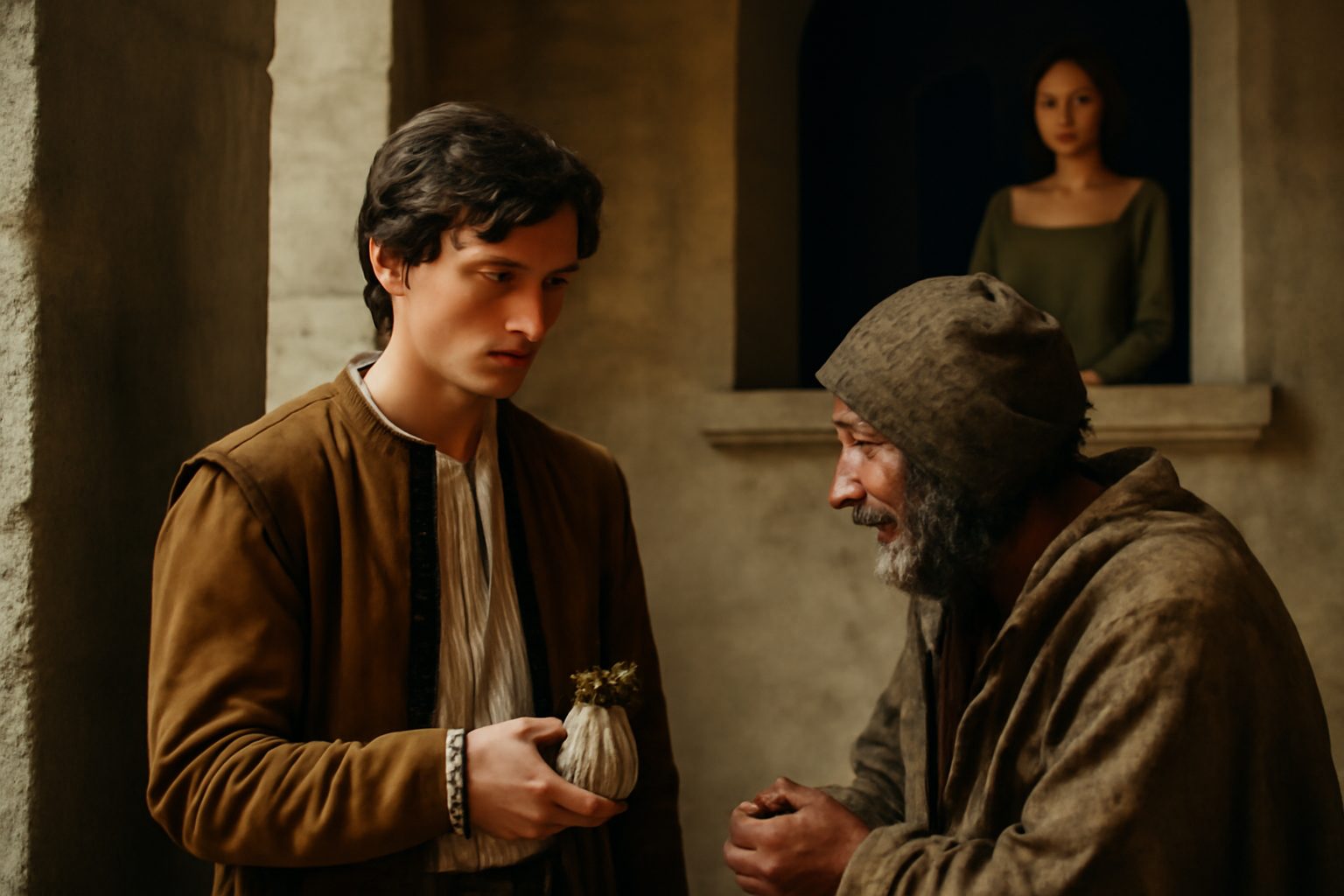
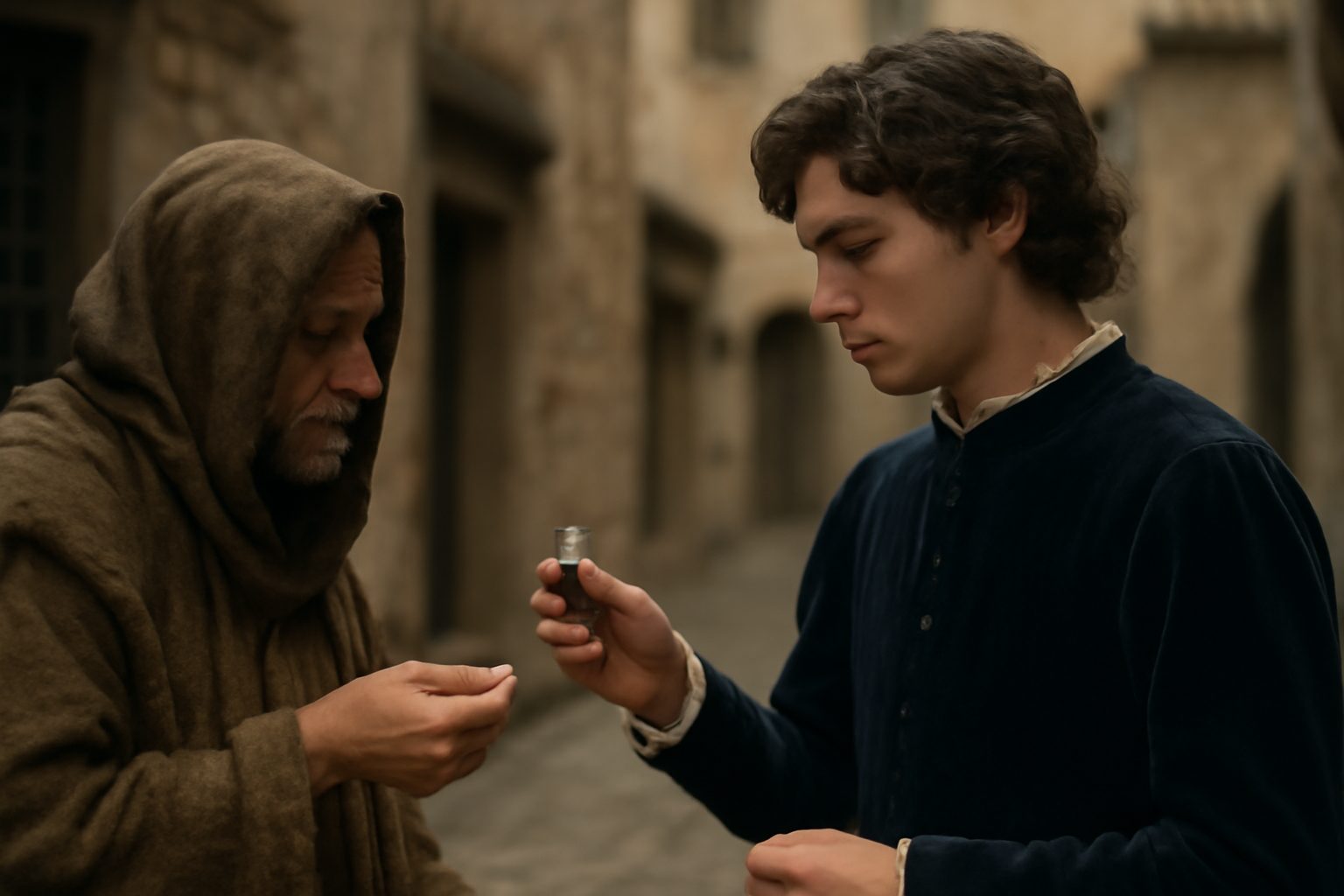
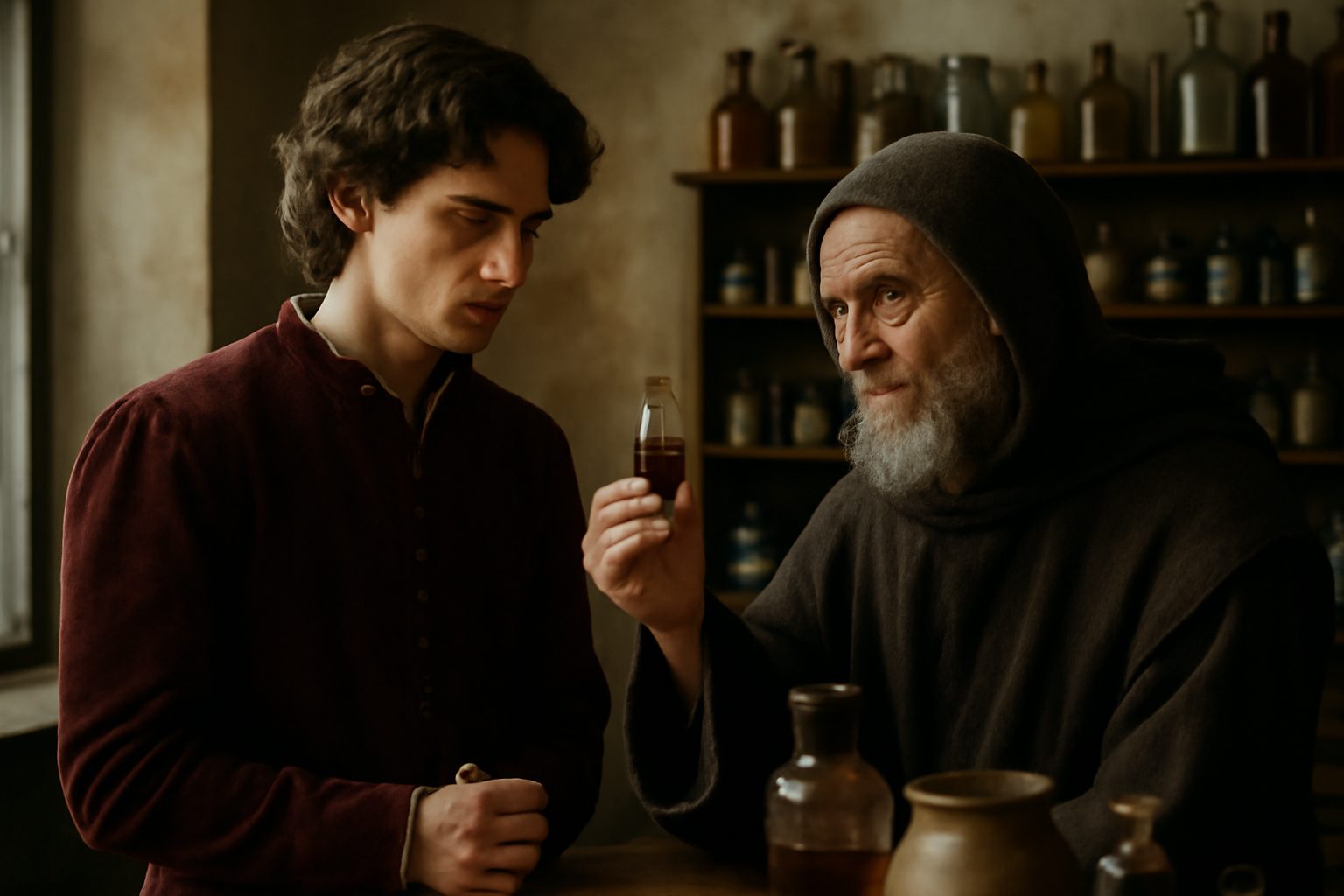
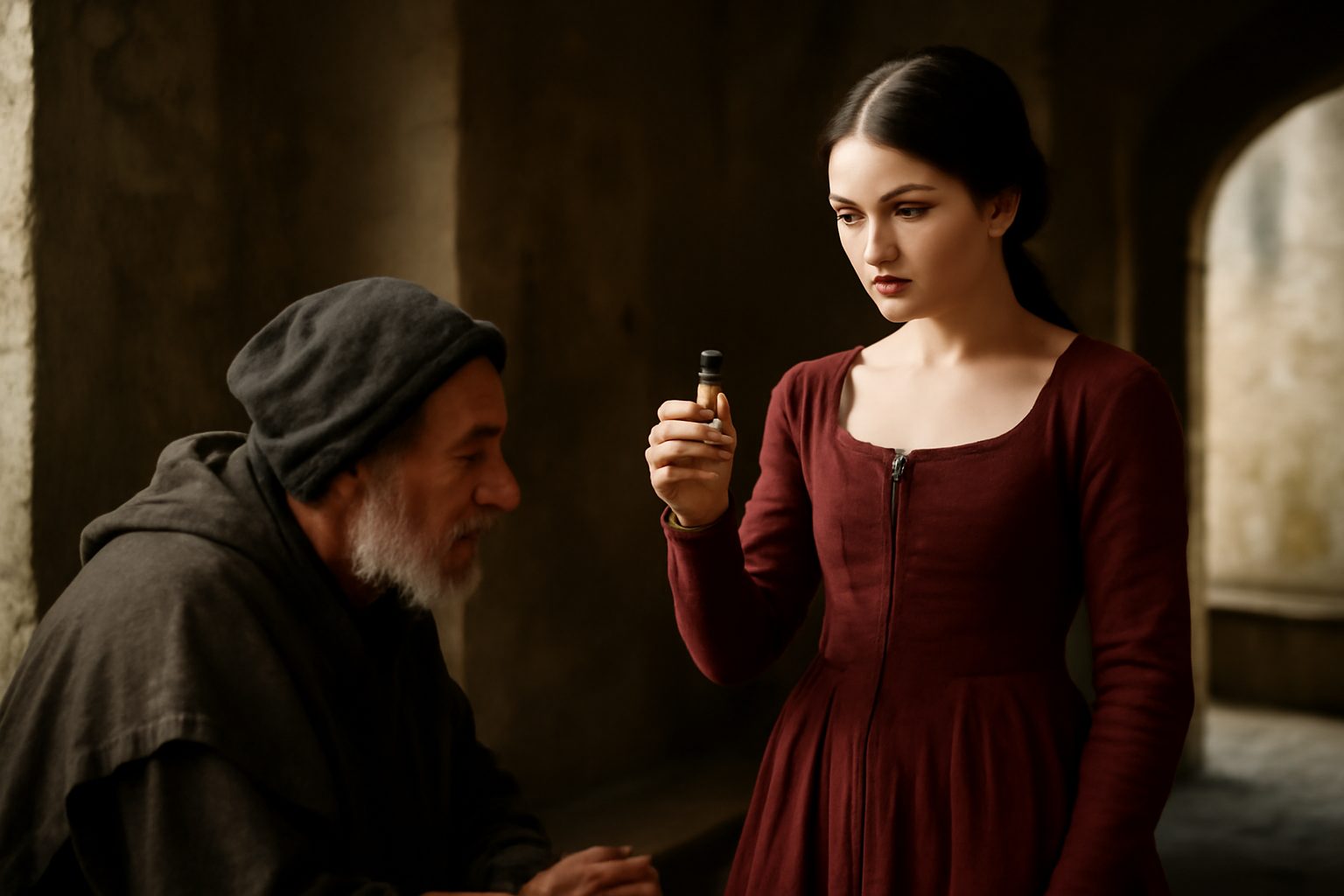
Balthasar's failed attempt to calm Romeo foreshadows the desperation that leads Romeo to seek poison, as seen in "I do remember an apothecary" and "An if a man did need a poison now", emphasizing how impatience drives the tragedy forward.
Thematic Links to Poverty and Desperation
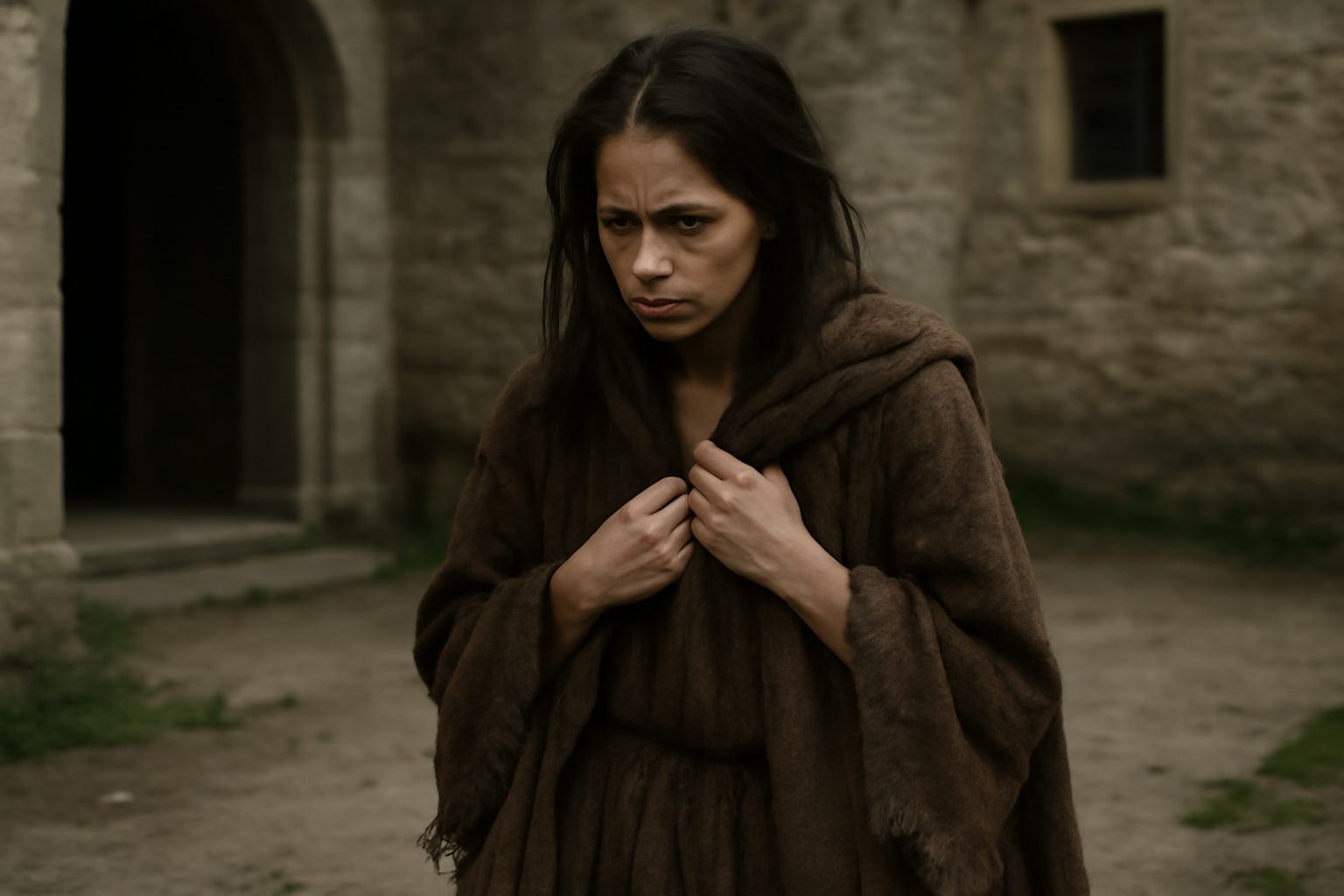
The plea for patience is indirectly linked to themes of poverty and moral compromise, reflected in the apothecary's circumstances, such as "Art thou so bare and full of wretchedness" and "My poverty, but not my will, consents.", illustrating how despair overrides virtue.