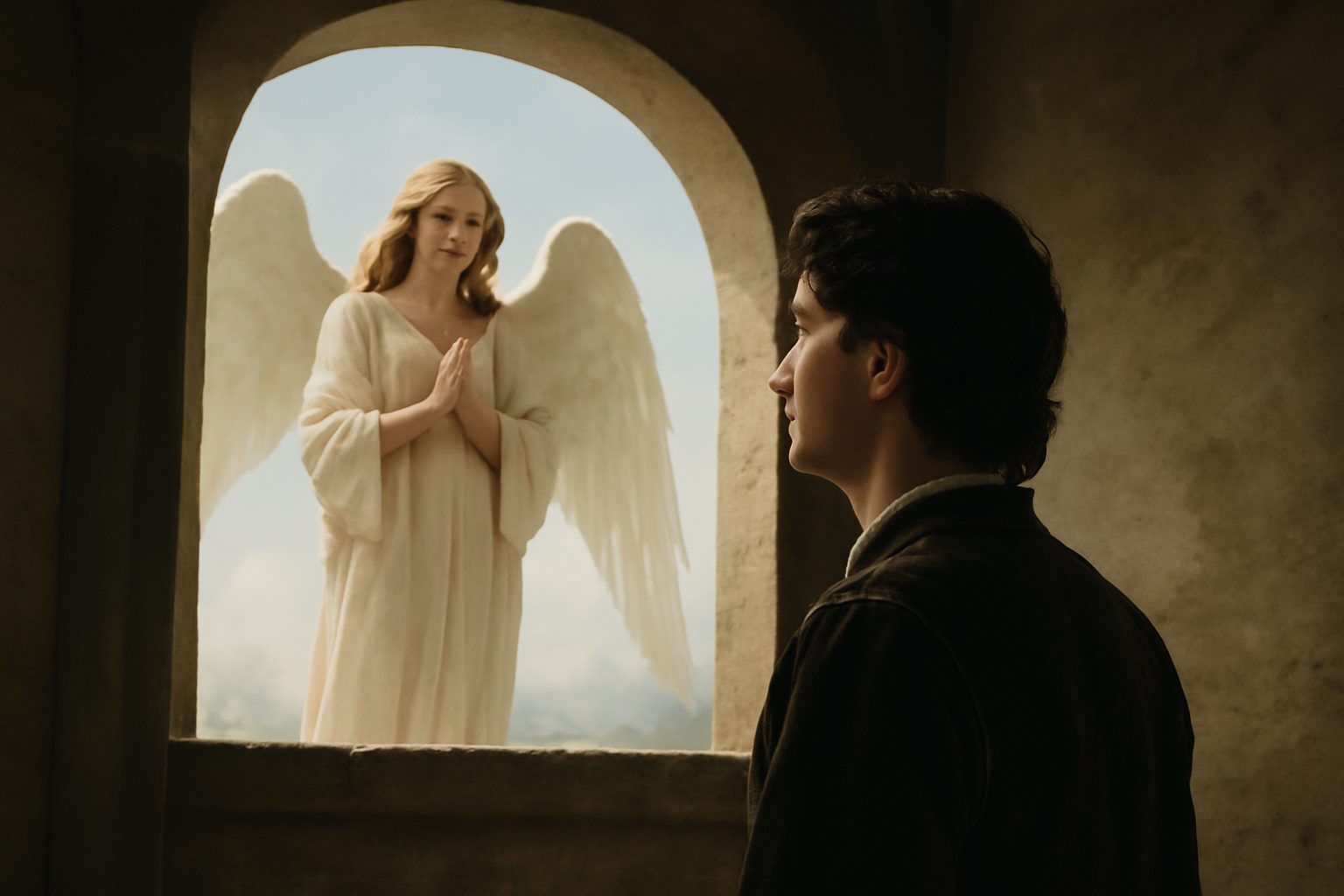
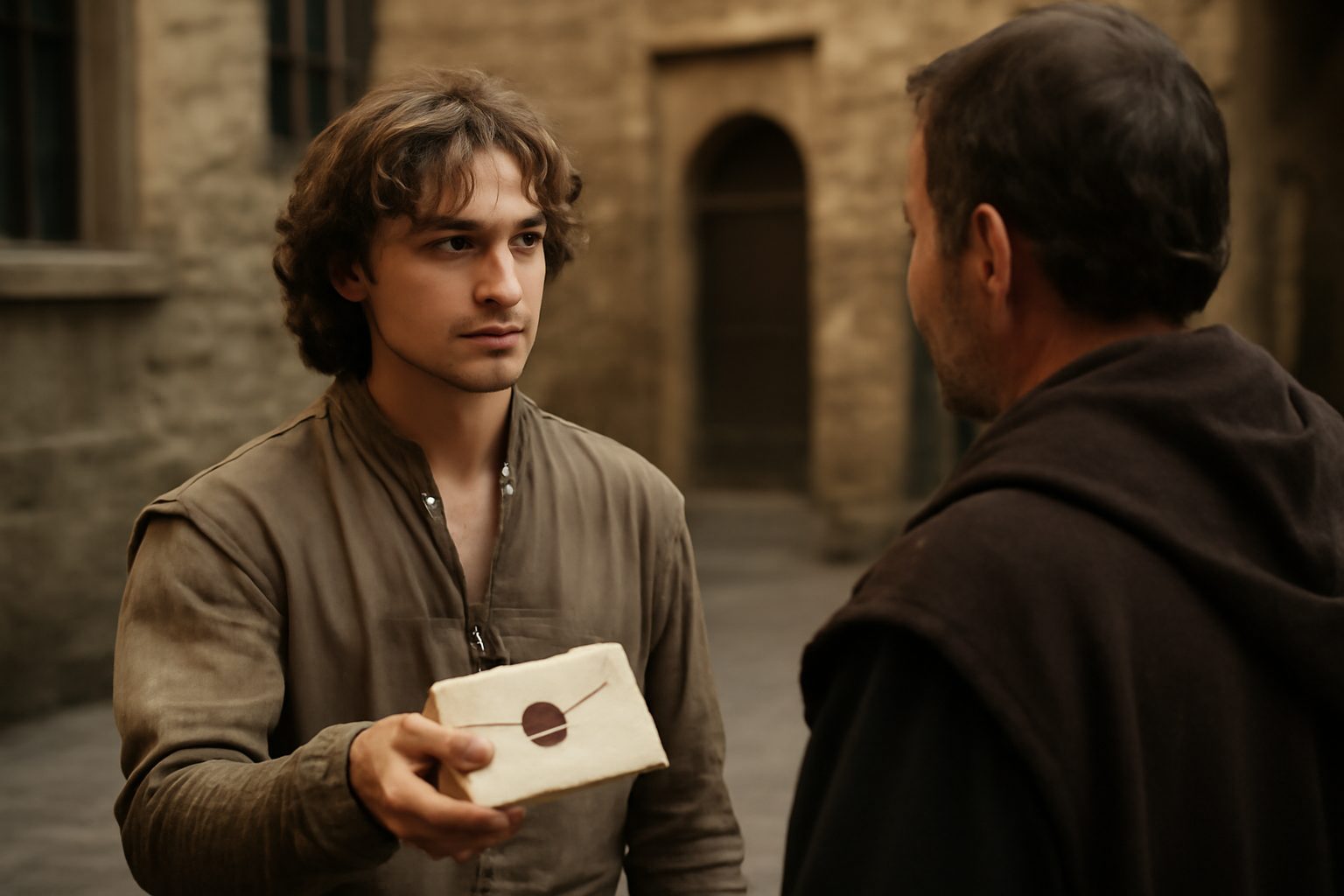
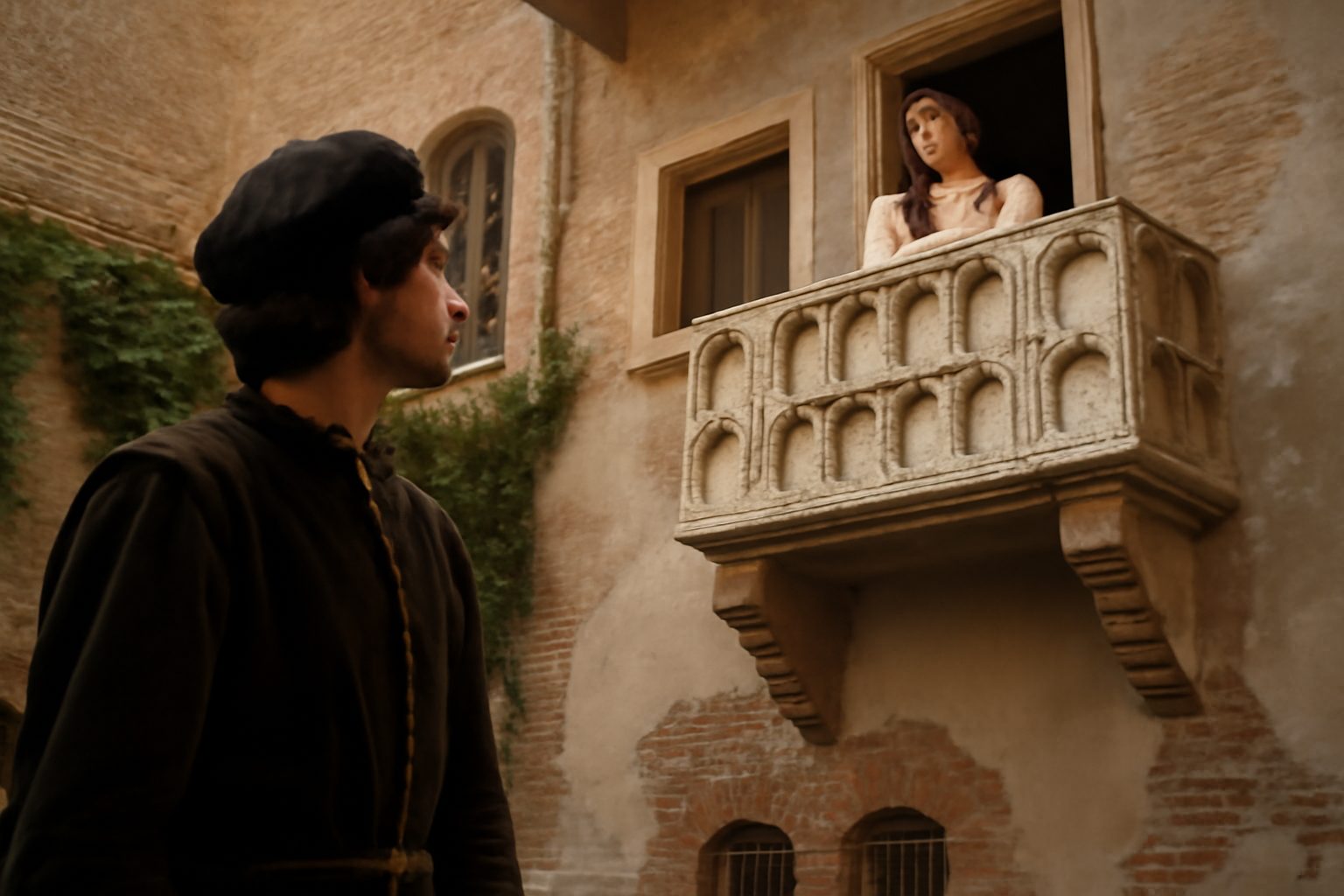
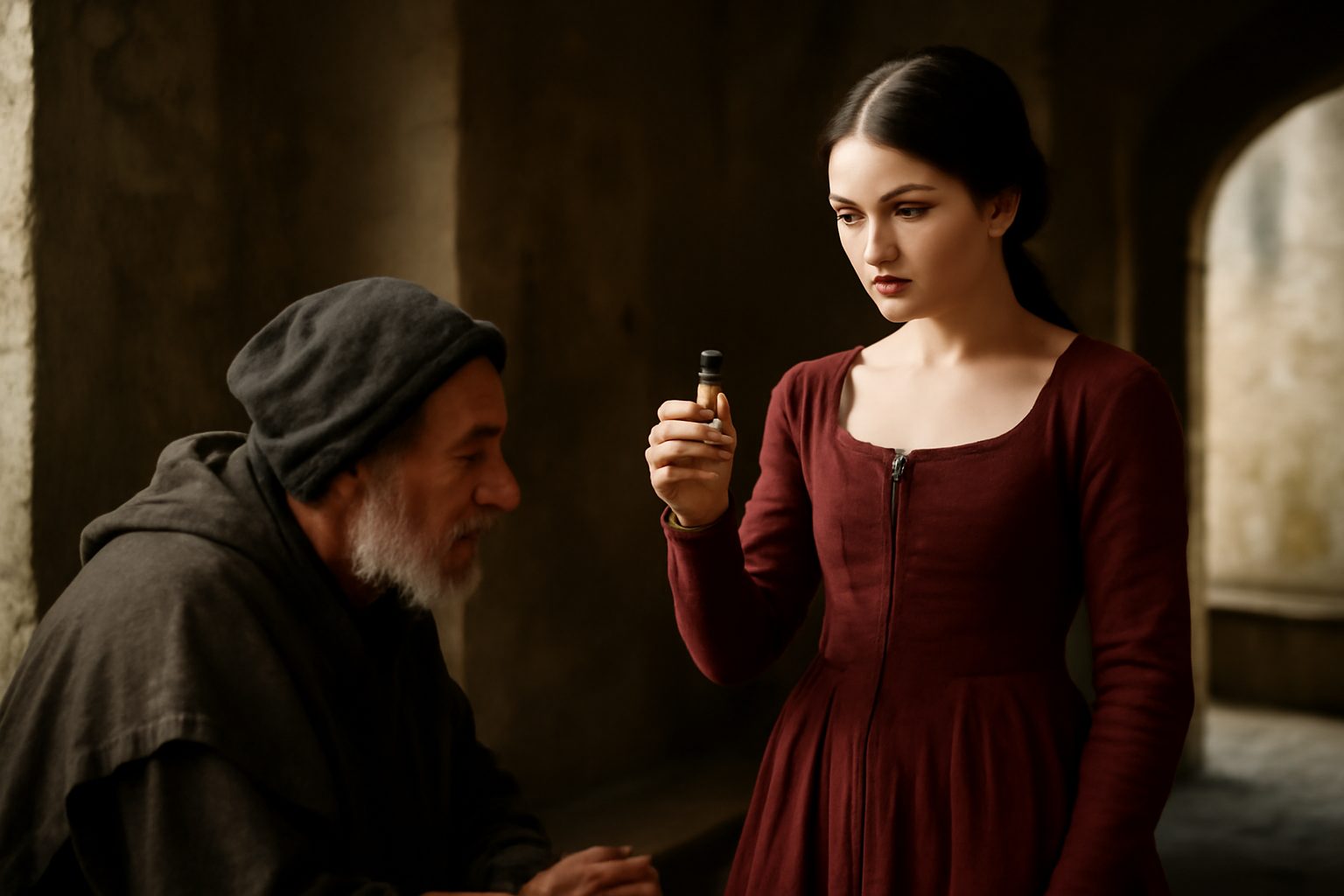
In Act 5, Scene 1 of Romeo and Juliet, Romeo, exiled in Mantua, receives news of Juliet's supposed death. Balthasar recounts how he saw her lifeless body being placed in the Capulet tomb, and this line vividly describes the haste of her burial. The imagery evokes the sudden, violent finality of death, mirroring Romeo's own despair as he resolves to join her.
Romeo: "Doth hurry from the fatal cannon's womb."
In modern day english, we would say:
The sound rushes out from the deadly cannon's barrel.
Frequently Asked Questions
What is Romeo comparing to a cannon in this line?
Romeo is comparing death to a cannon, suggesting it quickly takes life like a cannon fires a deadly shot.
Connections to other verses:
Connections to "Doth hurry from the fatal cannon's womb"
The line "Doth hurry from the fatal cannon's womb" is part of Romeo's description of the poison he purchases, emphasizing its swift and violent action. This imagery of speed and destruction connects thematically and linguistically to several other verses in the scene.
Violence and Speed
The phrase echoes the violent imagery in "As violently as hasty powder fired", which also uses explosive imagery ("powder fired") to convey the poison's rapid and forceful effect. Both lines highlight the destructive power Romeo seeks, aligning with his desperate state.
Poison and Death
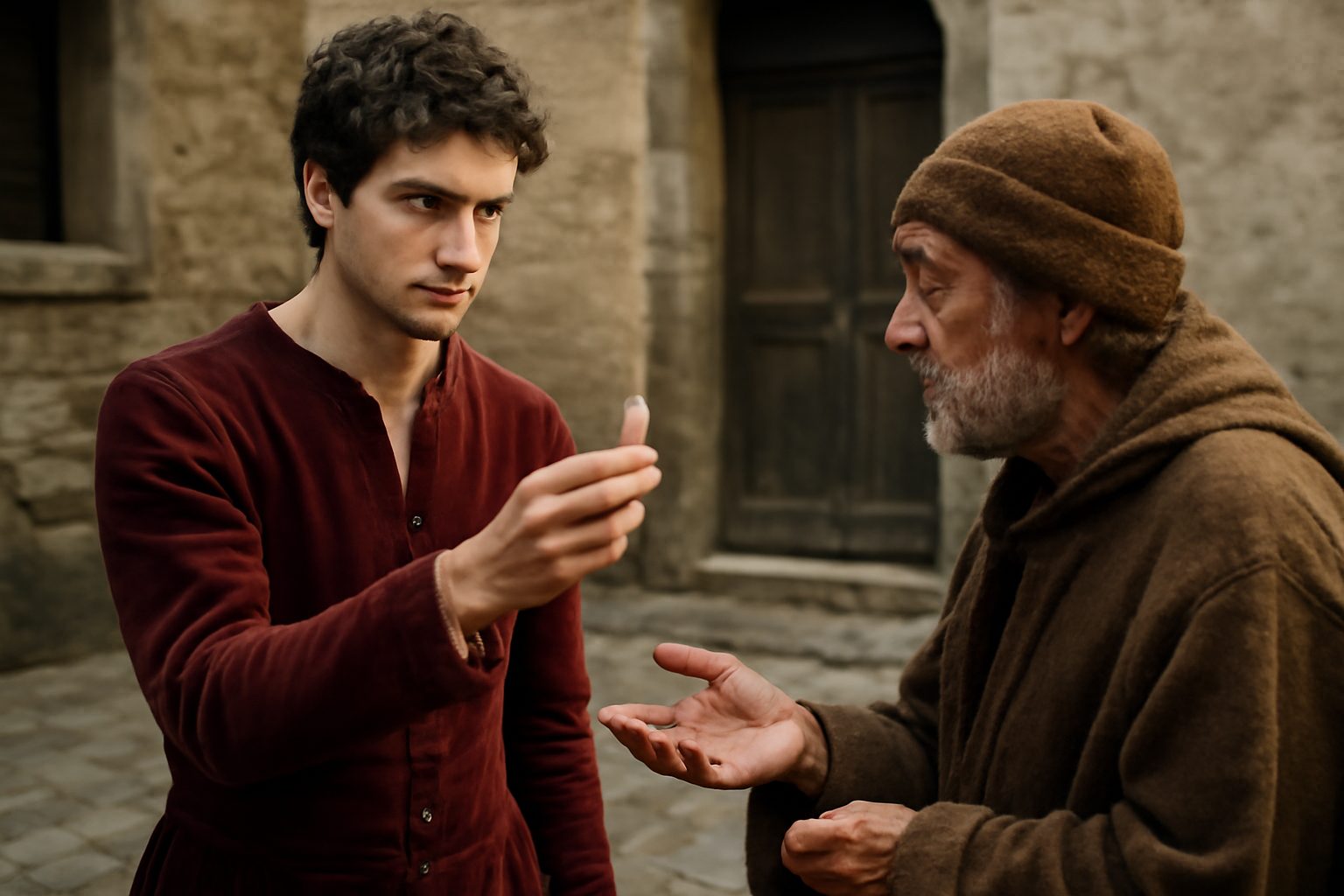
Romeo’s focus on obtaining poison is established earlier when he recalls "I do remember an apothecary", setting the stage for his visit. The poison's purpose—to ensure death—is reiterated in "That the life-weary taker may fall dead", directly linking the cannon's "fatal" nature to the poison's lethal outcome.
Desperation and Destiny
Romeo’s resolve to use the poison is tied to his defiance of fate, expressed in "then I defy you, stars!". The cannon’s "womb" metaphorically births death, mirroring his determination to control his destiny, even through violent means. This desperation is underscored when he declares "Well, Juliet, I will lie with thee to-night", directly connecting the poison's role in his tragic plan.
Poverty and Transaction
The apothecary’s poverty, noted in "Noting this penury, to myself I said", contrasts with the "fatal cannon’s" grandeur, yet both highlight themes of moral compromise. Romeo acknowledges this in "I pay thy poverty, and not thy will", showing how desperation drives the transaction for the deadly substance.