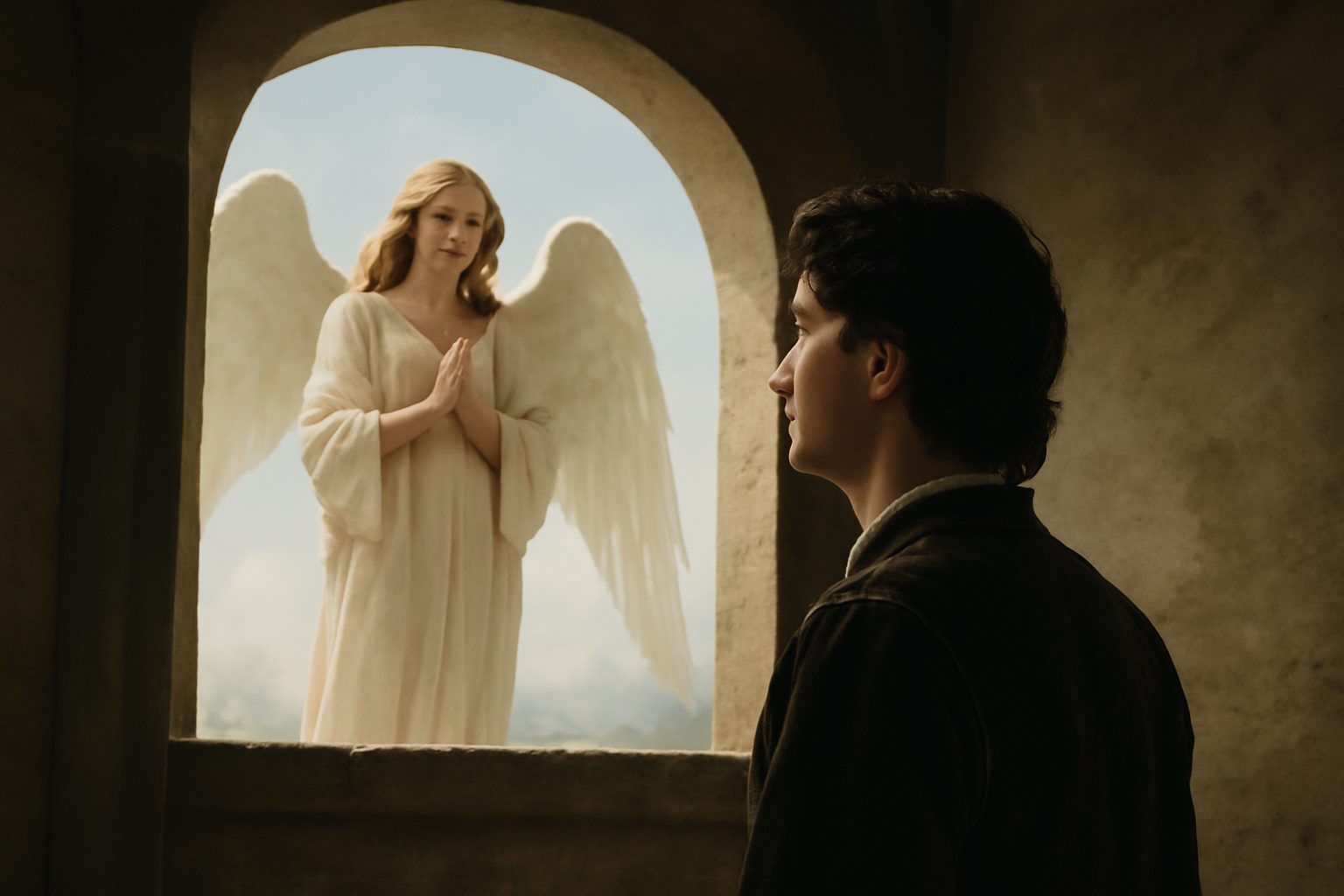
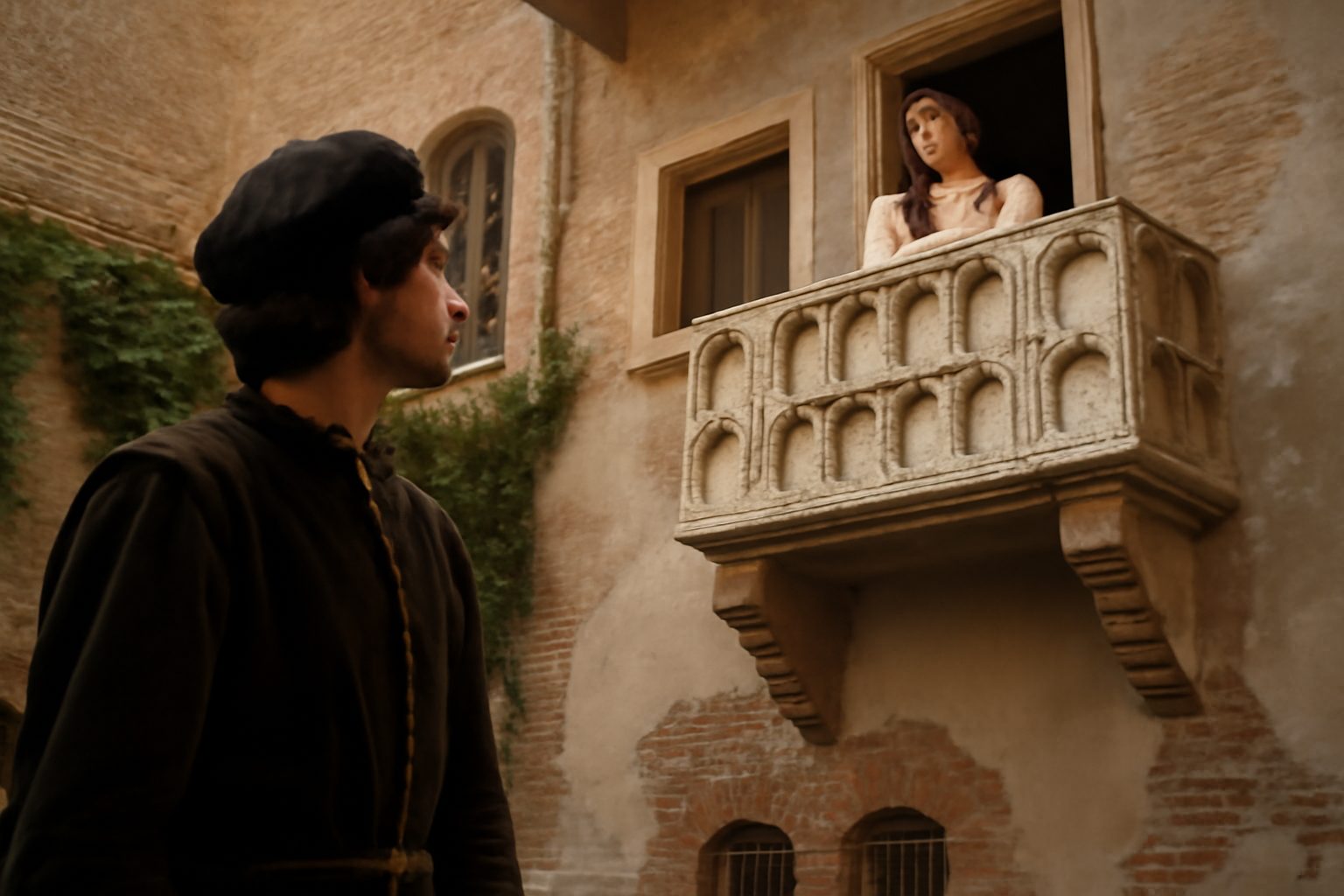
In Act 5, Scene 1 of Romeo and Juliet, Romeo is in exile in Mantua when he receives news from Balthasar about Juliet's supposed death. Overwhelmed by grief and despair, he lashes out at fate, personifying it as a cruel force that has left him destitute and broken. The line reflects his sense of helplessness and the crushing weight of misfortune that seems to pursue him.
Romeo: "Contempt and beggary hangs upon thy back;"
In modern day english, we would say:
You are covered in shame and poverty.
Frequently Asked Questions
What does Romeo mean when he says that contempt and poverty are hanging on someone's back?
Romeo is saying that the person is burdened by shame and extreme poverty, as if these things are heavy weights they have to carry.
Connections to other verses:
Connections to "Contempt and beggary hangs upon thy back"
The verse "Contempt and beggary hangs upon thy back" directly reflects Romeo's observation of the Apothecary's extreme poverty, a theme echoed in "Art thou so bare and full of wretchedness", where Romeo questions the man's visible desperation. This destitution is further emphasized in "Need and oppression starveth in thine eyes", linking physical deprivation to moral compromise.
Poverty and Moral Conflict
The Apothecary's impoverished state, noted in "My poverty, but not my will, consents", shows how economic hardship forces him into illegal action, a sentiment Romeo acknowledges in "I pay thy poverty, and not thy will". Romeo also comments on the injustice of poverty in "The world affords no law to make thee rich", highlighting societal neglect.
Symbolism of Beggary and Emptiness
The idea of beggary connects to "A beggarly account of empty boxes", symbolizing both the Apothecary's shop and Romeo's own emotional desolation after hearing of Juliet's death. Romeo’s desperate state mirrors the Apothecary's, as seen in "famine is in thy cheeks", where he projects his inner turmoil onto the Apothecary.
Contempt and Societal Judgment
The "contempt" mentioned ties to "The world is not thy friend nor the world's law", underscoring how society abandons the poor. This resonates with Romeo’s own defiance against fate in "then I defy you, stars!", as both characters are marginalized by their circumstances.