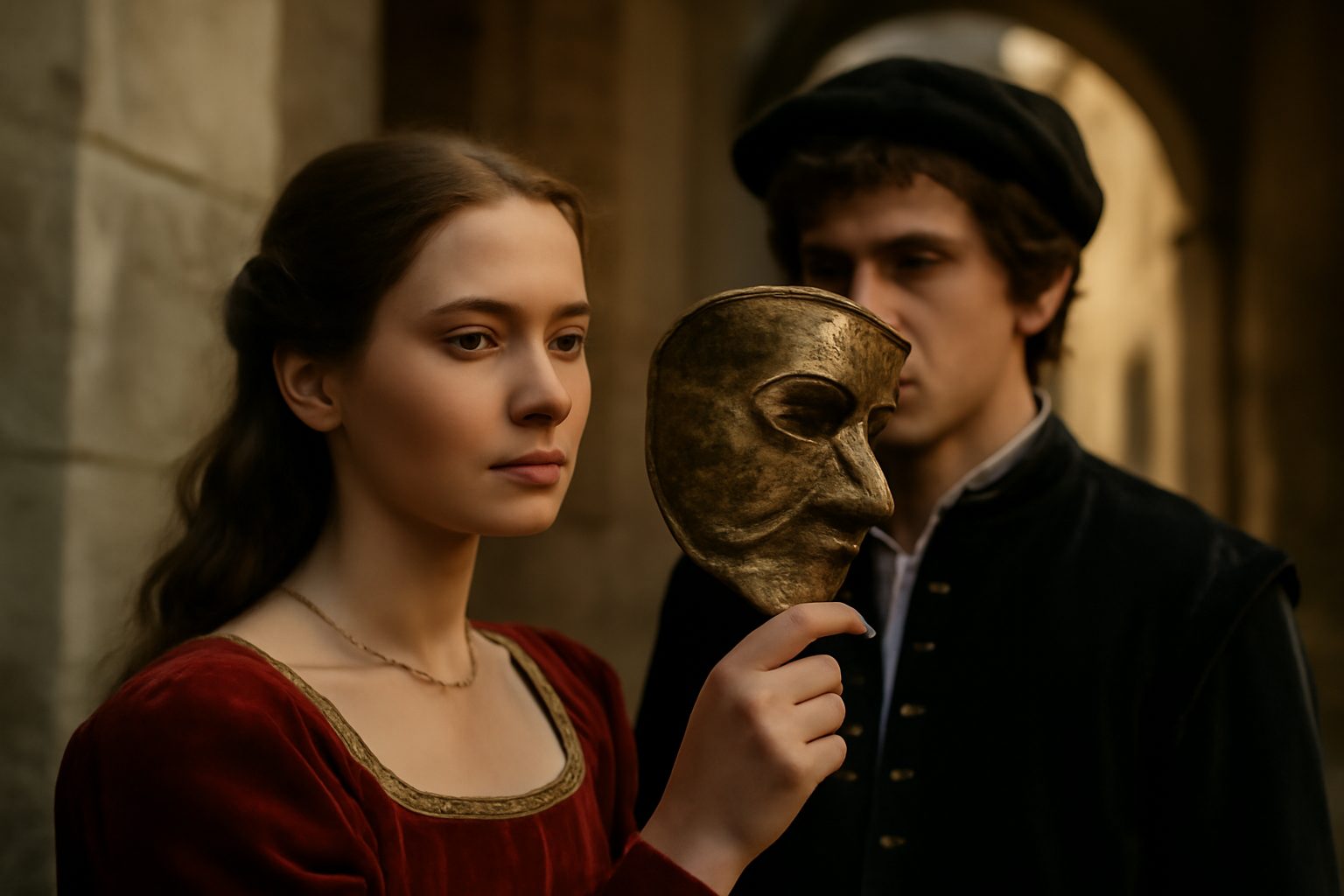
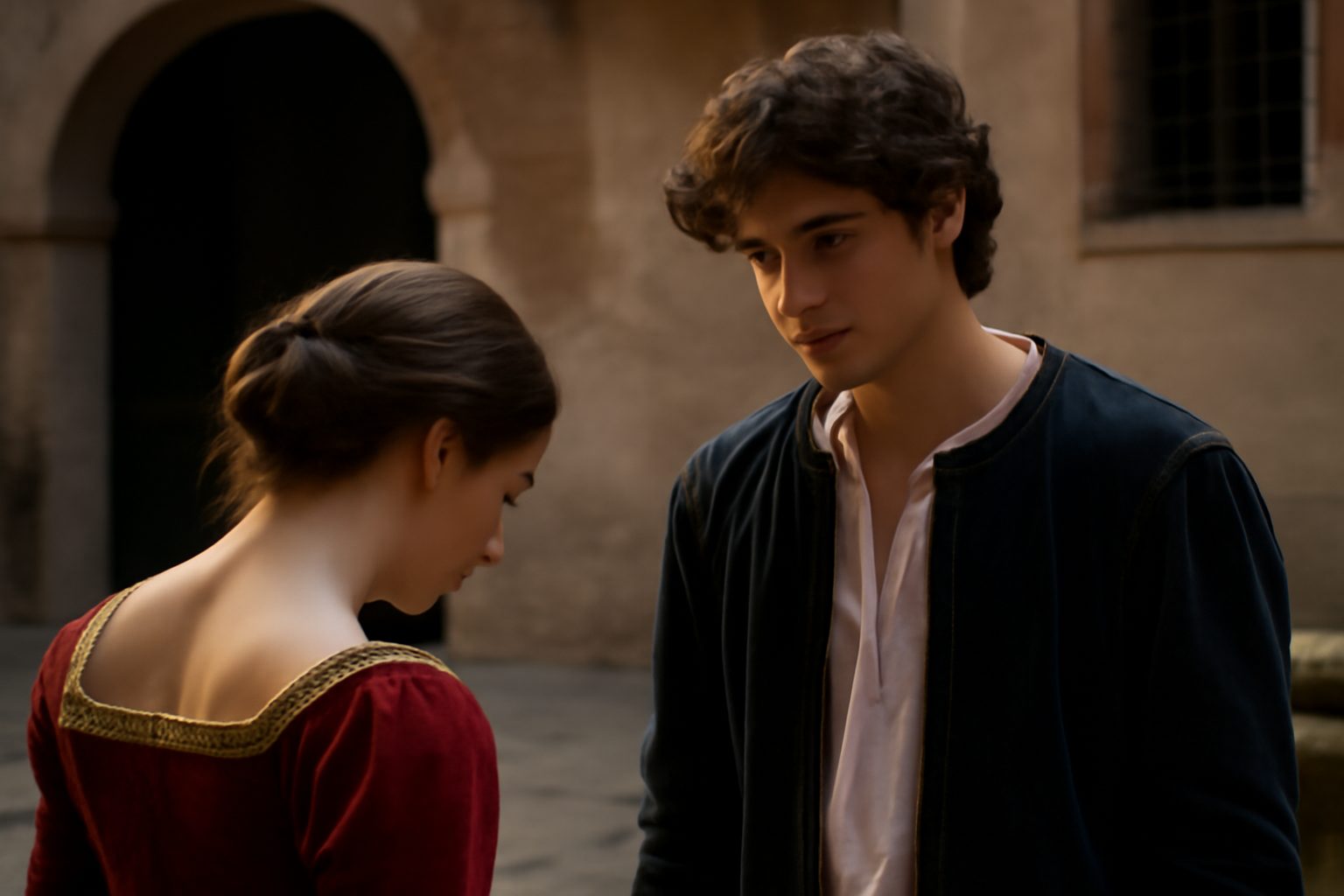
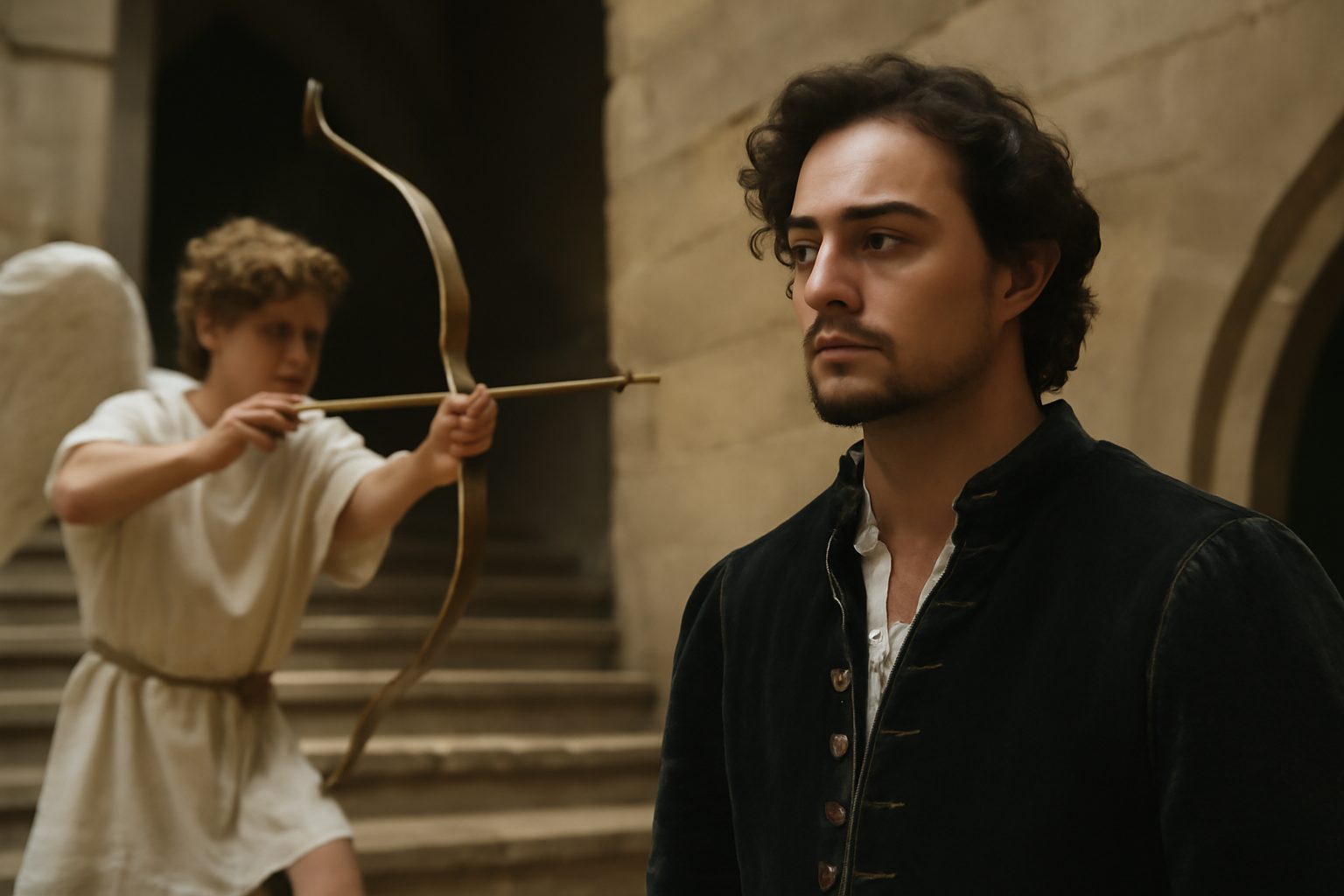
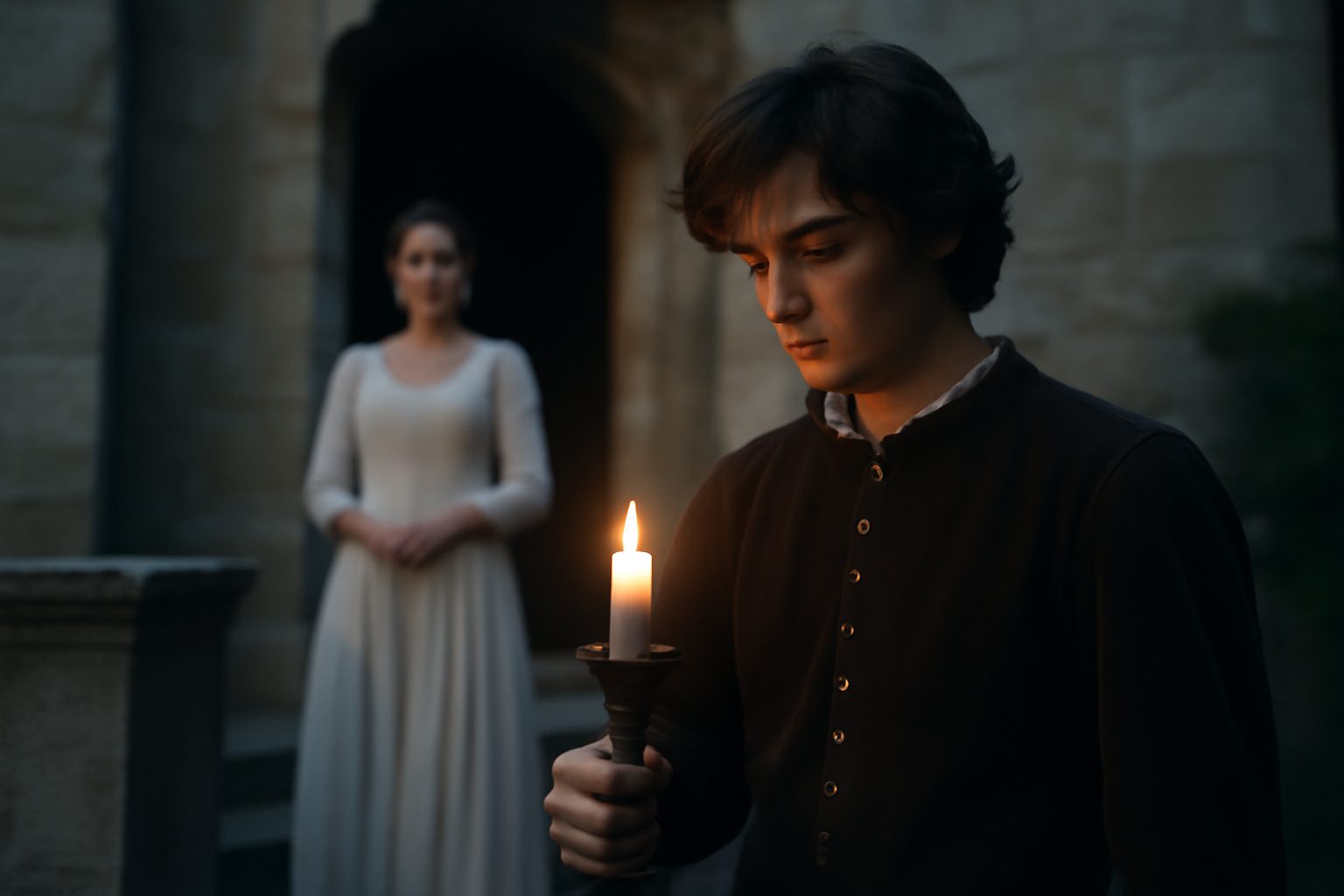
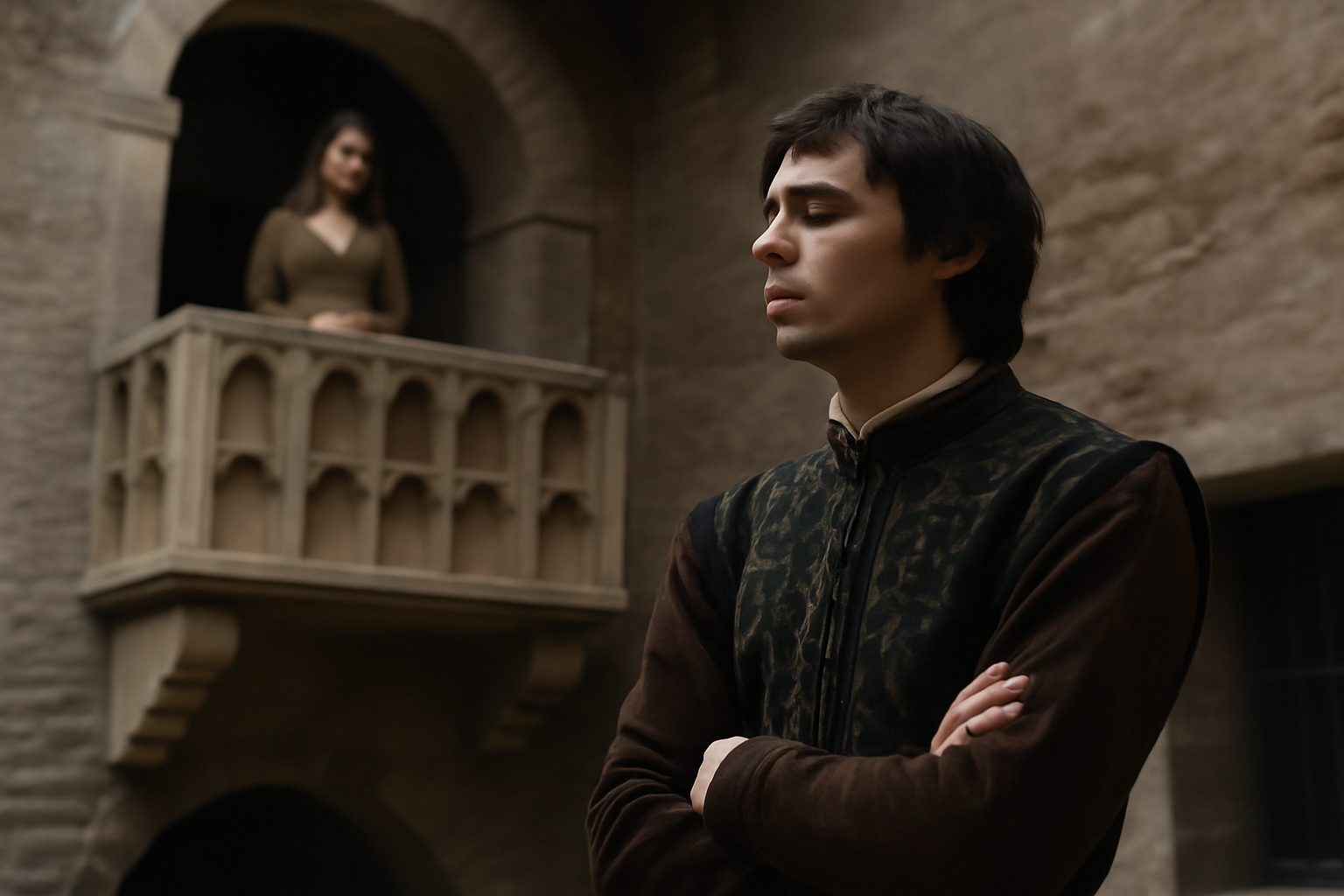
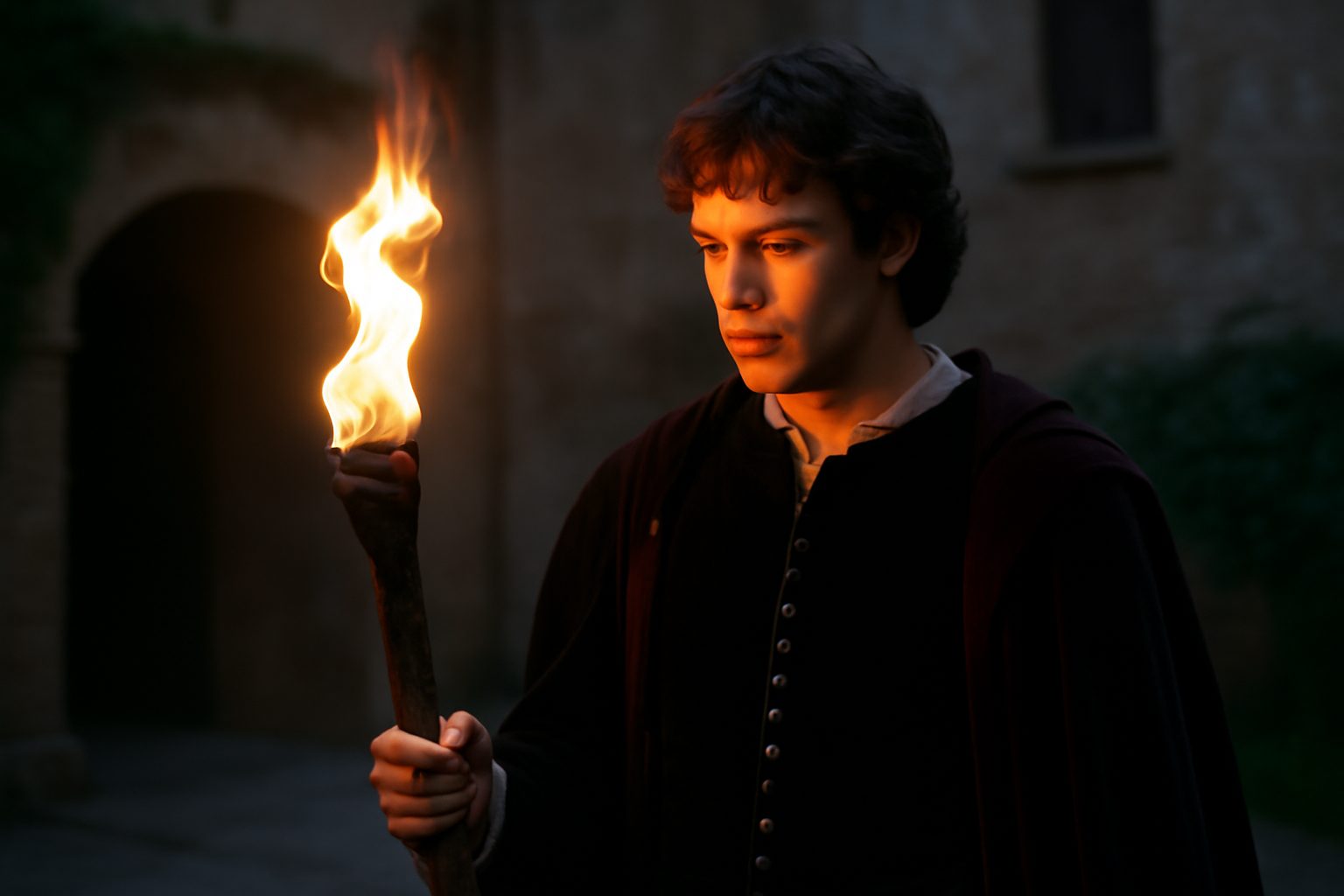
In Act 1, Scene 4 of Romeo and Juliet, Romeo and his friends are on their way to the Capulet's masquerade ball when Romeo expresses a sense of foreboding. He speaks of an unseen fate looming in the stars, hinting at the tragic events that will unfold as a result of this night. This line captures his uneasy premonition that their actions will have serious, perhaps disastrous, consequences.
Romeo: "Some consequence yet hanging in the stars"
In modern day english, we would say:
Romeo is worried that something bad, destined by fate, will happen because of the night’s events.
Frequently Asked Questions
What does Romeo mean when he talks about consequences hanging in the stars?
Romeo is expressing a feeling that his future holds something important, possibly bad, that is destined to happen, as if written in the stars.
Connections to other verses:
Connections to "Some consequence yet hanging in the stars"
Romeo's ominous premonition in Some consequence yet hanging in the stars resonates with several other verses in Act 1, Scene 4, establishing themes of fate, dreams, and foreboding.
Foreshadowing and Premonition
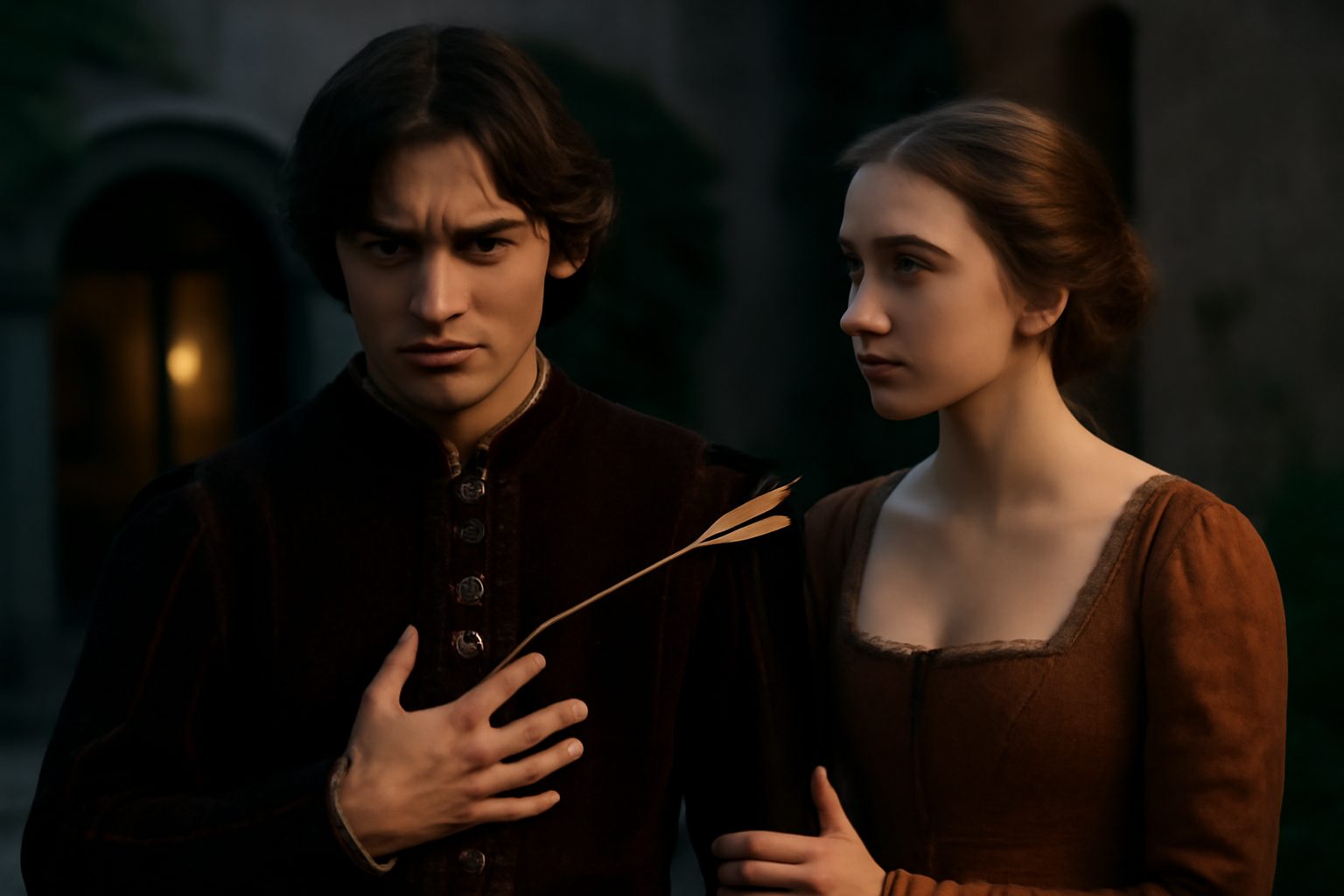
Romeo's sense of impending doom connects directly to his earlier line I fear, too early: for my mind misgives, where he first expresses his anxiety about attending the Capulet feast. This unease culminates in his prediction of some vile forfeit of untimely death, directly tying the "consequence" to mortal danger.
Dreams and Reality
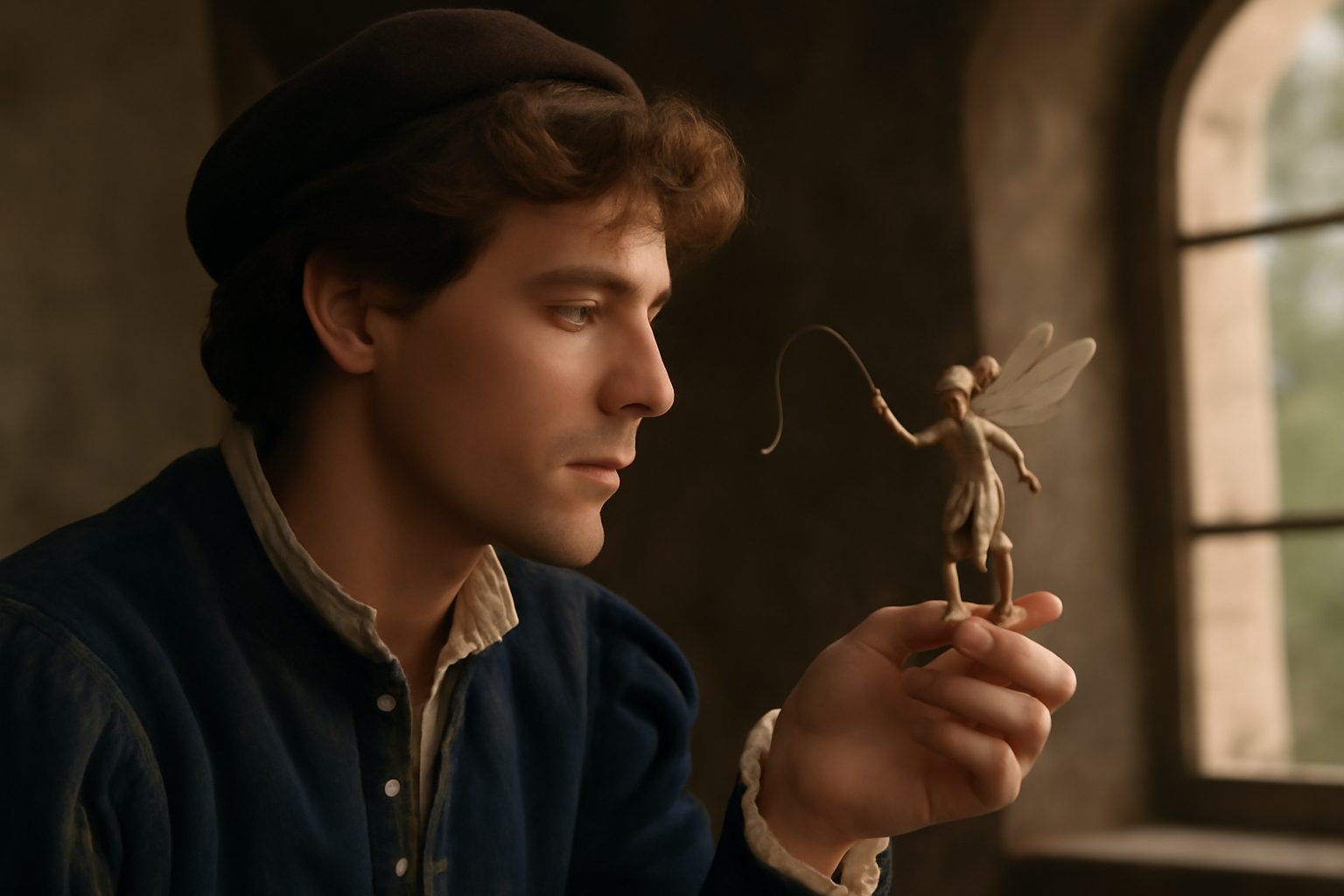
The astral imagery of consequences "hanging in the stars" contrasts with Mercutio's cynical view of dreams as Begot of nothing but vain fantasy. While Romeo attributes significance to stellar influence, Mercutio's Queen Mab speech (beginning with She is the fairies' midwife) mocks such beliefs as imaginary constructs.
Fate versus Free Will
Romeo ultimately submits to destiny in But He, that hath the steerage of my course, suggesting his "consequence" is divinely guided. This contrasts with Mercutio's energetic call to action in Direct my sail! On, lusty gentlemen, emphasizing human agency against Romeo's passive acceptance of fate.
Contrasting Worldviews
Romeo's solemn prophecy diverges sharply from the scene's opening concern with Or shall we on without apology? and the revelers' desire to measure them a measure, and be gone. Where others seek frivolity, Romeo alone senses the tragedy unfolding.