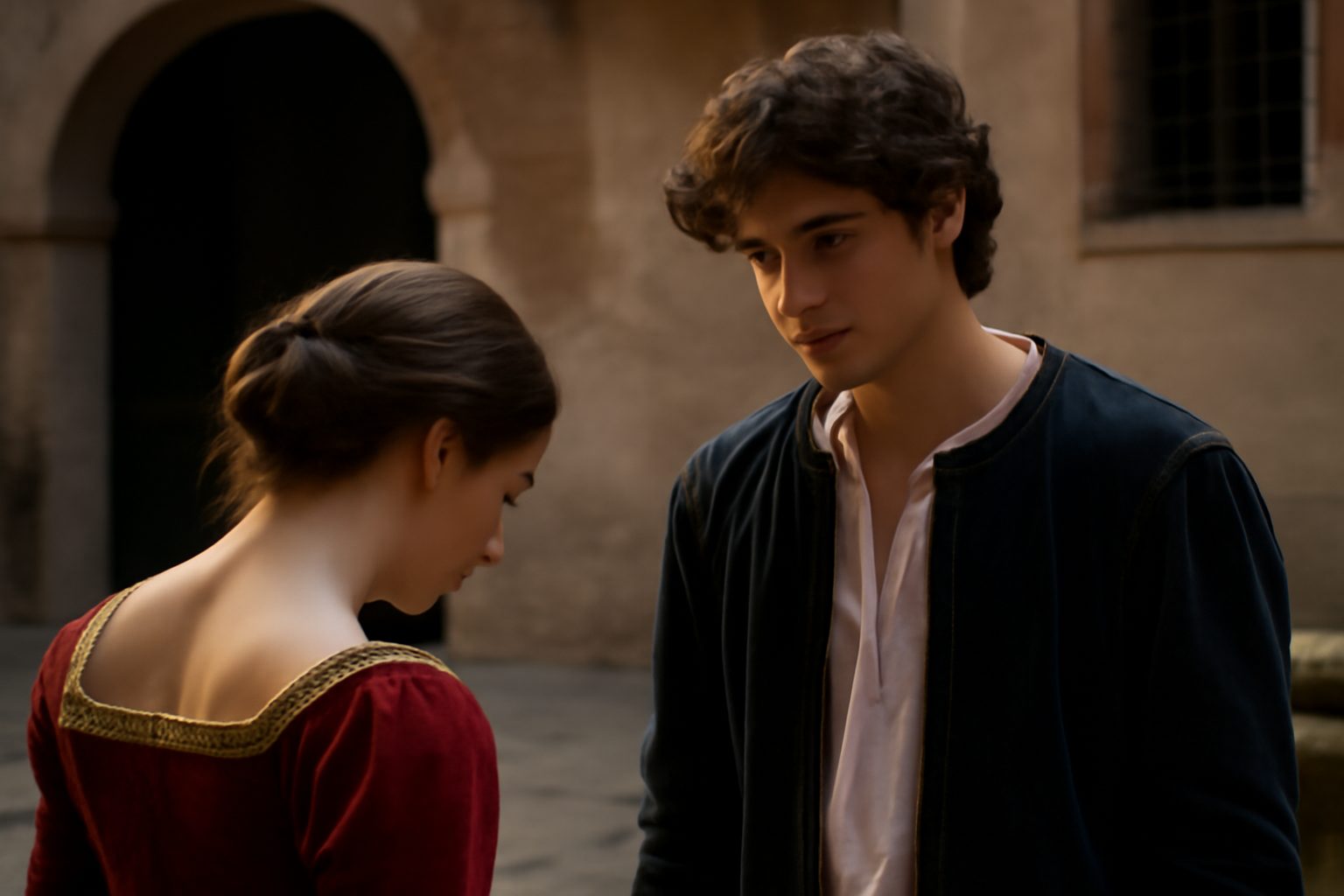
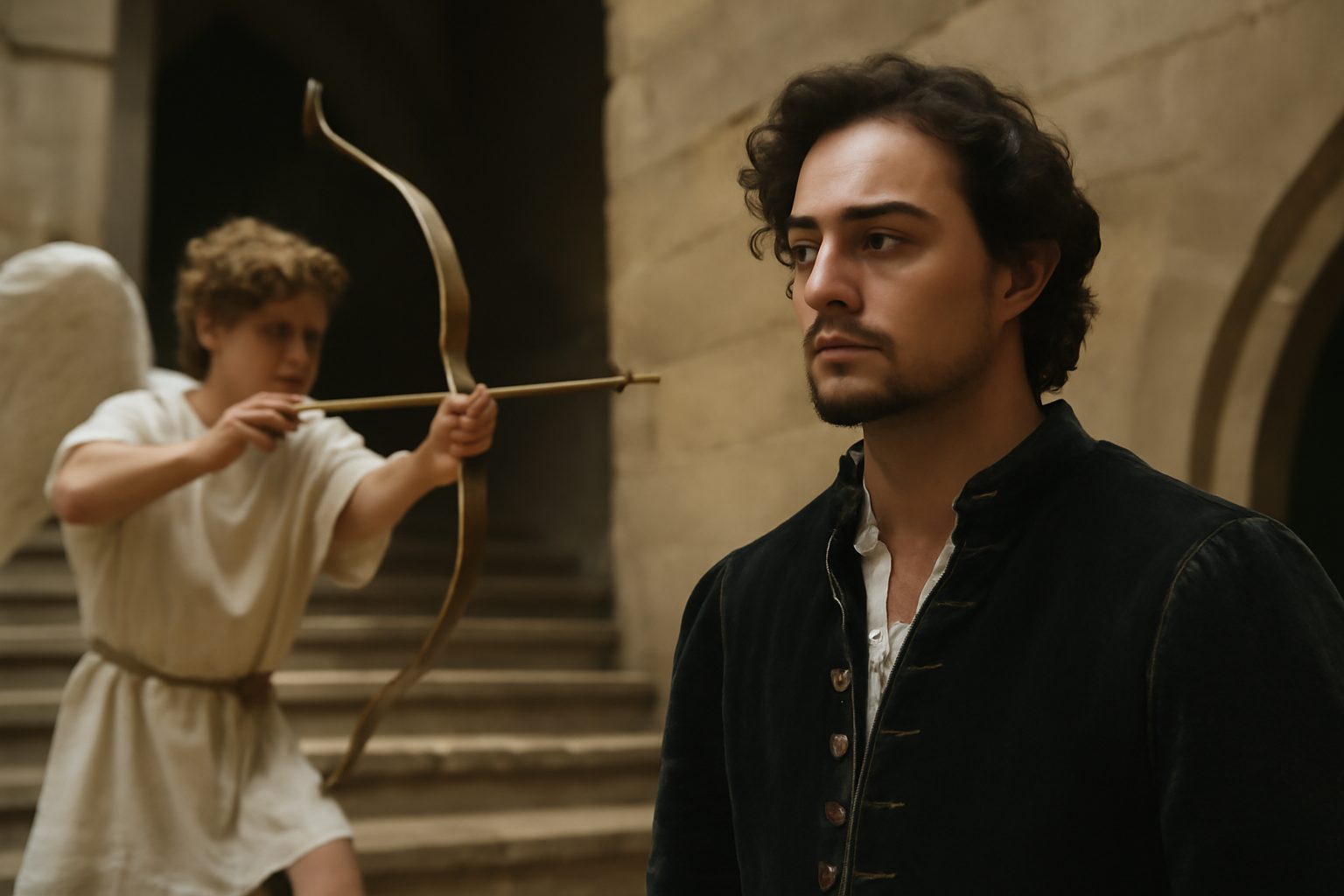
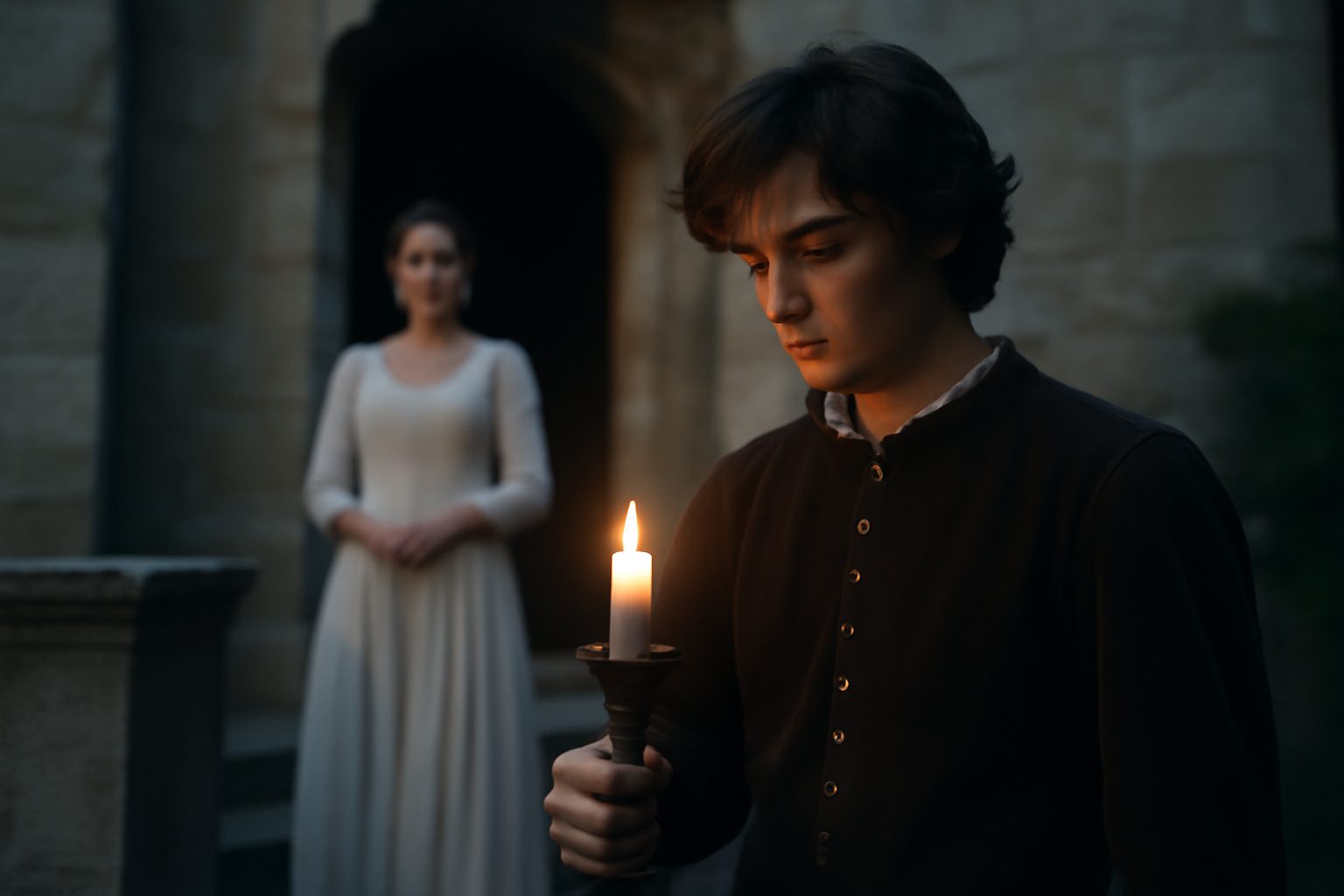
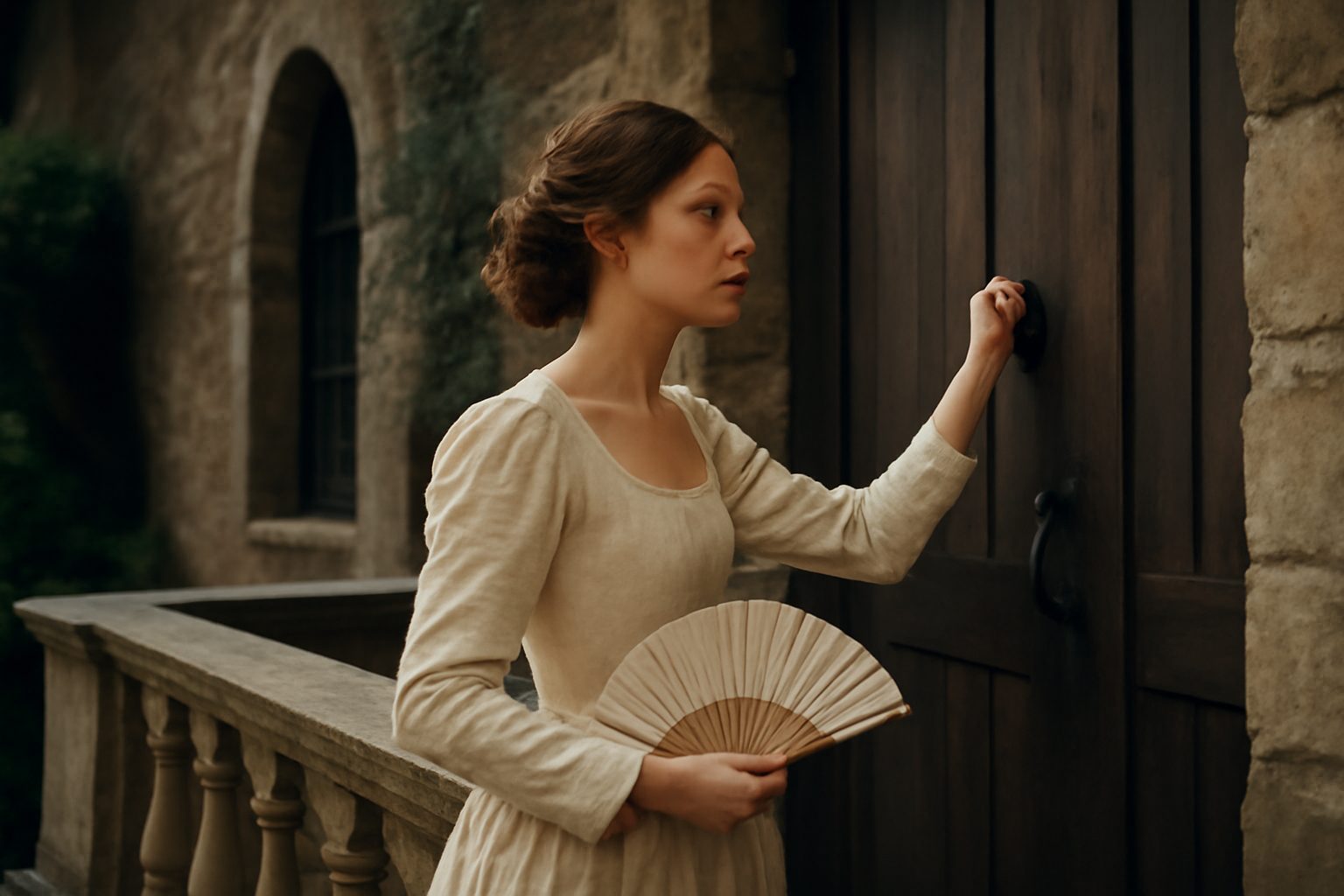
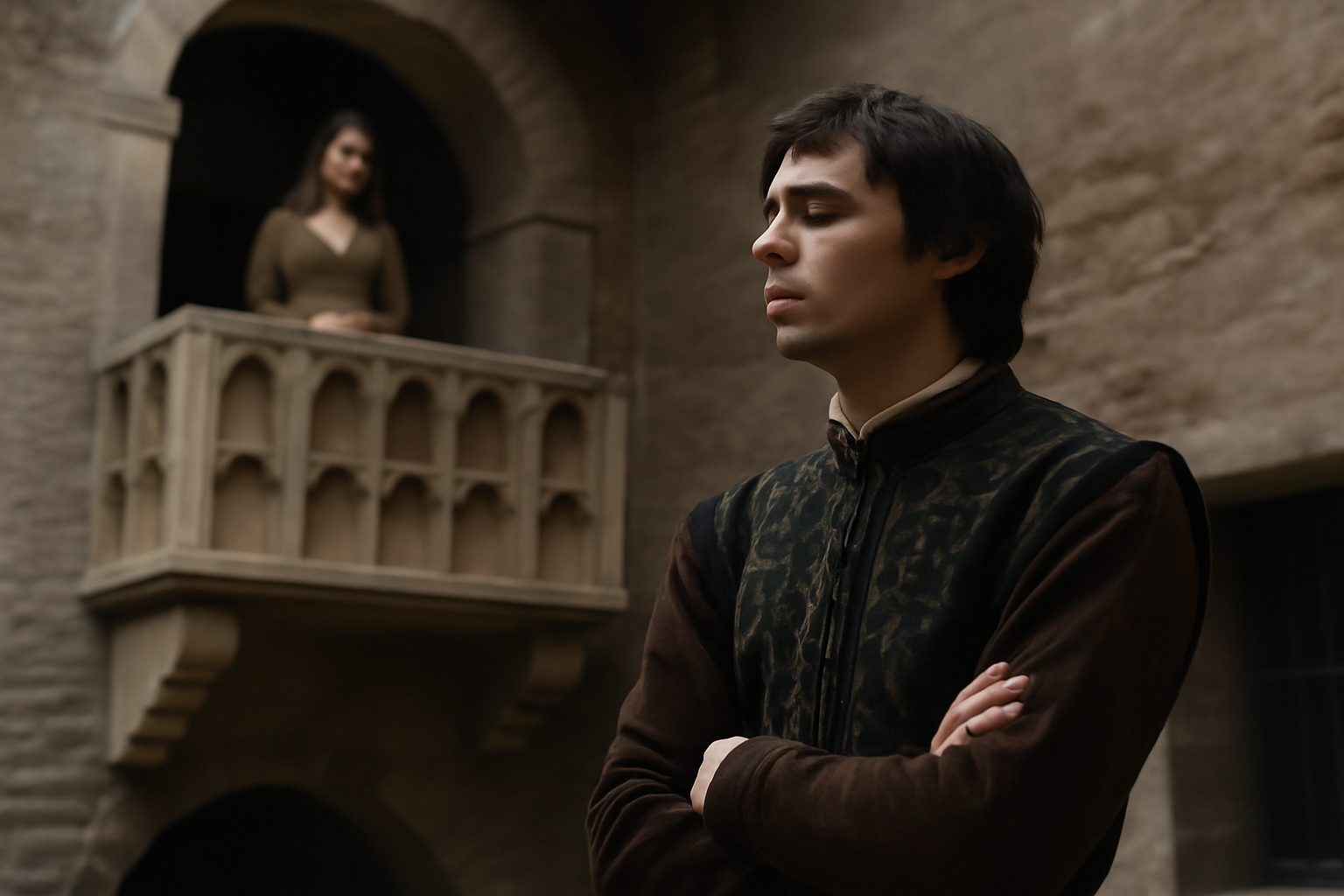
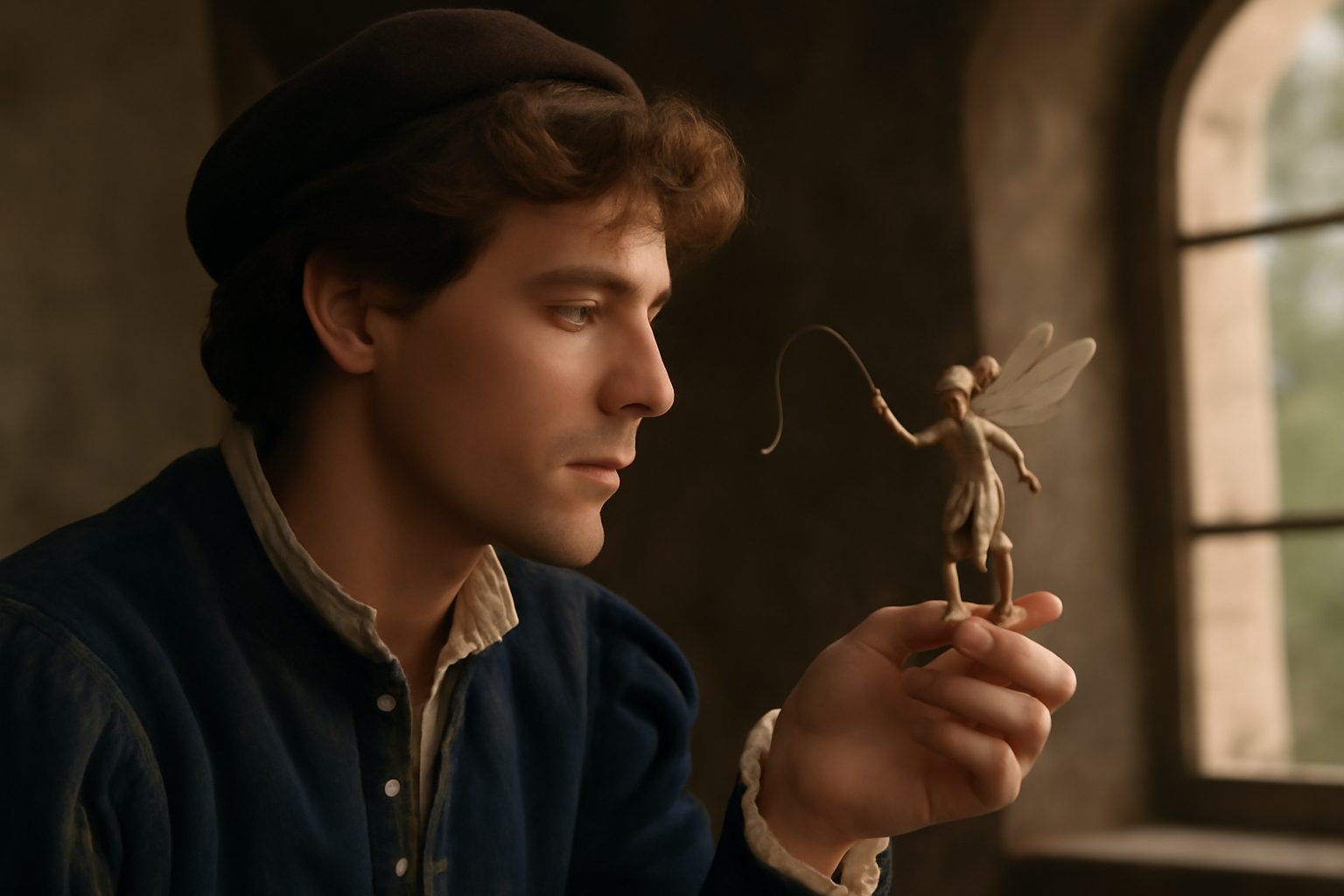
In Act 1, Scene 4 of Romeo and Juliet, Mercutio and Romeo are on their way to the Capulet feast when Mercutio dismisses Romeo's worries about the consequences of attending. This line is part of Mercutio's attempt to reassure Romeo, suggesting he should accept their friendly intent rather than overanalyze the situation. It reflects Mercutio's playful, carefree attitude in contrast to Romeo's more melancholic and cautious nature.
Mercutio: "Take our good meaning, for our judgment sits"
In modern day english, we would say:
Understand our good intentions, because we’ve thought this through carefully.
Frequently Asked Questions
What does Mercutio mean when he says their judgment sits?
Mercutio is saying that they should accept his words as well-intentioned because he is speaking with good sense and reason.
Connections to other verses:
Connections to "Take our good meaning, for our judgment sits"
The line "Take our good meaning, for our judgment sits" reflects the group's intention to attend the Capulet feast with honorable intentions, despite potential misinterpretations. This connects thematically and contextually to several other verses in the scene.
Intentions and Judgment
Earlier, Benvolio asserts "And we mean well in going to this mask", reinforcing the idea of good intentions that Romeo's line echoes. This shared purpose is further emphasized when Mercutio urges action with "Up to the ears. Come, we burn daylight, ho!", showing their collective resolve.
Rejection of Formality
The dismissal of elaborate excuses ties to "The date is out of such prolixity", where they reject outdated customs. Similarly, "Nor no without-book prologue, faintly spoke" underscores their preference for genuine intent over rehearsed formalities.
Contrast with Lightheartedness
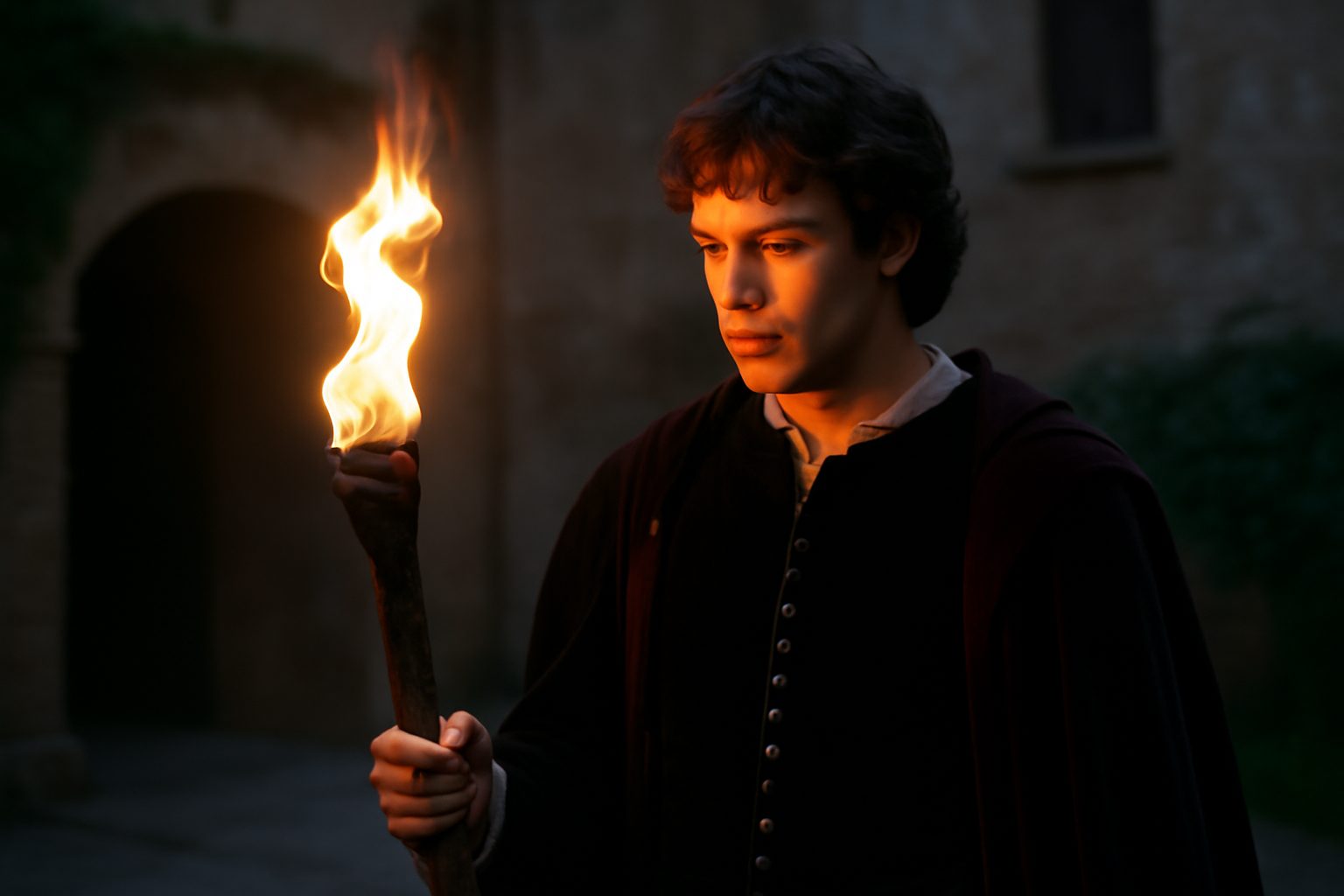
While Romeo speaks of judgment, Mercutio's playful demand for a torch in "A torch for me: let wantons light of heart" highlights a contrast in their attitudes—Romeo's seriousness versus Mercutio's whimsy.
Foreshadowing and Dreams
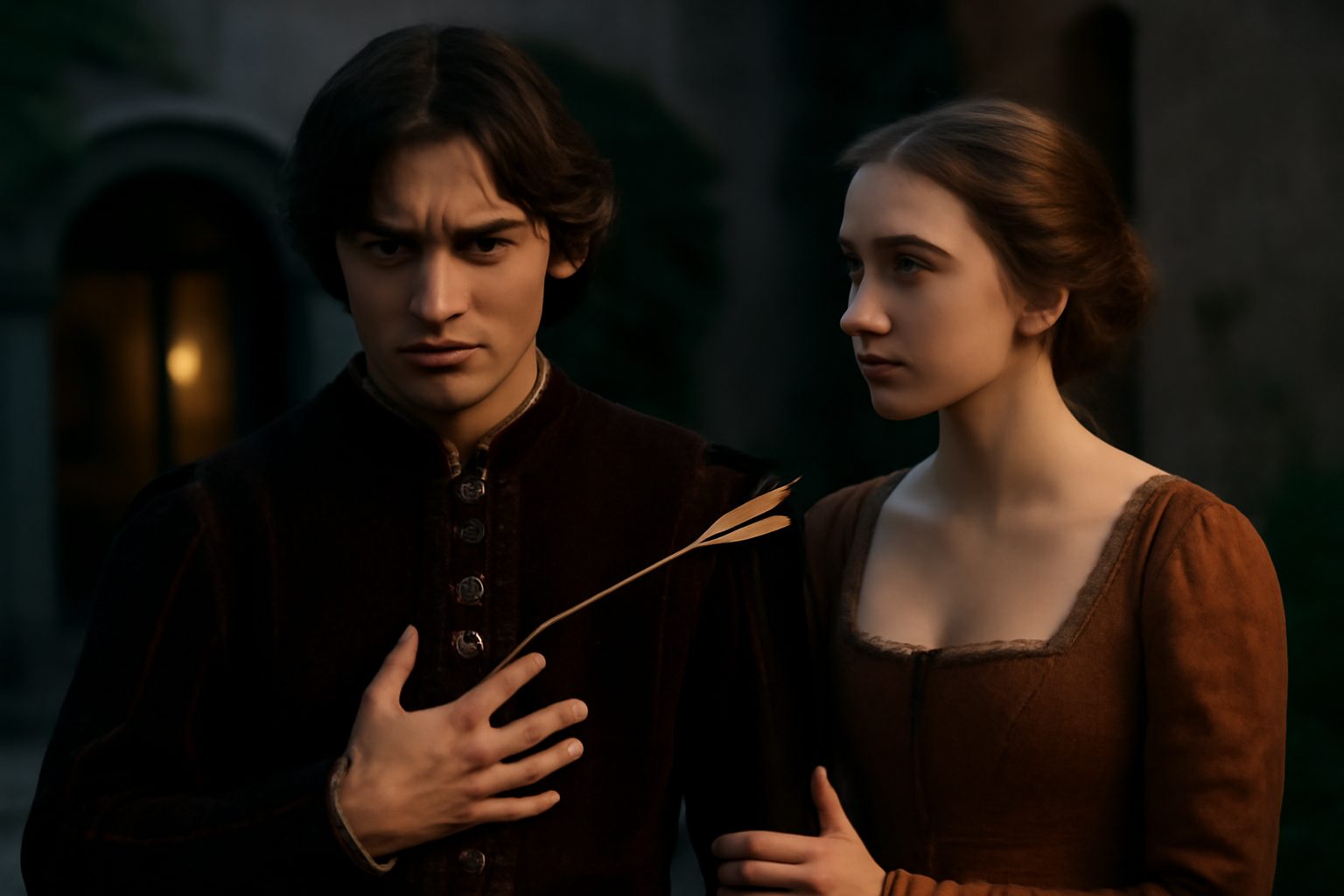
Romeo's later foreboding in "I fear, too early: for my mind misgives" casts irony on their "good meaning", suggesting fate may override their intentions. This aligns with Mercutio's speech on dreams as "Begot of nothing but vain fantasy", questioning the reliability of human judgment.