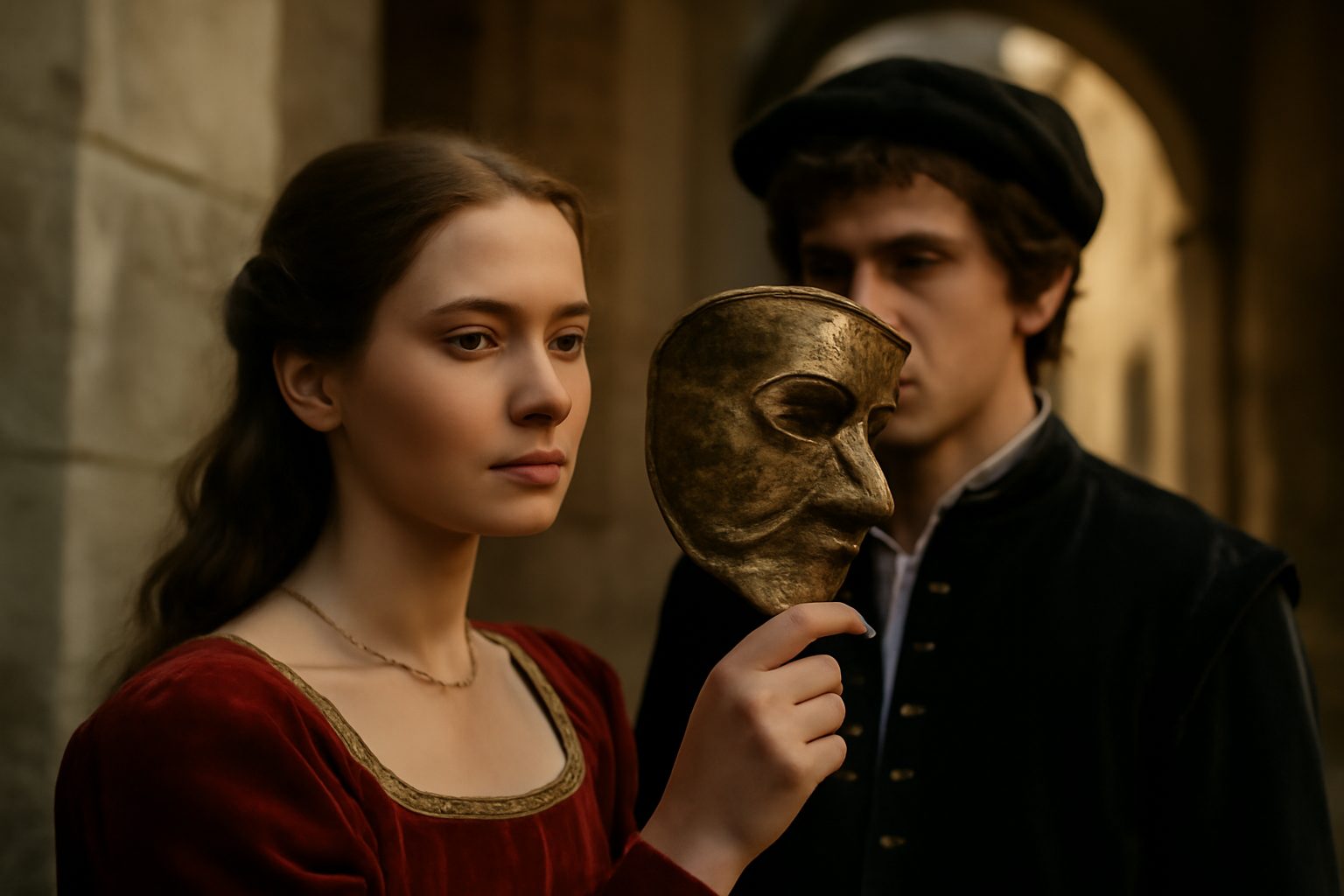
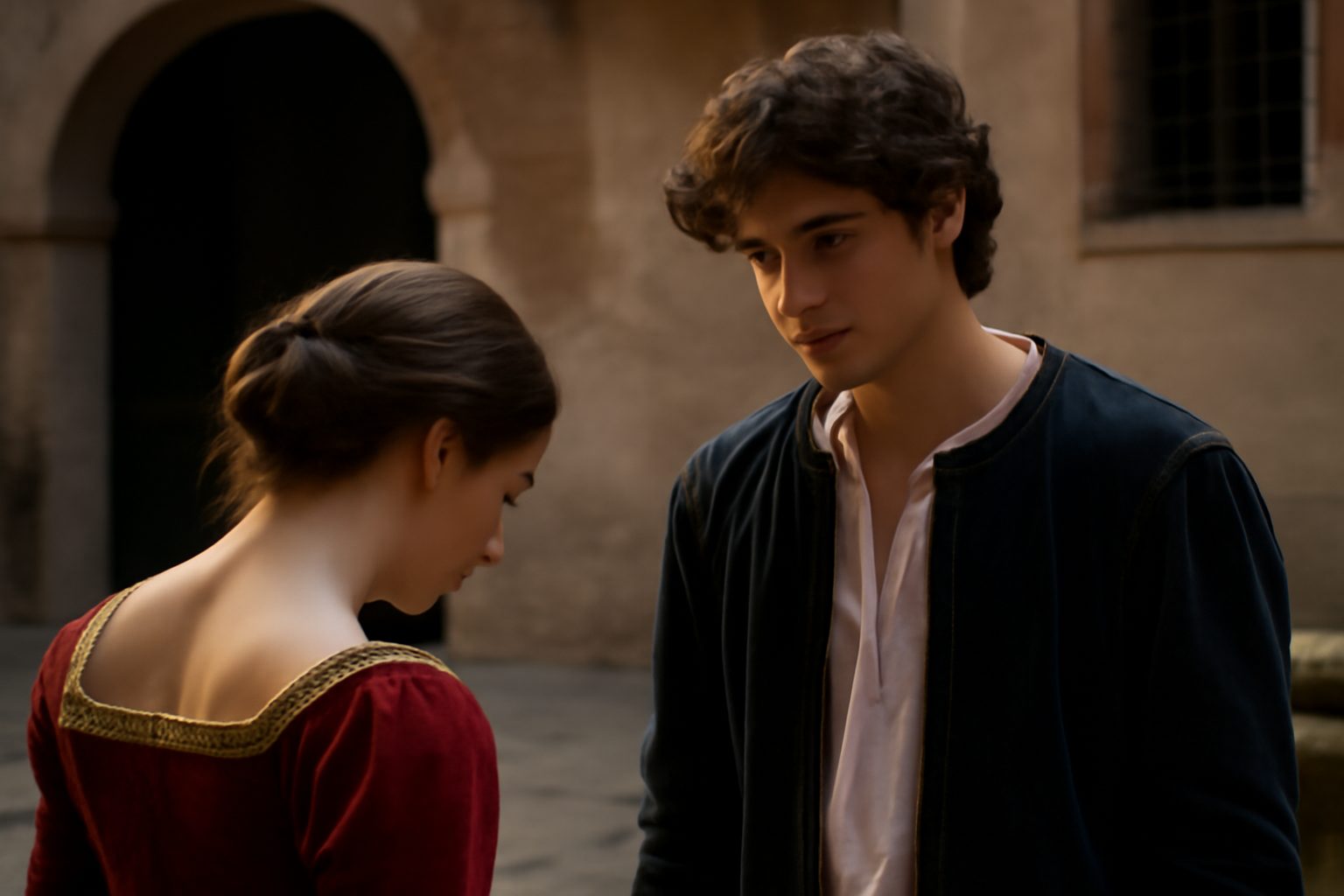
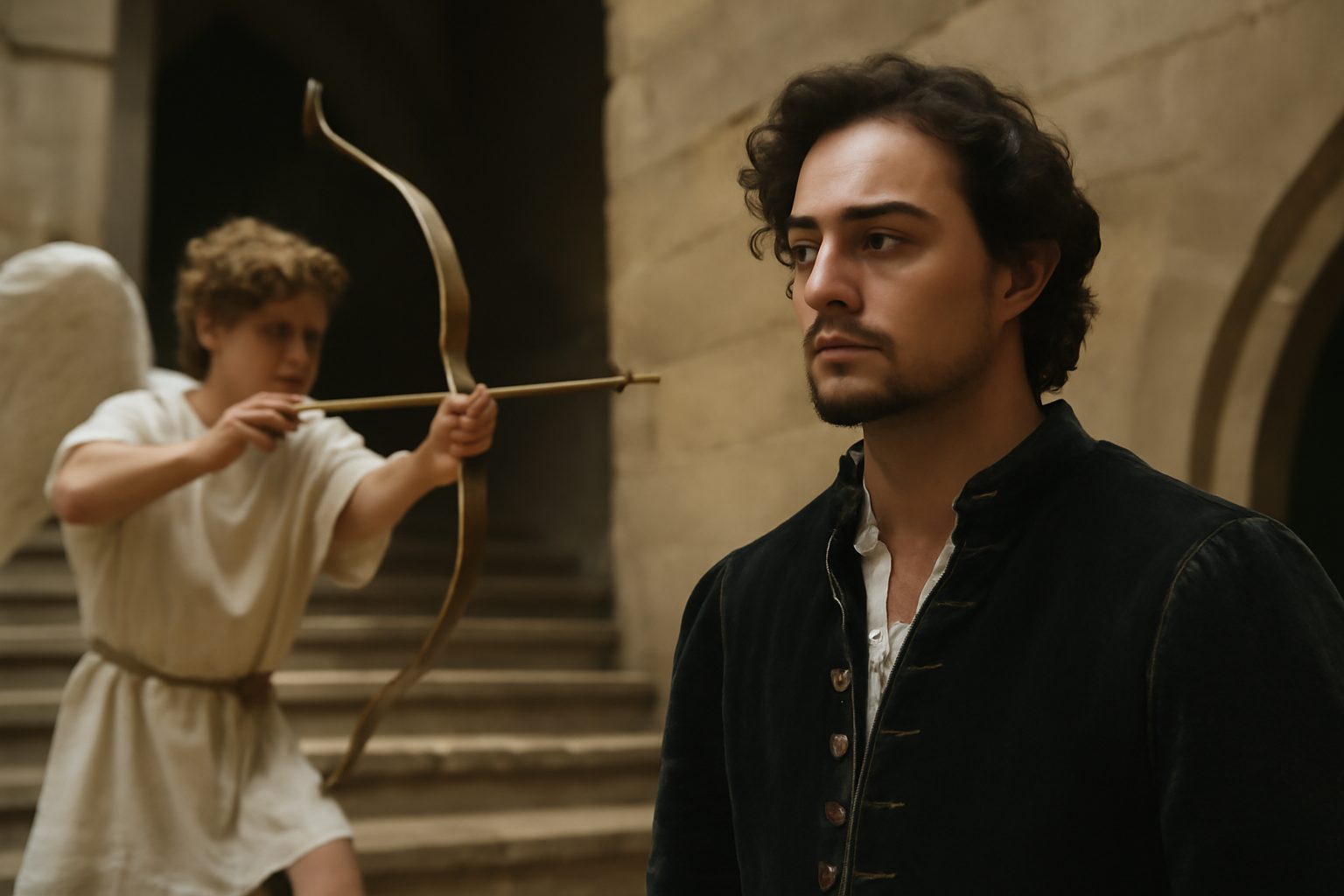
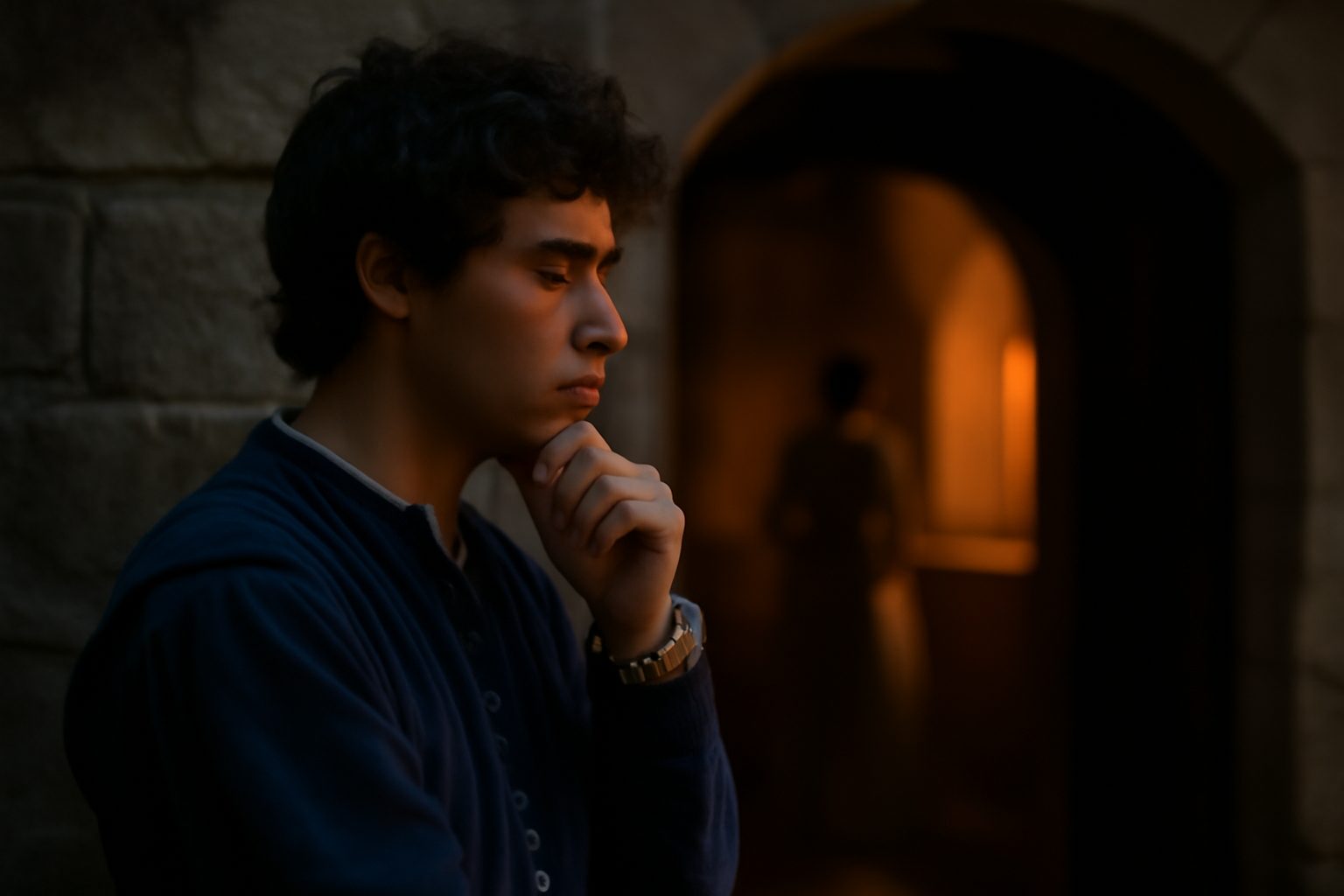
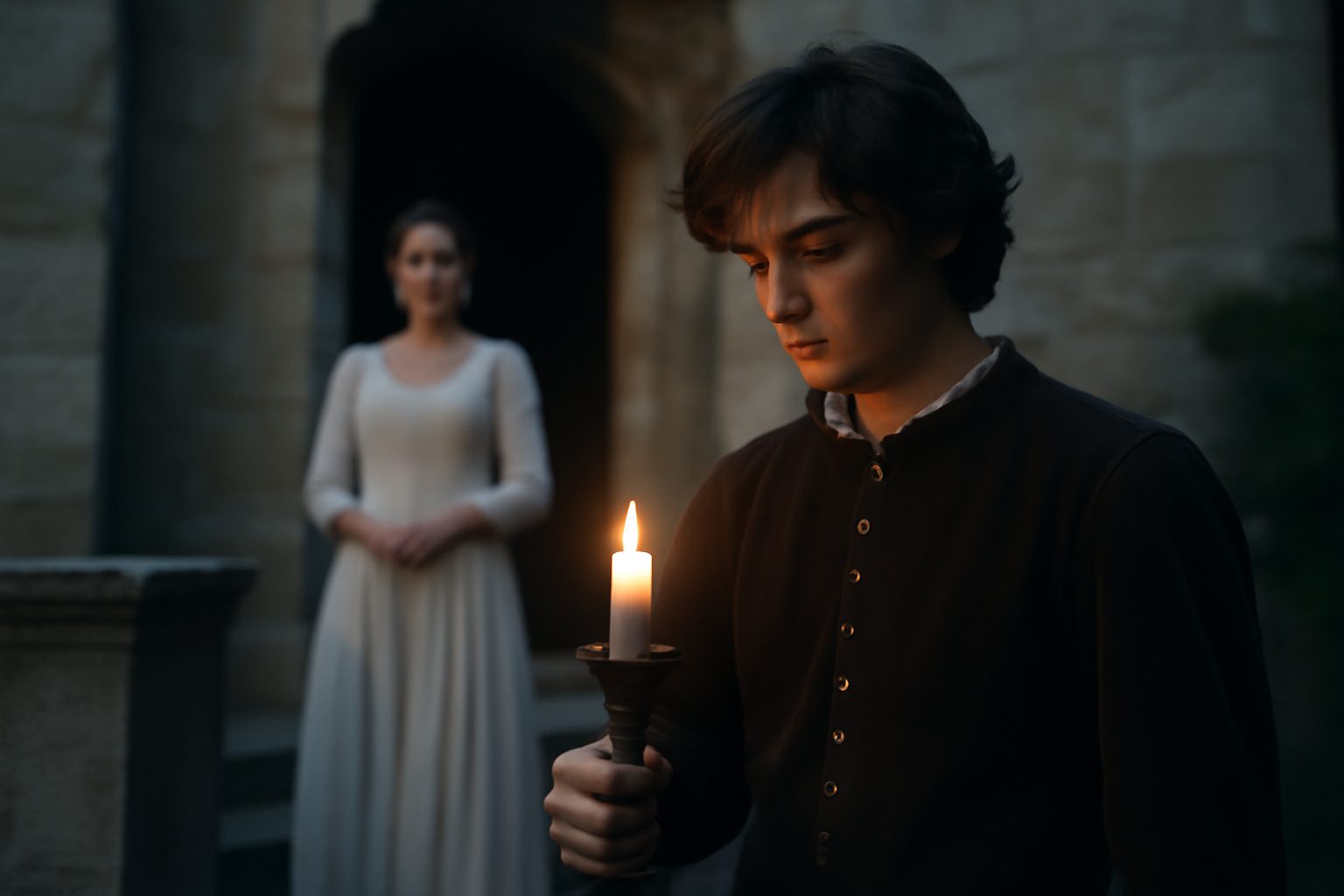
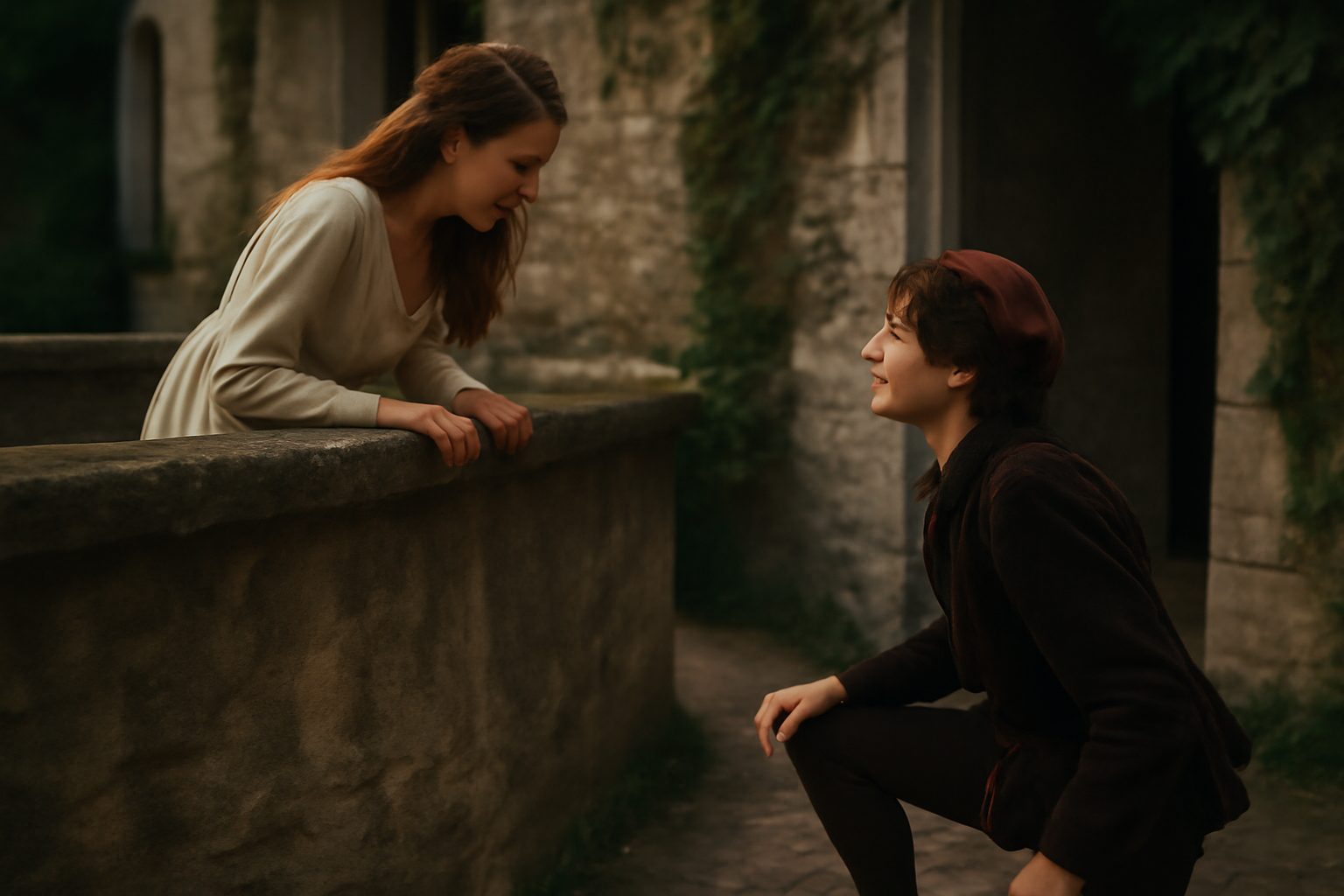
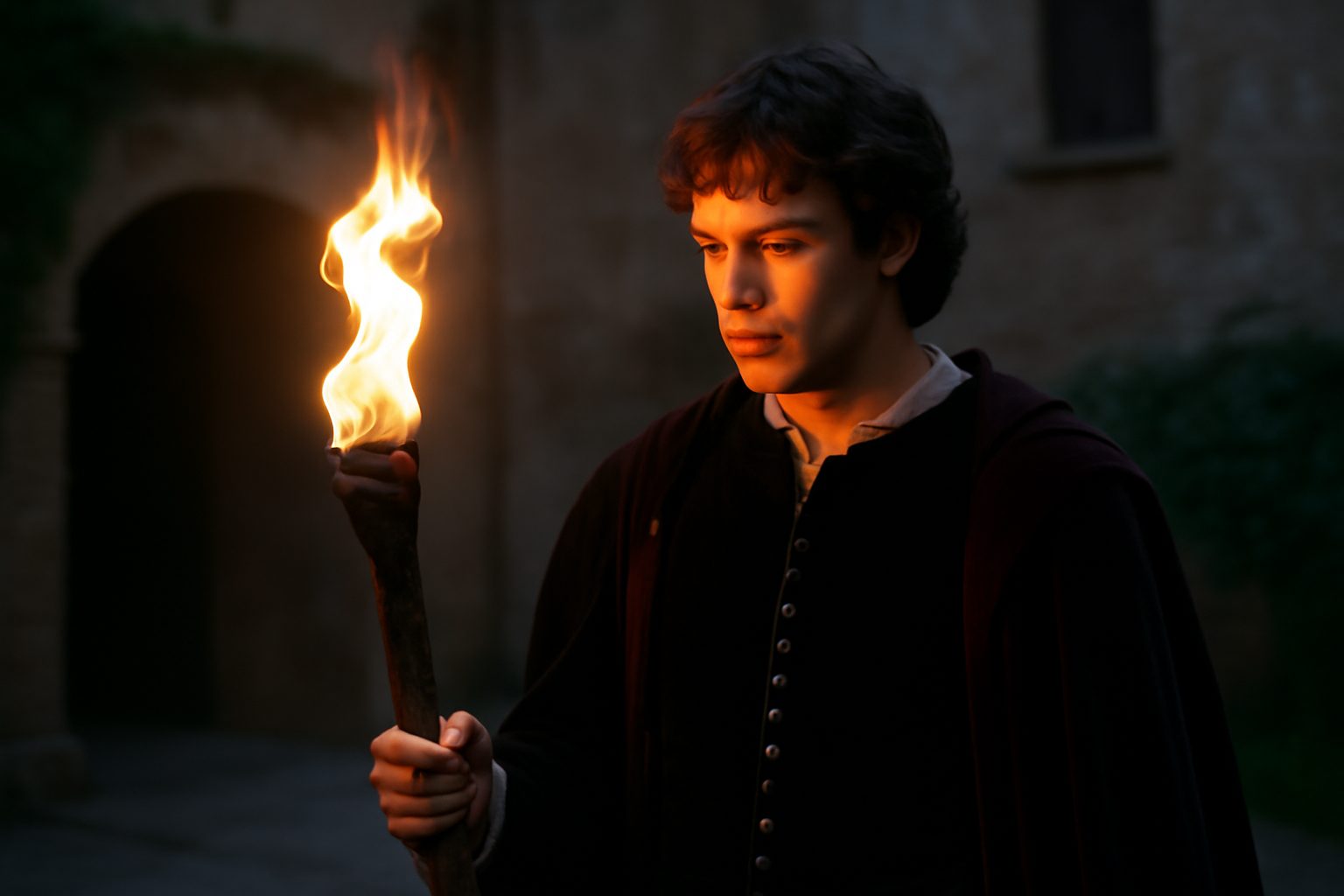
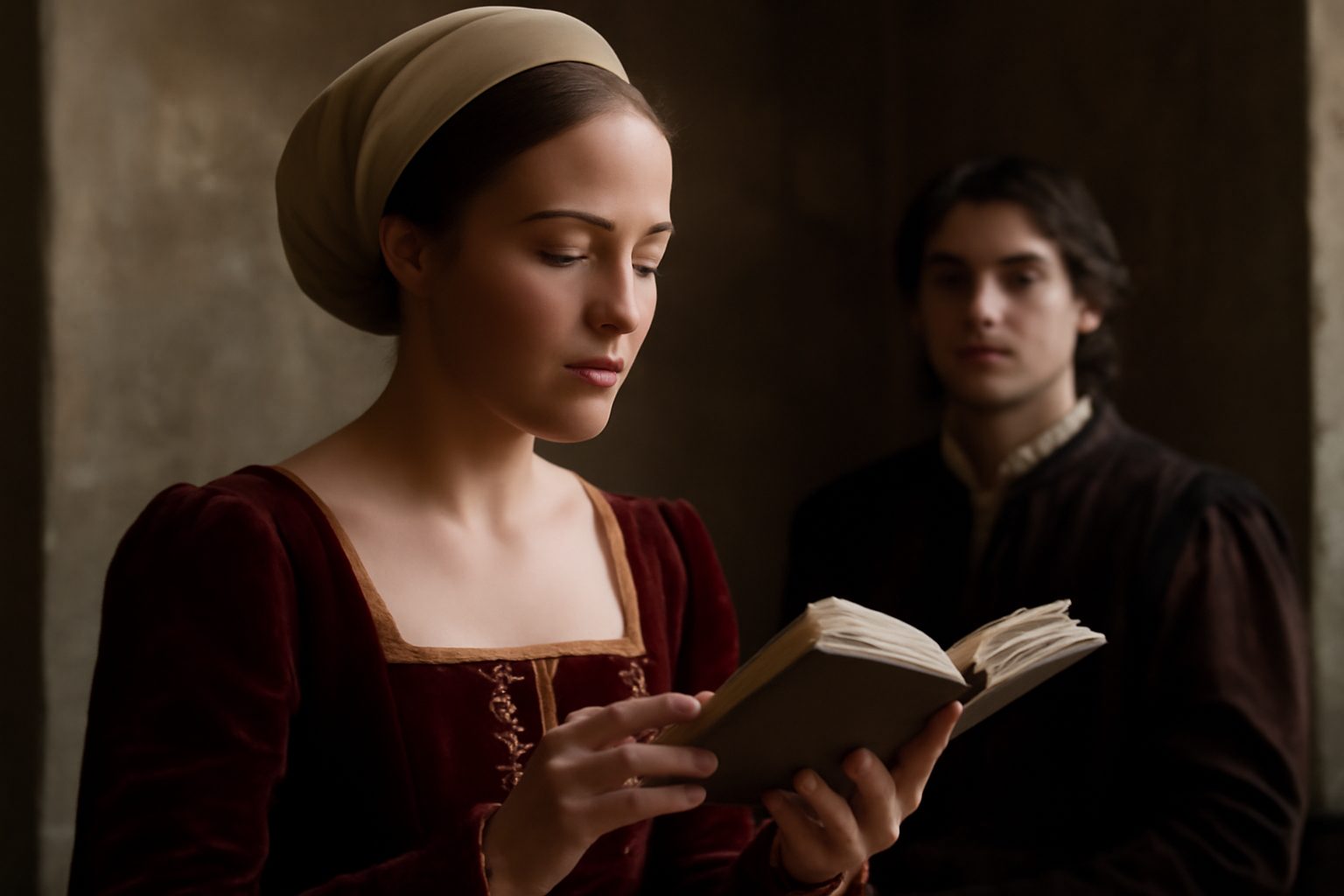
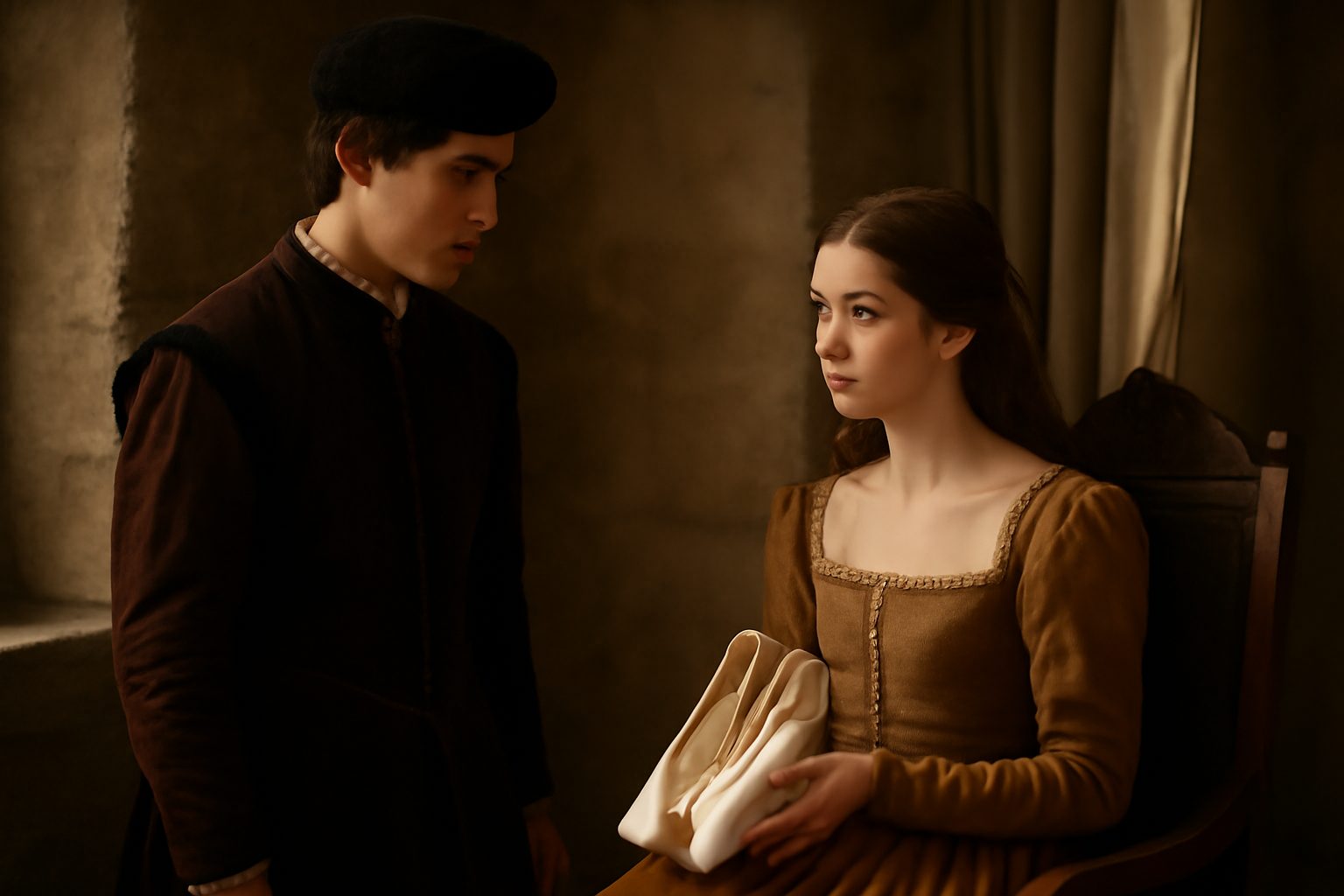
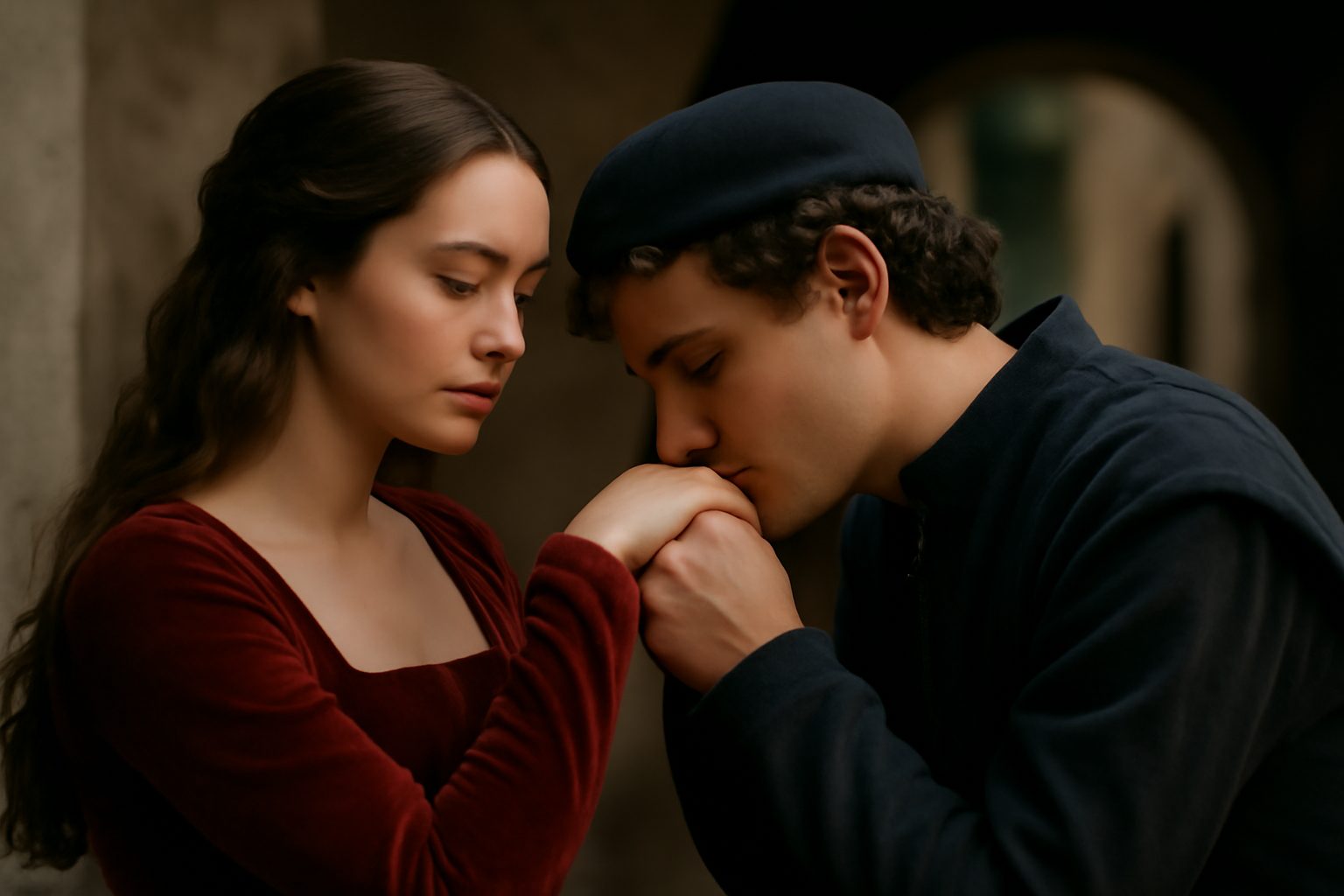
In Act 1, Scene 4 of Romeo and Juliet, Mercutio and Romeo are preparing to sneak into the Capulet's masquerade feast. Mercutio, ever the lively and impatient wit, urges Romeo to hurry, mocking his friend's reluctance with playful exaggeration. The line captures Mercutio's energetic spirit and his frustration with Romeo's lovesick hesitation.
Mercutio: "Up to the ears. Come, we burn daylight, ho!"
In modern day english, we would say:
We’re already deep in this—let’s stop wasting time and get going!
Frequently Asked Questions
What does Mercutio mean when he says they are burning daylight?
Mercutio is saying they are wasting time when they could be doing something fun or important.
Connections to other verses:
Connections to "Up to the ears. Come, we burn daylight, ho!"
This line, spoken by Mercutio, expresses impatience and urgency to proceed to the Capulet feast. It connects thematically and tonally with several other verses in the scene.
Urgency and Impatience
Mercutio's call to action echoes earlier expressions of haste, such as "Supper is done, and we shall come too late", reinforcing the group's concern about tardiness. Similarly, "Or shall we on without a apology?" reflects this impulsive attitude toward the masquerade.
Wasting Time and Light
The phrase "burn daylight" metaphorically criticizes wasting time, which relates directly to "We waste our lights in vain, like lamps by day". Both lines emphasize the futility of their current delay, with Mercutio urging movement instead of idle discussion.
Contrast with Romeo's Melancholy
Mercutio's energetic impatience contrasts sharply with Romeo's lovesick heaviness, evident in lines like "I have a soul of lead" and "Under love's heavy burden do I sink". Where Romeo is immobilized by emotion, Mercutio advocates action.
Pragmatism vs. Ceremony
Mercutio's dismissal of formalities aligns with his earlier rejection of elaborate excuses in "The date is out of such prolixity" and "Nor no without-book prologue, faintly spoke". His focus is on experience rather than protocol.
Group Dynamics and Resolution
The collective energy in "Come, we burn daylight, ho!" culminates the scene's shift from debate to departure, leading directly to "Direct my sail! On, lusty gentlemen" and the final "Strike, drum", marking their decisive movement toward the feast.