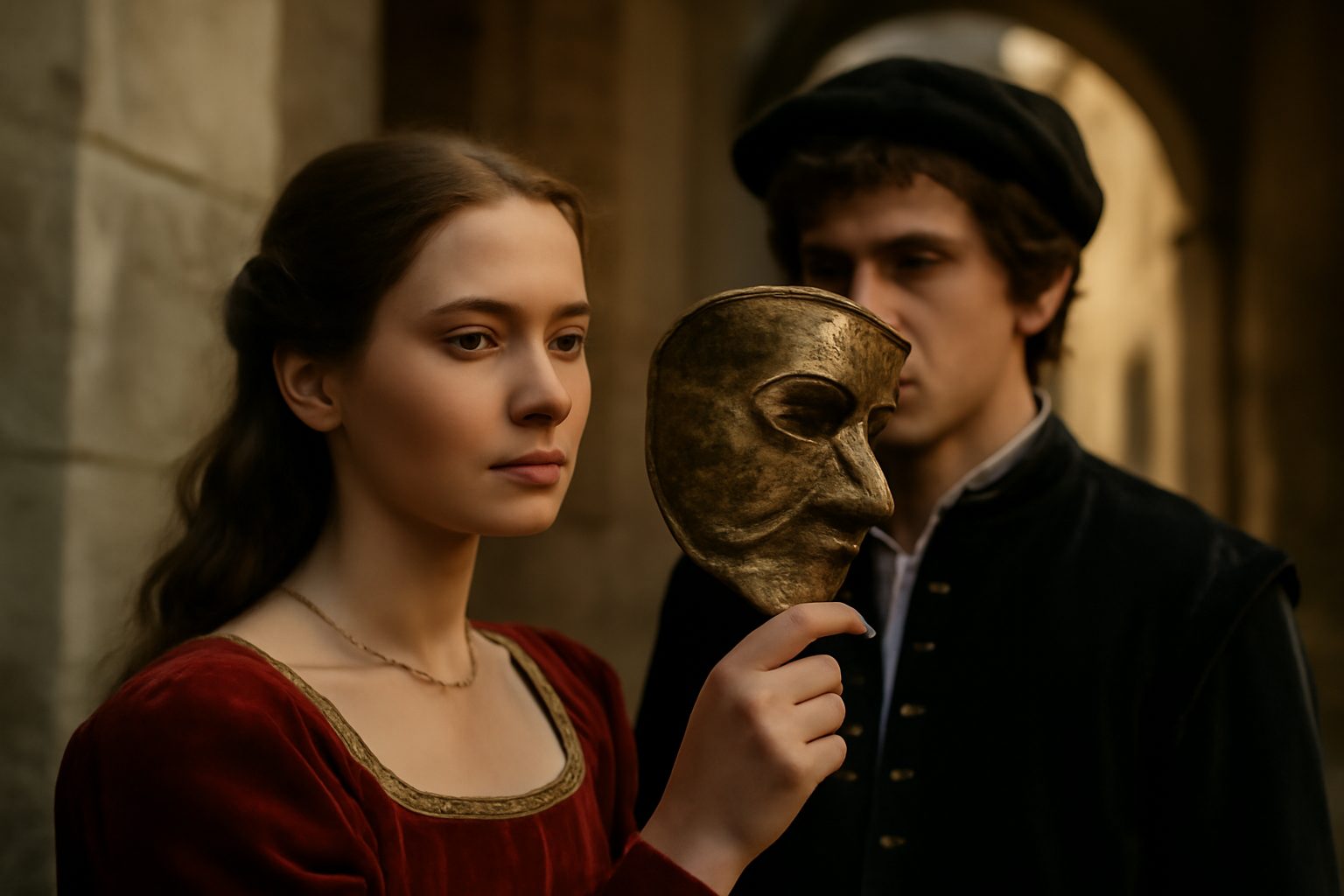
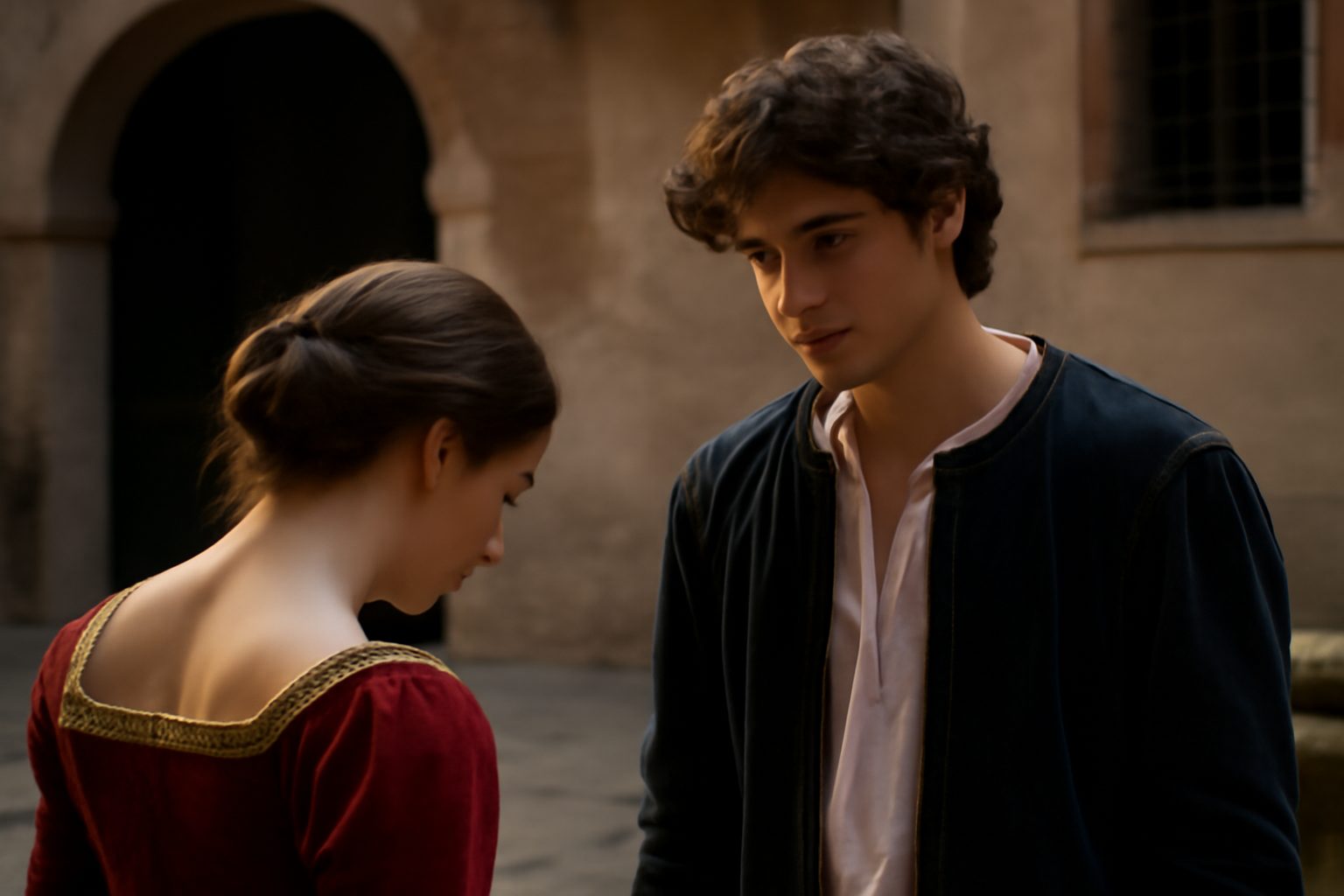
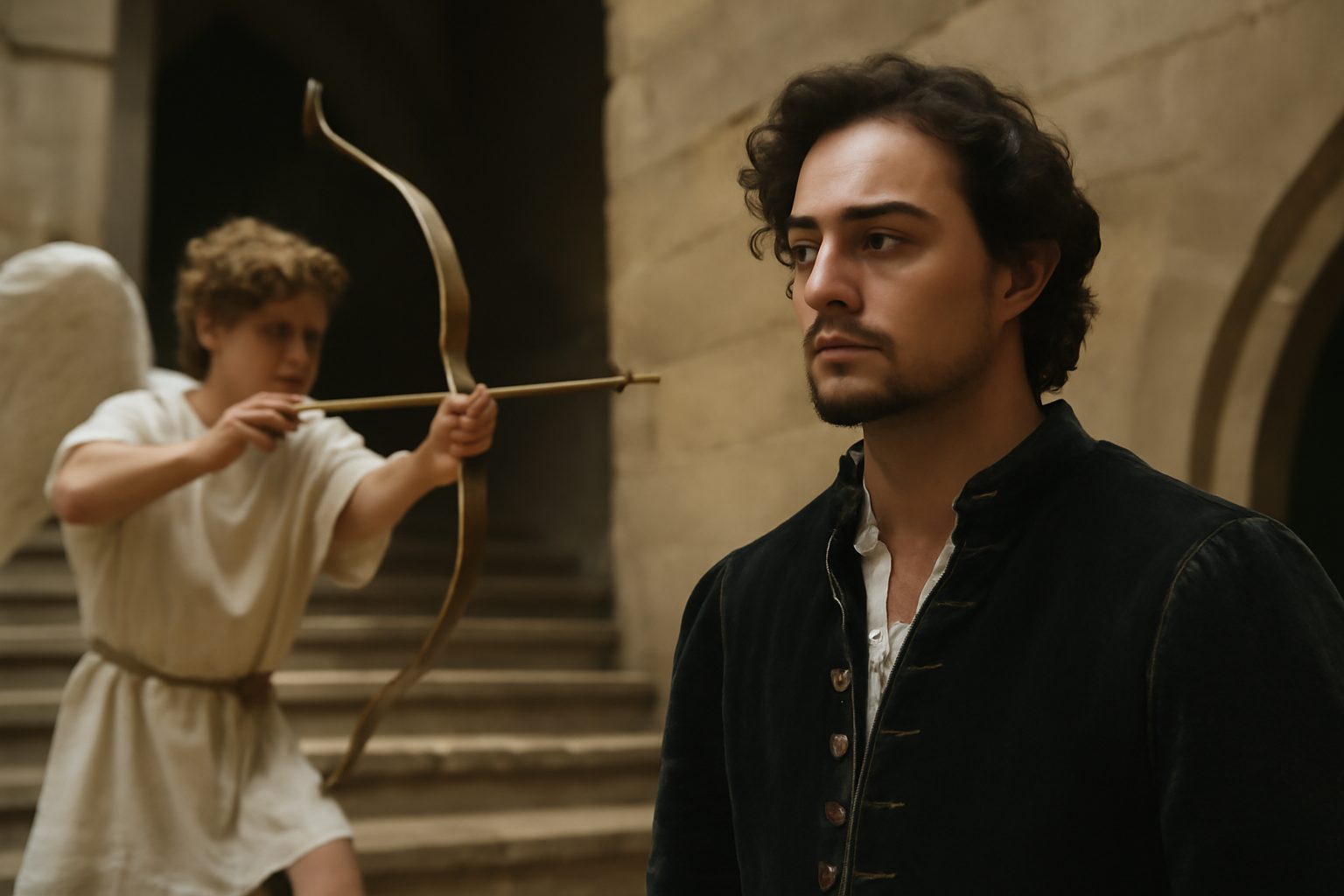
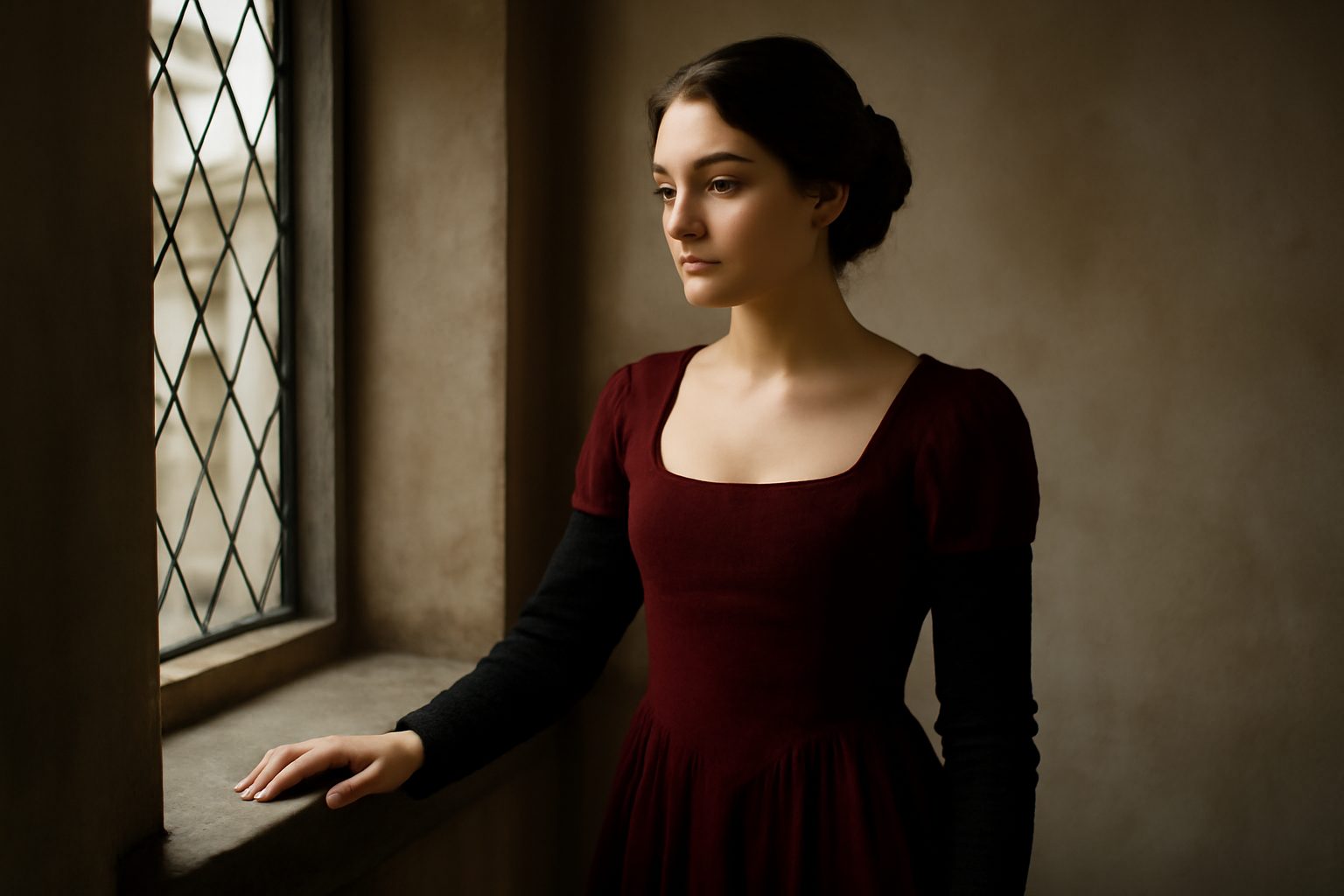
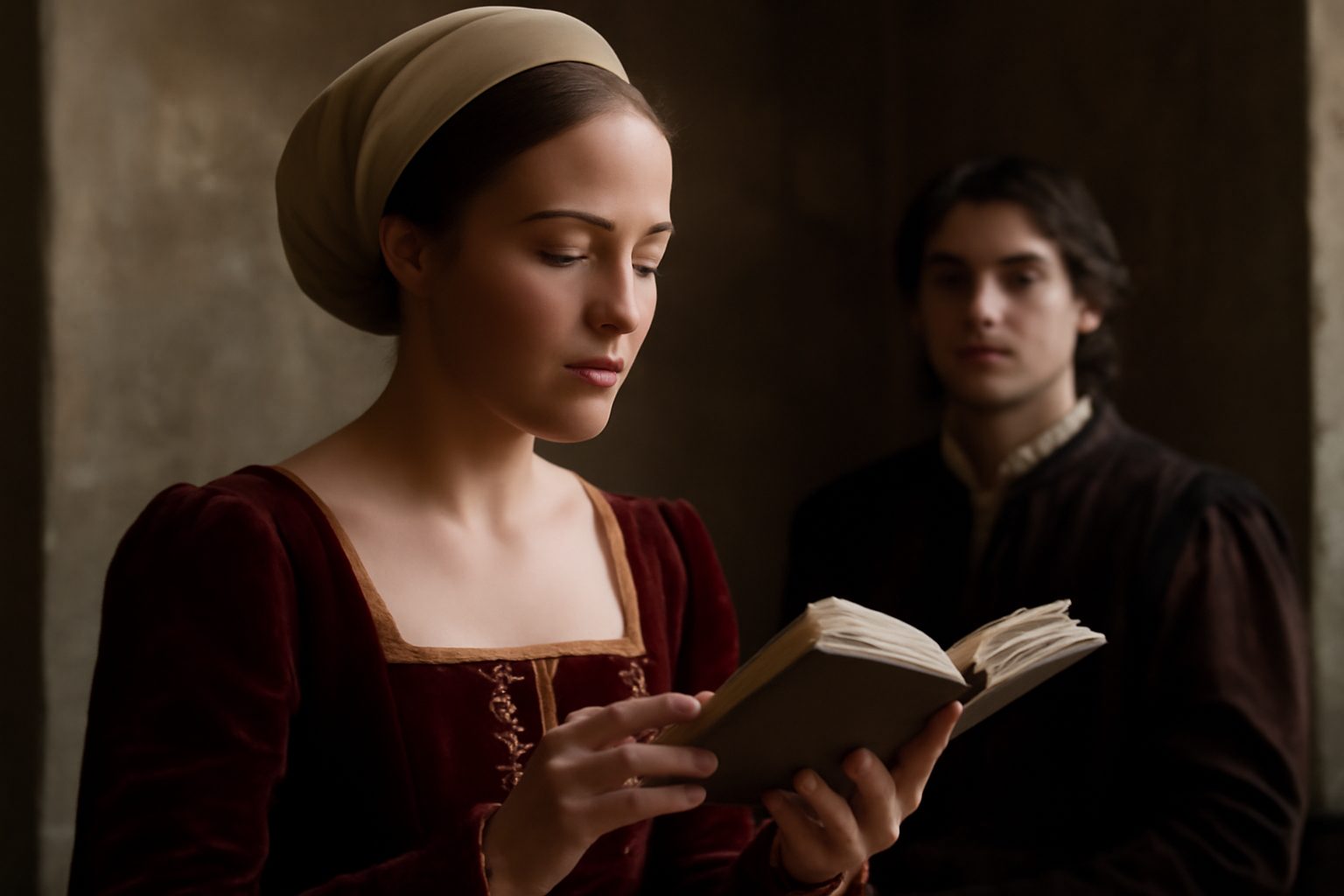
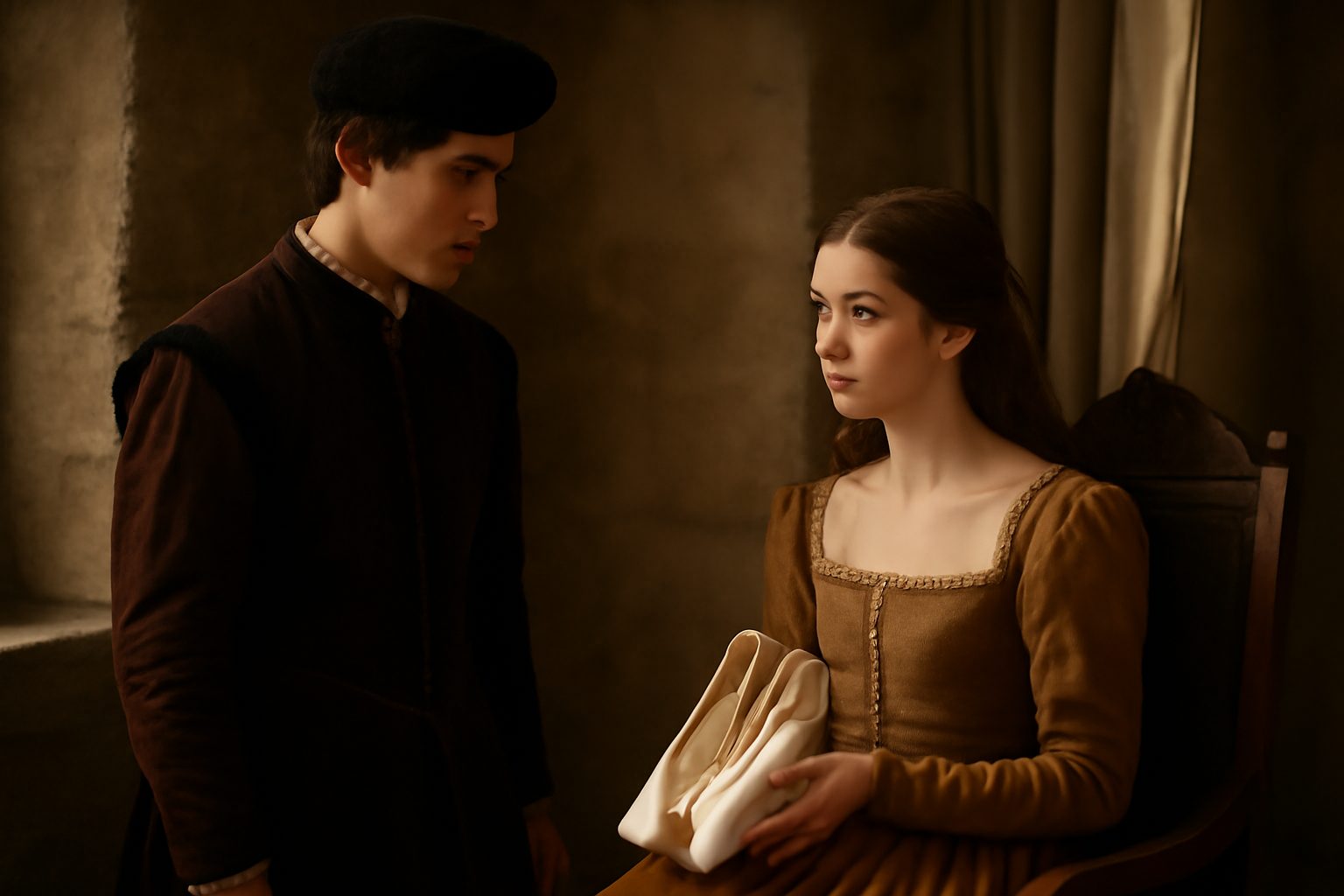
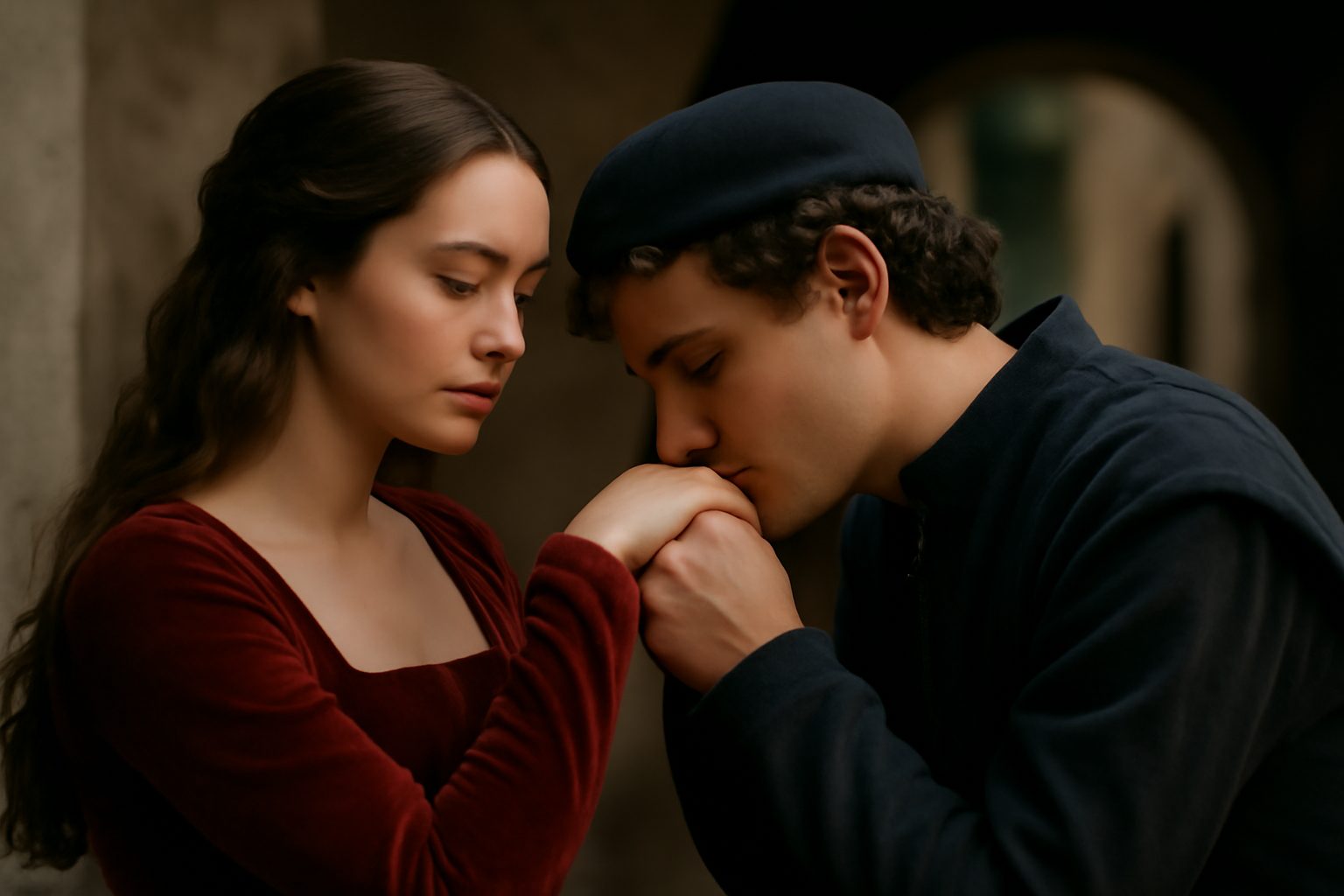
In Act 1, Scene 4 of Romeo and Juliet, Mercutio and Romeo are on their way to the Capulet feast when Mercutio launches into a fanciful, exaggerated speech about dreams. Romeo, preoccupied by his own melancholy and love for Rosaline, dismisses Mercutio's wild imaginings with this blunt reply, showing his disinterest in playful banter. The moment highlights the contrast between Romeo's seriousness and Mercutio's lively, irreverent wit.
Romeo: "Thou talk'st of nothing."
In modern day english, we would say:
You're not saying anything meaningful.
Frequently Asked Questions
What does Romeo mean when he says 'Thou talk'st of nothing'?
Romeo is saying that the other person is not making any sense or talking about unimportant things.
Connections to other verses:
Connections to "Thou talk'st of nothing"
The line Thou talk'st of nothing is spoken by Romeo in response to Mercutio's elaborate Queen Mab speech, directly dismissing his friend's fantastical discourse as meaningless. This connects thematically and dramatically to several other verses in the scene.
Dreams and Fantasy
Romeo's dismissal links to Mercutio's earlier claim that True, I talk of dreams, acknowledging his own subject matter while defending its significance. Mercutio further elaborates that dreams are Which are the children of an idle brain, suggesting they originate from frivolous thoughts. He describes them as Begot of nothing but vain fantasy, reinforcing Romeo's "nothing" accusation while paradoxically celebrating creativity.
Contrasting Perspectives on Love
Romeo's melancholic attitude toward love contrasts with Mercutio's playful banter. Where Romeo declares Is love a tender thing? it is too rough, Mercutio retorts with If love be rough with you, be rough with love. This fundamental disagreement about love's nature underpins their exchange, making Romeo's dismissal of Mercutio's speech consistent with his sorrowful perspective.
Foreshadowing and Foreboding
Romeo's skepticism about dreams and fantasy contrasts with his own ominous premonition at the scene's end, where he fears Some consequence yet hanging in the stars and references By some vile forfeit of untimely death. This juxtaposition highlights his internal conflict between dismissing fantasy and acknowledging fate.
Structural and Tonal Shifts
The phrase serves as a turning point, concluding Mercutio's extended poetic diversion and prompting Benvolio's practical interjection: Peace, peace, Mercutio, peace!. This returns the conversation to the immediate action—their approach to the Capulet feast—and underscores the contrast between Mercutio's imaginative wit and Romeo's earnest despair.