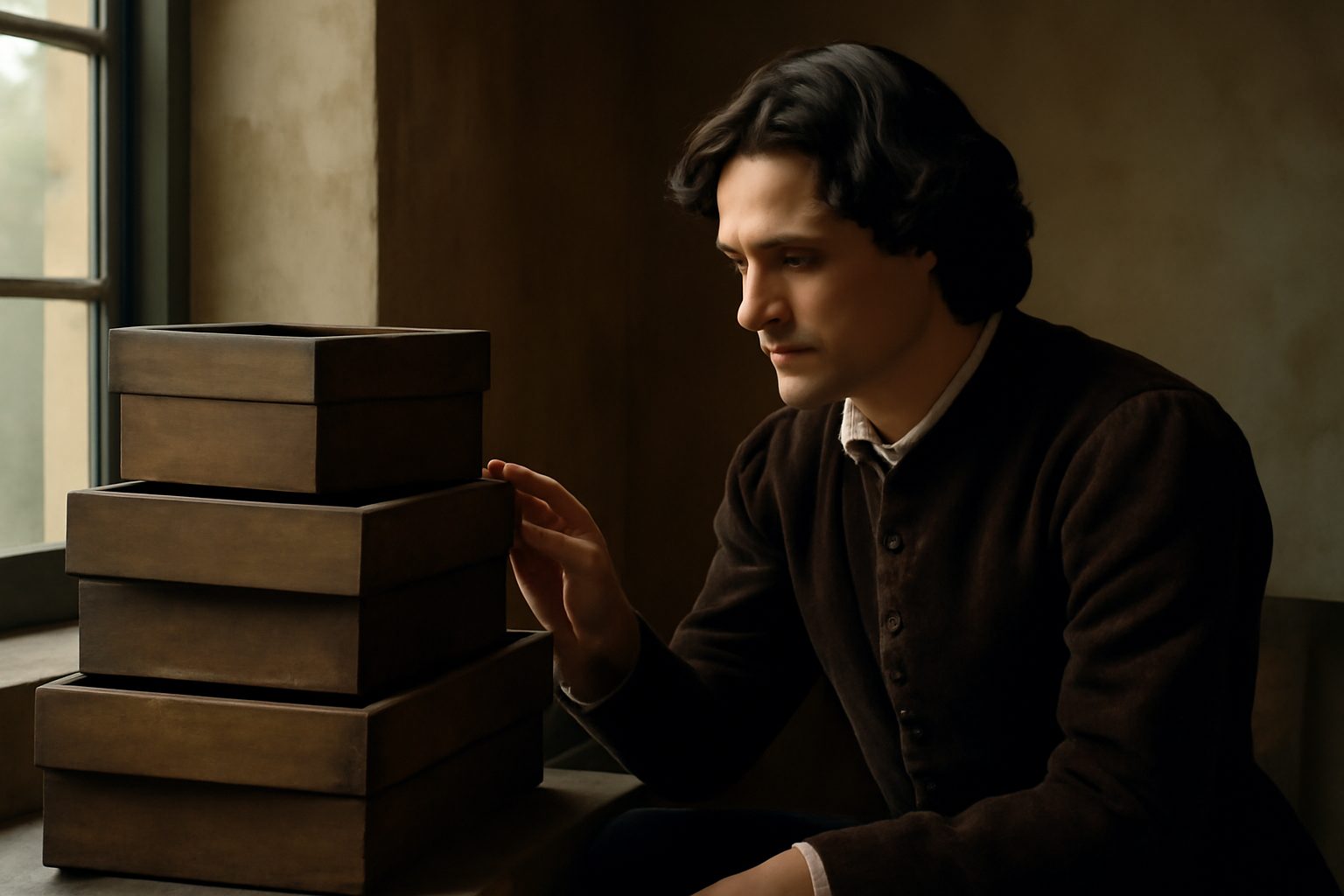
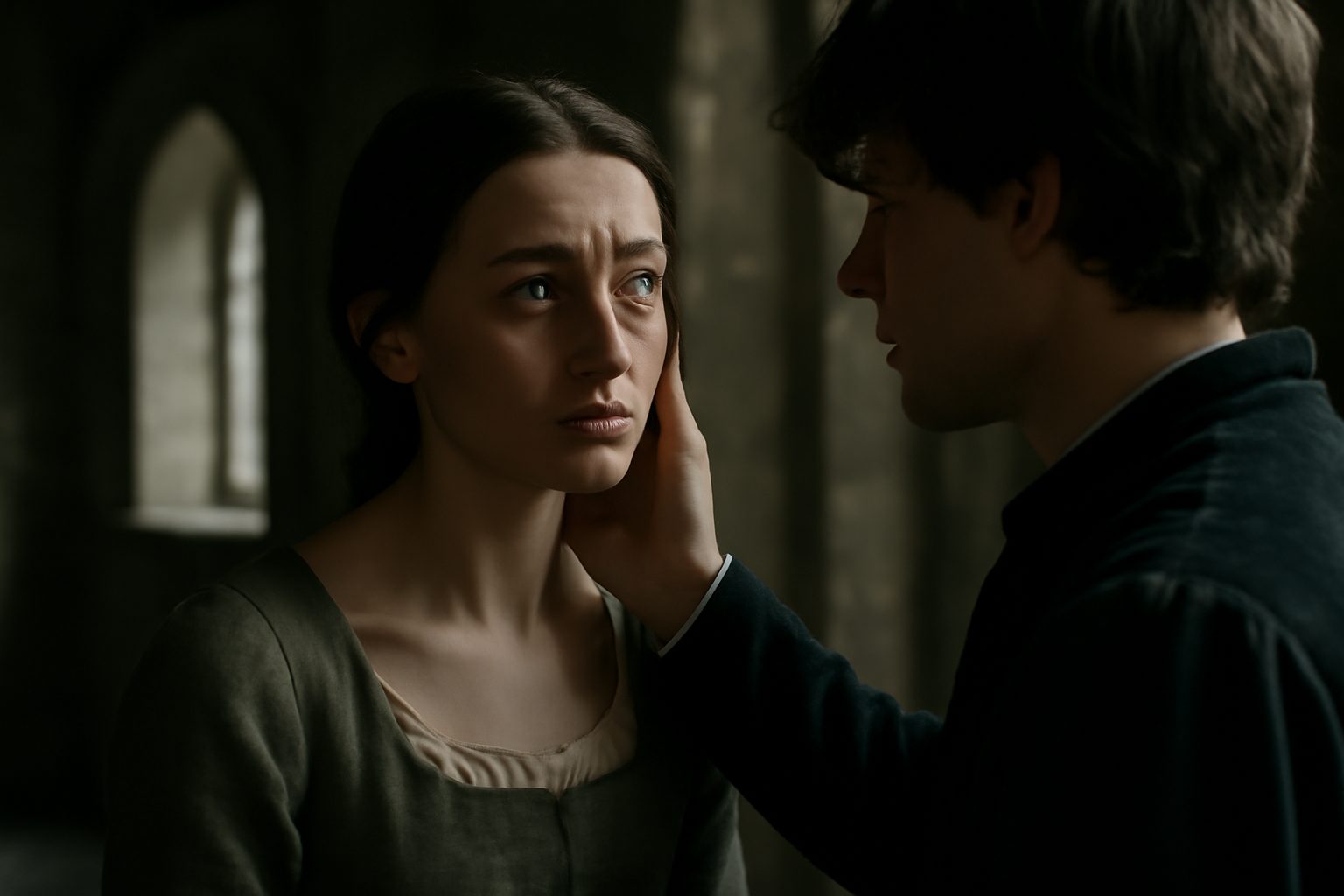
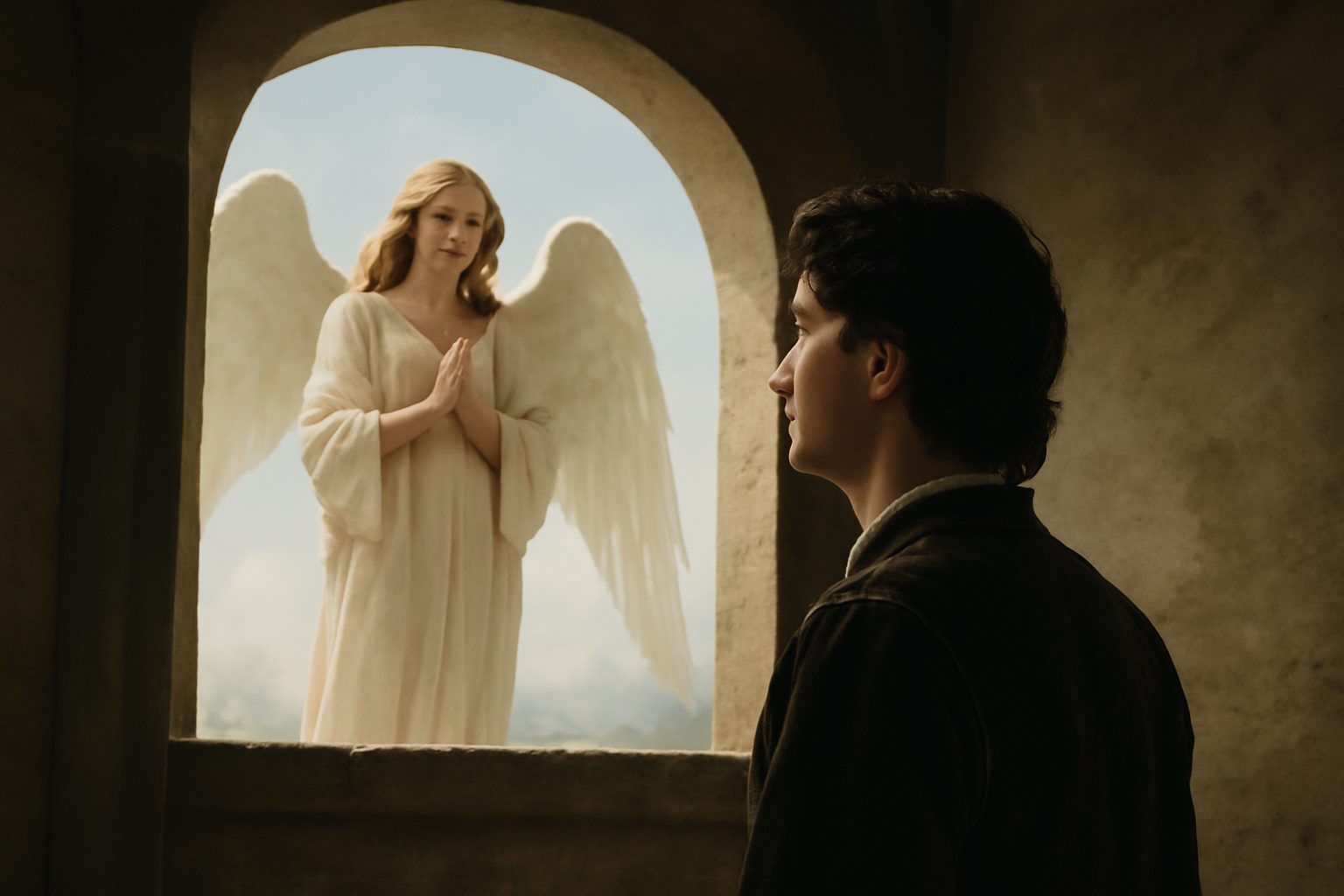
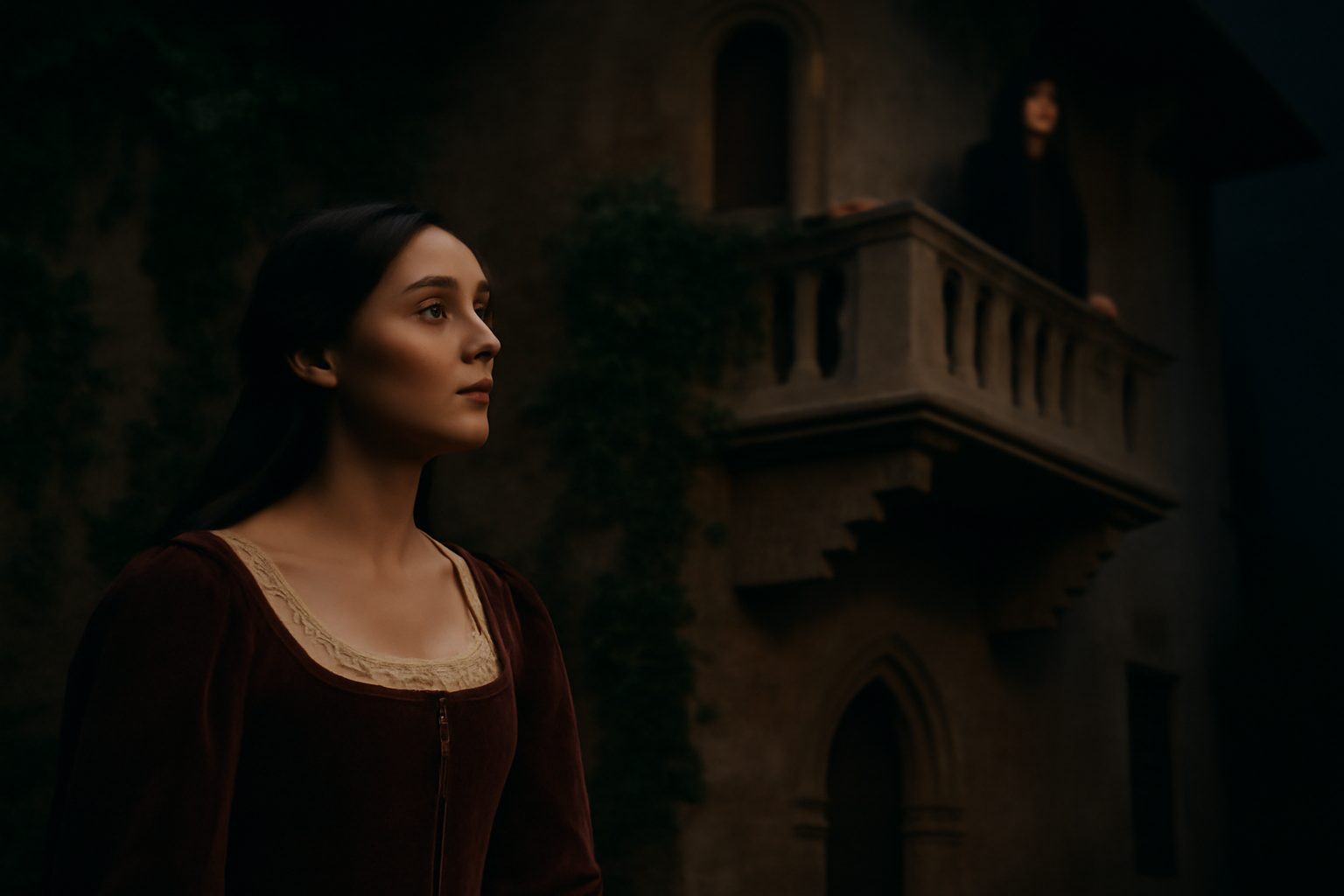
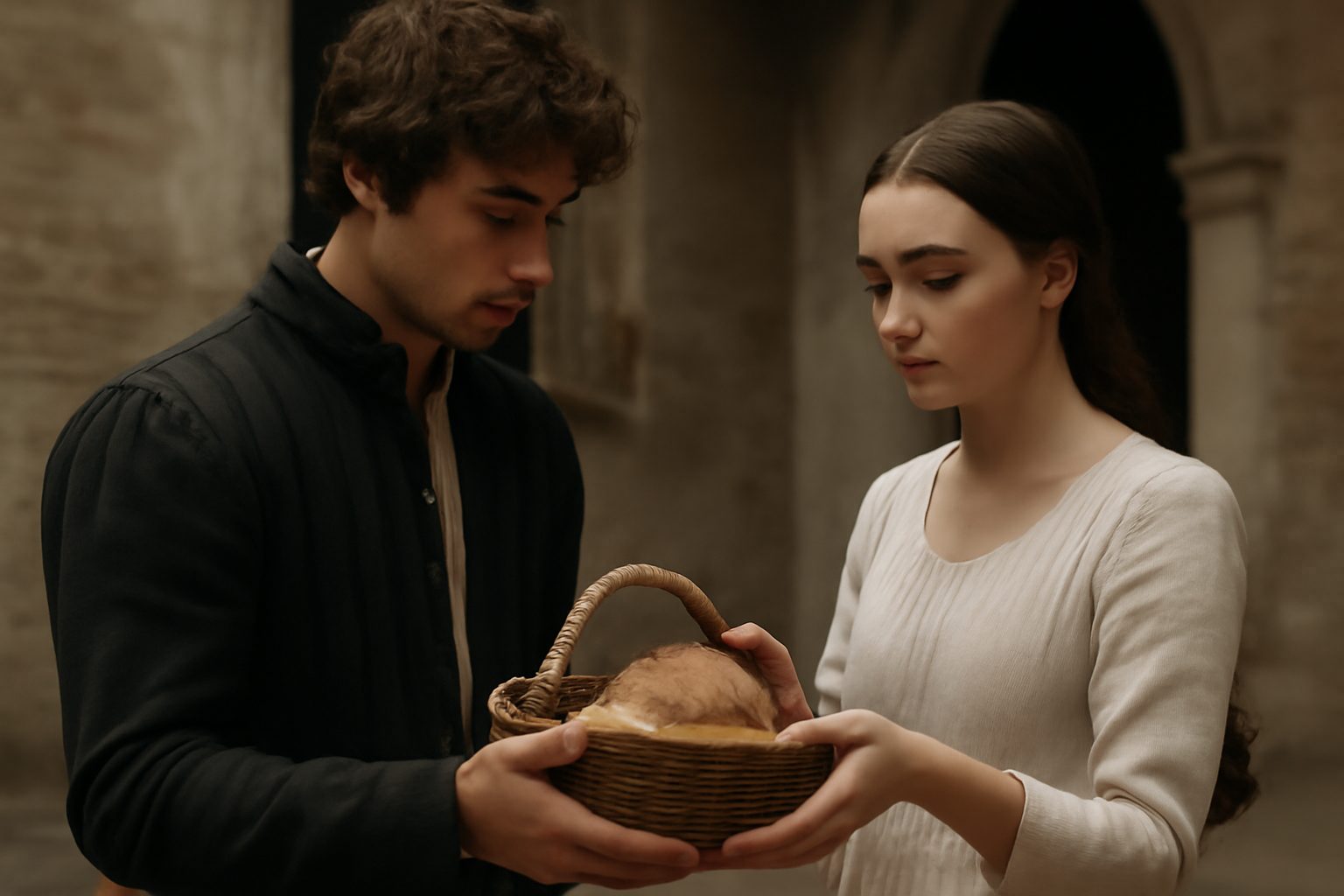
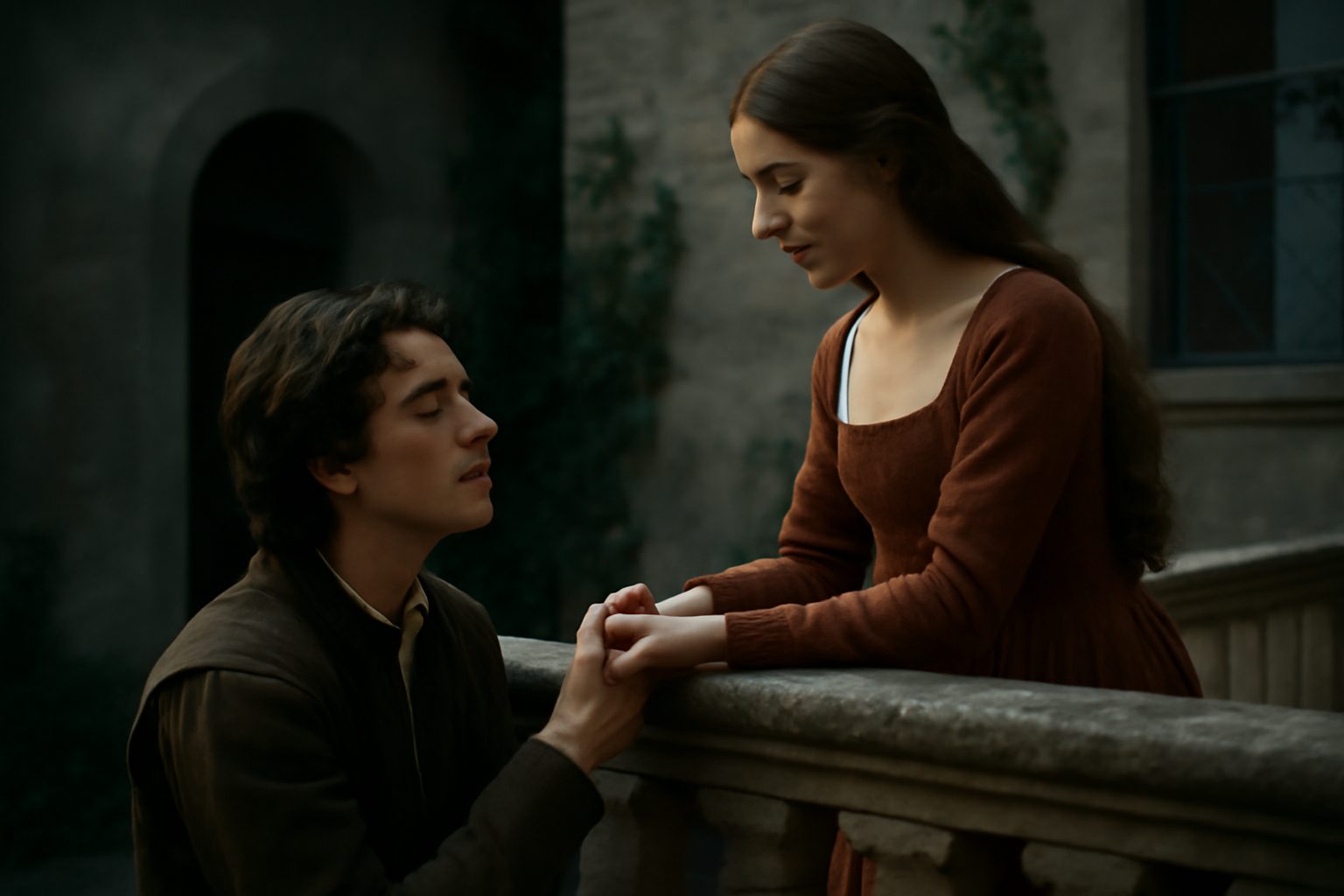
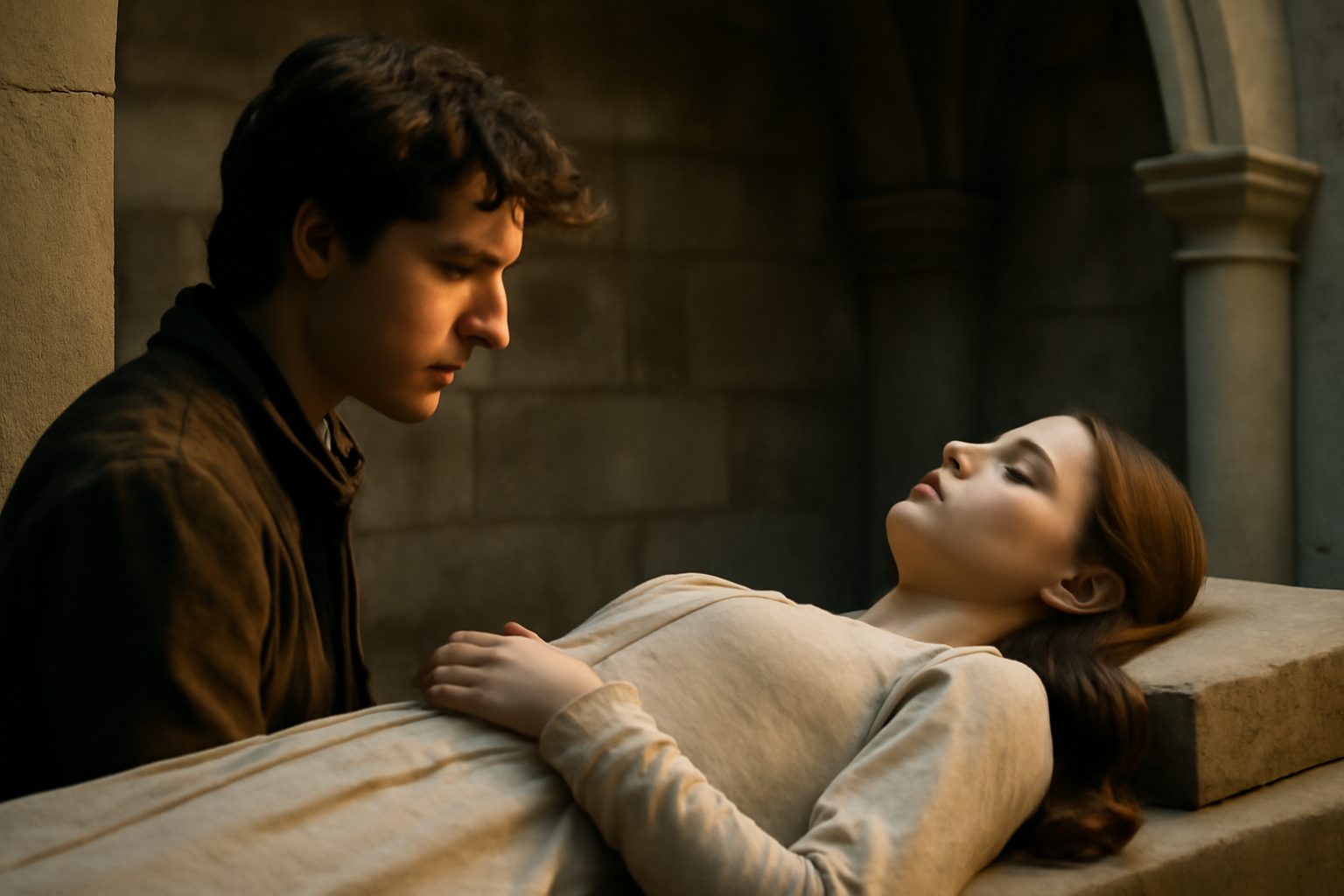
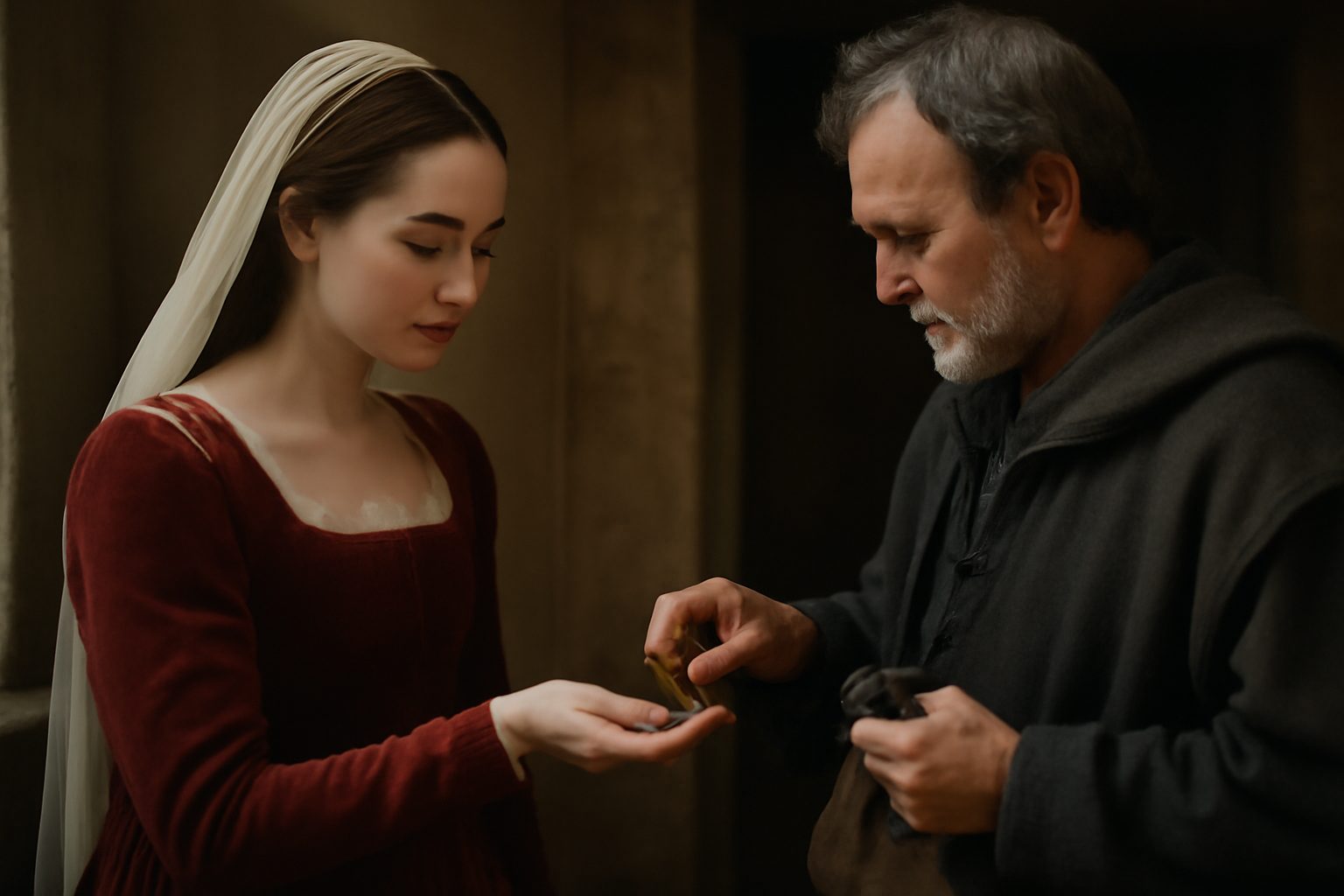
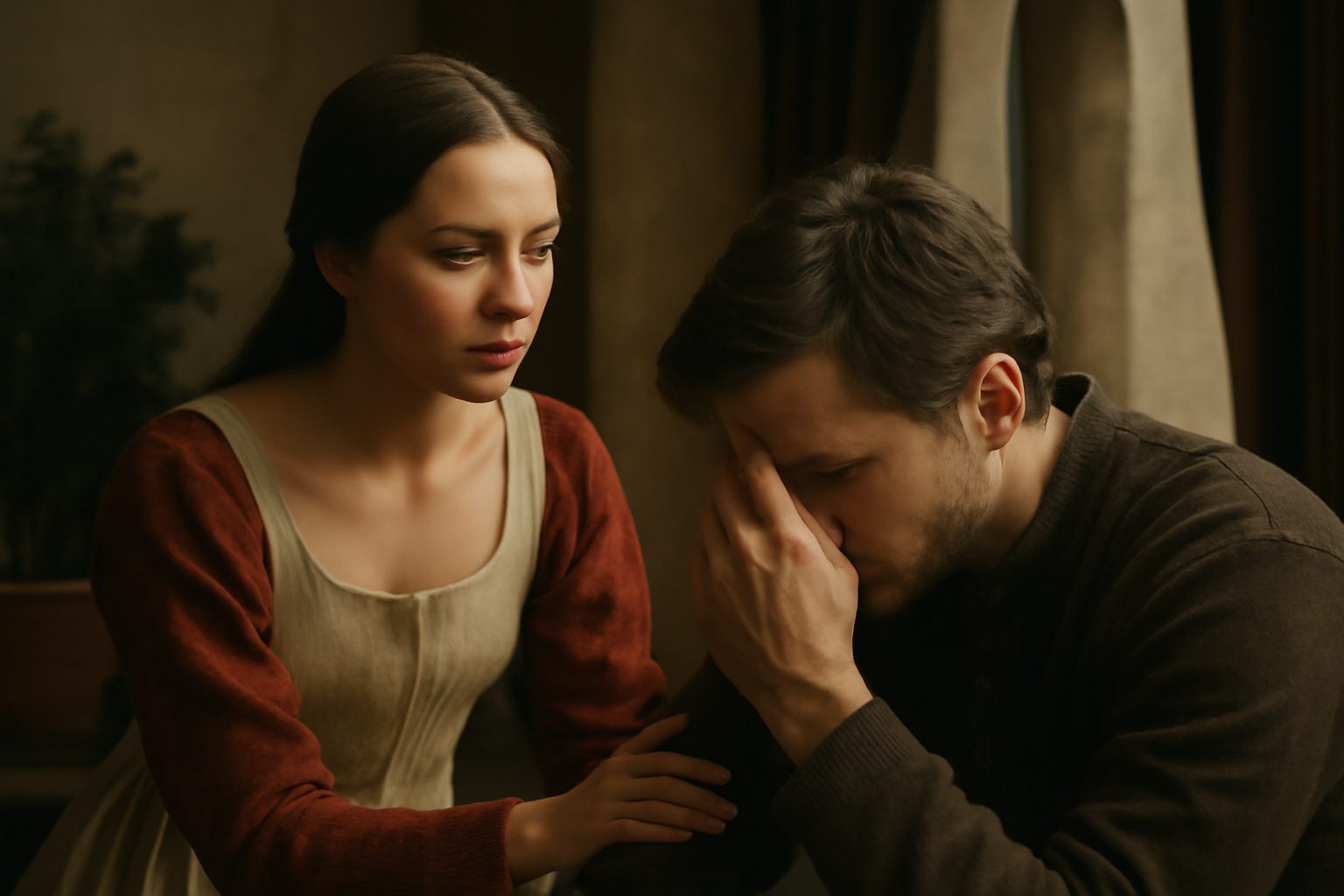
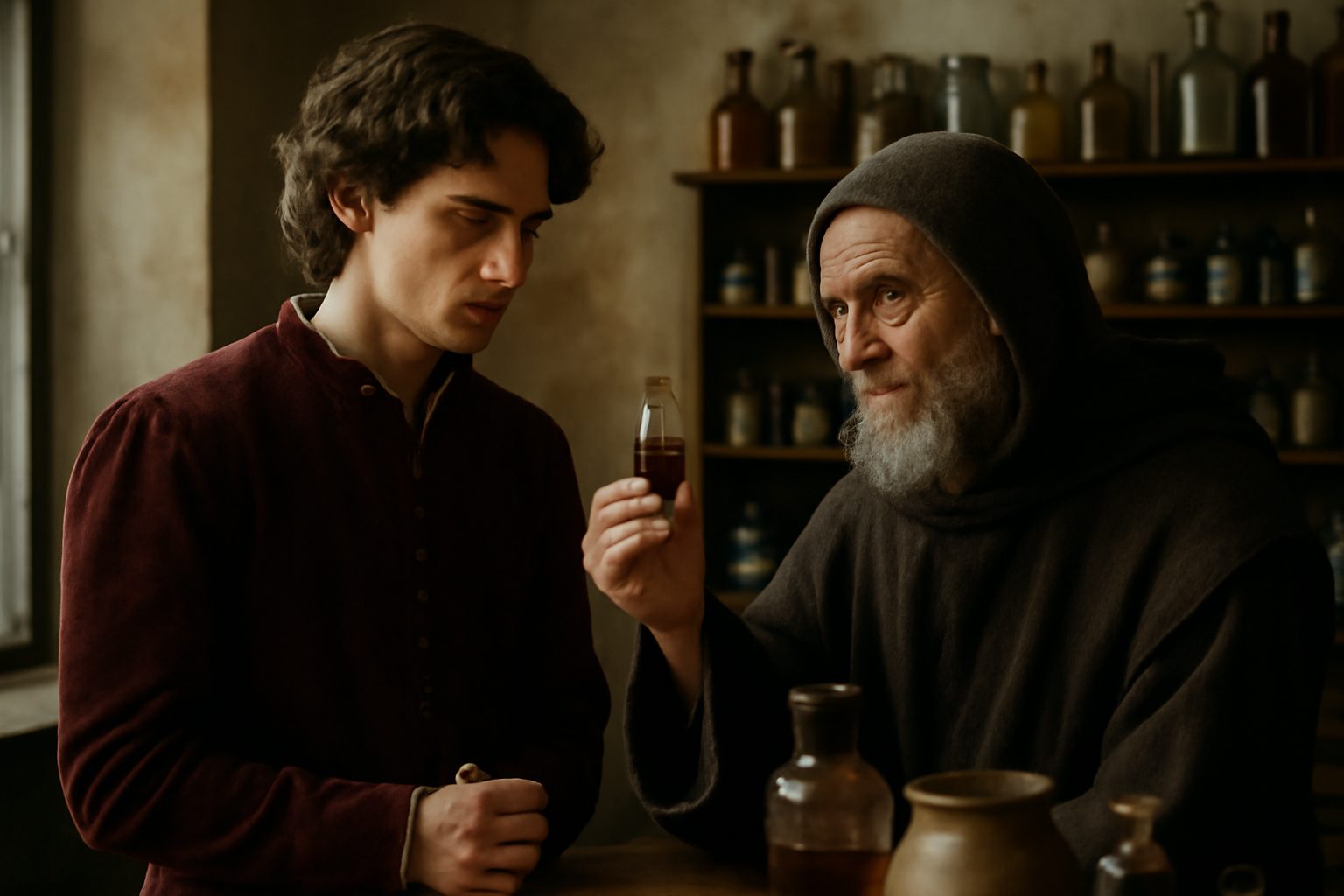
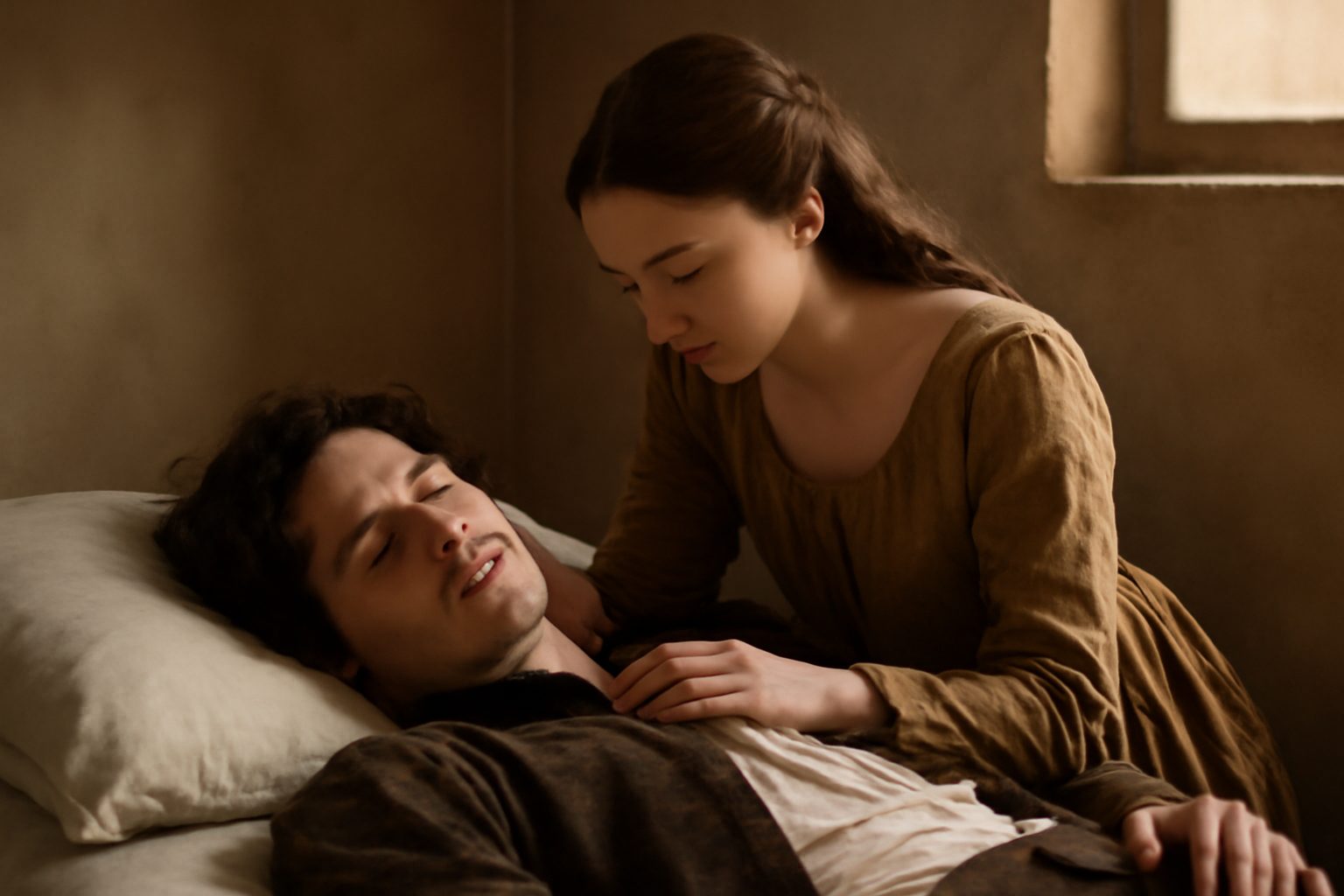
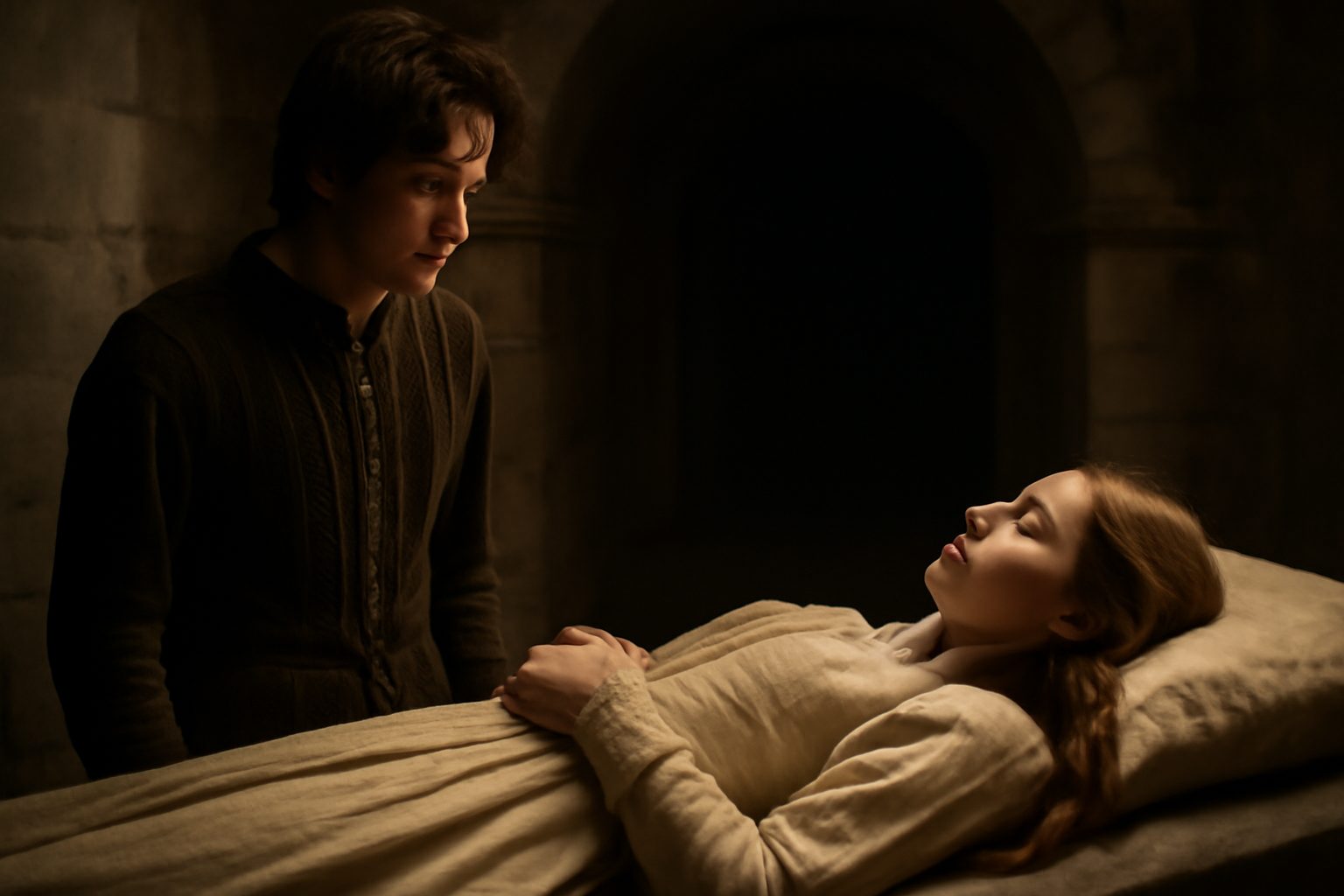
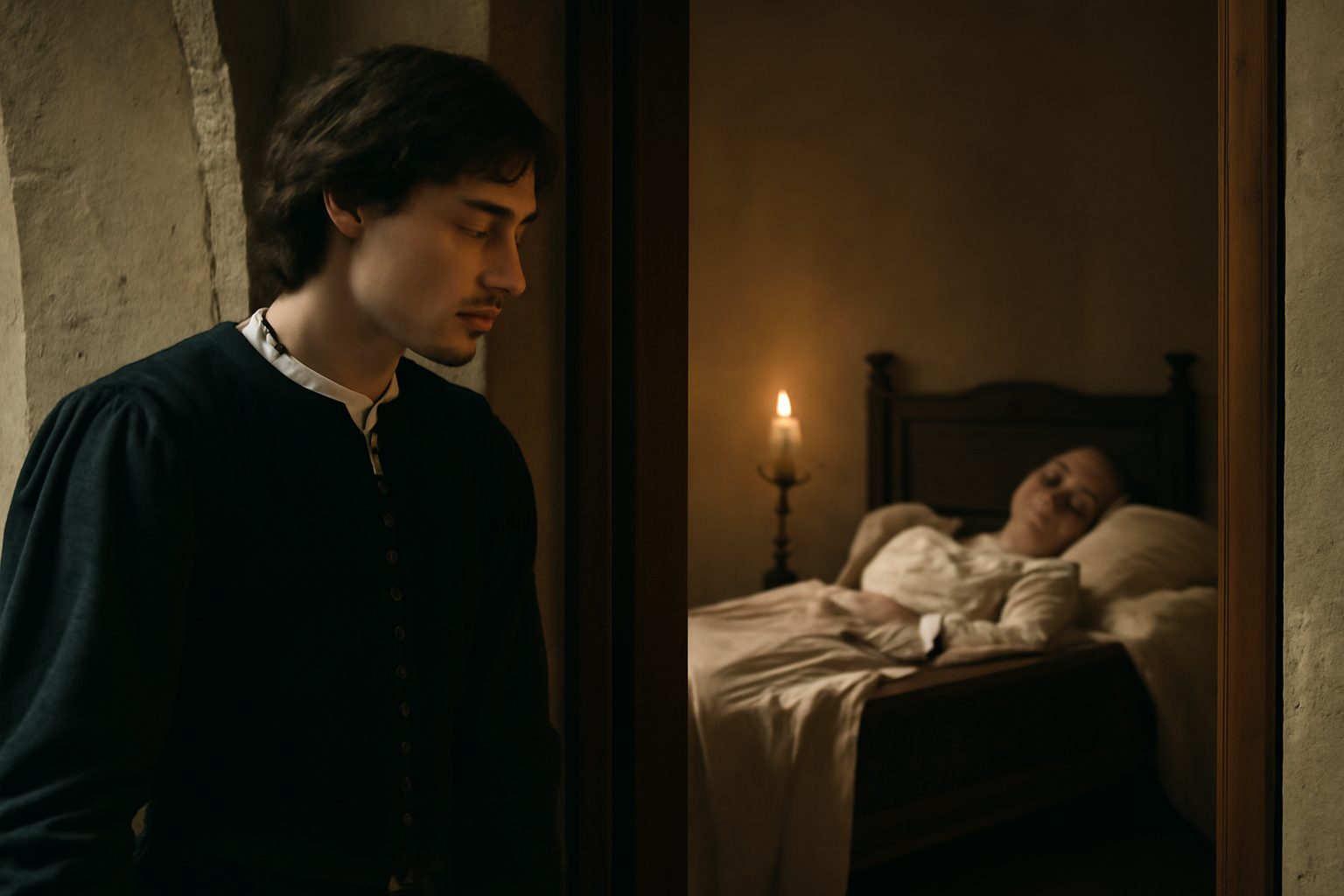
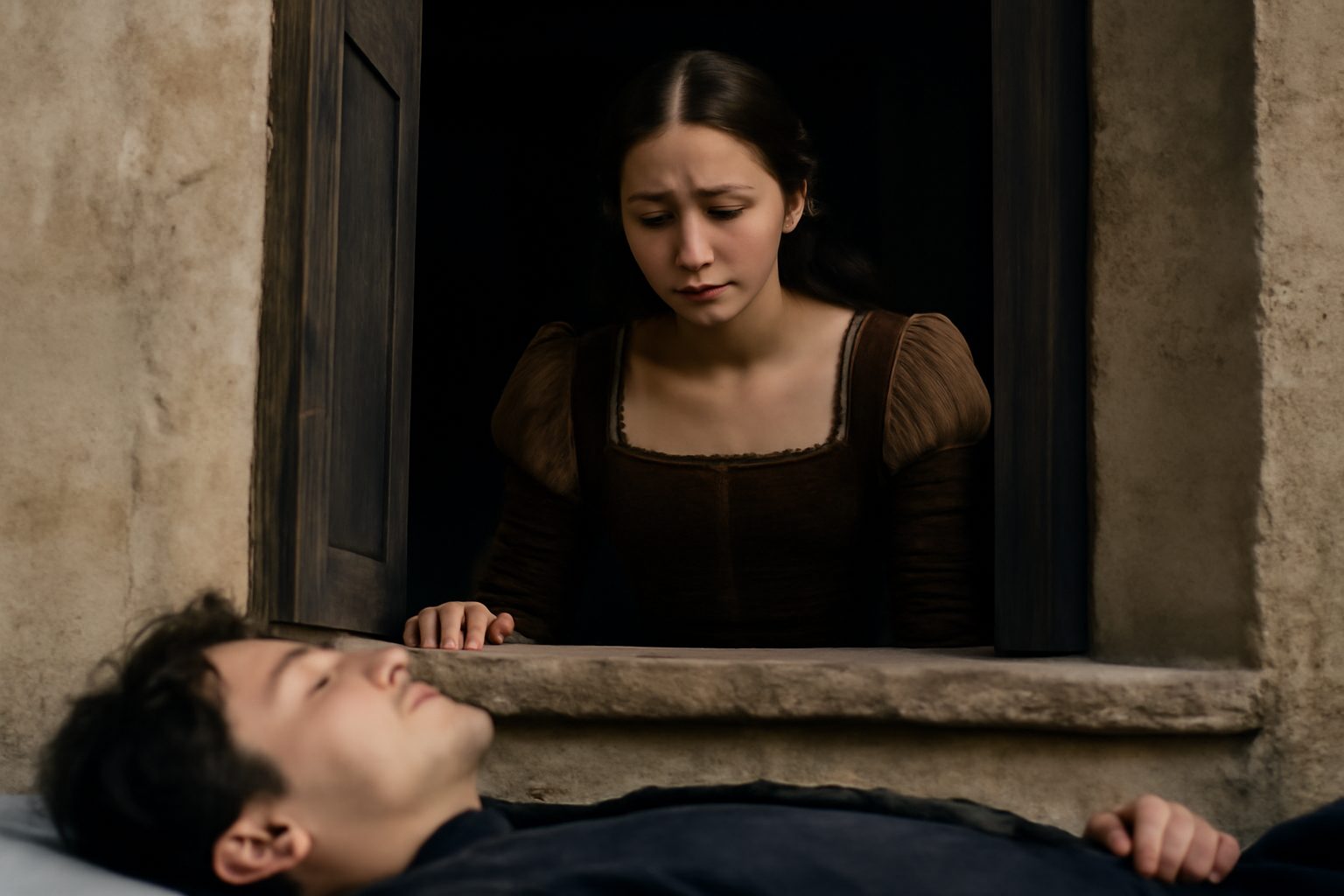
In Act 5, Scene 1 of Romeo and Juliet, Romeo speaks these words after awakening from a vivid dream. He is in Mantua, exiled from Verona, and his dream has left him with a sense of foreboding, though he clings to the hopeful illusion it offered. This moment captures his fragile state of mind as he grapples with fate and his own desperation.
Romeo: "If I may trust the flattering truth of sleep,"
In modern day english, we would say:
If the pleasant dream I just had can be believed, then good news is coming.
Frequently Asked Questions
What does Romeo believe about his dream in this line?
Romeo believes that his dream might be telling him something true because it felt very real and pleasant.
Connections to other verses:
Connections to "If I may trust the flattering truth of sleep"
This verse, spoken by Romeo, expresses his belief in the prophetic nature of his dream. It connects to several other lines in the scene that explore themes of dreams, fate, and the contrast between illusion and reality.
Dream and Prophecy
Romeo's trust in his dream's "flattering truth" is immediately followed by his recollection: I dreamt my lady came and found me dead--. This dream foreshadows the tragic events to come, linking to Strange dream, that gives a dead man leave to think!--, which further emphasizes the dream's ominous nature.
Illusion vs. Reality
The hopeful illusion of the dream contrasts sharply with the harsh reality revealed by Balthasar's news. Romeo's initial joy, seen in My bosom's lord sits lightly in his throne; and Lifts me above the ground with cheerful thoughts., is shattered upon learning of Juliet's death, leading to his defiant cry: Is it even so? then I defy you, stars!.
Desperation and Fate
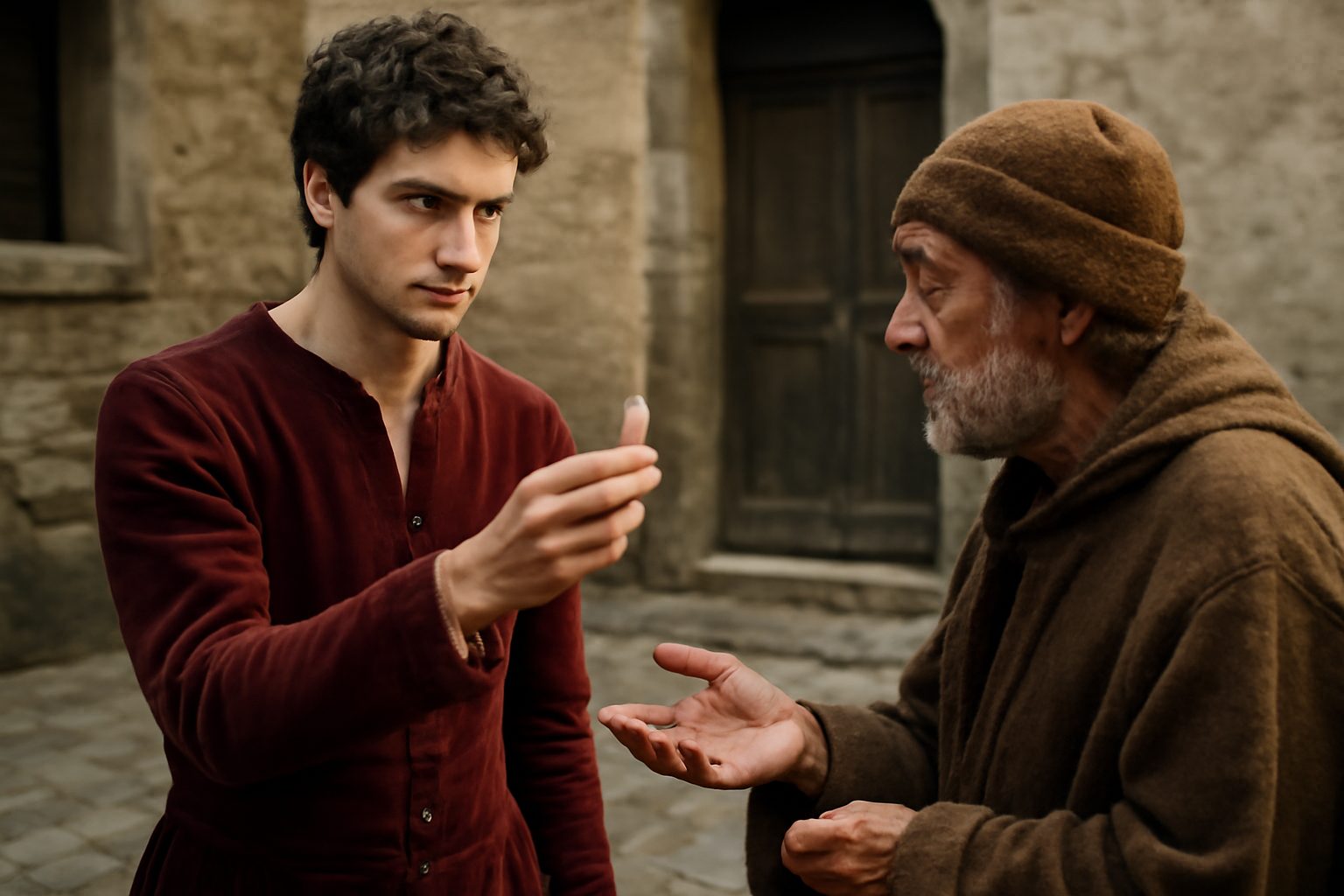
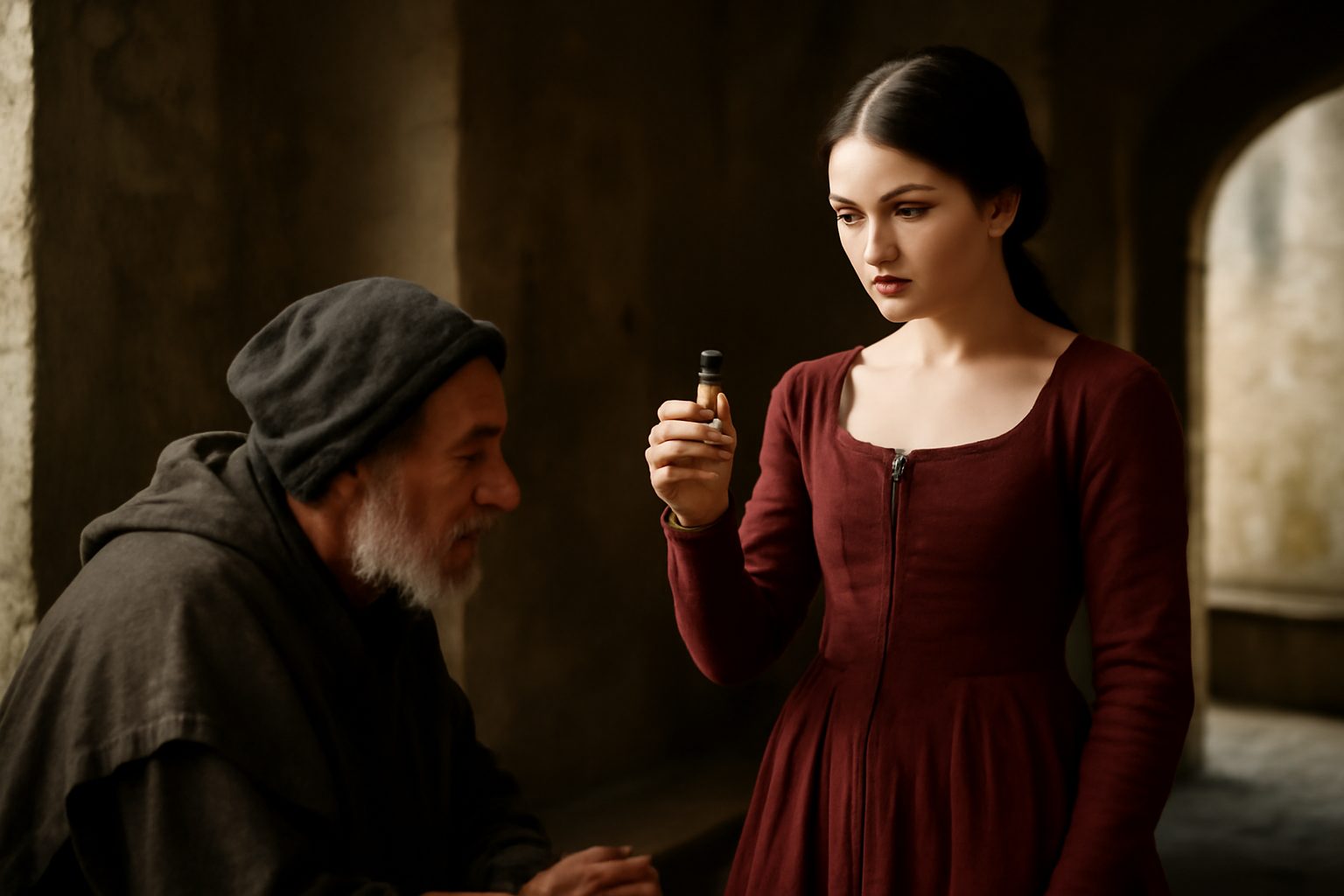
The dream's false hope accelerates Romeo's desperate actions. His resolve to join Juliet in death, Well, Juliet, I will lie with thee to-night., drives him to seek poison from the apothecary, detailed in lines like A dram of poison, such soon-speeding gear and Come, cordial and not poison, go with me. This underscores how the "flattering truth" of sleep ultimately fuels his tragic end.