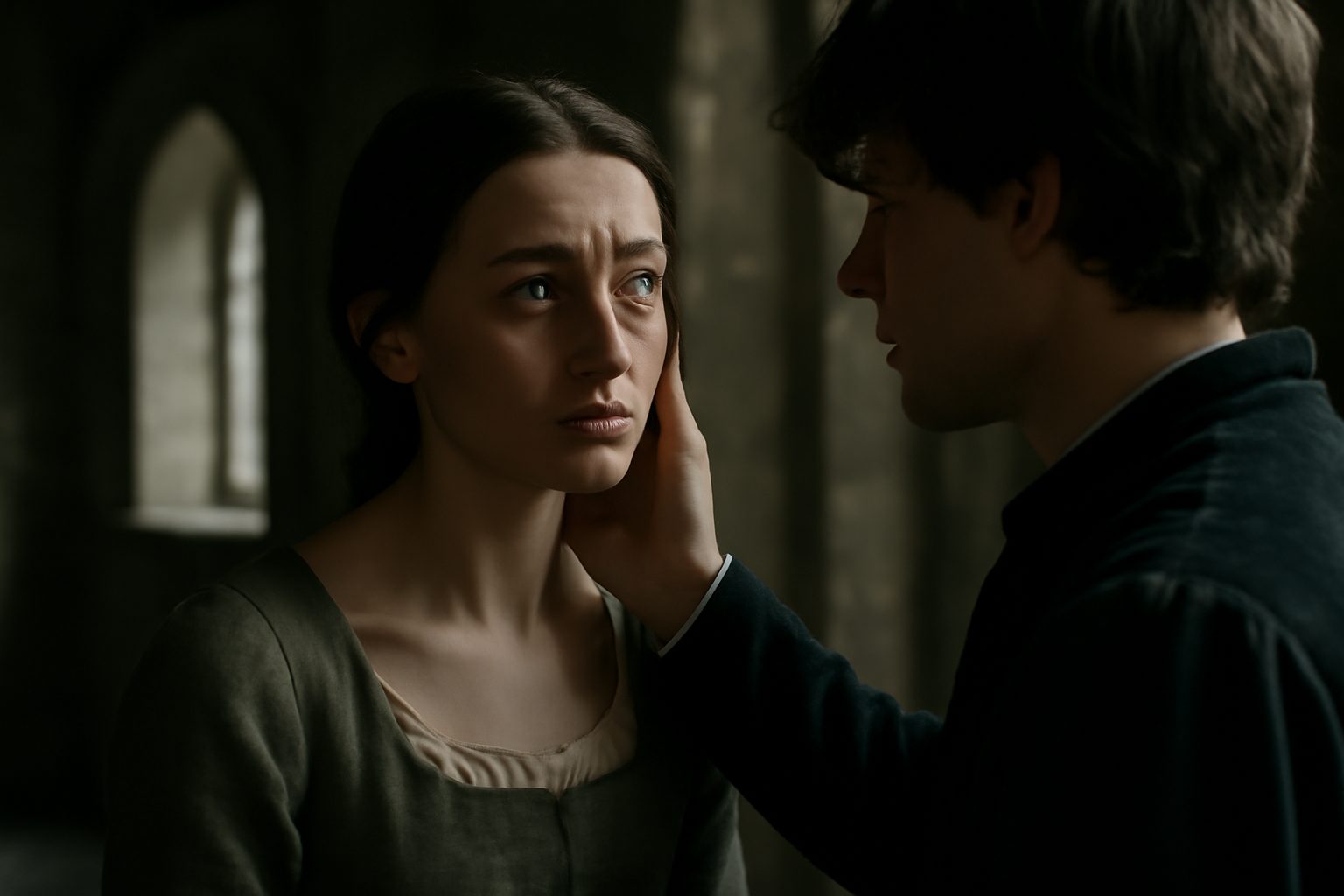
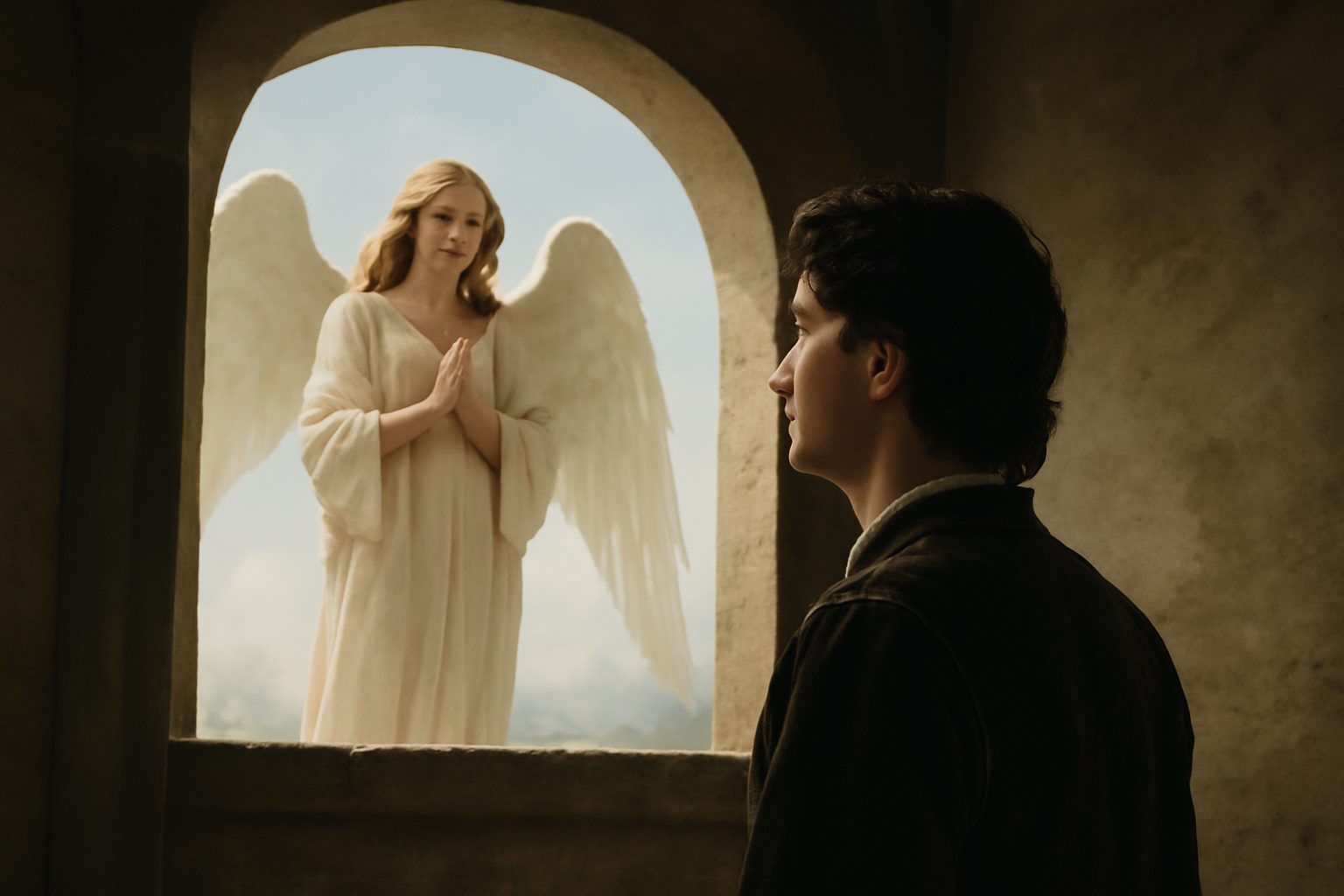
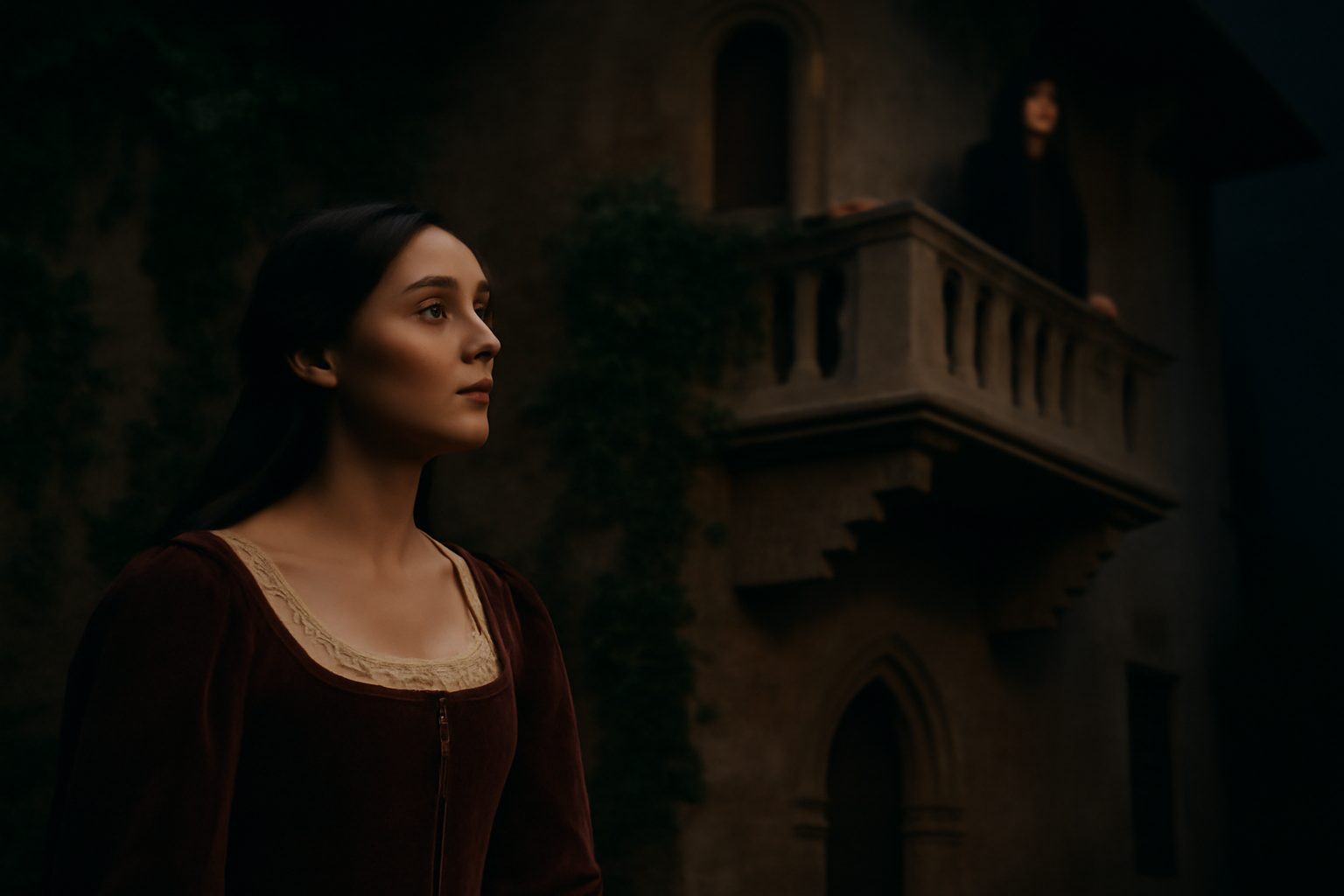
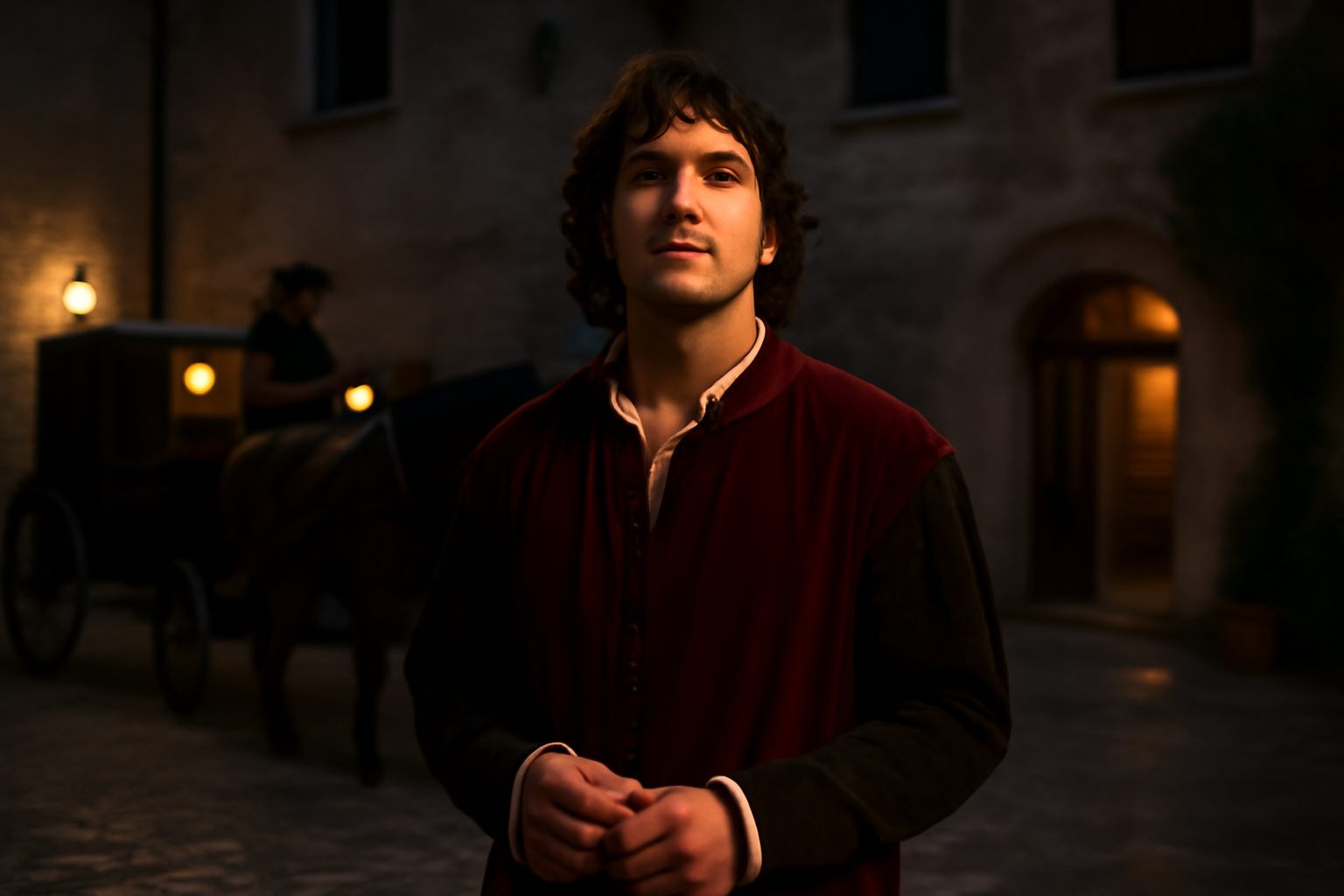
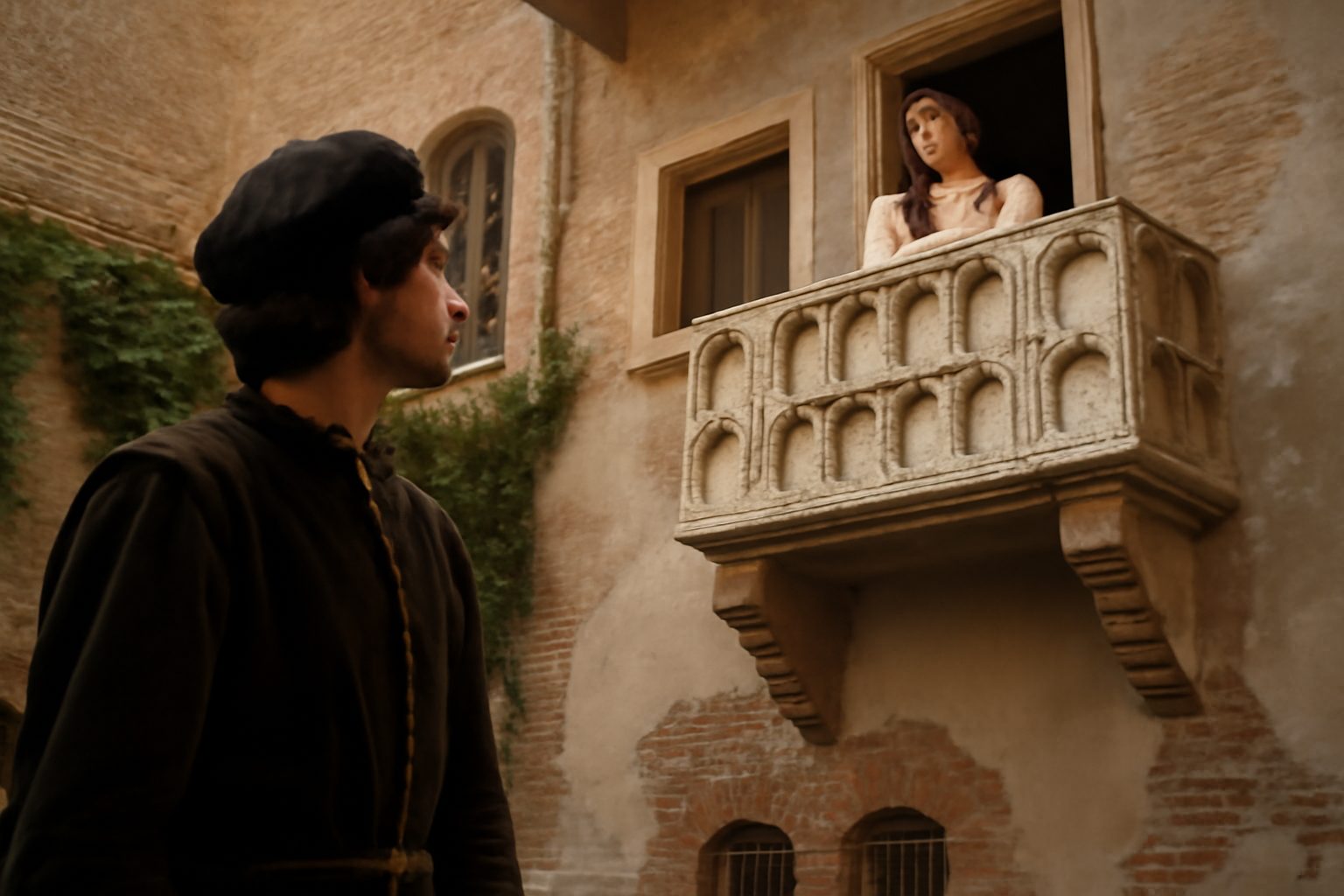
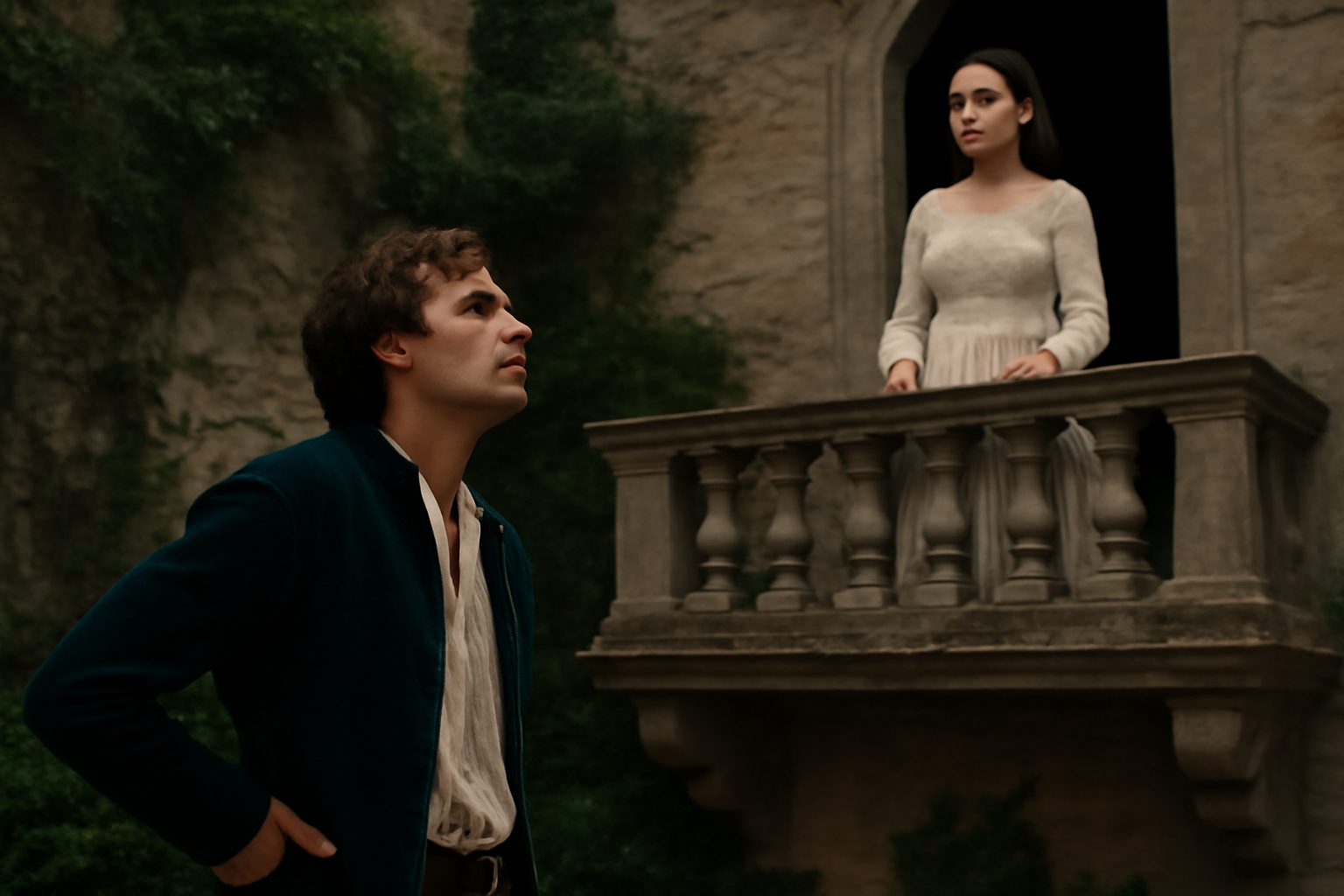
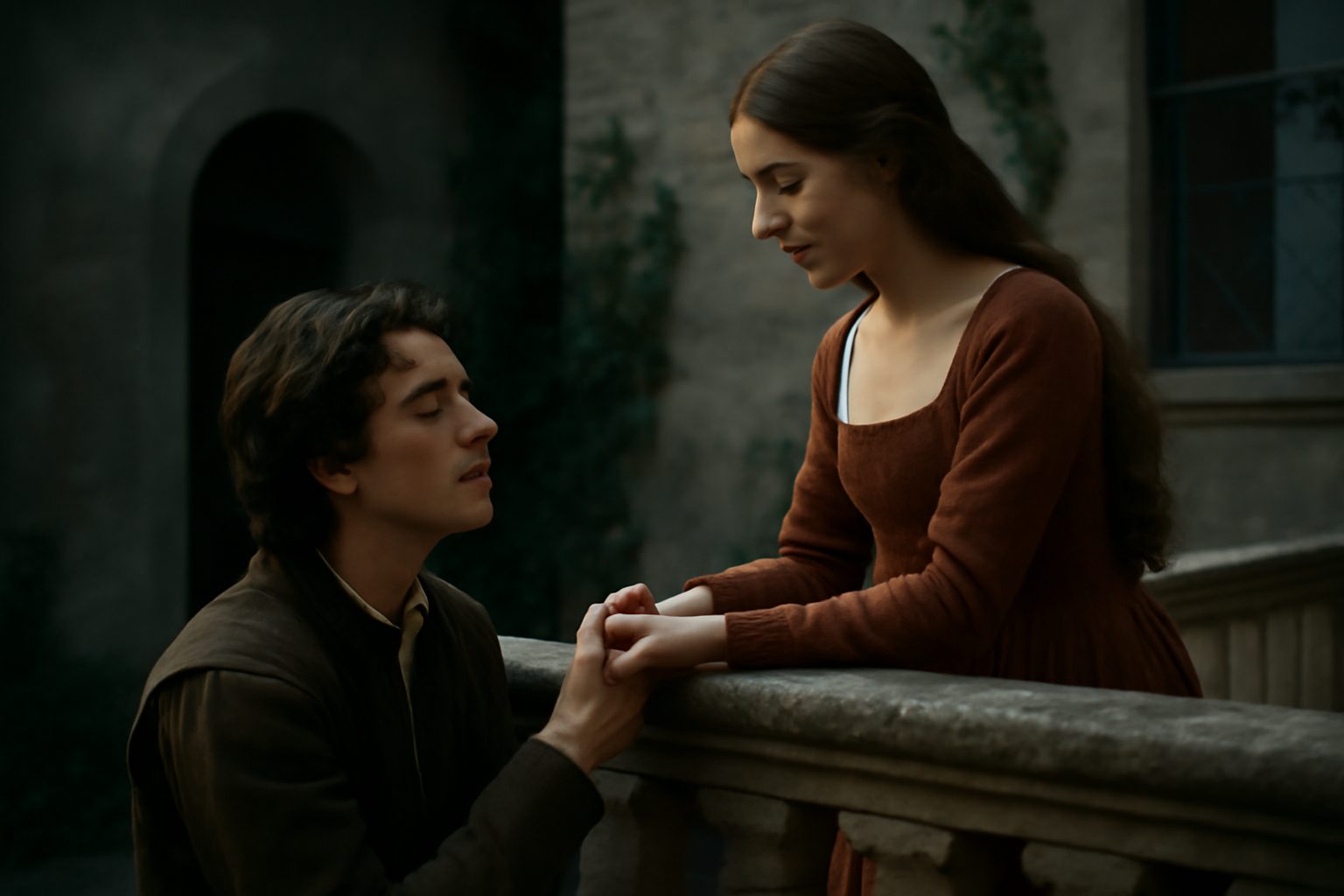
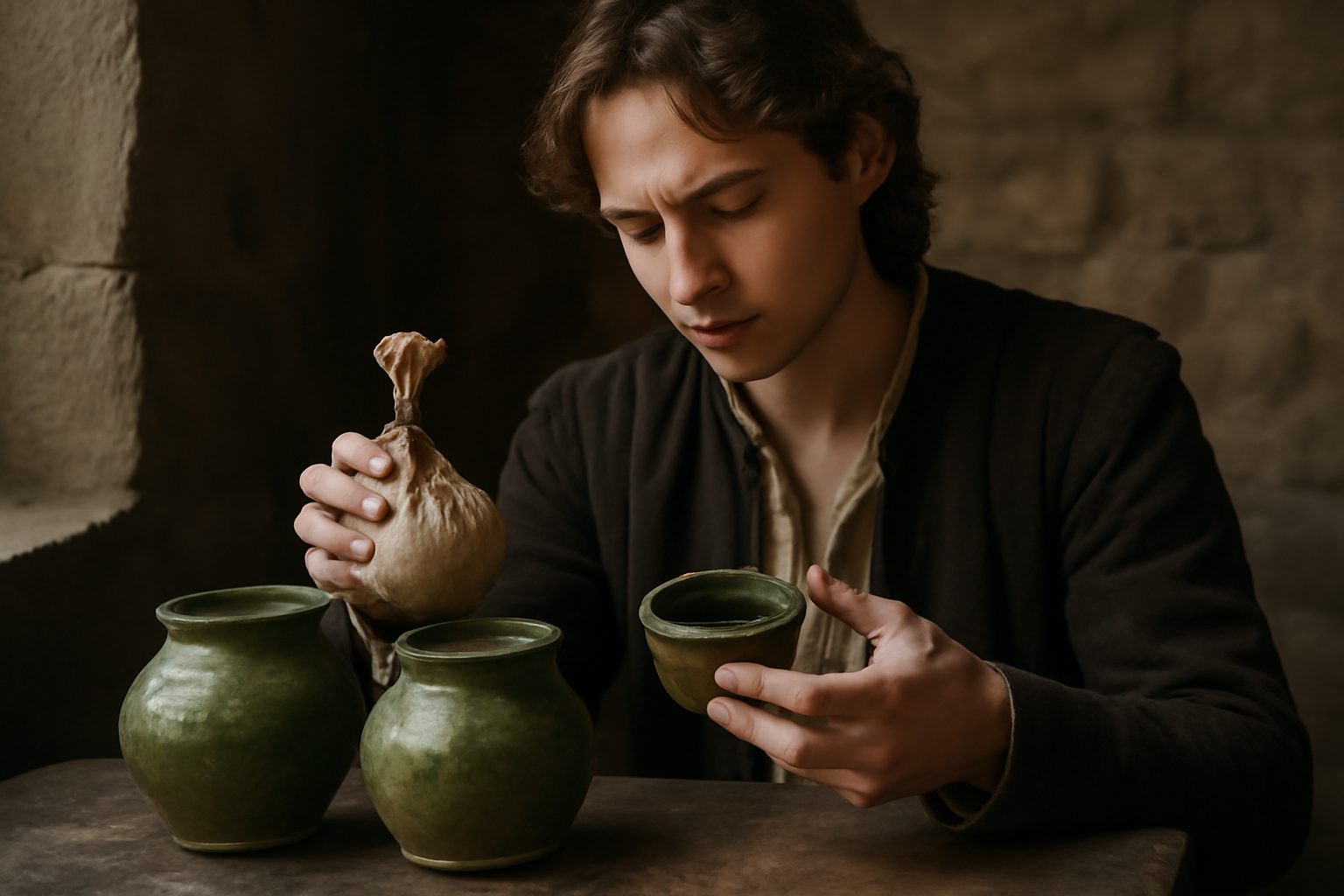
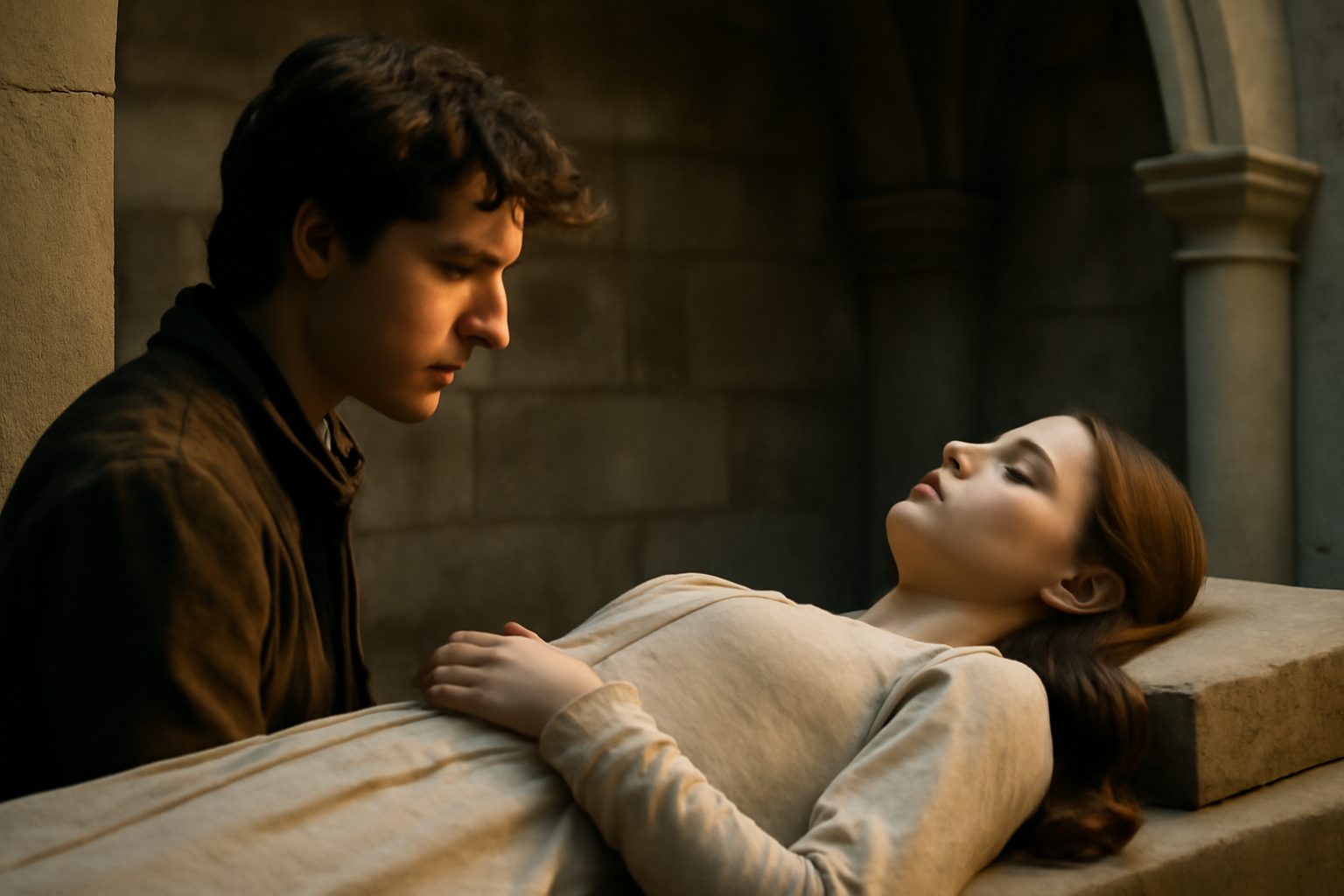
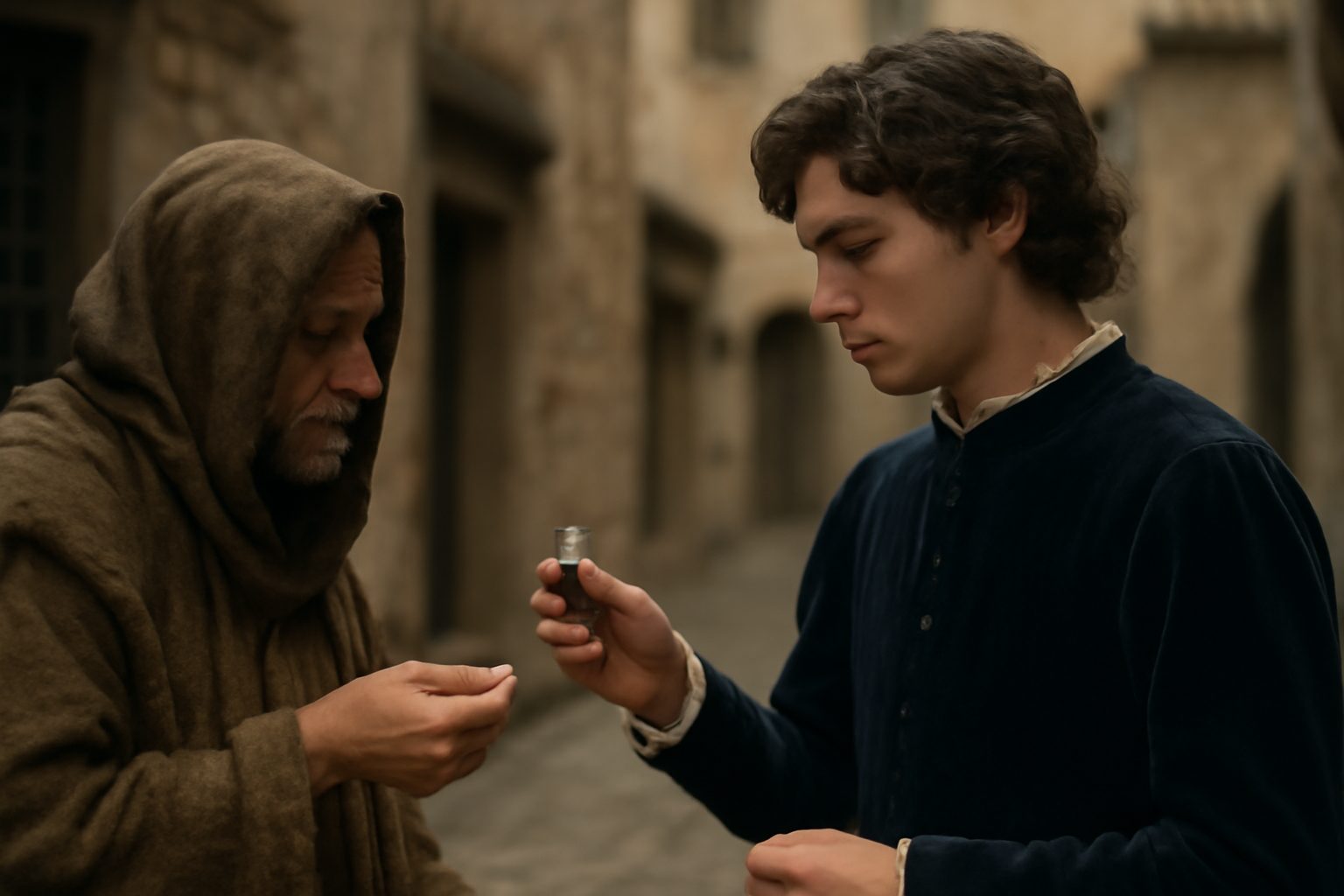
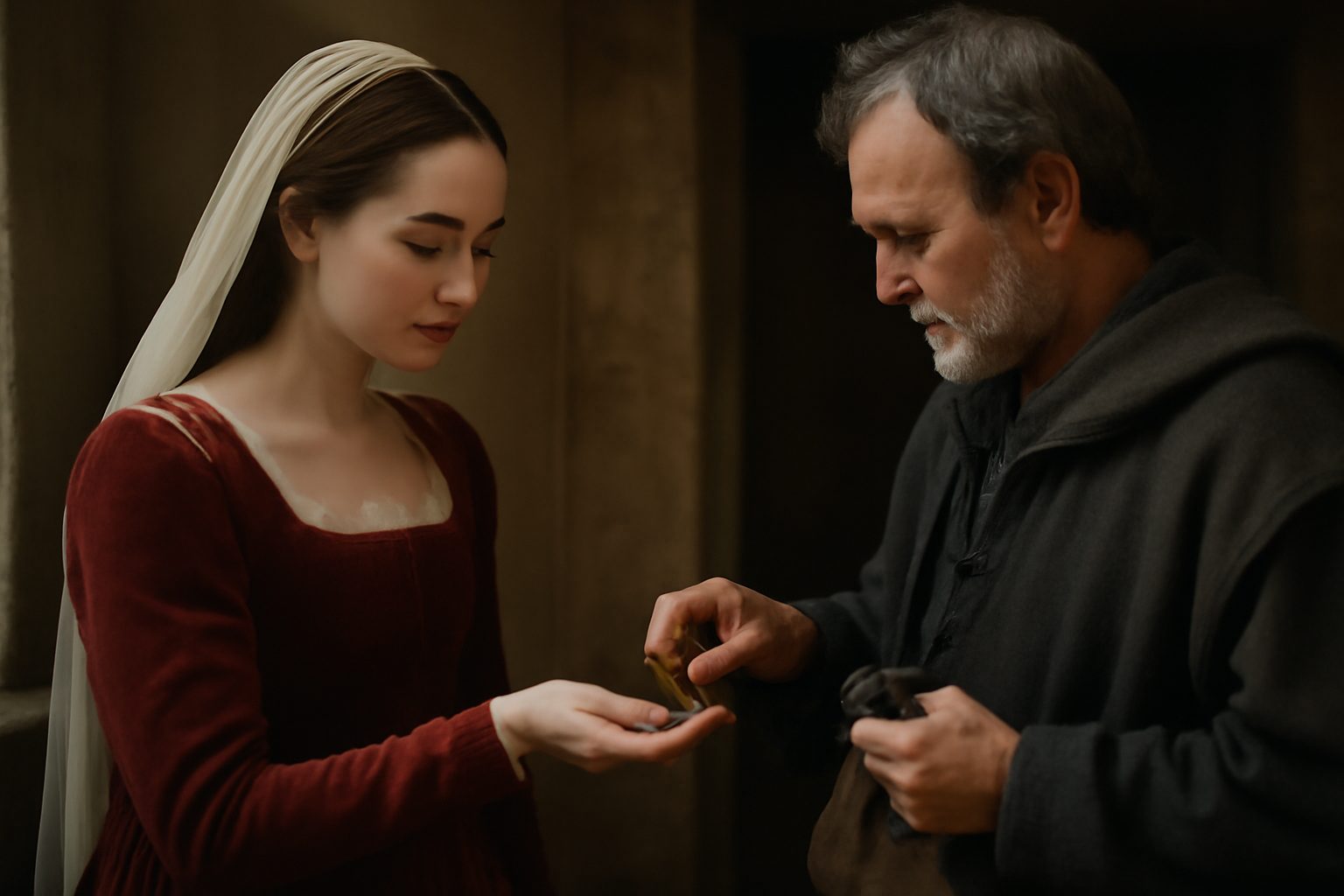
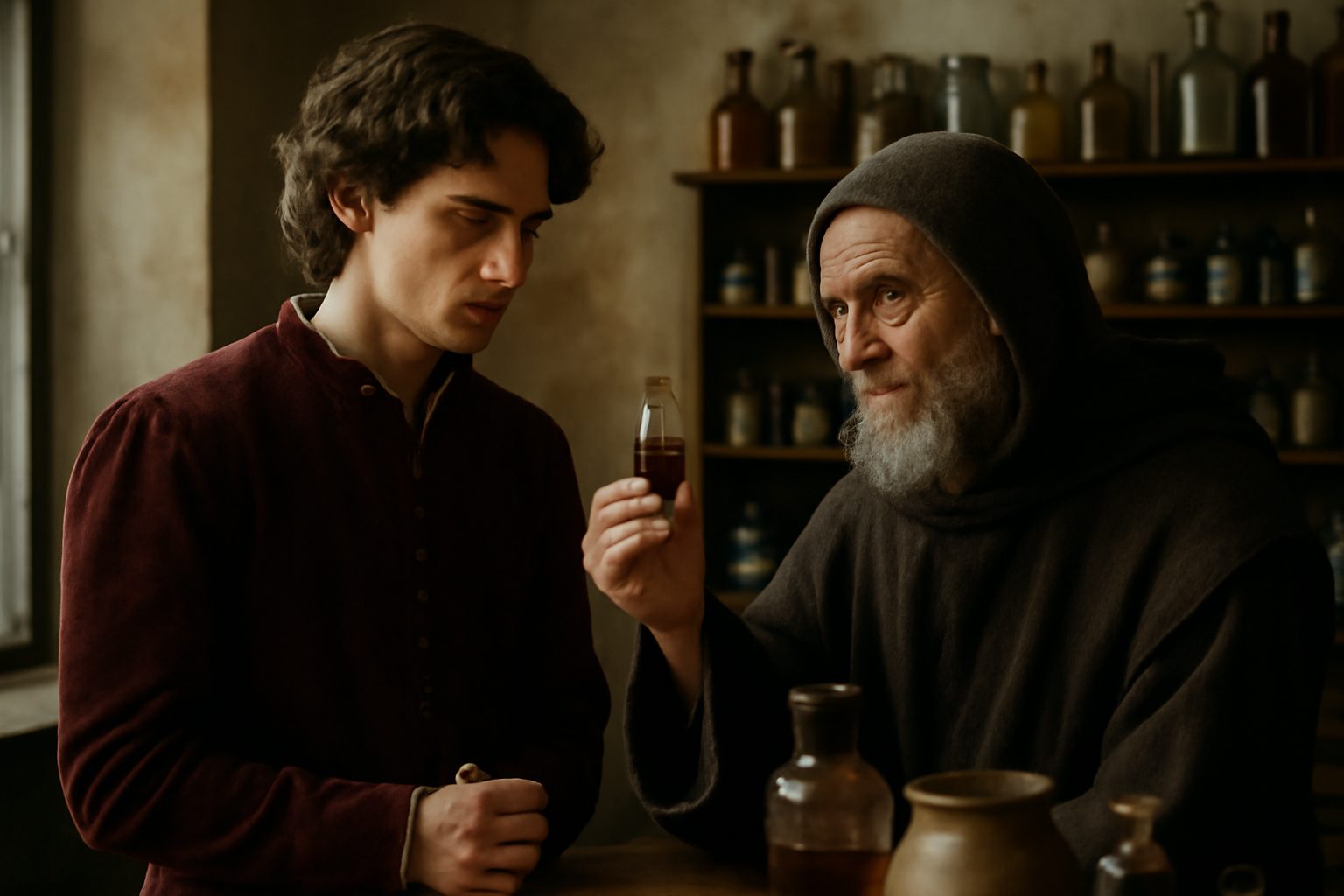
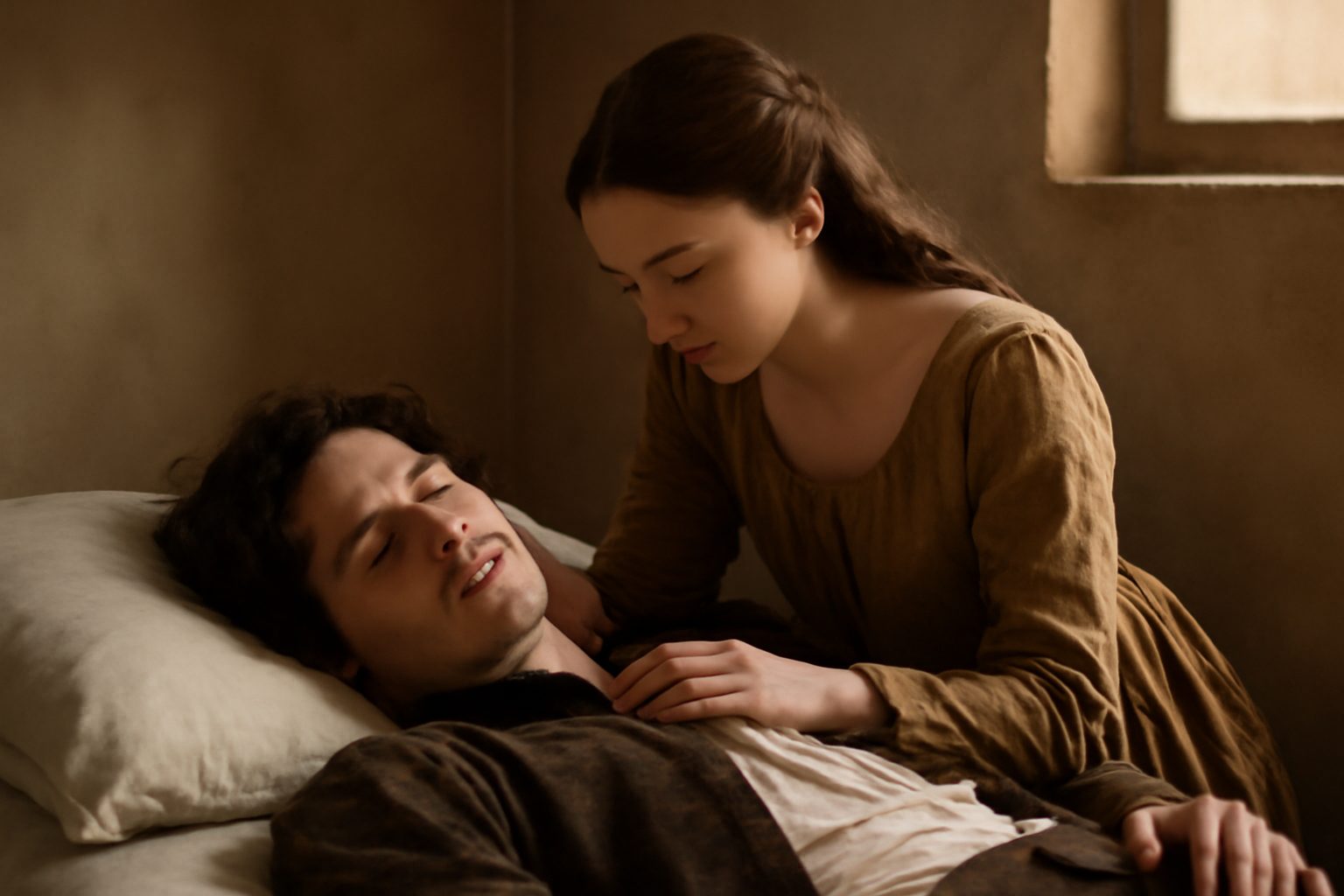
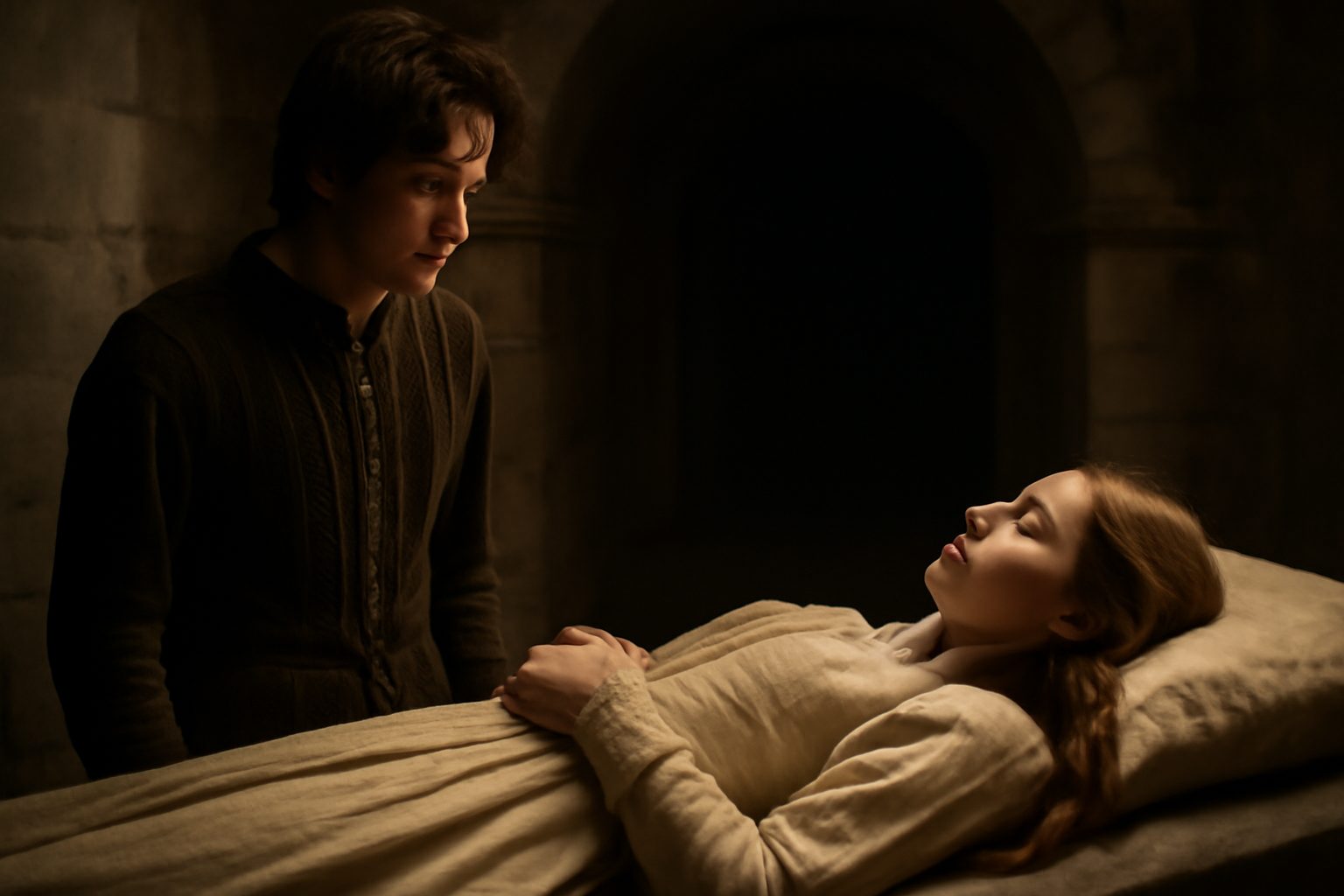
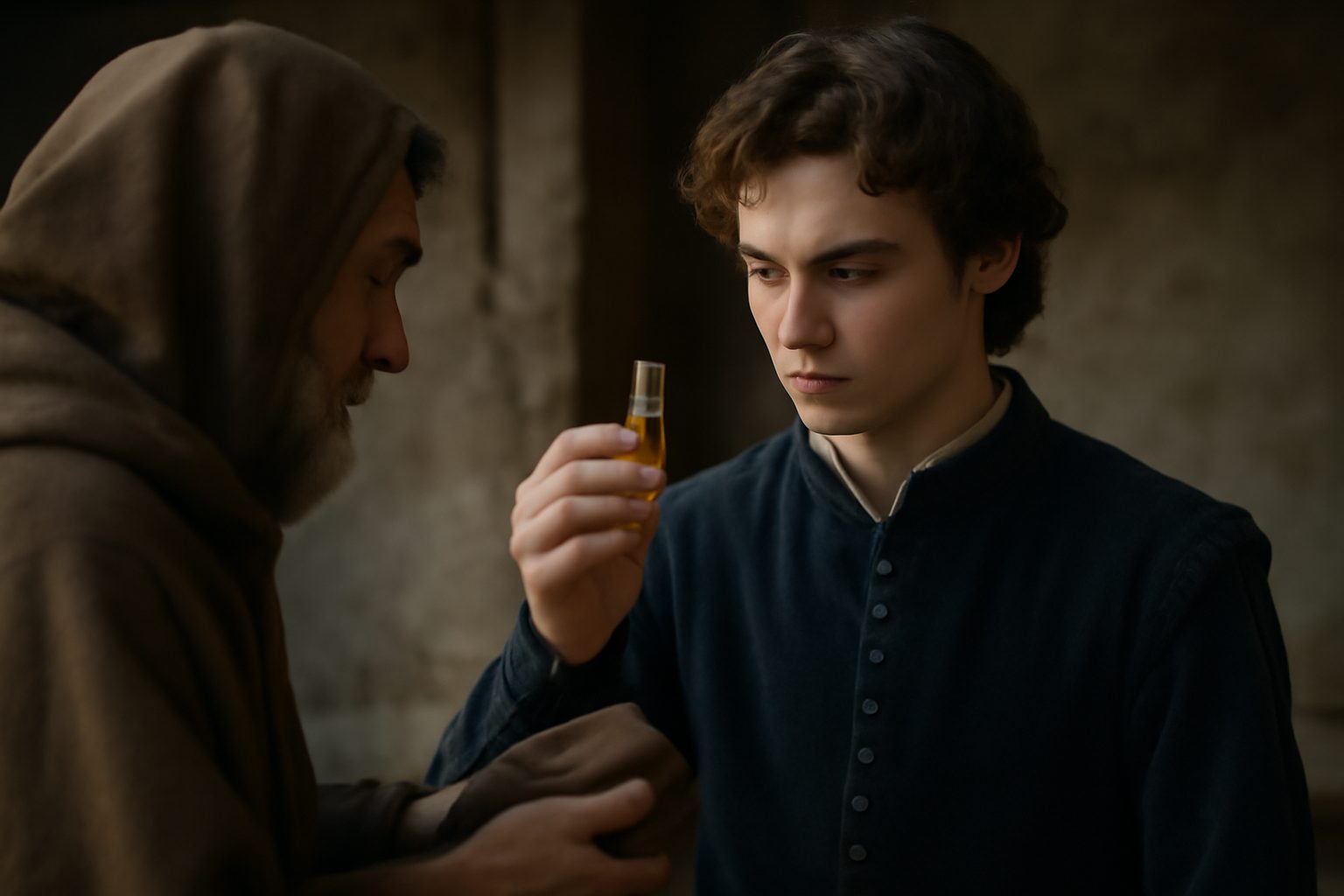
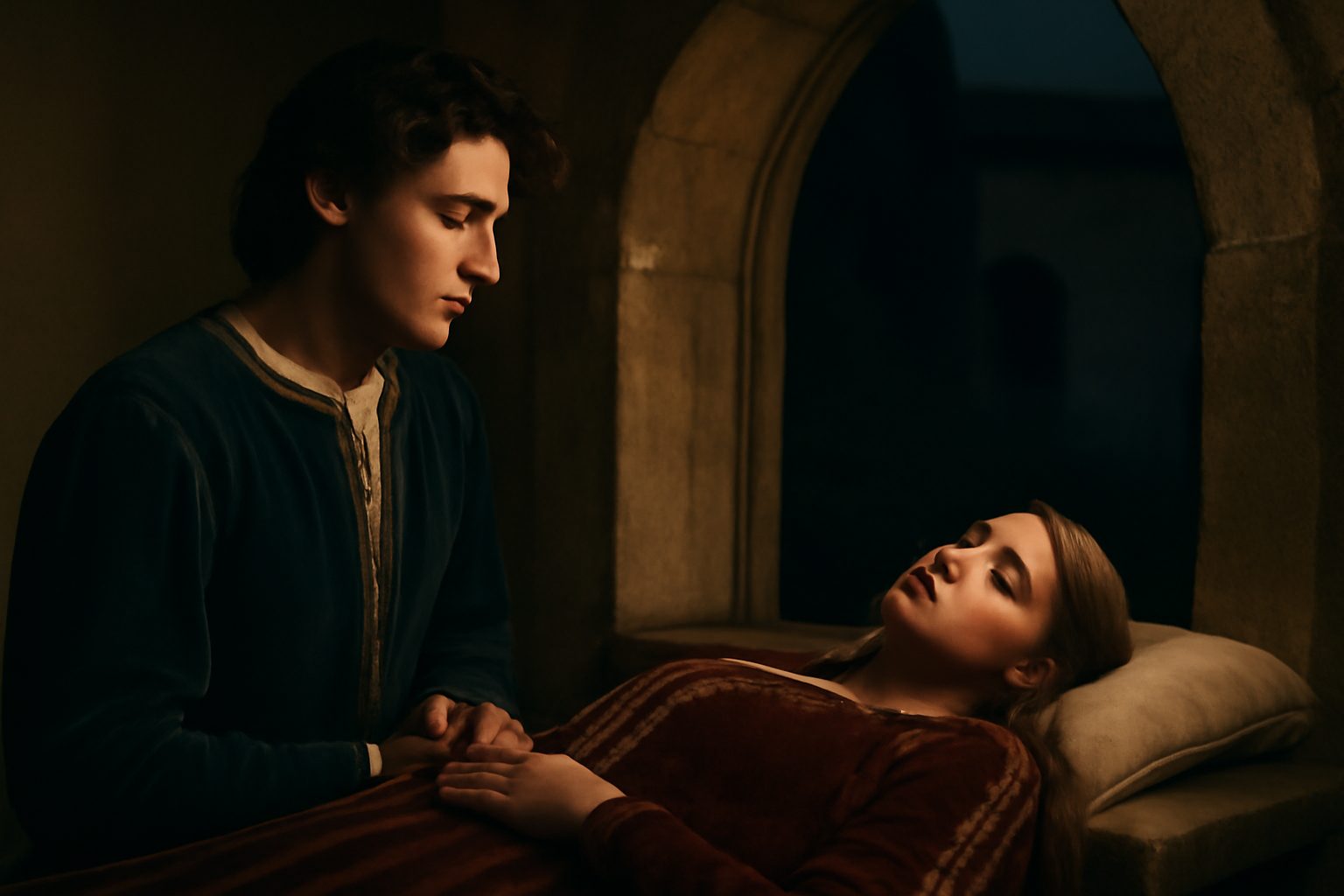
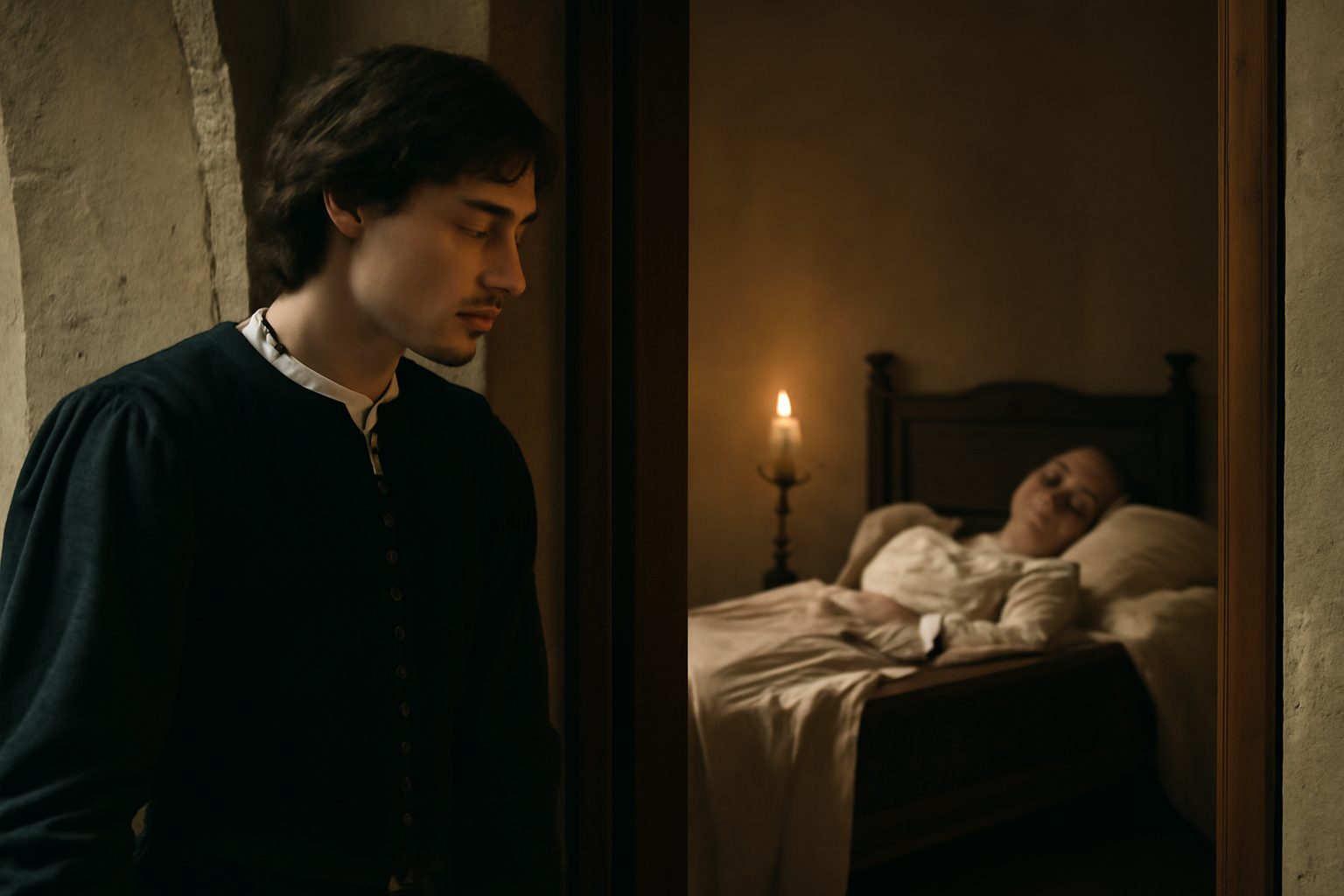
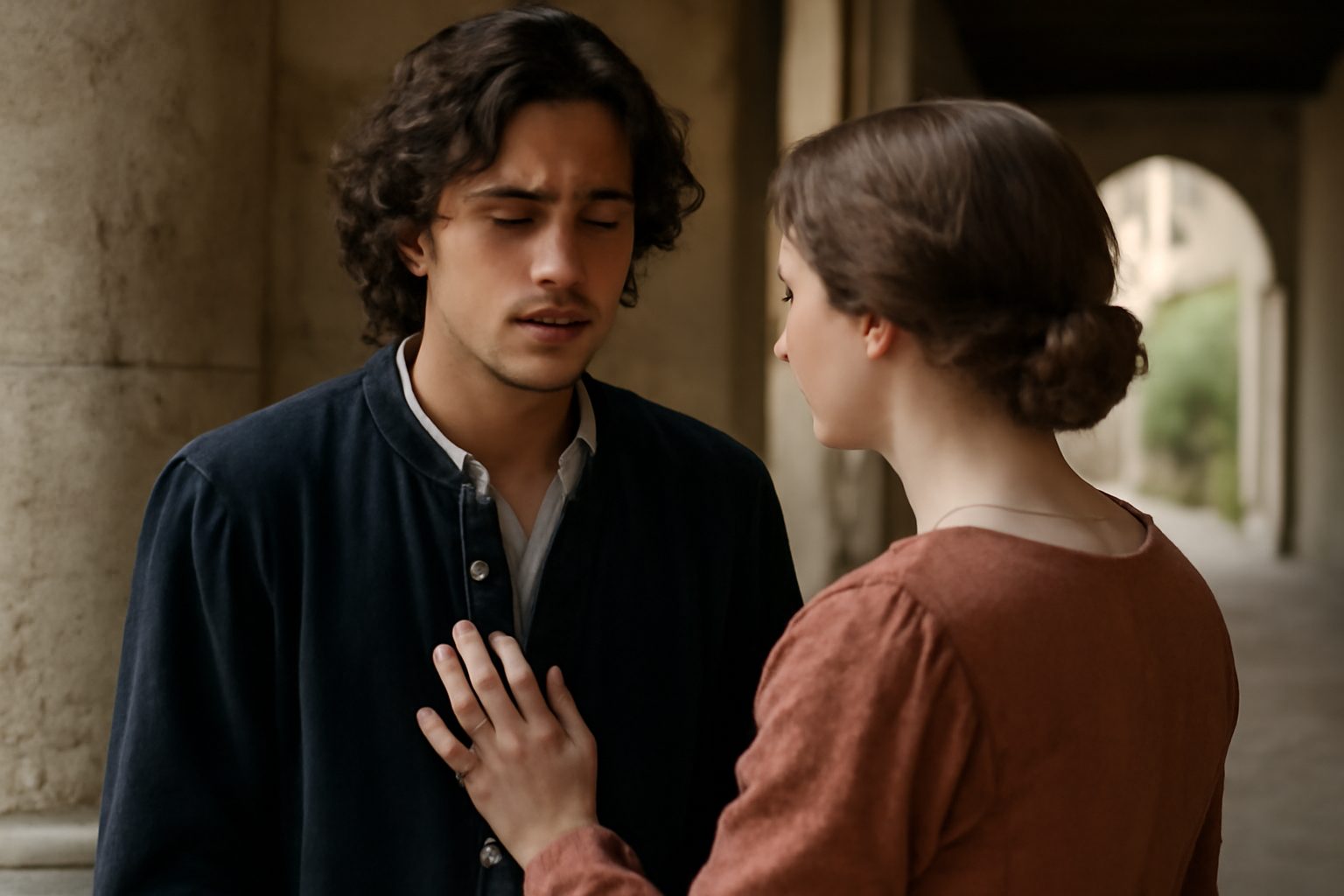
In Act 5, Scene 1 of Romeo and Juliet, Romeo speaks these words after dreaming of Juliet and feeling an unusual sense of joy, unaware that tragedy looms. The line reflects his hopeful yet unsettled state, as he interprets the dream as a sign of good fortune, contrasting sharply with the impending news of Juliet's supposed death. This moment heightens the dramatic irony, as the audience knows his optimism is tragically misplaced.
Romeo: "And all this day an unaccustom'd spirit"
In modern day english, we would say:
I’ve felt out of sorts all day, like something isn’t right.
Frequently Asked Questions
What does Romeo mean when he says he feels an unaccustomed spirit?
Romeo means he is feeling unusual or different, not like his normal self, on that day.
Connections to other verses:
Connections to "And all this day an unaccustom'd spirit"
The verse "And all this day an unaccustom'd spirit" reflects Romeo's unusual sense of optimism and lightness at the start of Act 5, Scene 1. This feeling is immediately contextualized by his preceding line, "My bosom's lord sits lightly in his throne", which emphasizes his emotional buoyancy. This optimism is further rooted in his hopeful dream, as he states in "My dreams presage some joyful news at hand", suggesting that his elevated mood is tied to anticipations of good fortune.
Contrast with Balthasar's News
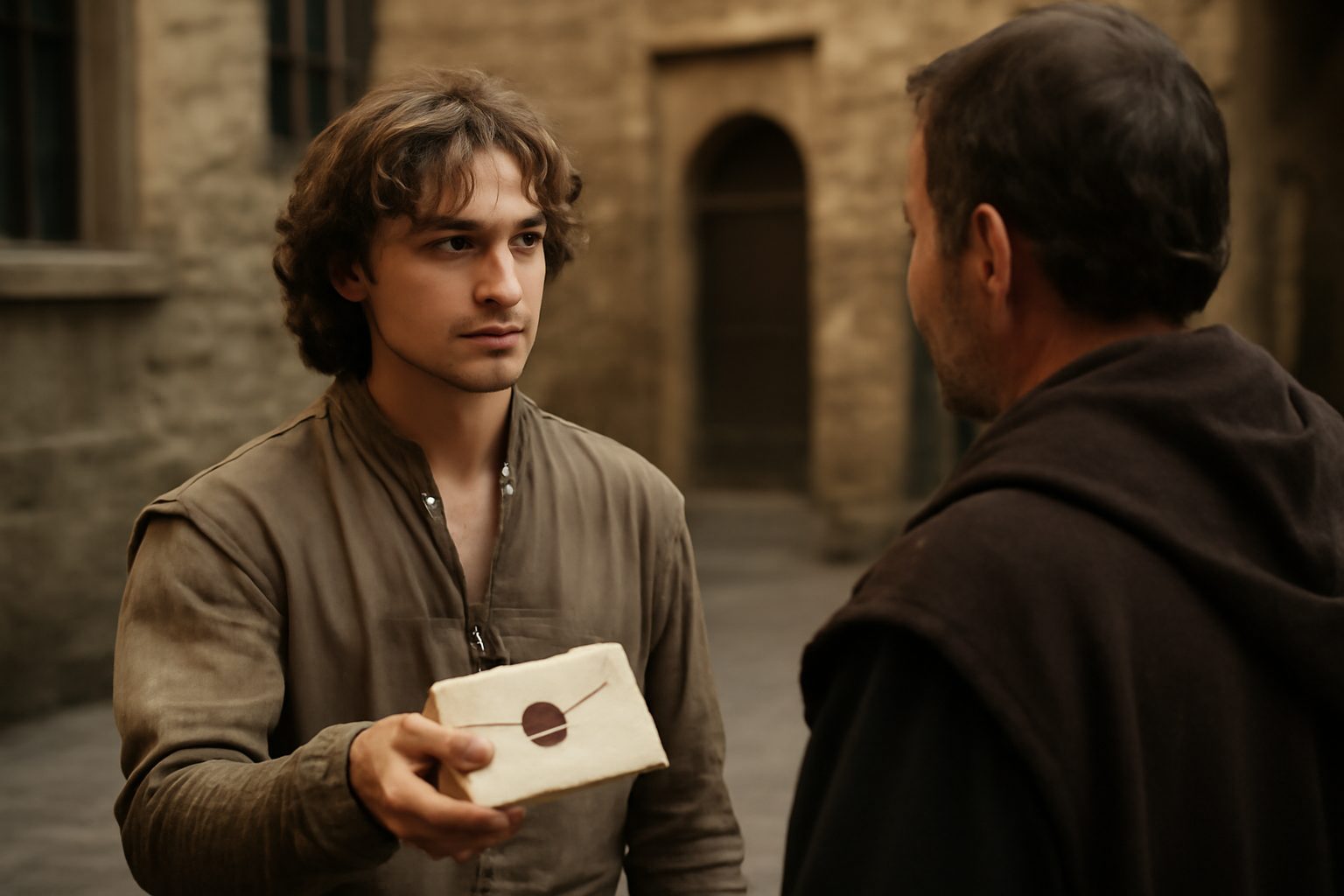
Romeo's unaccustomed spirit starkly contrasts with the grim reality revealed by Balthasar. When Balthasar delivers the news of Juliet's apparent death in "I saw her laid low in her kindred's vault", Romeo's hopeful disposition shatters. This shift is encapsulated in his defiant cry, "Is it even so? then I defy you, stars!", marking a drastic turn from optimism to despair.
Connection to the Apothecary Scene
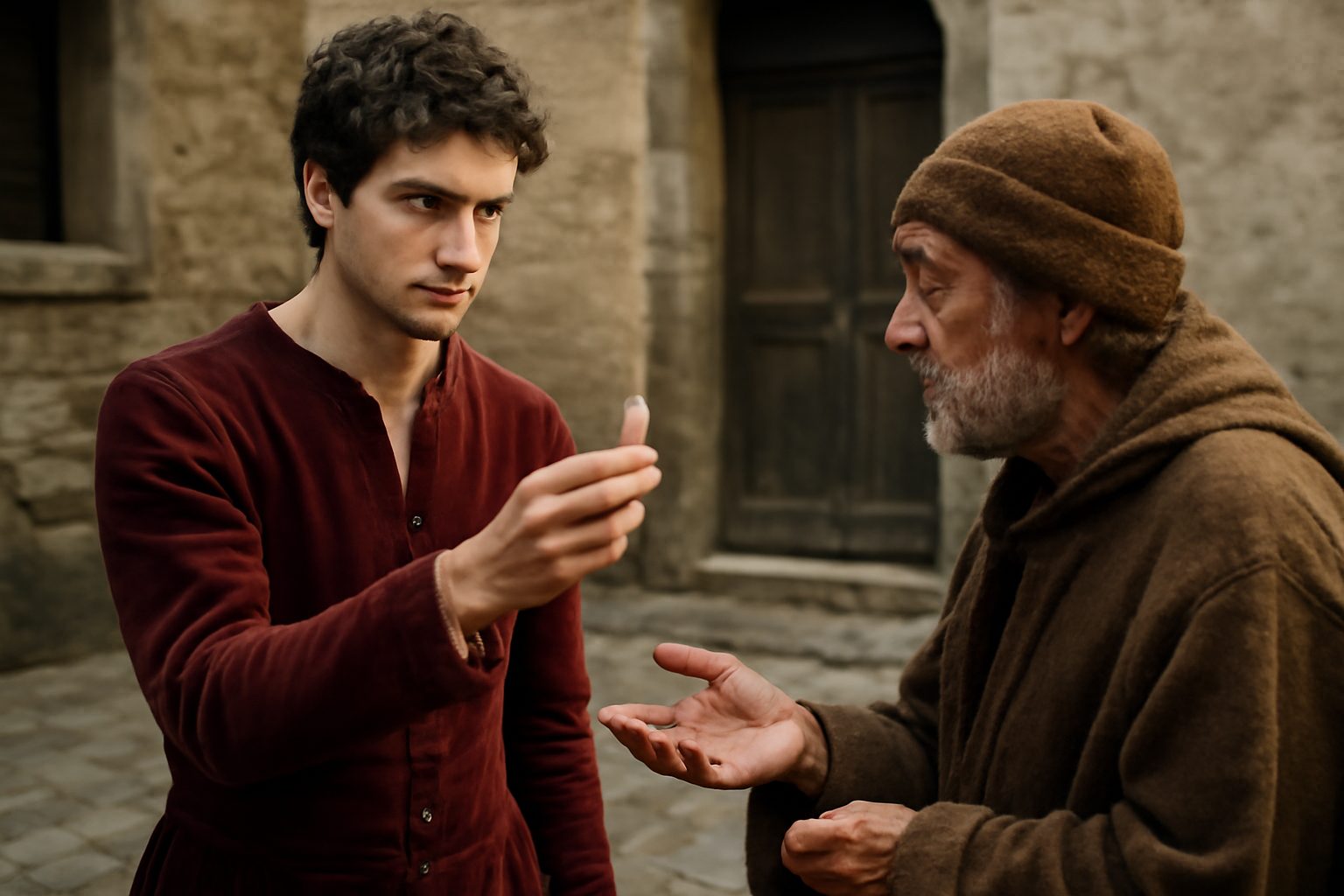
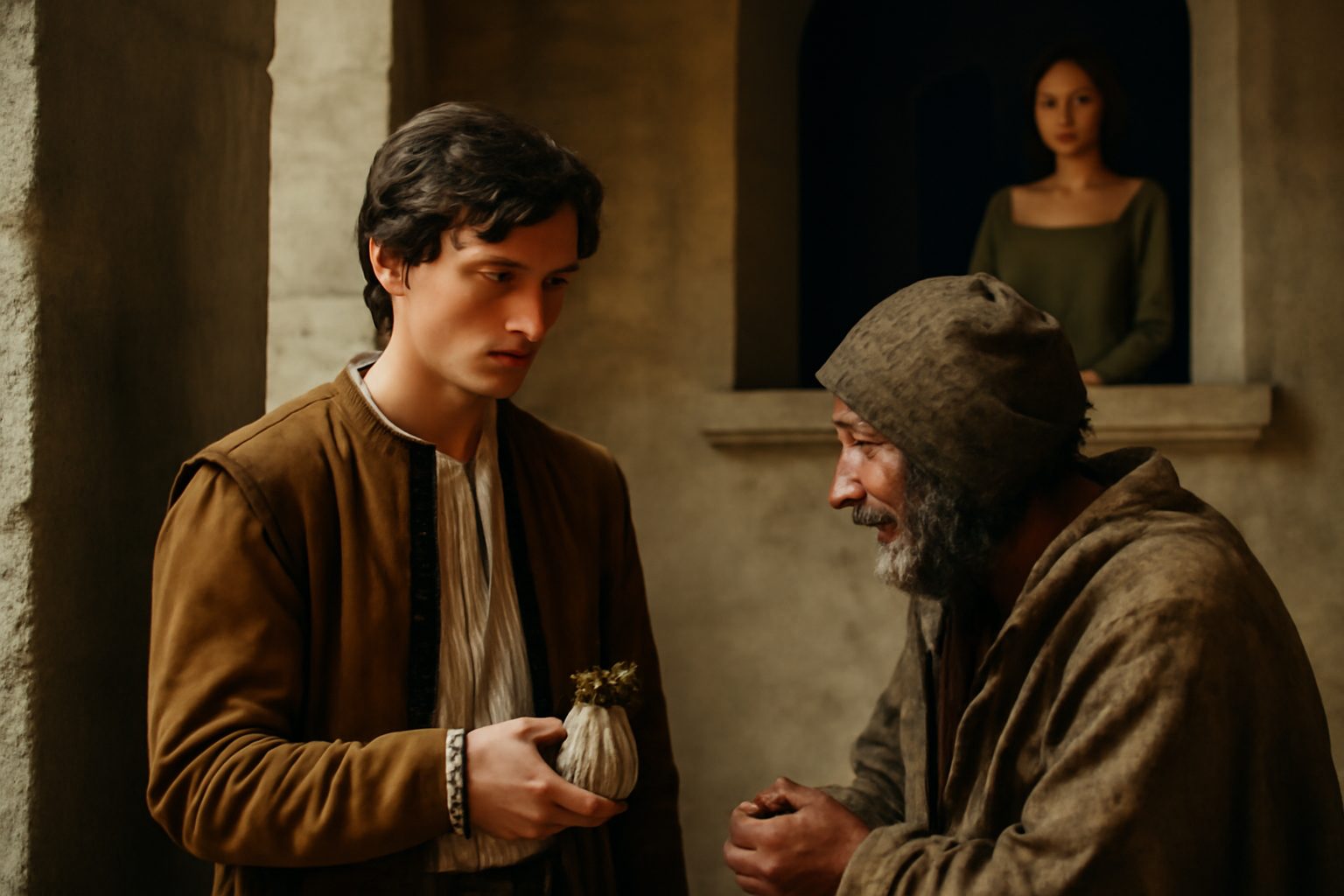
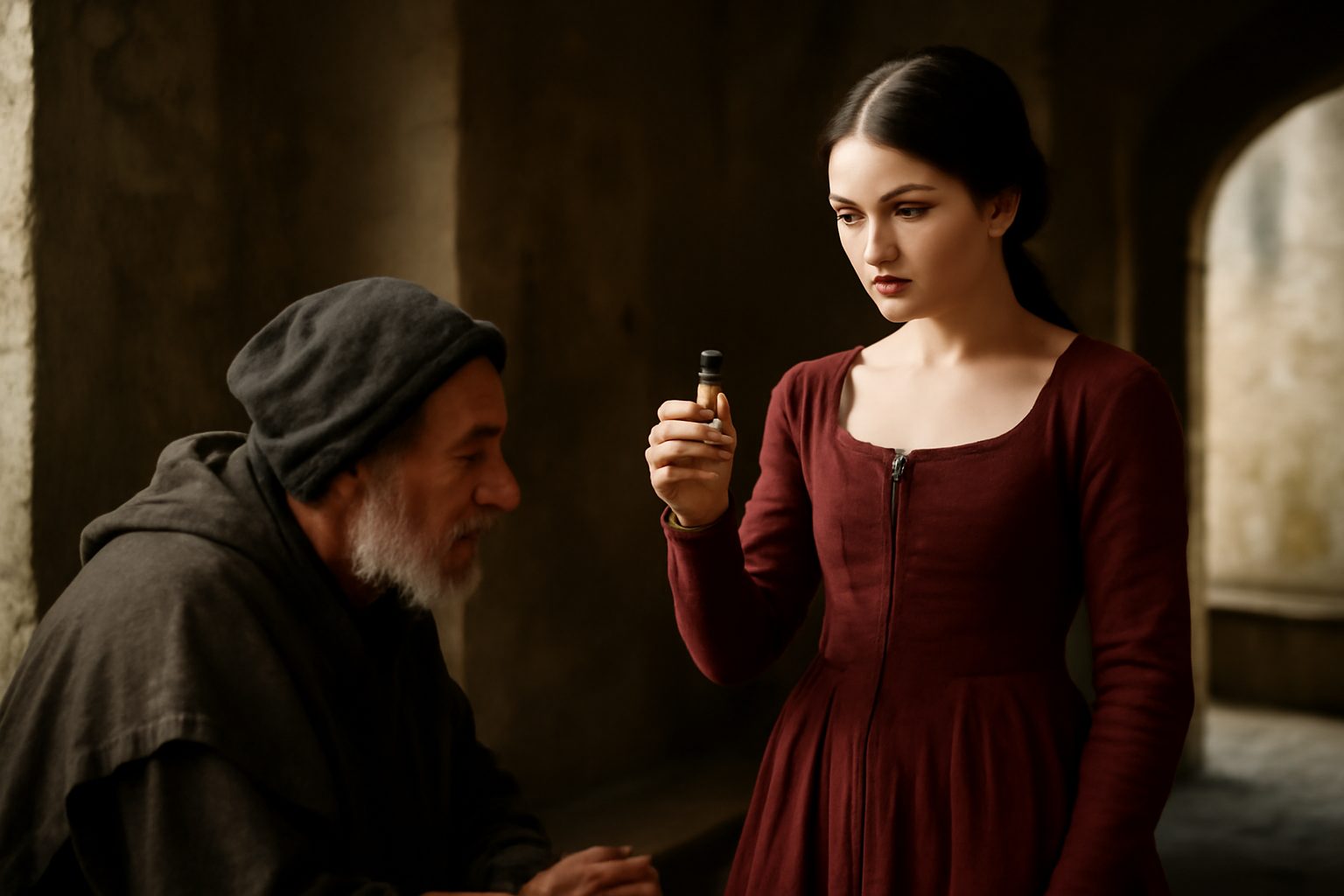
Romeo's determination following this reversal leads him to seek poison, as seen in "A dram of poison, such soon-speeding gear". His interaction with the apothecary, described in "Culling of simples; meagre were his looks", underscores the theme of desperation opposing his earlier lightness. Romeo's acknowledgment of the apothecary's poverty in "I pay thy poverty, and not thy will" highlights how his resolve has hardened, a far cry from the unaccustomed spirit he began with.
Foreshadowing and Final Resolve
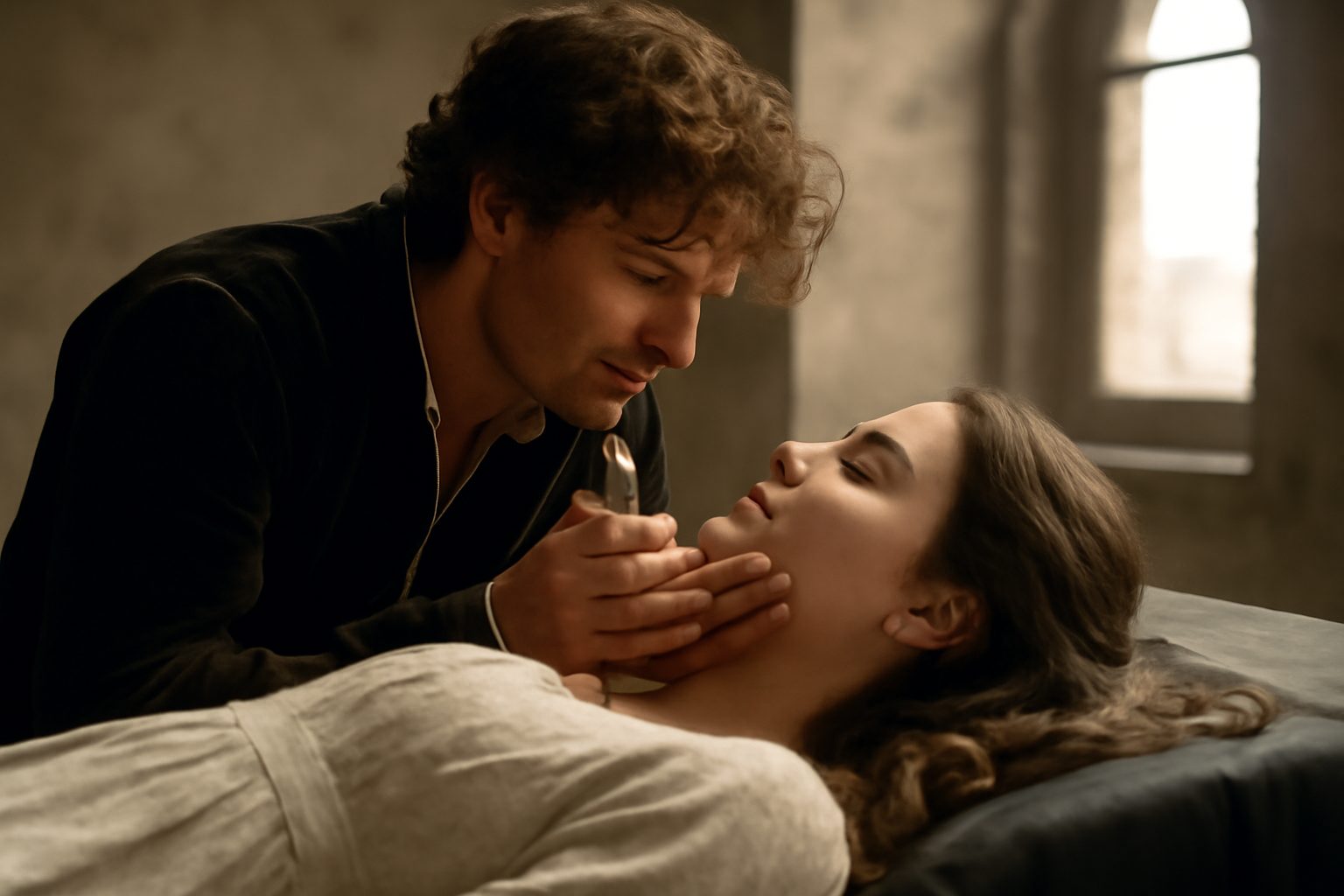
The initial buoyancy also ironically foreshadows his final actions. His declaration in "Well, Juliet, I will lie with thee to-night" shows his commitment to join Juliet in death, while "Come, cordial and not poison, go with me" reveals his perception of the poison as a means of reunion, contrasting sharply with his earlier joyful anticipation.