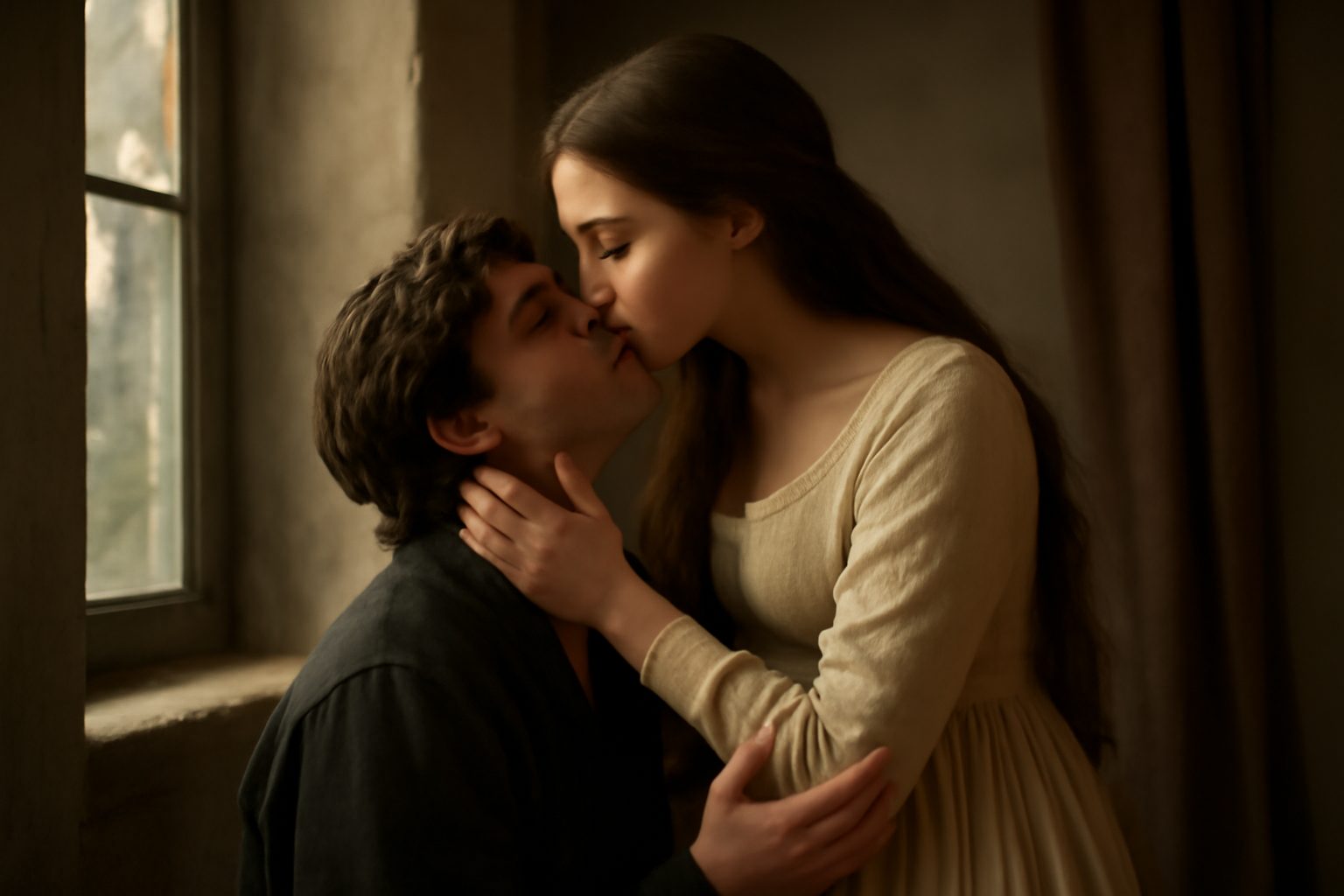
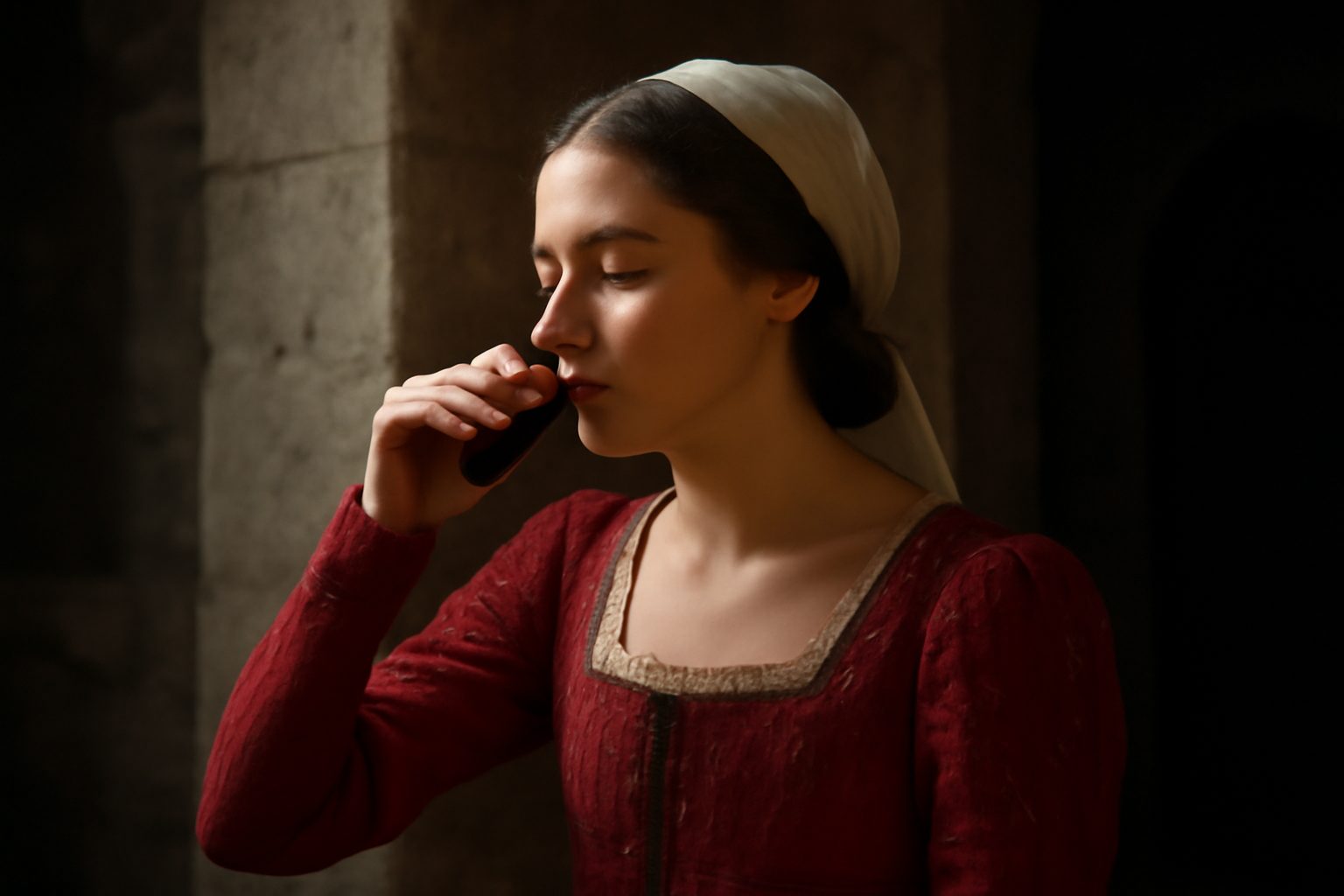
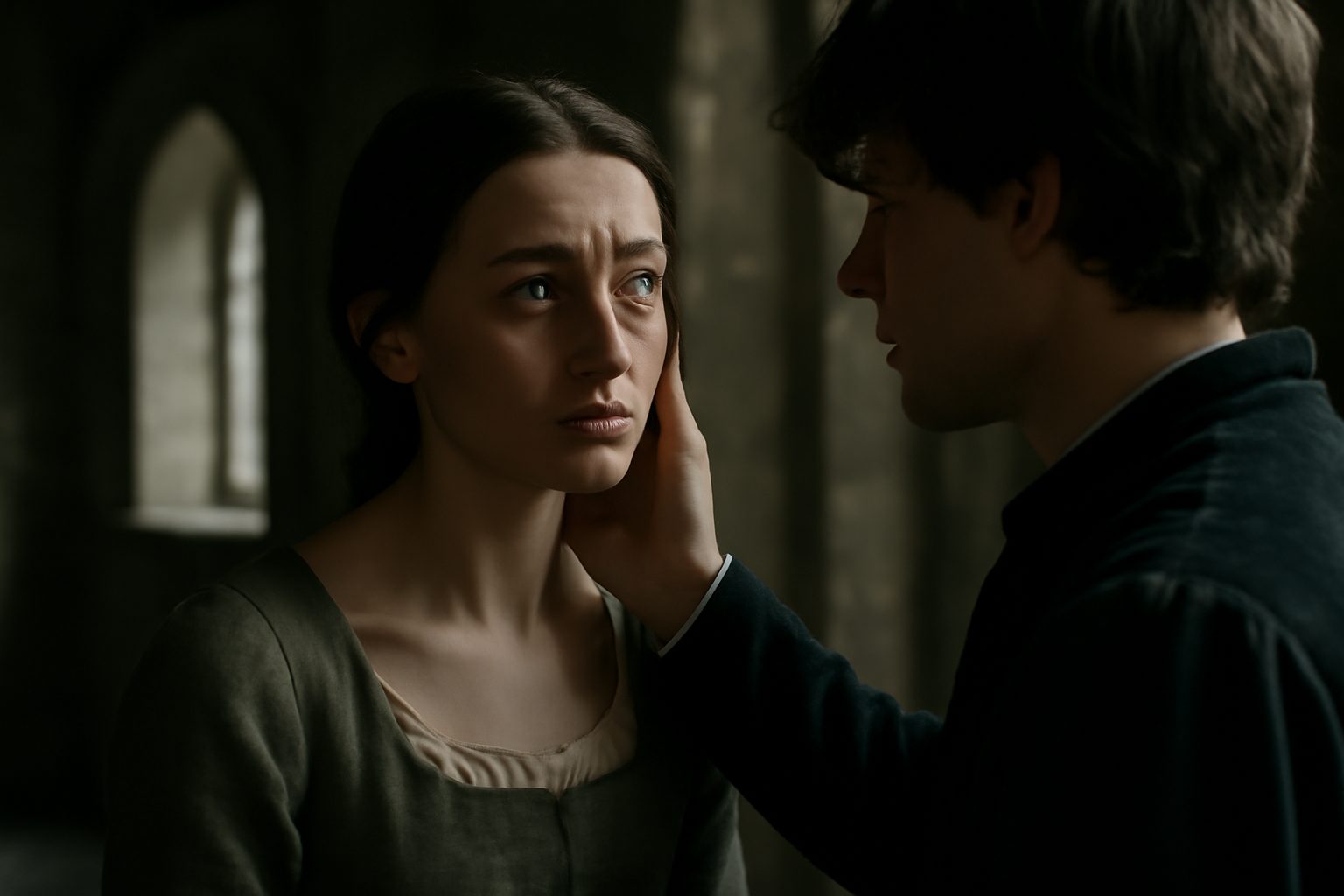
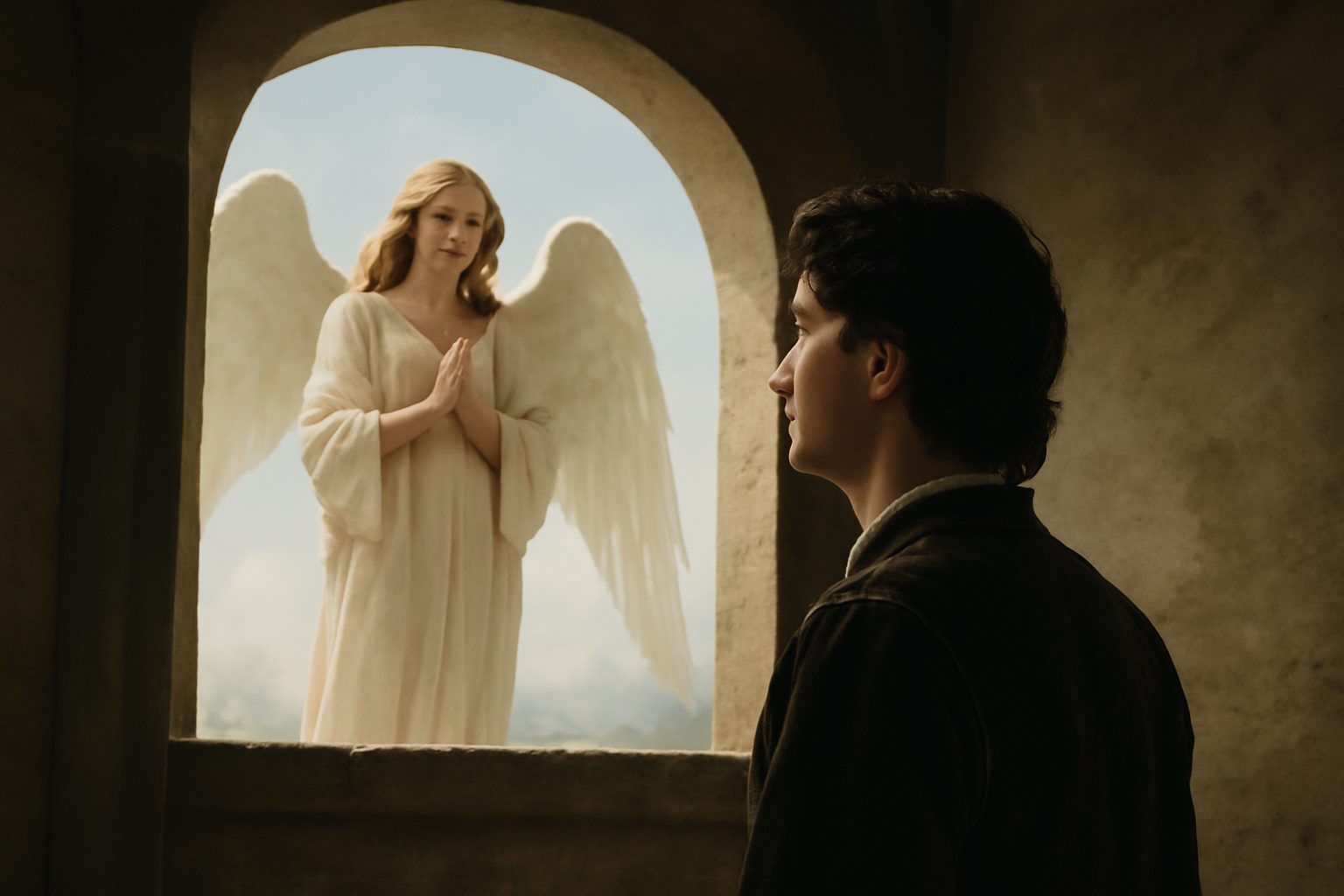
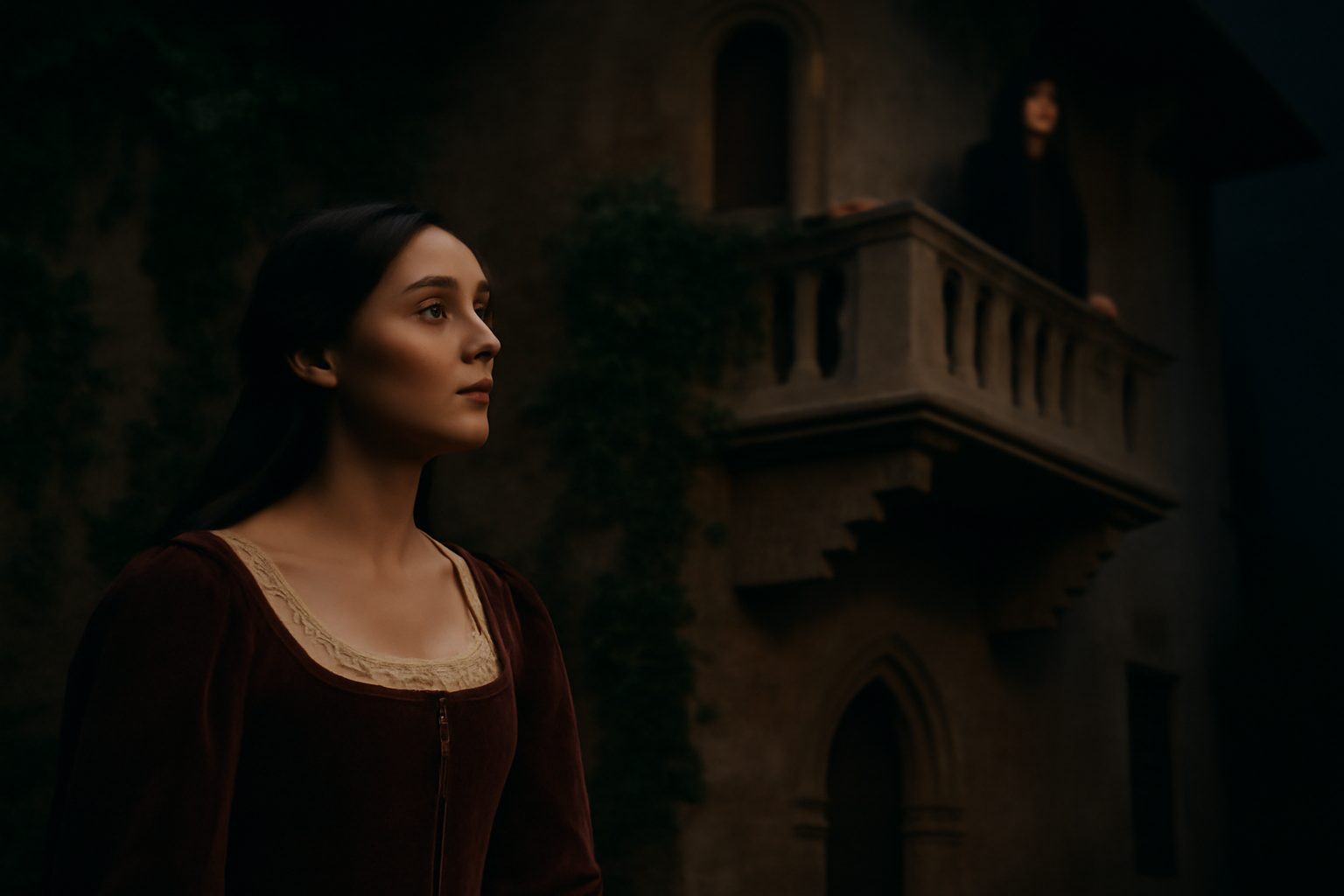
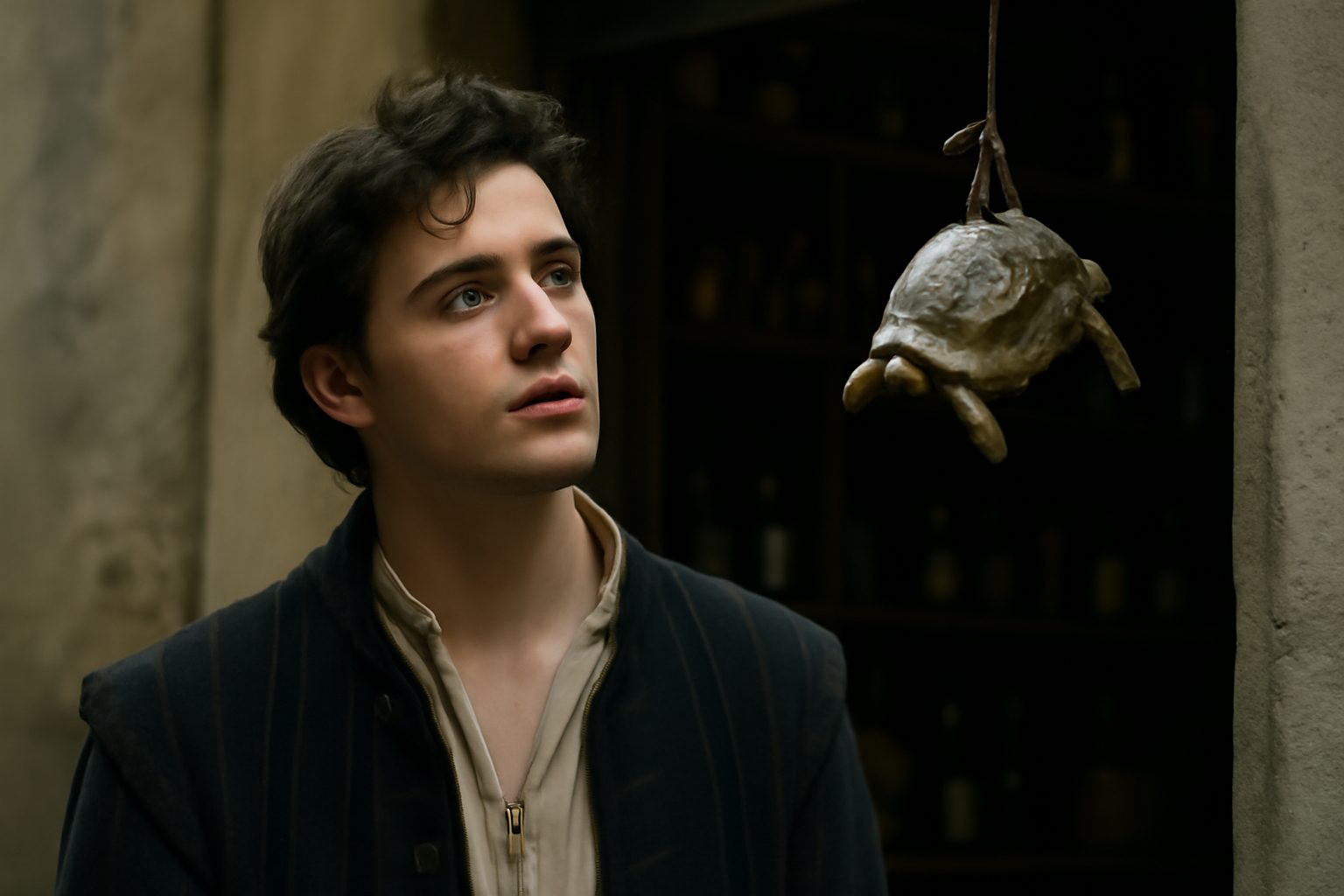
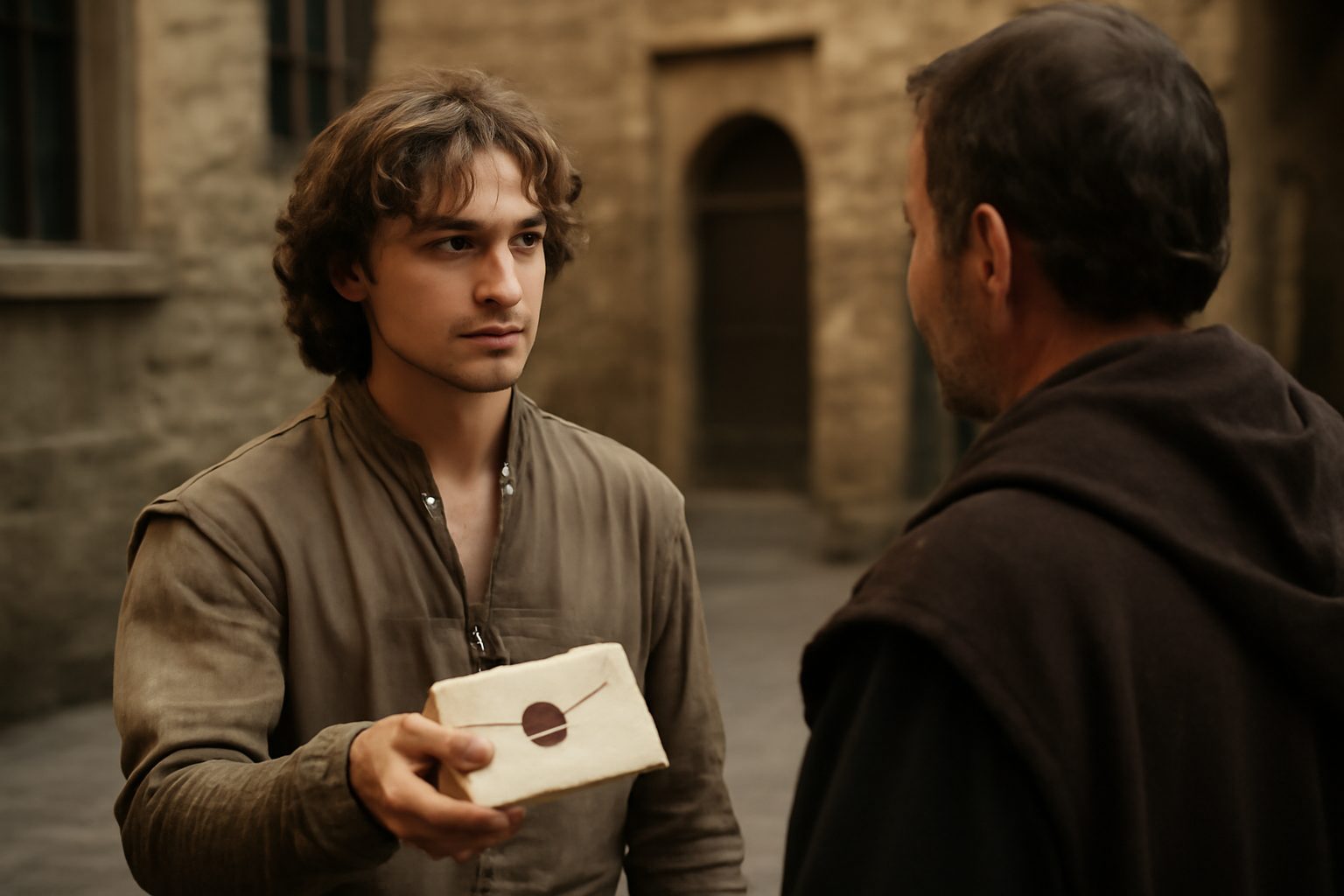
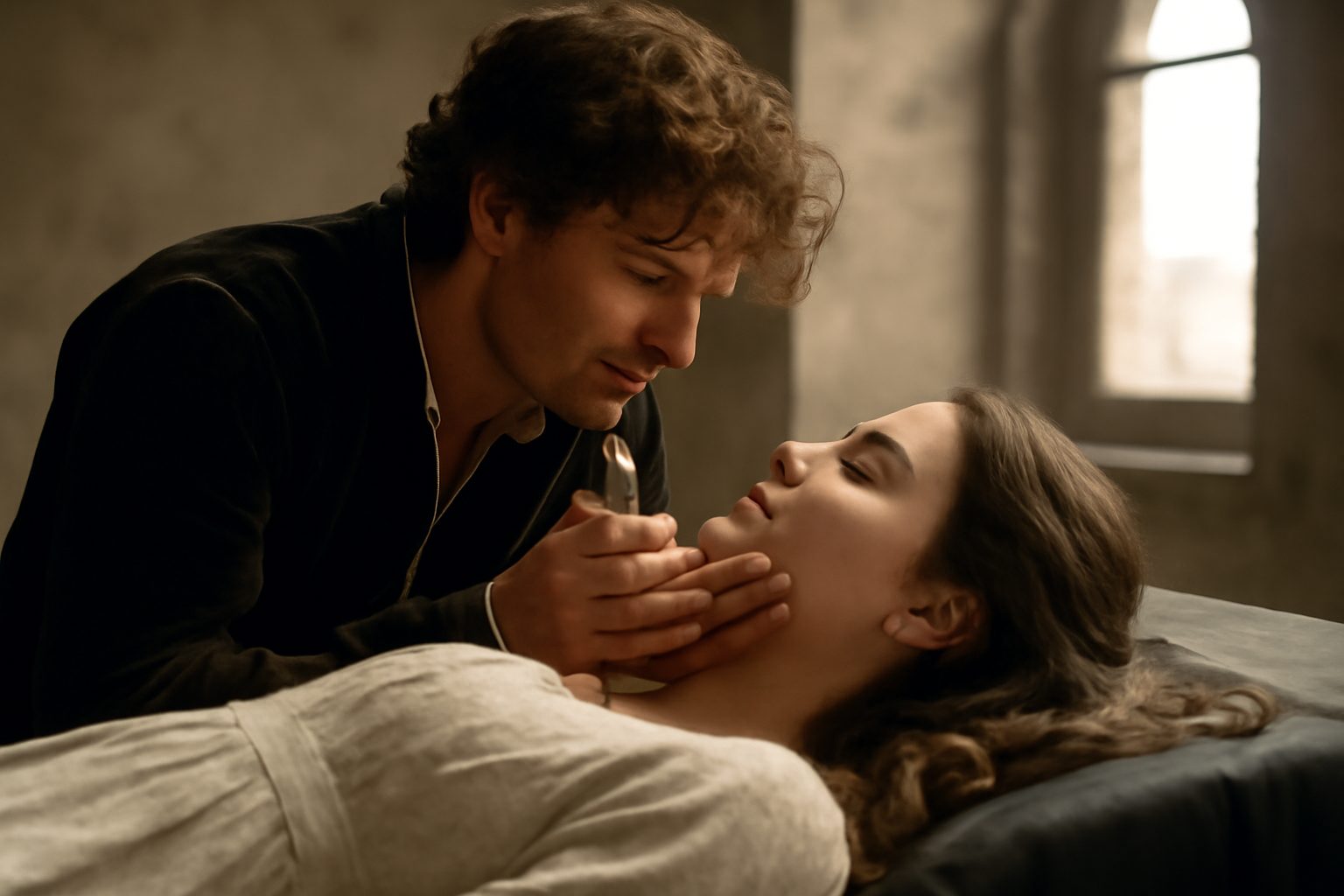
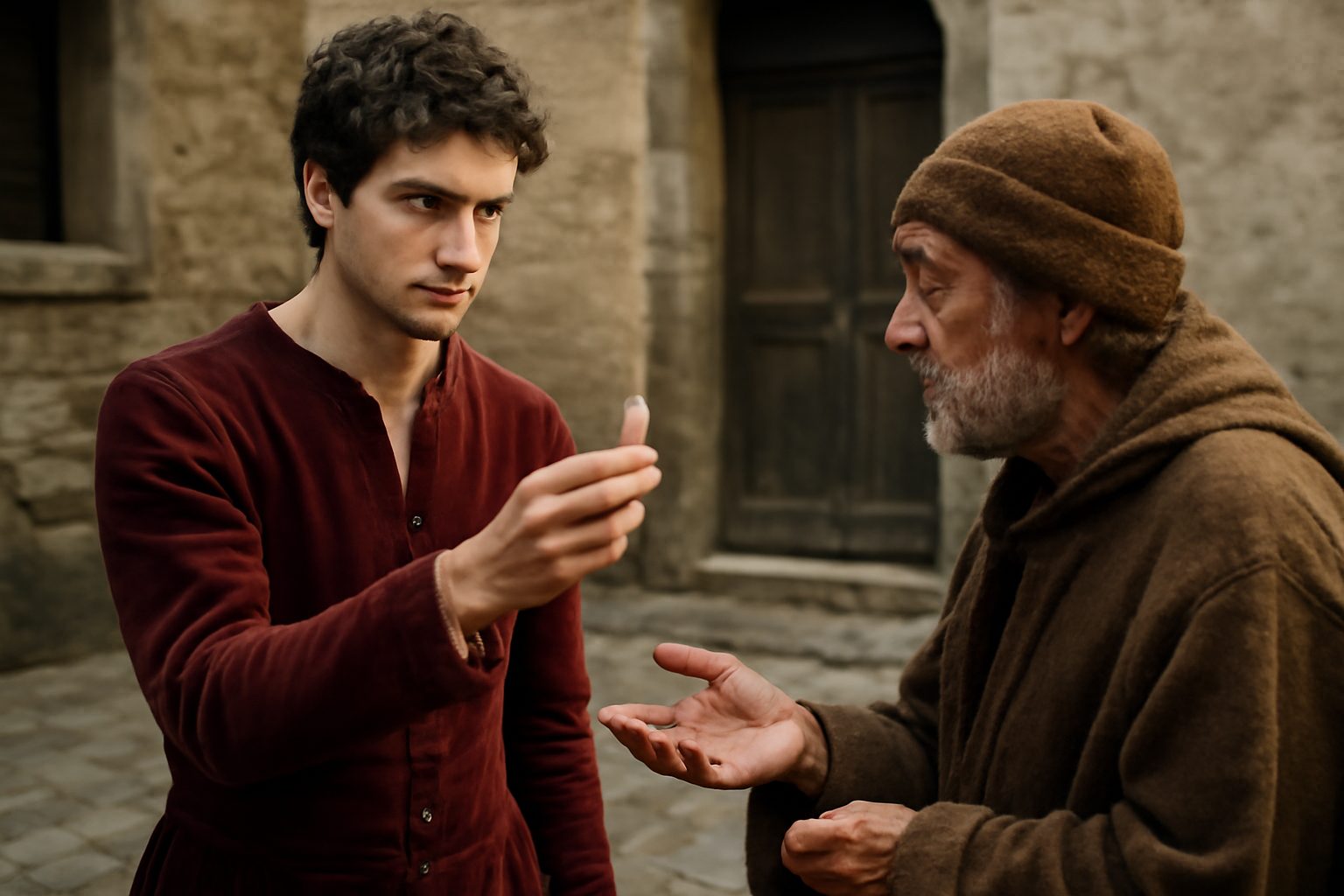
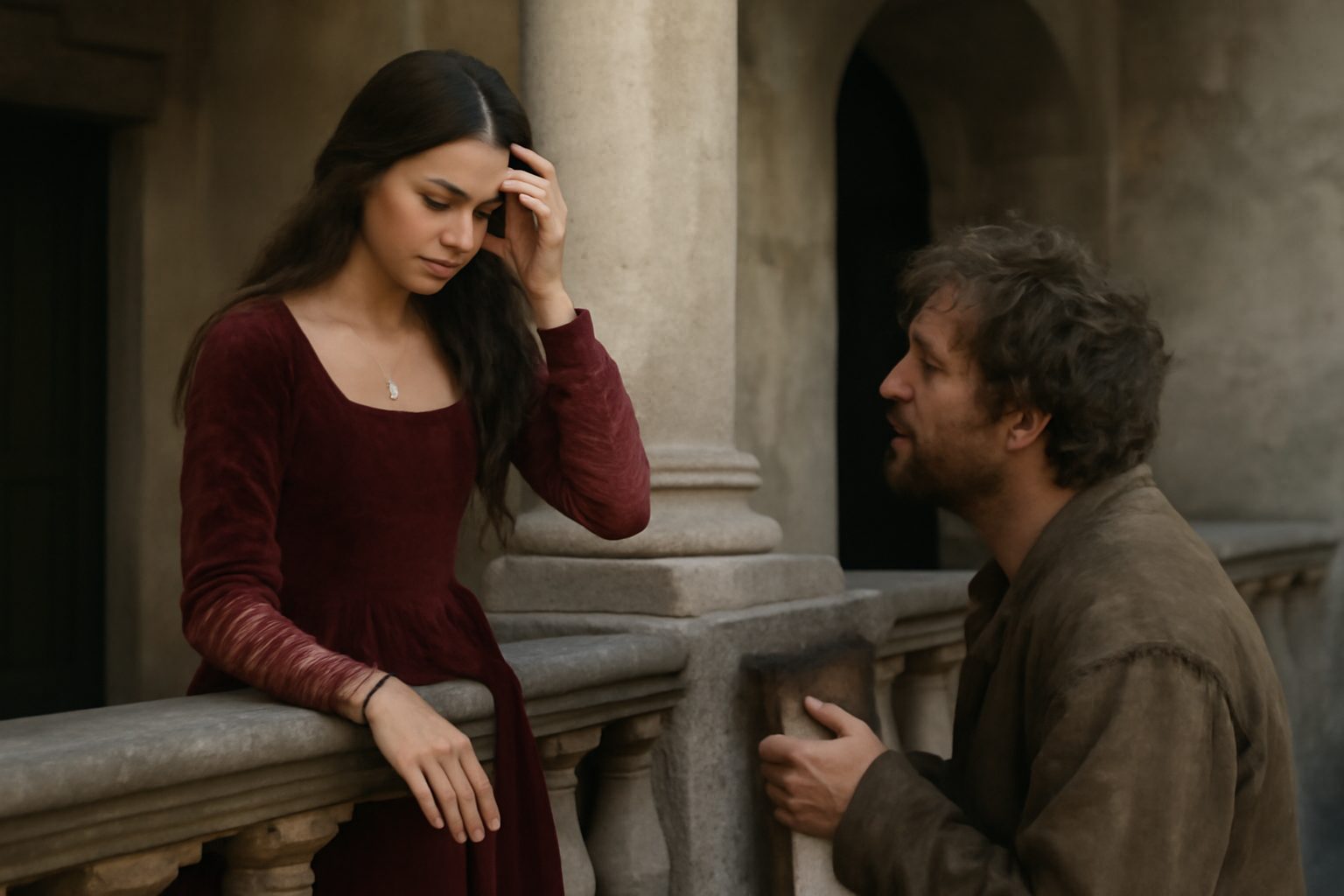
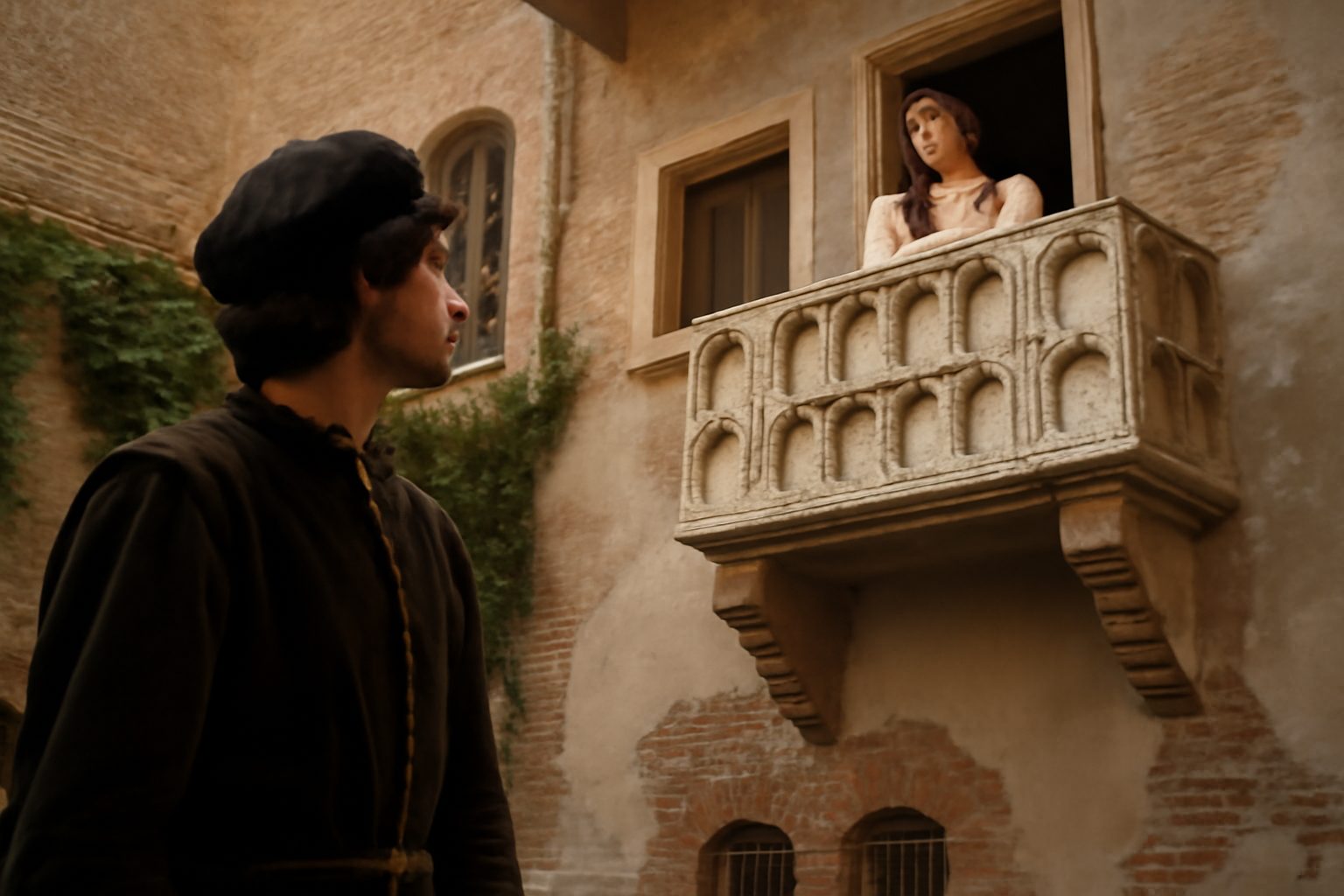
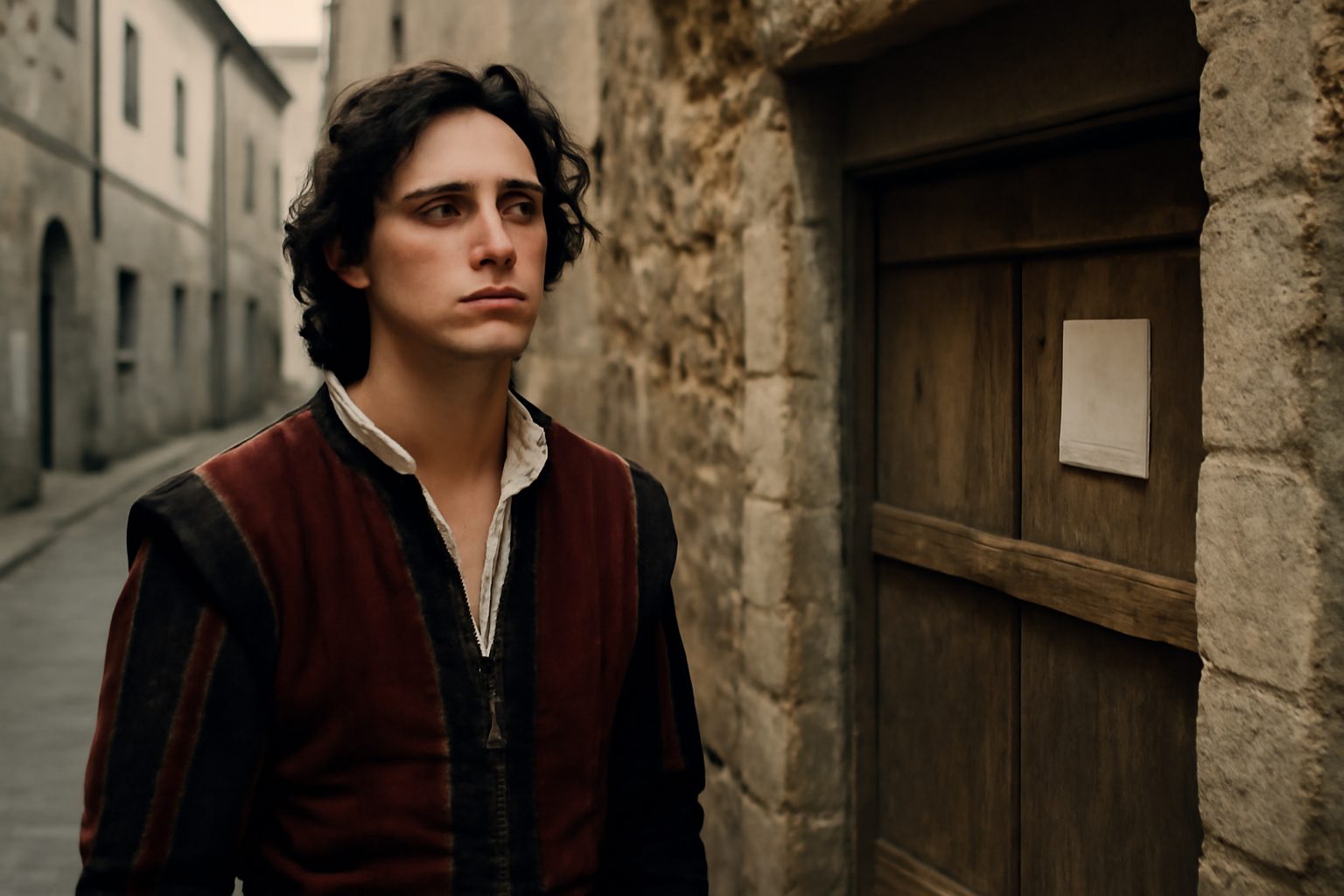
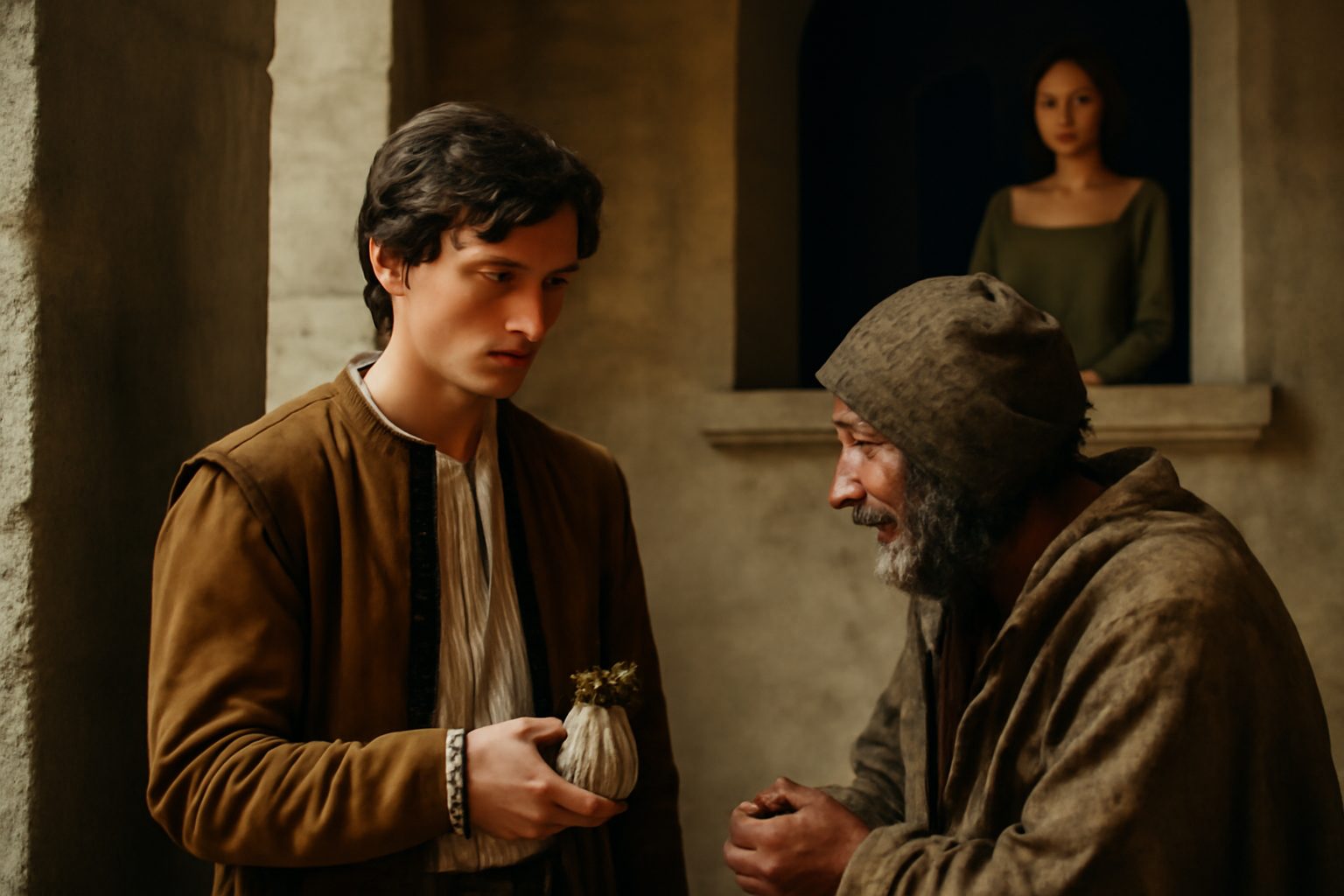
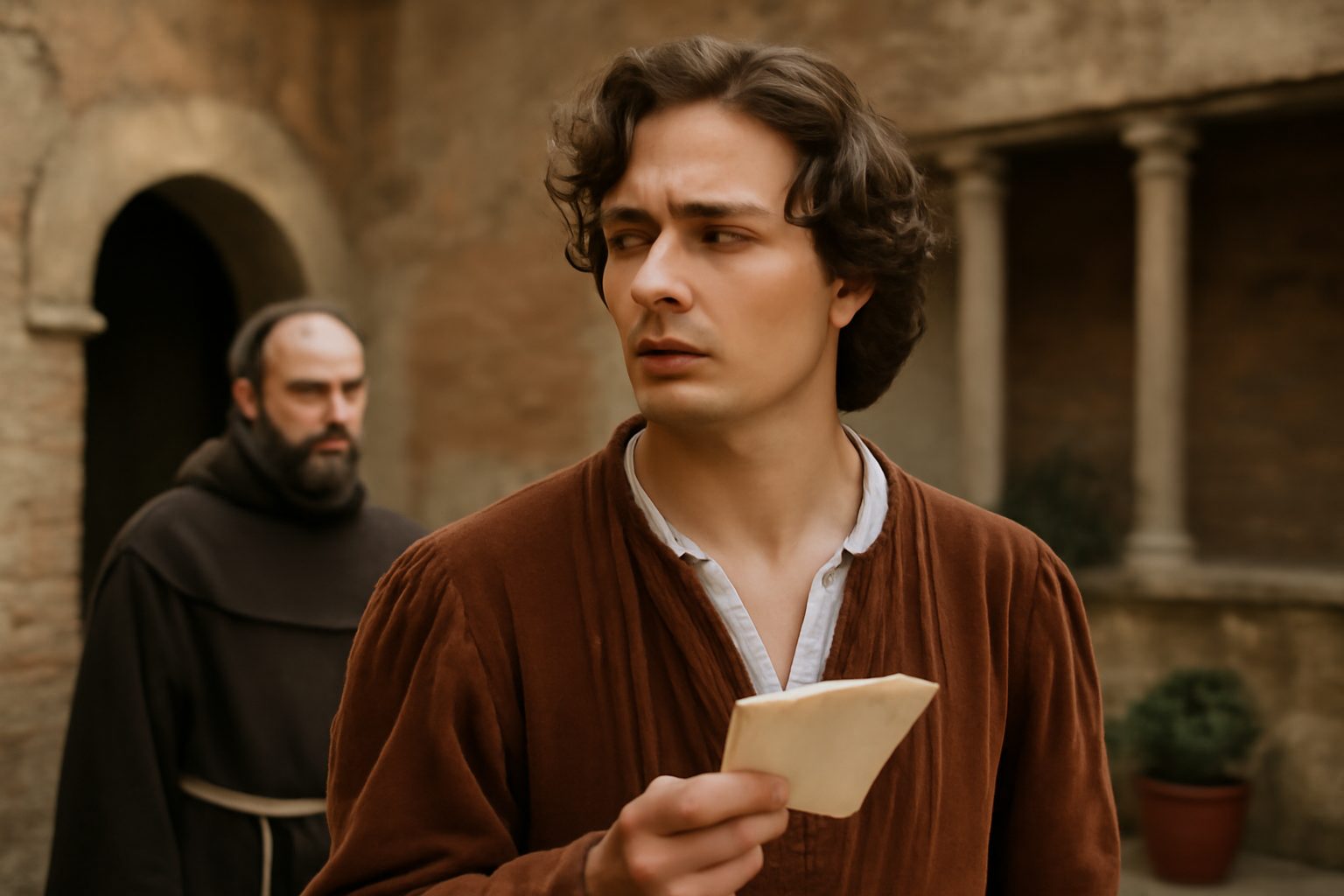
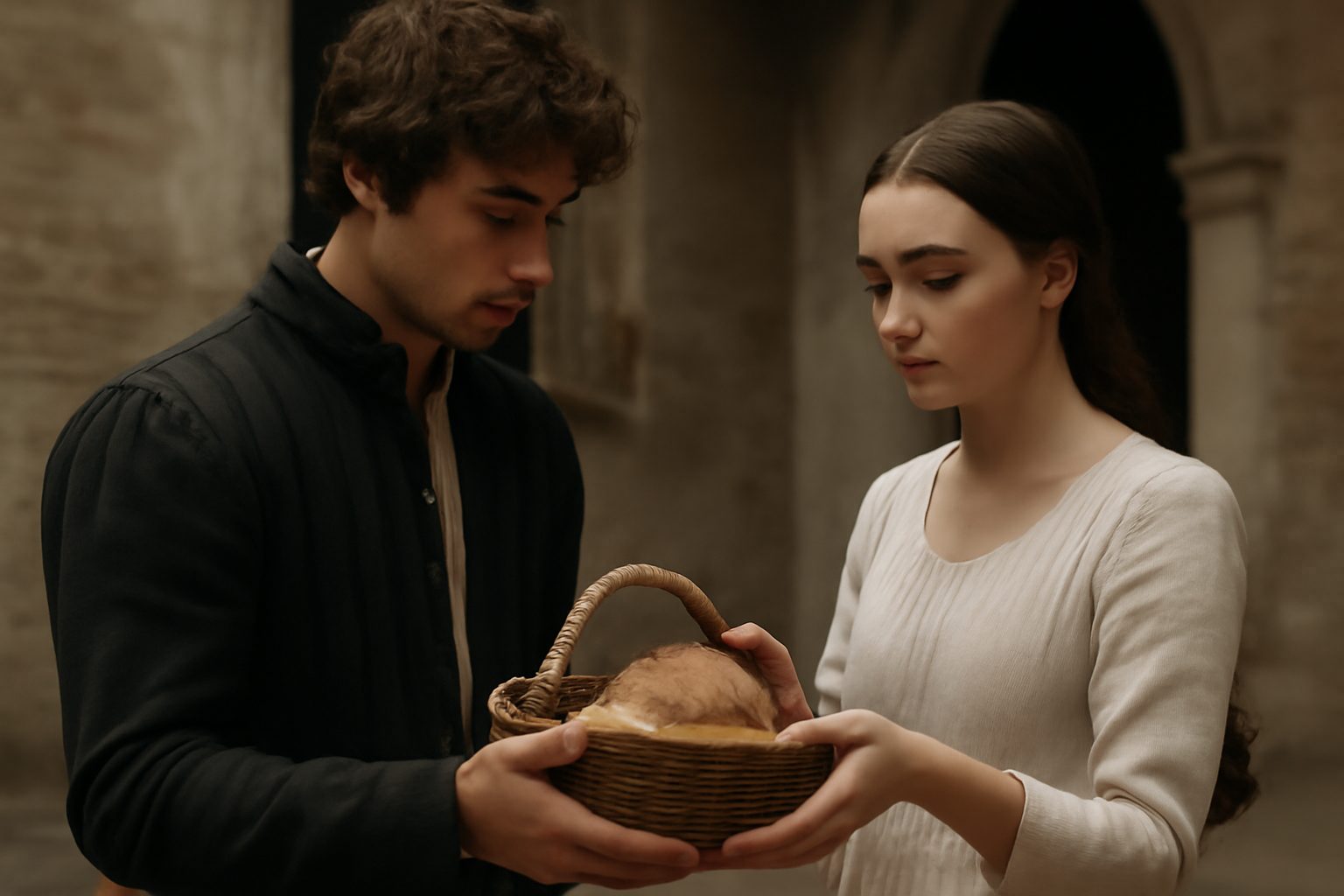
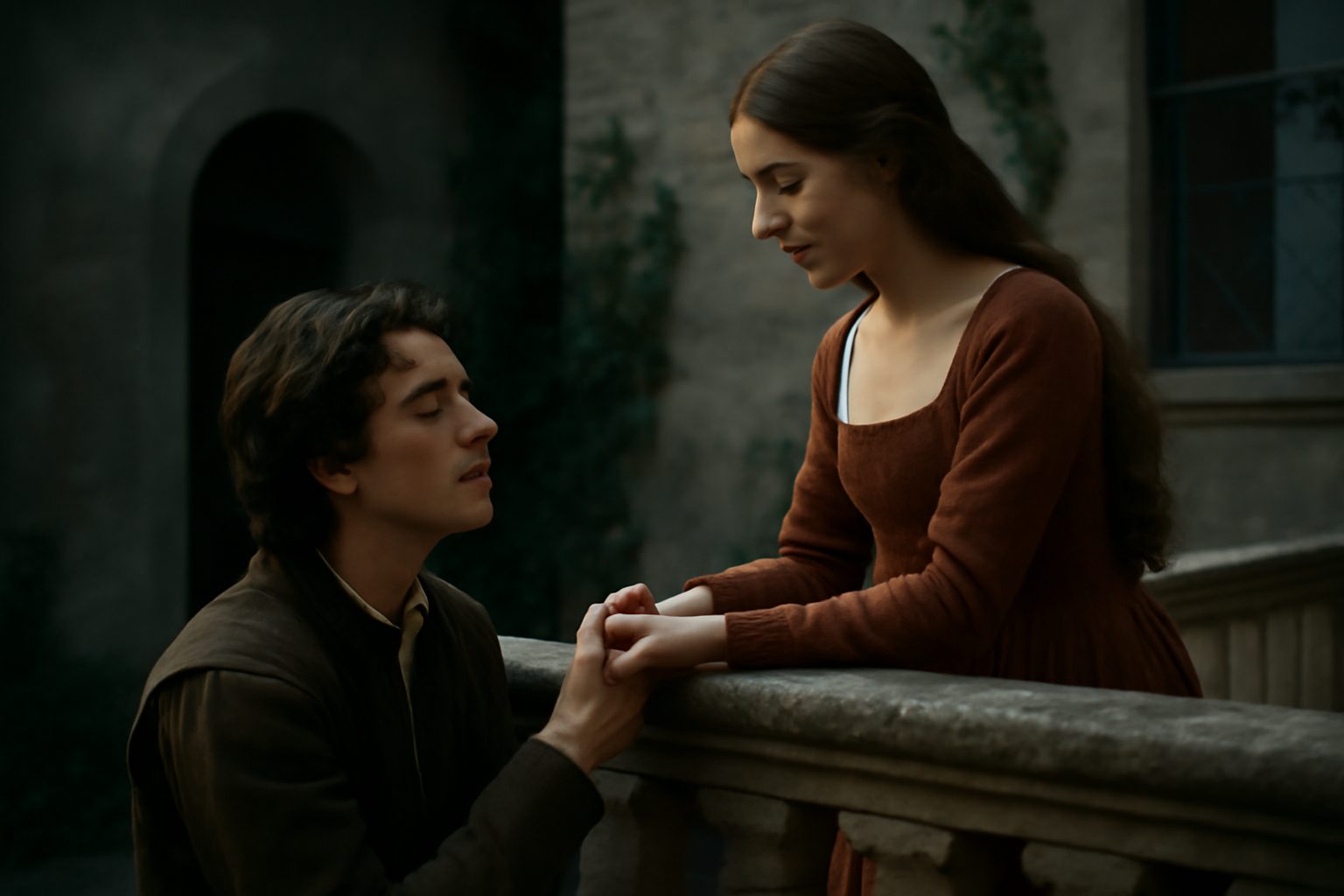
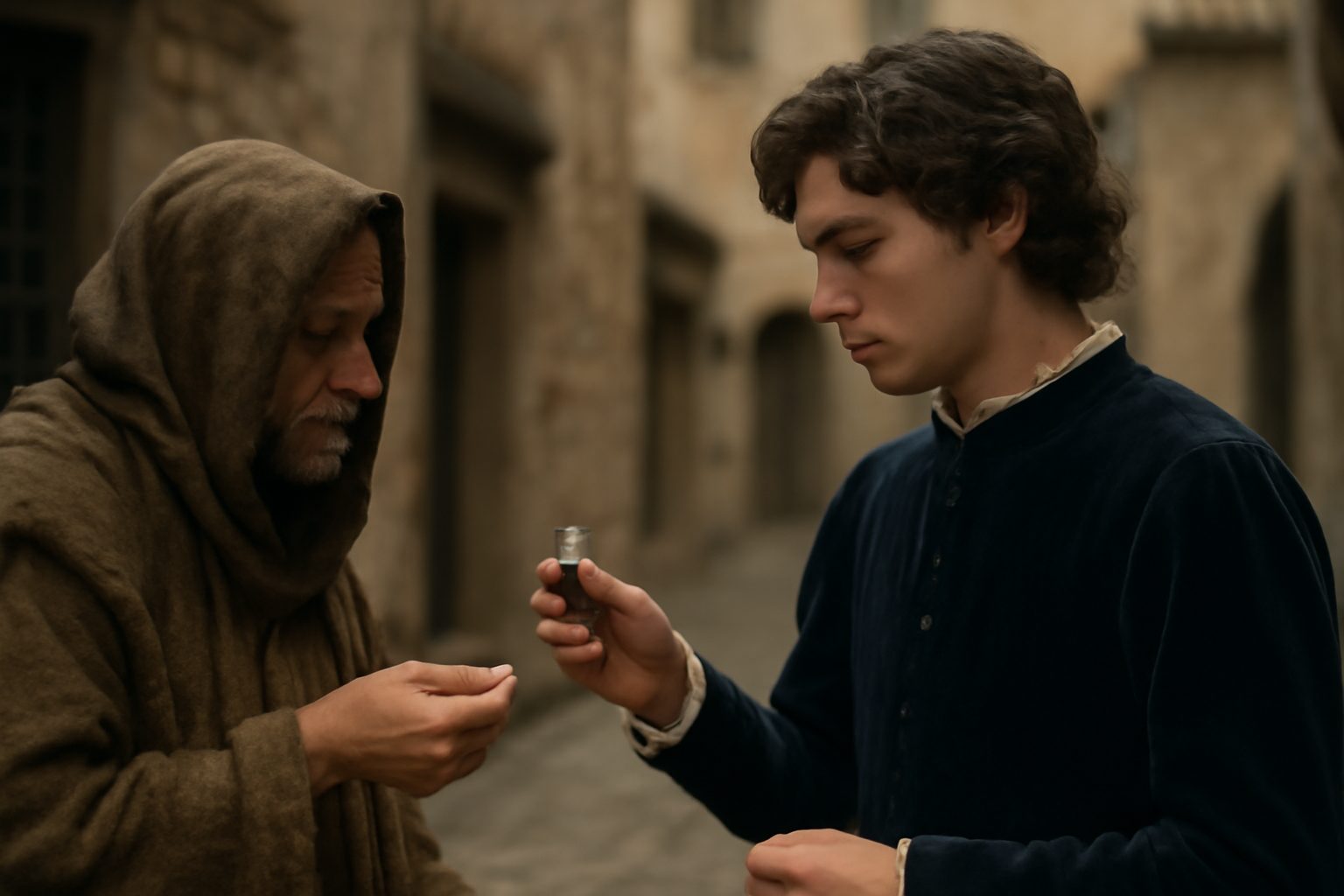
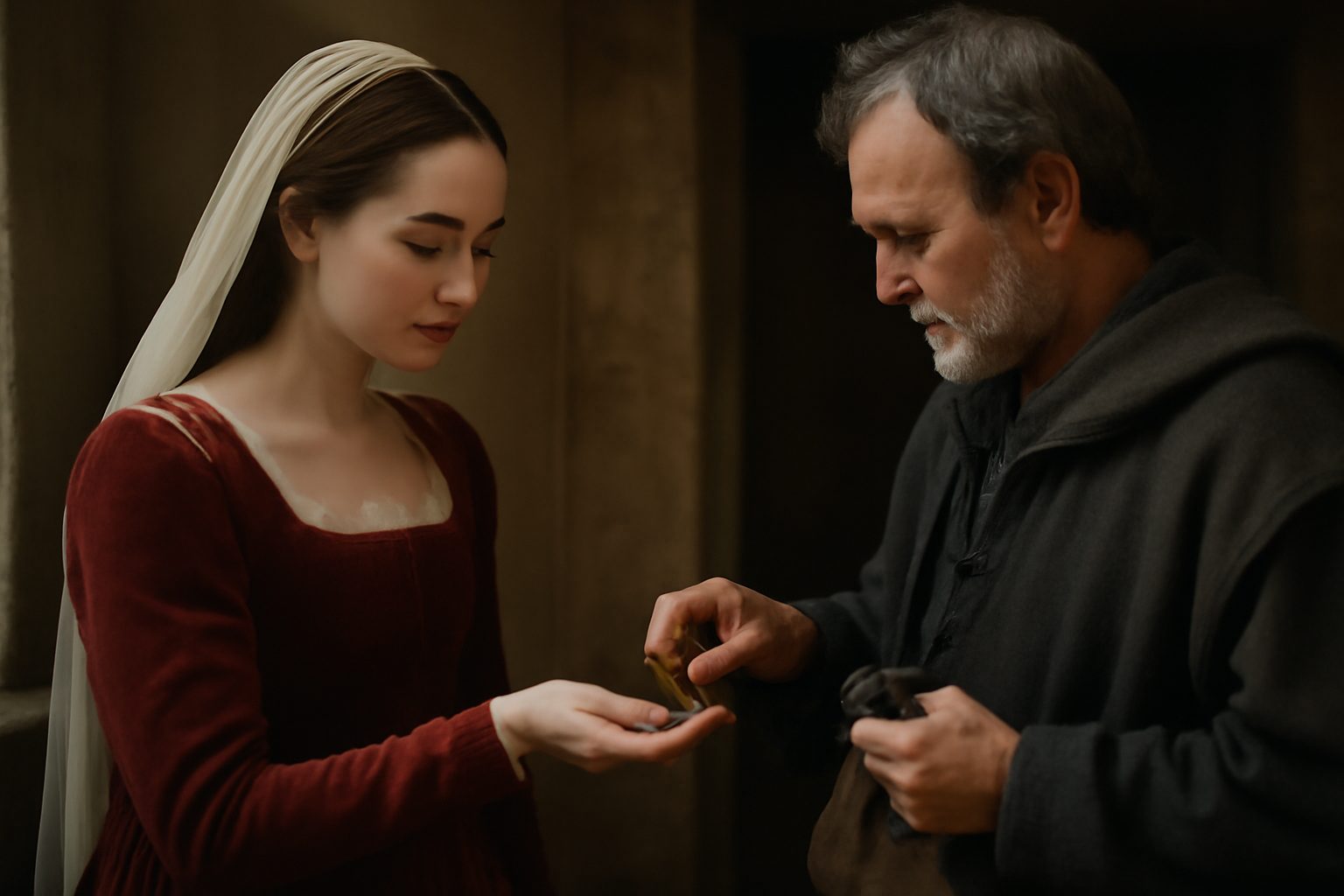
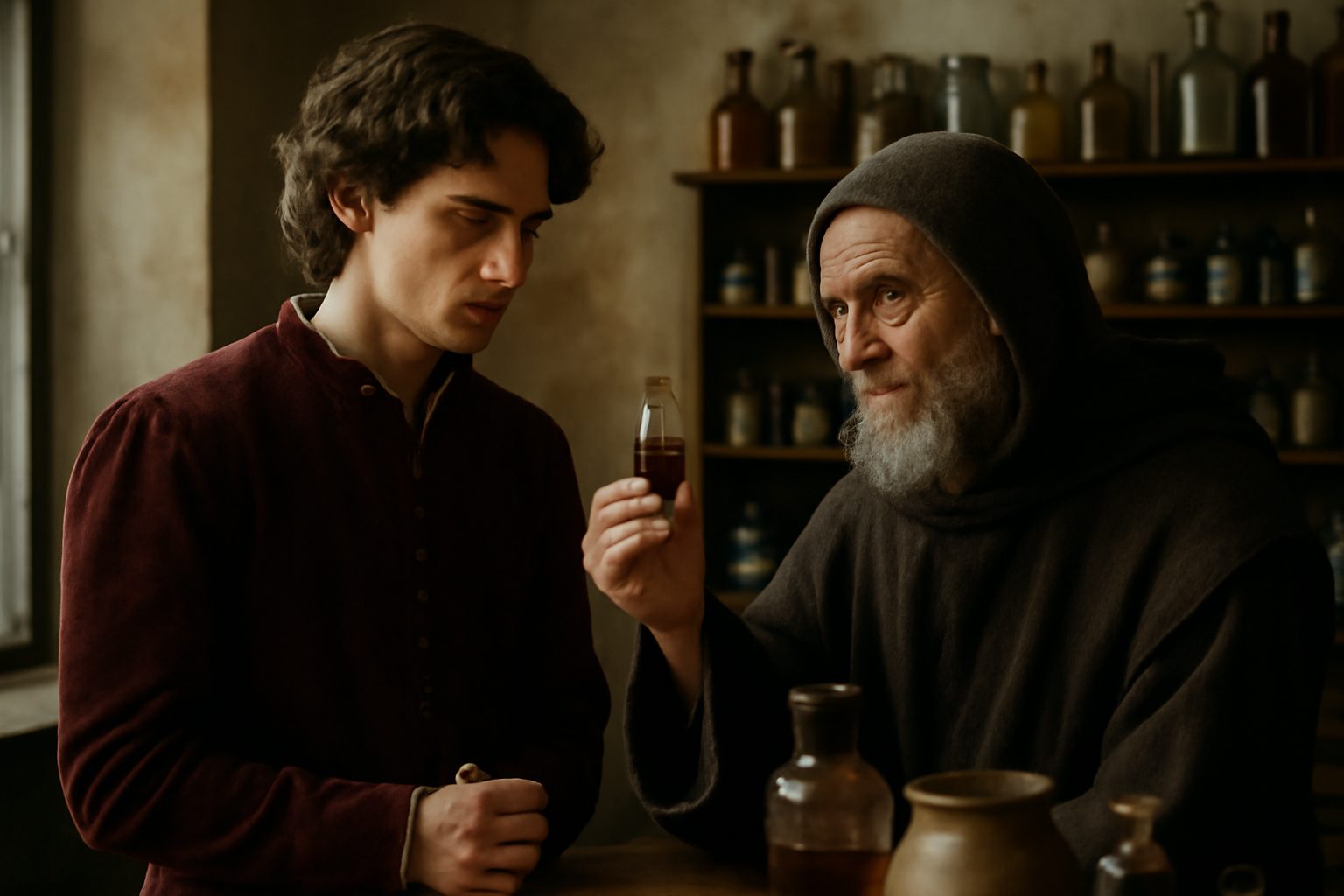
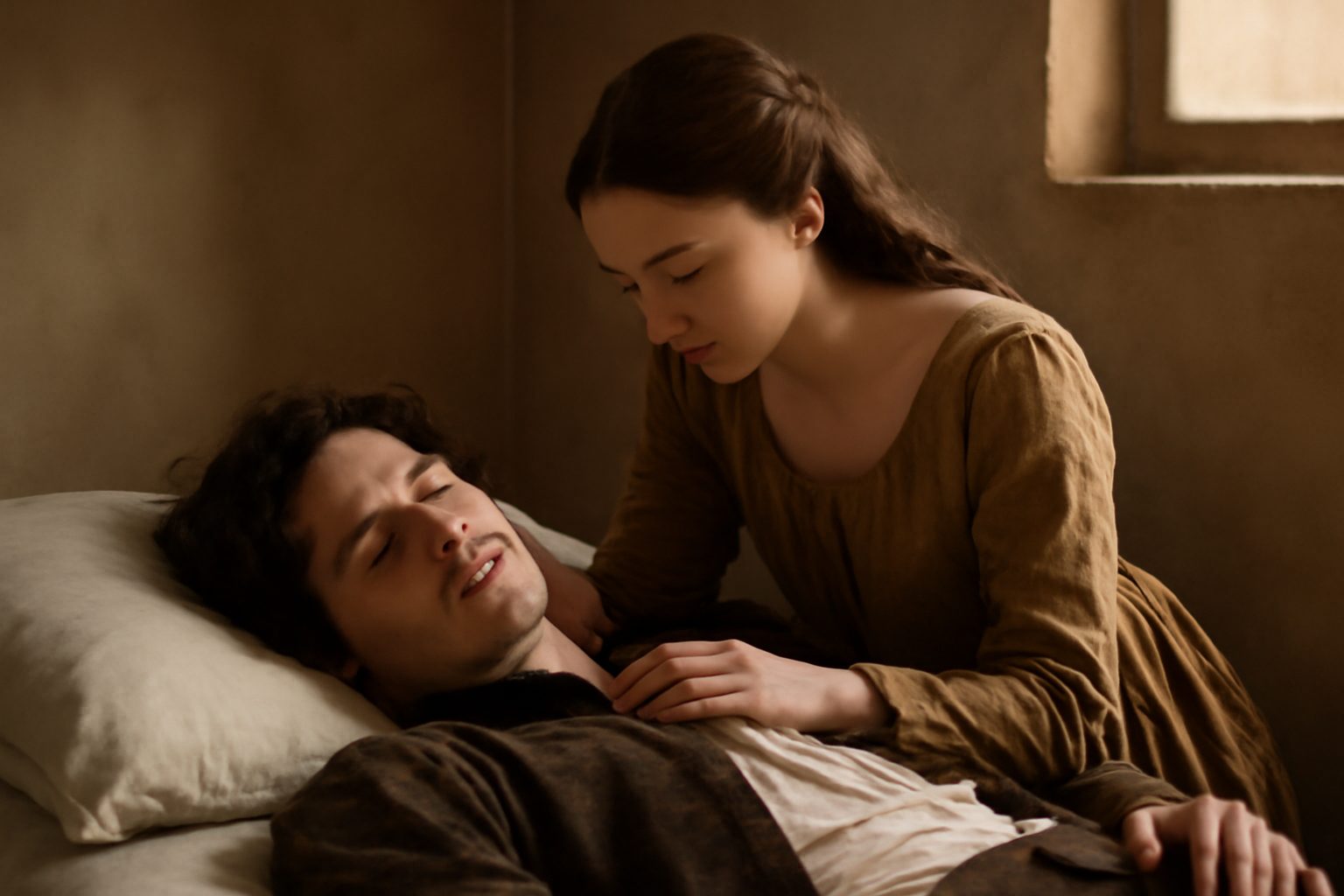
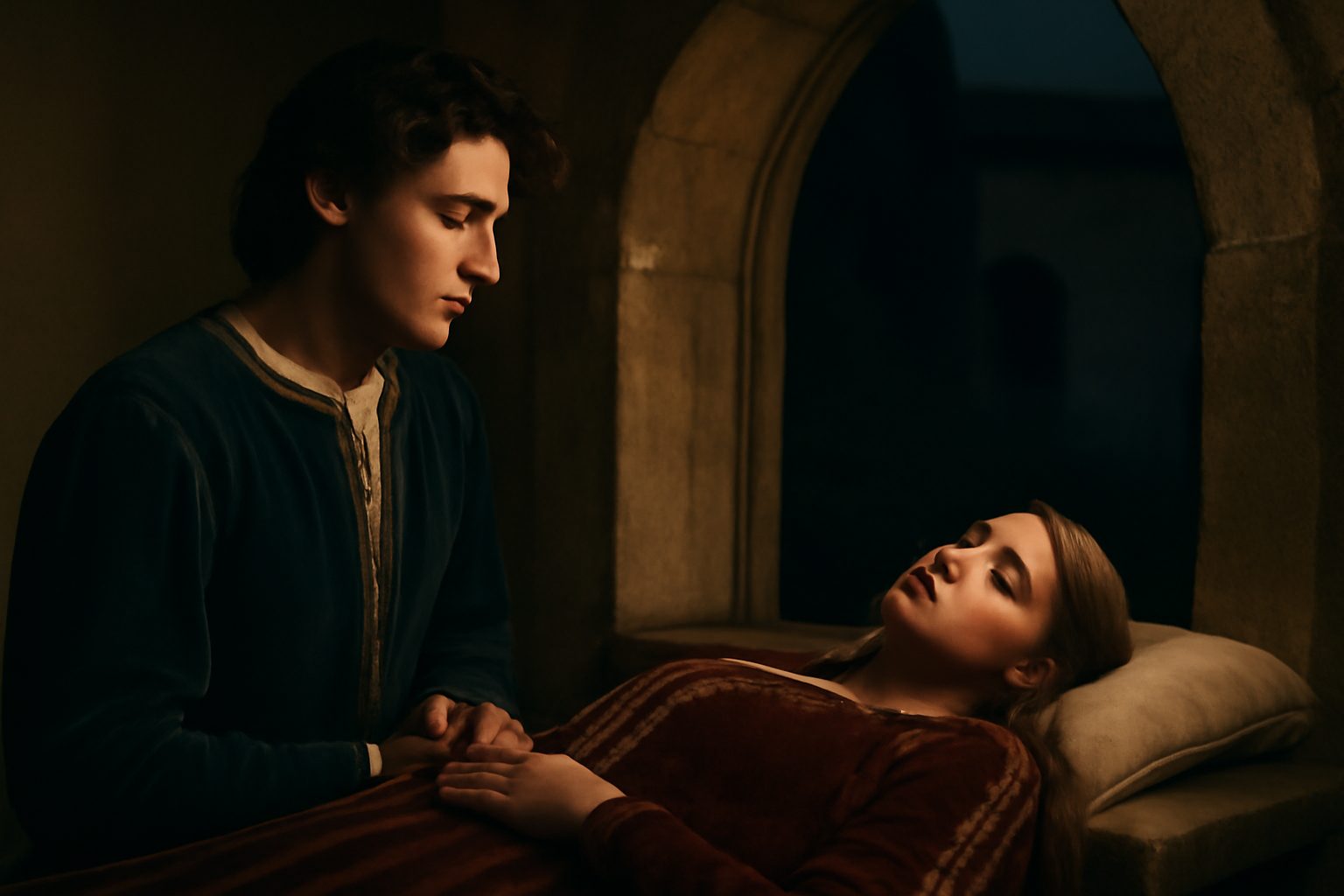
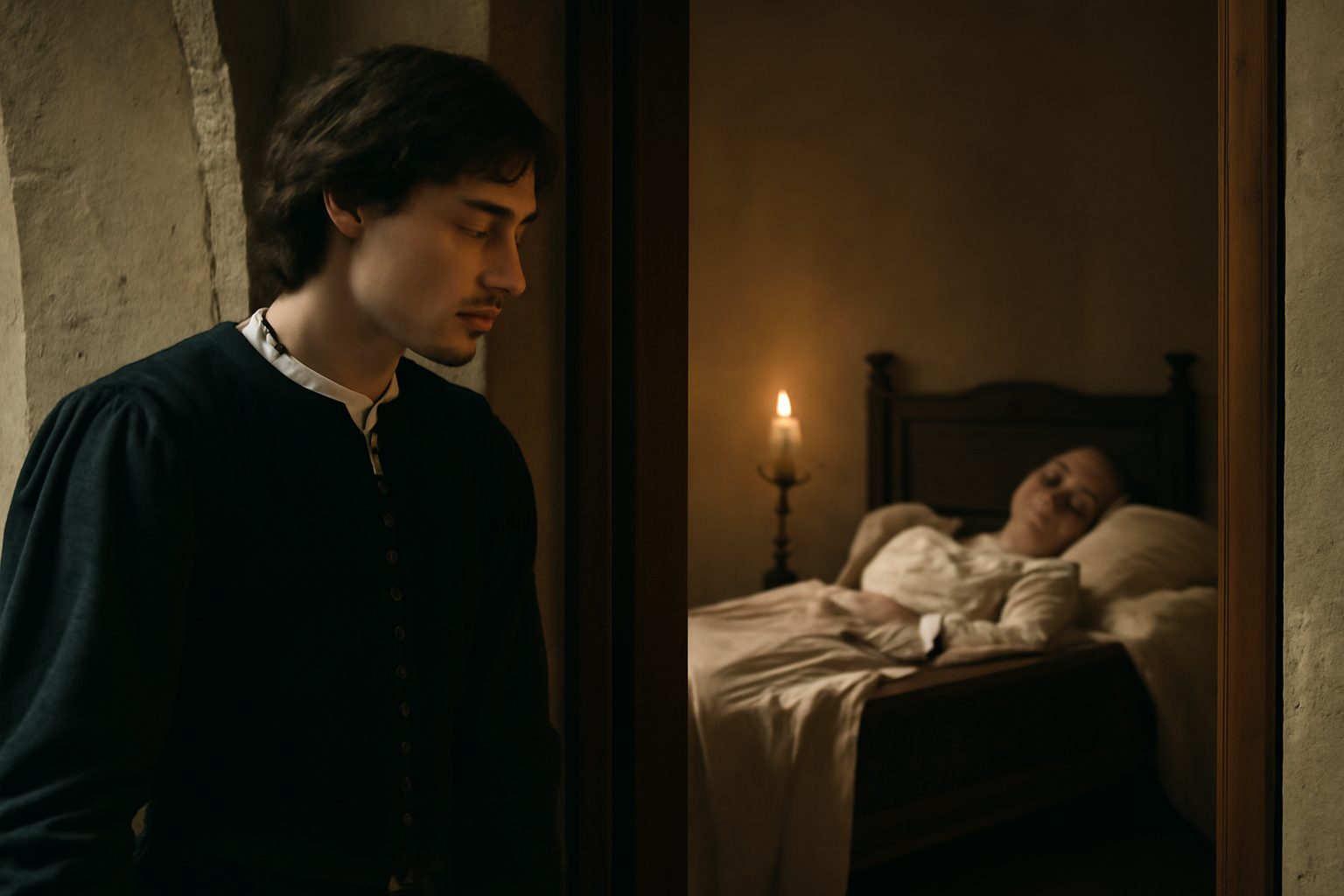
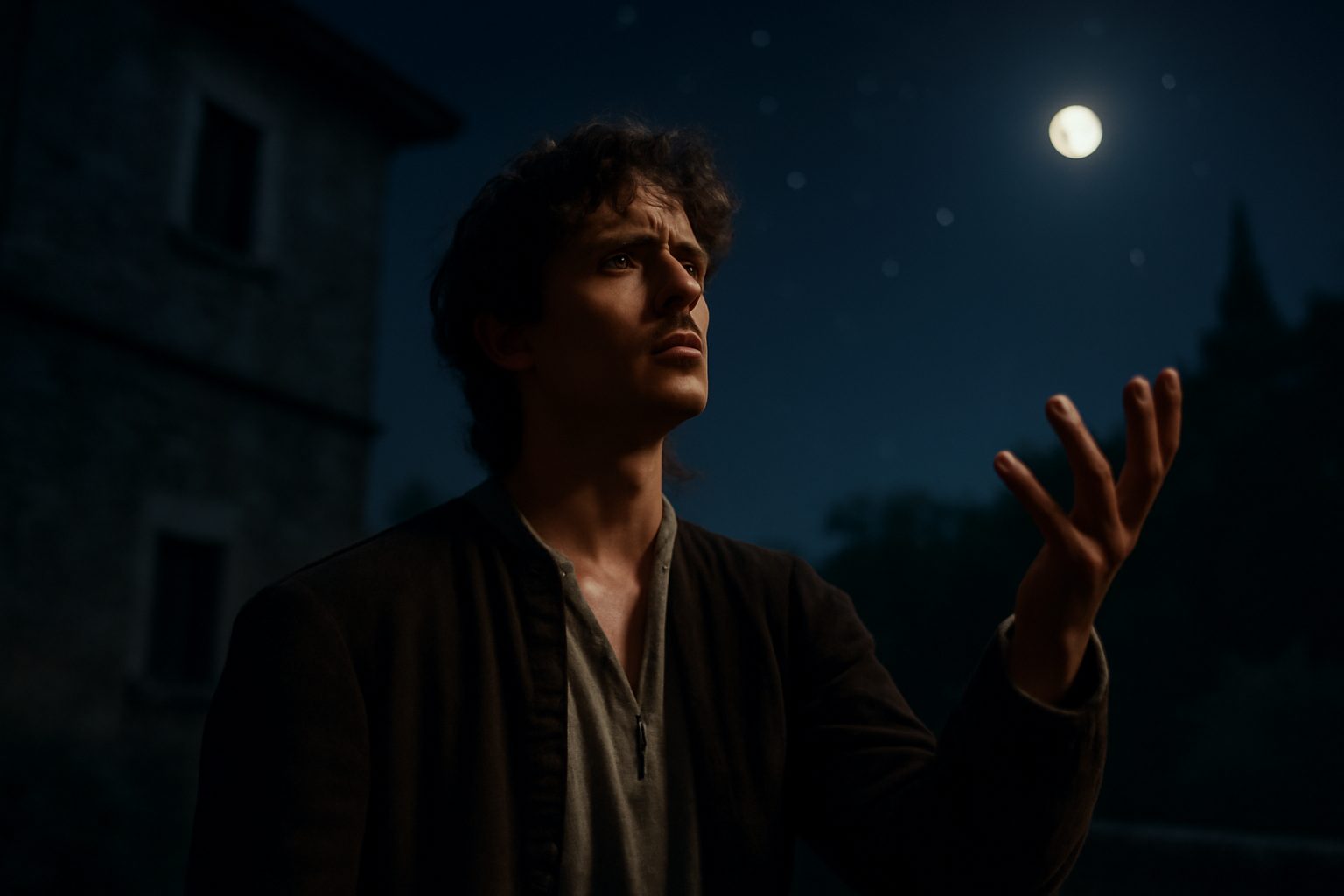
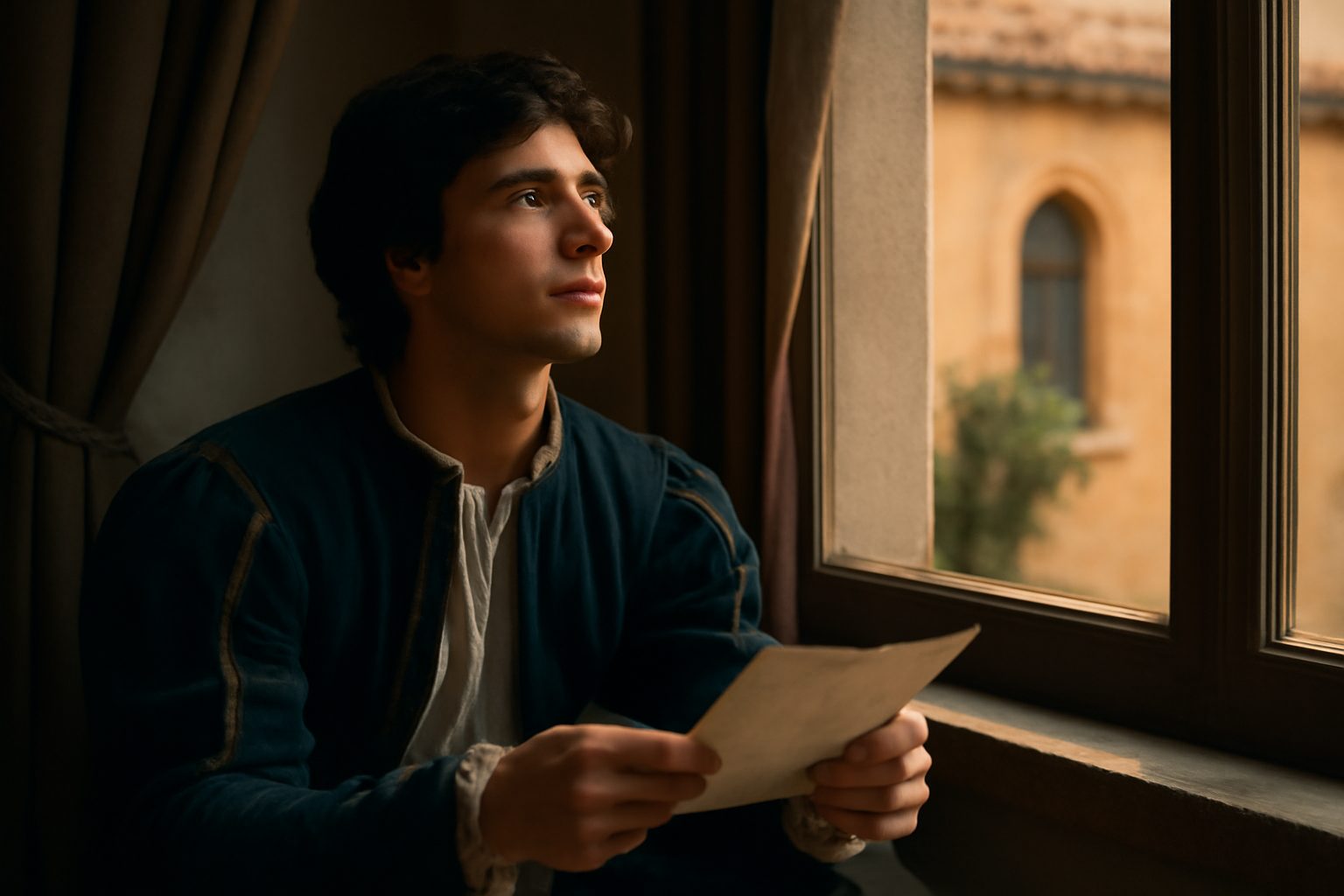
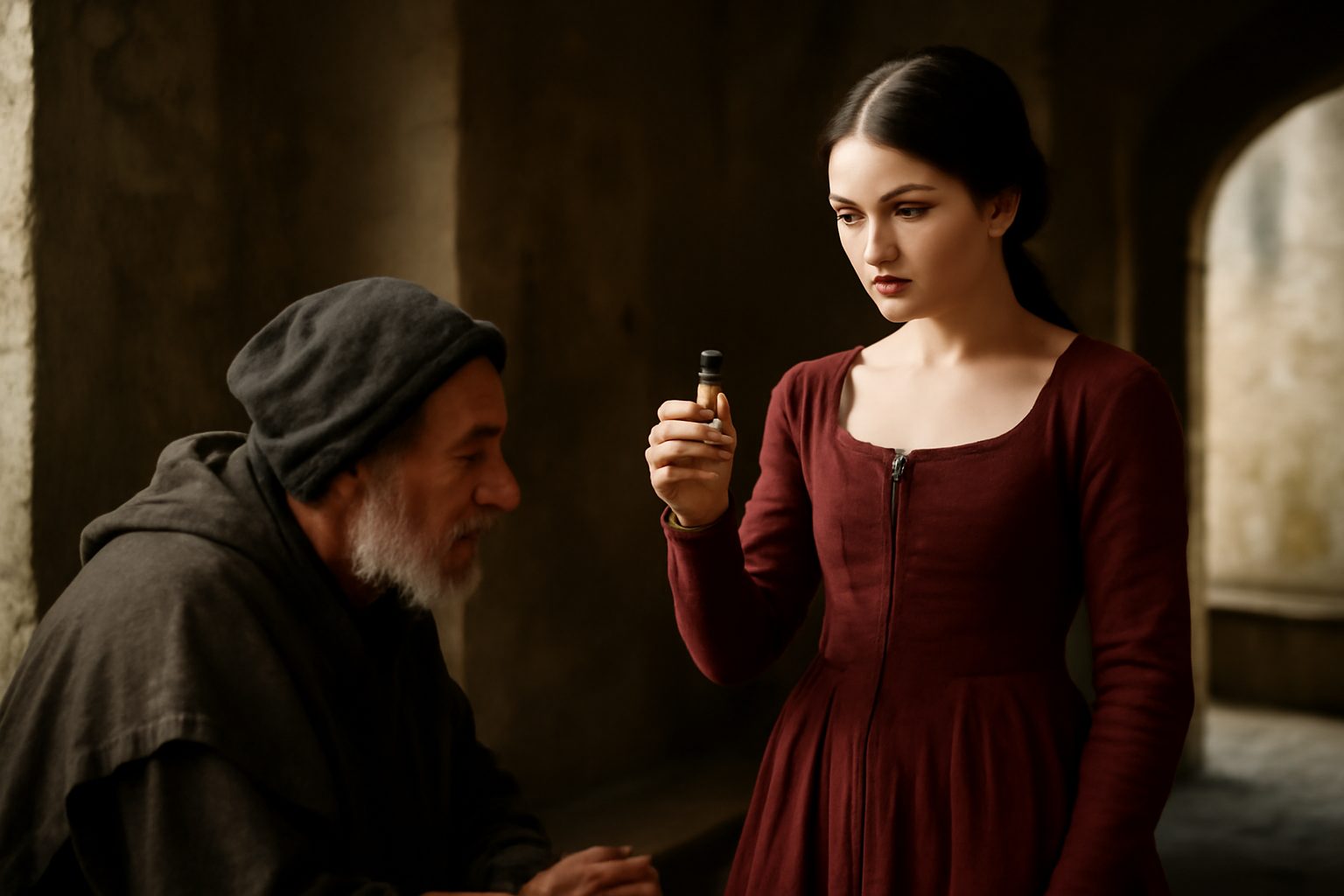
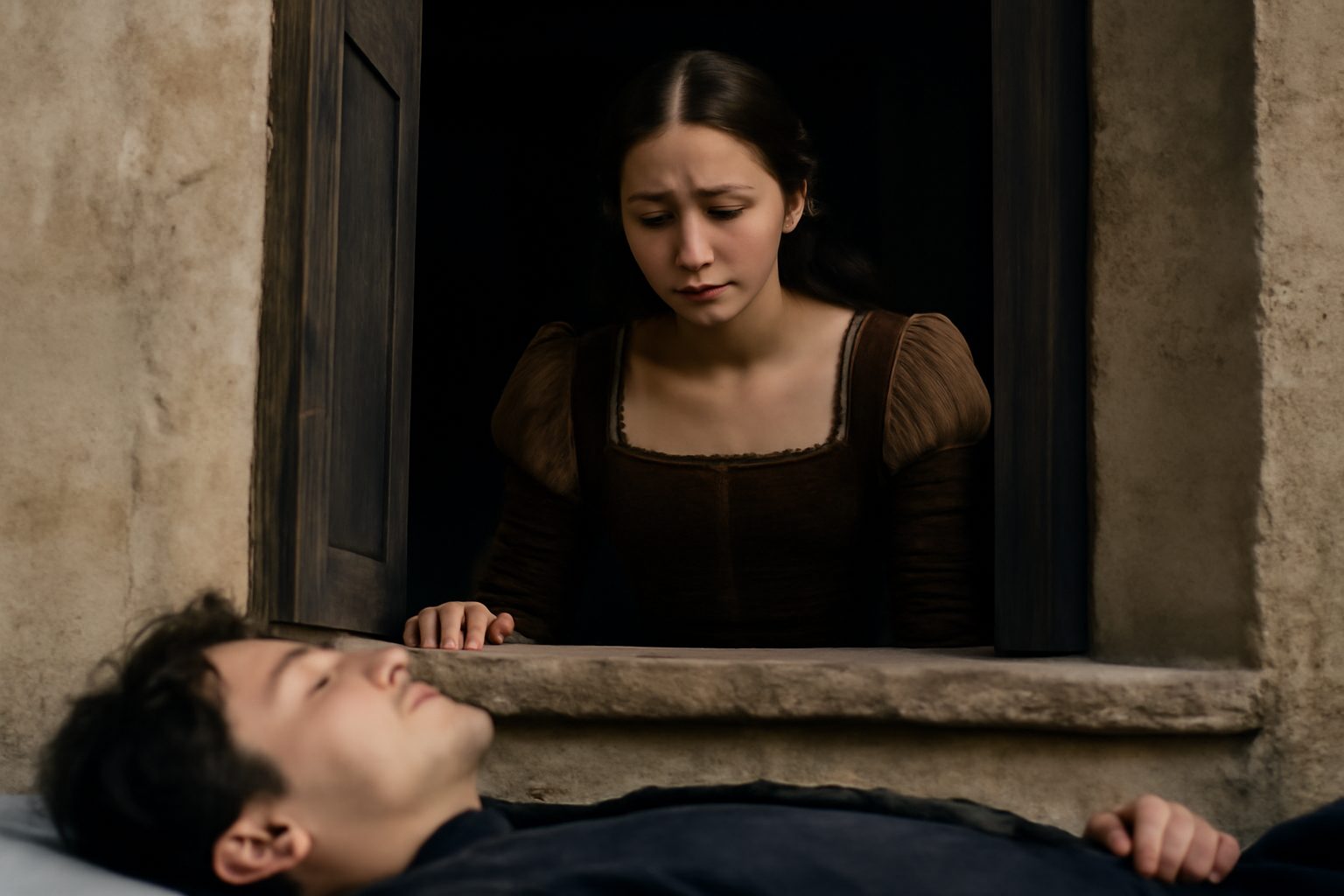
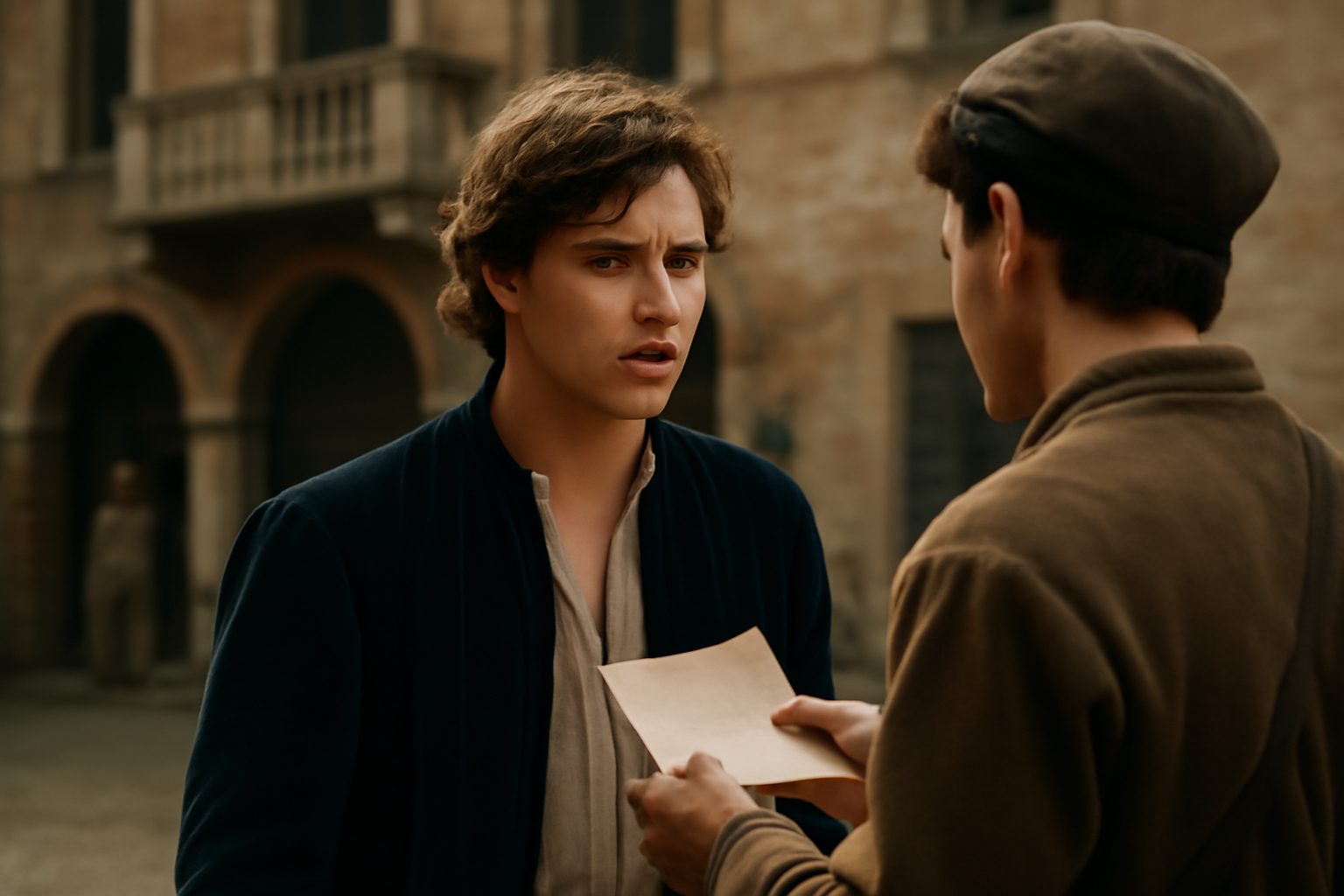
In Act 5, Scene 1 of Romeo and Juliet, Romeo reflects on a dream where he experienced overwhelming happiness, believing it to be a sign of good fortune. This line captures his fleeting joy before he receives the devastating news of Juliet's supposed death. The contrast between his dream's bliss and the impending tragedy underscores the play's themes of love and fate.
Romeo: "When but love's shadows are so rich in joy!"
In modern day english, we would say:
Even the mere thought of love brings me so much happiness.
Frequently Asked Questions
What does Romeo mean when he says that even love's shadows bring him great joy?
Romeo means that even the smallest or faintest reminders of love make him very happy, showing how deeply he feels about love.
Connections to other verses:
Connections to Romeo's Initial Joy
The verse "When but love's shadows are so rich in joy!" (/romeo-and-juliet/five/5-1/act-5-scene-1-12/) reflects Romeo's initial optimism upon waking. This sentiment is directly tied to his earlier lines, such as "My dreams presage some joyful news at hand" (/romeo-and-juliet/five/5-1/act-5-scene-1-2/) and "My bosom's lord sits lightly in his throne" (/romeo-and-juliet/five/5-1/act-5-scene-1-3/), which convey his hopeful state before receiving tragic news.
Contrast with Balthasar's News
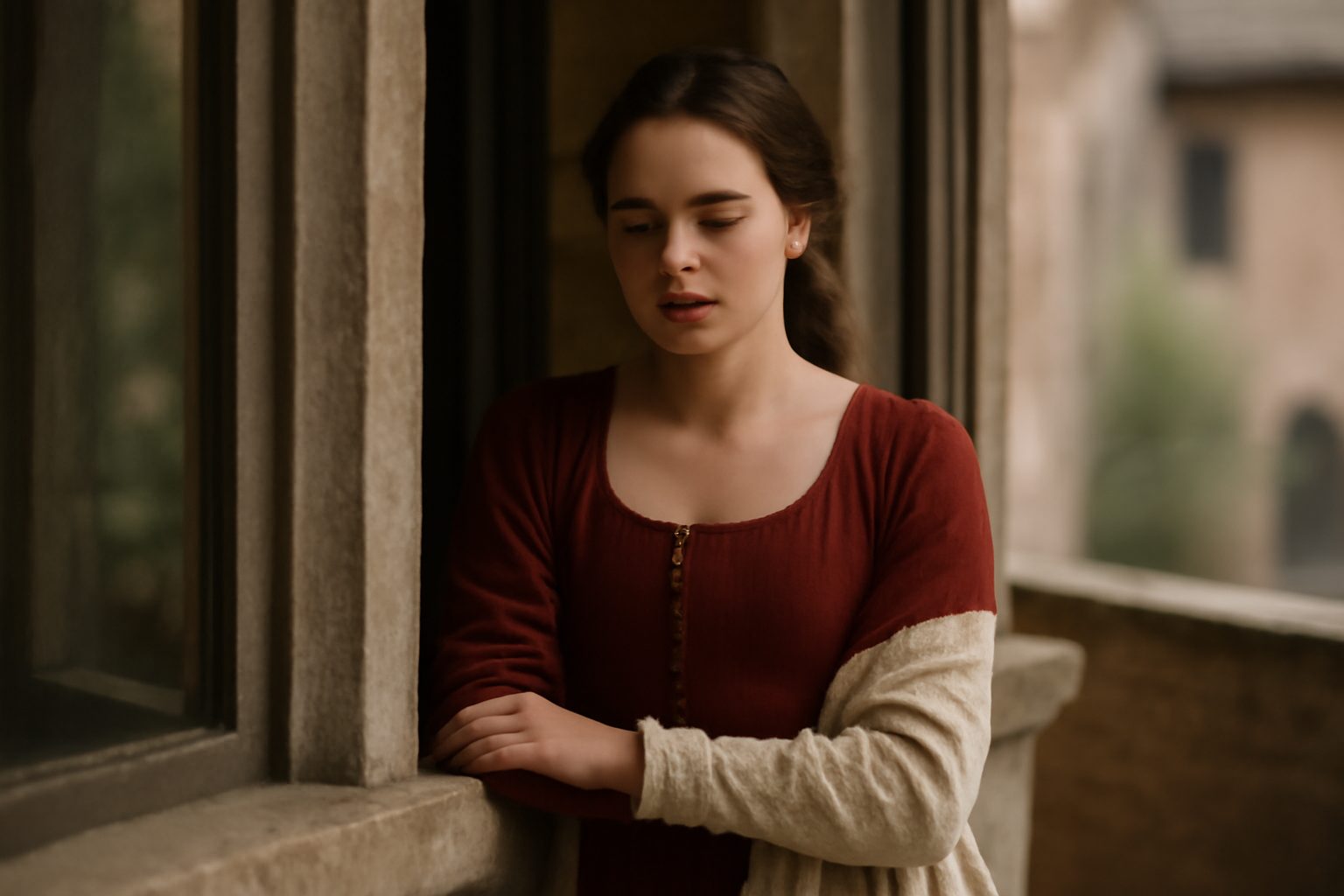
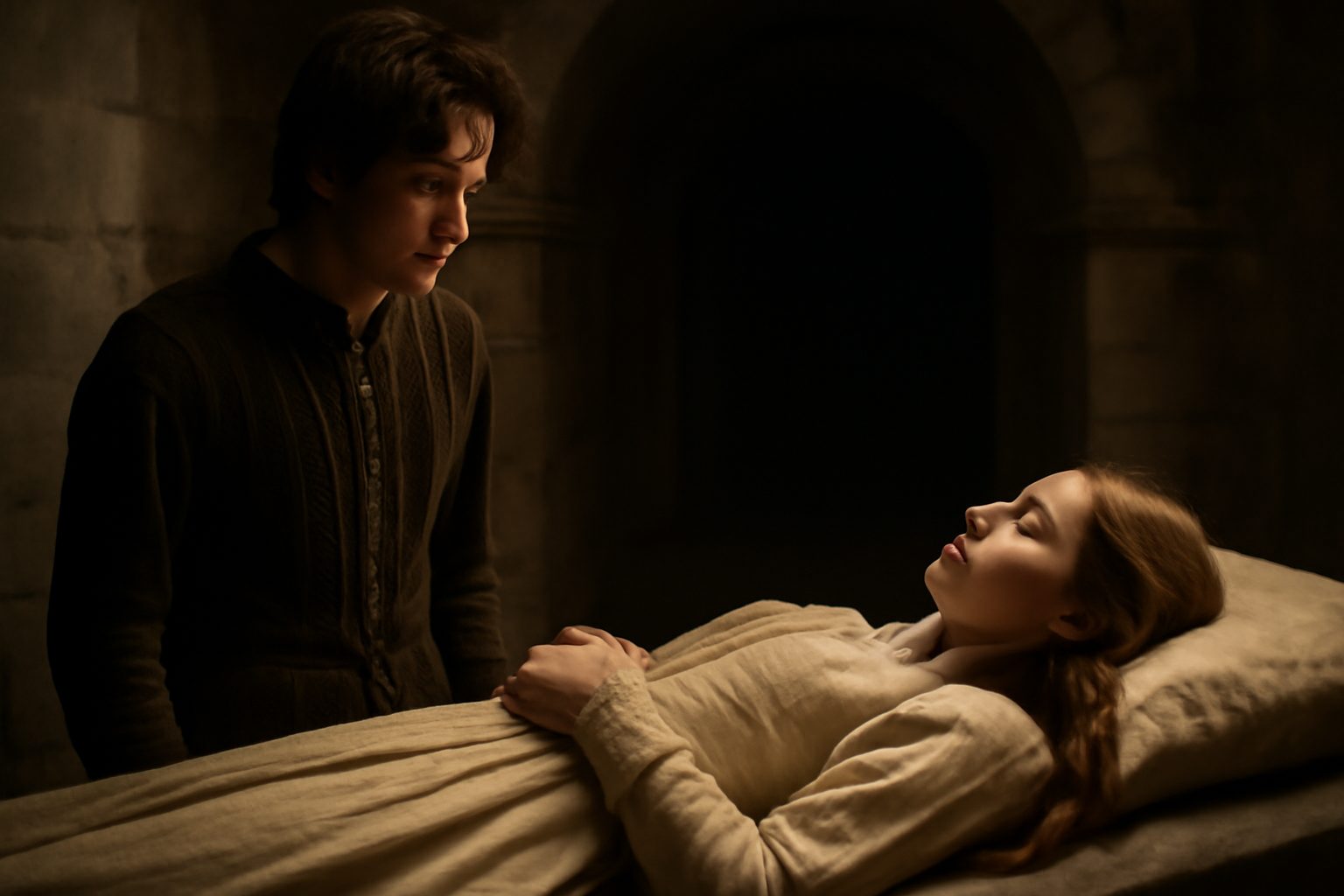
This joyful outlook starkly contrasts with the devastating revelation from Balthasar that Juliet is dead. Romeo's subsequent despair is evident in lines like "Is it even so? then I defy you, stars!" (/romeo-and-juliet/five/5-1/act-5-scene-1-25/), marking a drastic shift from the richness of love's shadows to the harshness of reality.
Connection to the Apothecary Scene
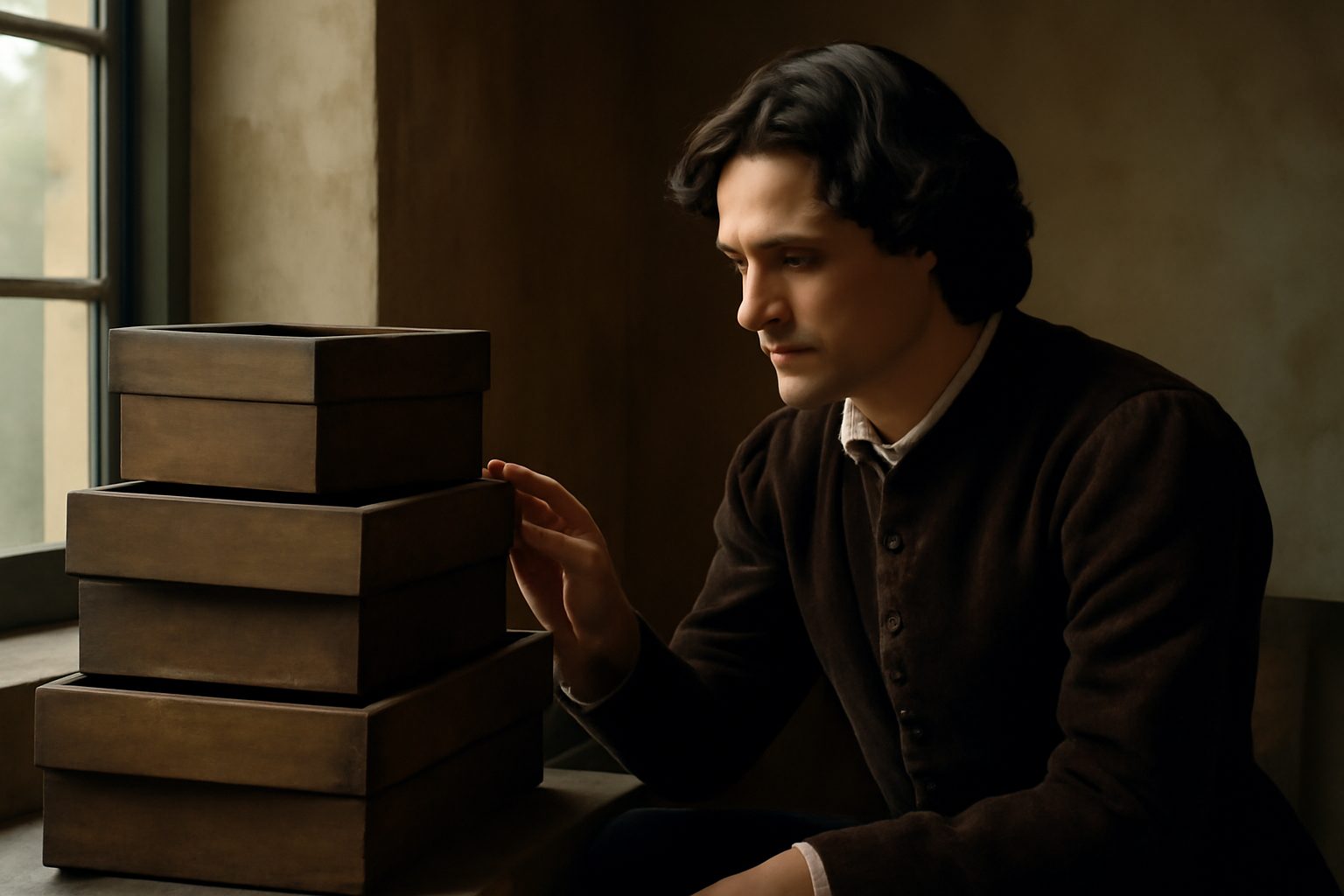
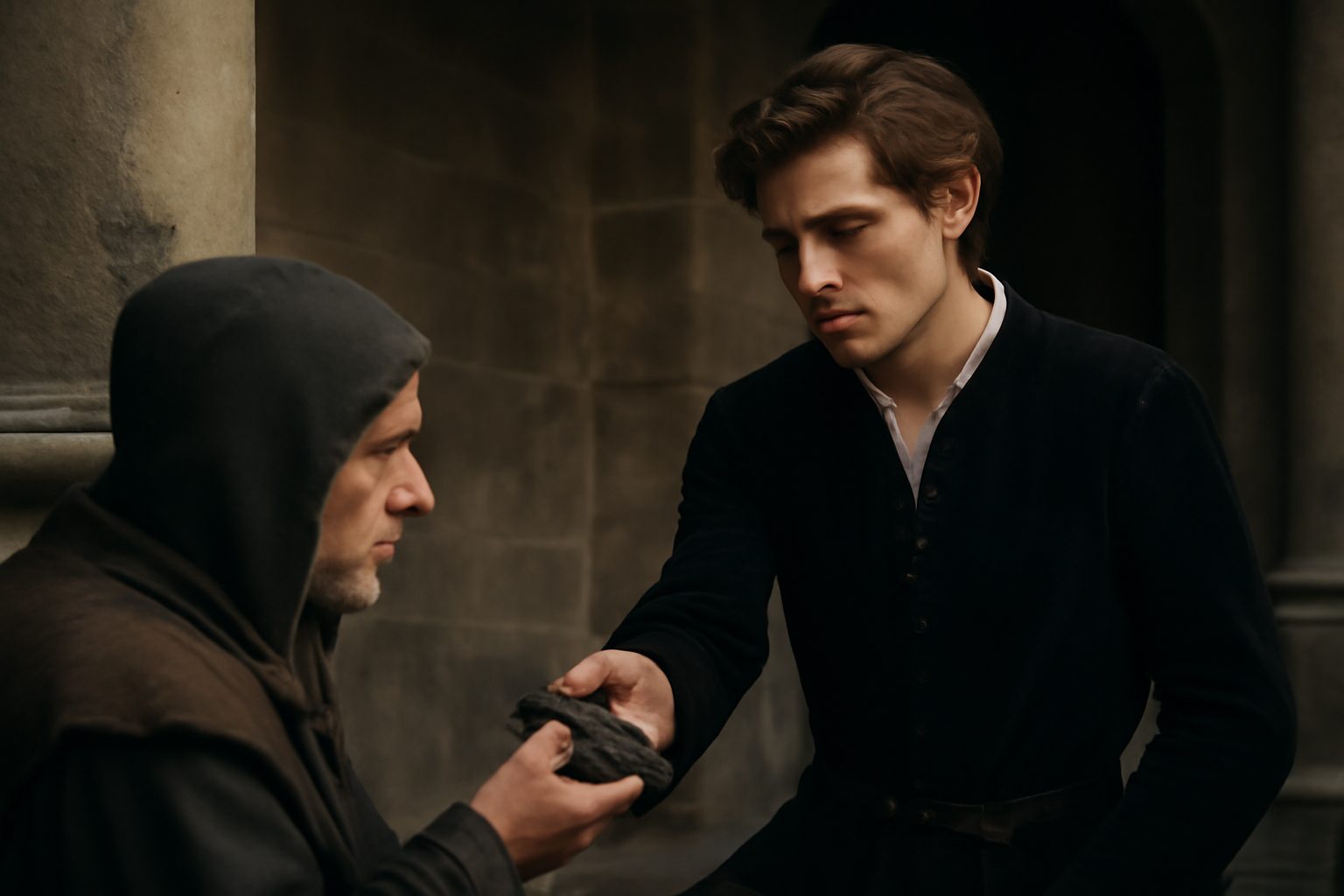
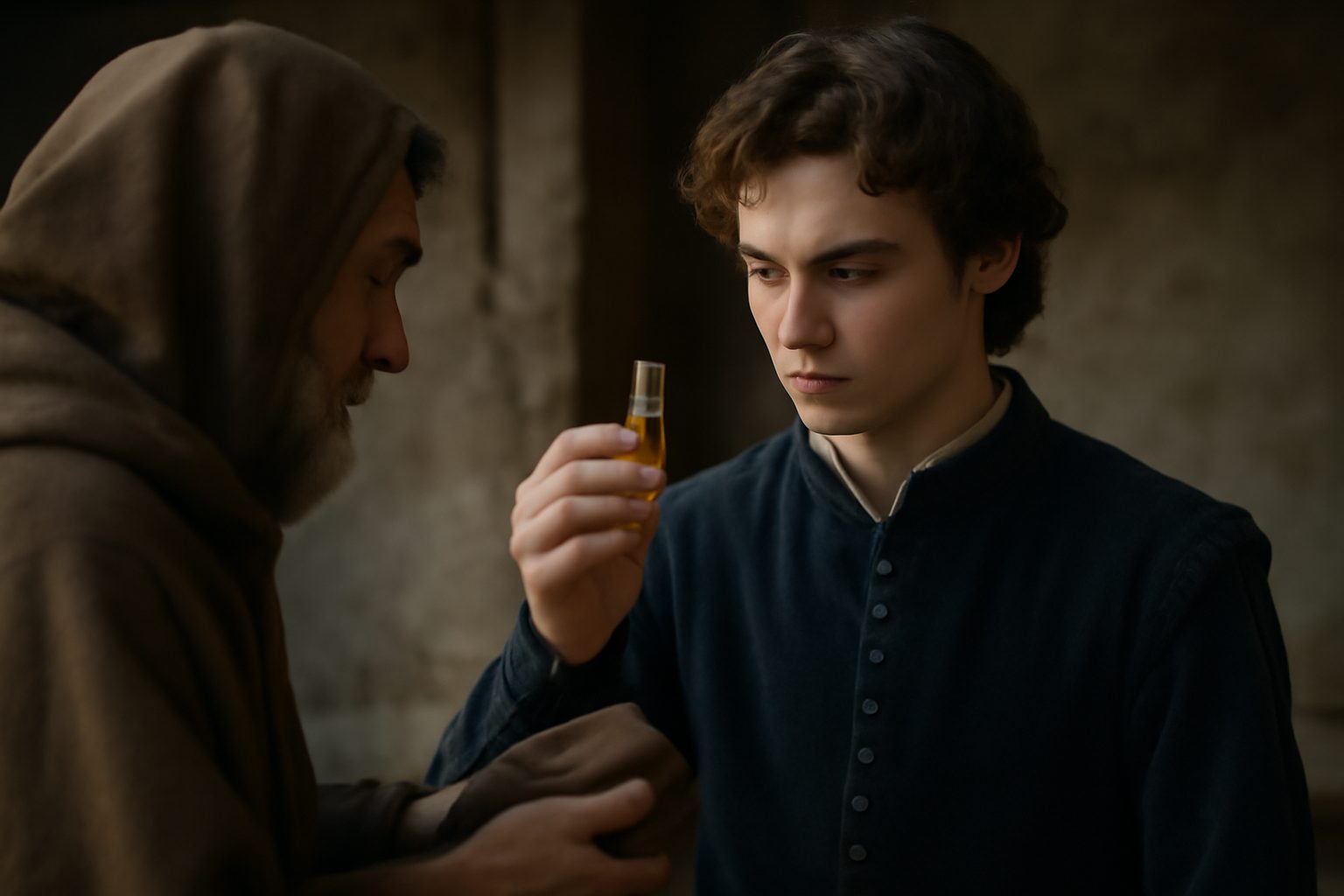
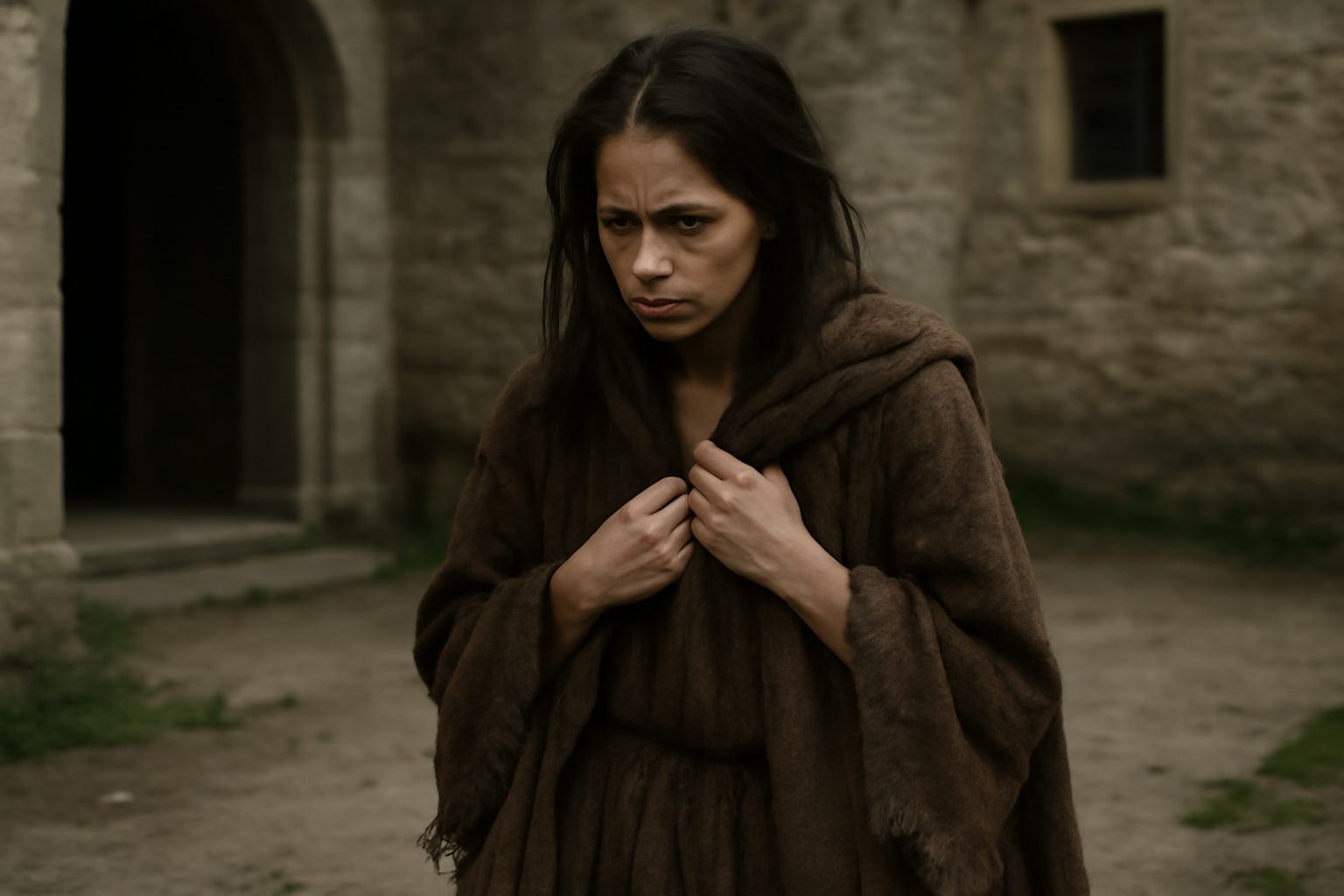
The richness of joy mentioned in the verse is ironically juxtaposed with Romeo's encounter with the impoverished apothecary. Phrases such as "A beggarly account of empty boxes" (/romeo-and-juliet/five/5-1/act-5-scene-1-48/) and "My poverty, but not my will, consents" (/romeo-and-juliet/five/5-1/act-5-scene-1-79/) highlight the theme of material versus emotional wealth, contrasting the apothecary's physical poverty with Romeo's emotional desolation after losing his "rich joy."
Dreams and Illusions
Romeo's reference to "love's shadows" also connects to his earlier description of a dream where "I dreamt my lady came and found me dead" (/romeo-and-juliet/five/5-1/act-5-scene-1-6/). This foreshadows the tragic reality he will soon face, underscoring the theme that what seems rich and joyful can be fleeting or illusory.
Final Resolve and Poison
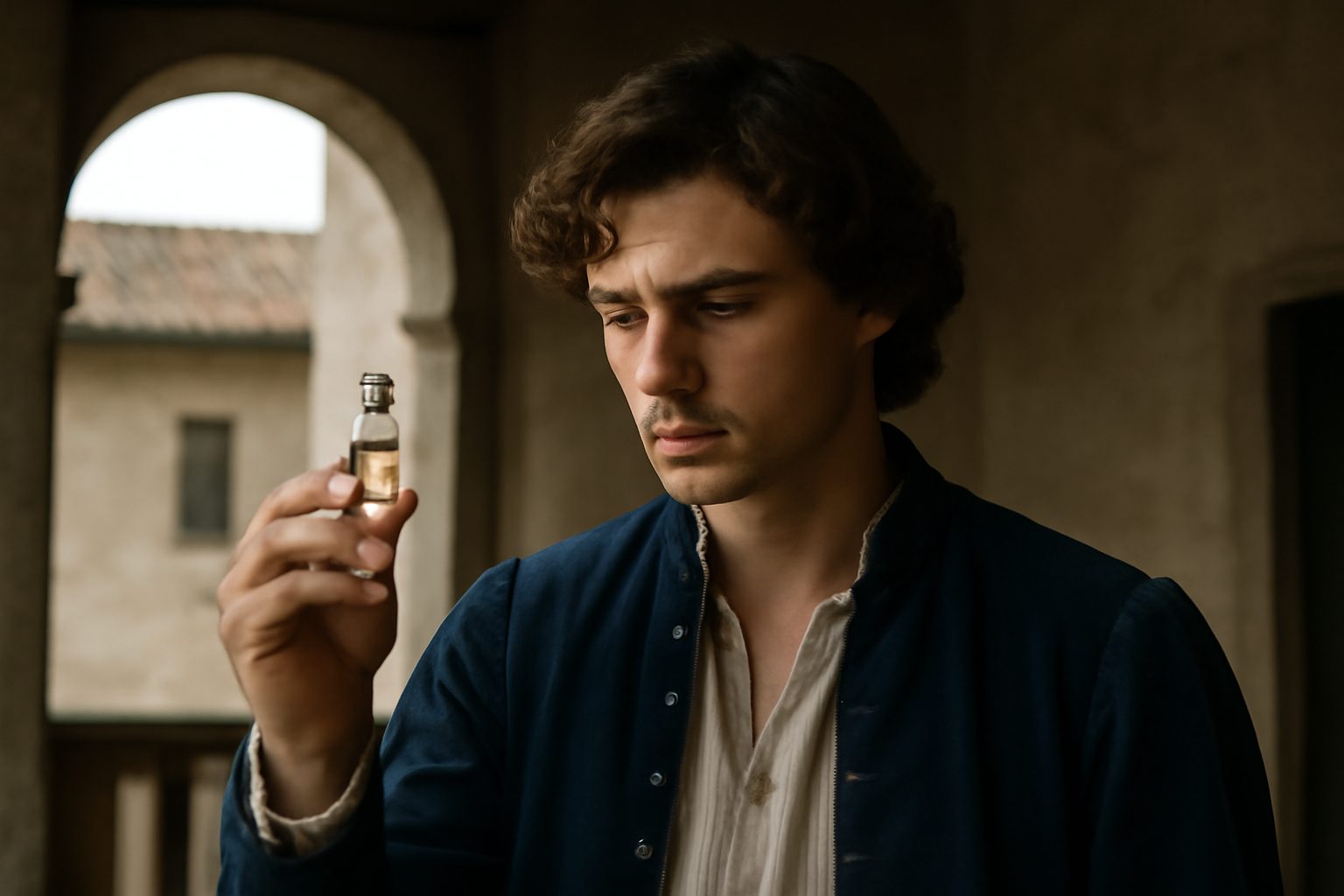
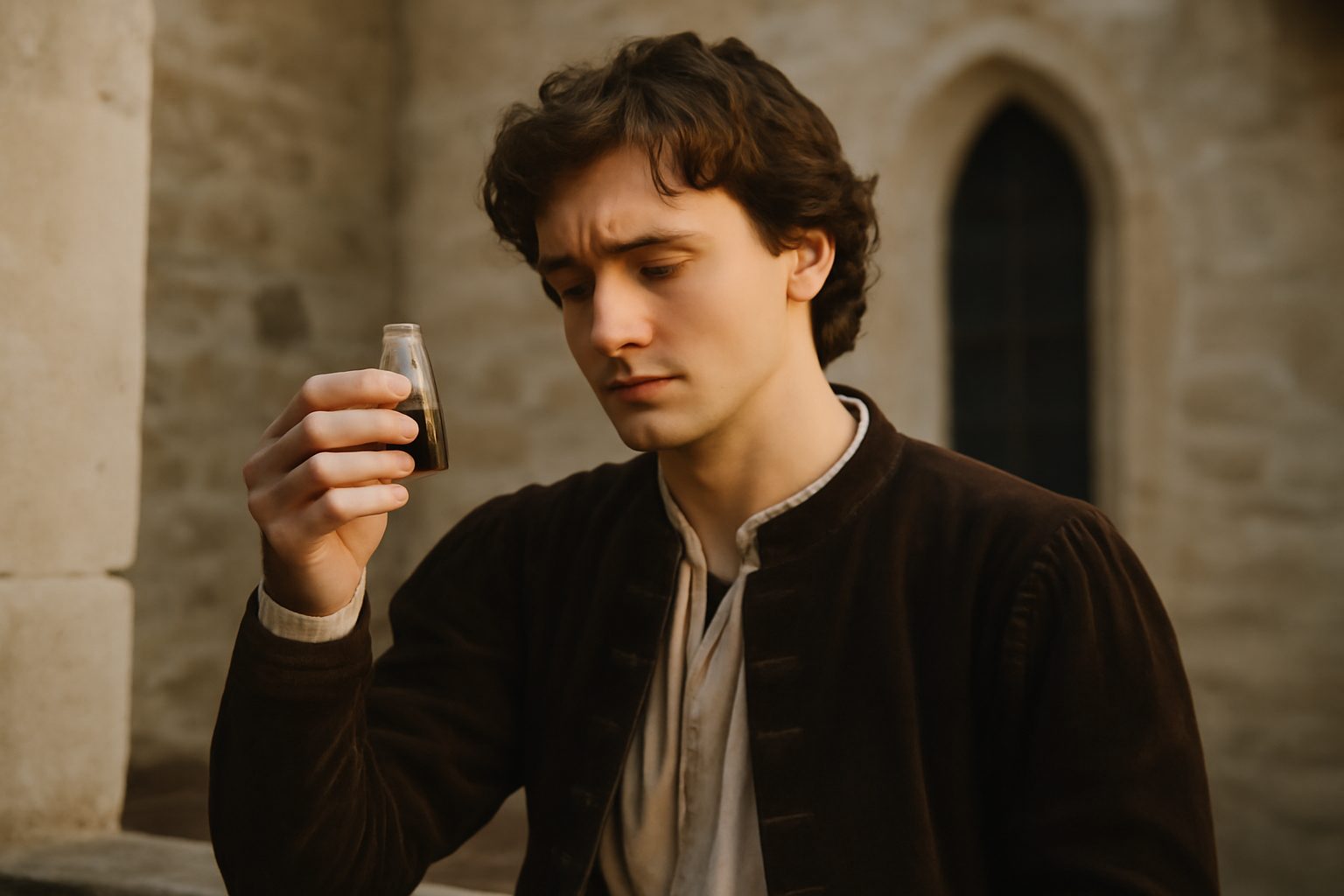
The transient nature of joy leads Romeo to seek poison, as seen in "A dram of poison, such soon-speeding gear" (/romeo-and-juliet/five/5-1/act-5-scene-1-64/). His determination to join Juliet in death, "Well, Juliet, I will lie with thee to-night" (/romeo-and-juliet/five/5-1/act-5-scene-1-37/), contrasts sharply with the earlier joy, emphasizing how quickly love's shadows can turn into despair.