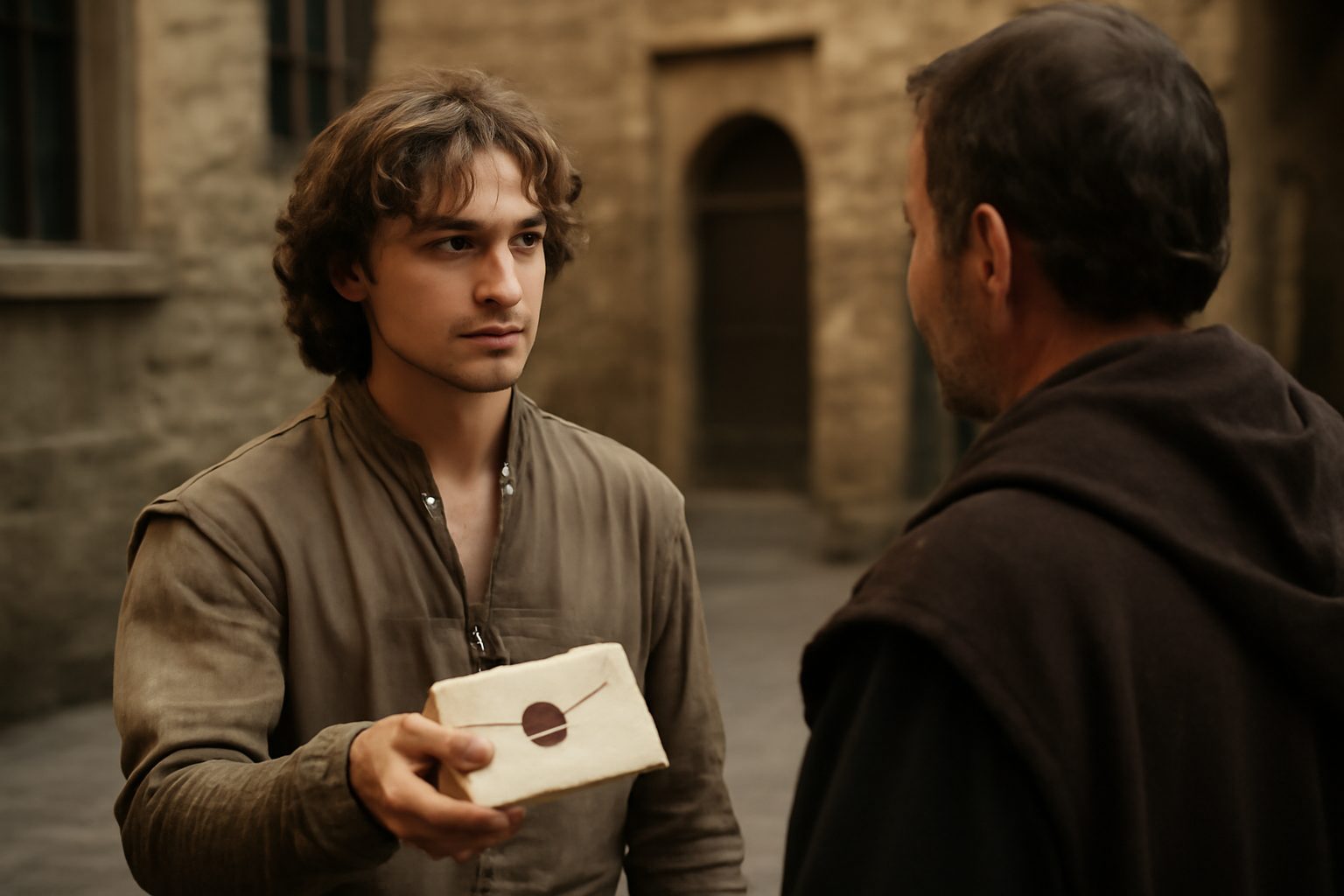
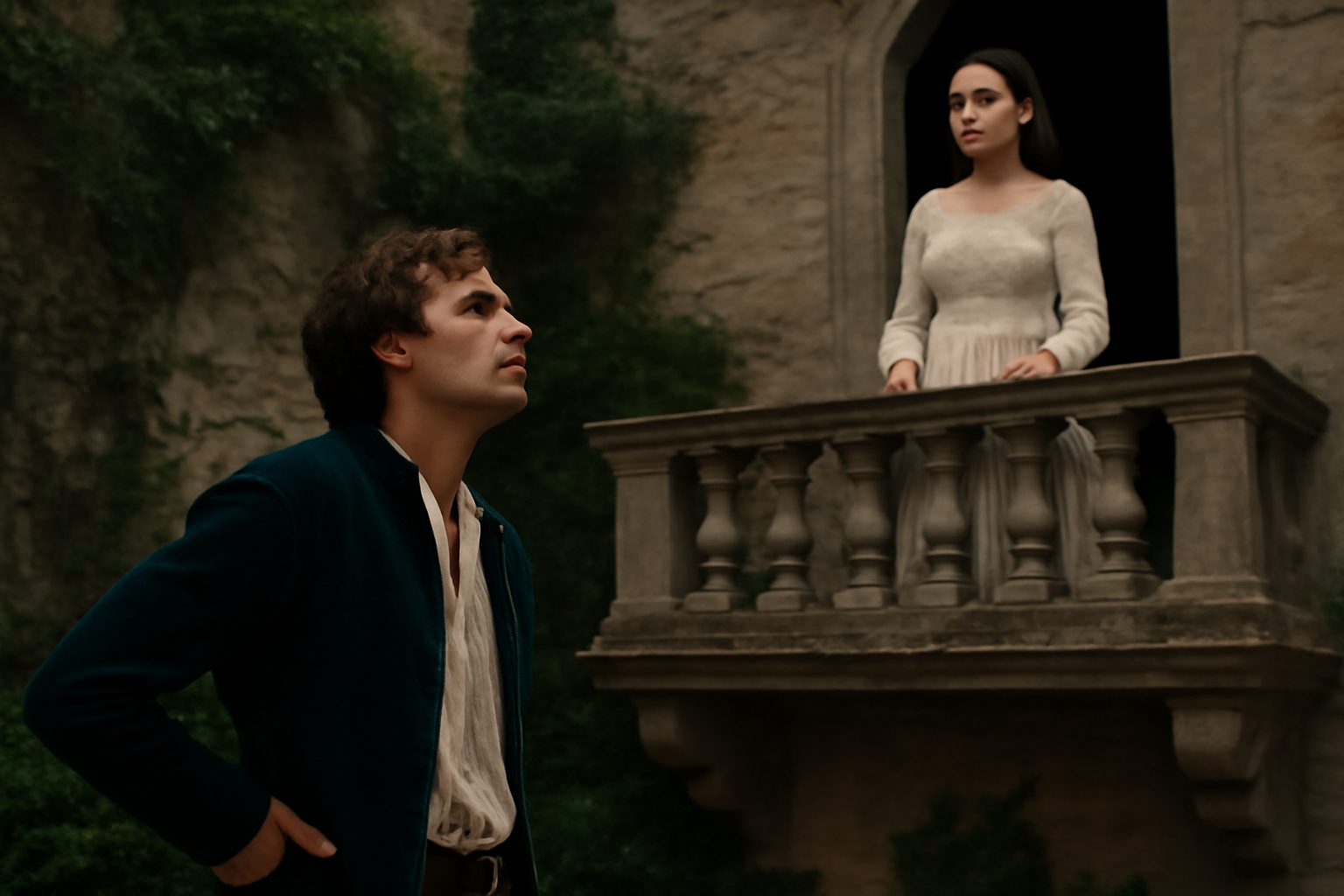
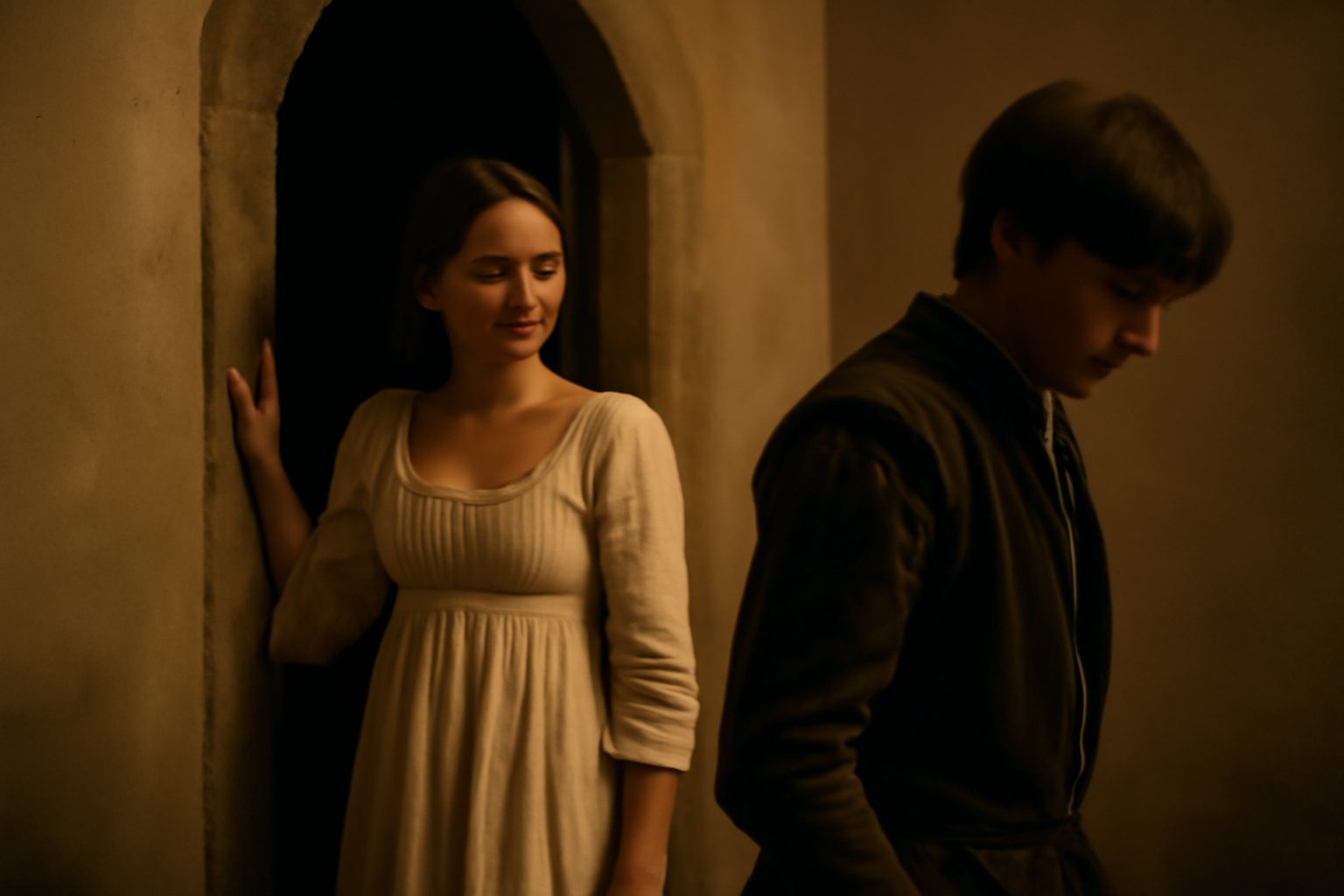
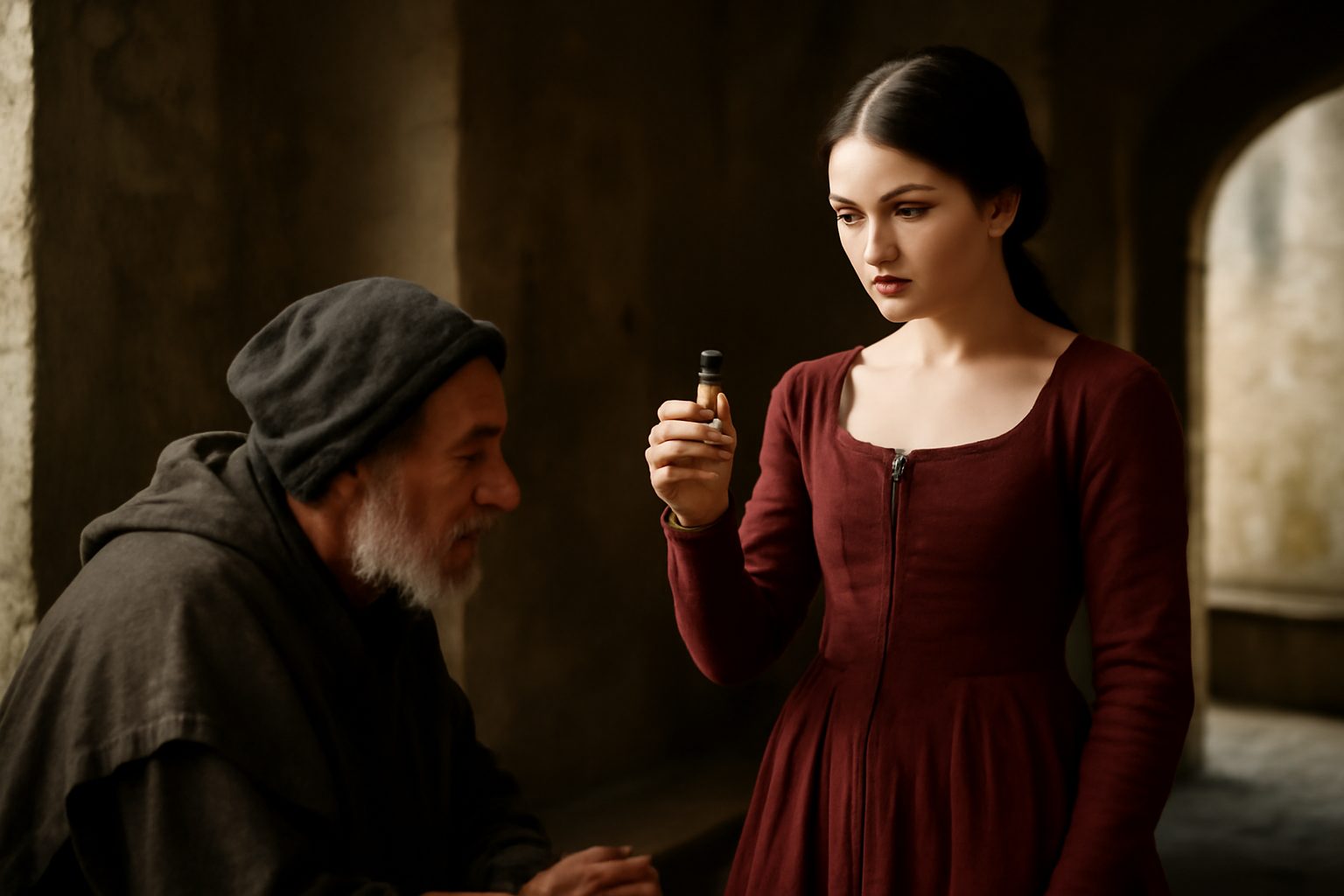
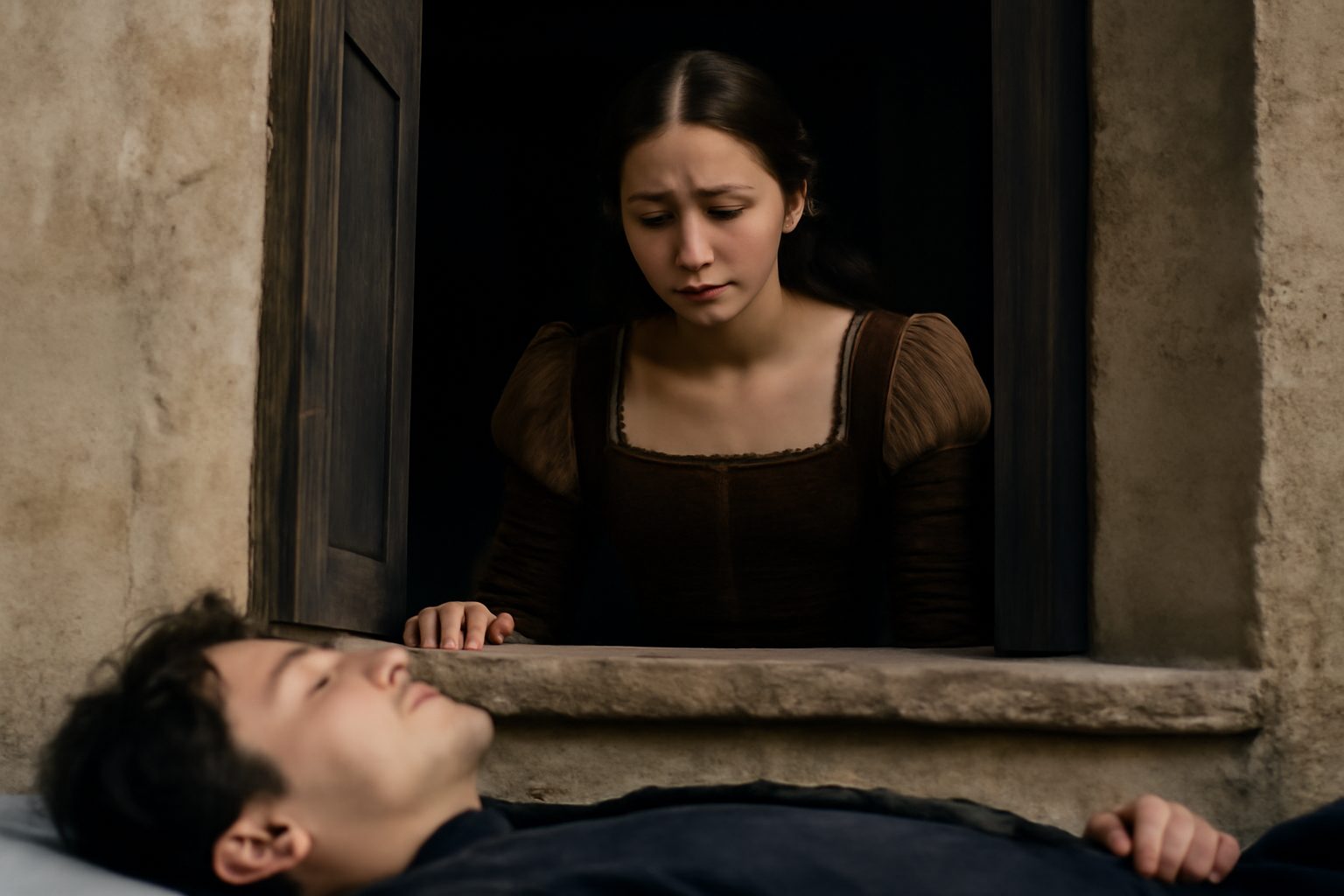
In Act 5, Scene 1 of Romeo and Juliet, Romeo is in Mantua, awaiting news from Verona, when his servant Balthasar arrives. This line is spoken by Balthasar in response to Romeo, explaining that he has delivered a message as instructed. The moment heightens tension as it sets in motion the tragic misunderstanding that leads to the play's climax.
Balthasar: "Since you did leave it for my office, sir."
In modern day english, we would say:
Since you left it for me to handle, sir.
Frequently Asked Questions
Who is speaking in this line from Romeo and Juliet?
Balthasar is speaking.
What is Balthasar referring to when he mentions 'my office'?
He is referring to the task or duty that was given to him.
Connections to other verses:
Connections to "Since you did leave it for my office, sir."
The verse "Since you did leave it for my office, sir." is spoken by Balthasar in response to Romeo's inquiry about news from Verona. This line establishes Balthasar's role as a messenger and sets the stage for the tragic revelations that follow.
Direct Context and Foreshadowing
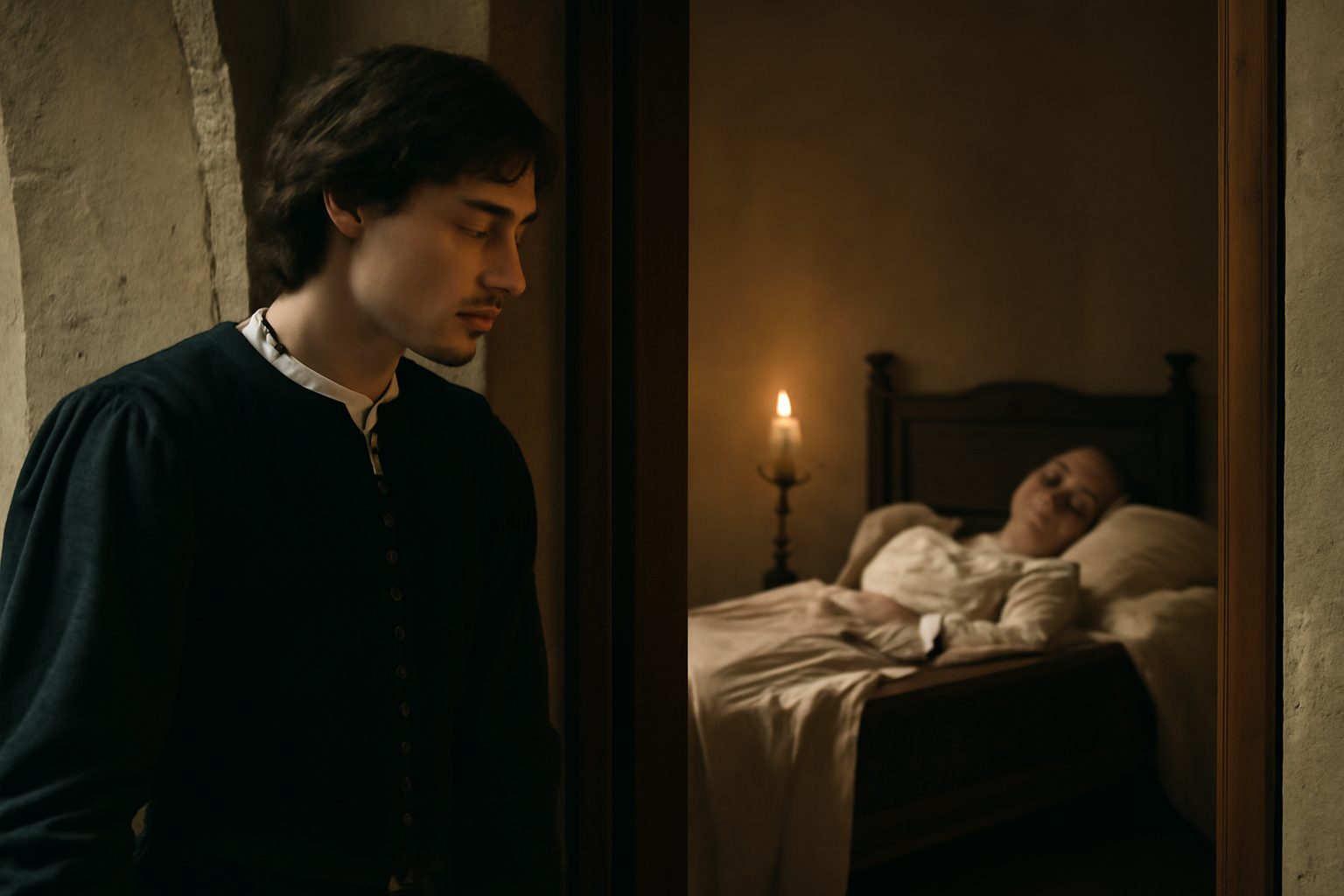
This line immediately follows "O, pardon me for bringing these ill news", where Balthasar prefaces his message with an apology, hinting at the sorrowful content. It also precedes Romeo's realization of Juliet's supposed death in "Is it even so? then I defy you, stars!", showing how Balthasar's duty directly triggers Romeo's desperate resolve.
Contrast with Earlier Optimism
Balthasar's somber message starkly contrasts with Romeo's joyful opening lines in the scene, such as "My dreams presage some joyful news at hand" and "Lifts me above the ground with cheerful thoughts". The shift from hope to despair underscores the scene's tragic turn.
Link to Romeo's Subsequent Actions
Upon receiving this news, Romeo decides to return to Verona, declaring in "And hire post-horses; I will hence to-night." and later confirming his intent in "Well, Juliet, I will lie with thee to-night.". Balthasar's message thus catalyzes Romeo's fateful journey.
Connection to the Apothecary Scene
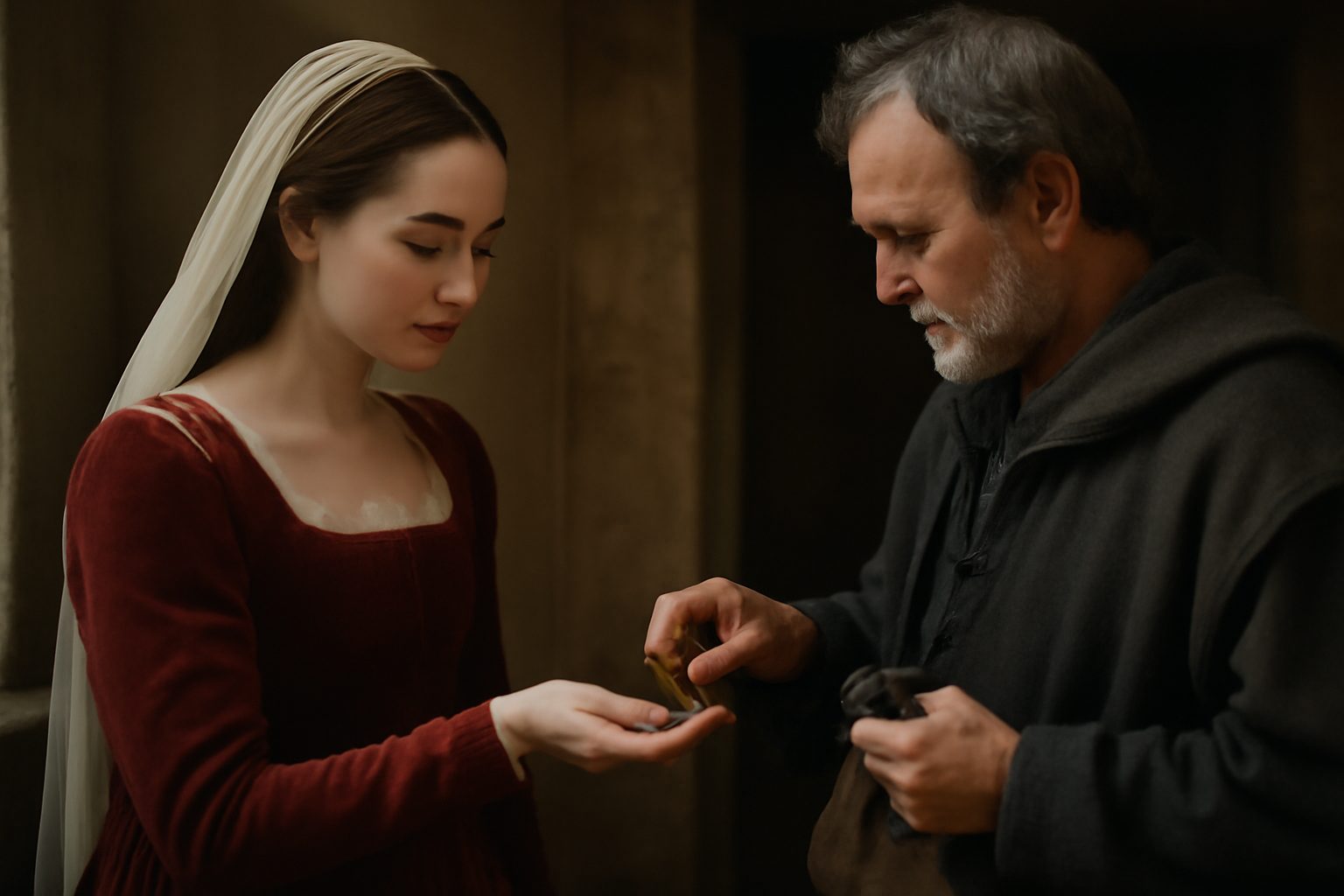
Romeo's desperation leads him to seek poison, recalling "I do remember an apothecary" and his interaction where he states "And this same needy man must sell it me.". Balthasar's initial message is the root of this chain of events.
Thematic Resonance
Balthasar's role highlights themes of duty and misfortune, echoed in the Apothecary's plight: "My poverty, but not my will, consents.". Both characters are compelled by circumstances, mirroring the play's exploration of fate versus agency.