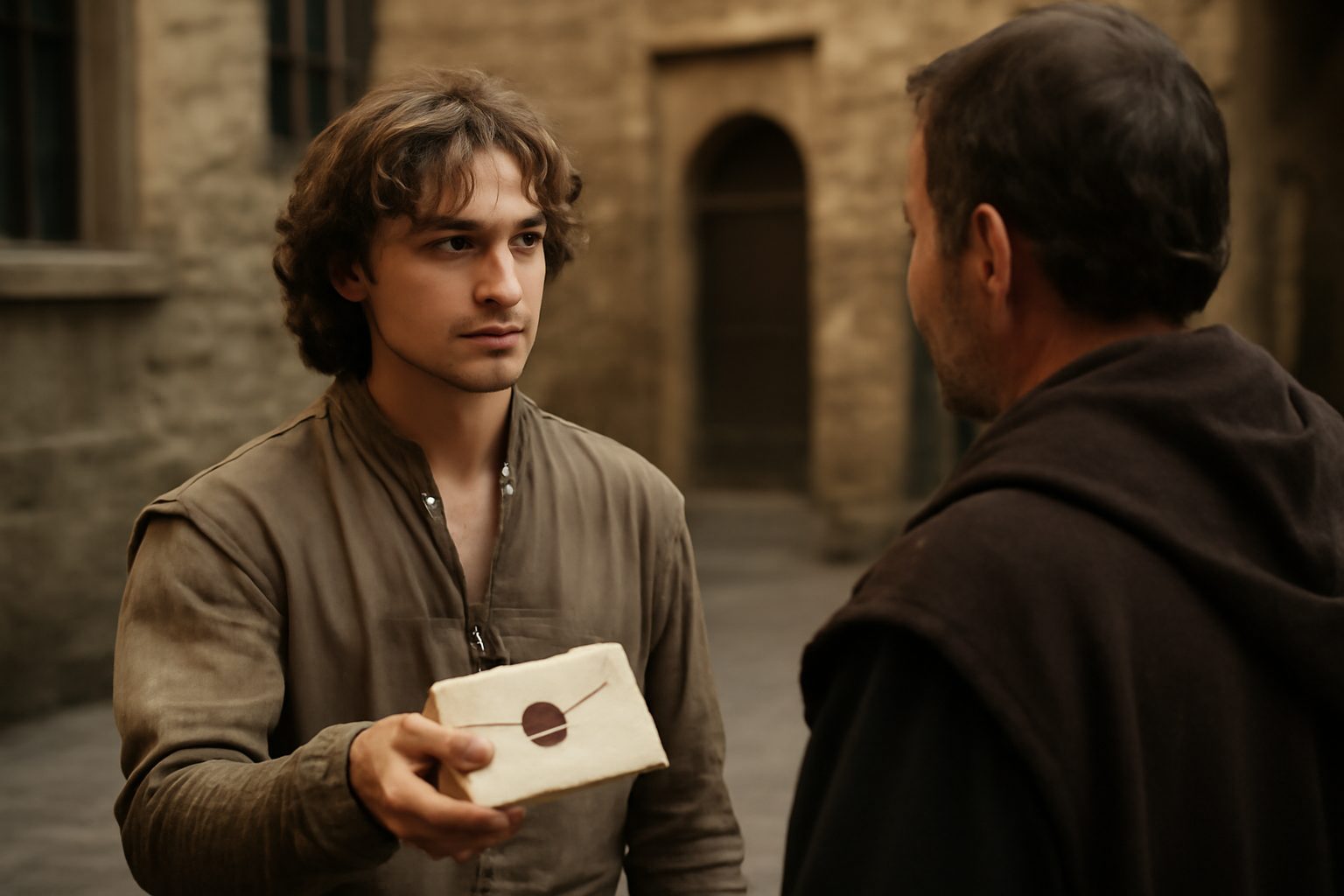
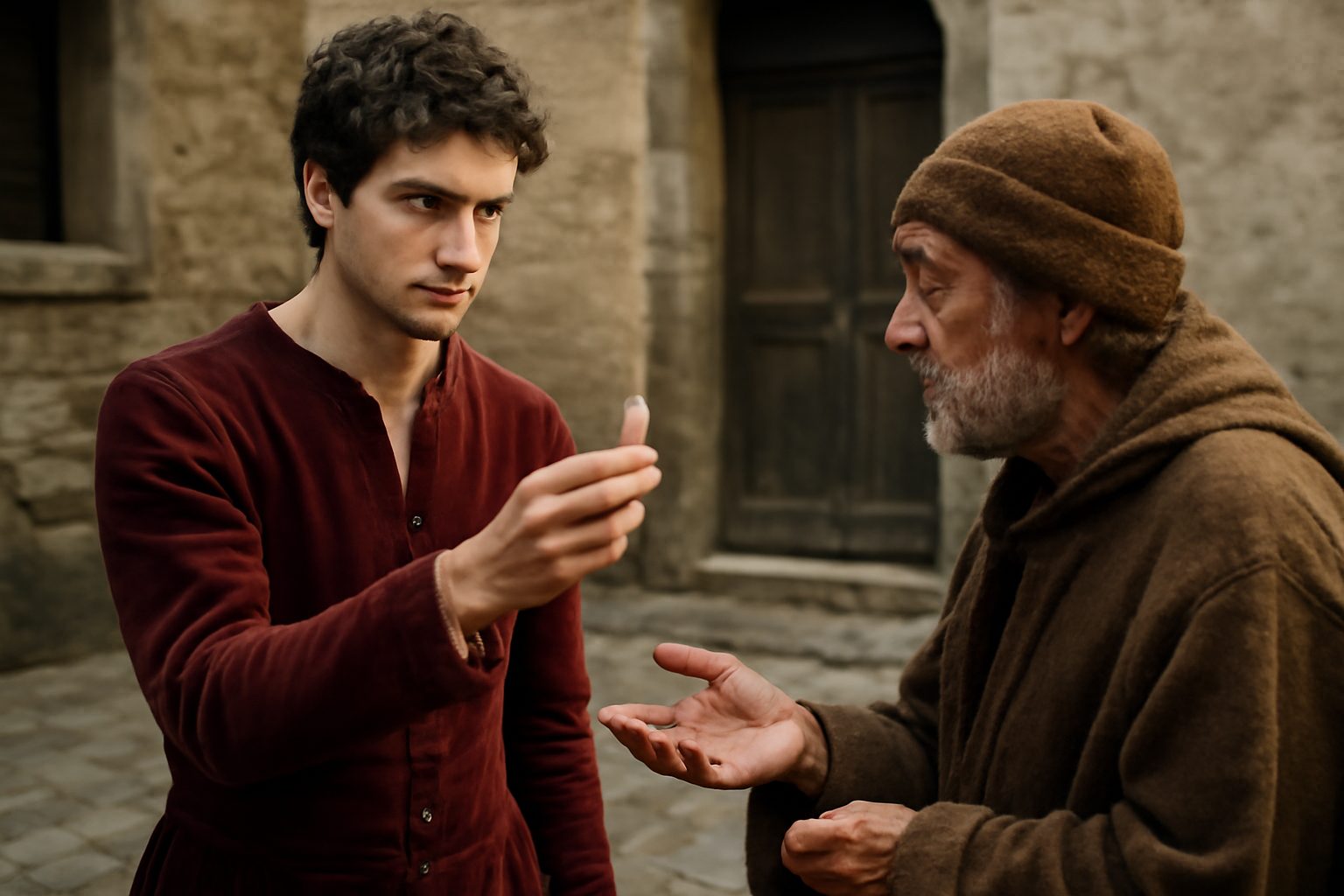
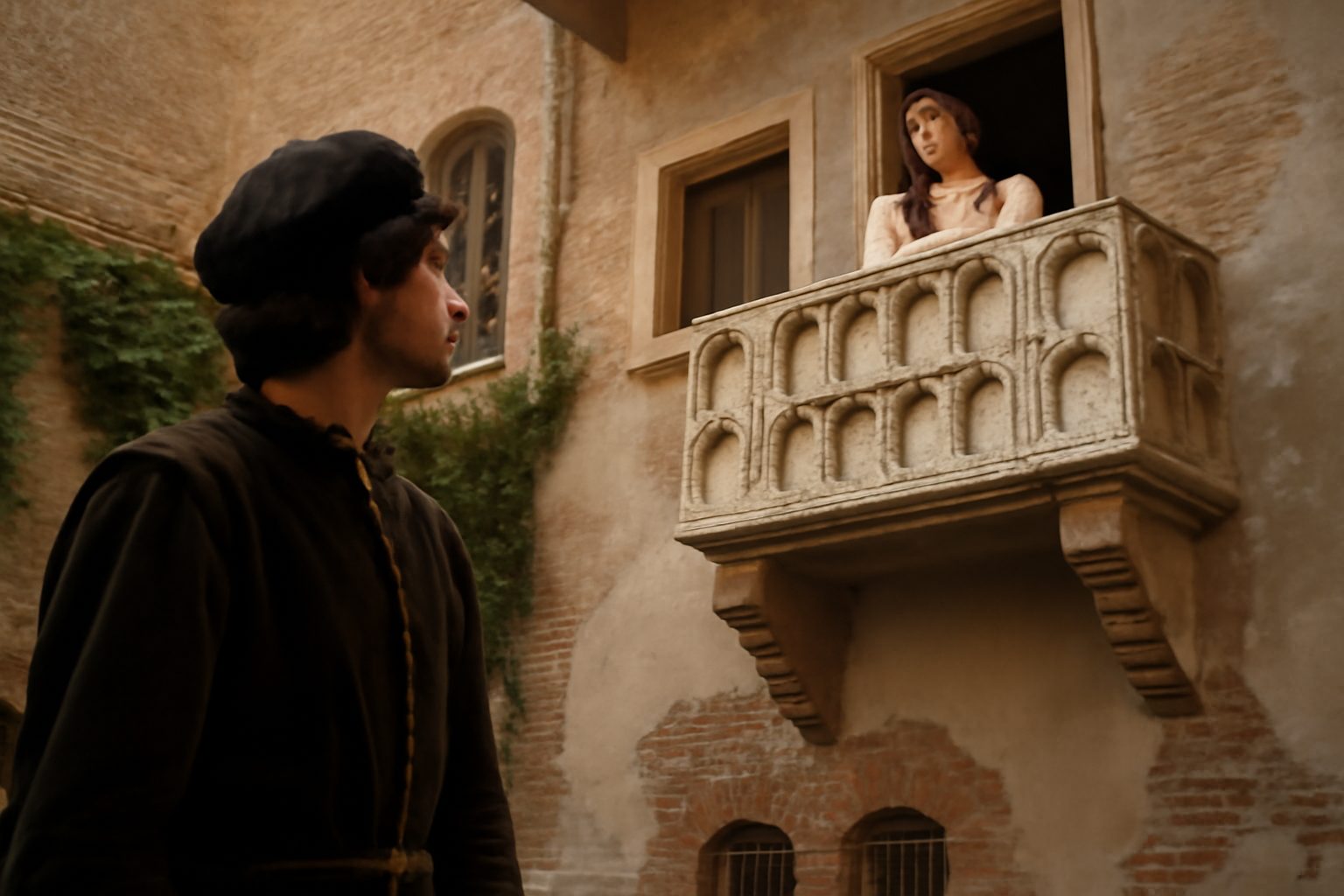
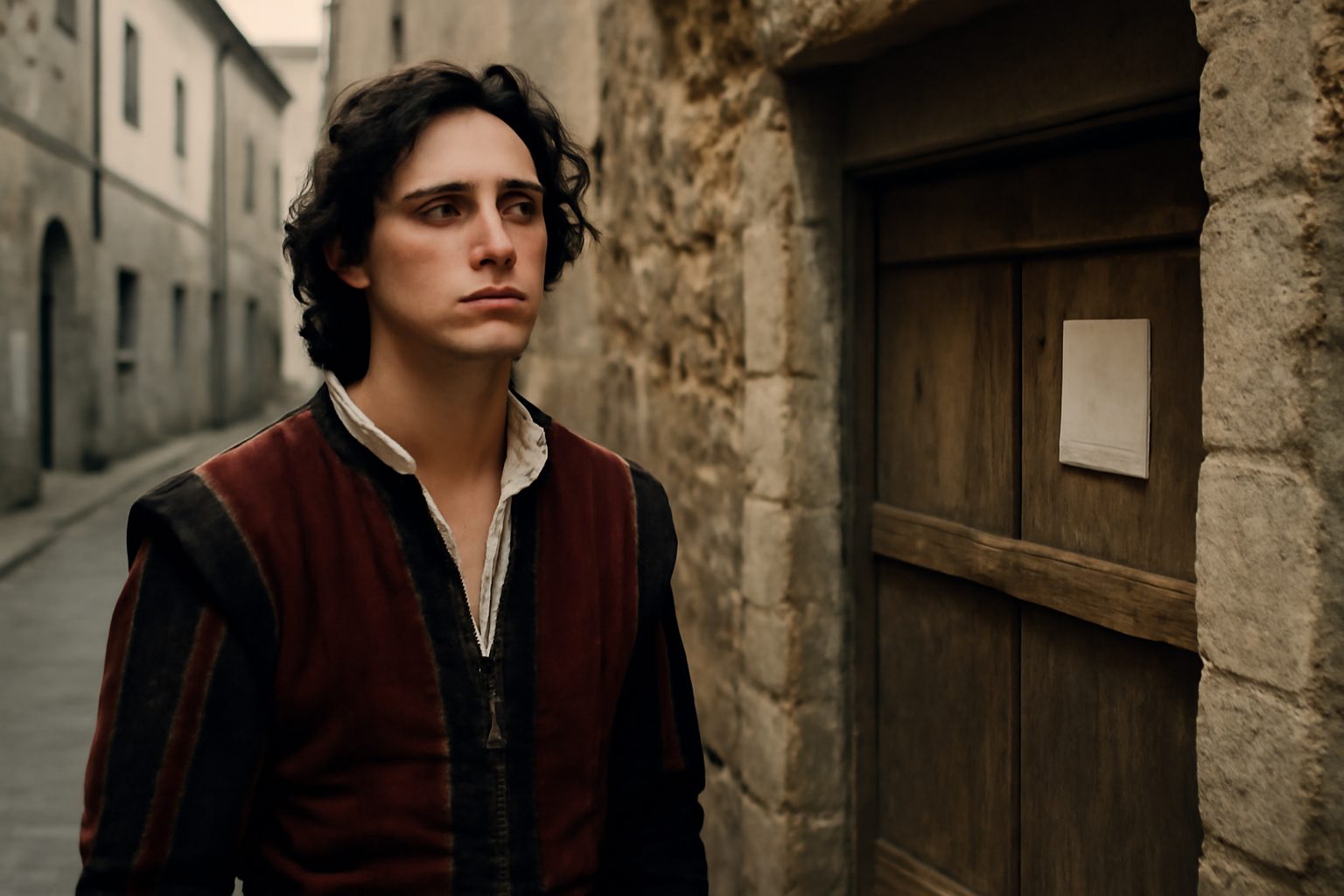
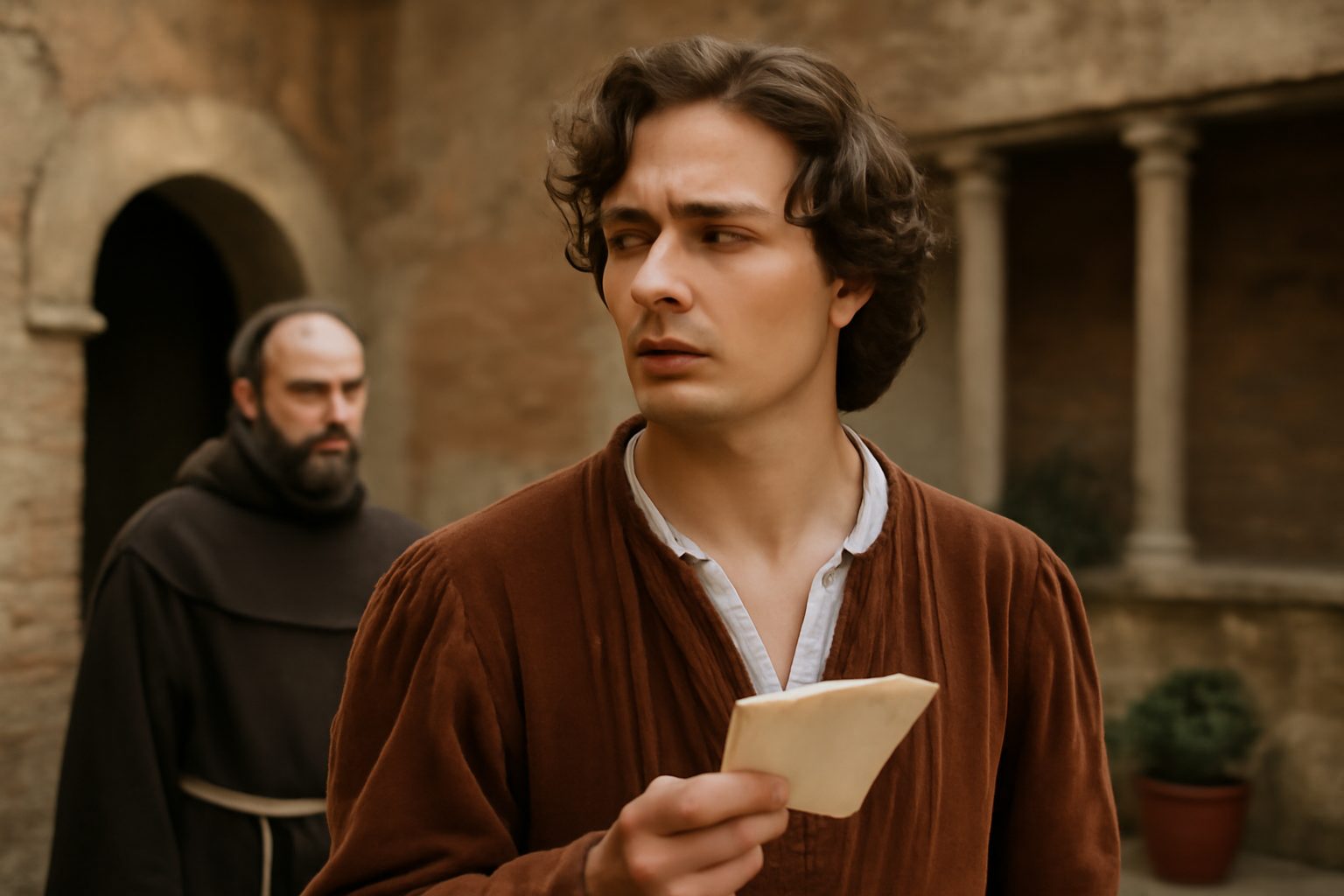
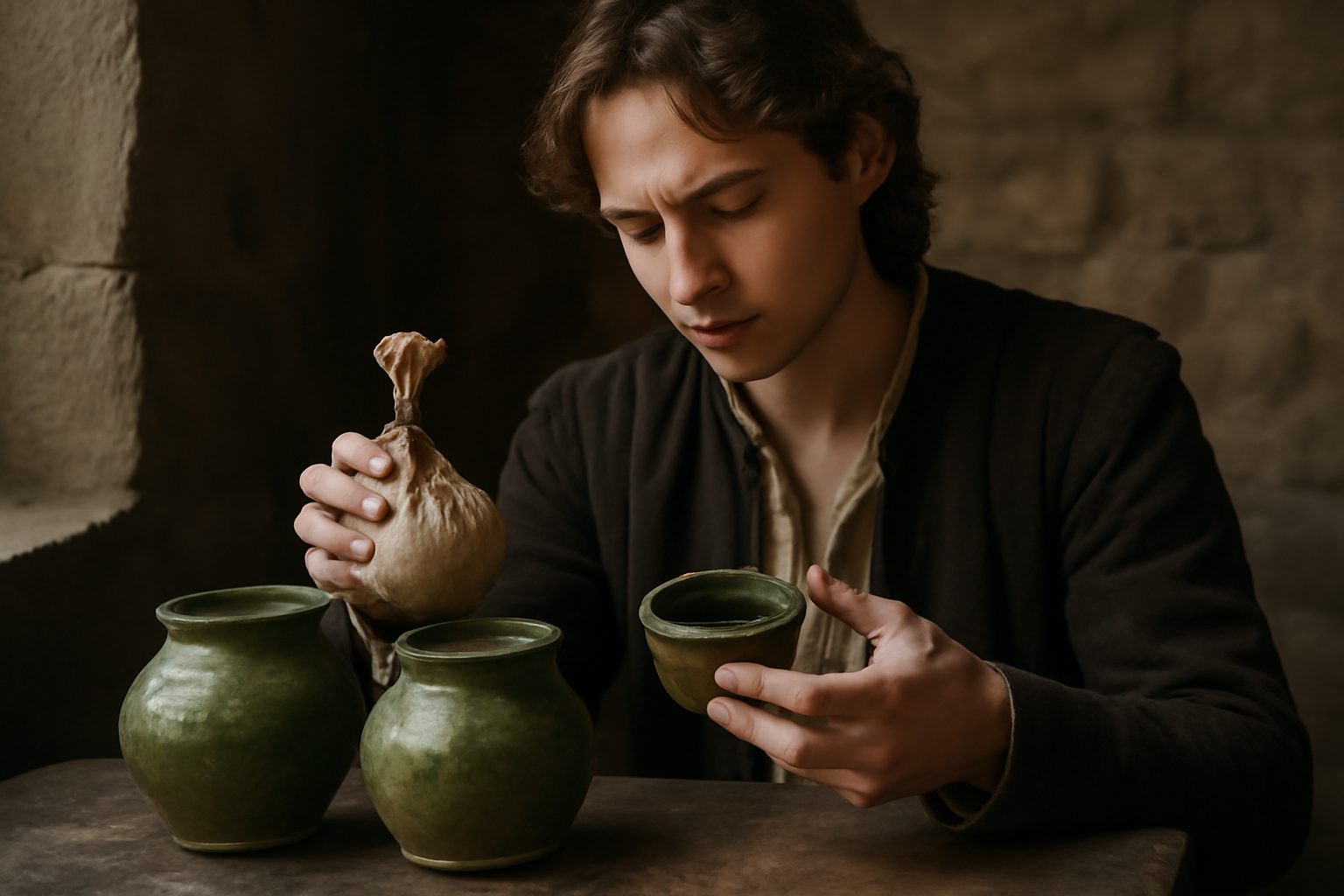
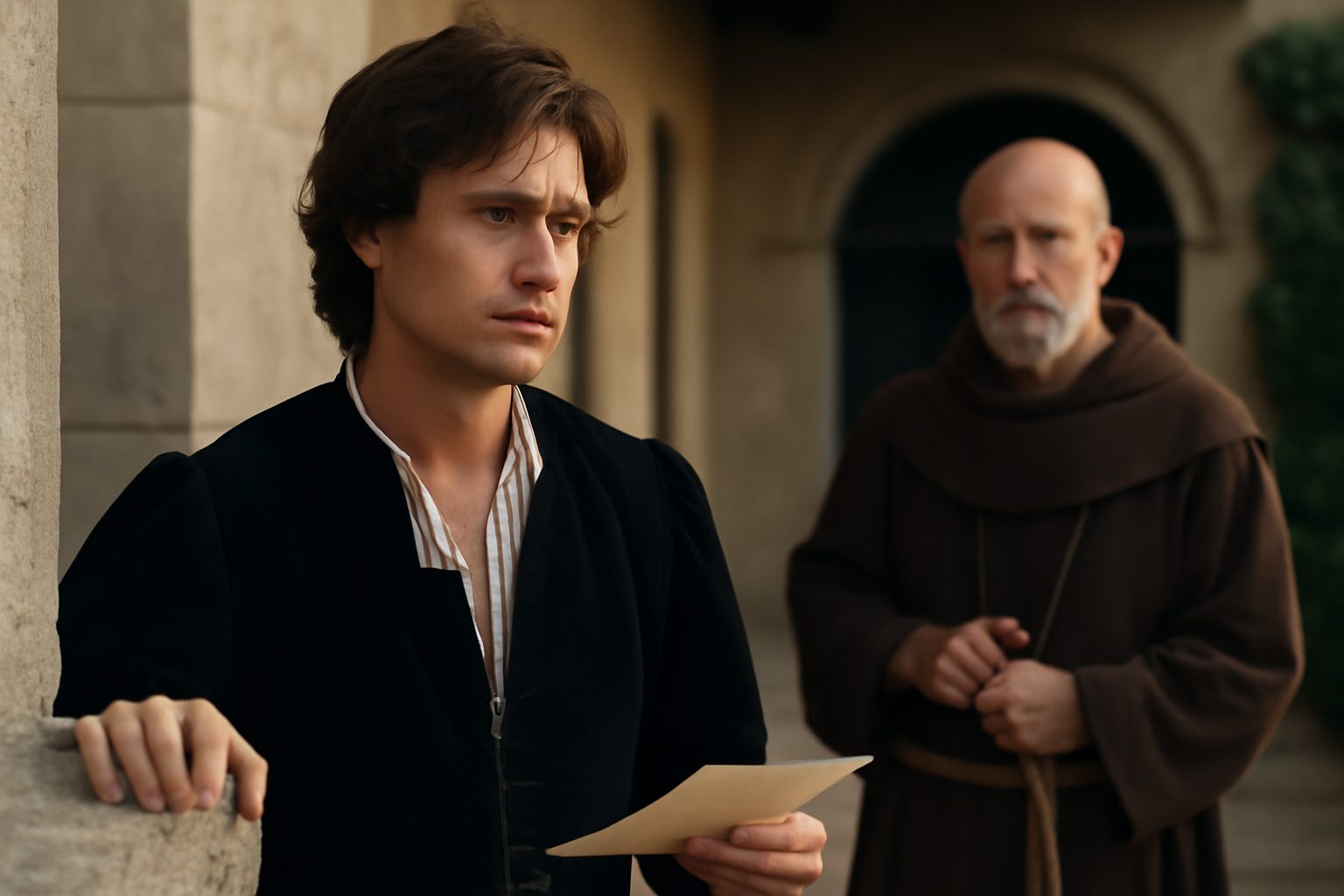
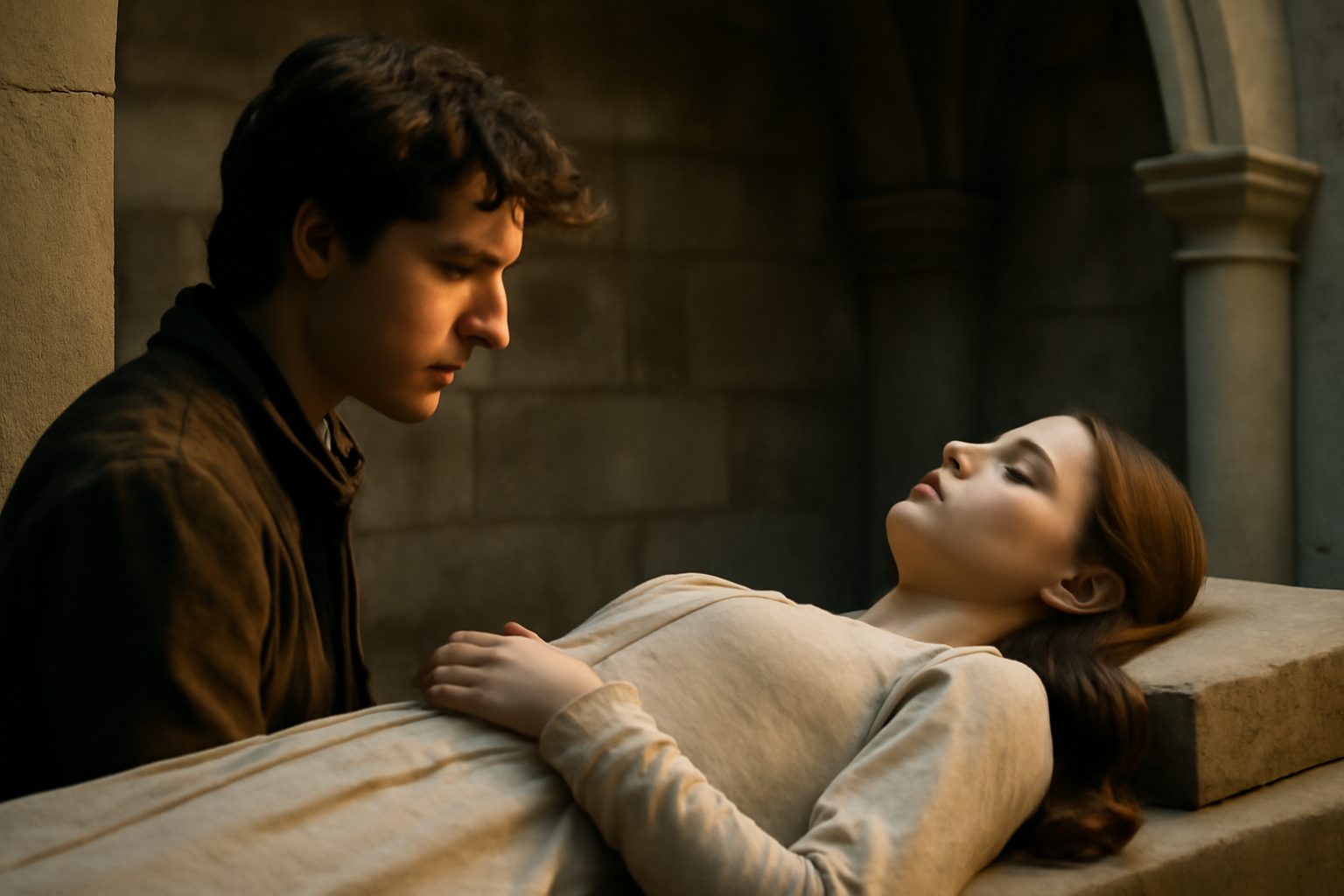
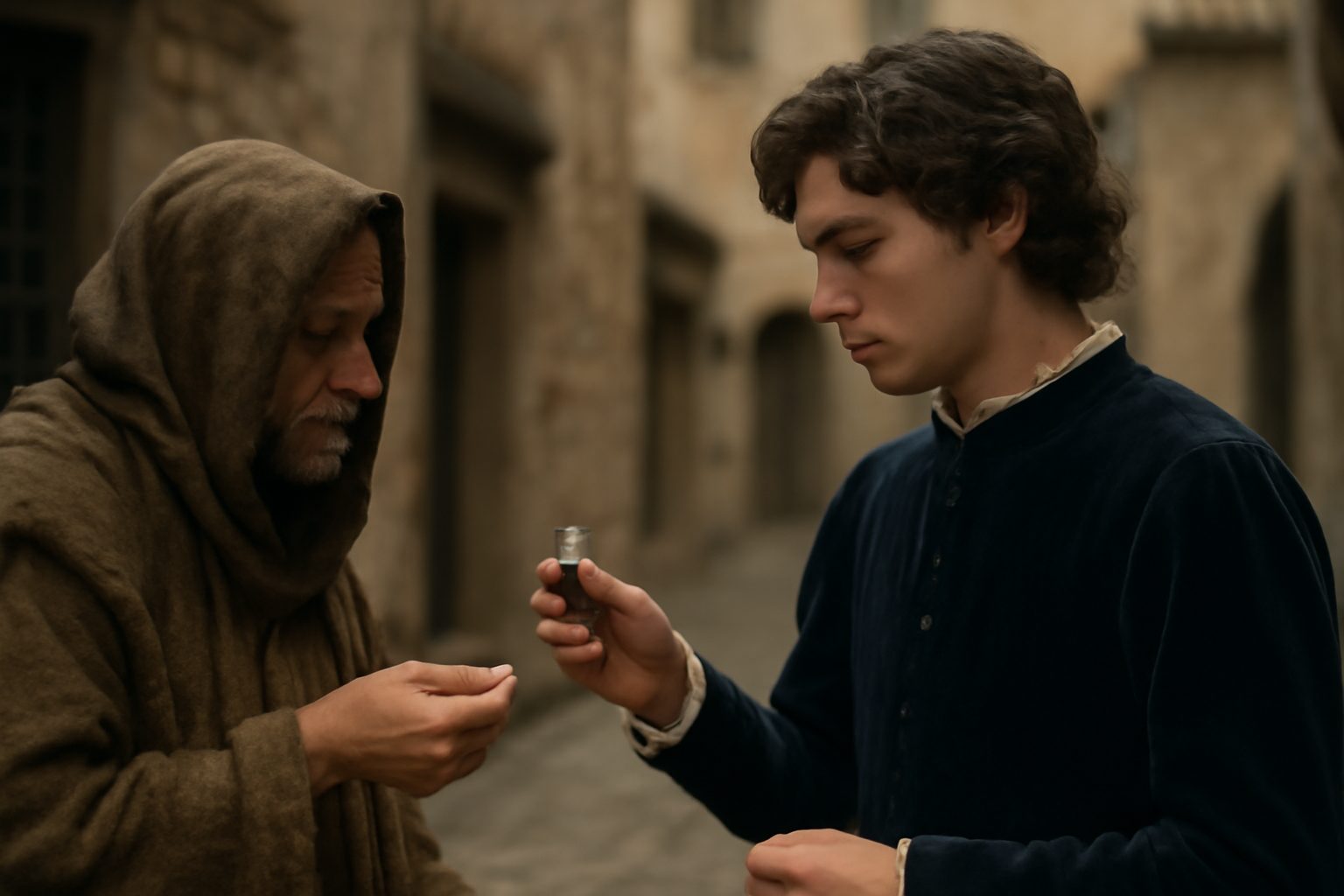
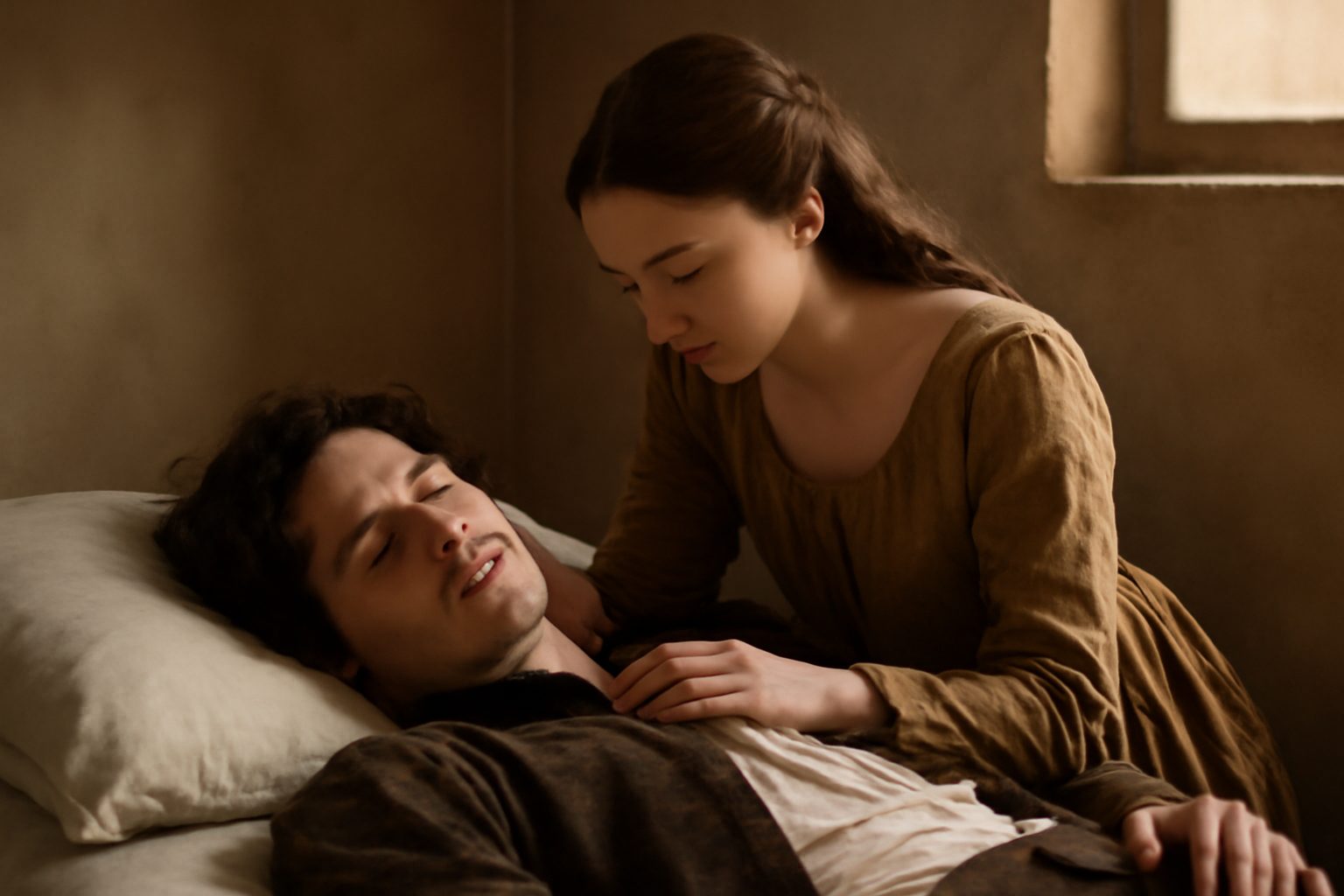
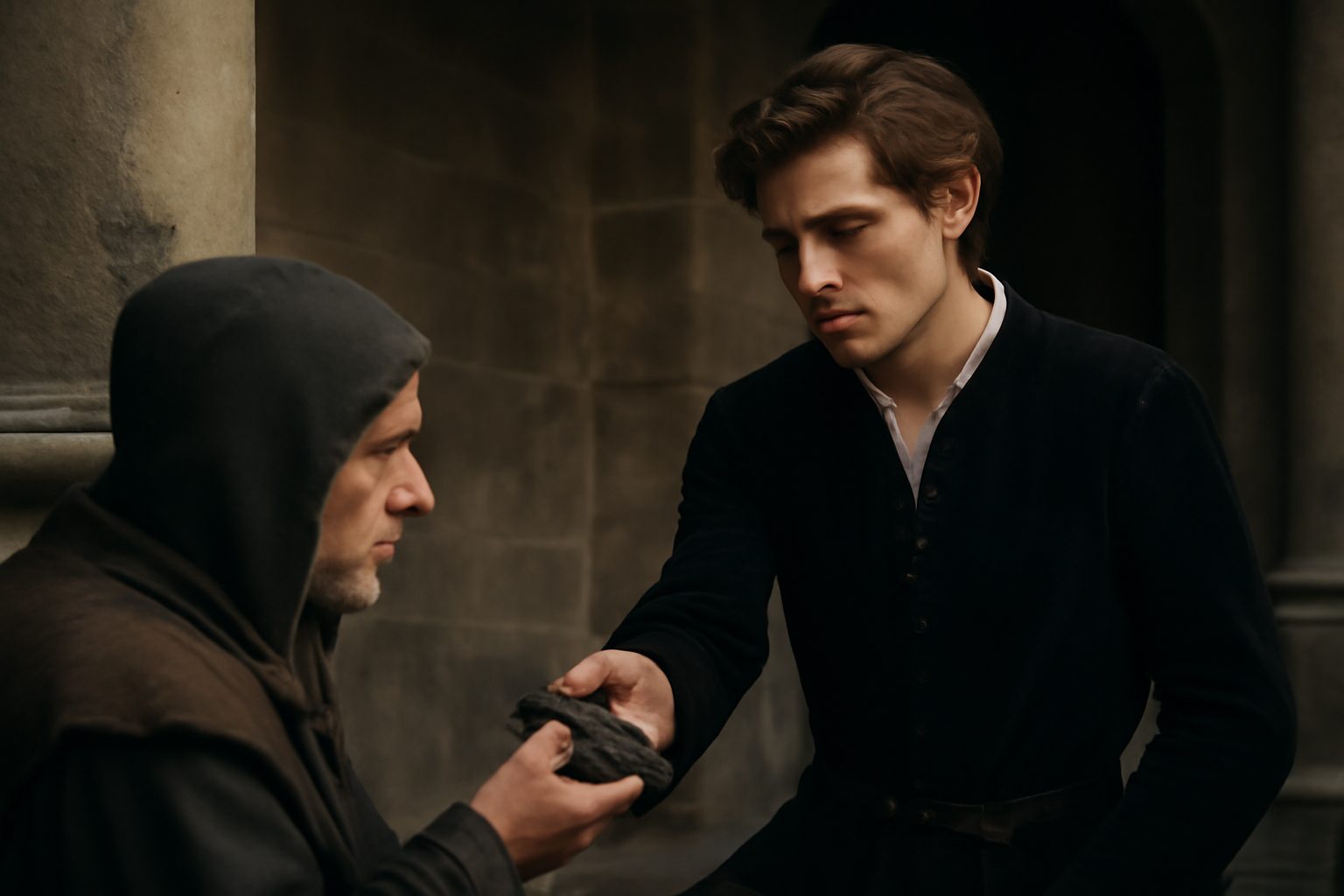
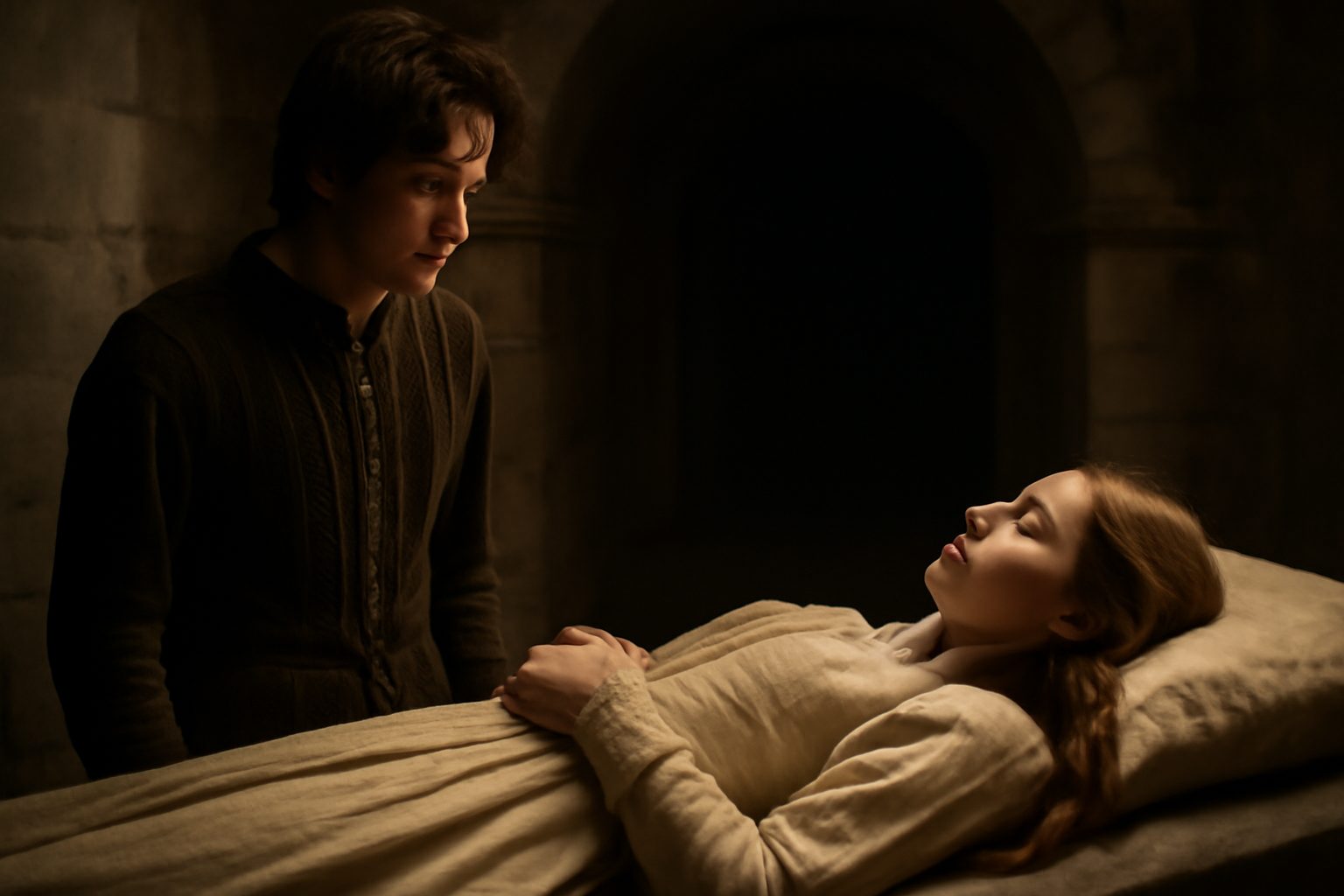
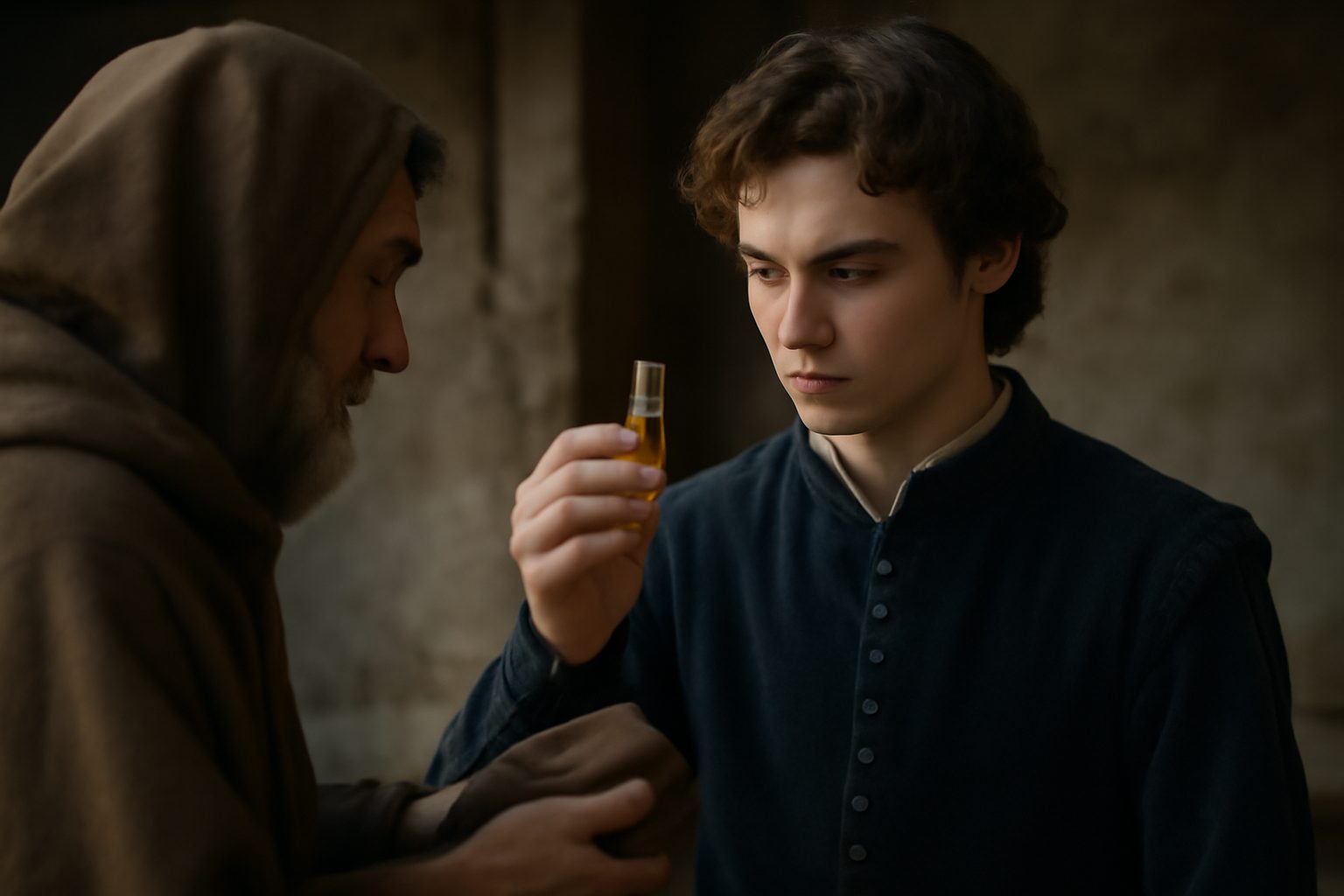
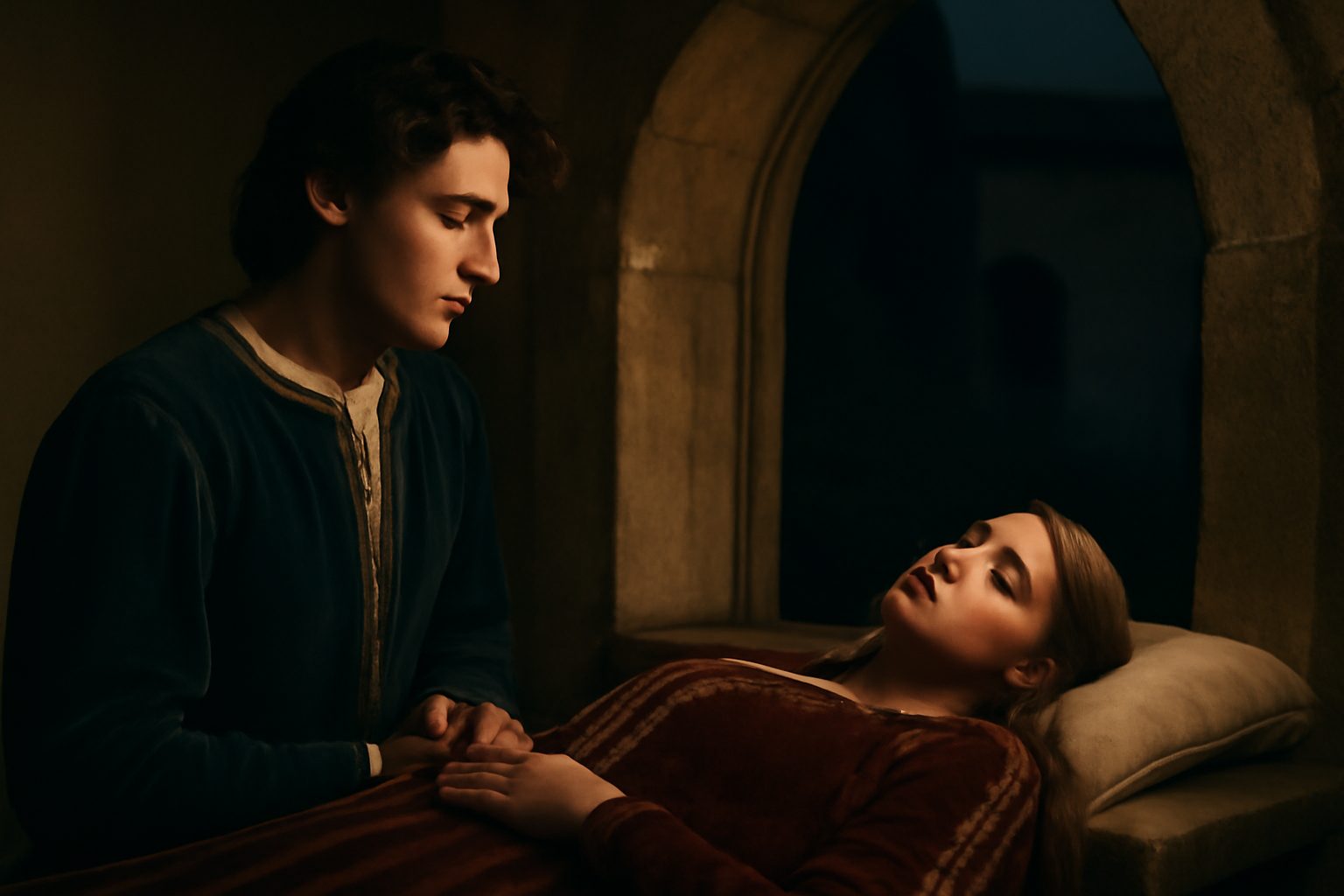
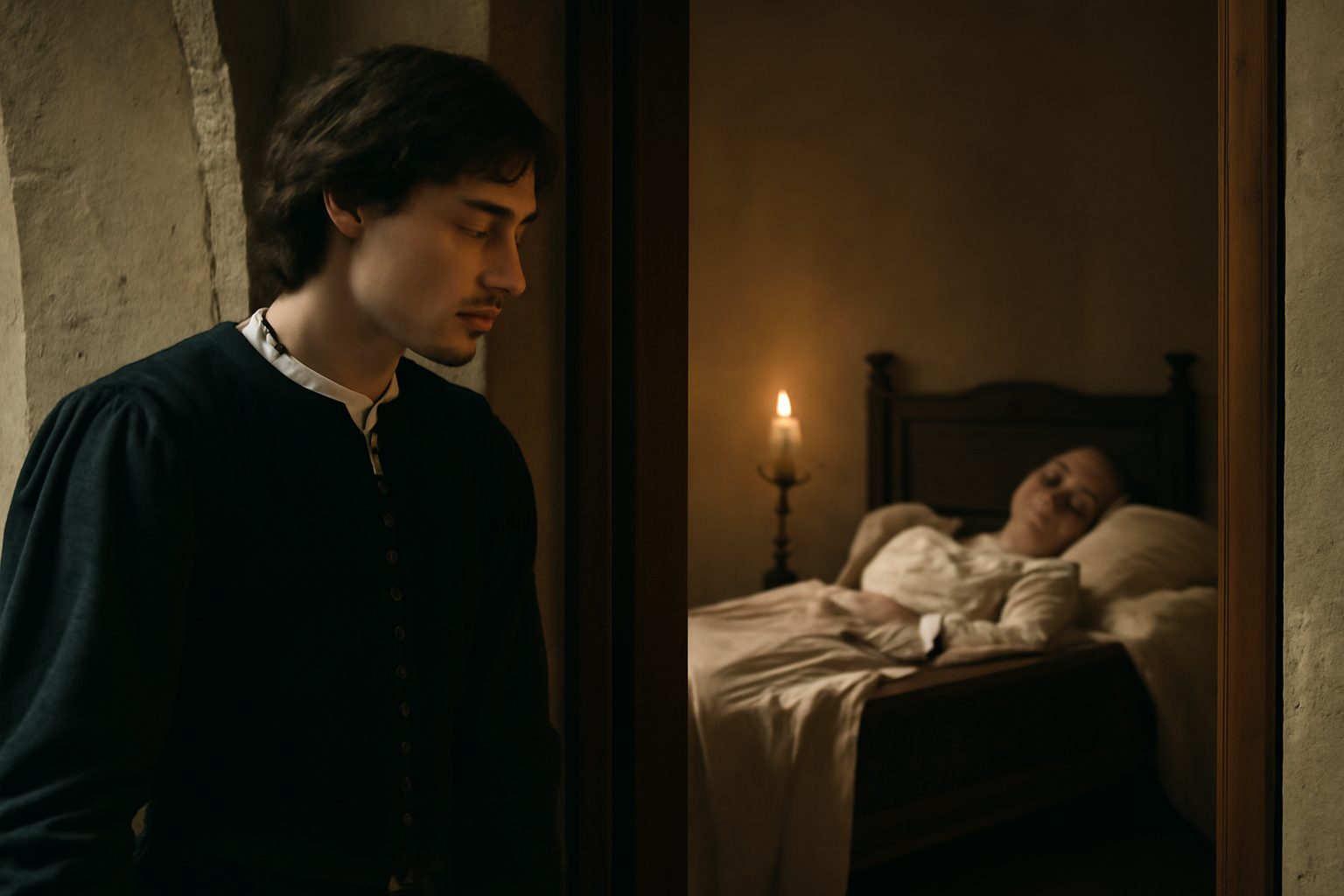
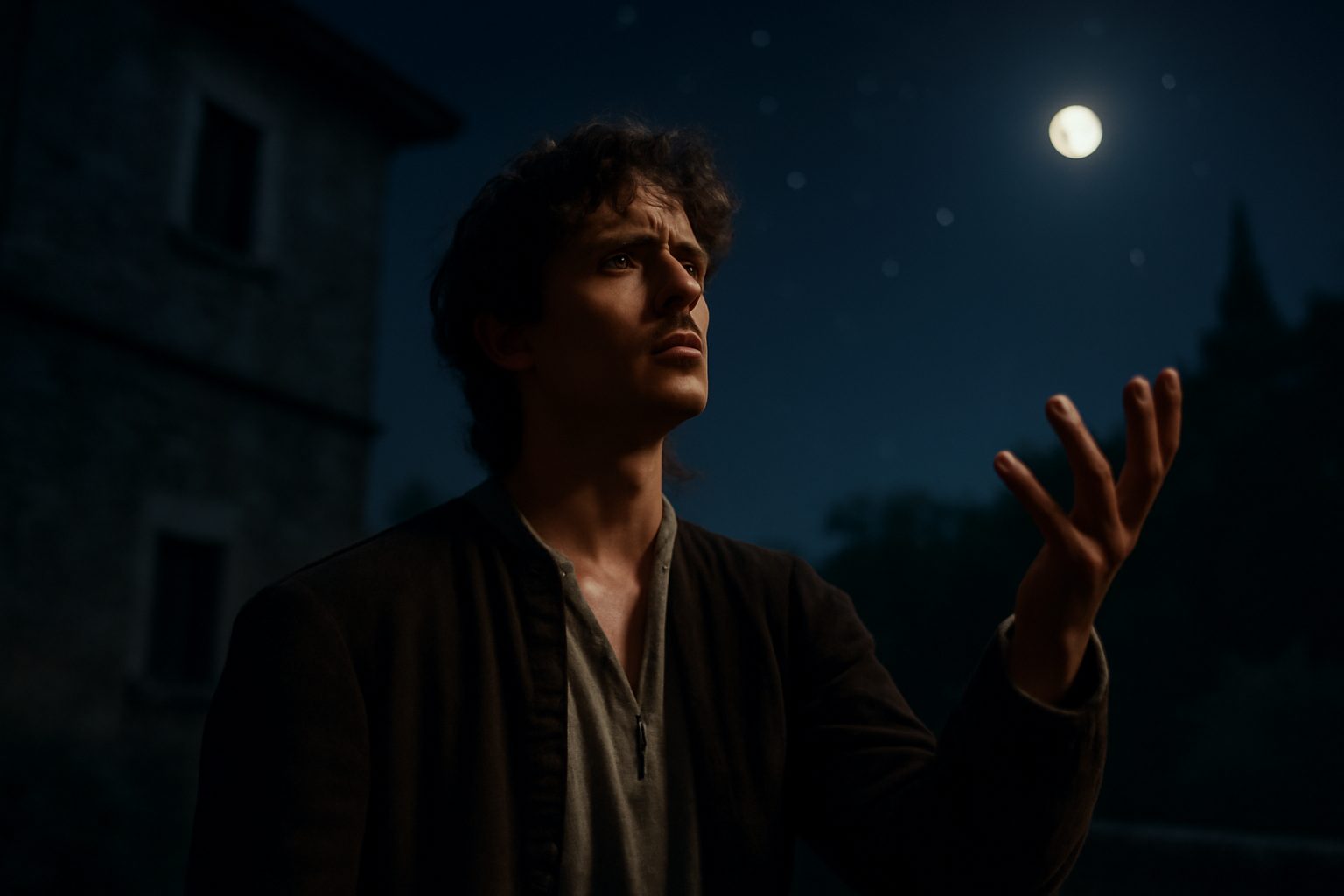
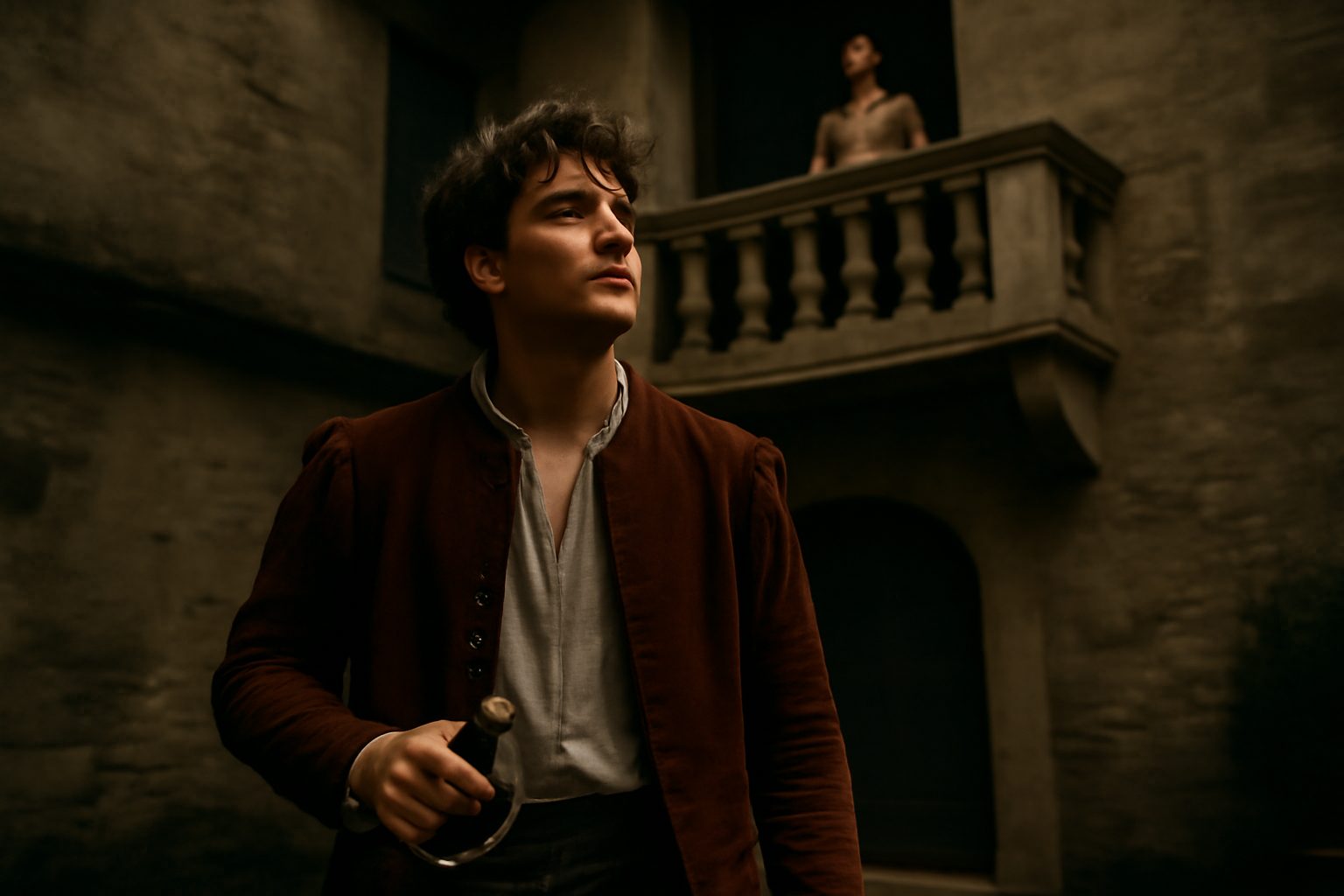
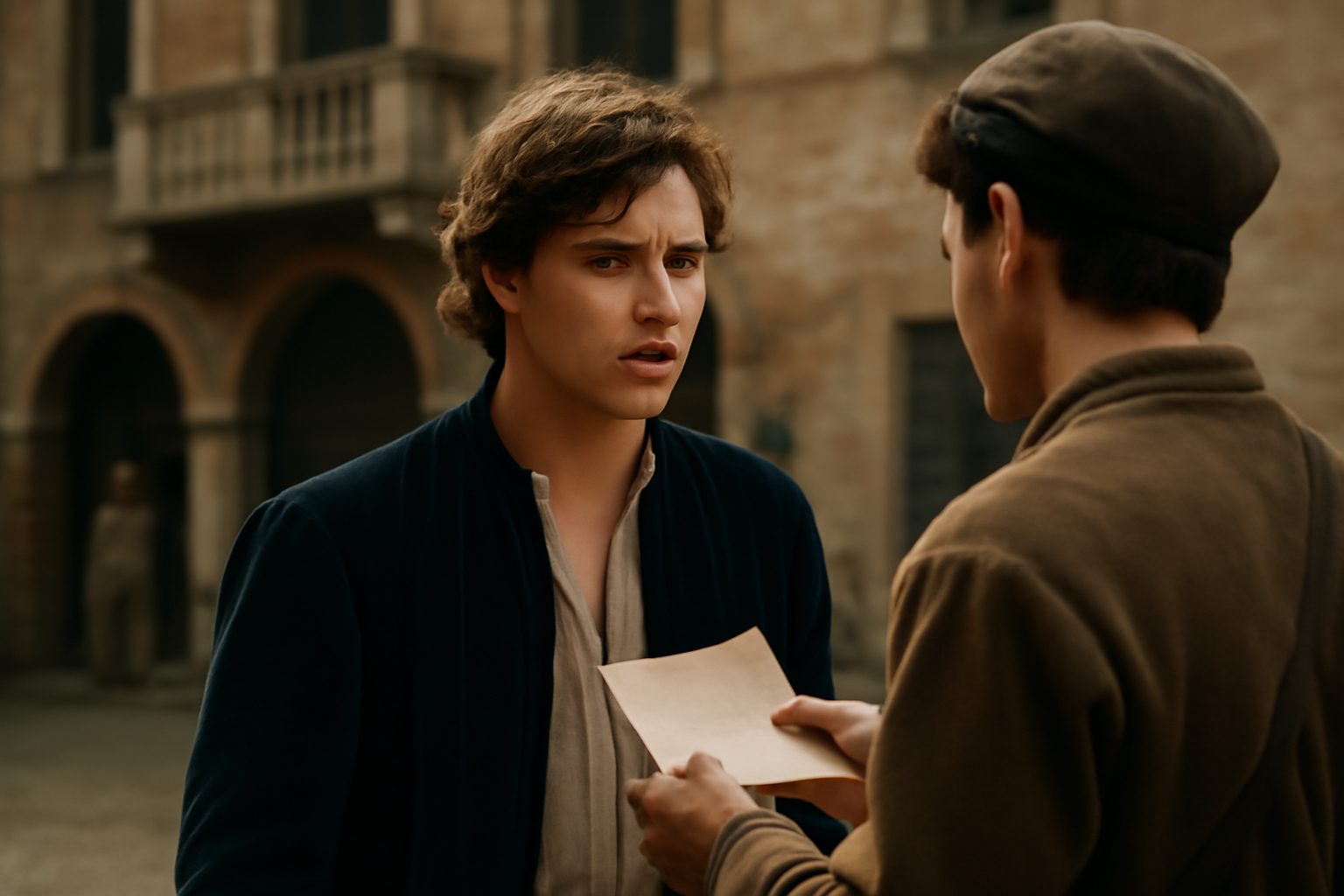
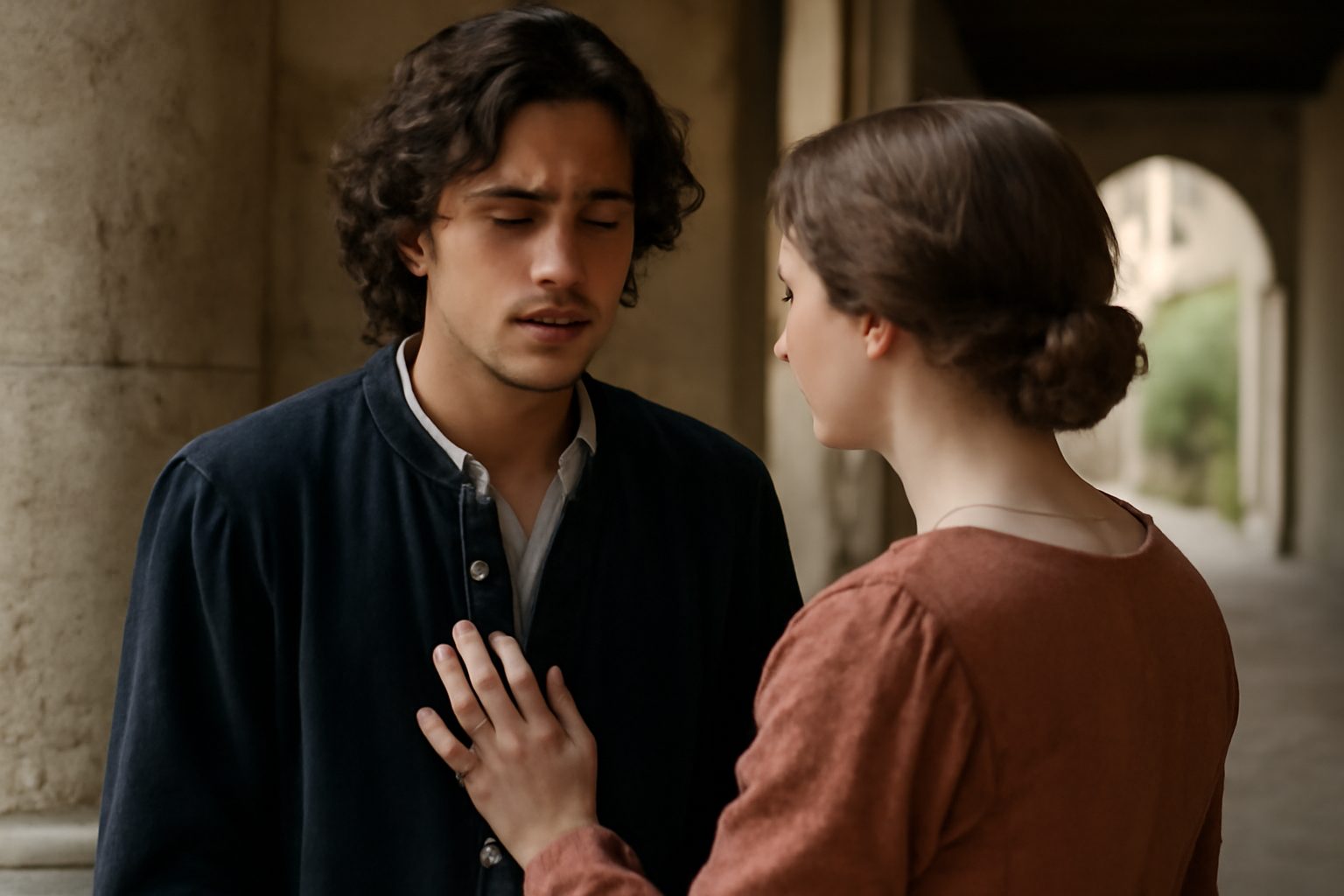
In Act 5, Scene 1 of Romeo and Juliet, Romeo speaks these words to his servant Balthasar after learning of Juliet's supposed death. Distraught and resolved to join her in death, Romeo dismisses Balthasar, insisting he carry out his orders without interference. This moment underscores Romeo's desperation and his tragic determination to defy fate.
Romeo: "Leave me, and do the thing I bid thee do."
In modern day english, we would say:
Go away and do what I told you to do.
Frequently Asked Questions
What does Romeo tell the person to do in this line?
Romeo tells the person to leave him and do what he has asked them to do.
Connections to other verses:
Connections to "Leave me, and do the thing I bid thee do."
This verse, spoken by Romeo to Balthasar, reflects his urgent, resolute state of mind and sets in motion the tragic sequence of events in Act 5, Scene 1. It is closely tied to several other verses in the scene.
Immediate Context and Urgency
Romeo's command is a response to Balthasar's hesitation and concern, as seen in "I do beseech you, sir, have patience:" and "Your looks are pale and wild, and do import". Balthasar senses Romeo's desperation, but Romeo dismisses him firmly, emphasizing his determination to act alone.
Preparation for the Final Plan
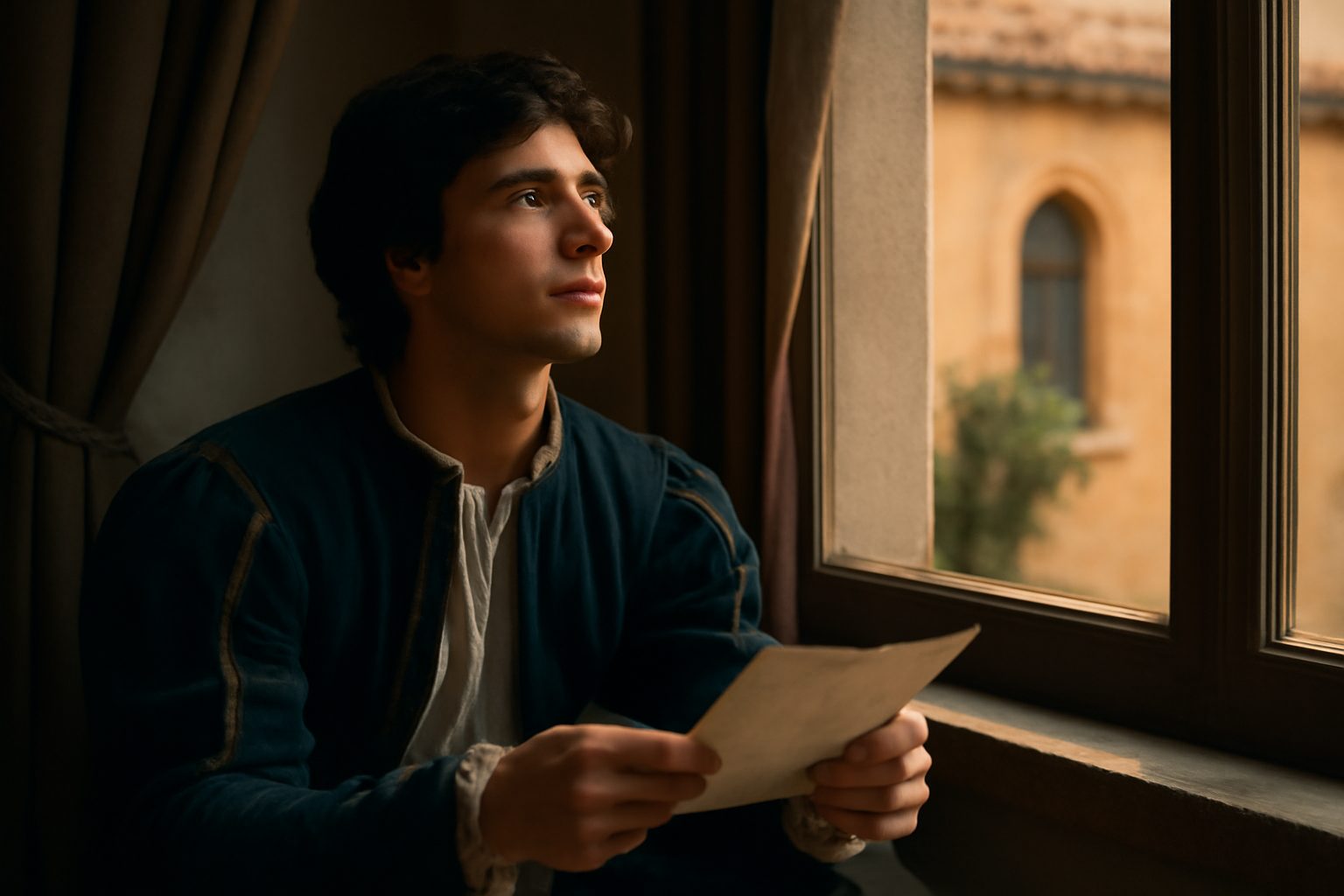
Romeo's instruction is part of his broader plan, which includes "Thou know'st my lodging: get me ink and paper," showing his intent to write a final letter, and "And hire post-horses; I will hence to-night.", indicating his haste to return to Verona. This command reinforces his solitary resolve, echoed in "Well, Juliet, I will lie with thee to-night.", where he declares his intent to join Juliet in death.
Isolation and Defiance
Romeo's dismissal of Balthasar aligns with his defiant stance against fate, as expressed in "Is it even so? then I defy you, stars!". By sending Balthasar away, Romeo isolates himself, a necessary step for his planned suicide, which he later pursues with the poison obtained from the apothecary ("A dram of poison, such soon-speeding gear").
Contrast with Earlier Optimism
This verse starkly contrasts with Romeo's initial joy in the scene, such as "My bosom's lord sits lightly in his throne;" and "Lifts me above the ground with cheerful thoughts.". The shift from hope to despair underscores the tragedy of his rash decision upon hearing of Juliet's death.
Connection to the Apothecary Scene
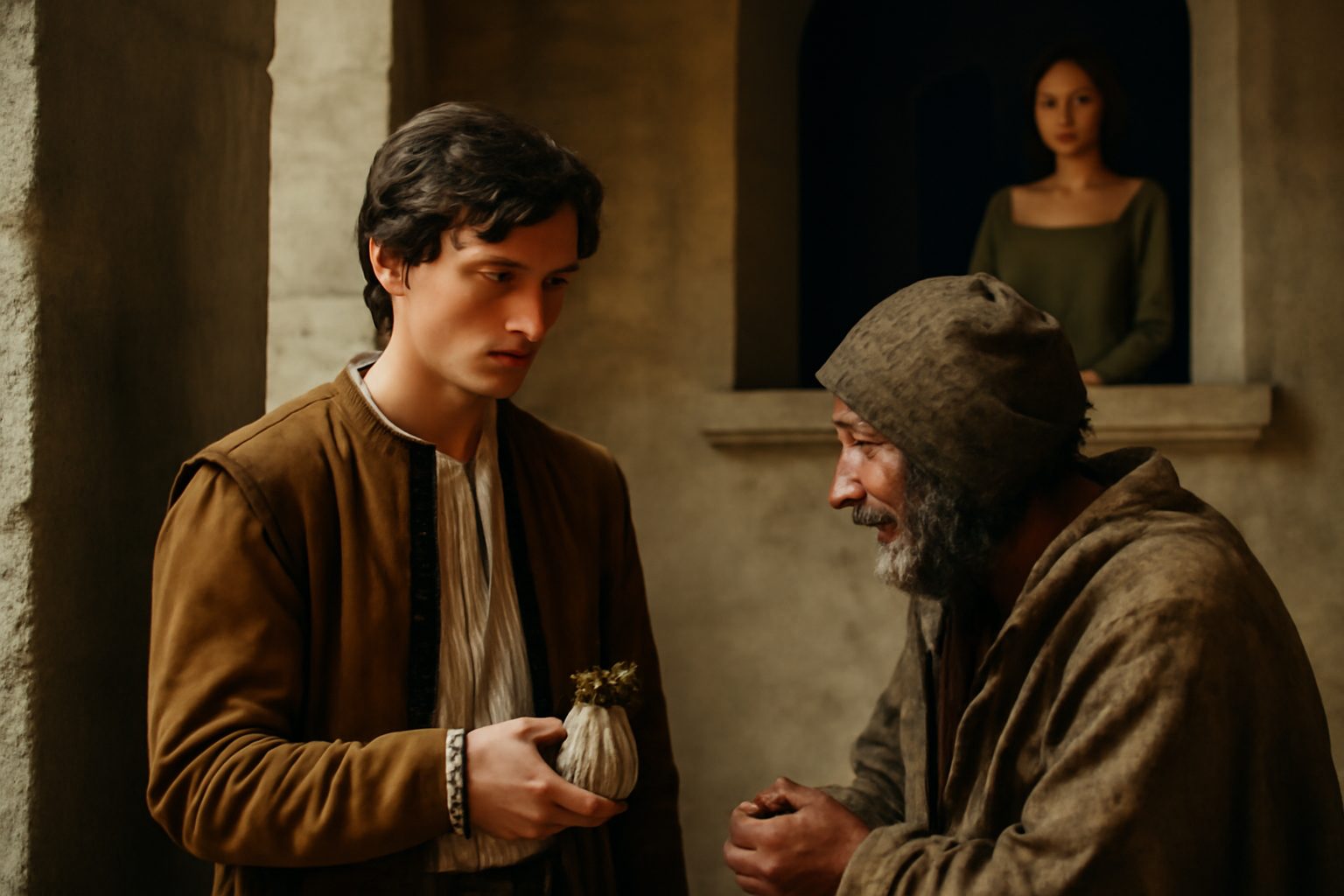
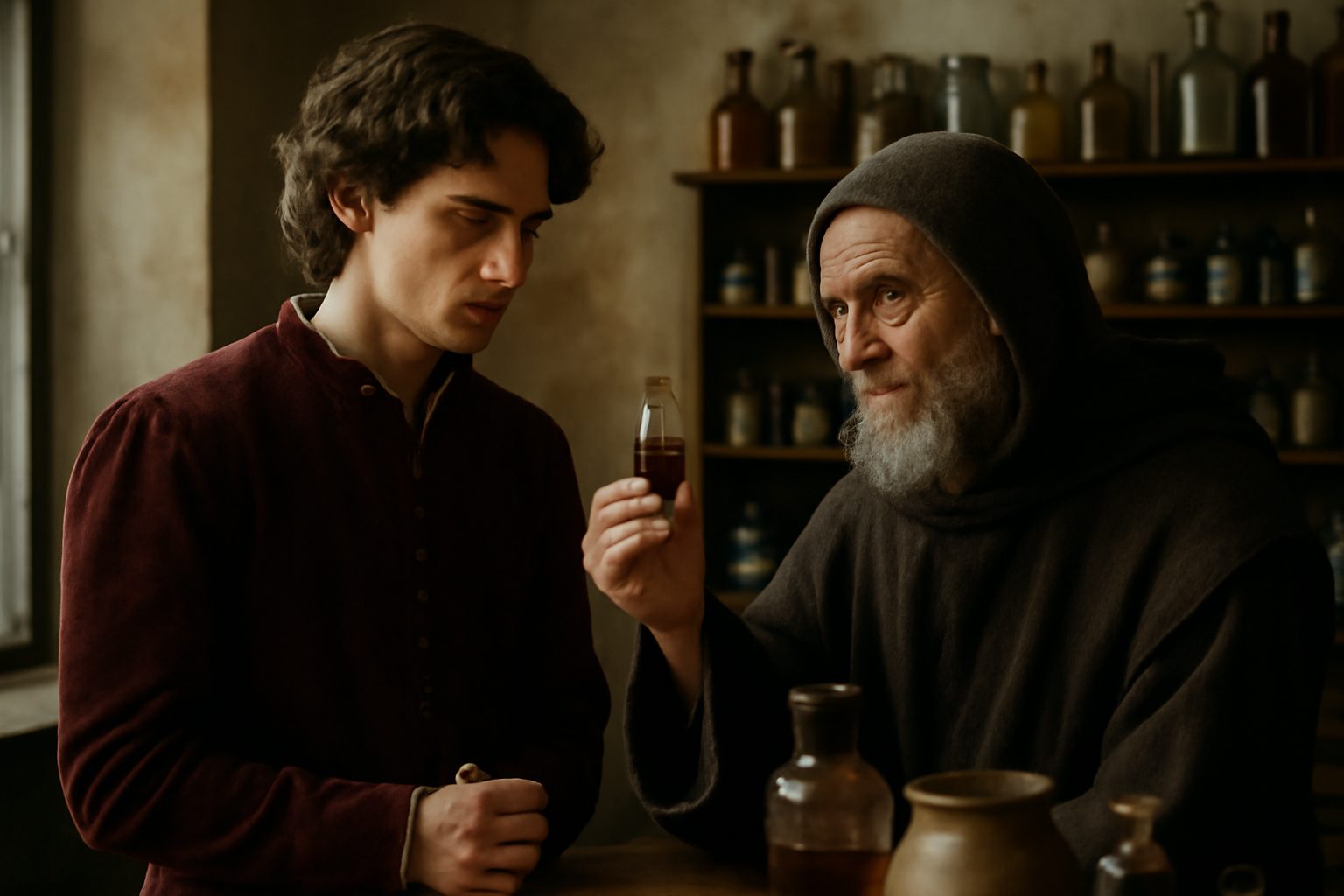
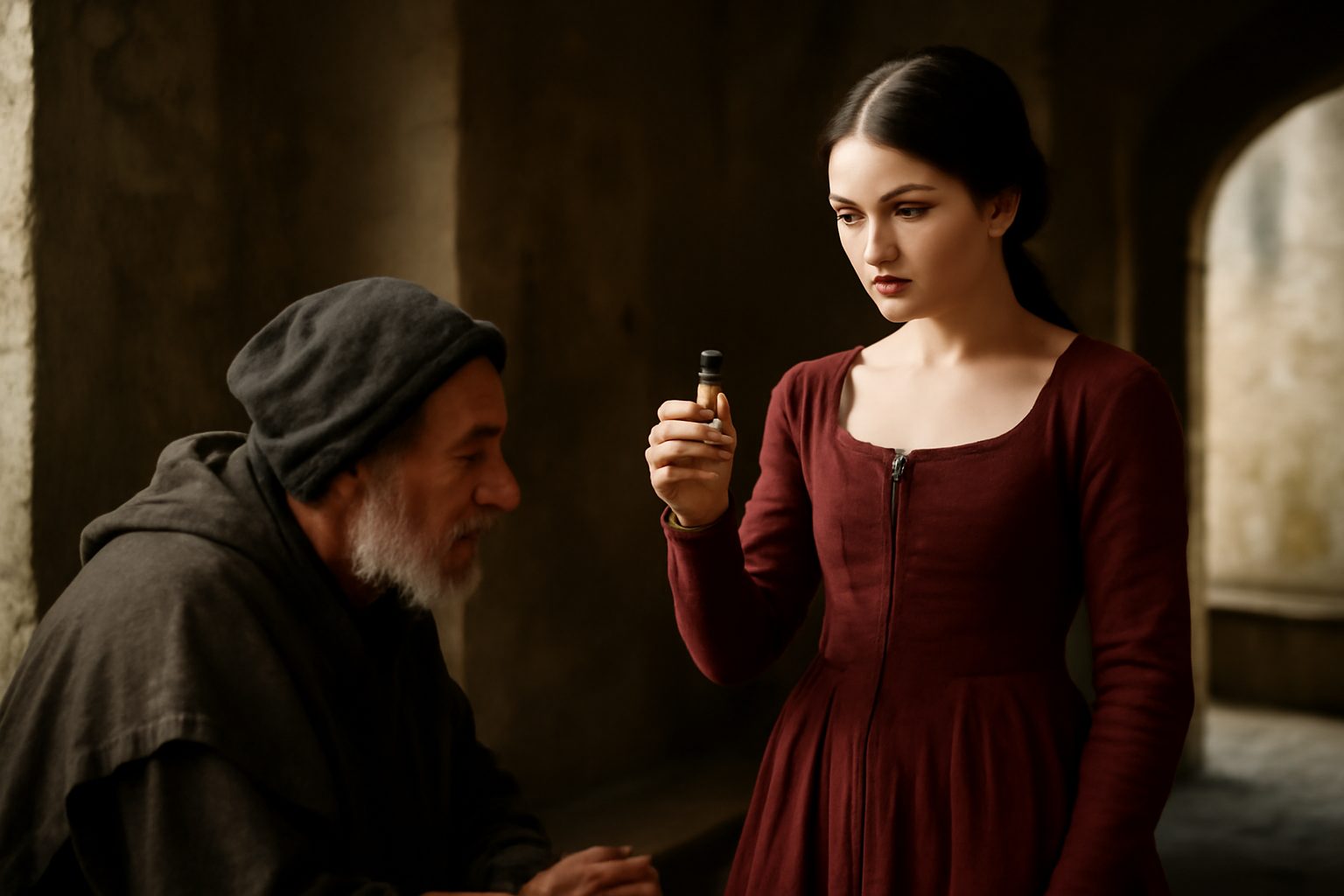
Romeo's command to Balthasar precedes his visit to the apothecary, where he seeks the means for his suicide. This links to verses like "I do remember an apothecary,--" and "And this same needy man must sell it me.", highlighting how Romeo's resolve drives the acquisition of the poison.