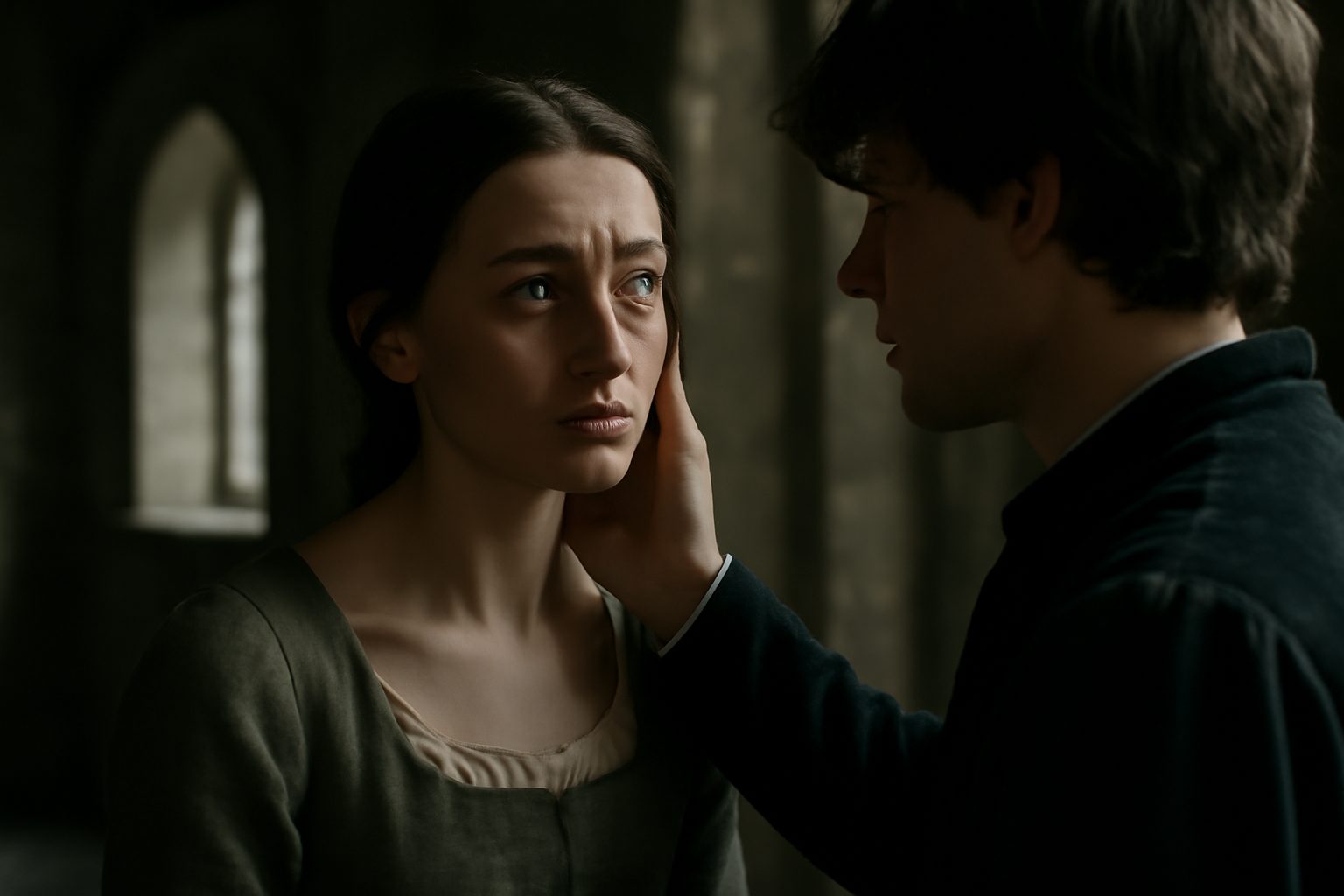
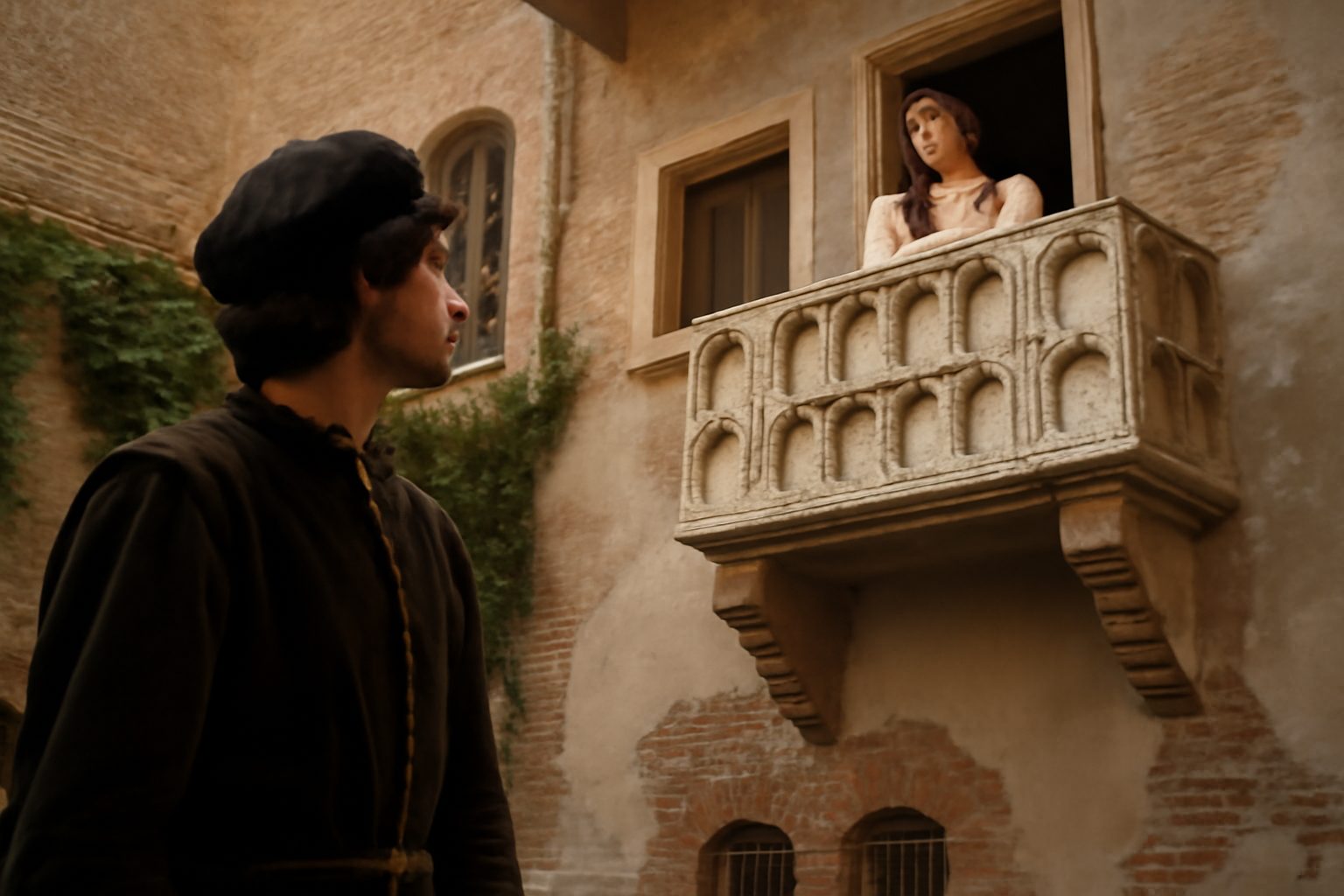
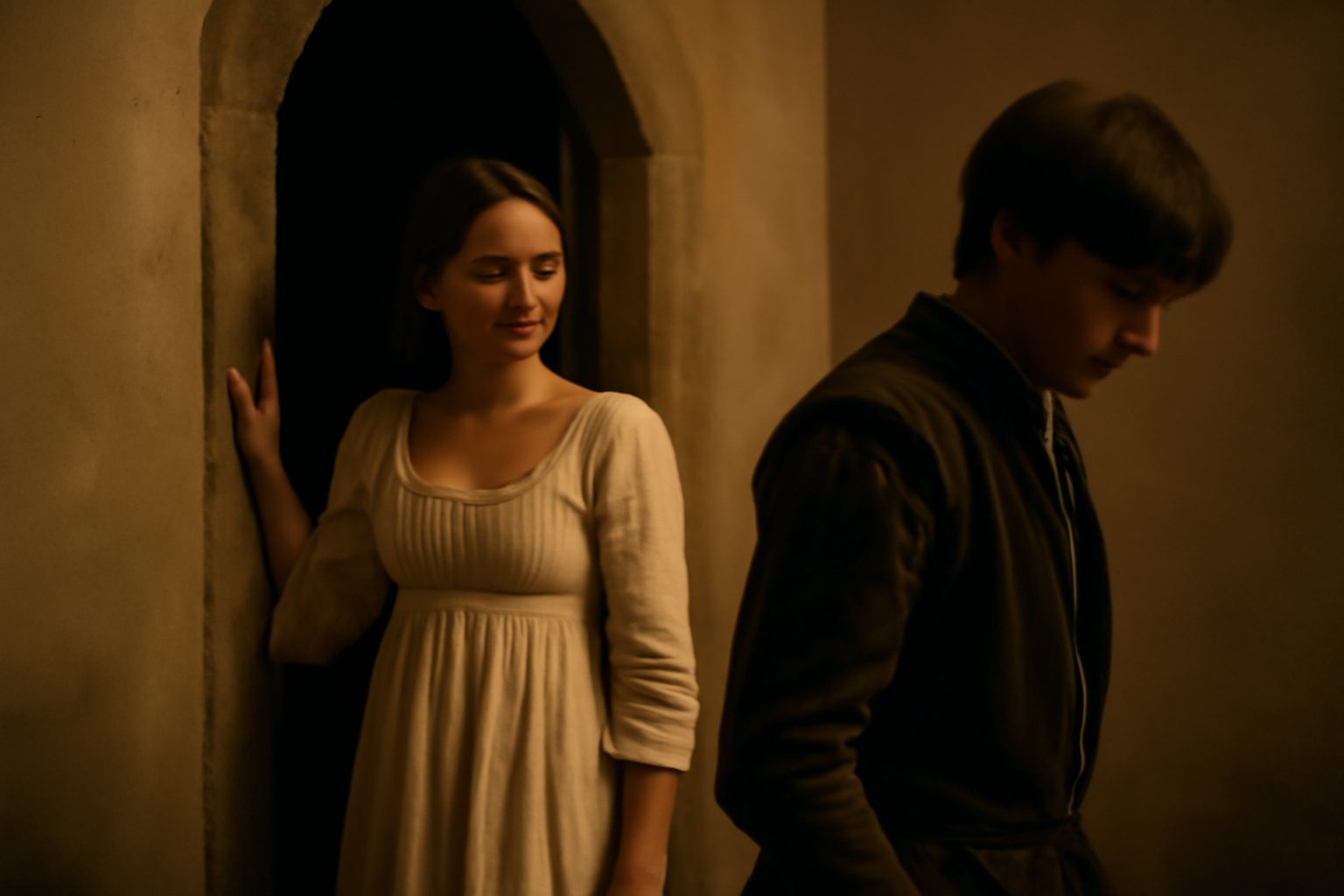
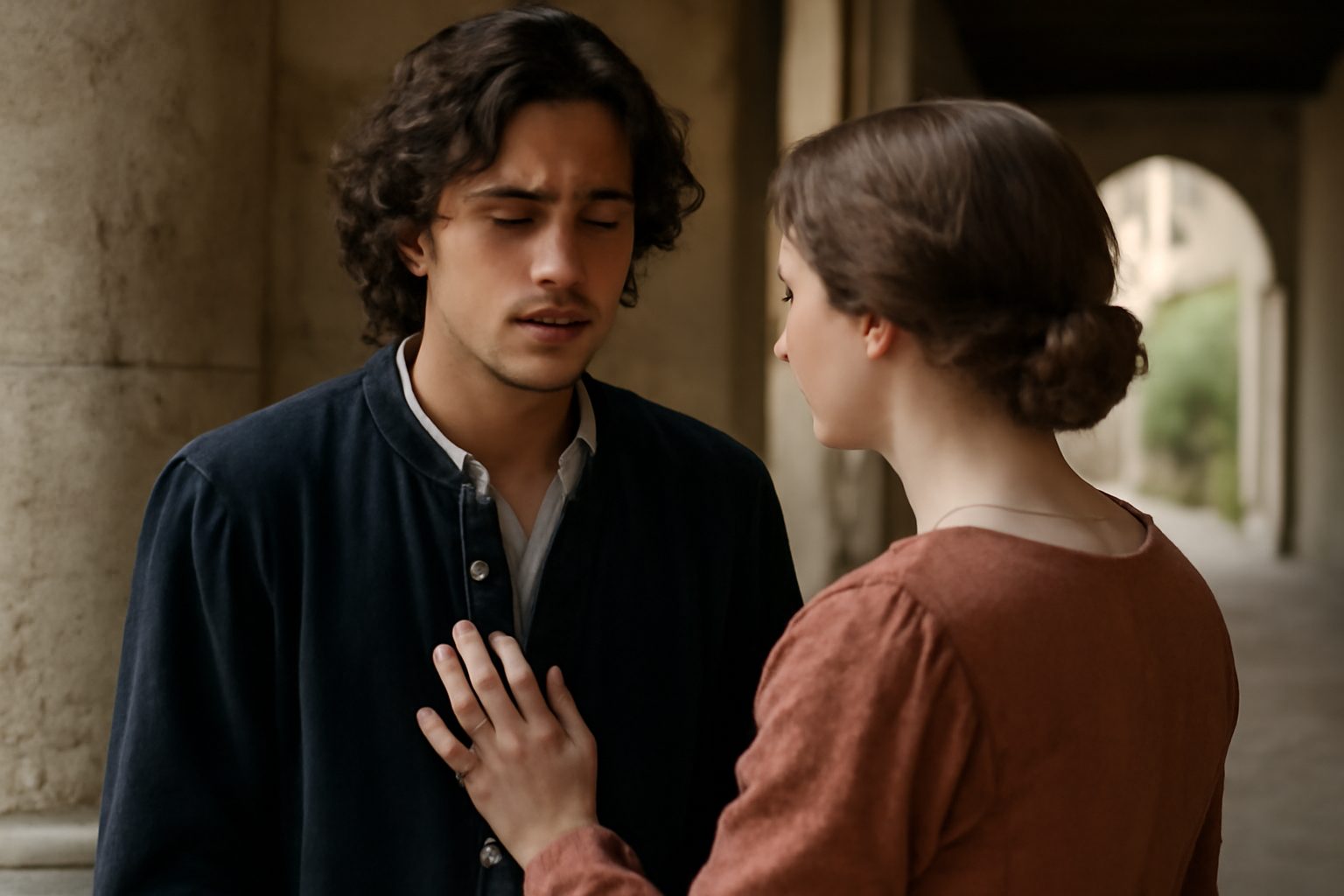
In Act 5, Scene 1 of Romeo and Juliet, Romeo is in exile when he receives news of Juliet's supposed death. Overwhelmed by grief and desperation, he resolves to return to Verona and join her in death. This line captures his frantic mindset as he hastily seeks a way to carry out his tragic plan.
Romeo: "Let's see for means: O mischief, thou art swift"
In modern day english, we would say:
Let’s figure out a plan—oh, trouble works fast.
Frequently Asked Questions
What is Romeo trying to do when he says this line?
He is trying to find a way to be with Juliet after hearing false news of her death.
What emotion is Romeo expressing in this line?
He is expressing frustration and urgency.
Connections to other verses:
Connections to "Let's see for means: O mischief, thou art swift"
Transition from Hope to Desperation
This line marks Romeo's abrupt shift from hopeful anticipation to desperate action. Earlier in the scene, he expresses joyful optimism in "My bosom's lord sits lightly in his throne" and "Lifts me above the ground with cheerful thoughts". Upon learning of Juliet's supposed death, his mindset reverses completely, leading directly to this acknowledgment of swift misfortune.
Catalyst for Action
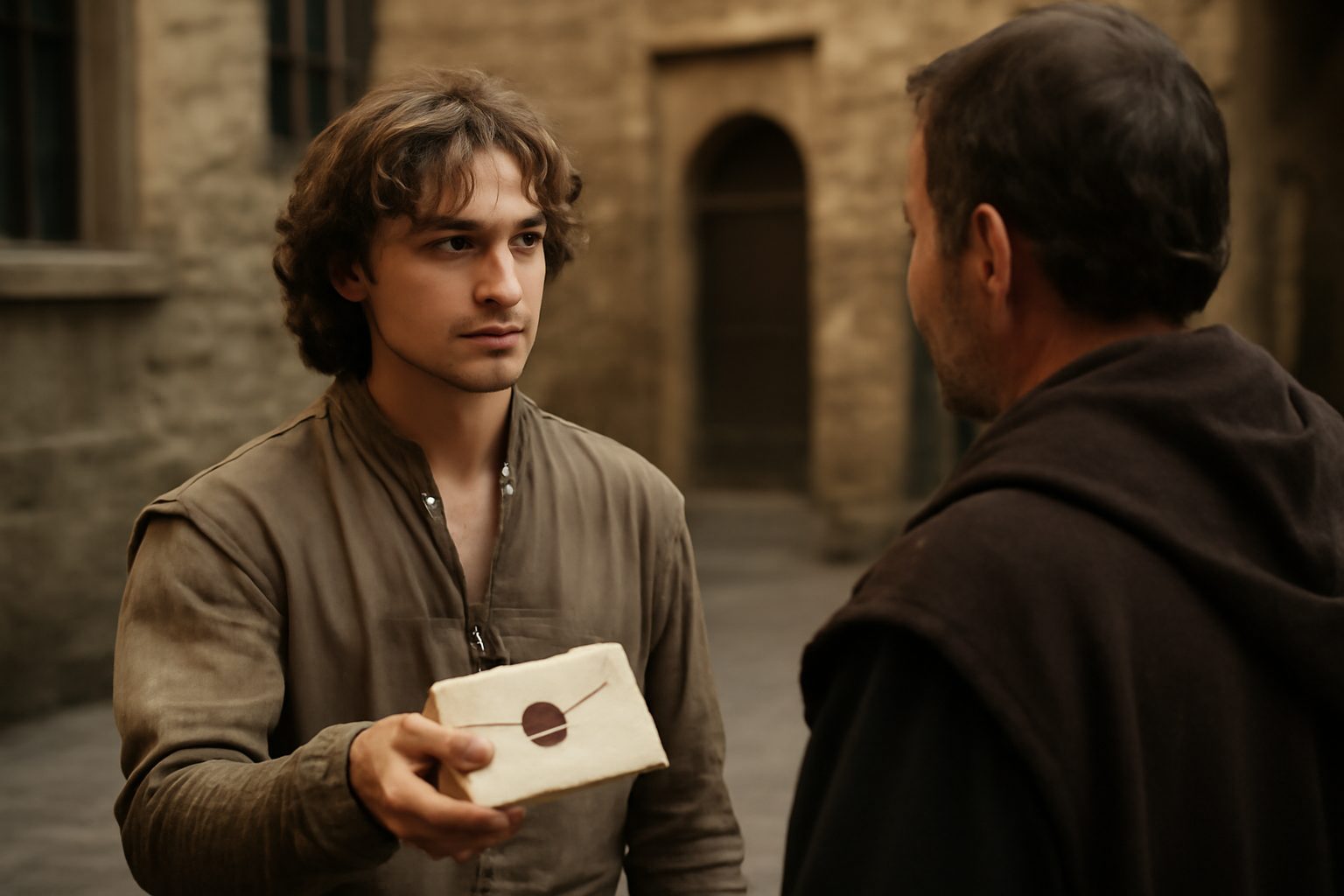
The recognition of "mischief" being swift propels Romeo into decisive motion. He immediately commands Balthasar to "get me ink and paper" and "hire post-horses; I will hence to-night", demonstrating how quickly he moves from realization to planning.
Foreshadowing the Apothecary Scene
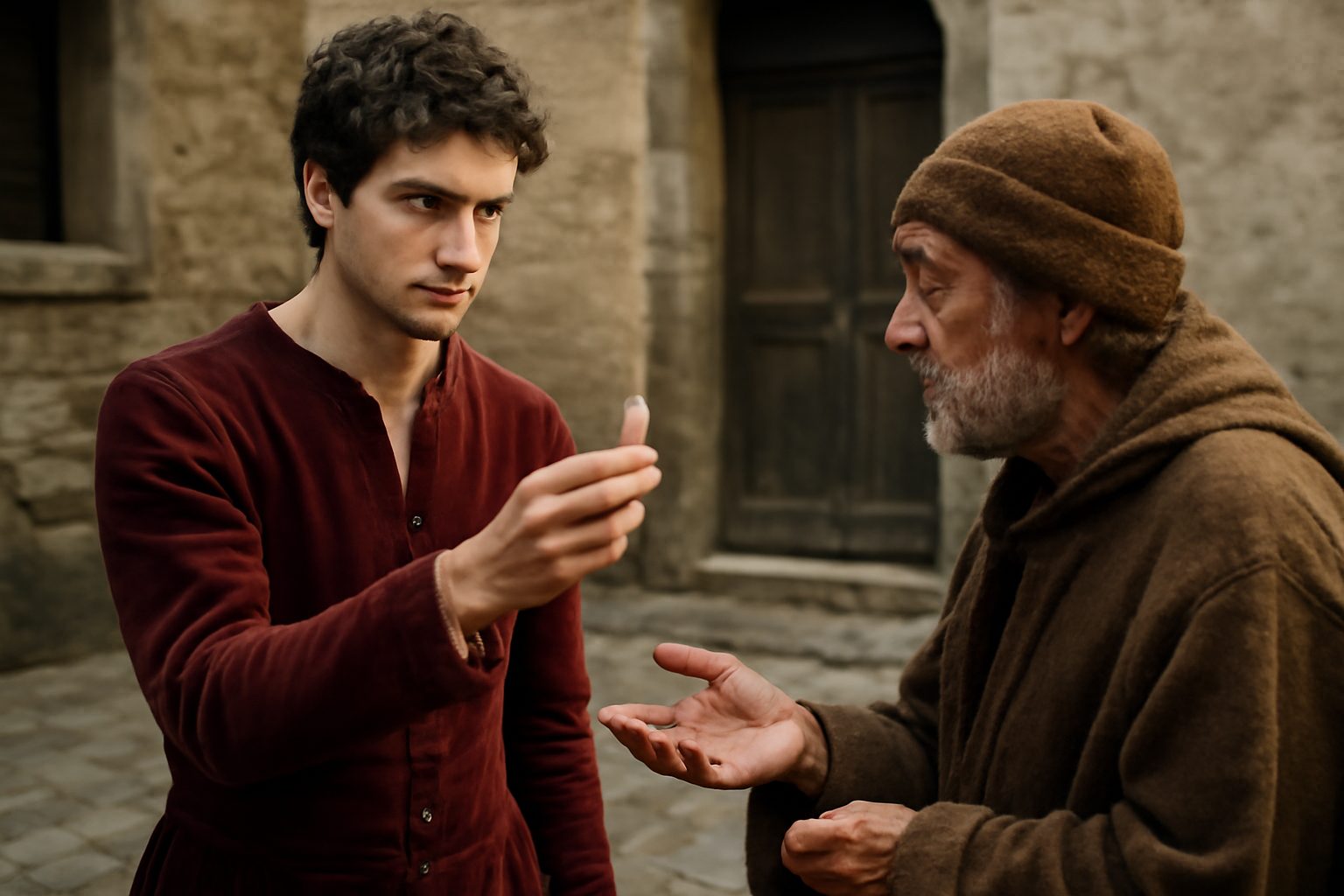
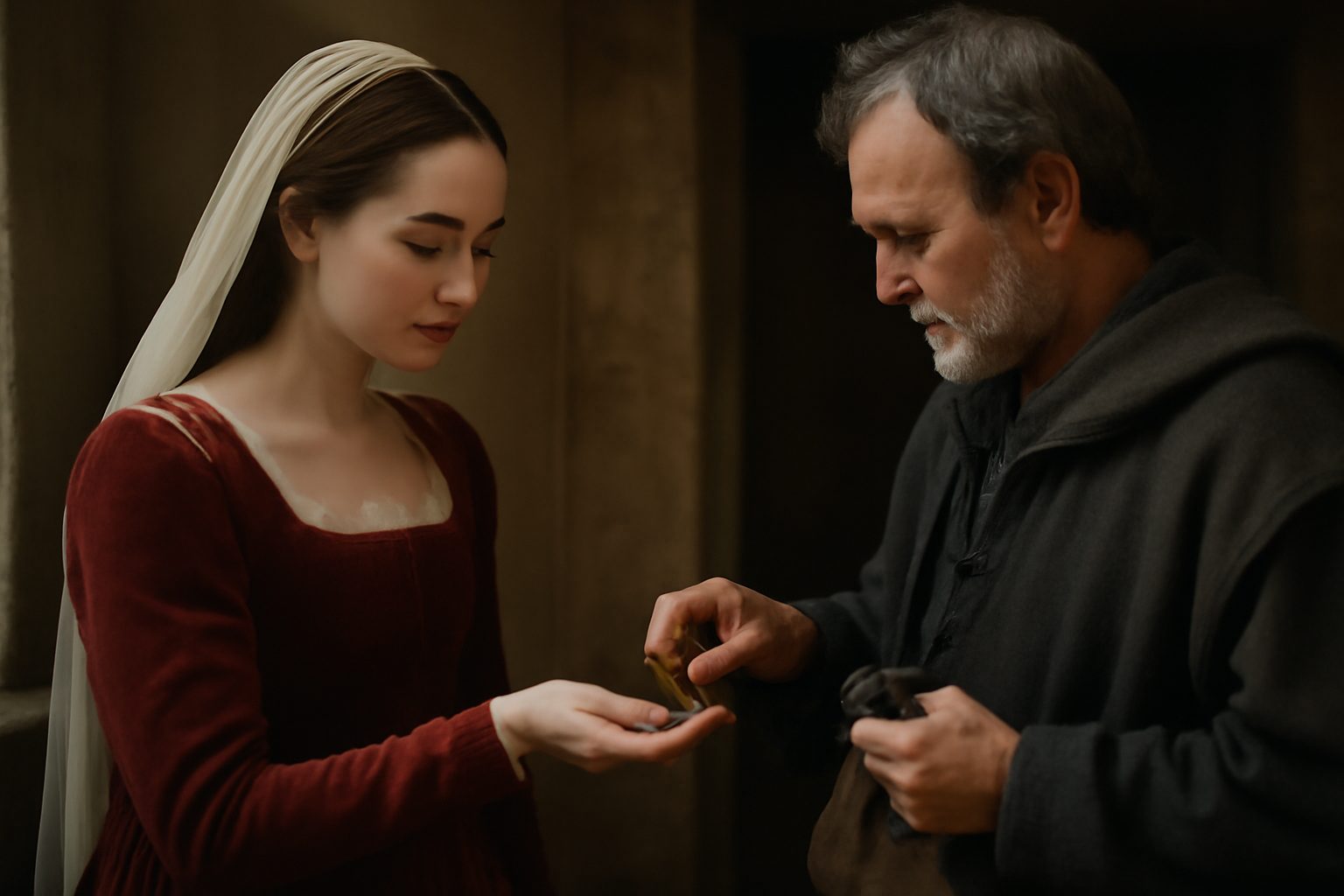
This moment directly precedes Romeo's search for a means to end his life, culminating in his encounter with the apothecary. His statement "I do remember an apothecary" follows naturally from this line, as he seeks the physical means to match his swift emotional descent.
Connection to Defiance
The swift mischief he acknowledges fuels his rebellion against fate, expressed moments earlier in "then I defy you, stars!". This defiance is the emotional counterpart to the rapid misfortune he identifies, showing how quickly his circumstances have turned.
Irony of Speed
There is tragic irony in Romeo describing mischief as swift, given that the audience knows Juliet's death is not real. The actual speed of events—miscommunication and rushed actions—will indeed lead to tragedy, making this line painfully prophetic.