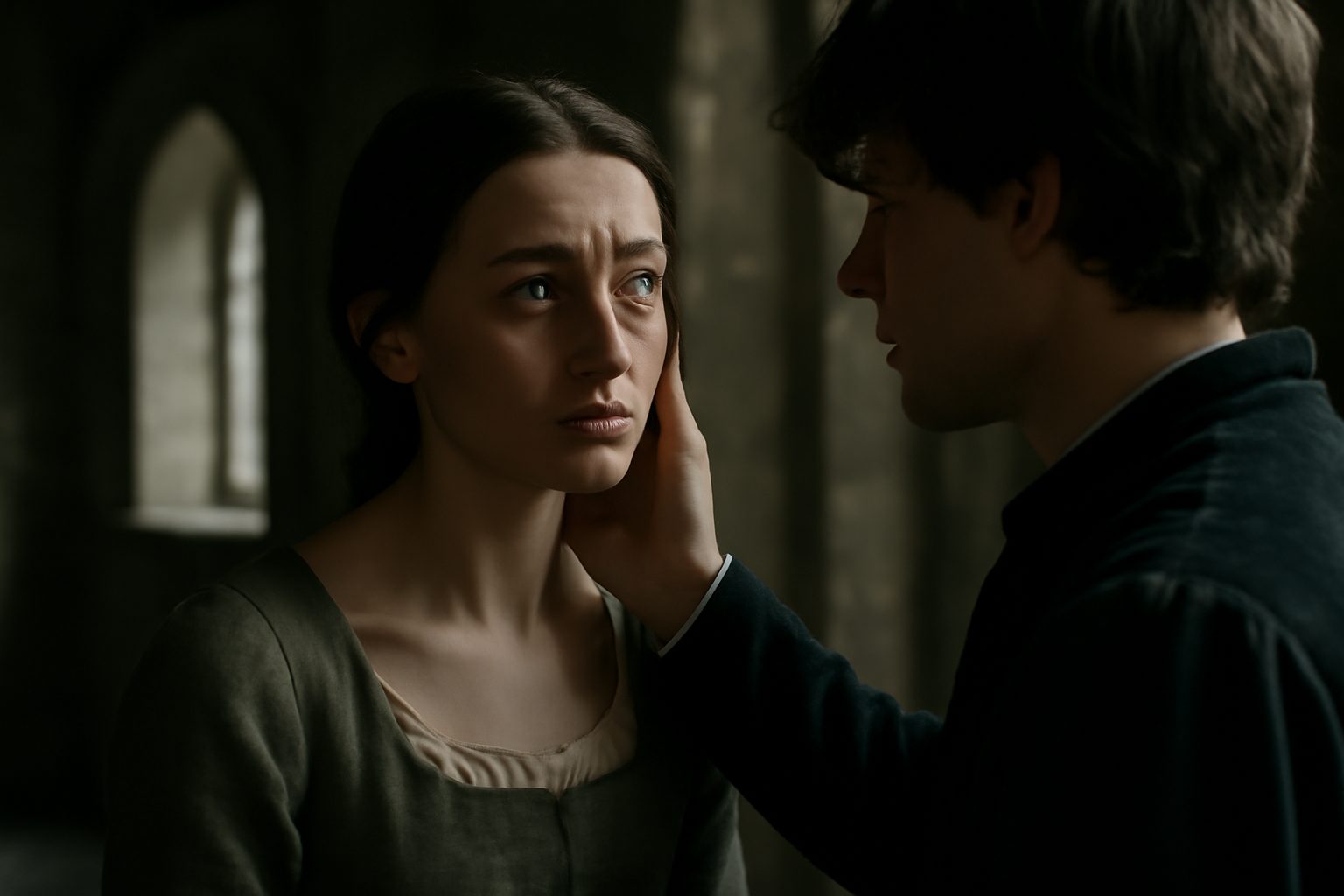
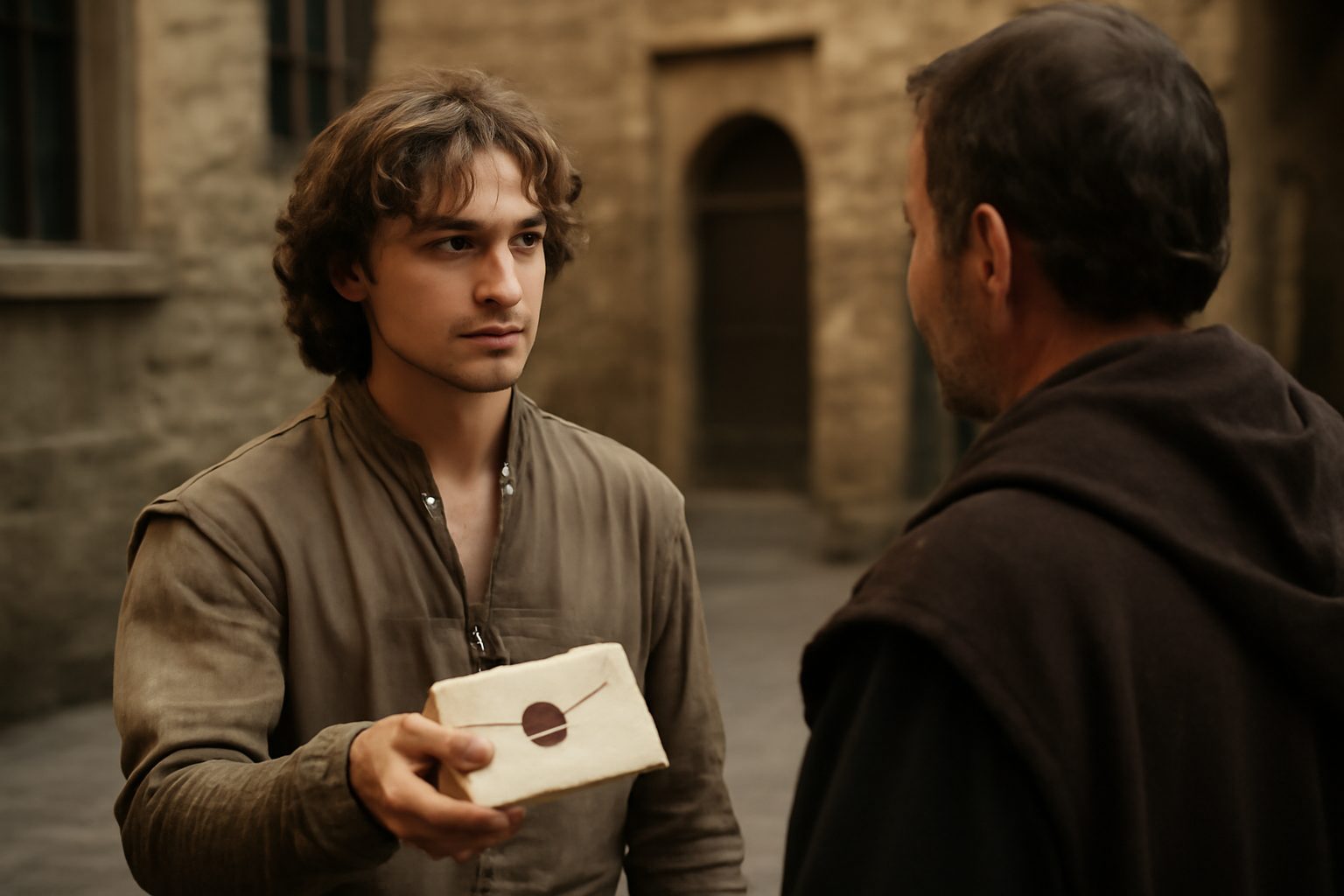
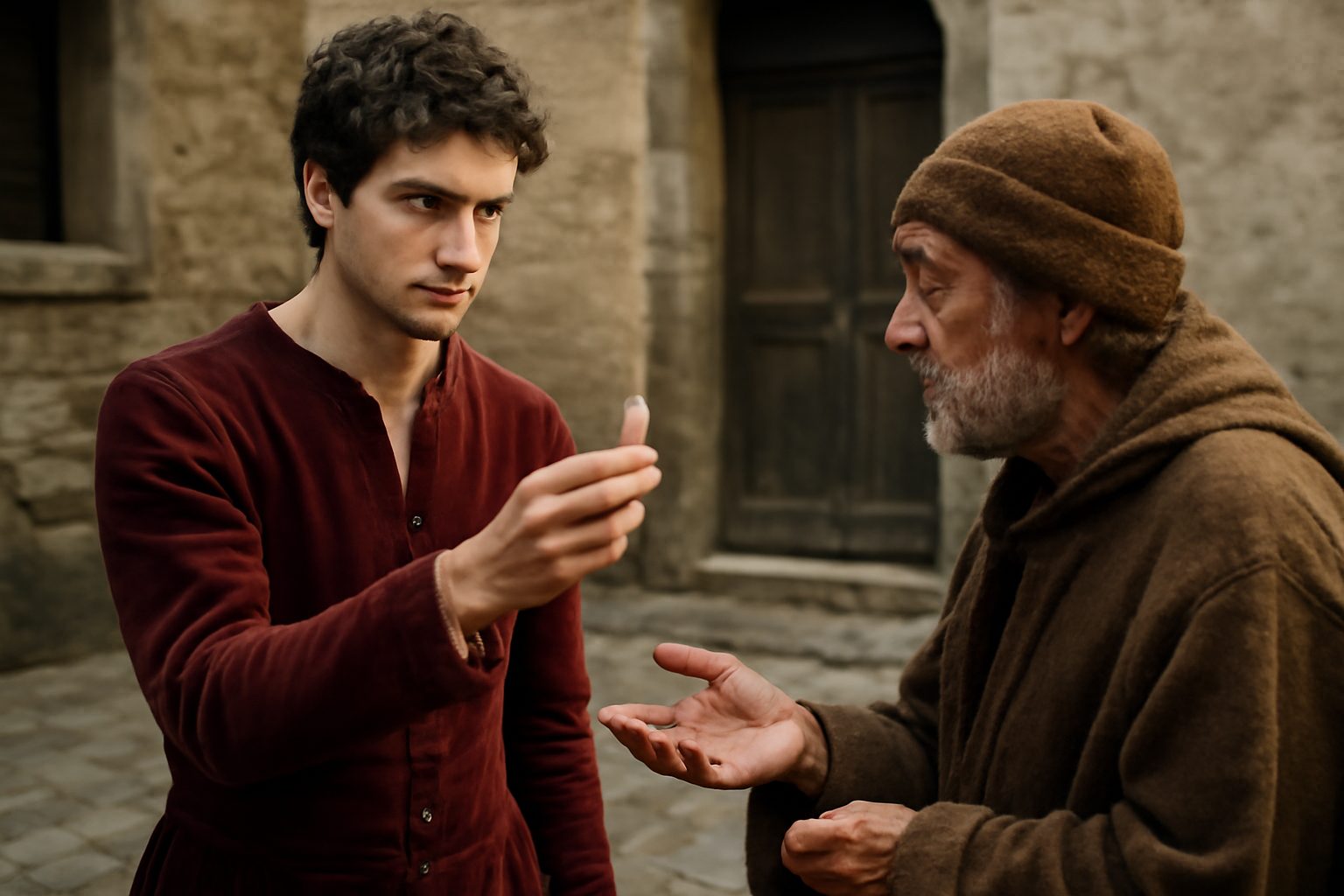
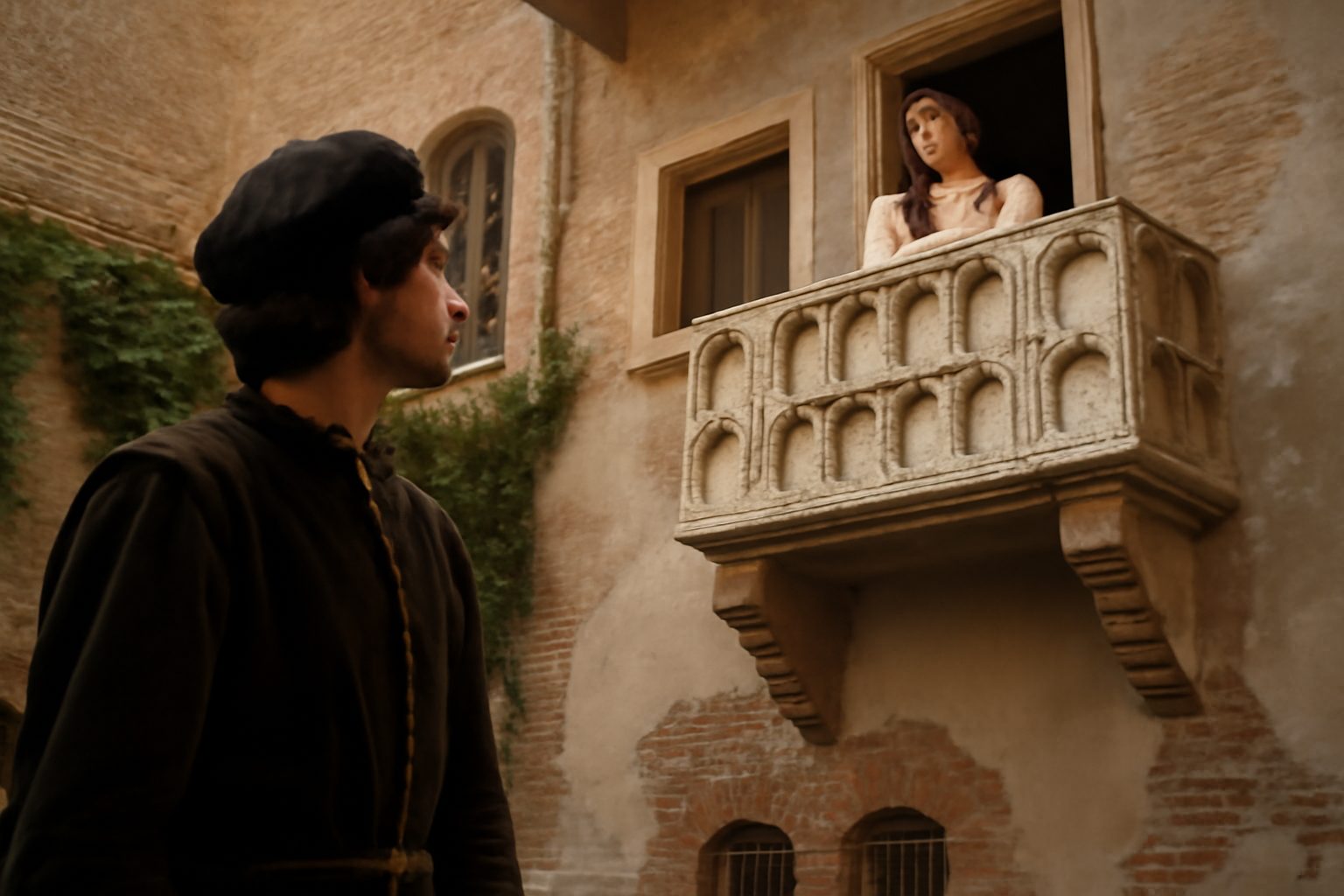
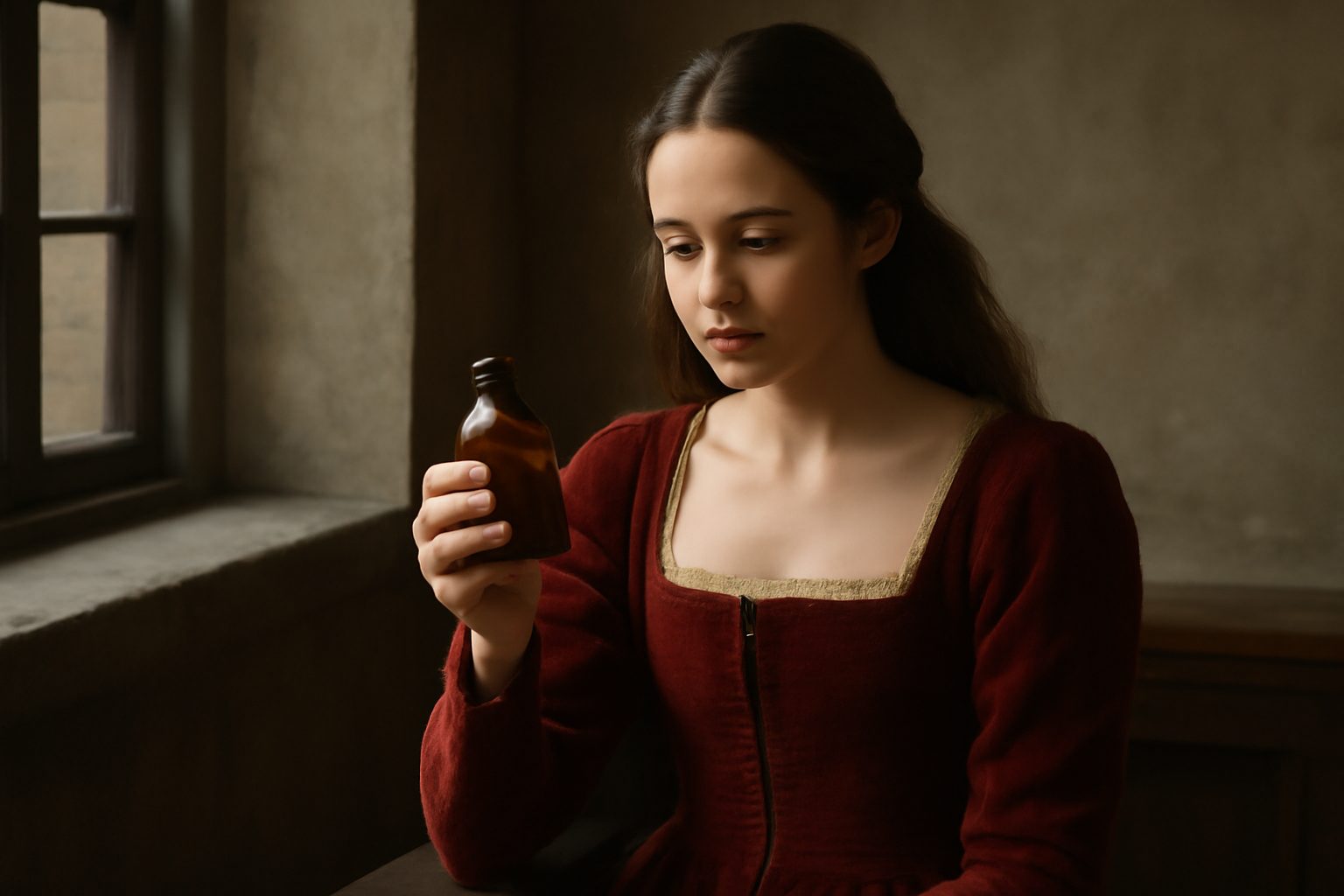
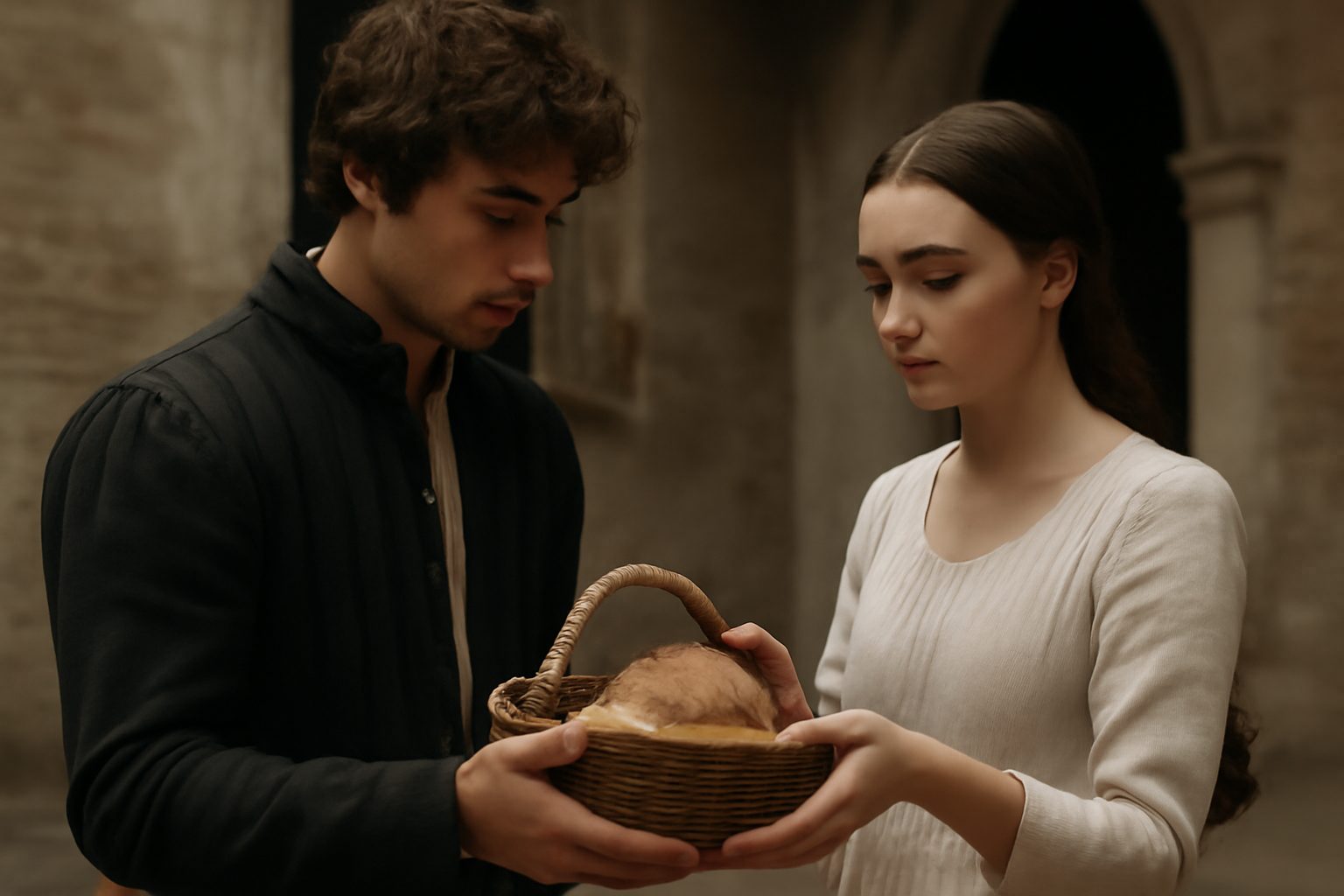
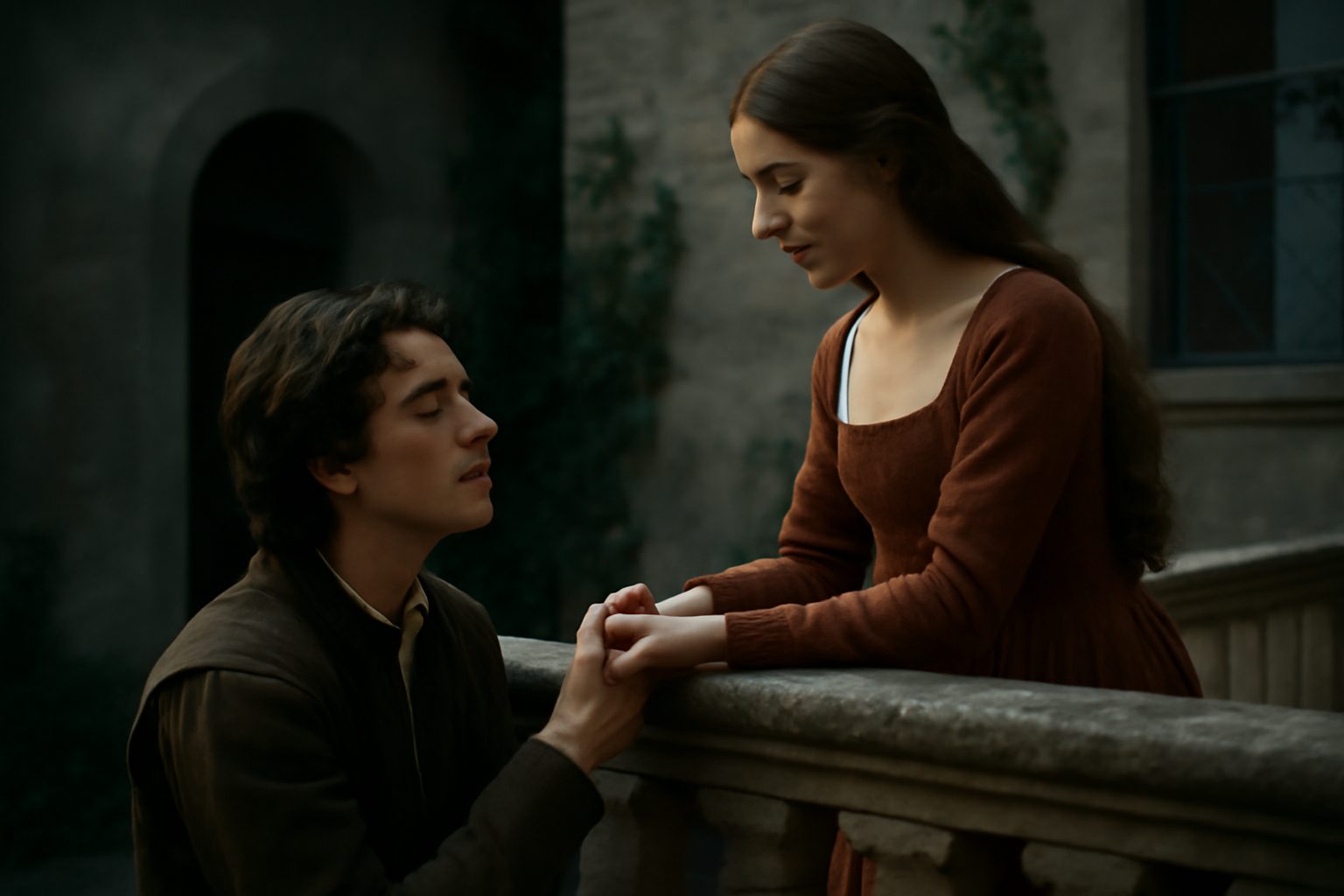
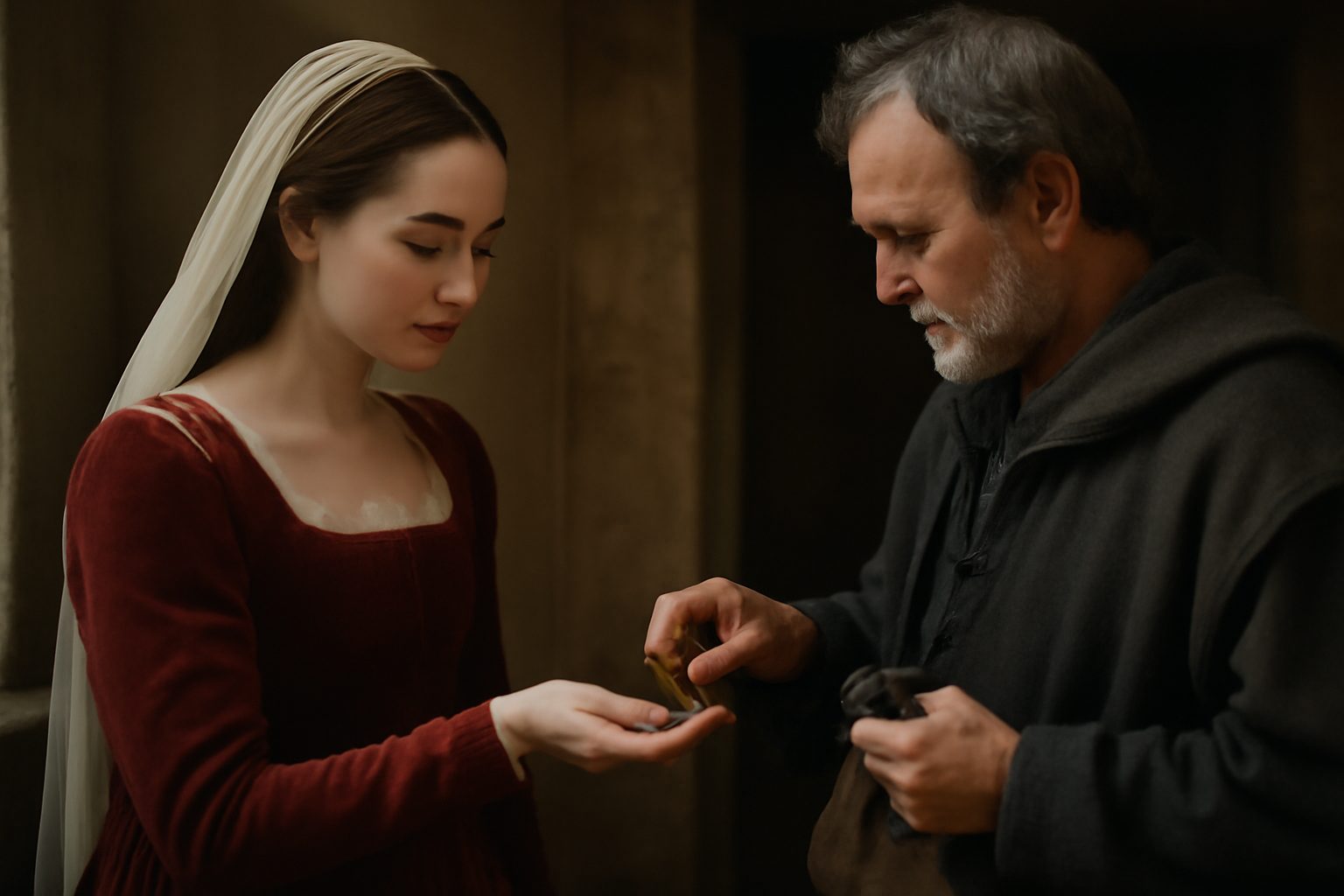
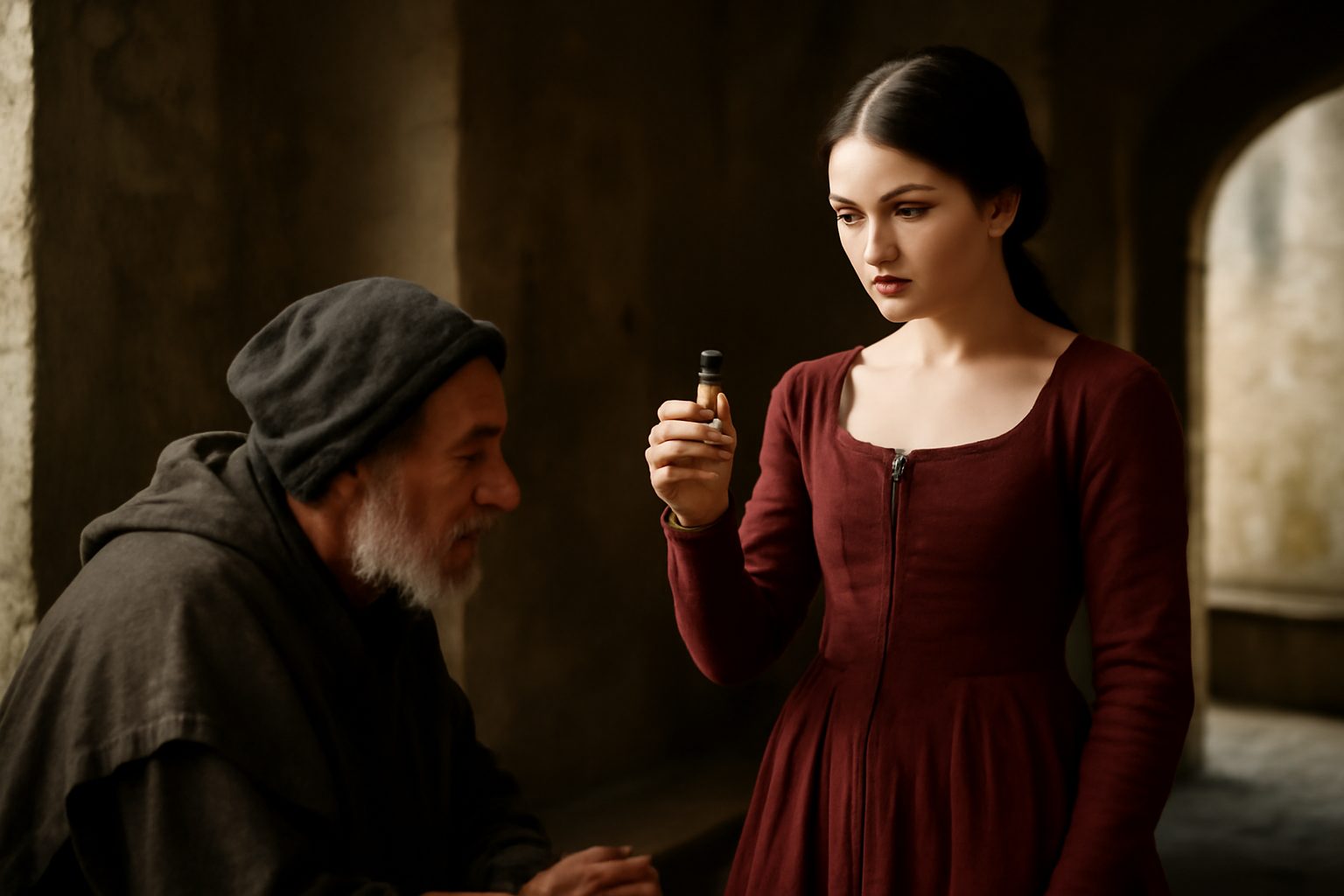
In Act 5 Scene 1 of Romeo and Juliet, Romeo is in exile in Mantua when he receives news of Juliet's supposed death. Overwhelmed by grief and despair, he resolves to return to Verona and join her in death, revealing his reckless state of mind. This line reflects his willingness to embrace the reckless thoughts that consume those who have nothing left to lose.
Romeo: "To enter in the thoughts of desperate men!"
In modern day english, we would say:
To understand the minds of people who are driven to extreme actions.
(Note: In this scene, Romeo is reacting to the news of Juliet’s supposed death and is about to make a desperate decision, showing how despair can cloud judgment.)
Frequently Asked Questions
What does Romeo mean when he talks about the thoughts of desperate men?
Romeo is expressing how desperate people might think or act in extreme ways because they feel they have nothing left to lose.
Connections to other verses:
Connections to "To enter in the thoughts of desperate men!"
Immediate Context and Foreshadowing
The line To enter in the thoughts of desperate men! reflects Romeo's sudden shift from hopeful anticipation to despair. This desperation is immediately foreshadowed by his earlier declaration, Let's see for means: O mischief, thou art swift, where he acknowledges the rapid onset of calamity and begins seeking a drastic solution.
Connection to the Apothecary Scene
Romeo's desperation drives him to seek poison, as indicated in An if a man did need a poison now. His resolve culminates in the purchase from the apothecary, described in A dram of poison, such soon-speeding gear, which will allow him to join Juliet in death.
Desperation and Defiance
This mindset is also echoed in his rebellious outcry, Is it even so? then I defy you, stars!, where he challenges fate itself. His determination is further emphasized in Well, Juliet, I will lie with thee to-night, confirming his intent to die beside her.
Moral and Emotional Conflict
The theme of desperation intertwines with moral conflict, particularly in the apothecary's reluctant consent: My poverty, but not my will, consents. Romeo acknowledges this in I pay thy poverty, and not thy will, highlighting how despair corrupts and coerces.
Ultimate Resolution
His desperate thoughts lead to the final resolution in Come, cordial and not poison, go with me, where he redefines the poison as a comforting draught, and To Juliet's grave; for there must I use thee, sealing his tragic fate.