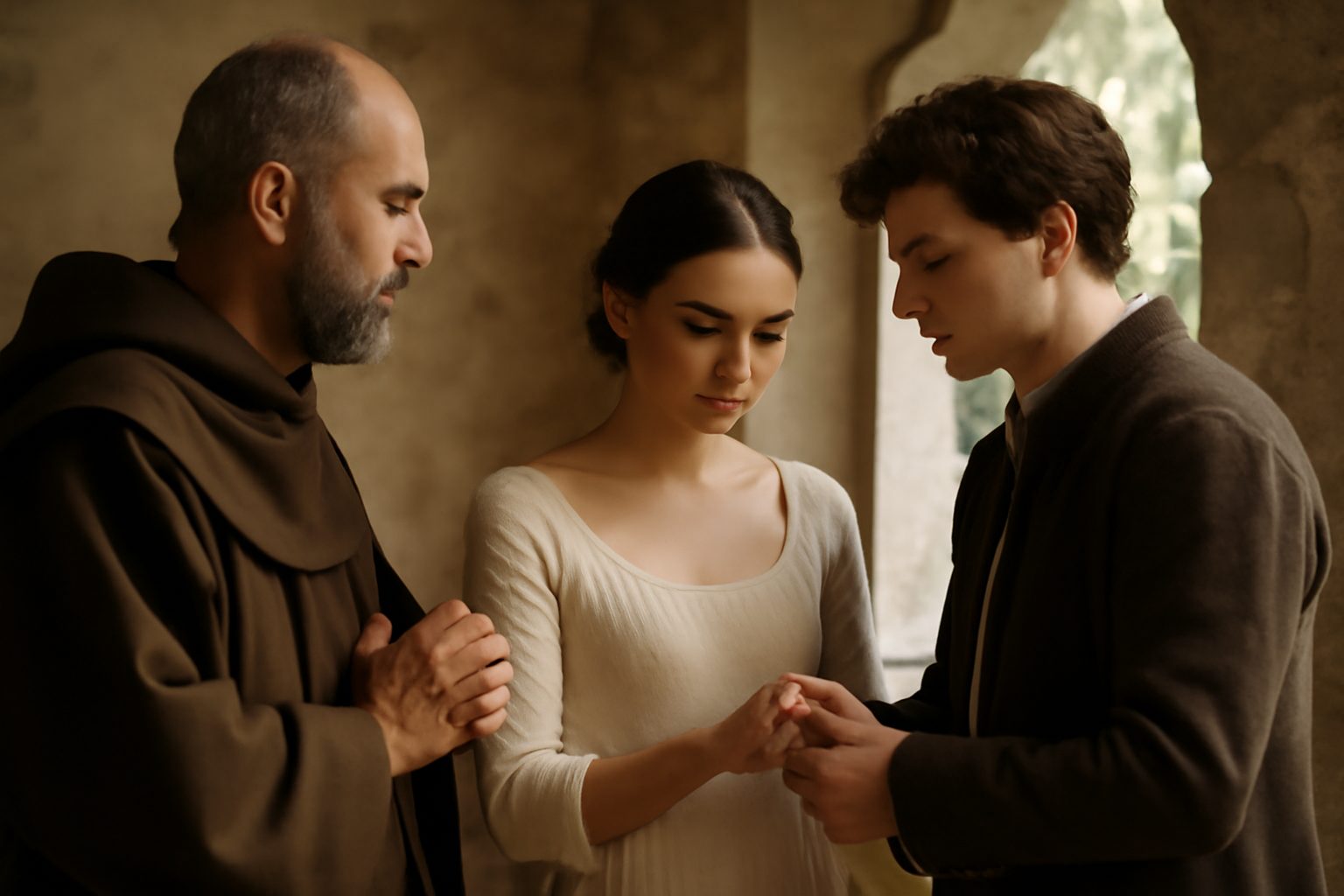
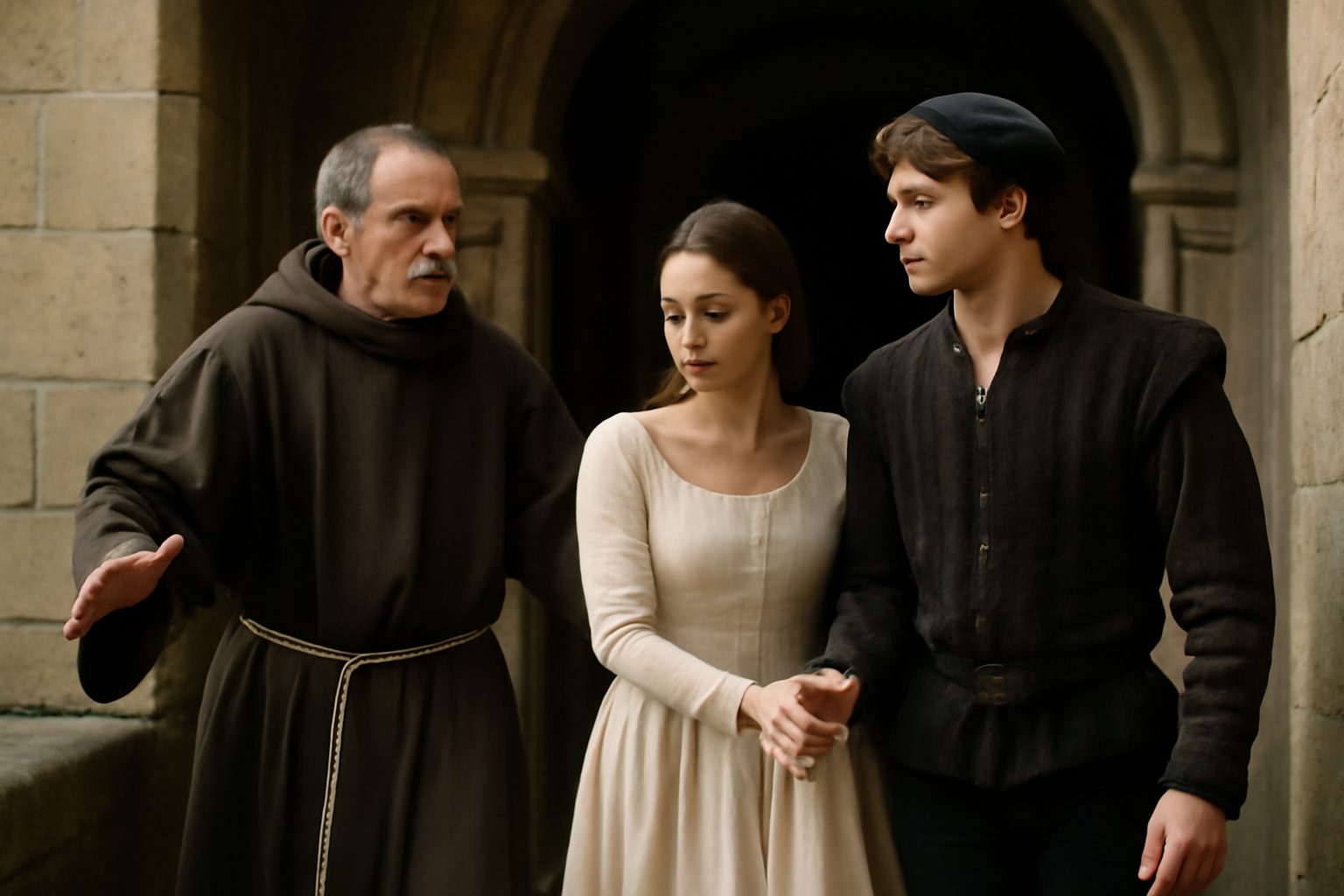
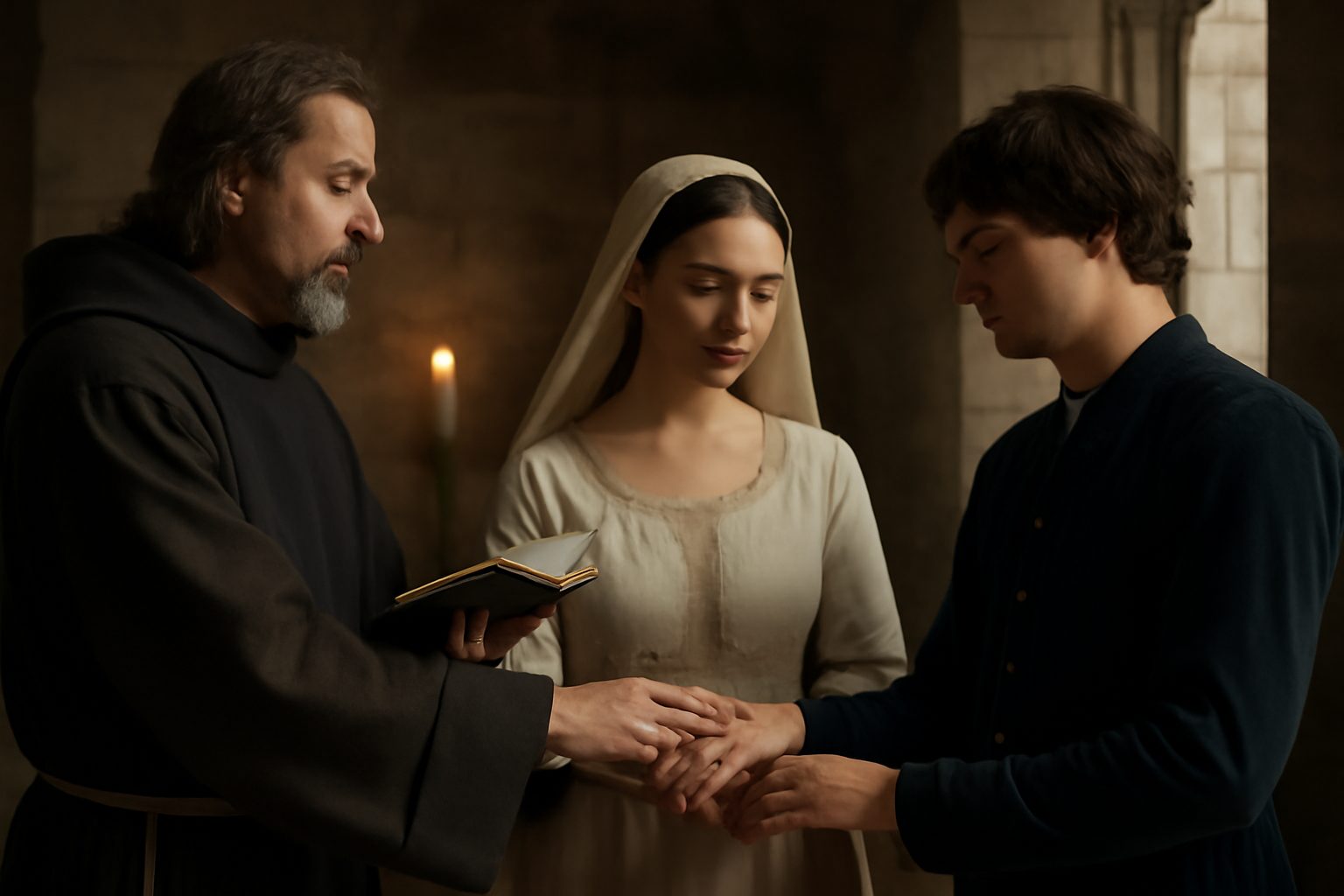
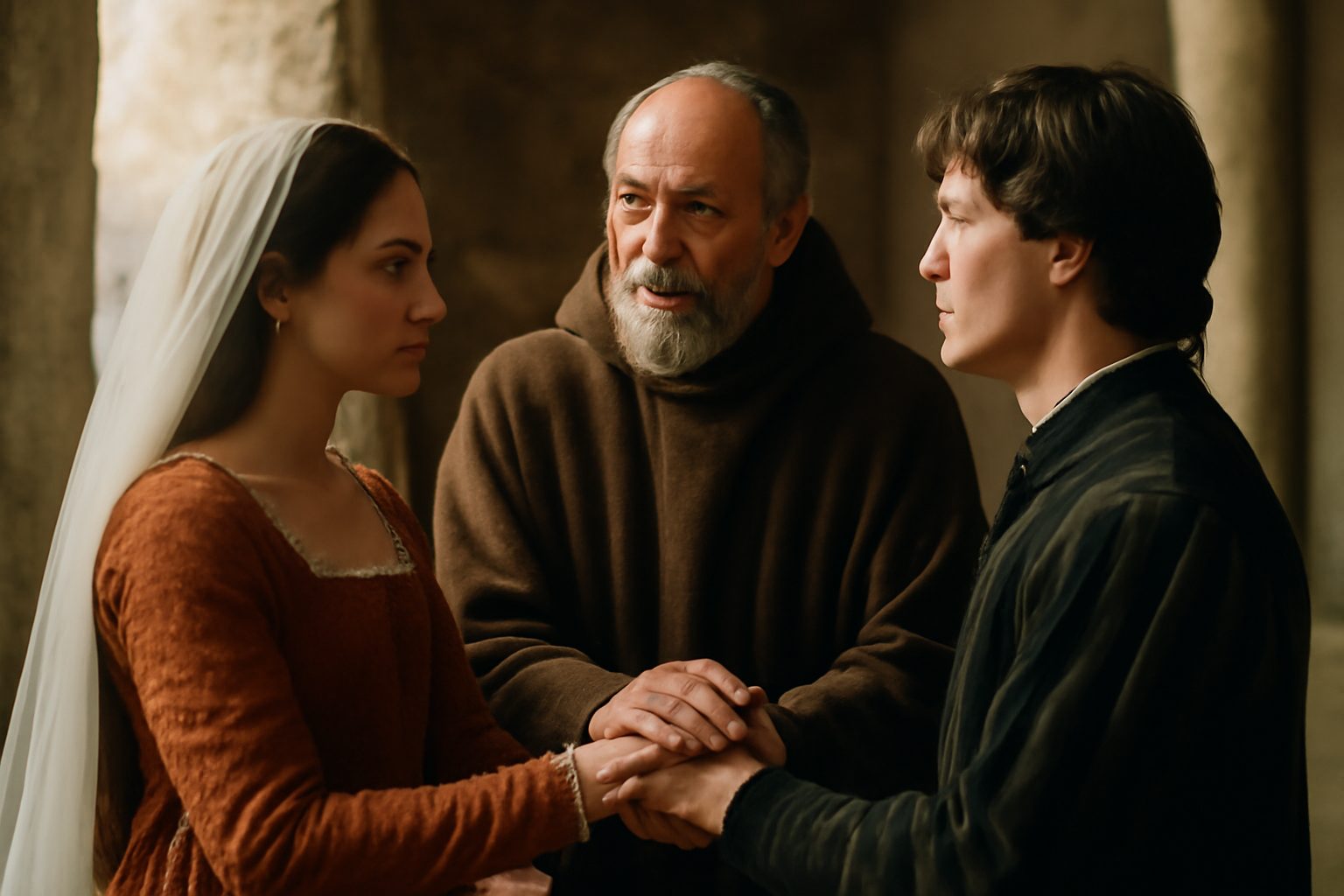
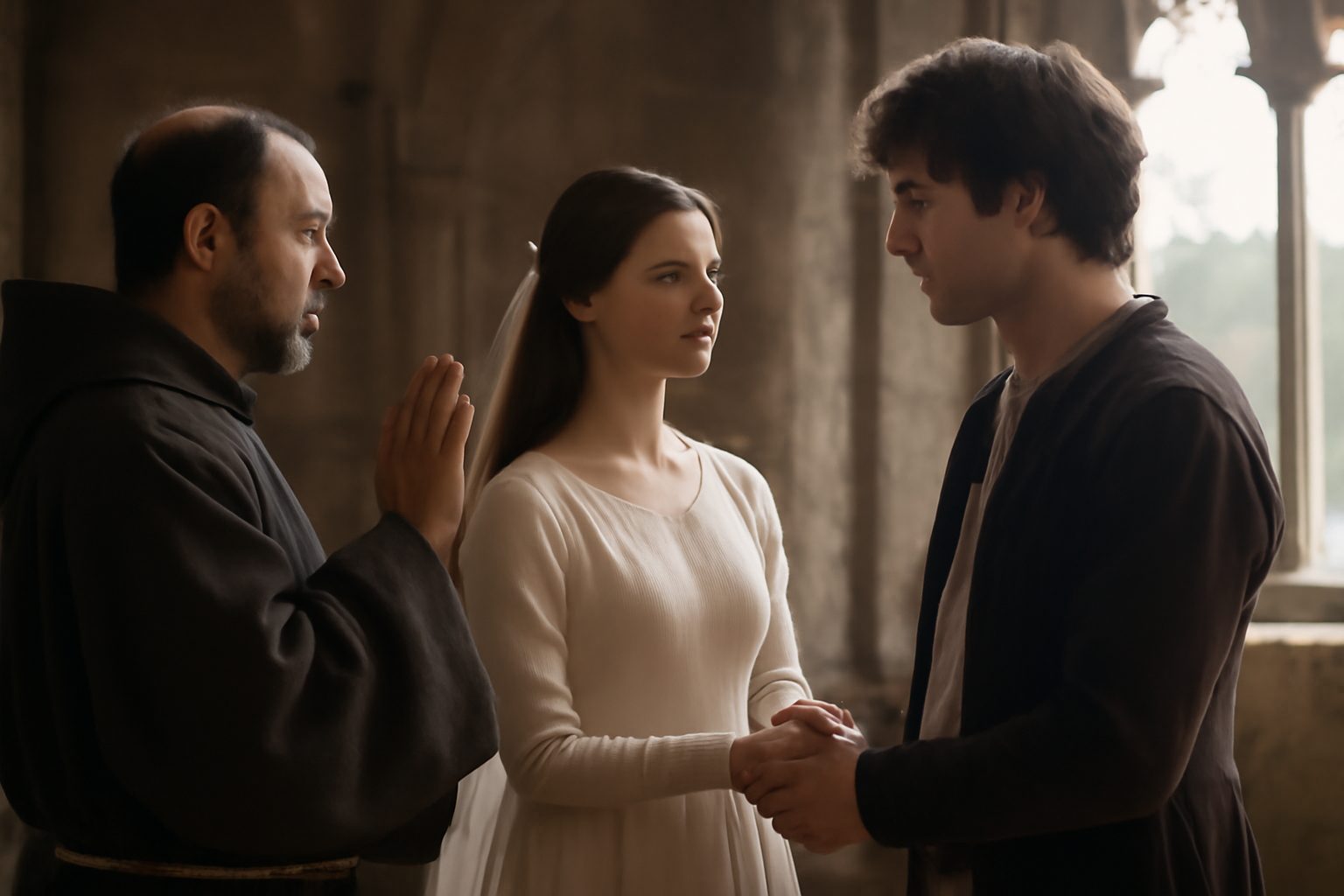
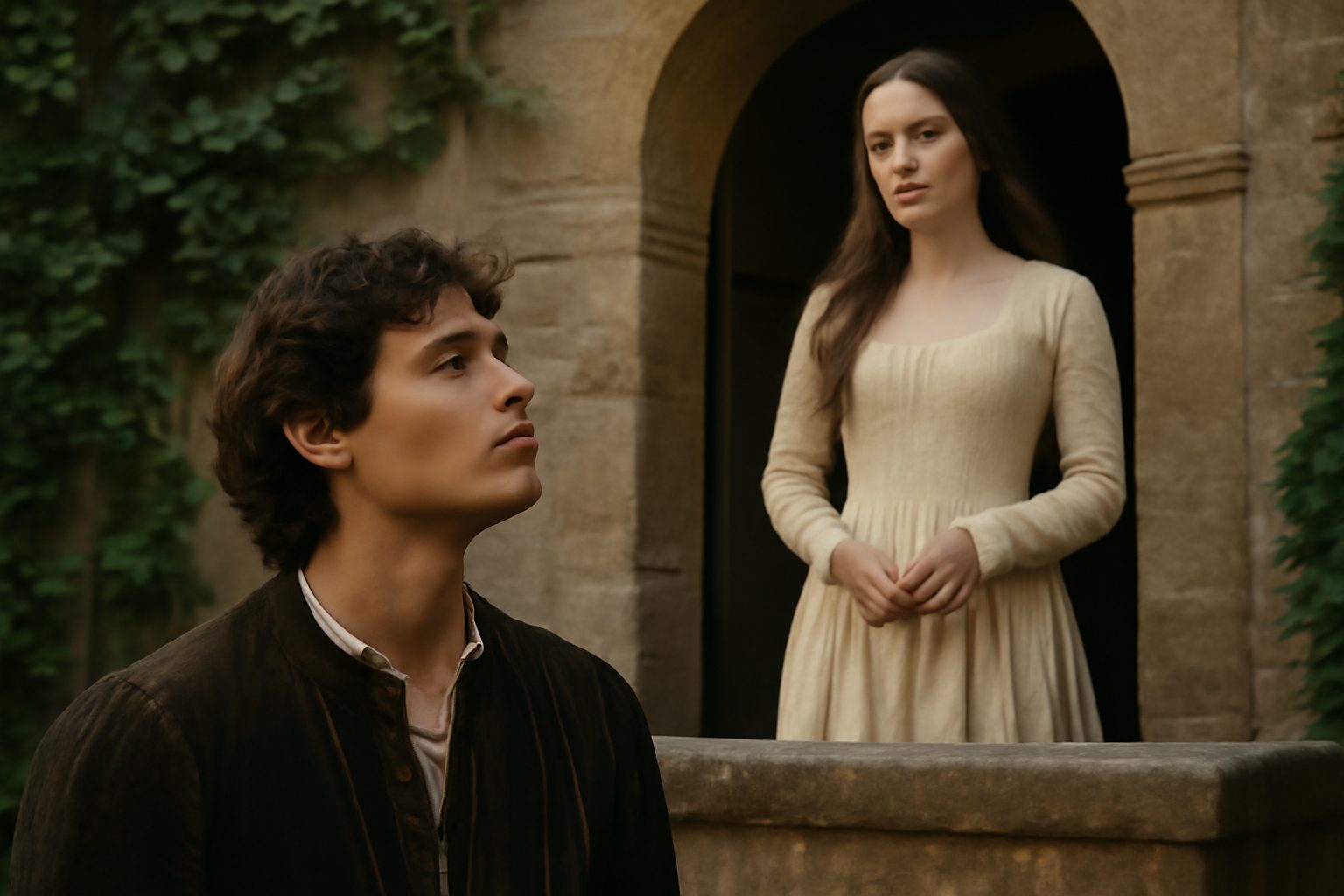
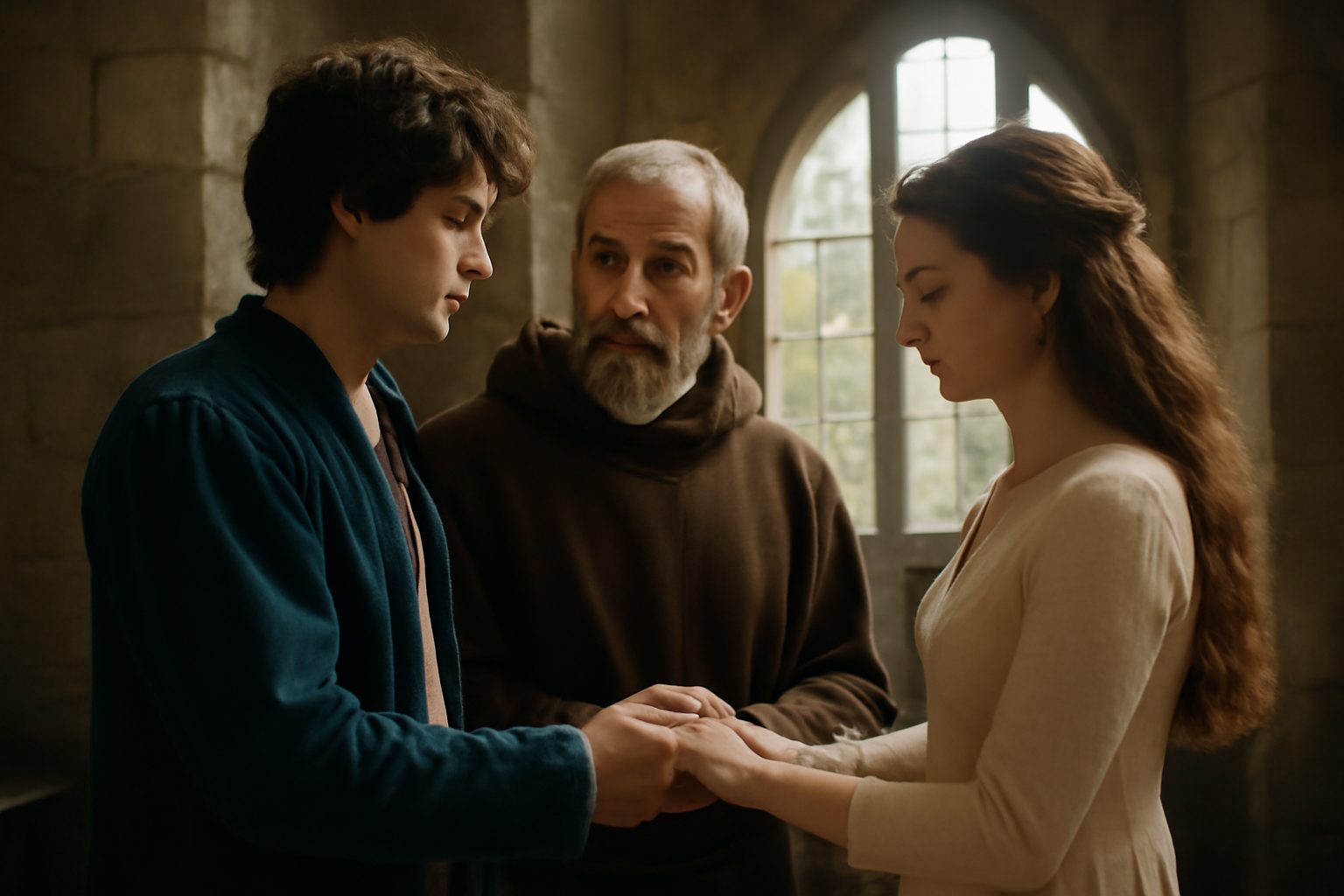
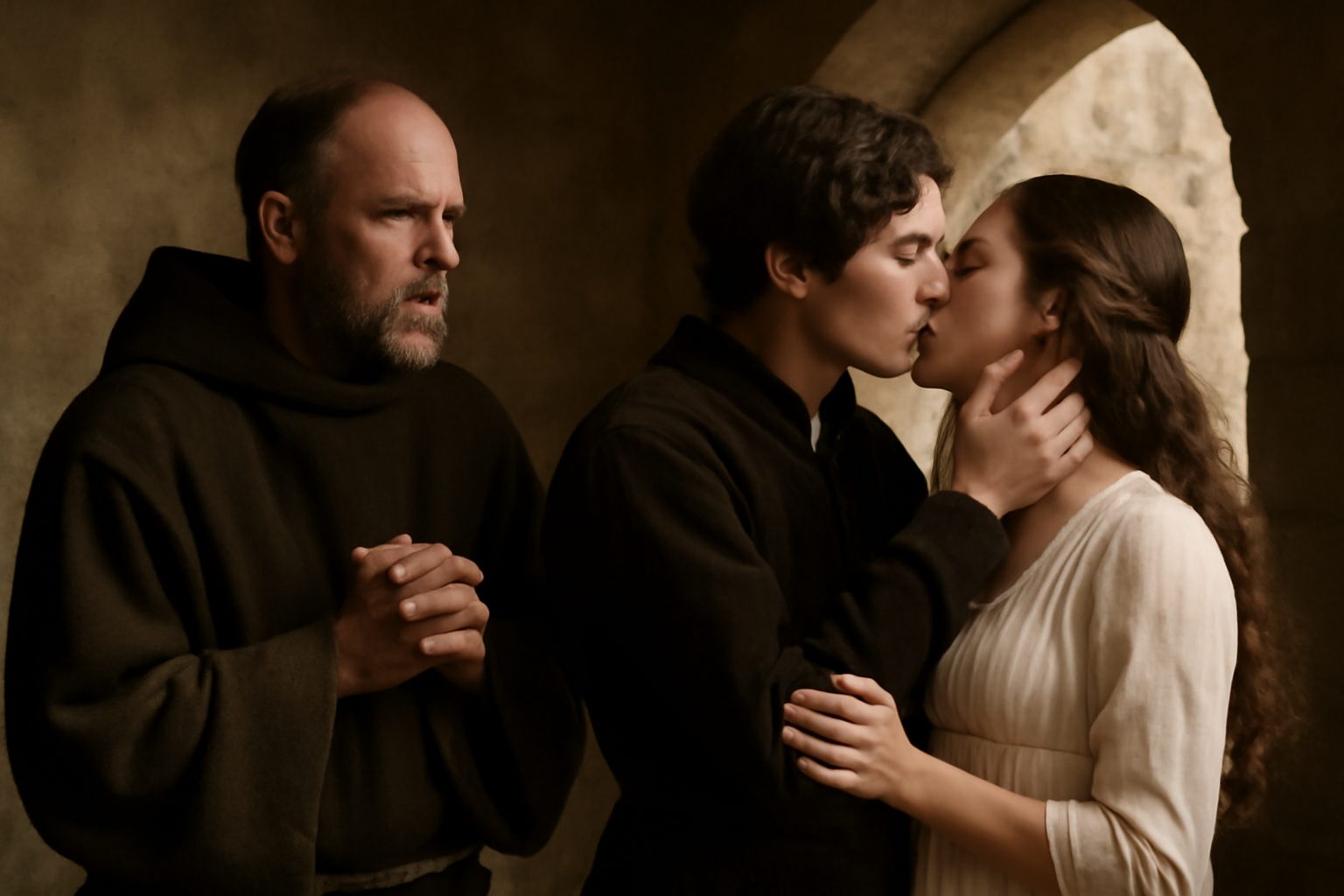
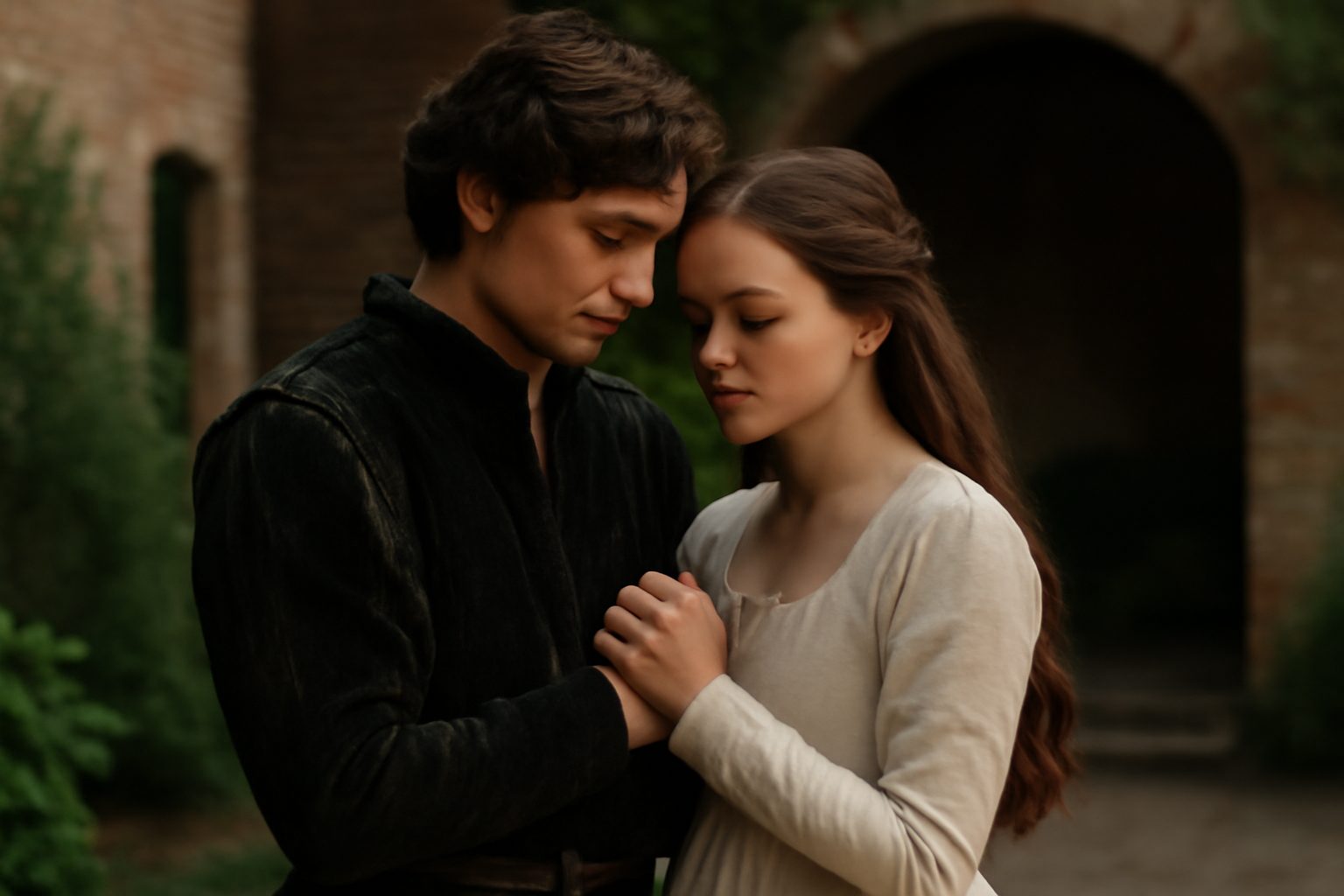
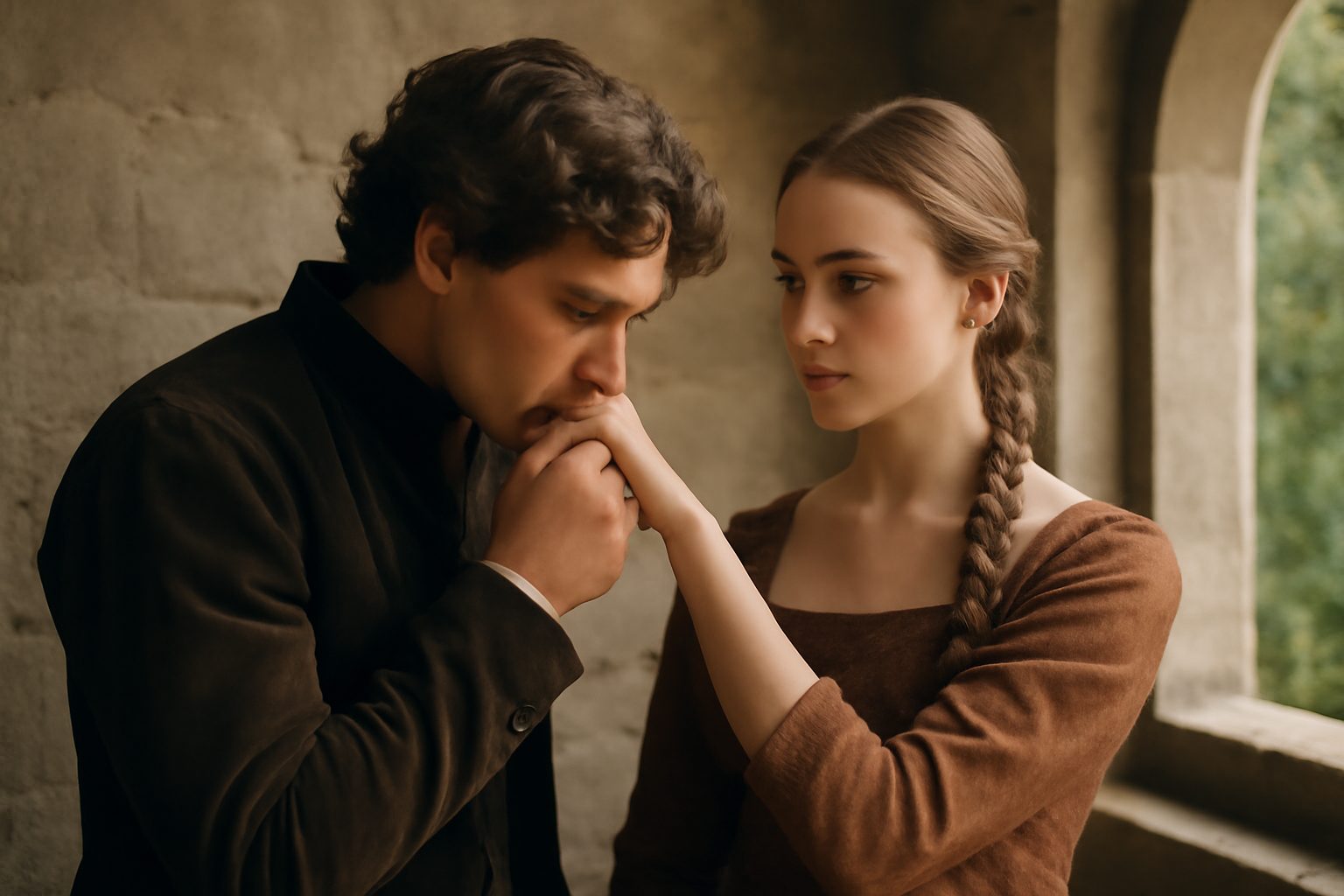
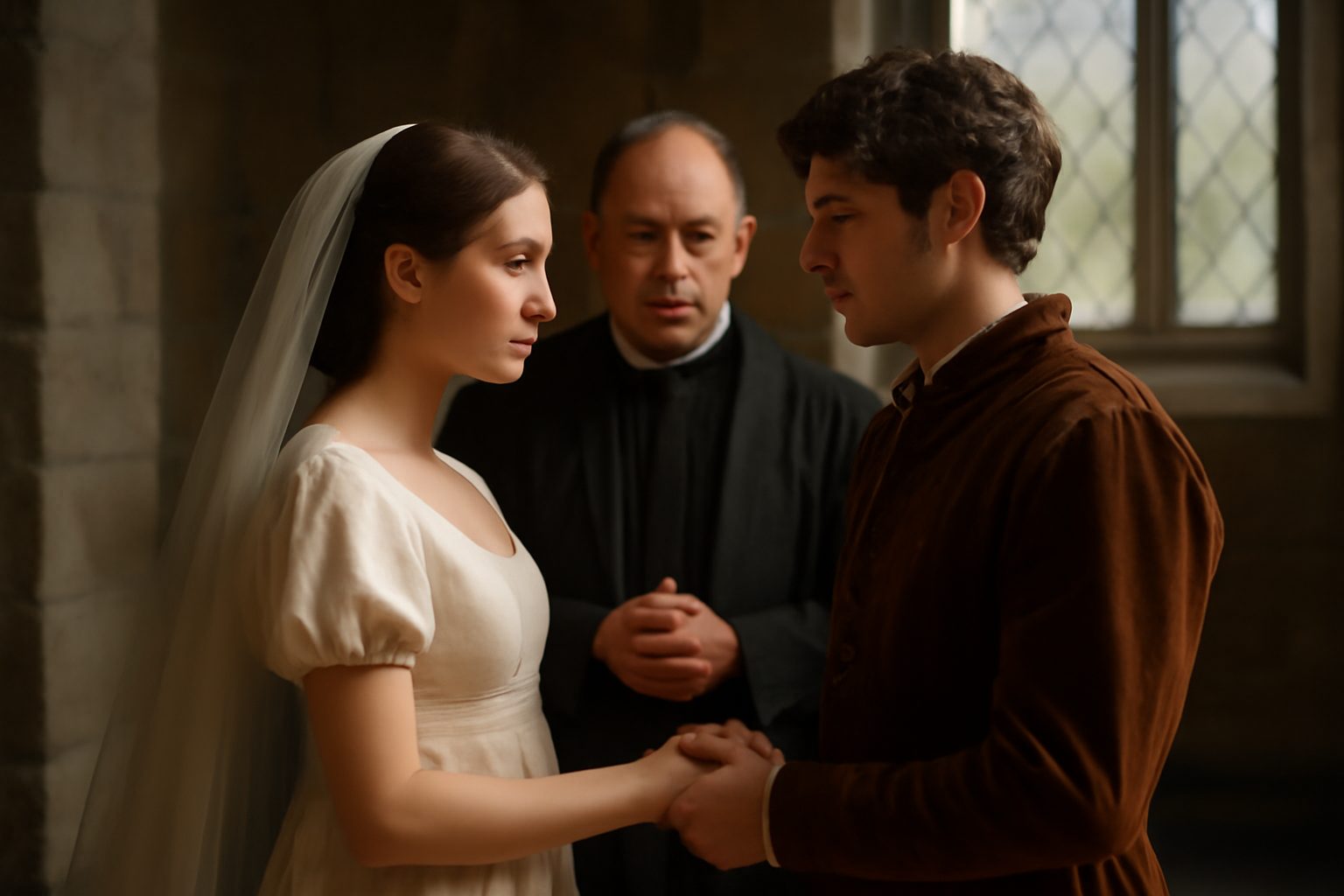
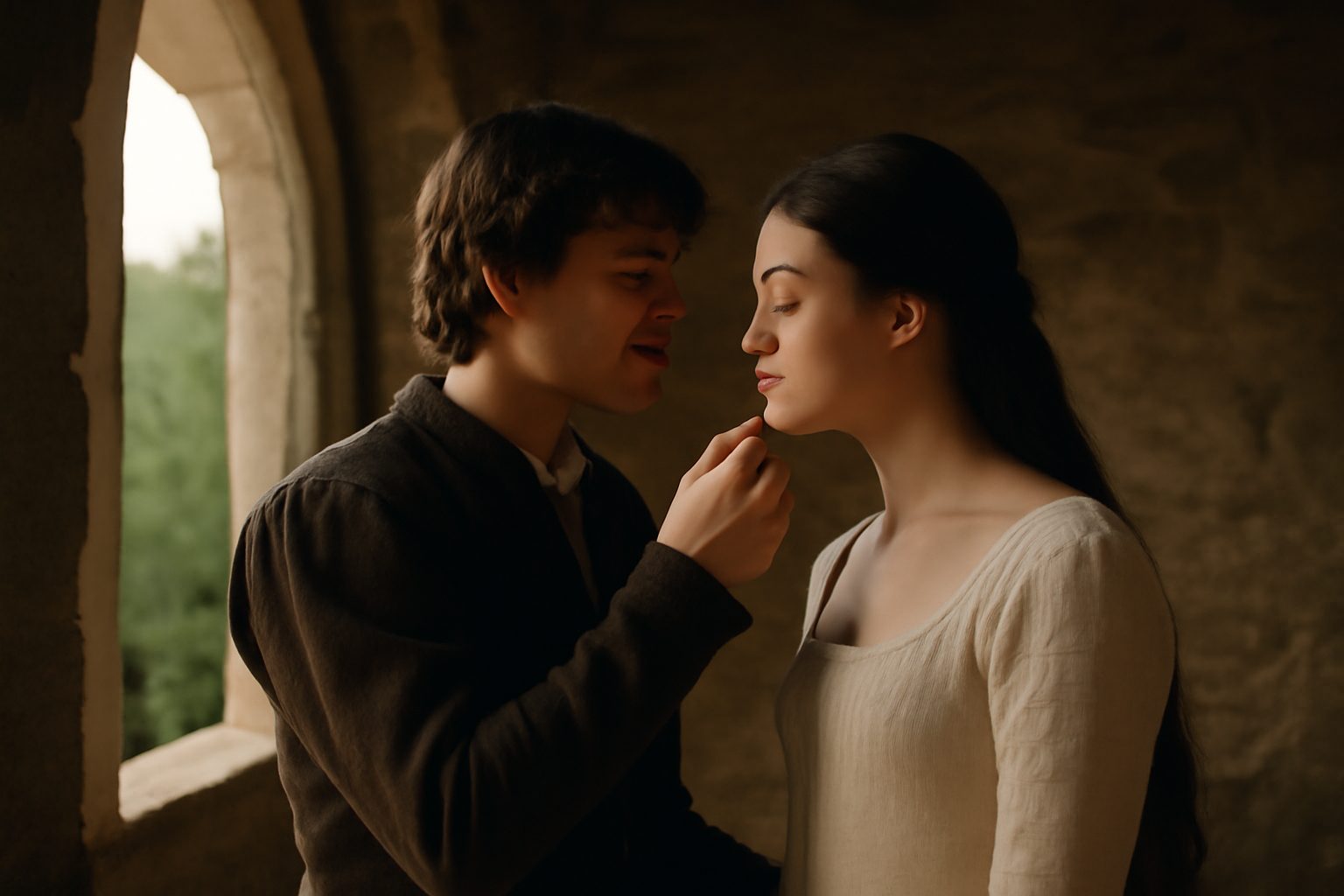
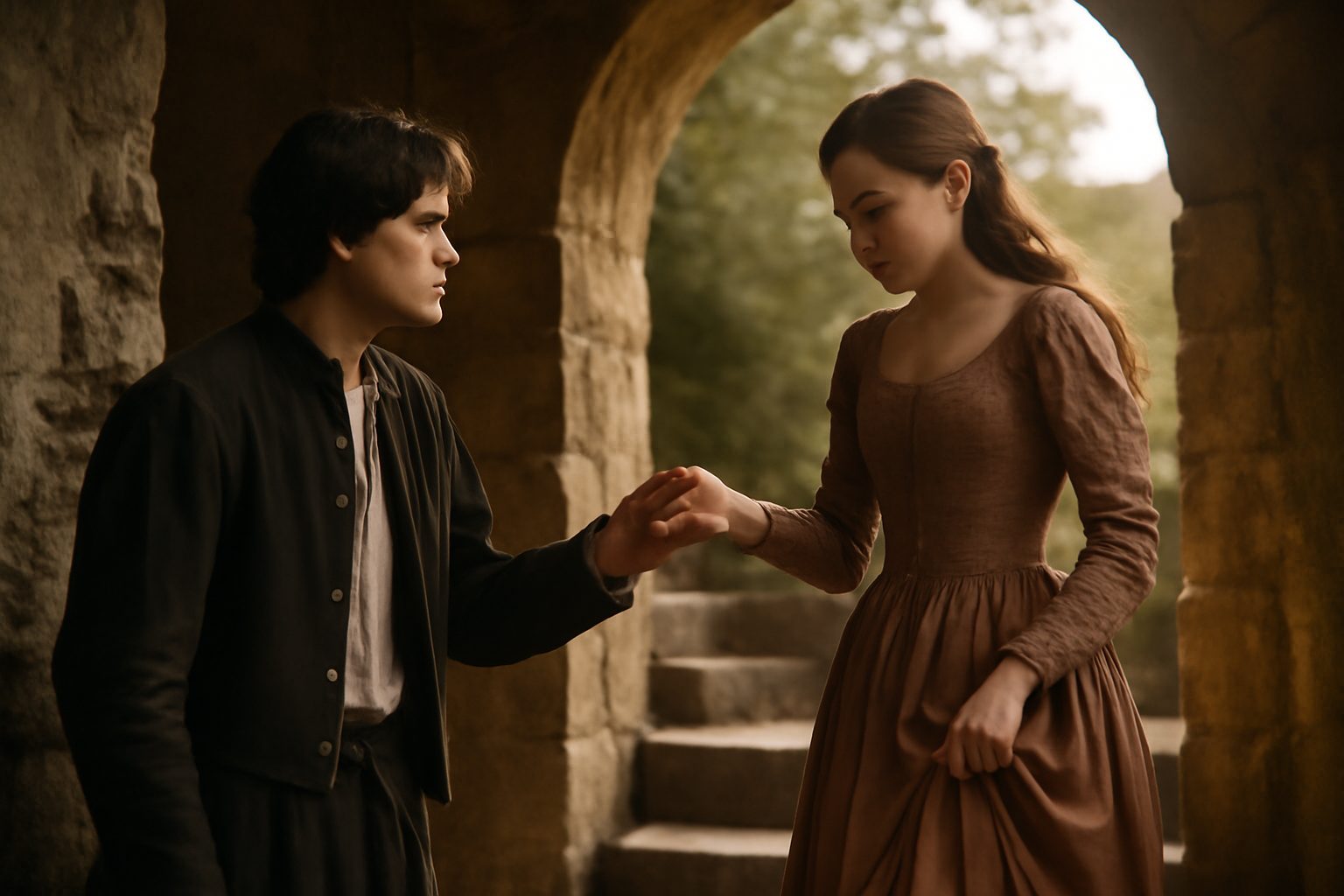
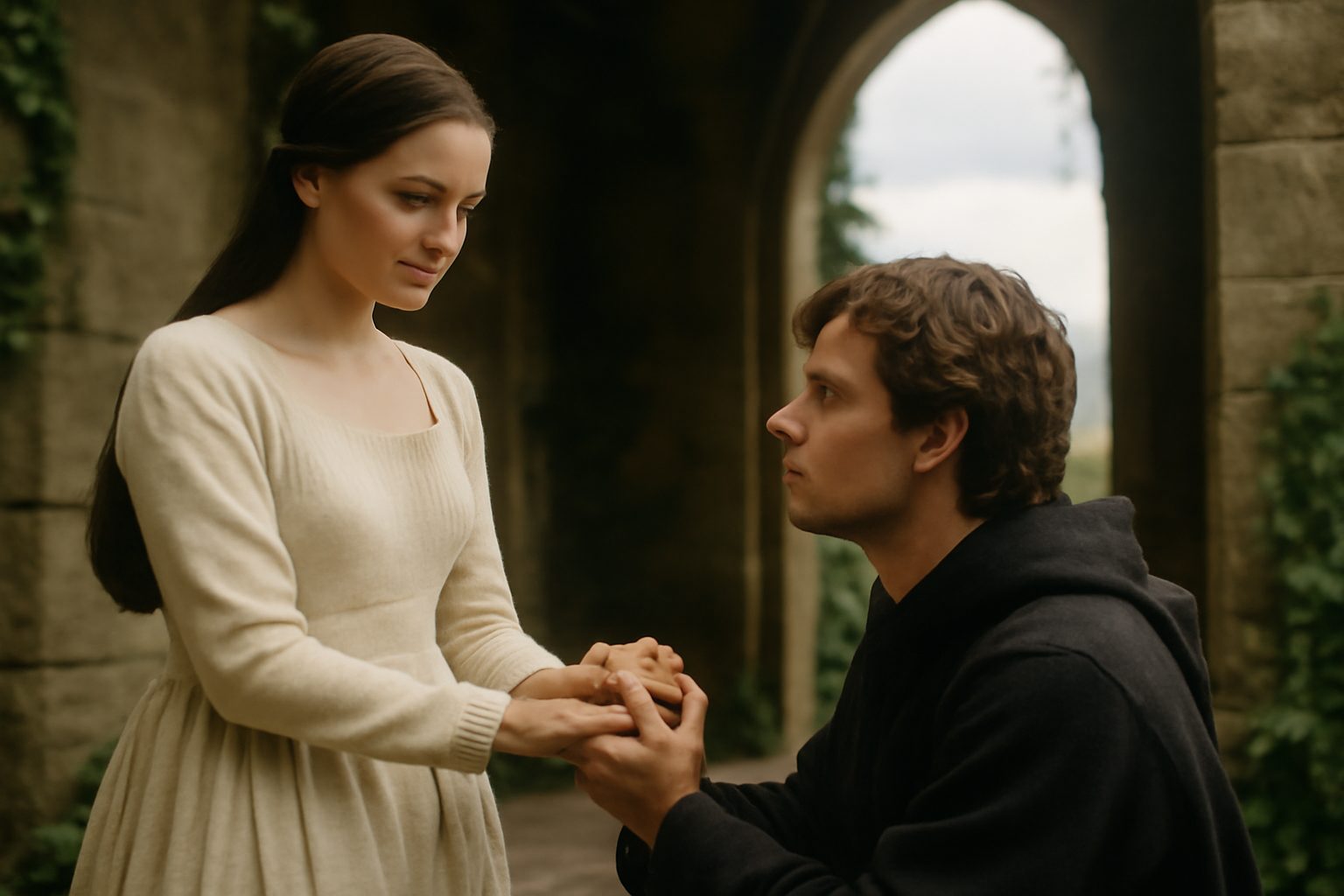
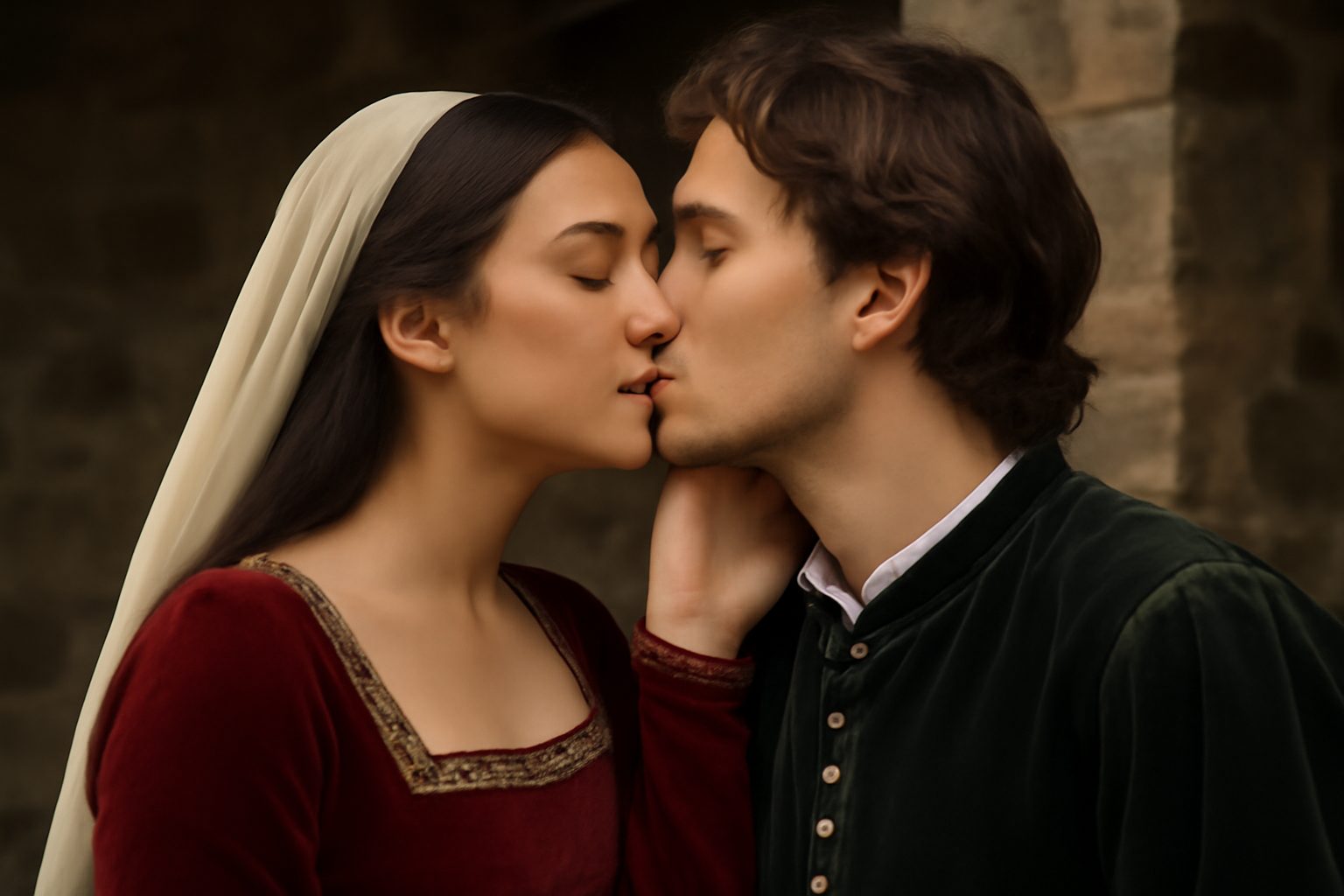
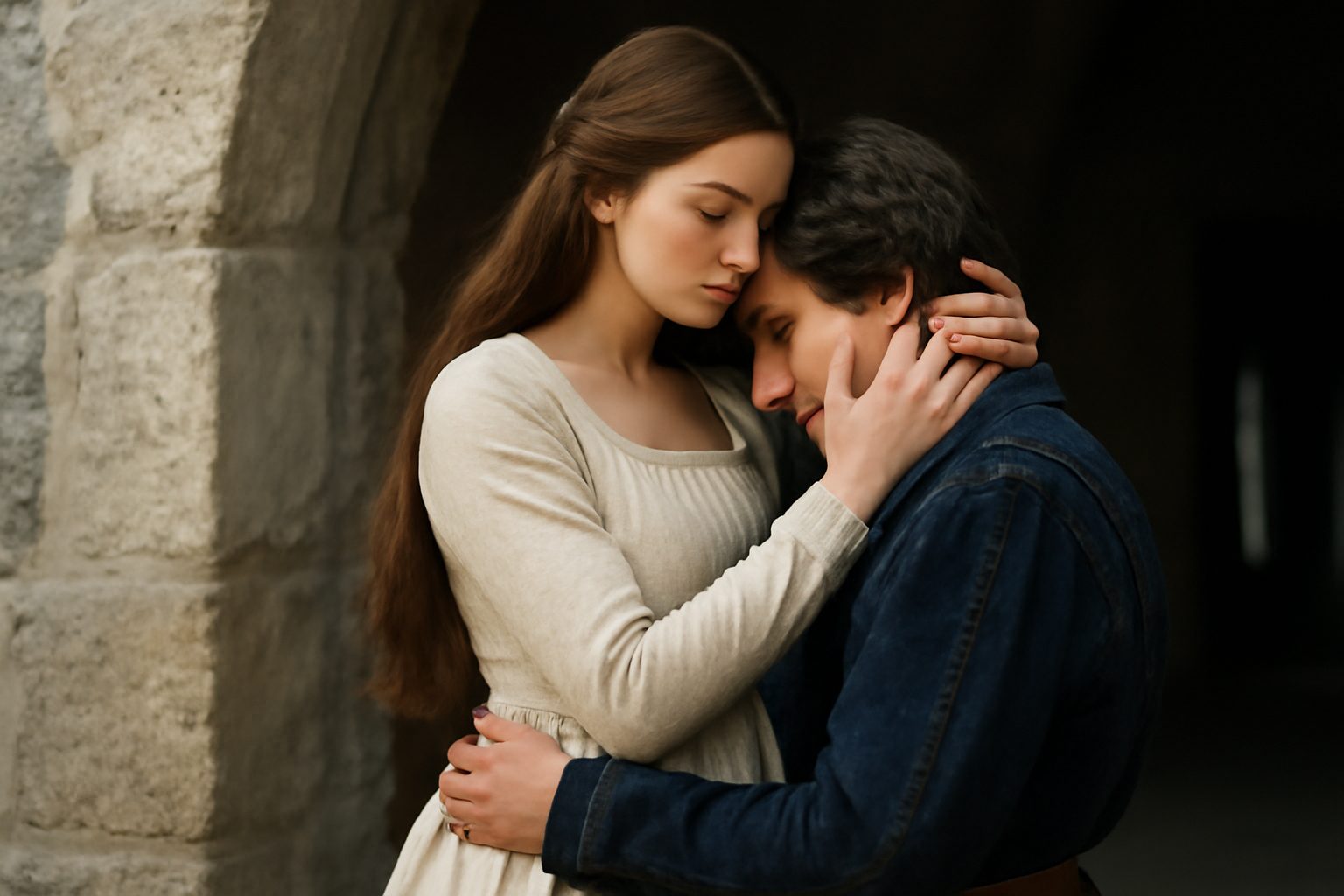
In Act 2, Scene 6 of Romeo and Juliet, Romeo arrives at Friar Laurence's cell, where the two are preparing for his secret wedding to Juliet. When Romeo greets the friar with this line, he addresses him with playful reverence, acknowledging his role as both a spiritual guide and an accomplice in their forbidden union. The moment captures Romeo's eager anticipation, as well as the friar's uneasy involvement in the lovers' impulsive plans.
Juliet: "Good even to my ghostly confessor."
In modern day english, we would say:
Good evening to my spiritual advisor.
Frequently Asked Questions
Who is Juliet speaking to in this line?
She is speaking to Friar Laurence, who is about to marry her and Romeo.
What does Juliet call Friar Laurence in this line?
She calls him her ghostly confessor, meaning her spiritual advisor.
Connections to other verses:
Connections to "Good even to my ghostly confessor"
This verse, spoken by Romeo upon entering Friar Laurence's cell, sets a tone of reverence and spiritual solemnity. It directly acknowledges the Friar's role as a religious guide, which is essential to the scene's context of marriage preparation.
Connection to Friar Laurence's Role
The line highlights the Friar's function as a confessor and spiritual advisor, a role he fulfills by agreeing to "close our hands with holy words", uniting Romeo and Juliet in marriage. His response, "Romeo shall thank thee, daughter, for us both", further emphasizes his mediating position between the lovers and their families.
Contrast with Themes of Excess
Romeo's greeting contrasts with the Friar's warnings about moderation, such as "Therefore love moderately; long love doth so" and "These violent delights have violent ends". While Romeo approaches with spiritual respect, the Friar cautions against the intensity of their passion, creating a thematic tension.
Juxtaposition with Juliet's Arrival
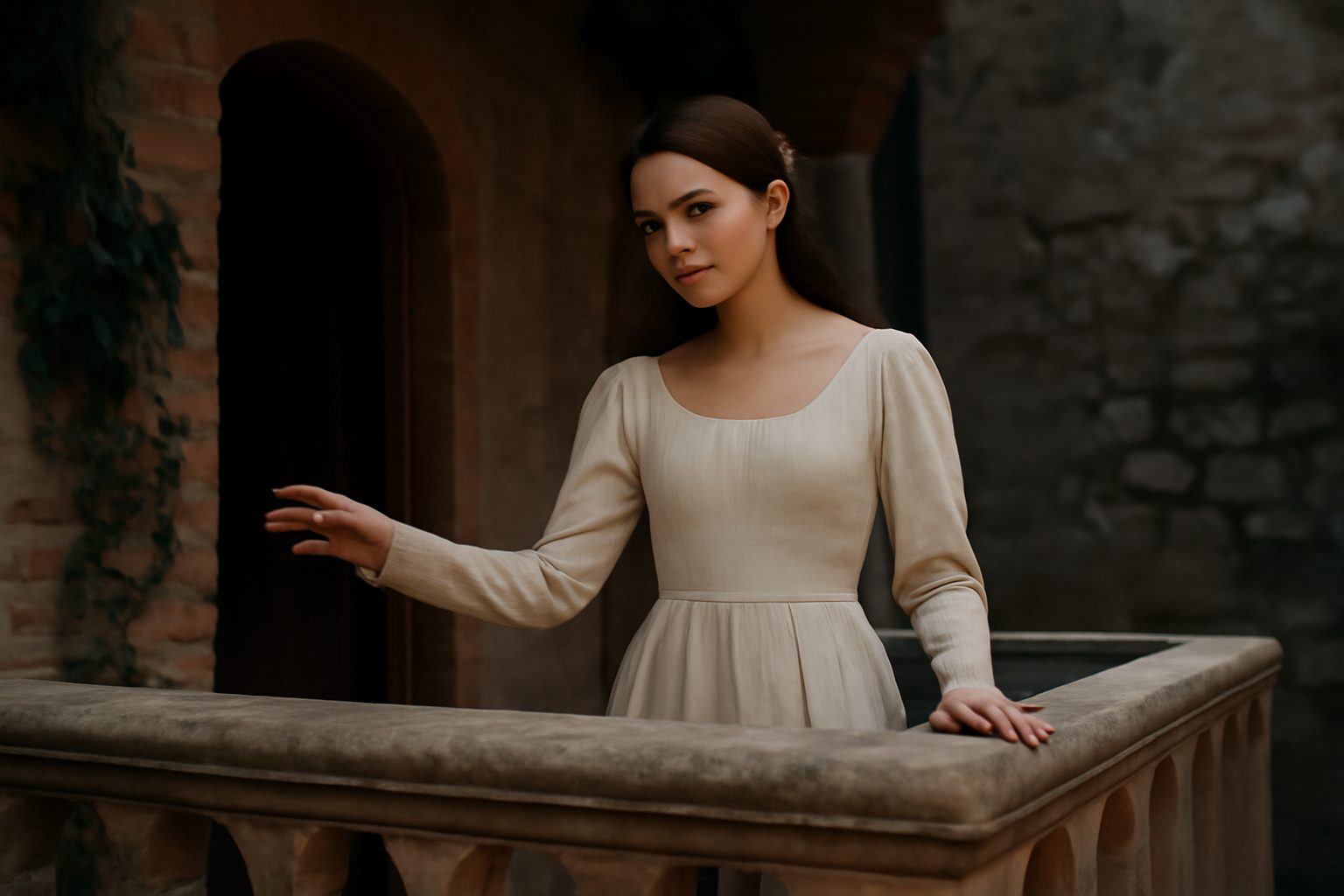
Shortly after this greeting, Juliet enters, described with ethereal lightness in "Here comes the lady: O, so light a foot". Romeo's formal address to the Friar contrasts with the poetic, almost divine imagery of Juliet's arrival, underscoring the blend of sacred and romantic elements in the scene.
Foreshadowing and Irony
The solemnity of Romeo's greeting is undercut by the Friar's ominous lines, such as "And in their triumph die, like fire and powder", which foreshadow the tragedy. The spiritual context of "ghostly confessor" gains ironic weight given the eventual fate of the lovers.