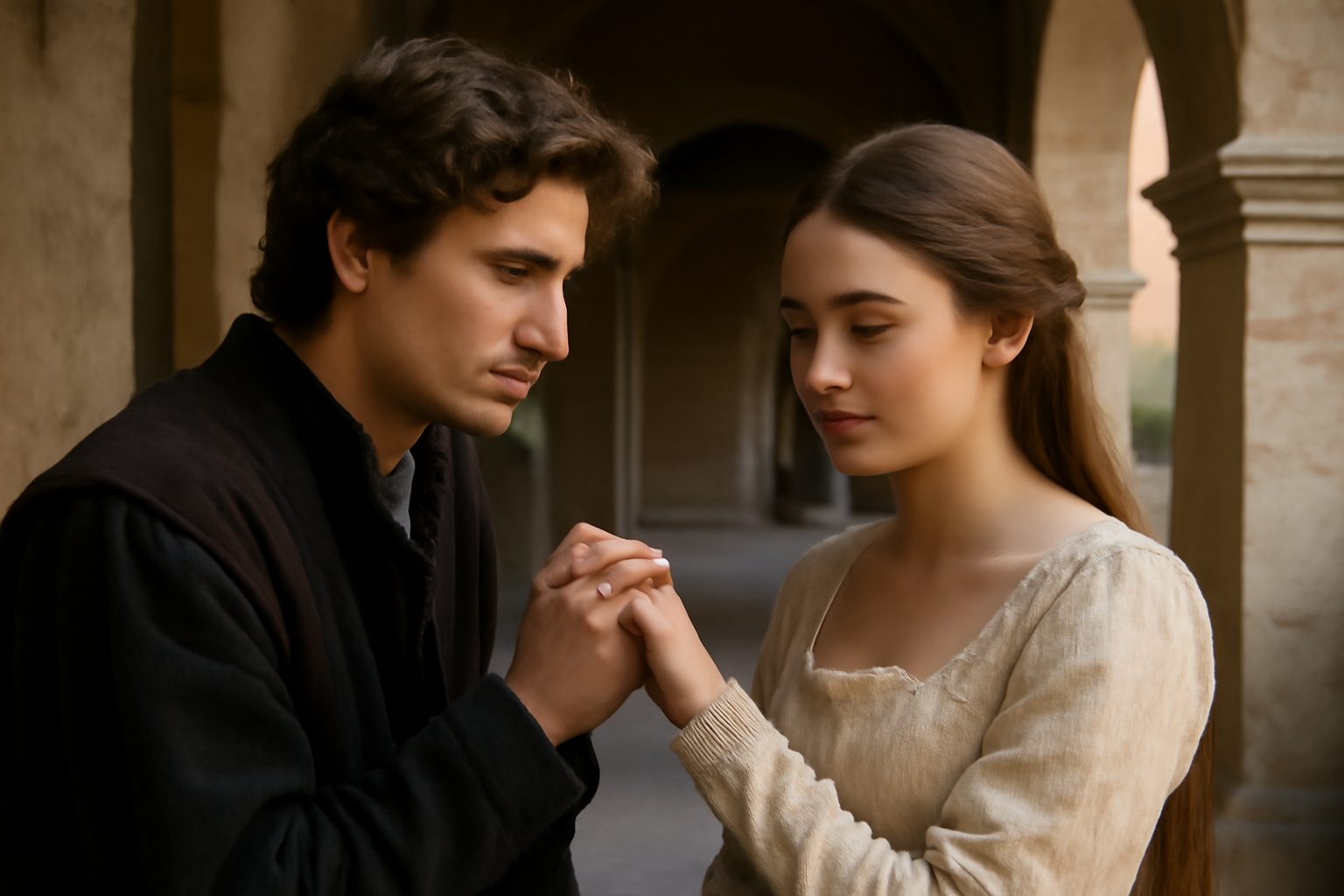
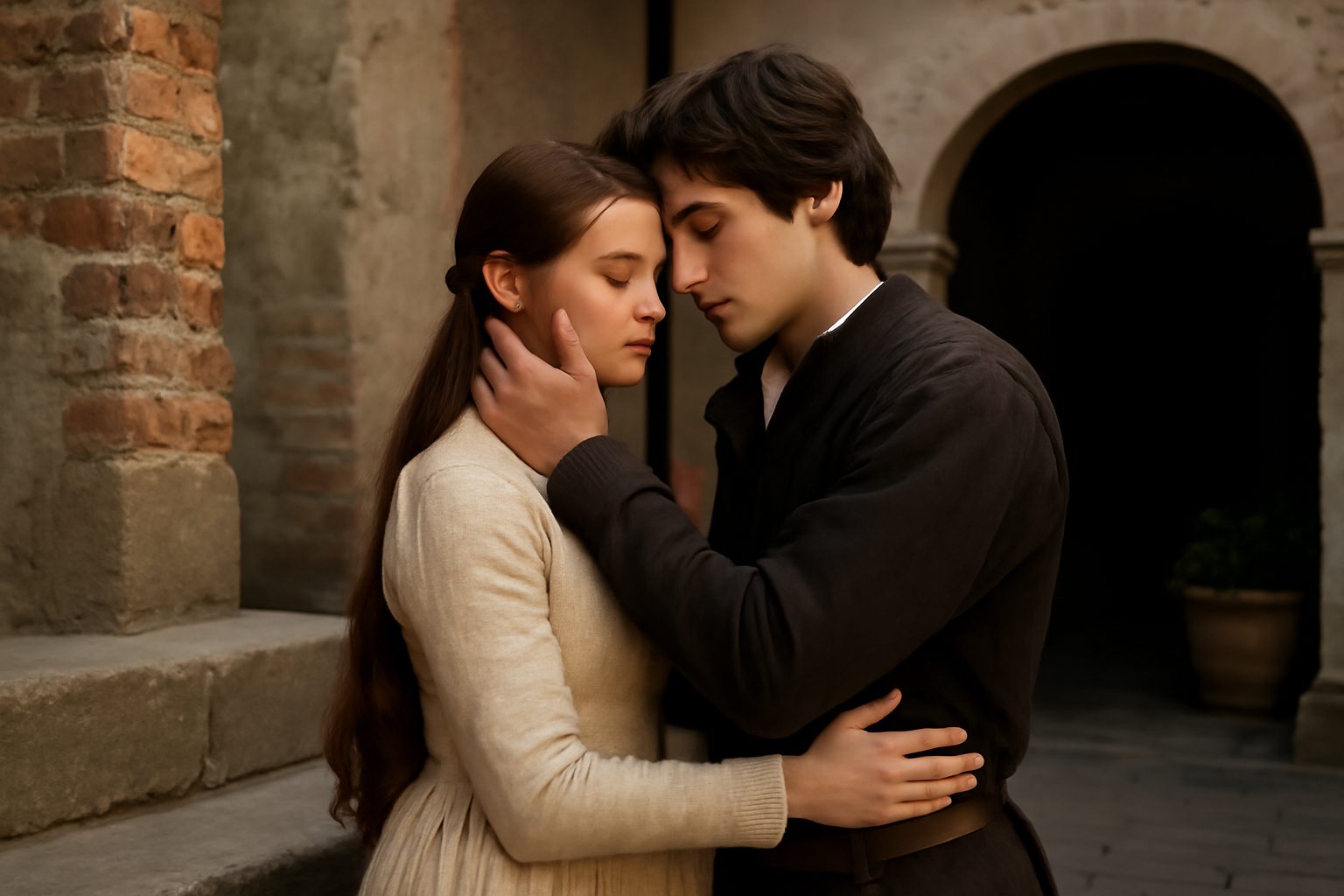
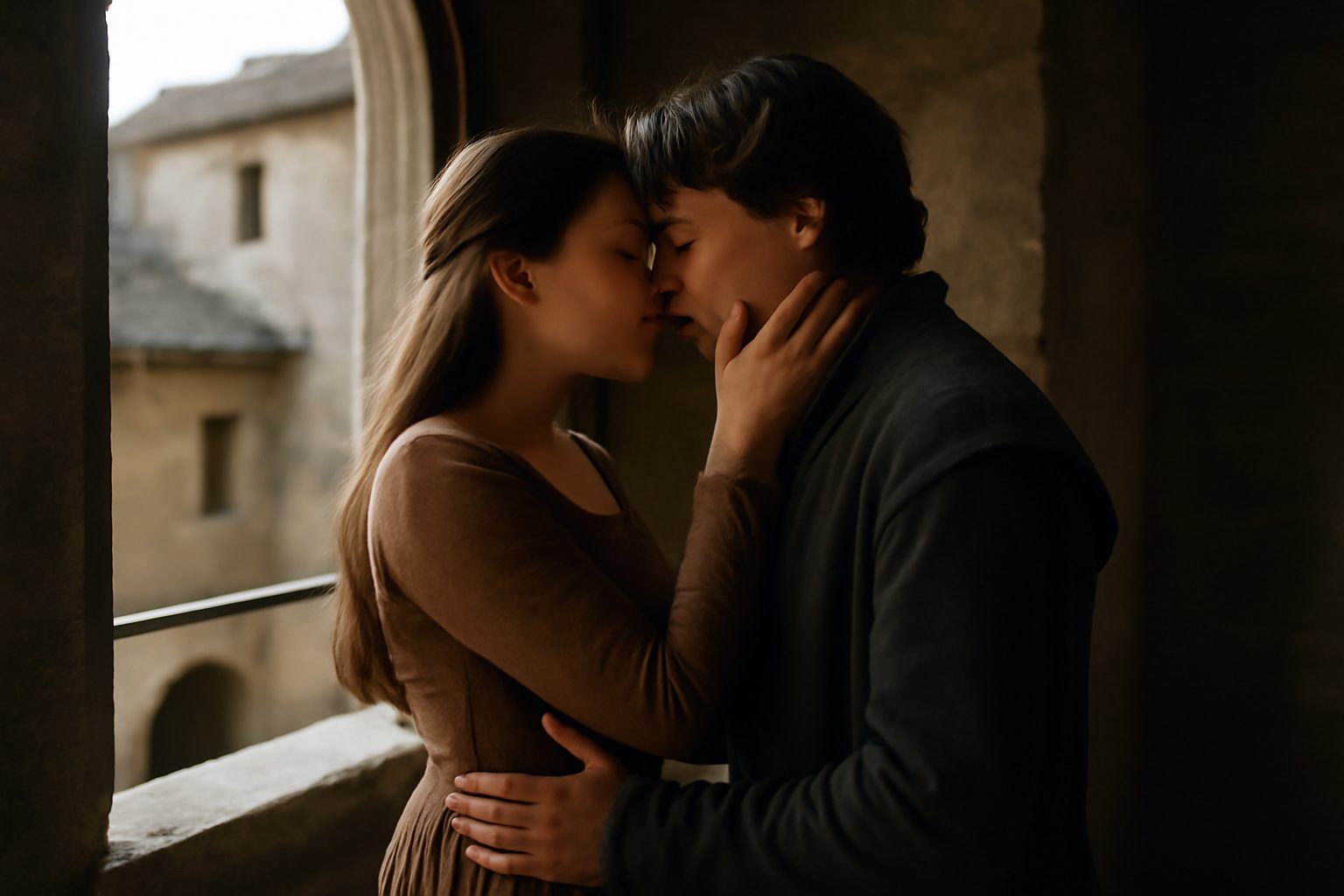
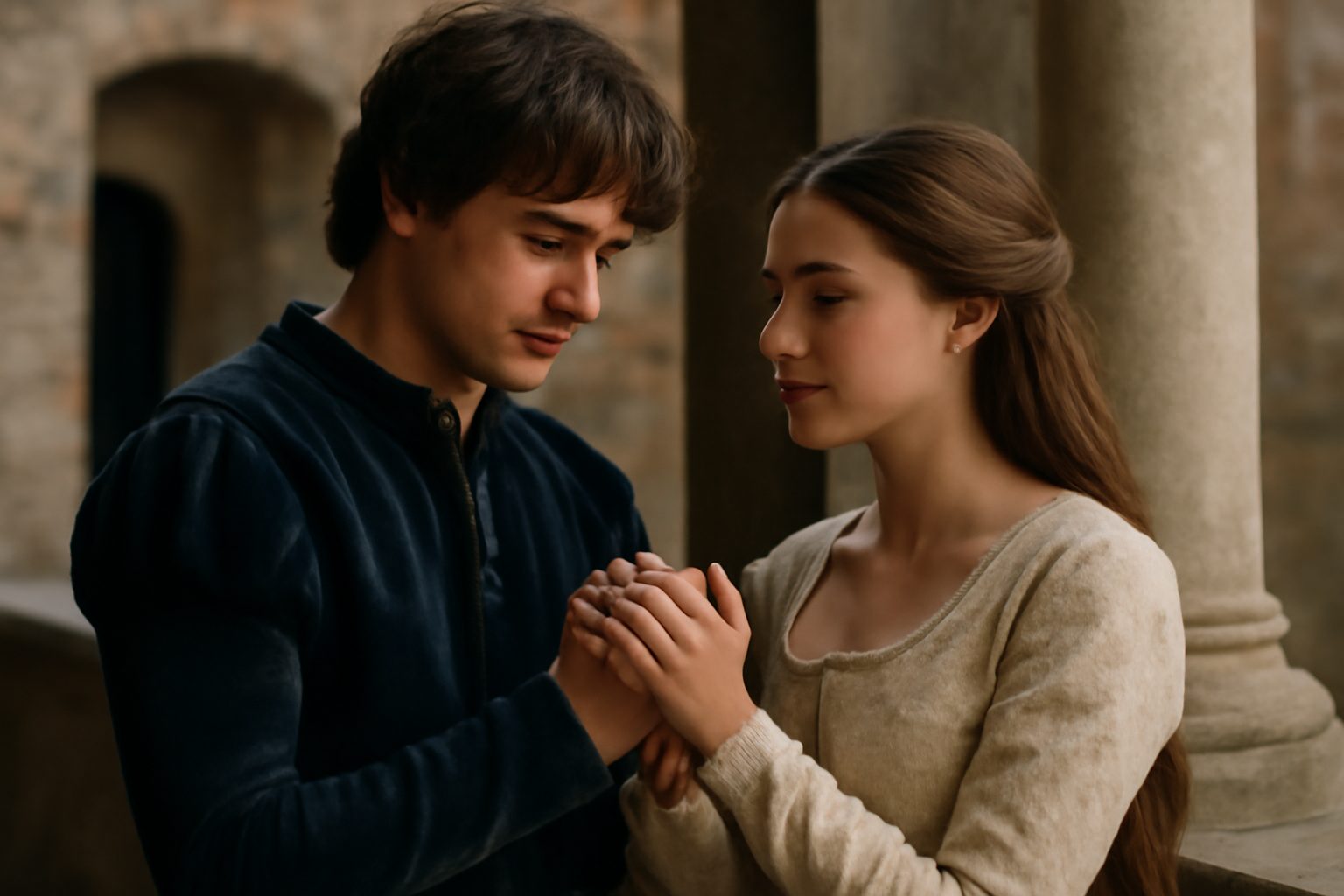
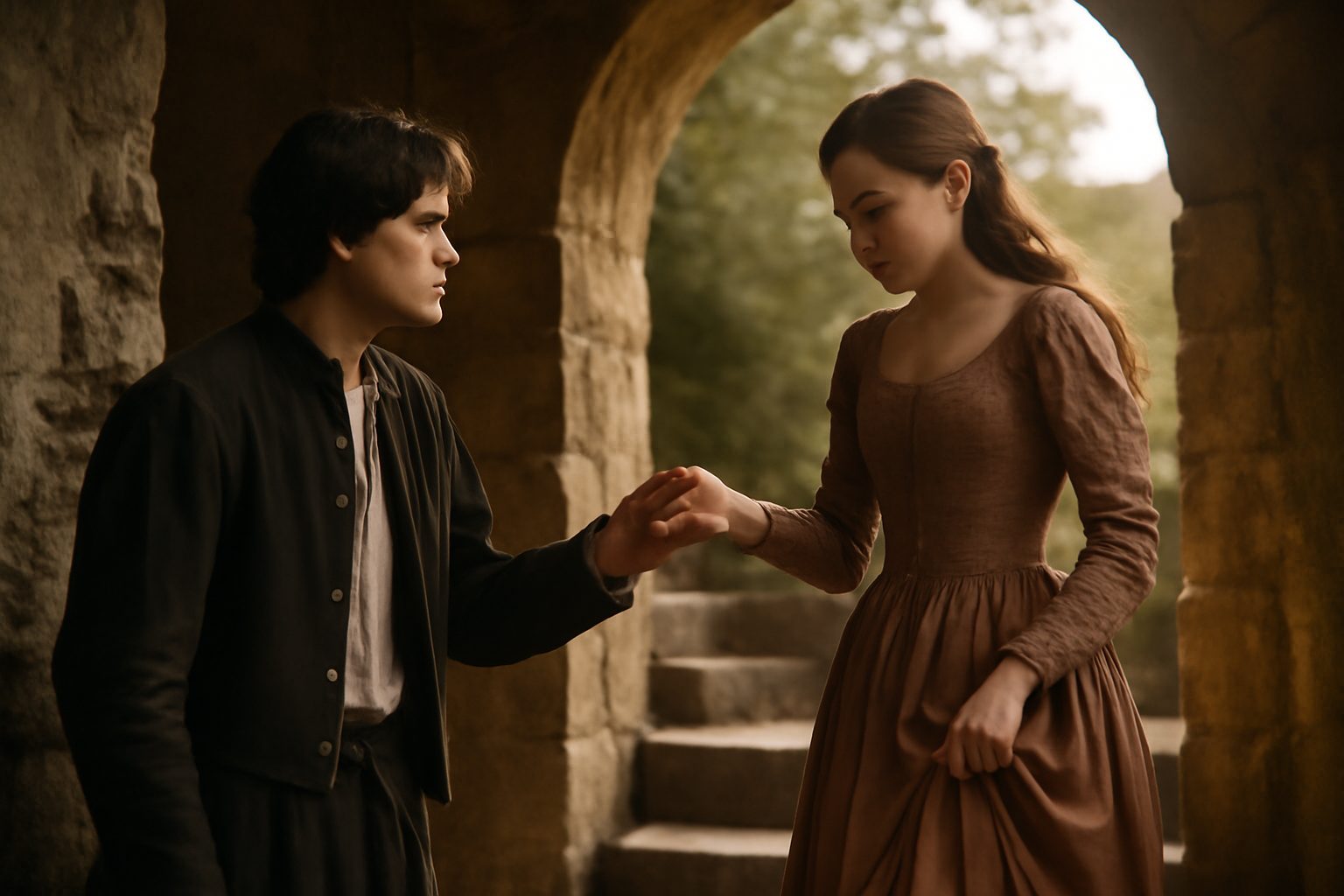
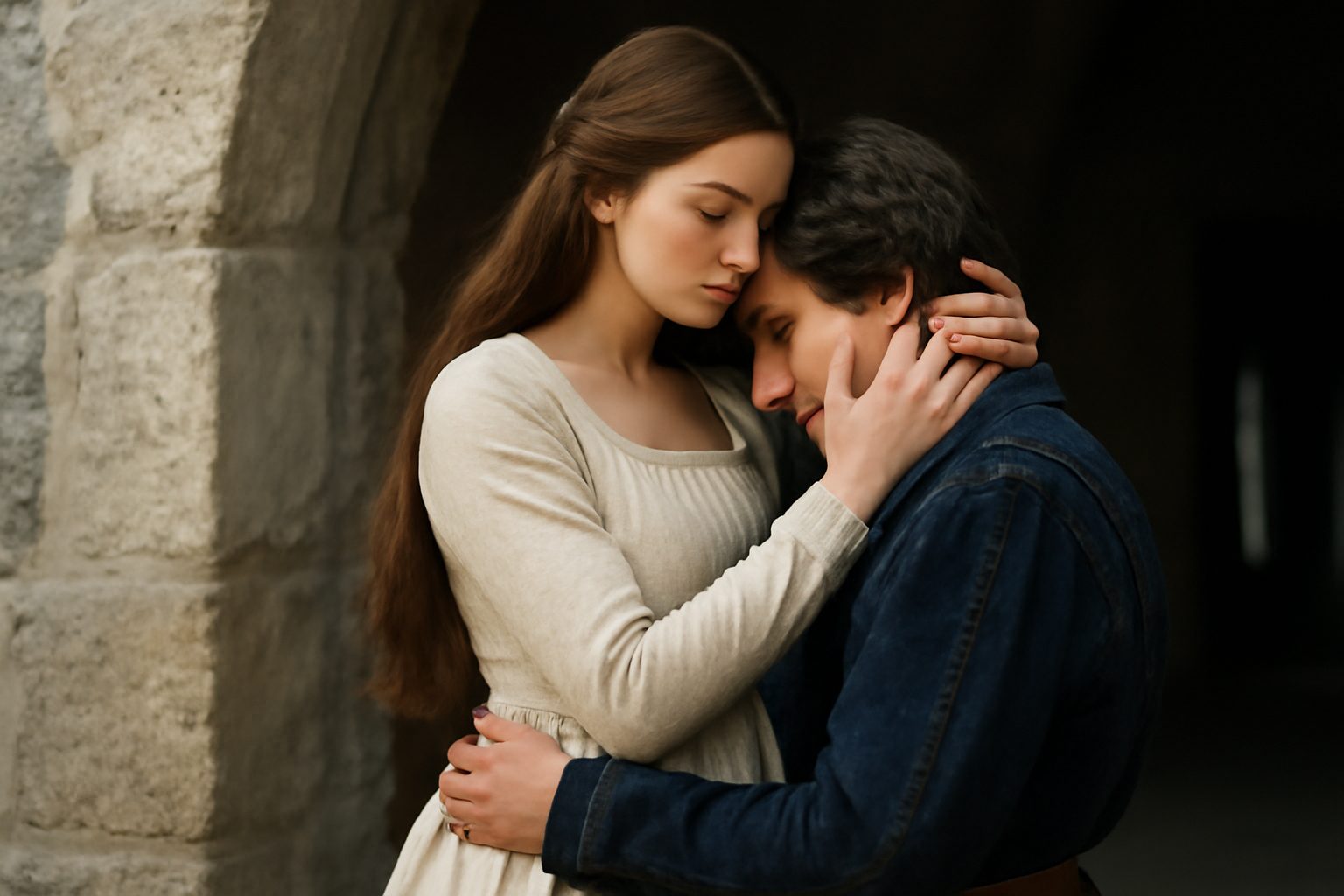
In Act 2, Scene 6 of Romeo and Juliet, Friar Laurence speaks these words as he warns Romeo about the dangers of rushing into love. The line reflects the friar's concern that excessive passion can spoil the very thing one desires, much like overindulgence ruins the appetite. This moment occurs just before Juliet arrives, as Romeo eagerly anticipates their secret wedding.
Friar Laurence: "And in the taste confounds the appetite:"
In modern day english, we would say:
It ruins the enjoyment by overdoing what should be pleasurable.
Frequently Asked Questions
What does Friar Laurence mean when he says that too much of a good thing can ruin the desire for it?
He is warning that even something enjoyable can become unpleasant or lose its appeal if experienced in excess.
Connections to other verses:
Connections to "And in the taste confounds the appetite"
The verse "And in the taste confounds the appetite" is part of Friar Laurence's warning about the dangers of excessive passion. It directly follows "Is loathsome in his own deliciousness", together illustrating how overindulgence can spoil pleasure. This idea is echoed in "Therefore love moderately; long love doth so", where the Friar explicitly advises restraint.
Related Imagery of Excess and Danger
The theme of overwhelming intensity is reinforced by "These violent delights have violent ends" and "And in their triumph die, like fire and powder", both emphasizing the destructive potential of unchecked emotions. Similarly, "Which as they kiss consume: the sweetest honey" uses sensory language akin to "taste" and "appetite" to convey consuming passion.
Contrast with Romeo's Perspective
Romeo's lines, such as "It is enough I may but call her mine" and "But my true love is grown to such excess", highlight his willingness to embrace extreme emotion, directly opposing the Friar's caution. This tension underscores the scene's central conflict between youthful idealism and pragmatic wisdom.