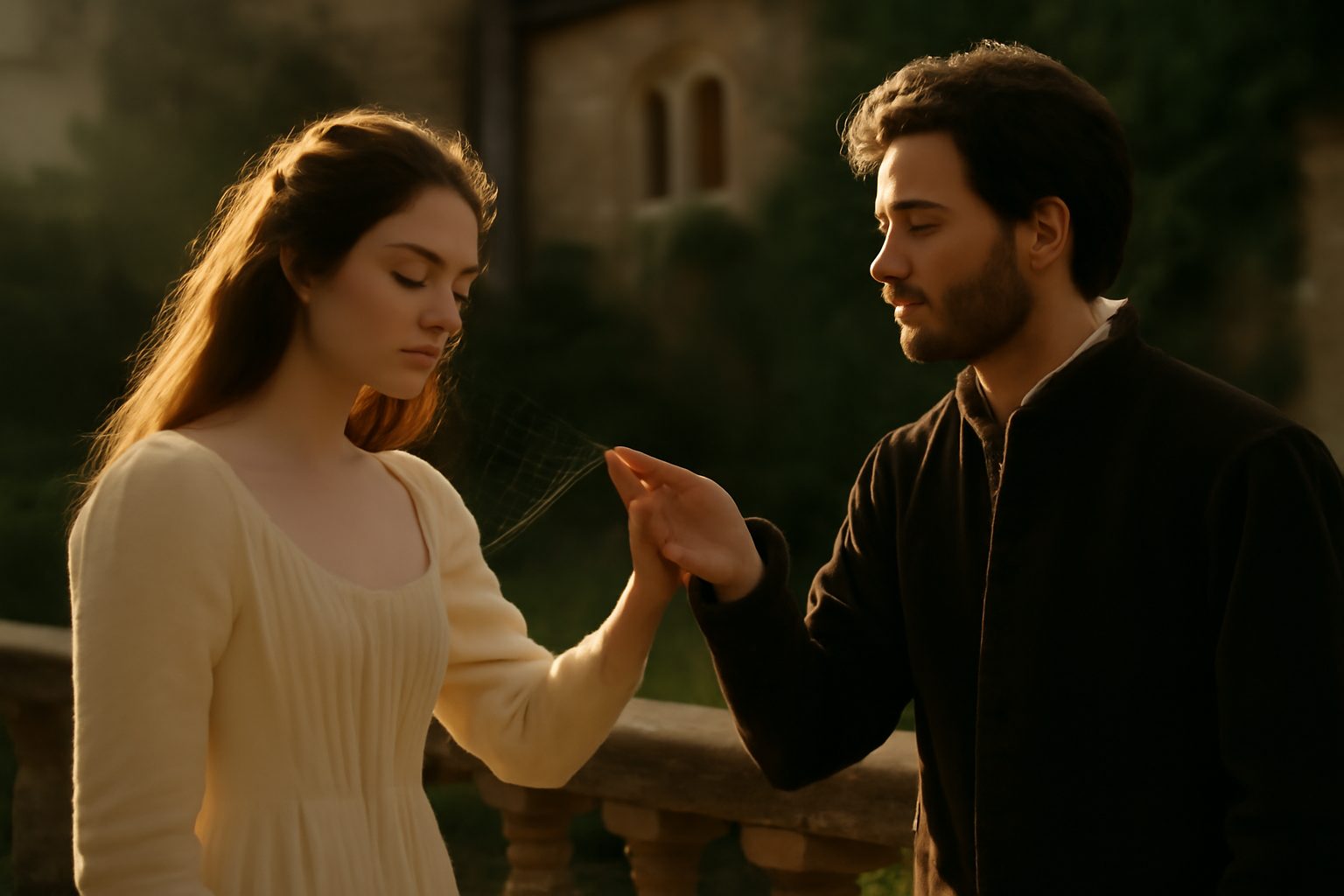
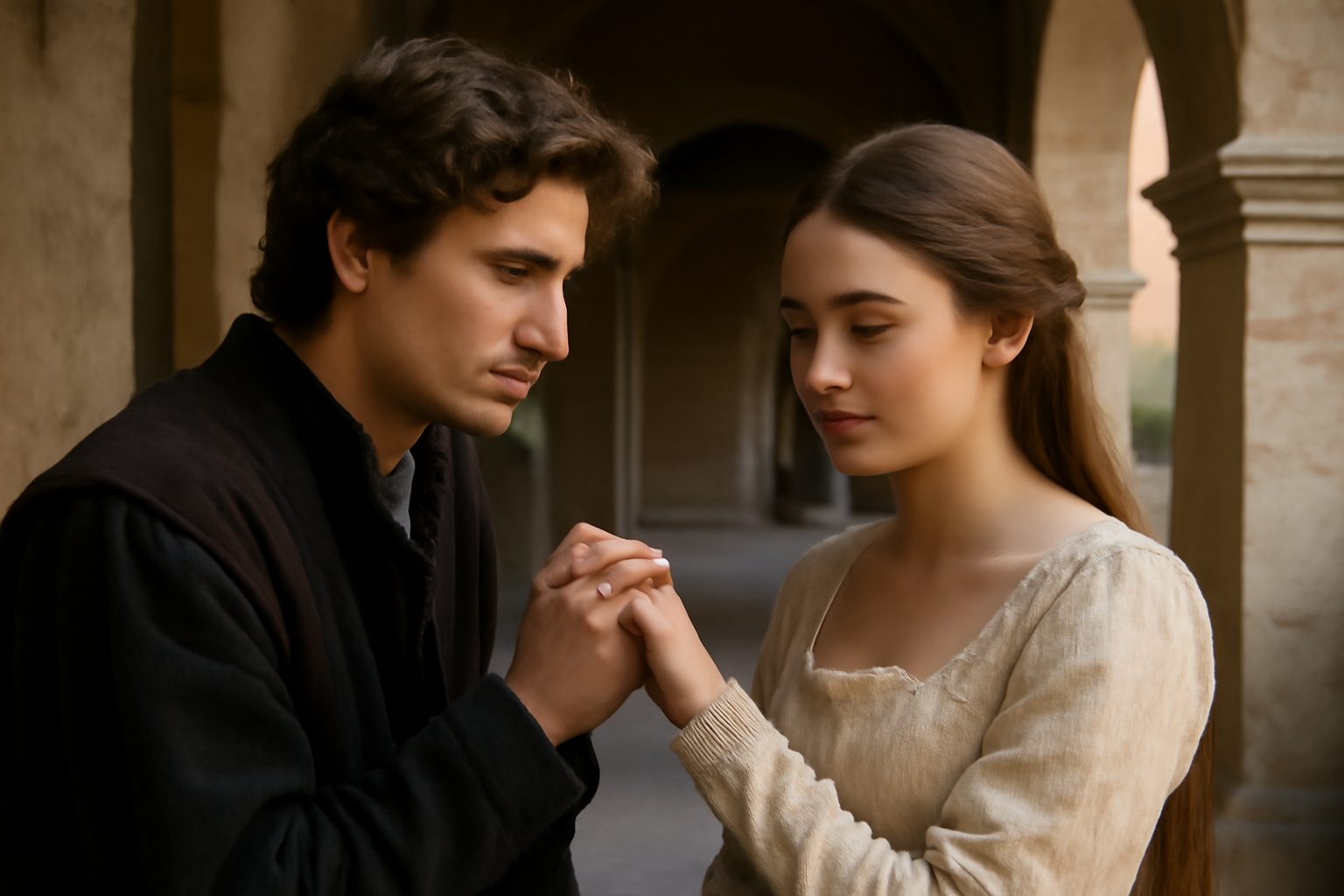
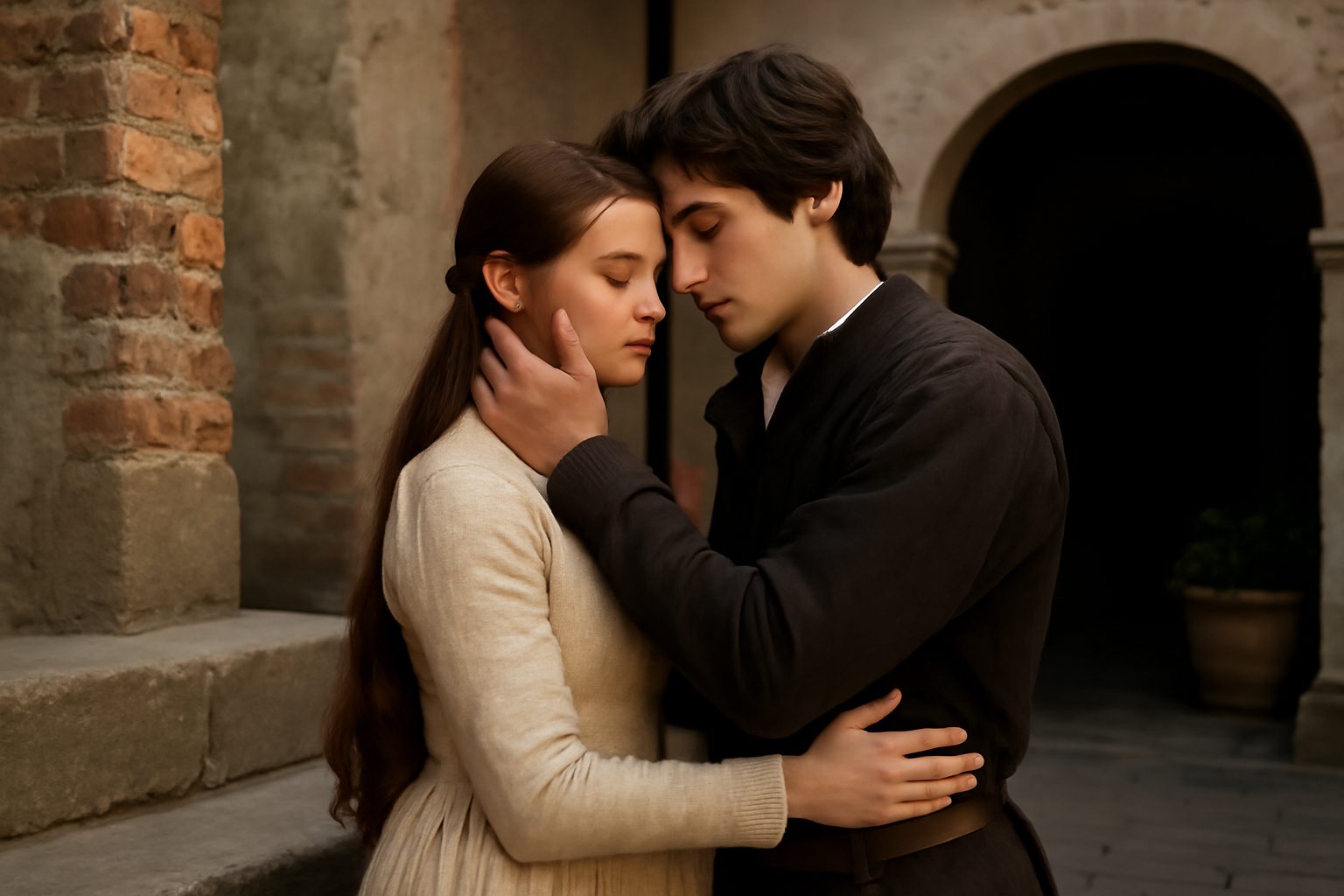
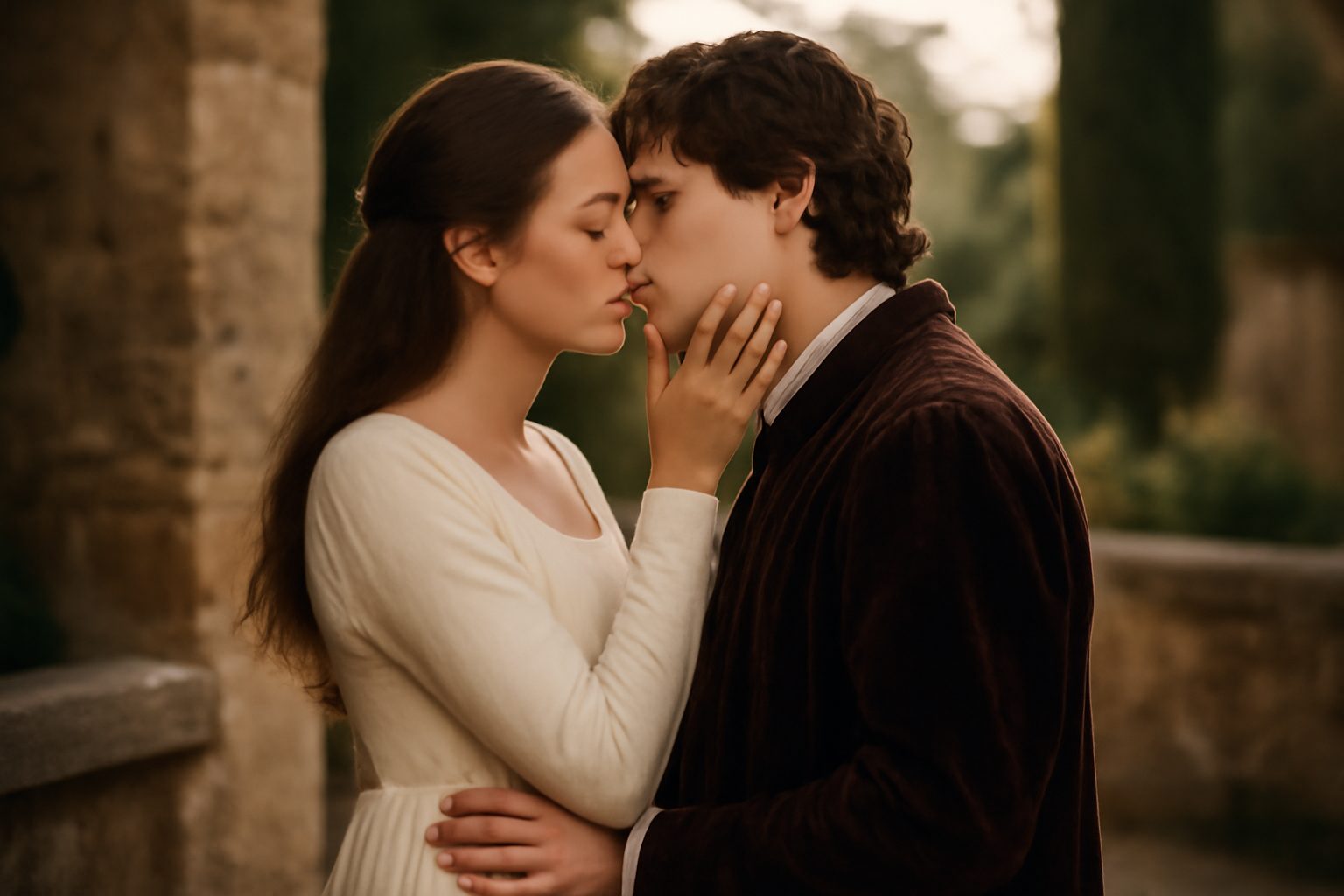
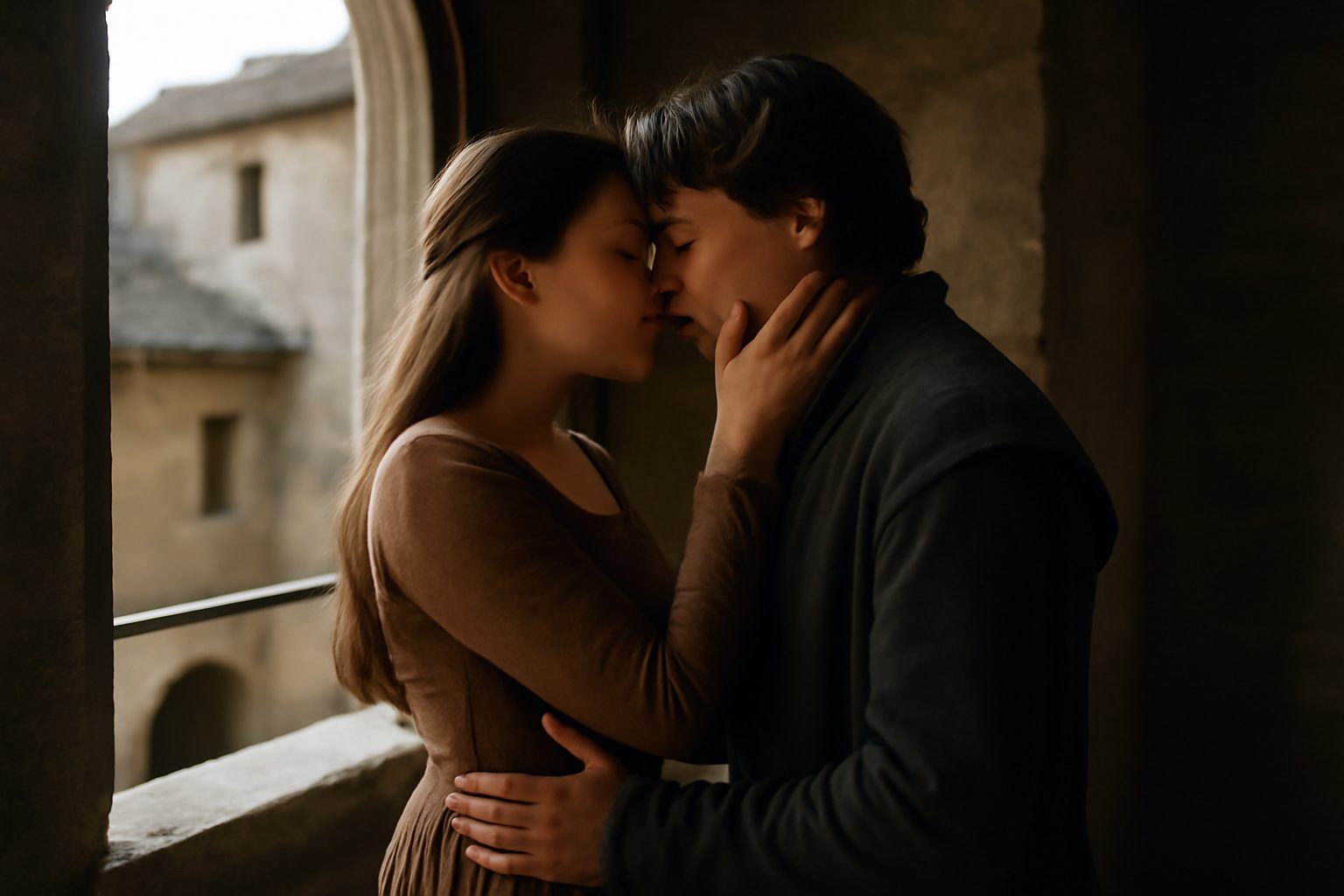
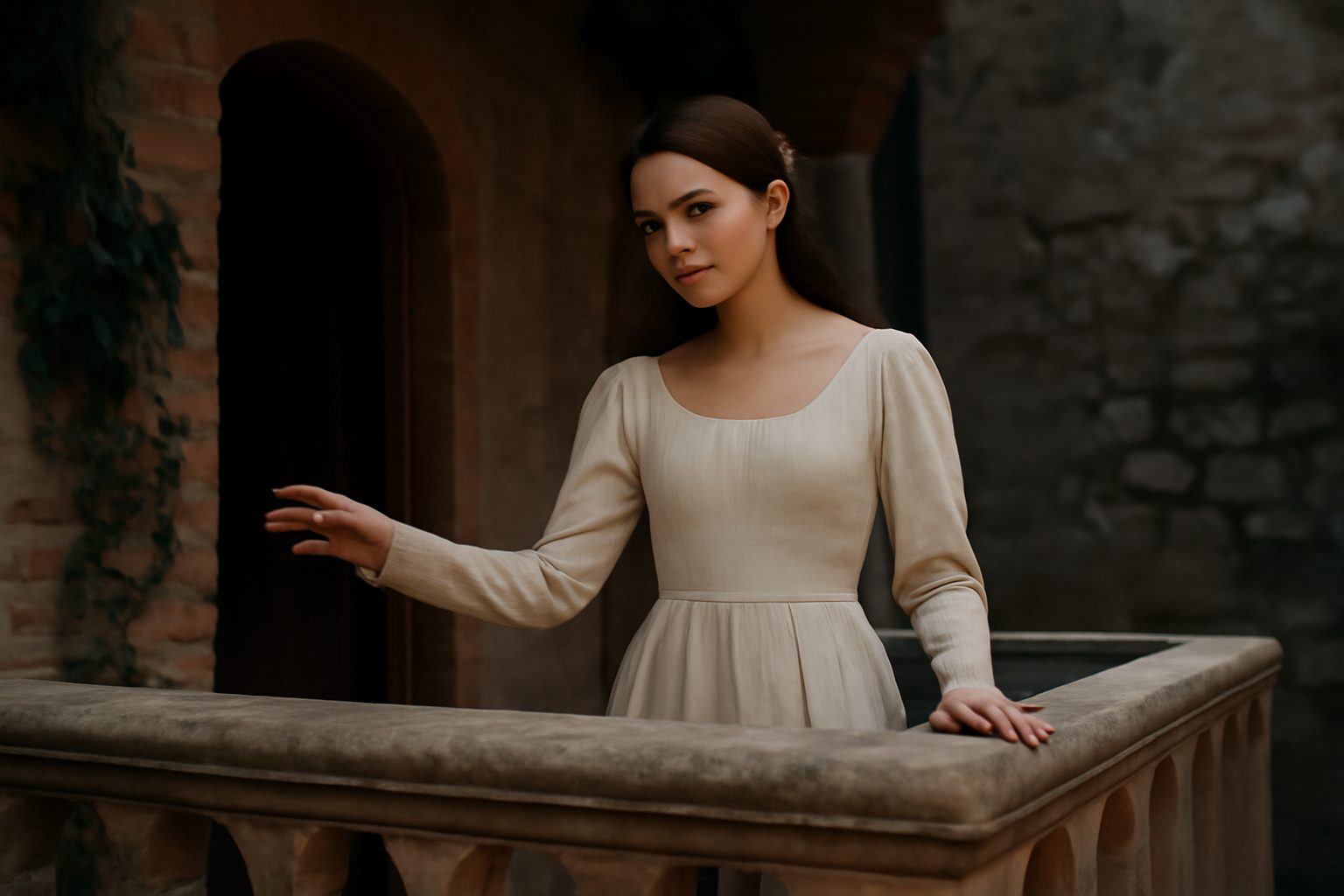
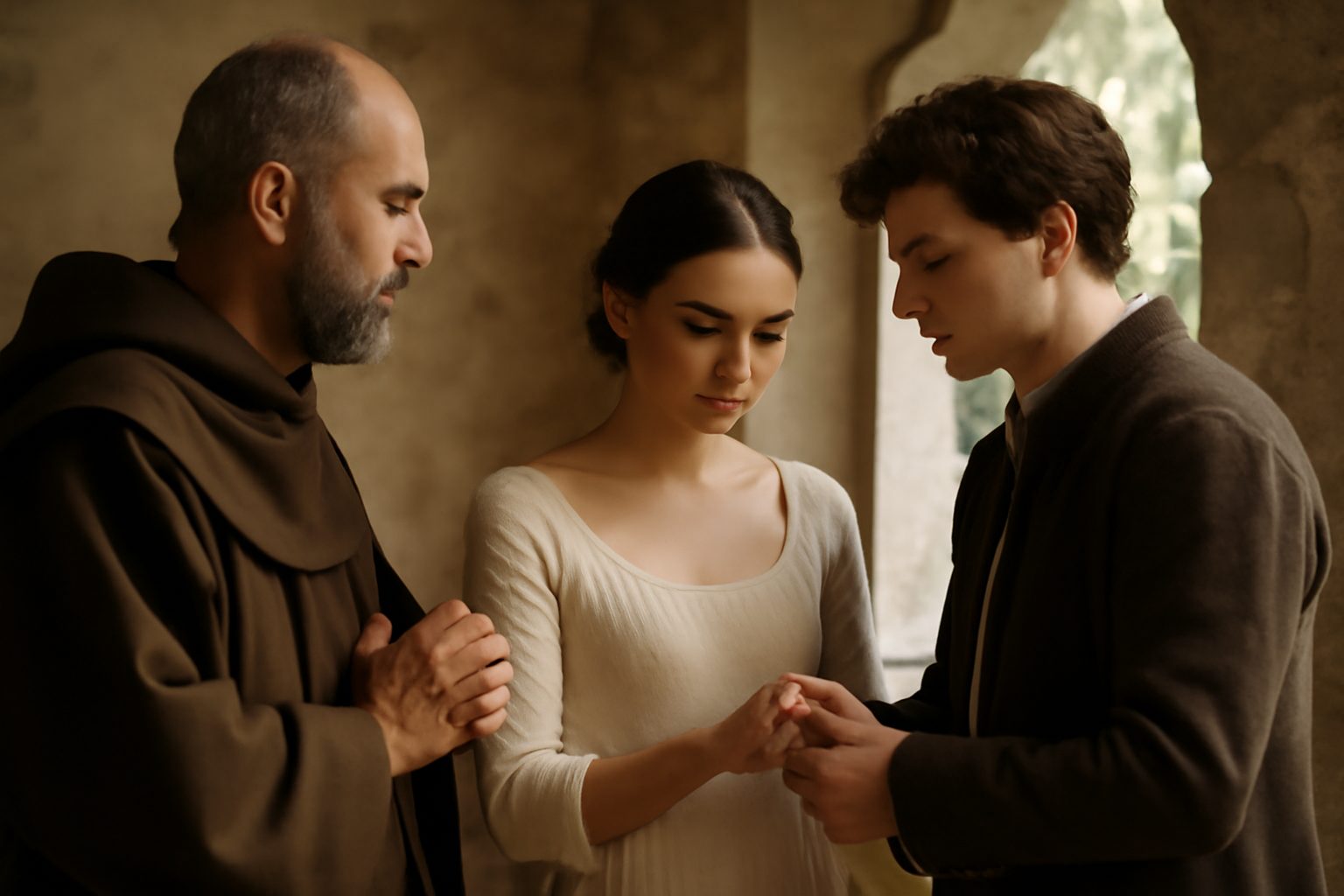
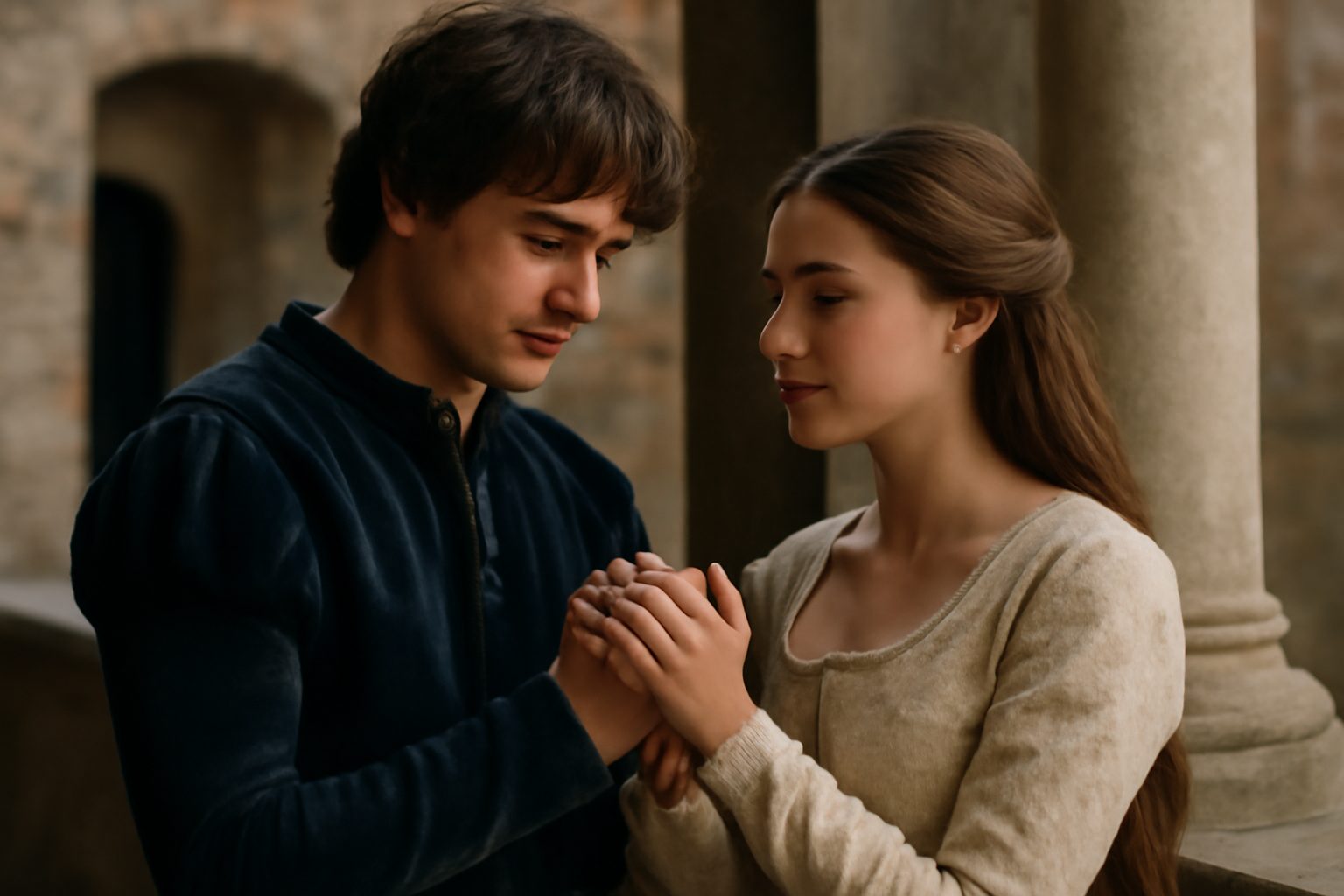
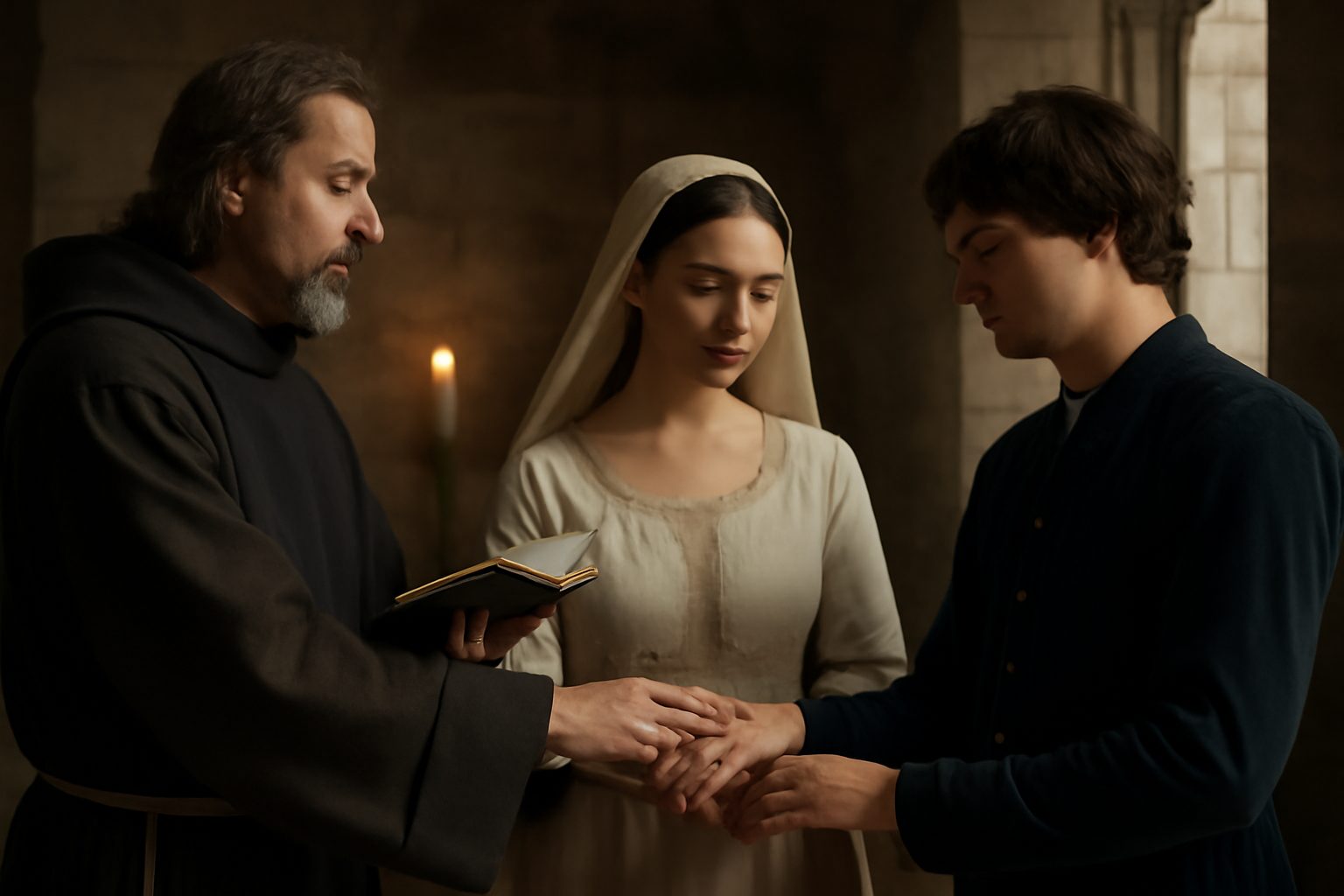
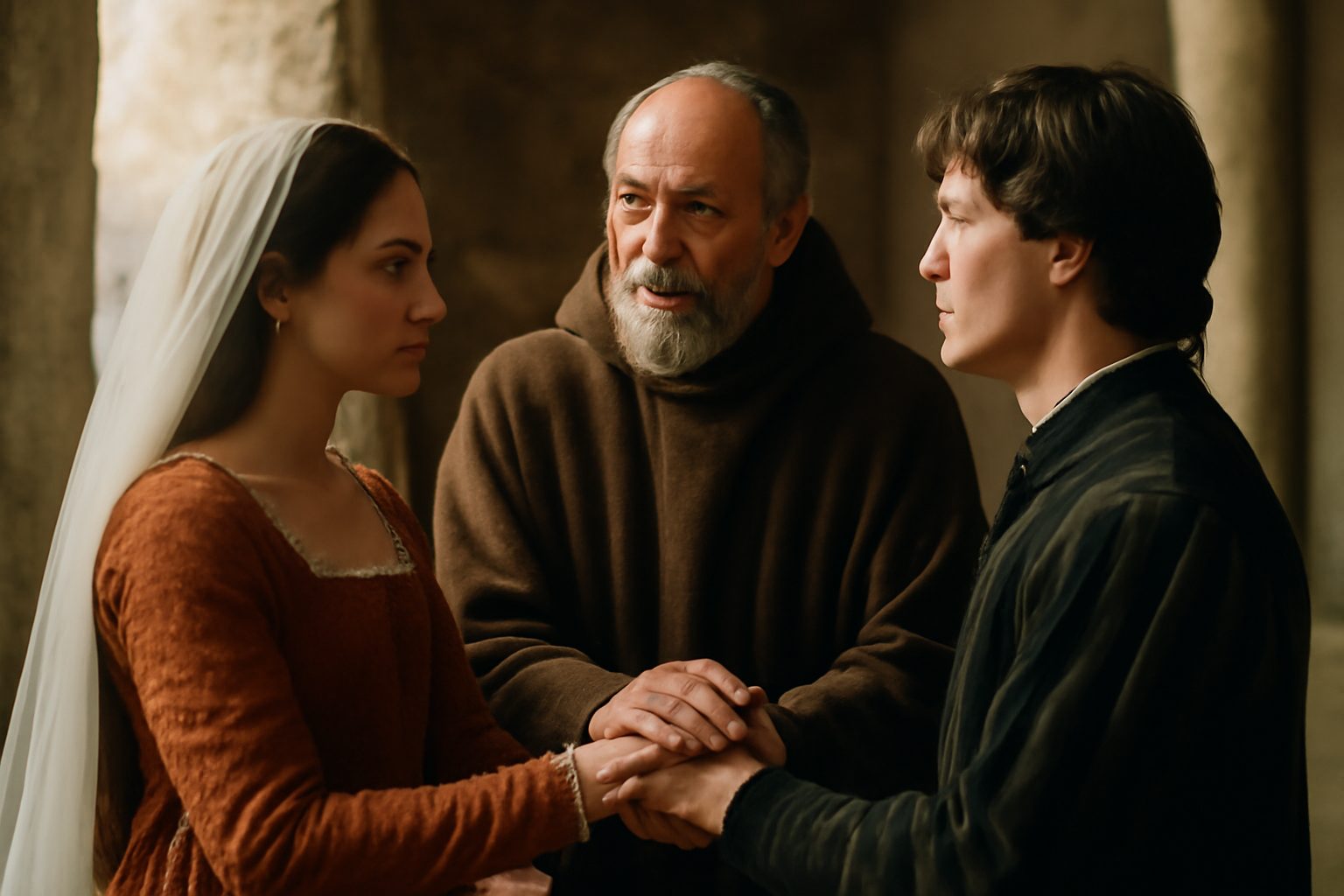
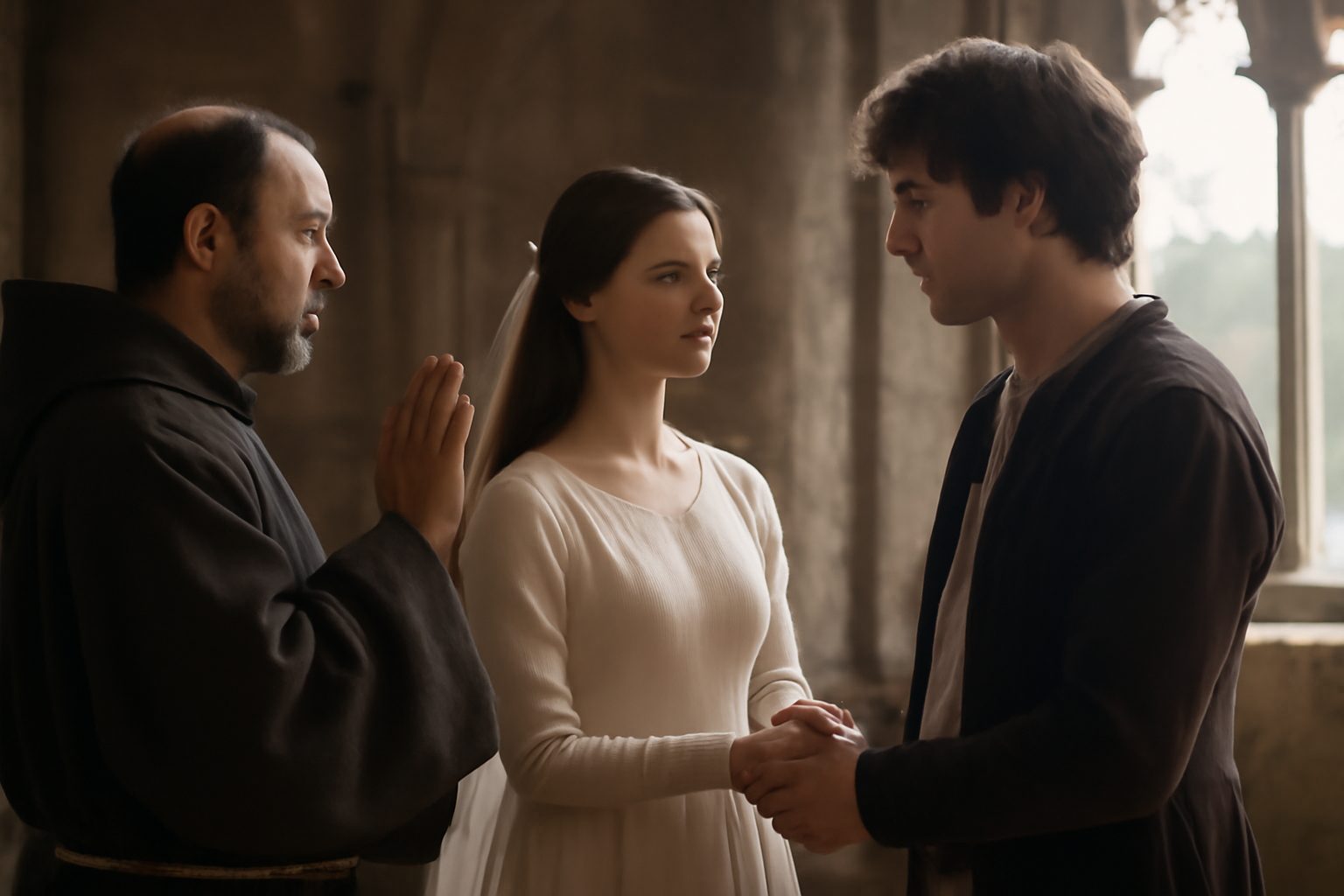
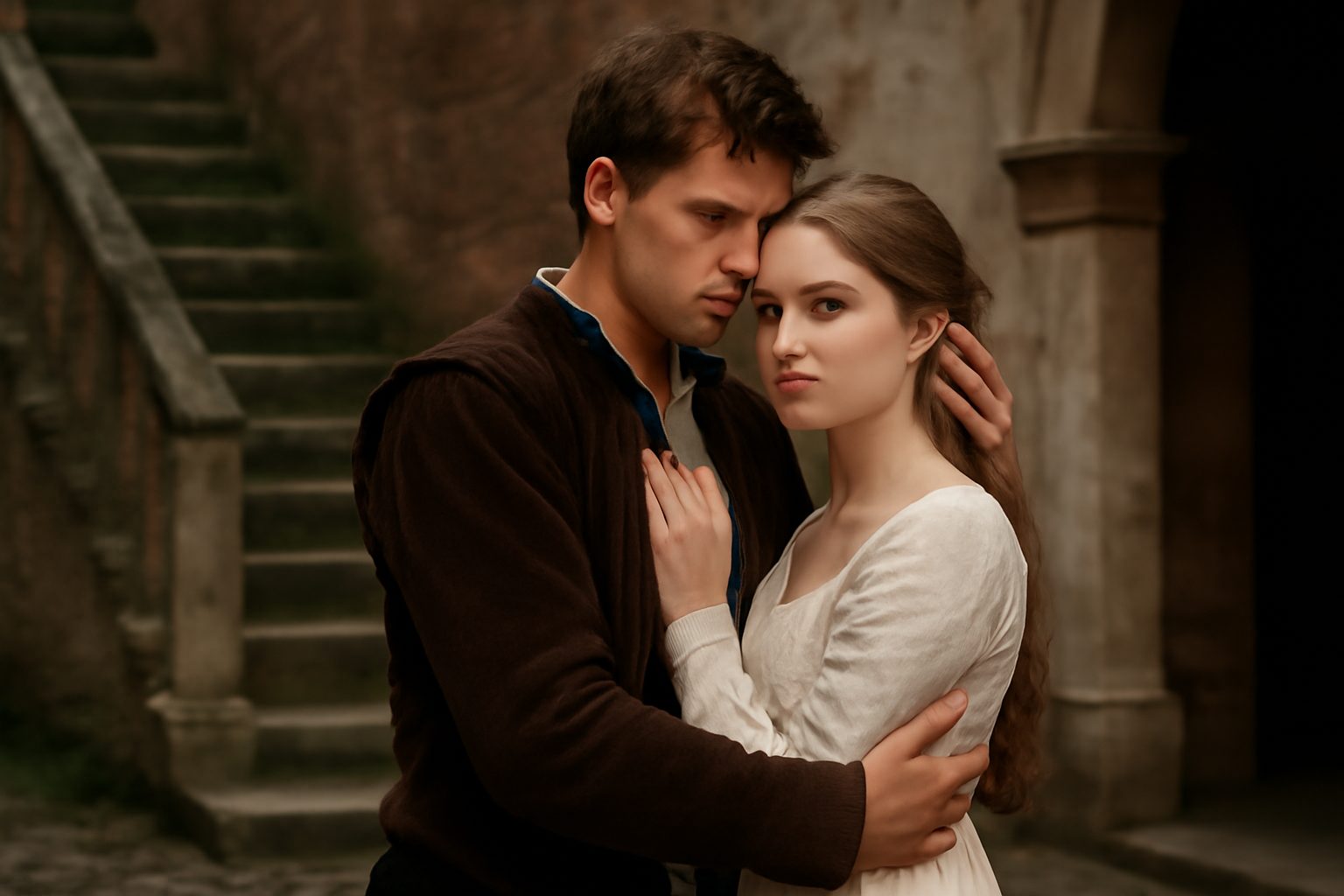
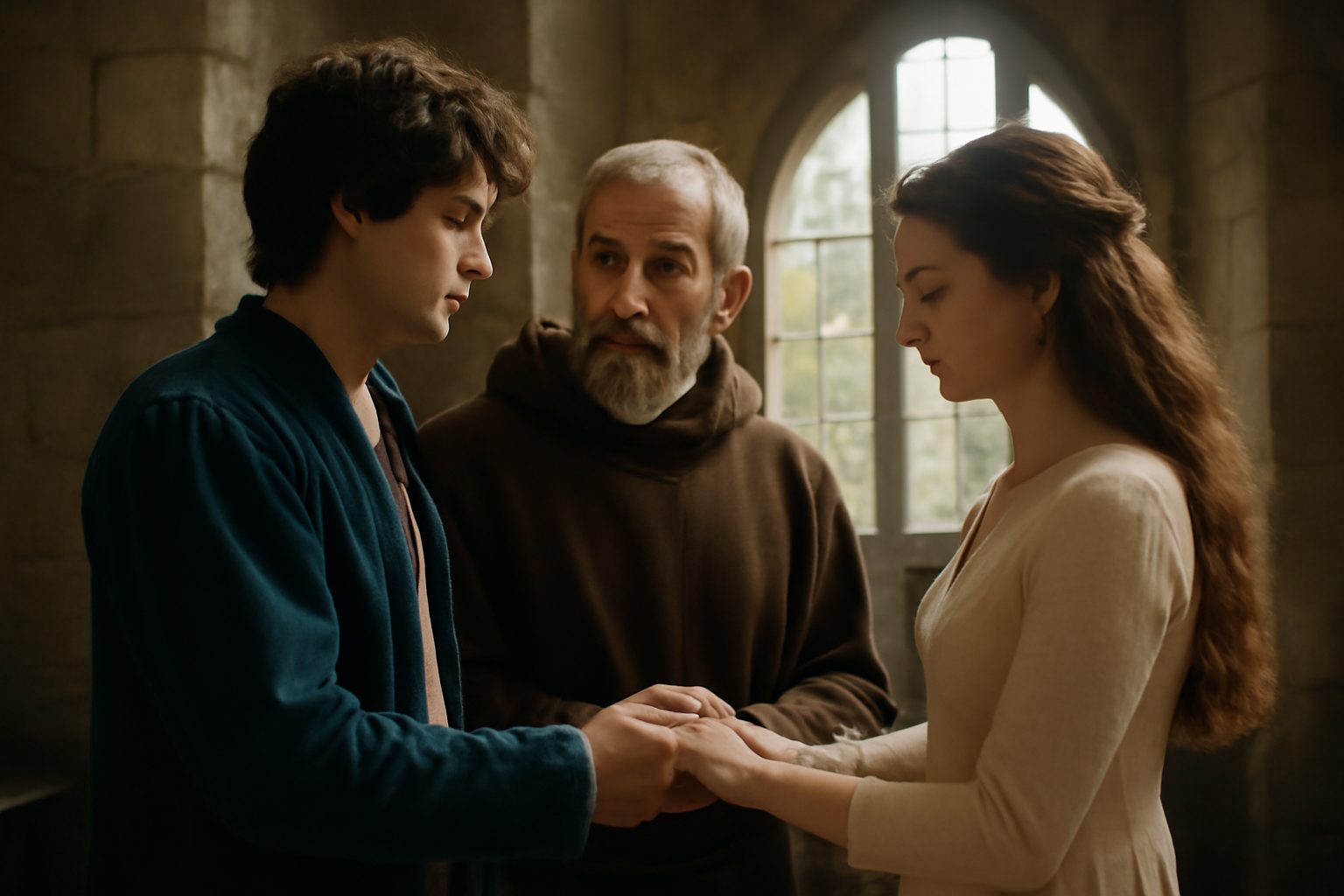
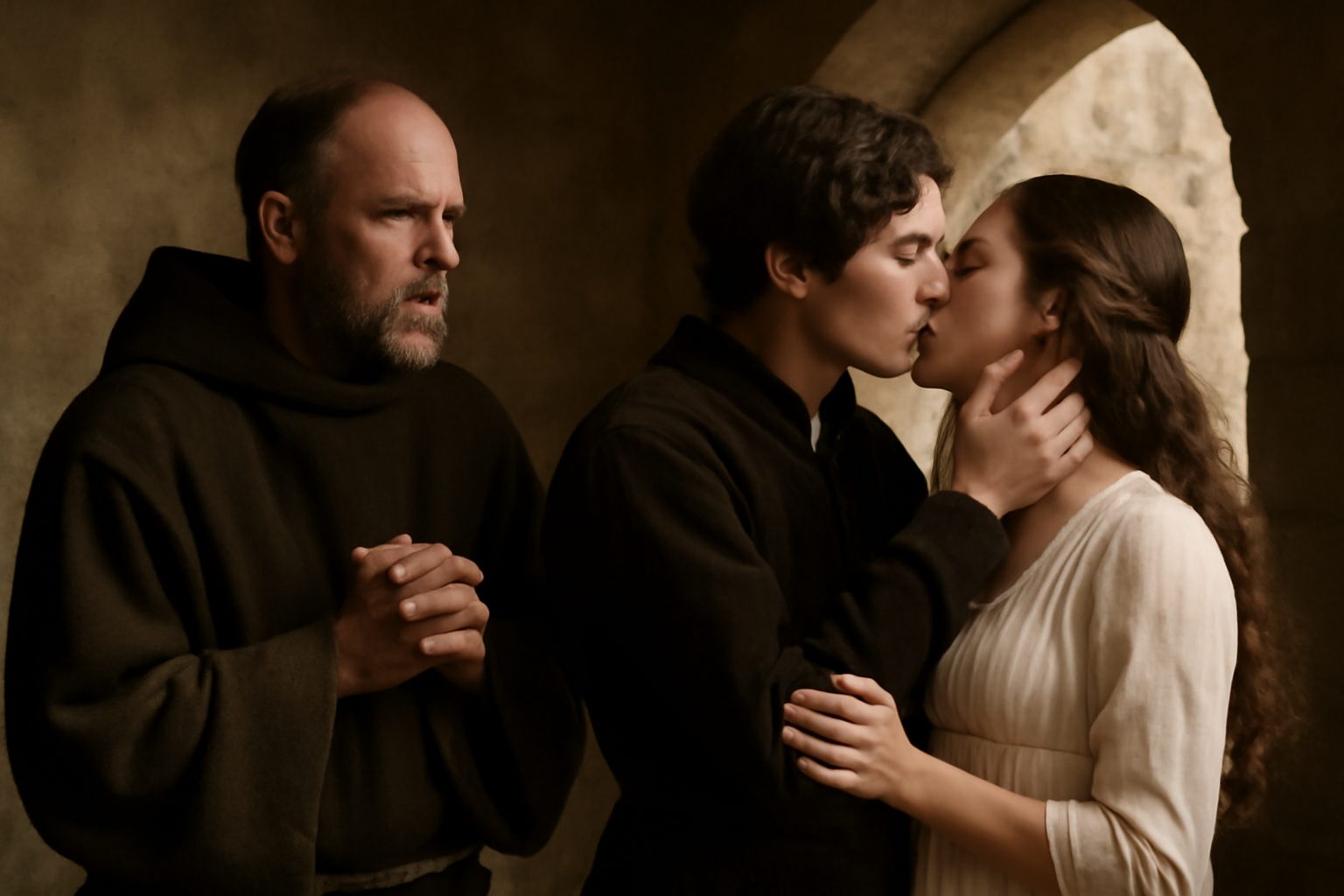
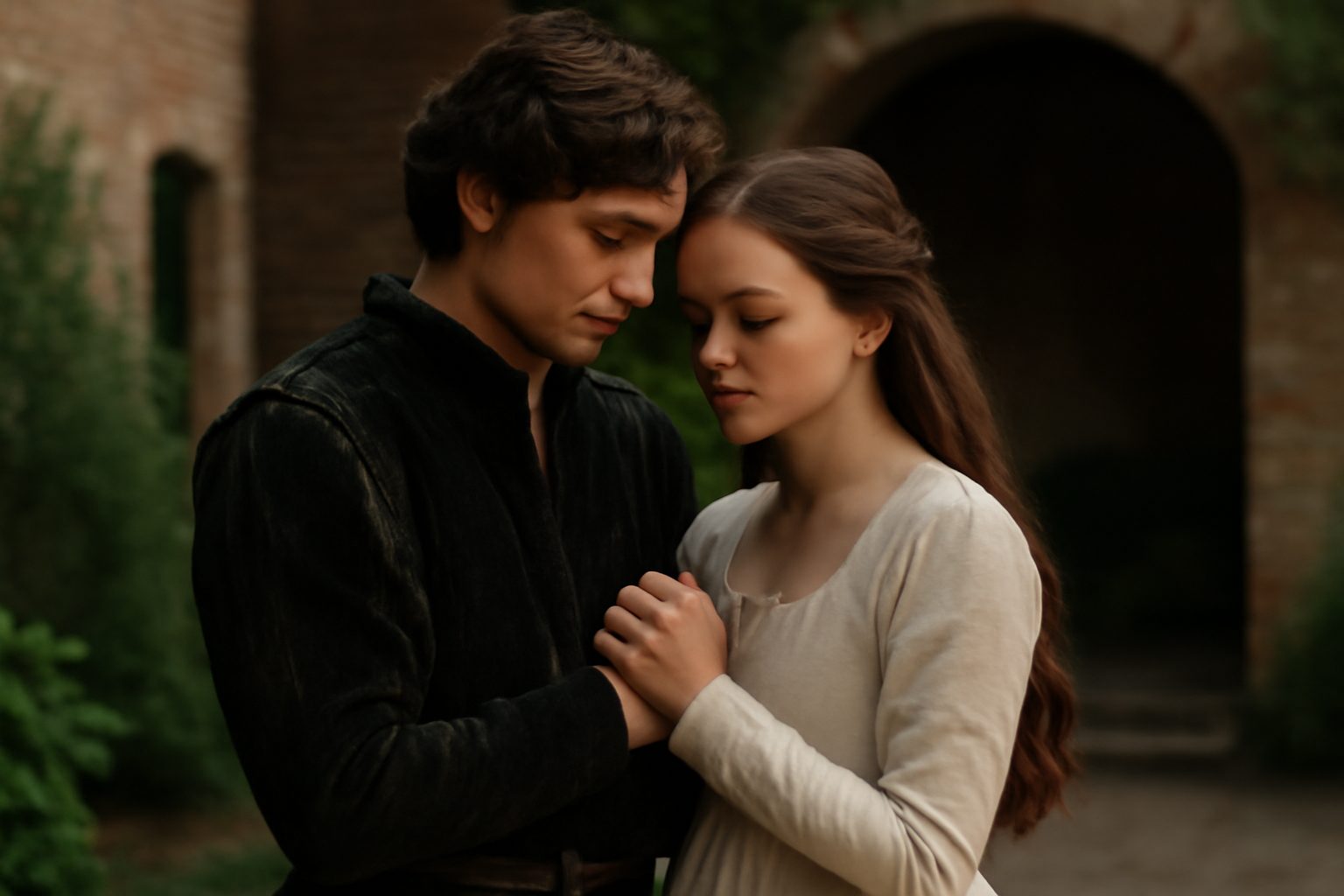
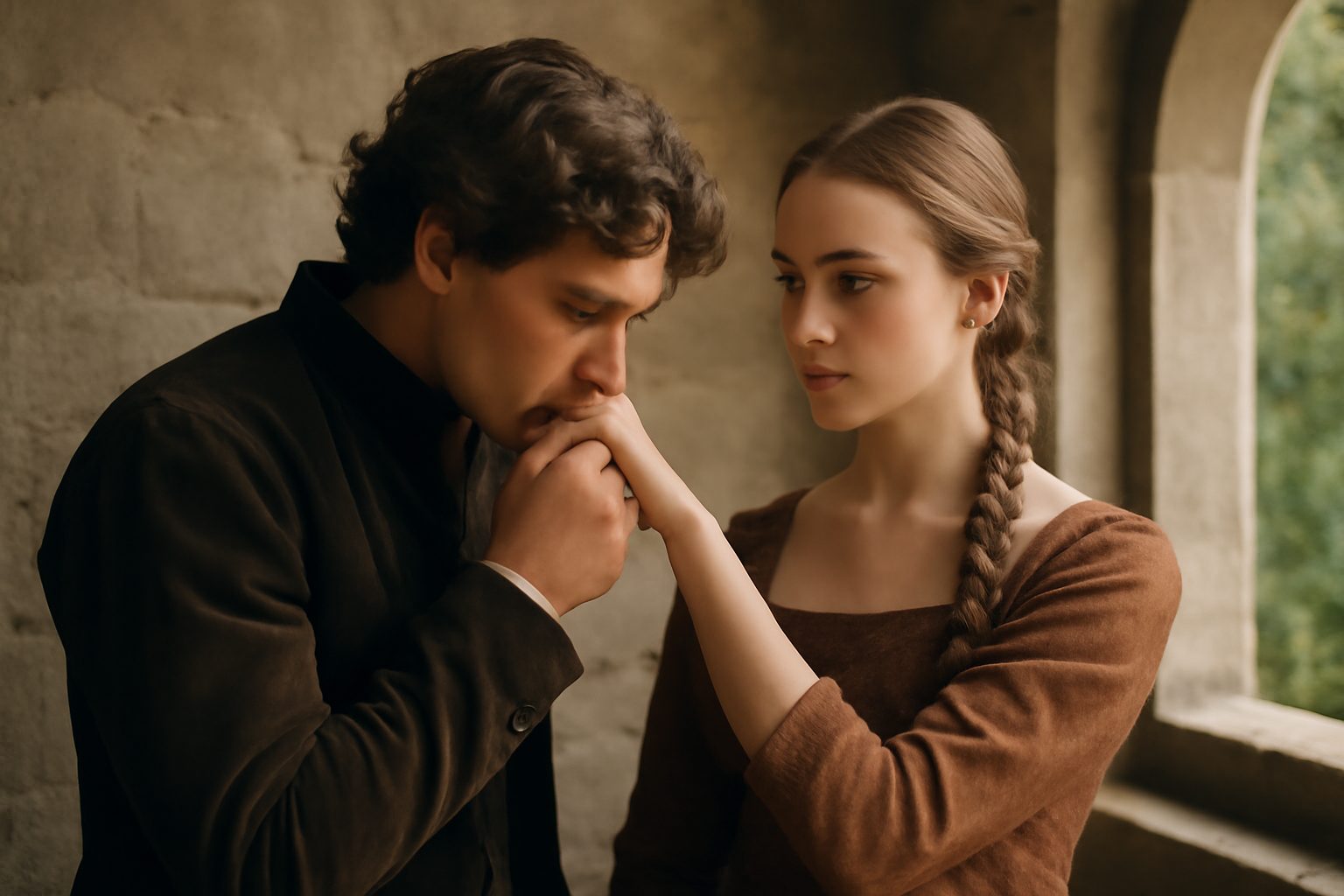
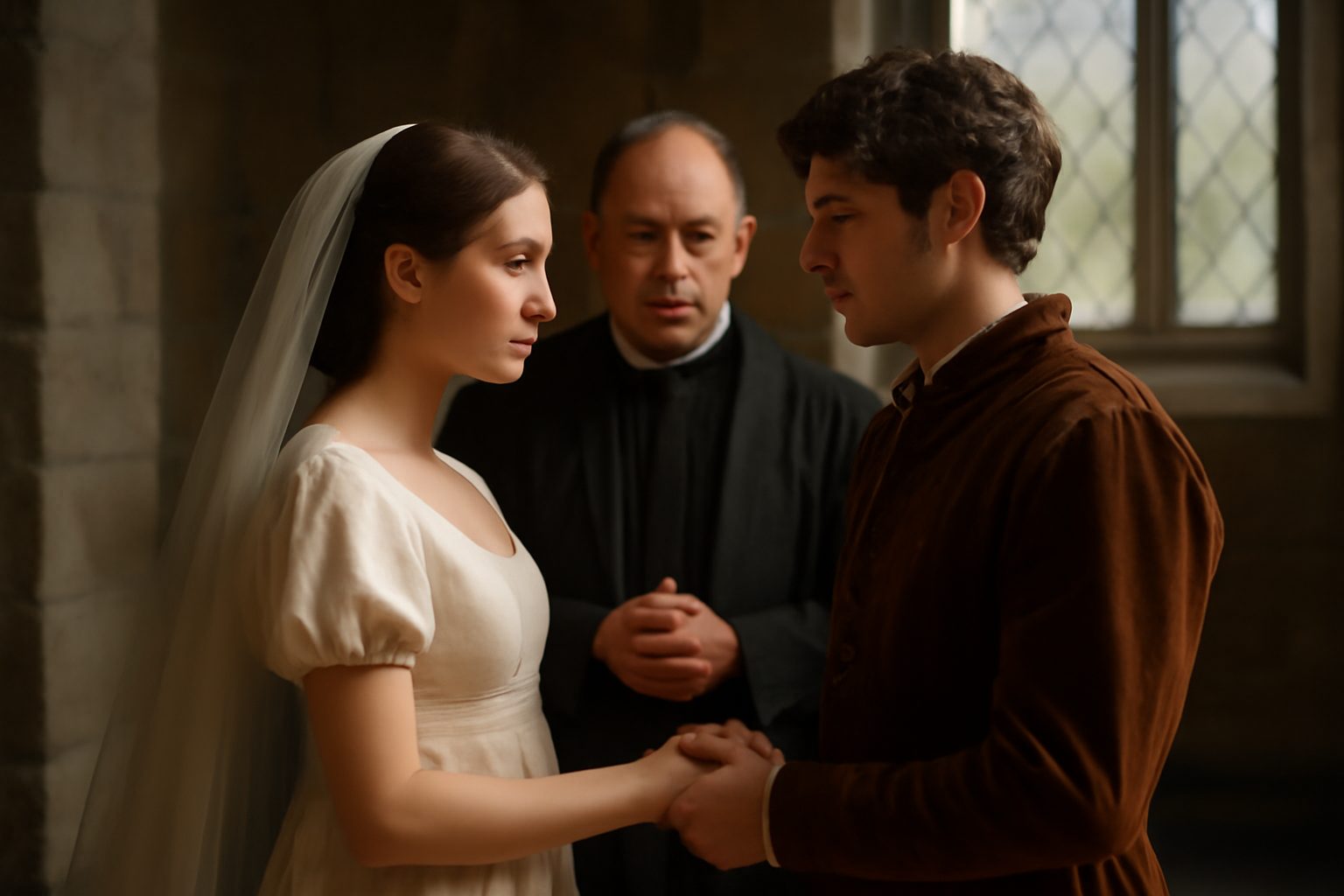
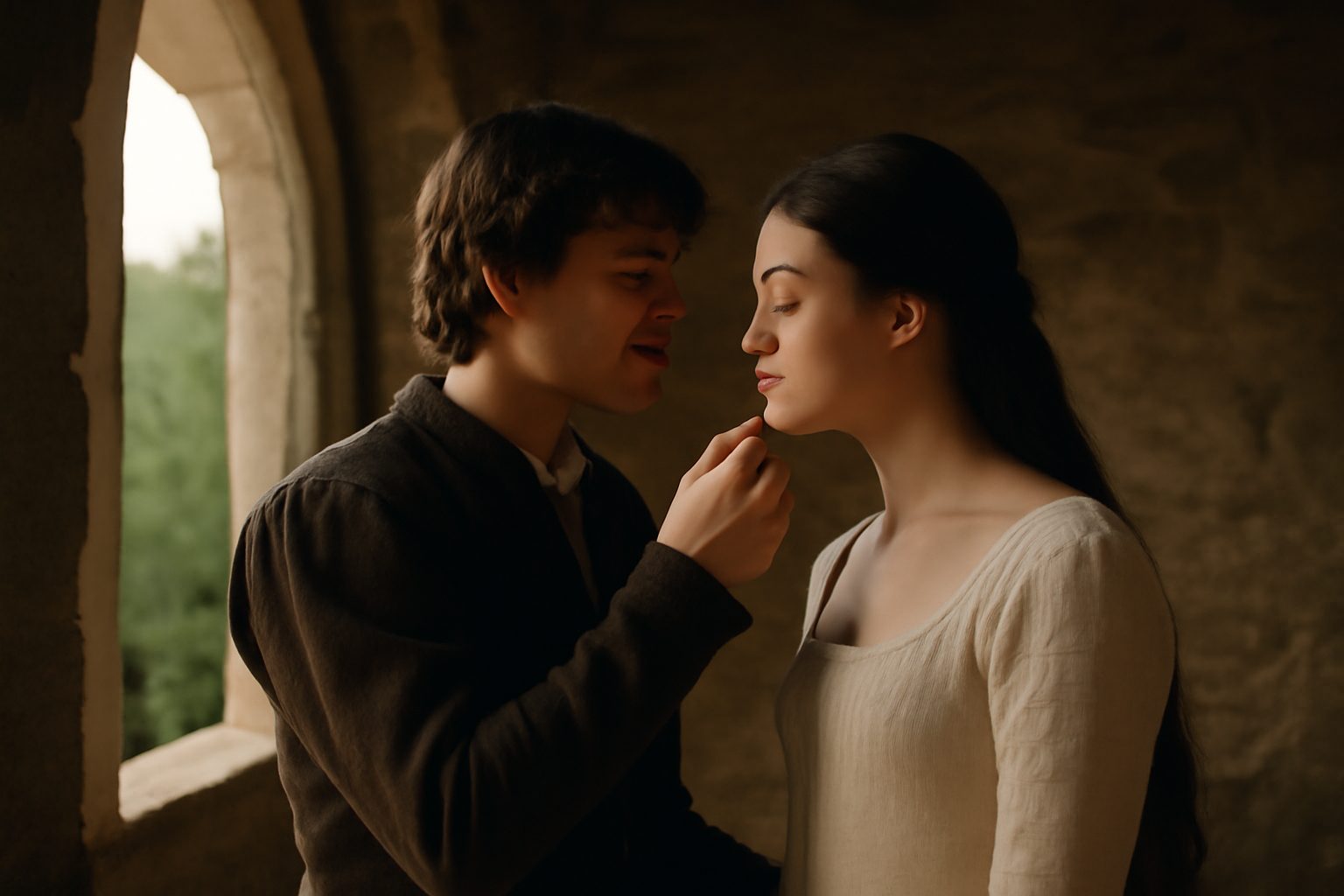
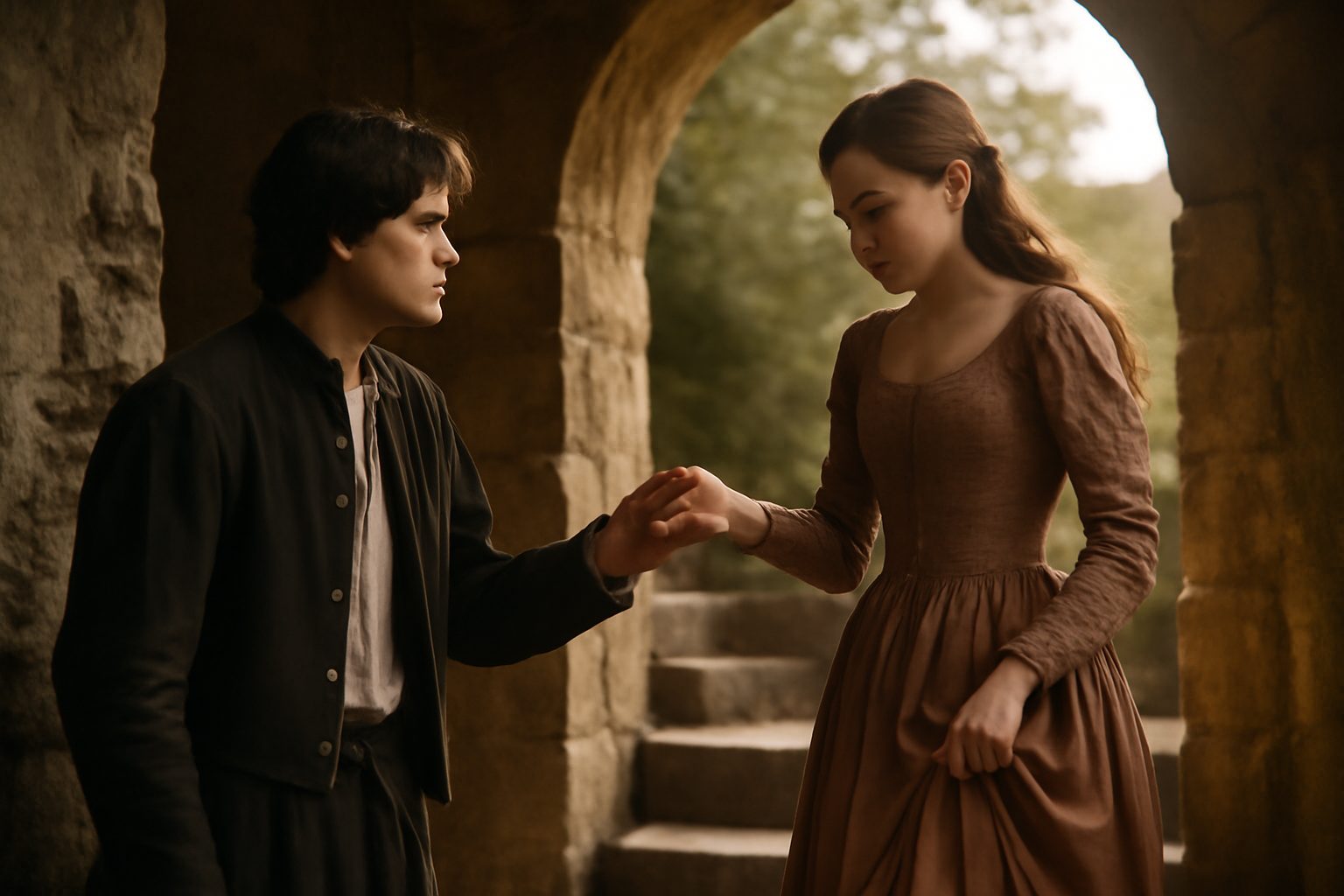
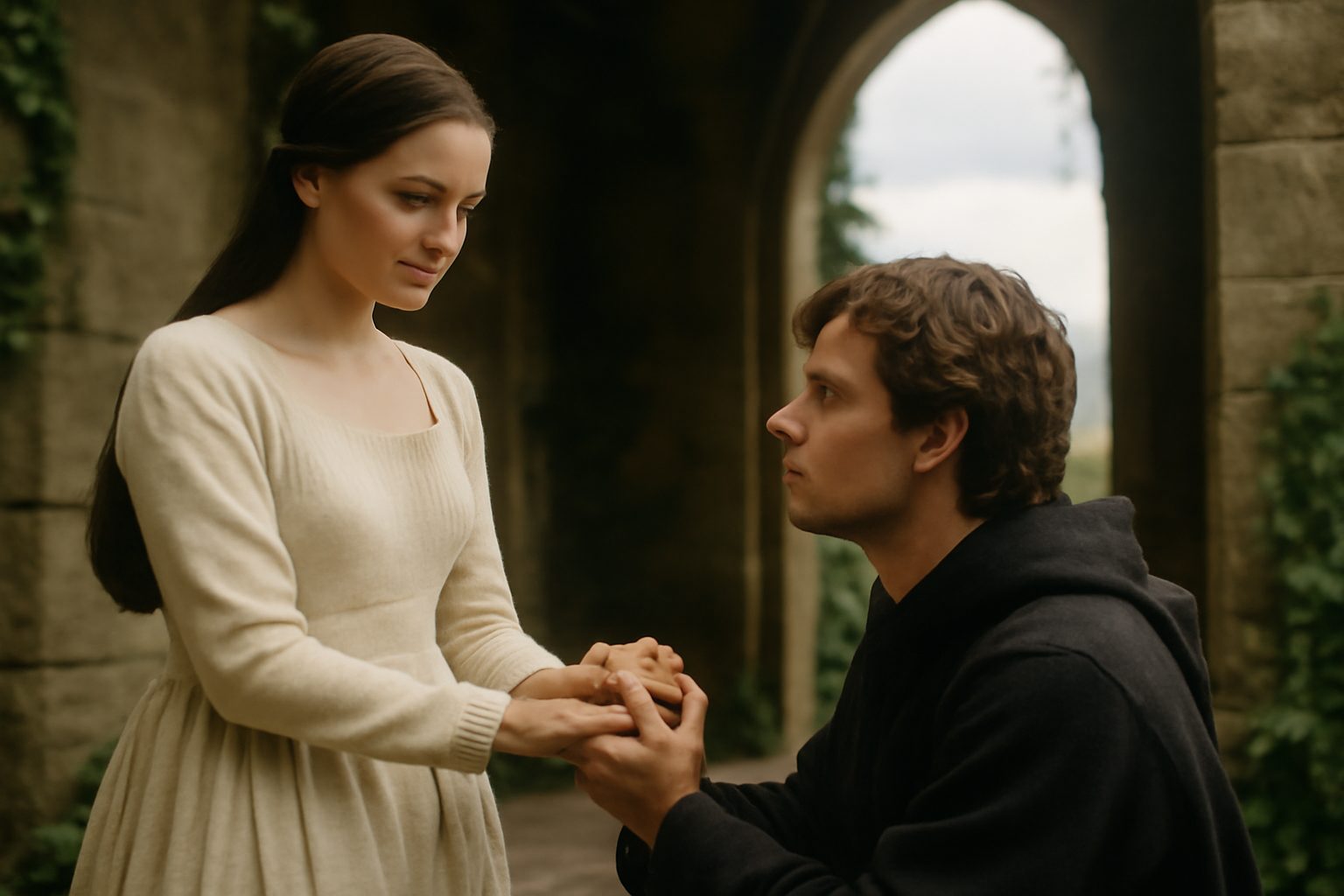
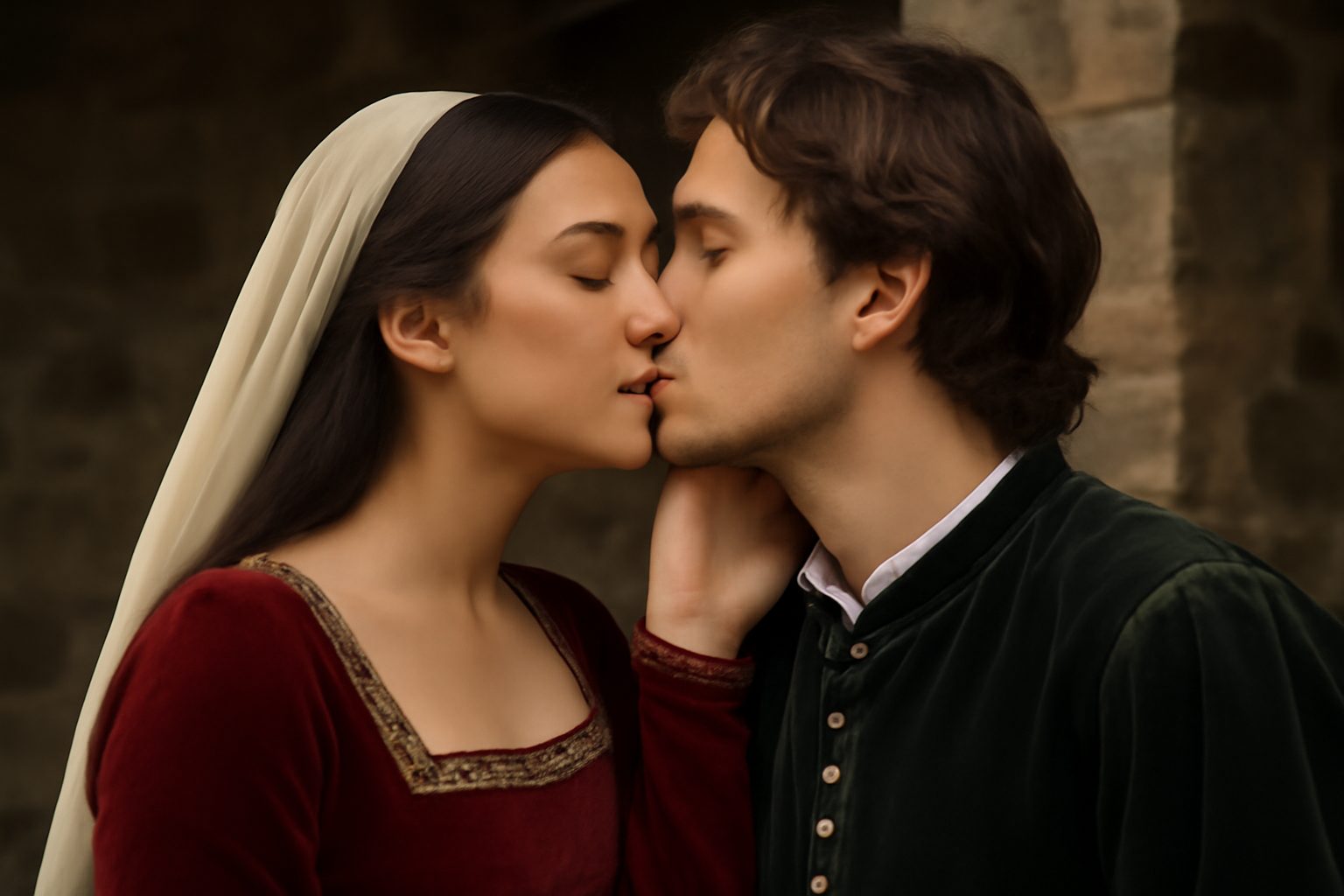
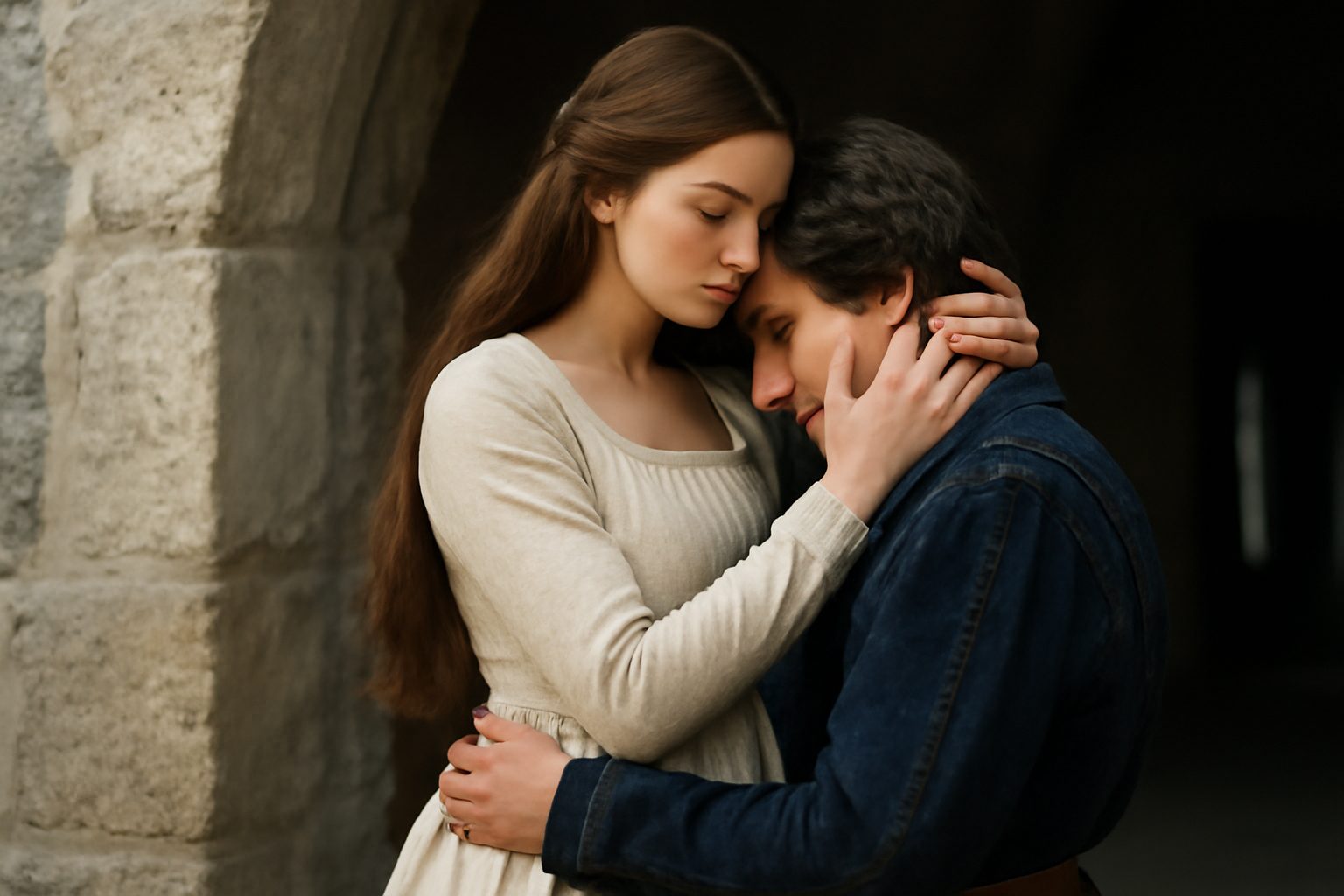
In Act 2, Scene 6 of Romeo and Juliet, Friar Laurence speaks these words as he prepares to marry the young lovers in secret. The line reflects his belief that true worth lies in genuine substance rather than superficial appearances, a theme that resonates with Romeo and Juliet's passionate but hastily made commitment. This moment underscores the Friar's cautious optimism about their union, even as he senses the potential for tragedy.
Juliet: "Brags of his substance, not of ornament:"
In modern day english, we would say:
He values what he truly is, not just how he appears.
Frequently Asked Questions
What does Juliet mean when she says Romeo values inner qualities over outward appearances?
Juliet is saying that Romeo takes pride in his true character and feelings, not in superficial or flashy traits.
Connections to other verses:
Connections to "Brags of his substance, not of ornament"
The verse "Brags of his substance, not of ornament" emphasizes valuing true essence over superficial appearances. This theme resonates with several other lines in Act 2, Scene 6.
Related to Moderation and True Value
Friar Laurence's advice in "Therefore love moderately; long love doth so" warns against excess, aligning with the idea that substance (moderation) should prevail over ornament (passionate extremes). Similarly, "They are but beggars that can count their worth" suggests true love's value is immeasurable, reinforcing the substance-over-ornament motif.
Contrast with Romeo's Exuberance
Romeo's declaration in "But my true love is grown to such excess" highlights his overwhelming passion, which contrasts with the Friar's call for substance. This juxtaposition underscores the tension between ornament (exuberant expression) and substance (measured love).
Symbolic and Poetic Links
The line "Conceit, more rich in matter than in words" directly parallels the idea of substance over ornament, emphasizing that inner meaning outweighs verbal embellishment. Additionally, "And in the taste confounds the appetite" uses sensory metaphor to critique overindulgence, tying back to the dangers of prioritizing ornament.
Foreshadowing and Irony
The ominous warning in "These violent delights have violent ends" foreshadows the tragedy stemming from unchecked passion (ornament), further emphasizing the need for substance. Romeo's hopeful yet ironic statement in "Then love-devouring death do what he dare" also contrasts with the Friar's pragmatic focus on enduring love.