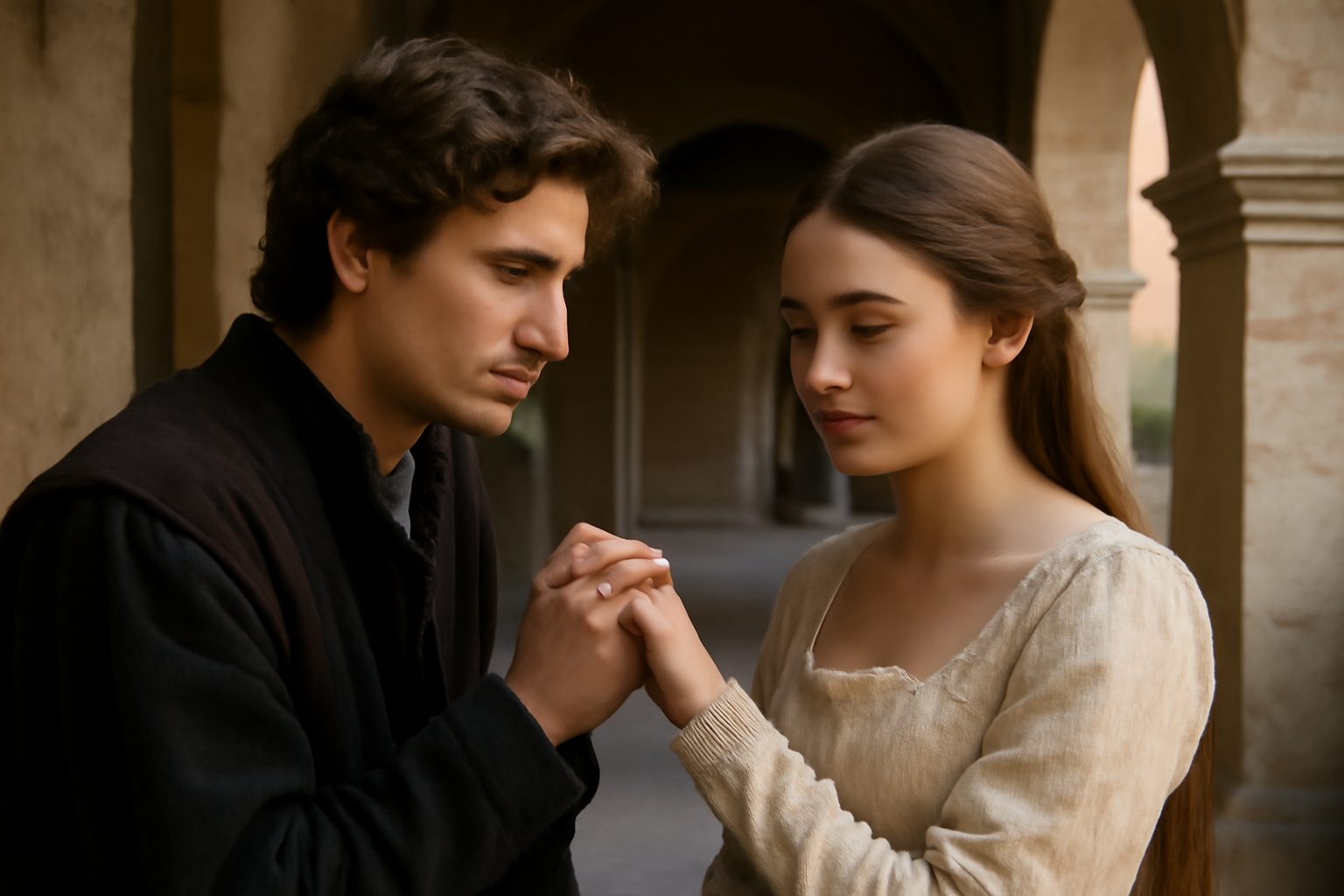
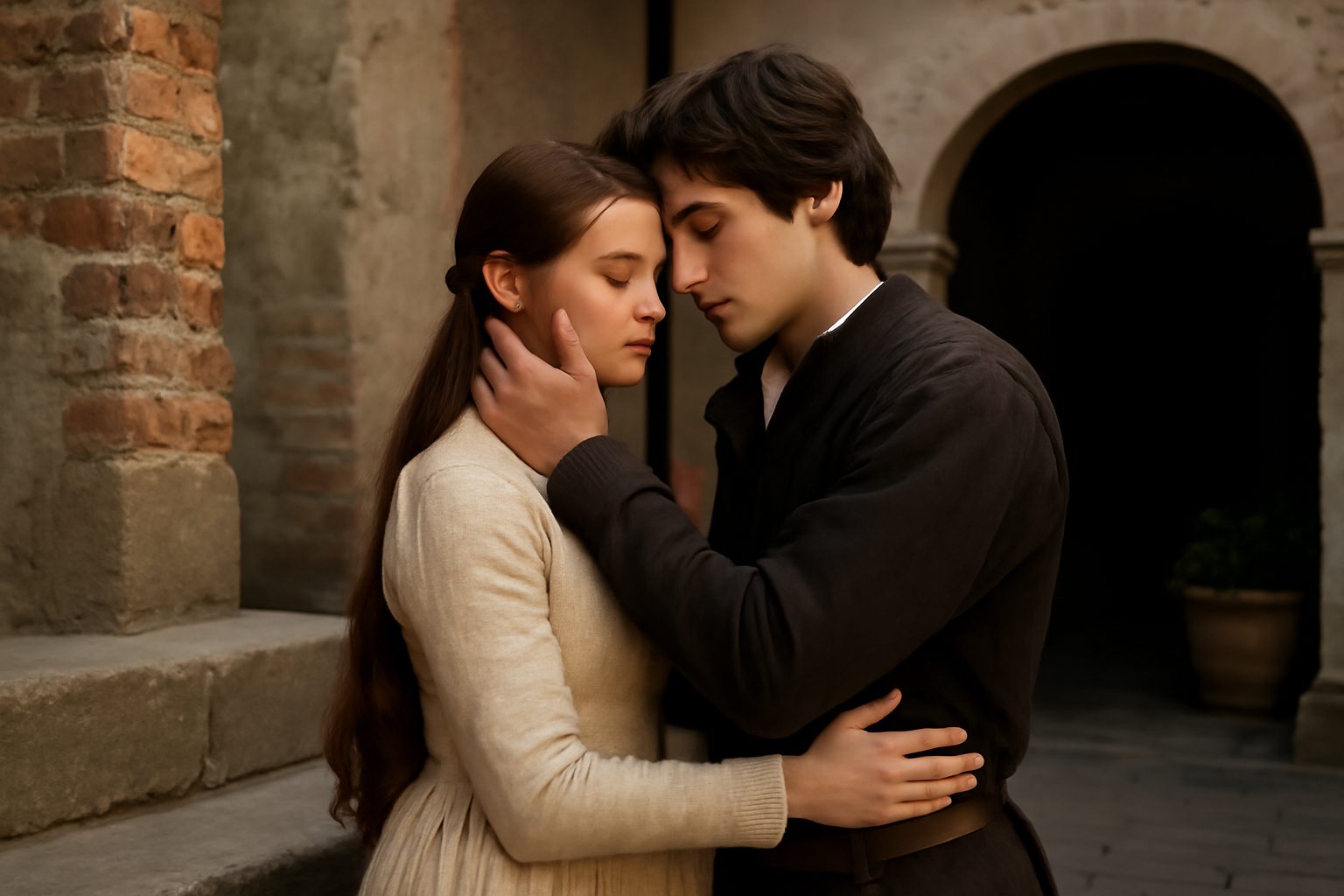
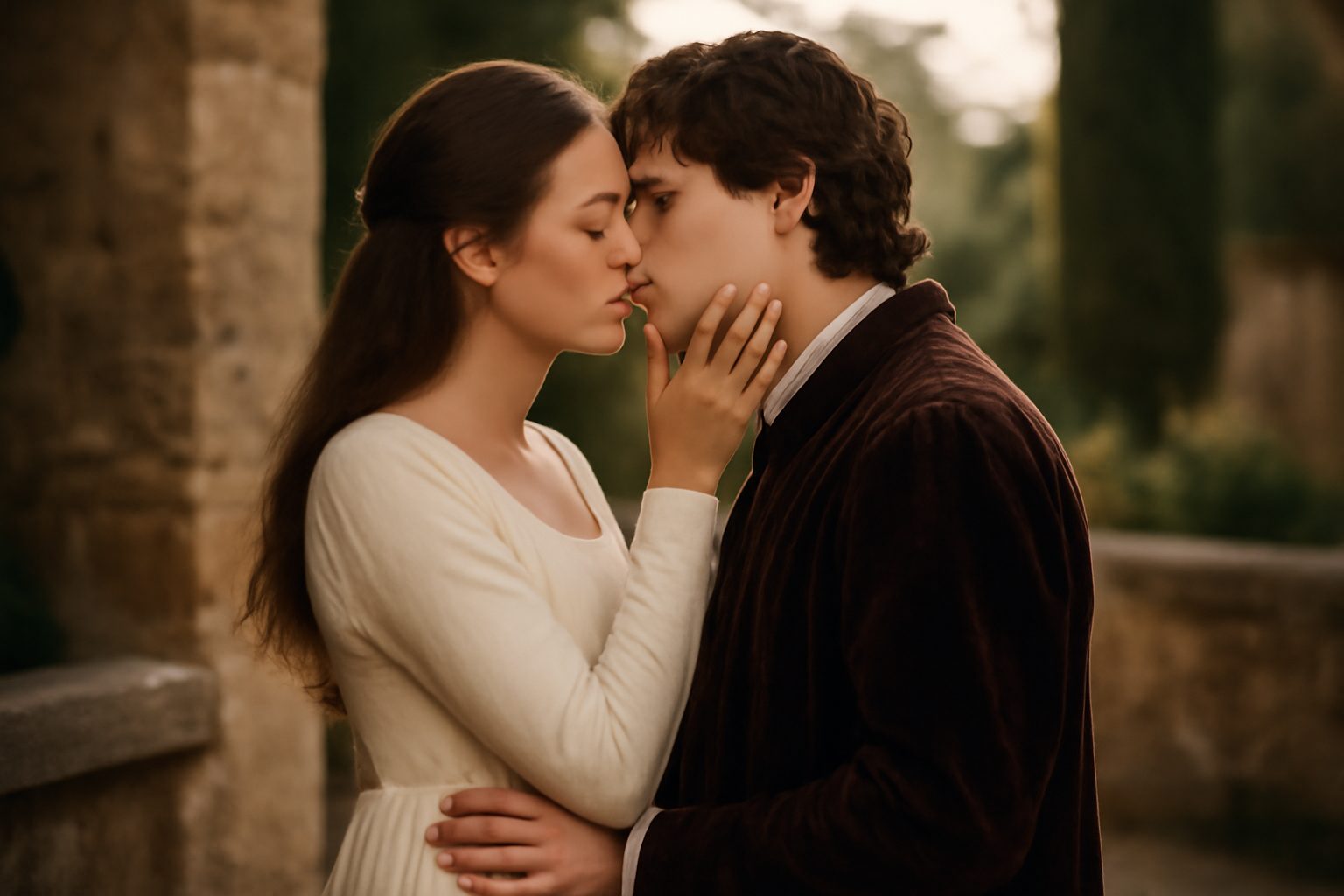
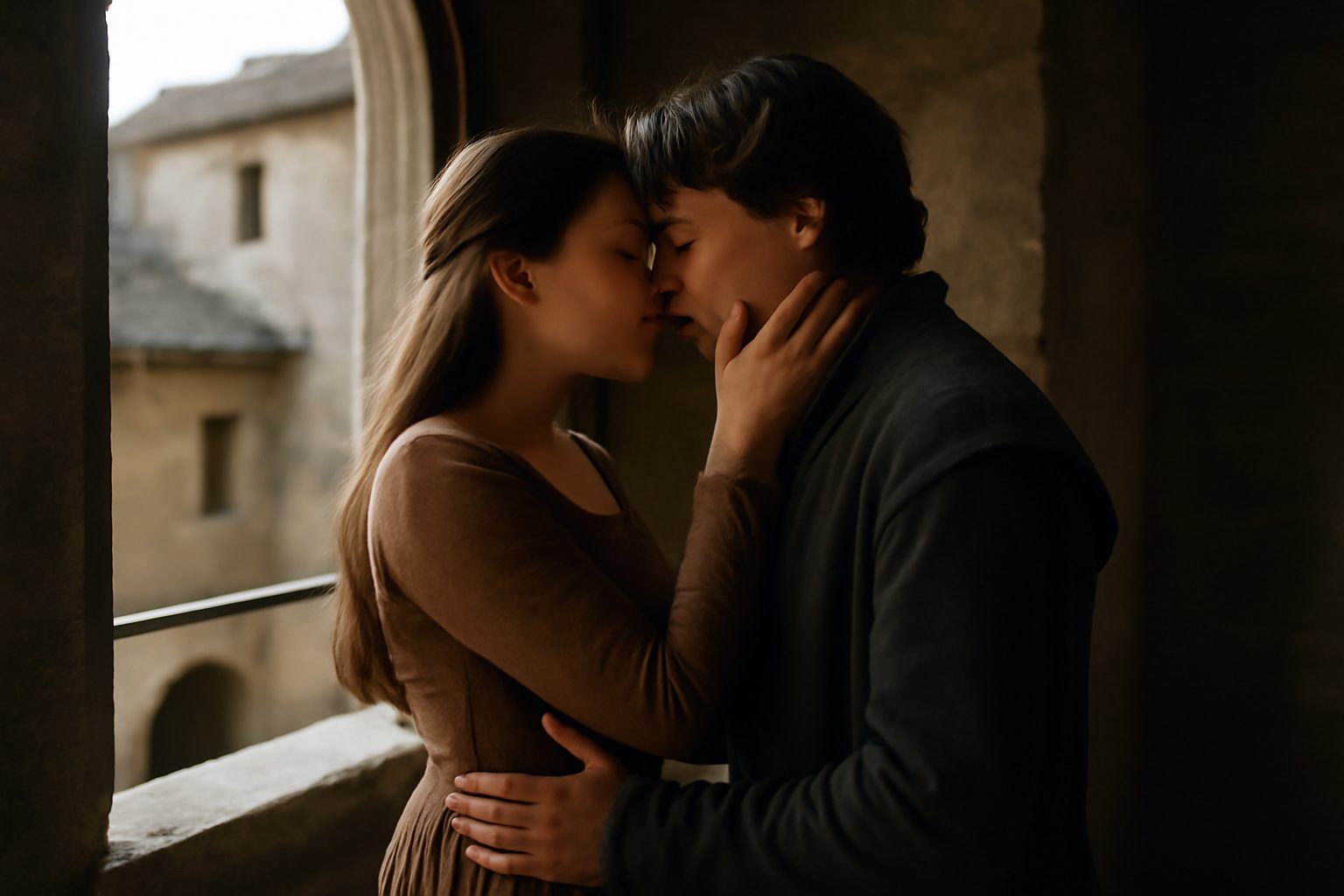
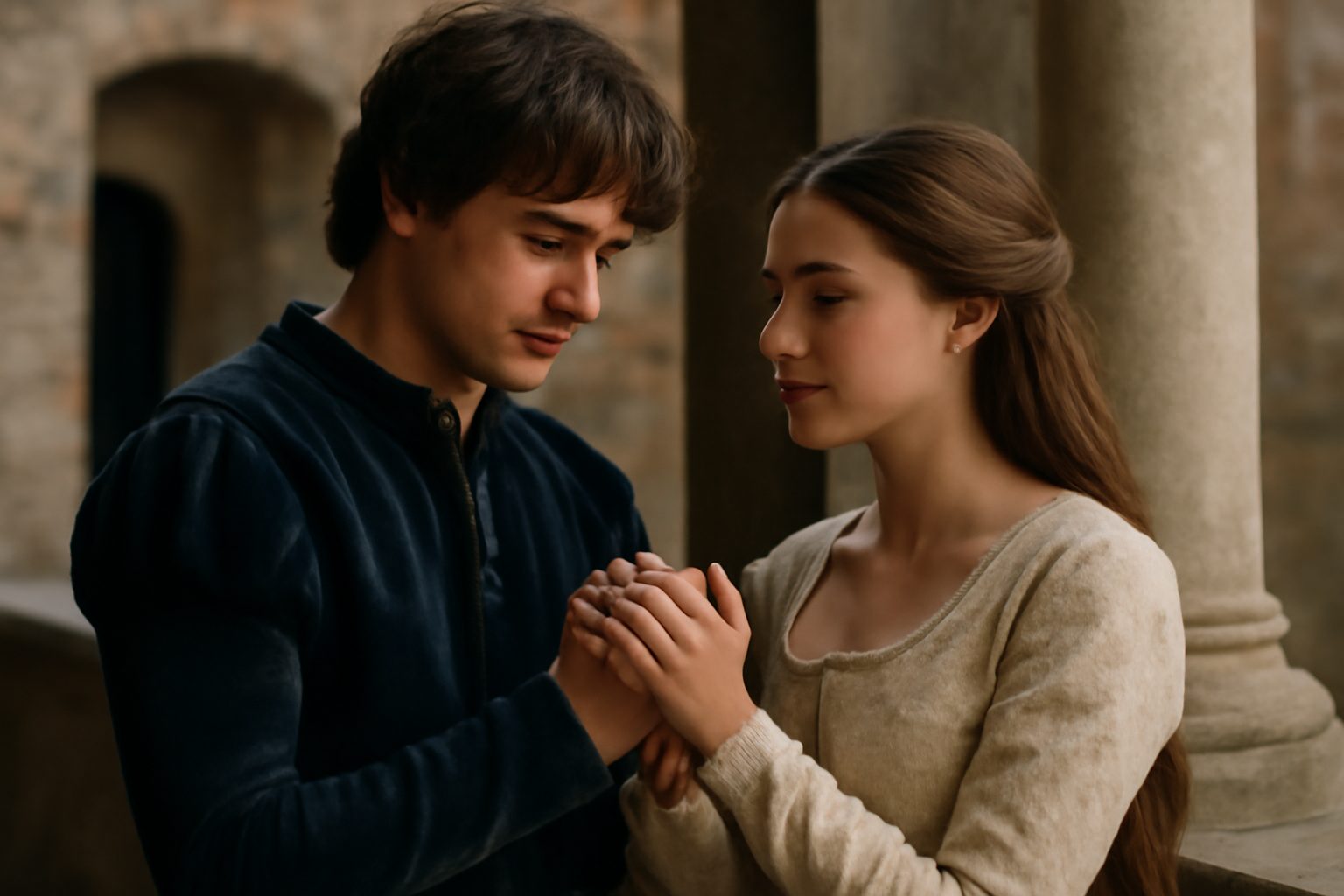
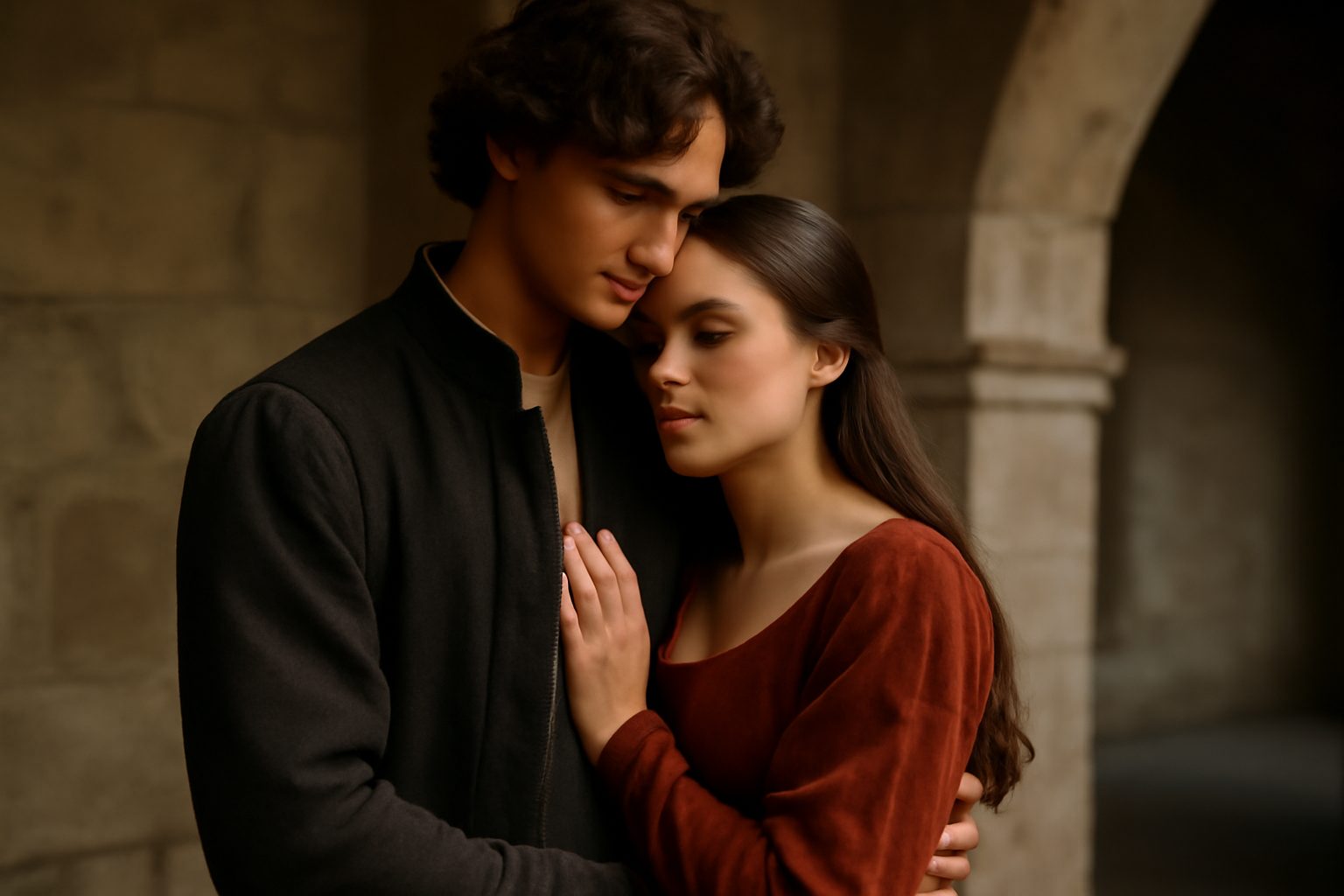
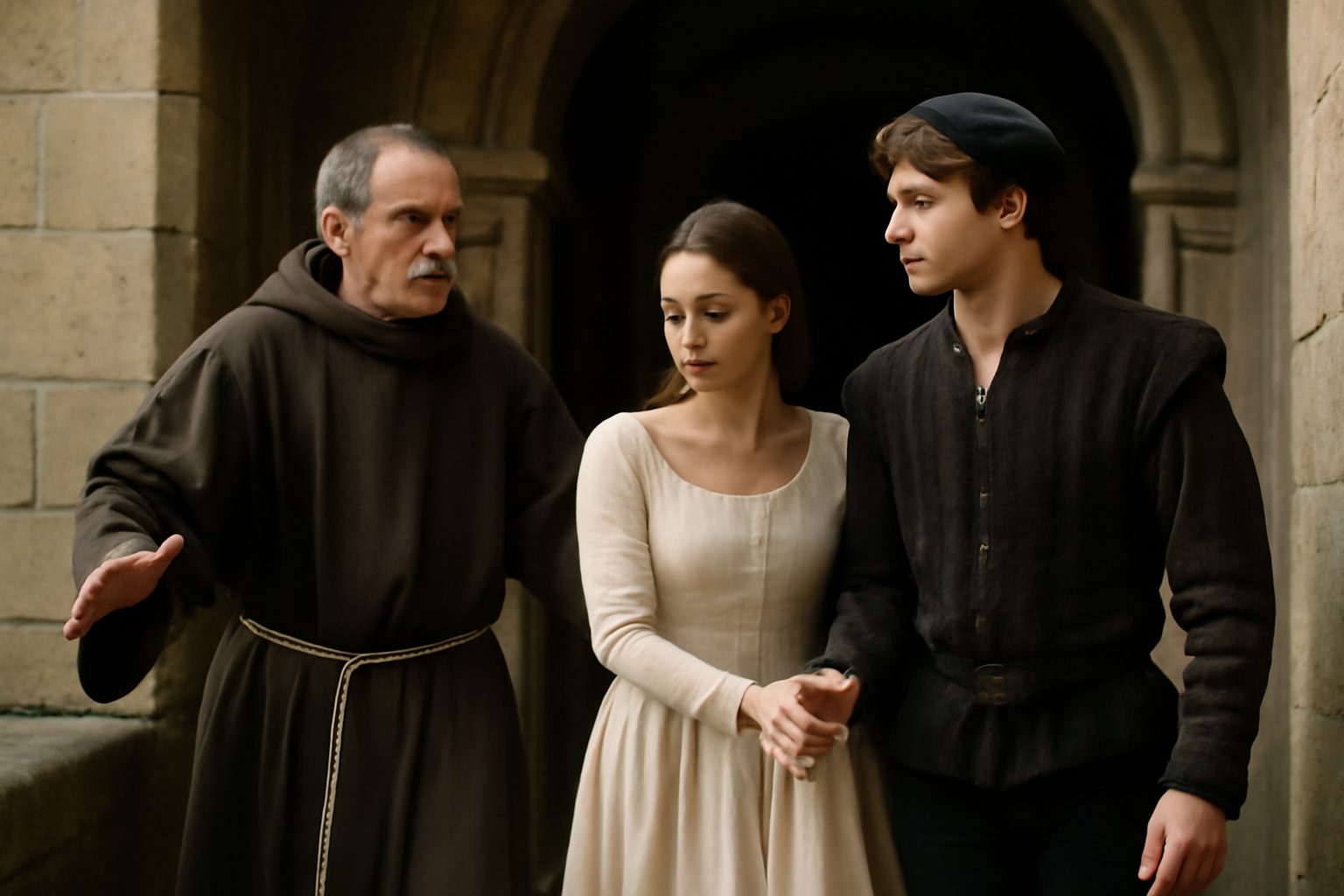
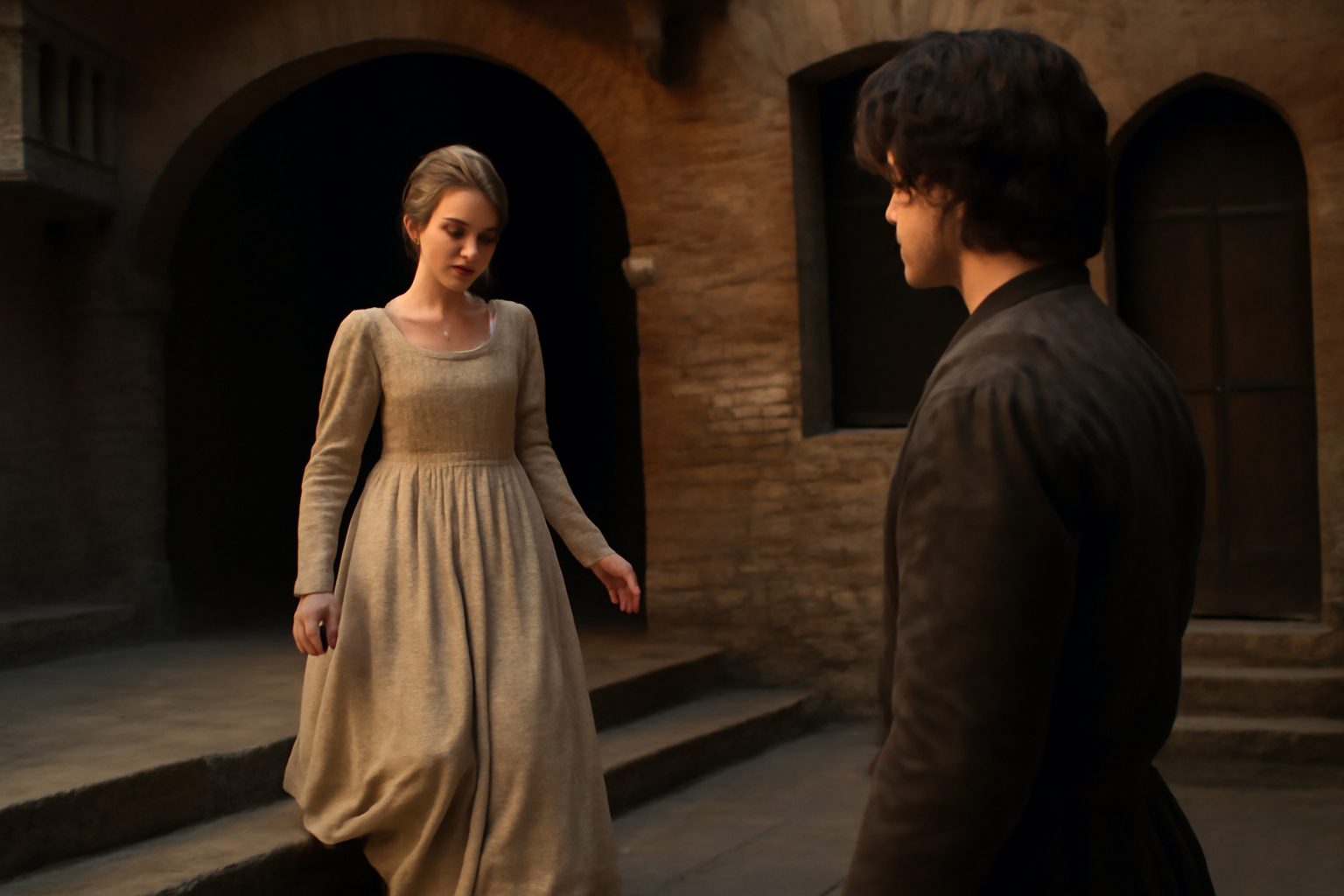
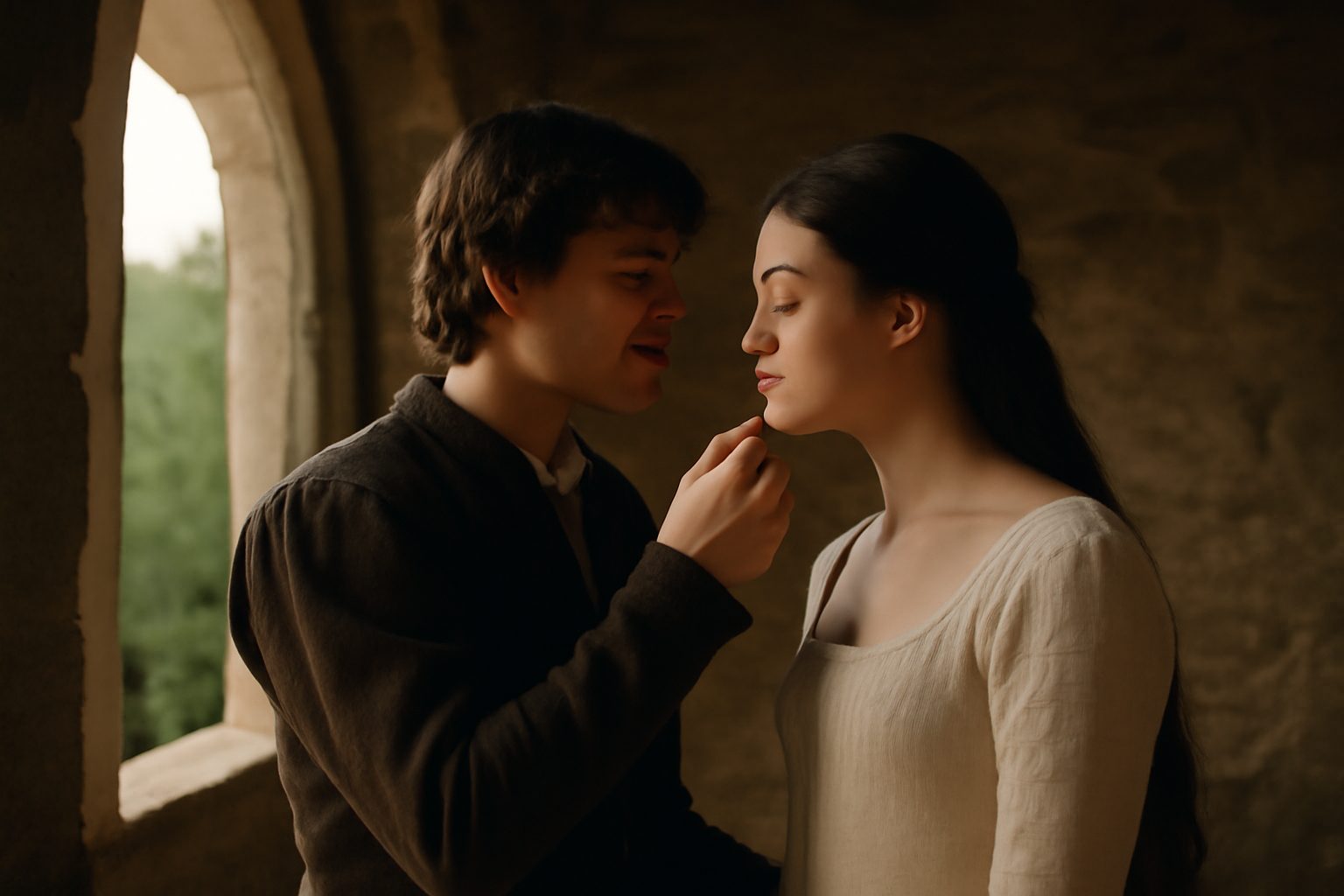
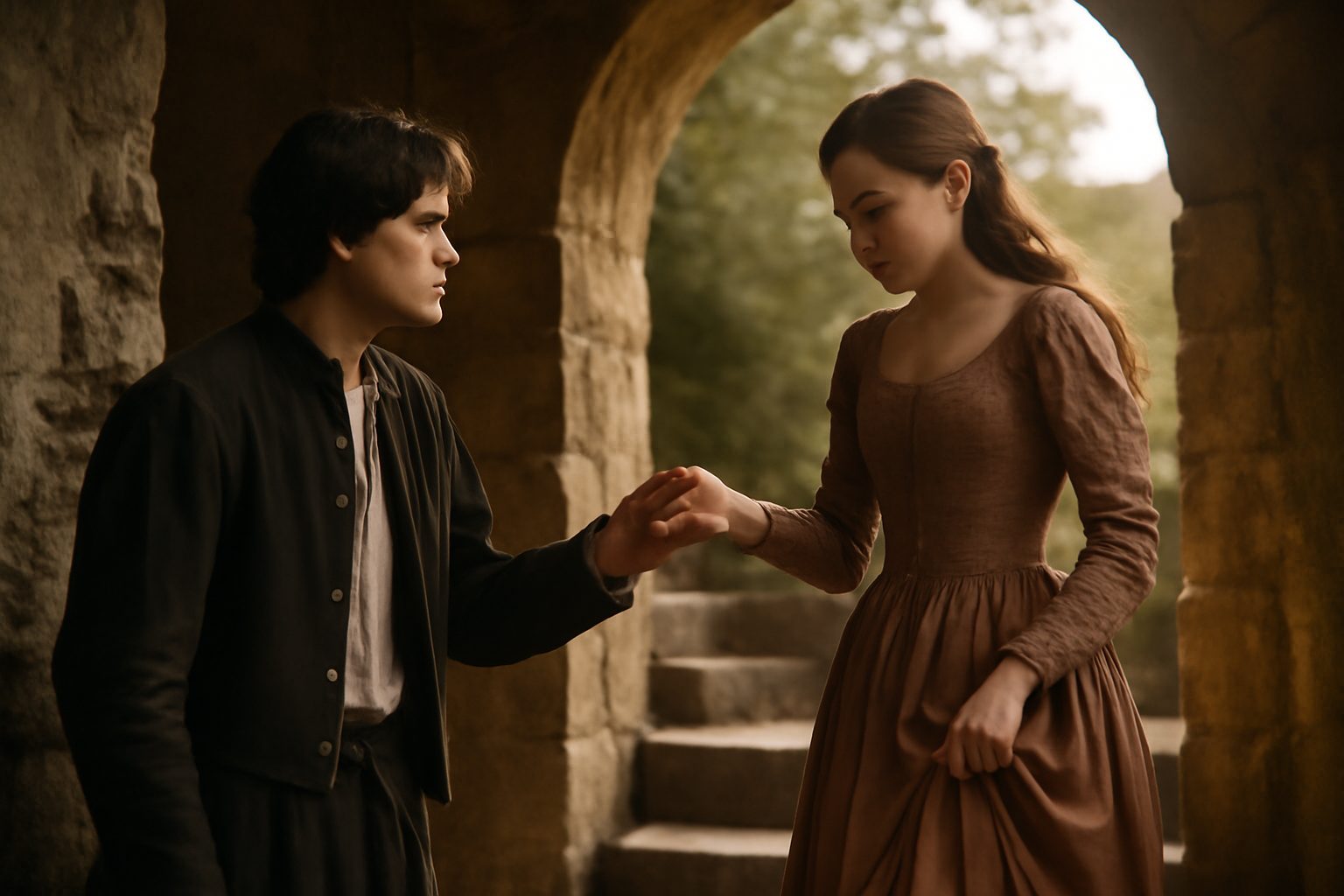
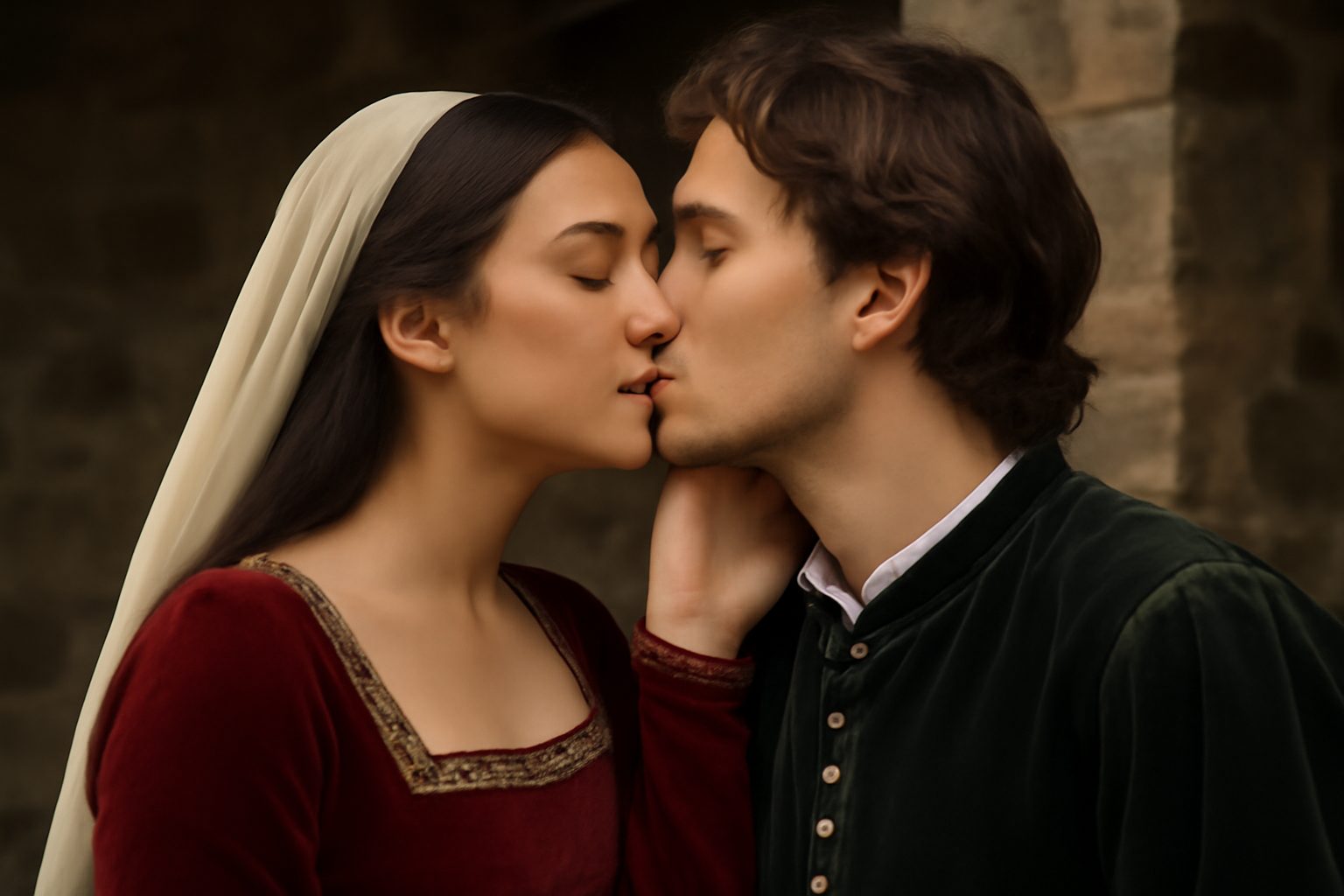
In Act 2, Scene 6 of Romeo and Juliet, Friar Laurence speaks these words as he prepares to marry the young lovers in secret. The line reflects his contemplation on the enduring nature of love and time, contrasting the fleeting passion of Romeo and Juliet with the unchanging hardness of stone. It comes just before their hurried wedding, adding a note of solemnity to the scene.
Friar Laurence: "Will ne'er wear out the everlasting flint:"
In modern day english, we would say:
Love will never wear away something as hard as stone.
Frequently Asked Questions
What does Friar Laurence mean when he says that love will never wear out the hardest stone?
He is saying that true love is strong and enduring, just like a hard stone that never wears away.
Connections to other verses:
Connections to "Will ne'er wear out the everlasting flint"
The line "Will ne'er wear out the everlasting flint" (/romeo-and-juliet/two/2-6/act-2-scene-6-17/) speaks to the enduring, unyielding nature of Romeo and Juliet's love, suggesting it is as permanent and resilient as flint. This idea connects thematically and linguistically to several other verses in the scene.
Endurance and Permanence
Friar Laurence's warning in "Therefore love moderately; long love doth so" contrasts with Romeo's assertion of everlasting love, highlighting the tension between moderation and the intense, seemingly eternal passion Romeo feels.
Violent and Consuming Imagery
The phrase also resonates with "And in their triumph die, like fire and powder", which uses explosive imagery to convey how intense love can lead to destruction, yet Romeo's claim implies their love will outlast such violent ends.
Lightness and Transcendence
Romeo's description of Juliet's arrival in "Here comes the lady: O, so light a foot" and the idea of a lover bestriding gossamer in "A lover may bestride the gossamer" emphasize the ethereal, almost supernatural quality of their love, complementing the notion of its everlasting nature.
Joy and Excess
Romeo's declaration in "But my true love is grown to such excess" underscores the overwhelming intensity of his feelings, which aligns with the idea that their love is so strong it will never wear out, defying ordinary limits.
Spiritual and Holy Undertones
The Friar's hope in "So smile the heavens upon this holy act" imbues the union with divine approval, suggesting a love that is not only everlasting in a earthly sense but blessed by higher powers, reinforcing the permanence implied by "everlasting flint."