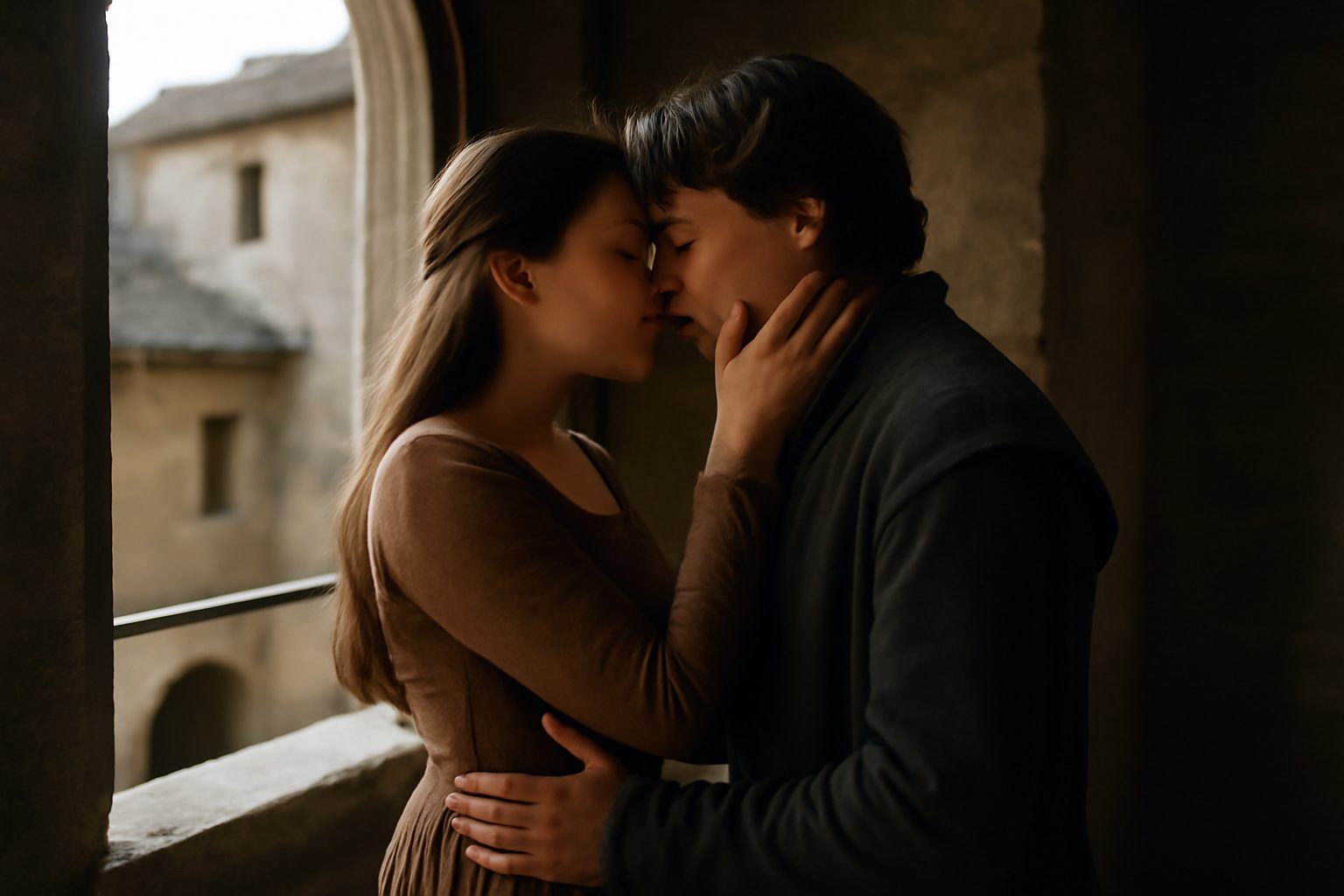
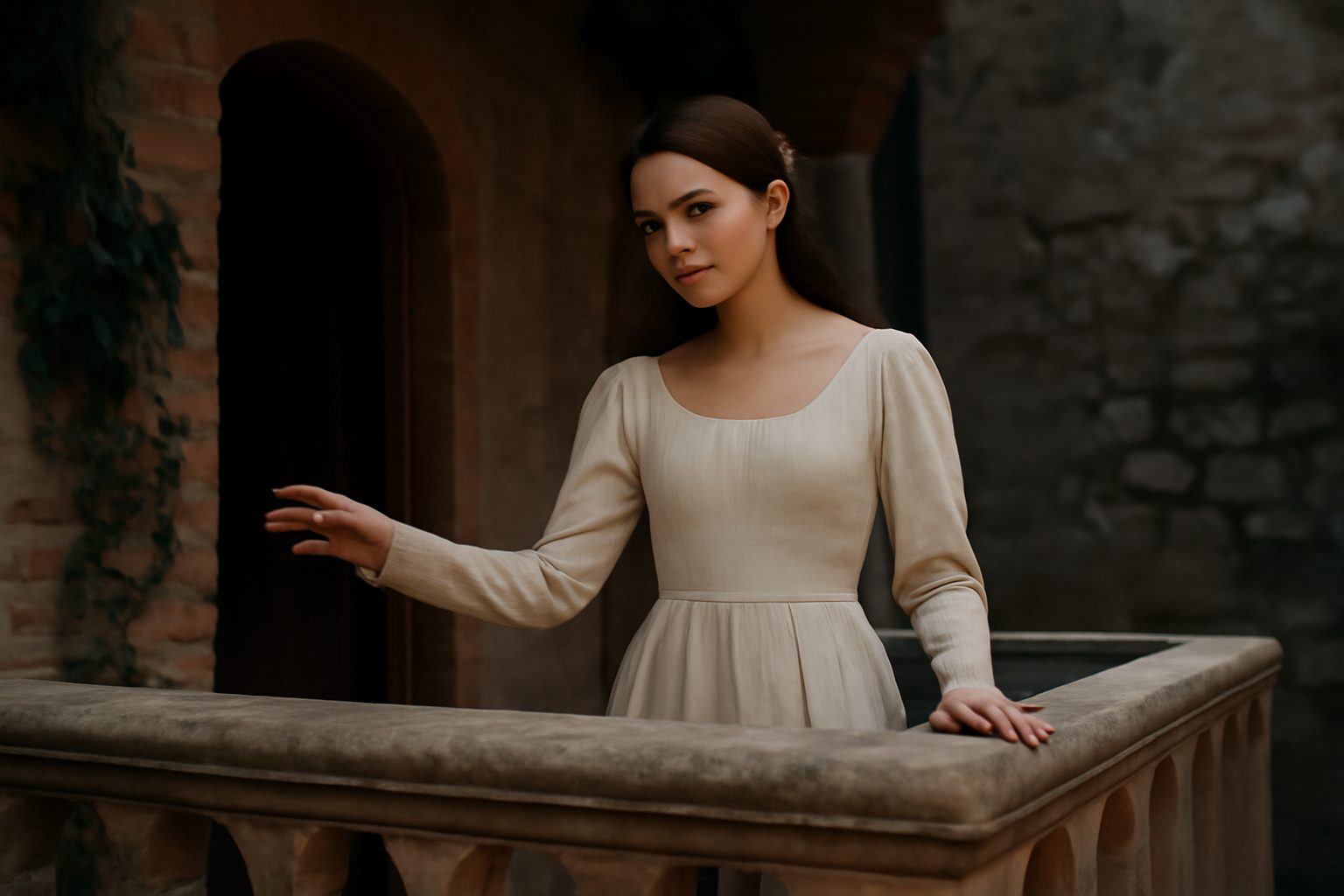
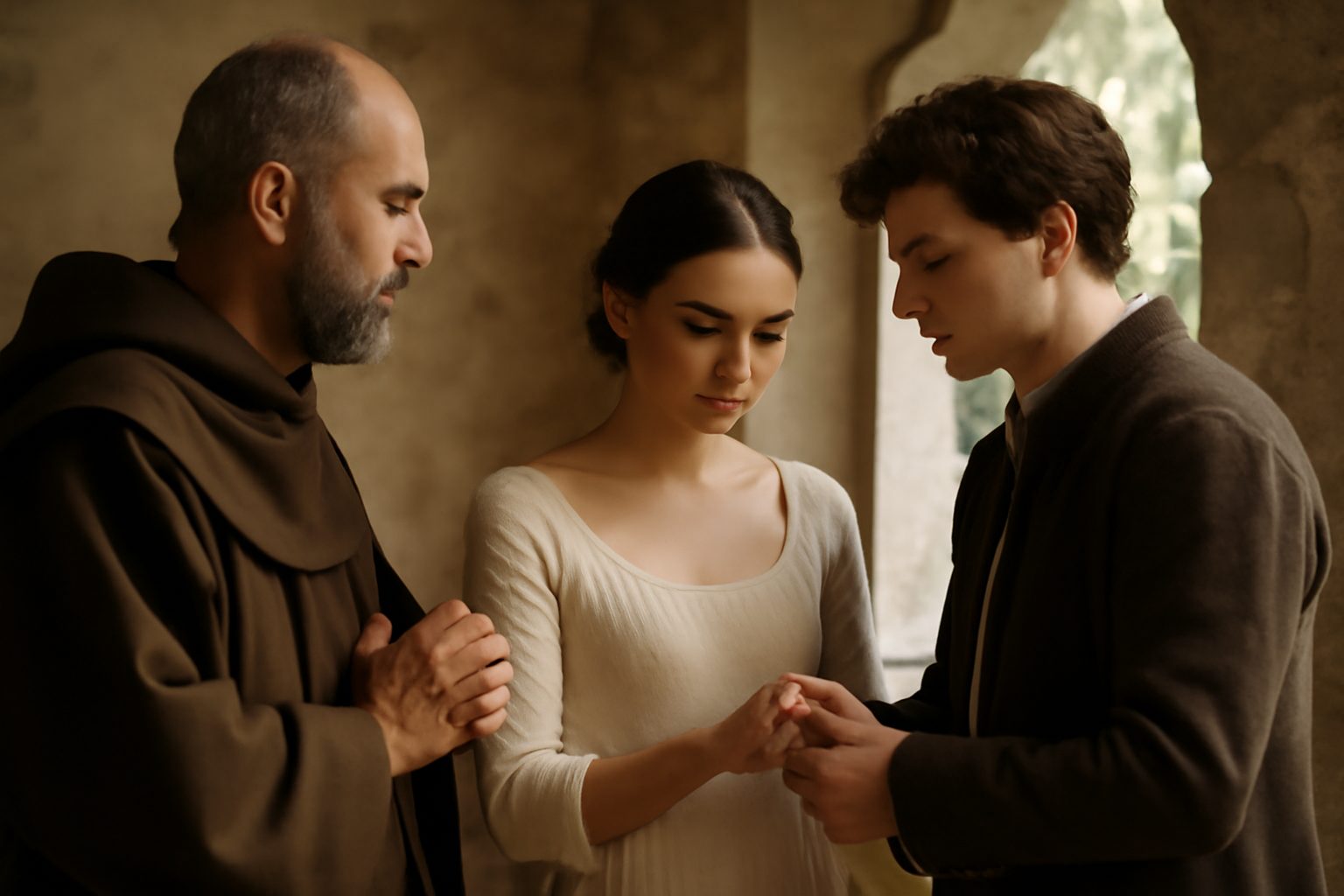
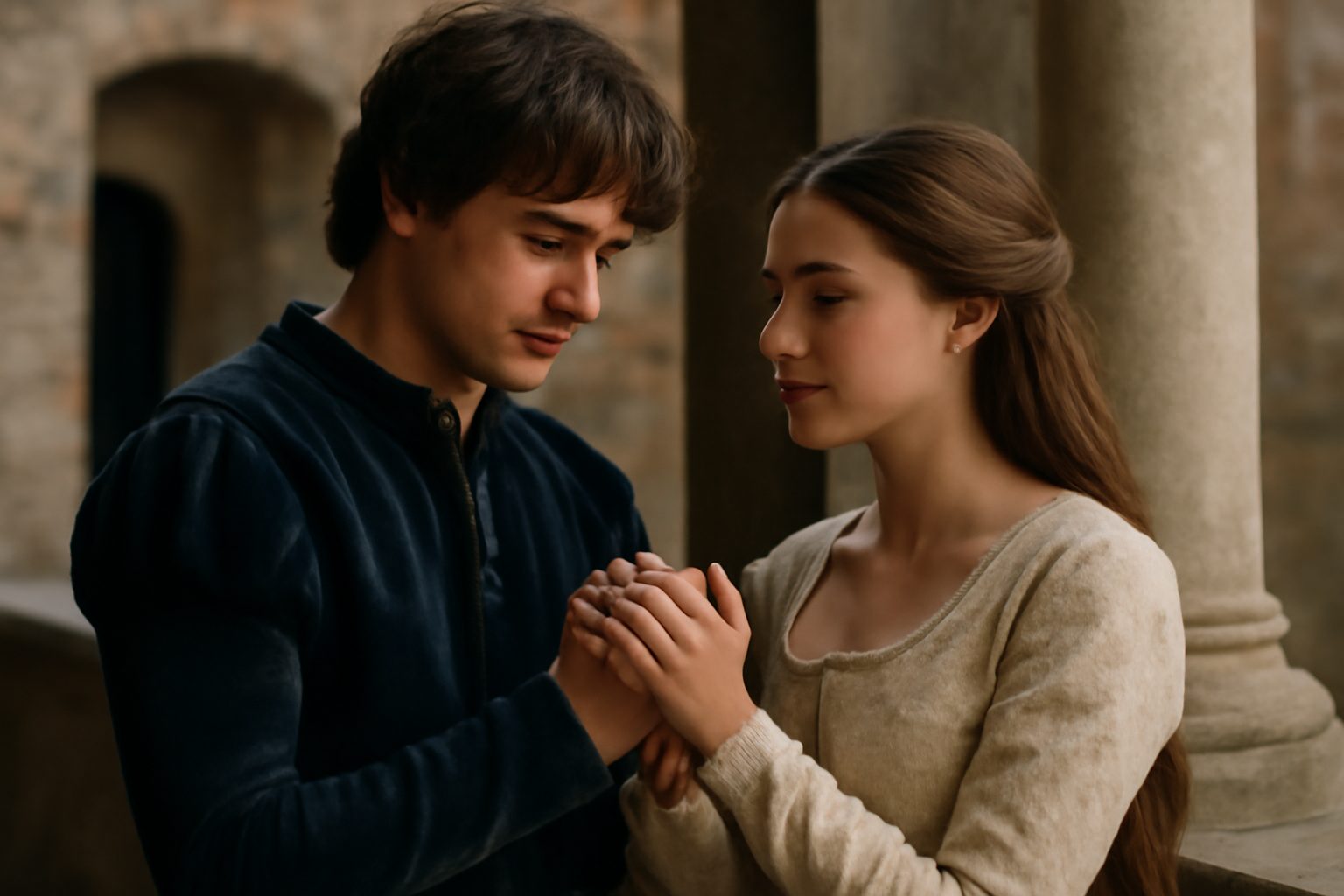
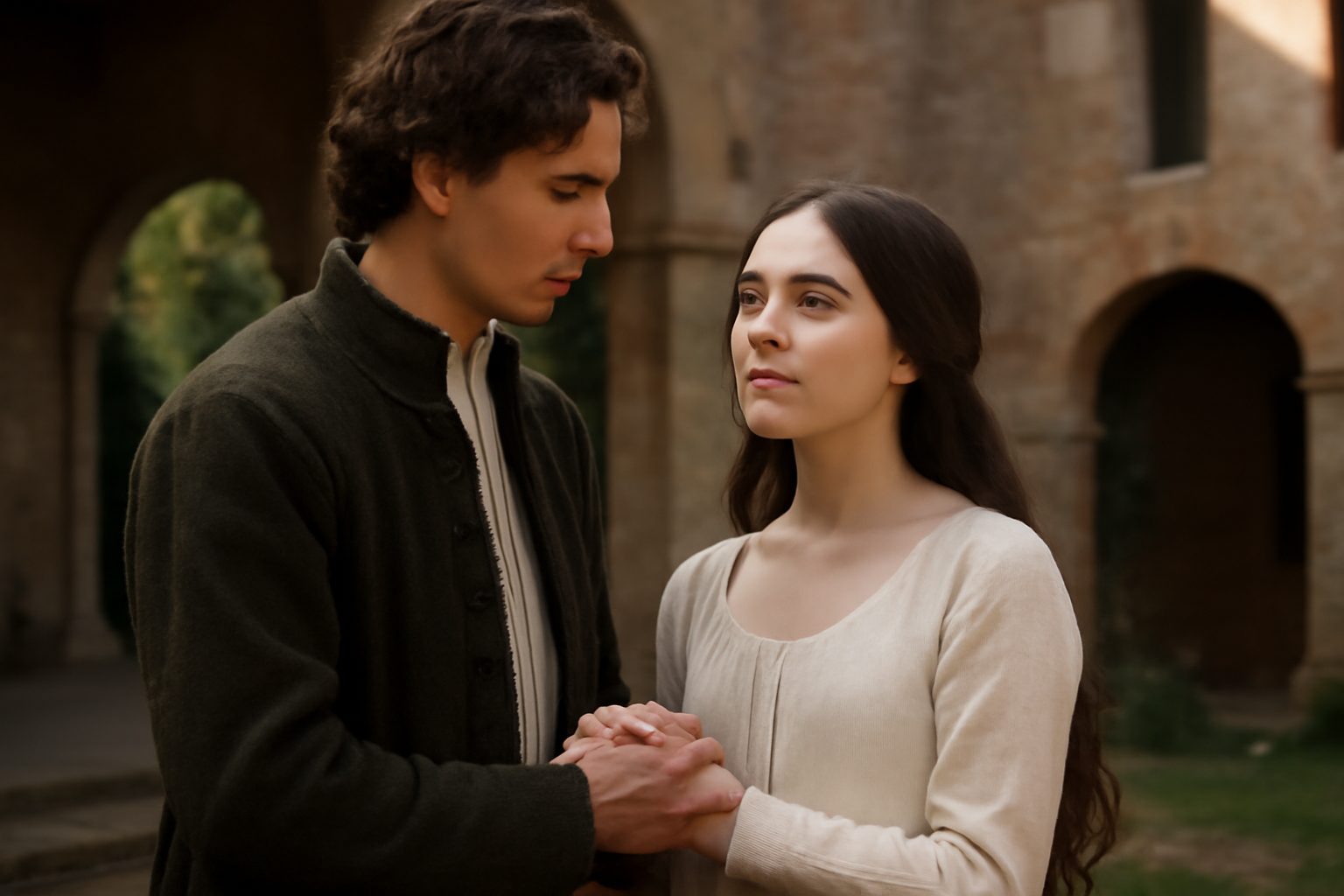
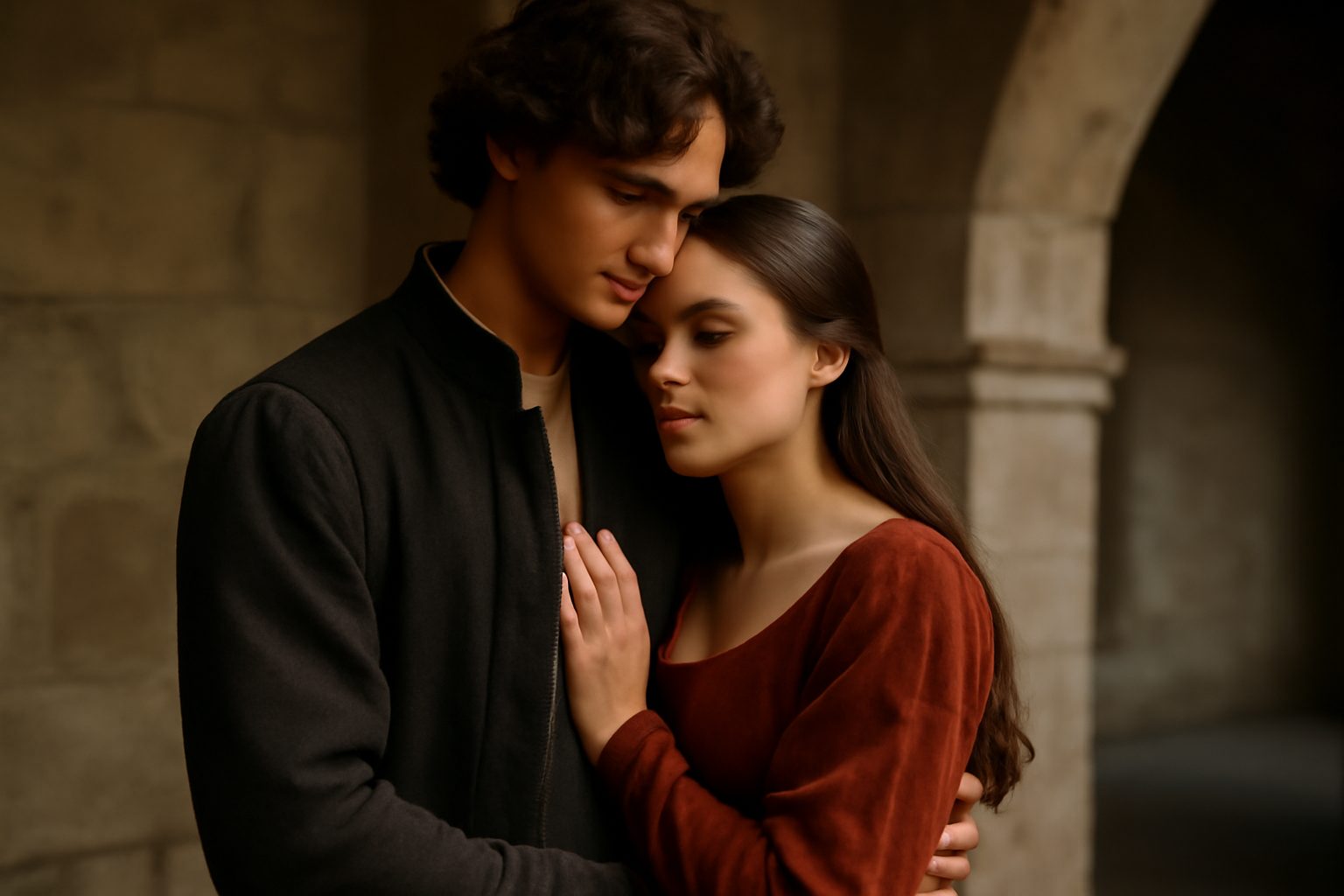
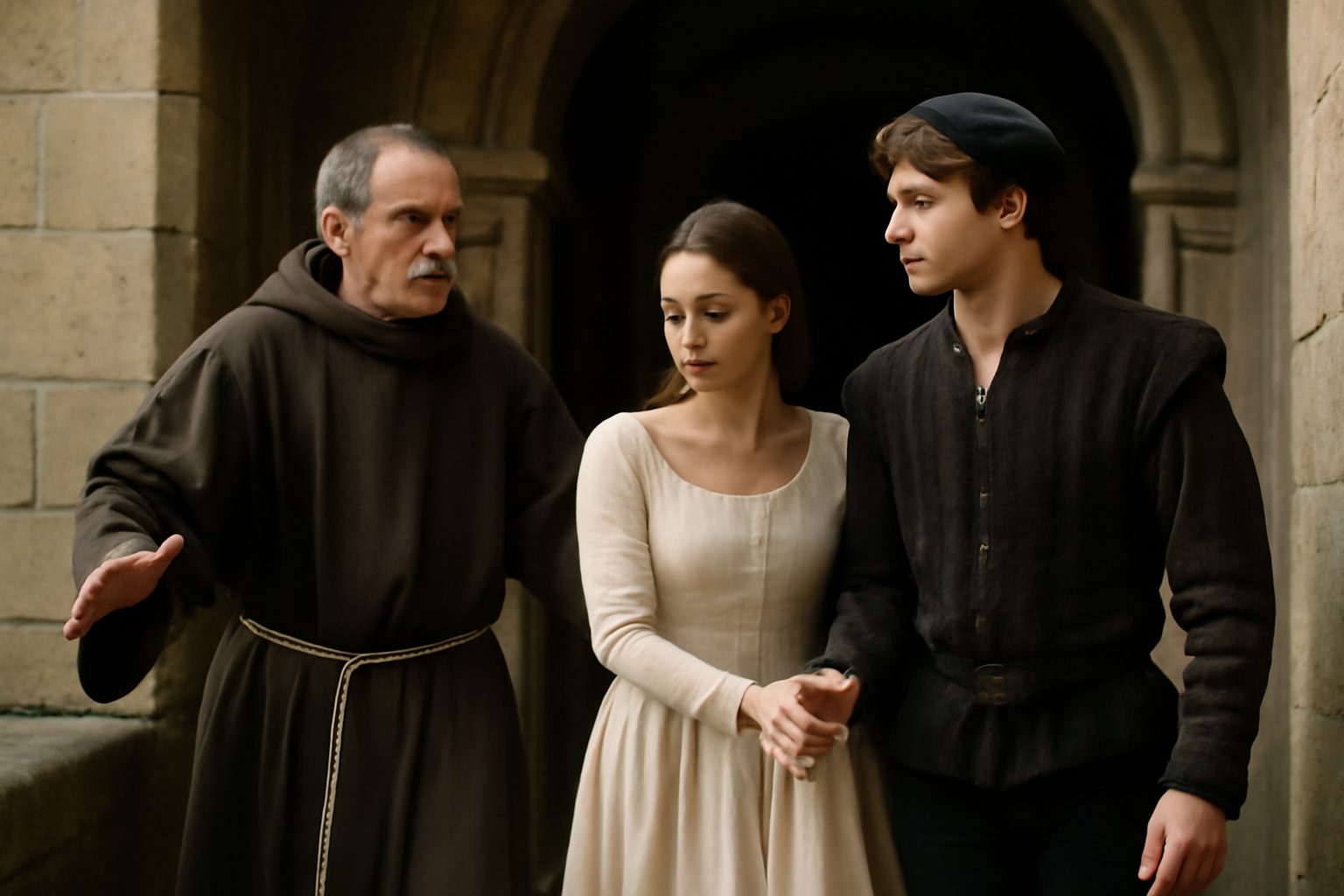
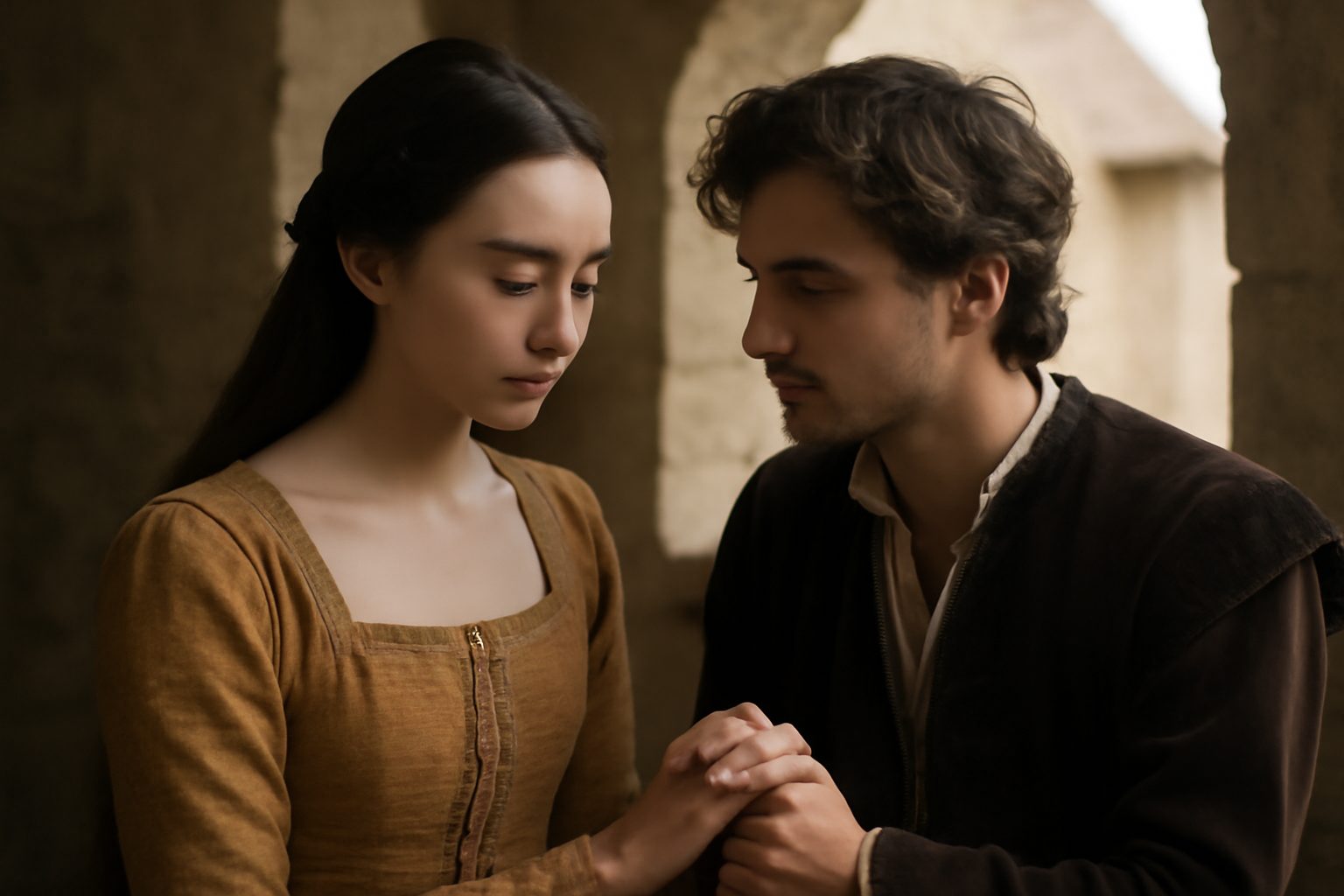
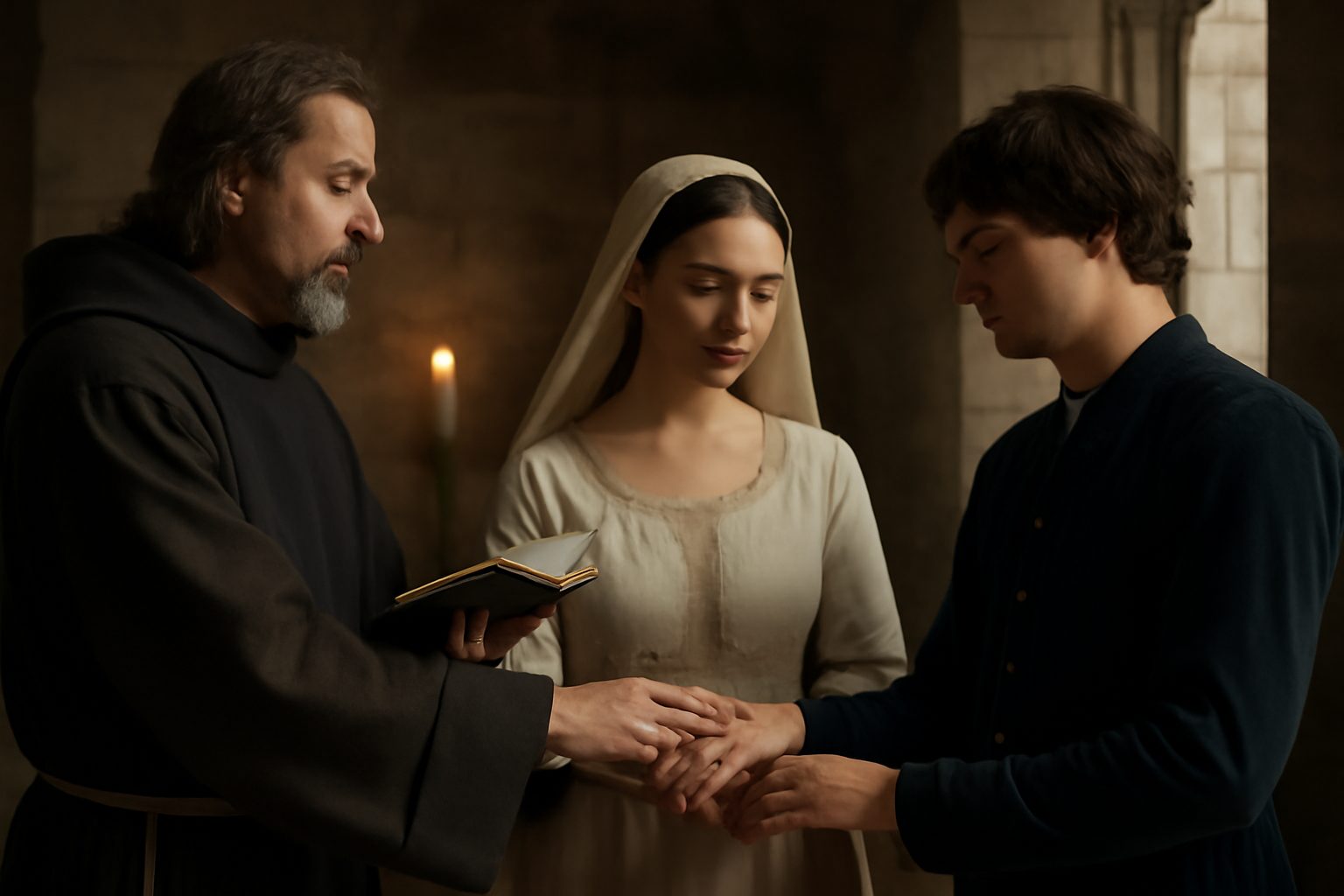
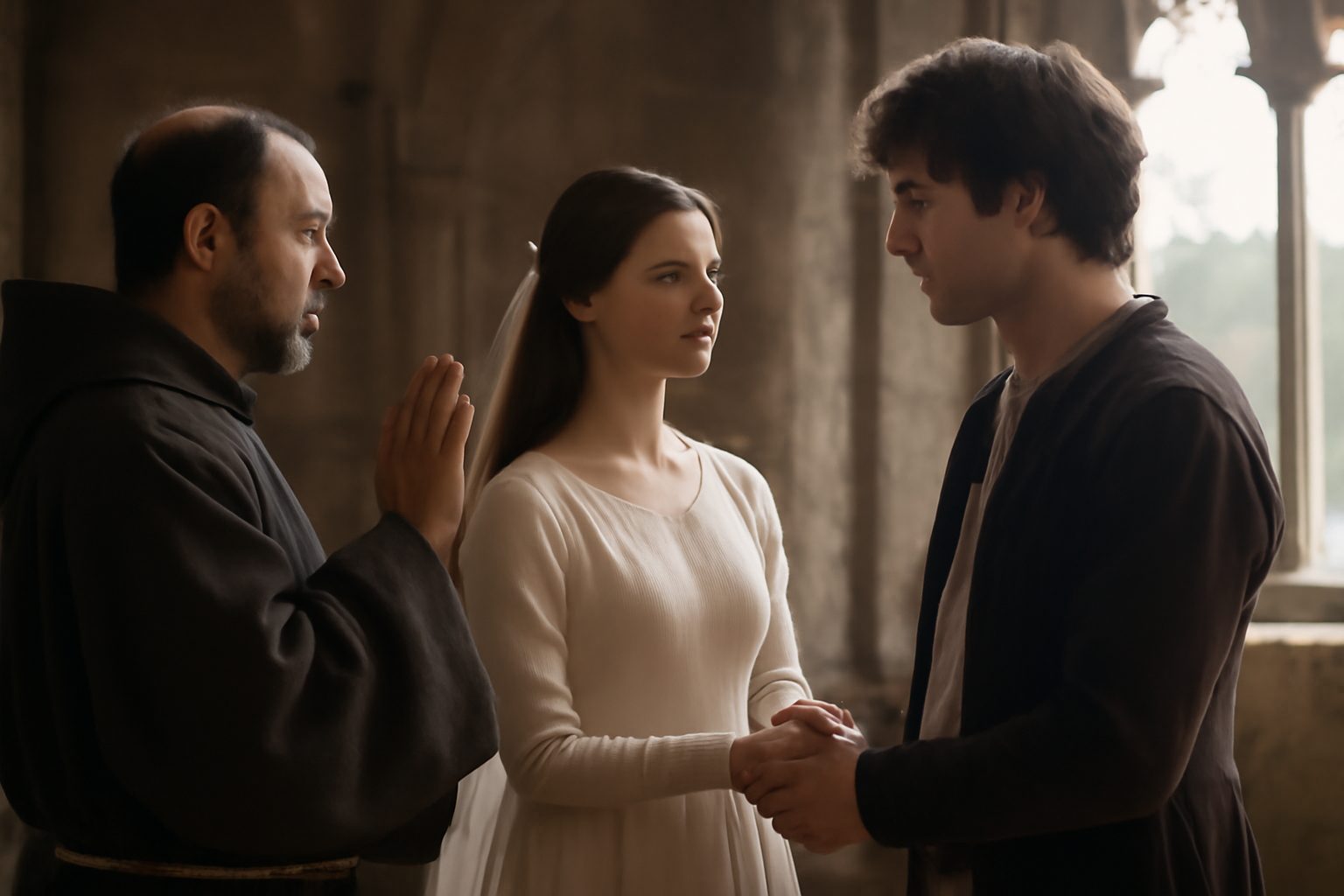
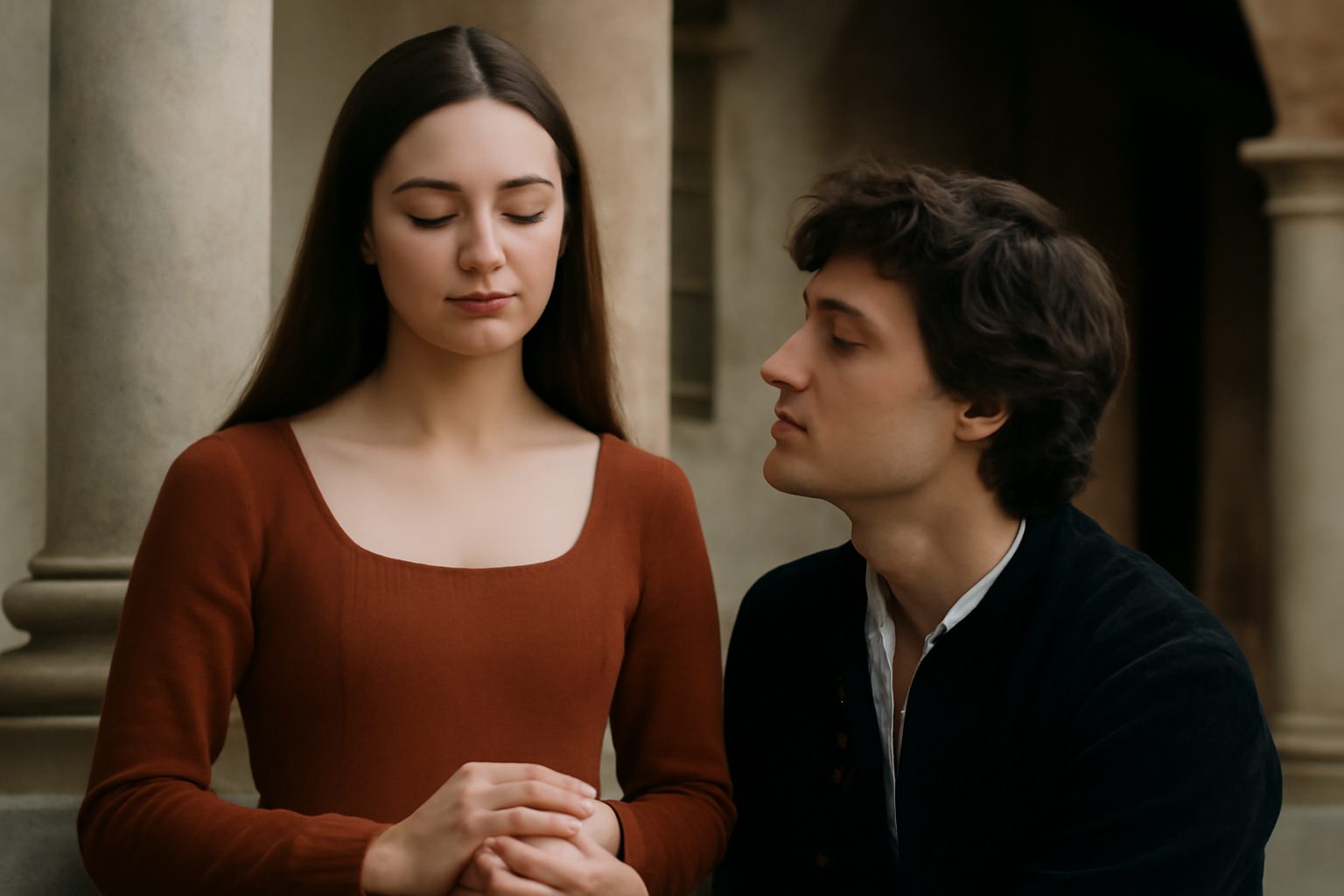
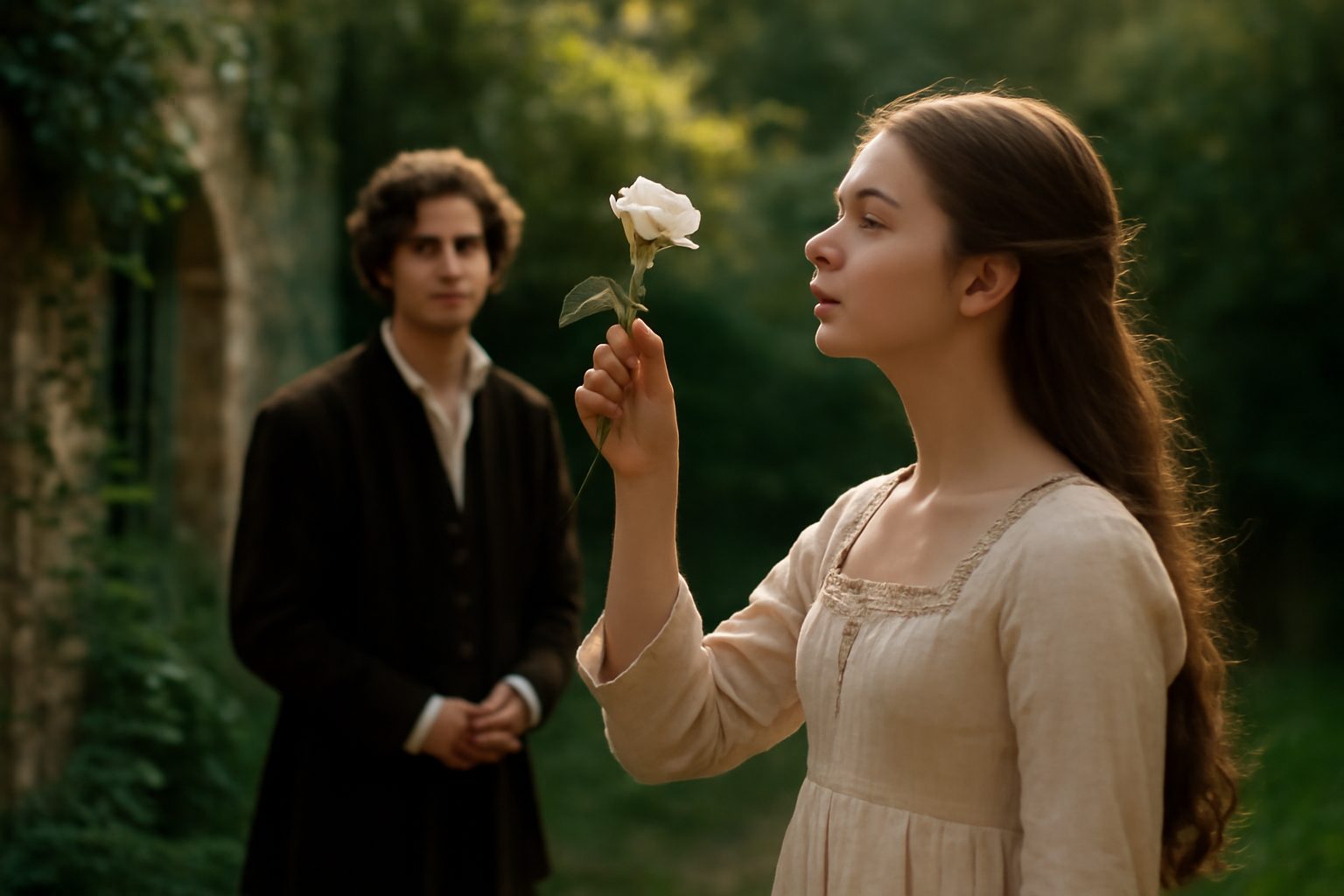
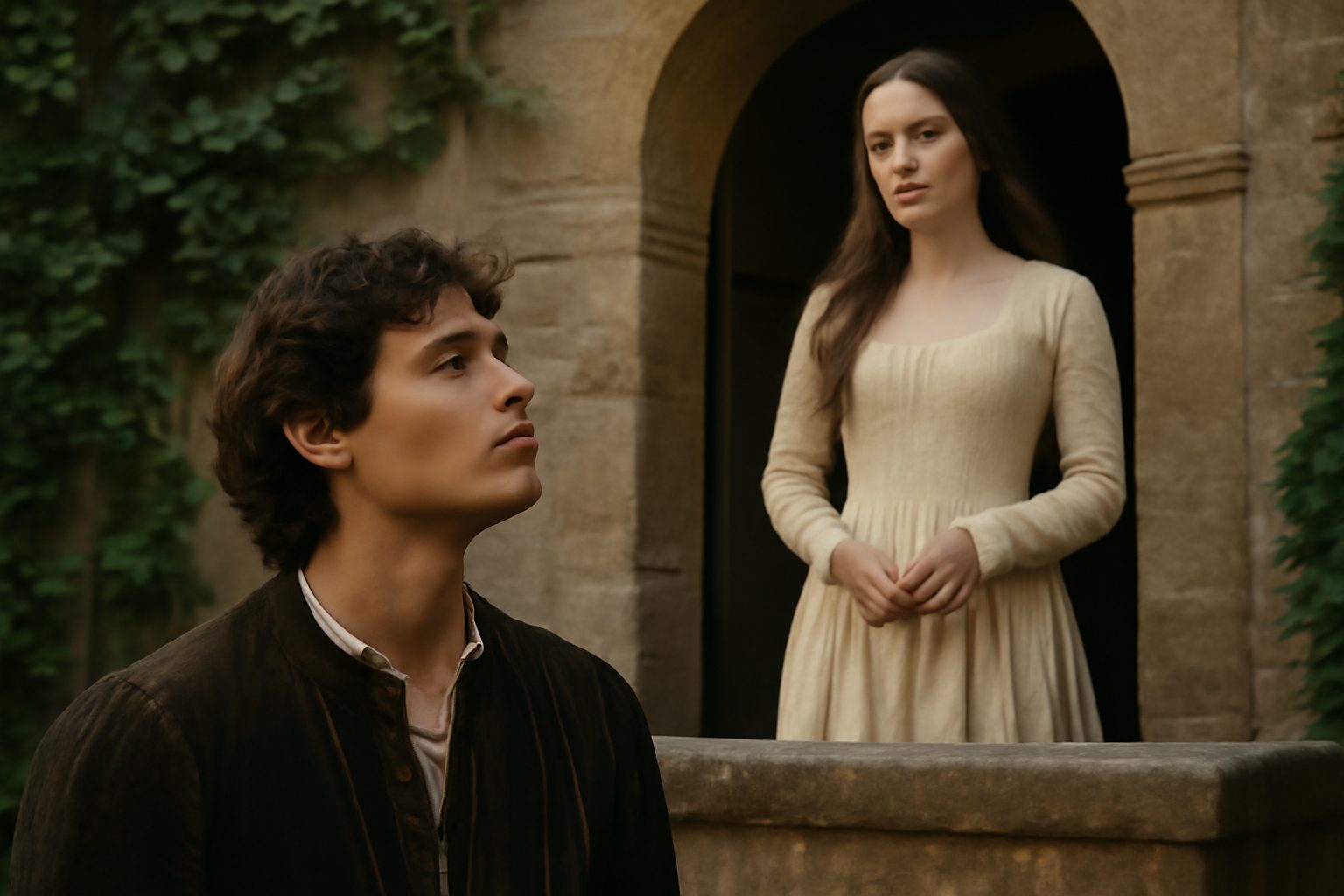
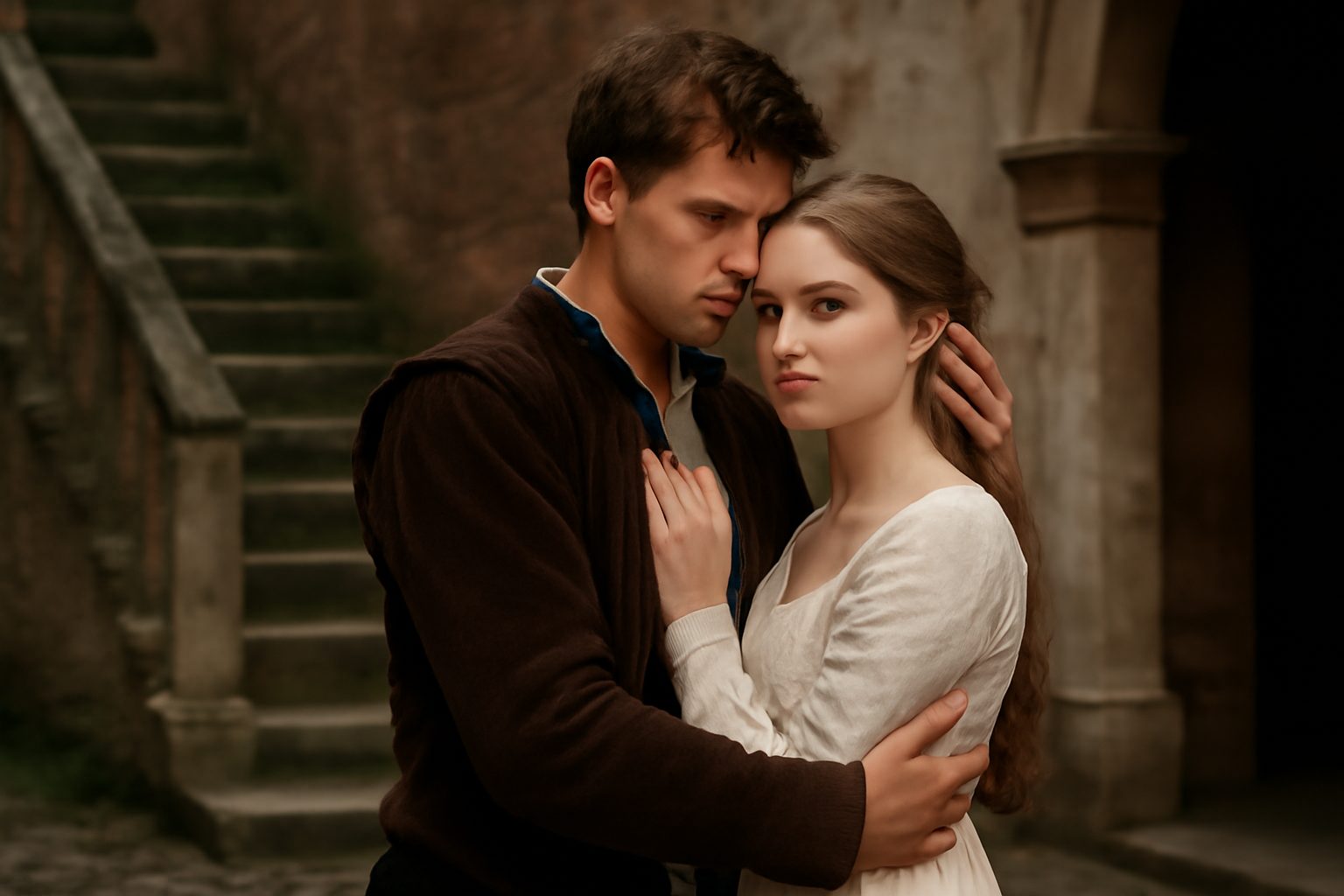
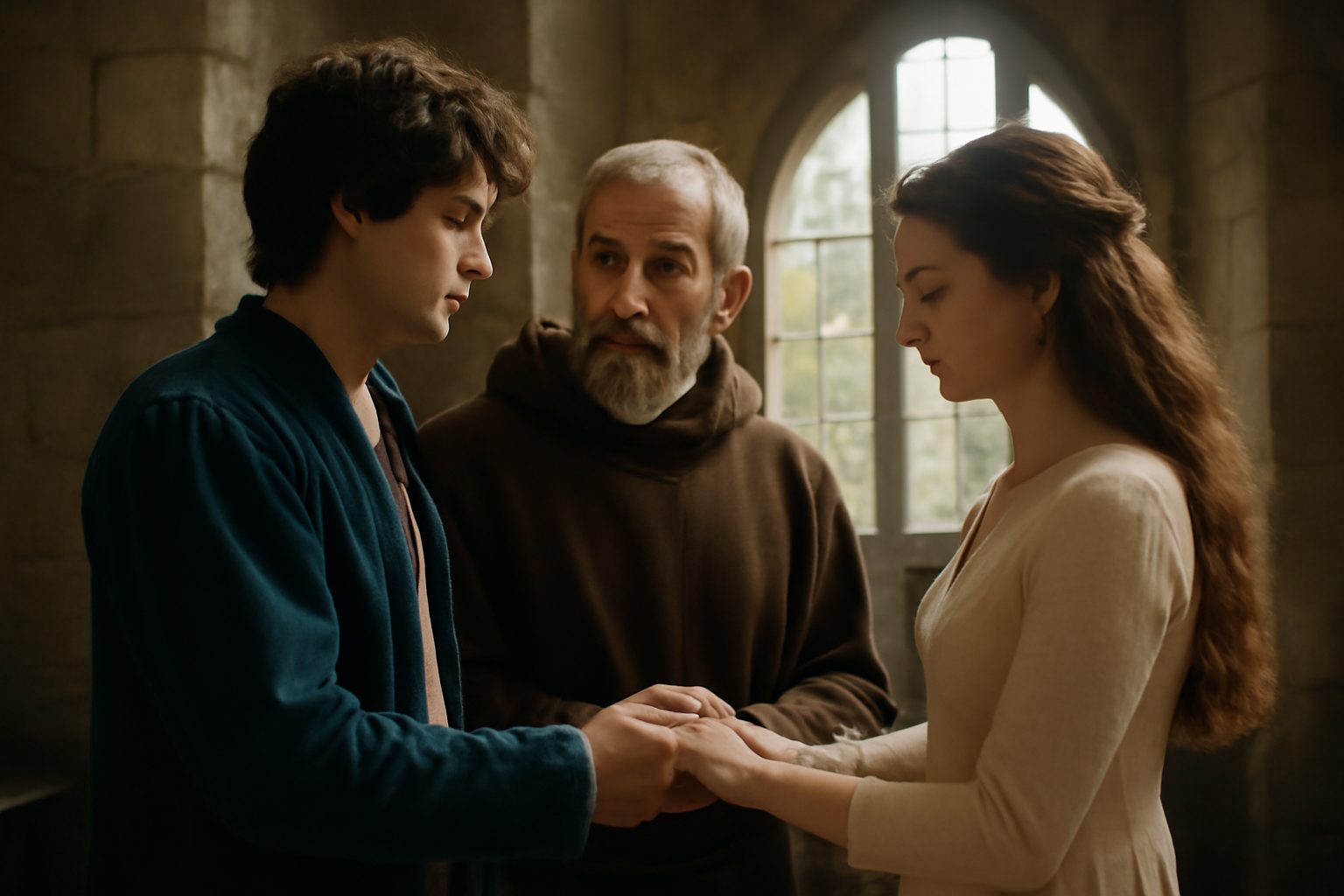
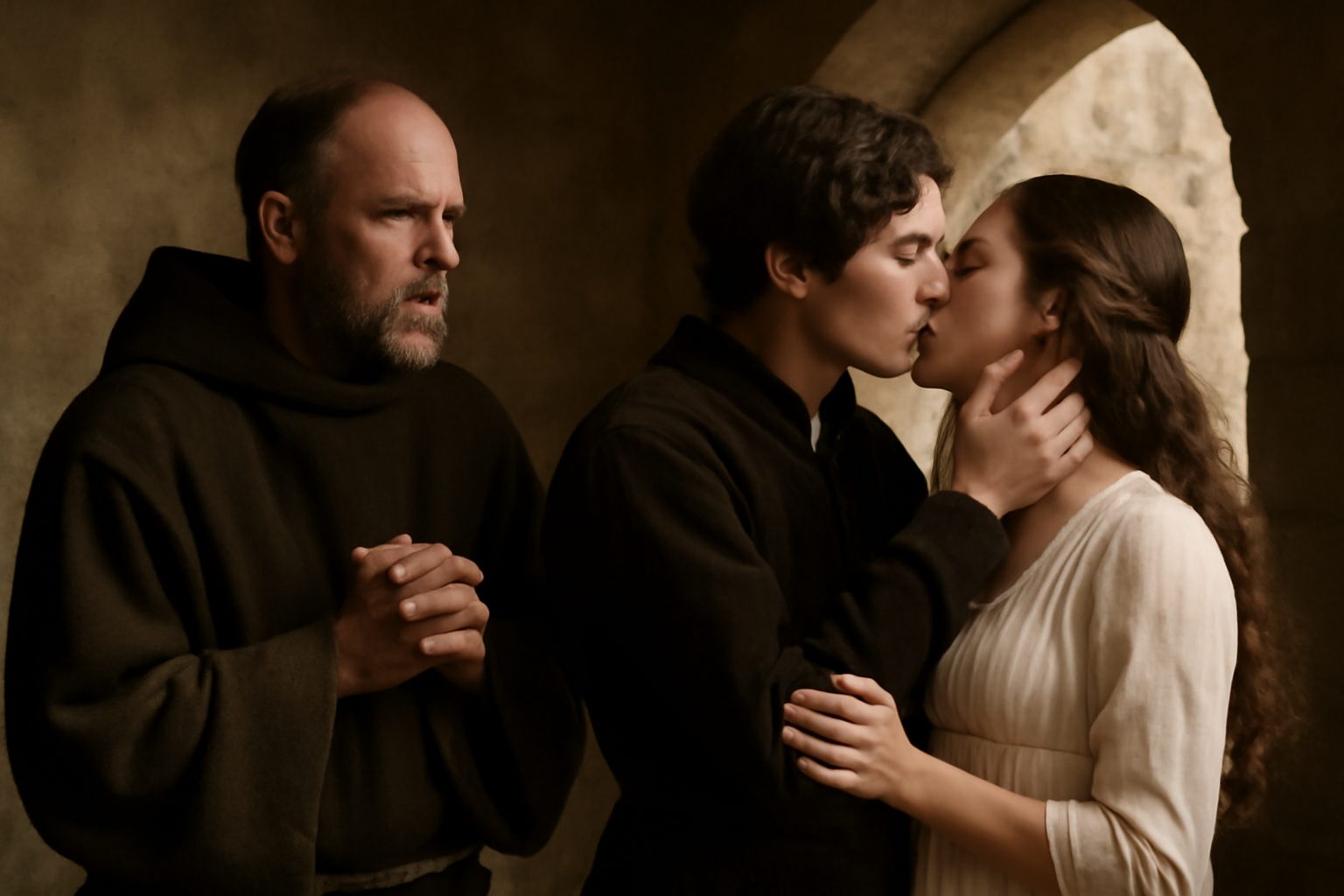
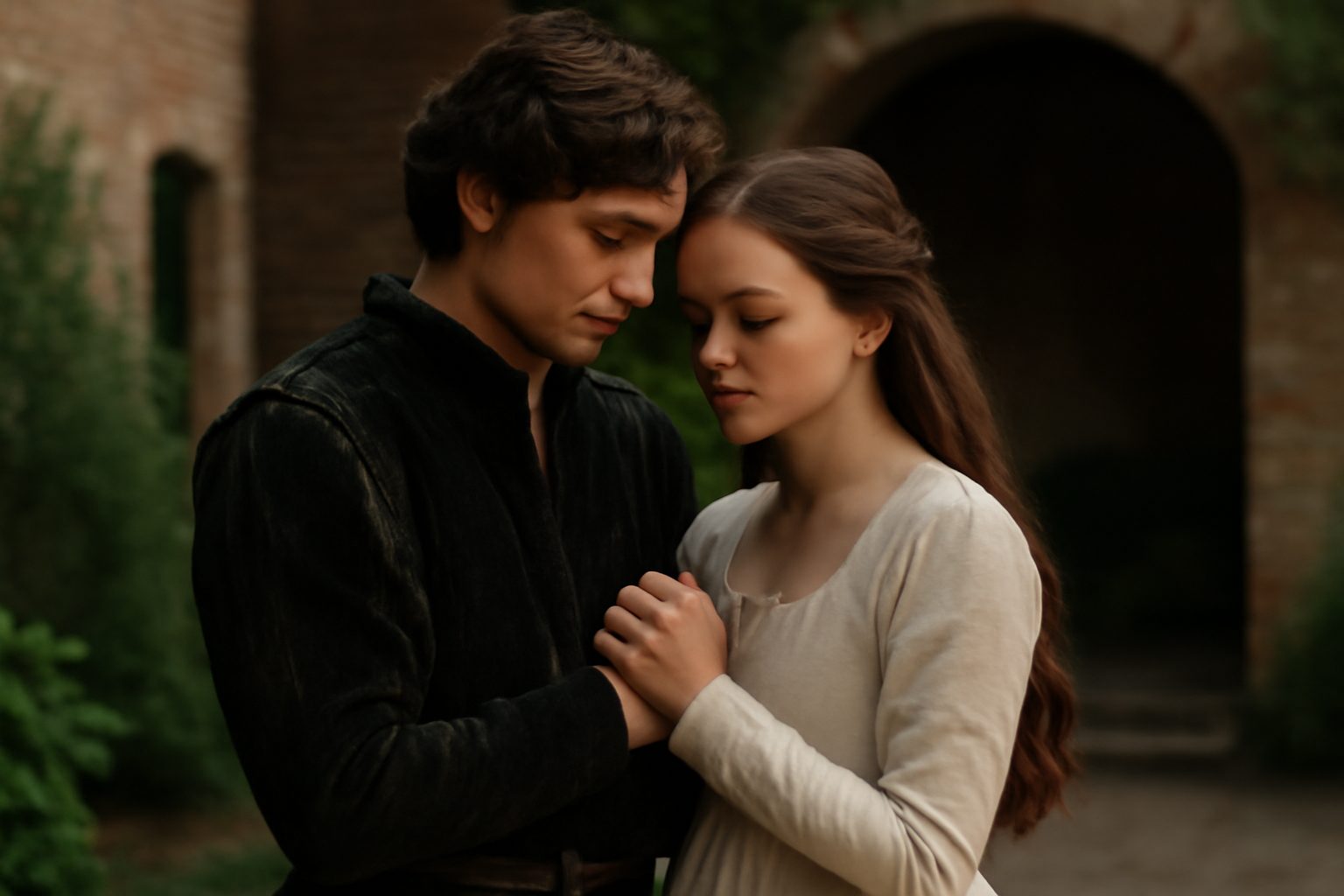
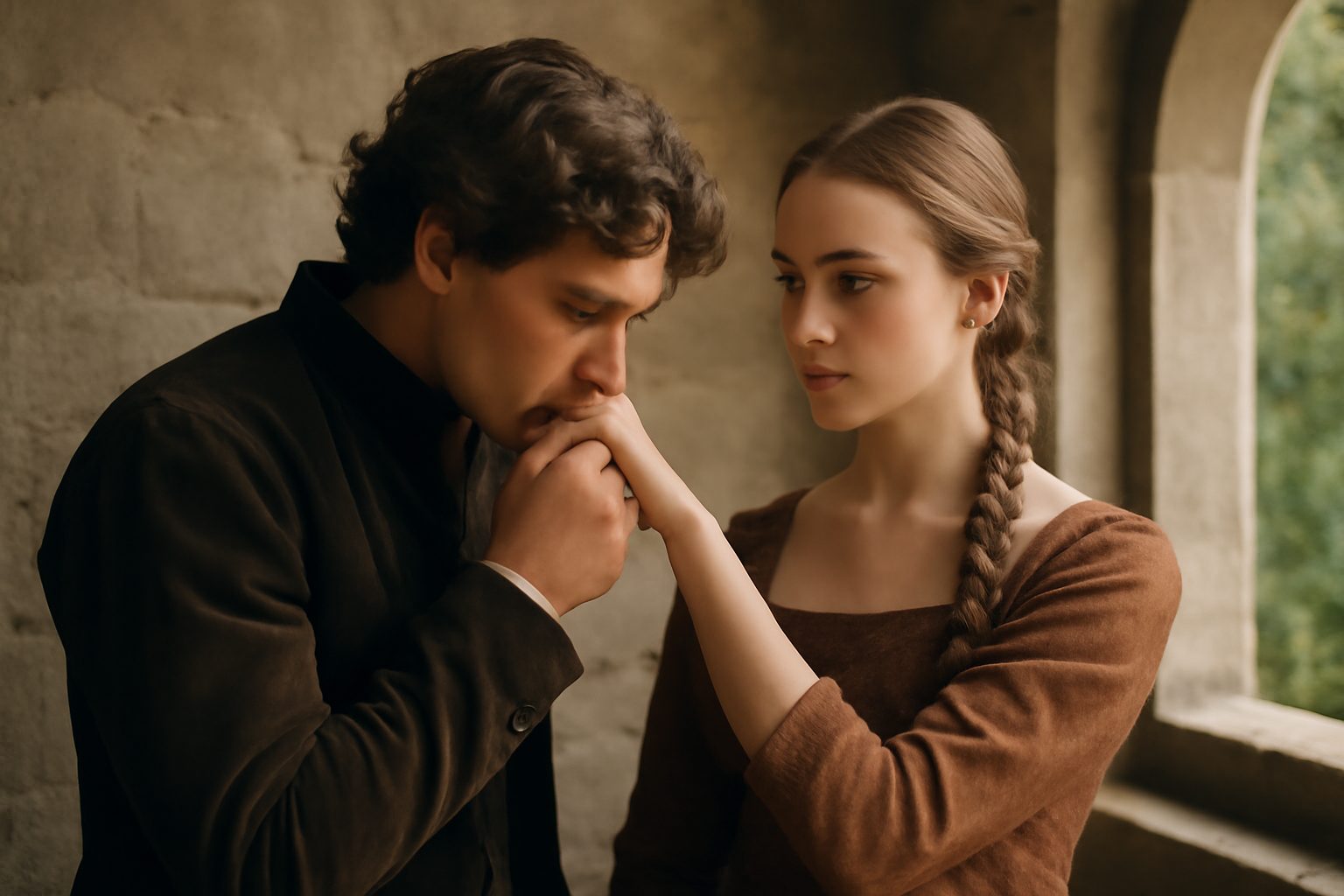
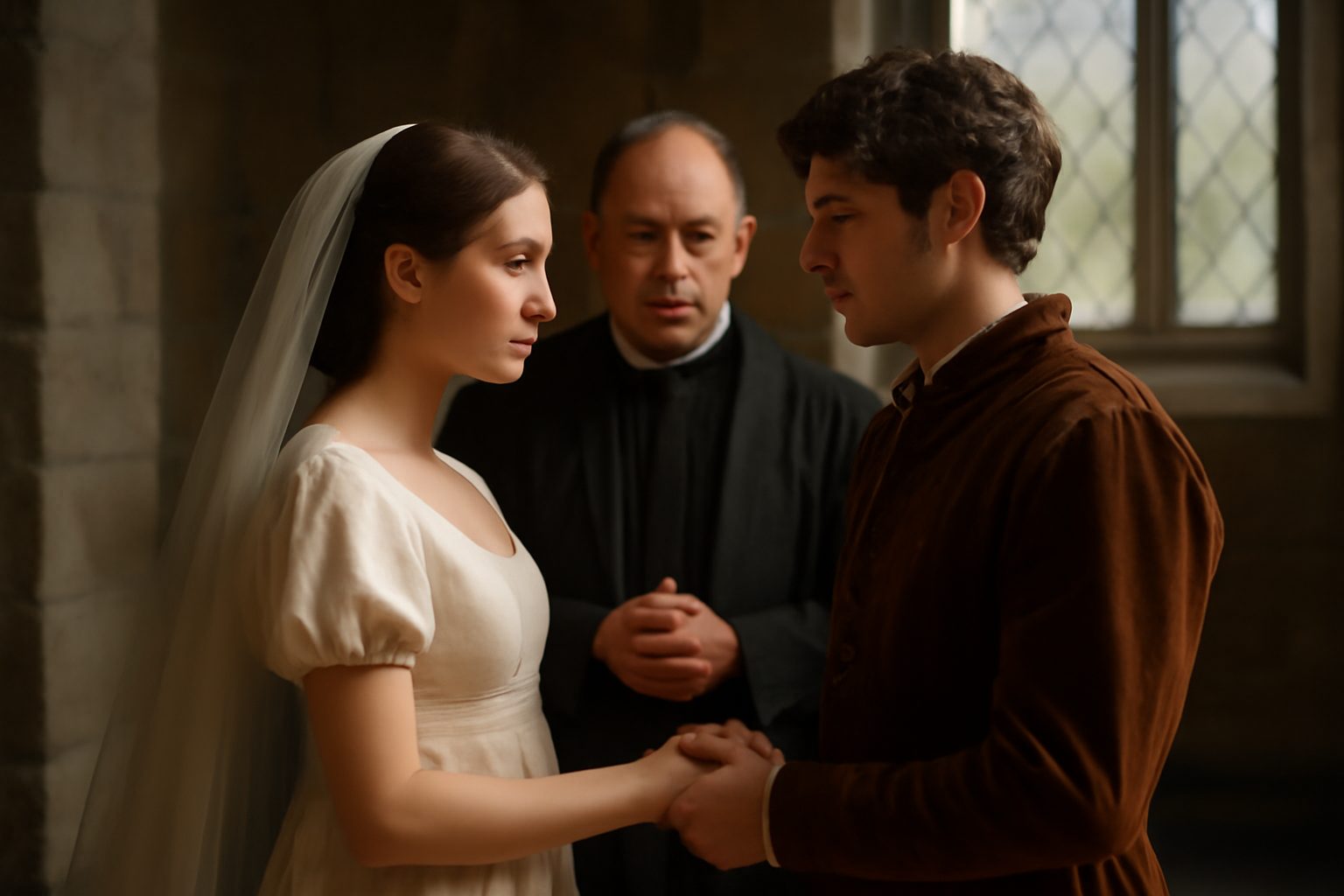
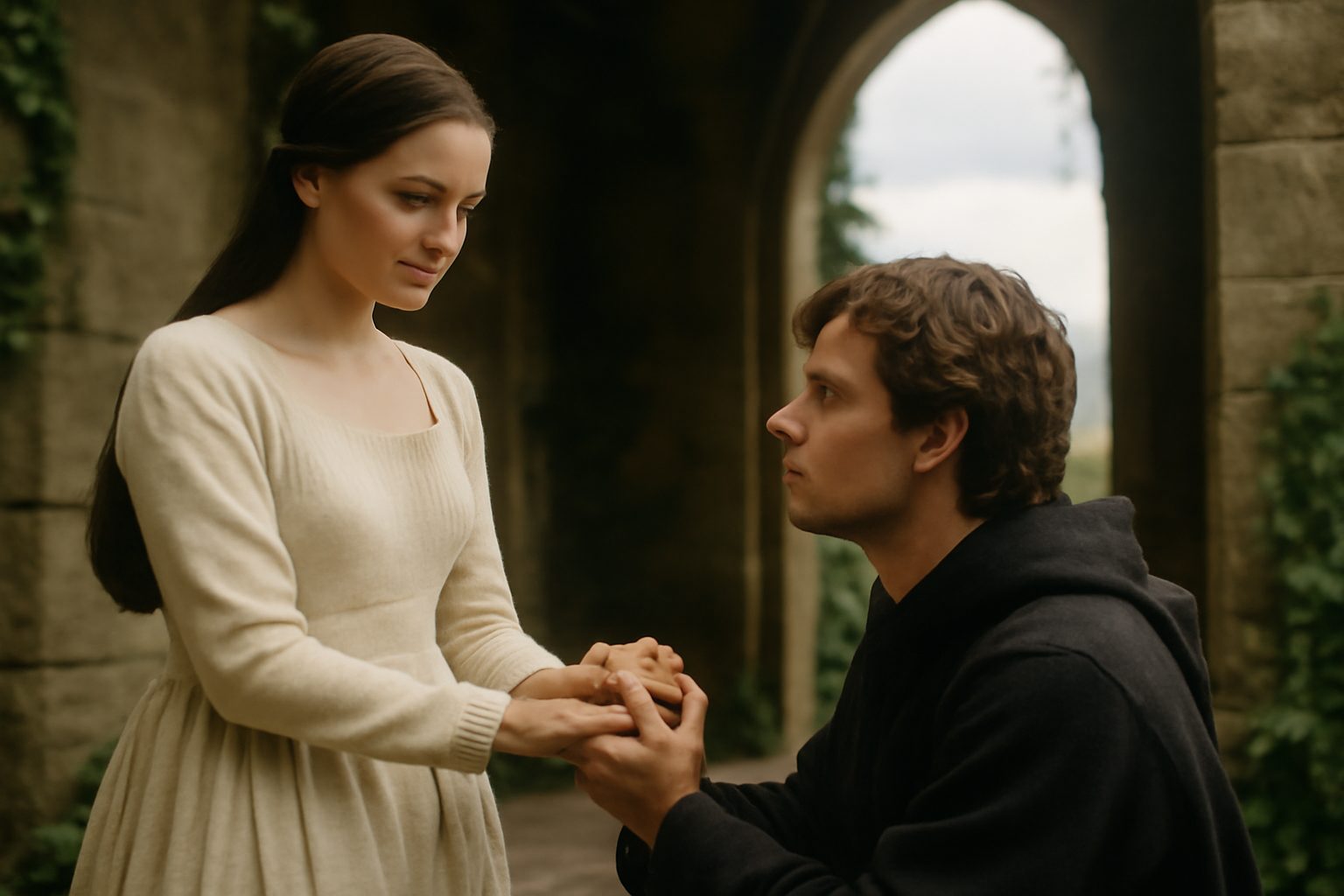
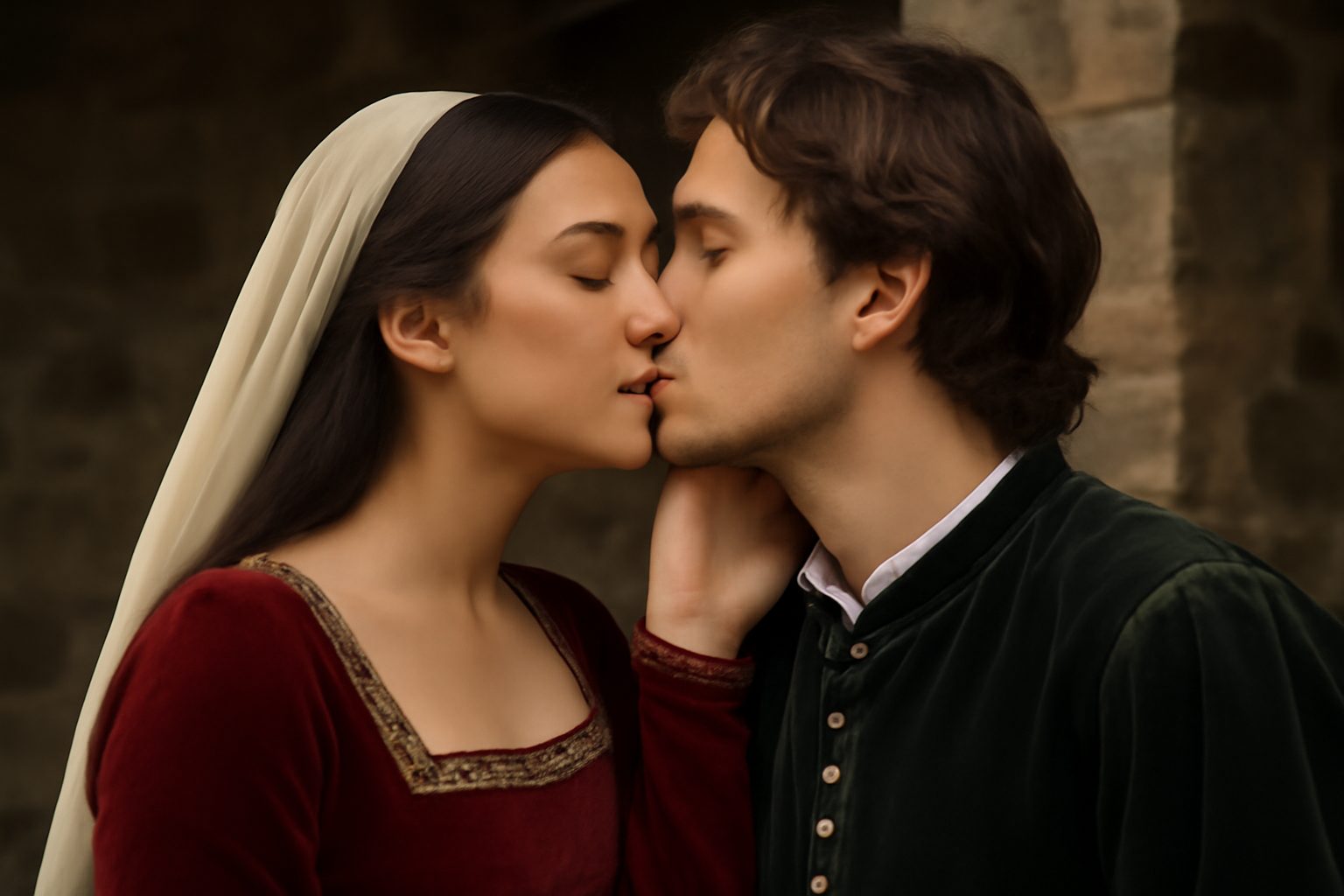
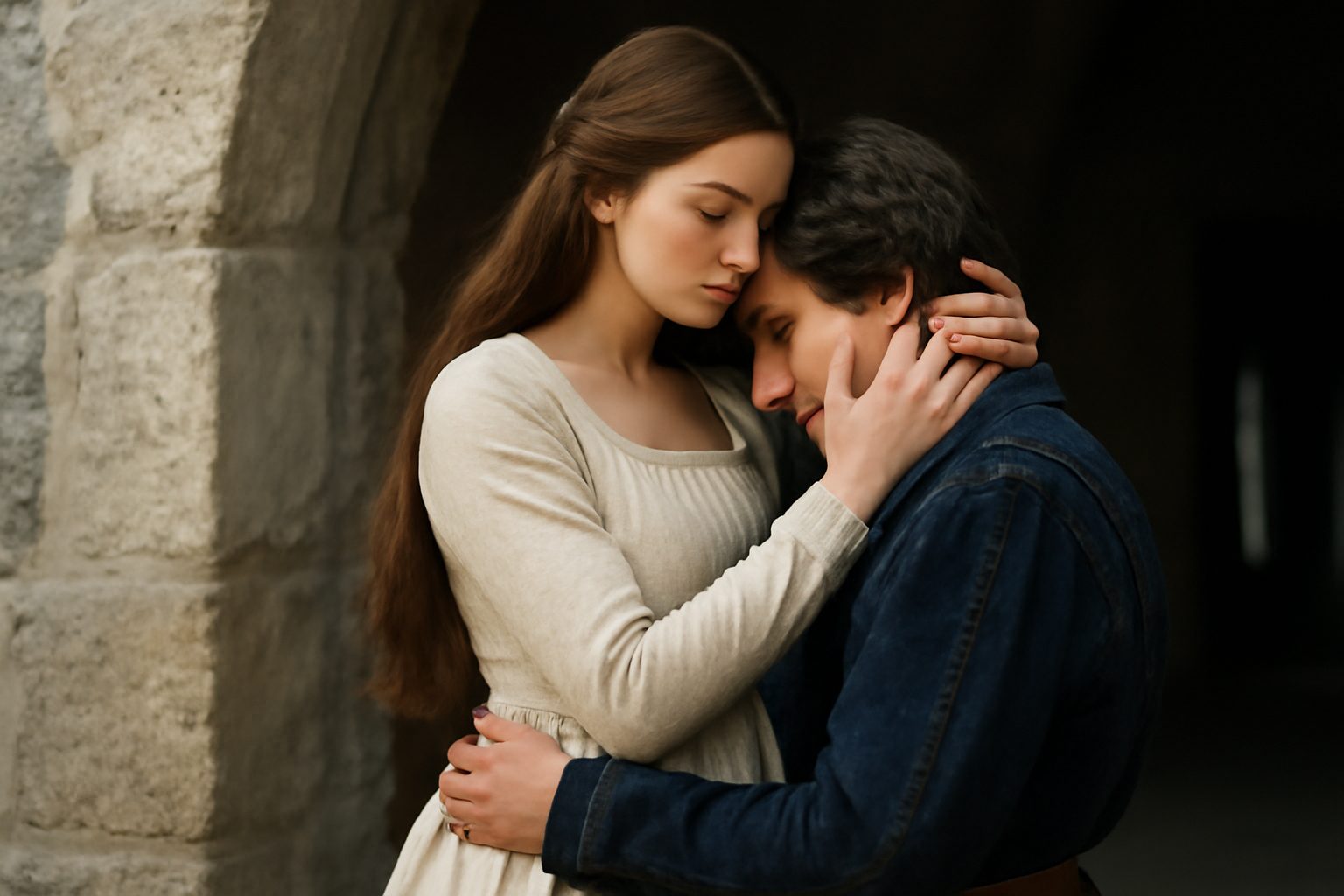
In Act 2, Scene 6 of Romeo and Juliet, Friar Laurence speaks these words to Juliet just before secretly marrying her to Romeo. The scene takes place in the friar’s cell, where he hopes their union might reconcile the feuding families. His tone is both paternal and hopeful, acknowledging Romeo’s gratitude while subtly foreshadowing the complications to come.
Friar Laurence: "Romeo shall thank thee, daughter, for us both."
In modern day english, we would say:
Romeo will thank you for both of us, my child.
Frequently Asked Questions
Who is Friar Laurence speaking to in this line?
Friar Laurence is speaking to Juliet.
Connections to other verses:
Connections to Other Verses in Act 2, Scene 6
The verse Romeo shall thank thee, daughter, for us both is spoken by Friar Laurence, acknowledging Juliet's arrival and expressing gratitude on behalf of both himself and Romeo. This line reflects the Friar's role as a mediator and spiritual guide in the lovers' union.
Connection to Juliet's Arrival
This verse directly follows Here comes the lady: O, so light a foot, where Romeo joyfully announces Juliet's approach, emphasizing her grace and lightness. Friar Laurence's response in the target verse builds on this moment, formally welcoming her and setting a reverent tone for the ceremony.
Gratitude and Unity
The idea of shared thanks in this verse echoes Romeo's earlier declaration in It is enough I may but call her mine, where he expresses that possessing Juliet's love is sufficient gratitude. Both lines underscore the theme of mutual devotion and the overwhelming joy the lovers feel, which Friar Laurence recognizes and validates.
Friar's Role and Foreshadowing
Friar Laurence's words also contrast with his earlier caution in These violent delights have violent ends, where he warns against the intensity of their passion. While he officiates the marriage with warmth here, his underlying concern adds depth to his gratitude, hinting at the tragedy to come.
Spiritual and Ceremonial Context
The verse ties into the Friar's role in solemnizing the union, as seen in Do thou but close our hands with holy words, where Romeo urges the Friar to proceed with the marriage. The gratitude expressed reinforces the sacredness of the moment, aligning with the Friar's hope in That after hours with sorrow chide us not!, a wish for the marriage to be free of future regret.