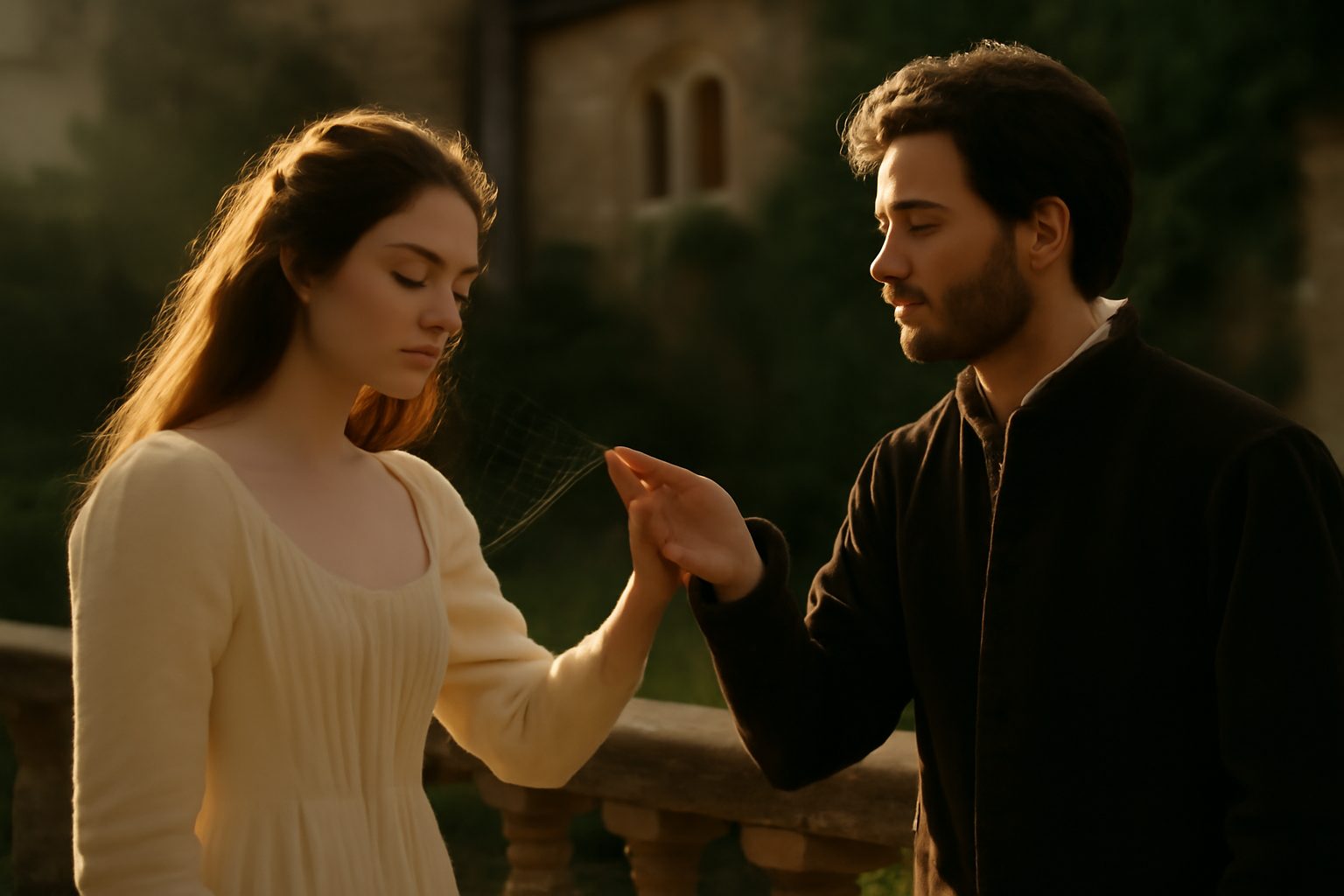
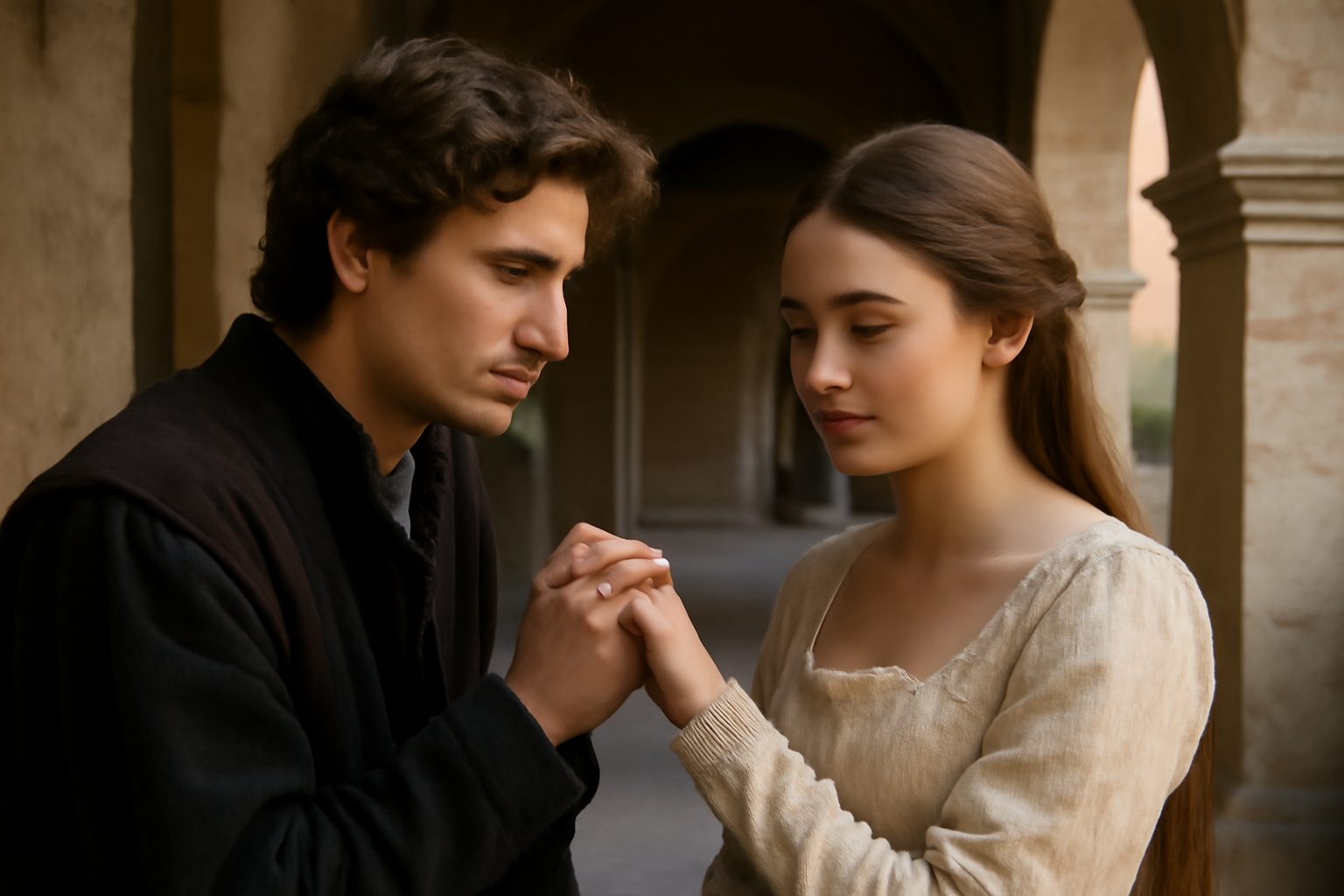
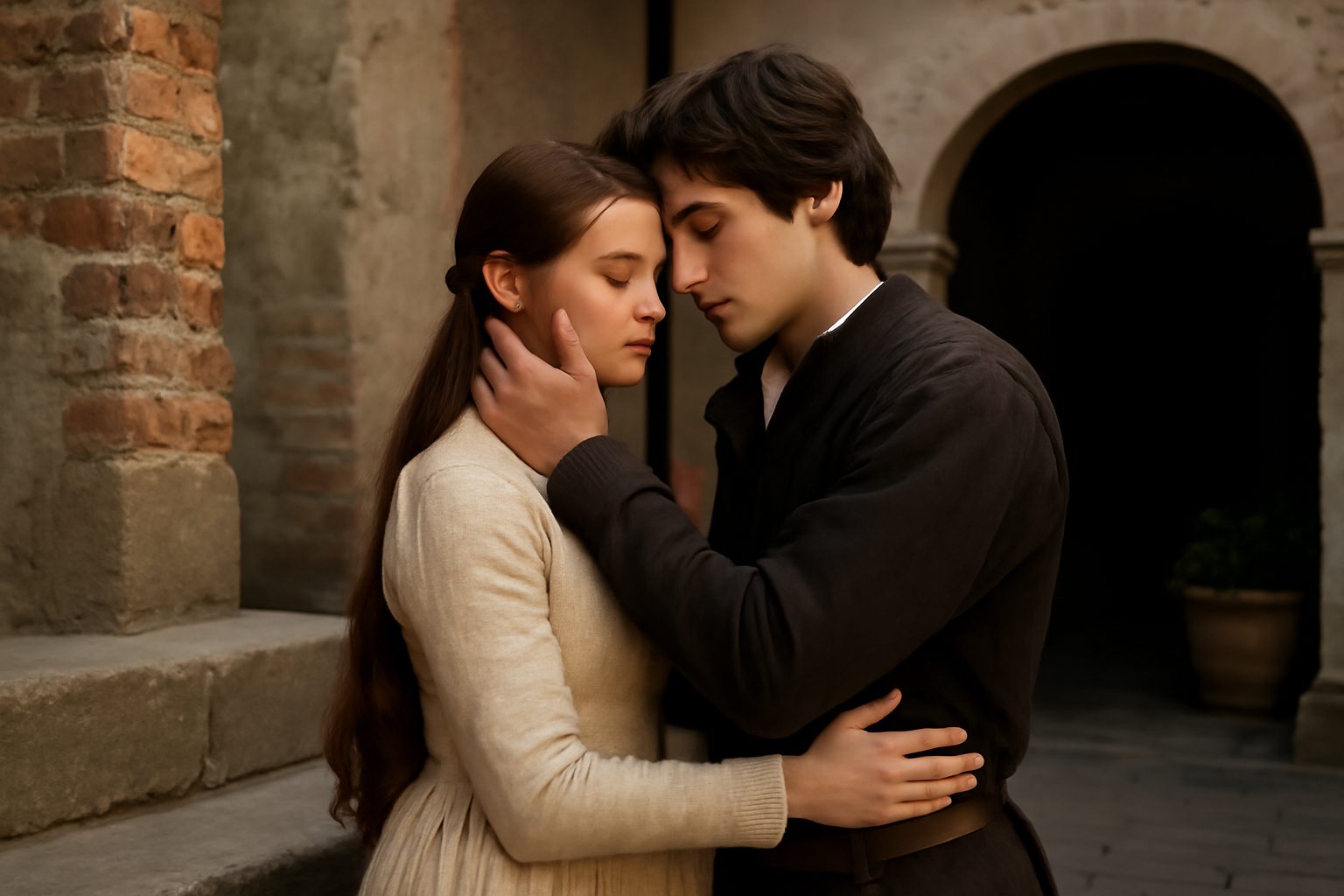
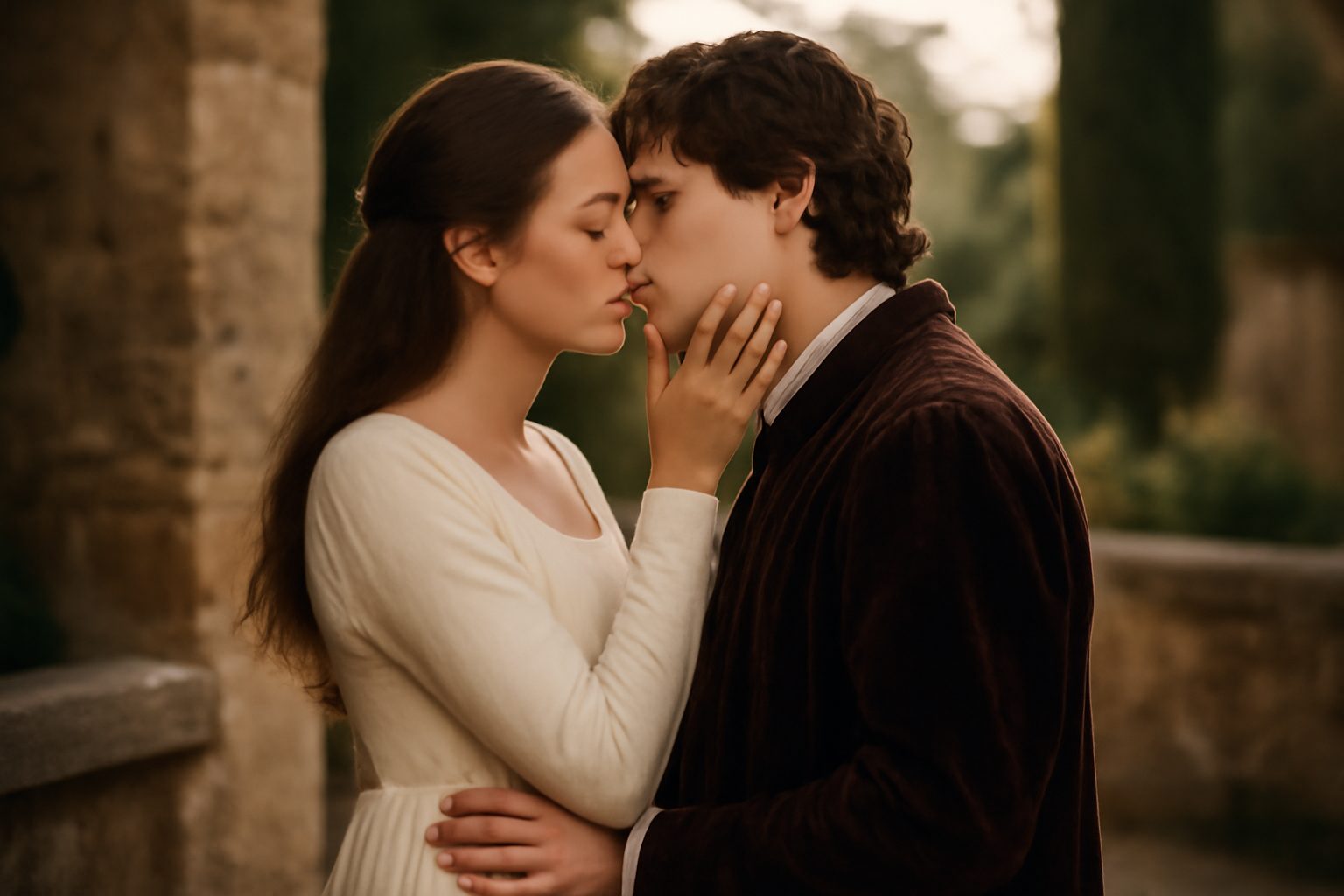
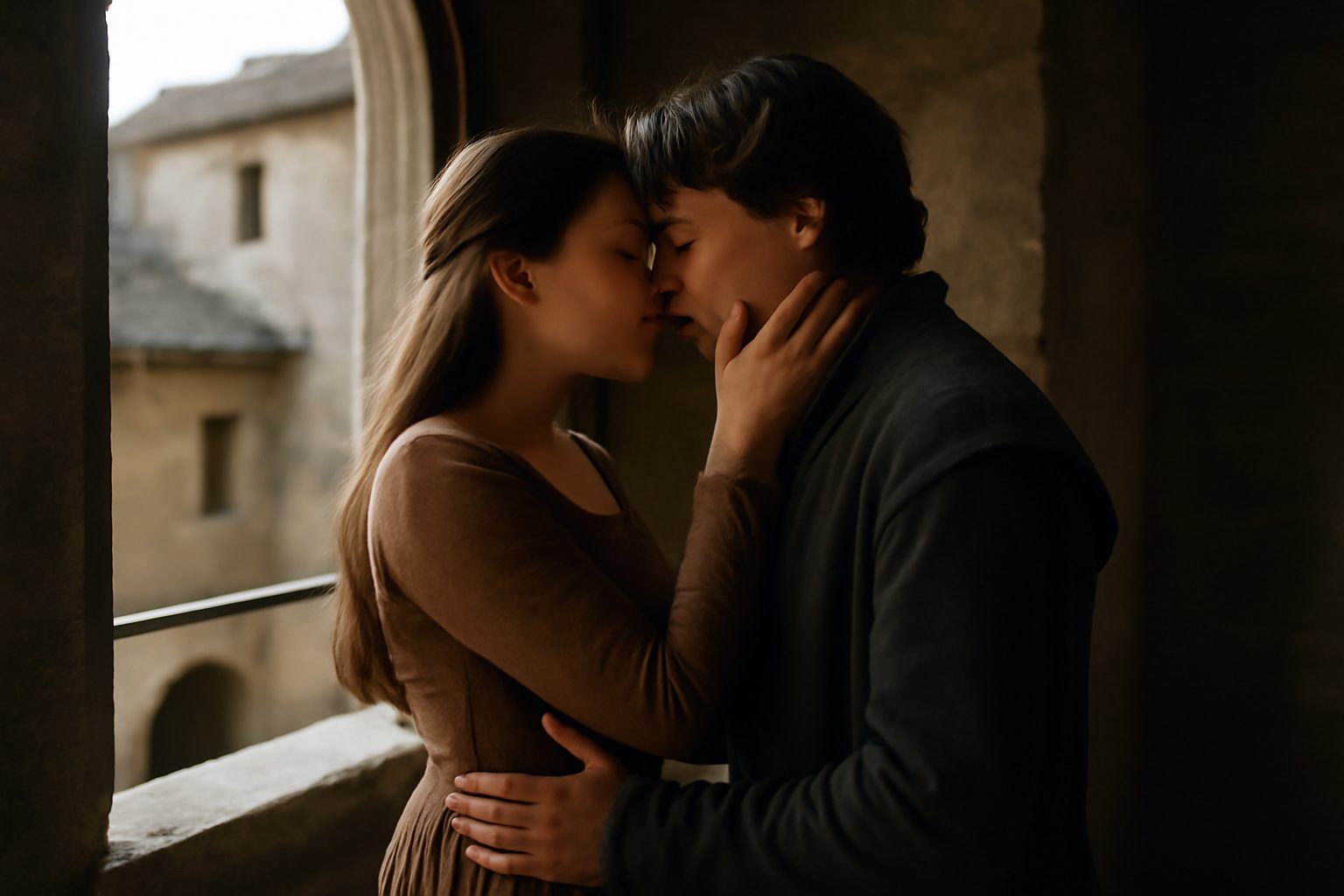
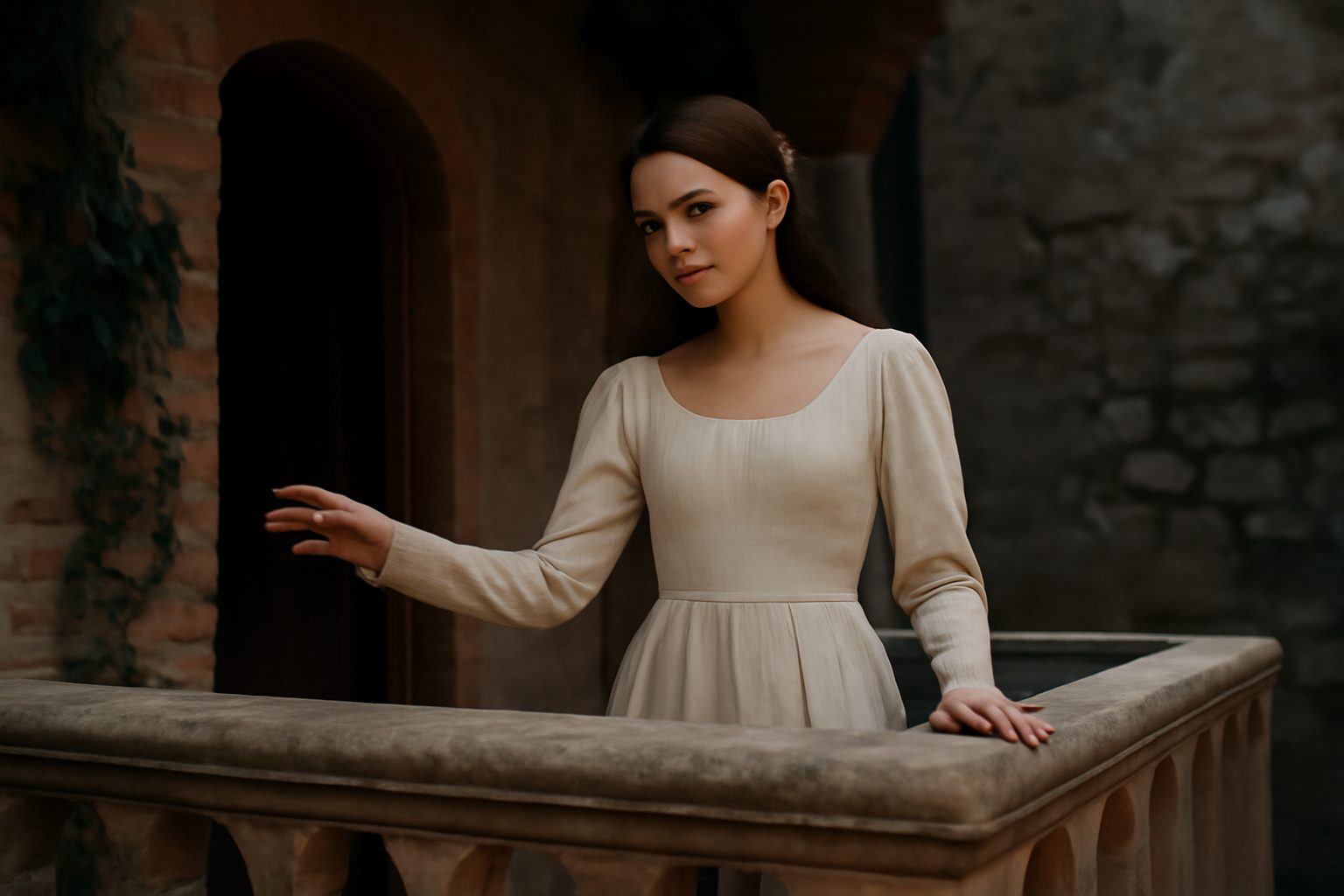
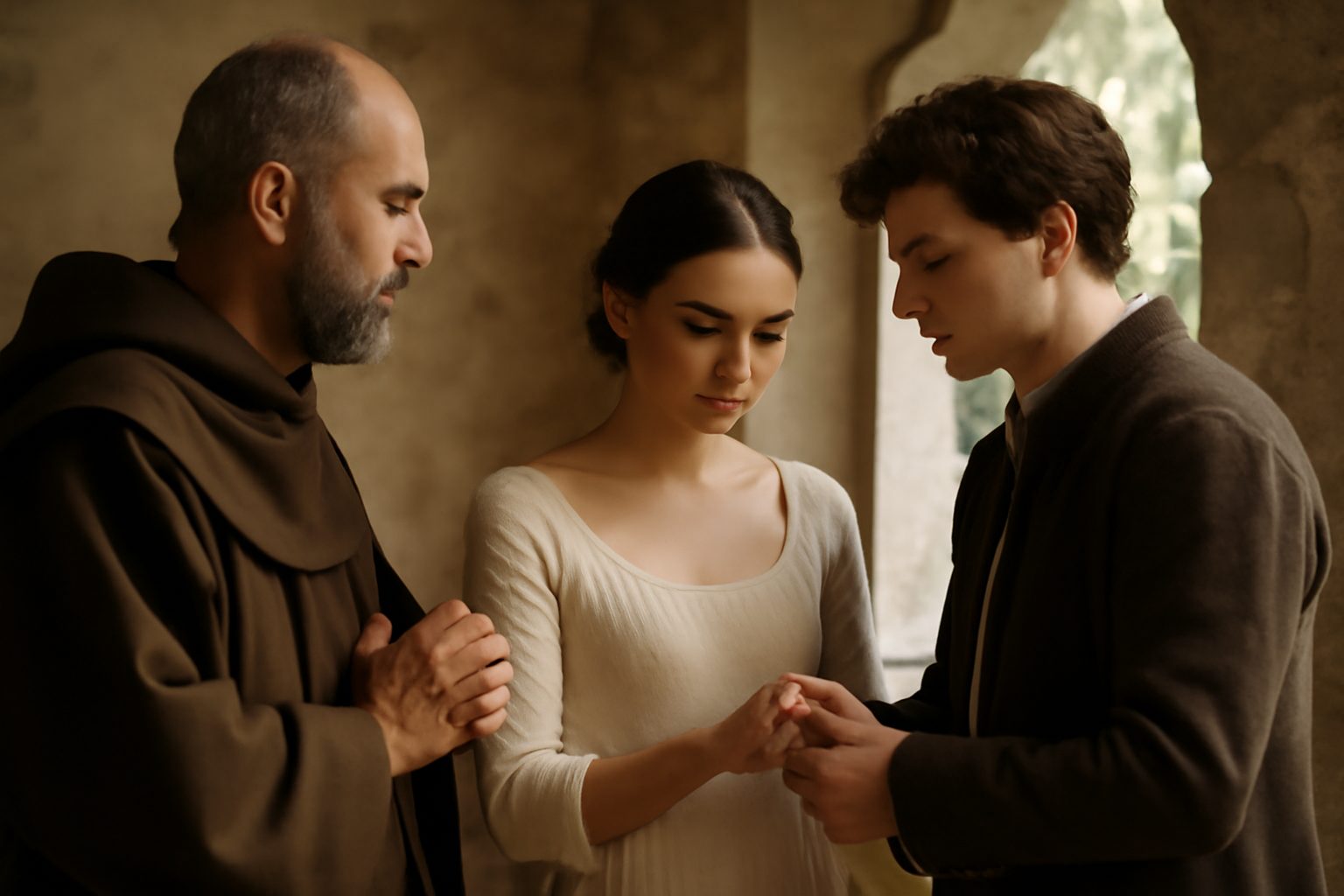
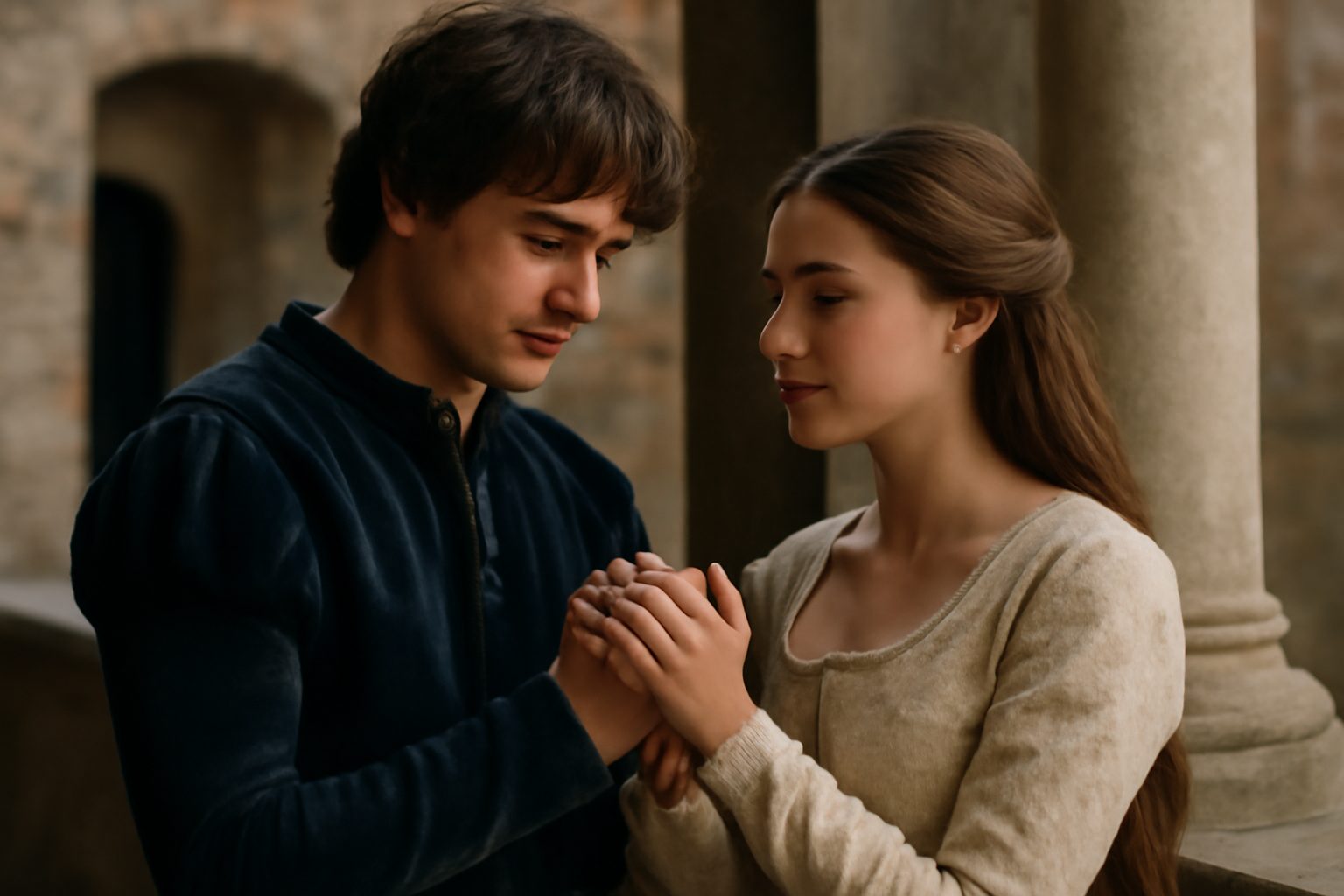
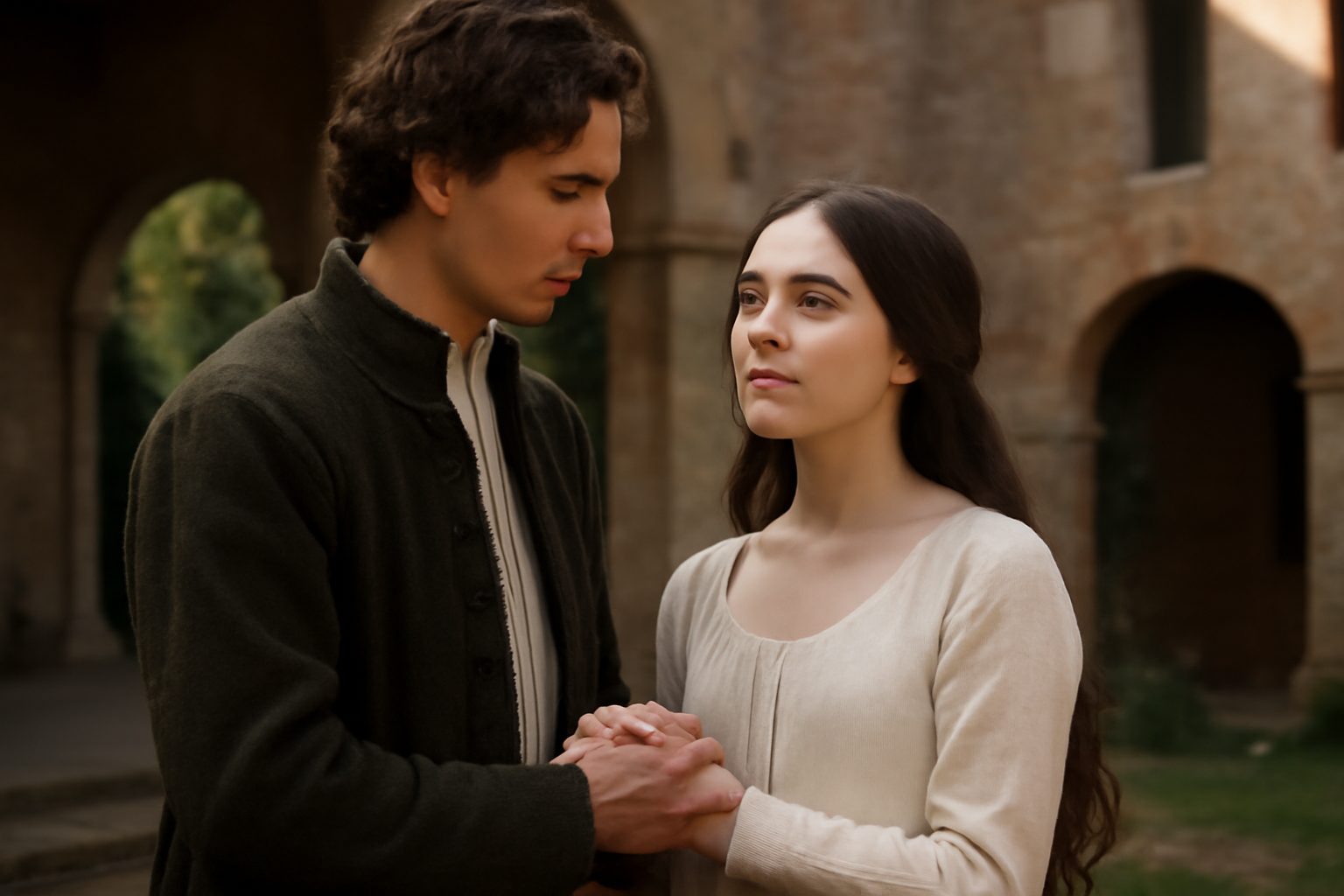
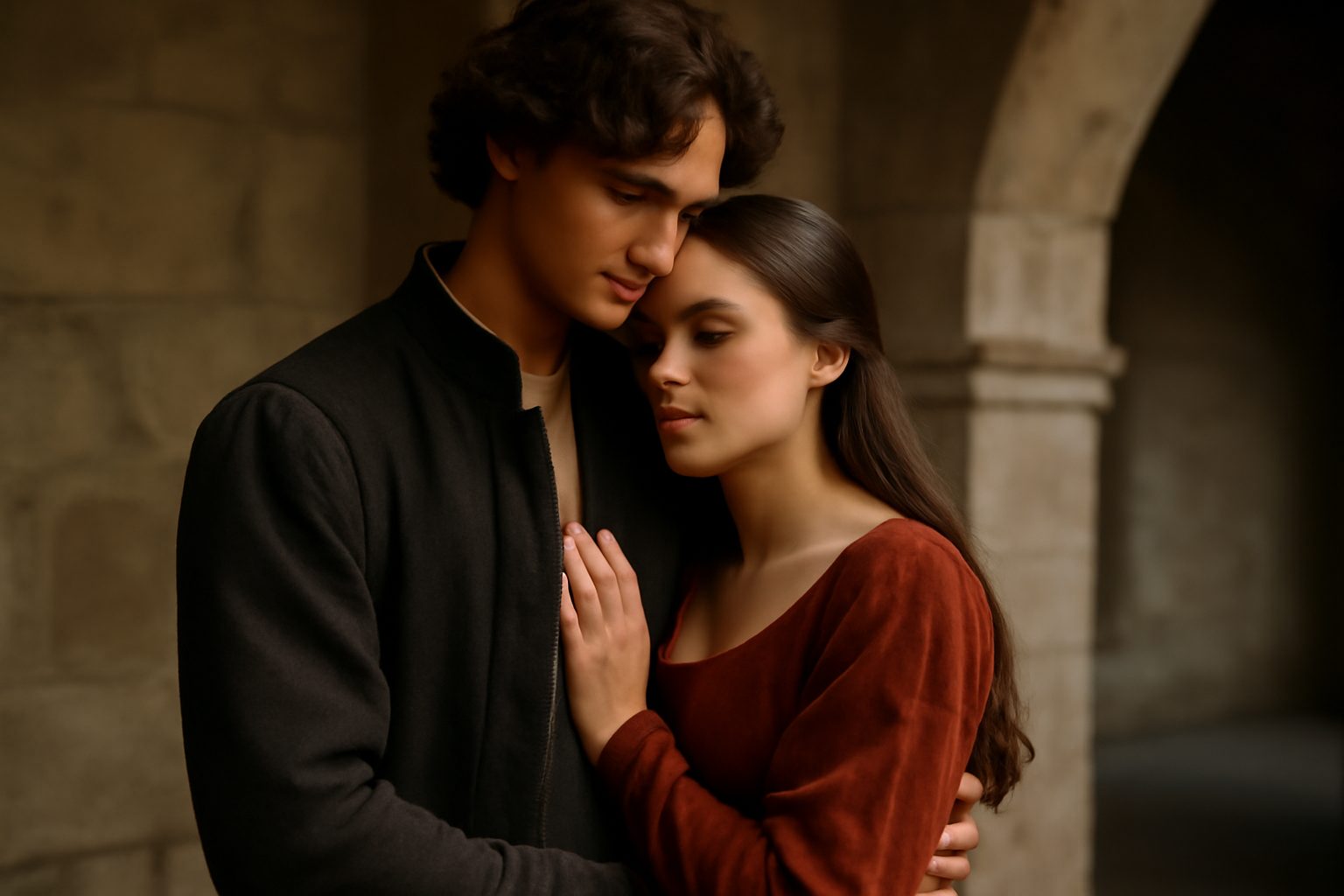
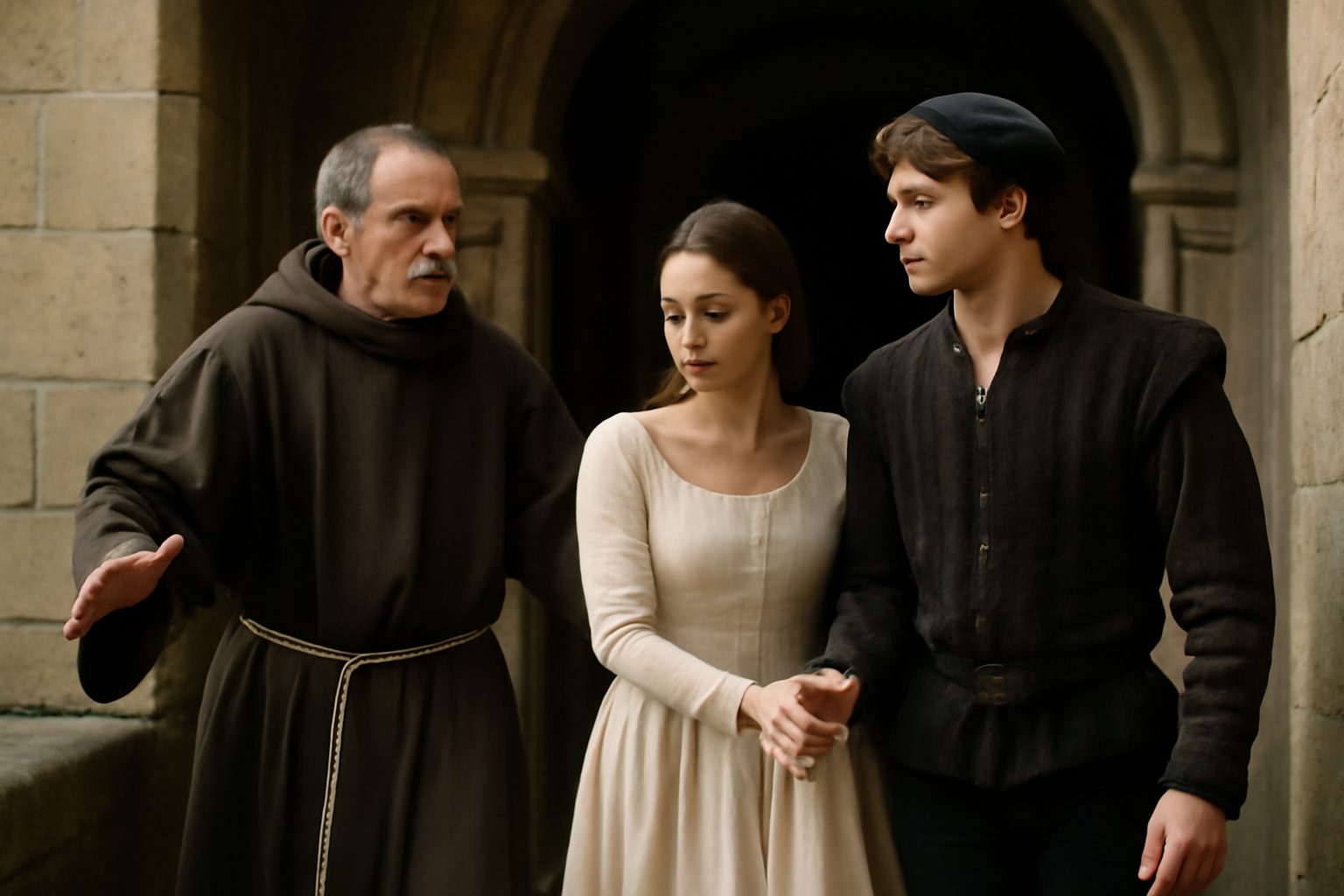
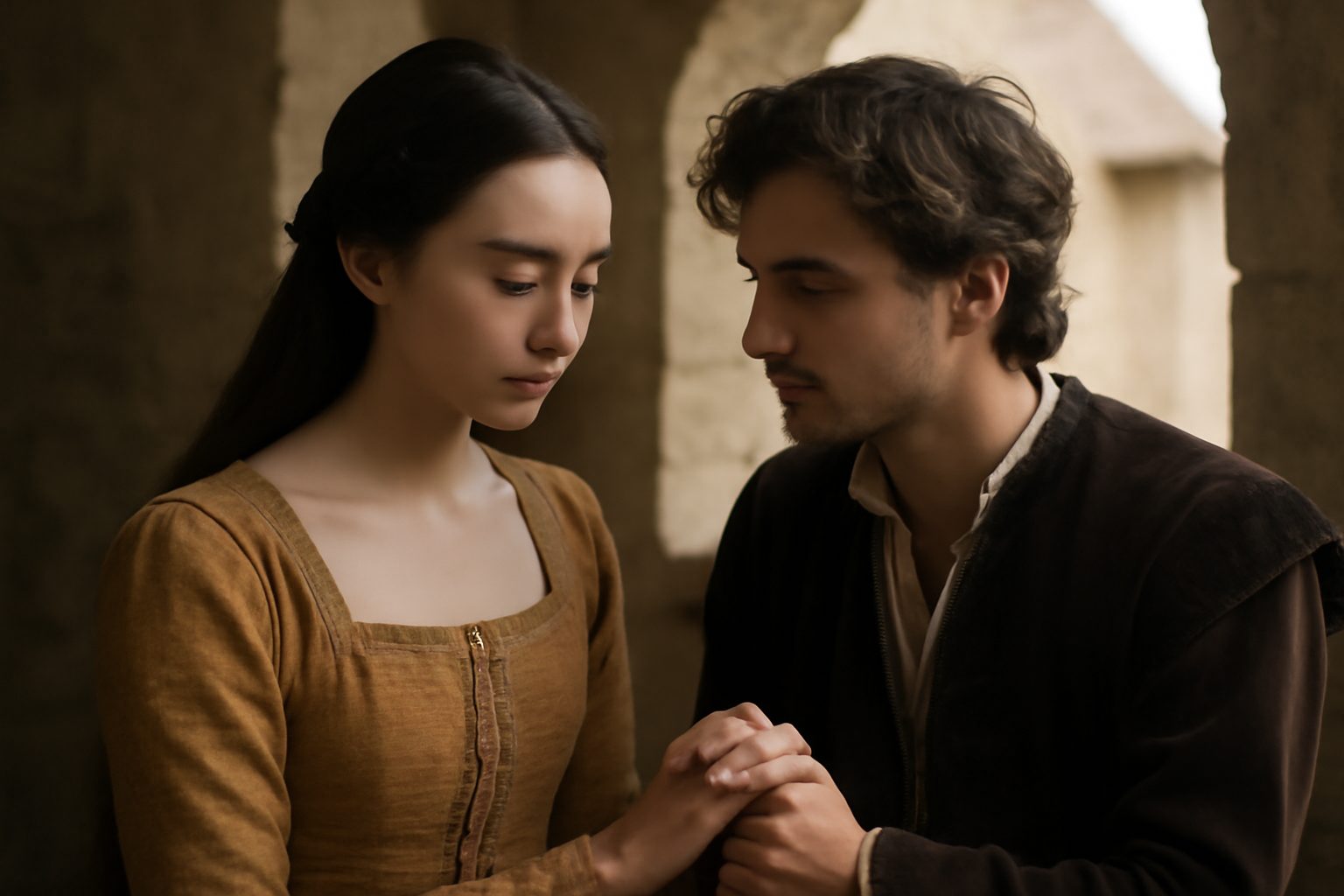
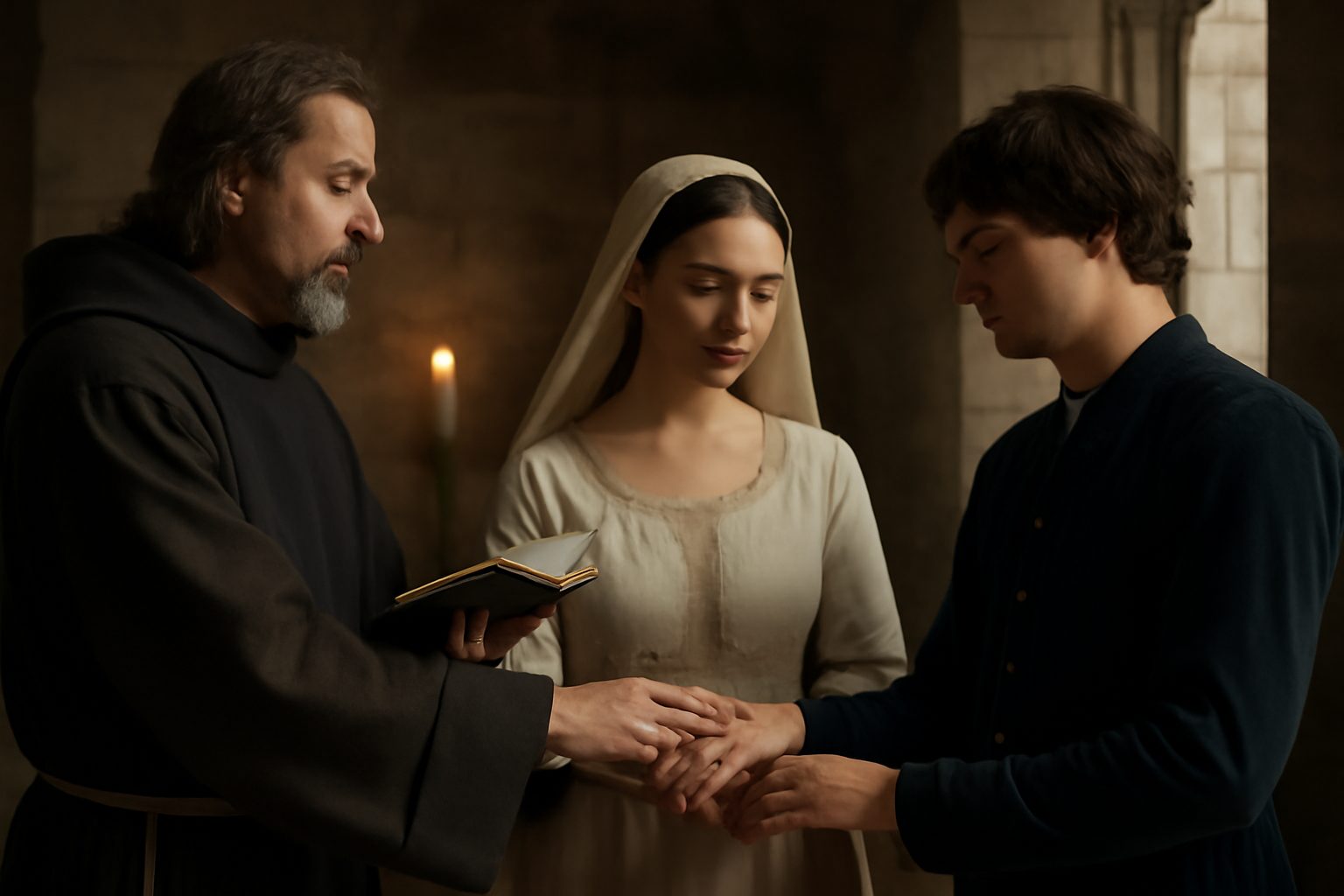
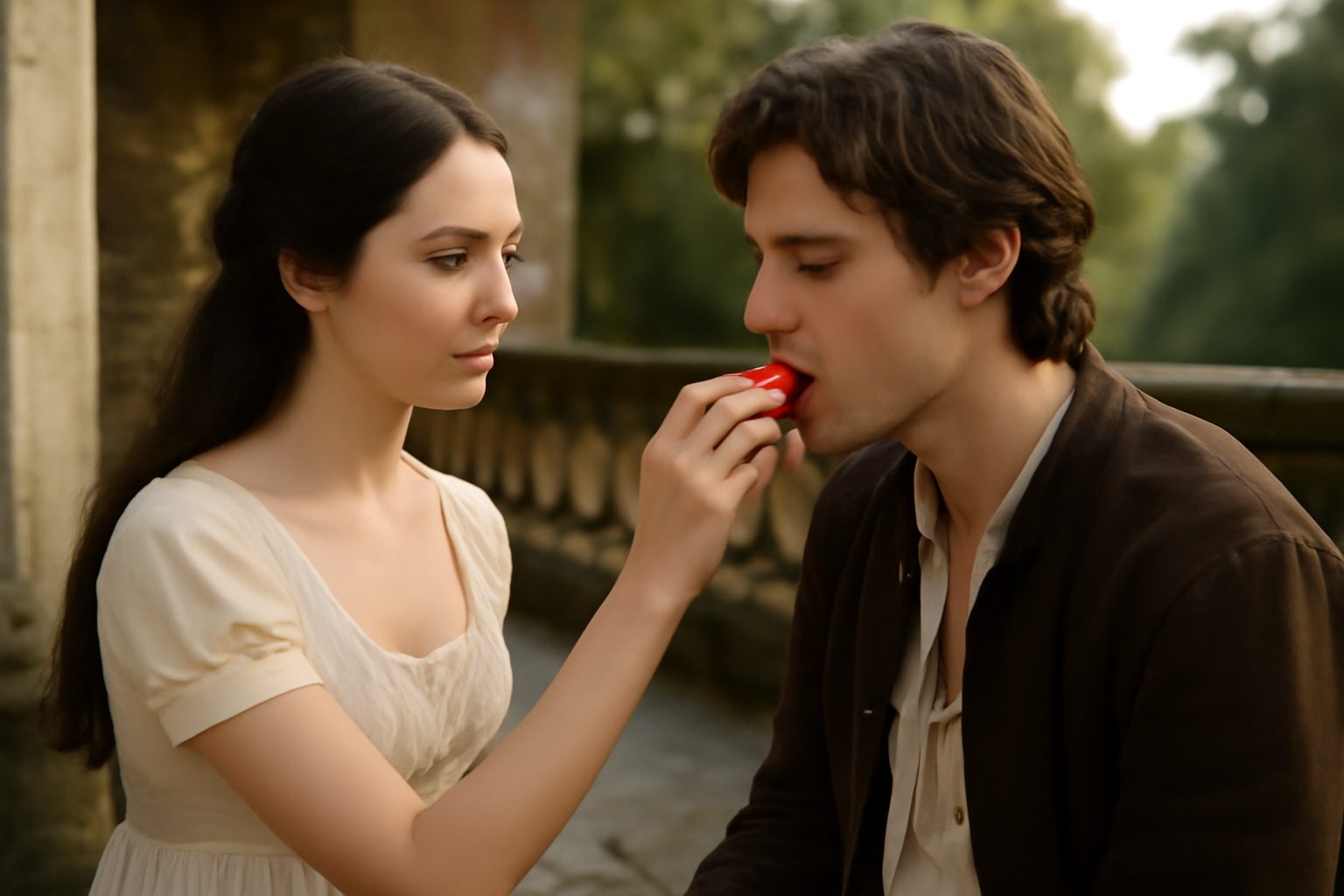
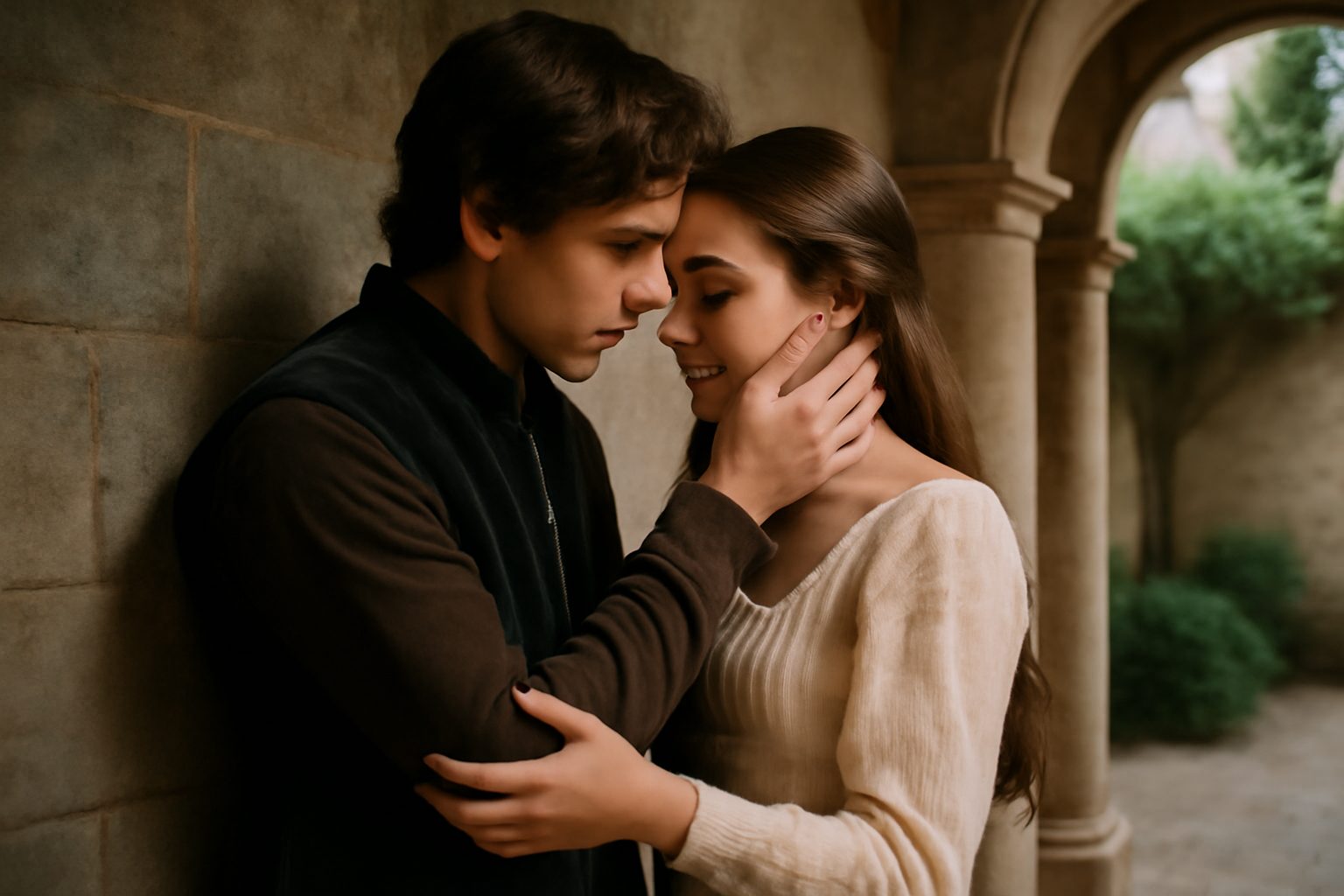
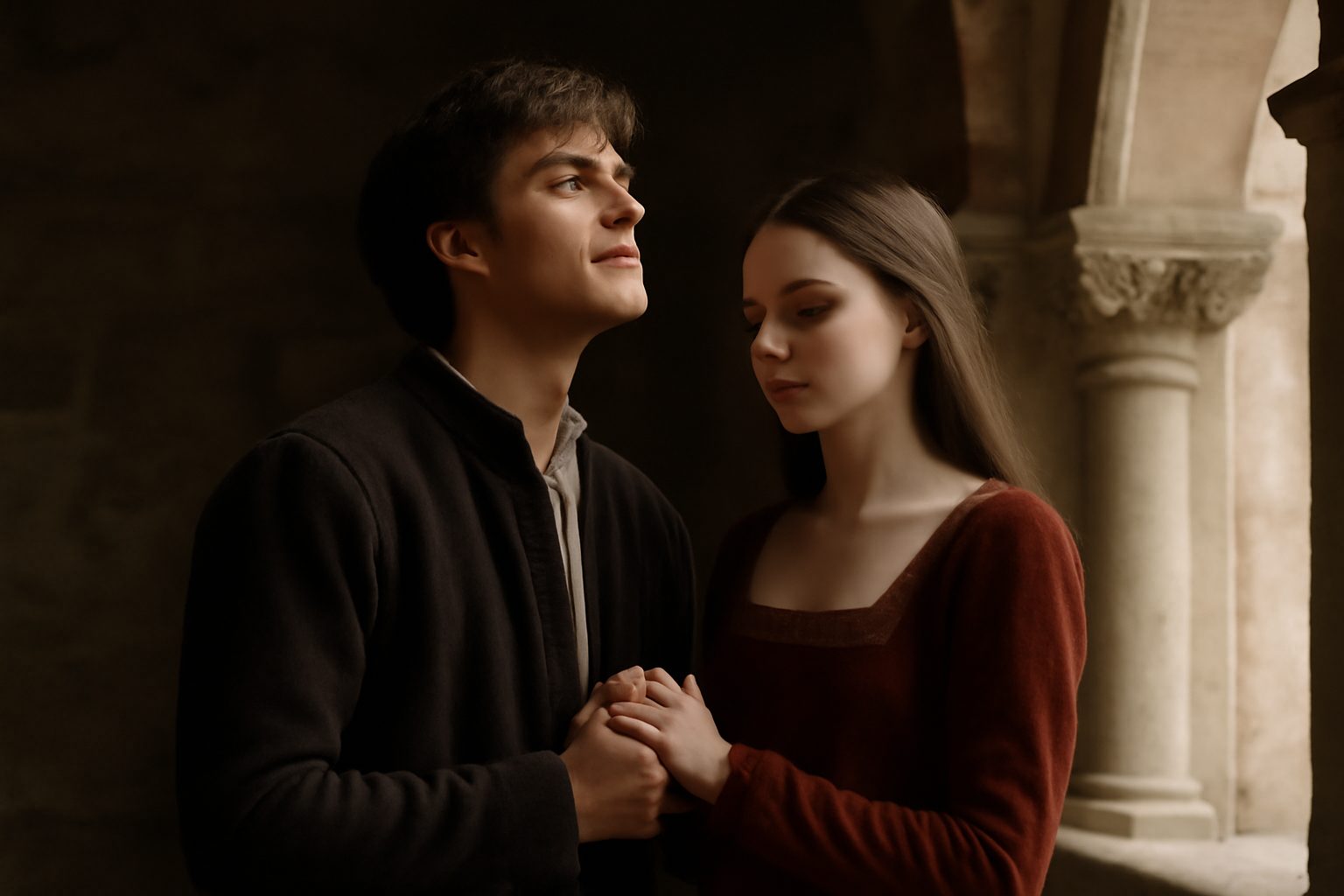
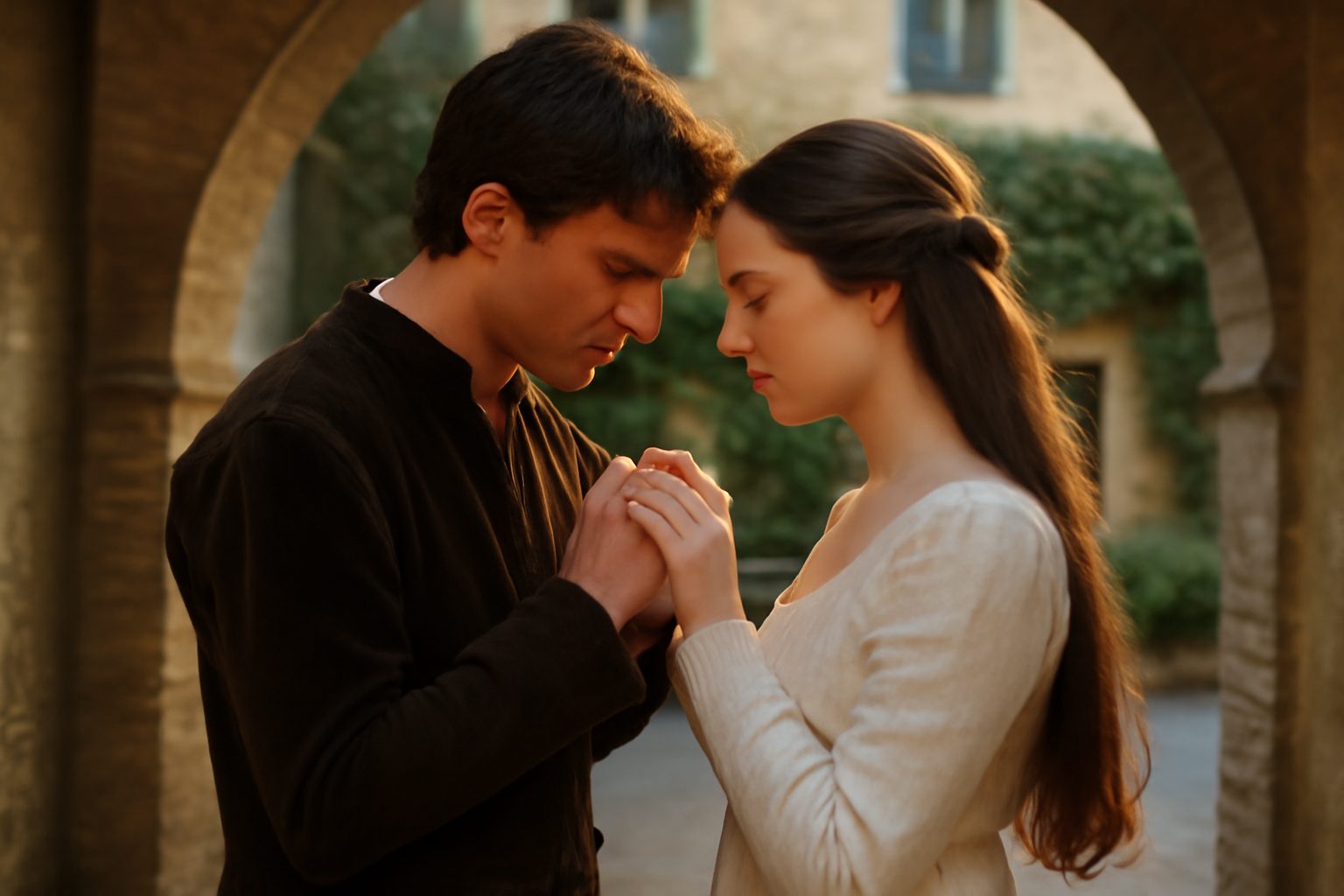
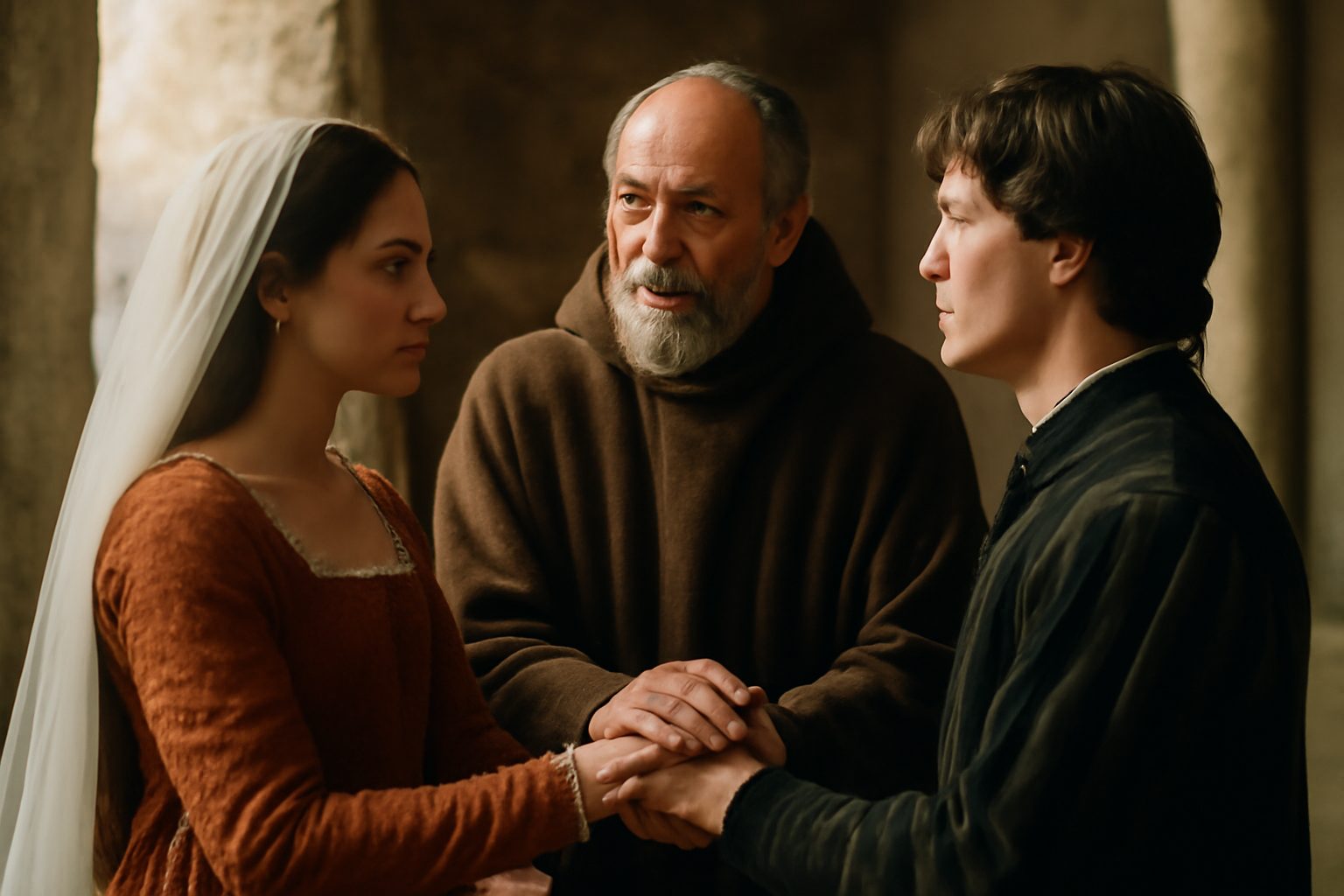
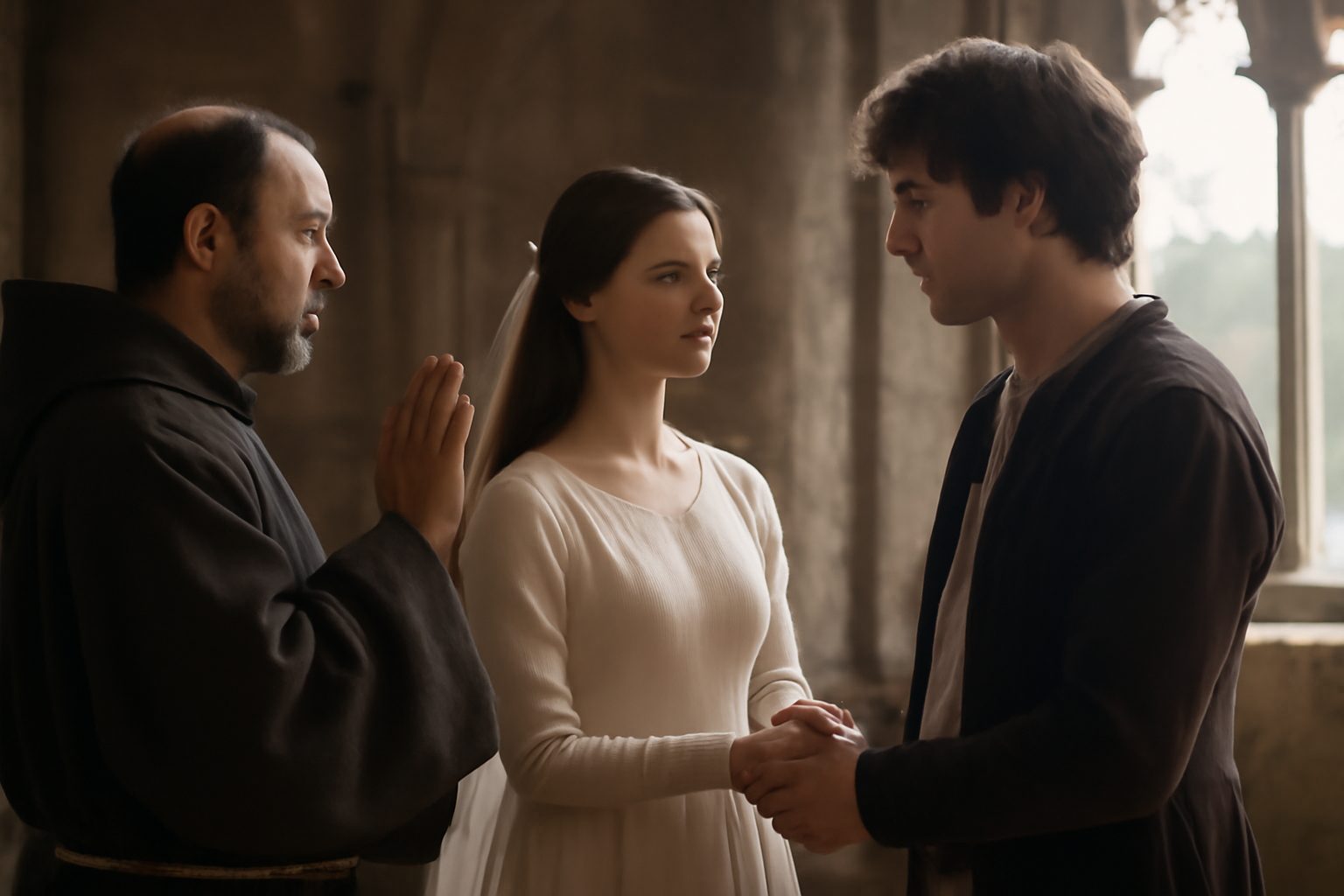
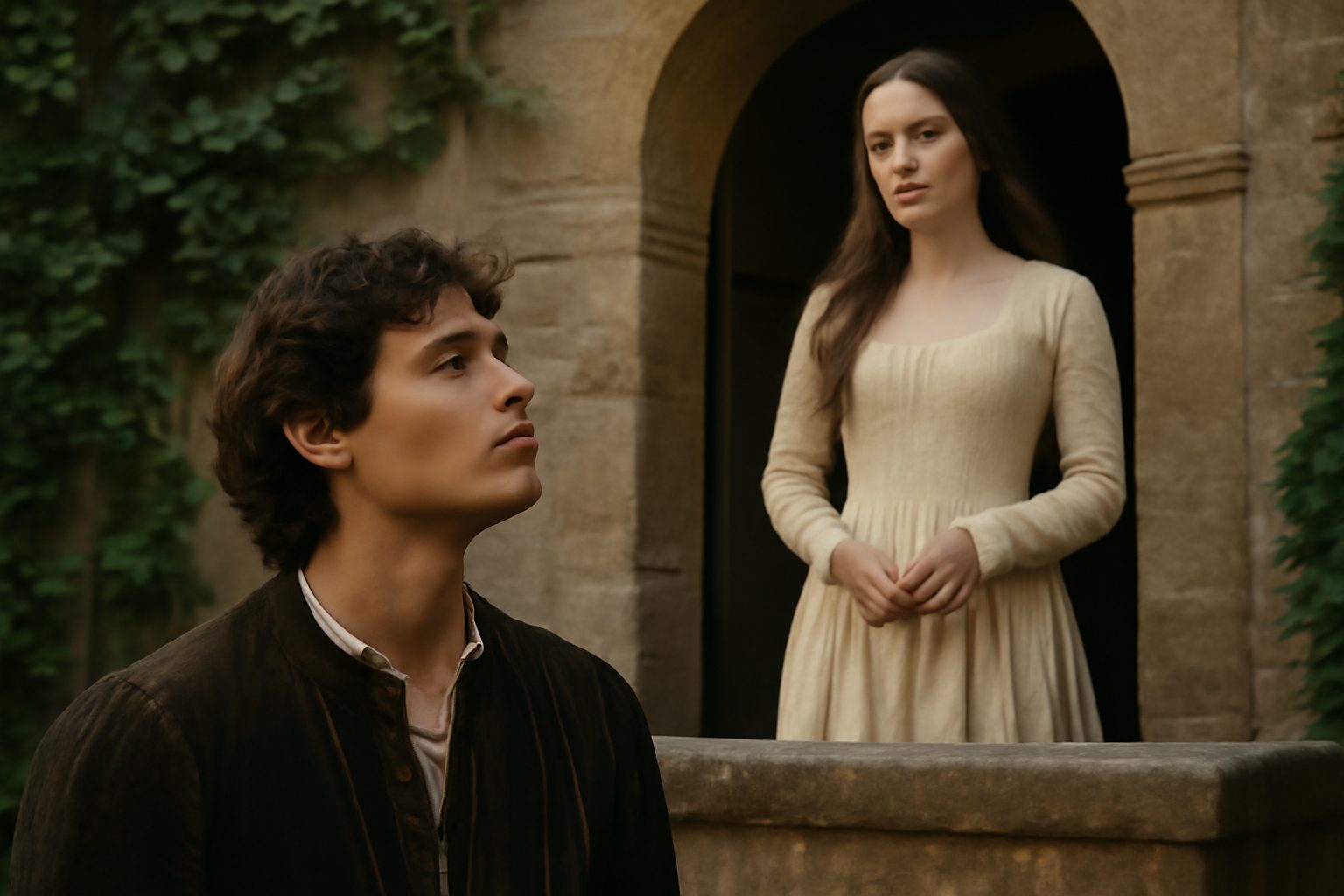
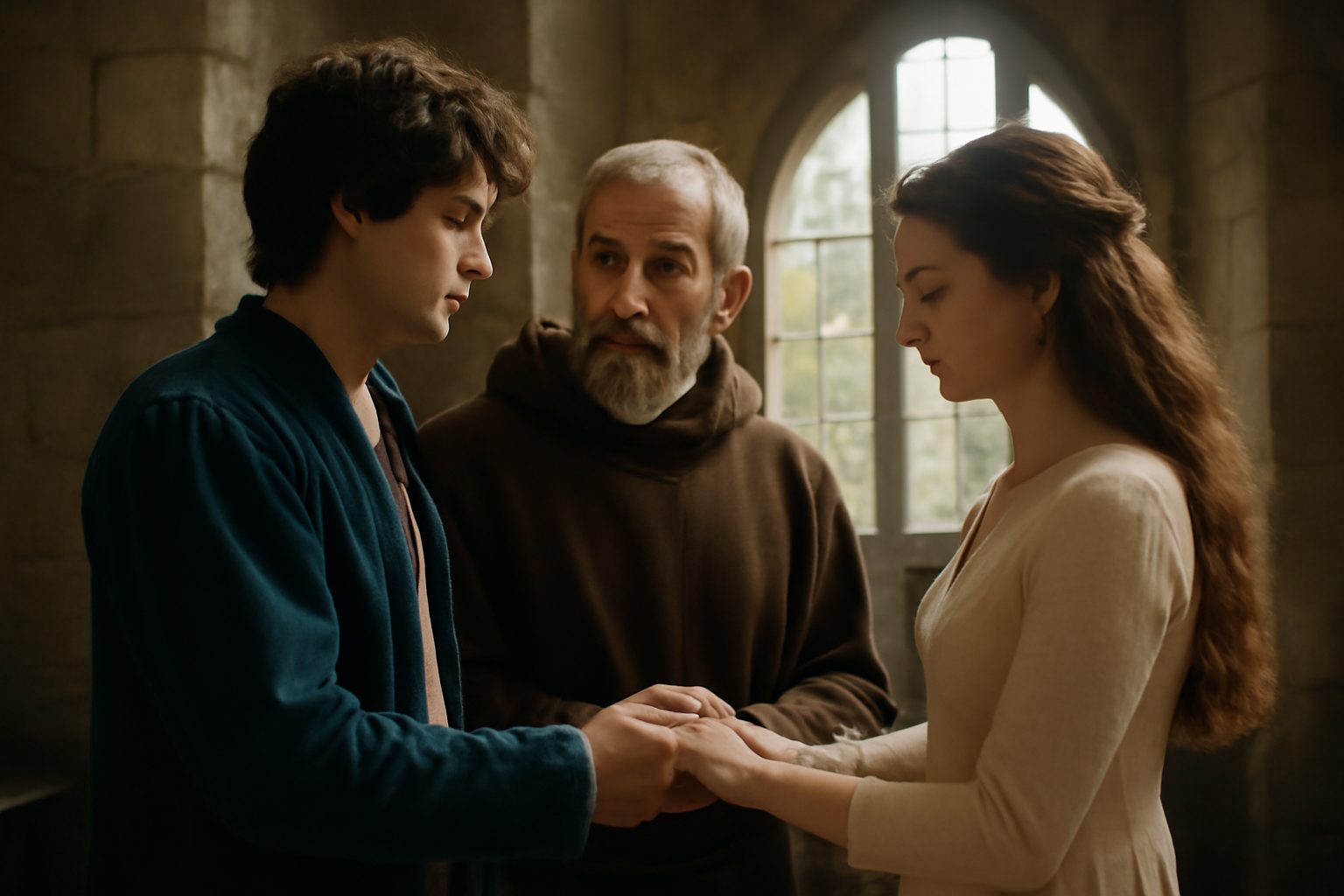
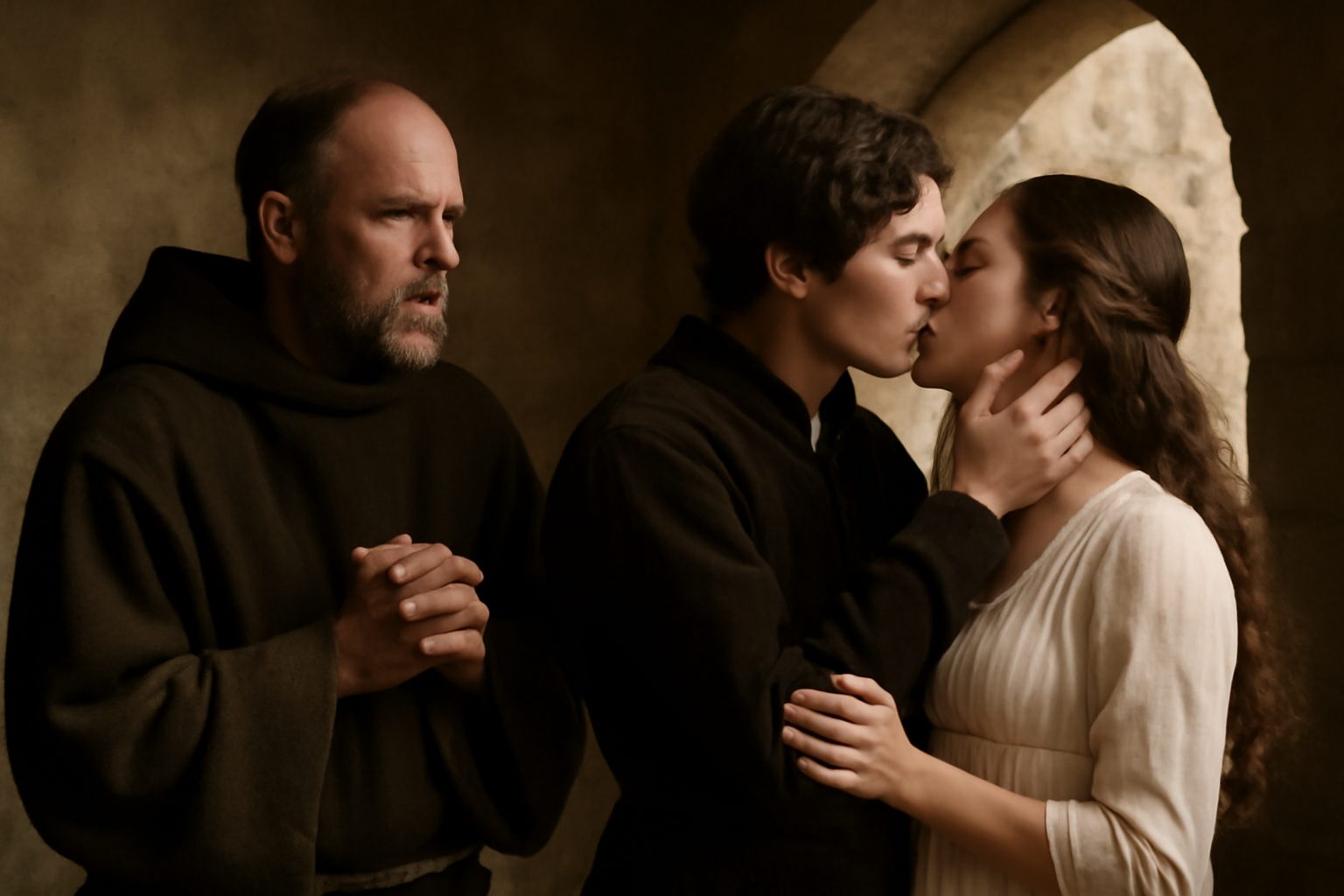
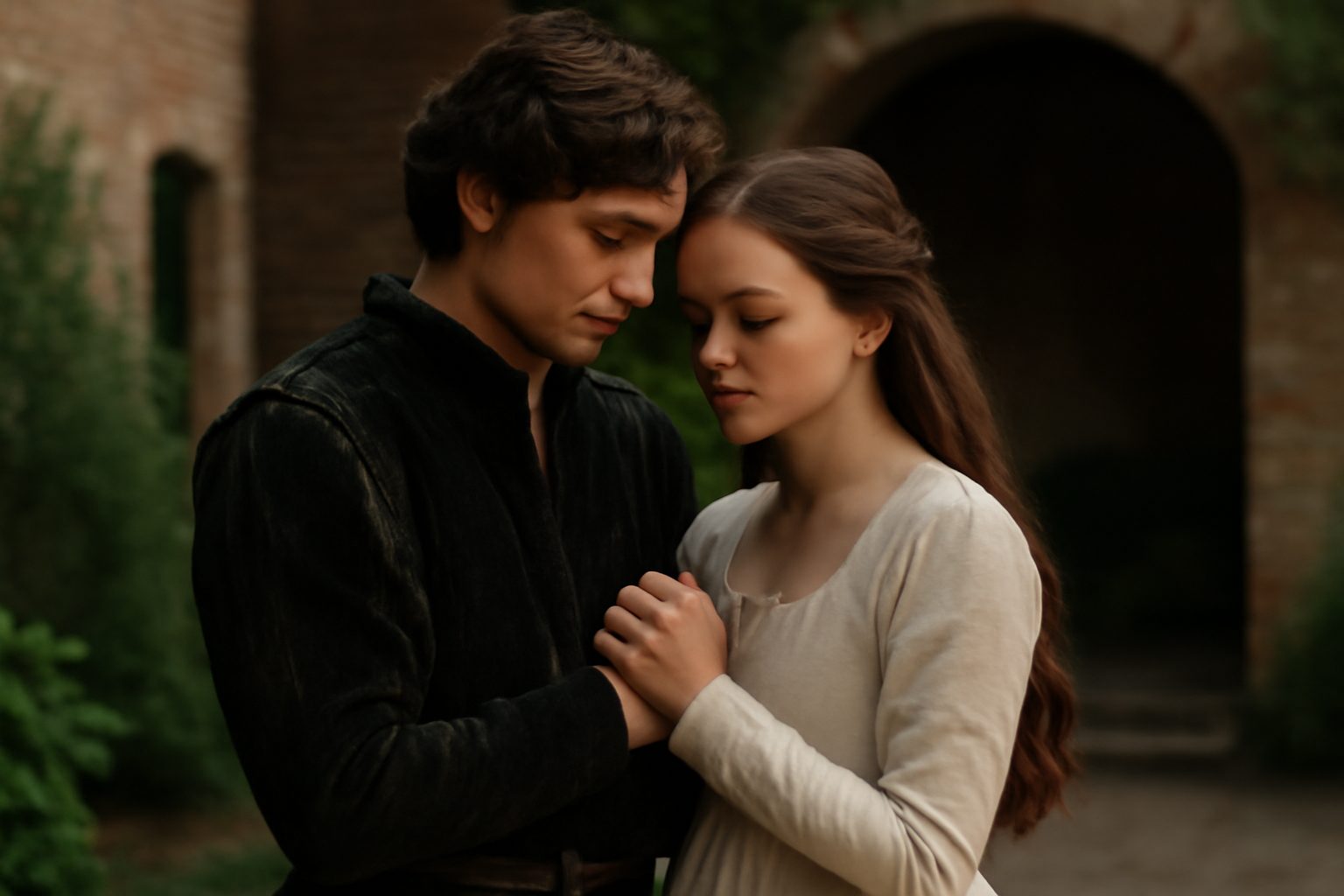
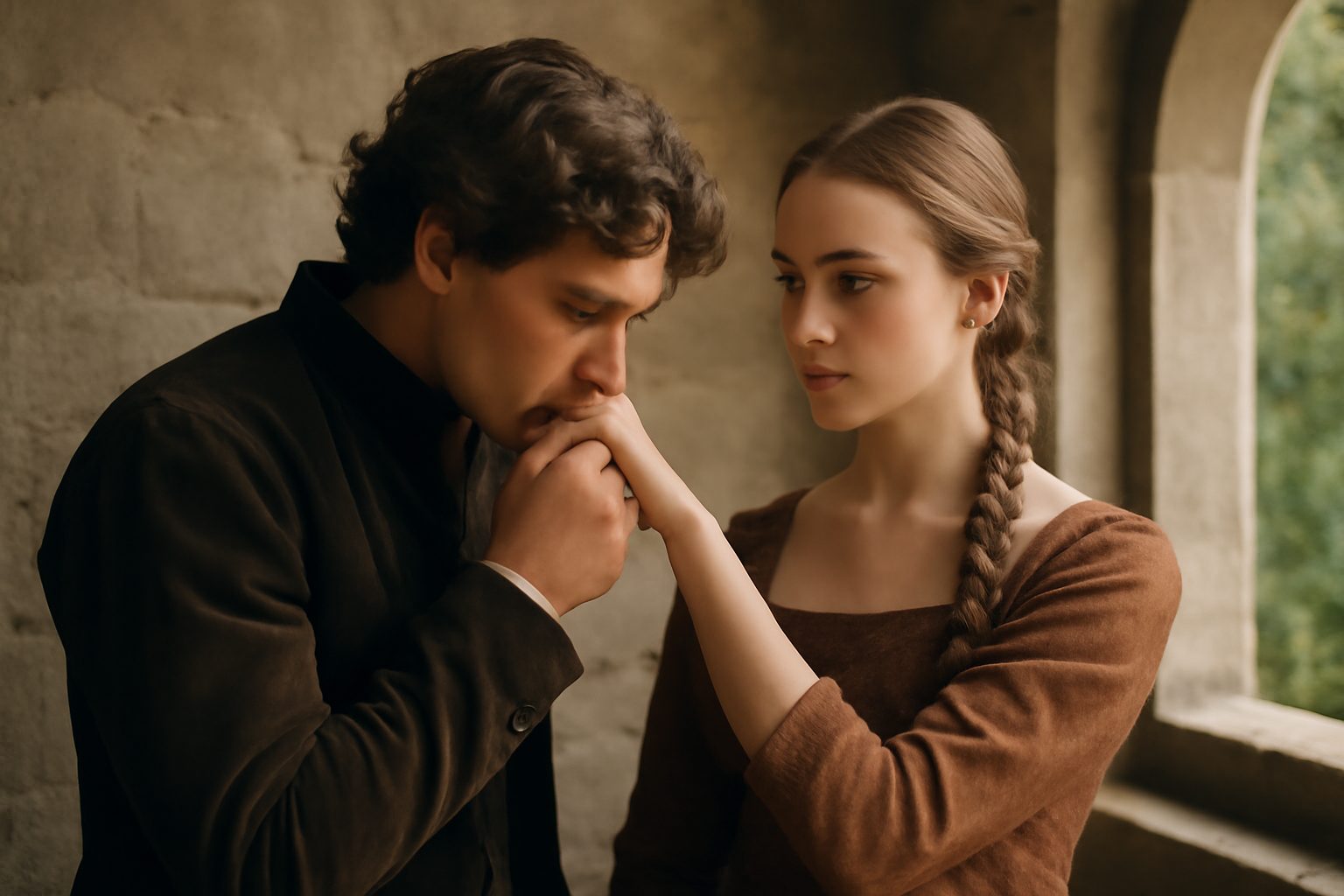
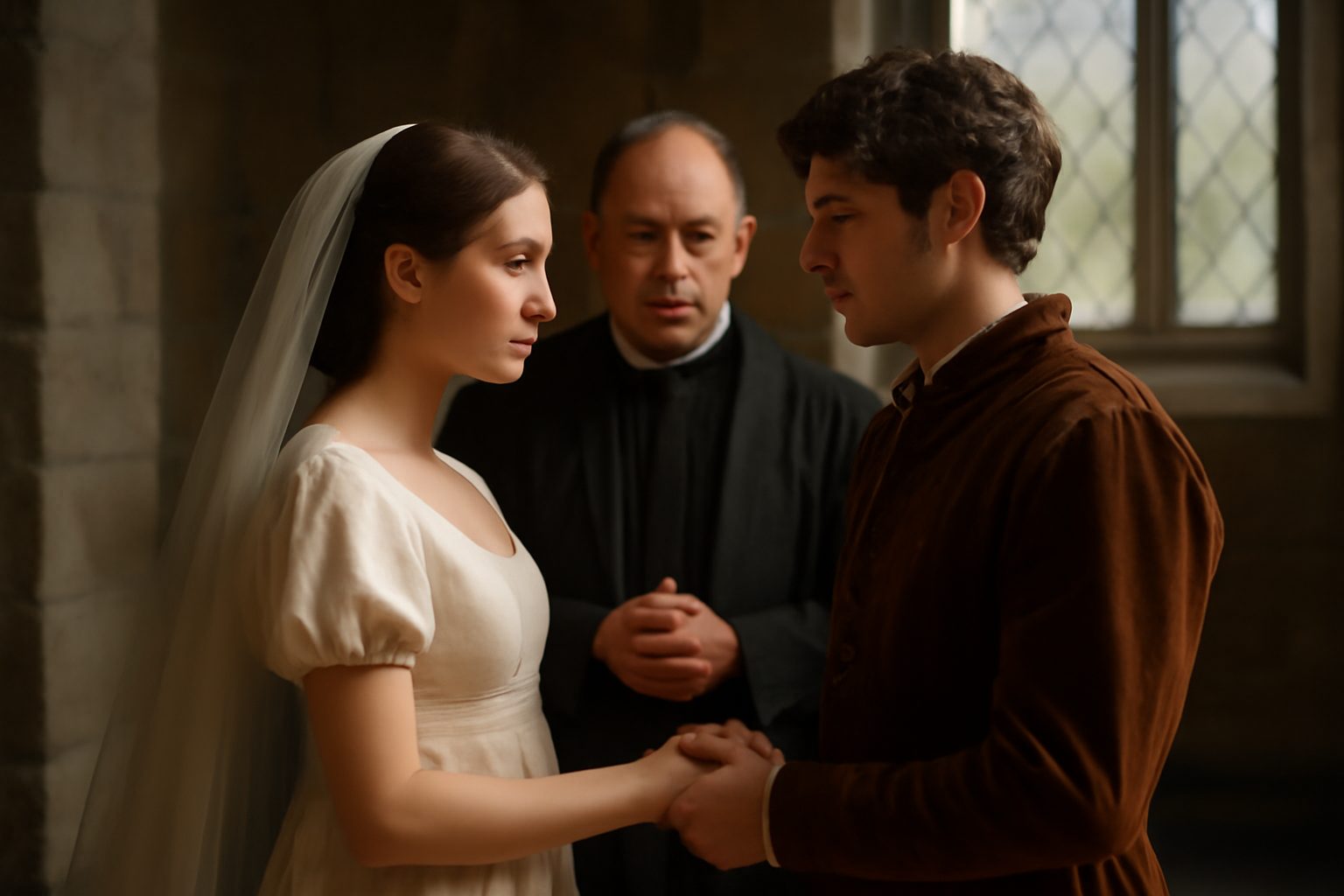
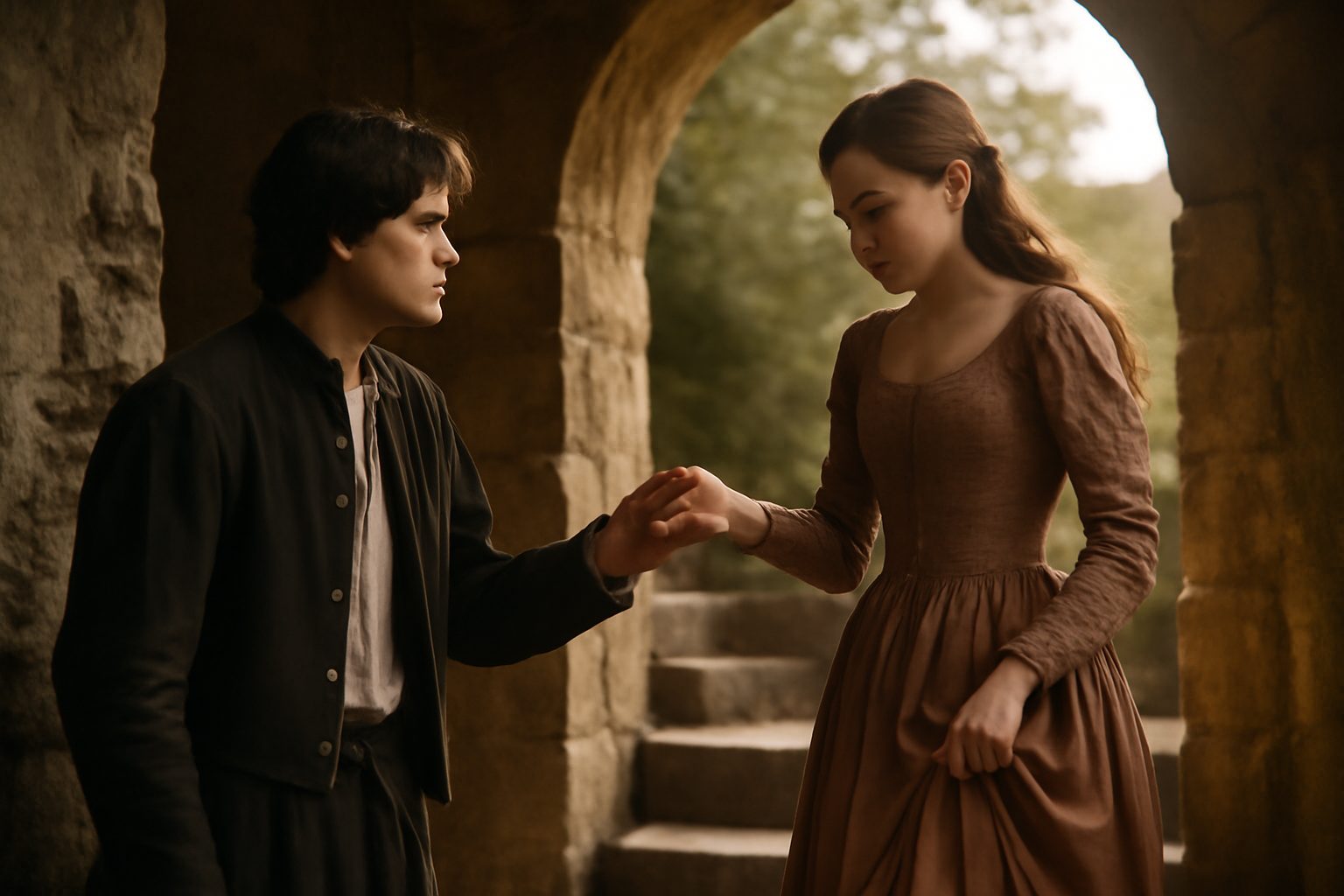
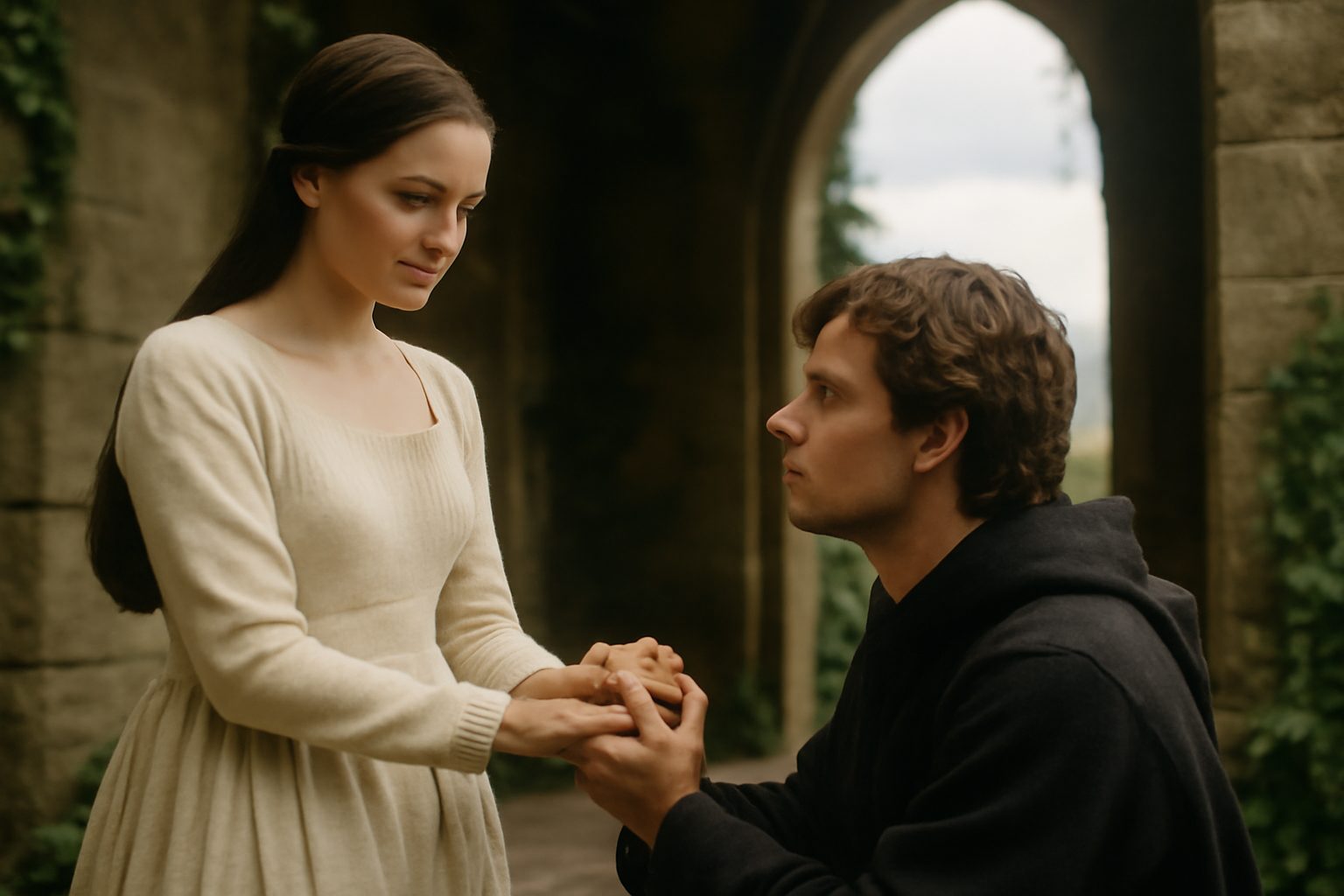
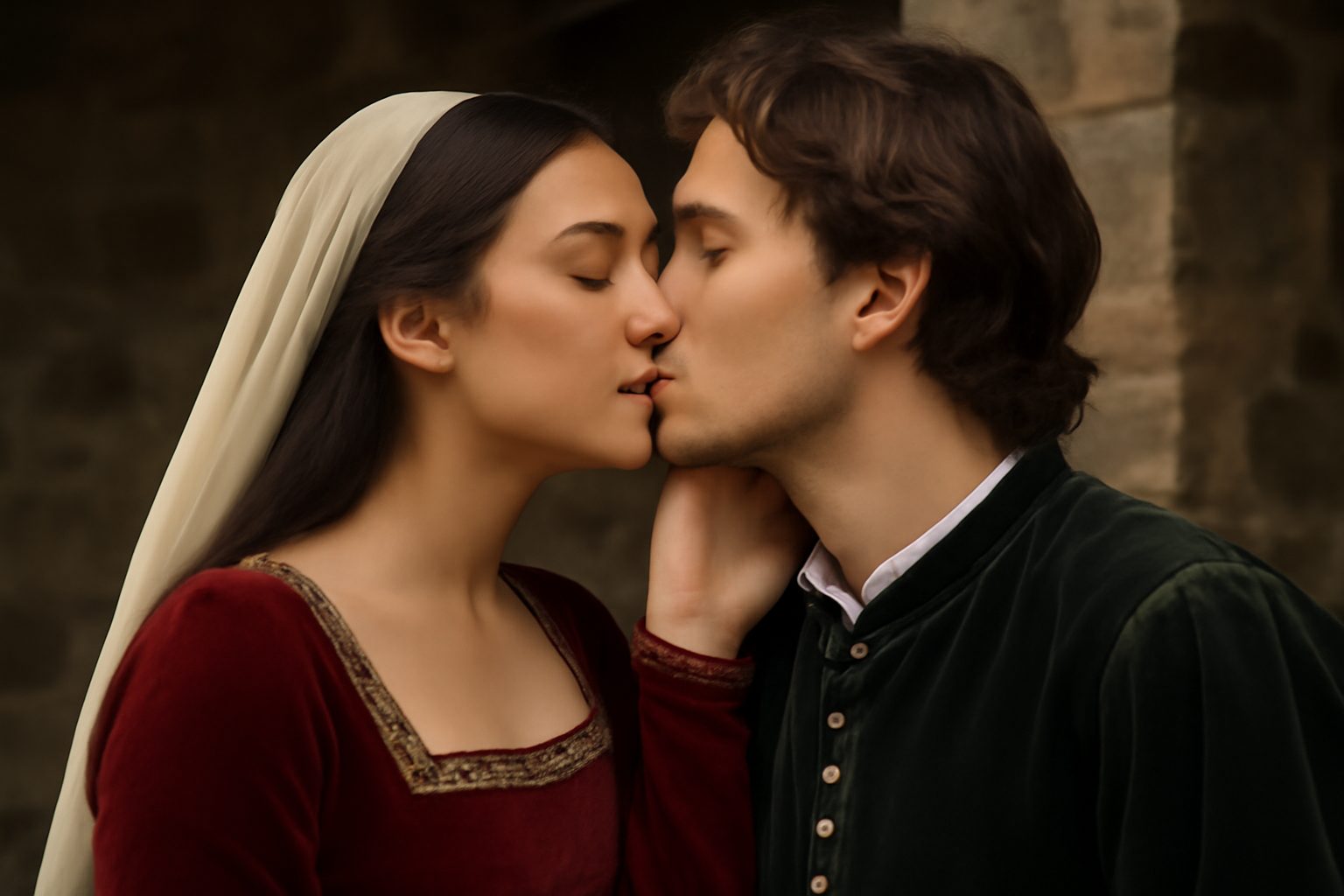
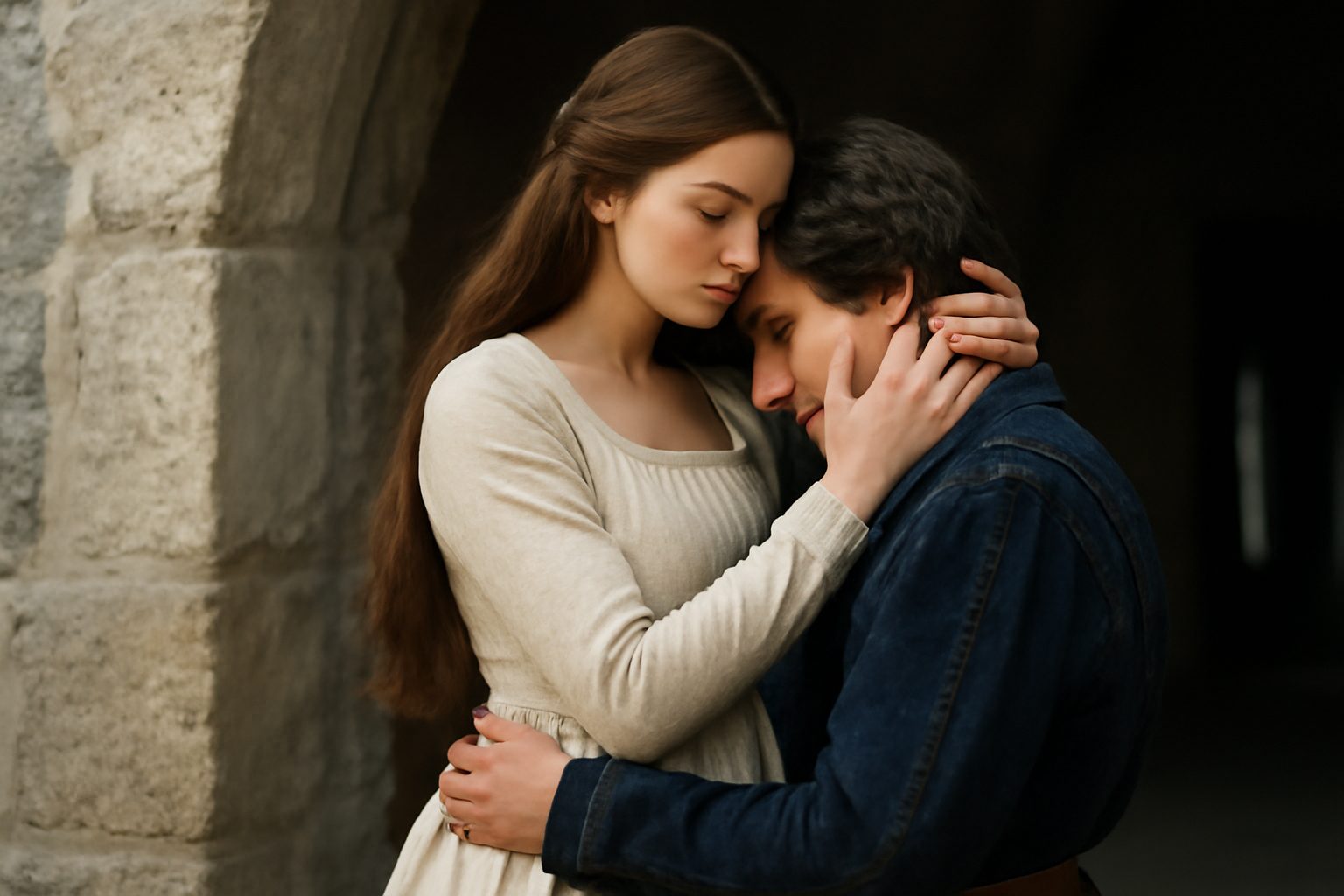
In Act 2, Scene 6 of Romeo and Juliet, Romeo declares his defiance in the face of danger as he prepares to marry Juliet in secret. This line captures his reckless passion, dismissing the threat of death as long as he can be with her. It reflects the play's tension between youthful love and the looming tragedy foreshadowed throughout the scene.
Romeo: "Then love-devouring death do what he dare;"
In modern day english, we would say:
Let death destroy love if it dares; I don’t care what it does.
Frequently Asked Questions
What does Romeo mean when he says that death can do whatever it wants to lovers?
Romeo is saying that he is not afraid of death, even if it tries to destroy his love with Juliet. He feels their love is so strong that it doesn't matter what challenges come their way.
Connections to other verses:
Connections to Friar Laurence's Warning
The line Then love-devouring death do what he dare; directly responds to Friar Laurence's earlier caution in These violent delights have violent ends and his advice to love moderately; long love doth so. Romeo's defiance of death here shows his rejection of the Friar's wisdom, emphasizing the lovers' willingness to embrace extreme consequences for their passion.
Connection to Imagery of Consumption
This declaration of fearlessness toward death connects thematically with And in their triumph die, like fire and powder and Which as they kiss consume: the sweetest honey, both of which use imagery of destructive consumption. The "love-devouring death" completes this pattern by presenting death itself as the ultimate consumer of their love.
Relationship to Joy and Excess
Romeo's bold statement follows his earlier claim that It cannot countervail the exchange of joy and his declaration that It is enough I may but call her mine. This progression shows how his overwhelming joy leads him to dismiss any potential sorrow or danger, culminating in his challenge to death itself.
Contrast with Juliet's Approach
While Romeo defies death, Juliet's entrance description in Here comes the lady: O, so light a foot presents her with delicate, almost ethereal imagery. This creates a contrast between Romeo's confrontational stance toward mortality and Juliet's more graceful presence, though both ultimately share the same fatal commitment.
Connection to Religious Imagery
The verse occurs within the context of the wedding ceremony, following Romeo's request to close our hands with holy words and the Friar's prayer that after hours with sorrow chide us not. Romeo's challenge to death thus emerges from within a sacred context, ironically juxtaposing holy matrimony with mortal defiance.