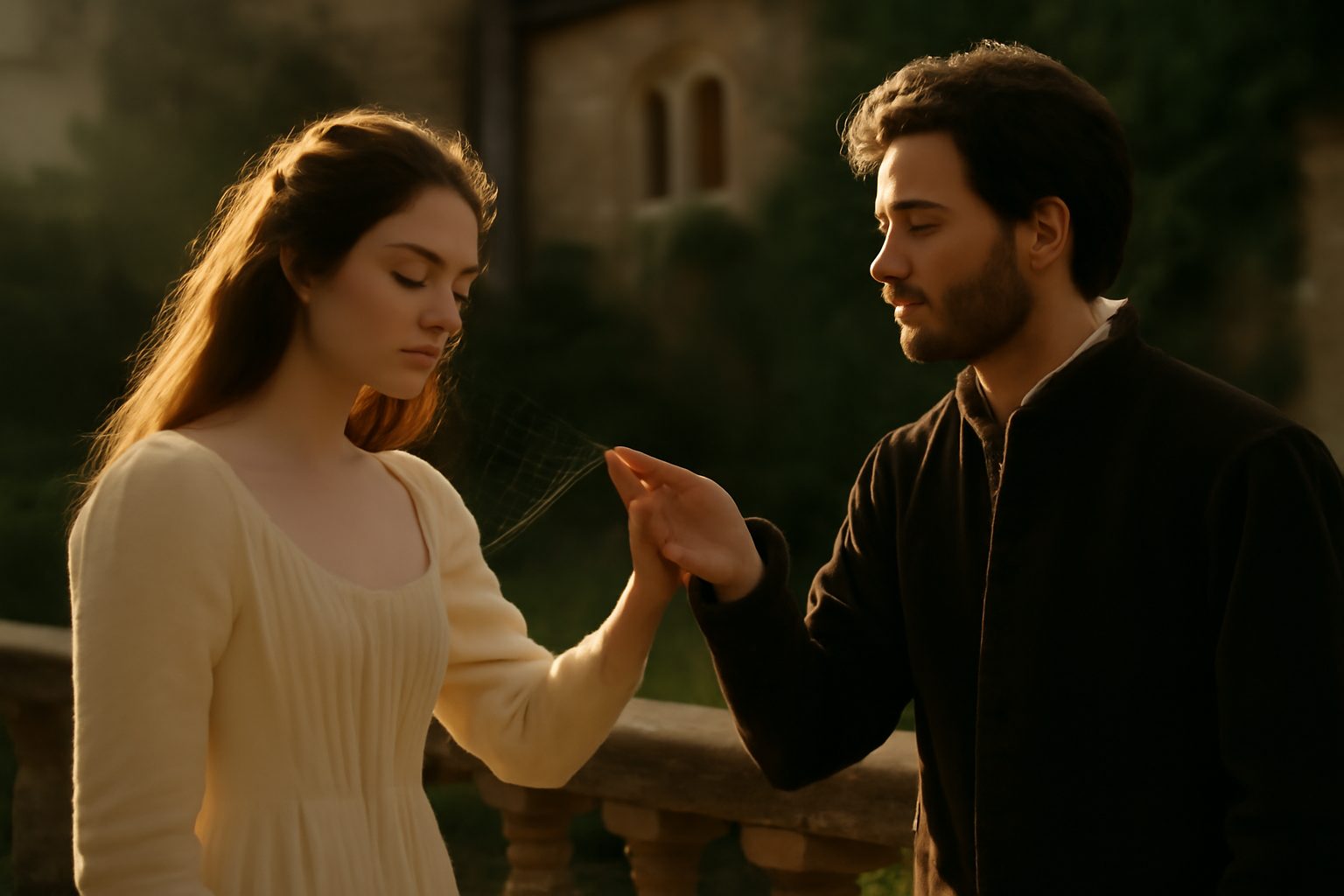
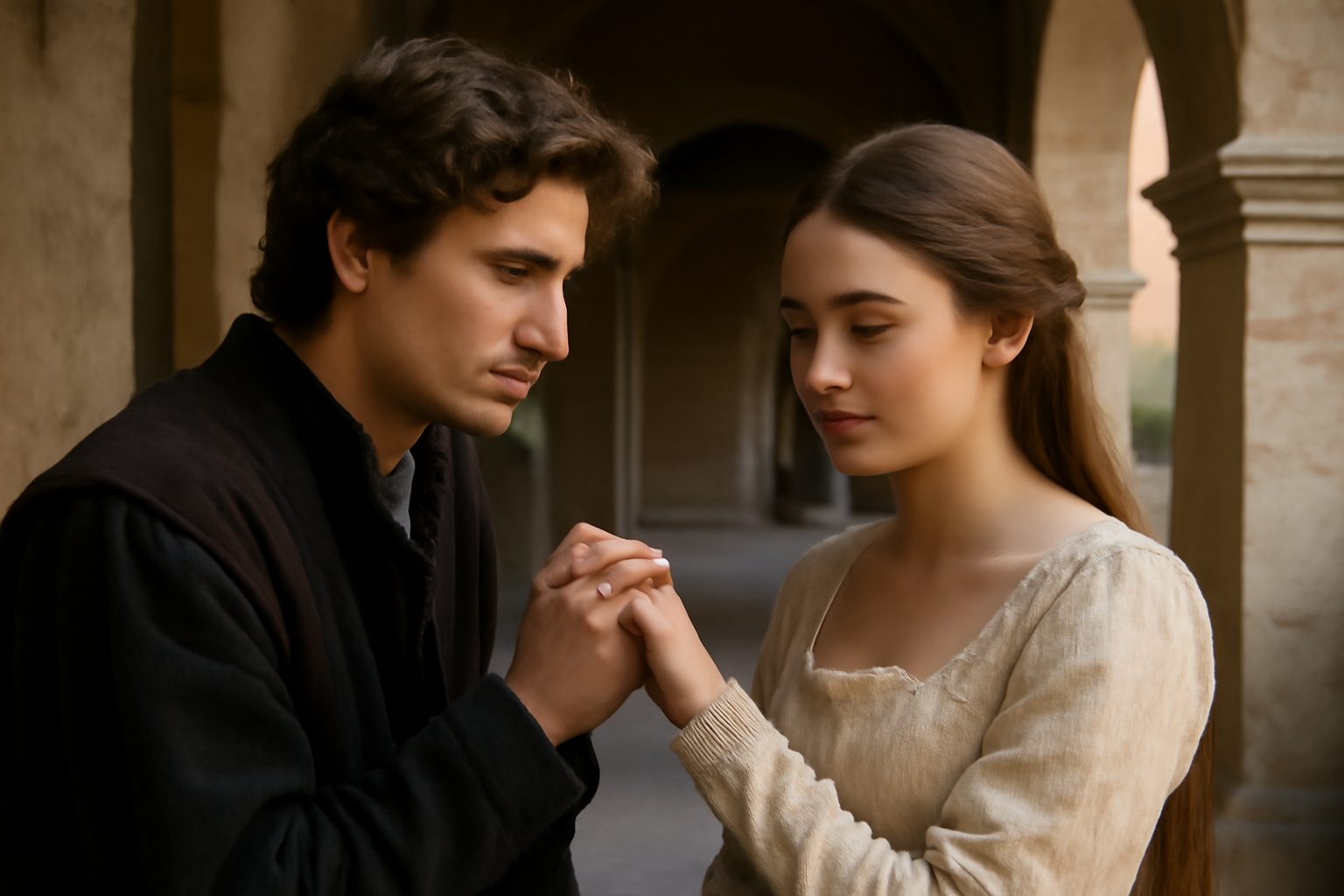
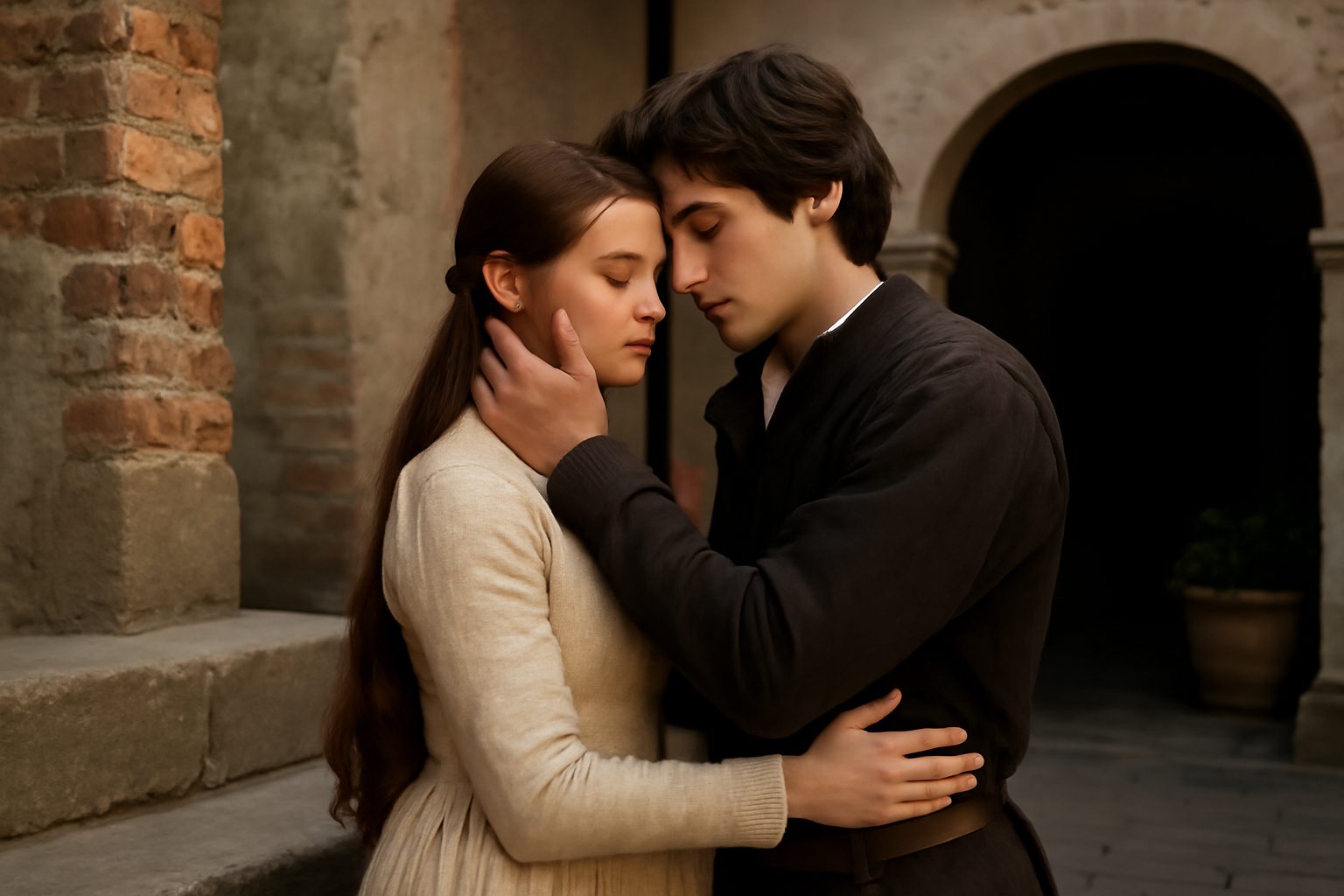
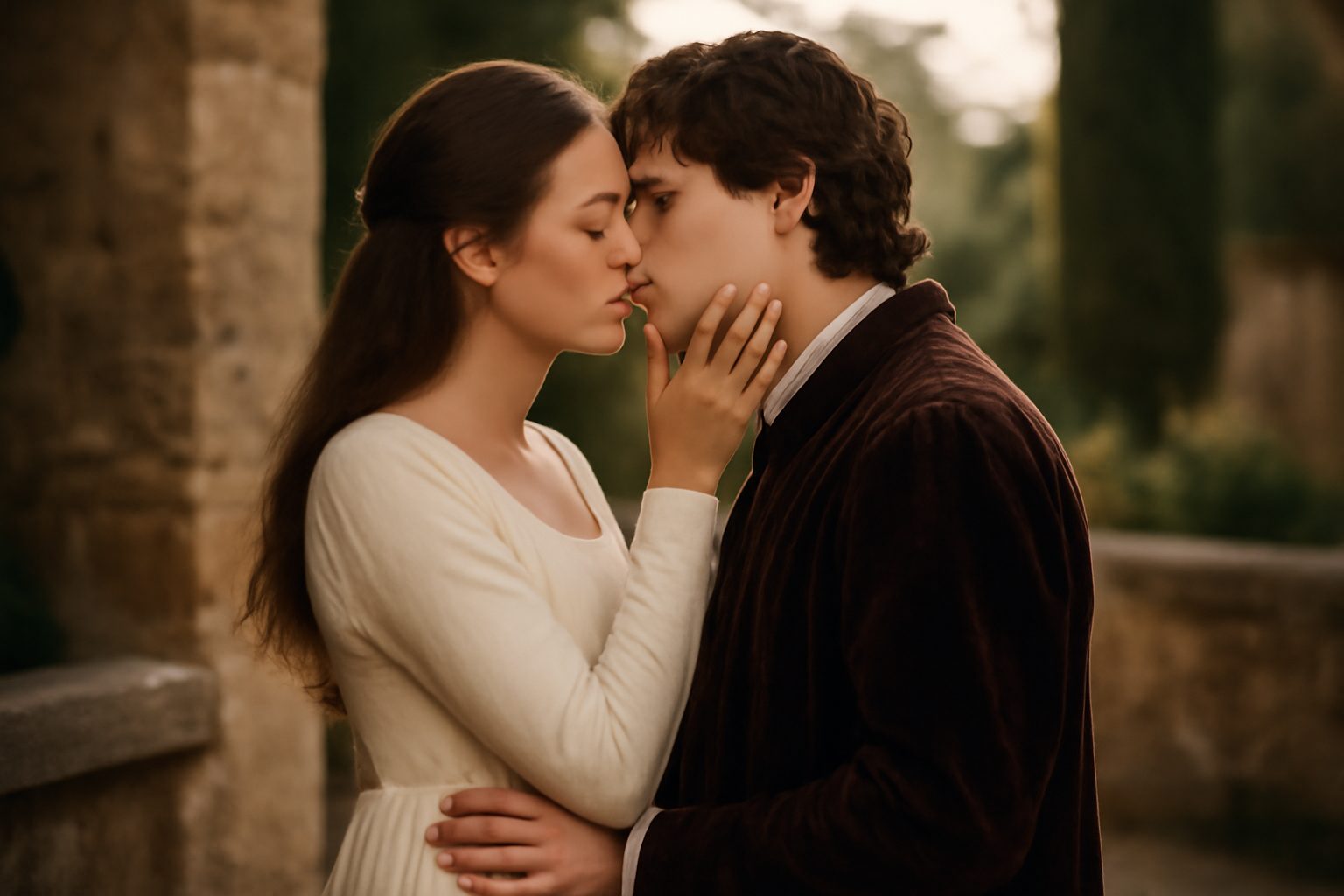
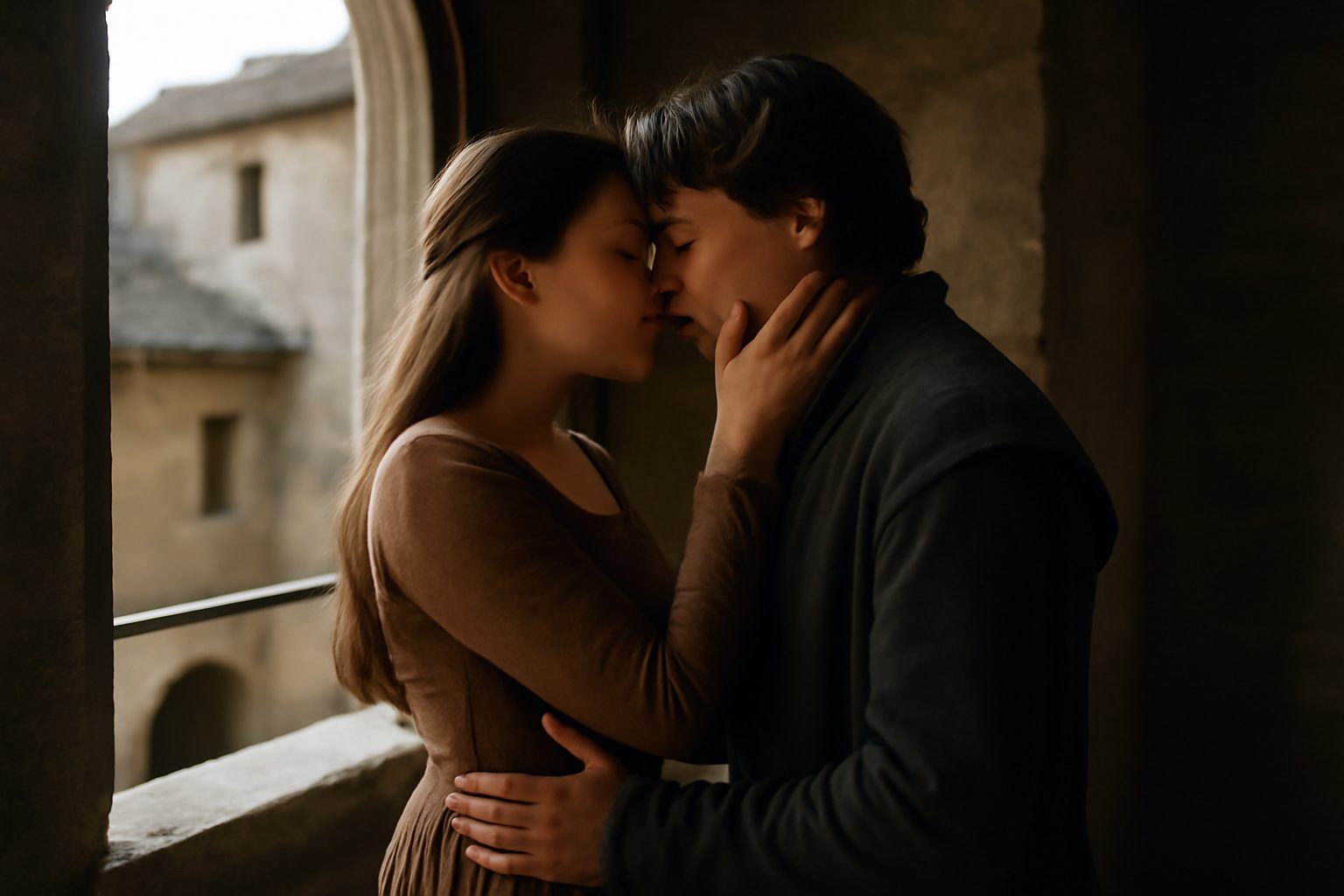
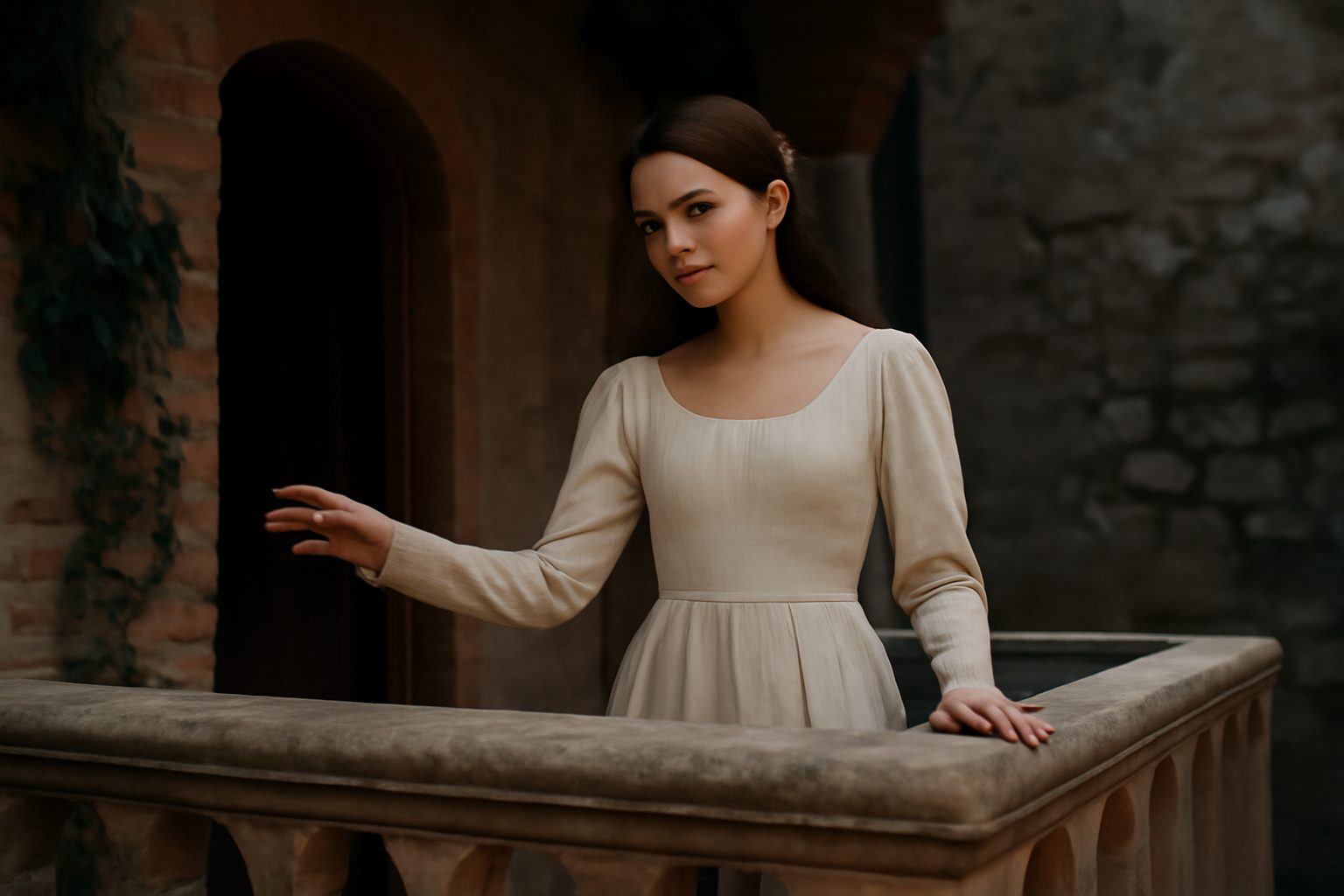
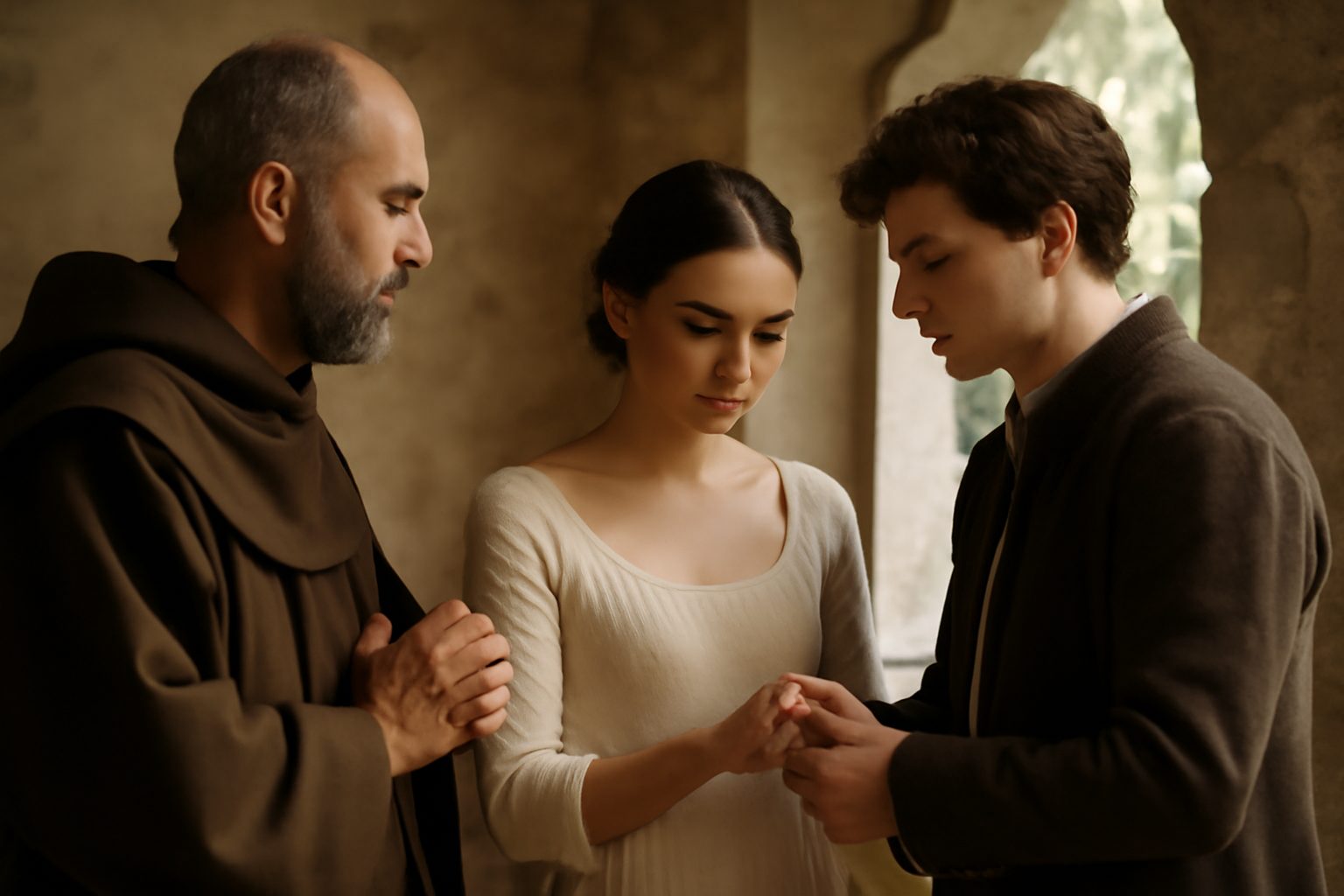
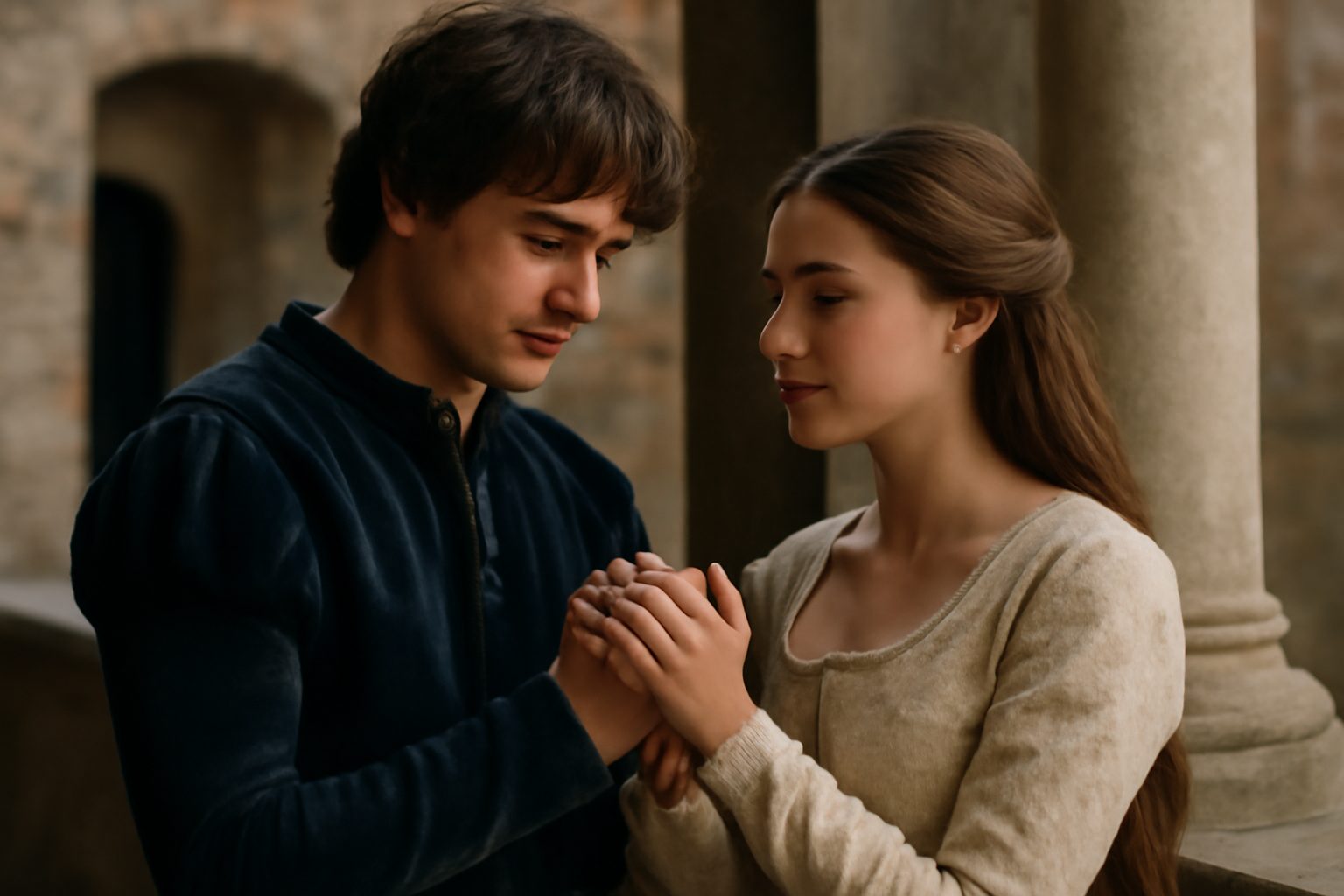
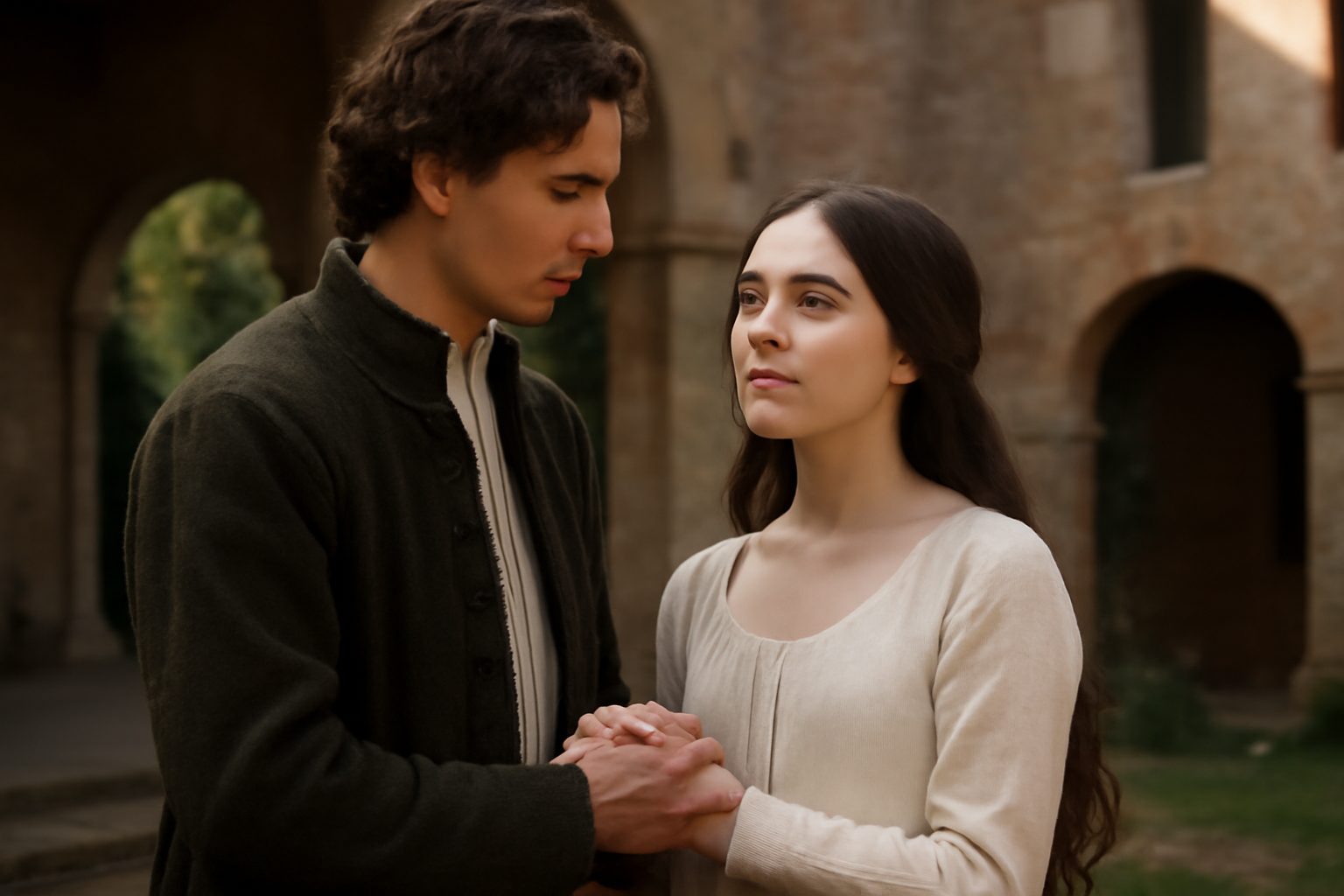
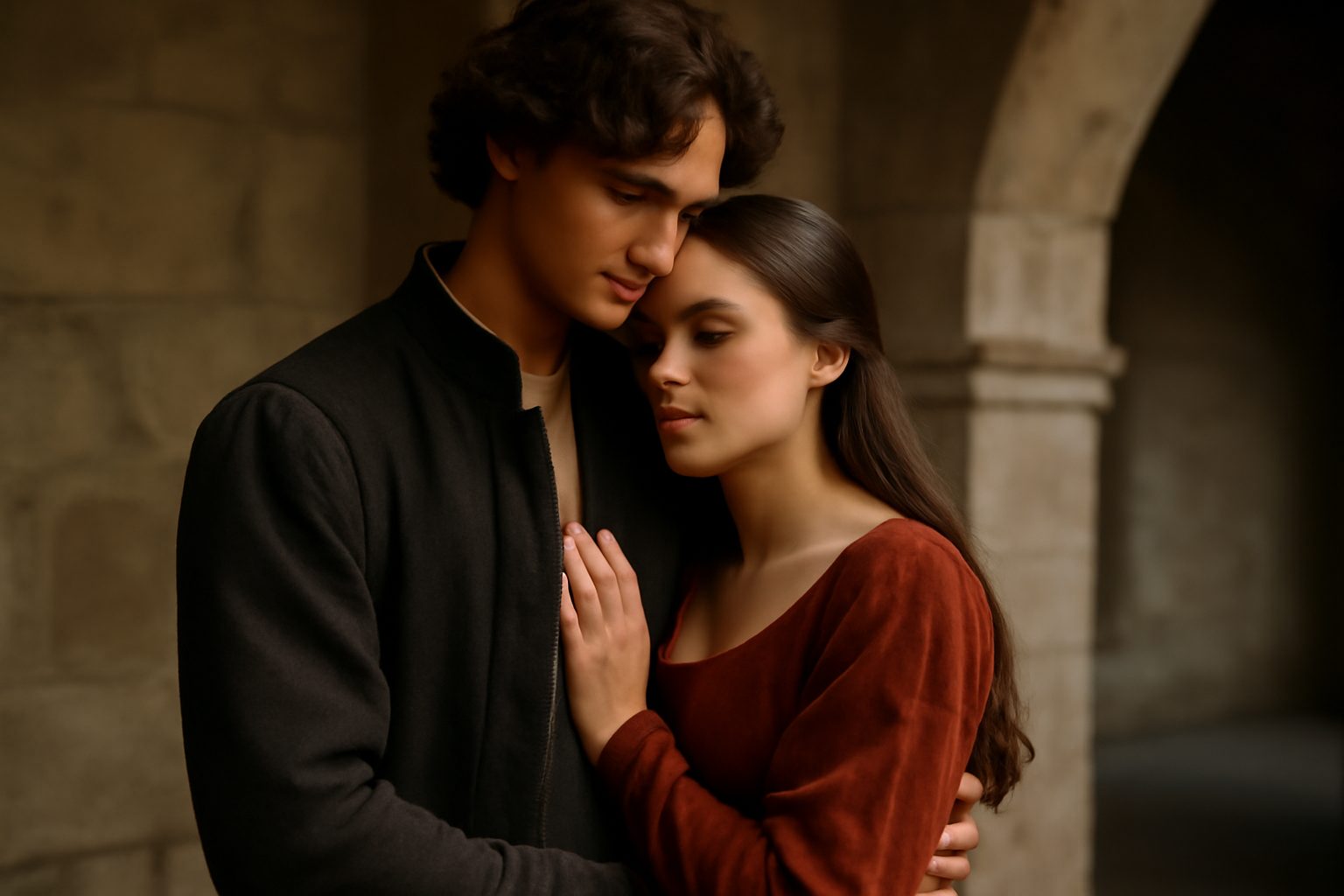
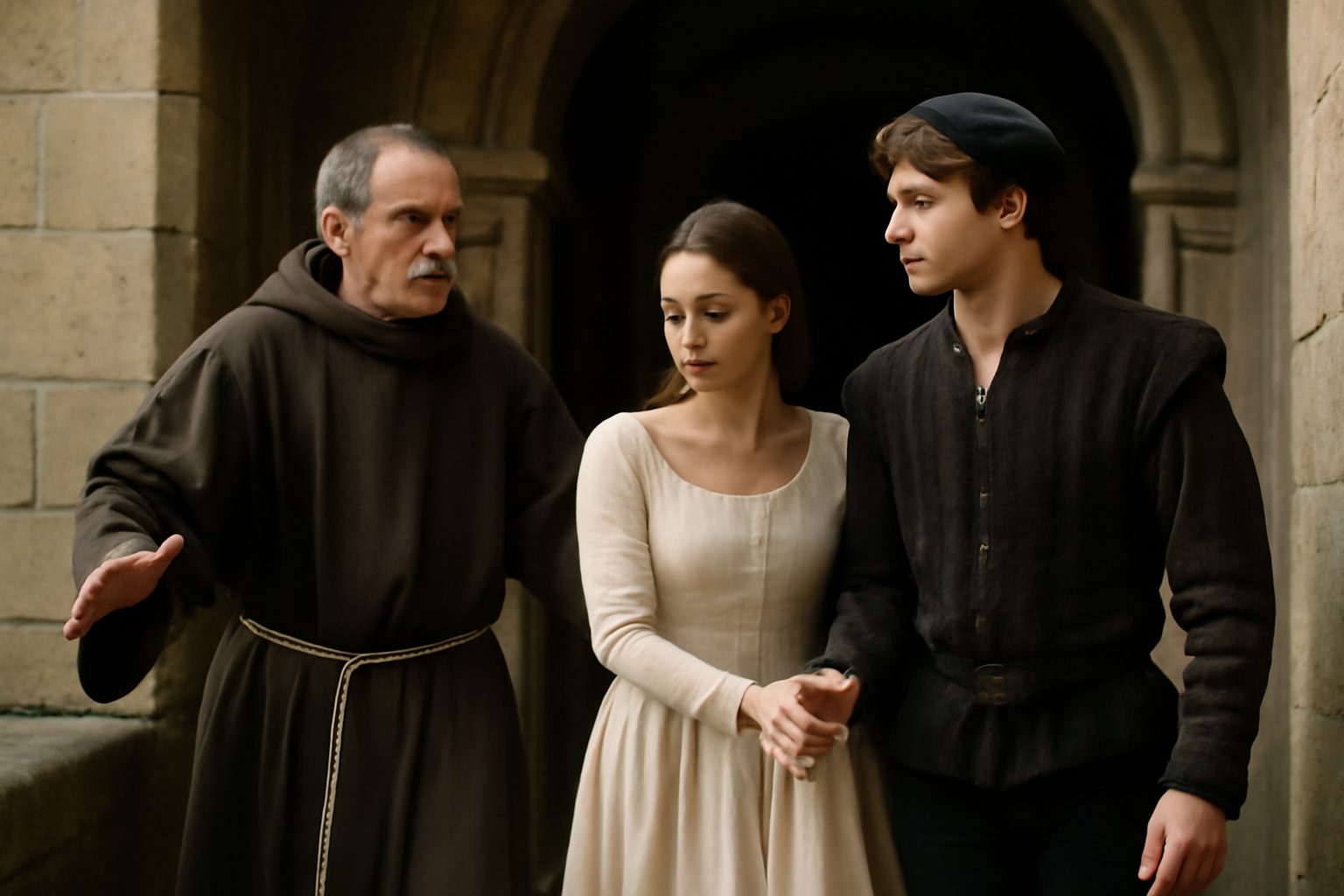
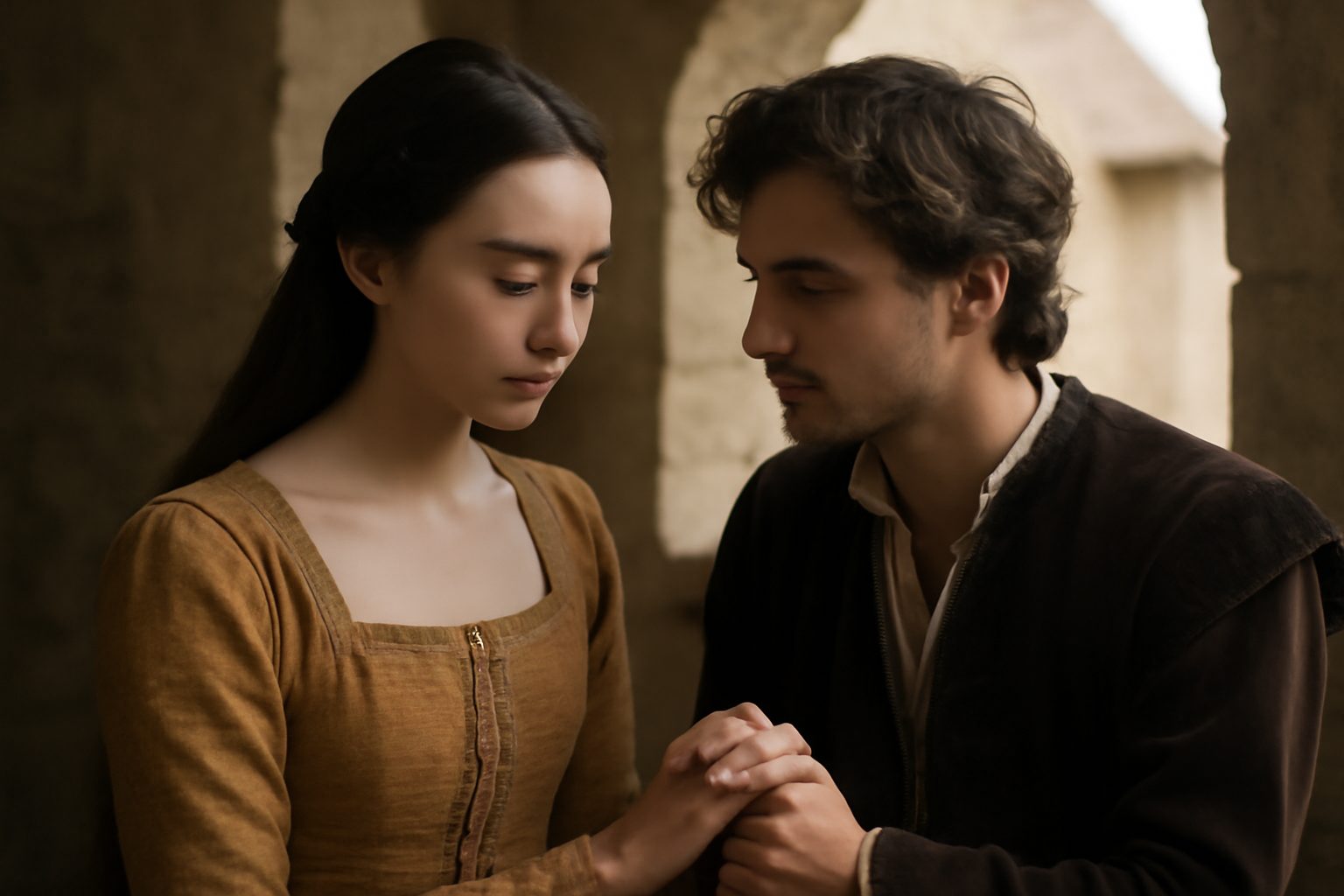
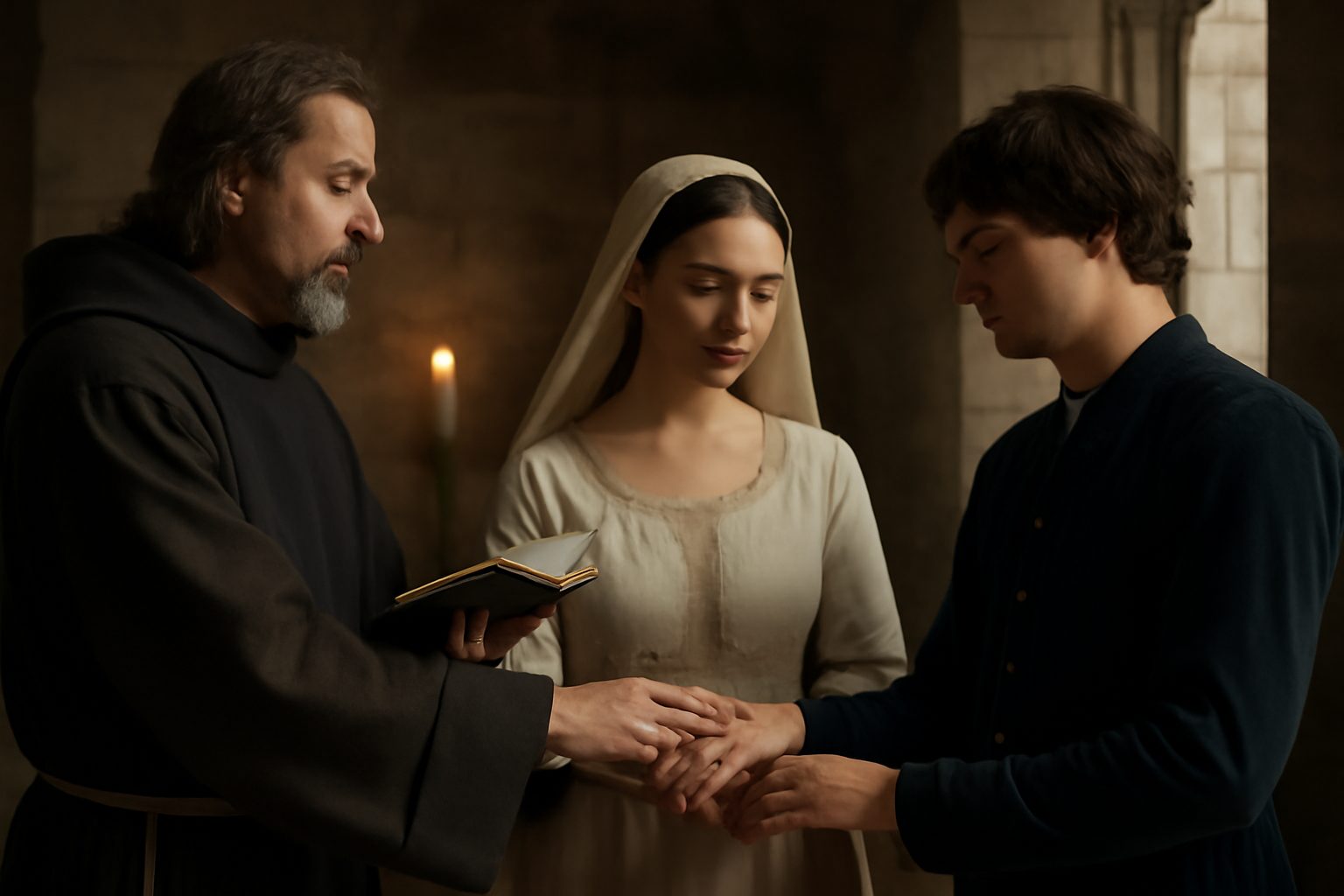
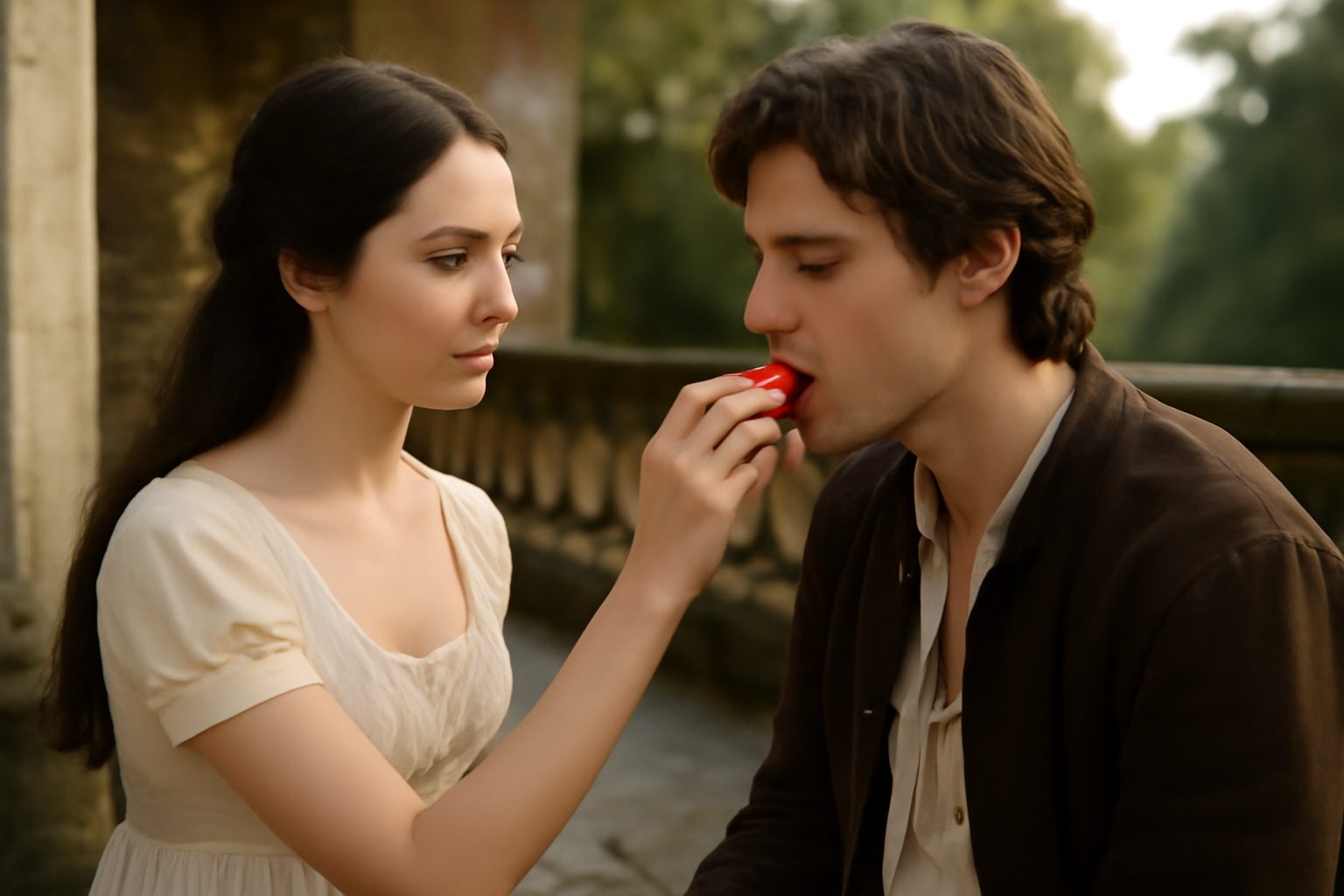
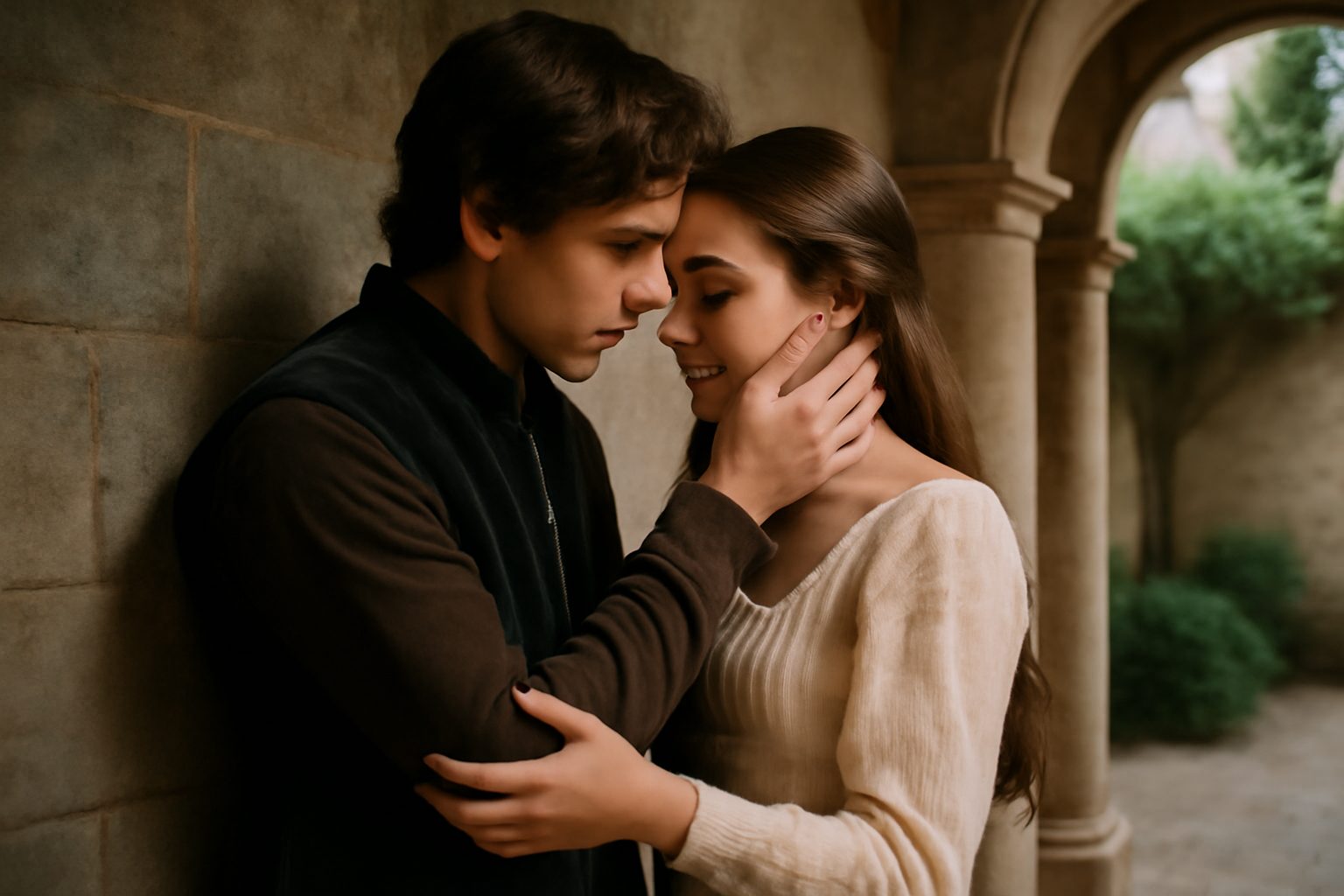
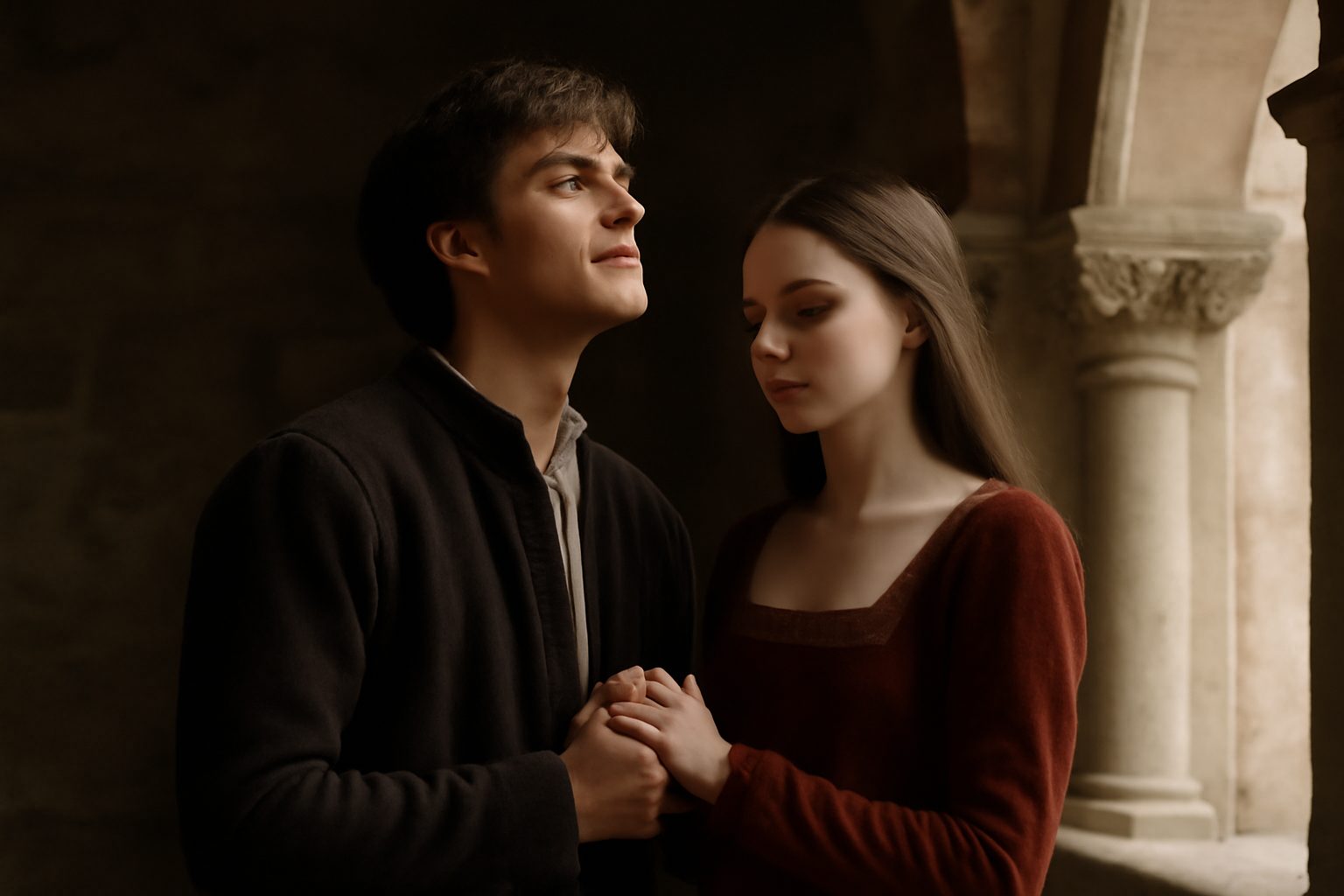
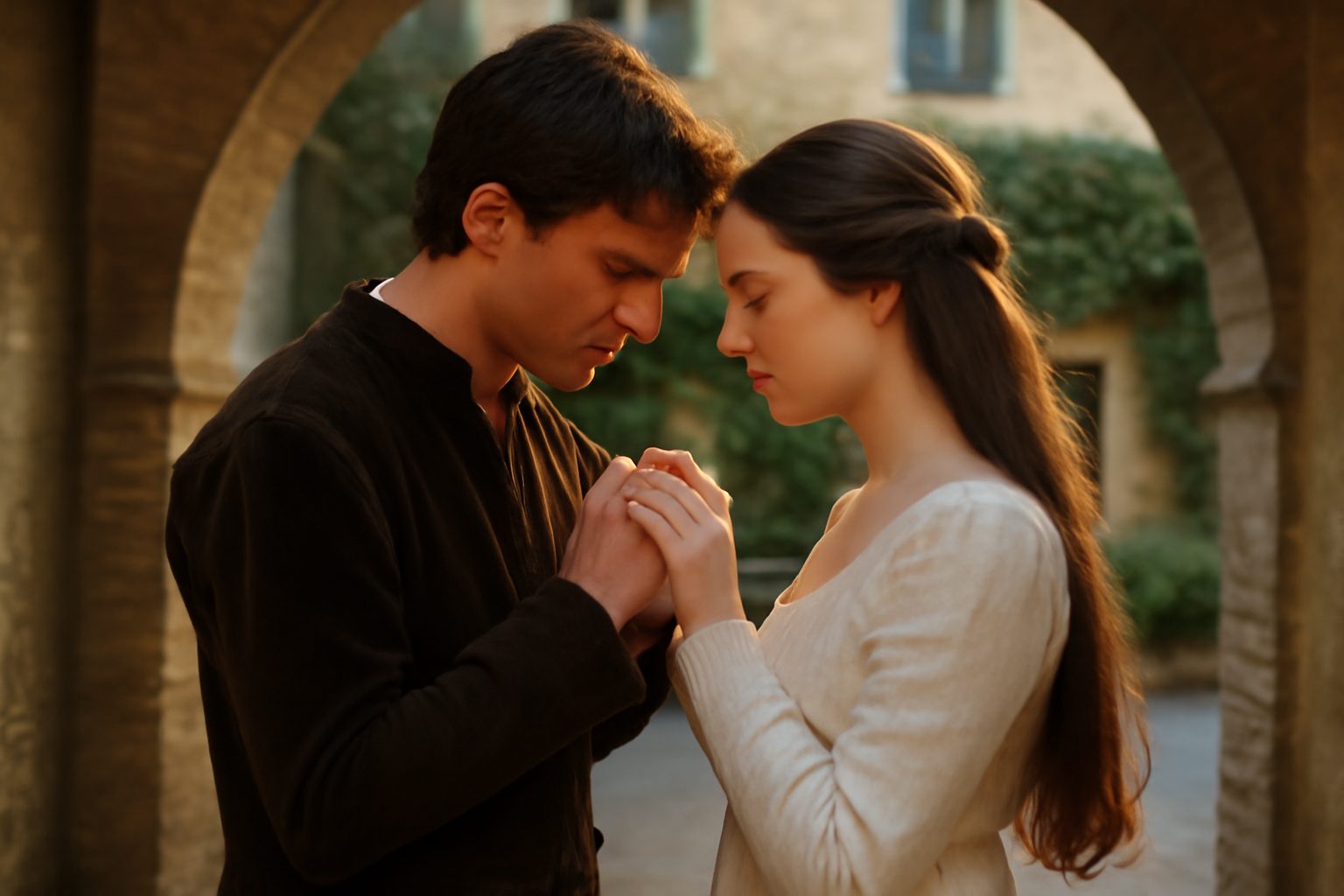
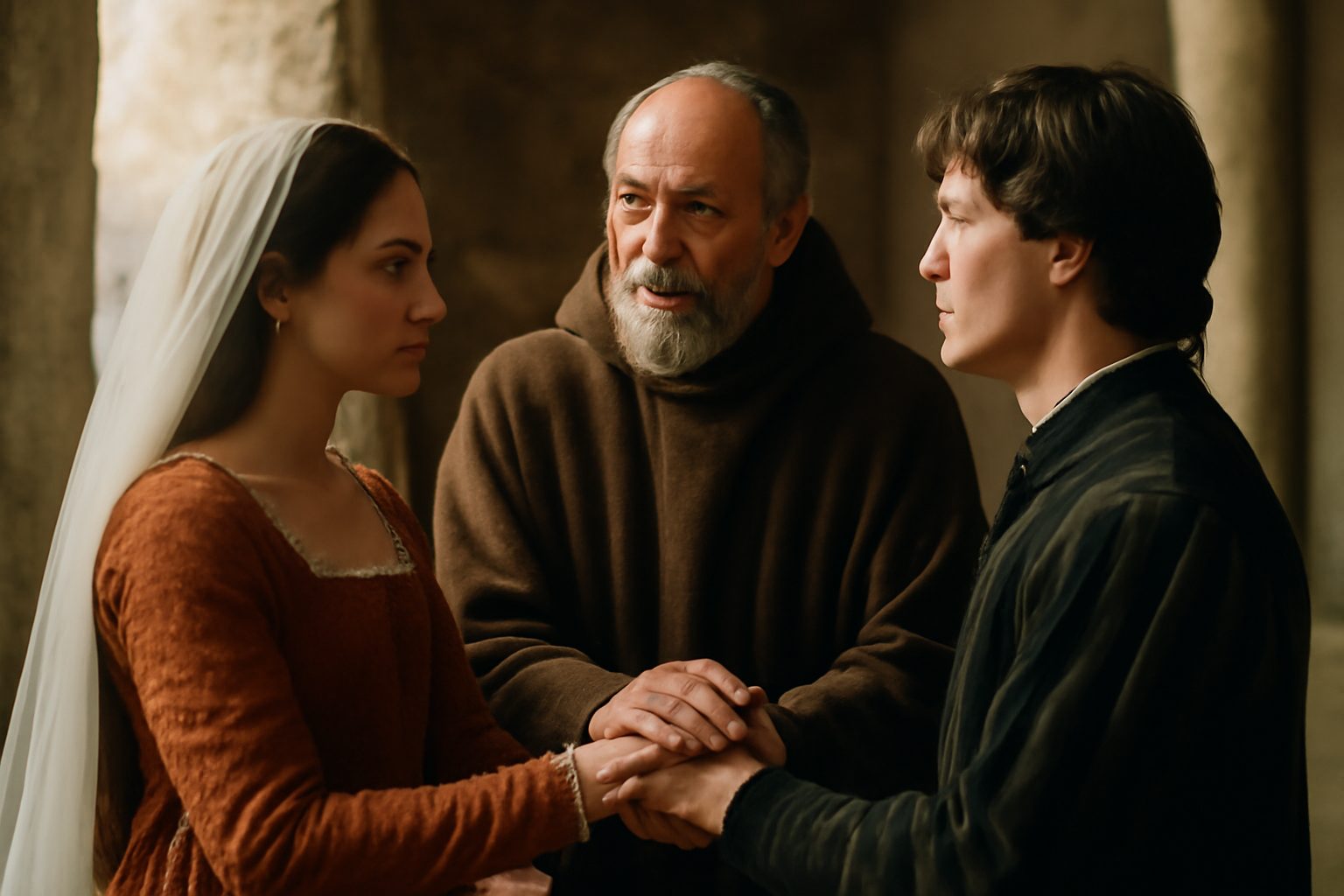
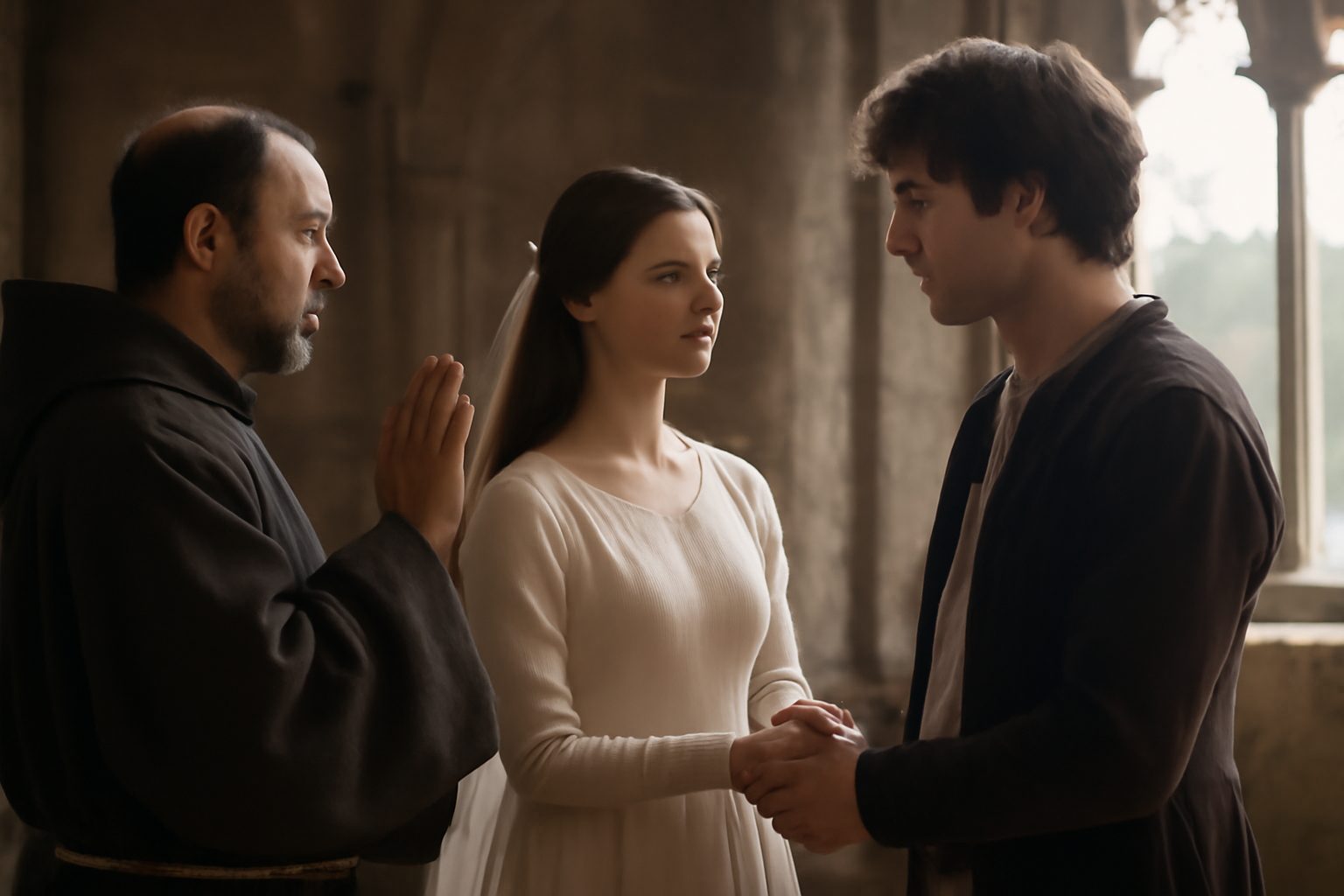
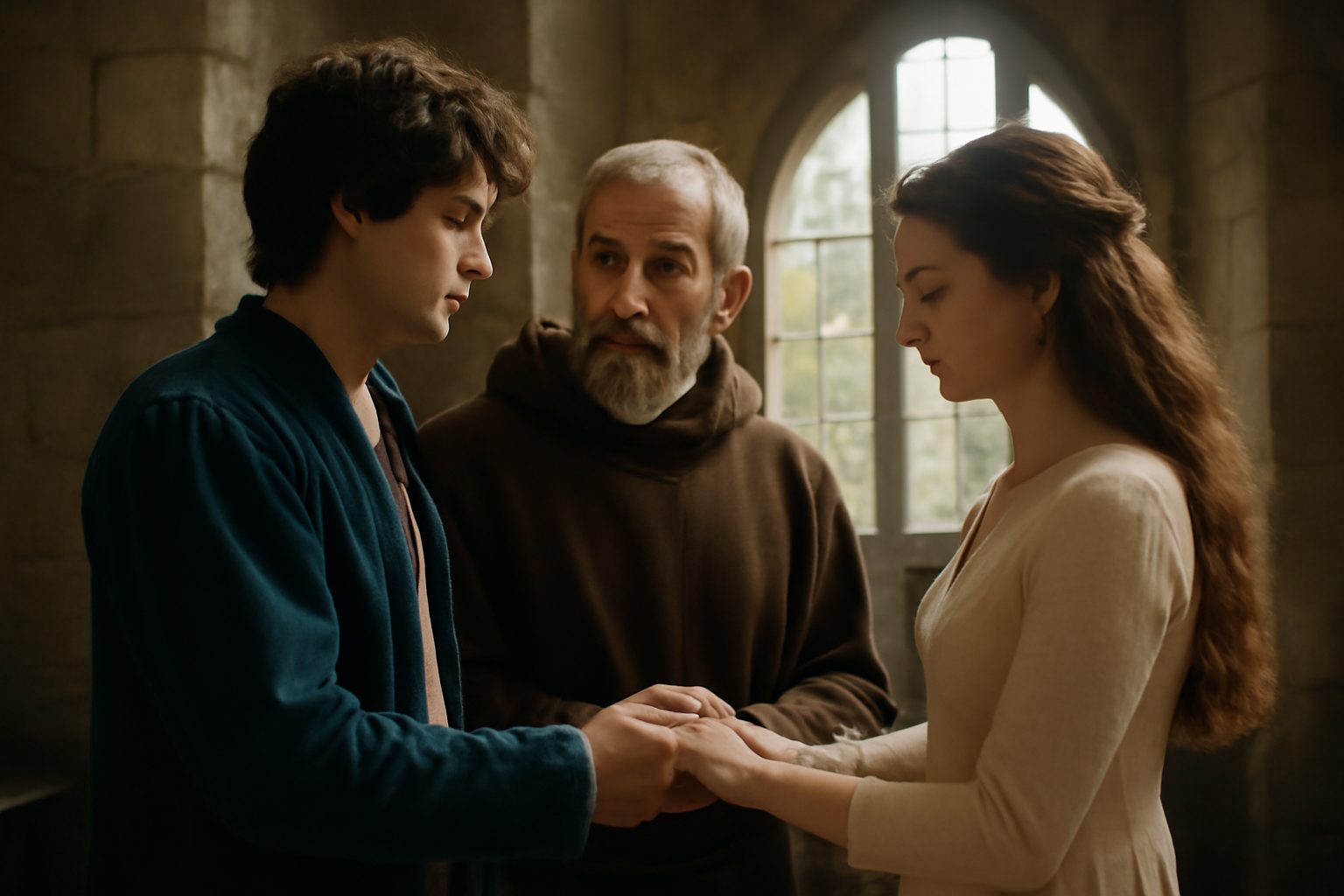
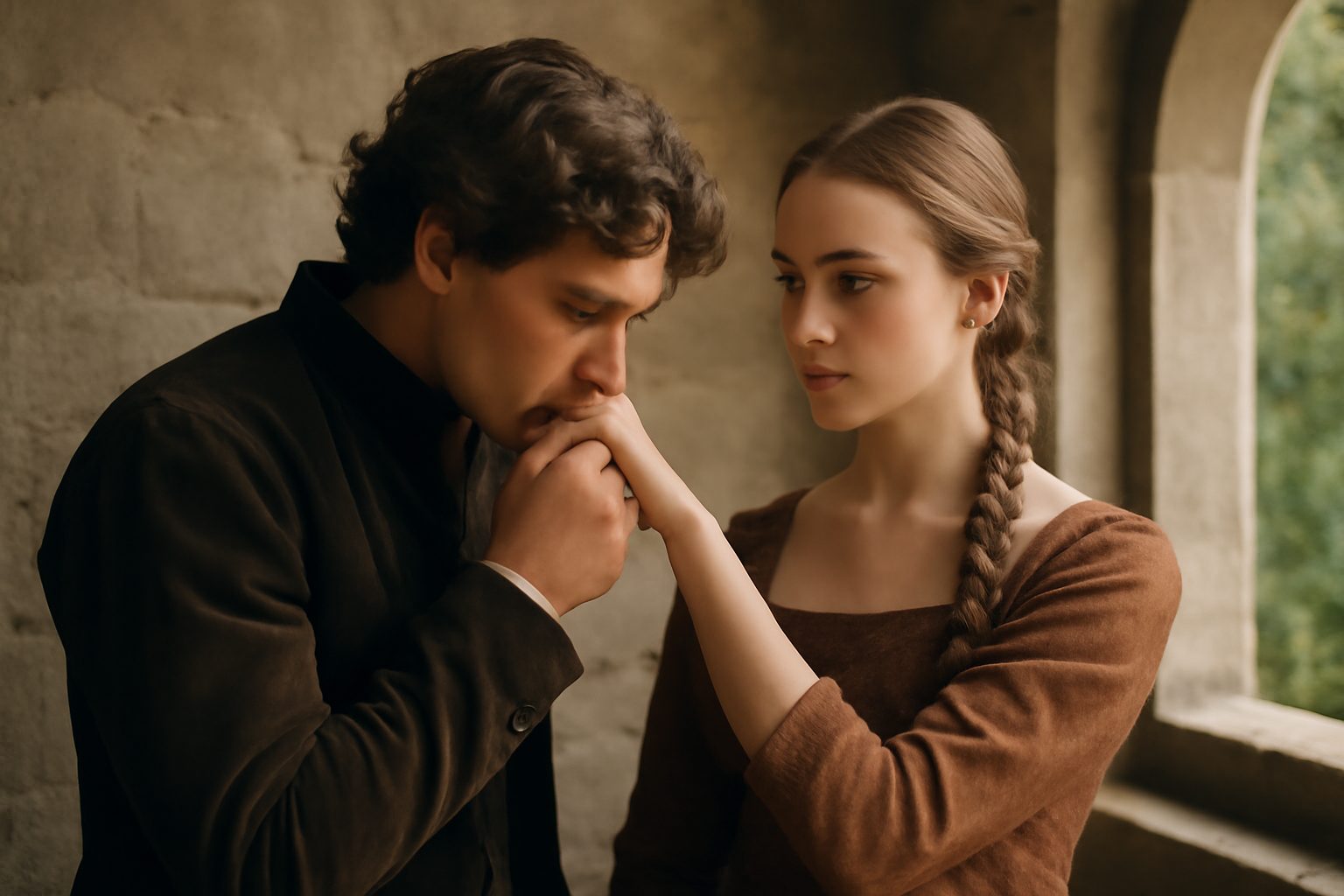
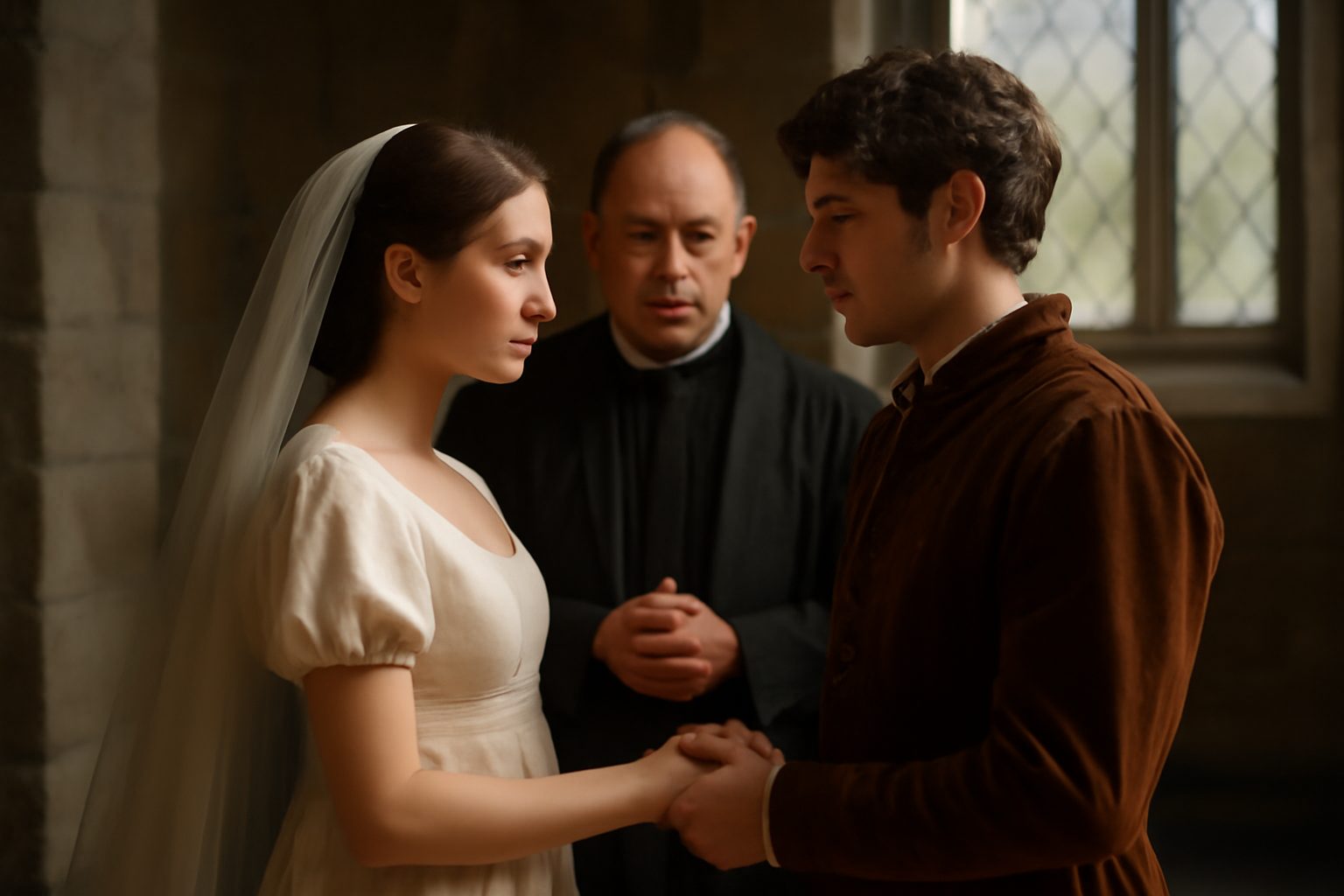
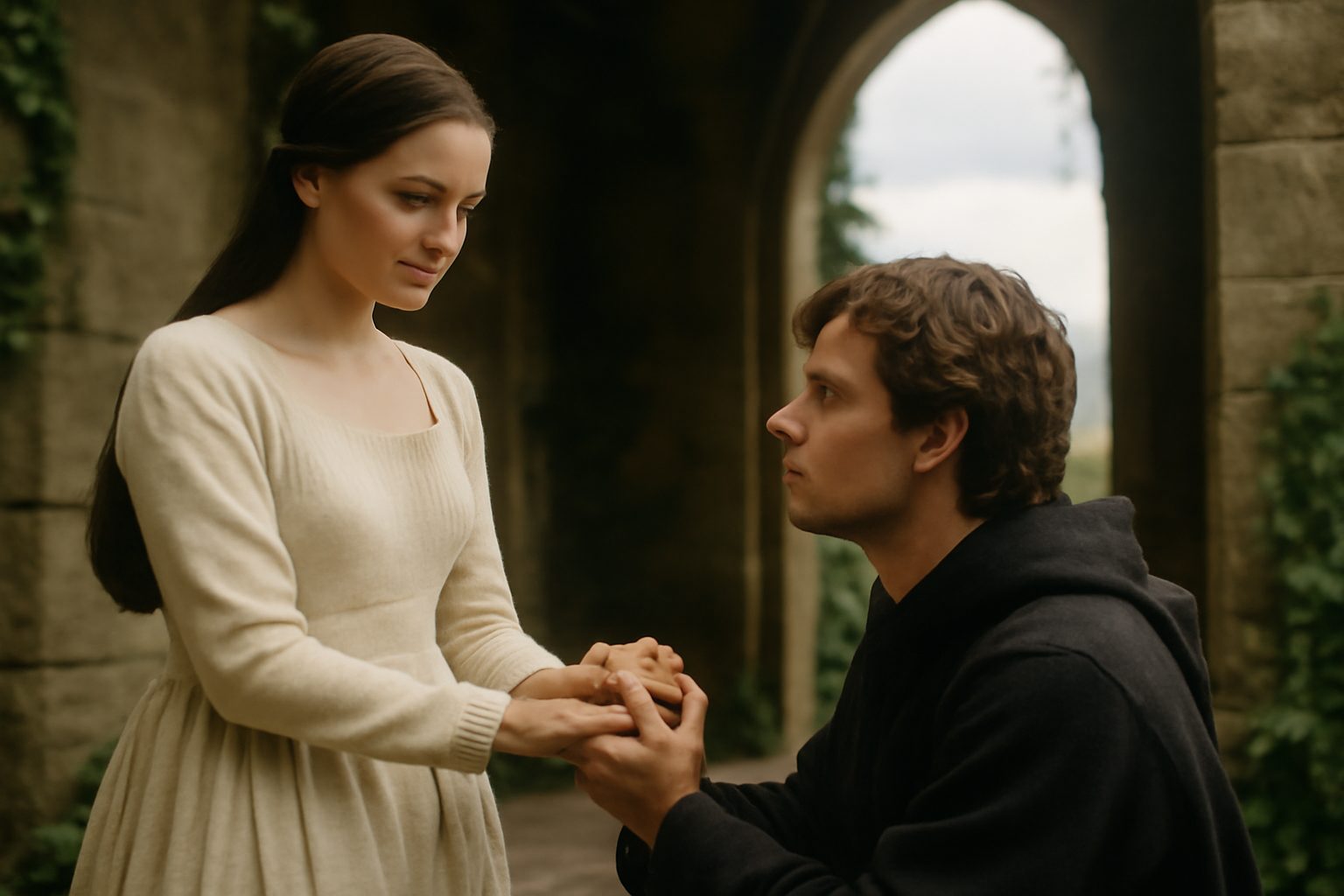
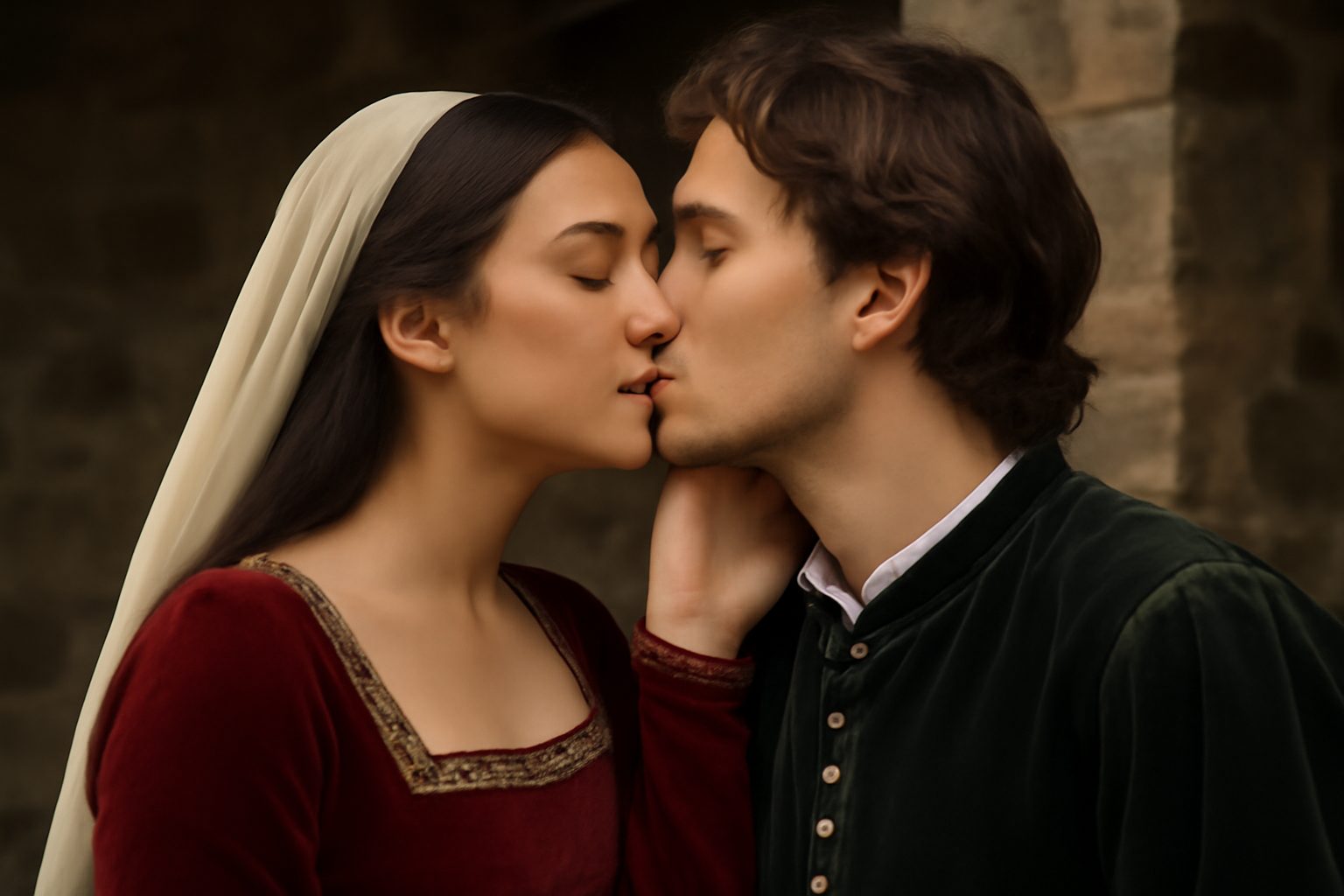
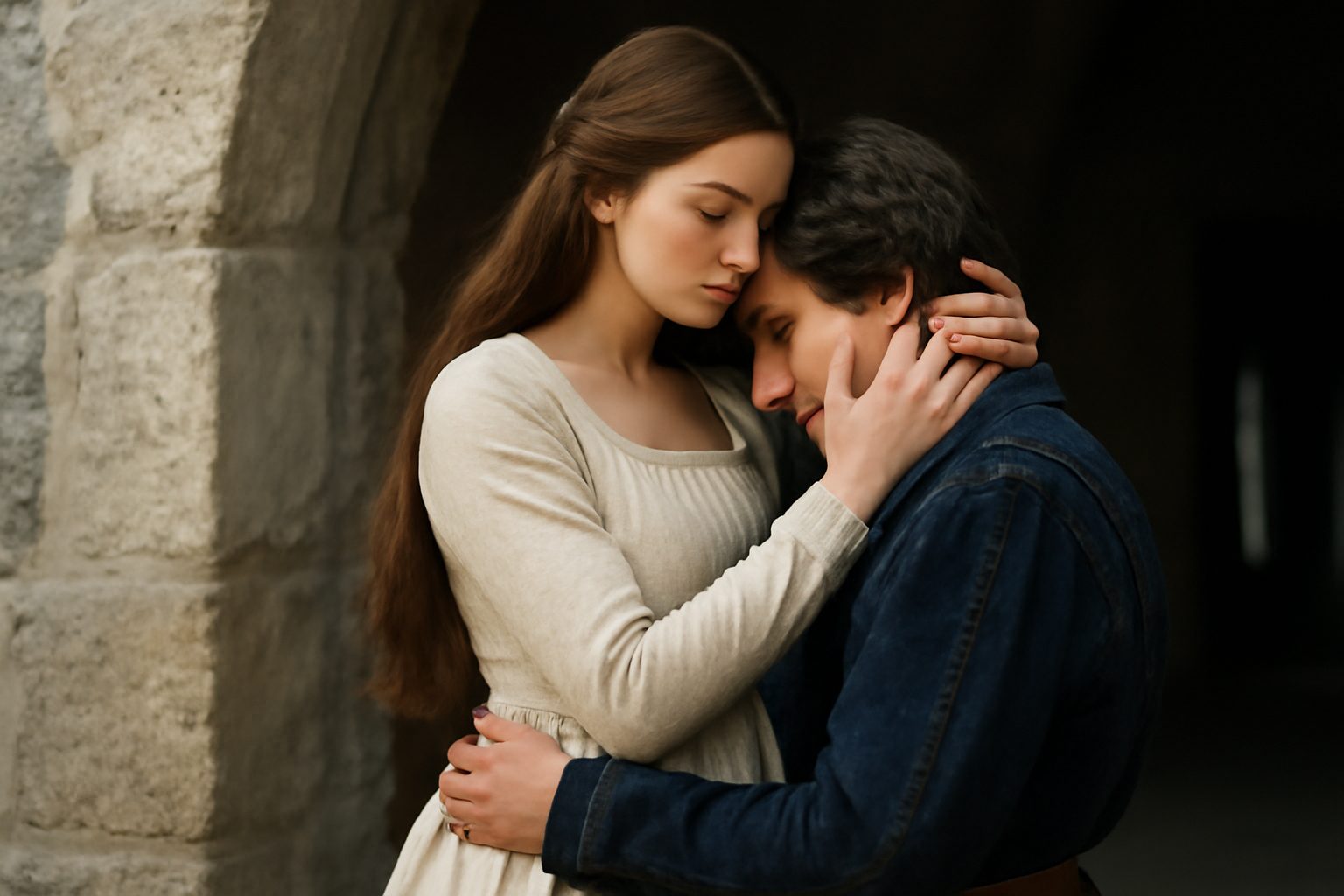
In Act 2, Scene 6 of Romeo and Juliet, Friar Laurence speaks these words as a warning to Romeo just before he secretly marries Juliet. The friar cautions that intense passions, while exhilarating, often lead to destructive consequences. This moment foreshadows the tragic turn the lovers' story will take, as their reckless devotion ultimately brings about their downfall.
Friar Laurence: "These violent delights have violent ends"
In modern day english, we would say:
Intense pleasures can lead to destructive outcomes.
Frequently Asked Questions
What does Friar Laurence mean when he says that extreme joys lead to extreme endings?
Friar Laurence is warning that intense happiness or passion, like Romeo and Juliet's love, can lead to sudden and tragic consequences.
Connections to other verses:
Connections to "These violent delights have violent ends"
Friar Laurence's warning in These violent delights have violent ends serves as the thematic anchor of Act 2, Scene 6. It directly connects to his earlier caution in Therefore love moderately; long love doth so, where he advises restraint to ensure lasting affection. This idea is reinforced through the metaphor in And in their triumph die, like fire and powder, illustrating how intense passions can self-destruct.
Imagery of Excess and Destruction
The Friar expands on this theme with the honey metaphor in Which as they kiss consume: the sweetest honey, suggesting that even sweetness can become overwhelming. This is echoed in Is loathsome in his own deliciousness and And in the taste confounds the appetite, emphasizing how excess leads to disgust rather than satisfaction.
Romeo's Contrasting Perspective
Romeo's responses highlight his disregard for the Friar's warnings. In Then love-devouring death do what he dare, he embraces risk, showing his willingness to face any consequence. His declaration in It is enough I may but call her mine underscores his prioritization of immediate joy over moderation, directly contradicting the Friar's advice.
Lightness and Transience
The scene's imagery of lightness, such as in A lover may bestride the gossamer and And yet not fall; so light is vanity, contrasts with the "violent ends" warning, suggesting that their love feels weightless and joyous now but is fragile. Juliet's entrance in Here comes the lady: O, so light a foot reinforces this ethereal, fleeting quality.
Joy and Foreboding
Despite the ominous warning, the scene also contains moments of pure joy, such as Romeo's line in That one short minute gives me in her sight, expressing how even a brief moment with Juliet overwhelms him. The Friar's prayer in That after hours with sorrow chide us not! hints at hope, yet it is undercut by the inevitability suggested in "violent ends."
Conclusion of the Scene
The scene culminates in the Friar's agreement to marry them in Do thou but close our hands with holy words, moving toward union despite his misgivings. The final line, Till holy church incorporate two in one, symbolizes their official bond, yet the audience is left with the Friar's warning echoing, foreshadowing the tragedy to come.