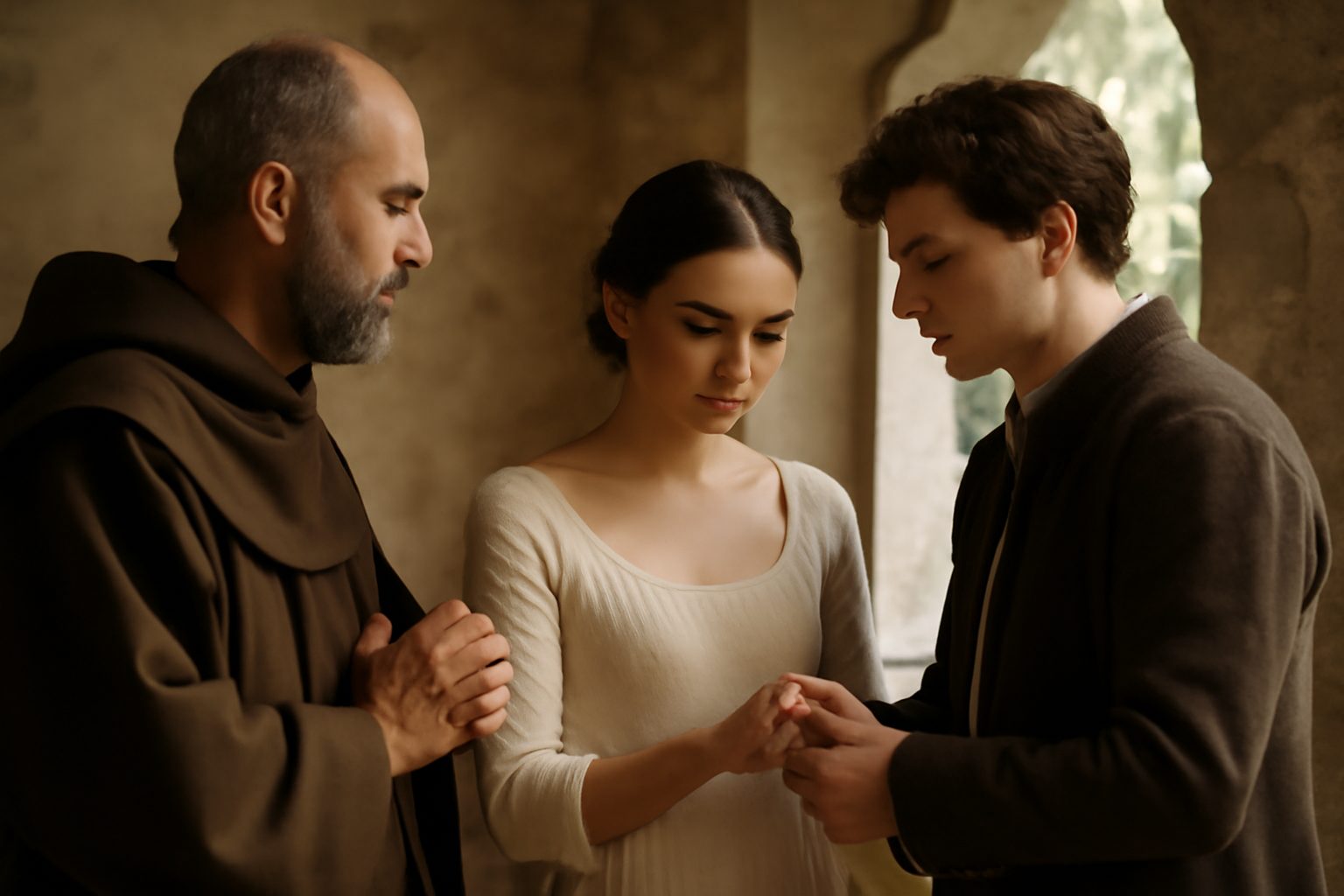
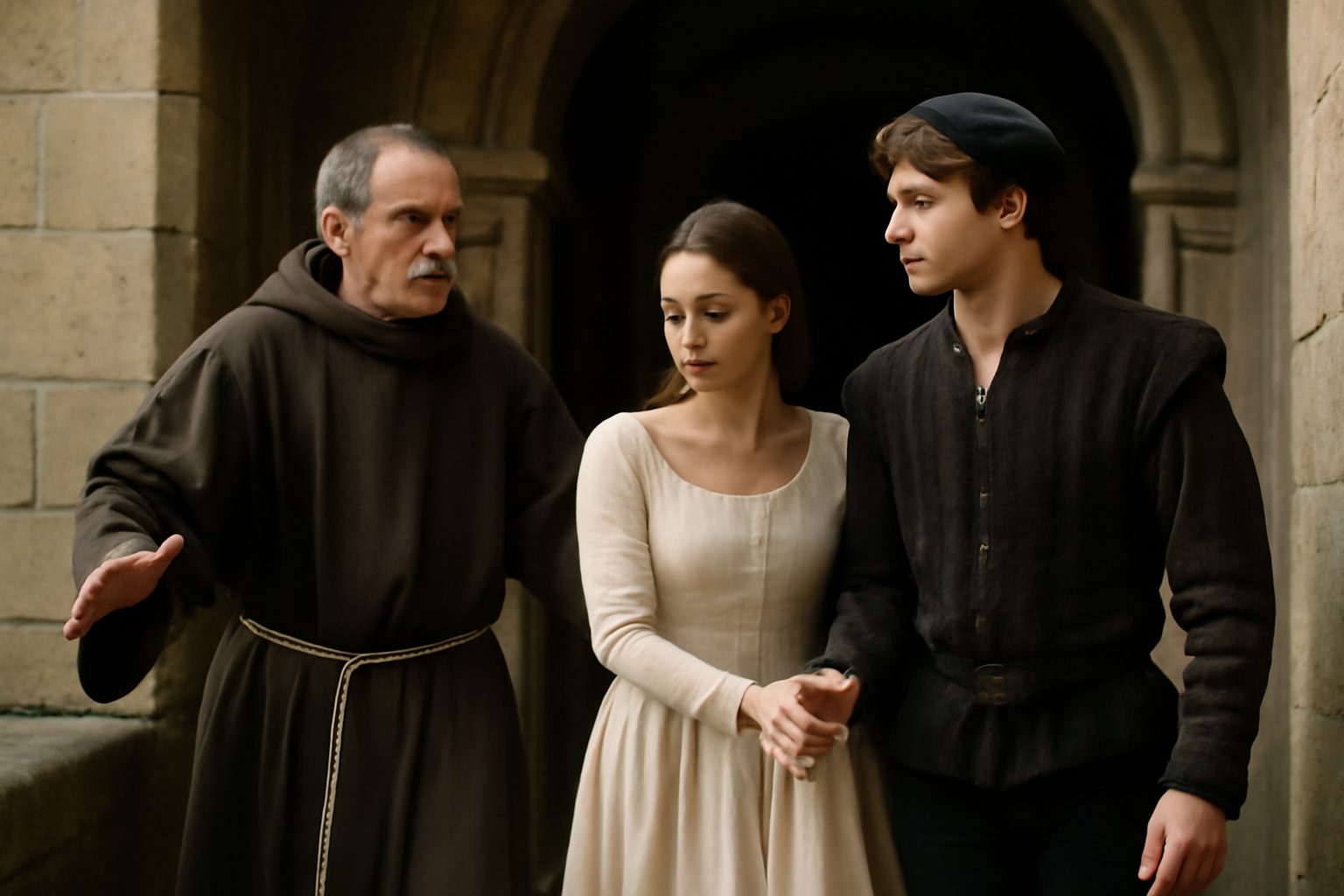
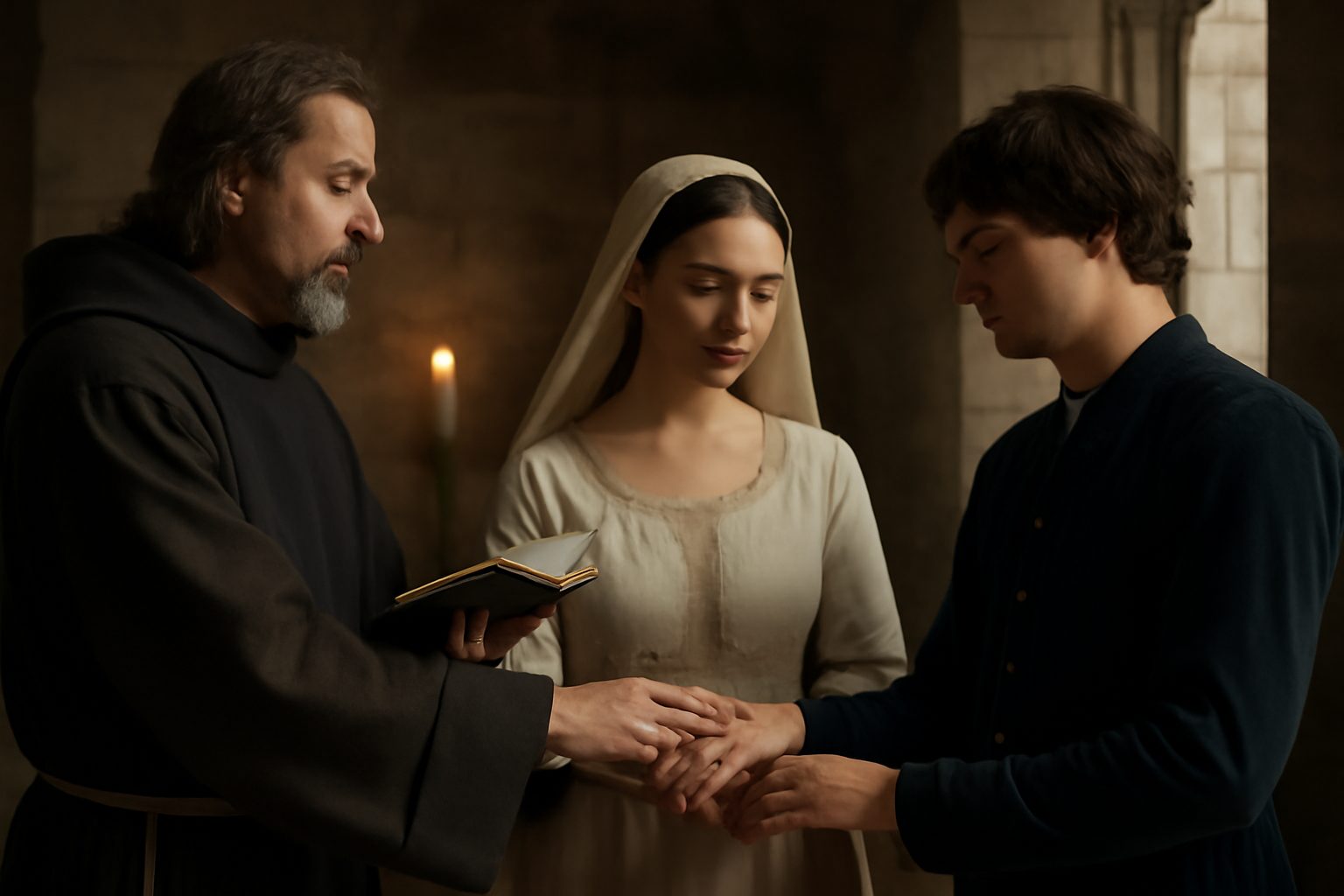
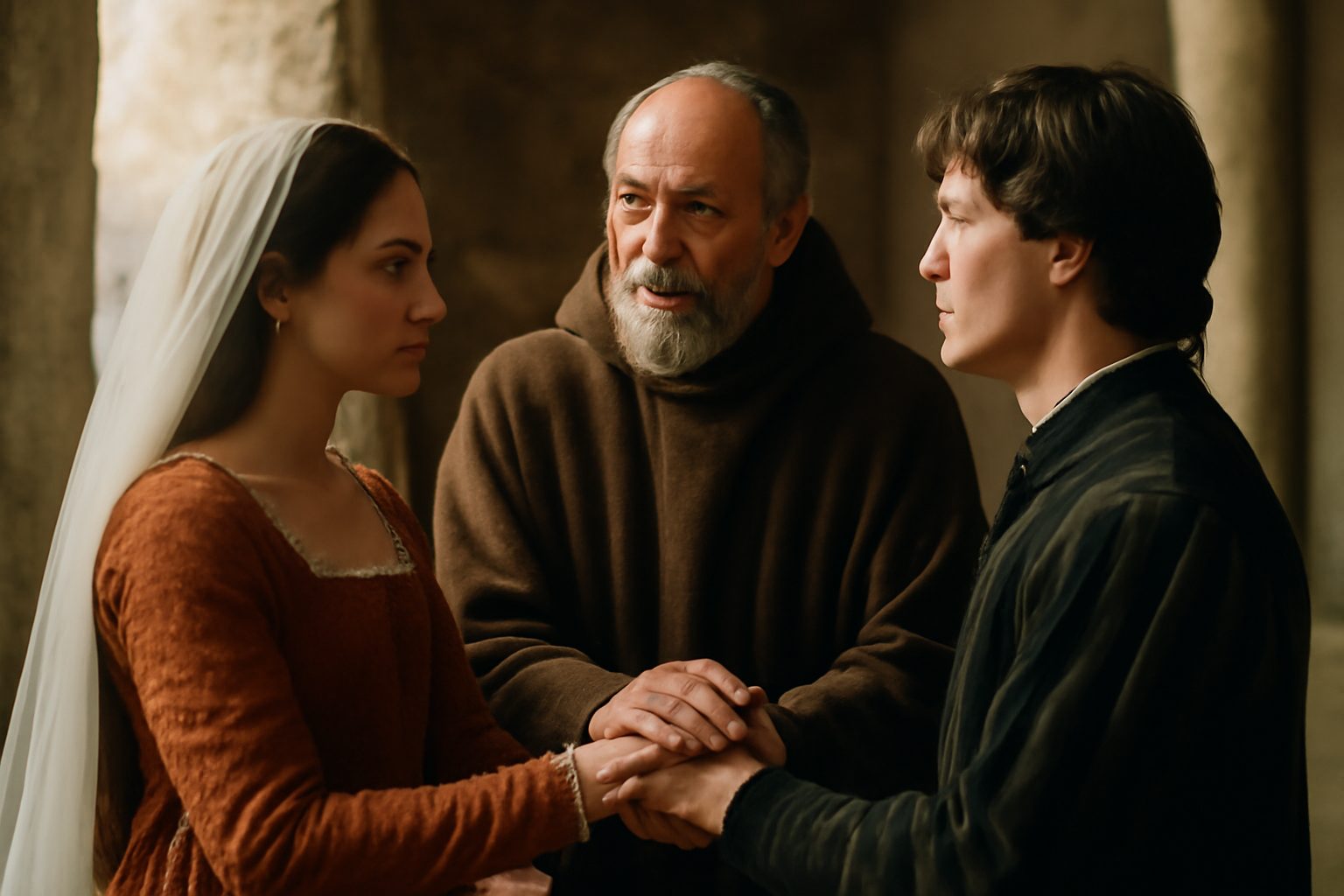
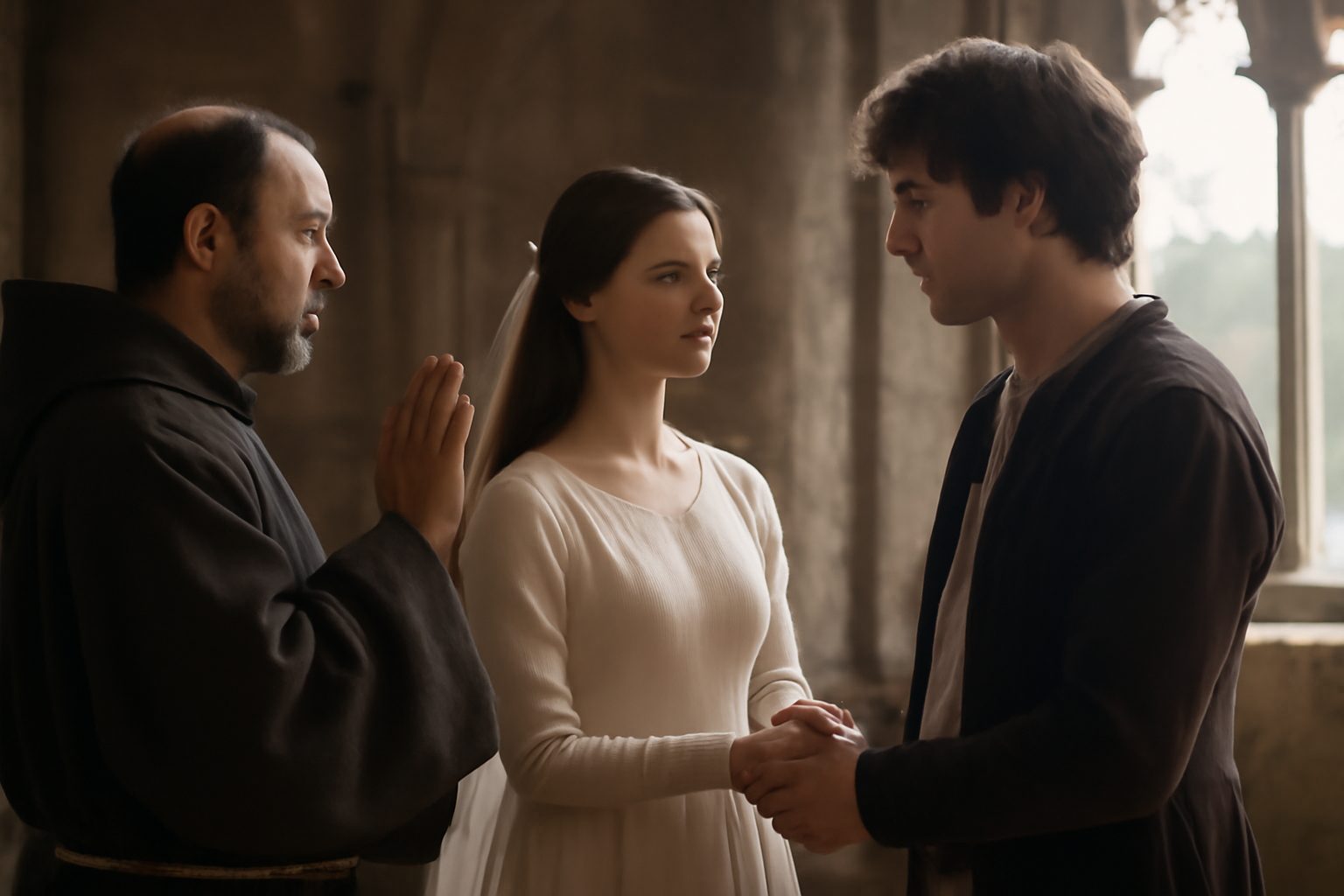
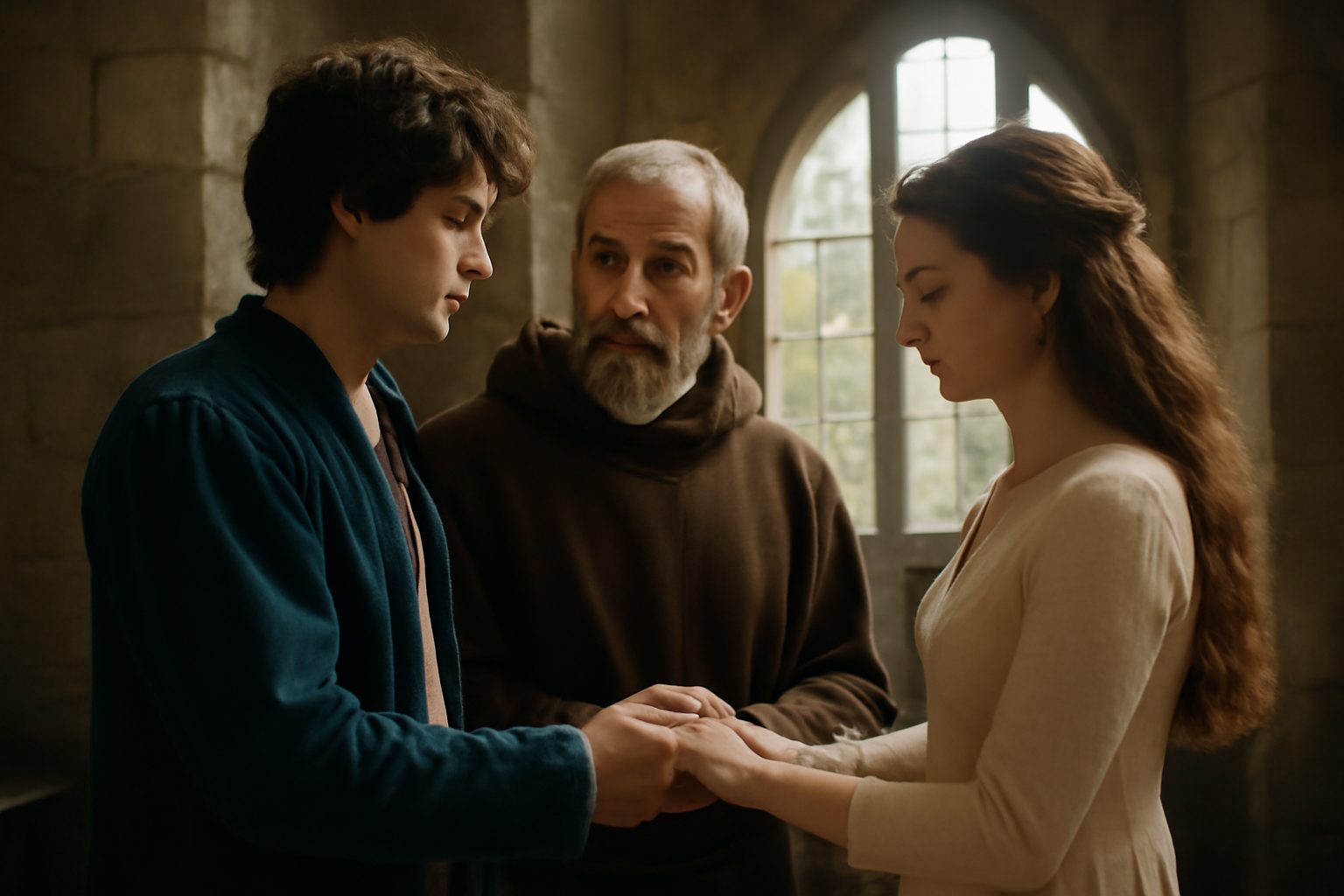
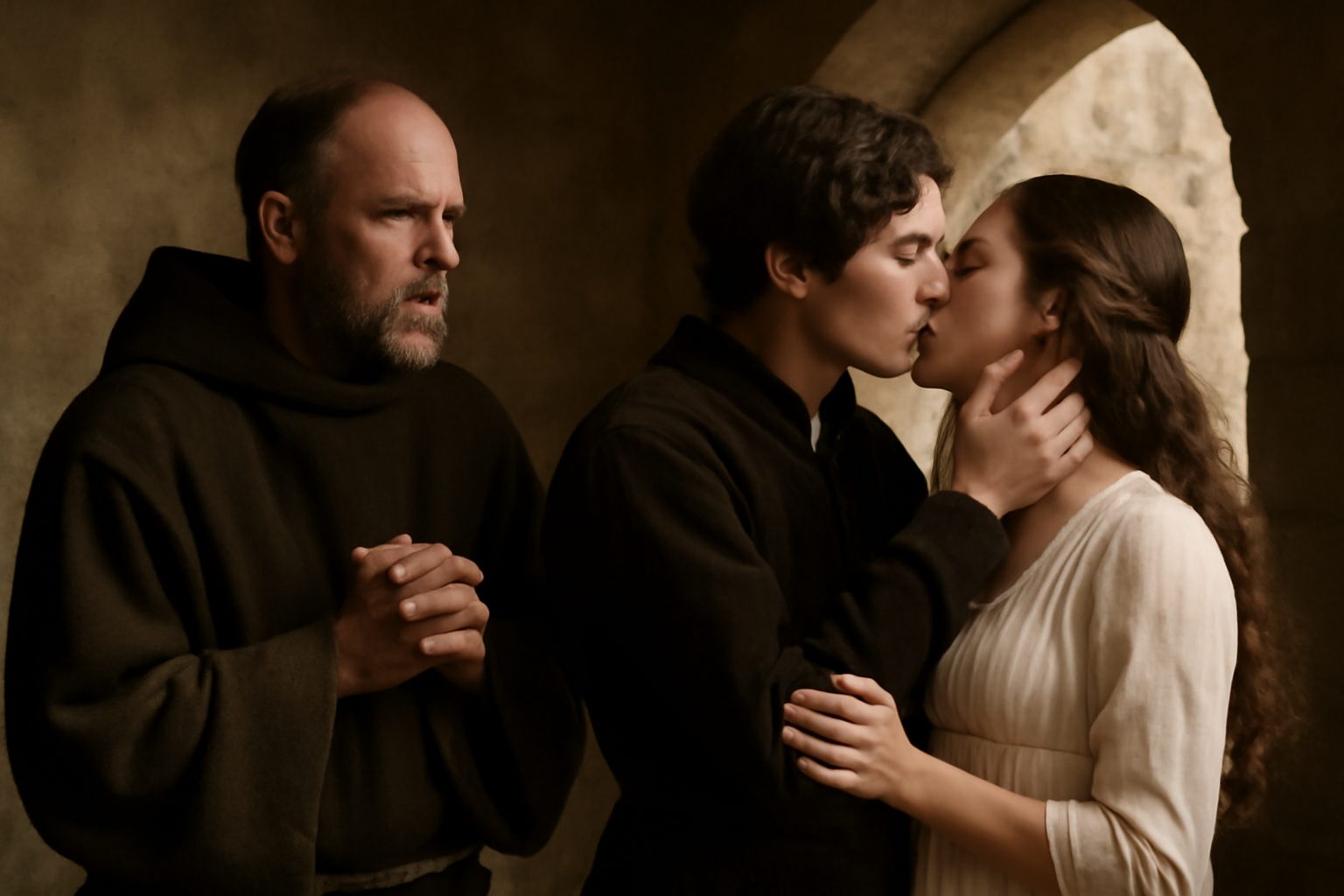
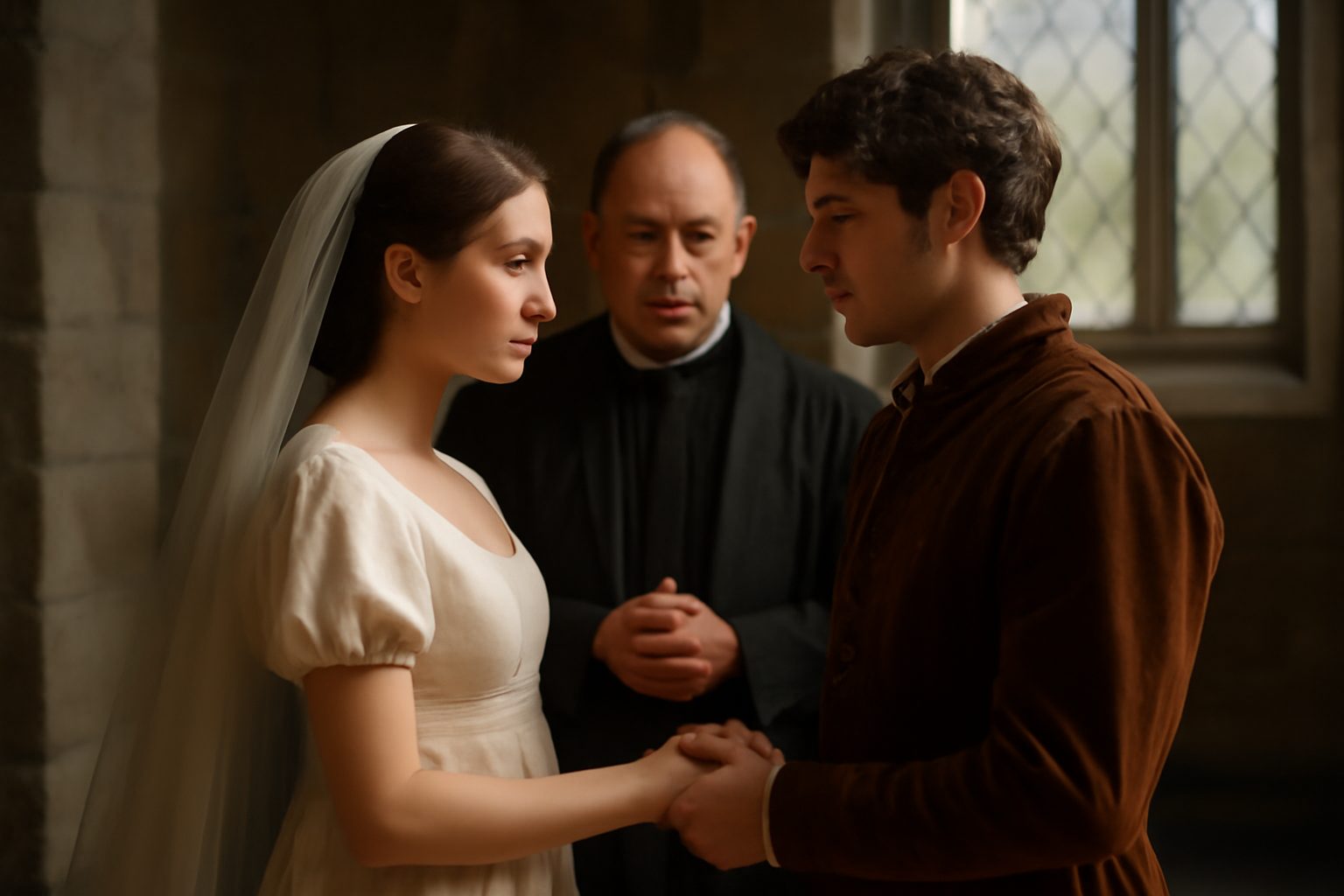
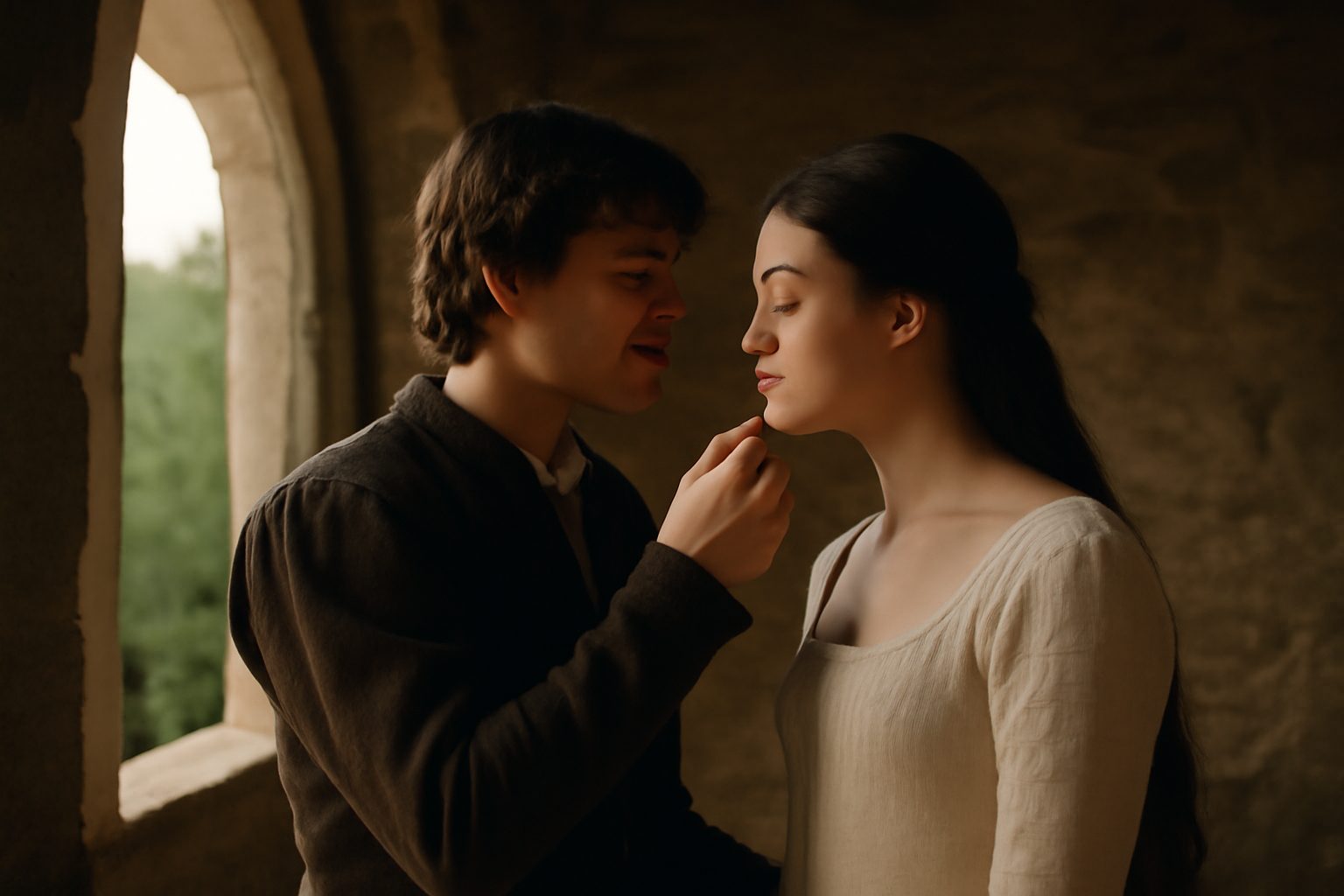
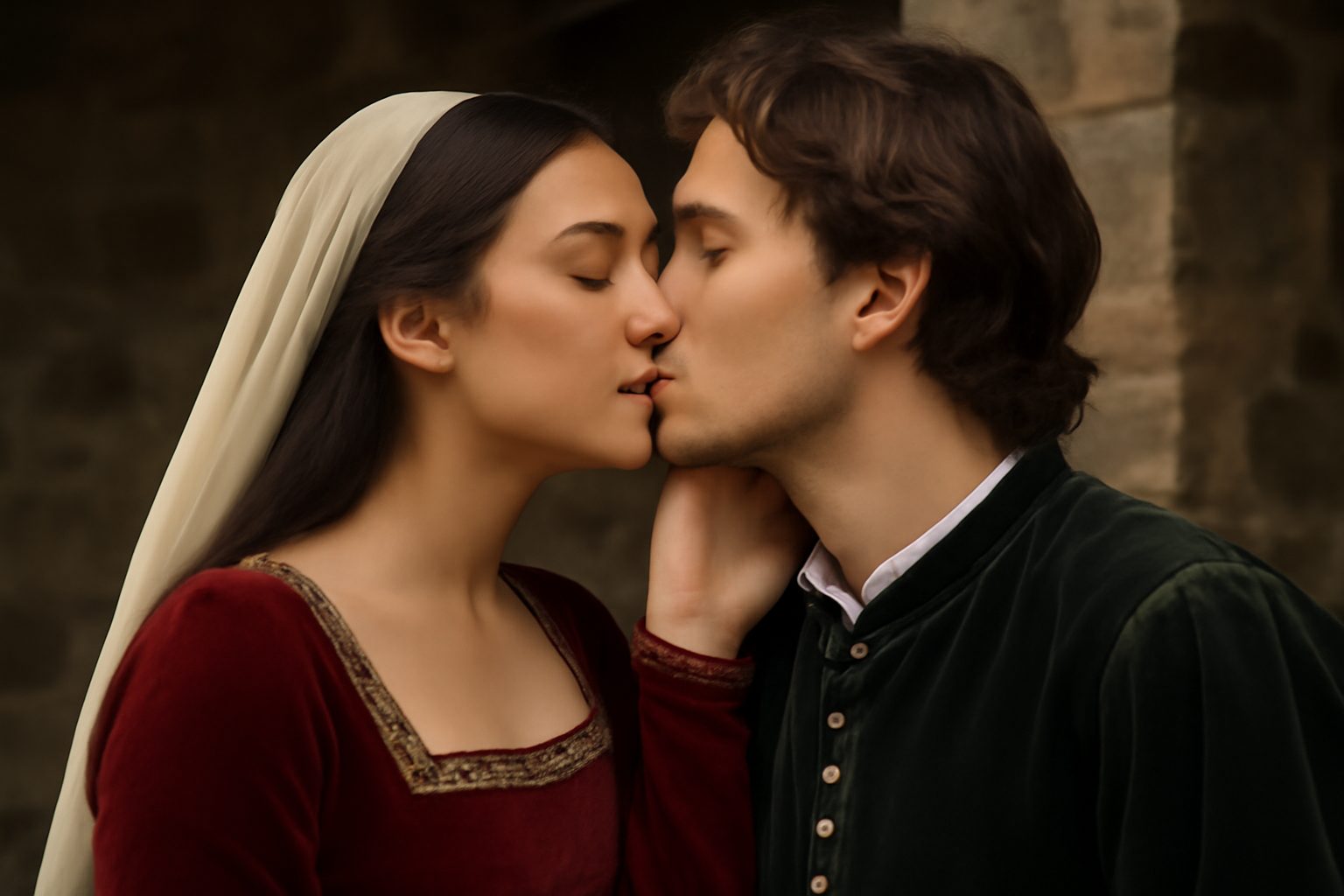
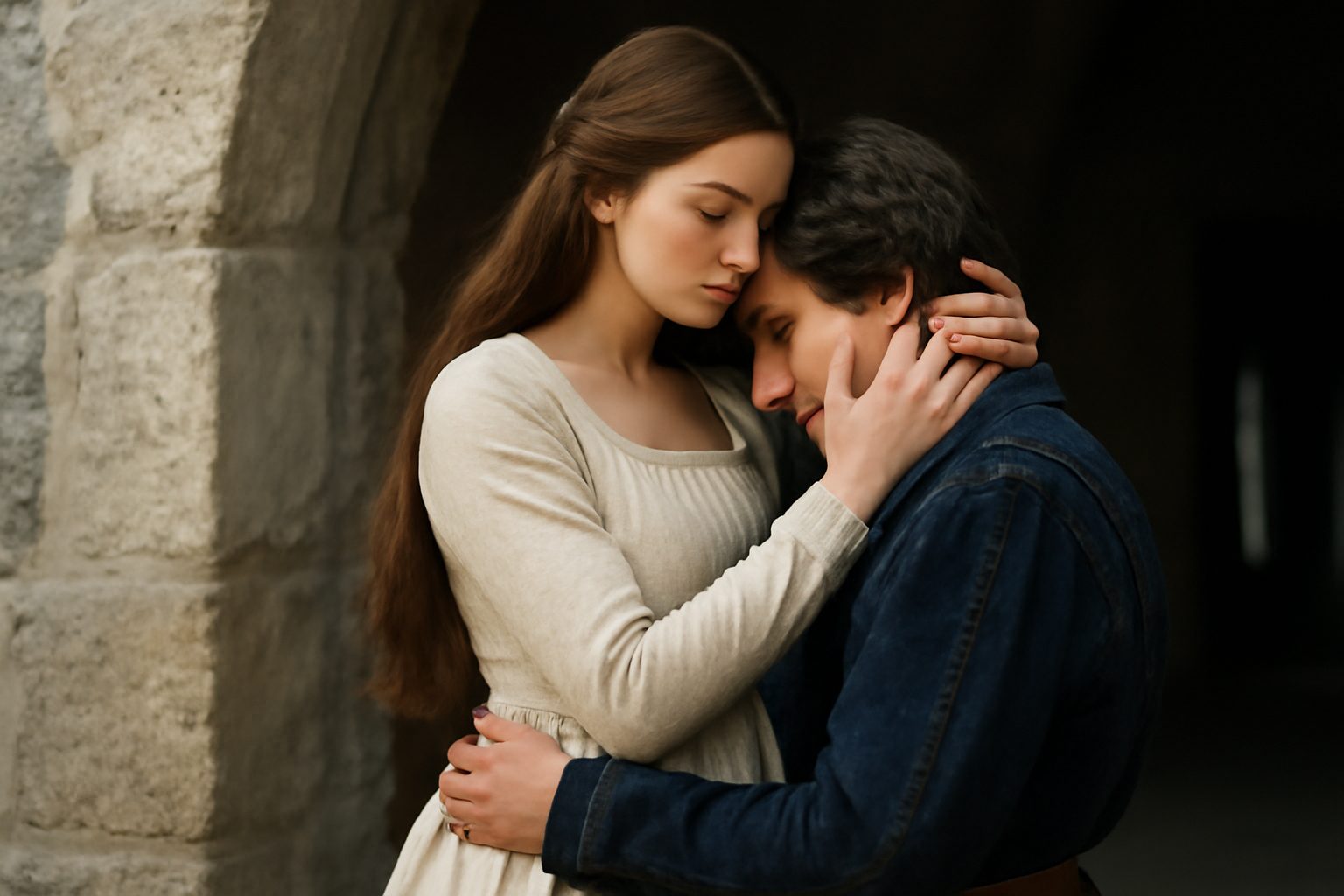
In Act 2, Scene 6 of Romeo and Juliet, Friar Laurence warns Romeo about the intensity of his love for Juliet, comparing it to a violent and fleeting explosion. The line refers to the destructive yet brilliant nature of passion, where fire and gunpowder consume each other in a moment of ecstatic climax. This moment foreshadows the lovers' fate, hinting at how their overwhelming emotions may lead to their downfall.
Friar Laurence: "And in their triumph die, like fire and powder,"
In modern day english, we would say:
They burn out in their own intense passion, exploding like fire meeting gunpowder.
Frequently Asked Questions
What does Friar Laurence compare Romeo and Juliet's love to in this line?
He compares their love to fire and gunpowder, which burn brightly but end in destruction.
Connections to other verses:
Connections to "And in their triumph die, like fire and powder"
The verse And in their triumph die, like fire and powder serves as a powerful metaphor for the intensity and potential self-destruction of Romeo and Juliet's love. This imagery of explosive passion is echoed and expanded upon in several other lines within the scene.
Related Imagery of Intensity and Consumption
Friar Laurence’s warning about the dangers of excessive passion is immediately preceded by the line These violent delights have violent ends, which directly introduces the idea that such intense emotions lead to ruin. This is further illustrated with Which as they kiss consume: the sweetest honey, comparing their love to something that destroys itself in the very act of enjoyment, much like fire consuming powder.
Contrast with Moderation
The Friar’s advice to Therefore love moderately; long love doth so stands in stark contrast to the explosive imagery, advocating for restraint to avoid the tragic fate implied by "fire and powder." This theme of excess is also present in And in the taste confounds the appetite, suggesting that overindulgence can spoil the very pleasure it seeks.
Foreshadowing and Ominous Undertones
Romeo’s own words reveal a willingness to embrace danger, as in Then love-devouring death do what he dare, which aligns with the idea of a triumphant yet fatal passion. Similarly, his declaration Amen, amen! but come what sorrow can shows his readiness to face any consequence, reinforcing the theme of love as a potentially destructive force.
Juxtaposition with Lightness and Joy
Despite these warnings, the scene also contains images of ethereal joy, such as A lover may bestride the gossamer, which contrasts with the heaviness of "fire and powder." Juliet’s entrance described in Here comes the lady: O, so light a foot adds to this lightness, yet the underlying tension of impending tragedy remains.