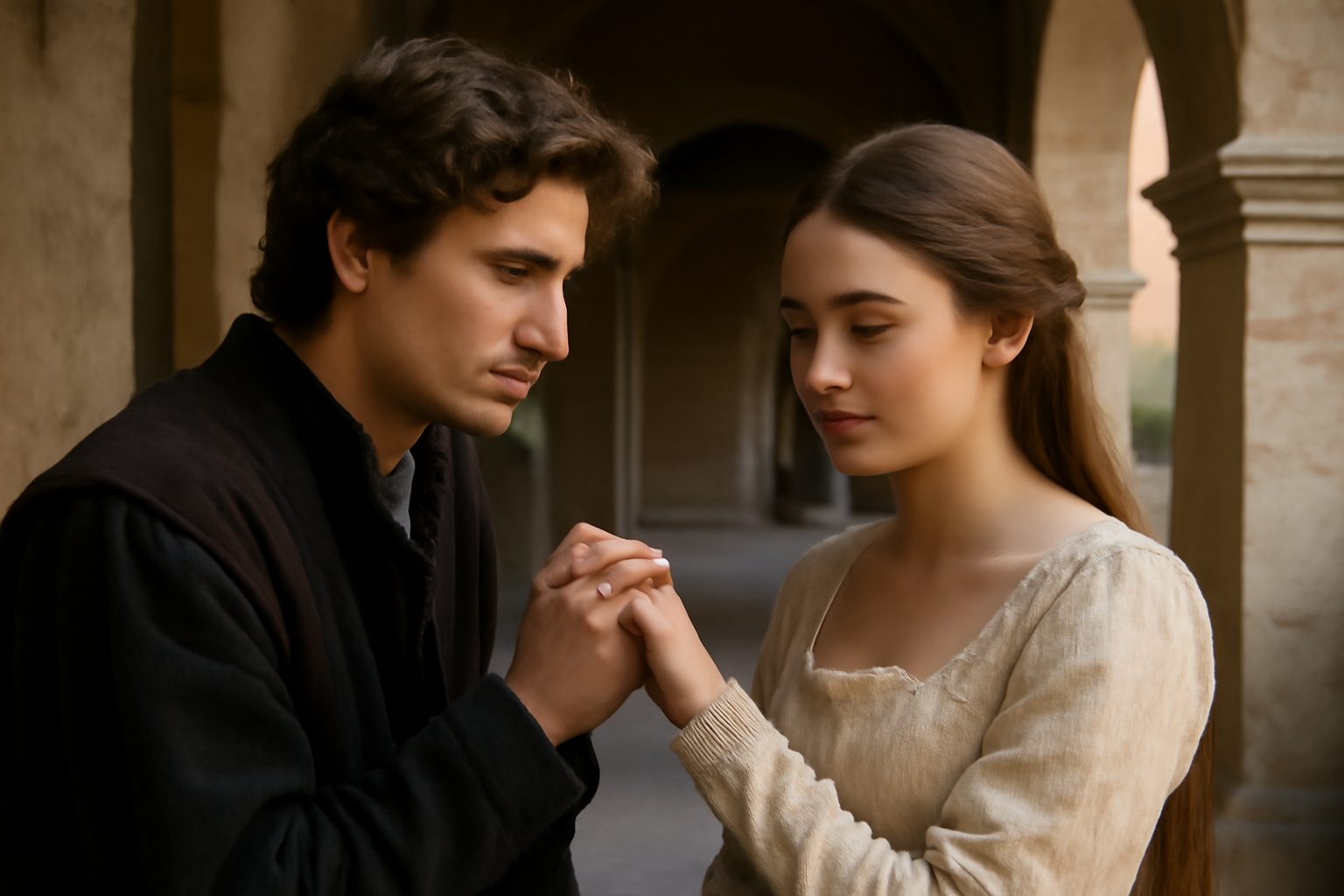
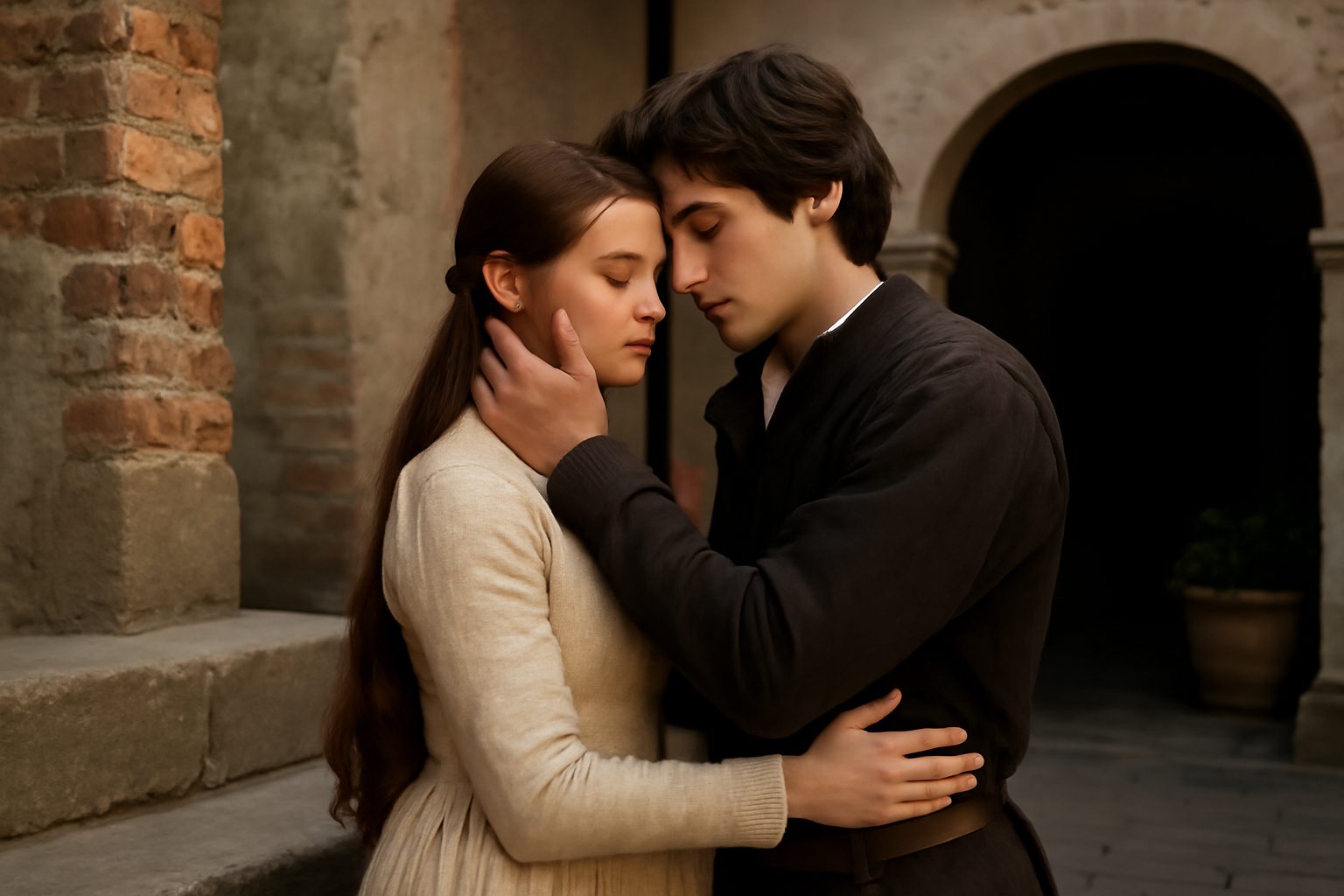
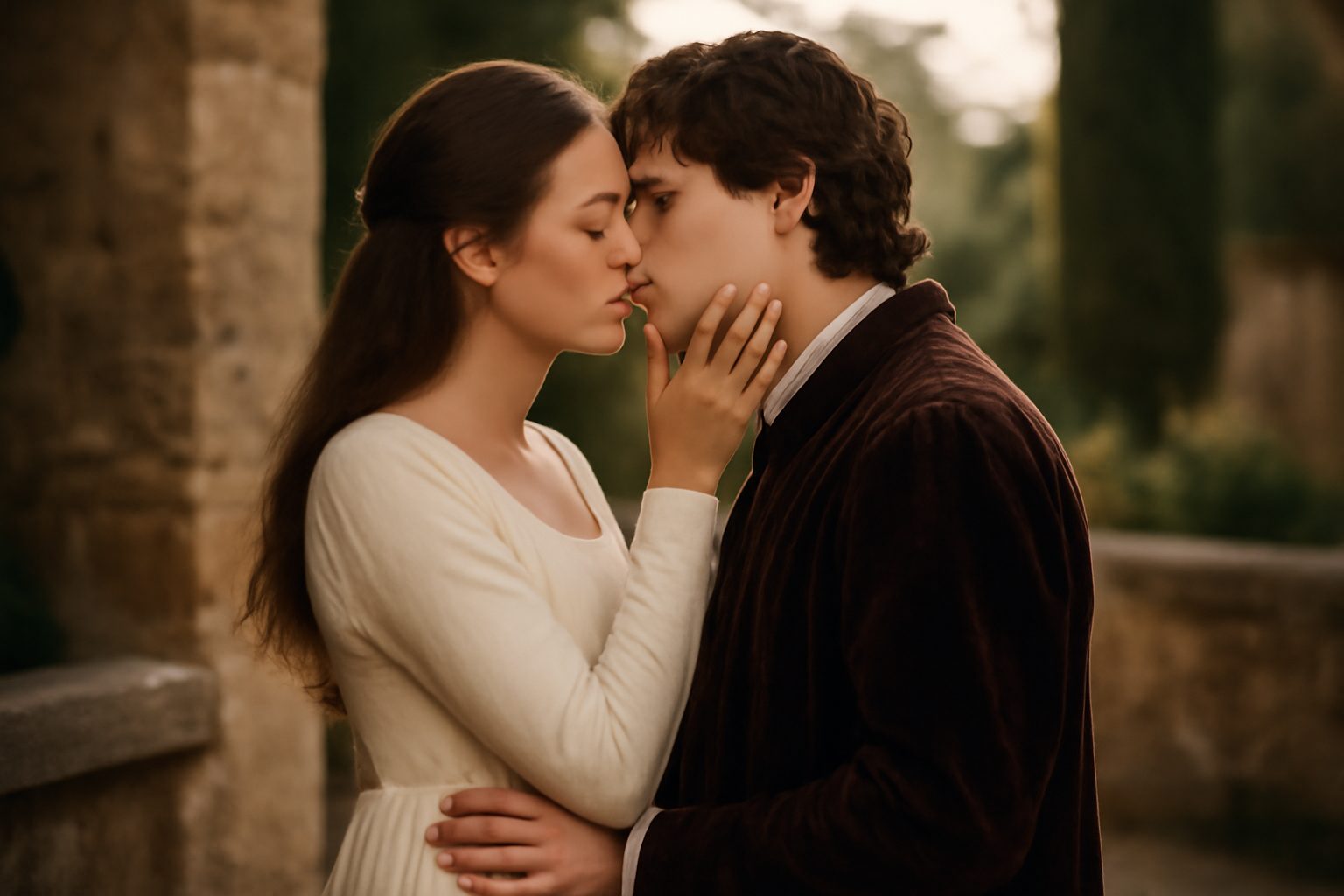
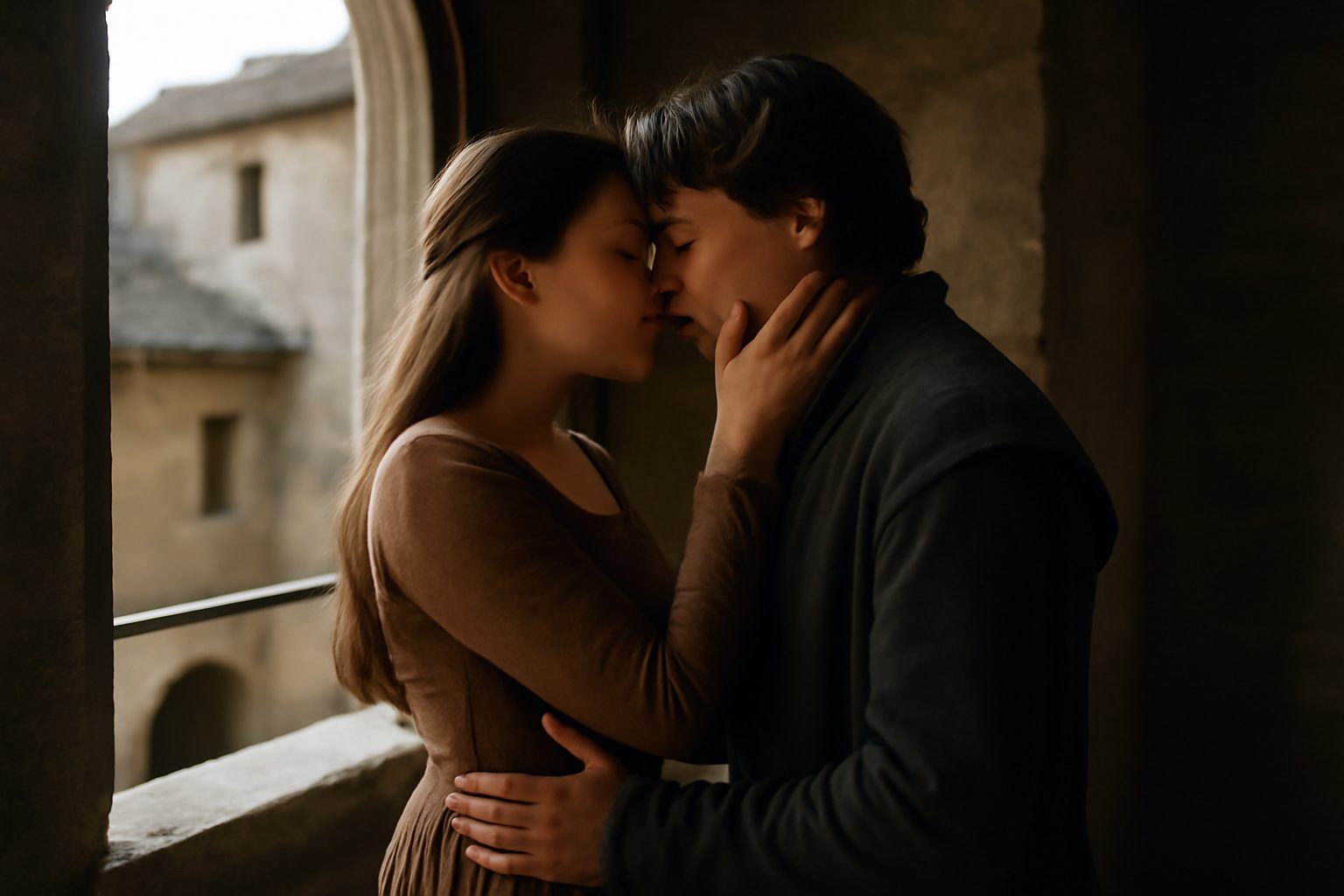
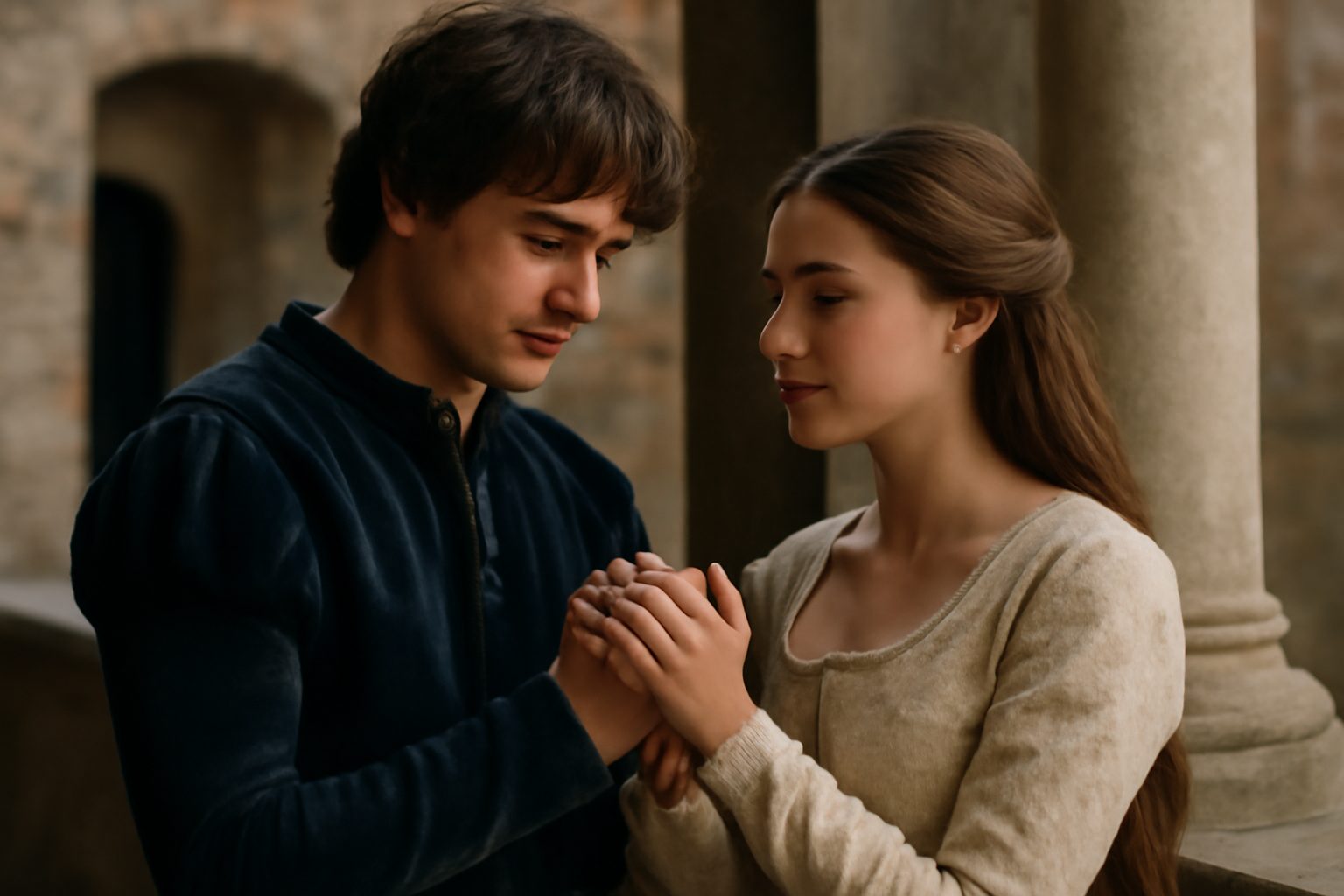
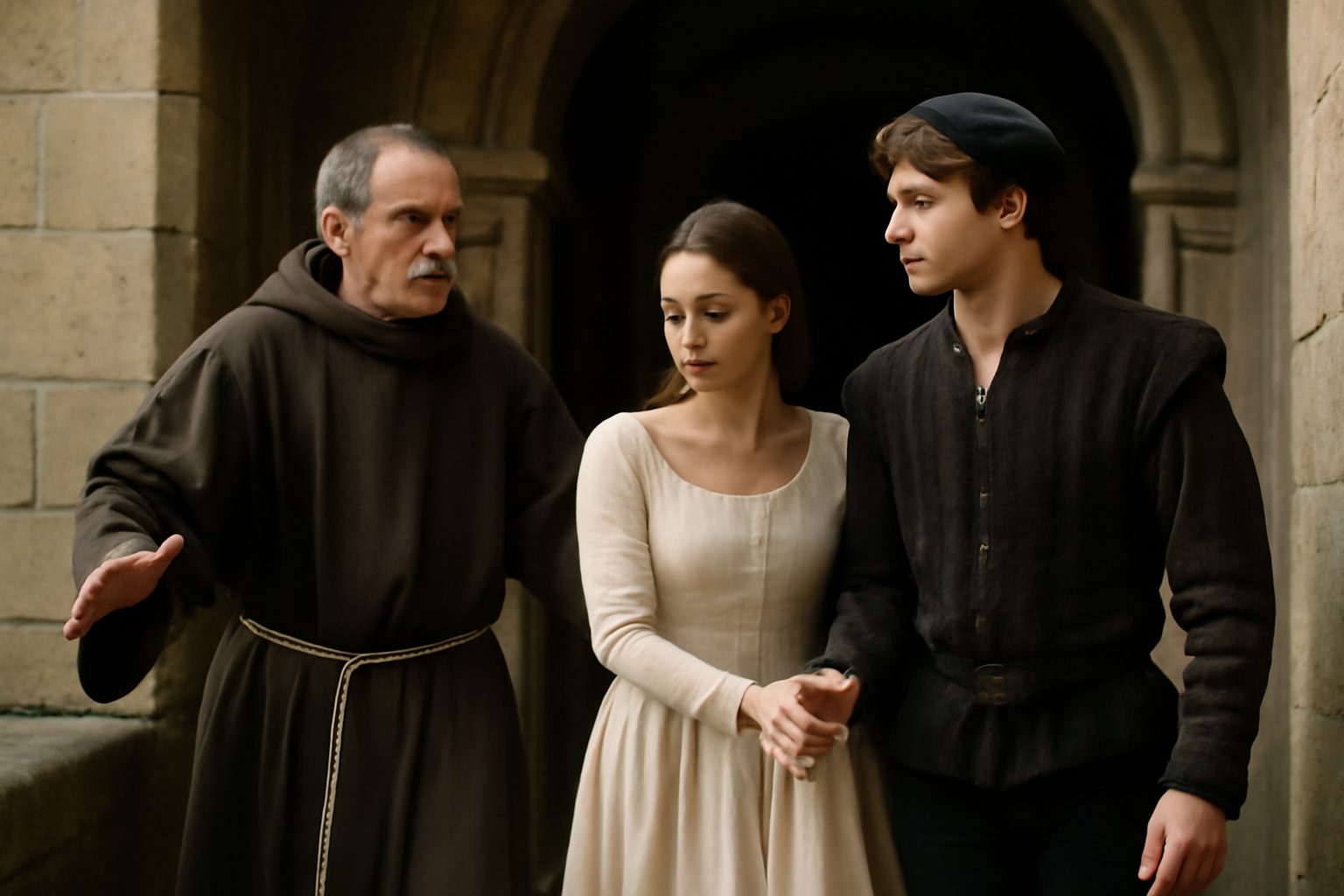
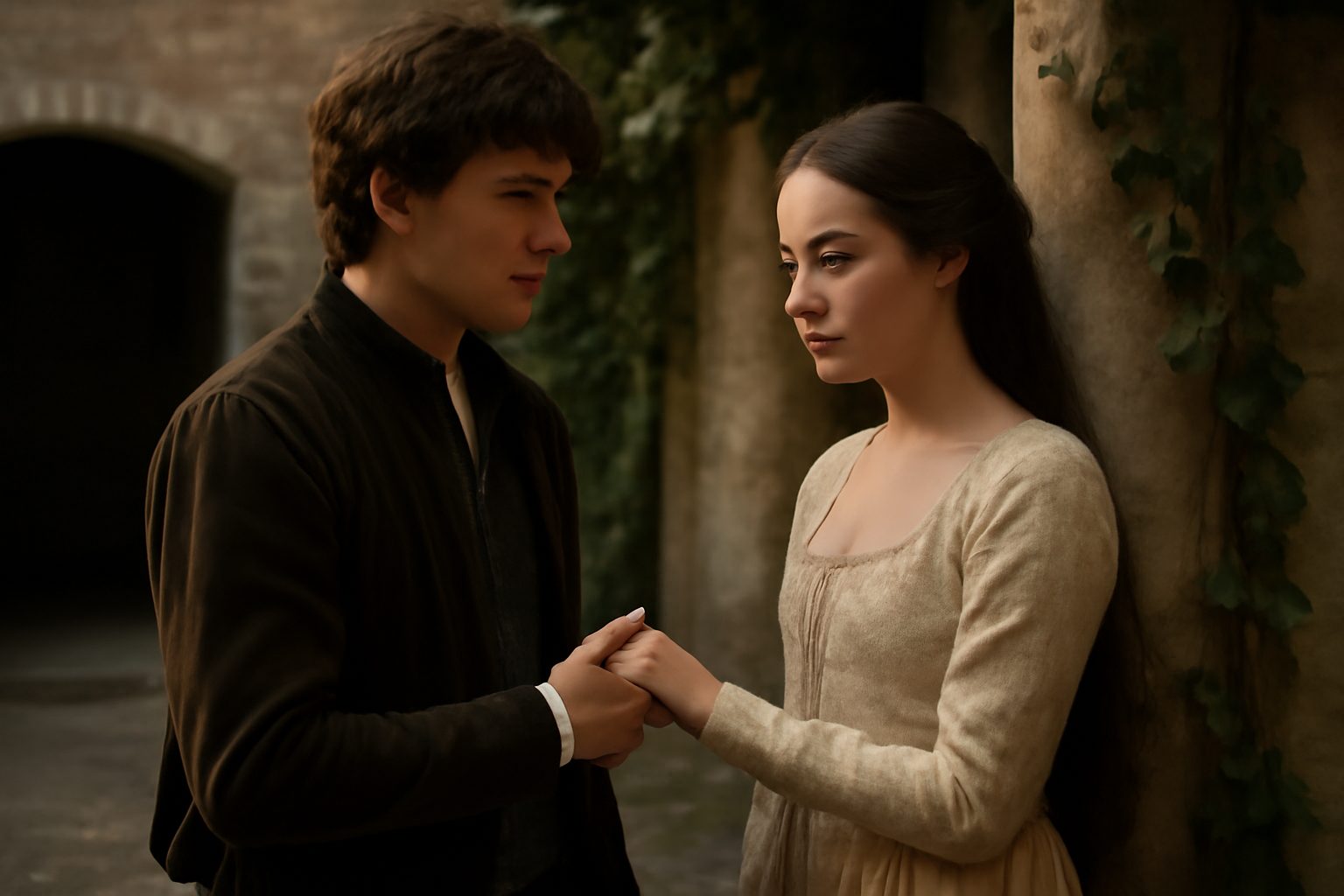
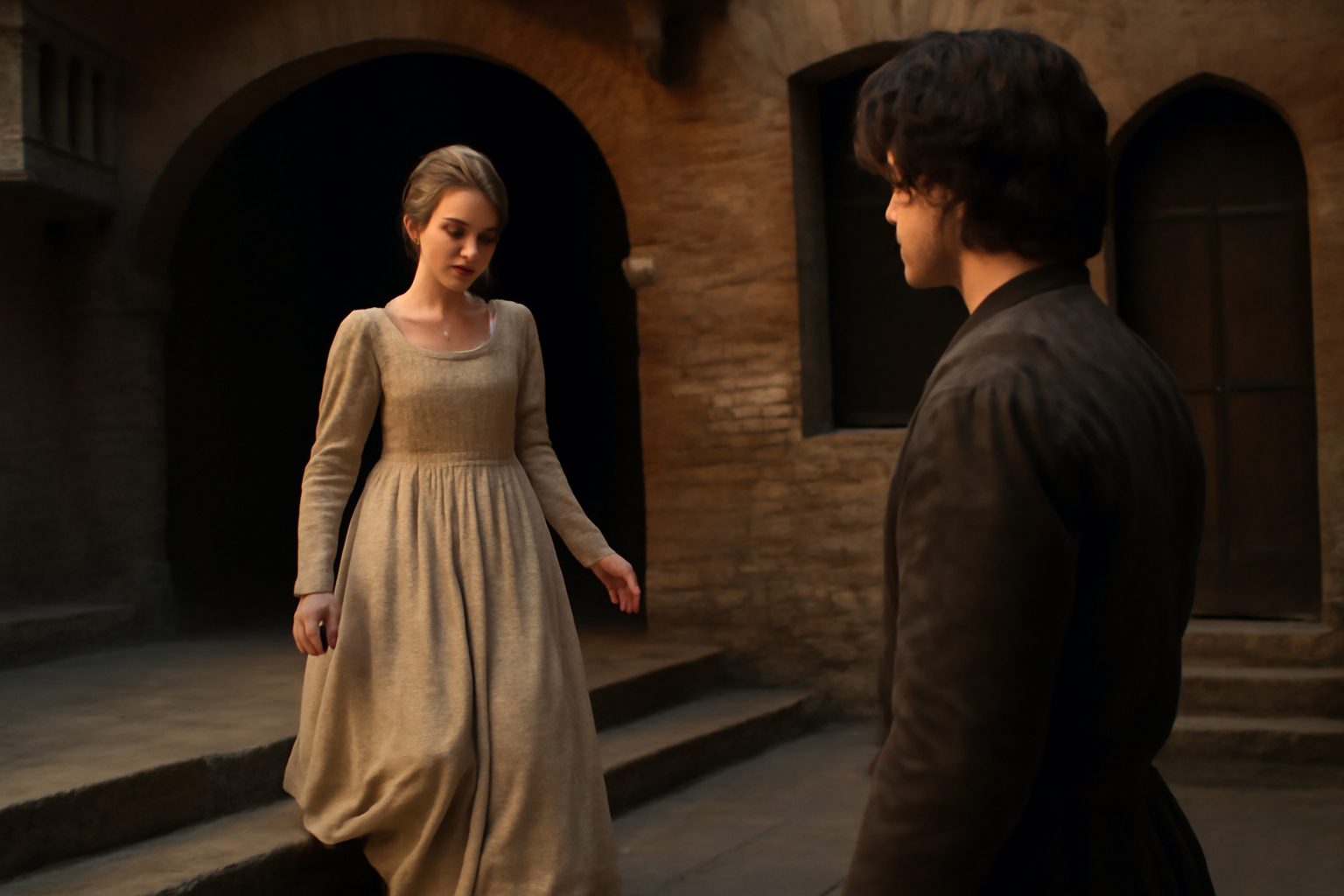
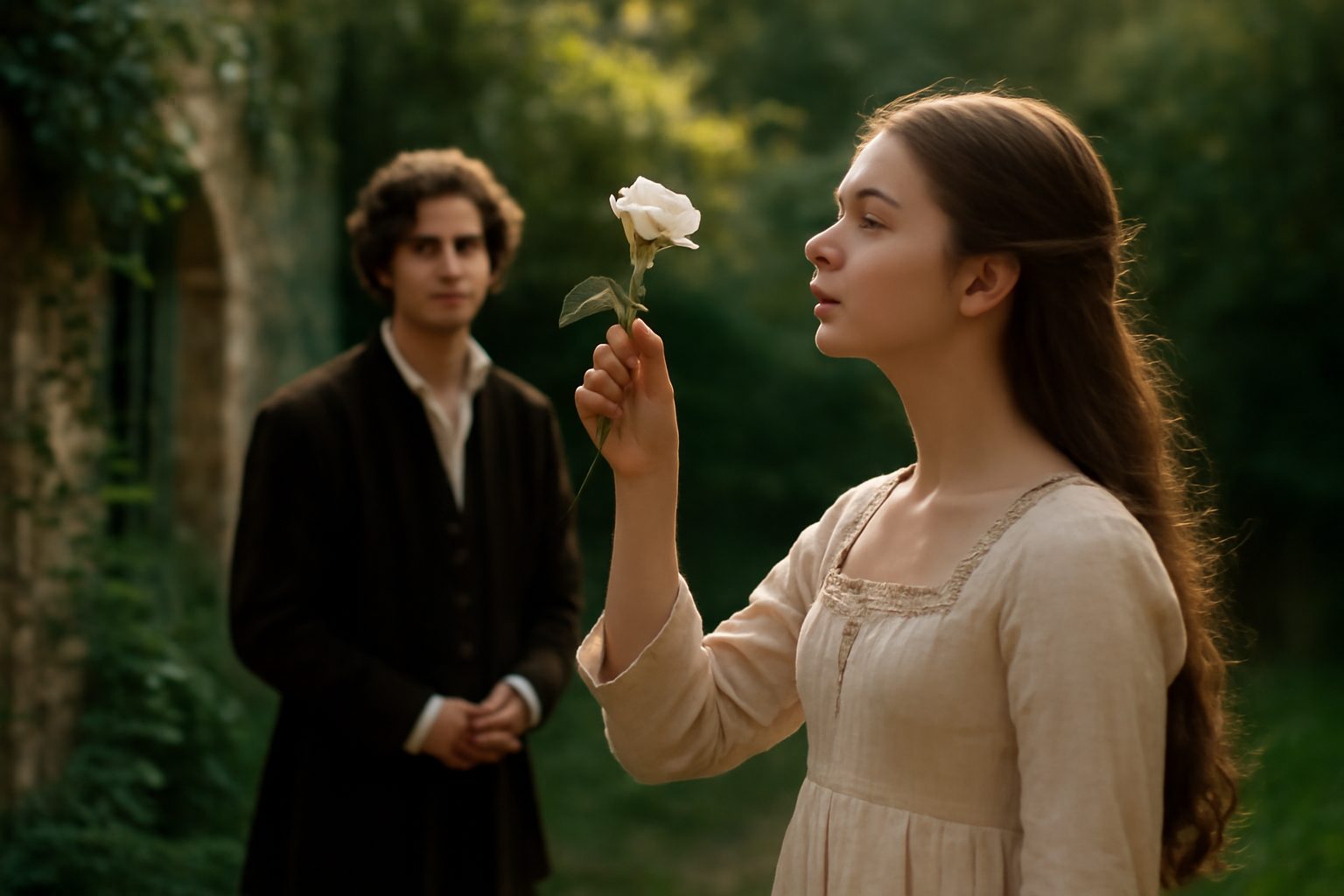
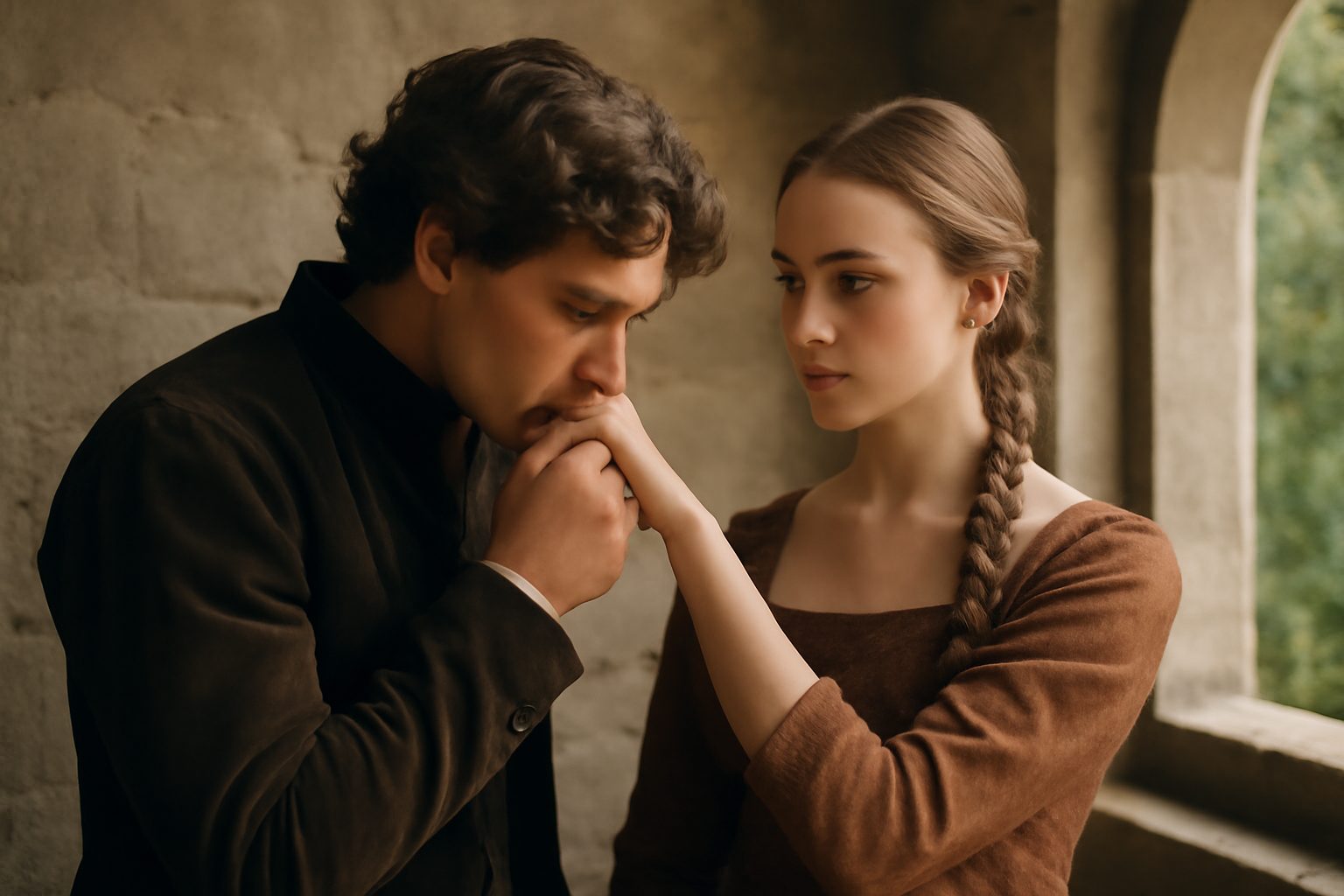
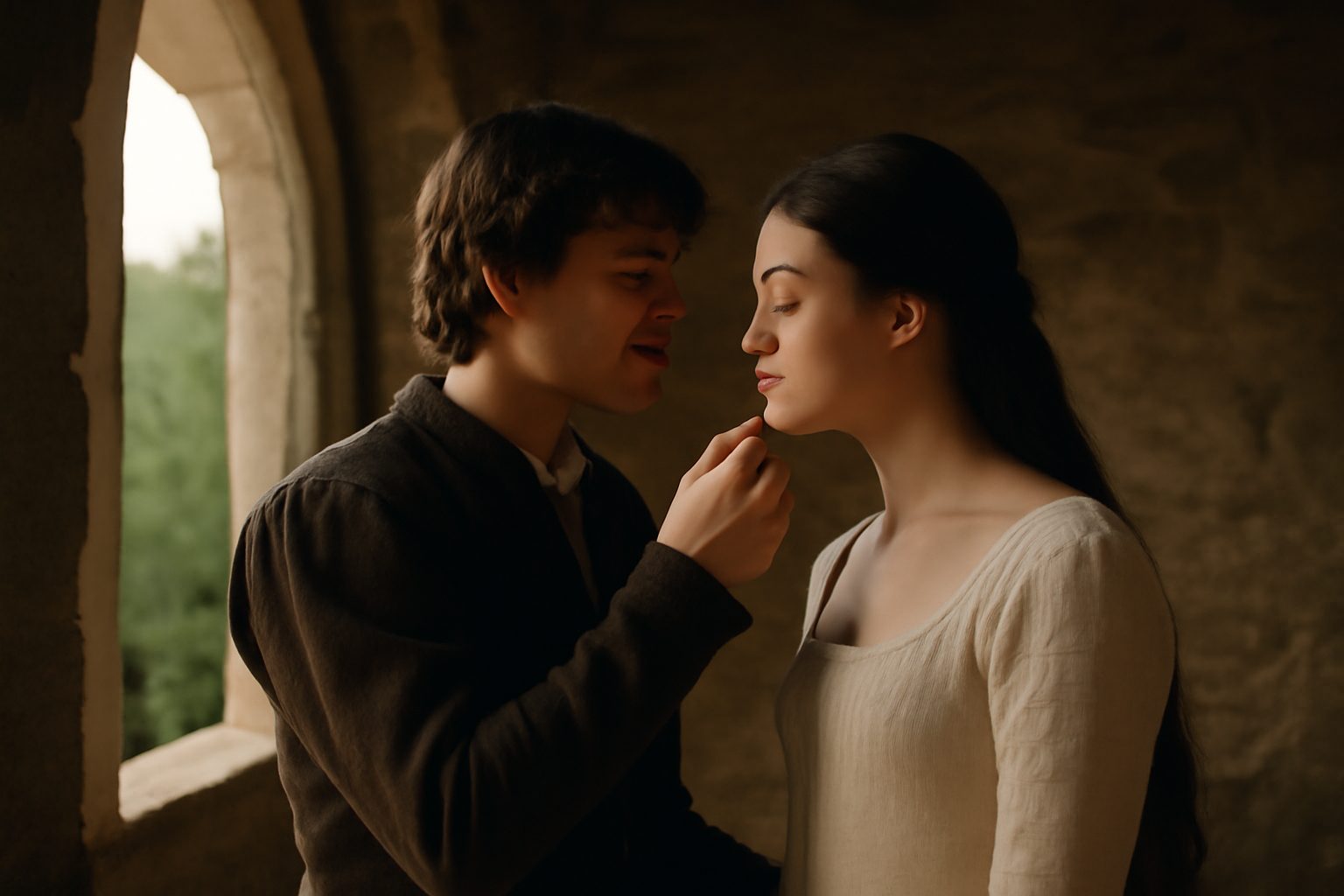
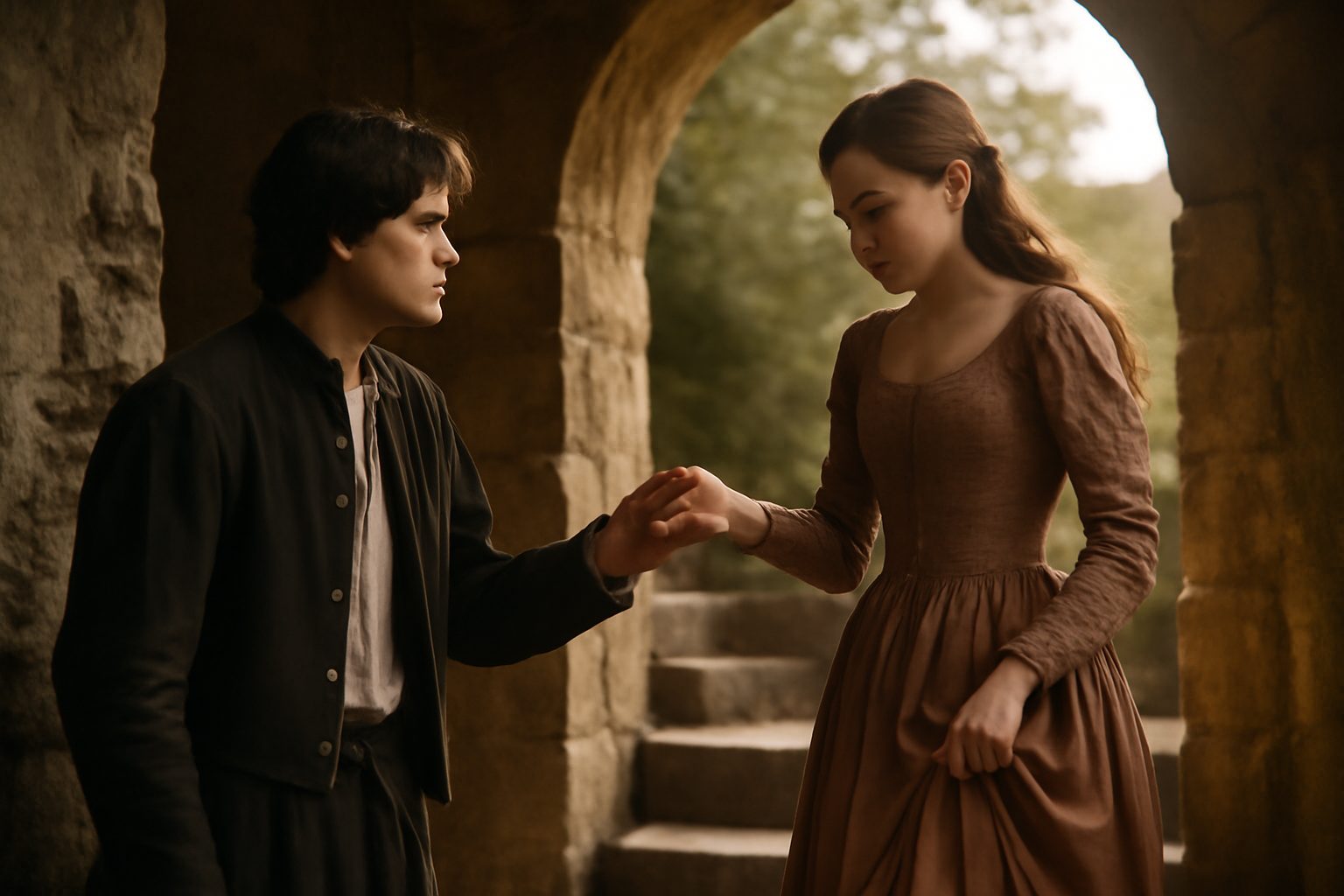
In Act 2, Scene 6 of Romeo and Juliet, Friar Laurence warns Romeo about the intensity of his love for Juliet, comparing it to a flame that burns too brightly. This line speaks to the fleeting nature of their passion, suggesting that even the sweetest pleasures can vanish quickly if indulged without moderation. The moment foreshadows the tragic consequences of their impulsive devotion.
Friar Laurence: "Which as they kiss consume: the sweetest honey"
In modern day english, we would say:
The sweetest honey becomes unpleasant when you have too much of it, just like their passionate love that burns intensely as they kiss.
Frequently Asked Questions
What does Friar Laurence compare to honey in this line?
He compares love to honey.
Connections to other verses:
Connections to "Which as they kiss consume: the sweetest honey"
The verse "Which as they kiss consume: the sweetest honey" is part of Friar Laurence's warning about the intensity of love and its potential dangers. It connects thematically and structurally with several other verses in the scene.
Imagery of Consumption and Excess
This line directly relates to "Is loathsome in his own deliciousness" and "And in the taste confounds the appetite", which together form a metaphor about how excessive sweetness (or love) can become overwhelming or destructive. The idea of consumption is echoed in "And in their triumph die, like fire and powder", reinforcing the theme of love's violent potential.
Warnings About Love's Intensity
Friar Laurence's cautionary tone in this verse is mirrored in "These violent delights have violent ends" and "Therefore love moderately; long love doth so". These lines collectively emphasize the need for balance and moderation in love to avoid its self-destructive tendencies.
Contrast with Romeo's Idealistic View
While the Friar warns of love's dangers, Romeo's lines, such as "It is enough I may but call her mine" and "But my true love is grown to such excess", highlight his unwavering, passionate commitment, creating a dramatic contrast with the Friar's wiser, more measured perspective.
Symbolic and Poetic Links
The imagery of lightness and fragility in "A lover may bestride the gossamer" and "And yet not fall; so light is vanity" contrasts with the consuming, heavy nature of the honey metaphor, yet both explore love's paradoxical qualities—its delicacy and its power.