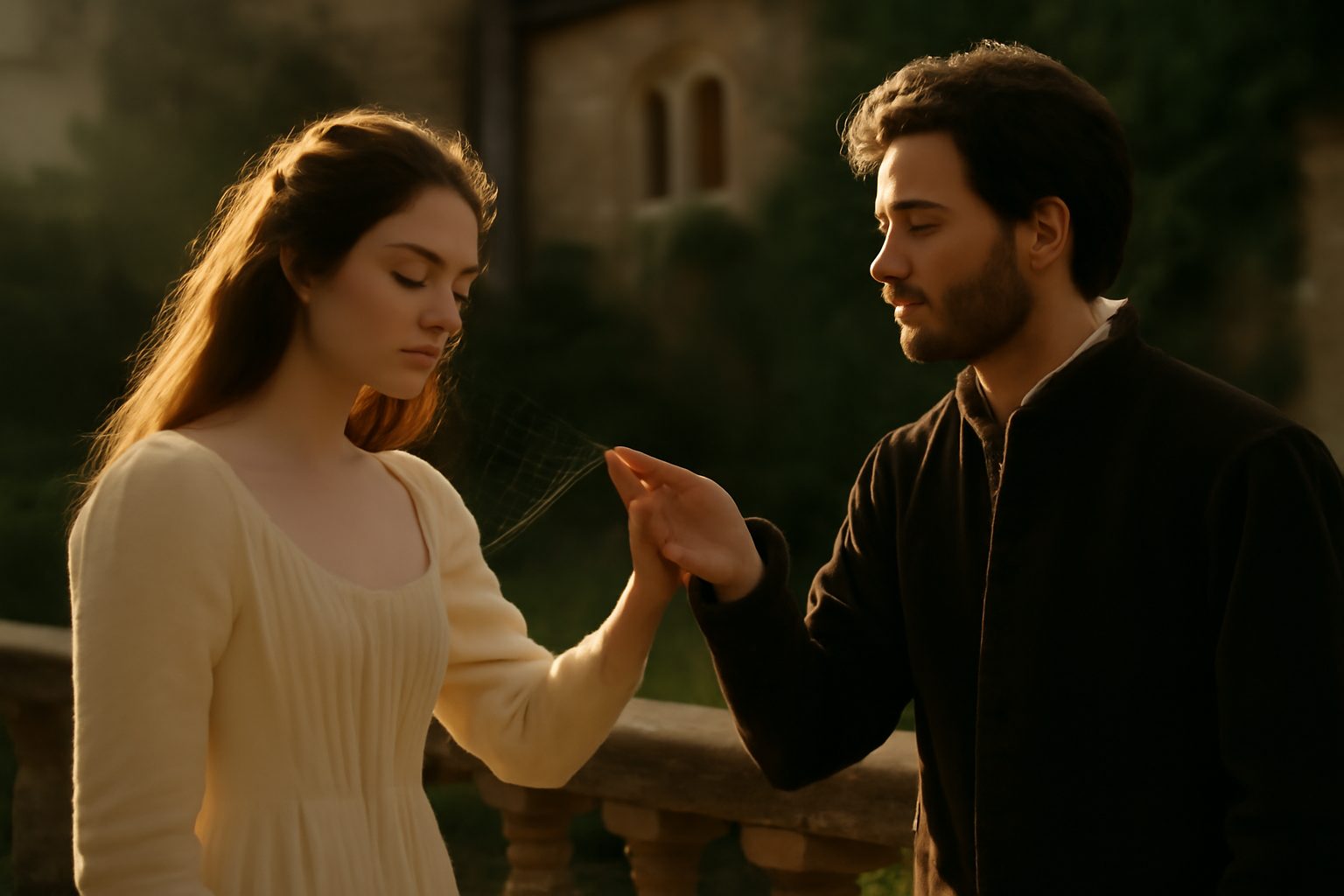
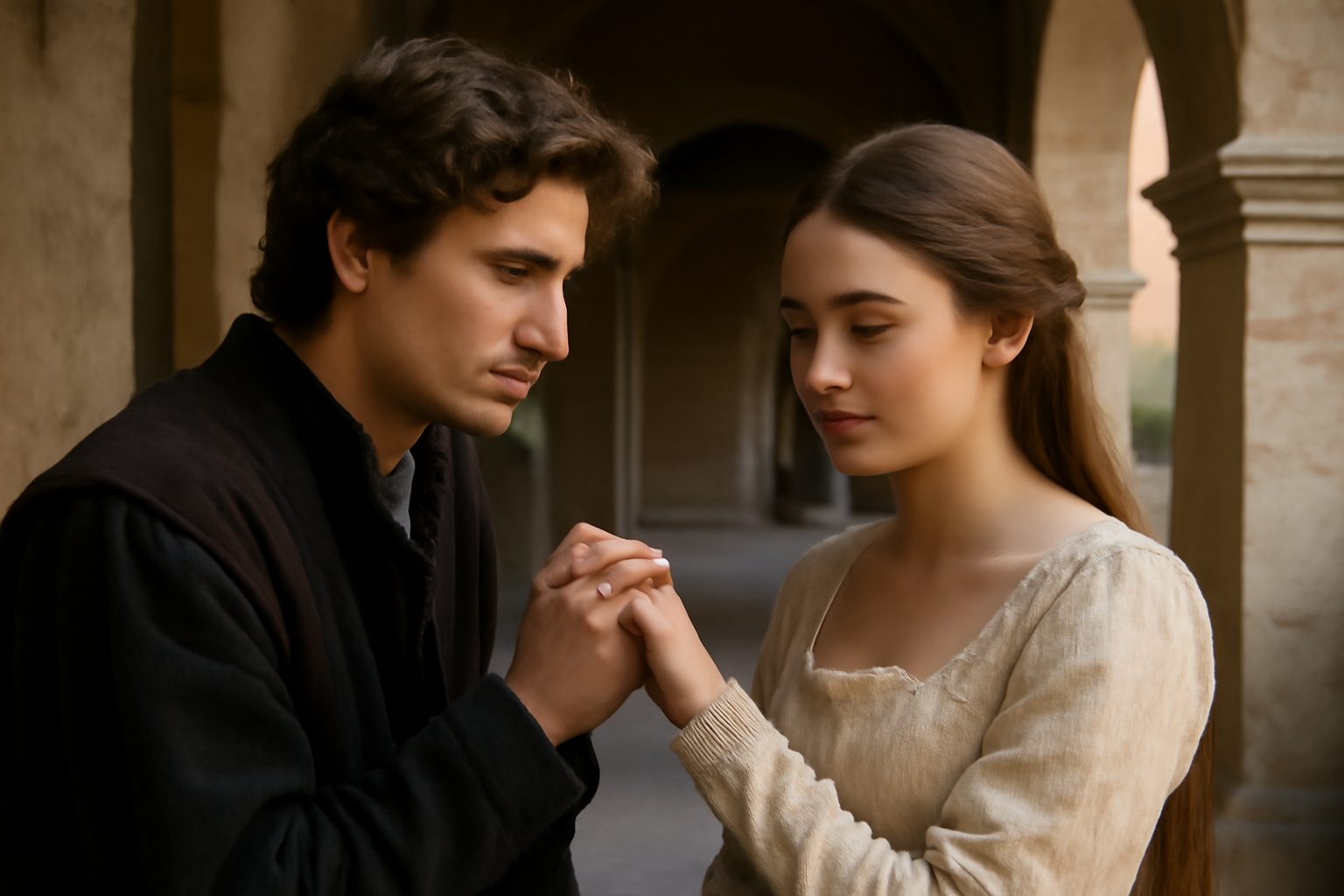
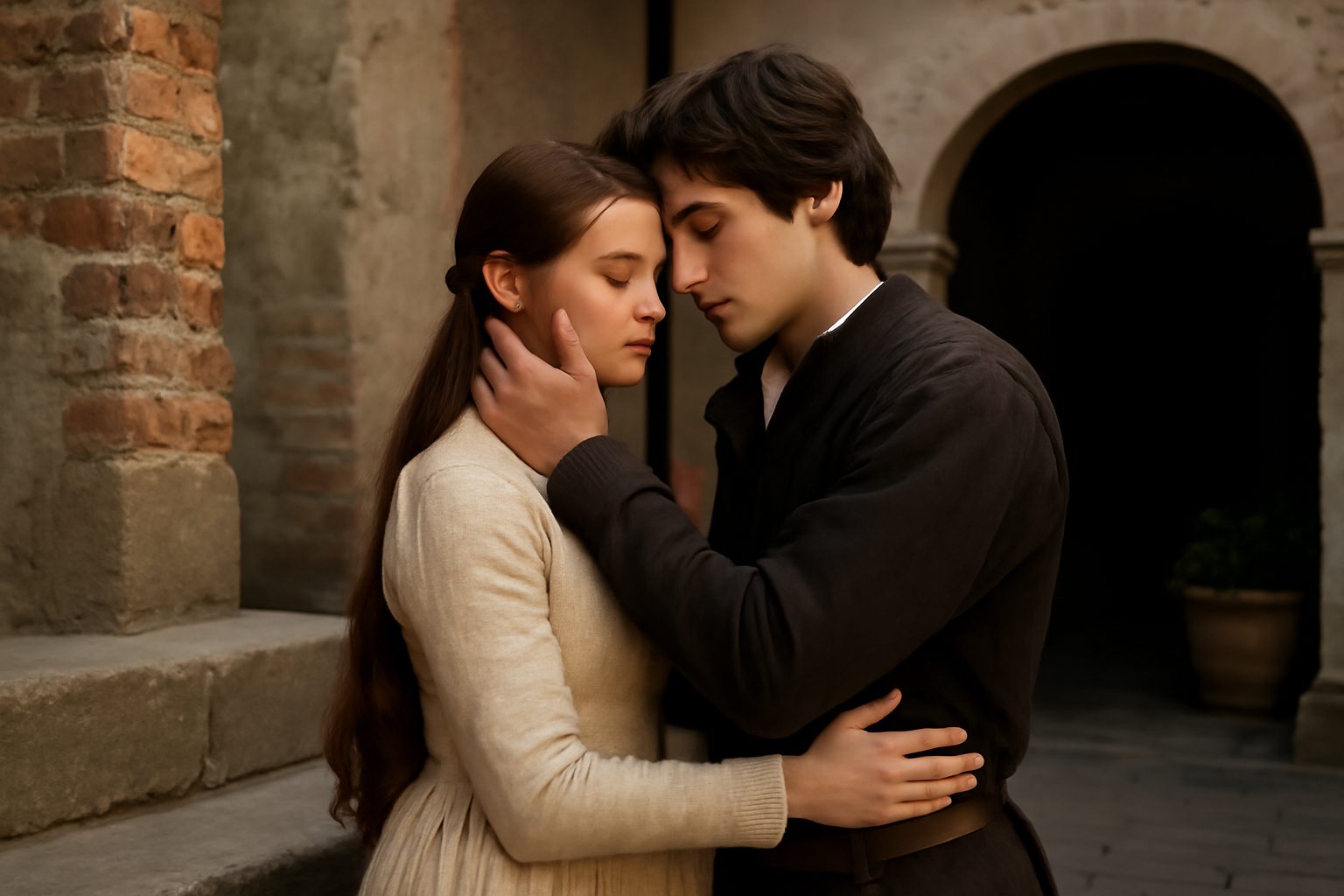
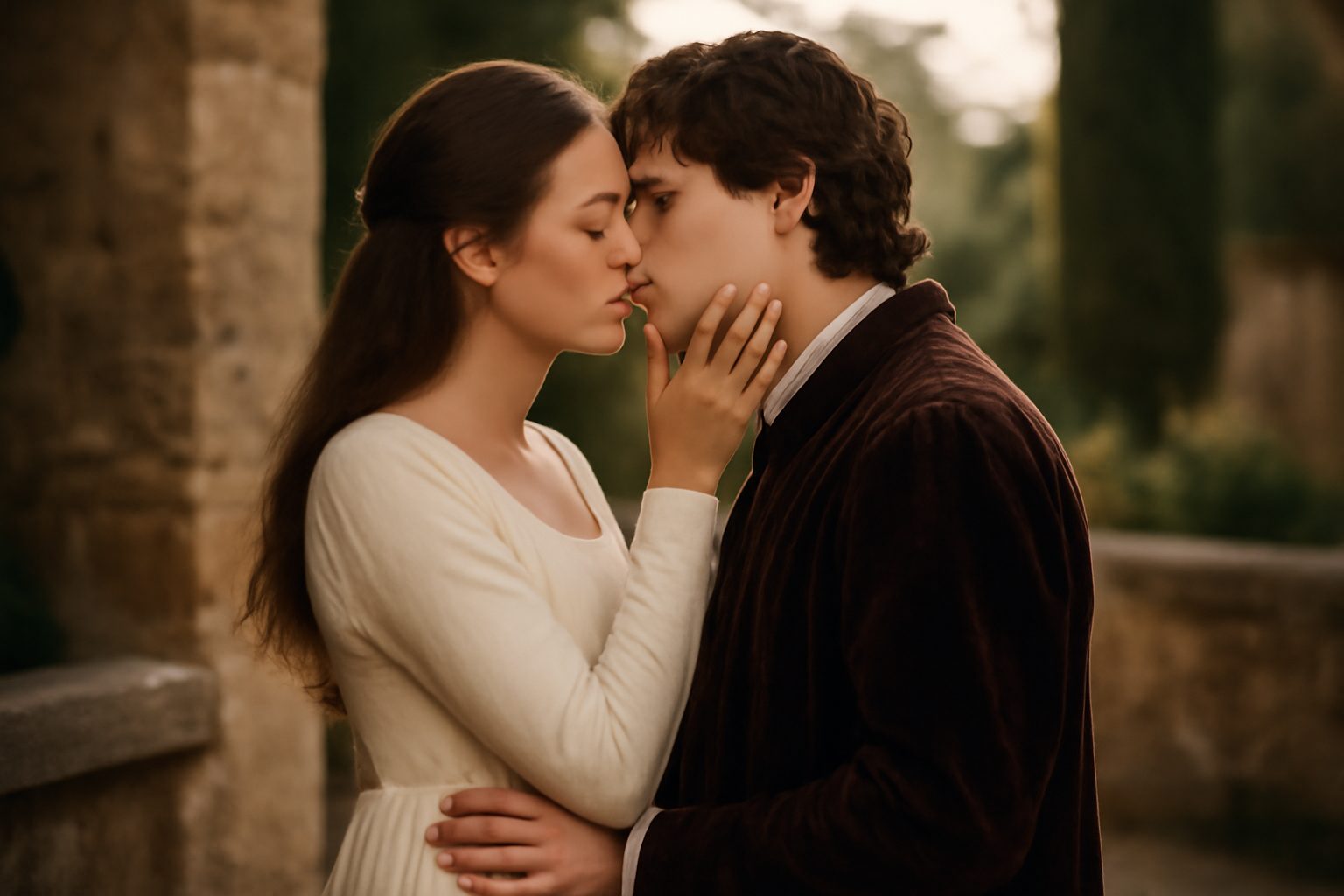
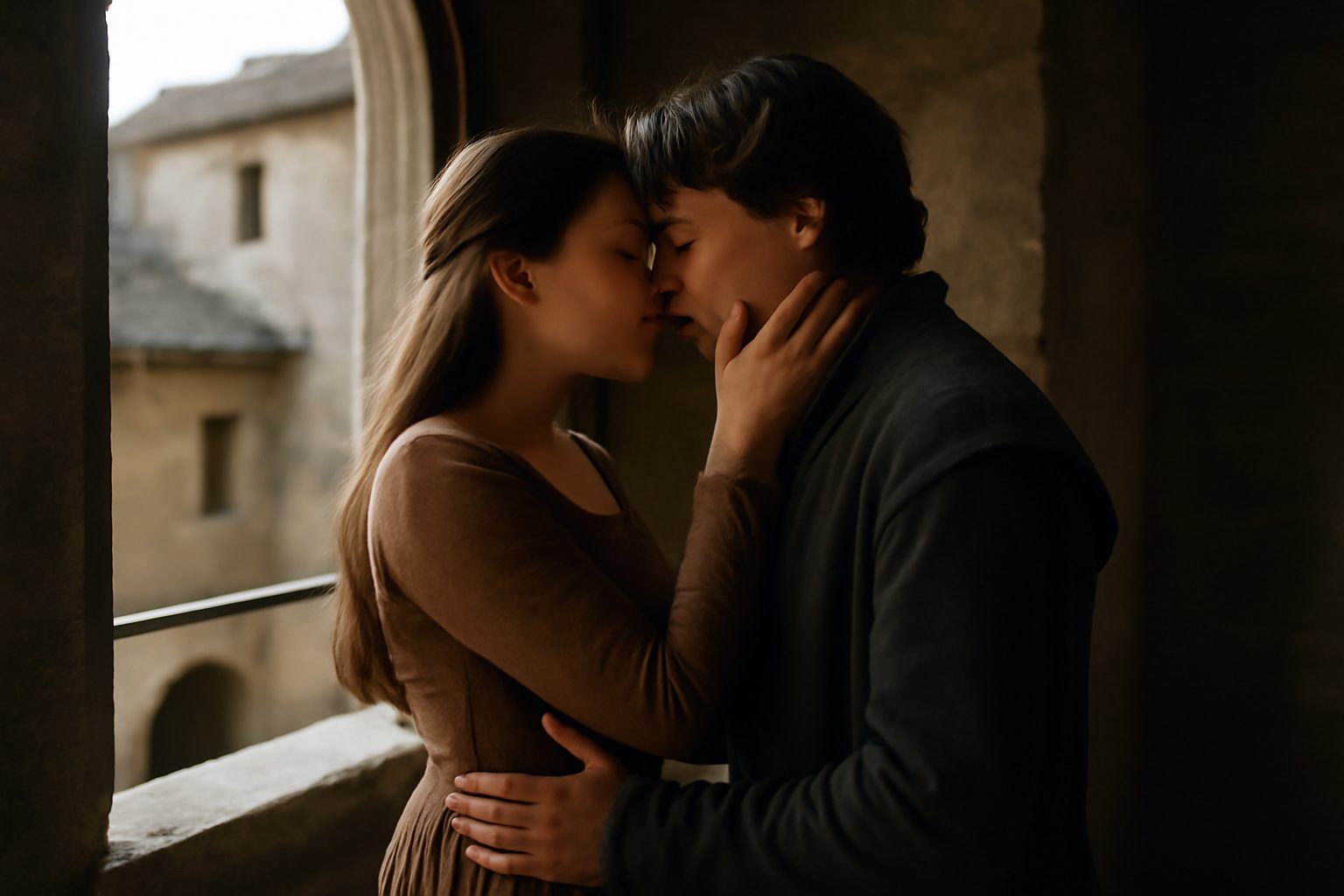
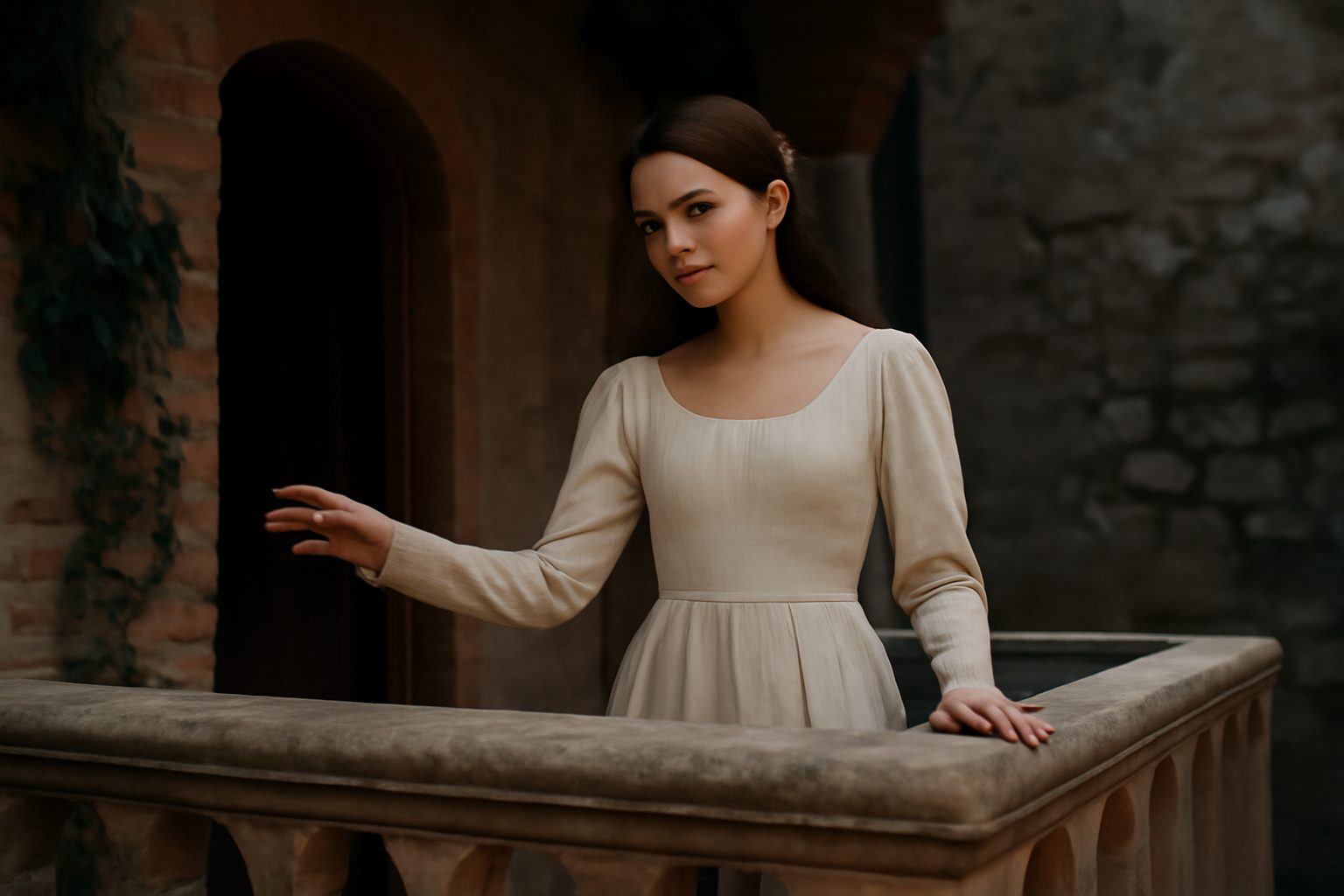
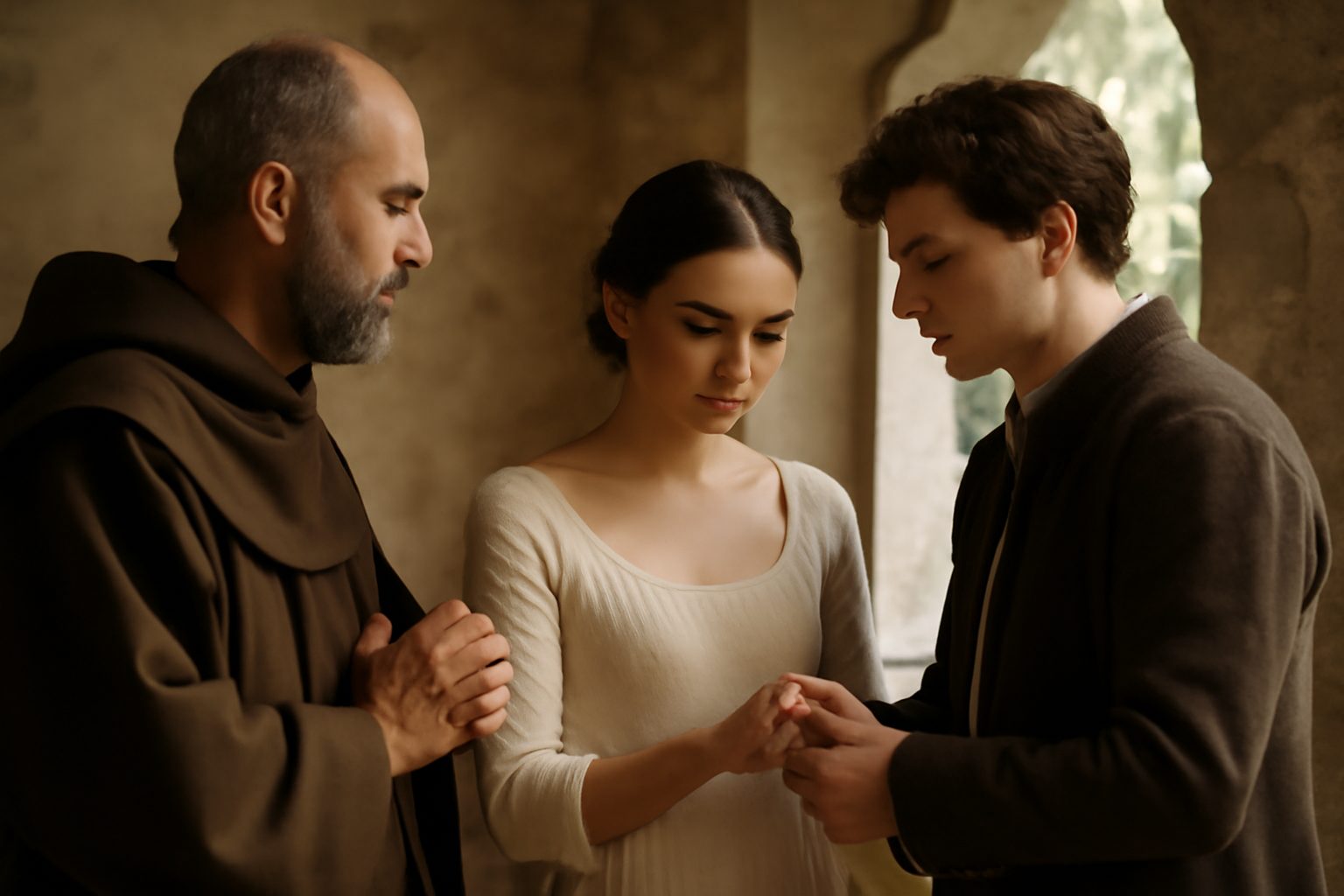
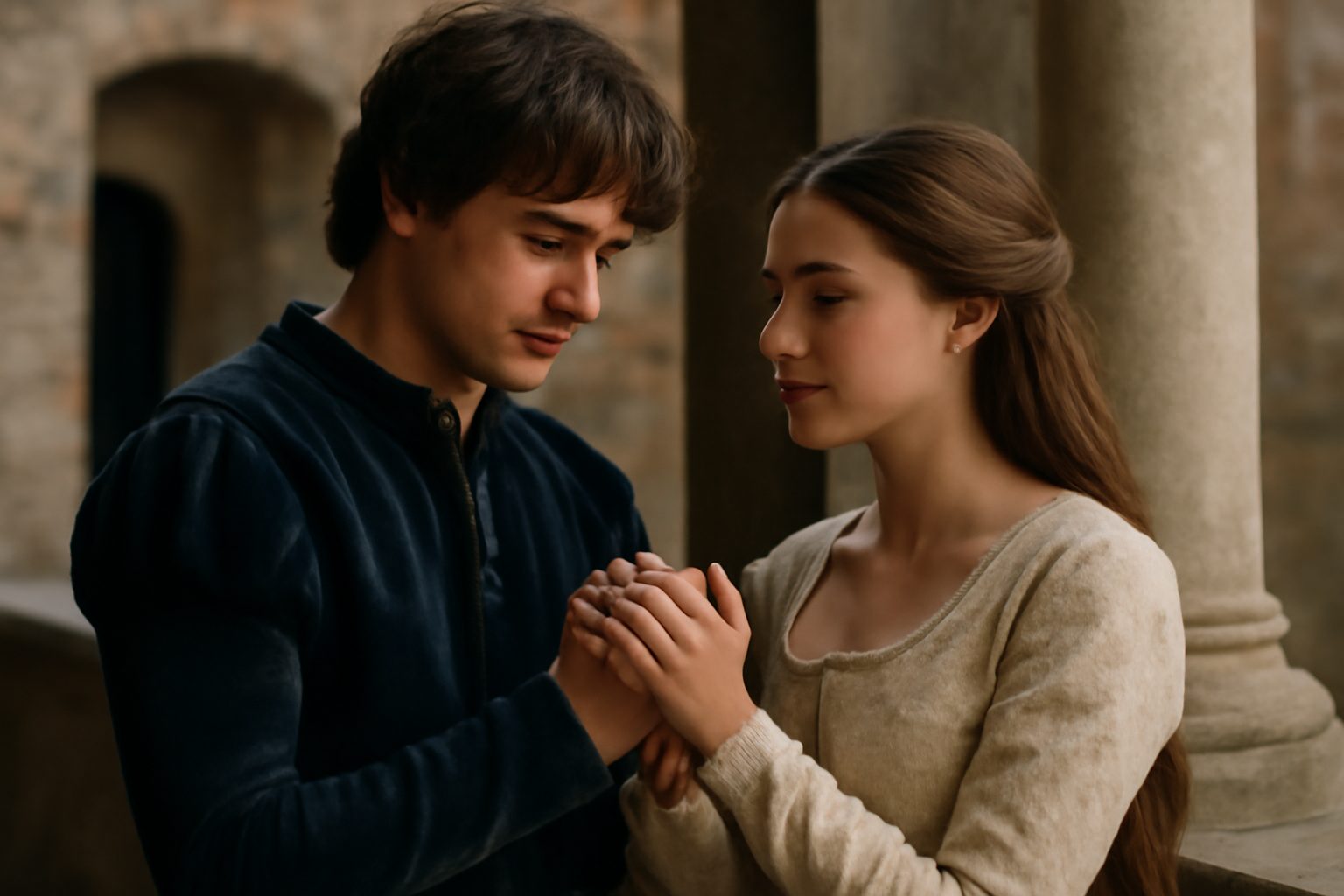
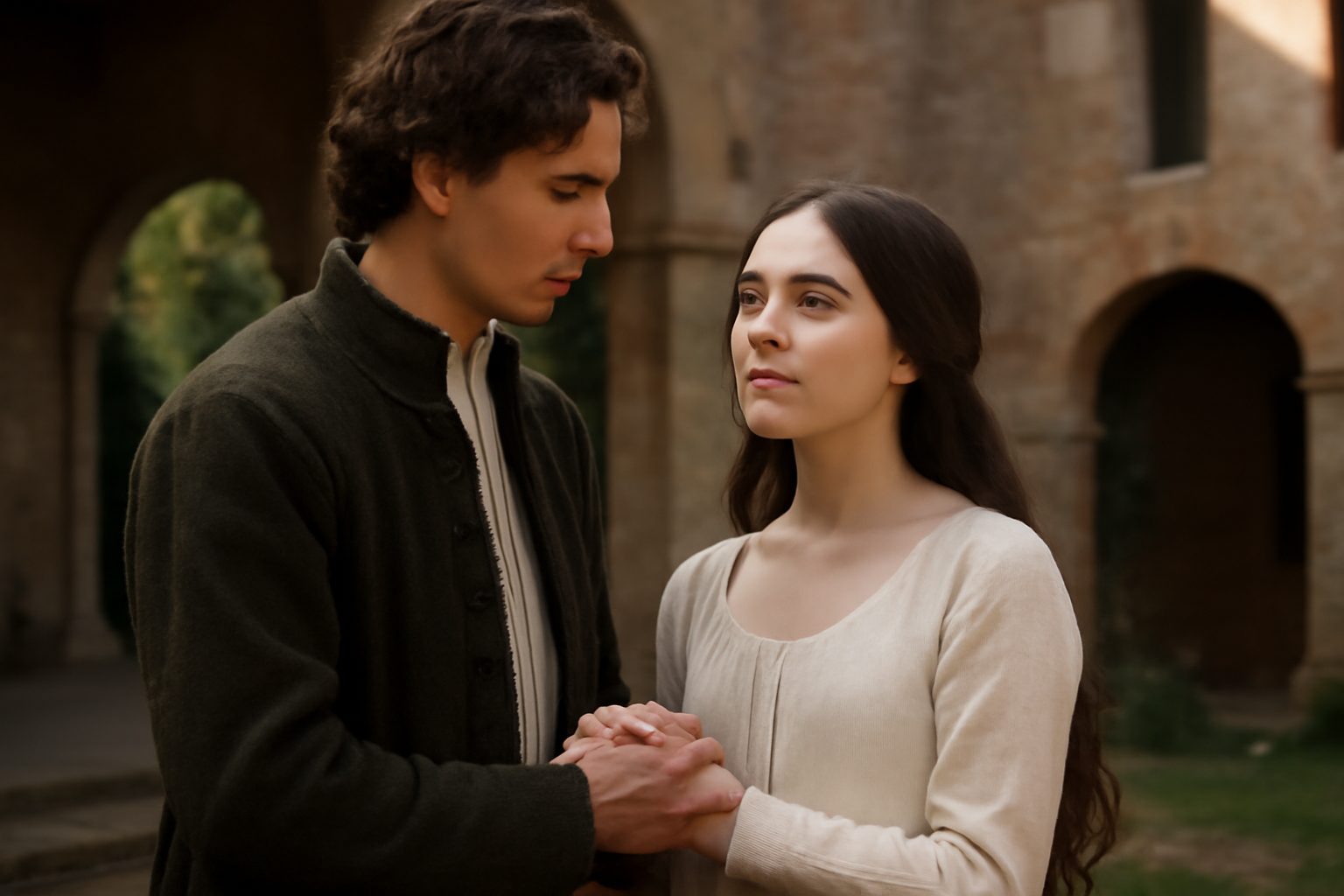
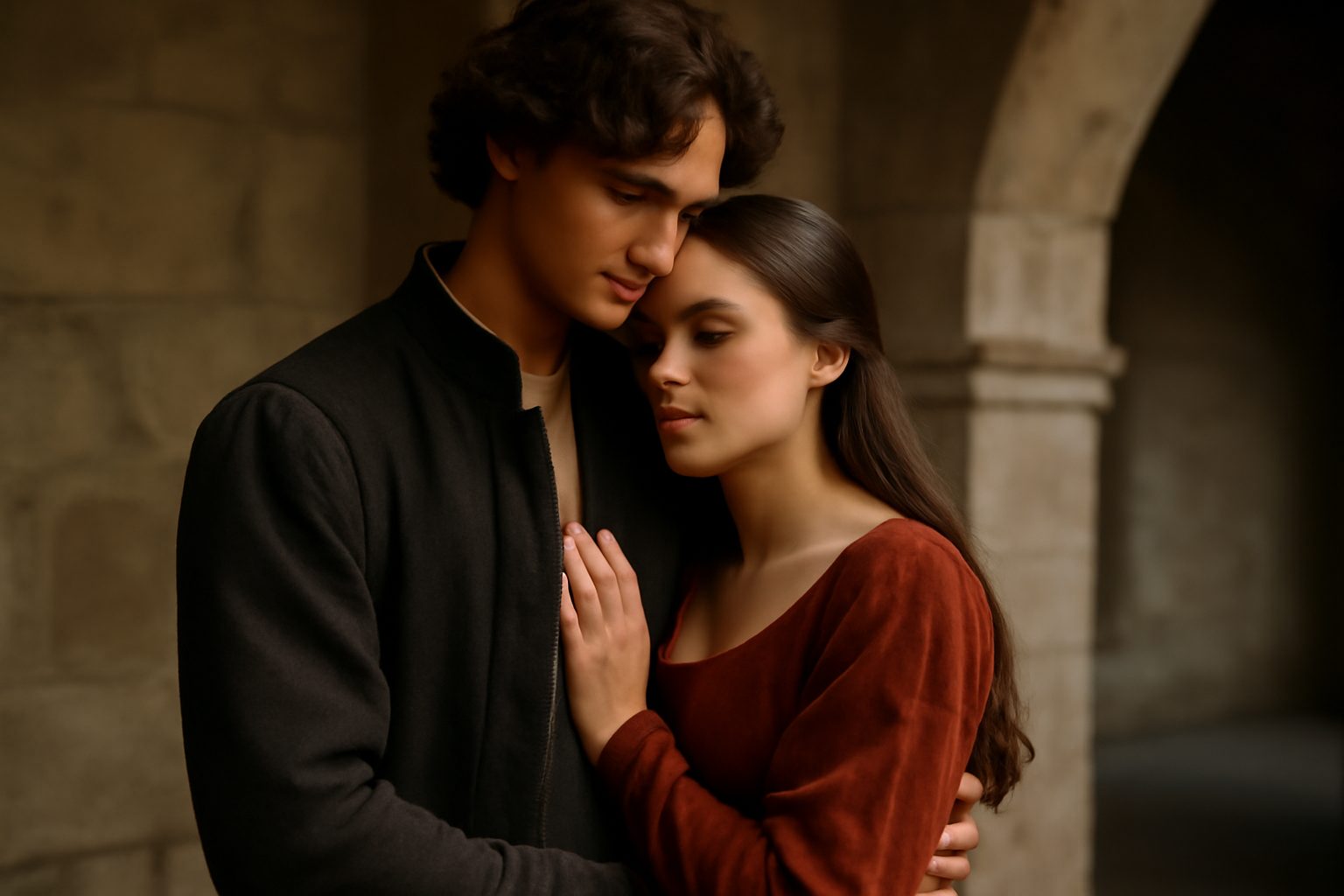
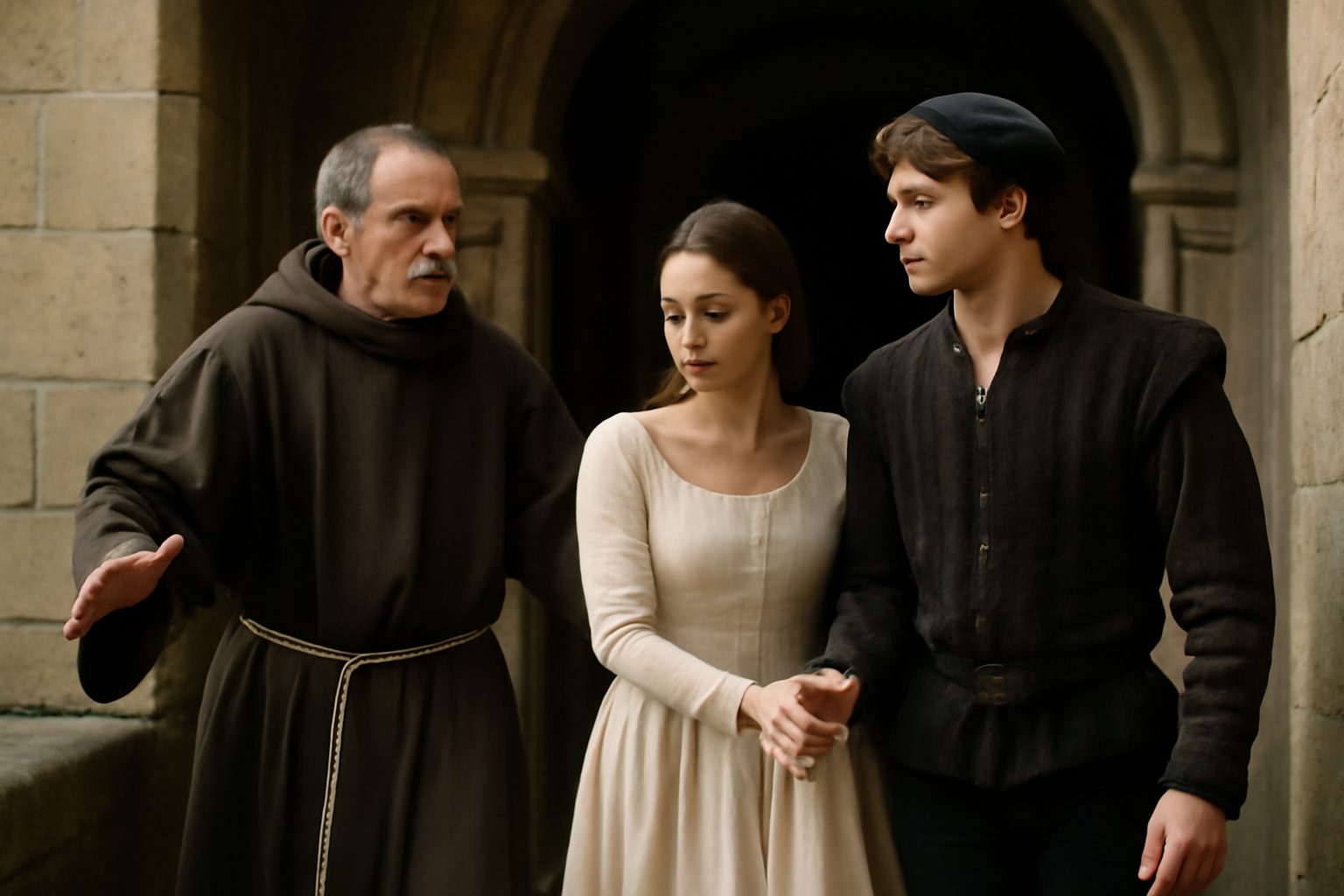
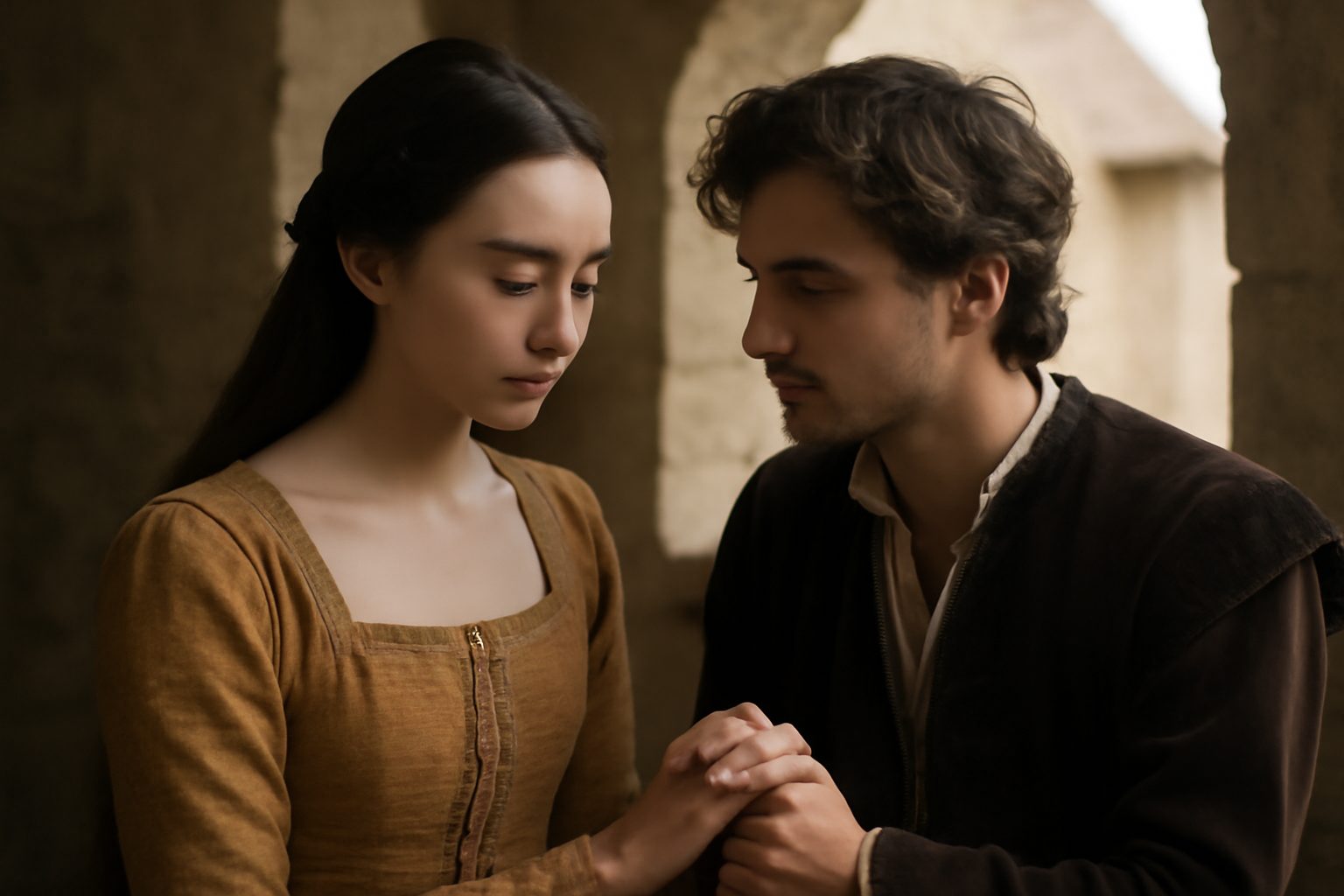
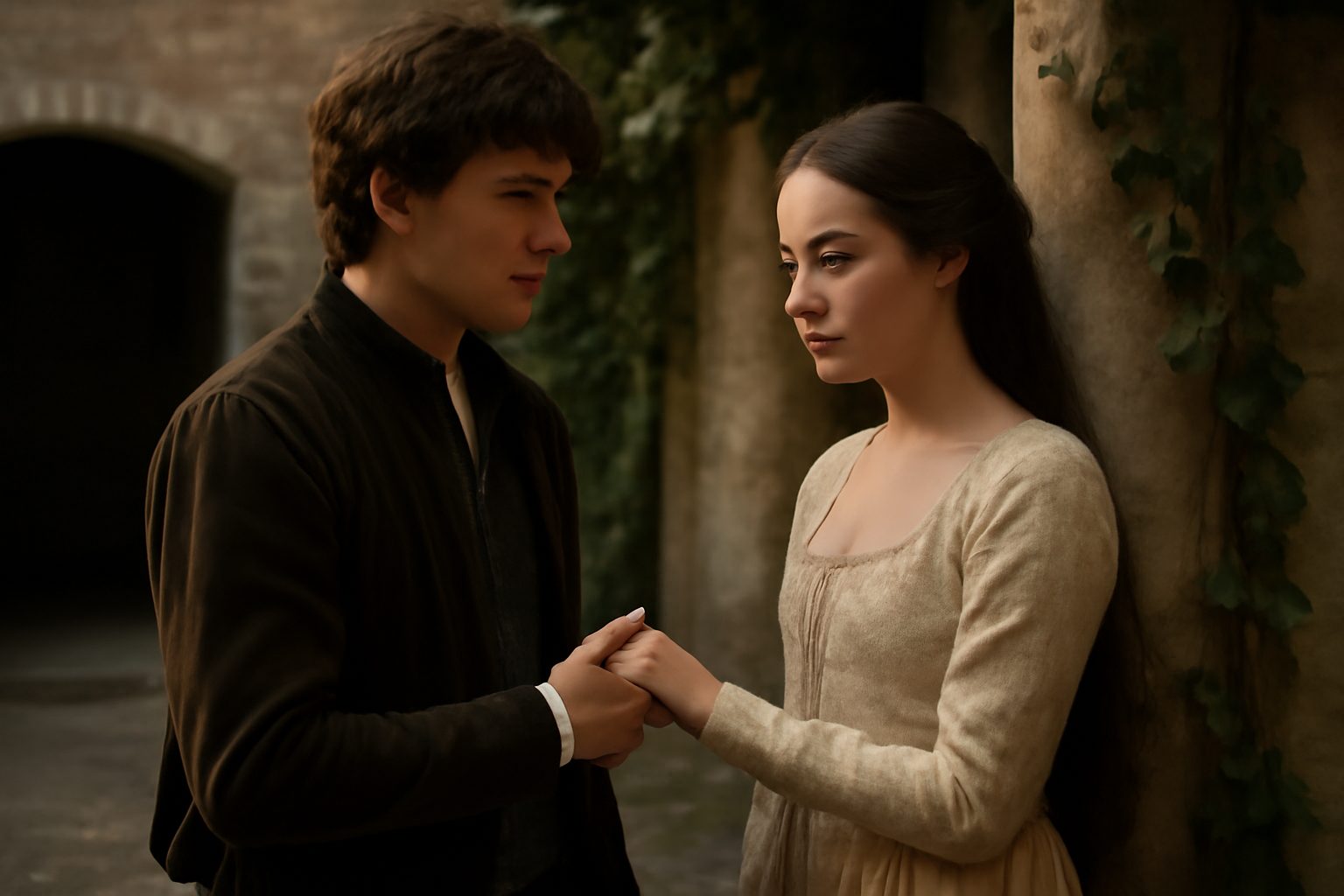
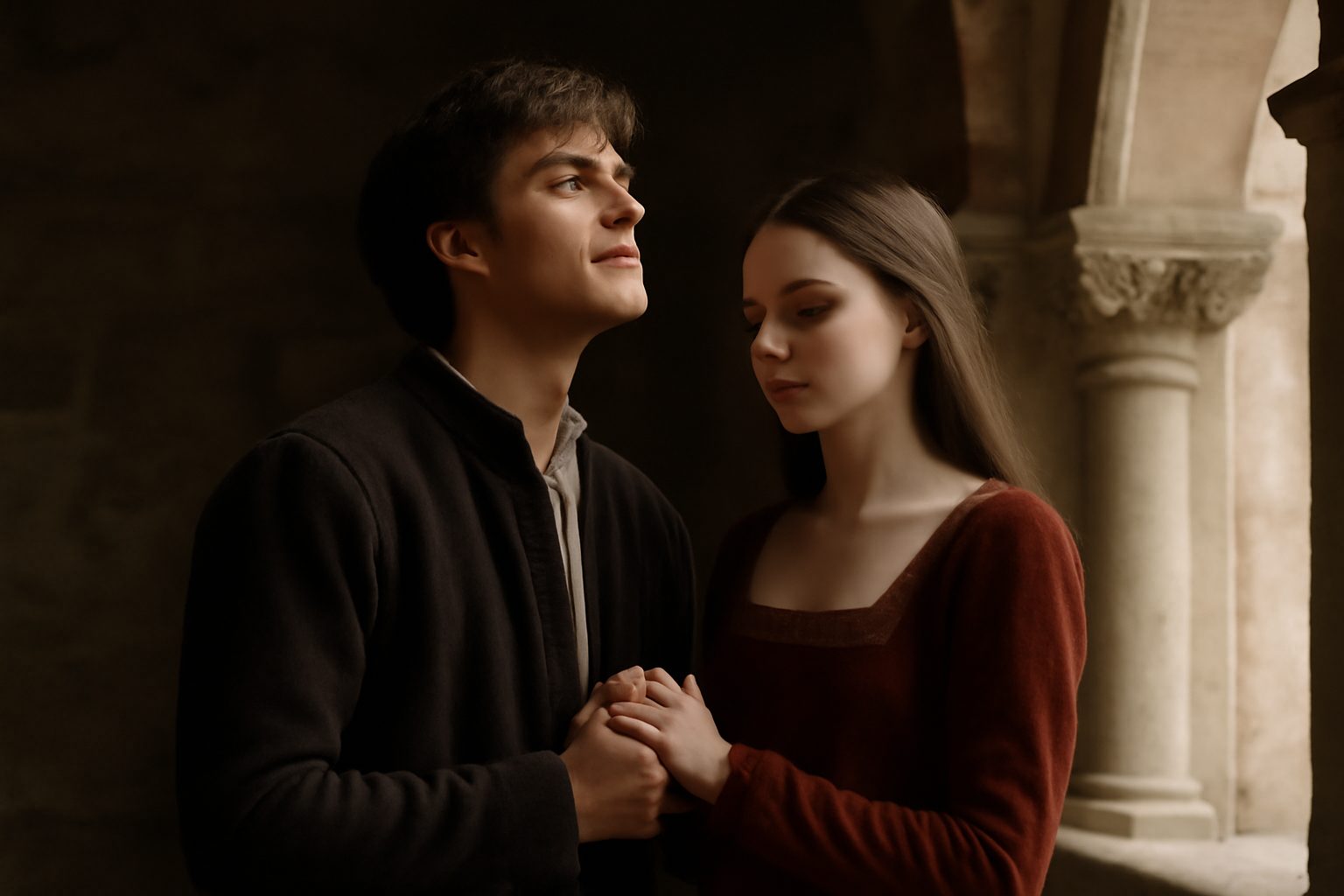
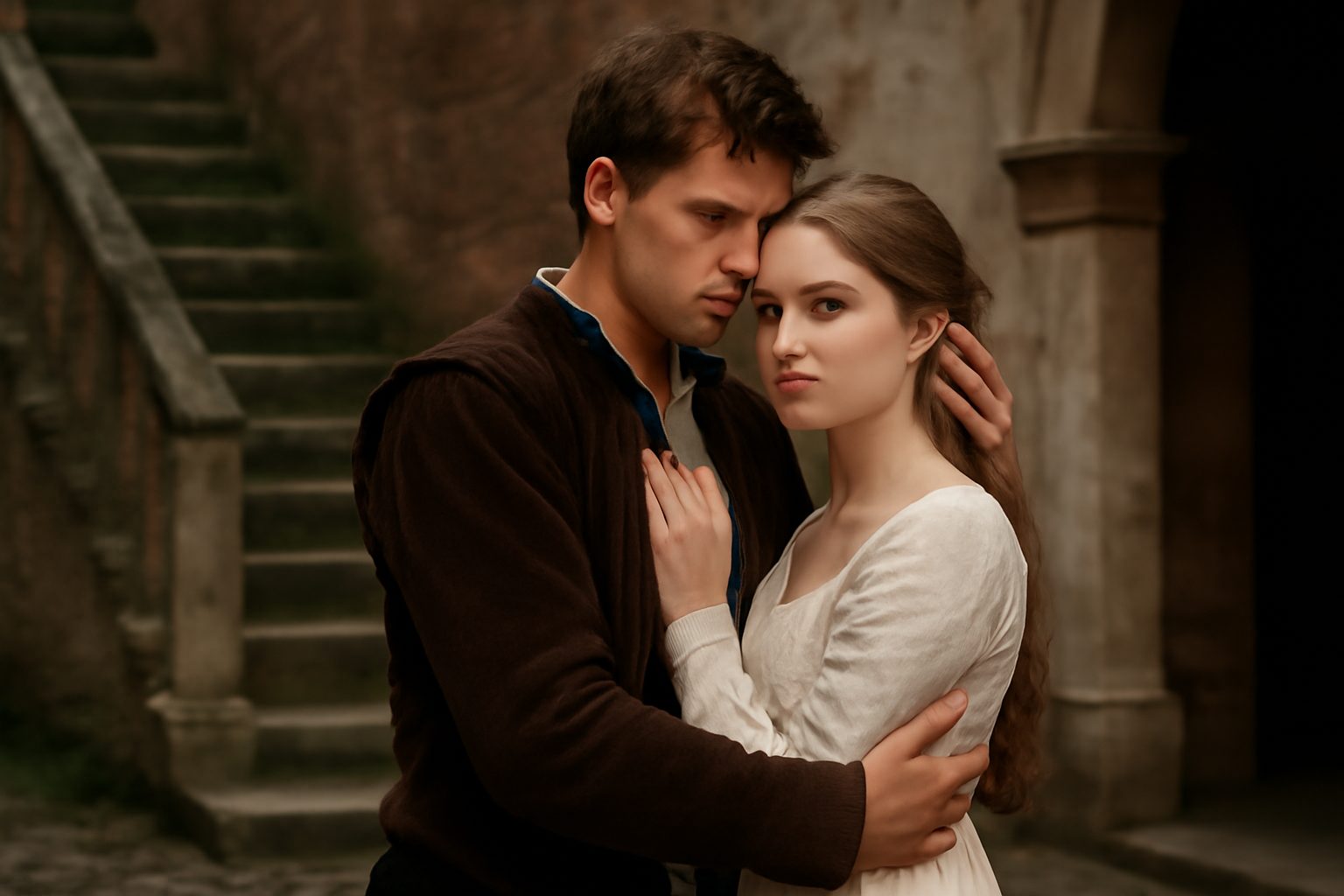
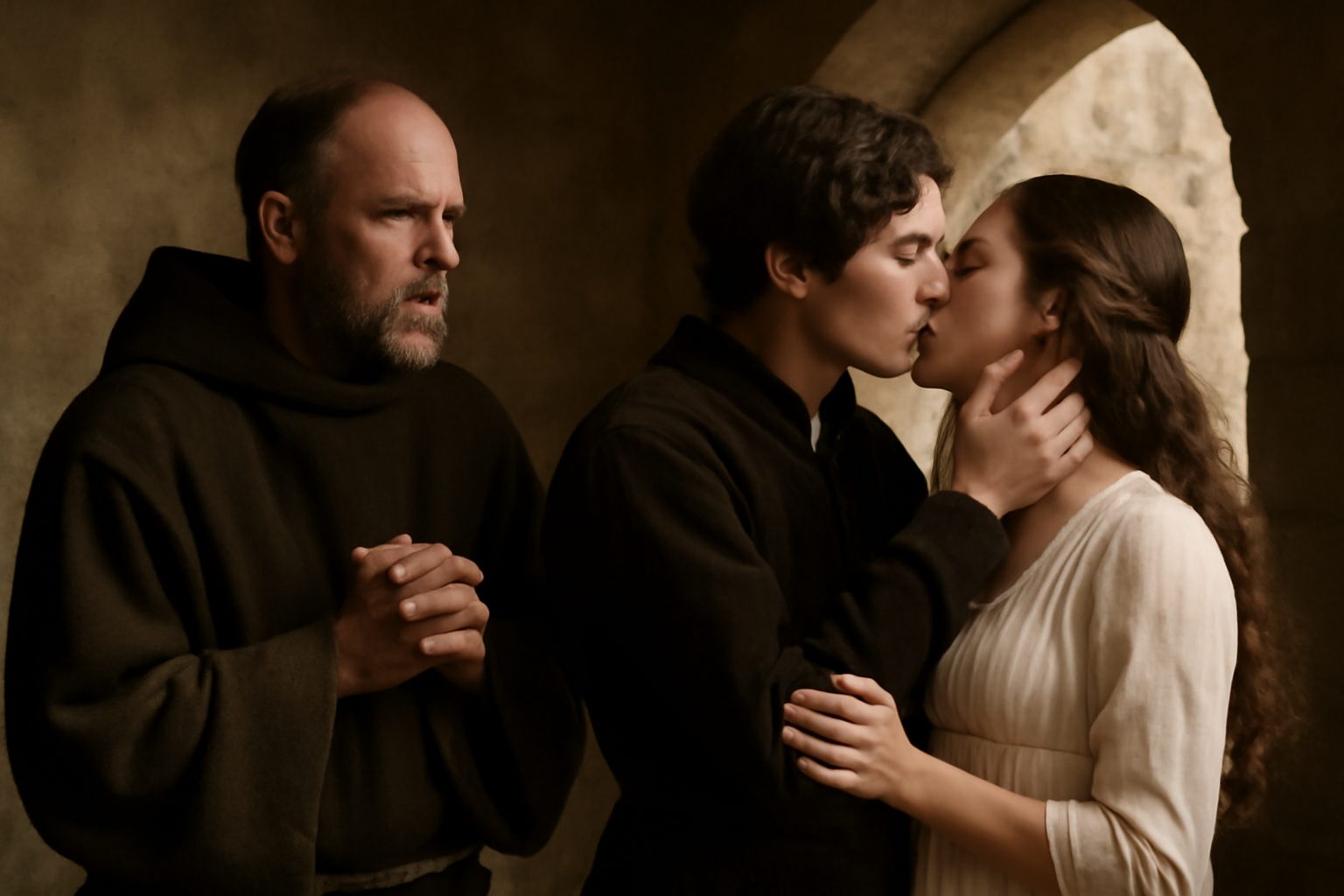
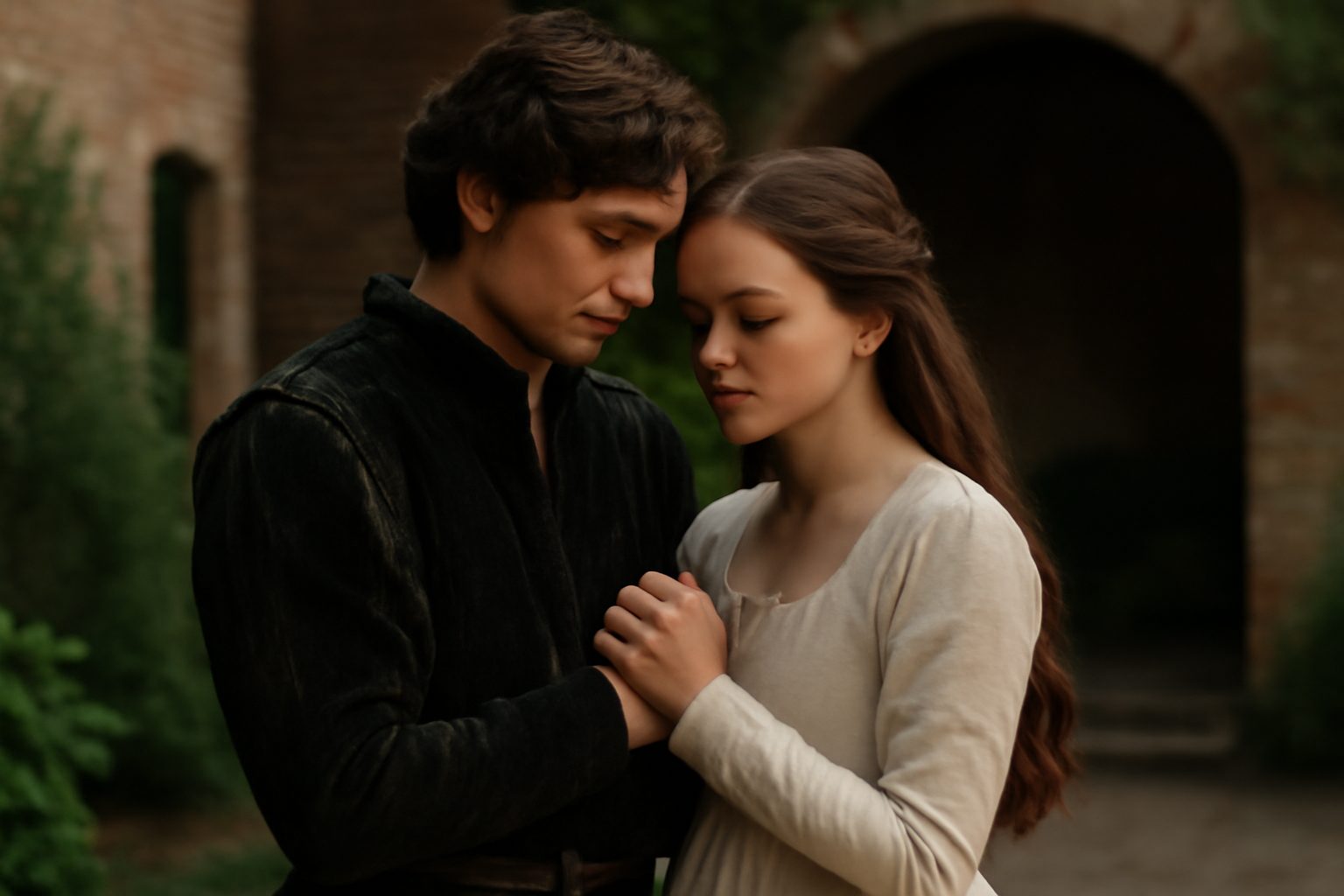
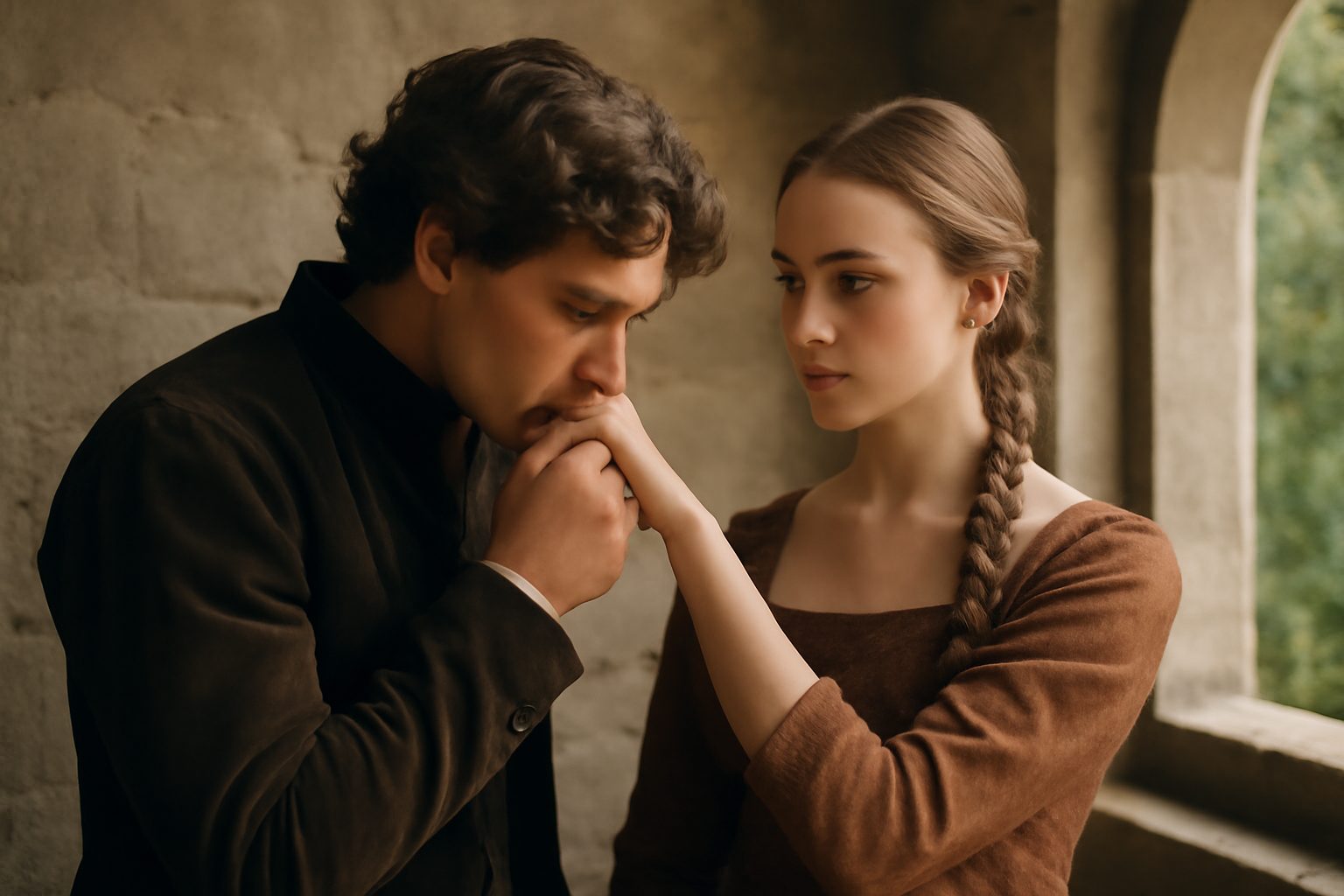
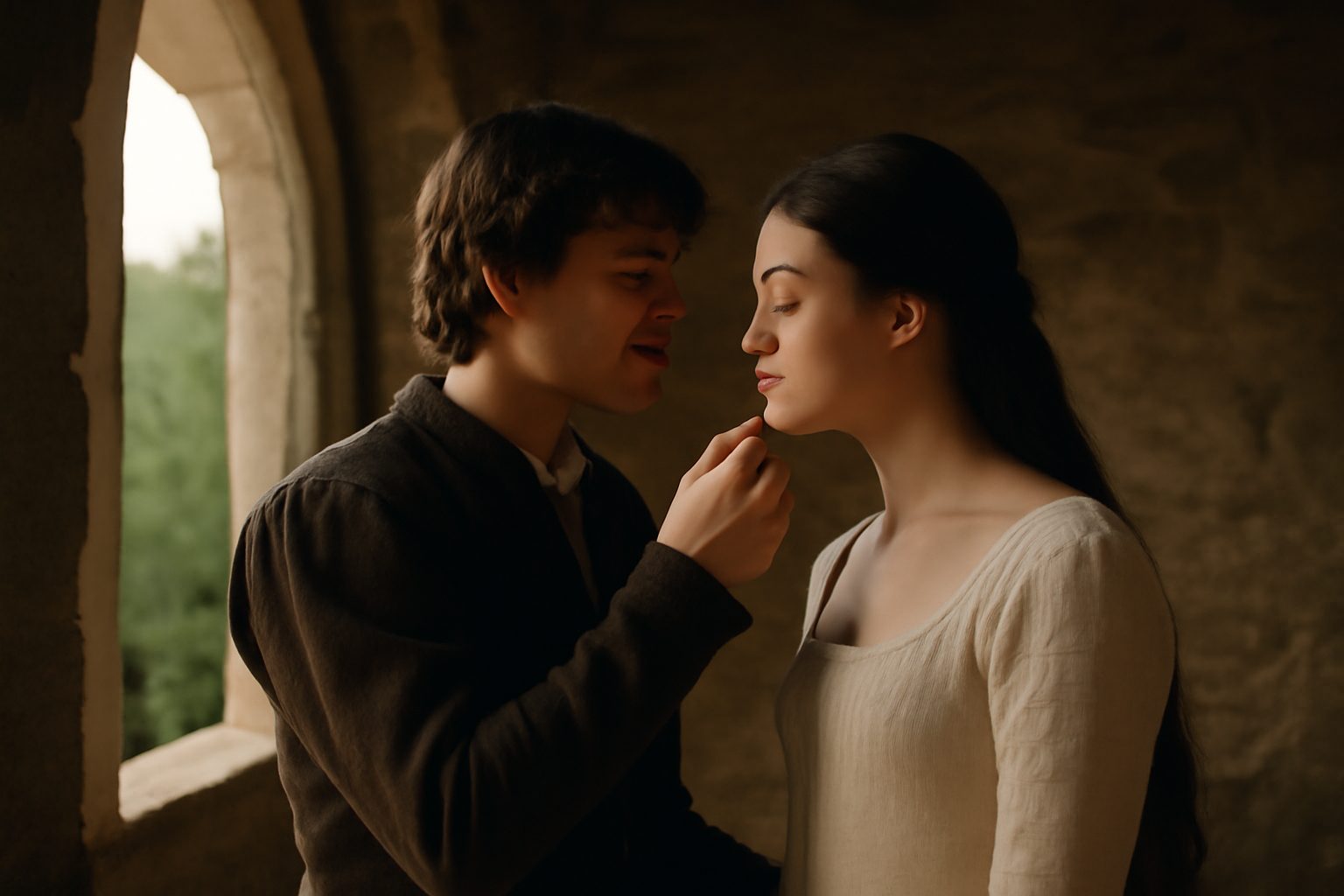
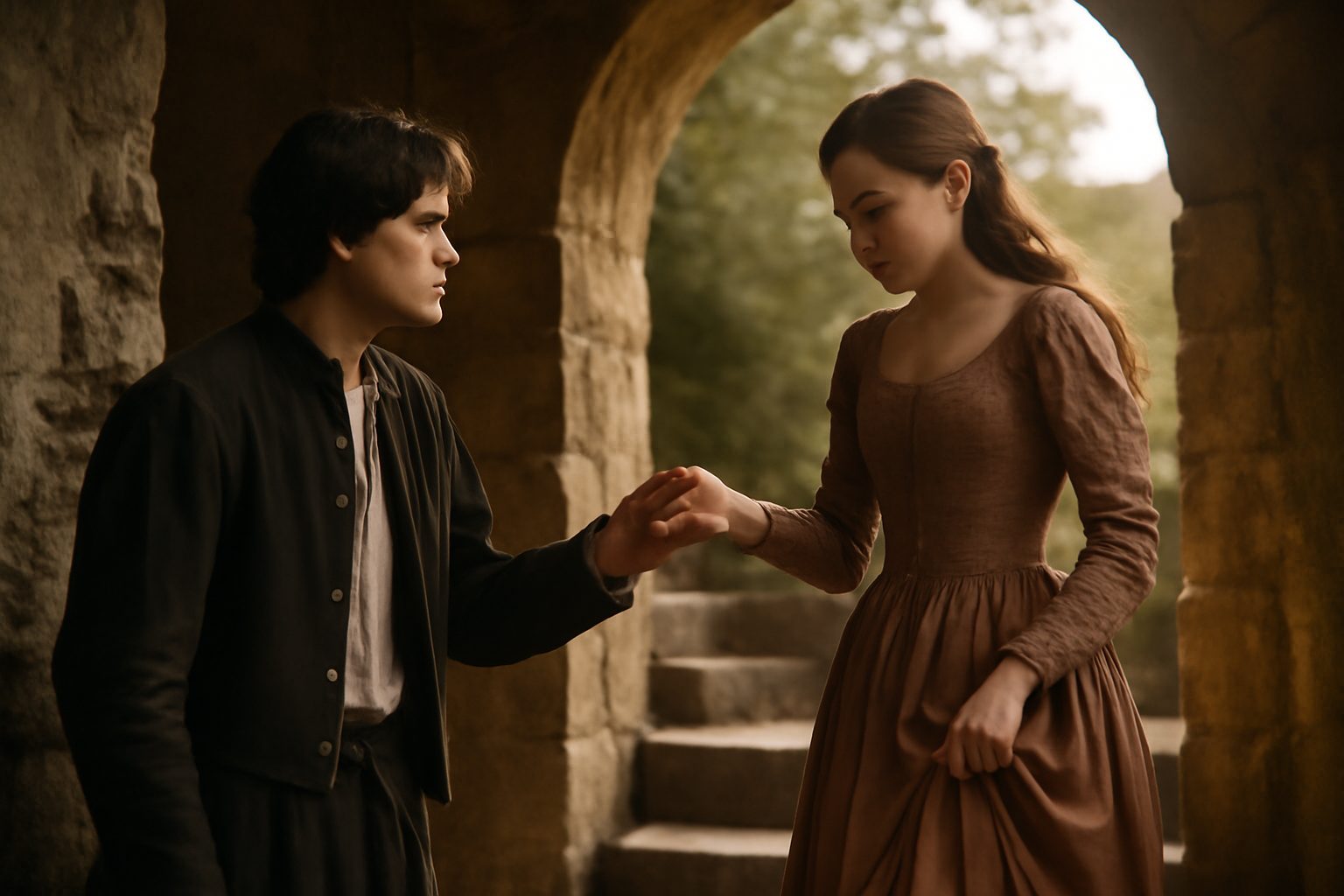
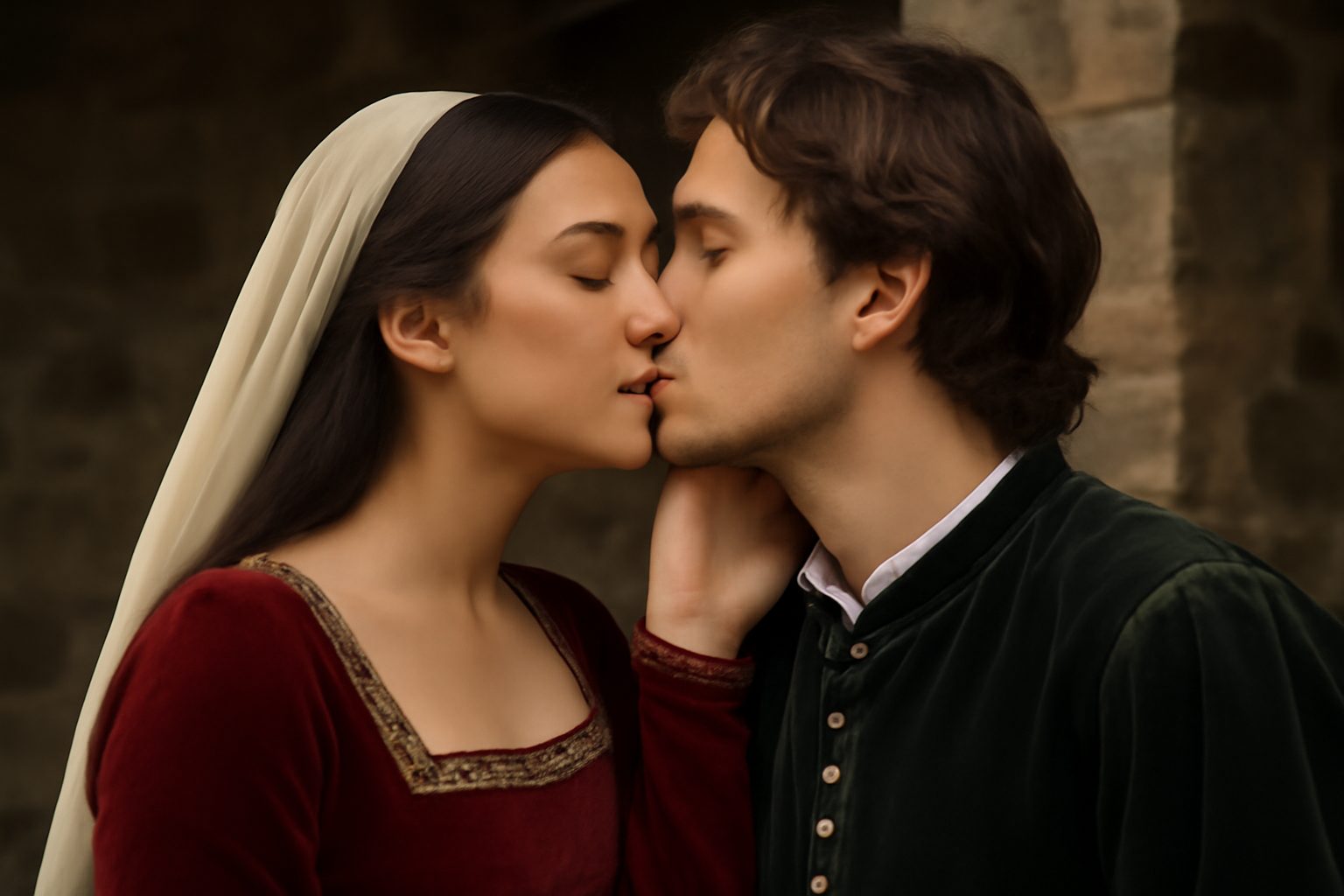
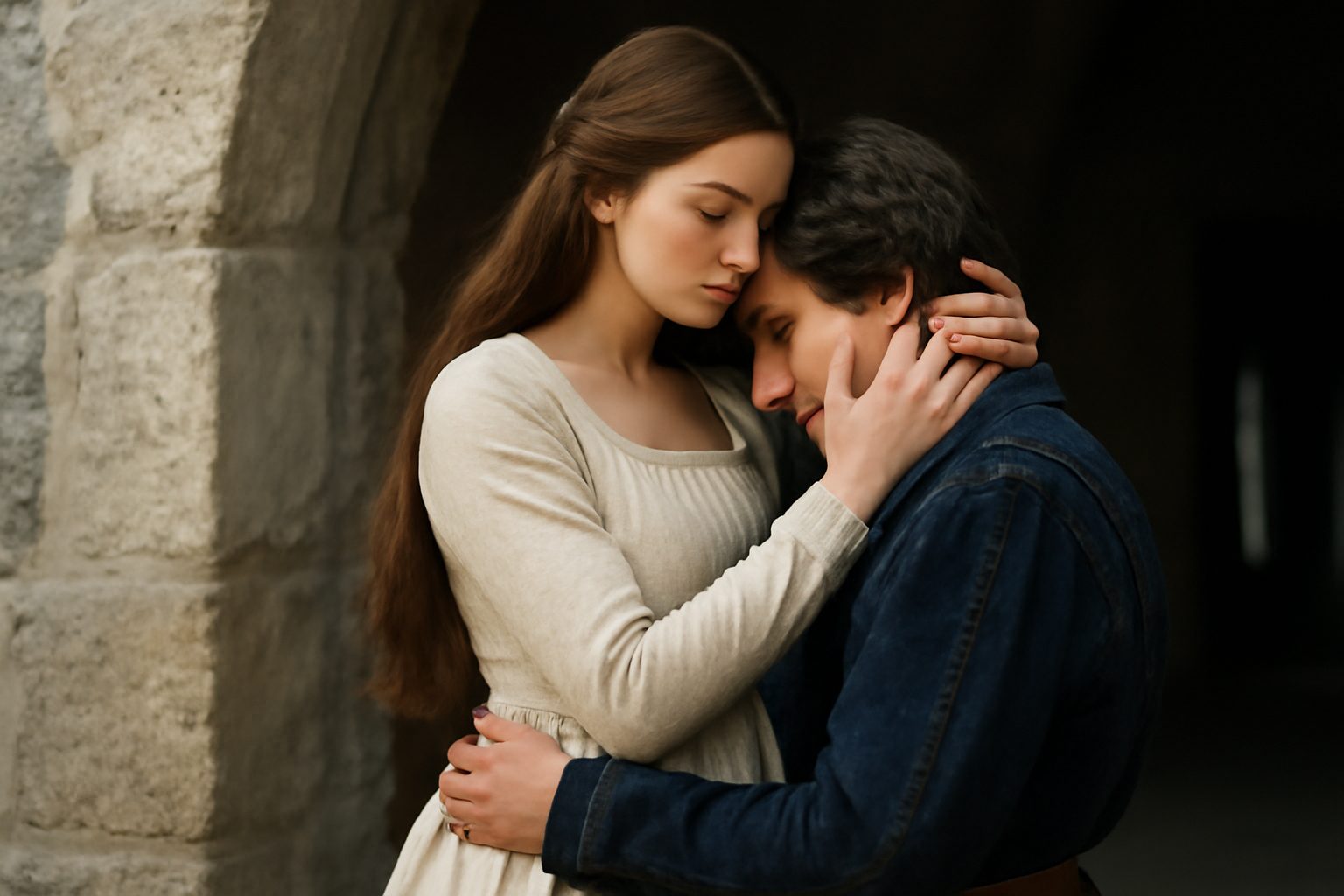
In Act 2, Scene 6 of Romeo and Juliet, Friar Laurence reflects on the paradoxical nature of intense pleasure, warning that even the sweetest things can become overwhelming or sickening when taken to excess. This line captures his cautious tone as he prepares to marry the young lovers in secret, sensing the danger in their reckless passion. The moment foreshadows the tragedy that arises from their unchecked devotion.
Friar Laurence: "Is loathsome in his own deliciousness"
In modern day english, we would say:
Something can be so sweet and rich that it becomes sickening or unpleasant.
Frequently Asked Questions
What does Friar Laurence mean when he says that something can be unpleasant even though it is very enjoyable?
Friar Laurence is warning that too much of a good thing can become harmful or disgusting, like eating too much honey and finding it sickening.
Connections to other verses:
Connections to "Is loathsome in his own deliciousness"
The verse "Is loathsome in his own deliciousness" is part of Friar Laurence's warning about the dangers of excessive passion. This theme is echoed in "These violent delights have violent ends", which directly precedes it and reinforces the idea that overwhelming emotions can lead to destruction.
Related Imagery and Themes
The concept of excess is further explored in "And in the taste confounds the appetite", which continues the metaphor of overindulgence making something initially pleasurable become repulsive. Similarly, "Which as they kiss consume: the sweetest honey" uses honey as a symbol for love that can be consumed too greedily, tying back to the idea of deliciousness turning loathsome.
Friar Laurence's advice to "love moderately; long love doth so" serves as a direct counterpoint, advocating for balance instead of the overwhelming intensity that Romeo embodies. Romeo's own declaration in "But my true love is grown to such excess" illustrates the very excess the Friar warns against, highlighting the tension between their perspectives.
Contrasting Perspectives
While the Friar cautions against haste and excess, Romeo's exuberance is evident in lines like "It is enough I may but call her mine" and "That one short minute gives me in her sight", emphasizing his impatience and intensity. The Friar's pragmatic view contrasts sharply with Romeo's idealized passion, underscoring the central conflict of the scene.
Additionally, the imagery of lightness and weight appears in "And yet not fall; so light is vanity", which metaphorically touches on the frivolity of overwhelming emotion, further connecting to the theme of moderation versus excess.